WikiBiomeThe human microbiome encyclopedia
WikiBiome/Mechanisms
Knowledge domain

Mechanisms

An alphabetical index of mechanisms in the public WikiBiome knowledge base.

240 records in this view
1
A
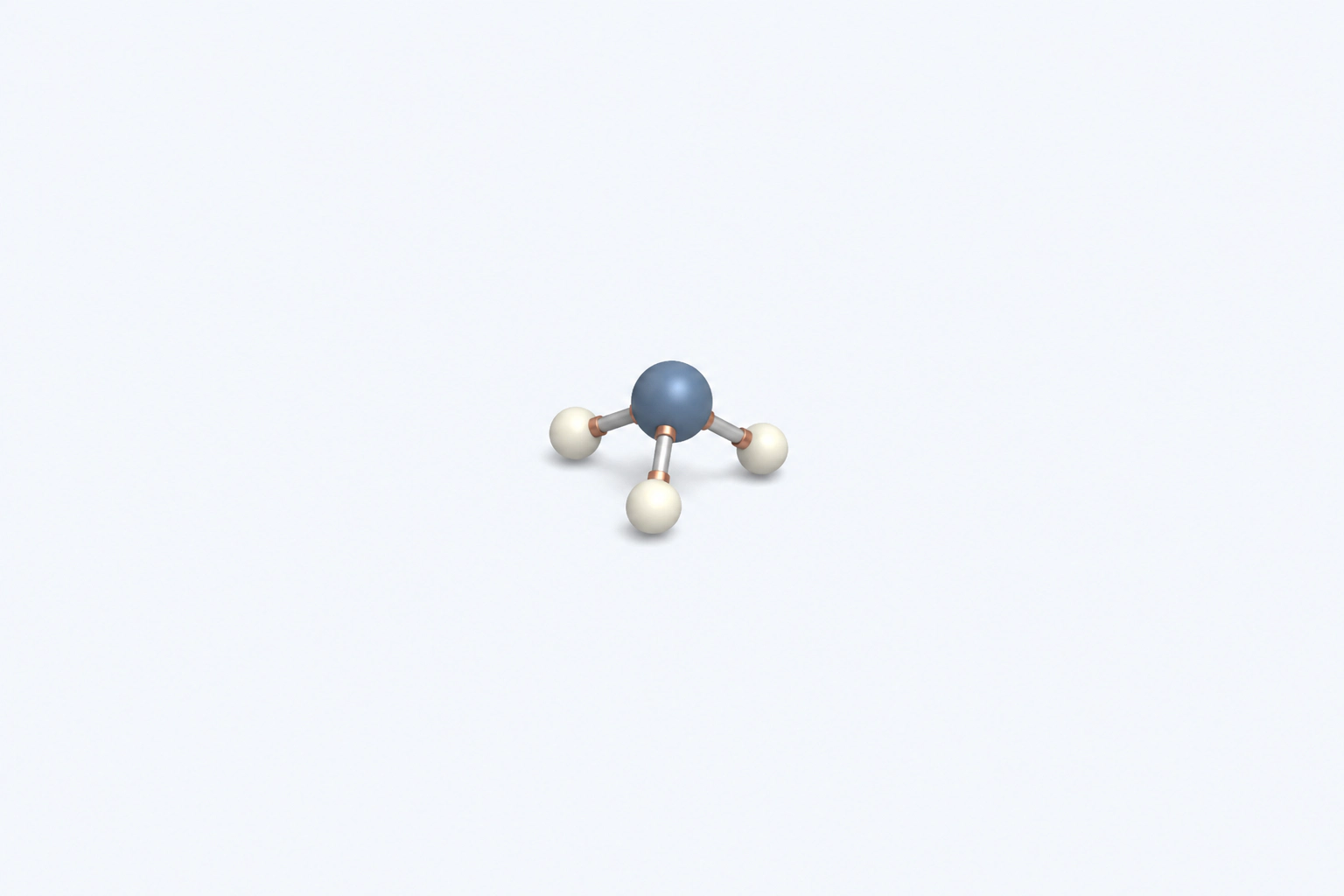
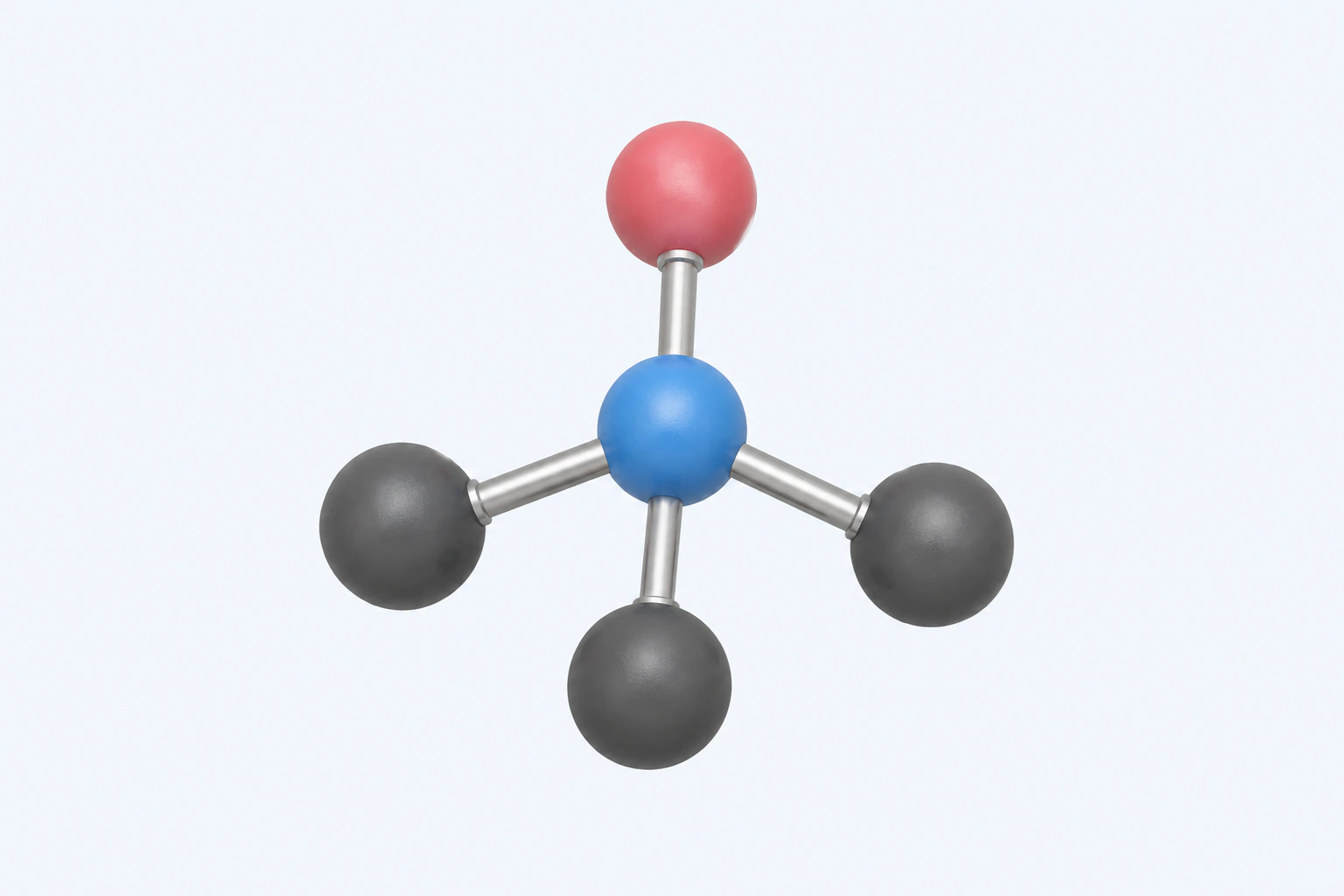
A compact trigonal-pyramidal ammonia teaching model shows one central nitrogen sphere connected to three hydrogen spheres.
Mechanisms4 sources

Ammonia

Ammonia is a nitrogen-containing product of microbial urease activity. When urease hydrolyzes urea, ammonia and bicarbonate are produced; in the microbial systems covered by WikiBiome, those products can provide nitrogen and raise local pH maier 2019 nickel microbial pa

B
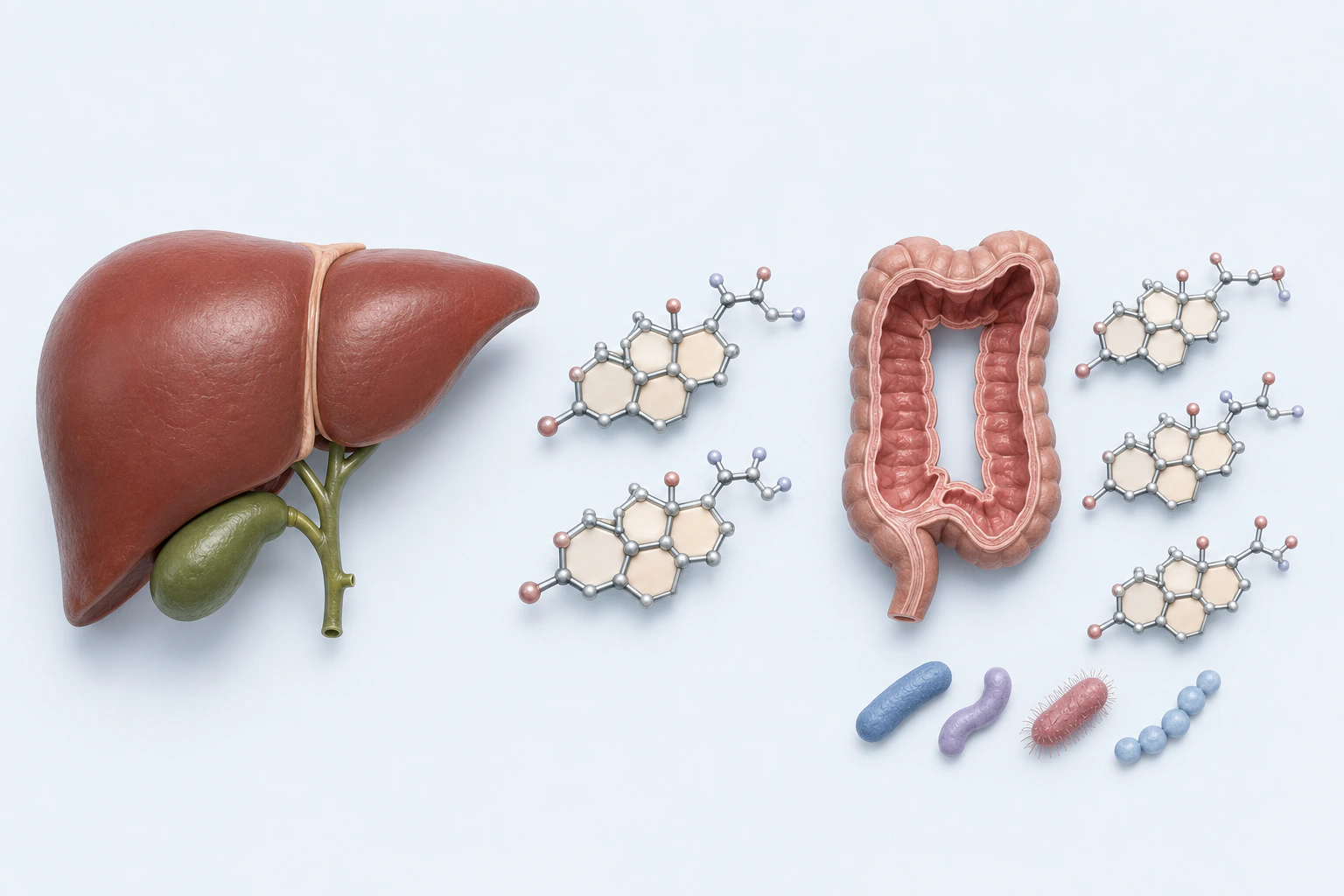
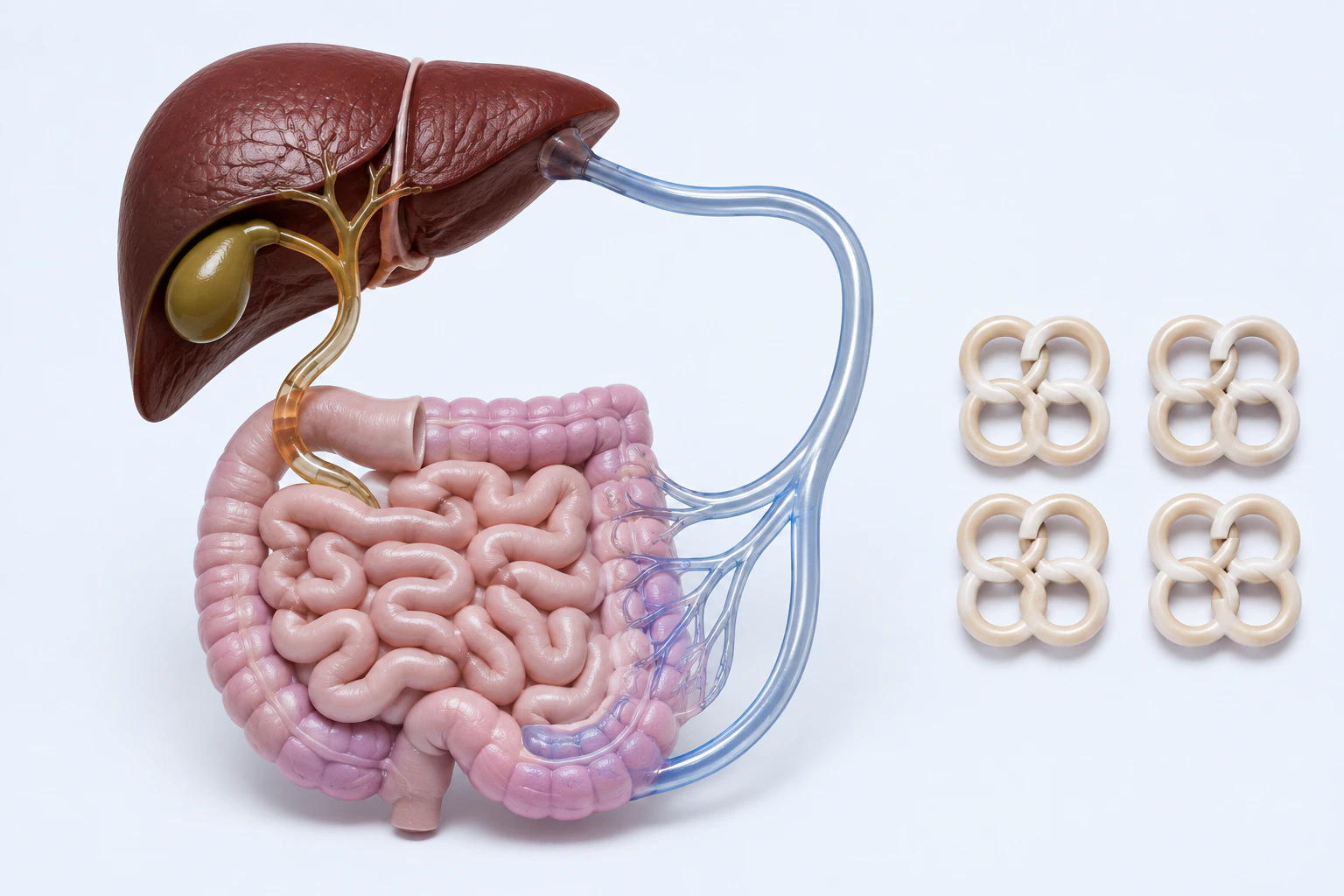
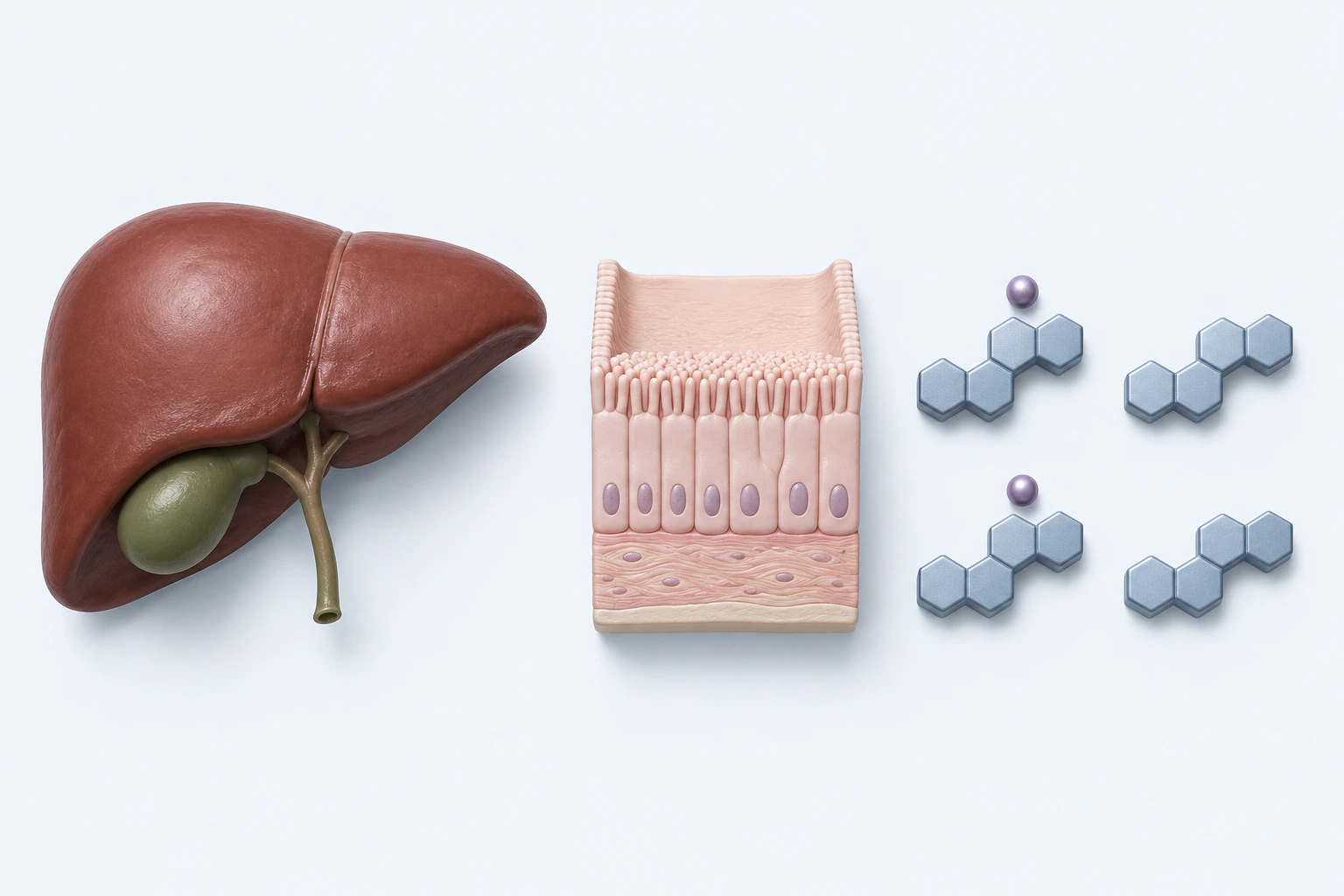
Separated liver and gallbladder, steroid-like tokens, and colon-with-microbial-context teaching groups orient bile acid metabolism without arrows.
Mechanisms8 sources

Bile Acid Metabolism

Bile acids are cholesterol-derived amphipathic molecules synthesized in the liver, secreted into the duodenum, and extensively modified by gut bacteria. The host-microbe co-metabolism of bile acids creates a signaling network with profound effects on lipid metabolism, g

C
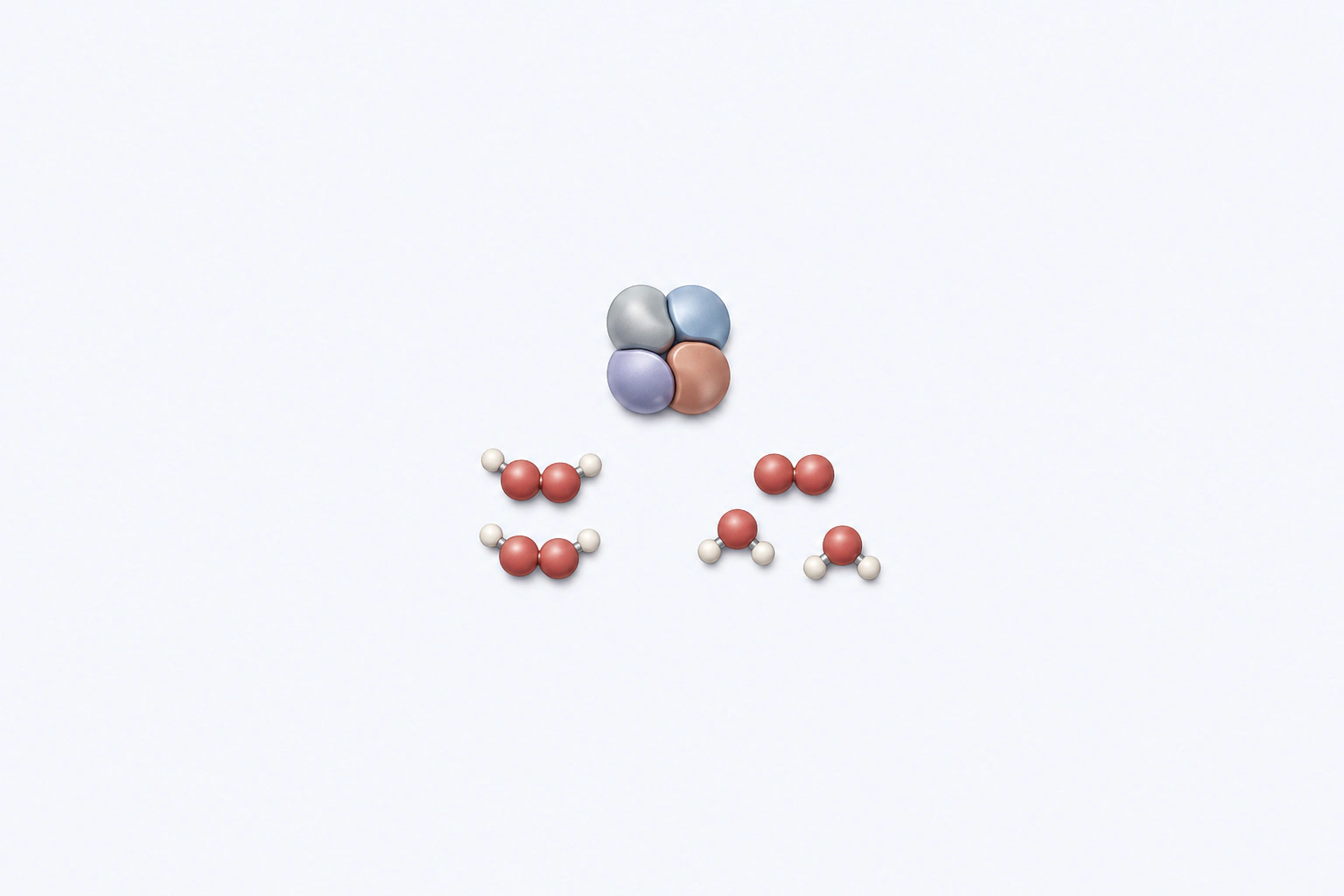
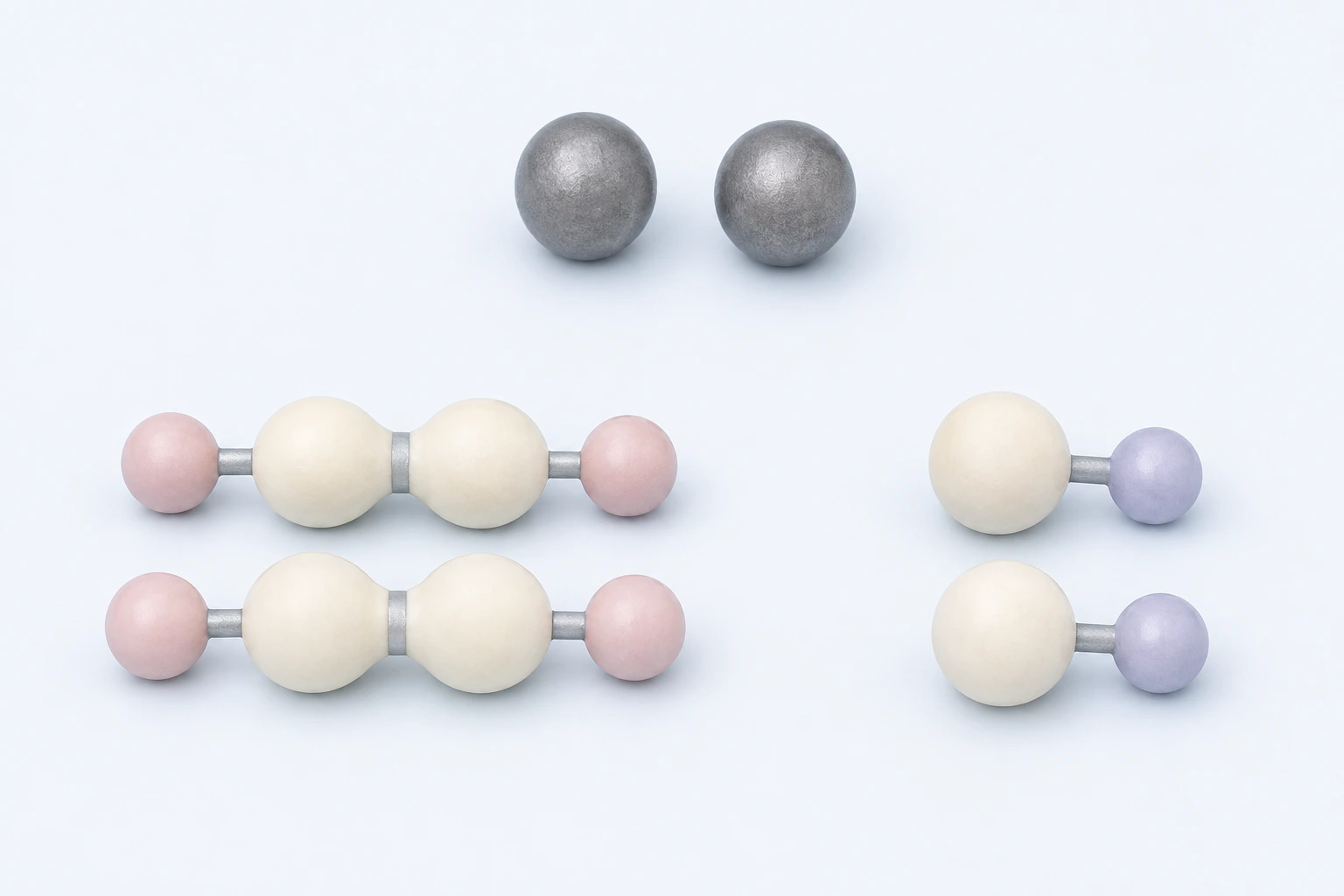
A compact generic enzyme form is separated from two peroxide-context tokens and a product group containing one oxygen pair and two water-like tokens.
Mechanisms6 sources

Catalase

Catalase is a heme-iron enzyme that decomposes hydrogen peroxide into water and oxygen. In microbial peroxide defense, it acts downstream of superoxide dismutase: superoxide dismutase converts superoxide to hydrogen peroxide, and catalase removes that hydrogen peroxide

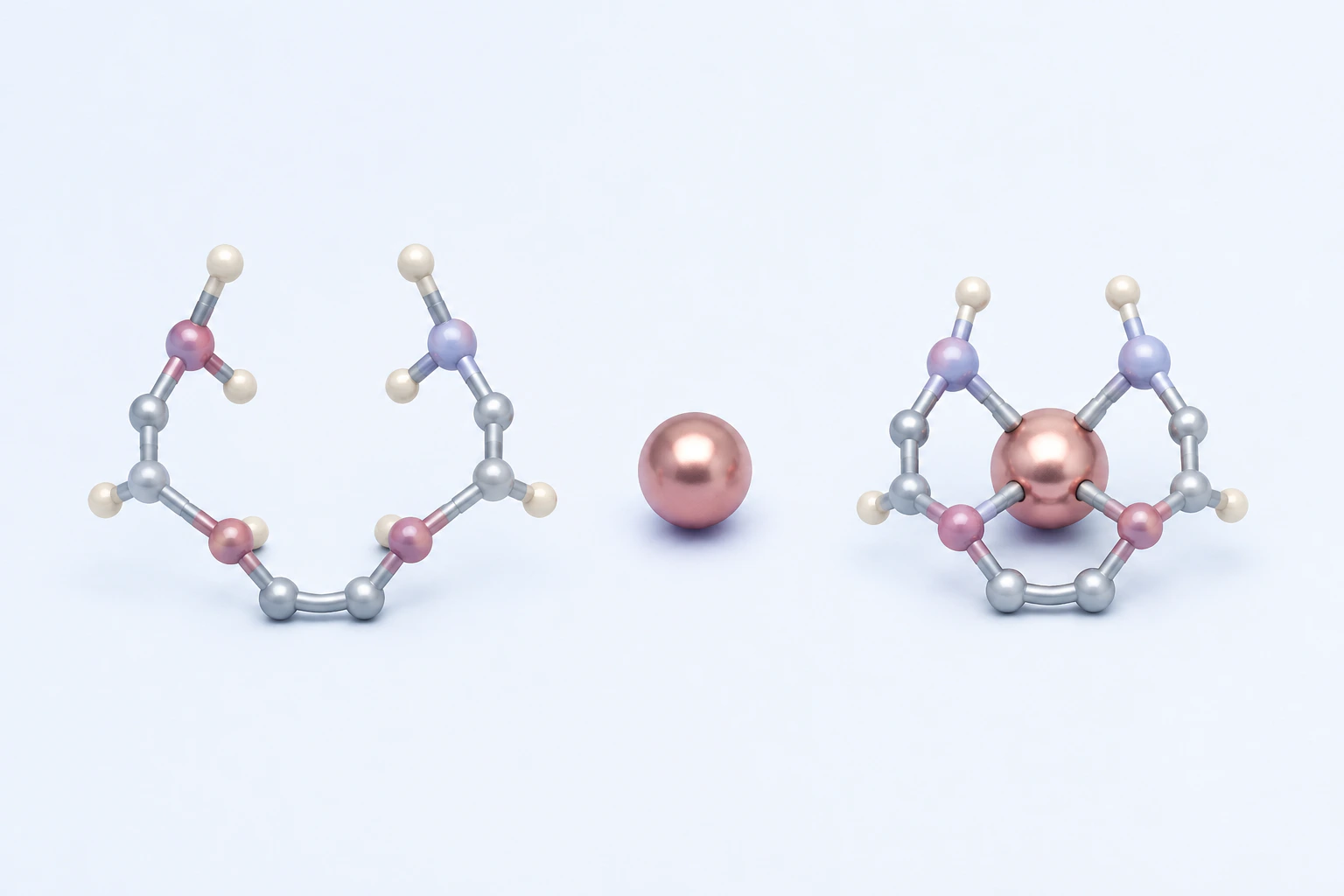
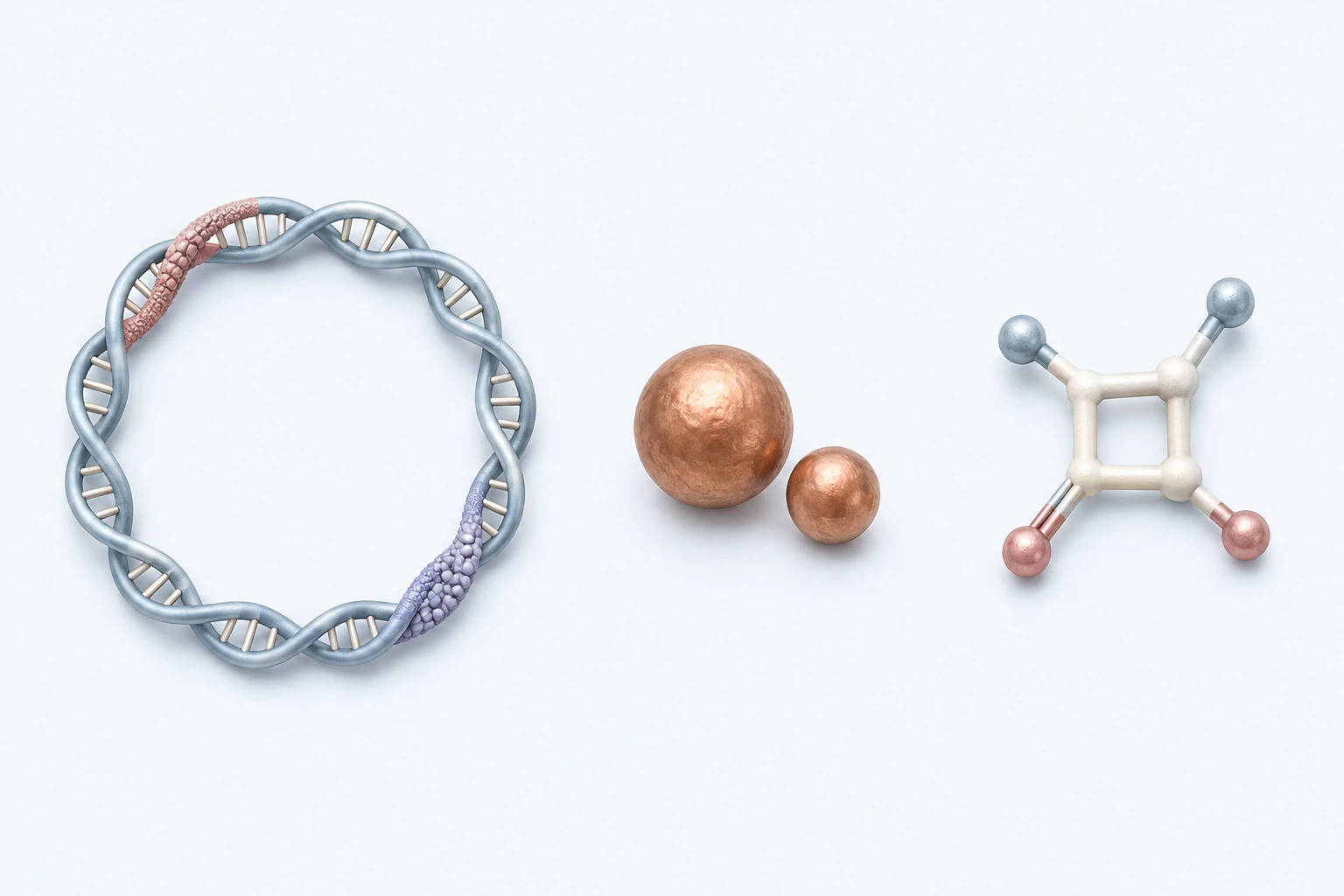
An open ligand teaching form, an isolated metal sphere, and a separate closed ligand-and-sphere model appear without arrows.
Mechanisms3 sources

Chelation Therapy

Chelation therapy uses high-affinity metal-binding molecules to form stable, excretable complexes with toxic metals, removing them from the body. The term derives from Greek "chele" (claw) -- the chelator grips the metal ion at multiple coordination sites. While chelati

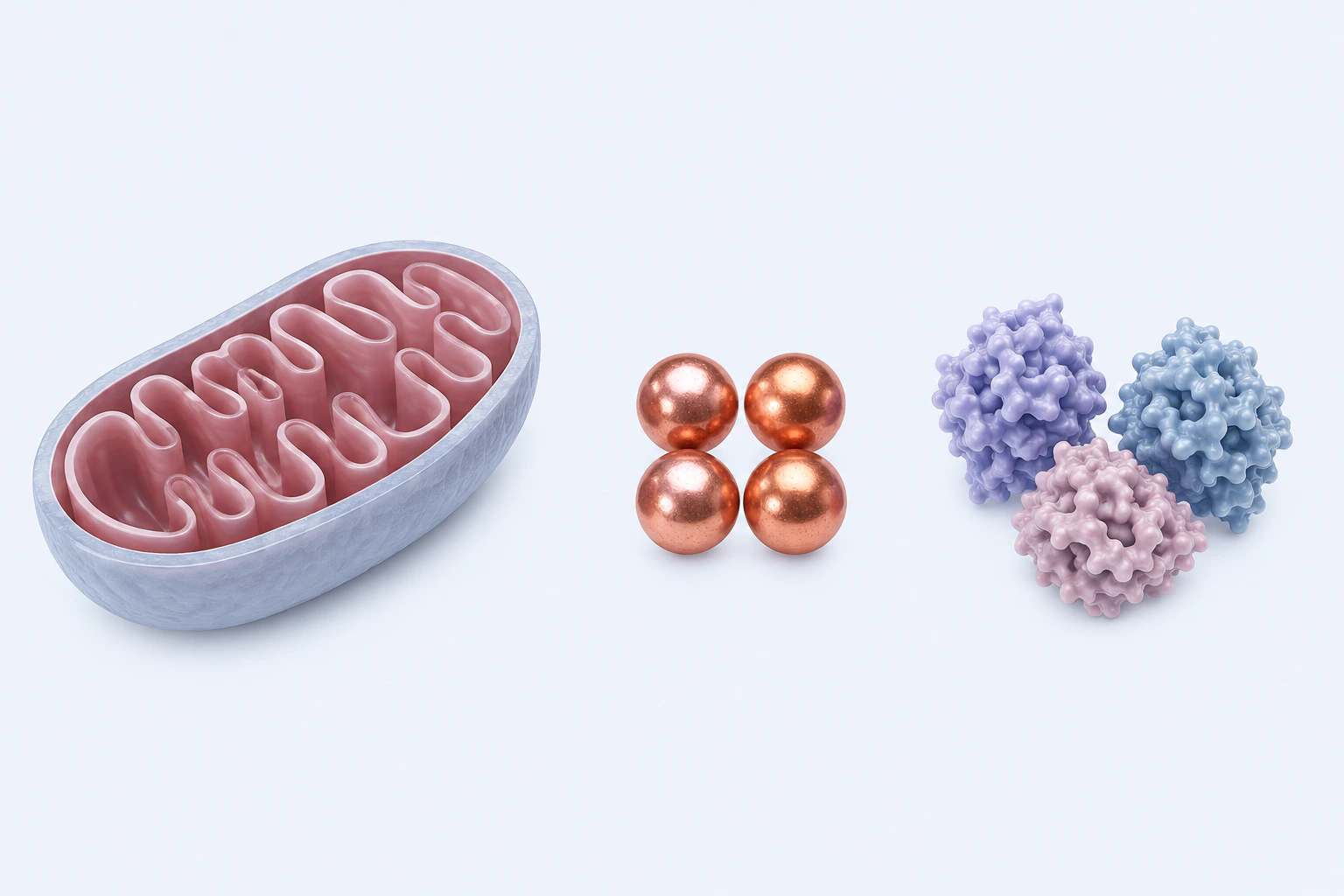
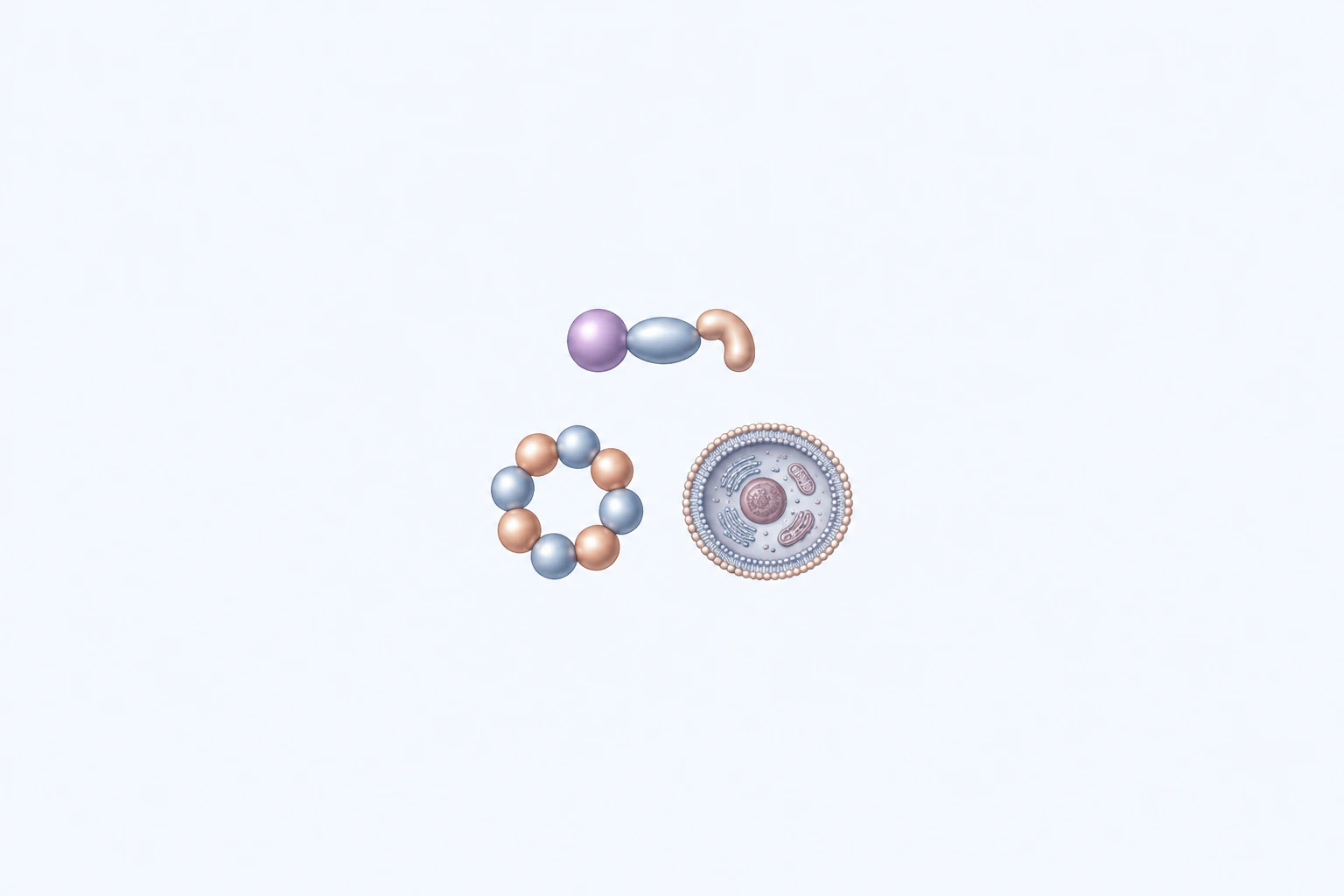
A generic mitochondrion-like cutaway appears separately from four copper-colored spheres and three folded protein-like forms.
Mechanisms4 sources

Cuproptosis

A distinct form of regulated cell death caused by excess intracellular copper binding to lipoylated proteins in the TCA cycle, first characterized by Tsvetkov et al. in Science (2022). Unlike ferroptosis (iron-dependent lipid peroxidation) or apoptosis (caspase-dependen

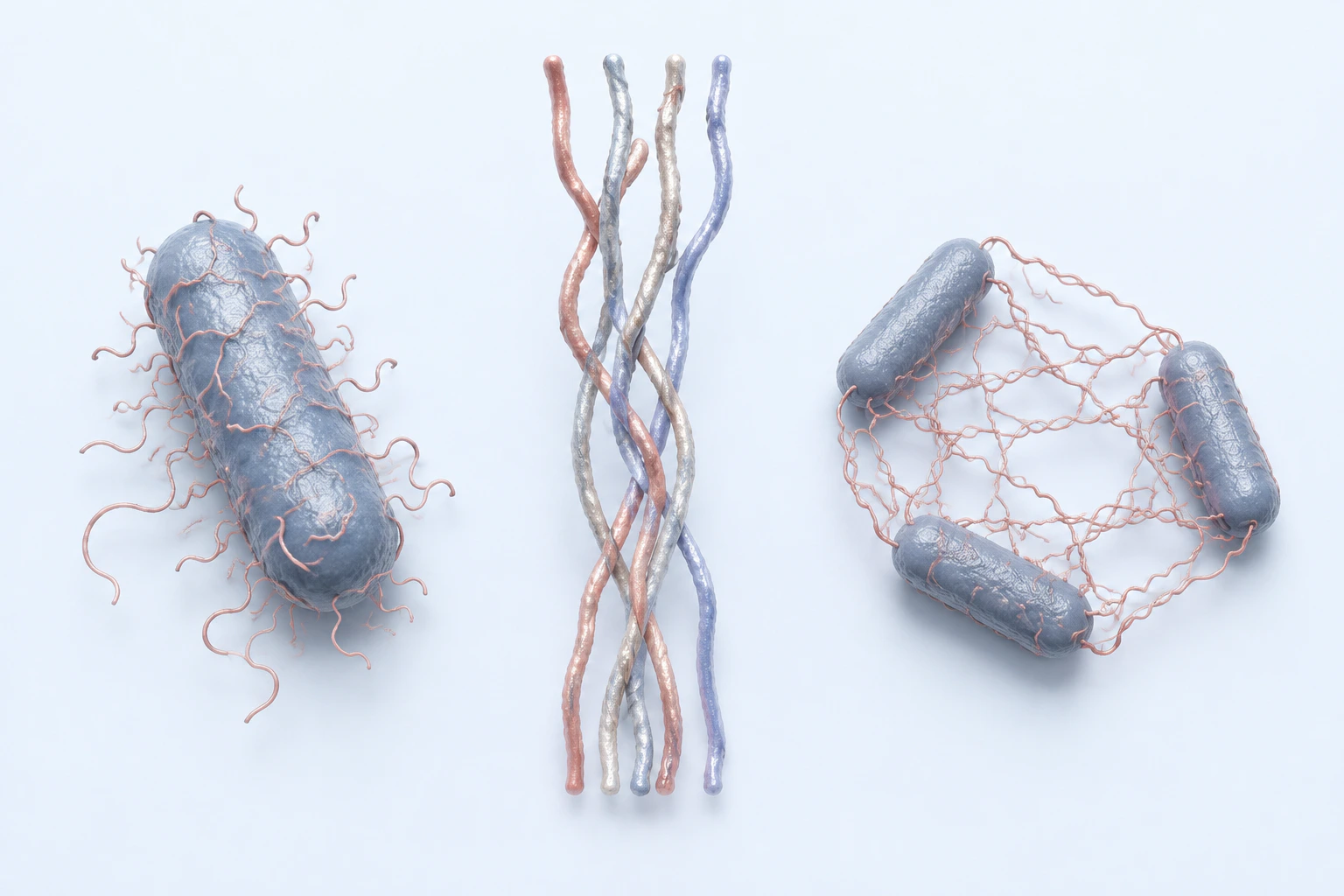
A generic fiber-coated rod, a separate five-fiber bundle, and three rods within a loose extracellular mesh form three complete groups.
Mechanisms3 sources

Curli Amyloid Fibers

Curli are functional amyloid fibers produced by escherichia coli, salmonella, and other Enterobacteriaceae as the primary protein component of their extracellular biofilm matrix. The curli subunit CsgA polymerizes into cross-beta-sheet amyloid fibrils that are structura

D
Mechanisms5 sources

Dietary Lead Exposure

lead (Pb) has no safe level of exposure. Unlike most dietary metals, lead does not play any known biological role — every atom absorbed represents toxic burden. While environmental lead exposure (paint, soil, air) has decreased dramatically since leaded gasoline phase-o

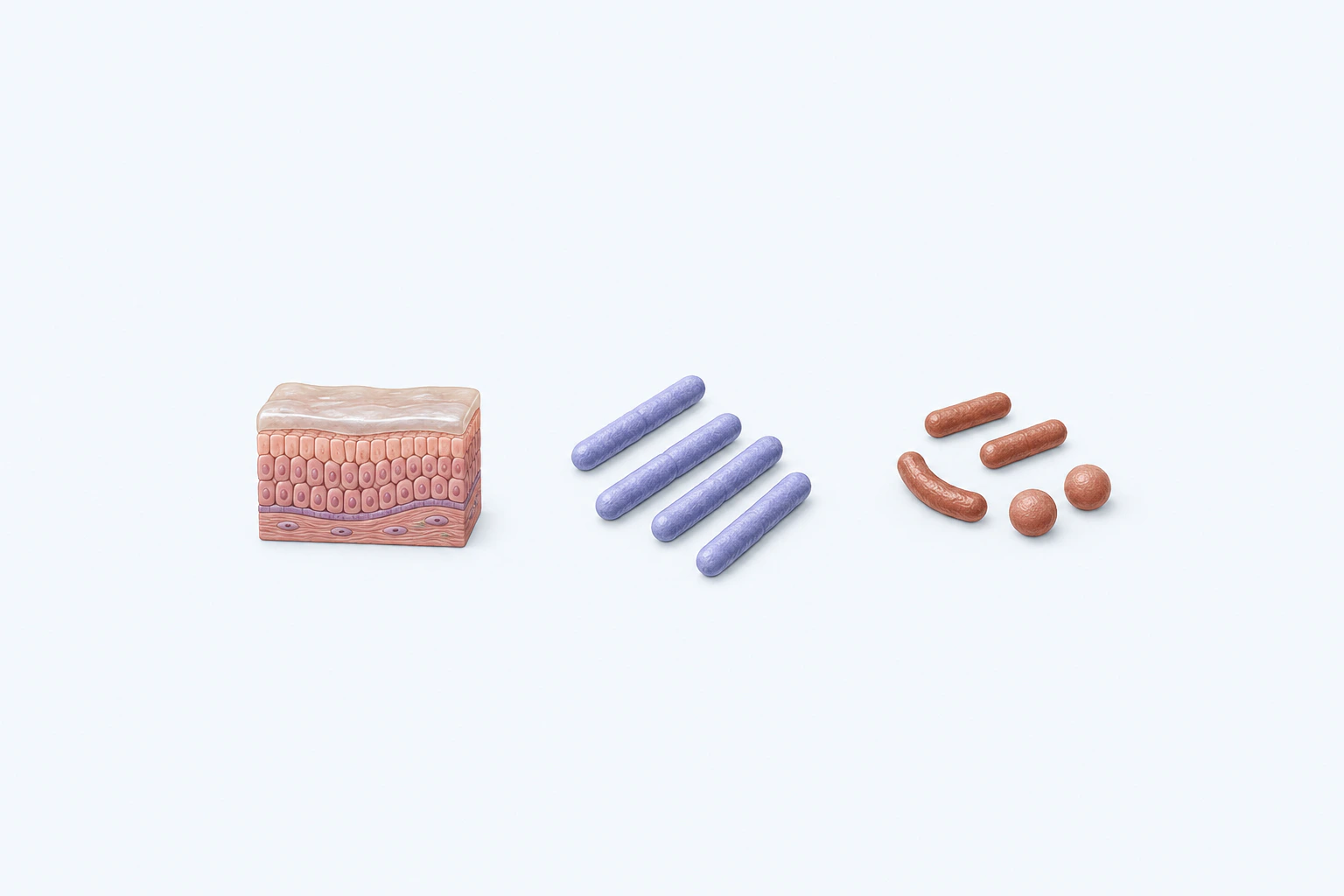
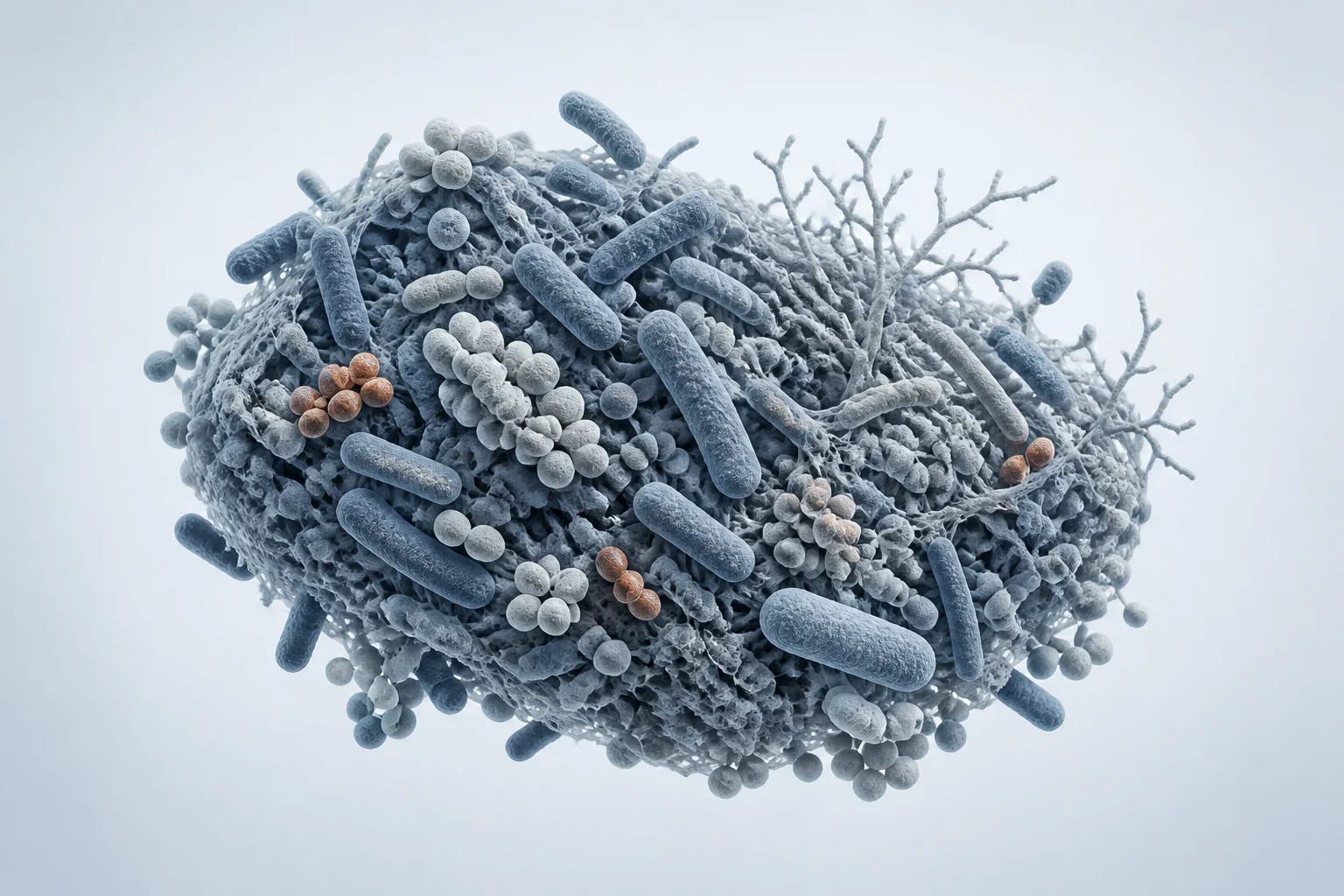
A microscopy-informed mixed microbial community with rods, cocci, curved rods, and branching forms on a pale cool field.
Mechanisms14 sources

Dysbiosis

Disruption of the normal composition and metabolic function of microbial communities, particularly the gut microbiome. In the metallomics context, dysbiosis is both a consequence of metal toxicity and an amplifier of further disease -- creating vicious cycles where meta

E
Mechanisms8 sources

EDTA

Ethylenediaminetetraacetic acid (EDTA) is a synthetic aminopolycarboxylic acid widely used as a chelation agent for heavy metal poisoning, particularly lead. In the microbiome context, EDTA is significant for two reasons: its therapeutic use in metal detoxification and

Mechanisms8 sources

Endocrine Disruptors

Exogenous chemicals that interfere with hormone synthesis, secretion, transport, binding, or elimination, mimicking or blocking endogenous hormones at physiologically relevant concentrations. In the metallomics-microbiome framework, endocrine disruptors occupy a critica

F
G
Mechanisms5 sources

Gene Regulation

Gene regulation in bacteria is the process by which cells control when and how much of each gene product is made. In the metallomics context, gene regulation is the mechanism by which bacteria respond to the metal environment -- sensing metal availability and adjusting

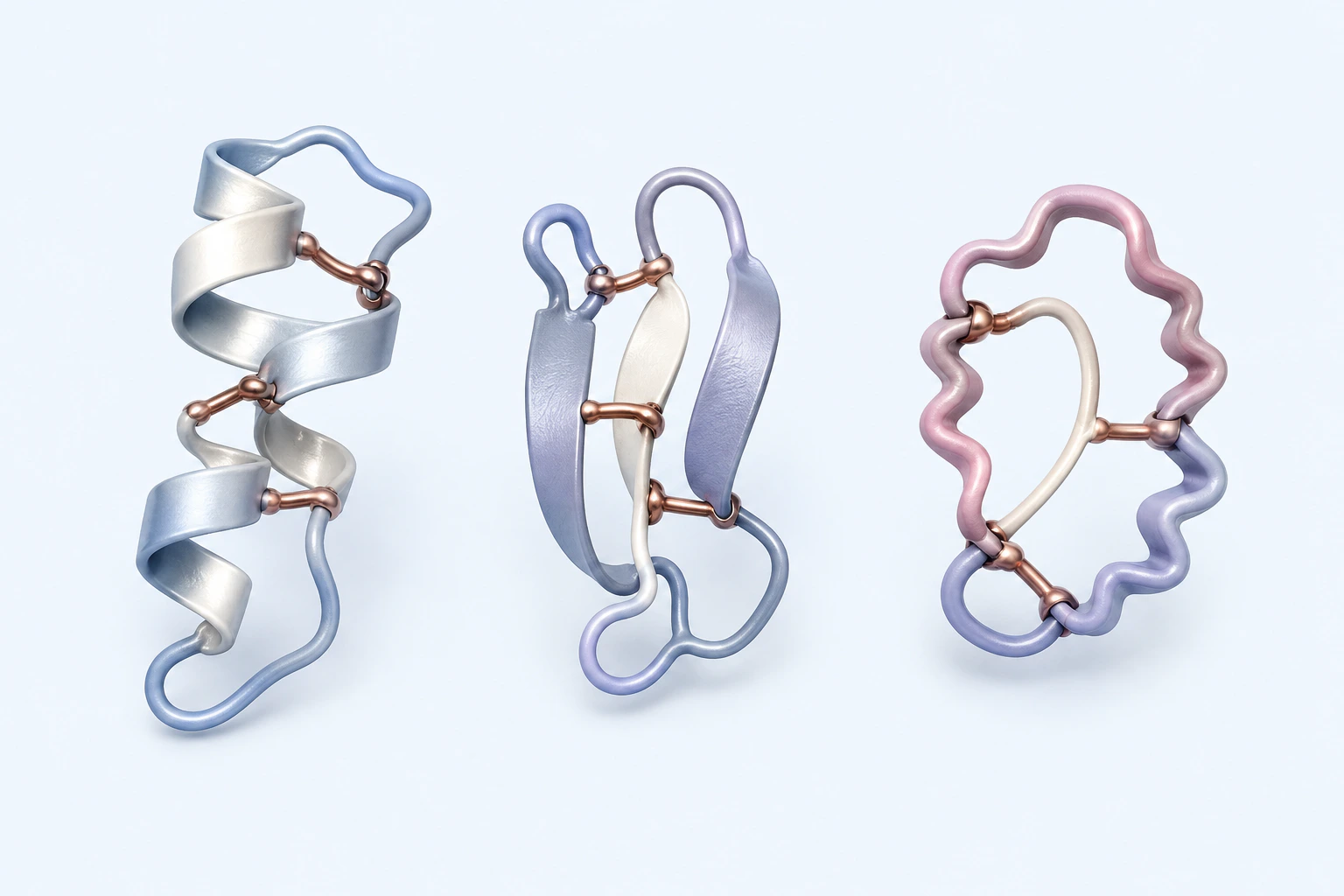
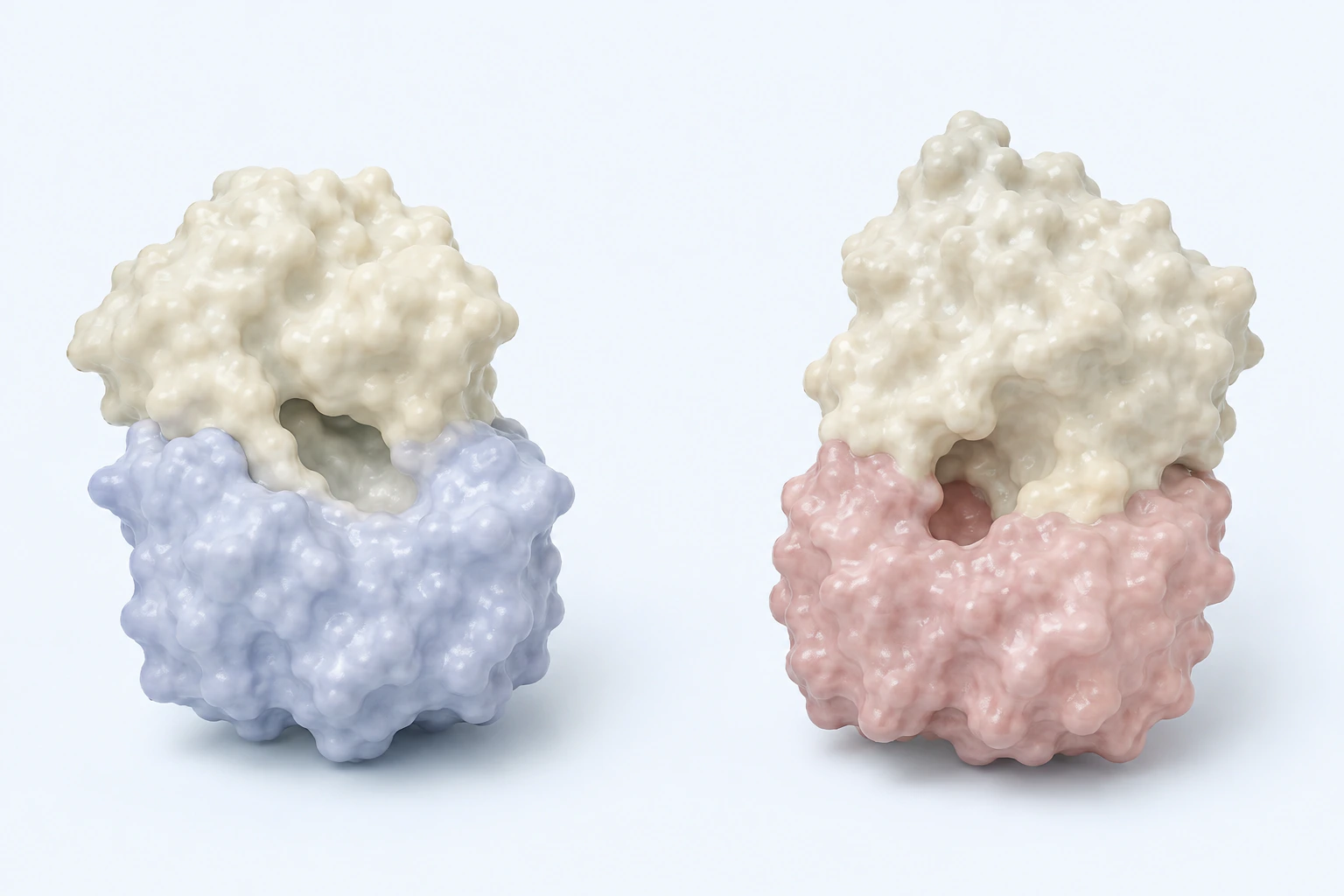
Two separated non-atomic protein-fragment teaching models, each formed by two connected domain masses around an empty surface cleft.
Mechanisms6 sources

Gingipains

Gingipains are the zinc-dependent cysteine proteases that serve as the master virulence factors of porphyromonas gingivalis. Three gingipains exist: RgpA and RgpB (arginine-specific) and Kgp (lysine-specific). They require zinc as a catalytic cofactor, making gingipain

H
Mechanisms3 sources

Histidine

Histidine is a semi-essential amino acid with a unique property that makes it central to metal biology: its imidazole side chain is one of the strongest biological metal-binding groups, coordinating zinc, nickel, copper, iron, and other transition metals in enzymes and

I
Mechanisms9 sources

Immune Balance

The immune system is not a monolith but a dynamic equilibrium between pro-inflammatory effector responses (Th1, Th2, Th17) and anti-inflammatory regulatory responses (Treg, IL-10, TGF-beta). Metals and the microbiome are two of the most potent environmental modulators o

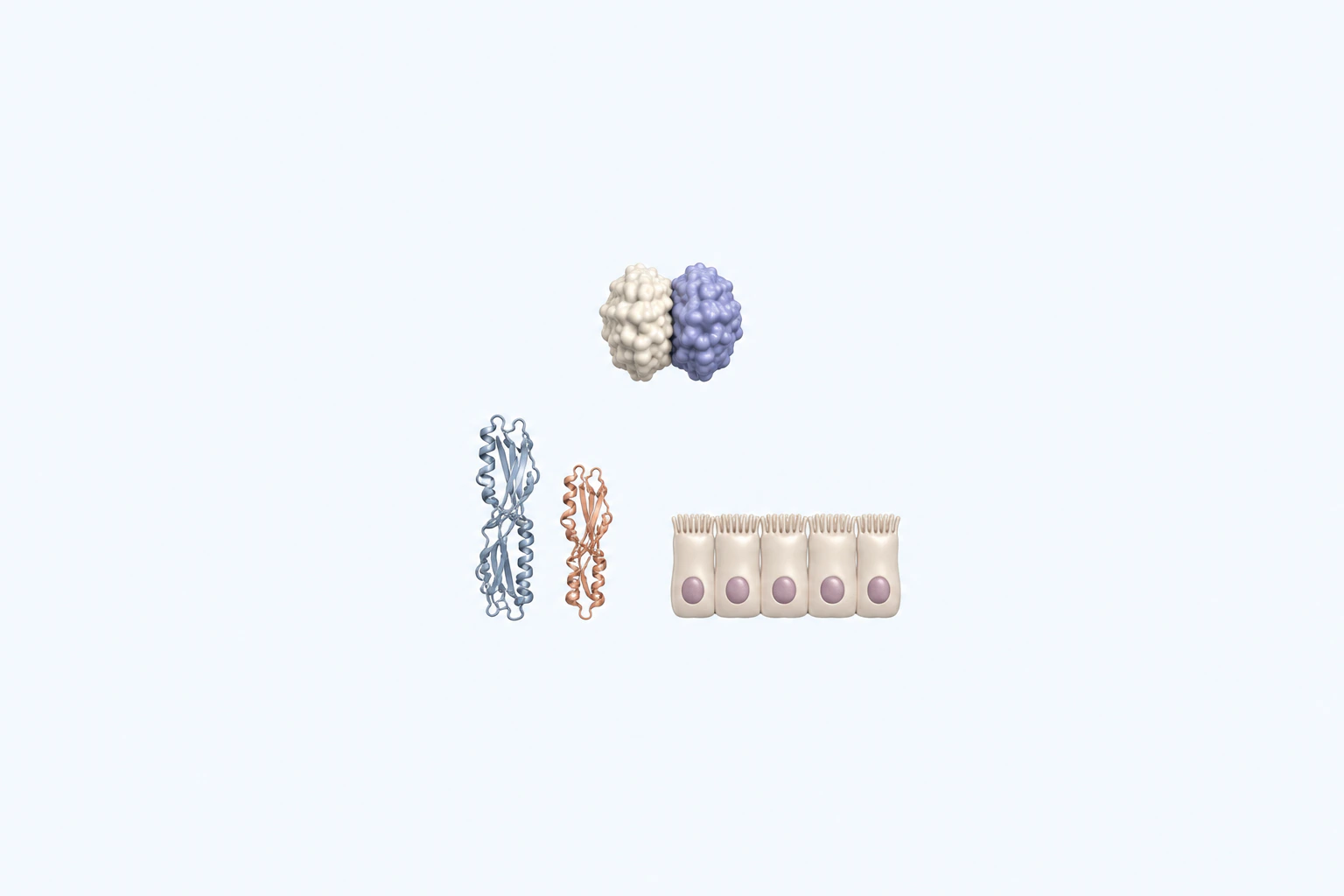
A generic cytokine form is separated from two distinct receptor-context forms and a small intact five-cell epithelial sheet.
Mechanisms7 sources

Interleukin-22

Interleukin-22 (IL-22) is an immune signaling protein that helps coordinate host responses at epithelial surfaces. In the gut evidence represented by WikiBiome, group 3 innate lymphoid cells (ILC3s) are a prominent source, while Th17-associated responses can also includ

Mechanisms5 sources

Isoflavones

Isoflavones (genistein, daidzein, glycitein) are phytoestrogens found primarily in soy products. They bind estrogen receptors (ERα and ERβ) with weak agonist/antagonist activity and are among the most microbiome-dependent dietary bioactives — their clinical effects depe

K
L
Mechanisms4 sources

Leptin

Leptin is an adipokine (hormone produced by adipose tissue) that signals satiety to the hypothalamus — suppressing appetite and increasing energy expenditure. Leptin resistance (elevated leptin with impaired signaling) is a hallmark of obesity, paralleling insulin resis

Mechanisms6 sources

Lipid Peroxidation

Lipid peroxidation is the oxidative degradation of polyunsaturated fatty acids (PUFAs) in cell membranes by reactive oxygen species (ROS). The process generates toxic aldehydes — malondialdehyde (MDA) and 4-hydroxynonenal (4-HNE) — that damage proteins, DNA, and mitocho

M
Mechanisms6 sources

Metal Chelation Therapy

Chelation therapy uses molecules with high affinity for specific metal ions to form stable, excretable complexes, removing toxic metals from the body. The word derives from Greek "chele" (claw) -- the chelator grips the metal ion at multiple coordination sites. While ch

Mechanisms8 sources

Metal Sensing

Metal sensing is the set of regulatory mechanisms bacteria use to detect intracellular metal concentrations and adjust gene expression accordingly. Because metal ions cannot be synthesized or degraded -- only imported, exported, sequestered, or trafficked -- sensing and

Mechanisms3 sources

Mycobiome

The fungal component of the human microbiome, comprising ~0.1-1% of the total gut microbial community by abundance but disproportionately active in immune signaling and cross-kingdom interactions. While bacterial communities dominate microbiome research, emerging eviden

N
O
P
Mechanisms3 sources

Peptidoglycan

Peptidoglycan (murein) is the polymer of N-acetylglucosamine and N-acetylmuramic acid cross-linked by short peptides that forms the bacterial cell wall. It is a major pathogen-associated molecular pattern (PAMP) recognized by host TLR2 (intact peptidoglycan), NOD1 (meso

Mechanisms3 sources

Prebiotics

Non-digestible food substrates that selectively stimulate the growth and/or activity of beneficial gut microorganisms, conferring health benefits to the host. Distinct from probiotics (live organisms) and postbiotics (microbial metabolic products), prebiotics act as fue

Mechanisms5 sources

Propionic Acid

A three-carbon short-chain fatty acid (SCFA) produced primarily by Bacteroidetes and certain Firmicutes through anaerobic fermentation of dietary substrates. At physiological concentrations in healthy gut microbiomes, propionic acid (PPA) is a normal fermentation produc

Q
R
S
Mechanisms16 sources

Synbiotics

A synbiotic is a combination of live microorganisms (probiotics) and substrates selectively utilized by host microorganisms (prebiotics) that confers a health benefit. The rationale is additive or synergistic: the prebiotic component (typically inulin, fructo-oligosacch

Mechanisms7 sources

Systemic Inflammation

Systemic inflammation is the state in which inflammatory mediators — IL-6, TNF-alpha, CRP, IL-1beta — circulate throughout the body rather than remaining confined to a local injury site. In the WikiBiome framework, systemic inflammation is the final common pathway throu

T
Mechanisms7 sources

Th17/Treg Balance

The Th17/Treg balance is the immunological equilibrium between pro-inflammatory T helper 17 (Th17) cells and anti-inflammatory regulatory T (Treg) cells. This balance is the master switch between immune tolerance and autoimmune/inflammatory pathology — and the gut micro

Mechanisms5 sources

The Exposome

The exposome is the totality of environmental exposures an individual experiences from conception to death. Coined by Christopher Wild in 2005, it complements the genome by capturing the environmental side of the gene-environment equation. Metals are among the most quan

Mechanisms3 sources

Thyroid Autoimmunity

Autoimmune thyroid diseases (AITDs) -- hashimotos thyroiditis and graves disease -- are the most common organ-specific autoimmune conditions, affecting 5-10% of the global population. The thyroid gland sits at a remarkable intersection of metal biology and immune regula

Mechanisms9 sources

TLR4

Toll-like receptor 4 (TLR4) is a cell-surface pattern-recognition receptor in the toll like receptors family. It is best known for detecting particular forms of bacterial lipopolysaccharide (LPS) through a receptor complex and converting that detection into innate immun

U
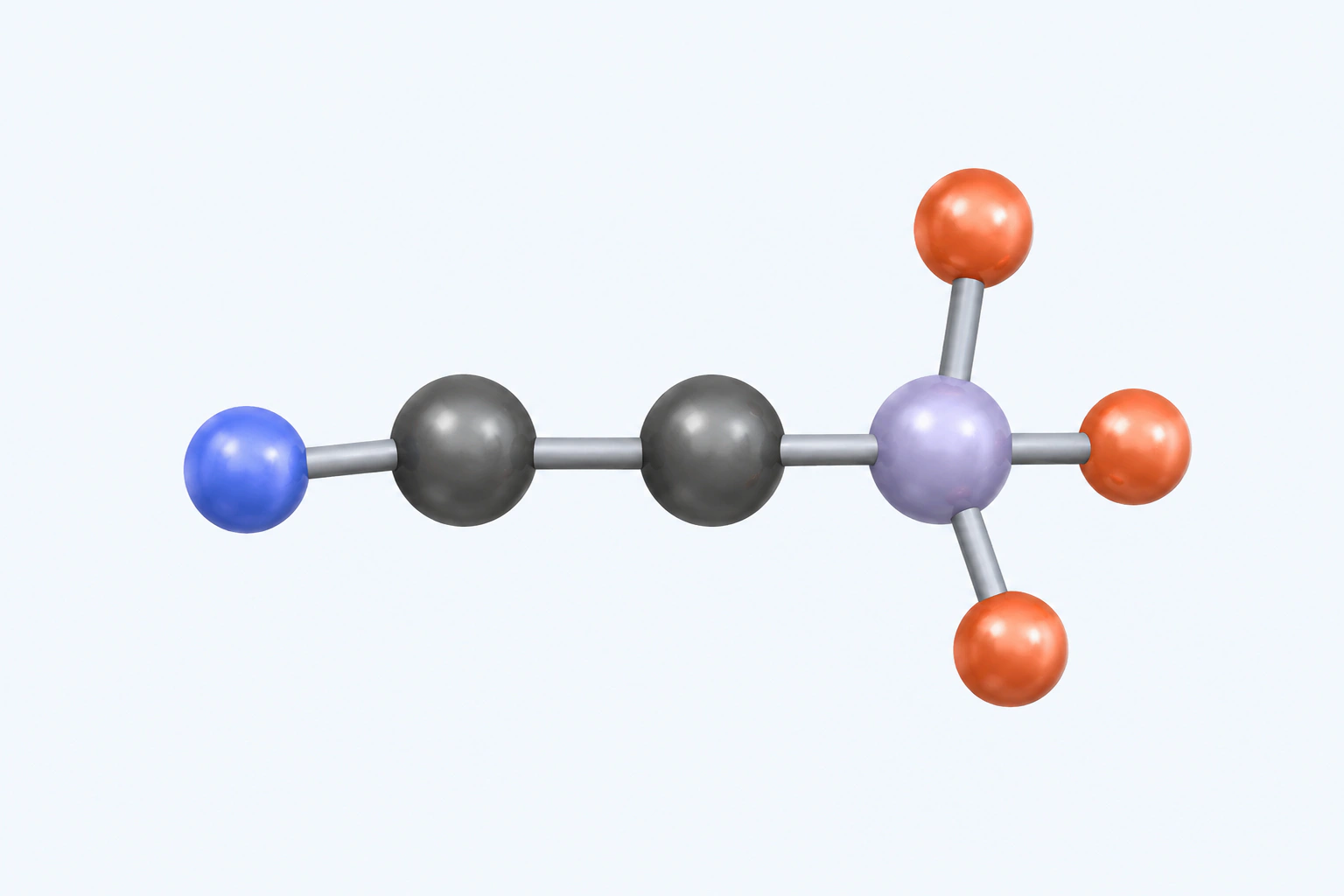
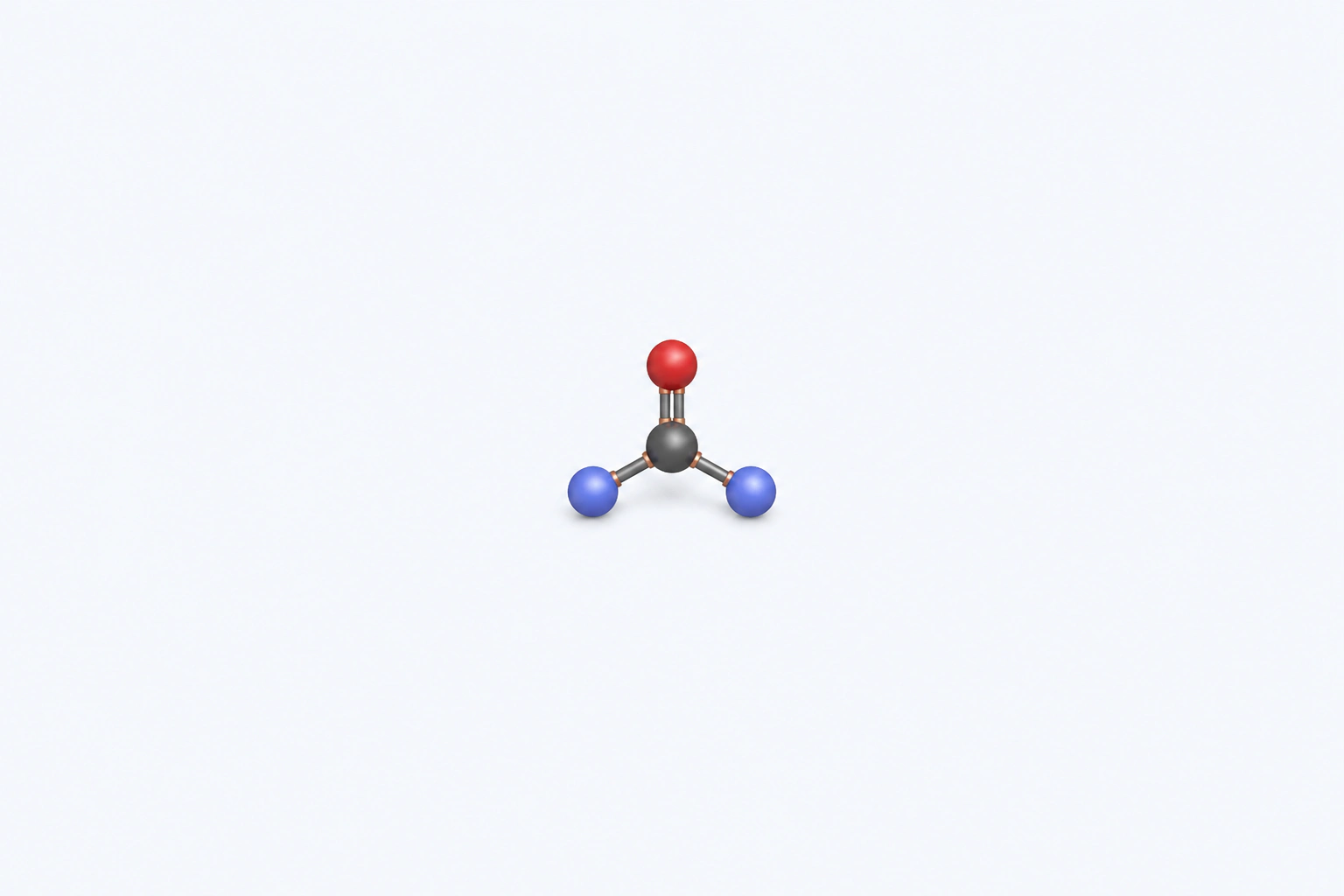
A compact urea connectivity model shows one carbonyl carbon, one oxygen, and two nitrogen centers, with hydrogens omitted.
Mechanisms6 sources

Urea

Urea is the substrate of urease. In the microbial systems covered by WikiBiome, urease hydrolyzes urea to ammonia and bicarbonate; those products can supply microbial nitrogen and help neutralize acidic environments maier 2019 nickel microbial pathogenesis. At a glance,

V
Mechanisms18 sources

Virome

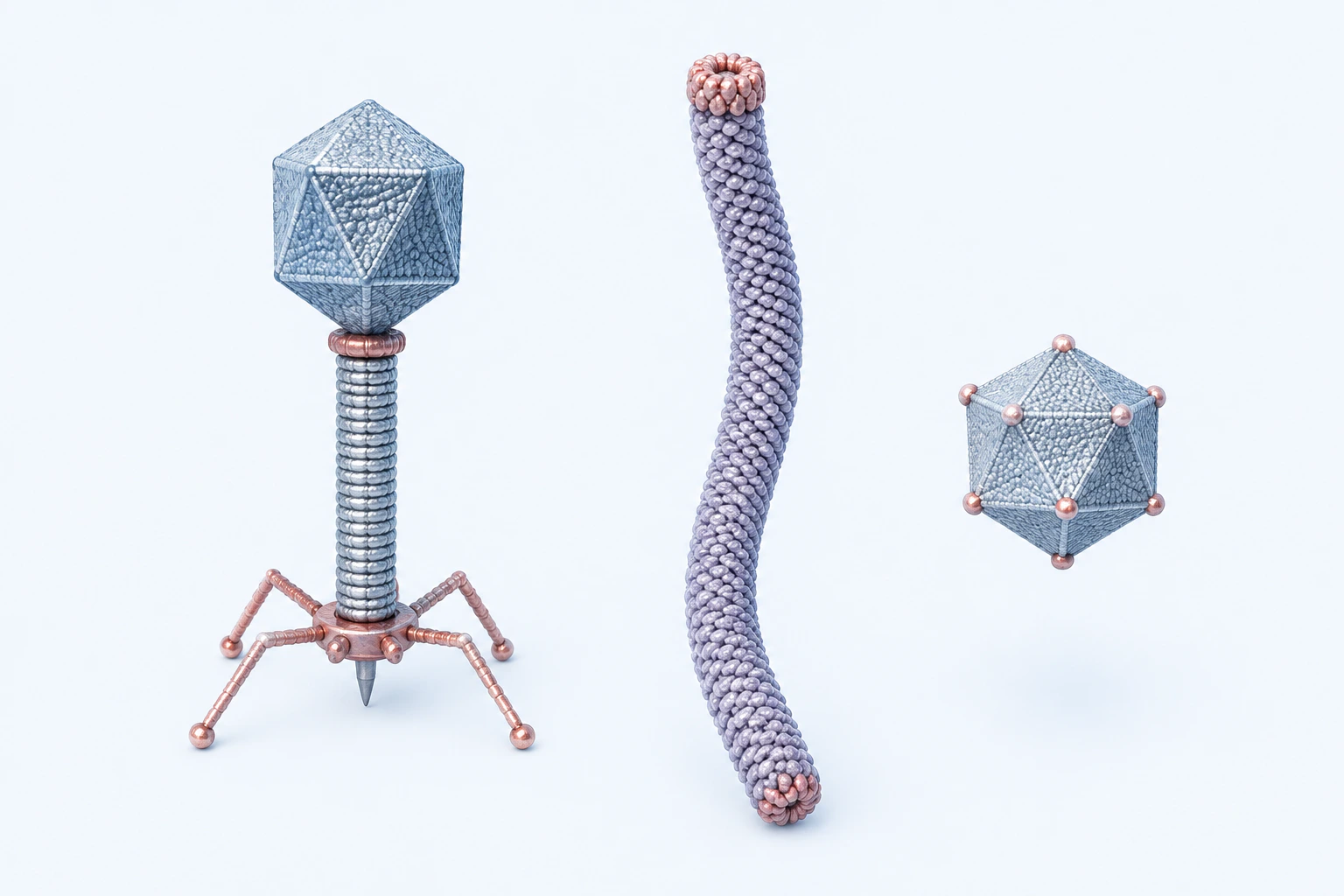
The virome is the collection of all viruses inhabiting a given ecosystem -- in the gut, this means primarily bacteriophages (phages), which constitute ~90% of the intestinal virome. While microbiome research has historically focused on bacteria, mounting evidence shows

Mechanisms5 sources

Vitamin D

Vitamin D (calciferol; active form: calcitriol/1,25(OH)₂D₃) is a secosteroid hormone with profound immunomodulatory effects. The vitamin D receptor (VDR) is expressed on virtually all immune cells, and vitamin D deficiency is epidemiologically linked to autoimmune disea

Z