Nickel Allergy and Allergic Contact Dermatitis
nickel is the most frequent cause of contact allergy worldwide. Once sensitized, the allergic reaction persists indefinitely and can be triggered by both cutaneous and dietary exposure.
WikiBiomeThe human microbiome encyclopediaRanked matches across titles, topics, categories, and article introductions.
nickel is the most frequent cause of contact allergy worldwide. Once sensitized, the allergic reaction persists indefinitely and can be triggered by both cutaneous and dietary exposure.
Research summary -- not medical advice. This page synthesizes published research on why standard dietary advice may be counterproductive for a specific patient population. Consult a qualified healthcare provider and allergist before making dietary changes.

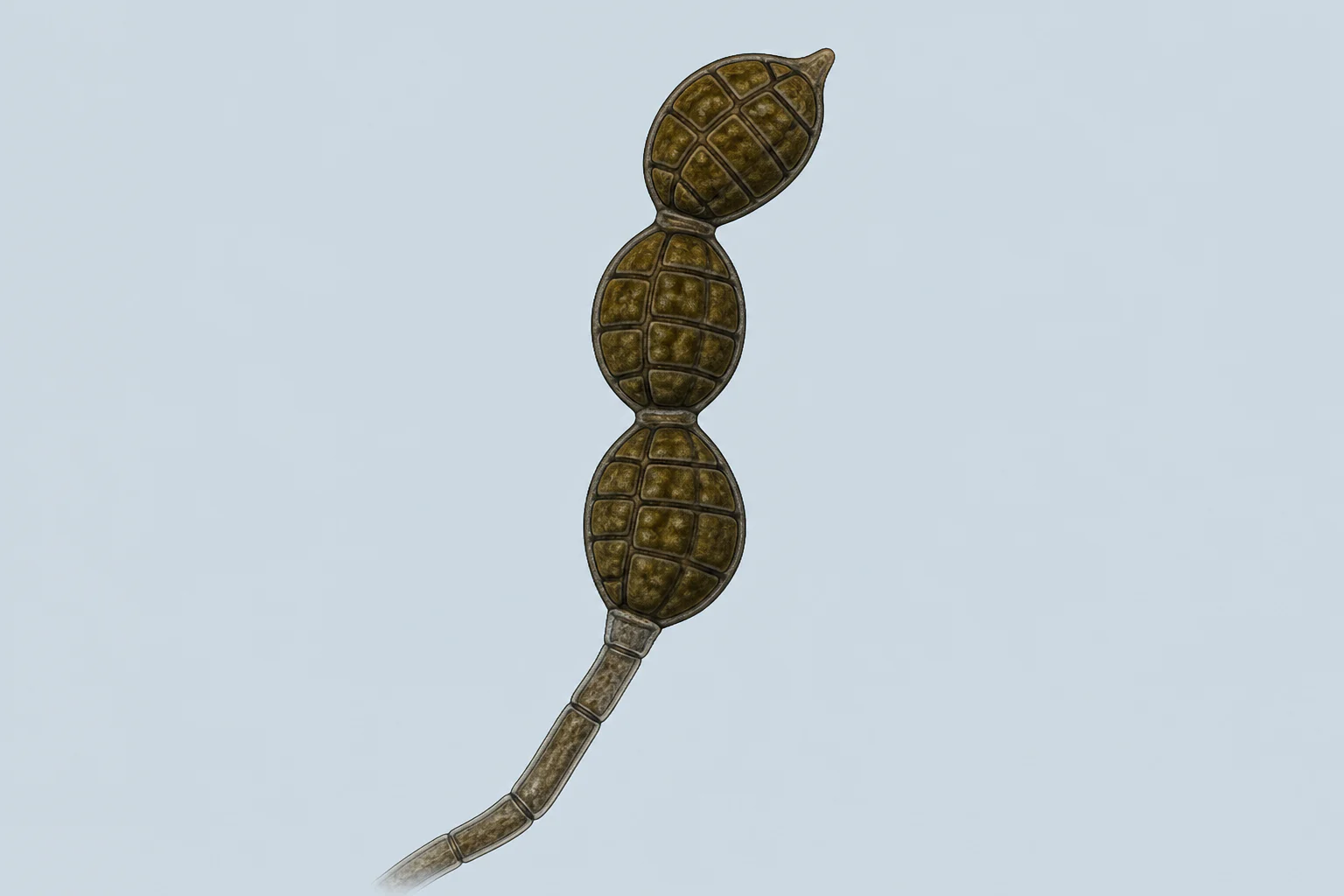
Alternaria is a ubiquitous environmental mold genus comprising over 300 species, with A. alternata as the most common human-associated species. Primarily recognized as an outdoor allergen and plant pathogen, Alternaria is increasingly documented as a component of the hu…

Myalgic encephalomyelitis/chronic fatigue syndrome (ME/CFS) is a complex, disabling condition characterized by profound fatigue not relieved by rest, post-exertional malaise (PEM -- symptom worsening after physical or cognitive exertion), unrefreshing sleep, cognitive d…

A transition metal that is essential to human health exclusively as a component of cobalamin (vitamin B12), but toxic at higher levels of exposure. Cobalt occupies a distinctive position in metal biology: it is the only metal whose essential biological function in mamma…

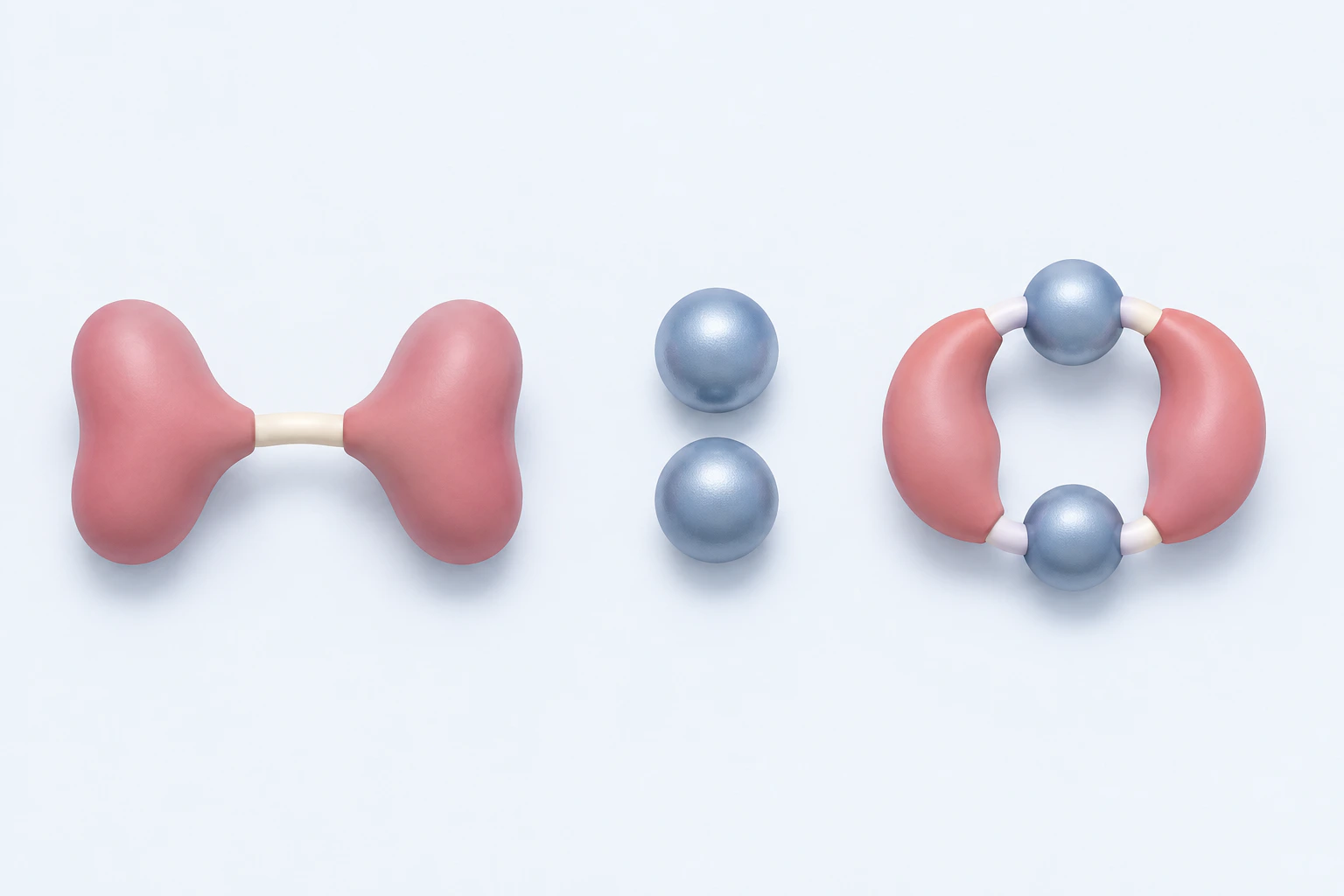
Dimethylglyoxime (DMG) is a high-affinity, nickel-specific chelator — two DMG molecules coordinate one Ni²⁺ ion to form a characteristic red complex (Tschugaeff reaction). Unlike broad-spectrum chelation agents (EDTA, DMSA) that bind multiple divalent cations indiscrimi…

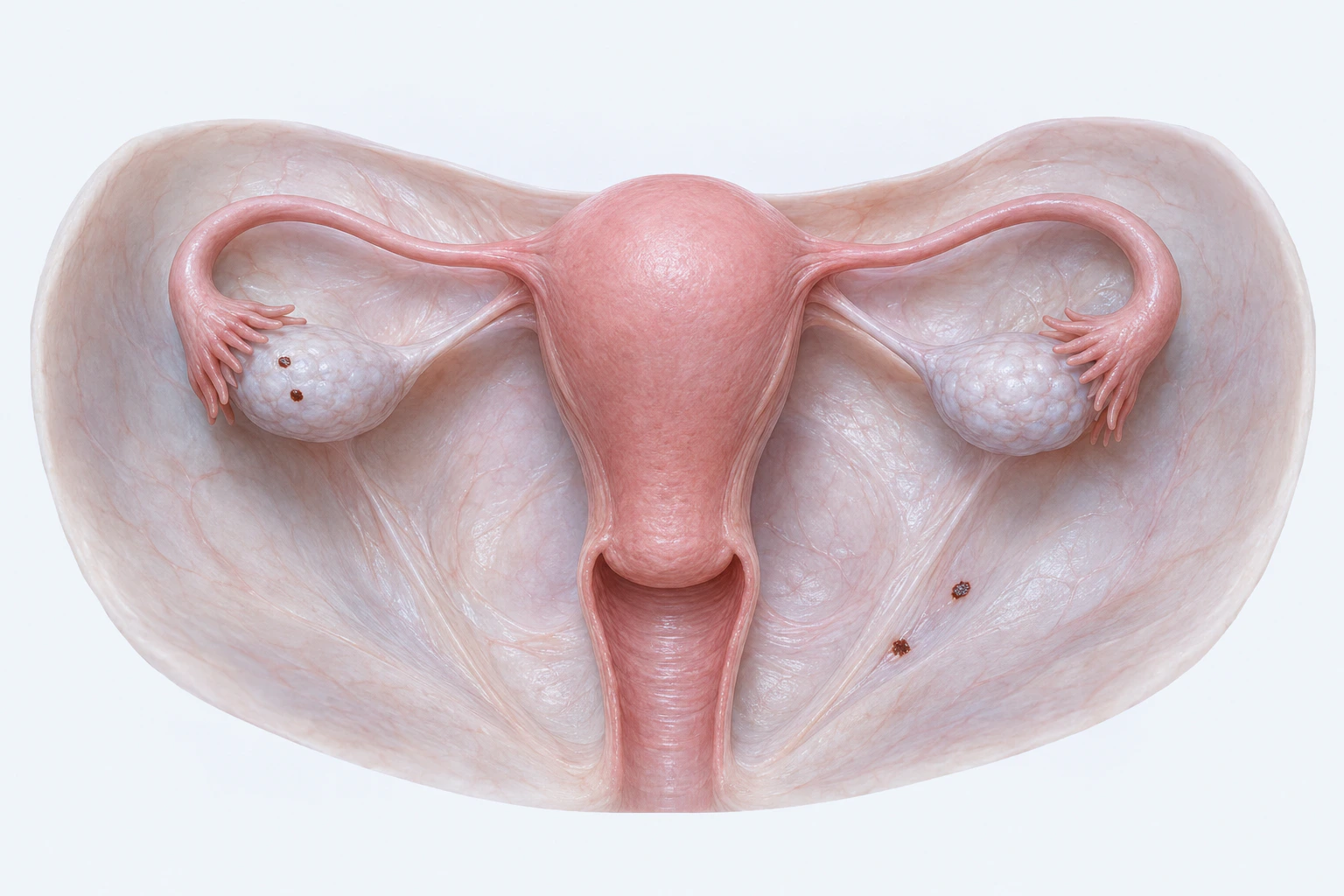
Endometriosis is a chronic estrogen-dependent inflammatory condition affecting approximately 10% of reproductive-age women, characterized by the growth of endometrial-like tissue outside the uterus colonetti 2023 gut vaginal microbiota endometriosis meta analysis. The c…
Alphabetical definitions of specialist terms used throughout this wiki. Where a full concept page exists, the term links to it. --- AhR (aryl hydrocarbon receptor) -- A ligand-activated transcription factor that senses microbial metabolites (especially indoles from tryp…
The immune system is not a monolith but a dynamic equilibrium between pro-inflammatory effector responses (Th1, Th2, Th17) and anti-inflammatory regulatory responses (Treg, IL-10, TGF-beta). Metals and the microbiome are two of the most potent environmental modulators o…

Interleukin-22 (IL-22) is an immune signaling protein that helps coordinate host responses at epithelial surfaces. In the gut evidence represented by WikiBiome, group 3 innate lymphoid cells (ILC3s) are a prominent source, while Th17-associated responses can also includ…

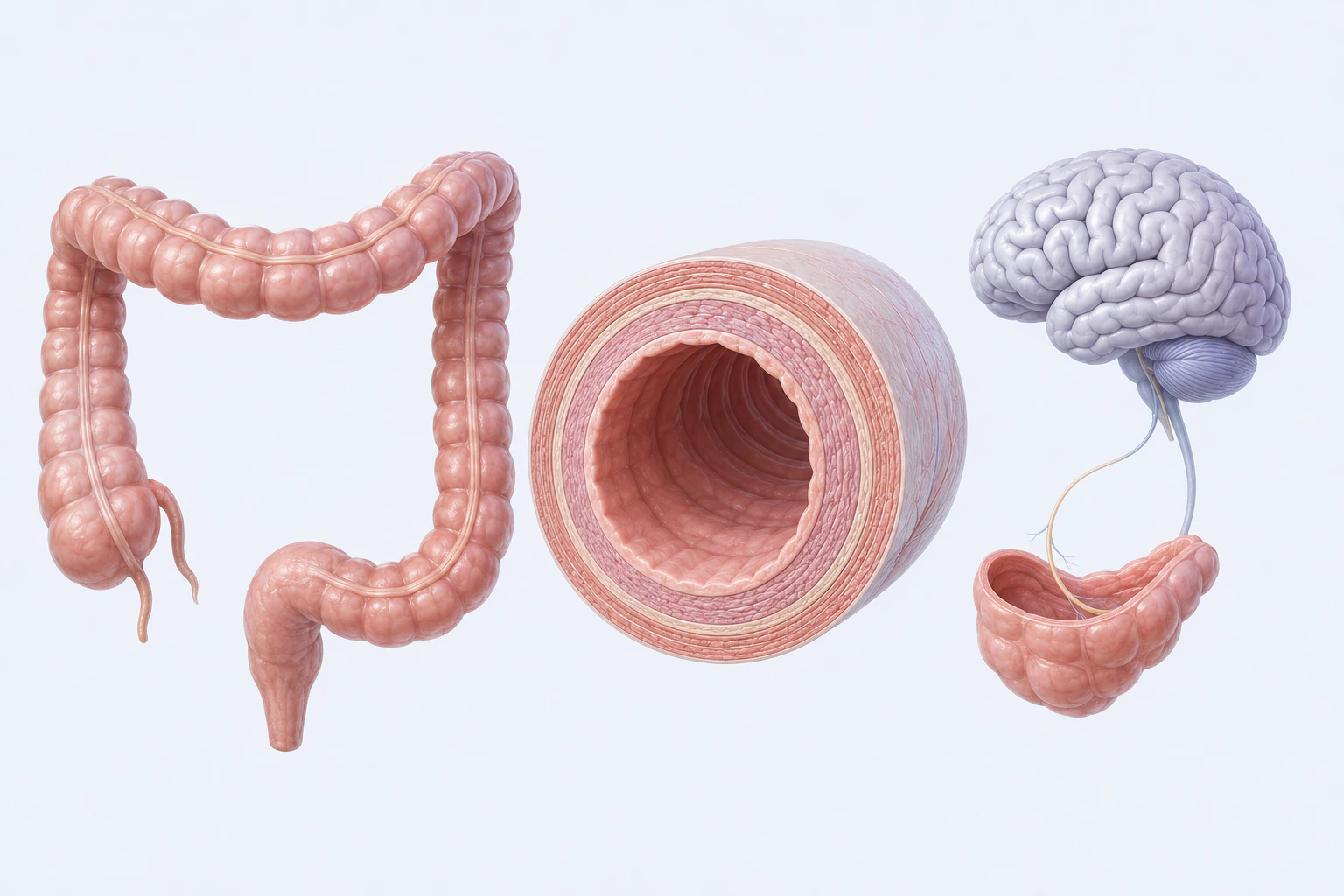
A functional gastrointestinal disorder affecting 10-15% of the global population, characterized by chronic abdominal pain, bloating, and altered bowel habits (diarrhea-predominant, constipation-predominant, or mixed) without identifiable structural pathology. From a met…
Research summary — not medical advice. This page synthesizes published research on a mechanism-level intervention. It is not a clinical recommendation. Consult a qualified healthcare provider before making any changes to diet, supplementation, or treatment.
This page synthesizes findings across 1,426 source pages to map the relationships between metals and disease. Where individual source pages document a single study's findings, this page identifies the patterns that emerge when those findings are laid side by side. ADVER…

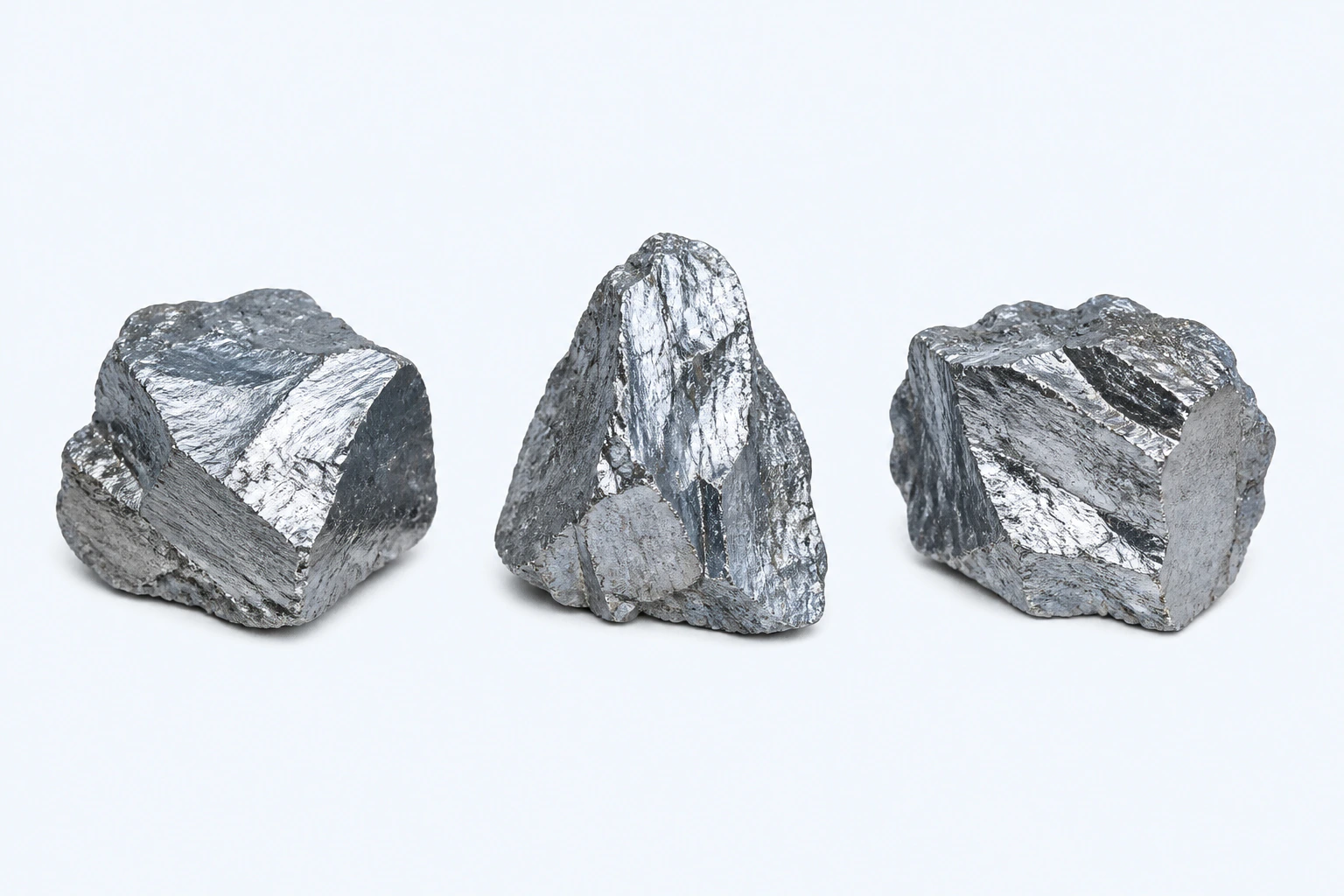
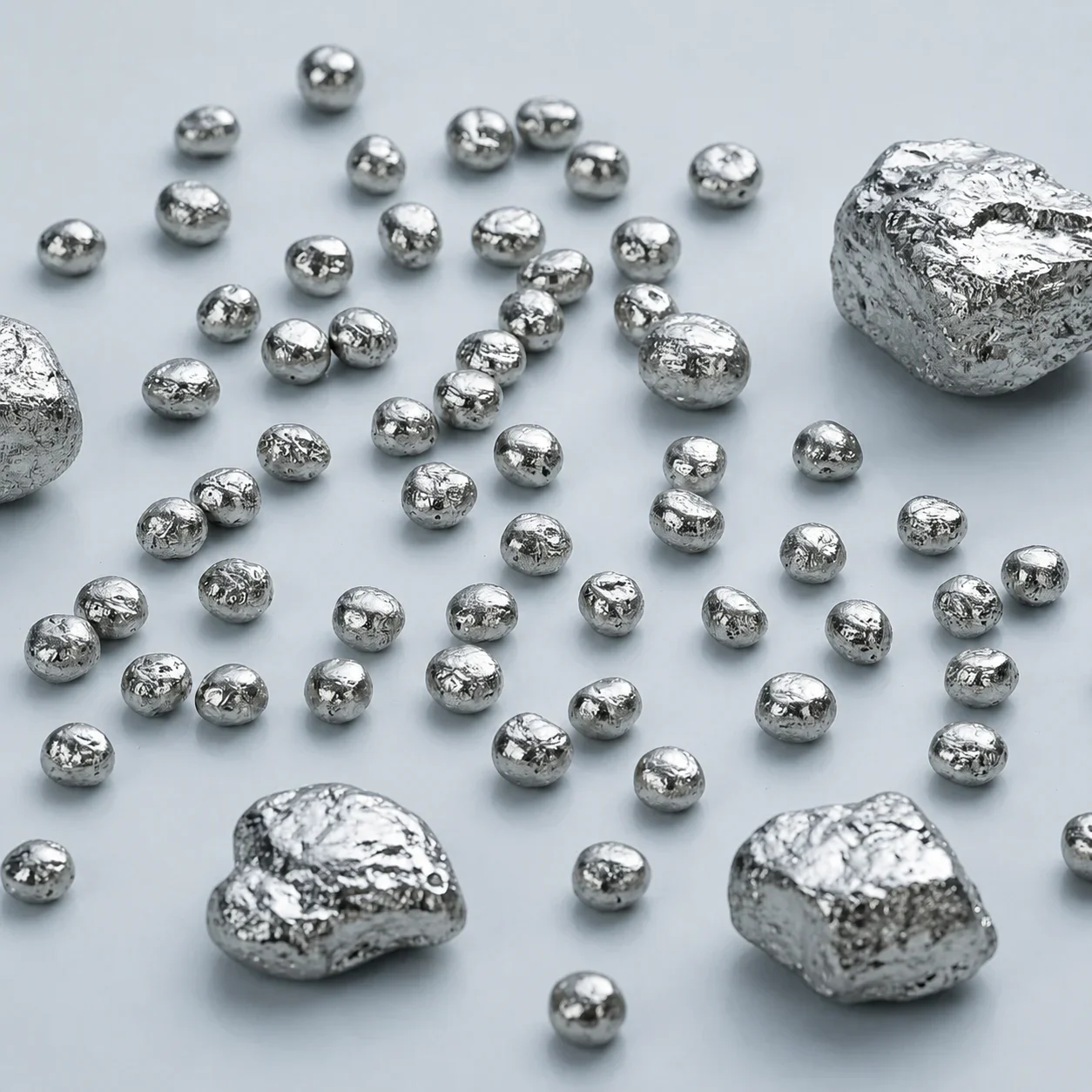
A transition metal occupying a central position in this wiki's evidence base. Nickel is toxic and carcinogenic to humans, yet an essential cofactor for pathogen virulence enzymes. It is the most frequent contact allergen worldwide and drives a wide spectrum of systemic …

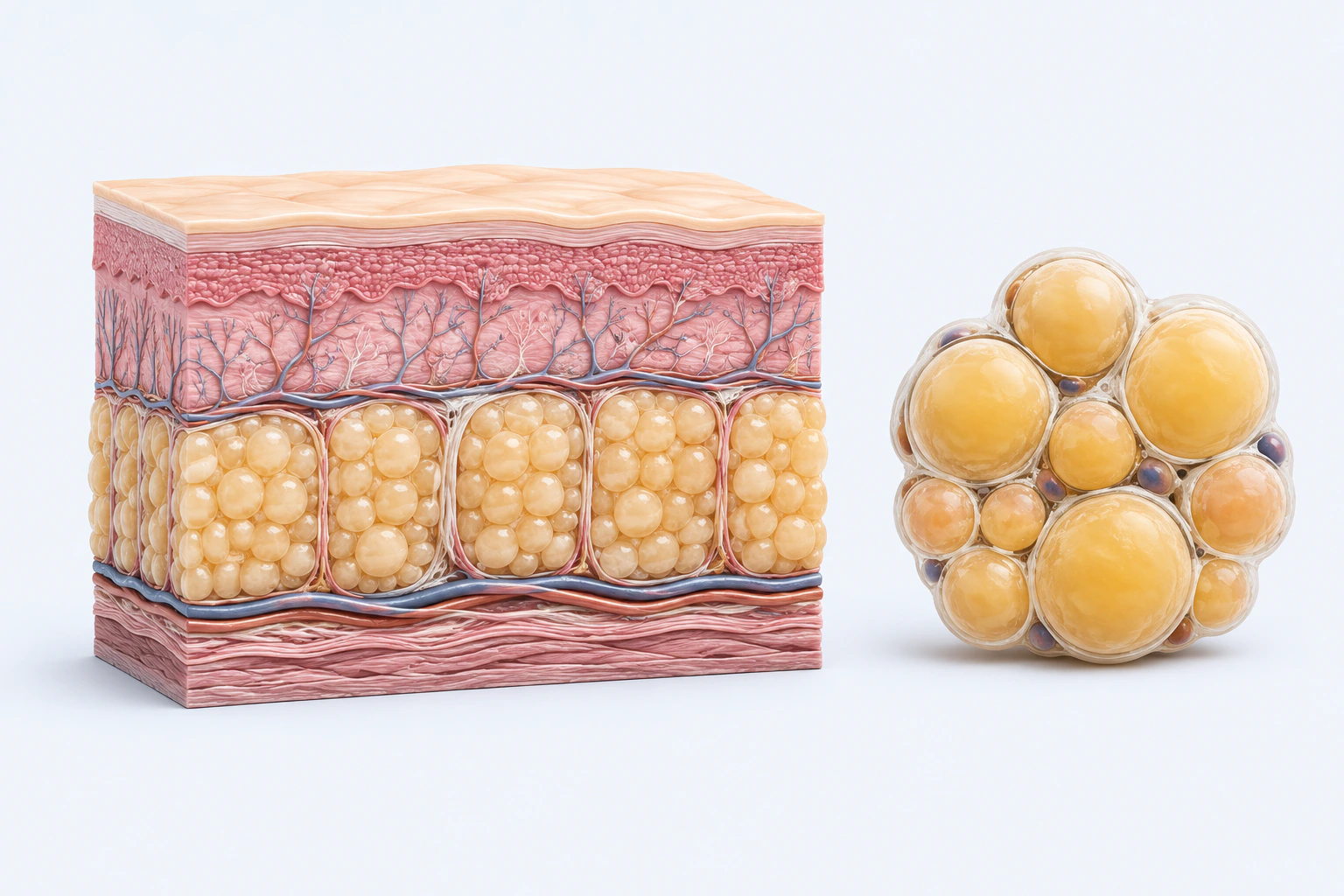
A chronic metabolic condition affecting over 1 billion people globally, characterized by excess adipose tissue accumulation, systemic low-grade inflammation, and gut microbiome disruption pendergrass 2026 heavy metals obesity epidemic. From a metallomics perspective, ob…
Lei et al. (2018) demonstrated that hydrogen sulfide promotes endometrial stromal cell proliferation via NF-kB activation. CBS and CSE (H2S-producing enzymes) are overexpressed in ectopic endometrium. NF-kB is also activated by nickel exposure in allergic contact mucosi…
Anti-inflammatory and plant-forward diets are the standard nutritional recommendation for endometriosis, PCOS, rheumatoid arthritis, and IBD. These diets emphasize legumes, whole grains, nuts, seeds, dark chocolate, and cruciferous vegetables -- precisely the foods with…
Toll-like receptor 4 (TLR4) is a cell-surface pattern-recognition receptor in the toll like receptors family. It is best known for detecting particular forms of bacterial lipopolysaccharide (LPS) through a receptor complex and converting that detection into innate immun…