WikiBiomeThe human microbiome encyclopedia
WikiBiome/Search: “virulence”
Encyclopedia search

Search: “virulence”

Ranked matches across titles, topics, categories, and article introductions.

80 records in this view
Host defenses8 sources

Metal-Dependent Virulence

Transition metals serve as essential cofactors for pathogen virulence factors across virtually all domains of microbial life. The dependence of pathogens on metals they must scavenge from the host environment creates a fundamental tension at the heart of infectious dise

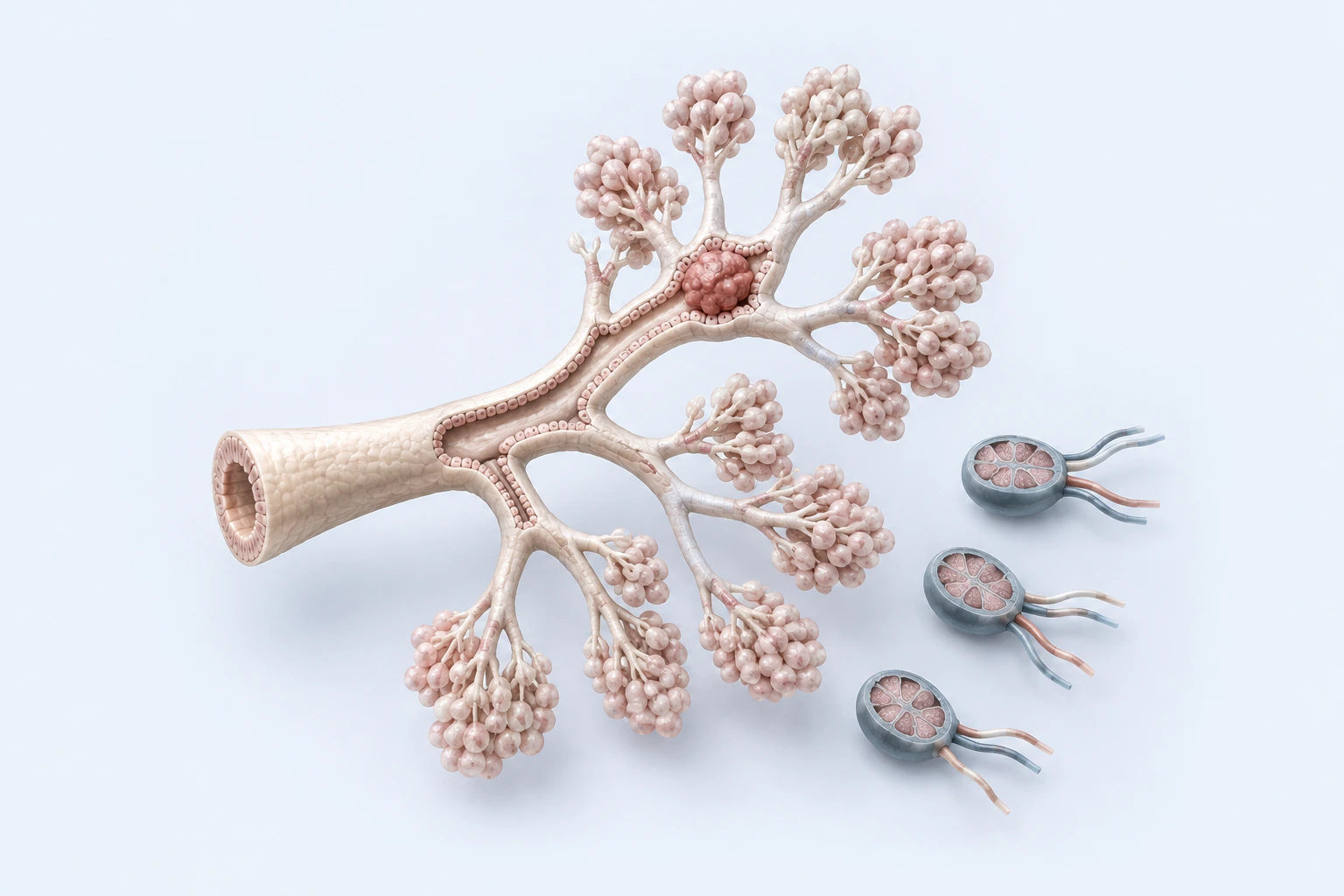
A branching mammary duct-and-lobule teaching model contains one irregular rose lesion, with three separate regional structures nearby.
Diseases19 sources

Breast Cancer

Breast cancer is the most common cancer in women worldwide, with approximately 2.3 million new cases annually. While genetic, hormonal, and lifestyle factors are well-established risk determinants, the metallomic dimension reveals a consistent pattern of trace element d

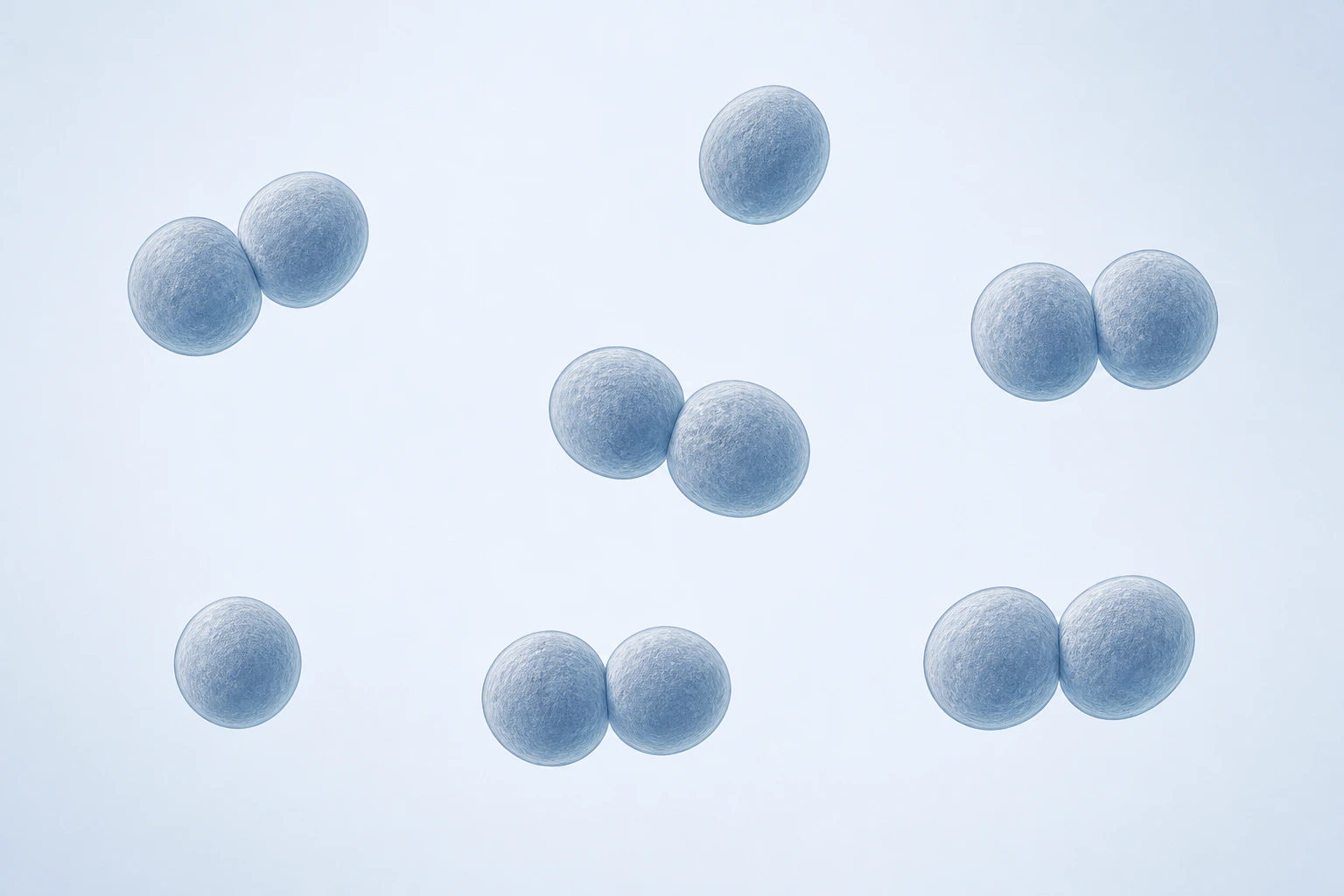
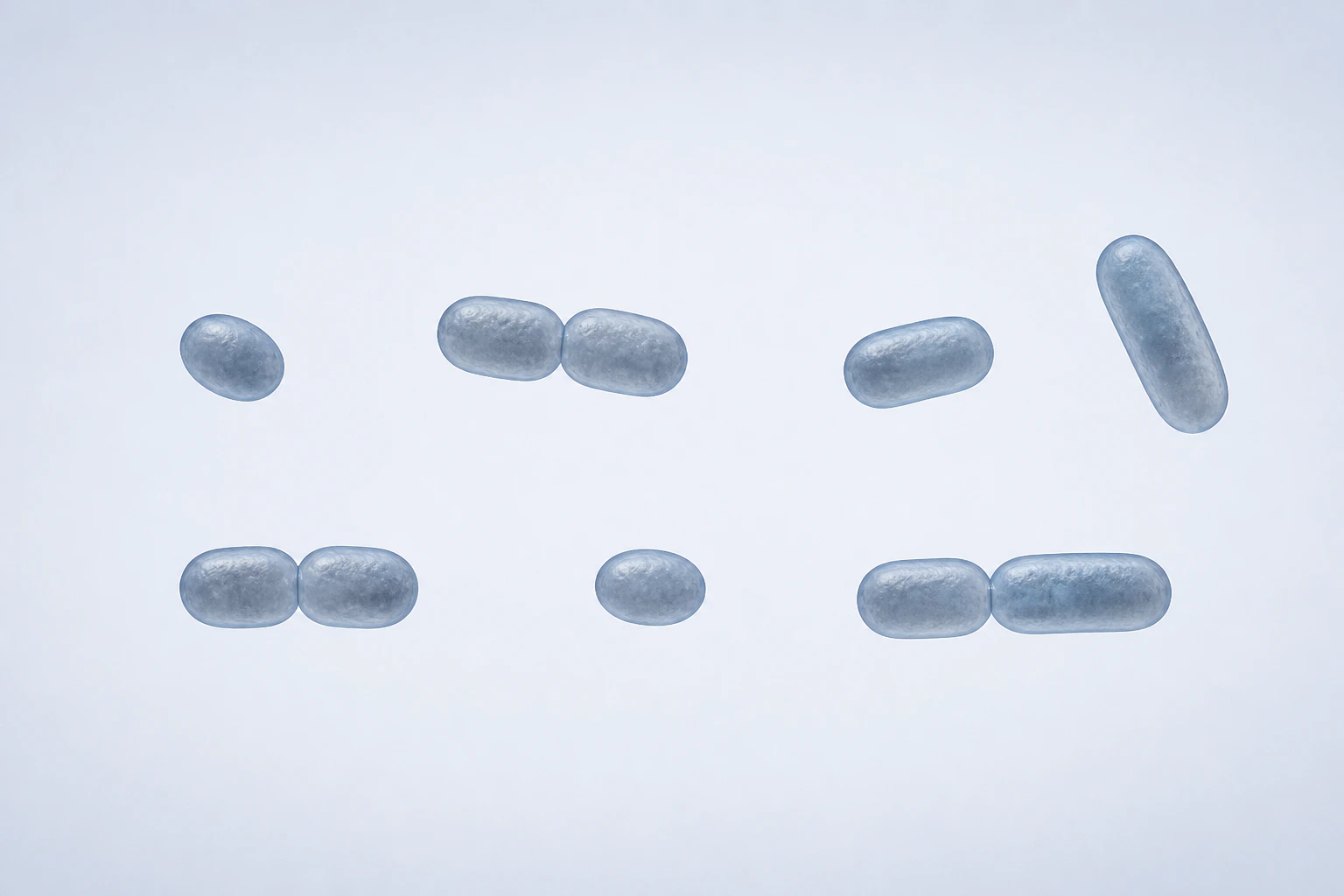
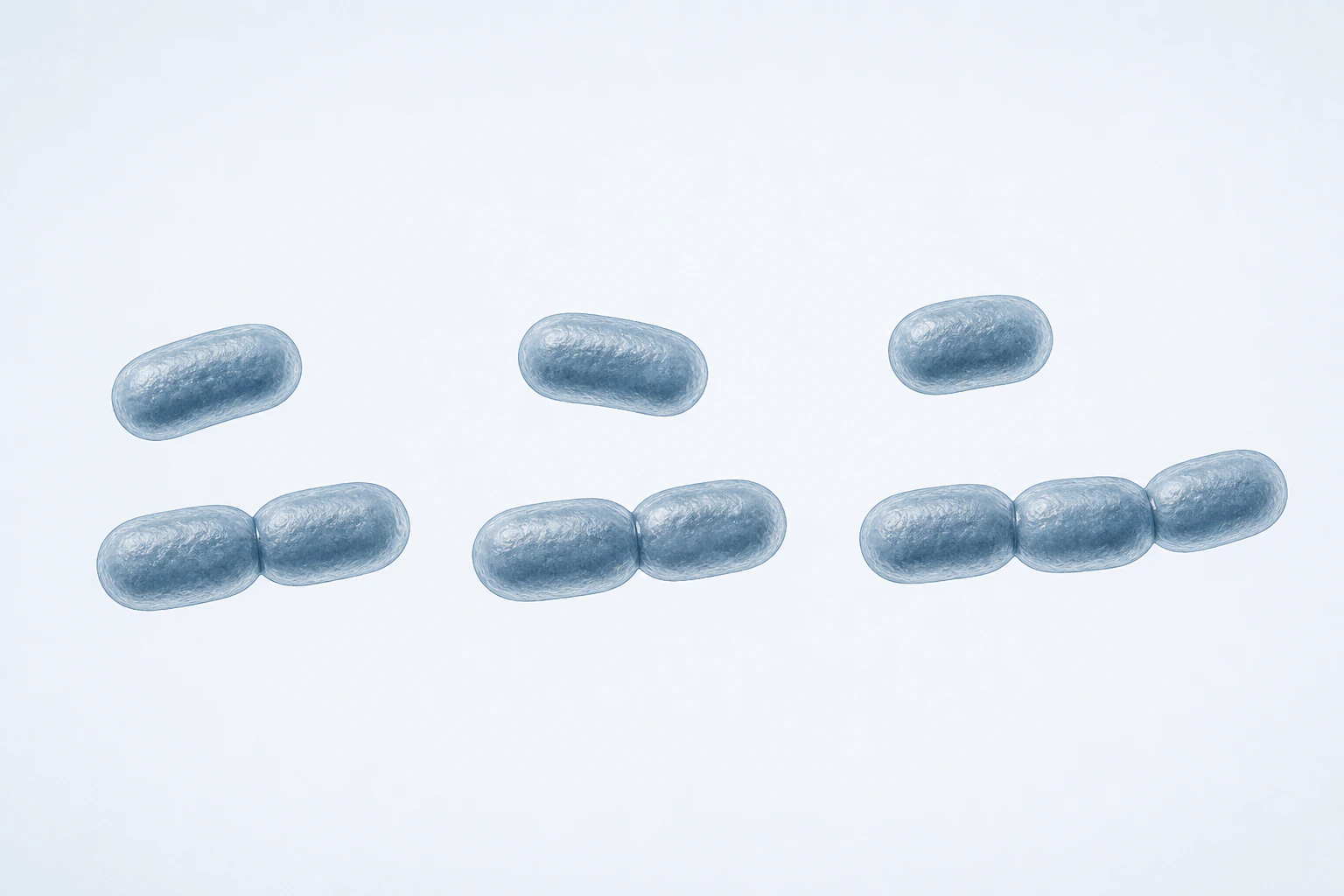
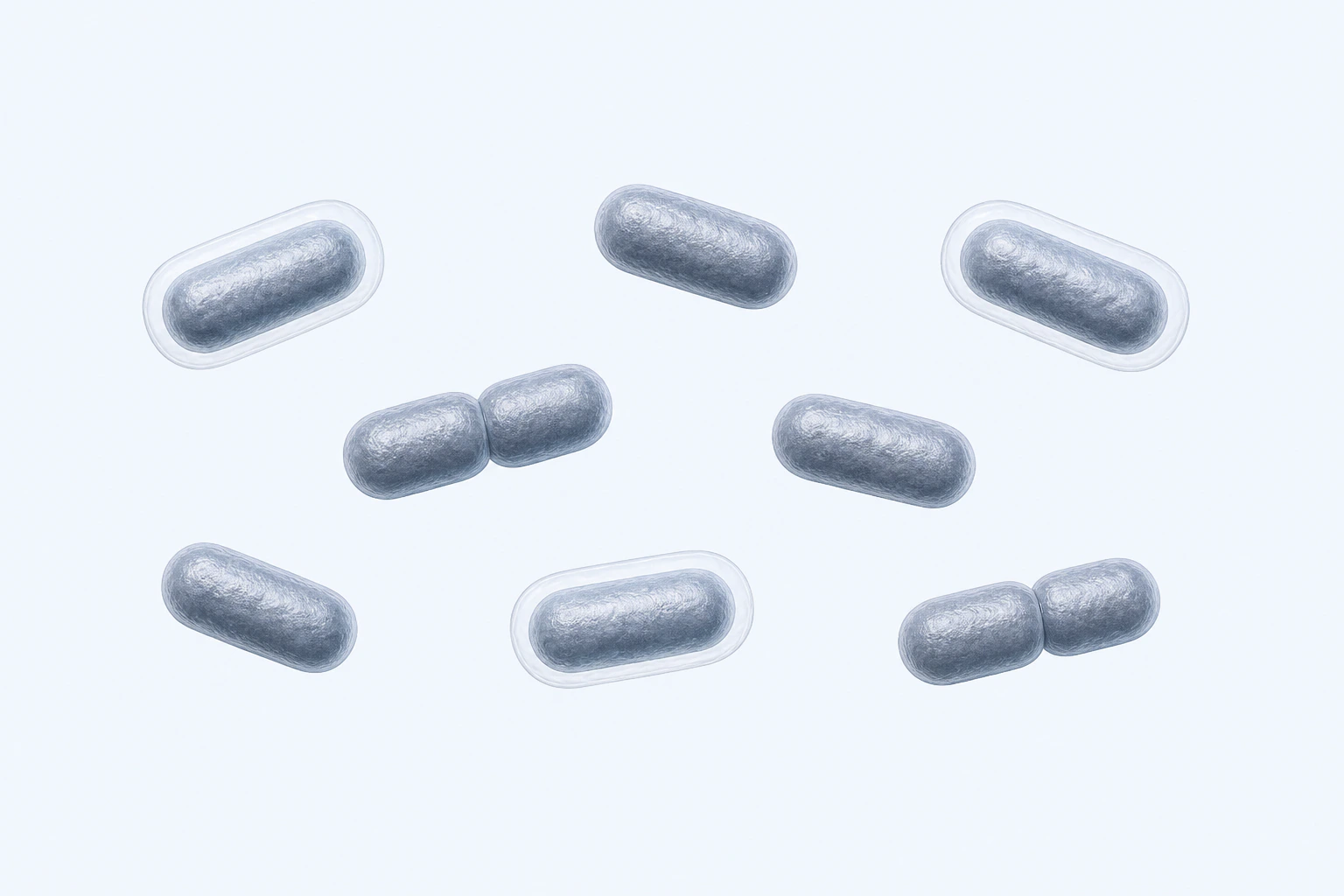
Eight plump Brucella coccobacillary bodies appear in six groupings: four singles and two touching pairs, each oval to very short and longer than wide.
Microorganisms1 sources

Brucella

A genus of Gram-negative intracellular pathogens causing brucellosis, the most common bacterial zoonosis worldwide. Brucella species depend on nickel-activated urease for gastrointestinal survival during the initial phase of infection, and urease immunization has been s

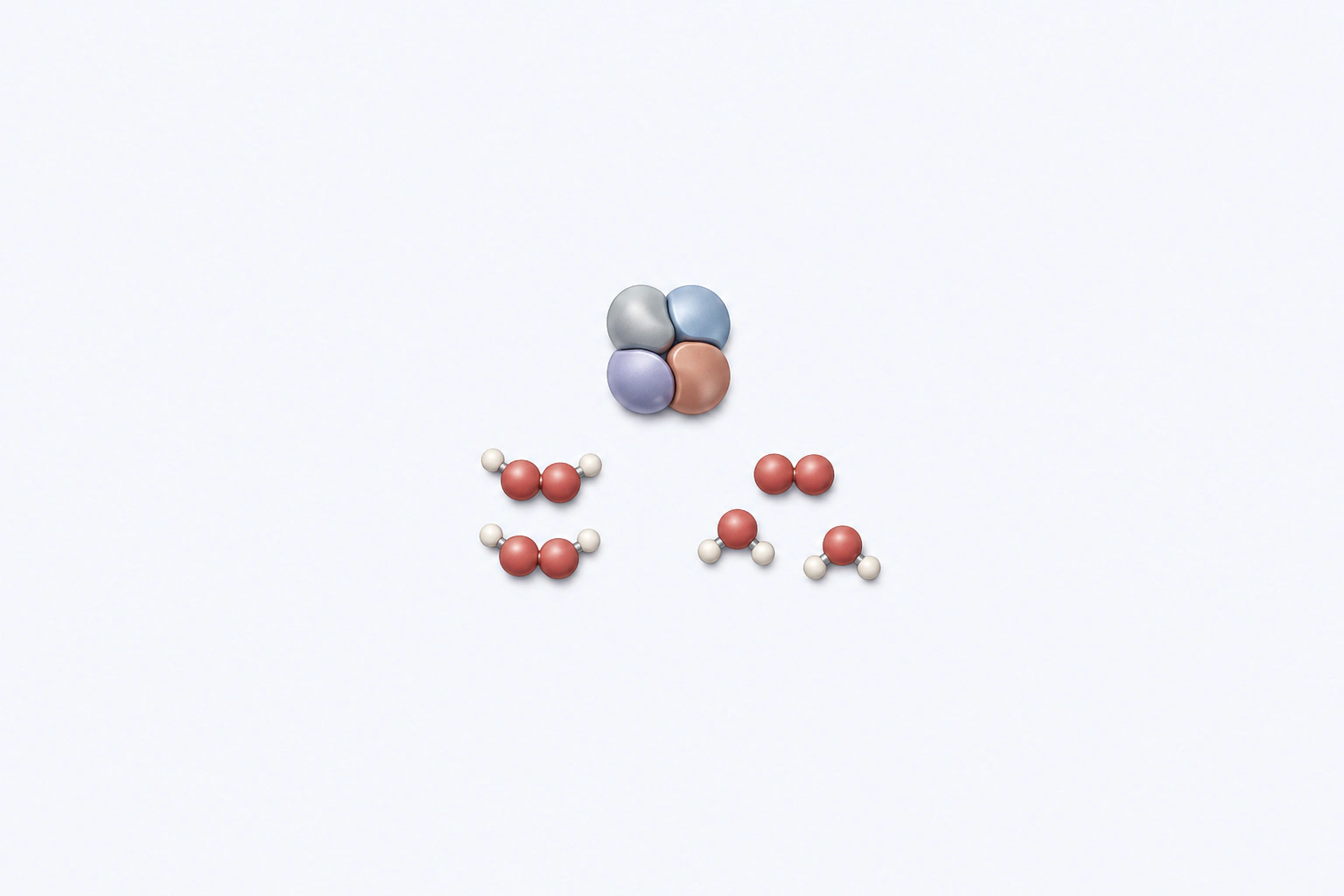
A compact generic enzyme form is separated from two peroxide-context tokens and a product group containing one oxygen pair and two water-like tokens.
Mechanisms6 sources

Catalase

Catalase is a heme-iron enzyme that decomposes hydrogen peroxide into water and oxygen. In microbial peroxide defense, it acts downstream of superoxide dismutase: superoxide dismutase converts superoxide to hydrogen peroxide, and catalase removes that hydrogen peroxide

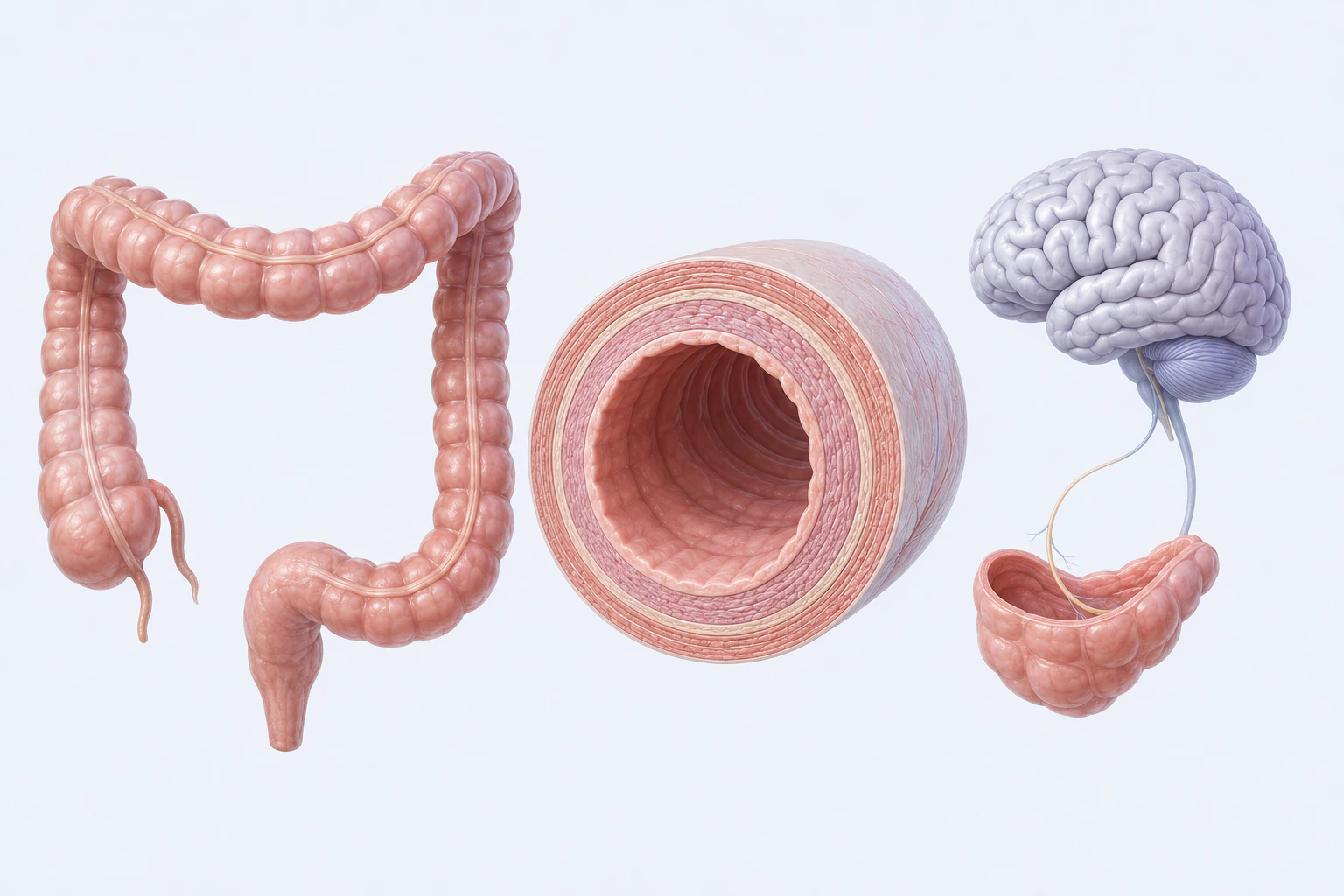
A complete intact brain teaching model appears beside a separate assembly of connected cortical- and limbic-like forms.
Diseases10 sources

Depression

Depression is the most prevalent mental health disorder globally, affecting over 280 million people zhu 2025 microbiota gut brain axis depression review, and one of the most metal-sensitive conditions in this wiki. It sits at the convergence of nearly every pathway cata

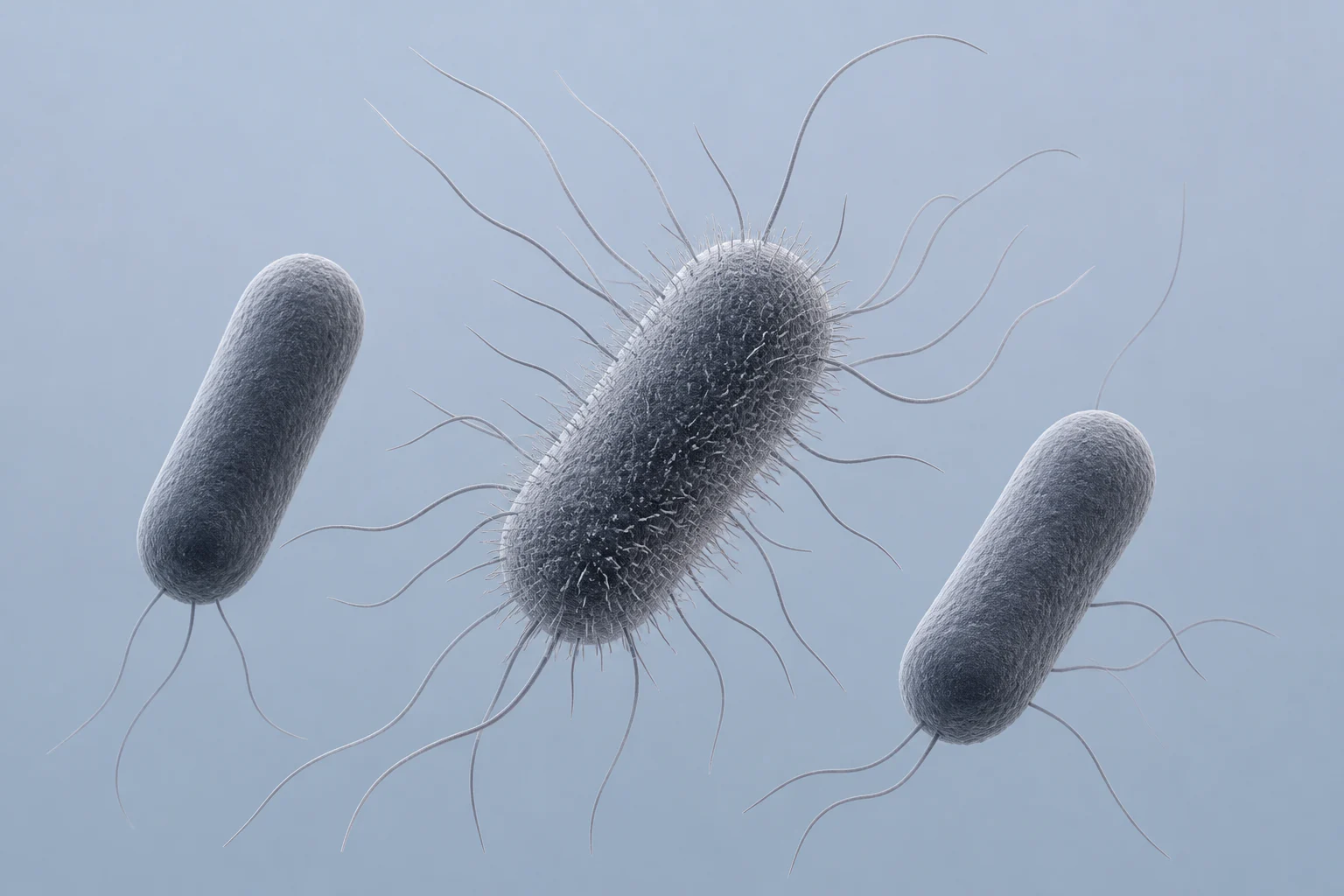
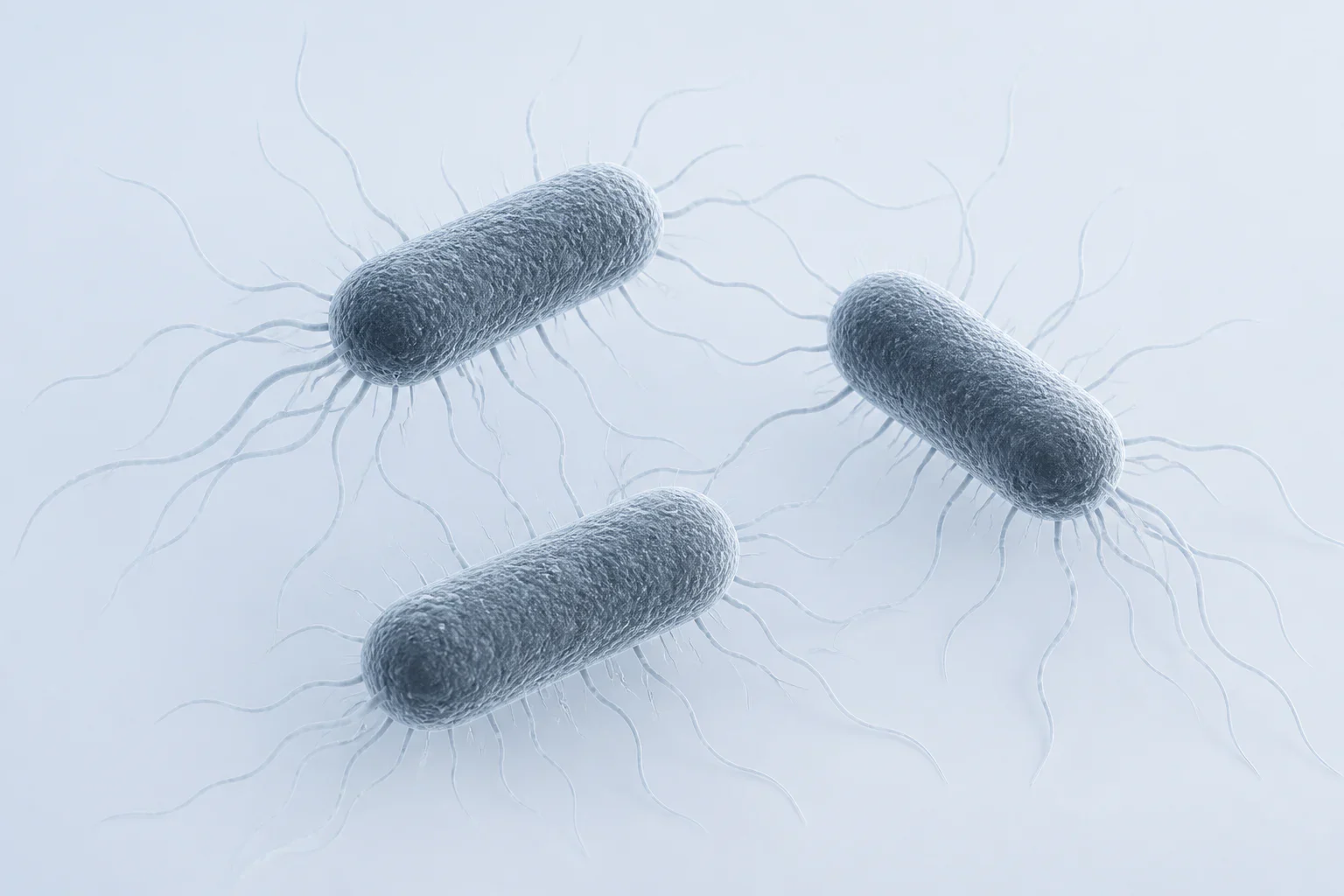
Microscopy-informed reconstruction of three rod-shaped Escherichia coli cells with peritrichous flagella and fine pili on a pale cool field.
Microorganisms6 sources

Escherichia coli

A Gram-negative bacterium that spans the commensal-pathogen spectrum, with pathogenic variants (UPEC, STEC, EHEC) deploying nickel-dependent enzymes as virulence factors. E. coli is the model organism for nickel transport biology -- the NikABCDE system was first charact

Mechanisms5 sources

Gene Regulation

Gene regulation in bacteria is the process by which cells control when and how much of each gene product is made. In the metallomics context, gene regulation is the mechanism by which bacteria respond to the metal environment -- sensing metal availability and adjusting

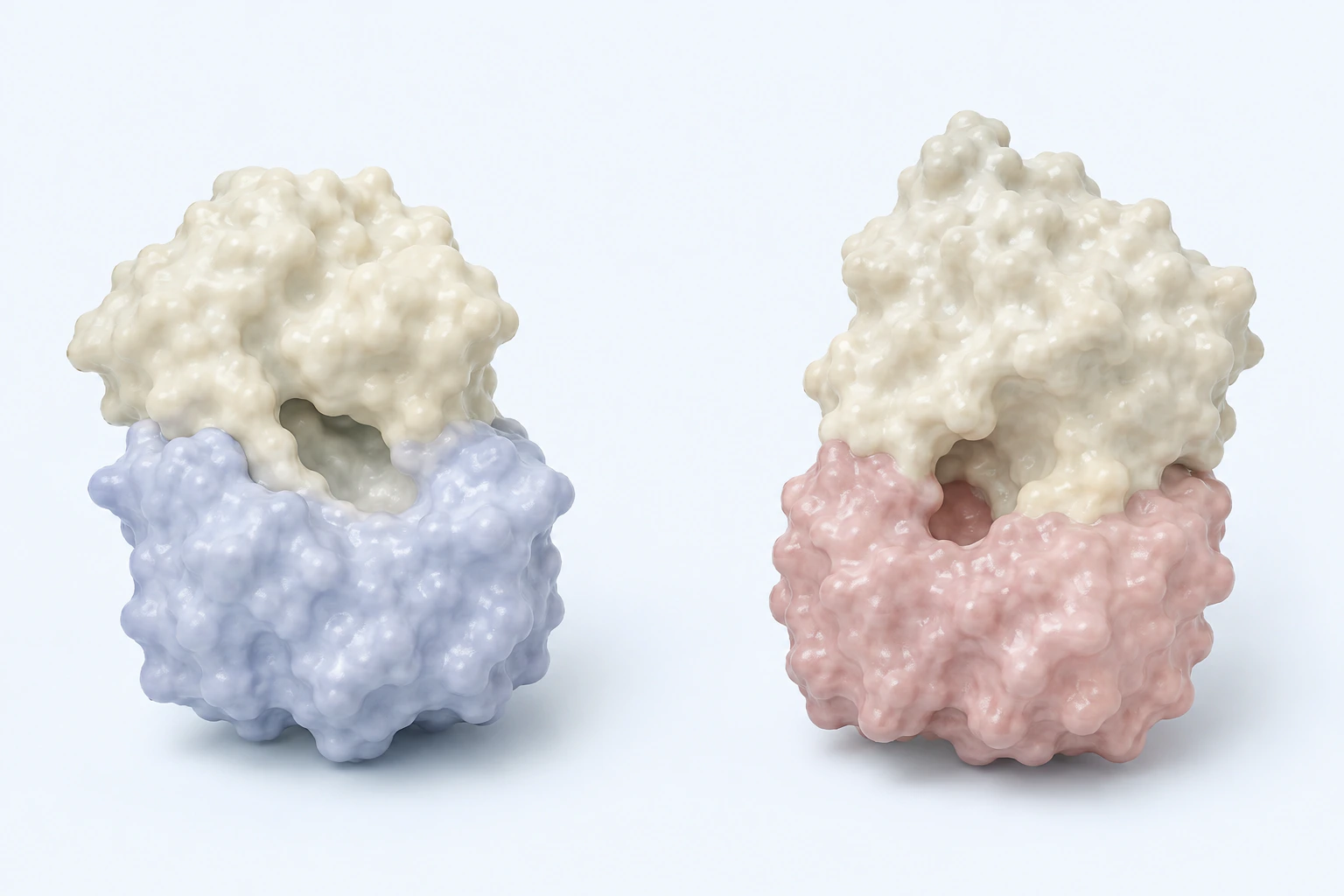
Two separated non-atomic protein-fragment teaching models, each formed by two connected domain masses around an empty surface cleft.
Mechanisms6 sources

Gingipains

Gingipains are the zinc-dependent cysteine proteases that serve as the master virulence factors of porphyromonas gingivalis. Three gingipains exist: RgpA and RgpB (arginine-specific) and Kgp (lysine-specific). They require zinc as a catalytic cofactor, making gingipain

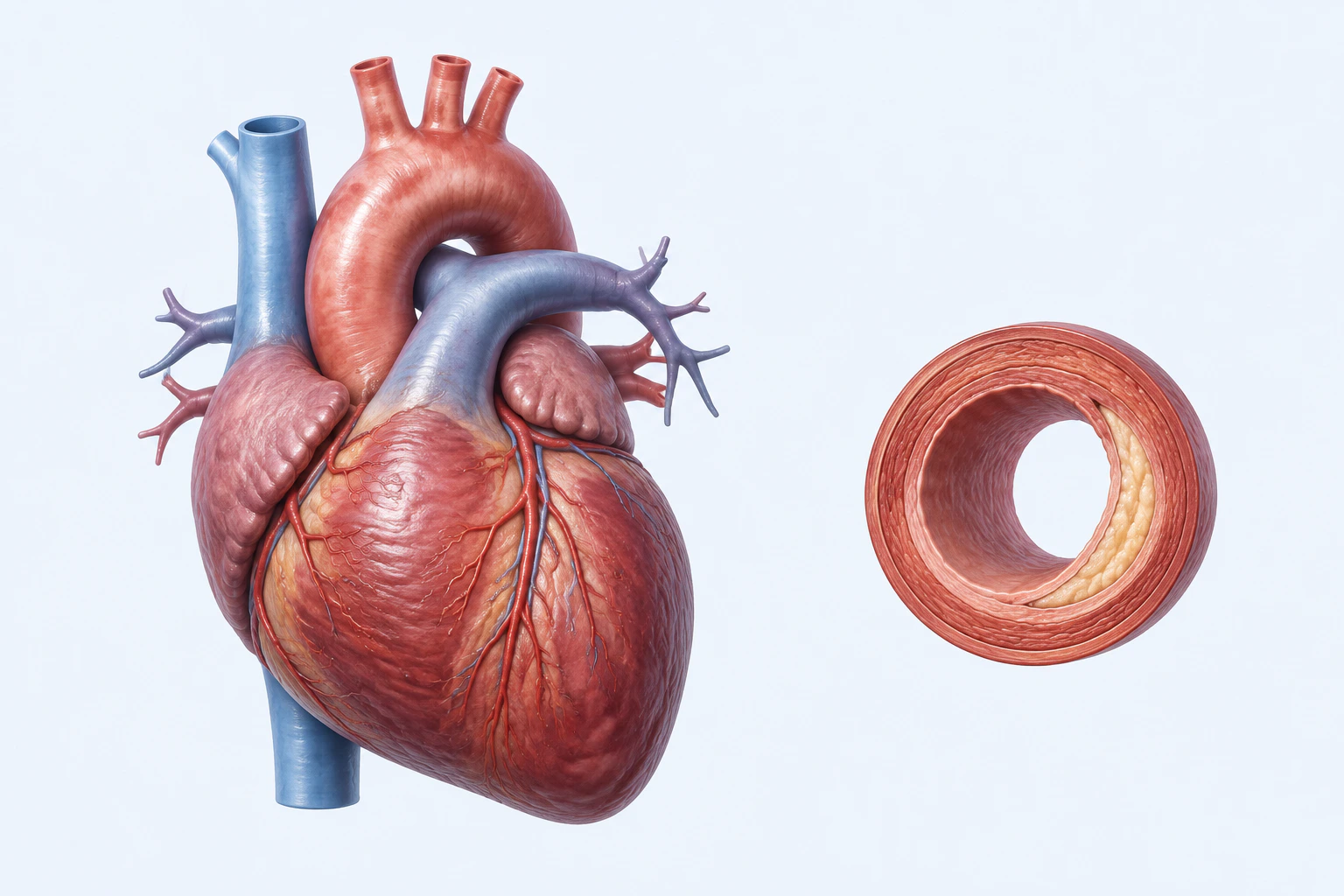
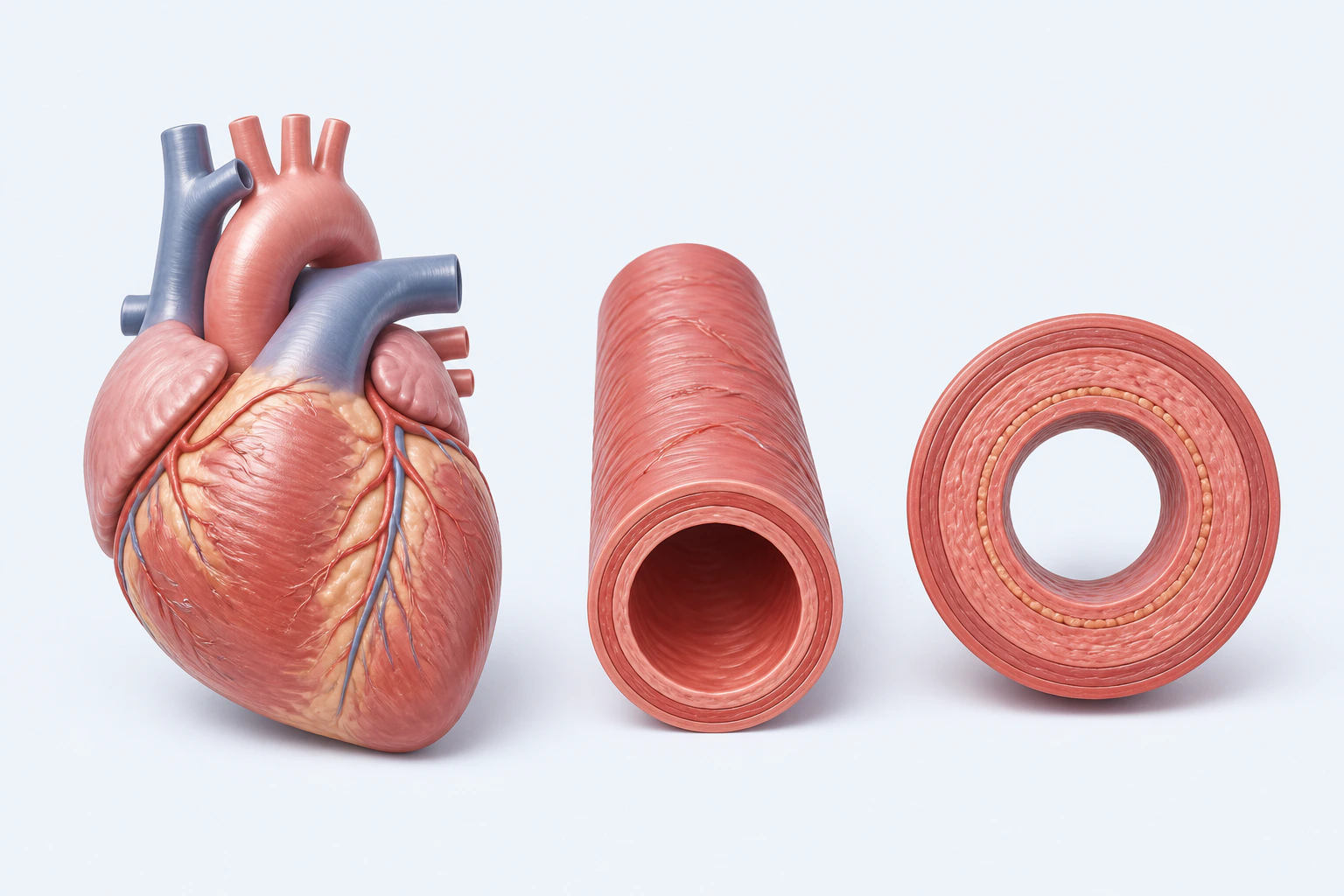
A heart with proximal vessels appears beside an open muscular-artery segment and a layered arterial cross-section with a patent lumen.
Diseases8 sources

Hypertension

Sustained elevation of systemic blood pressure, affecting an estimated 1.3 billion adults worldwide and the leading modifiable risk factor for cardiovascular disease, stroke, and chronic kidney disease. The gut microbiome-blood pressure axis has emerged as a major resea

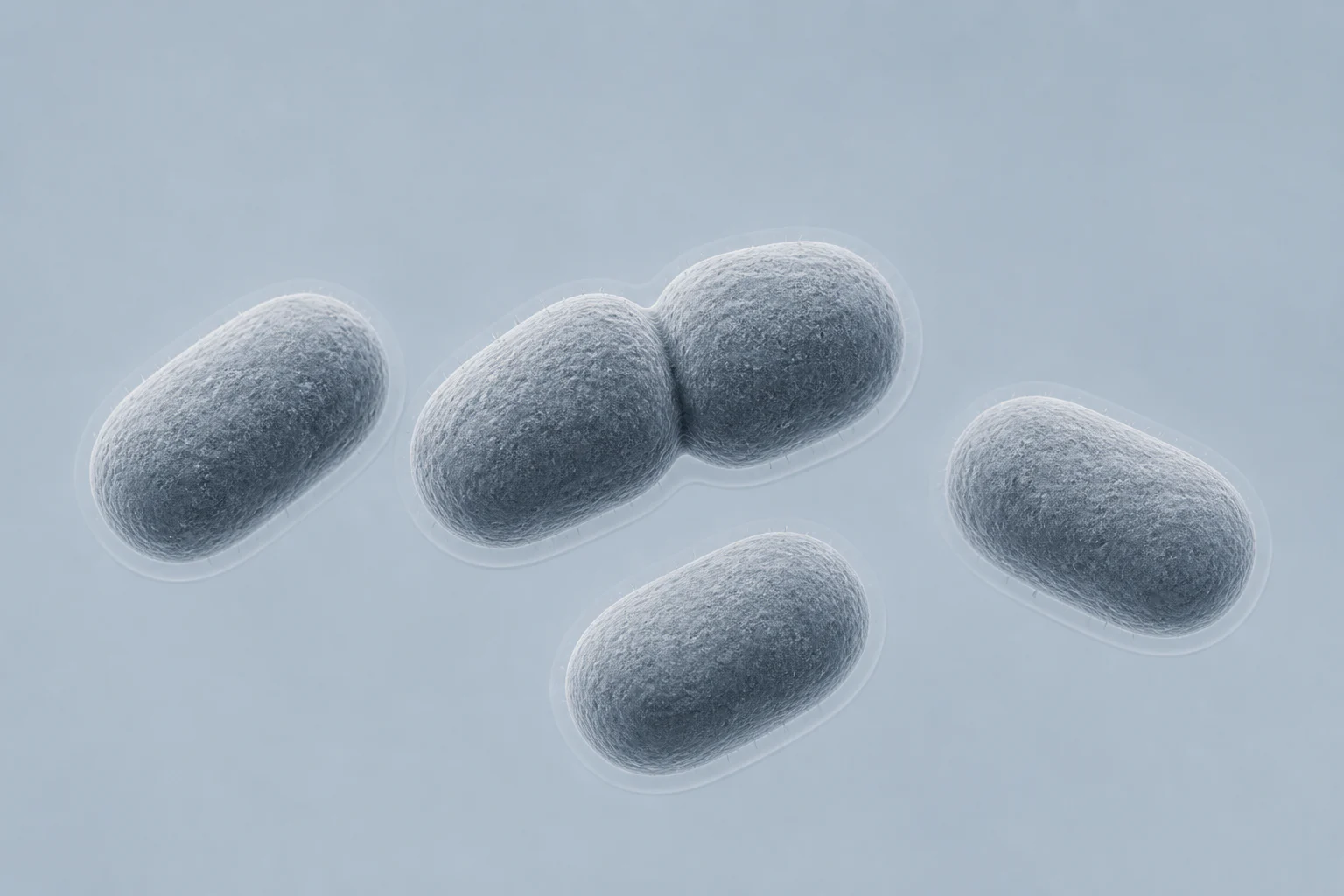
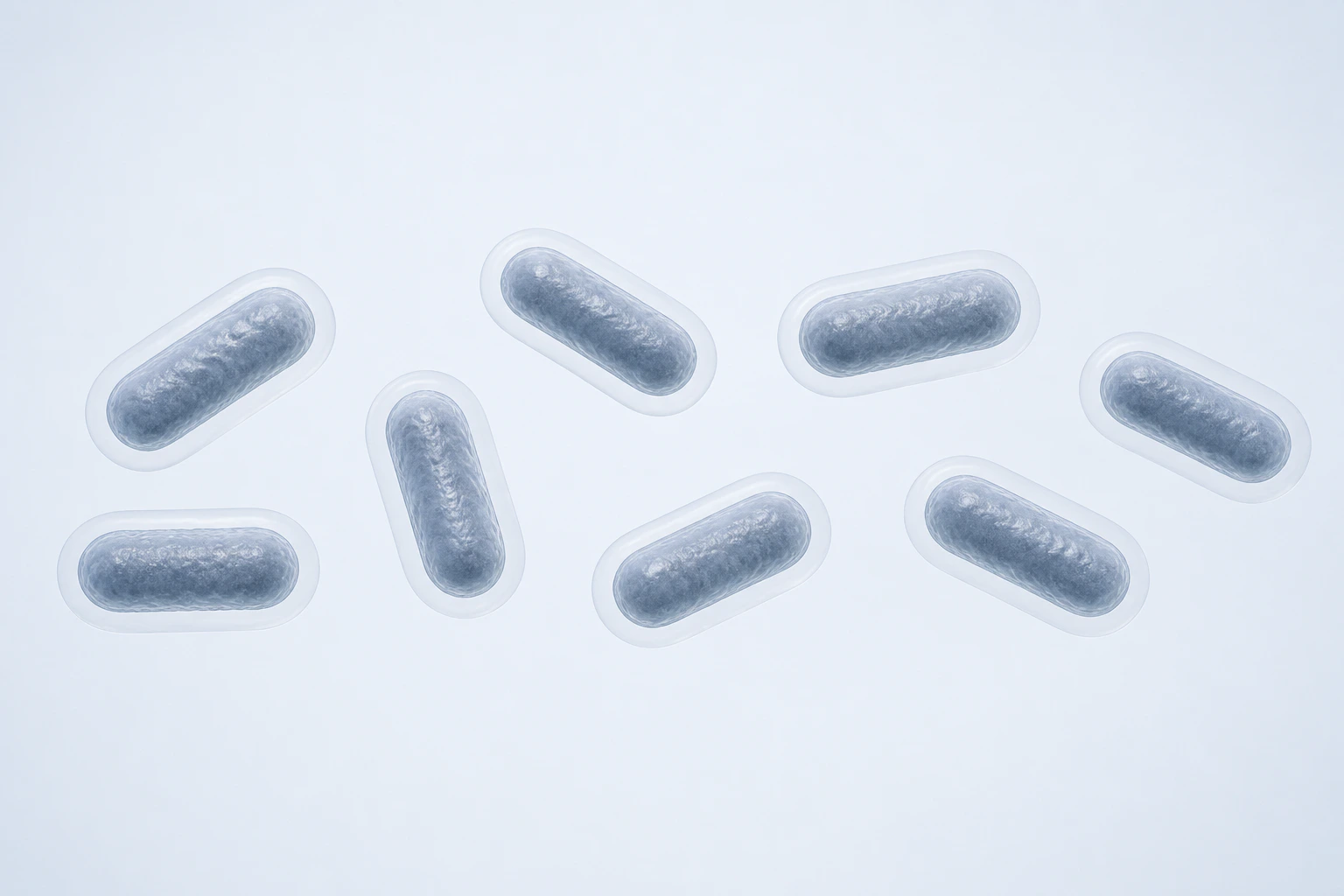
Eight isolated Klebsiella pneumoniae plump rods each show one closely following translucent capsule halo.
Microorganisms3 sources

Klebsiella pneumoniae

A Gram-negative opportunistic pathogen and member of the ESKAPE group of antibiotic-resistant priority pathogens. K. pneumoniae deploys multiple nickel-dependent enzymes for virulence and relies on the dual-function metallophore yersiniabactin for both iron and nickel s