WikiBiomeThe human microbiome encyclopedia
WikiBiome/Search: “ferroptosis”
Encyclopedia search

Search: “ferroptosis”

Ranked matches across titles, topics, categories, and article introductions.

36 records in this view
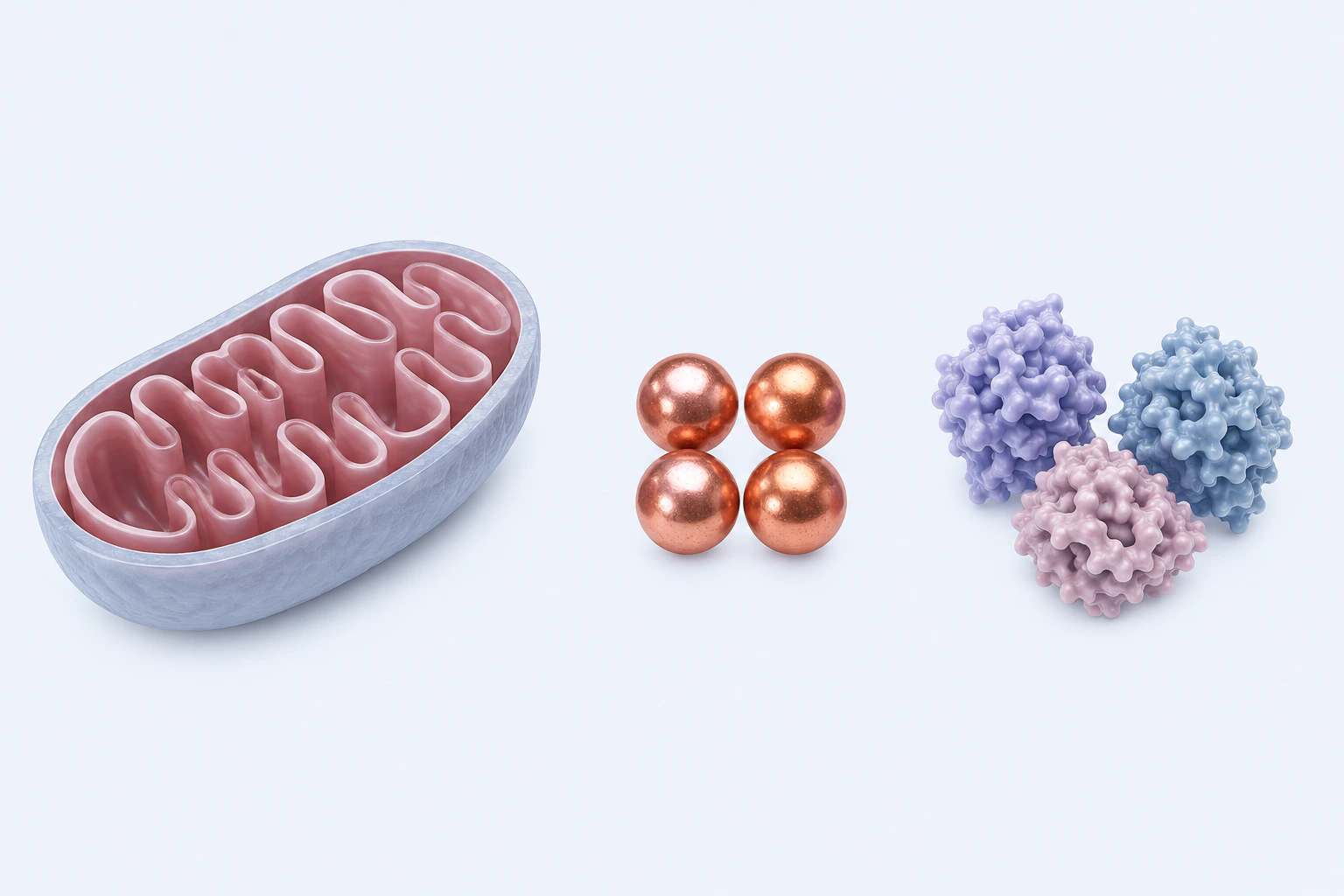
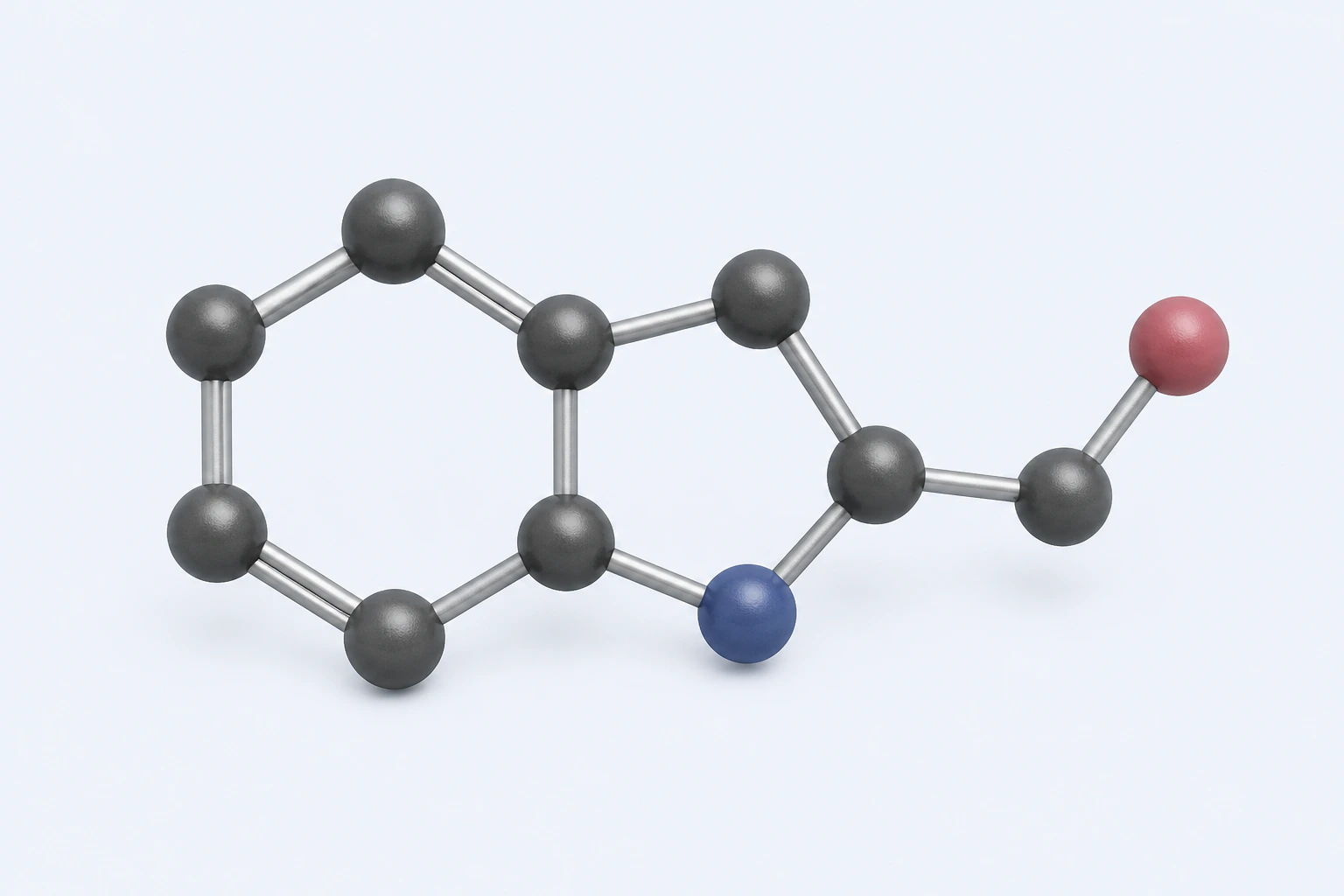
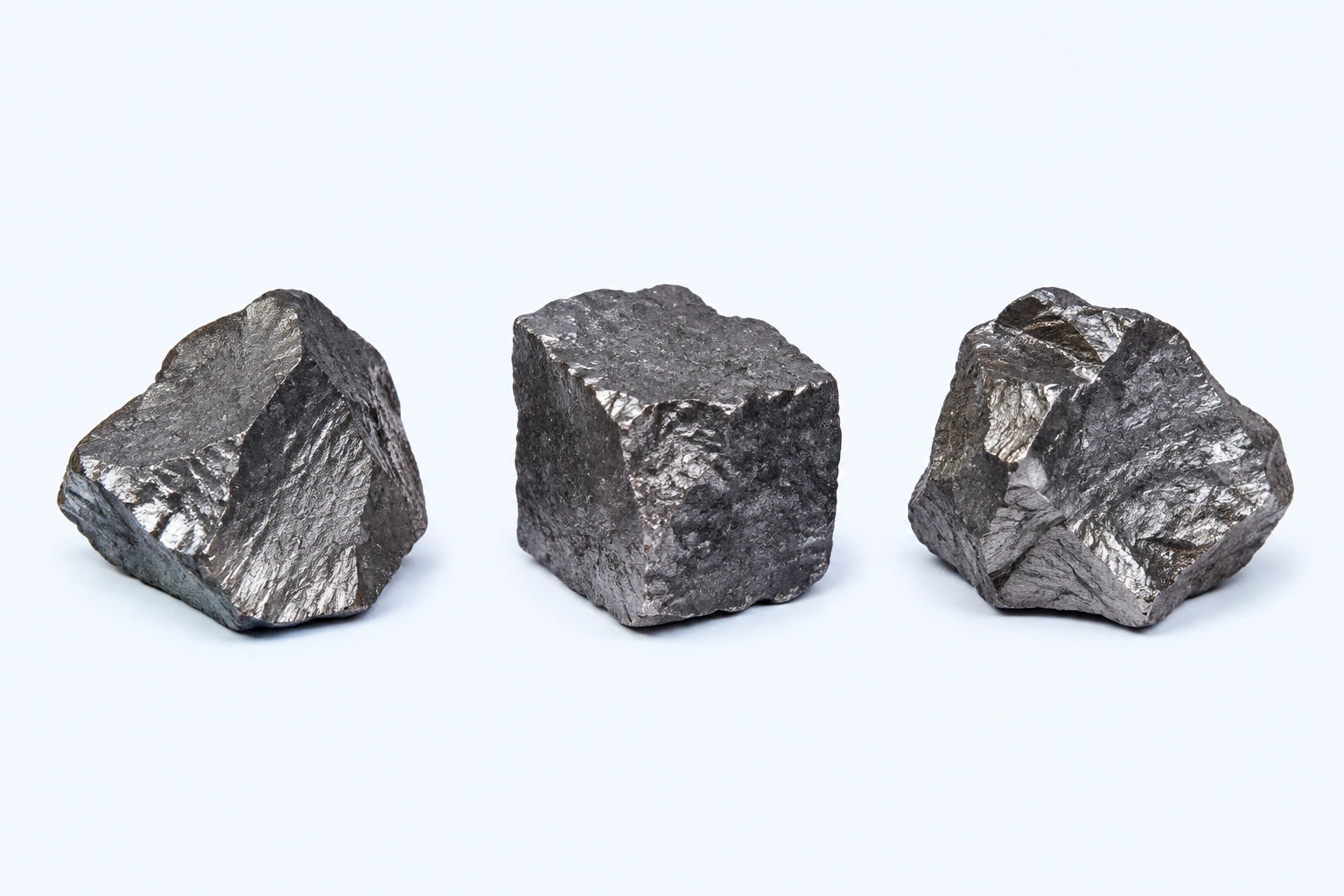
A generic mitochondrion-like cutaway appears separately from four copper-colored spheres and three folded protein-like forms.
Mechanisms4 sources

Cuproptosis

A distinct form of regulated cell death caused by excess intracellular copper binding to lipoylated proteins in the TCA cycle, first characterized by Tsvetkov et al. in Science (2022). Unlike ferroptosis (iron-dependent lipid peroxidation) or apoptosis (caspase-dependen

Reference0 sources

Glossary

Alphabetical definitions of specialist terms used throughout this wiki. Where a full concept page exists, the term links to it. --- AhR (aryl hydrocarbon receptor) -- A ligand-activated transcription factor that senses microbial metabolites (especially indoles from tryp

Mechanisms6 sources

Lipid Peroxidation

Lipid peroxidation is the oxidative degradation of polyunsaturated fatty acids (PUFAs) in cell membranes by reactive oxygen species (ROS). The process generates toxic aldehydes — malondialdehyde (MDA) and 4-hydroxynonenal (4-HNE) — that damage proteins, DNA, and mitocho

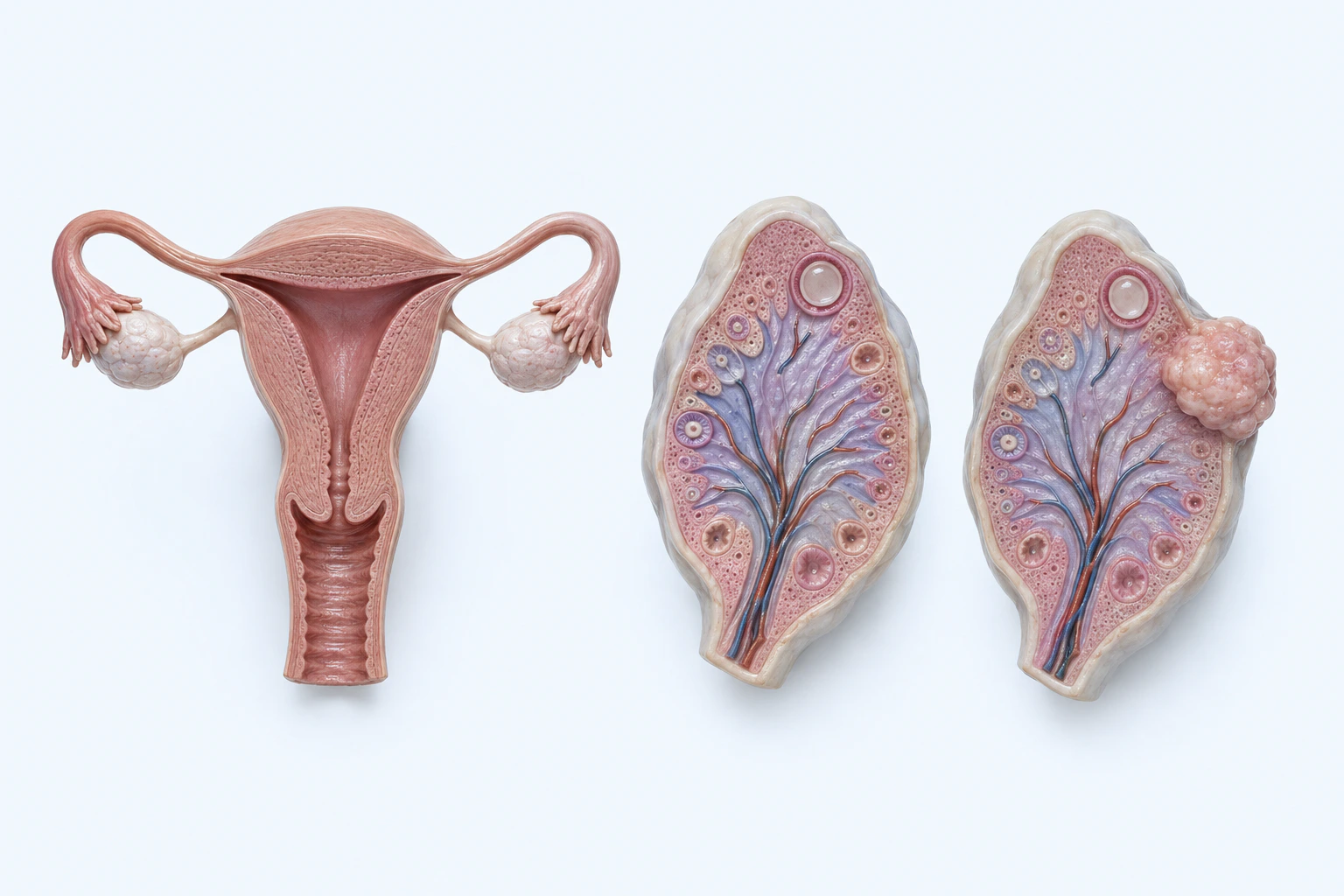
Reproductive anatomy and two ovarian cutaways appear separately; one cutaway carries a single prominent bounded nonspecific external growth.
Diseases6 sources

Ovarian Cancer

Ovarian cancer is the most lethal gynecological malignancy, with approximately 314,000 new cases and 207,000 deaths annually worldwide. Its poor prognosis stems largely from late-stage diagnosis (70% at stage III/IV) and the development of chemoresistance. From a metall

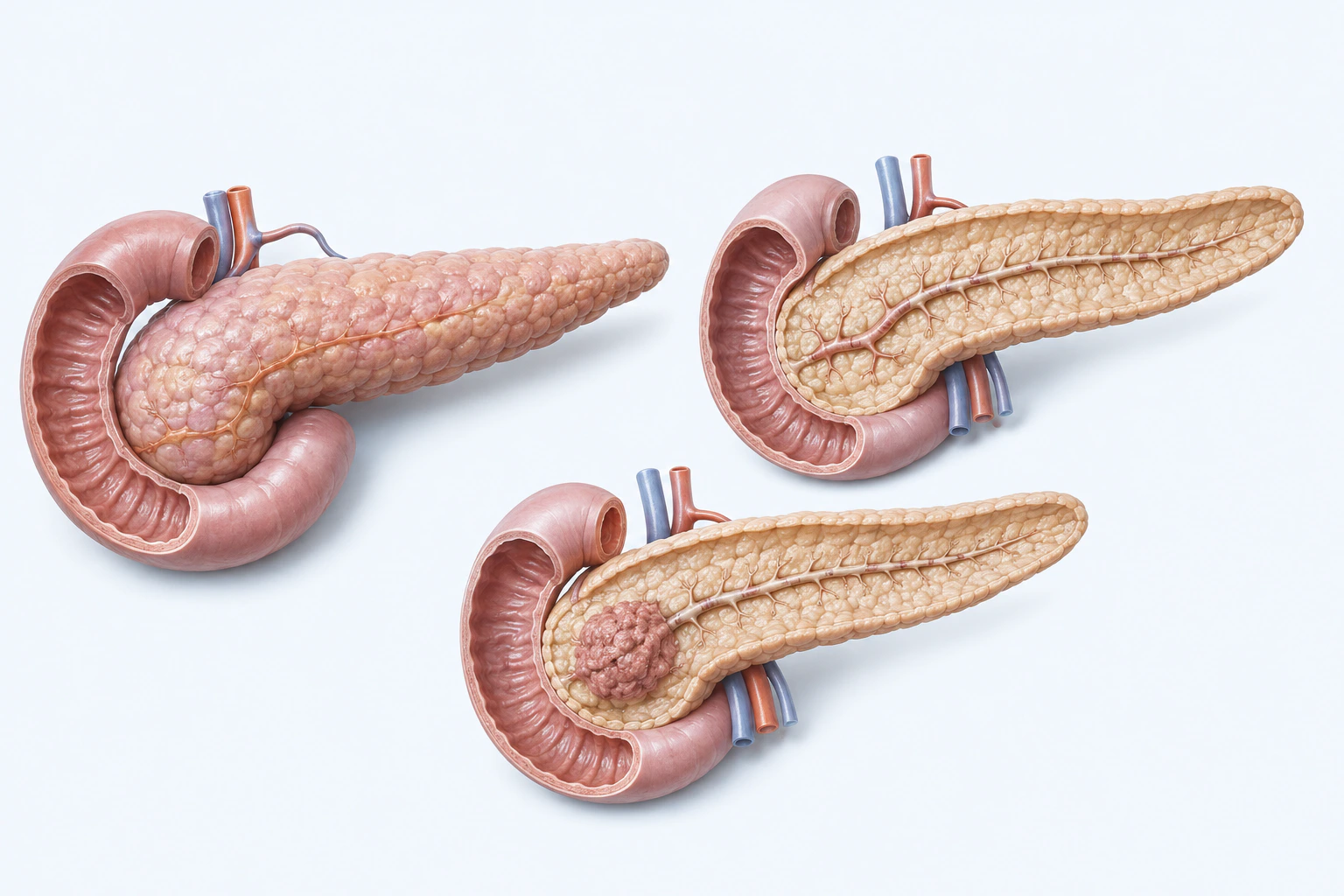
Three pancreatic teaching models appear separately, including one with a bounded nonspecific growth near the pancreatic head.
Diseases22 sources

Pancreatic Cancer

Pancreatic cancer is the fifth leading cause of cancer death in Western nations, with rising incidence globally. Pancreatic ductal adenocarcinoma (PDAC) accounts for over 90% of cases. Five-year survival remains approximately 12%, owing to late-stage diagnosis, aggressi