
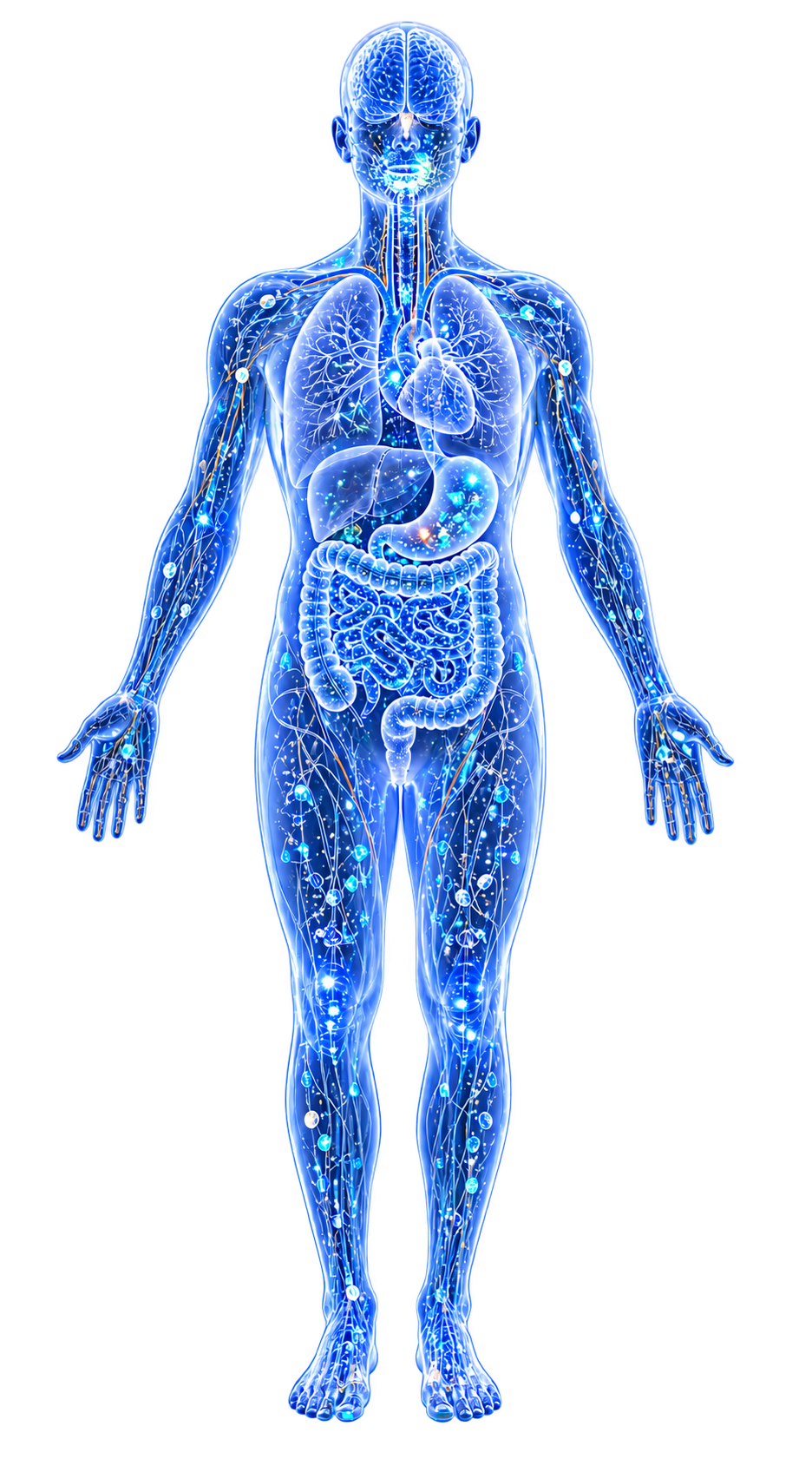
A three-carbon short-chain fatty acid (SCFA) produced primarily by Bacteroidetes and certain Firmicutes through anaerobic fermentation of dietary substrates. At physiological concentrations in healthy gut microbiomes, propionic acid (PPA) is a normal fermentation product with beneficial systemic effects.
In excess—driven by enrichment of propionate-producing taxa in dysbiotic microbiomes—it becomes a potent neurological disruptor with documented links to autism spectrum disorder (ASD) pathology.
Propionic acid is the SCFA most directly implicated in gut-to-brain harm. Its dual nature—beneficial at normal concentrations, neurotoxic in excess—illustrates a fundamental principle: microbiome composition matters not just for which metabolites are present, but for their relative concentrations and ratios.
The SCFA ratio (Butyrate:propionate:acetate) is more informative than any individual metabolite in isolation.
Evidence map9 cited passagesInspect provenance +
The metabolic diversion problem: Veillonella and related lactate-consuming organisms divert intestinal lactate toward propionate production rather than allowing it to be used by butyrate-producing genera like anaerostipes. When Veillonella is enriched and Lachnospiraceae are depleted, the SCFA ratio shifts decisively away from butyrate and toward propionate.
Appetite regulation: Propionate activates FFAR3 (GPR41) and FFAR2 (GPR43) receptors on enteroendocrine L cells and adipocytes, stimulating release of PYY and GLP-1. These gut hormones signal satiety, reduce gastric emptying, and inhibit food intake—making propionate part of the gut microbiome's contribution to satiety signaling.
Mitochondrial dysfunction: PPA enters brain cells and is converted to propionyl-CoA, which competes with acetyl-CoA for carnitine and CoA. This depletes free CoA and inhibits citrate synthase—the rate-limiting enzyme of the citric acid cycle. The result is impaired mitochondrial ATP production, increased mitochondrial reactive oxygen species (ROS), and red
Epigenetic regulation: PPA, like other SCFAs, inhibits histone deacetylases (HDACs). At physiological concentrations this is regulatory and potentially beneficial; at pathological excess it may disrupt the balance of gene expression in developing neural tissue during critical developmental windows. HDAC inhibition by PPA is particularly significant in early
Elevated stool PPA: Multiple cross-sectional studies have measured significantly elevated propionate in stool samples of children with ASD compared to neurotypical controls. In a study of 40 constipated ASD children versus 40 neurotypical controls (GC-MS analysis), stool propionate was significantly elevated in ASD (p < 0.05) while other SCFAs showed no sign
Correlation with symptom severity: In the same study, stool PPA correlated positively with both Autism Behavior Checklist (ABC) scores (r = 0.570, p = 0.001) and Childhood Autism Rating Scale (CARS) scores (r = 0.391, p = 0.027)—a dose-response relationship between gut propionate and ASD symptom severity.
PPA correlated positively with Phascolarctobacterium (r = 0.367, p = 0.020) and Prevotella9 (r = 0.361, p = 0.022)—major propionate producers in the human gut
Bacteroidetes enrichment in ASD microbiomes: Consistently reported across multiple independent cohorts. Since Bacteroidetes are the primary propionate producers via the succinate pathway, their enrichment provides a community-level explanation for elevated PPA in ASD that is consistent across studies with different sequencing methodologies.
| Source | Evidence Level | Key Contribution | |--------|---------------|-----------------| | (2023) | Cross-sectional | Elevated stool PPA; dose-response with ASD severity; taxa-PPA correlations; AUC 0.924 for classification | | (2024) | Expert opinion (review) | Multi-omics ASD pathogenesis; dysbiosis → mitochondrial dysfunction convergence |
Contents
1. Production Pathways2. Physiological Actions at Normal Concentrations3. Neurotoxicity: The Excess Problem4. Evidence in Human ASD5. Metal Interactions6. The Dual Nature: Context Determines Harm7. Therapeutic Implications8. Key Studies9. Cross-ReferencesProduction Pathways#
Two main bacterial fermentation routes produce propionate in the colon:
Succinate pathway (primary in Bacteroidetes): Pyruvate → oxaloacetate → malate → fumarate → succinate → methylmalonyl-CoA → propionyl-CoA → propionate Key organisms: Bacteroides, *B. vulgatus*, Parabacteroides, Phascolarctobacterium, Megamonas
Acrylate pathway (some Firmicutes): Lactate → acrylyl-CoA → propionyl-CoA → propionate Key organisms: Megasphaera, some Veillonella, Clostridium propionicum
The metabolic diversion problem: Veillonella and related lactate-consuming organisms divert intestinal lactate toward propionate production rather than allowing it to be used by butyrate-producing genera like Anaerostipes.
When Veillonella is enriched and Lachnospiraceae are depleted, the SCFA ratio shifts decisively away from butyrate and toward propionate.[1]He 2023 — Altered Gut Microbiota and Short-Chain Fatty Acids in Chinese Children with Constipated Autism Spectrum DisorderJianquan He, Xiuhua Gong, Bing Hu et al. · 2023Open reference 1 ↓ This is the community-level mechanism that elevates PPA without requiring a single propionate-specialist to bloom.
Dietary substrates: Refined carbohydrates, sucrose, and starch favor rapid fermentation by Bacteroidetes and Veillonellaceae; diets low in diverse plant fiber selectively feed propionate-producing taxa relative to butyrate producers. This creates the dietary substrate link between ultra-processed food consumption and elevated PPA.
Physiological Actions at Normal Concentrations#
At the concentrations found in healthy adult gut microbiomes, propionate has beneficial effects that make it a legitimate part of the SCFA portfolio:
Hepatic metabolism: Propionate is transported to the liver via the portal vein, where it inhibits cholesterol synthesis (via HMGCS inhibition) and contributes to hepatic gluconeogenesis. At physiological concentrations, it contributes to glucose homeostasis.
Appetite regulation: Propionate activates FFAR3 (GPR41) and FFAR2 (GPR43) receptors on enteroendocrine L cells and adipocytes, stimulating release of PYY and GLP-1.
These gut hormones signal satiety, reduce gastric emptying, and inhibit food intake—making propionate part of the Gut Microbiome's contribution to satiety signaling.[2]Gut microbiota on cardiovascular diseases -- a mini review on current evidenceShouhong Zhang, Jing Li, Liping Li et al. · 2025Open reference 2 ↓
Blood pressure regulation: Like other SCFAs, propionate activates olfactory receptor Olfr78 (expressed on afferent arterioles) and FFAR3 on sympathetic nerve terminals, contributing to blood pressure regulation. SCFA signaling via these receptors is one mechanism by which gut microbiome composition influences cardiovascular physiology.
Modest anti-inflammatory activity: At gut concentrations, propionate activates GPR43 on immune cells and inhibits NF-κB signaling, contributing (less potently than butyrate) to mucosal anti-inflammatory tone.
Neurotoxicity: The Excess Problem#
The pathological consequences of propionate emerge when production chronically exceeds normal concentrations—a state reliably produced by Bacteroidetes enrichment, Lachnospiraceae depletion, and high refined carbohydrate intake.
Intracerebroventricular PPA injection is an established animal model of ASD, producing behavioral, neurochemical, and neuropathological changes that mirror the human condition. This experimental model established the proof-of-concept that propionate excess directly causes ASD-like neurobiology:
Mitochondrial dysfunction: PPA enters brain cells and is converted to propionyl-CoA, which competes with acetyl-CoA for carnitine and CoA. This depletes free CoA and inhibits citrate synthase—the rate-limiting enzyme of the citric acid cycle.
The result is impaired mitochondrial ATP production, increased mitochondrial reactive oxygen species (ROS), and reduced neuronal energy availability. Mitochondrial dysfunction is among the most replicated biological findings in ASD.[3]Zhuang 2024 — Autism Spectrum Disorder: Pathogenesis, Biomarker, and Intervention TherapyHongbin Zhuang, Zhiyuan Liang, Guanwei Ma et al. · 2024Open reference 3 ↓
Neuroinflammation: Excess PPA activates microglia, the brain's resident immune cells, and increases production of pro-inflammatory cytokines (TNF-α, IL-6, IL-1β). Reactive gliosis (astrocyte activation) is produced by PPA injection, creating the neuroinflammatory histopathology observed in post-mortem ASD brain tissue.
Oxidative Stress: Excess propionate increases lipid peroxidation markers (malondialdehyde) and depletes reduced glutathione in brain regions. Oxidative damage to synaptic proteins alters their function in ways that may contribute to ASD behavioral features.
Epigenetic regulation: PPA, like other SCFAs, inhibits histone deacetylases (HDACs). At physiological concentrations this is regulatory and potentially beneficial; at pathological excess it may disrupt the balance of gene expression in developing neural tissue during critical developmental windows.
HDAC inhibition by PPA is particularly significant in early neurodevelopment when epigenetic programming is most sensitive.[1]He 2023 — Altered Gut Microbiota and Short-Chain Fatty Acids in Chinese Children with Constipated Autism Spectrum DisorderJianquan He, Xiuhua Gong, Bing Hu et al. · 2023Open reference 1 ↓
Behavioral effects in rodent models. Repetitive and stereotyped behaviors (increased grooming, restricted exploration). Social interaction deficits (reduced social approach, reduced play behavior).
Restricted interests (reduced object exploration diversity).
Heightened anxiety responses.
These behavioral patterns correspond to the core and associated features of ASD as defined in DSM-5—making the PPA model the most behaviorally specific gut-brain axis model of ASD pathology.
Evidence in Human ASD#
Elevated stool PPA: Multiple cross-sectional studies have measured significantly elevated propionate in stool samples of children with ASD compared to neurotypical controls.
In a study of 40 constipated ASD children versus 40 neurotypical controls (GC-MS analysis), stool propionate was significantly elevated in ASD (p < 0.05) while other SCFAs showed no significant differences.[1]He 2023 — Altered Gut Microbiota and Short-Chain Fatty Acids in Chinese Children with Constipated Autism Spectrum DisorderJianquan He, Xiuhua Gong, Bing Hu et al. · 2023Open reference 1 ↓
Correlation with symptom severity: In the same study, stool PPA correlated positively with both Autism Behavior Checklist (ABC) scores (r = 0.570, p = 0.001) and Childhood Autism Rating Scale (CARS) scores (r = 0.391, p = 0.027)—a dose-response relationship between gut propionate and ASD symptom severity.[1]He 2023 — Altered Gut Microbiota and Short-Chain Fatty Acids in Chinese Children with Constipated Autism Spectrum DisorderJianquan He, Xiuhua Gong, Bing Hu et al. · 2023Open reference 1 ↓
Microbiota-PPA links in ASD. PPA correlated negatively with Lachnospiraceae (r = −0.502, p = 0.001)—depleted in ASD microbiomes and responsible for lactate utilization that normally limits propionate production.
PPA correlated positively with Phascolarctobacterium (r = 0.367, p = 0.020) and Prevotella_9 (r = 0.361, p = 0.022)—major propionate producers in the human gut.[1]He 2023 — Altered Gut Microbiota and Short-Chain Fatty Acids in Chinese Children with Constipated Autism Spectrum DisorderJianquan He, Xiuhua Gong, Bing Hu et al. · 2023Open reference 1 ↓
Lactobacillus abundance negatively correlated with both ABC scores (r = −0.382, p = 0.031) and PPA levels (r = −0.447, p = 0.010)—suggesting Lactobacillus may buffer propionate production through metabolic competition.
Bacteroidetes enrichment in ASD microbiomes: Consistently reported across multiple independent cohorts. Since Bacteroidetes are the primary propionate producers via the succinate pathway, their enrichment provides a community-level explanation for elevated PPA in ASD that is consistent across studies with different sequencing methodologies.[3]Zhuang 2024 — Autism Spectrum Disorder: Pathogenesis, Biomarker, and Intervention TherapyHongbin Zhuang, Zhiyuan Liang, Guanwei Ma et al. · 2024Open reference 3 ↓
Metal Interactions#
Propionate's neurotoxicity intersects with metal metabolism at multiple points:
HDAC inhibition and zinc: The HDACs inhibited by PPA are zinc-dependent metalloenzymes. Excess PPA altering HDAC activity produces its effects through zinc-enzyme interference—a direct connection between propionate excess and zinc-dependent epigenetic regulation.
Mitochondrial iron dependence: PPA-mediated inhibition of citrate synthase affects the TCA cycle. Aconitase—the TCA cycle enzyme immediately downstream—is an iron-sulfur protein. Iron dysregulation disrupts TCA cycle function synergistically with PPA-driven citrate synthase inhibition, potentially creating a metal-propionate synergy in mitochondrial dysfunction.
Lactobacillus as metal buffer: Lactobacillus strains bind and sequester Heavy Metals including lead, cadmium, and arsenic. Their depletion in ASD microbiomes—associated with elevated PPA—means the loss of both a propionate competitor and a metal-buffering organism.
In metal-exposed populations, Lactobacillus loss may simultaneously elevate propionate and increase heavy metal bioavailability, amplifying both routes to neurological harm.
Constipation and metal absorption: Constipation (a common ASD comorbidity and the defining feature of the studied C-ASD subgroup) extends intestinal transit time. Longer transit time increases both bacterial propionate production (more fermentation time) and heavy metal absorption (more contact time with absorptive epithelium).
This makes constipation not just a symptom but a physiological amplifier of the propionate-metal axis in ASD.
The Dual Nature: Context Determines Harm#
The pathological nature of propionate is entirely context-dependent:
| Context | PPA effect | Mechanism |
|---|---|---|
| Healthy microbiome, normal concentrations | Beneficial: hepatic metabolism, appetite regulation | Modest GPR41/43 activation, cholesterol synthesis inhibition |
| Dysbiotic microbiome, excess production | Harmful: mitochondrial dysfunction, neuroinflammation | Propionyl-CoA accumulation, CoA/carnitine depletion, microglial activation |
| Developing brain during sensitive periods | Potentially programming: epigenetic regulation | HDAC inhibition alters gene expression during neurodevelopment |
| Therapeutic use (colon-targeted) | Investigational: anti-inflammatory, metabolic | Site-specific delivery at concentrations below systemic neurotoxic threshold |
The goal of intervention is not eliminating propionate but restoring the SCFA ratio: increasing butyrate-producing Lachnospiraceae and Ruminococcaceae relative to Bacteroidetes propionate producers, so that the ratio of butyrate:propionate shifts toward the butyrate-dominant profile of healthy gut microbiomes.
Therapeutic Implications#
Dietary fiber diversification: Diverse plant fibers selectively feed butyrate-producing Firmicutes (Lachnospiraceae, Ruminococcaceae) over Bacteroidetes. Resistant starch (retrograded potato starch, green banana starch) specifically enriches Ruminococcaceae without feeding Bacteroidetes, potentially shifting the SCFA ratio.
Lactobacillus supplementation: Given Lactobacillus's negative correlation with both PPA levels and ASD severity, probiotic supplementation with Lactobacillus strains may act through multiple mechanisms: direct metabolic competition with propionate producers, metal sequestration, and SCFA ratio modulation.
Low-sugar, anti-Bacteroidetes diet: Reducing dietary sucrose and rapidly digestible starch reduces the fermentation substrate available to Bacteroidetes. Ketogenic and low-glycemic diets have shown some evidence of microbiome-mediated ASD benefit in animal models (BTBR mouse)—an effect partly attributable to Bacteroidetes modulation.
Key Studies#
| Source | Evidence Level | Key Contribution |
|---|---|---|
| [1]He 2023 — Altered Gut Microbiota and Short-Chain Fatty Acids in Chinese Children with Constipated Autism Spectrum DisorderJianquan He, Xiuhua Gong, Bing Hu et al. · 2023Open reference 1 ↓ (2023) | Cross-sectional | Elevated stool PPA; dose-response with ASD severity; taxa-PPA correlations; AUC 0.924 for classification |
| [3]Zhuang 2024 — Autism Spectrum Disorder: Pathogenesis, Biomarker, and Intervention TherapyHongbin Zhuang, Zhiyuan Liang, Guanwei Ma et al. · 2024Open reference 3 ↓ (2024) | Expert opinion (review) | Multi-omics ASD pathogenesis; Dysbiosis → mitochondrial dysfunction convergence |
Cross-References#
- butyrate—the neuroprotective SCFA whose ratio to PPA is the key variable
- Autism Spectrum Disorder—primary disease association; PPA model is the leading gut-brain mechanism
- Bacteroides fragilis—major succinate pathway propionate producer; consistently enriched in ASD
- Gut-Brain Axis—the anatomical pathway linking gut PPA production to neurological effects
- Anaerostipes—lactate-utilizing genus whose depletion diverts substrate toward propionate
- Short-Chain Fatty Acids (SCFAs)—the broader SCFA context
- Mitochondrial Dysfunction—the primary neurotoxic mechanism of PPA excess
- Neuroinflammation—microglial activation by excess PPA
- dysbiosis—the community state that produces excess propionate
- Lactobacillus—negatively correlated with PPA levels; buffers propionate through metabolic competition
References 5
Numbered by first appearance in the article, then reconciled with its declared source list.
- 1
Jianquan He, Xiuhua Gong, Bing Hu et al. (2023). He 2023 — Altered Gut Microbiota and Short-Chain Fatty Acids in Chinese Children with Constipated Autism Spectrum Disorder. Scientific Reports.
- 2
Shouhong Zhang, Jing Li, Liping Li et al. (2025). Gut microbiota on cardiovascular diseases -- a mini review on current evidence. Frontiers in Microbiology.
- 3
Hongbin Zhuang, Zhiyuan Liang, Guanwei Ma et al. (2024). Zhuang 2024 — Autism Spectrum Disorder: Pathogenesis, Biomarker, and Intervention Therapy. MCP Open.
- 4
Alonso-Garcia P, Martin R, Martinez-Pinilla E (2021). Gut microbial imbalance and neurodegenerative proteinopathies: from molecular mechanisms to prospects of clinical applications. Exploration of Neuroprotective Therapy.
- 5
★Honghong Bao, Yi Wang, Hanlin Xiong et al. (2024). Mechanism of Iron Ion Homeostasis in Intestinal Immunity and Gut Microbiota Remodeling. International Journal of Molecular Sciences.
Article network
Mentioned here 14
Pages linking here 7
Connect the evidence
Publicly readable discussion by ORCID-authenticated researchers. Questions, interpretation, methods, corrections, and new evidence stay attached to this record.
No discussion yet. Start with a precise question or a source-backed observation.
Activity and accepted changes
Accepted researcher context, editorial status, public discussion, and upstream Git revisions are shown together. Pending, declined, and withdrawn proposals remain private.
- published revision
Backfill heavy metals concept links
Karen Pendergrass · +1 −1
Inspect exact Git diff ↗ - published revision
Backfill oxidative stress concept links
Karen Pendergrass · +1 −1
Inspect exact Git diff ↗ - published revision
Backfill gut microbiome concept links
Karen Pendergrass · +1 −1
Inspect exact Git diff ↗ - published revision
Complete corpus-wide Dysbiosis linking
Karen Pendergrass · +2 −2
Inspect exact Git diff ↗ - published revision
massive wiki expansion: 149 stubs fixed, 100+ new pages, Rule 15 scan, keystone papers
WikiBiome Deploy Bot · +28 −28
Inspect exact Git diff ↗ - published revision
Deepen 8 concept pages + 2 CP source pages (co-selection, AMR, alpha-synuclein, metabolites, gut-microbiome, propionic-acid, amyloid-beta, dyshomeostasis)
WikiBiome Deploy Bot · +114 −35
Inspect exact Git diff ↗ - published revision
Health check gap fill: 15 missing pages identified and created
WikiBiome Deploy Bot · +56 −0
Inspect exact Git diff ↗