WikiBiomeThe human microbiome encyclopedia
WikiBiome/Search: “oxidative-stress”
Encyclopedia search

Search: “oxidative-stress”

Ranked matches across titles, topics, categories, and article introductions.

36 records in this view
A
B
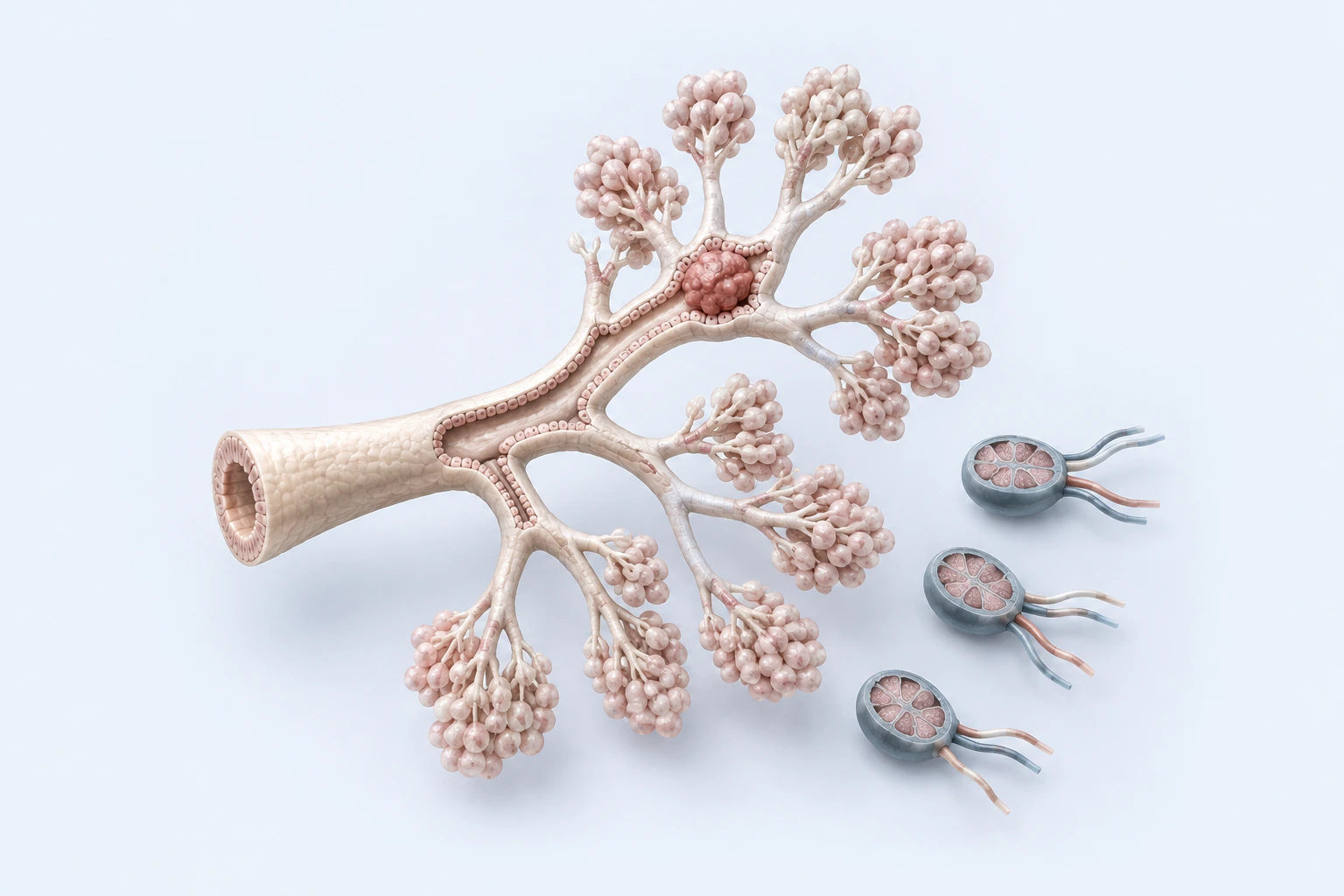
A branching mammary duct-and-lobule teaching model contains one irregular rose lesion, with three separate regional structures nearby.
Diseases19 sources

Breast Cancer

Breast cancer is the most common cancer in women worldwide, with approximately 2.3 million new cases annually. While genetic, hormonal, and lifestyle factors are well-established risk determinants, the metallomic dimension reveals a consistent pattern of trace element d

C
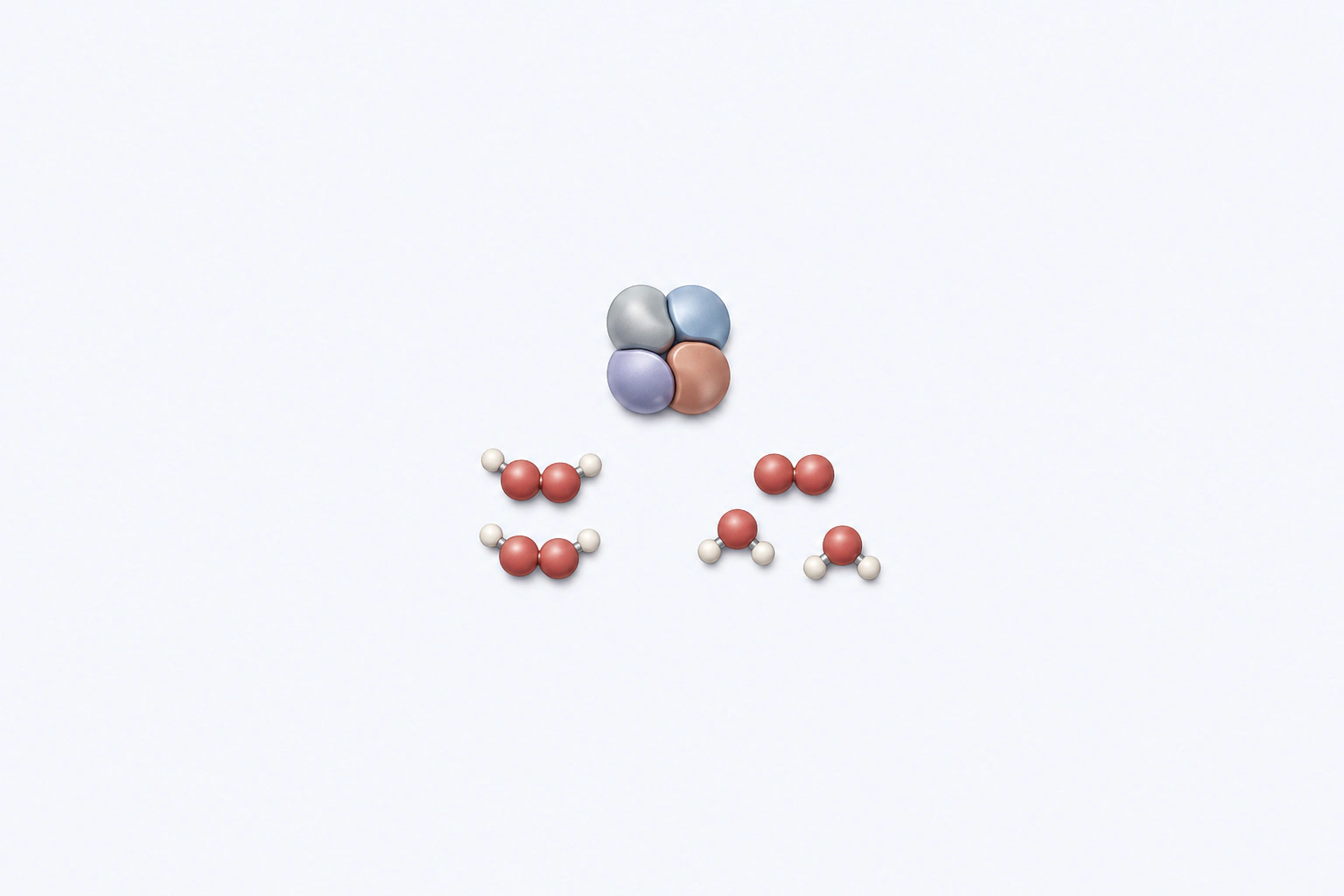
A compact generic enzyme form is separated from two peroxide-context tokens and a product group containing one oxygen pair and two water-like tokens.
Mechanisms6 sources

Catalase

Catalase is a heme-iron enzyme that decomposes hydrogen peroxide into water and oxygen. In microbial peroxide defense, it acts downstream of superoxide dismutase: superoxide dismutase converts superoxide to hydrogen peroxide, and catalase removes that hydrogen peroxide

D
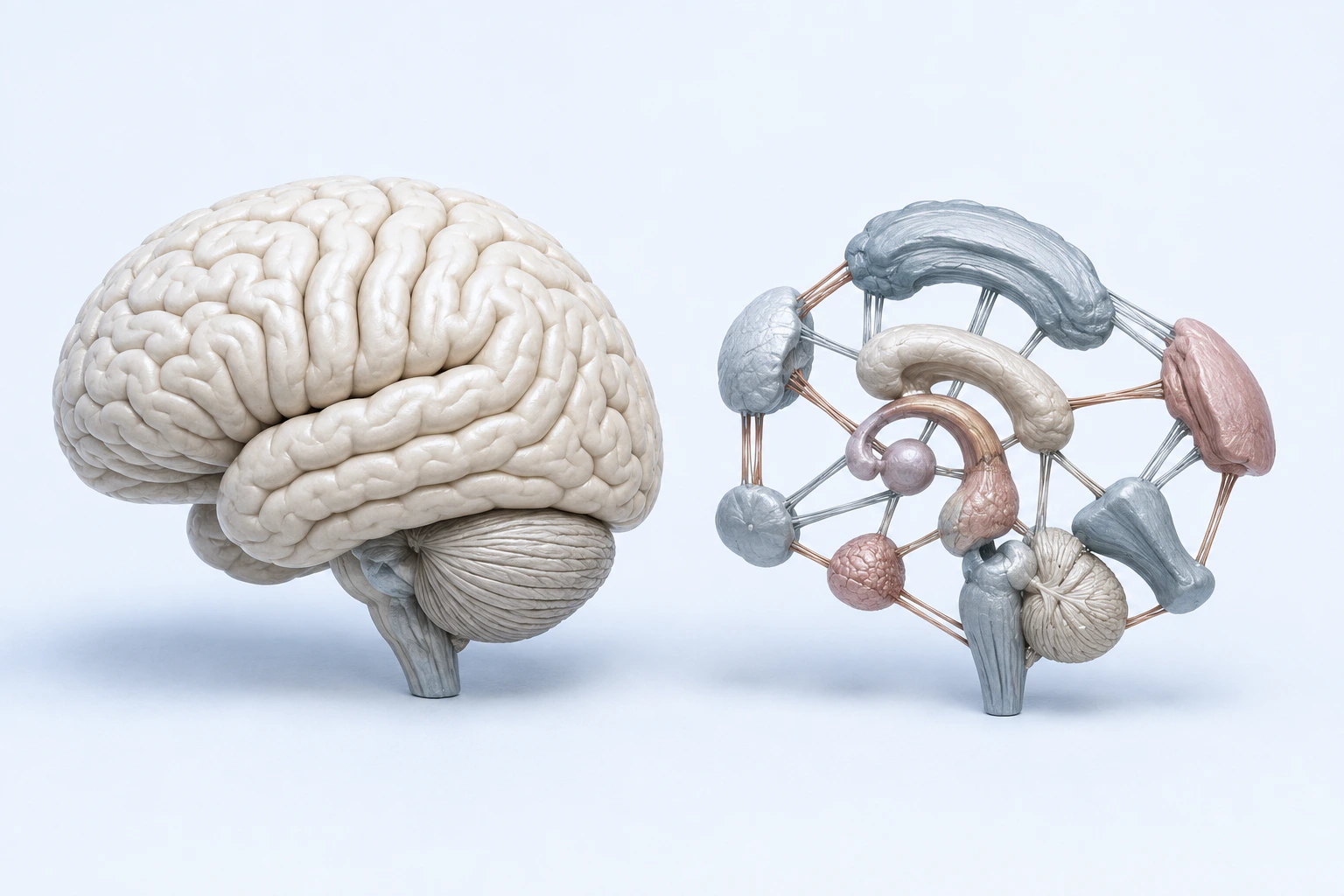
A complete intact brain teaching model appears beside a separate assembly of connected cortical- and limbic-like forms.
Diseases10 sources

Depression

Depression is the most prevalent mental health disorder globally, affecting over 280 million people zhu 2025 microbiota gut brain axis depression review, and one of the most metal-sensitive conditions in this wiki. It sits at the convergence of nearly every pathway cata

E
F
G
Reference0 sources

Glossary

Alphabetical definitions of specialist terms used throughout this wiki. Where a full concept page exists, the term links to it. --- AhR (aryl hydrocarbon receptor) -- A ligand-activated transcription factor that senses microbial metabolites (especially indoles from tryp

H
L
Mechanisms6 sources

Lipid Peroxidation

Lipid peroxidation is the oxidative degradation of polyunsaturated fatty acids (PUFAs) in cell membranes by reactive oxygen species (ROS). The process generates toxic aldehydes — malondialdehyde (MDA) and 4-hydroxynonenal (4-HNE) — that damage proteins, DNA, and mitocho

M
N
P
R
S
T
V