Interventions5 sources
Probiotics for ASD Dysbiosis
This knowledge-base record is being expanded from WikiBiome’s evidence graph.
 WikiBiomeThe human microbiome encyclopedia
Ranked matches across titles, topics, categories, and article introductions.
This knowledge-base record is being expanded from WikiBiome’s evidence graph.
Warning: Clinical Disclaimer: This STOP page represents a hypothesis based on mechanistic evidence and should NOT replace clinical judgment. Always consult with a qualified healthcare provider before modifying any treatment plan. Evidence quality ratings reflect the str…
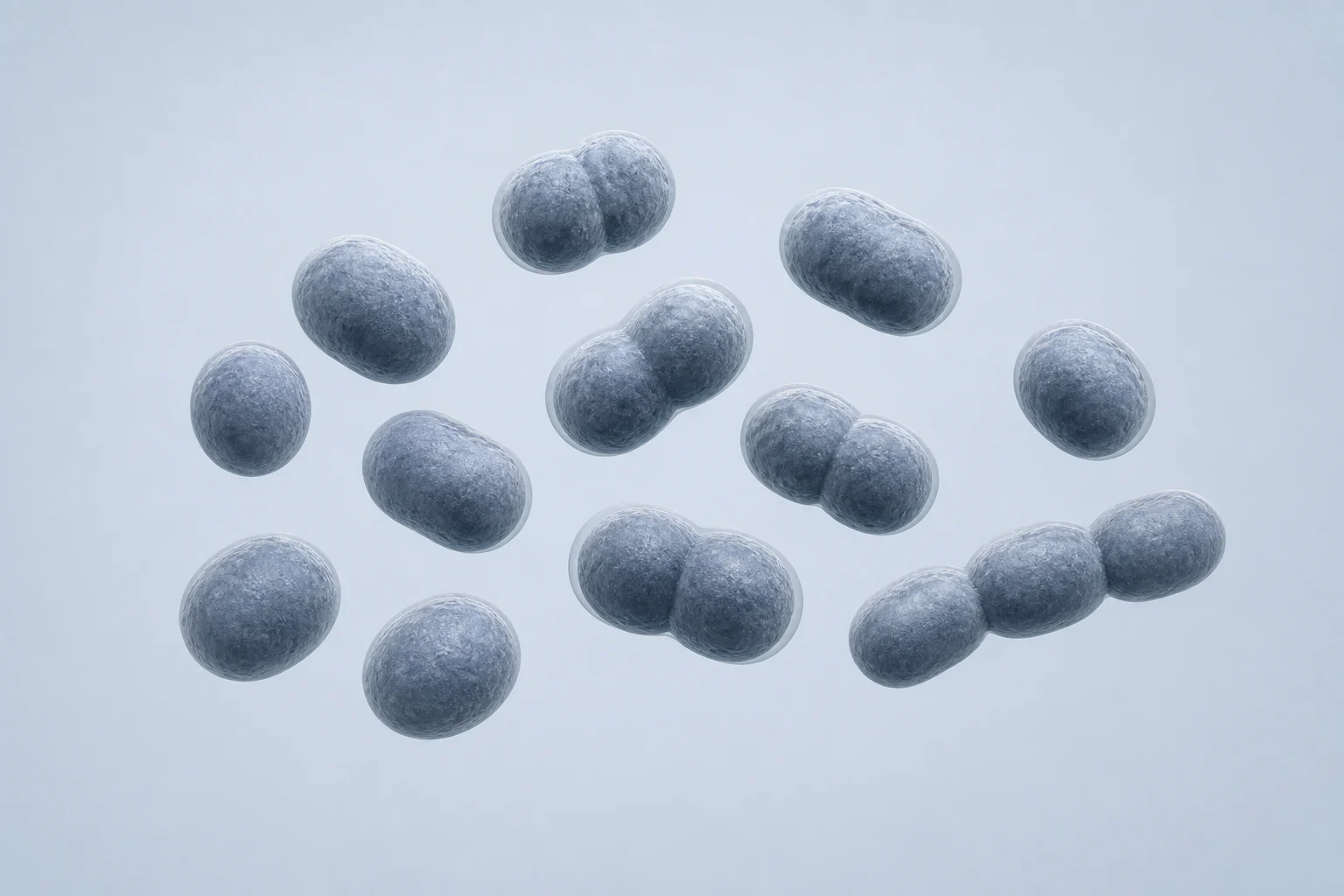
A Gram-negative, aerobic, non-fermenting coccobacillus and a member of the ESKAPE group of priority pathogens (Enterococcus, Staphylococcus, Klebsiella, Acinetobacter, Pseudomonas, Enterobacter). Acinetobacter baumannii is among the most problematic nosocomial pathogens…
A neurodevelopmental condition affecting approximately 1 in 36 children (US CDC 2023 estimate), characterized by differences in social communication, restricted interests, and repetitive behaviors. From a metallomics perspective, ASD presents a compelling convergence of…
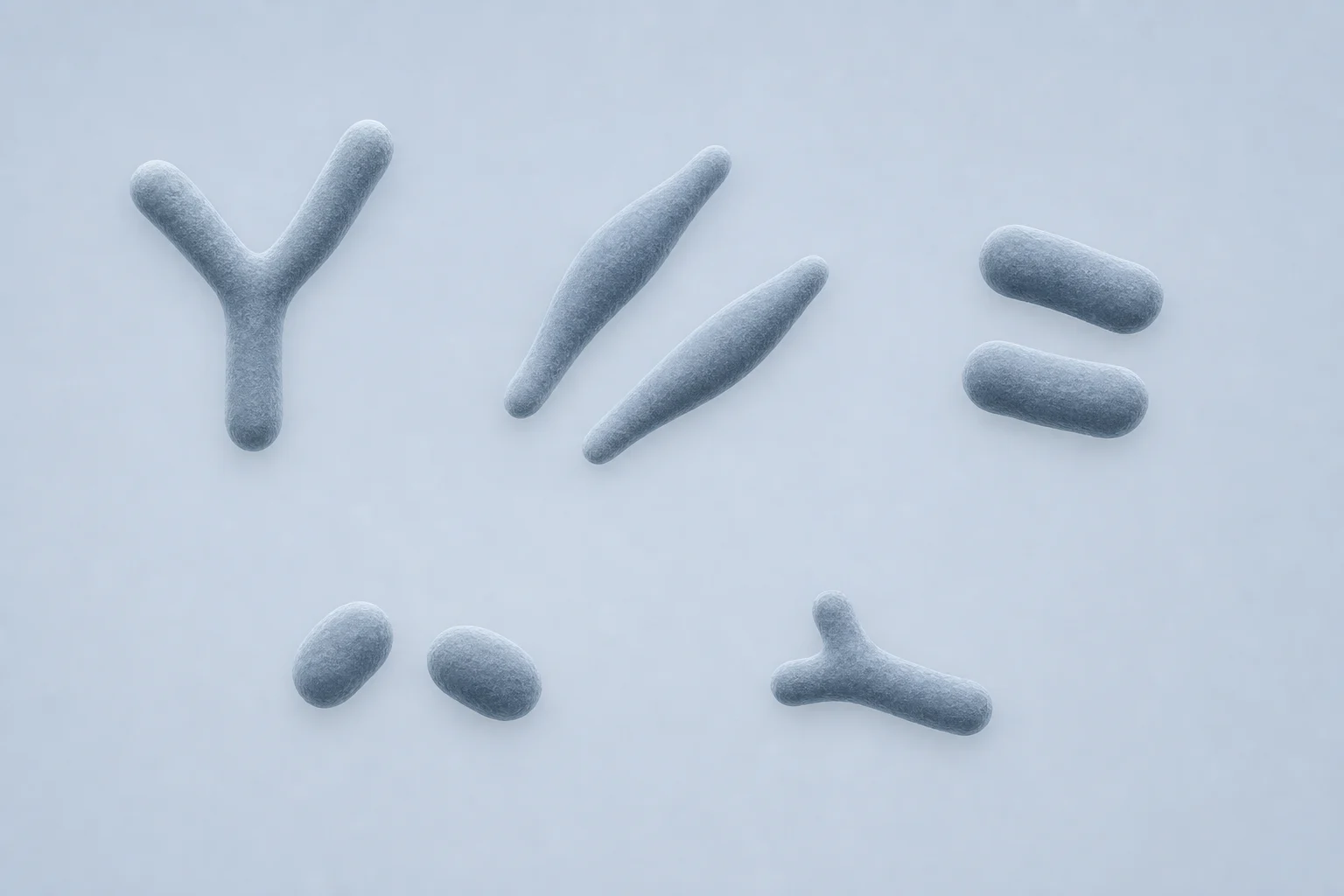
Bifidobacteriaceae is the family containing bifidobacterium and related genera (alloscardovia). It is the dominant family in the healthy infant gut and a significant commensal family in adults. Family-level depletion is documented in ASD (marked reduction of Actinobacte…
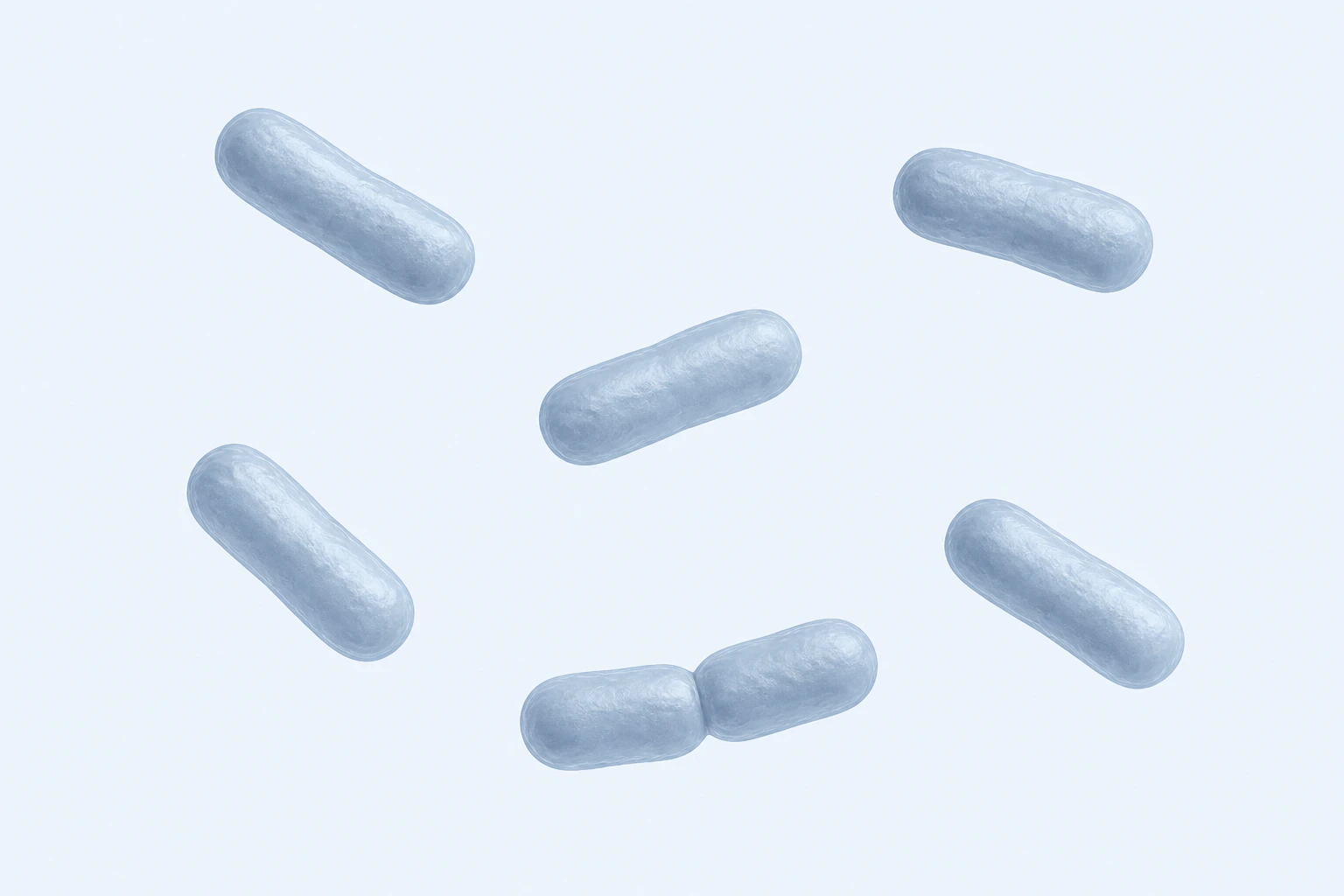
Bifidobacterium breve is a Gram-positive, obligate anaerobic species within the phylum Actinobacteria, predominantly found in the infant gut and breast milk. It is among the earliest colonizers of the neonatal intestine and plays a key role in human milk oligosaccharide…
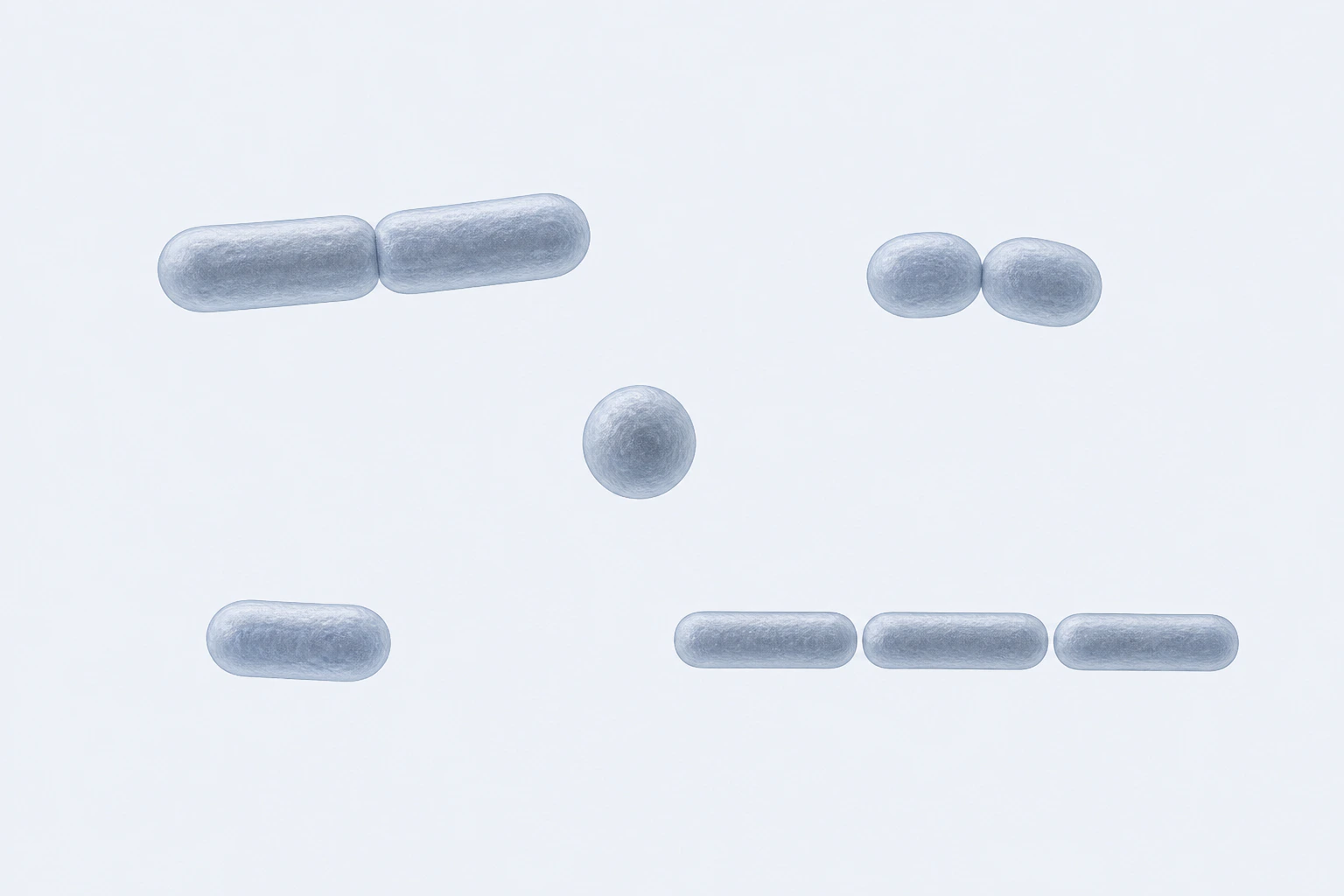
Burkholderiales is an order of Gram-negative Betaproteobacteria that includes environmentally versatile genera such as Ralstonia, Burkholderia, and Sutterella. Many members are notable for their metal resistance mechanisms, which enable survival in heavy metal-contamina…
The transfer of processed stool from a healthy donor into a recipient's gastrointestinal tract to restore a disrupted microbial community. FMT is the most direct form of microbiome intervention -- replacing the entire community rather than supplementing individual strai…
Fecal microbiota transplant (FMT) for ASD aims to replace the dysbiotic gut community with a diverse donor microbiome. Open-label results show improvements in both GI symptoms and behavioral measures, but benefits are lost within weeks after cessation.
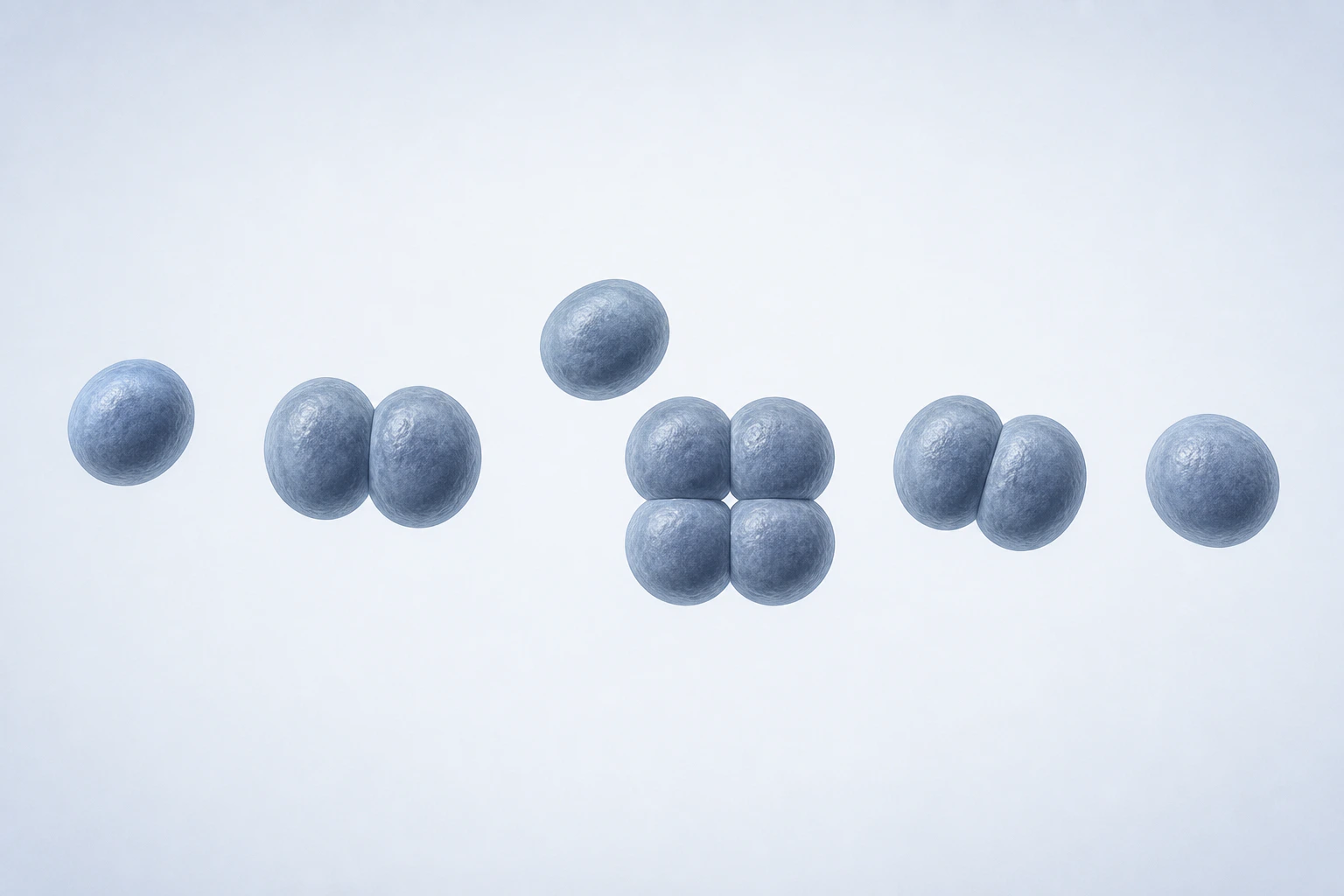
Gemella is a genus of Gram-positive, facultatively anaerobic cocci that are normal commensals of the oral cavity. Species include G. morbillorum, G. haemolysans, and G. sanguinis. In the WikiBiome context, Gemella is notable for its oral-gut translocation pattern — an o…
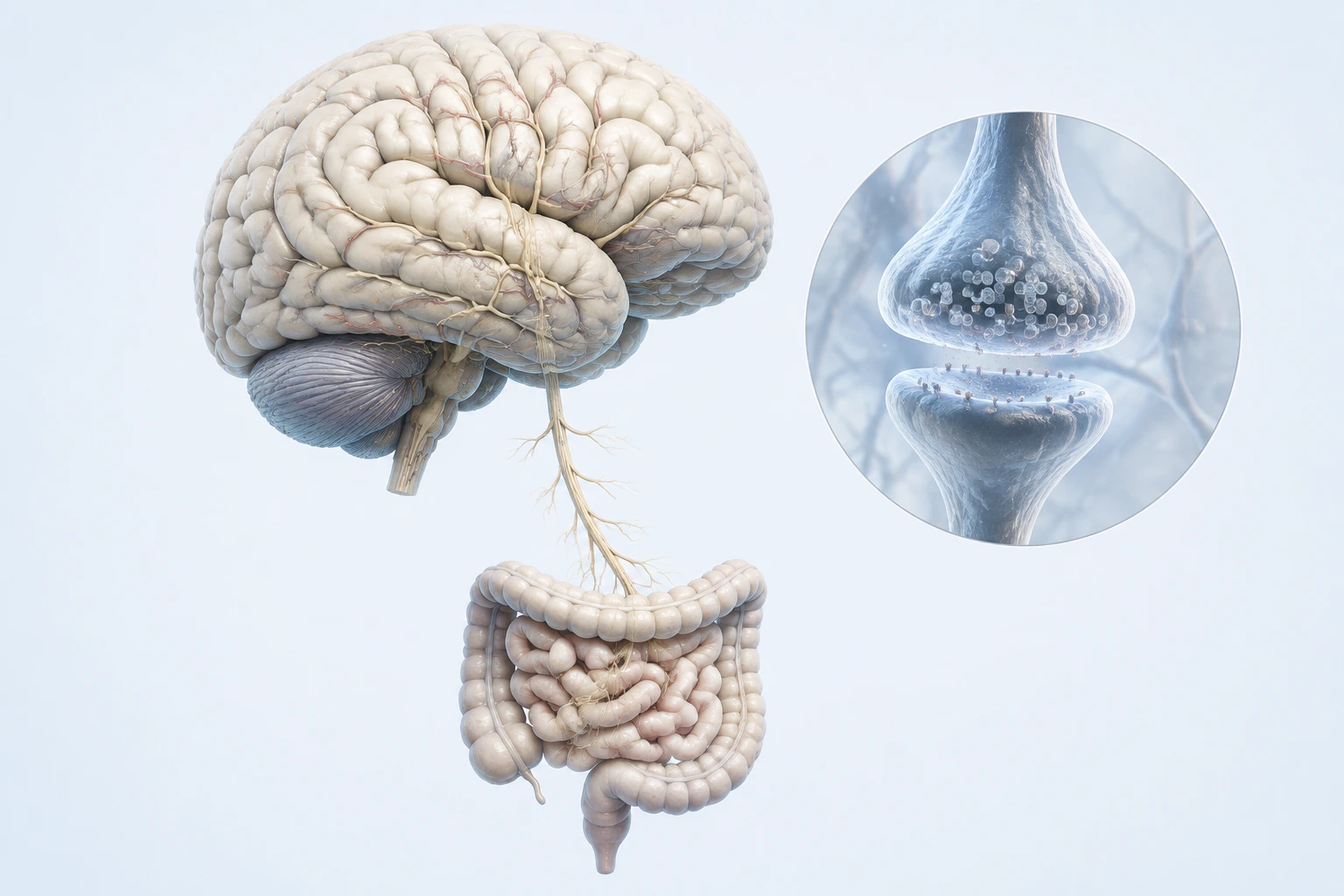
Bidirectional communication between the gut microbiota and the central nervous system, mediated by neural (vagus nerve, enteric nervous system), immune (cytokines, microglia), endocrine (HPA axis), and metabolic (SCFAs, neurotransmitter precursors, tryptophan metabolite…
Homocysteine is a sulfur-containing amino acid intermediate in the methionine cycle. Elevated plasma homocysteine (hyperhomocysteinemia) is an established risk factor for cardiovascular disease, endothelial dysfunction, and neurodegenerative disease. The gut microbiome …
Ketone bodies (beta-hydroxybutyrate [BHB], acetoacetate, acetone) are produced by hepatic fatty acid oxidation during carbohydrate restriction, fasting, or ketogenic diet consumption. BHB is the most abundant and is structurally and functionally analogous to butyrate — …
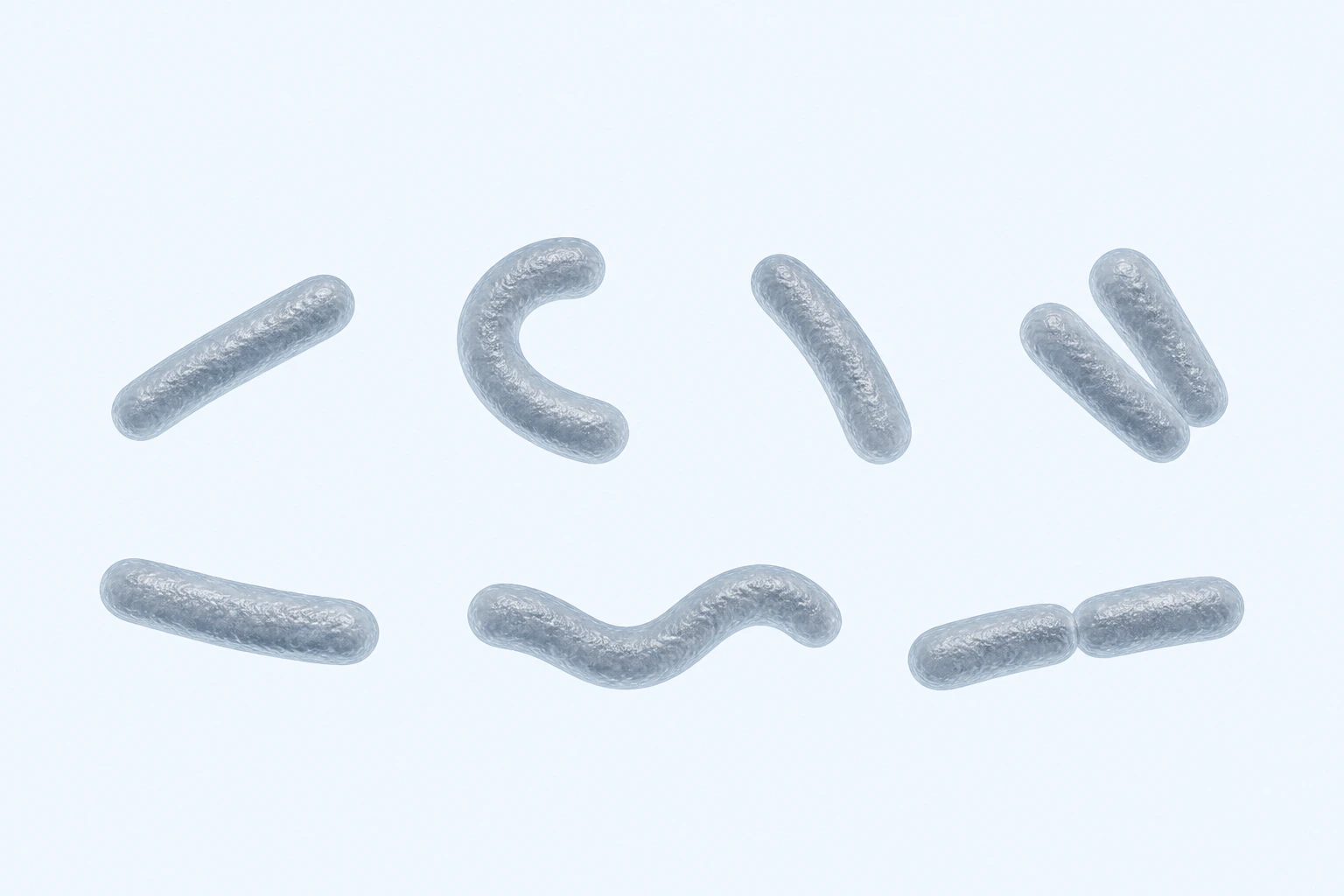
Lachnospira is a genus of Gram-positive, obligate anaerobic bacteria within the lachnospiraceae family (Firmicutes phylum). L. pectinoschiza, the type species, is a specialist pectin fermenter that produces short chain fatty acids from plant-derived polysaccharides. The…
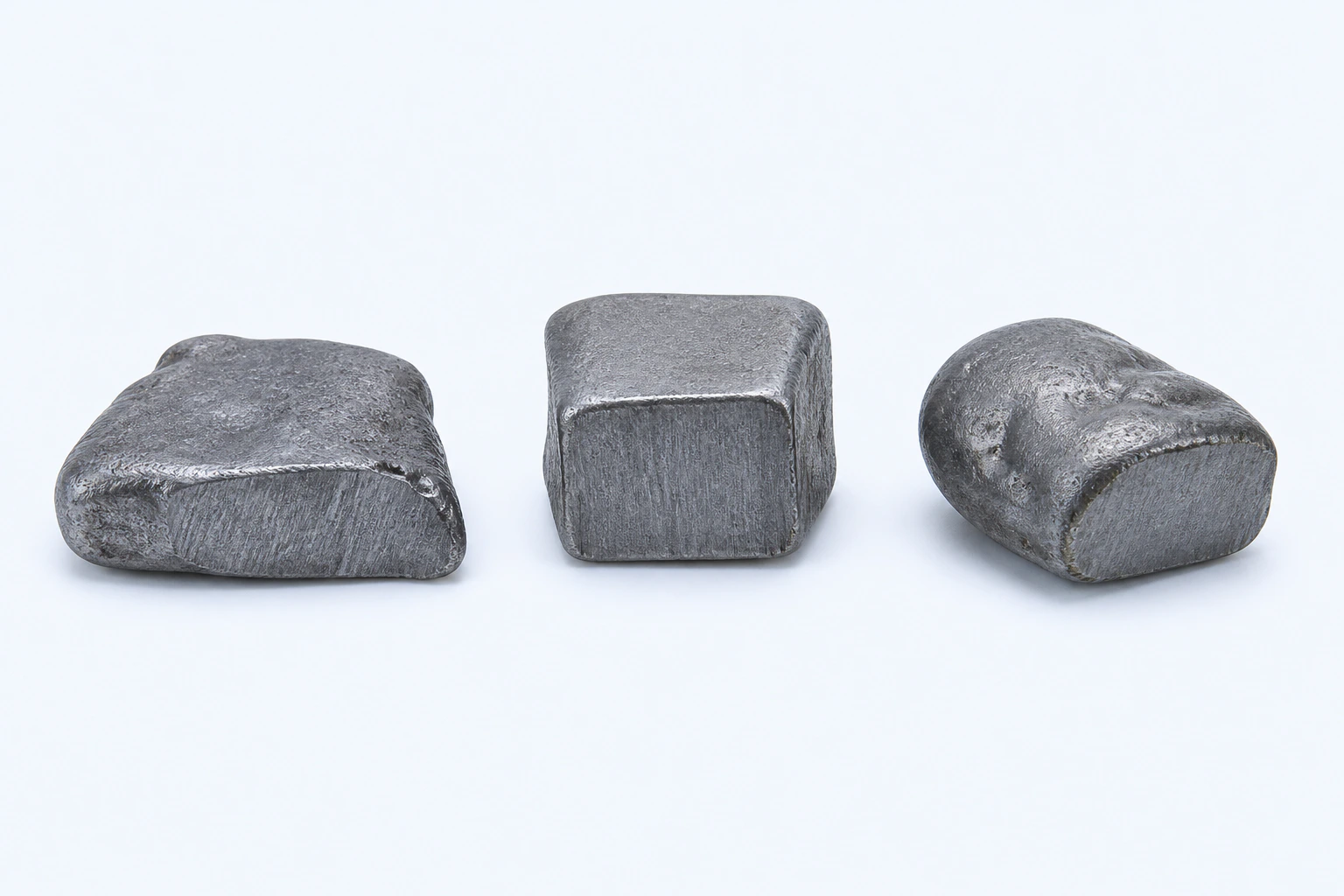
Lead is a purely toxic heavy metal with no known biological function. It is the most extensively studied metal in relation to neurodevelopmental harm and is increasingly recognized as a contributor to chronic disease across virtually every organ system, even at levels o…
Maternal immune activation (MIA) describes the phenomenon in which infection or inflammatory stimulation during pregnancy produces persistent neurological and microbiome alterations in offspring, increasing risk for autism spectrum disorder, schizophrenia, and other neu…
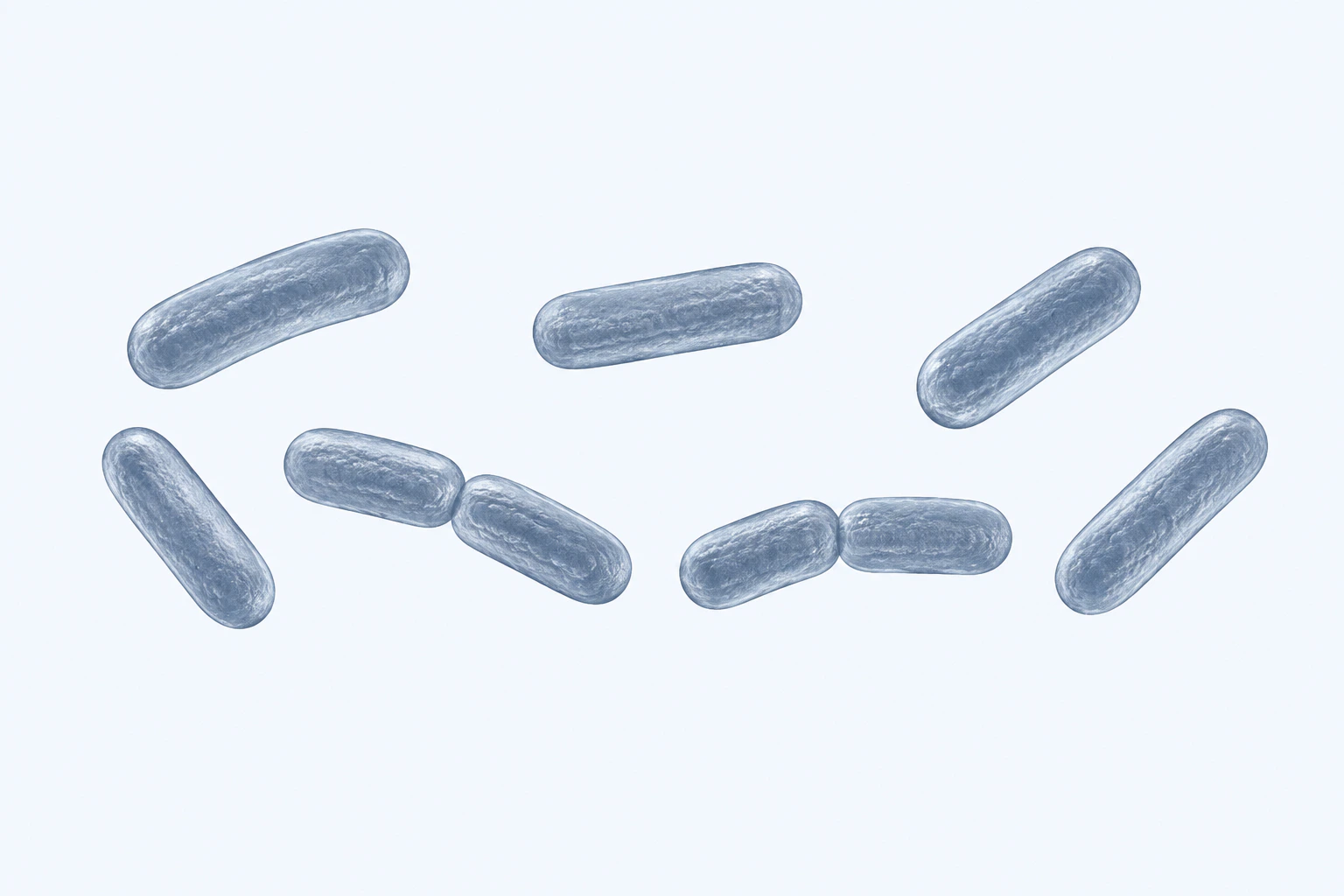
Megamonas is a genus of obligate anaerobic, Gram-negative bacteria in the family Veillonellaceae (class Negativicutes, phylum Firmicutes). The type species is Megamonas hypermegale, with M. funiformis also well-characterized. It is a common member of the human gut micro…
N-Acetylcysteine (NAC) is a glutathione precursor and glutamatergic modulator that addresses two key features of ASD pathophysiology: oxidative stress and excitatory-inhibitory imbalance. A pilot RCT demonstrated large effect sizes for irritability reduction.
Research summary — not medical advice. This page synthesizes published research on a mechanism-level intervention. It is not a clinical recommendation. Consult a qualified healthcare provider before making any changes to diet, supplementation, or treatment.
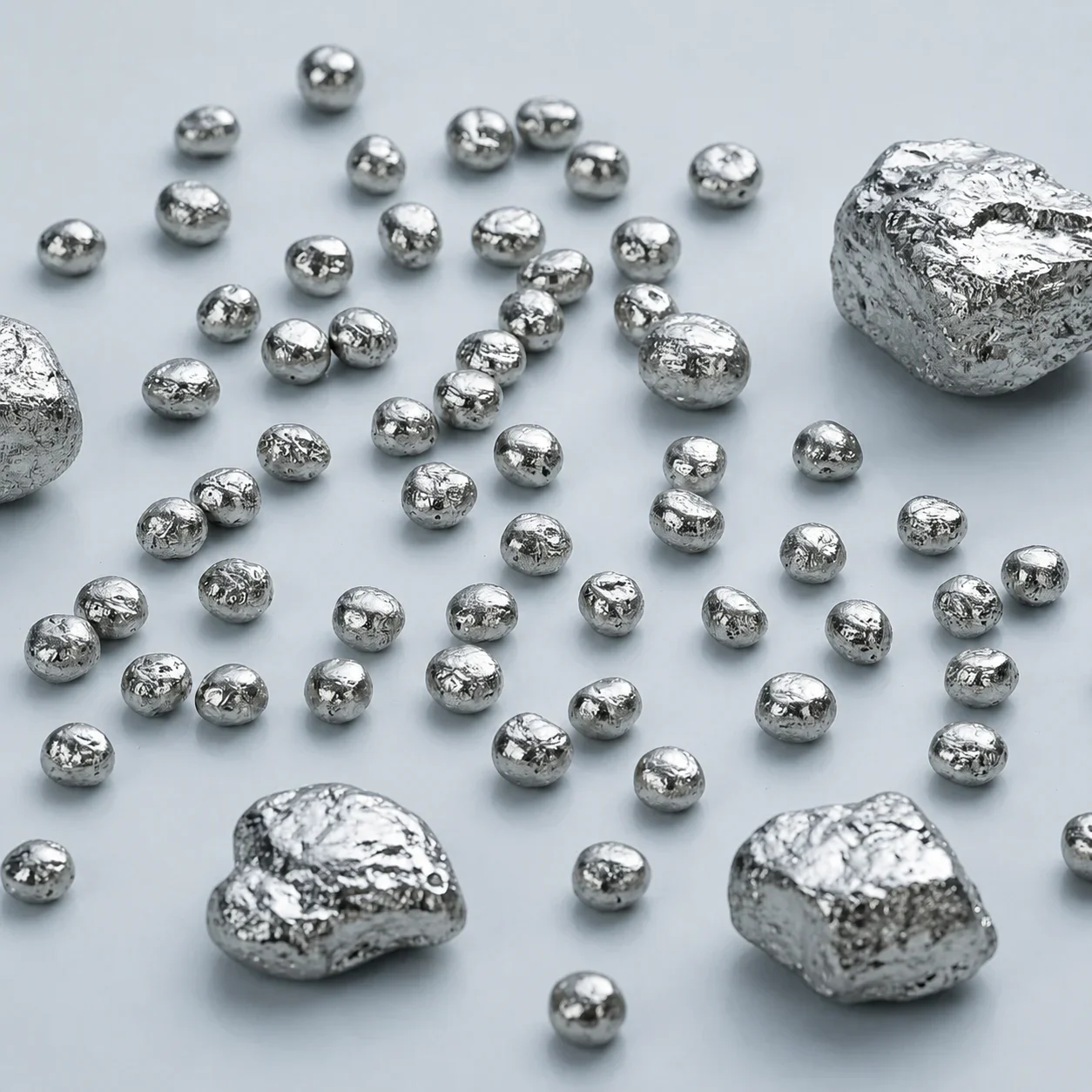
A transition metal occupying a central position in this wiki's evidence base. Nickel is toxic and carcinogenic to humans, yet an essential cofactor for pathogen virulence enzymes. It is the most frequent contact allergen worldwide and drives a wide spectrum of systemic …
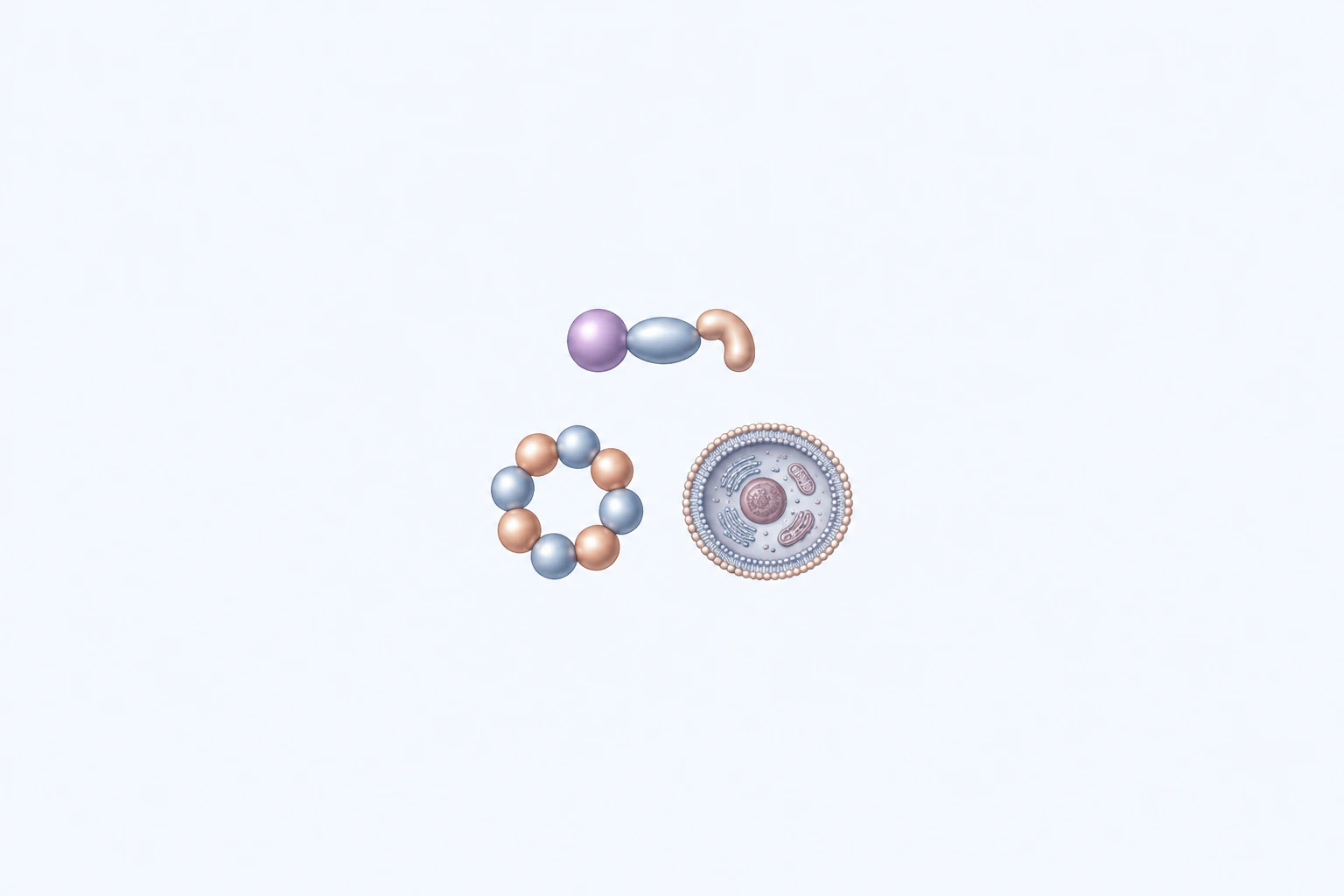
The NLRP3 inflammasome is a host innate-immune signaling complex that connects cellular danger signals to caspase-1 activation. In the canonical pathway represented in WikiBiome's evidence vault, caspase-1 processes the inflammatory cytokines IL-1beta and IL-18 and clea…
A microbial metabolite produced by gut bacteria through tyrosine fermentation that has emerged as one of the most consistent biomarkers linking gut dysbiosis to neurological and renal disease. p-Cresol (4-methylphenol) is a simple aromatic compound, but its effects are …
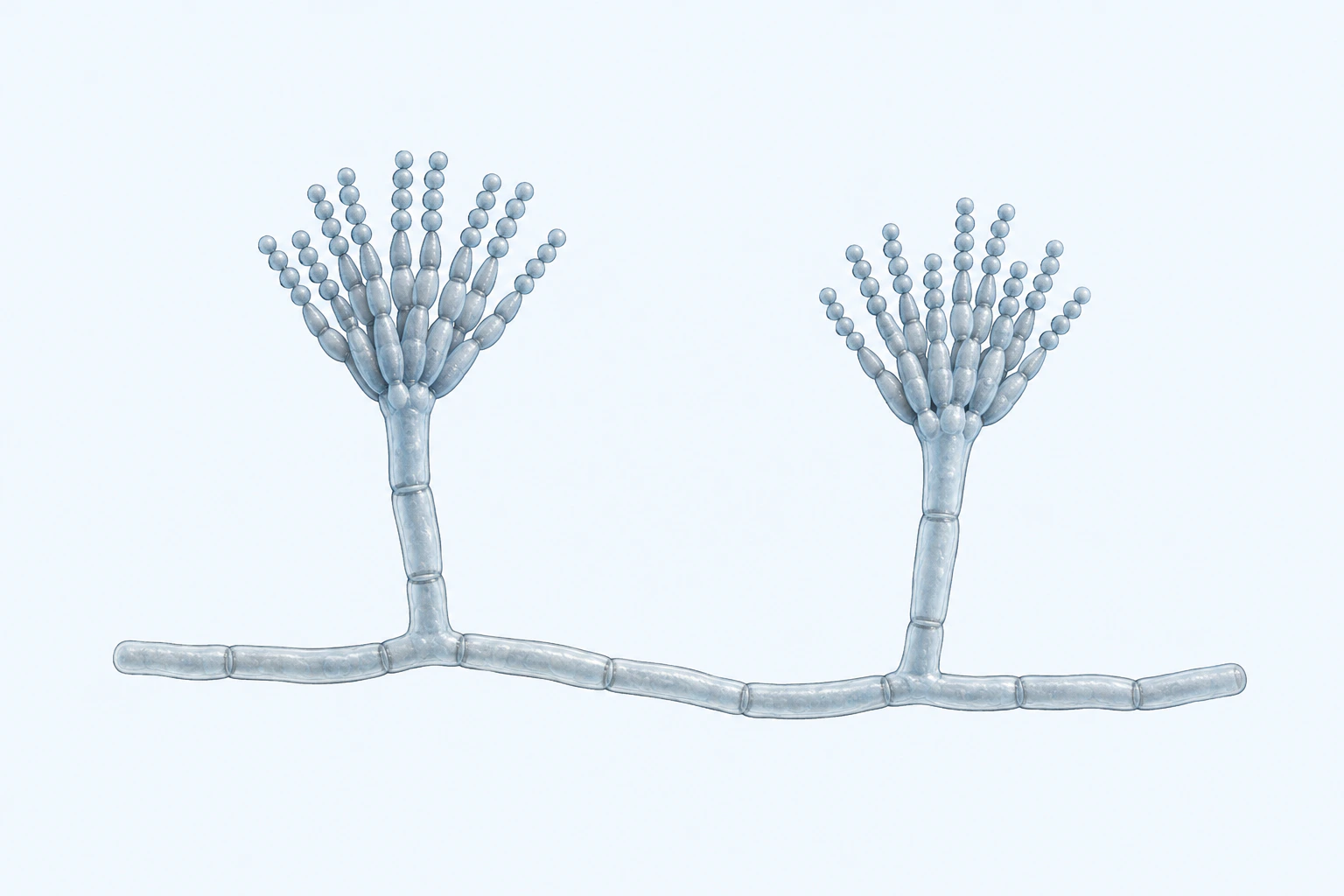
Penicillium is a genus of filamentous fungi best known as the source of penicillin. In the WikiBiome context, Penicillium appears in the gut mycobiome — the fungal component of the microbiome — with associations across ASD, pancreatitis, and cardiometabolic disease.
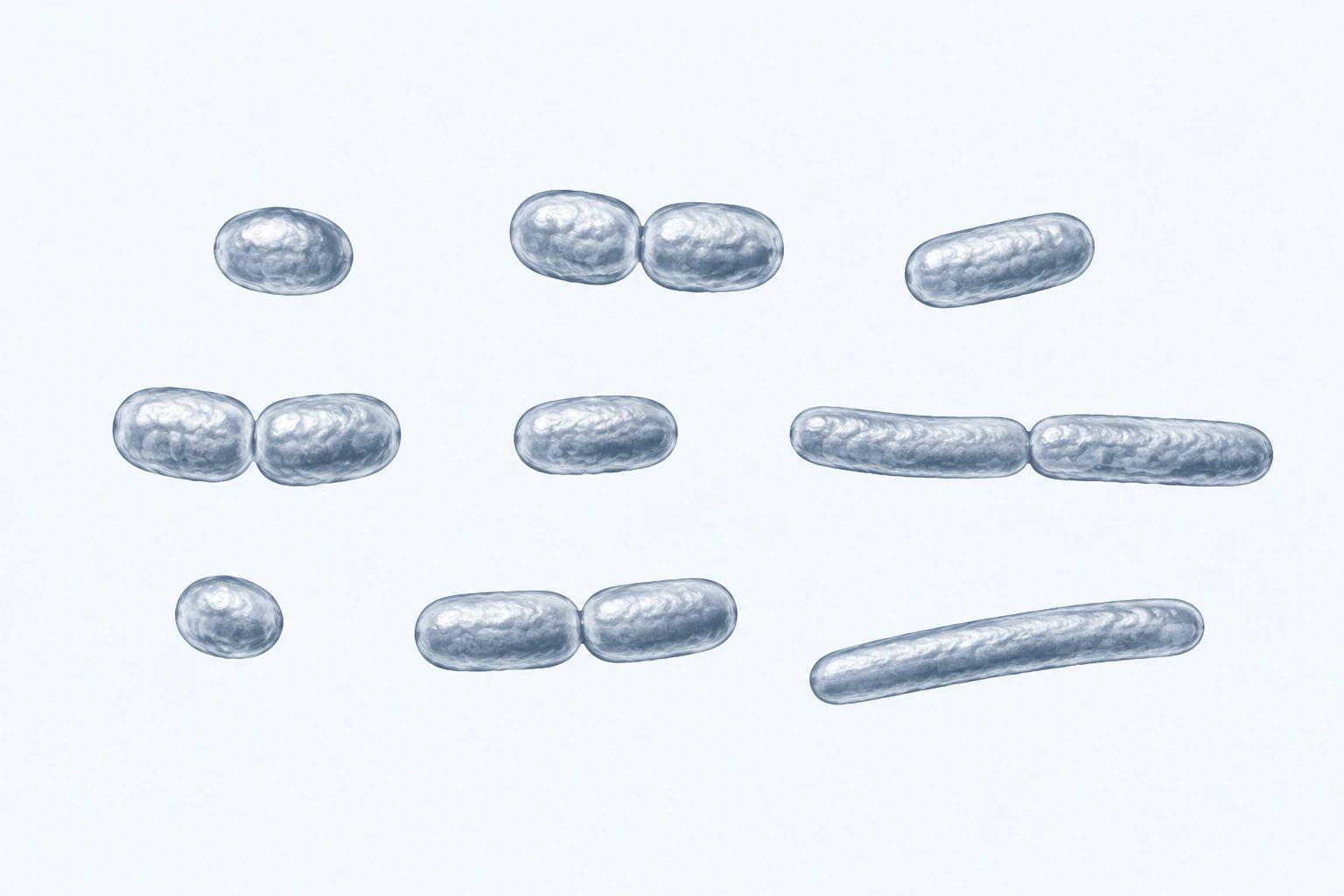
A family of Gram-negative, obligate anaerobic bacteria within the phylum Bacteroidota (formerly Bacteroidetes) that includes the genus prevotella and the recently described alloprevotella. Prevotellaceae are specialist fiber fermenters producing short-chain fatty acids,…
A three-carbon short-chain fatty acid (SCFA) produced primarily by Bacteroidetes and certain Firmicutes through anaerobic fermentation of dietary substrates. At physiological concentrations in healthy gut microbiomes, propionic acid (PPA) is a normal fermentation produc…
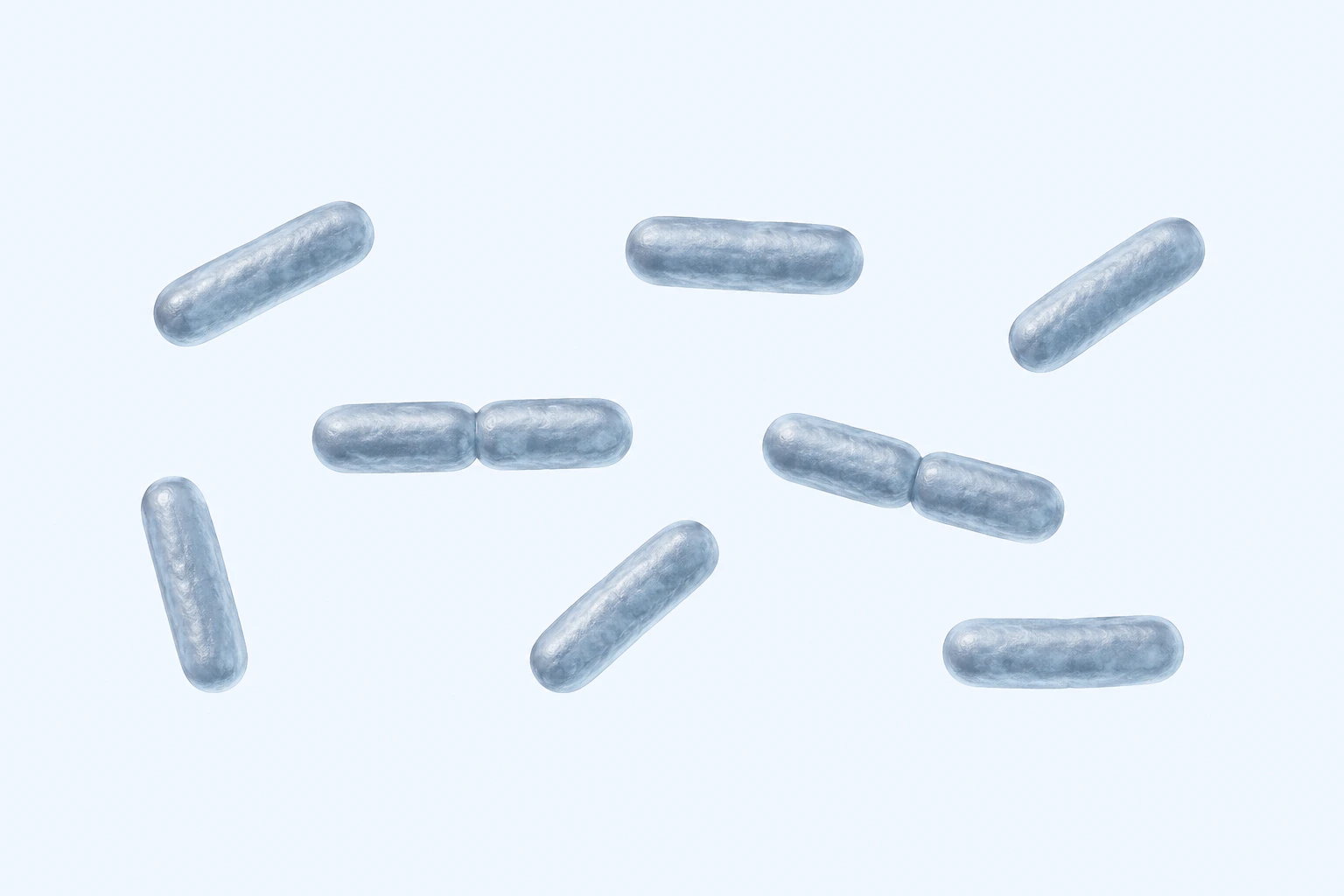
Ralstonia is a genus of Gram-negative, aerobic bacteria in the class Betaproteobacteria. While Wikipedia focuses on R. solanacearum (a plant pathogen), the WikiBiome-relevant species are R. pickettii and R. metallidurans (now Cupriavidus metallidurans) — organisms with …
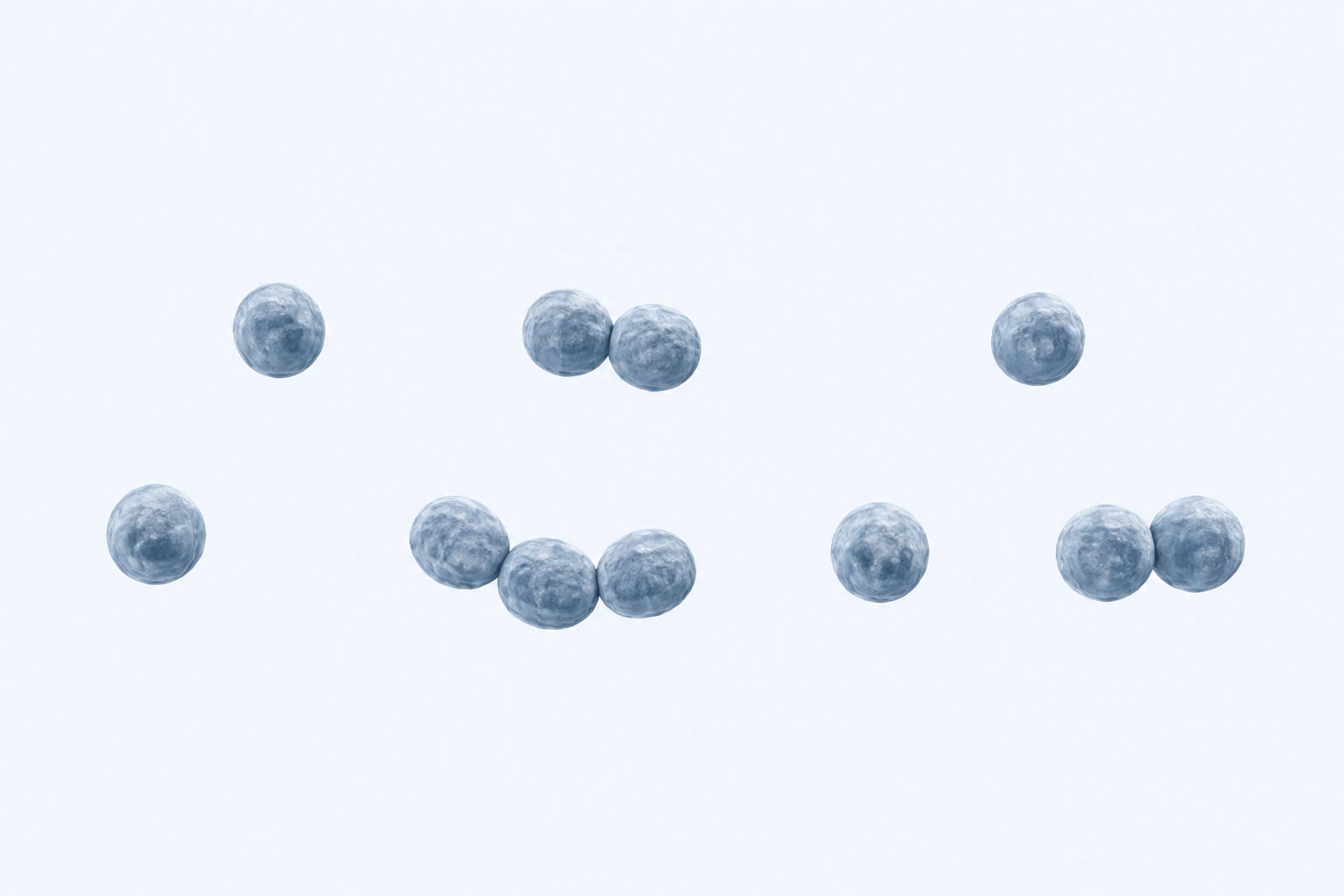
A genus of Gram-positive, obligate anaerobic cocci within the Firmicutes phylum that exemplifies dual-nature microbiology — containing both keystone beneficial species and disease-associated pathobionts within the same genus. The genus spans multiple former taxonomic gr…
See also: saccharomyces (genus page) Saccharomyces boulardii is a non-pathogenic yeast strain used as a probiotic across a wide range of gastrointestinal and inflammatory conditions. Taxonomically a strain of S. cerevisiae, it is phenotypically distinct — optimally acti…
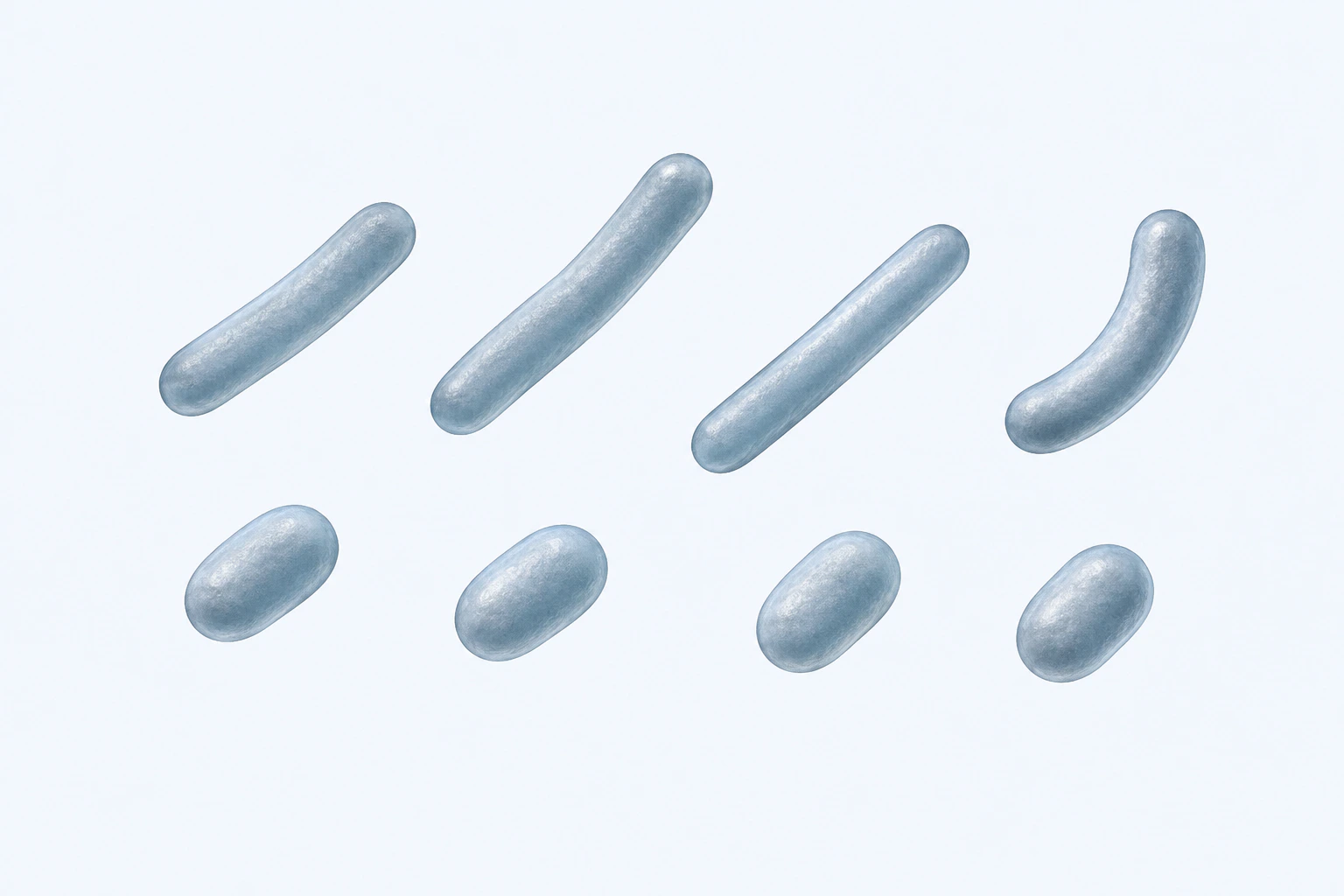
A Gram-negative, microaerophilic genus within the Proteobacteria phylum (family Sutterellaceae). The primary species S. wadsworthensis is classified as a pathobiont due to its IgA-degrading capacity and associations with neurodevelopmental and inflammatory conditions. H…
A synbiotic is a combination of a probiotic (live beneficial microorganism) and a prebiotic (substrate that selectively feeds beneficial microbes), designed to work synergistically — the prebiotic supports the survival and colonization of the probiotic organism. Synbiot…
A Gram-positive, facultatively anaerobic genus within the class Erysipelotrichia (phylum Firmicutes) that has become one of the most frequently identified taxa in gut-brain and gut-immune Mendelian randomization studies. Turicibacter sanguinis, the type species, possess…
Ursodeoxycholic acid is a hydrophilic secondary bile acid used therapeutically for primary biliary cholangitis (PBC), gallstone dissolution, and cholestatic liver disease. It is also a microbial metabolite — gut bacteria (7α/β-hydroxysteroid dehydrogenases) convert chen…
Zinc supplementation addresses the functional zinc deficiency in ASD caused by toxic metal displacement at binding sites. Lead, mercury, and cadmium enter cells via calcium channels and displace zinc from critical enzymes and structural proteins (Primitive 3: mis-metall…