WikiBiomeThe human microbiome encyclopedia
WikiBiome/Search: “metalloenzyme”
Encyclopedia search

Search: “metalloenzyme”

Ranked matches across titles, topics, categories, and article introductions.

17 records in this view
A
B
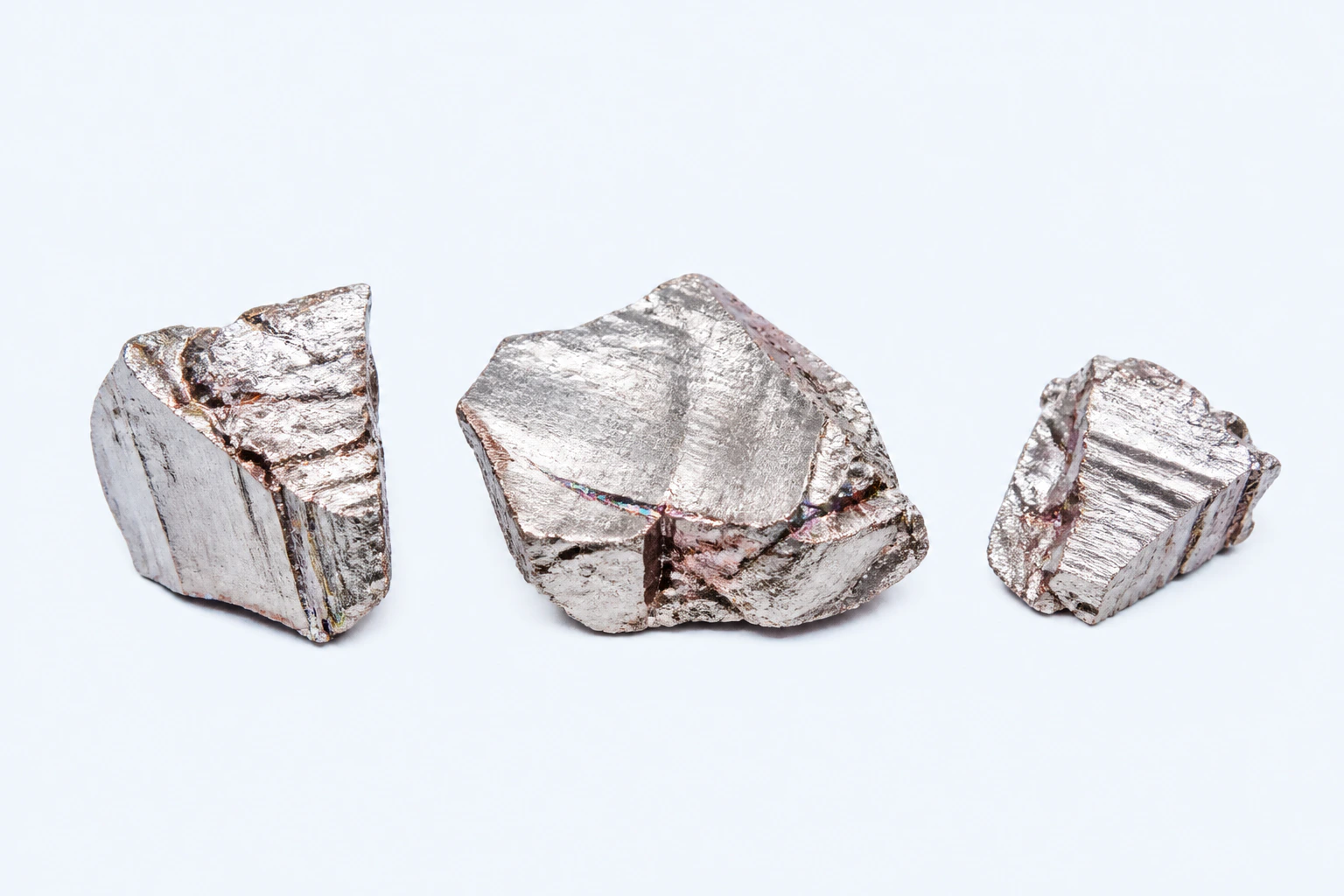
Three elemental bismuth pieces with silvery fracture faces, cool pink undertones, and restrained iridescent ridge tarnish.
Metals6 sources

Bismuth

A heavy metal traditionally considered safe enough for over-the-counter gastrointestinal remedies (Pepto-Bismol, De-Nol), bismuth is re-emerging as a potent antimicrobial synergist. Its key property: Bi3+ competes with Fe3+ for binding sites on siderophores and bacteria

E
Mechanisms8 sources

EDTA

Ethylenediaminetetraacetic acid (EDTA) is a synthetic aminopolycarboxylic acid widely used as a chelation agent for heavy metal poisoning, particularly lead. In the microbiome context, EDTA is significant for two reasons: its therapeutic use in metal detoxification and

G
Reference0 sources

Glossary

Alphabetical definitions of specialist terms used throughout this wiki. Where a full concept page exists, the term links to it. --- AhR (aryl hydrocarbon receptor) -- A ligand-activated transcription factor that senses microbial metabolites (especially indoles from tryp

H
I
L
M
Mechanisms8 sources

Metal Sensing

Metal sensing is the set of regulatory mechanisms bacteria use to detect intracellular metal concentrations and adjust gene expression accordingly. Because metal ions cannot be synthesized or degraded -- only imported, exported, sequestered, or trafficked -- sensing and

N
S
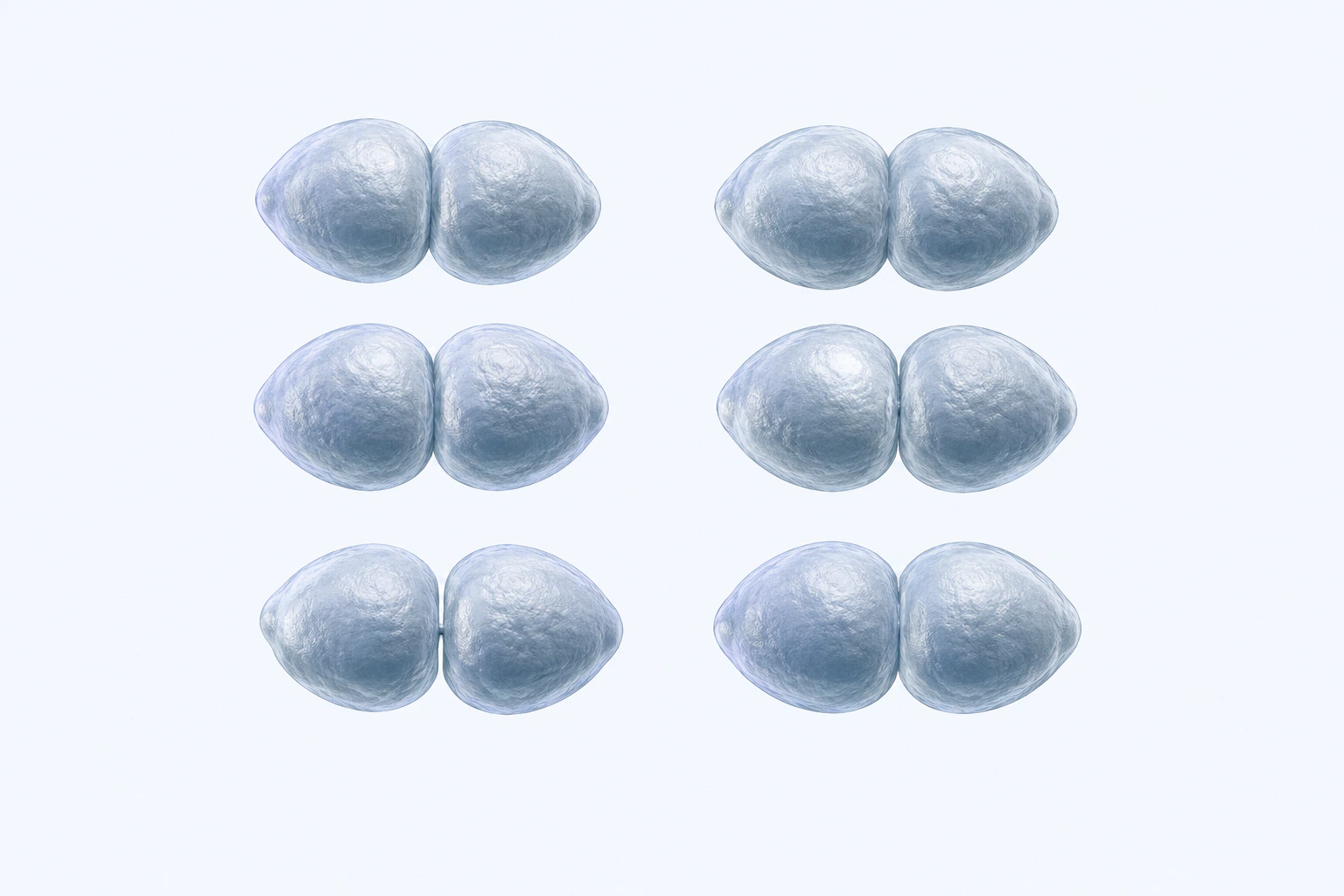
Twelve selected Streptococcus pneumoniae cocci appear as six opposed ovoid pairs.
Microorganisms7 sources

Streptococcus pneumoniae

A Gram-positive pathogen (the "pneumococcus") that depends on iron, manganese, and zinc for virulence and has evolved dedicated transport systems for each. Iron is required for viability itself, manganese powers the superoxide dismutase needed to survive the oxidative b

U