WikiBiomeThe human microbiome encyclopedia
WikiBiome/Search: “metallomics”
Encyclopedia search

Search: “metallomics”

Ranked matches across titles, topics, categories, and article introductions.

64 records in this view
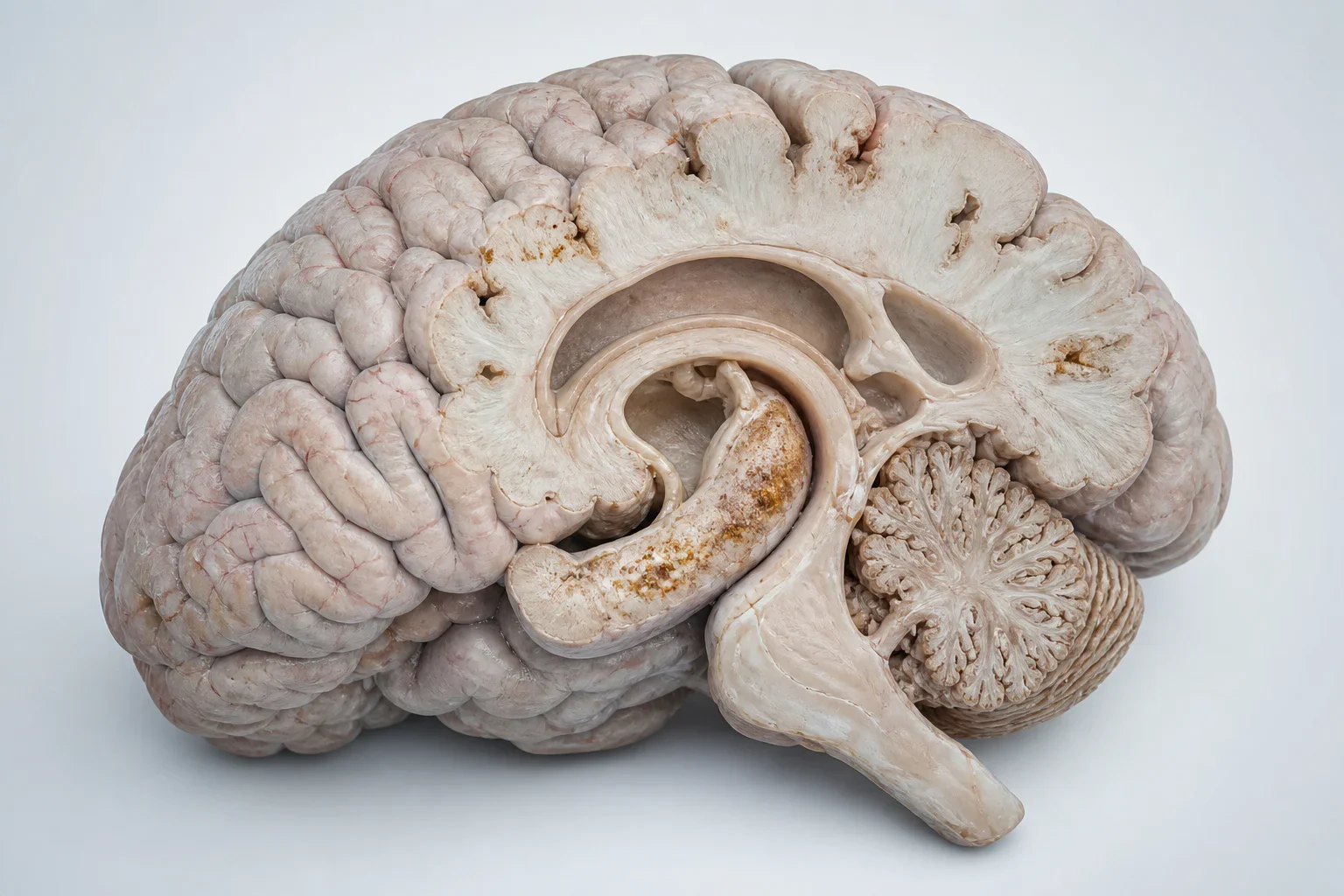
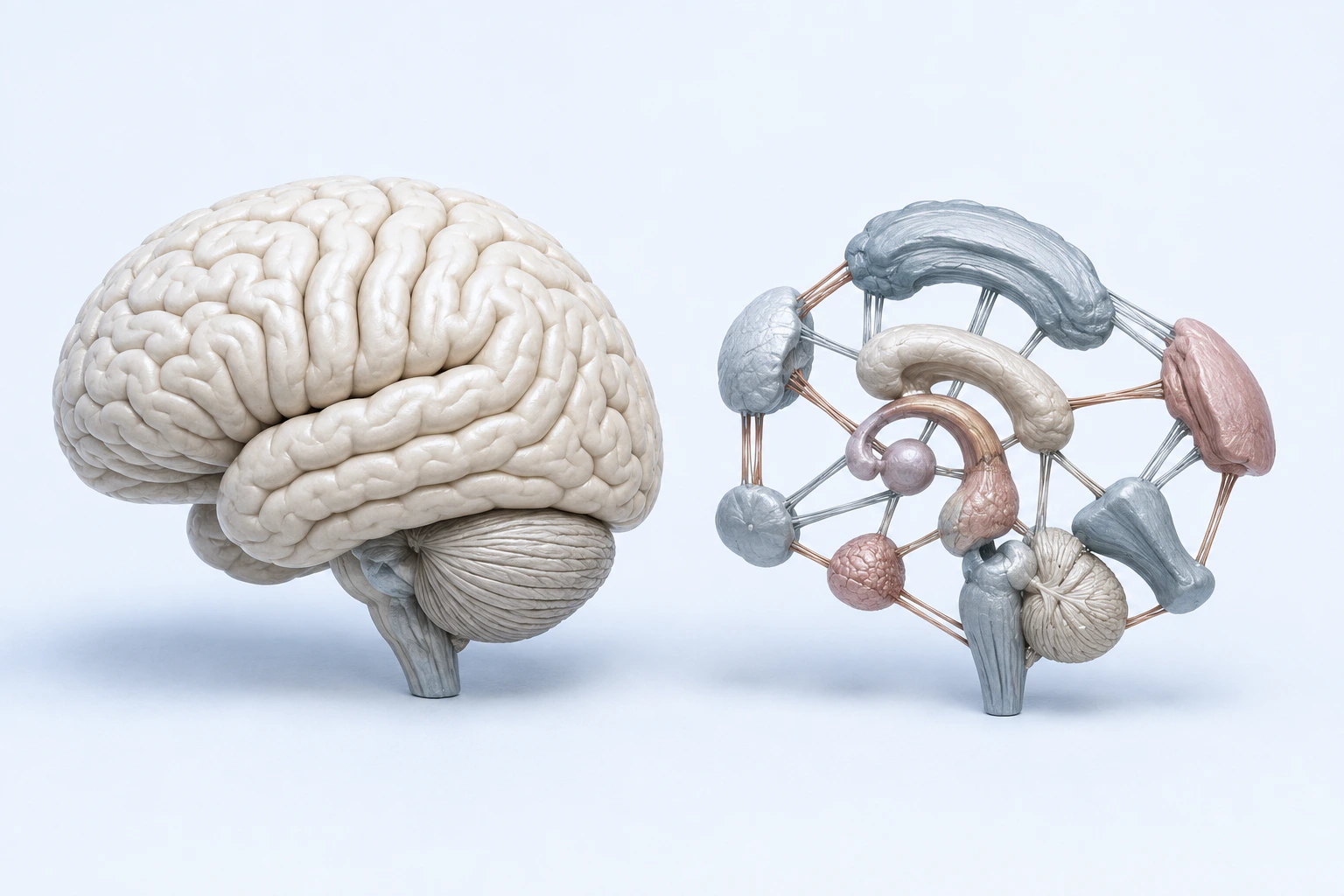
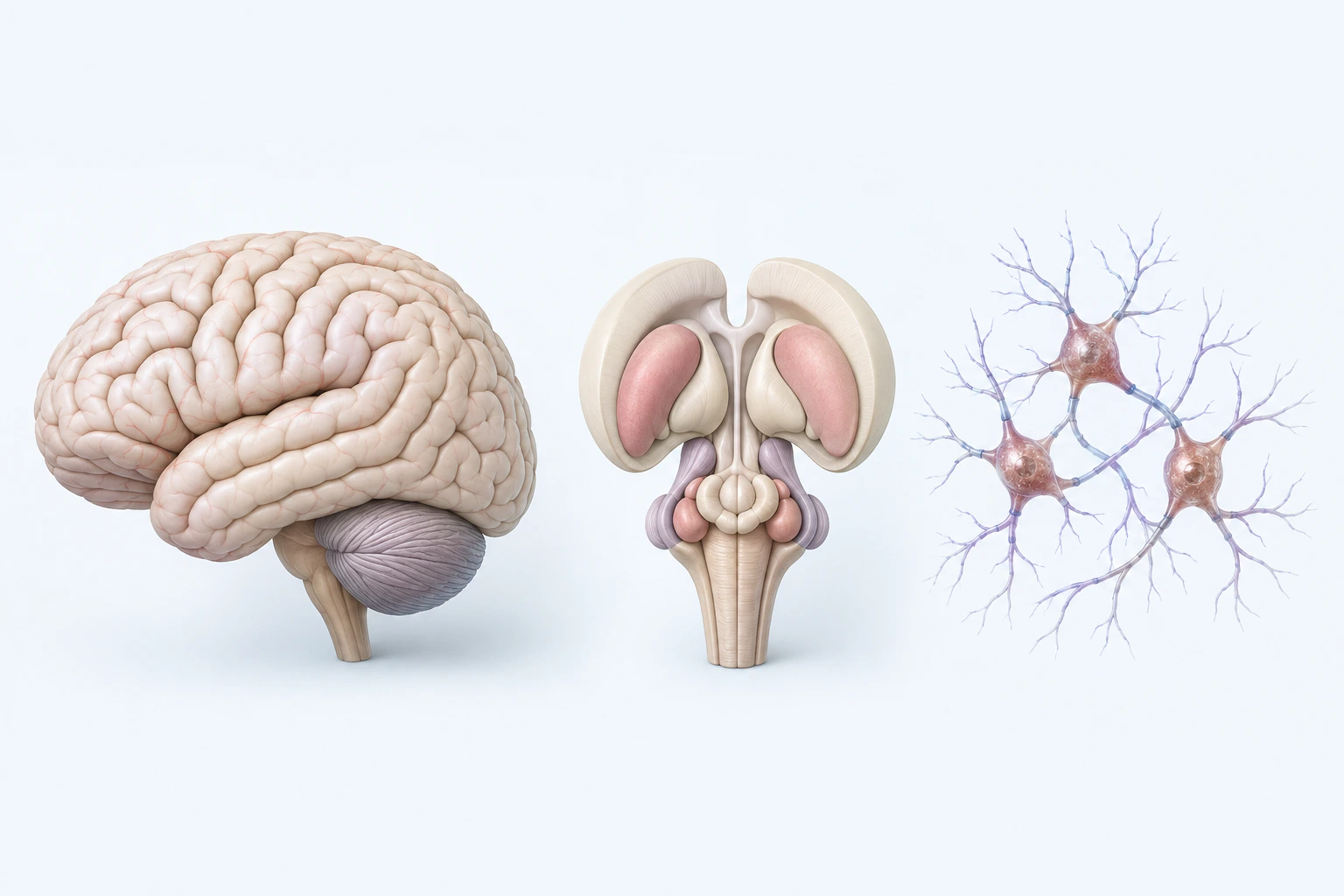
A complete intact brain teaching model appears beside a separate assembly of connected cortical- and limbic-like forms.
Diseases10 sources

Depression

Depression is the most prevalent mental health disorder globally, affecting over 280 million people zhu 2025 microbiota gut brain axis depression review, and one of the most metal-sensitive conditions in this wiki. It sits at the convergence of nearly every pathway cata

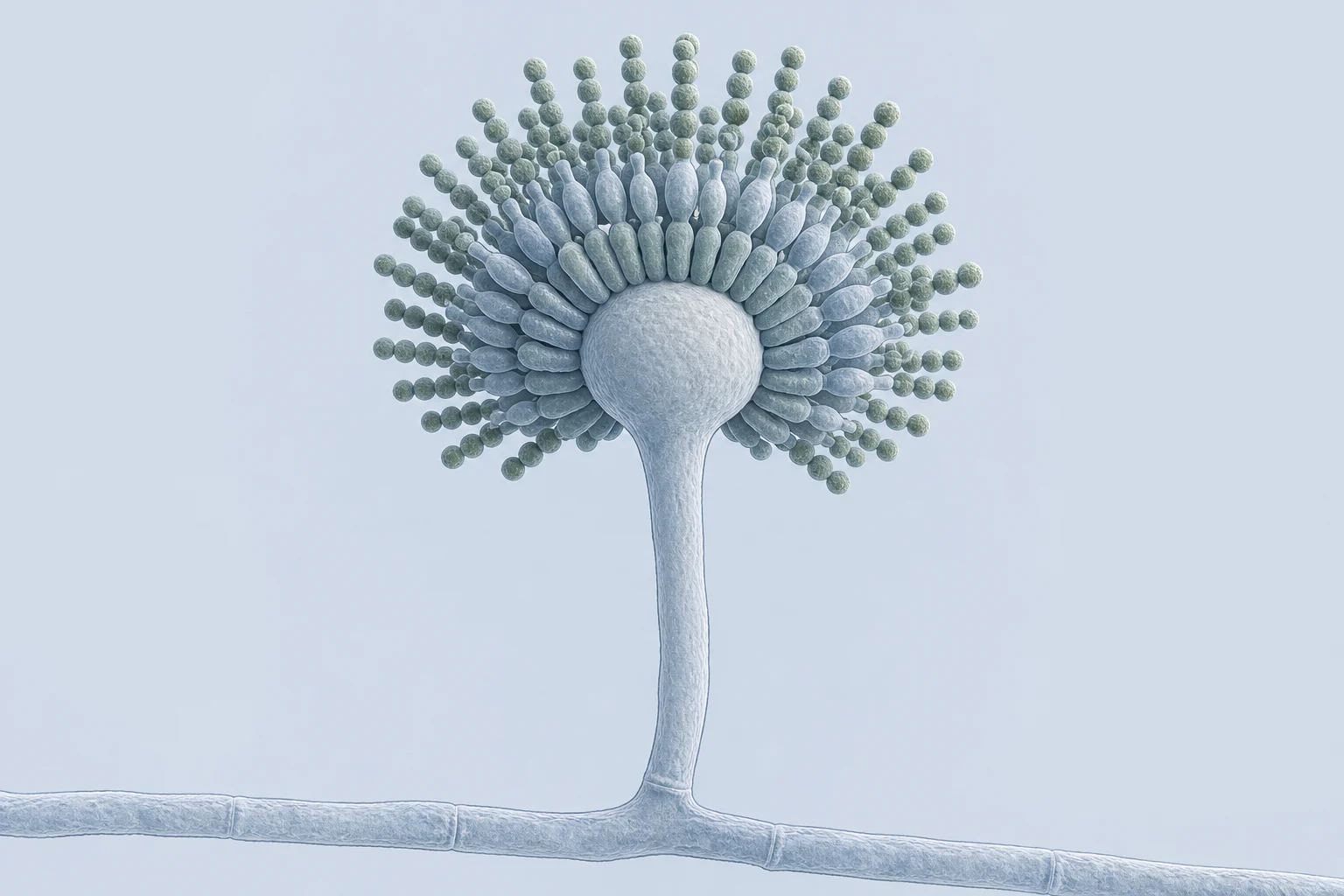
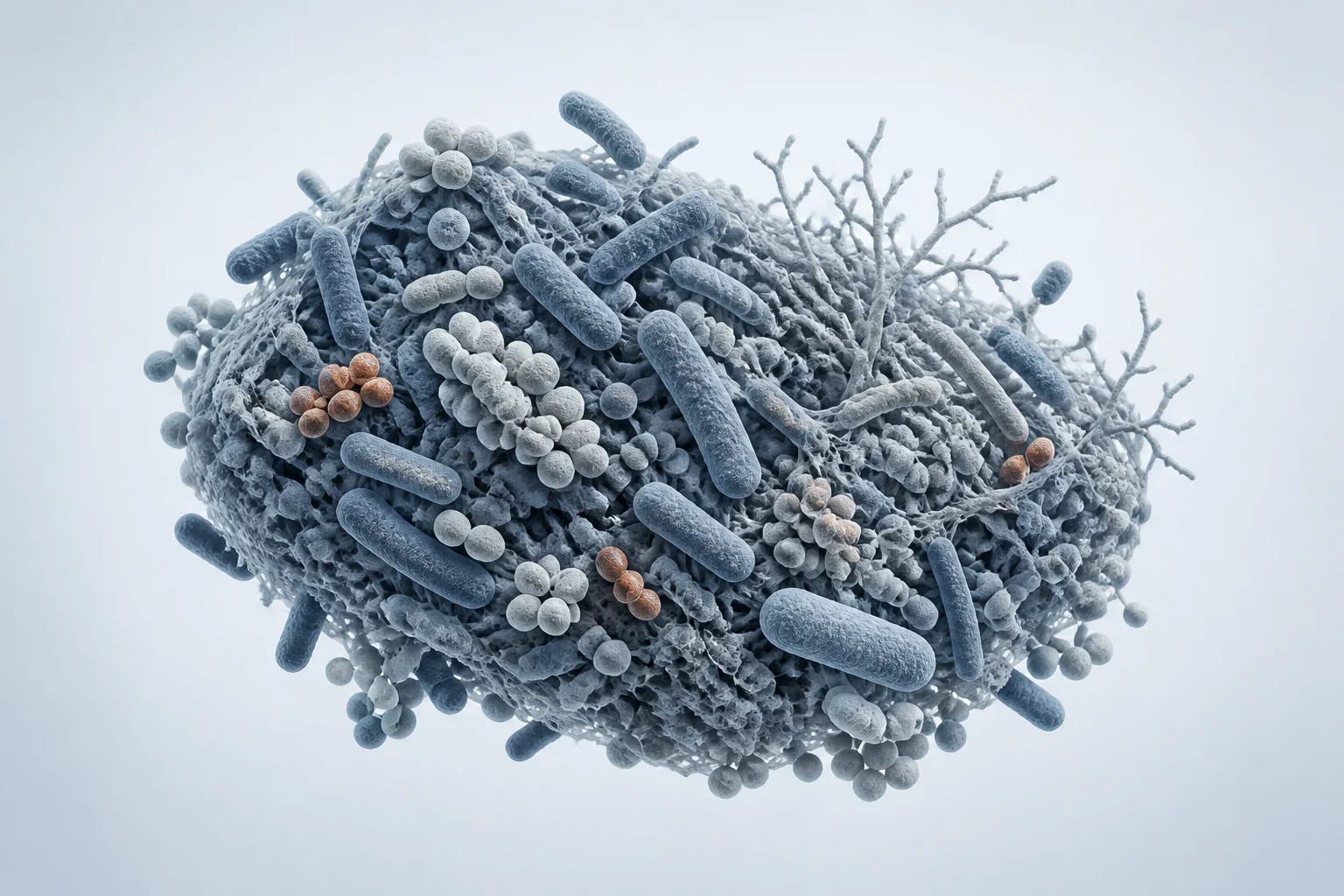
A microscopy-informed mixed microbial community with rods, cocci, curved rods, and branching forms on a pale cool field.
Mechanisms14 sources

Dysbiosis

Disruption of the normal composition and metabolic function of microbial communities, particularly the gut microbiome. In the metallomics context, dysbiosis is both a consequence of metal toxicity and an amplifier of further disease -- creating vicious cycles where meta

Mechanisms8 sources

Endocrine Disruptors

Exogenous chemicals that interfere with hormone synthesis, secretion, transport, binding, or elimination, mimicking or blocking endogenous hormones at physiologically relevant concentrations. In the metallomics-microbiome framework, endocrine disruptors occupy a critica

Mechanisms5 sources

Gene Regulation

Gene regulation in bacteria is the process by which cells control when and how much of each gene product is made. In the metallomics context, gene regulation is the mechanism by which bacteria respond to the metal environment -- sensing metal availability and adjusting

Reference0 sources

Glossary

Alphabetical definitions of specialist terms used throughout this wiki. Where a full concept page exists, the term links to it. --- AhR (aryl hydrocarbon receptor) -- A ligand-activated transcription factor that senses microbial metabolites (especially indoles from tryp

Other0 sources

Neisseria Meningitidis

A Gram-negative diplococcus that is simultaneously a nasopharyngeal commensal (carried asymptomatically by 10–35% of the population) and a devastating invasive pathogen causing bacterial meningitis and meningococcal septicemia. The transition from harmless carriage to l

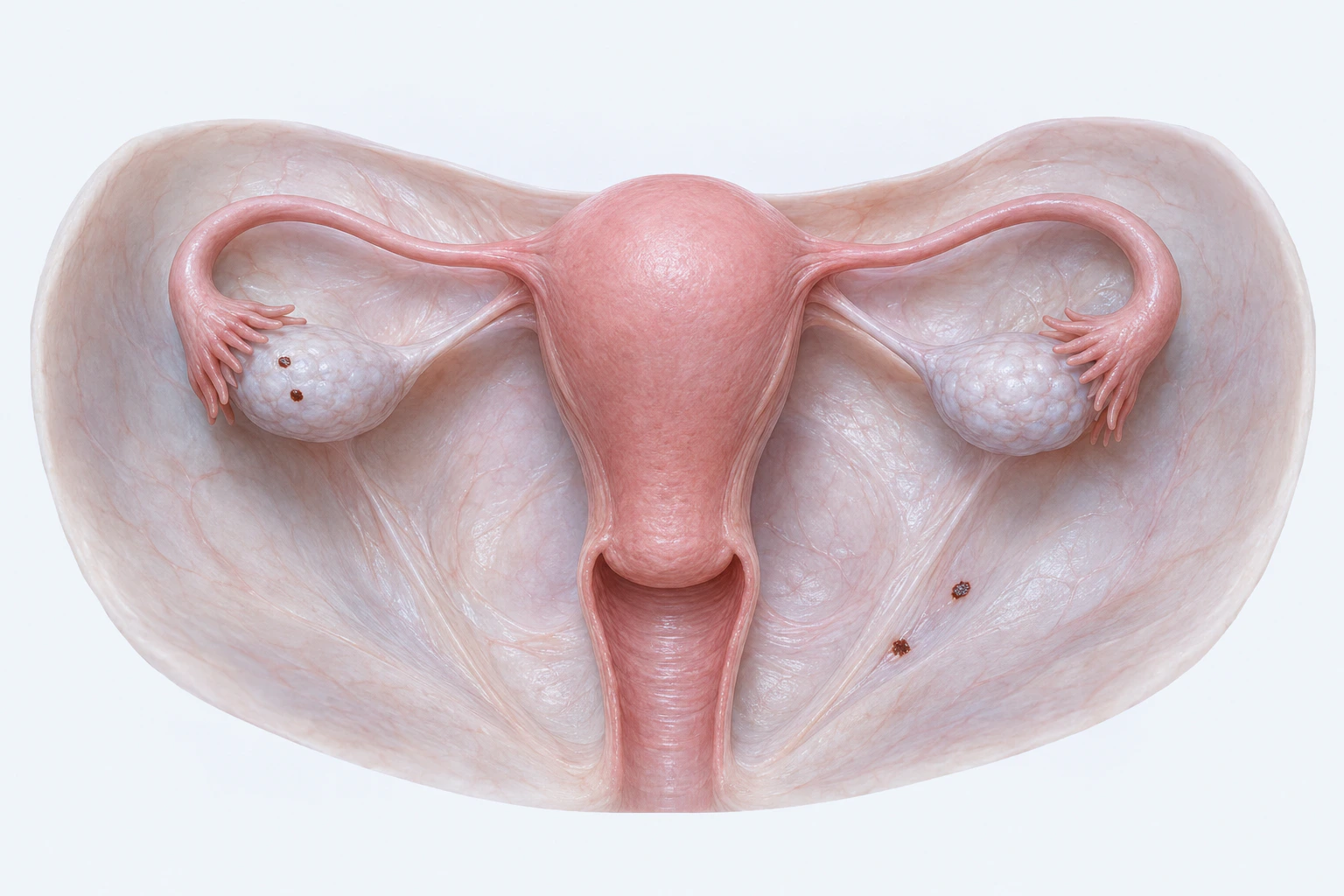
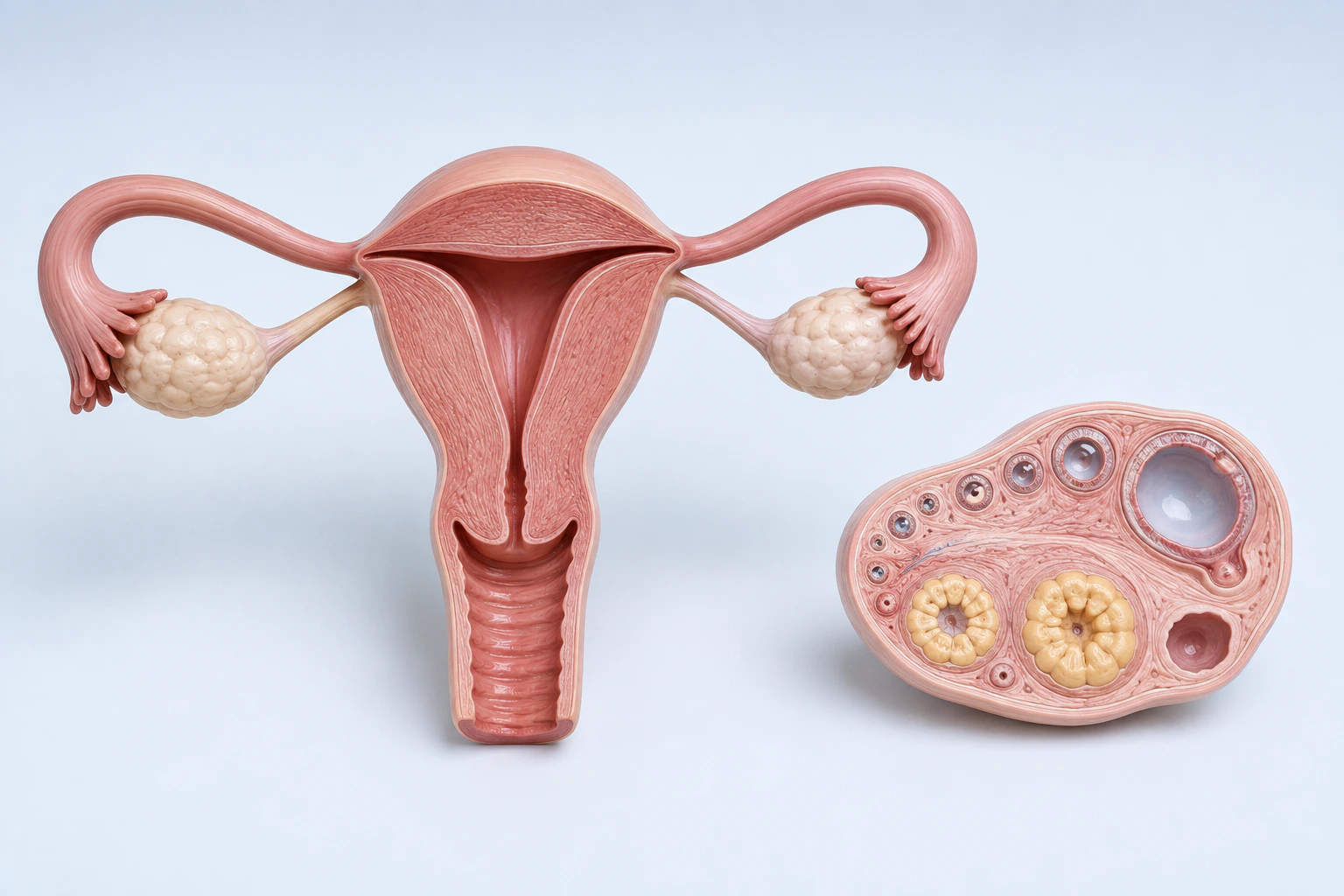
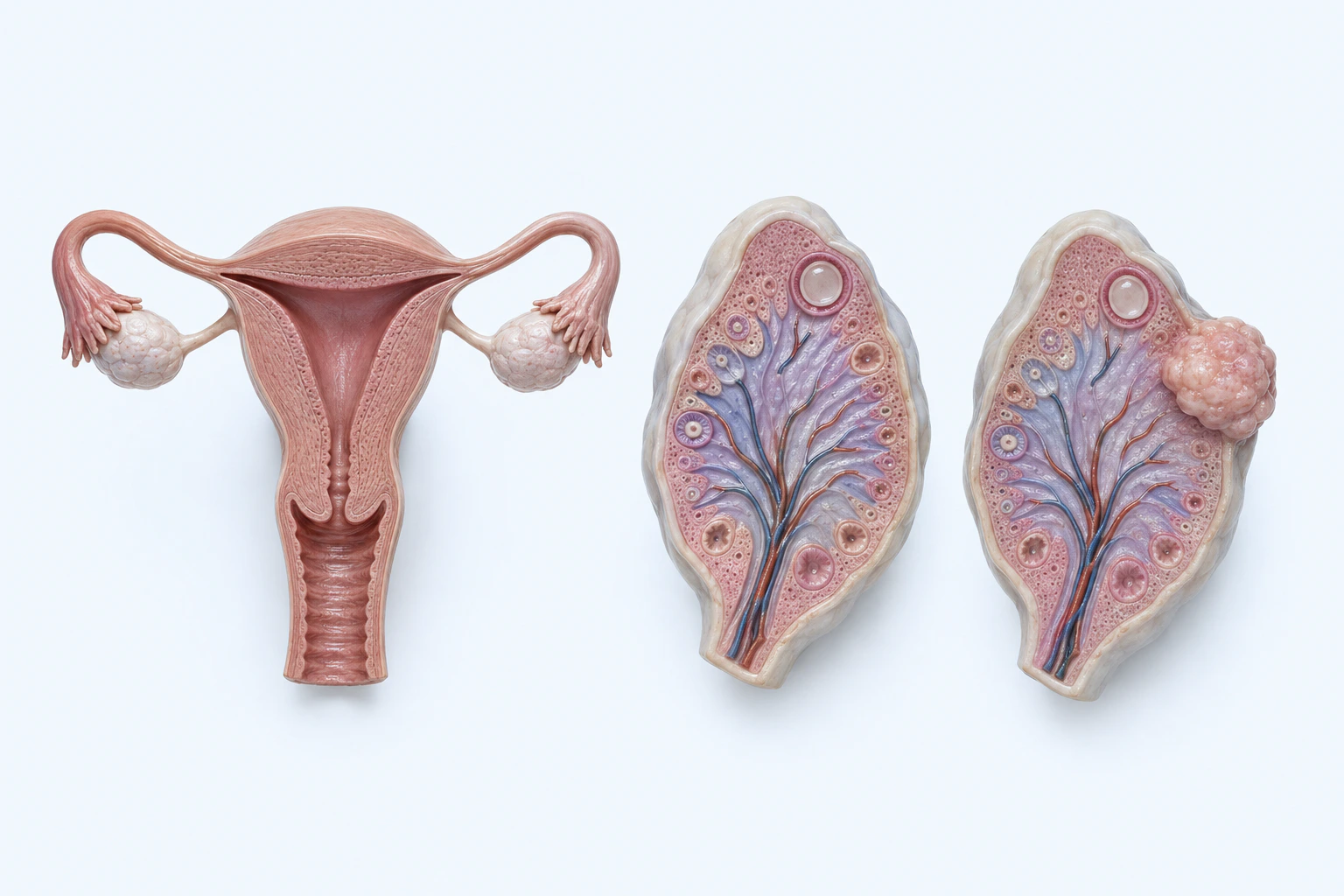
Reproductive anatomy and two ovarian cutaways appear separately; one cutaway carries a single prominent bounded nonspecific external growth.
Diseases6 sources

Ovarian Cancer

Ovarian cancer is the most lethal gynecological malignancy, with approximately 314,000 new cases and 207,000 deaths annually worldwide. Its poor prognosis stems largely from late-stage diagnosis (70% at stage III/IV) and the development of chemoresistance. From a metall

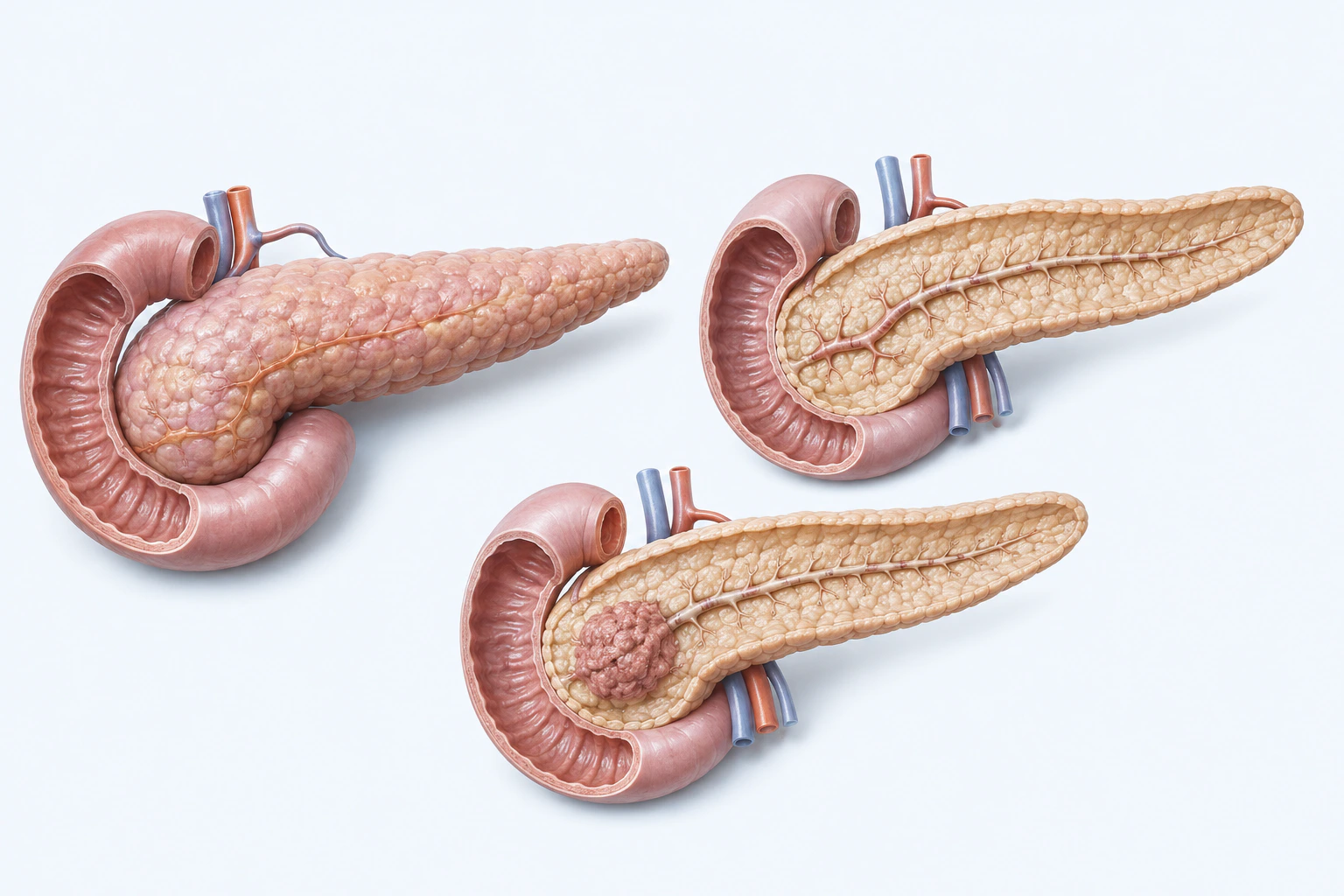
Three pancreatic teaching models appear separately, including one with a bounded nonspecific growth near the pancreatic head.
Diseases22 sources

Pancreatic Cancer

Pancreatic cancer is the fifth leading cause of cancer death in Western nations, with rising incidence globally. Pancreatic ductal adenocarcinoma (PDAC) accounts for over 90% of cases. Five-year survival remains approximately 12%, owing to late-stage diagnosis, aggressi

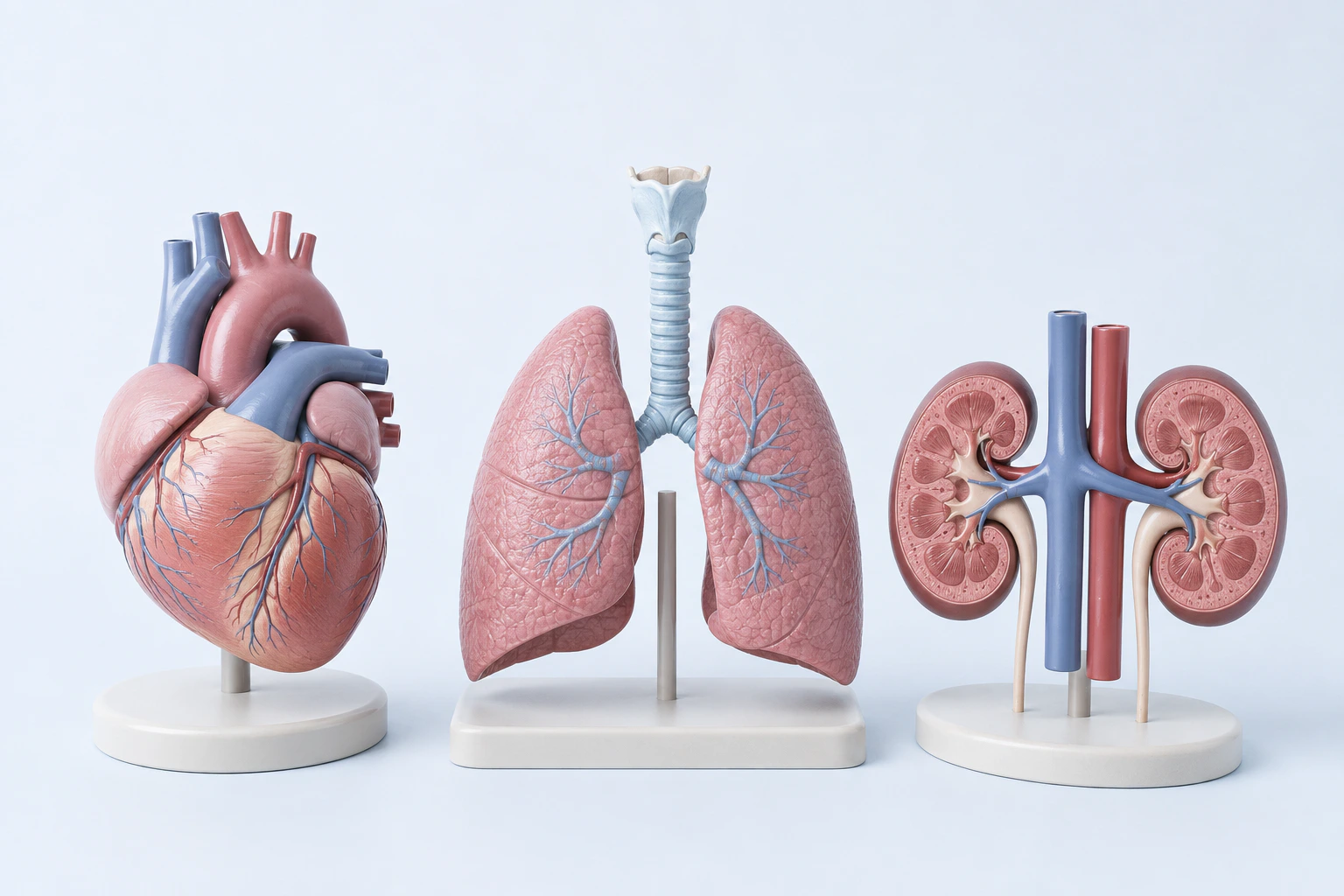
Neutral heart, paired-lung, and paired-kidney teaching models appear as three complete supported groups.
Diseases3 sources

Sepsis

Sepsis is life-threatening organ dysfunction caused by a dysregulated host response to infection. In the WikiBiome framework, sepsis represents the catastrophic failure of both colonization resistance (pathogen invasion) and nutritional immunity (metal restriction). Inf

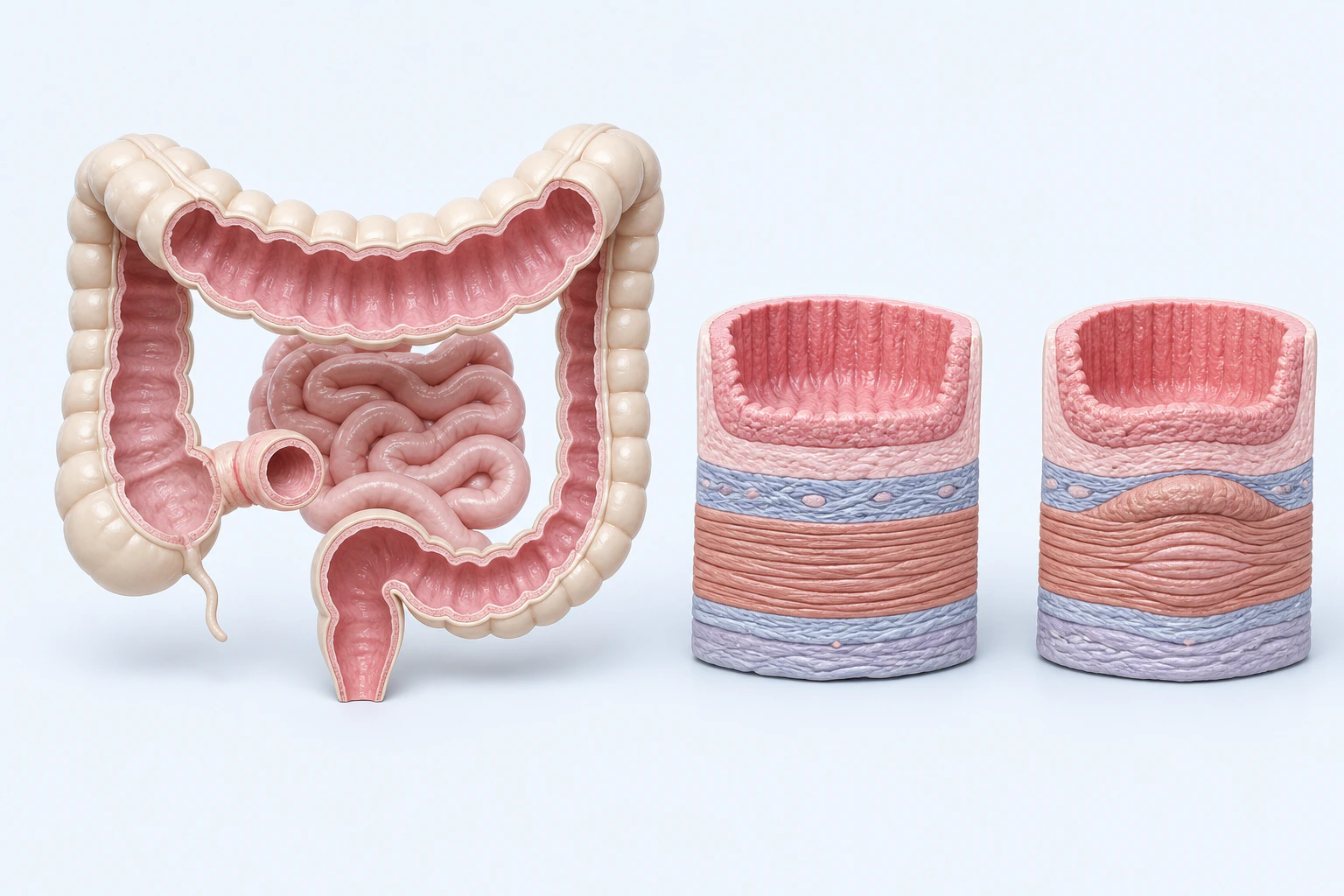
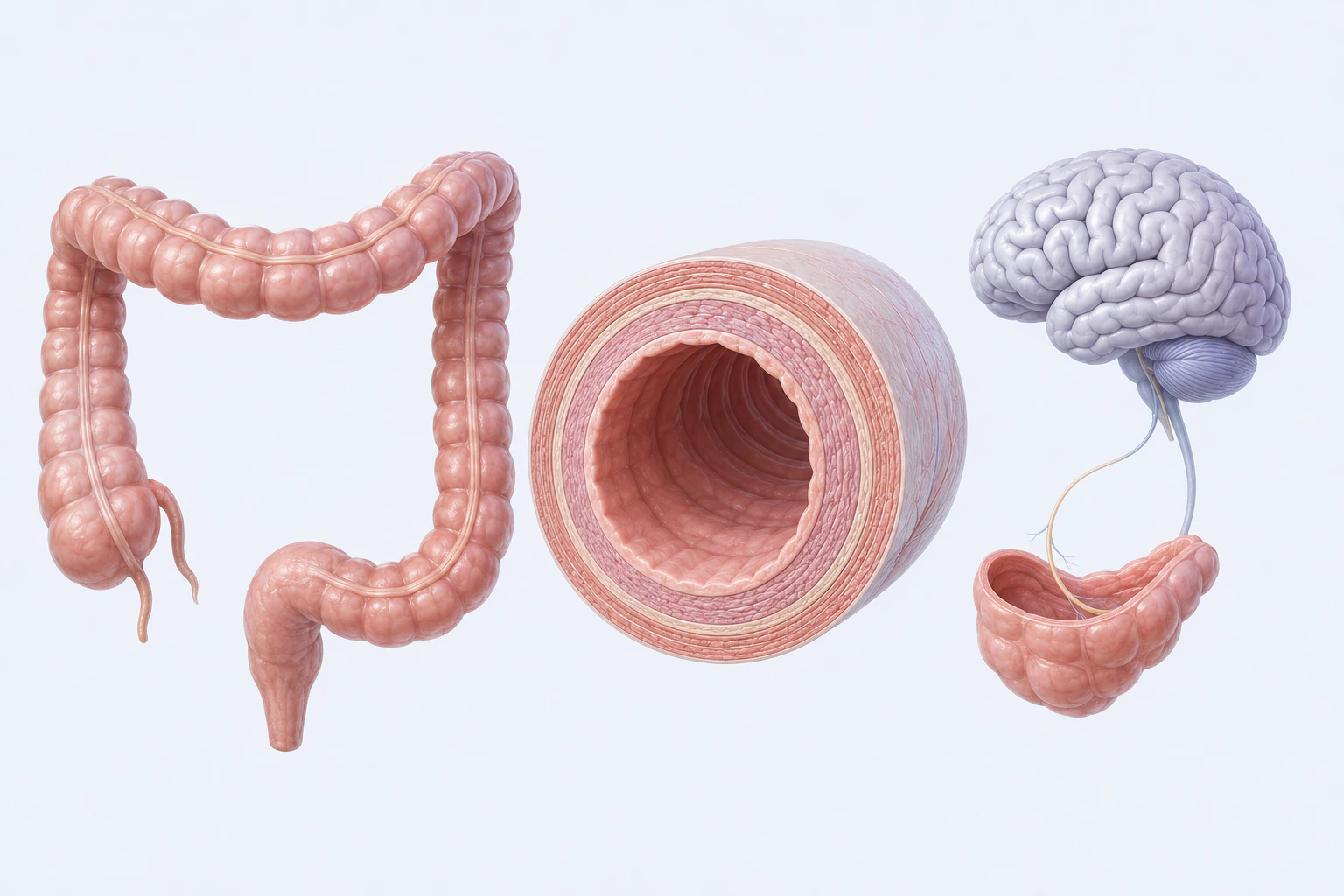
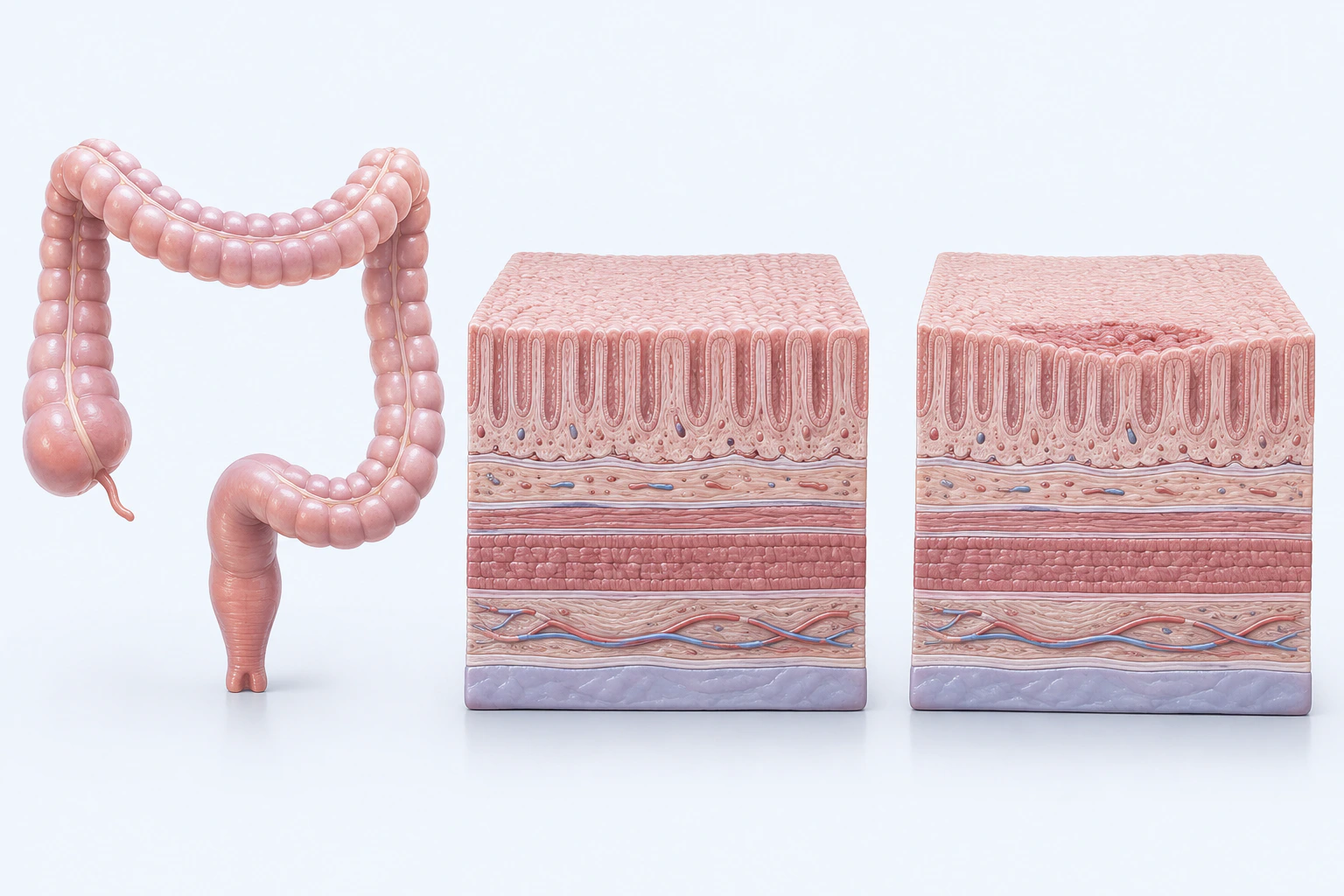
Colon anatomy and two layered bowel-wall models appear separately; one block has a shallow bounded surface depression.
Diseases6 sources

Ulcerative Colitis

A chronic inflammatory bowel disease characterized by continuous mucosal inflammation of the colon, extending proximally from the rectum. Unlike crohns disease, UC is limited to the colon, affects only the mucosa/submucosa (not transmural), produces no skip lesions, and