WikiBiomeThe human microbiome encyclopedia
WikiBiome/Search: “pathogenesis”
Encyclopedia search

Search: “pathogenesis”

Ranked matches across titles, topics, categories, and article introductions.

29 records in this view
A
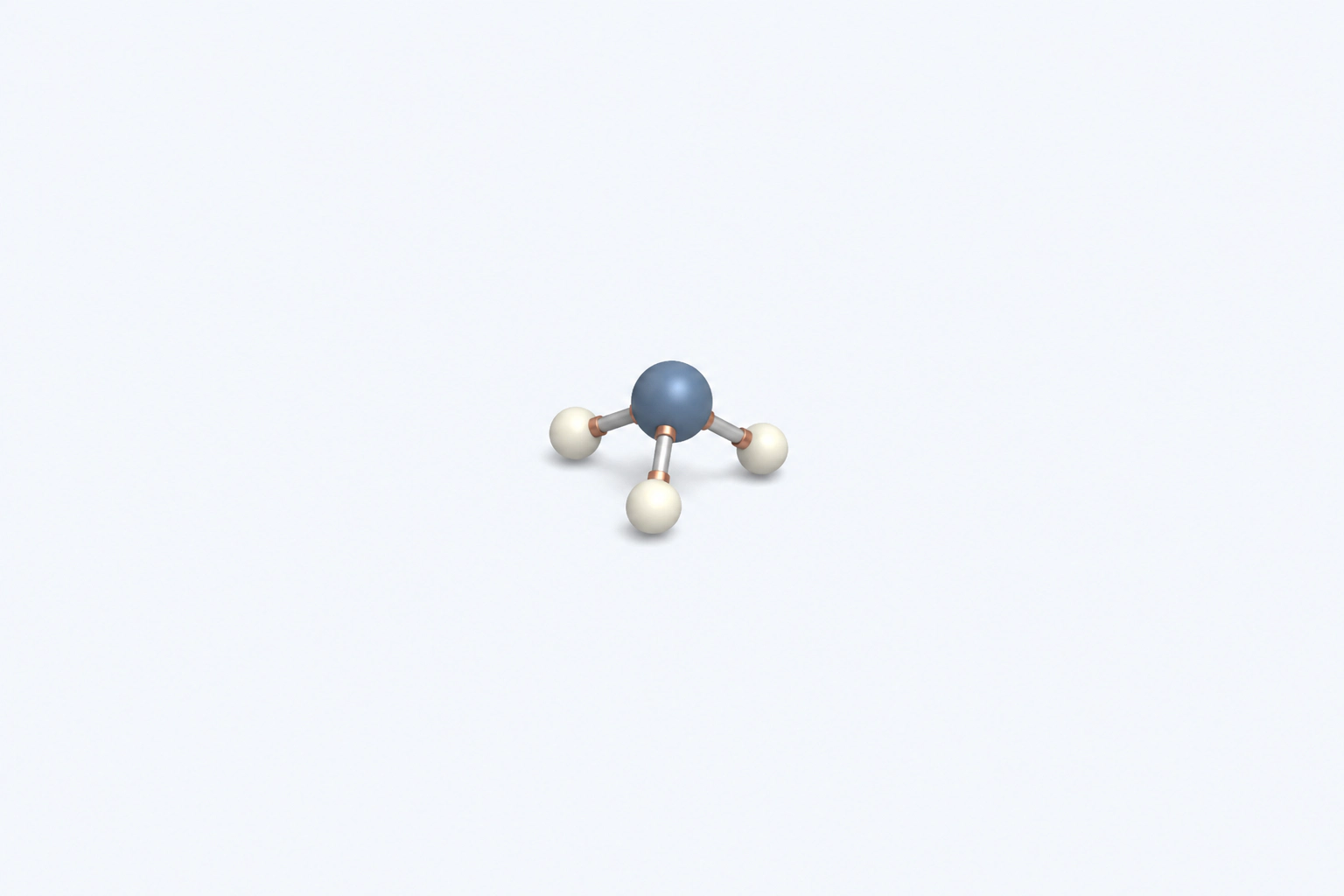
A compact trigonal-pyramidal ammonia teaching model shows one central nitrogen sphere connected to three hydrogen spheres.
Mechanisms4 sources

Ammonia

Ammonia is a nitrogen-containing product of microbial urease activity. When urease hydrolyzes urea, ammonia and bicarbonate are produced; in the microbial systems covered by WikiBiome, those products can provide nitrogen and raise local pH maier 2019 nickel microbial pa

B
C
G
H
M
Host defenses8 sources

Metal-Dependent Virulence

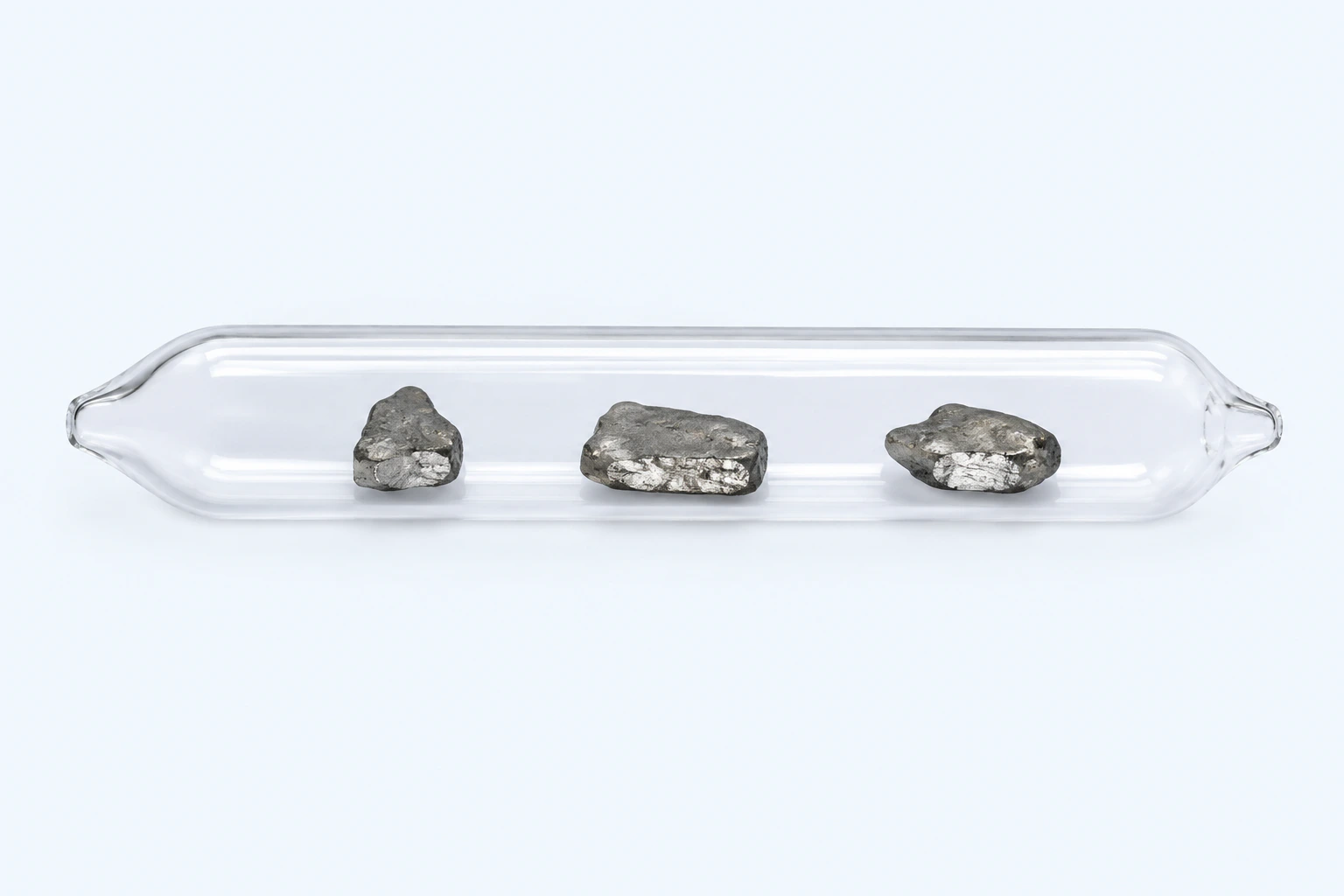
Transition metals serve as essential cofactors for pathogen virulence factors across virtually all domains of microbial life. The dependence of pathogens on metals they must scavenge from the host environment creates a fundamental tension at the heart of infectious dise

N
Other0 sources

Neisseria Meningitidis

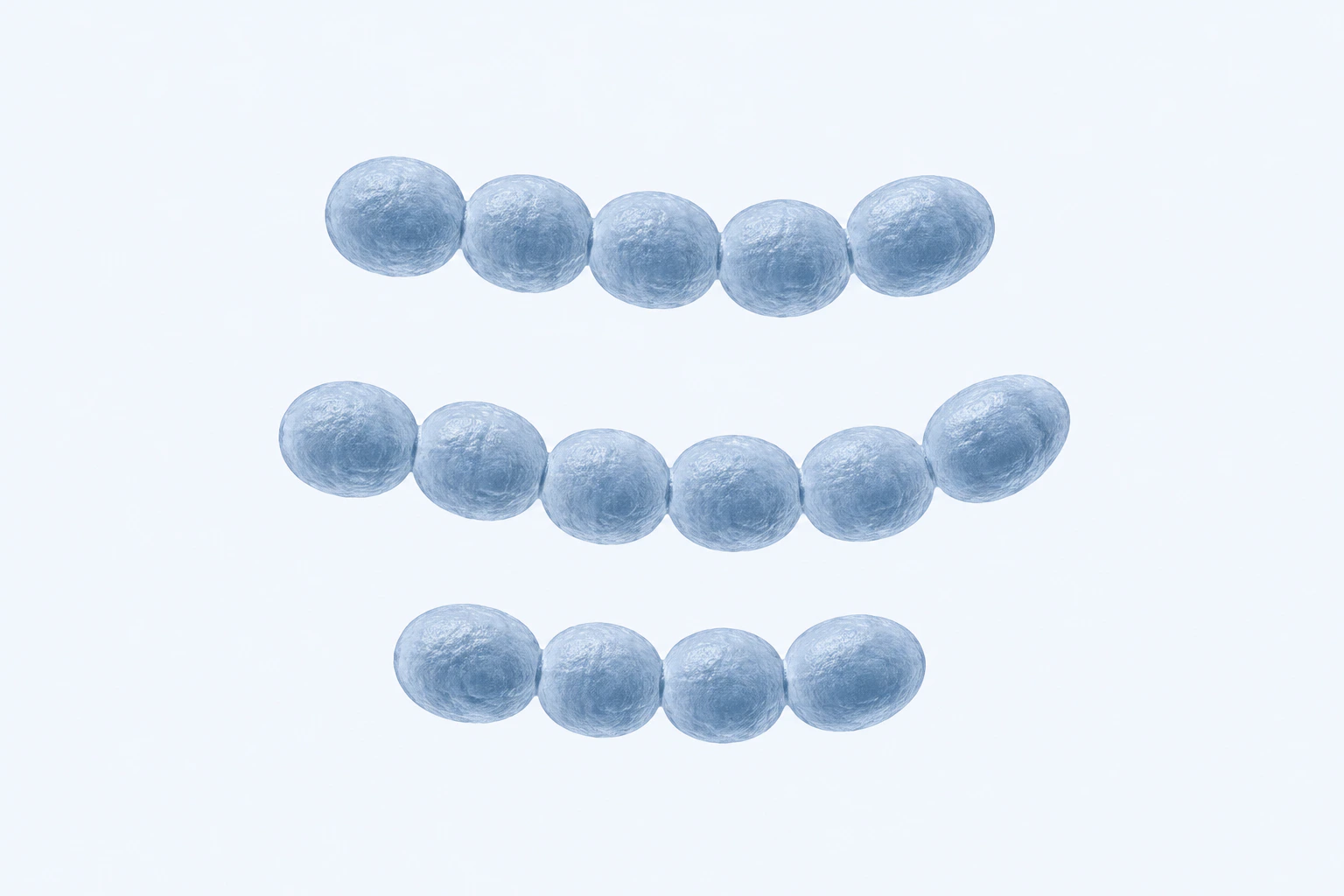
A Gram-negative diplococcus that is simultaneously a nasopharyngeal commensal (carried asymptomatically by 10–35% of the population) and a devastating invasive pathogen causing bacterial meningitis and meningococcal septicemia. The transition from harmless carriage to l

O
P
S
T
U
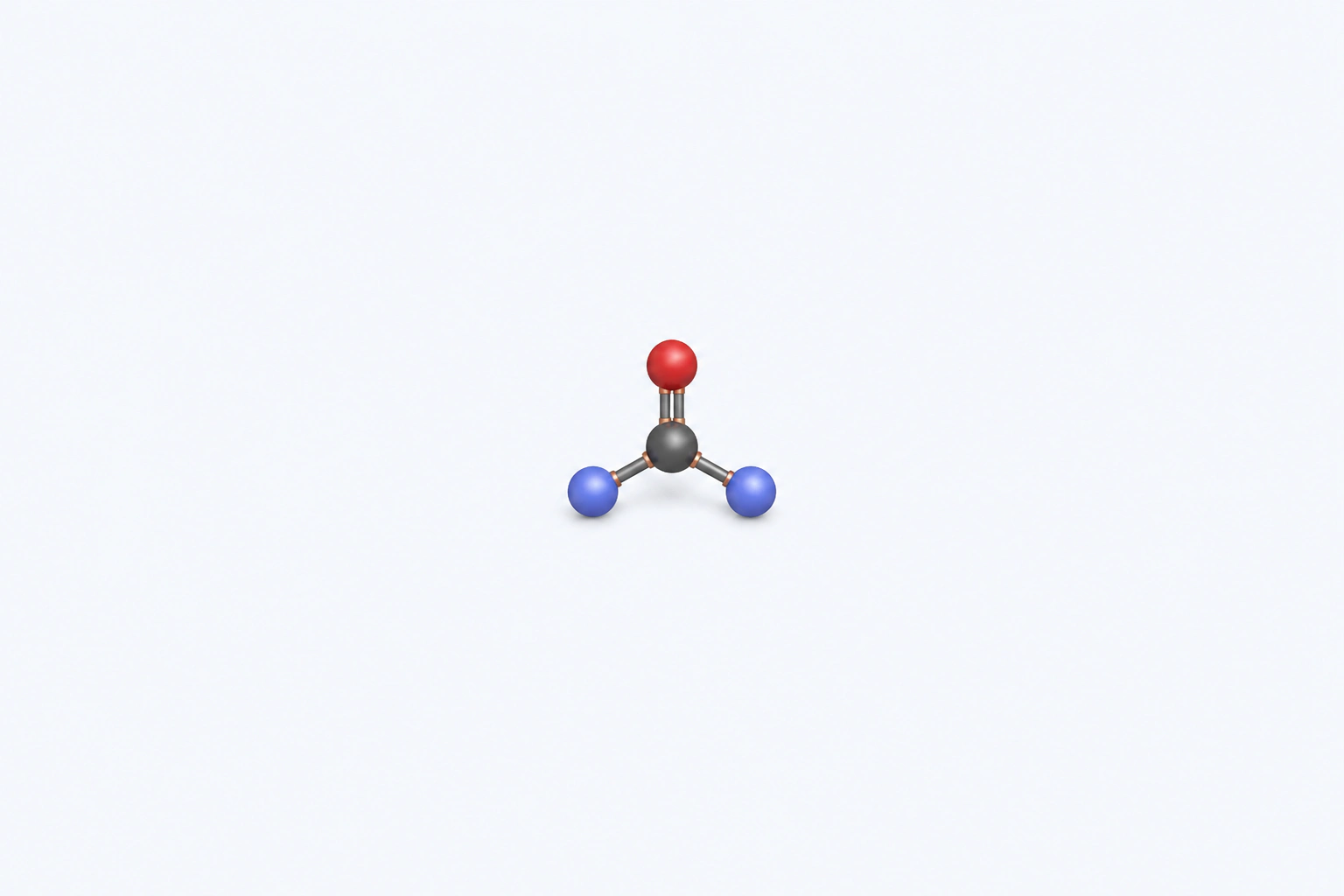
A compact urea connectivity model shows one carbonyl carbon, one oxygen, and two nitrogen centers, with hydrogens omitted.
Mechanisms6 sources

Urea

Urea is the substrate of urease. In the microbial systems covered by WikiBiome, urease hydrolyzes urea to ammonia and bicarbonate; those products can supply microbial nitrogen and help neutralize acidic environments maier 2019 nickel microbial pathogenesis. At a glance,

V
Y