WikiBiomeThe human microbiome encyclopedia
WikiBiome/Search: “mechanism”
Encyclopedia search

Search: “mechanism”

Ranked matches across titles, topics, categories, and article introductions.

80 records in this view

Organizations & projects

Research & education platformMicrobiome MedicineA research and education platform connecting condition-specific microbiome signatures, biological mechanisms, and candidate interventions.microbiomemedicine.com
1
A
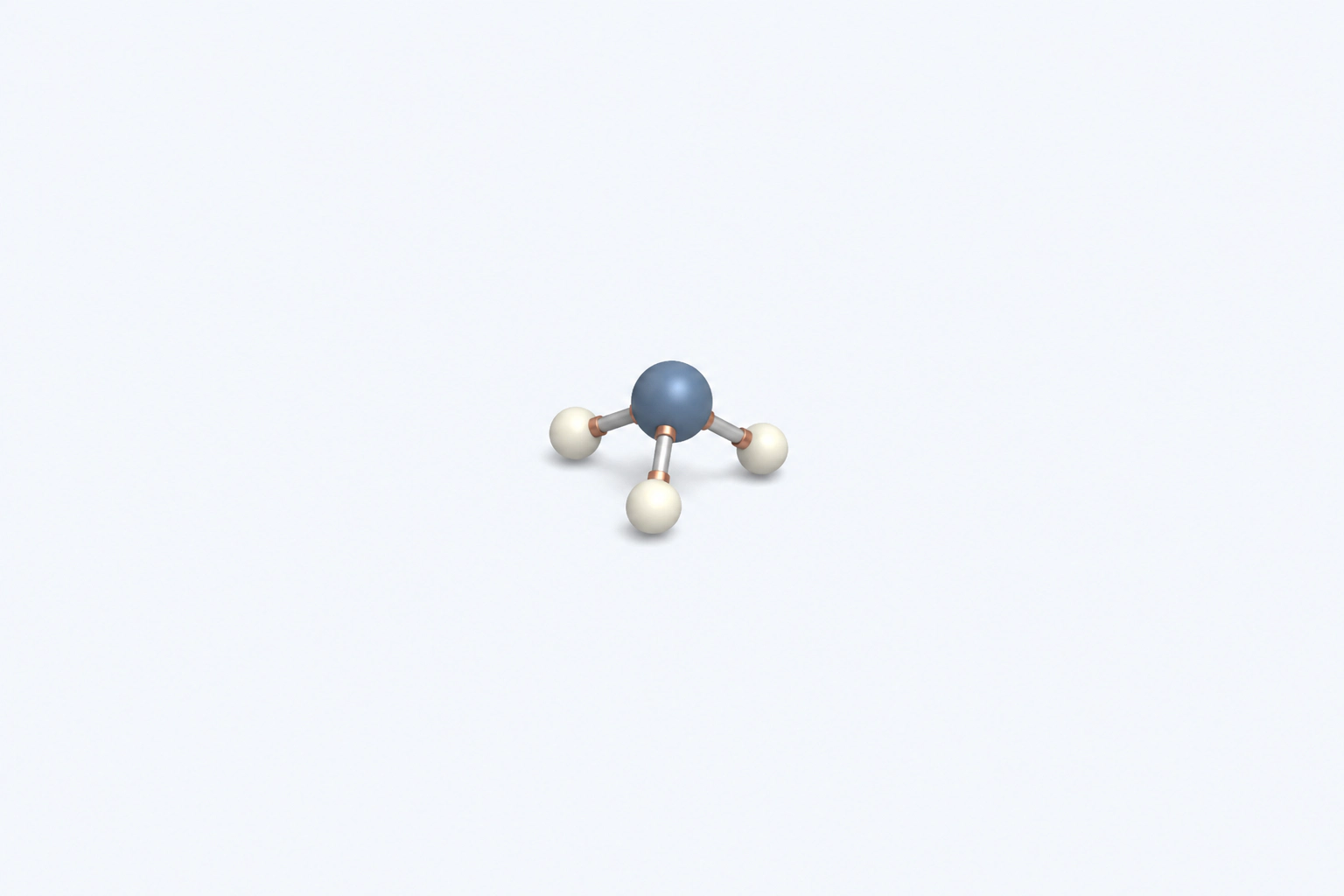
A compact trigonal-pyramidal ammonia teaching model shows one central nitrogen sphere connected to three hydrogen spheres.
Mechanisms4 sources

Ammonia

Ammonia is a nitrogen-containing product of microbial urease activity. When urease hydrolyzes urea, ammonia and bicarbonate are produced; in the microbial systems covered by WikiBiome, those products can provide nitrogen and raise local pH maier 2019 nickel microbial pa

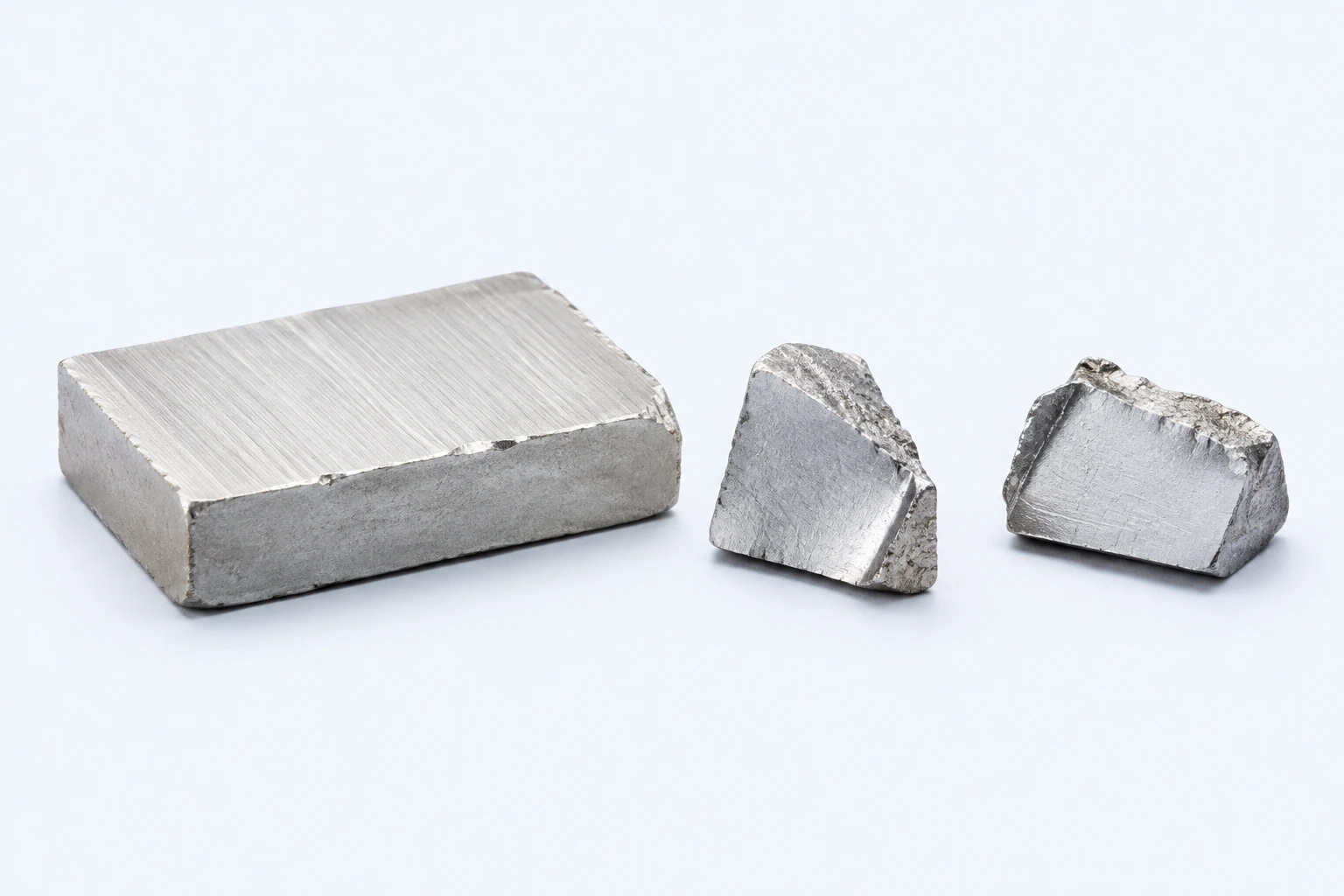
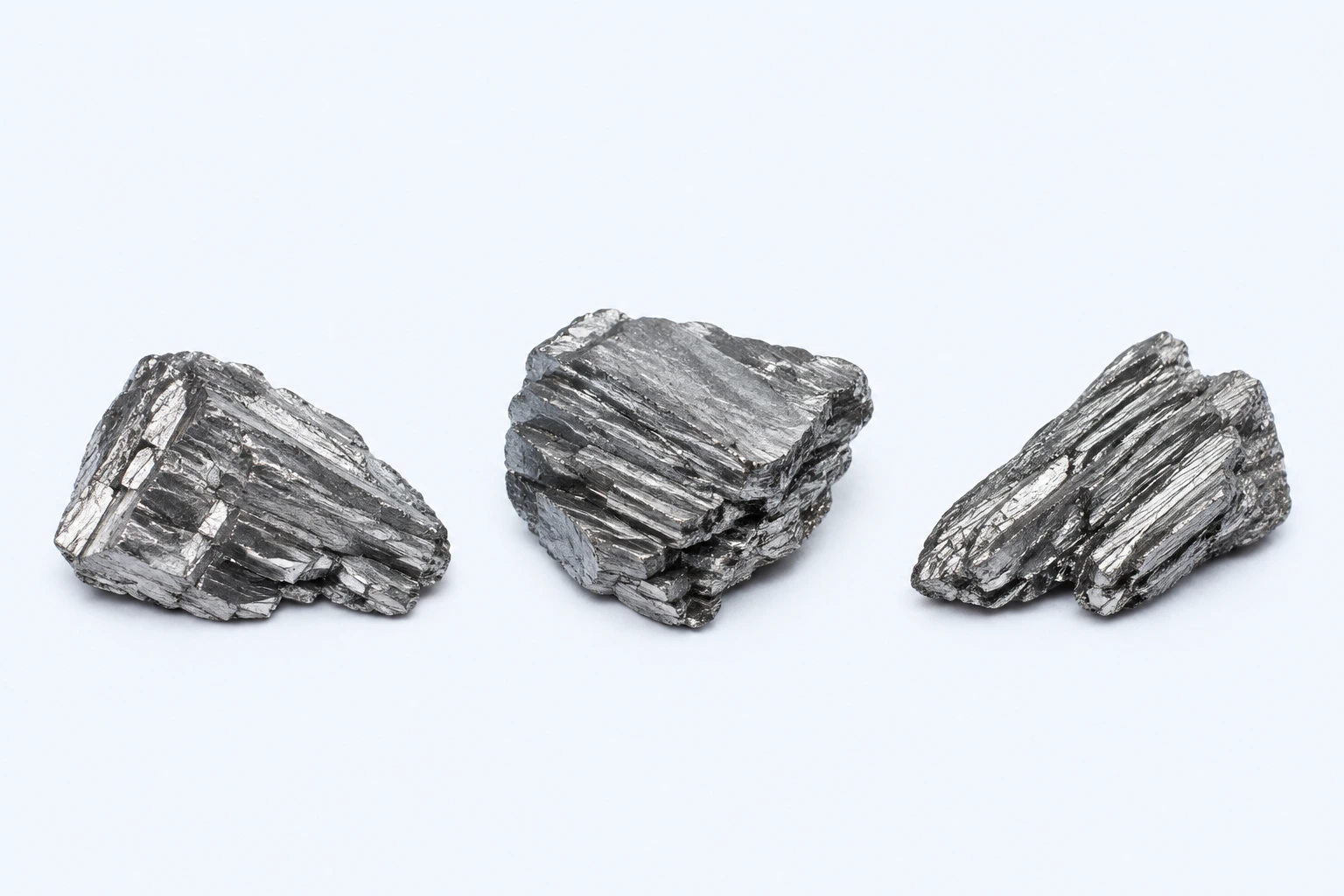
Three gray elemental arsenic fragments with layered brittle crystalline fracture faces.
Metals31 sources

Arsenic

Arsenic is a metalloid and potent carcinogen (IARC Group 1) that ranks among the most widespread environmental toxicants affecting human health. An estimated 225 million people worldwide are chronically exposed through contaminated drinking water alone ghosh 2023 heavy

B
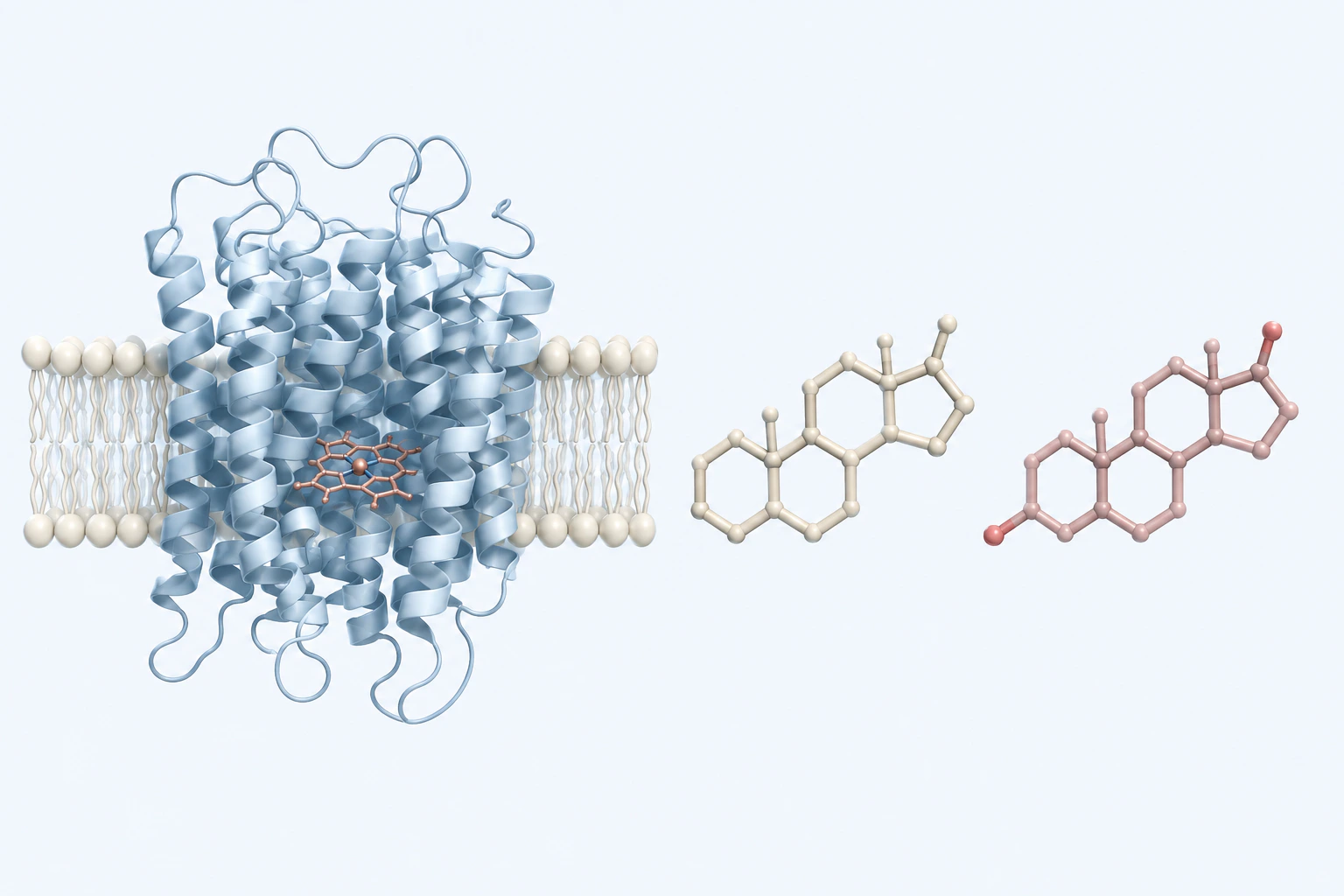
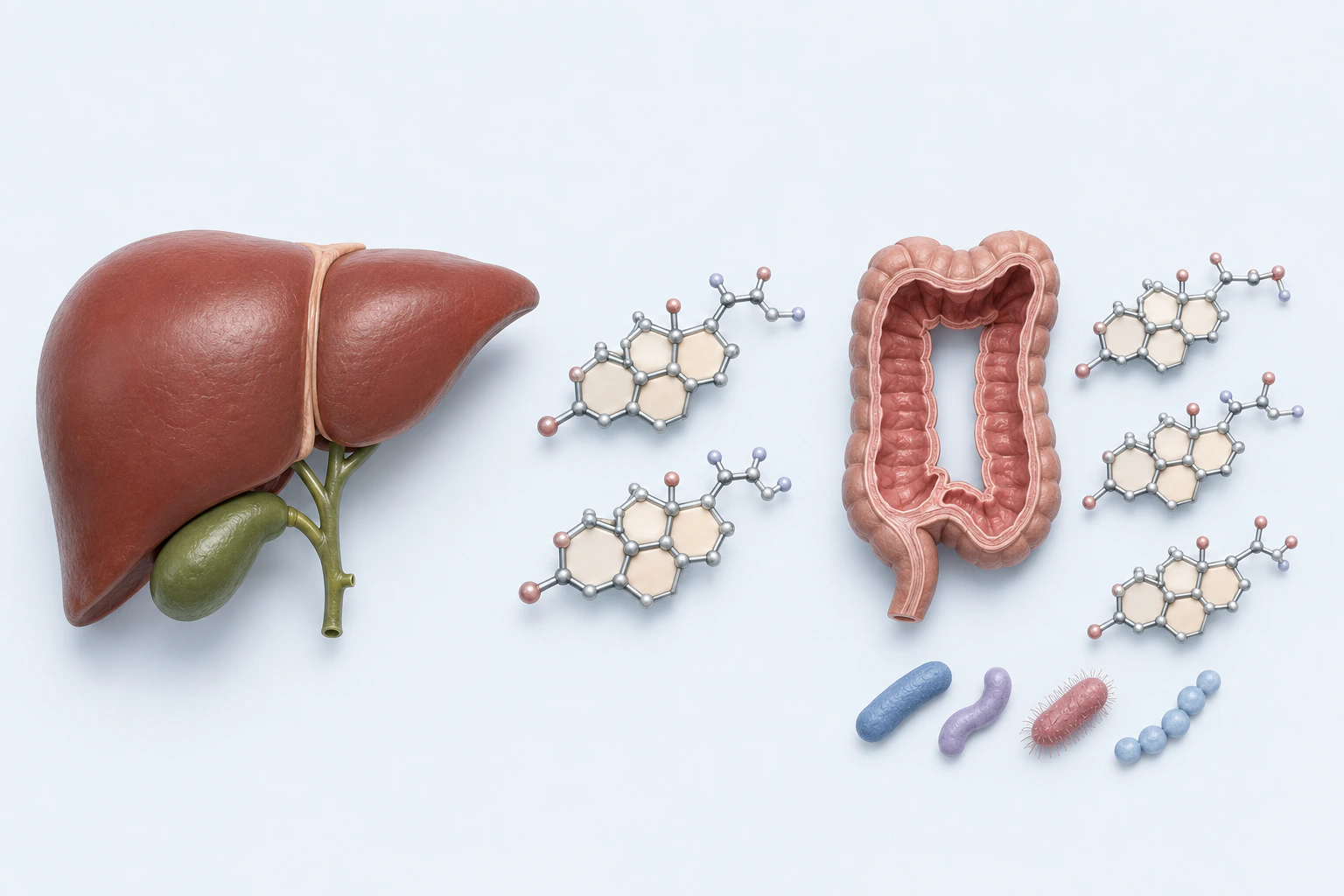
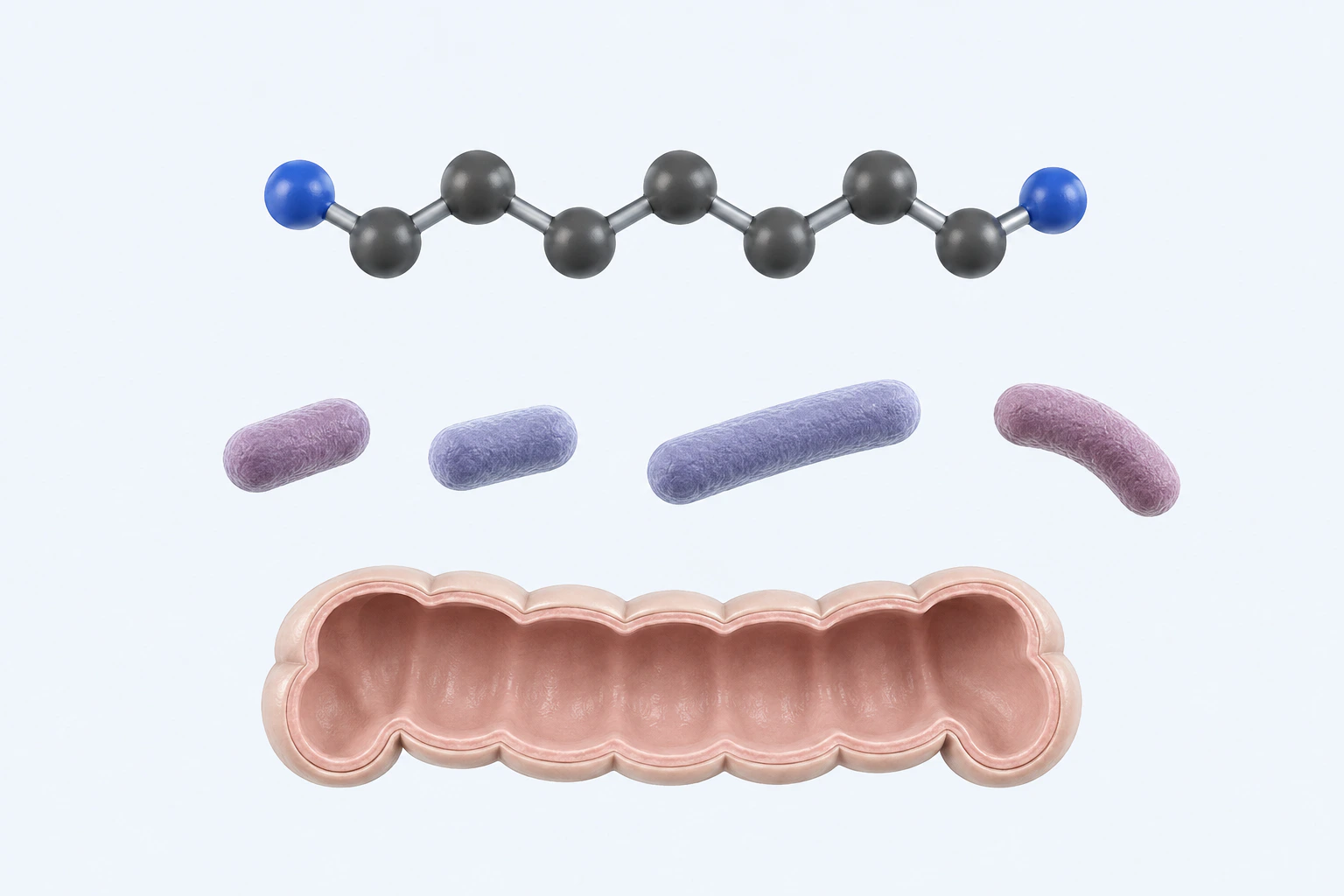
Separated liver and gallbladder, steroid-like tokens, and colon-with-microbial-context teaching groups orient bile acid metabolism without arrows.
Mechanisms8 sources

Bile Acid Metabolism

Bile acids are cholesterol-derived amphipathic molecules synthesized in the liver, secreted into the duodenum, and extensively modified by gut bacteria. The host-microbe co-metabolism of bile acids creates a signaling network with profound effects on lipid metabolism, g

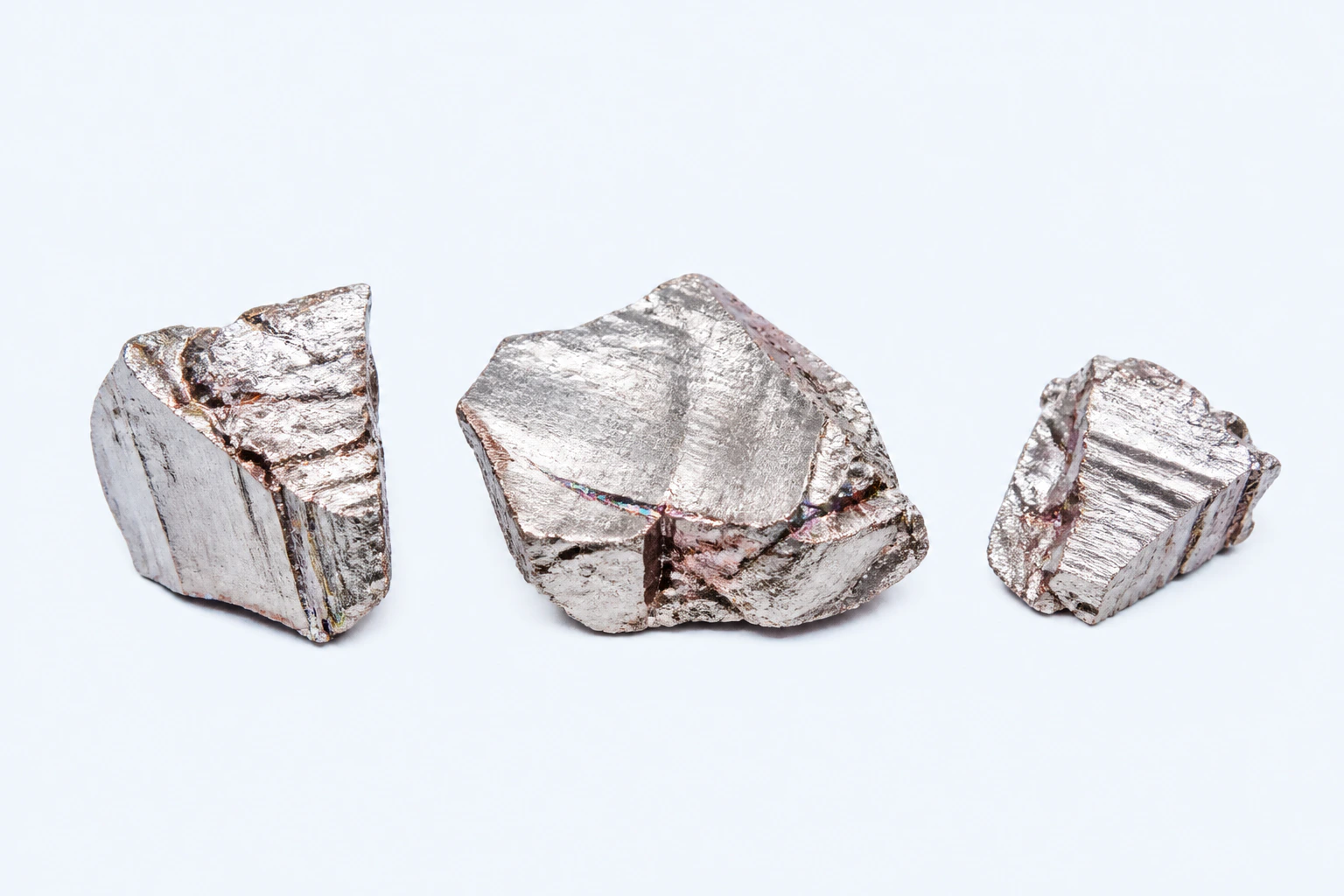
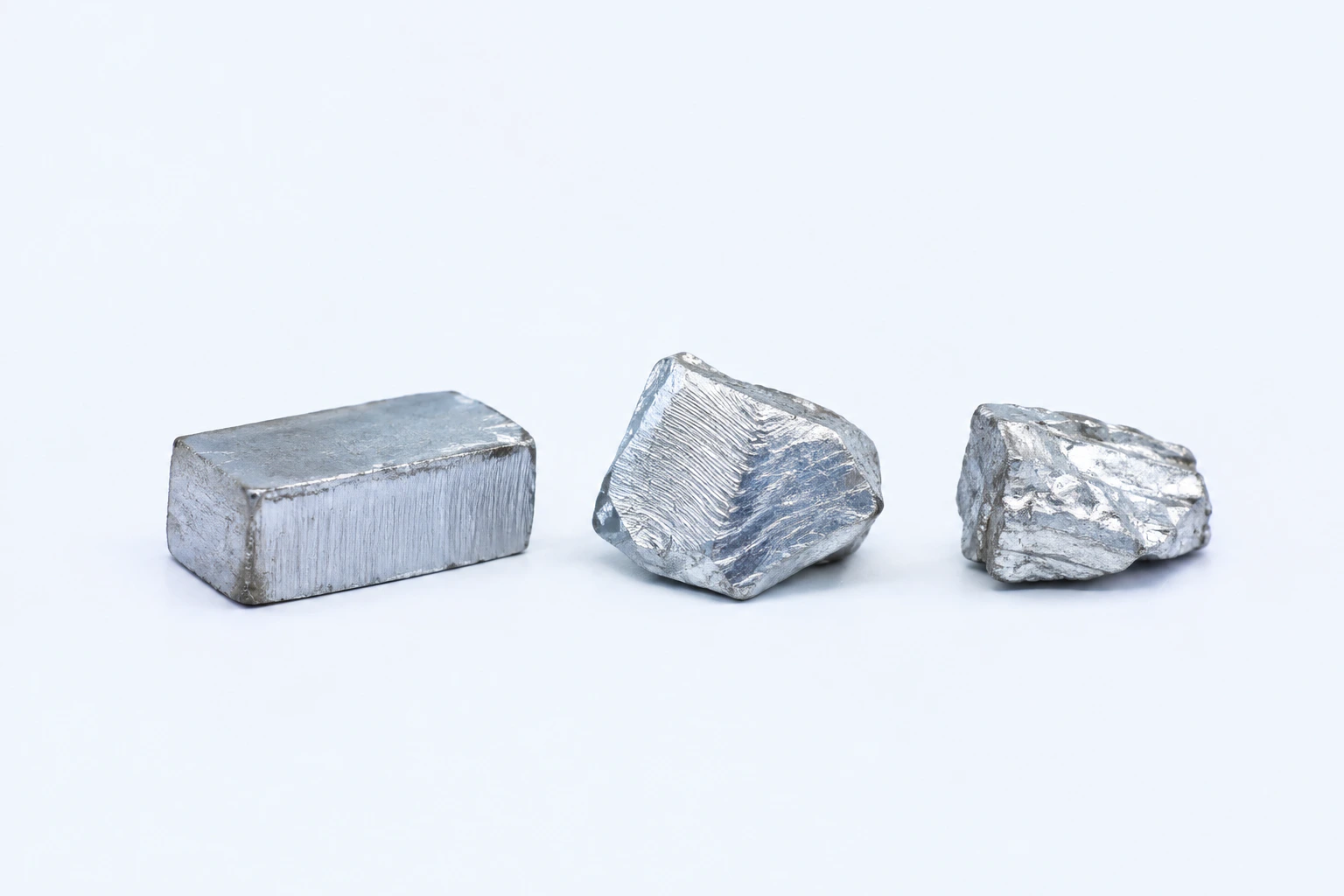
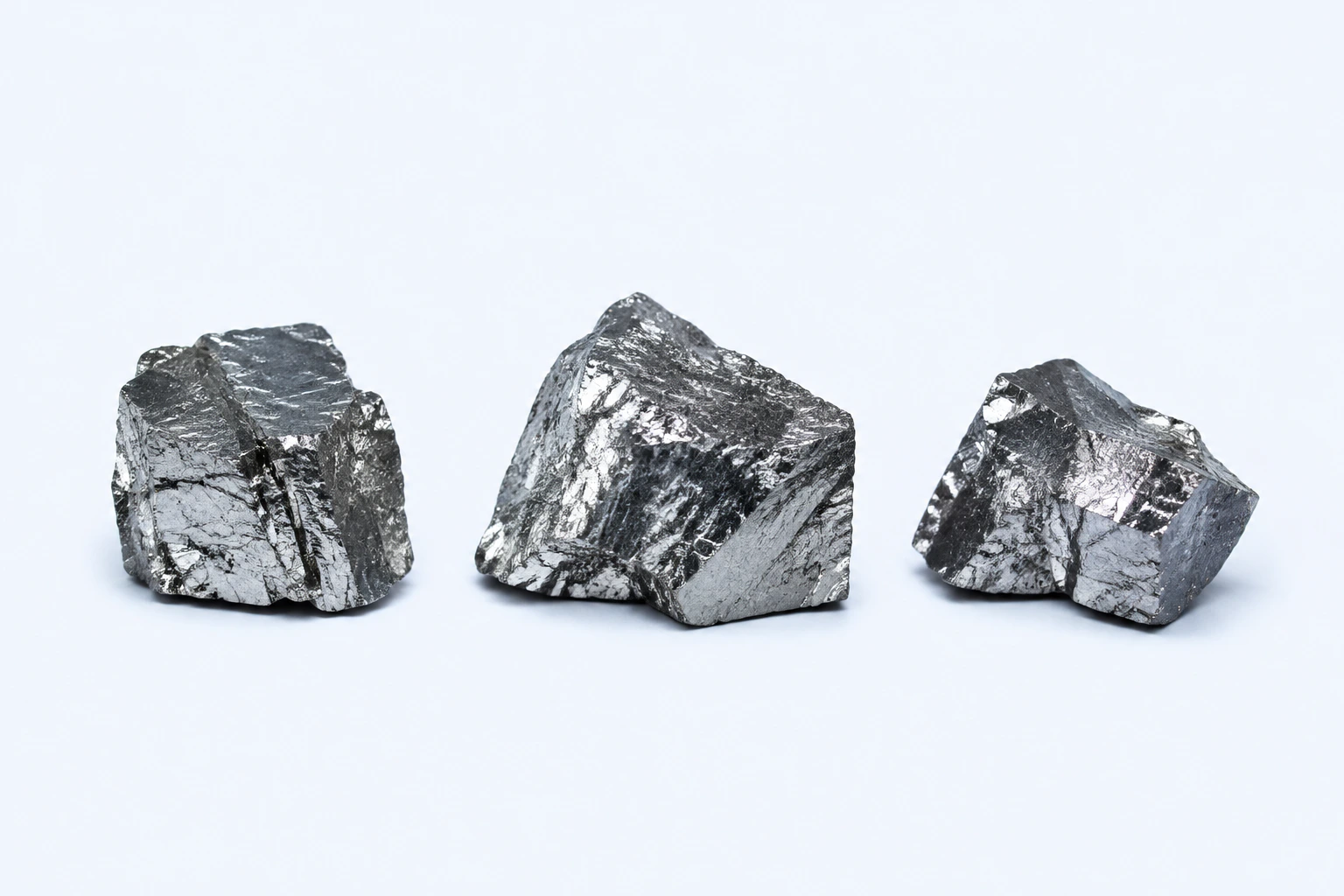
Three elemental bismuth pieces with silvery fracture faces, cool pink undertones, and restrained iridescent ridge tarnish.
Metals6 sources

Bismuth

A heavy metal traditionally considered safe enough for over-the-counter gastrointestinal remedies (Pepto-Bismol, De-Nol), bismuth is re-emerging as a potent antimicrobial synergist. Its key property: Bi3+ competes with Fe3+ for binding sites on siderophores and bacteria

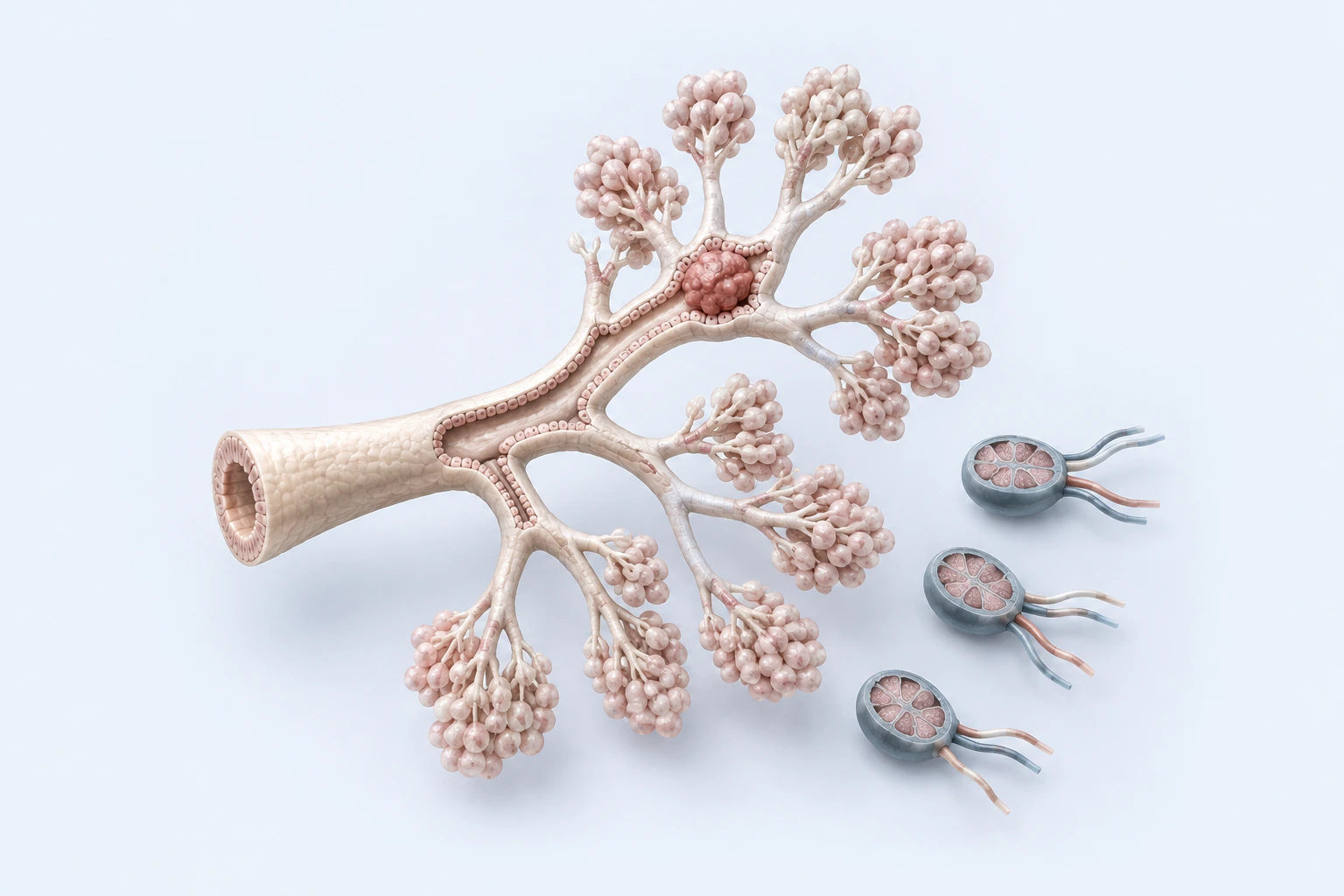
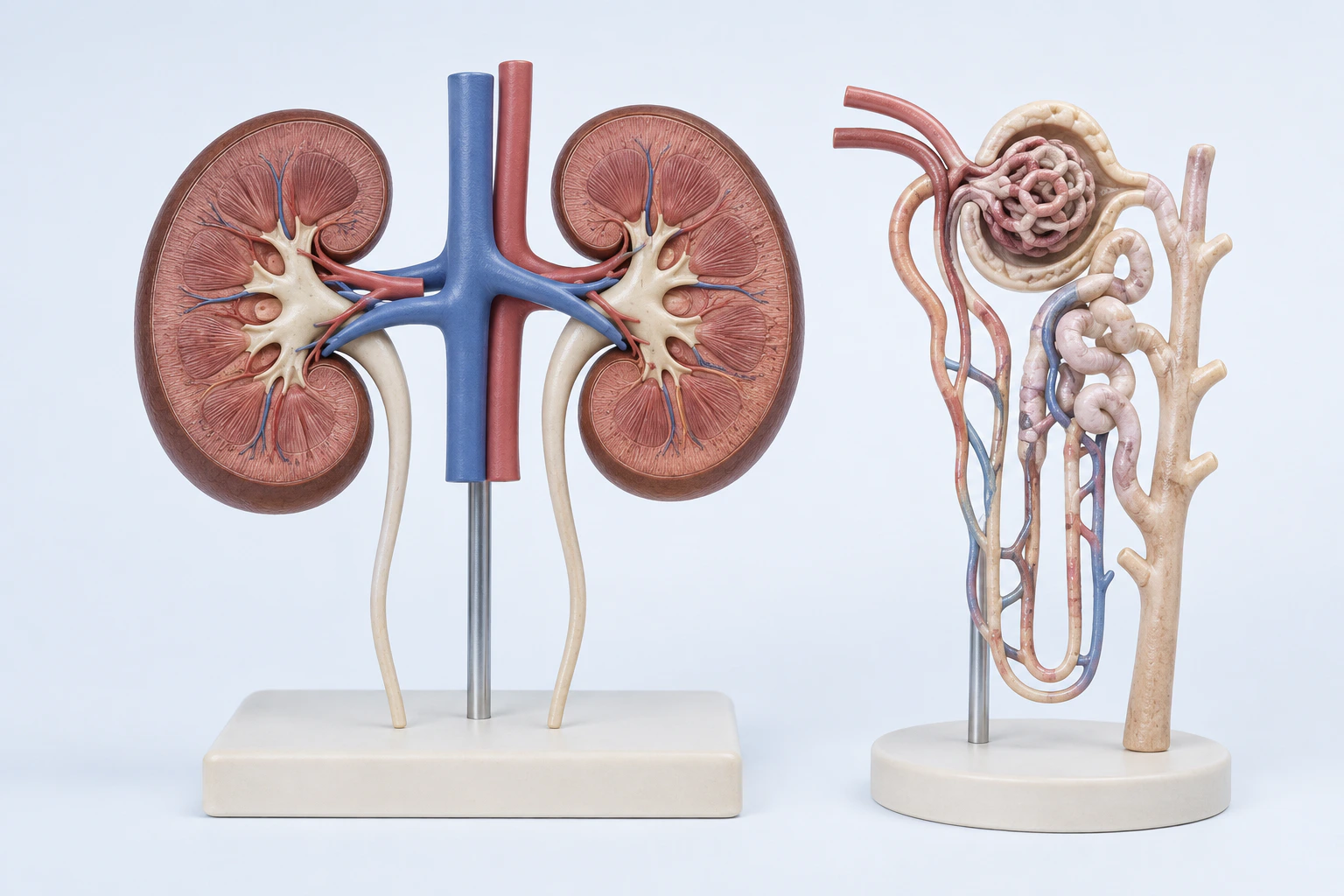
A branching mammary duct-and-lobule teaching model contains one irregular rose lesion, with three separate regional structures nearby.
Diseases19 sources

Breast Cancer

Breast cancer is the most common cancer in women worldwide, with approximately 2.3 million new cases annually. While genetic, hormonal, and lifestyle factors are well-established risk determinants, the metallomic dimension reveals a consistent pattern of trace element d

C
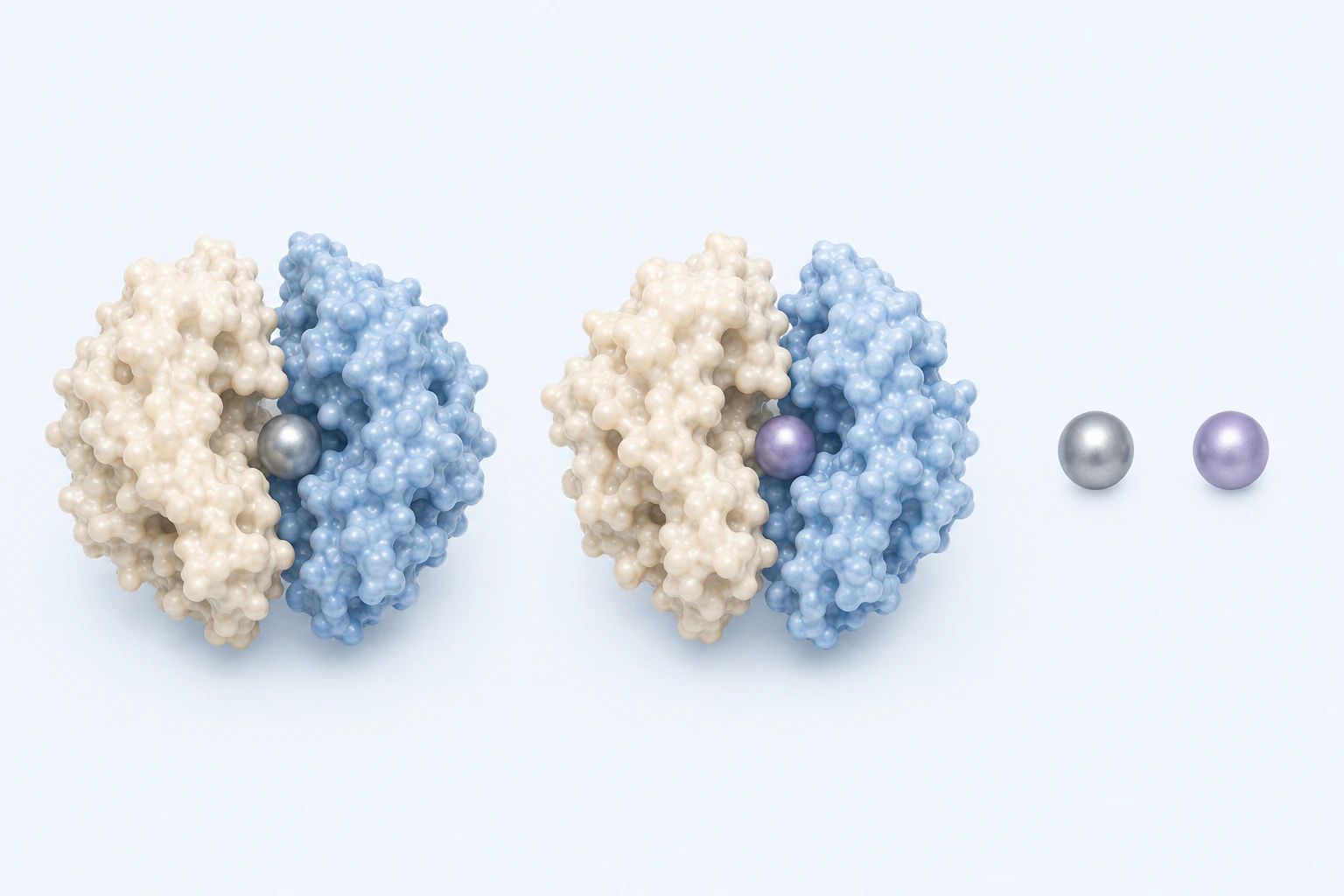
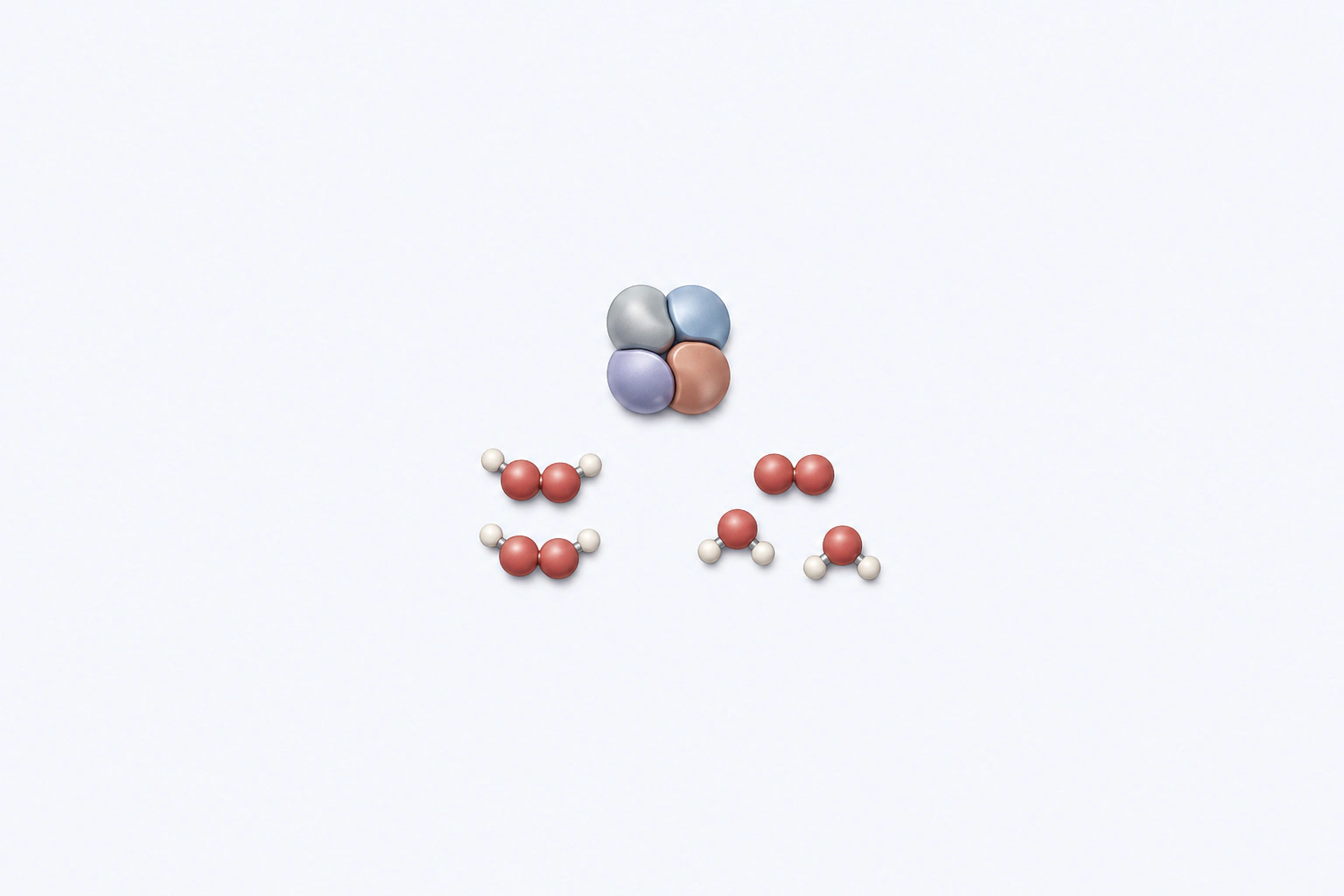
A compact generic enzyme form is separated from two peroxide-context tokens and a product group containing one oxygen pair and two water-like tokens.
Mechanisms6 sources

Catalase

Catalase is a heme-iron enzyme that decomposes hydrogen peroxide into water and oxygen. In microbial peroxide defense, it acts downstream of superoxide dismutase: superoxide dismutase converts superoxide to hydrogen peroxide, and catalase removes that hydrogen peroxide

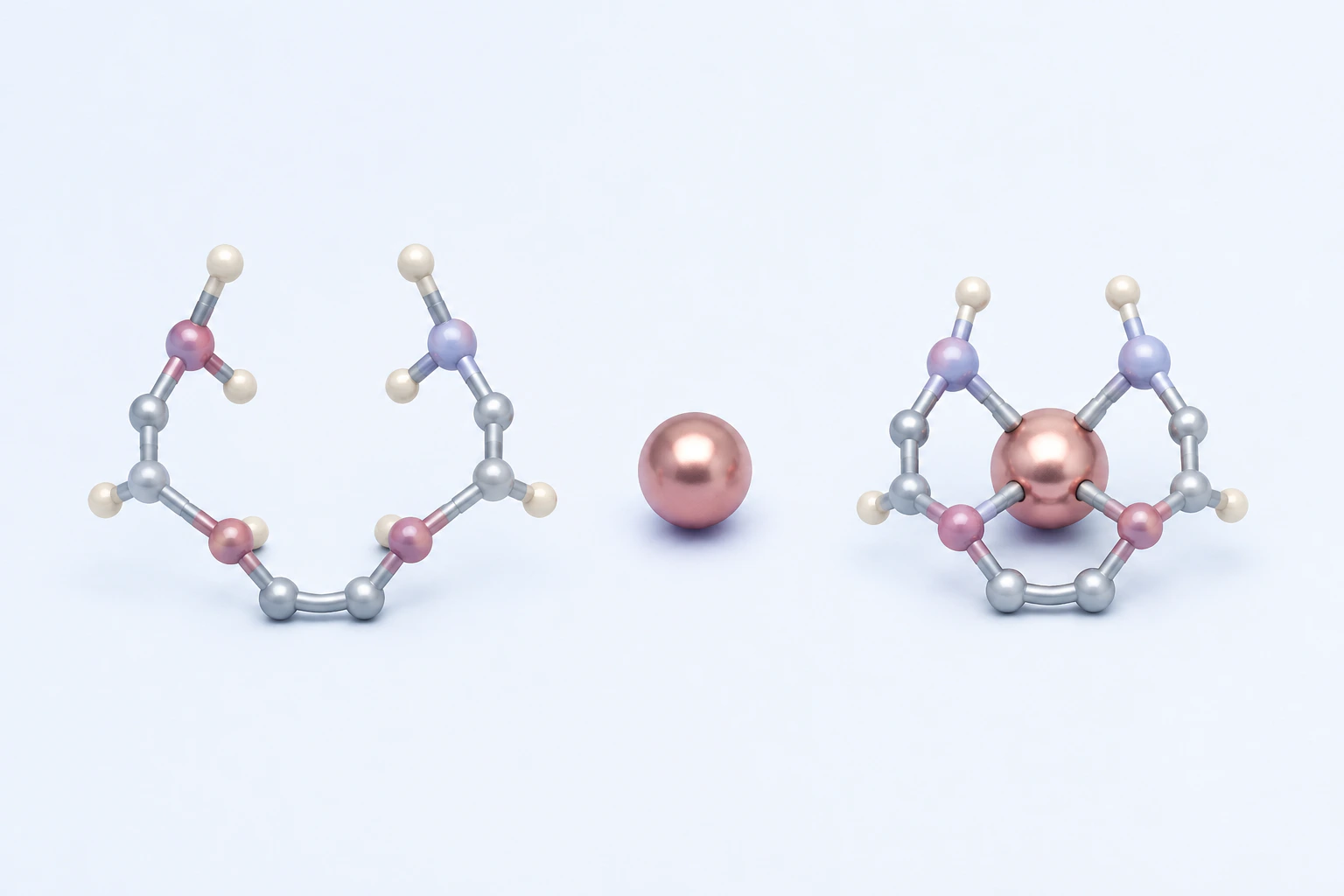
An open ligand teaching form, an isolated metal sphere, and a separate closed ligand-and-sphere model appear without arrows.
Mechanisms3 sources

Chelation Therapy

Chelation therapy uses high-affinity metal-binding molecules to form stable, excretable complexes with toxic metals, removing them from the body. The term derives from Greek "chele" (claw) -- the chelator grips the metal ion at multiple coordination sites. While chelati

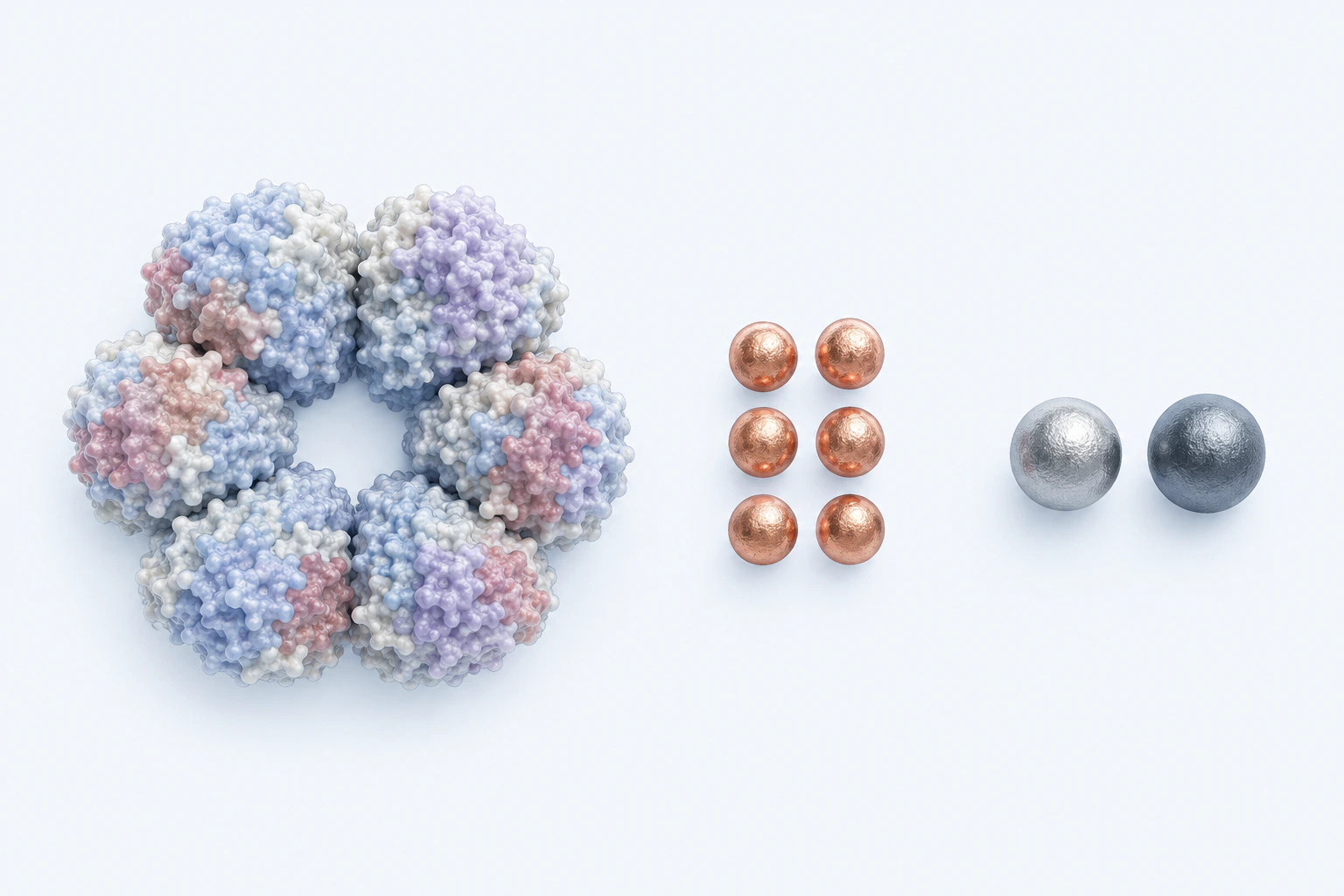
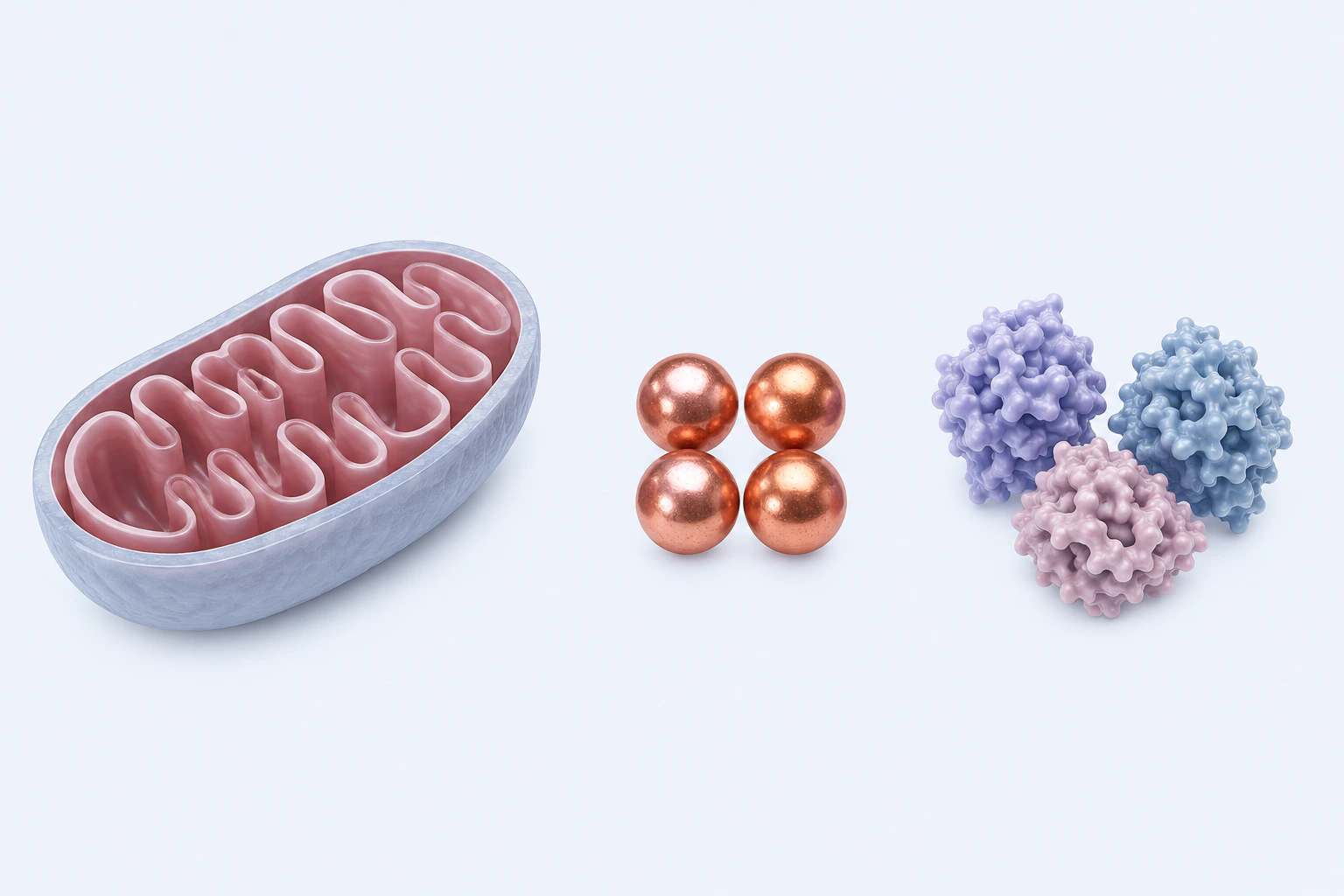
A generic mitochondrion-like cutaway appears separately from four copper-colored spheres and three folded protein-like forms.
Mechanisms4 sources

Cuproptosis

A distinct form of regulated cell death caused by excess intracellular copper binding to lipoylated proteins in the TCA cycle, first characterized by Tsvetkov et al. in Science (2022). Unlike ferroptosis (iron-dependent lipid peroxidation) or apoptosis (caspase-dependen

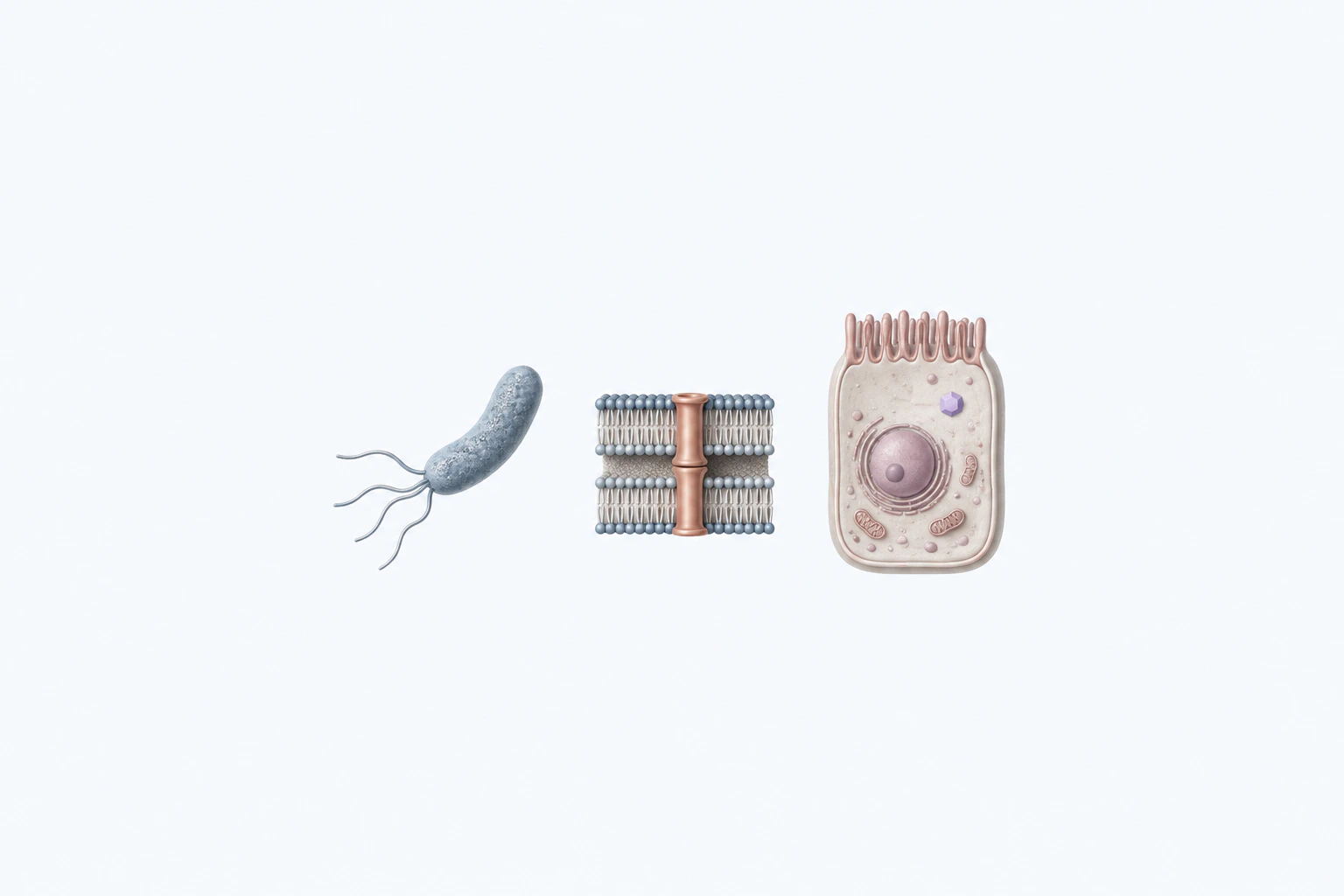
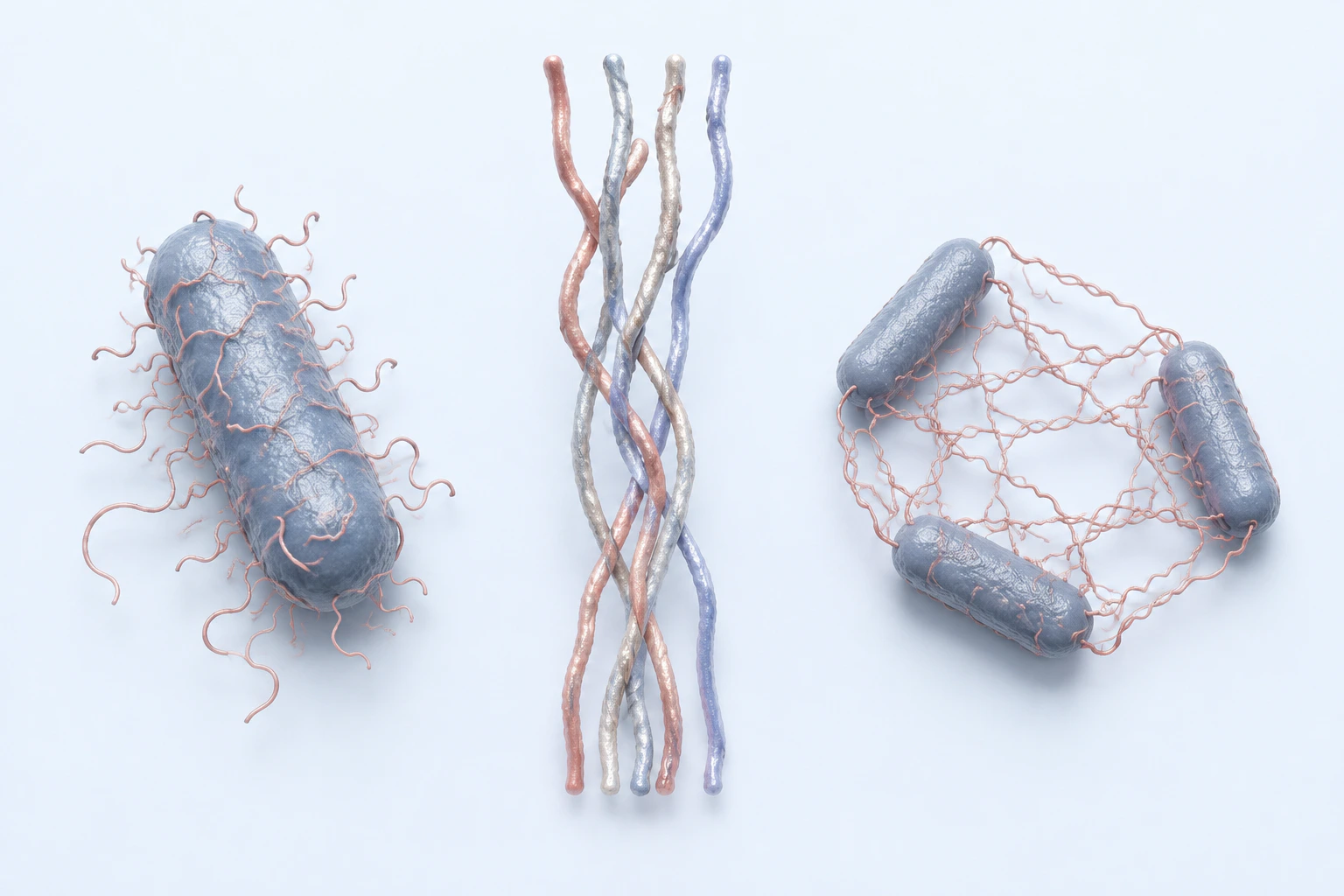
A generic fiber-coated rod, a separate five-fiber bundle, and three rods within a loose extracellular mesh form three complete groups.
Mechanisms3 sources

Curli Amyloid Fibers

Curli are functional amyloid fibers produced by escherichia coli, salmonella, and other Enterobacteriaceae as the primary protein component of their extracellular biofilm matrix. The curli subunit CsgA polymerizes into cross-beta-sheet amyloid fibrils that are structura

D
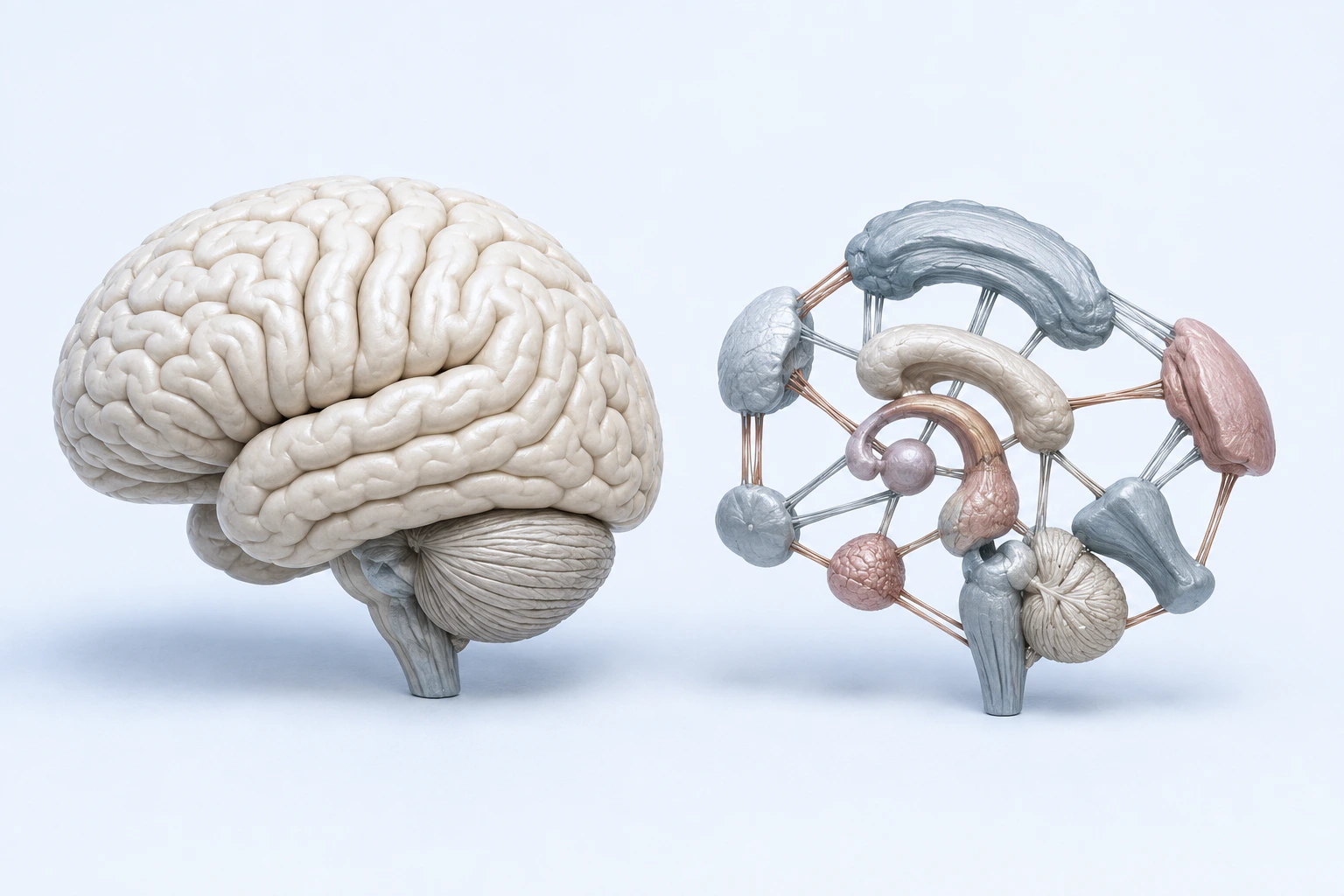
A complete intact brain teaching model appears beside a separate assembly of connected cortical- and limbic-like forms.
Diseases10 sources

Depression

Depression is the most prevalent mental health disorder globally, affecting over 280 million people zhu 2025 microbiota gut brain axis depression review, and one of the most metal-sensitive conditions in this wiki. It sits at the convergence of nearly every pathway cata