
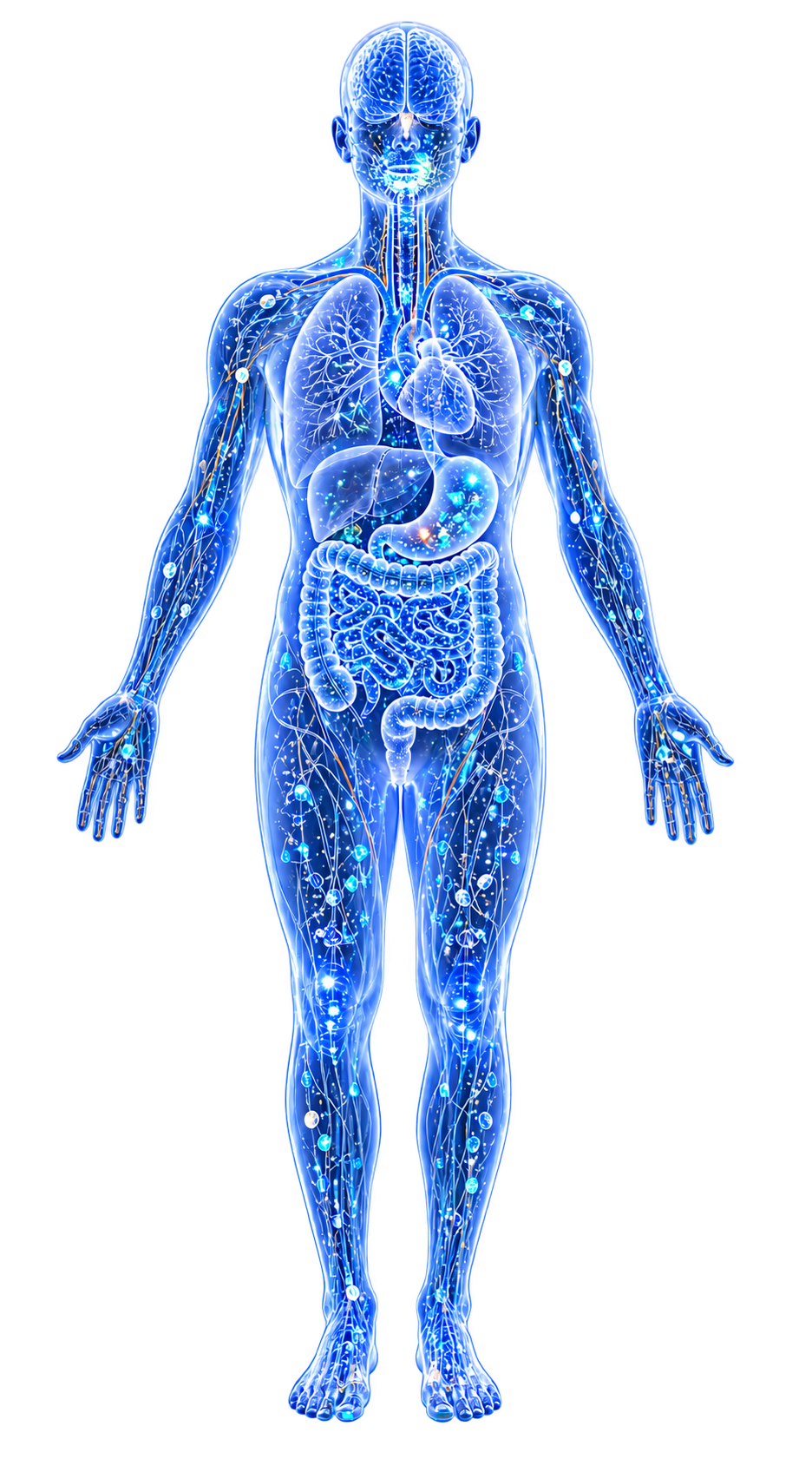
The use of Gut Microbiome composition, microbial metabolites, or microbial products as diagnostic, prognostic, or monitoring tools for disease. Unlike traditional clinical biomarkers, microbial biomarkers capture the functional state of the host-microbiome ecosystem and can reflect both local (gut) and systemic disease processes.
Evidence map3 cited passagesInspect provenance +
Increased Clostridioides in ASD: Enriched in multiple cohorts; source of p-cresol and 4-EPS.
p-Cresol sulfate for ASD: Elevated in urine and plasma of ASD children; produced from tyrosine by Clostridioides; also a uremic toxin marker in CKD.
An emerging approach that leverages microbial metal-chelating molecules as infection diagnostics:
Contents
1. Taxa-Based Biomarkers2. Metabolite-Based Biomarkers3. Metallophore-Based Biomarkers4. Challenges5. See AlsoTaxa-Based Biomarkers#
Diagnostic Enrichment (Pathogen Presence)#
Fusobacterium nucleatum for Colorectal Cancer: Enriched in tumor tissue; detectable in stool; correlates with tumor stage, microsatellite instability, and poor prognosis. Potentially actionable (antibiotic targeting).
Porphyromonas gingivalis for Atherosclerosis: Detected in atherosclerotic plaques; periodontal disease as CVD risk marker. Clostridioides difficile for antibiotic-associated colitis: Gold standard culture/toxin-based diagnosis. Increased Clostridioides in ASD: Enriched in multiple cohorts; source of p-cresol and 4-EPS.[1]Zheng 2021 -- The Role of Bacterial-Derived Aromatic Amino Acids Metabolites Relevant in Autism Spectrum Disorders: A Comprehensive ReviewYuanpeng Zheng, Marie K. Bek, Naika Z. Prince et al. · 2021Open reference 1 ↓
Diagnostic Depletion (Commensal Loss)#
Faecalibacterium prausnitzii depletion for IBD: One of the most replicated microbiome findings; low F. prausnitzii predicts relapse in Crohn's disease. Roseburia depletion: Reduced in IBD, CVD, and T2D; reflects loss of Butyrate production capacity. Akkermansia muciniphila depletion: Low levels associated with metabolic syndrome, obesity, and response to immunotherapy.
Bifidobacterium depletion: Reduced in multiple conditions including ASD, MS, and heavy-metal-exposed populations.
Metabolite-Based Biomarkers#
Trimethylamine N-Oxide (TMAO) for CVD risk: Elevated plasma TMAO predicts major adverse cardiovascular events (MACE) including MI, stroke, and death; produced from dietary choline/carnitine by gut bacteria.
p-Cresol sulfate for ASD: Elevated in urine and plasma of ASD children; produced from tyrosine by Clostridioides; also a uremic toxin marker in CKD.[1]Zheng 2021 -- The Role of Bacterial-Derived Aromatic Amino Acids Metabolites Relevant in Autism Spectrum Disorders: A Comprehensive ReviewYuanpeng Zheng, Marie K. Bek, Naika Z. Prince et al. · 2021Open reference 1 ↓
Calprotectin (S100A8/A9) (fecal): Neutrophil-derived protein; gold-standard non-invasive marker for intestinal Metal-Driven Inflammation in IBD. Indoxyl sulfate for CKD progression: Microbial indole derivative; accumulates with renal failure; cardiotoxic. Short-Chain Fatty Acids (SCFAs) (fecal): Reduced butyrate/propionate reflects loss of fermentative capacity; altered SCFA profiles documented in ASD, IBD, and CVD.
Metallophore-Based Biomarkers#
An emerging approach that leverages microbial metal-chelating molecules as infection diagnostics.[2]Infection metallomics for critical care in the post-COVID eraPatil RH, Luptakova D, Havlicek V · 2021Open reference 2 ↓
Siderophores in urine: Triacetylfusarinine C (TAFC) from Aspergillus detectable within 4.5 hours of infection; more sensitive than galactomannan for invasive aspergillosis. Yersiniabactin: Iron- and copper-binding metallophore from uropathogenic E. coli; detectable in patient urine during UTI.
Isotope data filtering: Mass spectrometry with metal isotope signatures can distinguish invasive infection from benign colonization—a critical ICU distinction.
Challenges#
Individual variability: The "healthy" microbiome varies enormously between individuals, making universal thresholds difficult. Correlation vs. causation: Many taxa-based associations lack mechanistic validation. Standardization: Sample collection, DNA extraction, sequencing platform, and bioinformatics pipeline all introduce variability.
Temporal dynamics: The microbiome fluctuates with diet, medication, and circadian rhythms.
See Also#
- Biomarkers—general biomarker concept including metal and clinical biomarkers
- Metallomics—systems-level metal measurement complementary to microbial biomarkers
- Calprotectin (S100A8/A9)—fecal inflammation marker
- Hepcidin—iron homeostasis biomarker
References 3
Numbered by first appearance in the article, then reconciled with its declared source list.
- 1
Yuanpeng Zheng, Marie K. Bek, Naika Z. Prince et al. (2021). Zheng 2021 -- The Role of Bacterial-Derived Aromatic Amino Acids Metabolites Relevant in Autism Spectrum Disorders: A Comprehensive Review. Frontiers in Neuroscience.
- 2
★Patil RH, Luptakova D, Havlicek V (2021). Infection metallomics for critical care in the post-COVID era. Mass Spectrometry Reviews.
- 3
Kang DY, Park JL, Yeo MK et al. (2023). Diagnosis of Crohn's Disease and Ulcerative Colitis Using the Microbiome. BMC Microbiology.
Article network
Mentioned here 16
Pages linking here 7
Connect the evidence
Publicly readable discussion by ORCID-authenticated researchers. Questions, interpretation, methods, corrections, and new evidence stay attached to this record.
No discussion yet. Start with a precise question or a source-backed observation.
Activity and accepted changes
Accepted researcher context, editorial status, public discussion, and upstream Git revisions are shown together. Pending, declined, and withdrawn proposals remain private.
- published revision
Consolidate microbial metabolite knowledge
Karen Pendergrass · +1 −1
Inspect exact Git diff ↗ - published revision
Backfill gut microbiome concept links
Karen Pendergrass · +1 −1
Inspect exact Git diff ↗ - published revision
Backfill inflammation concept links
Karen Pendergrass · +1 −1
Inspect exact Git diff ↗ - published revision
massive wiki expansion: 149 stubs fixed, 100+ new pages, Rule 15 scan, keystone papers
WikiBiome Deploy Bot · +20 −20
Inspect exact Git diff ↗ - published revision
nightly maintenance: 94 stub demotions, 181 source_count fixes, 22 auto-discovered stubs, 5 adversarial audits, 3 boundary fixes, 3 evidence-level corrections
WikiBiome Deploy Bot · +1 −0
Inspect exact Git diff ↗ - published revision
pre-overnight checkpoint 2026-04-18
WikiBiome Deploy Bot · +3 −1
Inspect exact Git diff ↗ - published revision
WikiBiome update — integrity fixes, metallomic diet pages, cross-condition analyses
WikiBiome Deploy Bot · +9 −3
Inspect exact Git diff ↗ - published revision
WikiBiome update — 2026-04-10 15:45
WikiBiome Deploy Bot · +55 −0
Inspect exact Git diff ↗