Clinical cautions2 sources
STOP: Broad-Spectrum Antibiotics During Ovarian Cancer Chemotherapy
Harm potential: RED — Following this STOP inappropriately could delay life-saving antibiotic therapy.
 WikiBiomeThe human microbiome encyclopedia
Ranked matches across titles, topics, categories, and article introductions.
Harm potential: RED — Following this STOP inappropriately could delay life-saving antibiotic therapy.
Warning: Clinical Disclaimer: This STOP page represents a hypothesis based on mechanistic evidence and should NOT replace clinical judgment. Always consult with a qualified healthcare provider before modifying any treatment plan. Evidence quality ratings reflect the str…
Research summary -- not medical advice. This page synthesizes published research on why broad-spectrum antibiotics may worsen gut dysbiosis rather than correct it. This does NOT apply to life-threatening infections requiring antibiotic treatment. Consult a qualified hea…
Warning: Clinical Disclaimer: This STOP page represents a hypothesis based on mechanistic evidence and should NOT replace clinical judgment. Always consult with a qualified healthcare provider before modifying any treatment plan. Evidence quality ratings reflect the str…
Warning: Clinical Disclaimer: This STOP page represents a hypothesis based on mechanistic evidence and should NOT replace clinical judgment. Always consult with a qualified healthcare provider before modifying any treatment plan. Evidence quality ratings reflect the str…
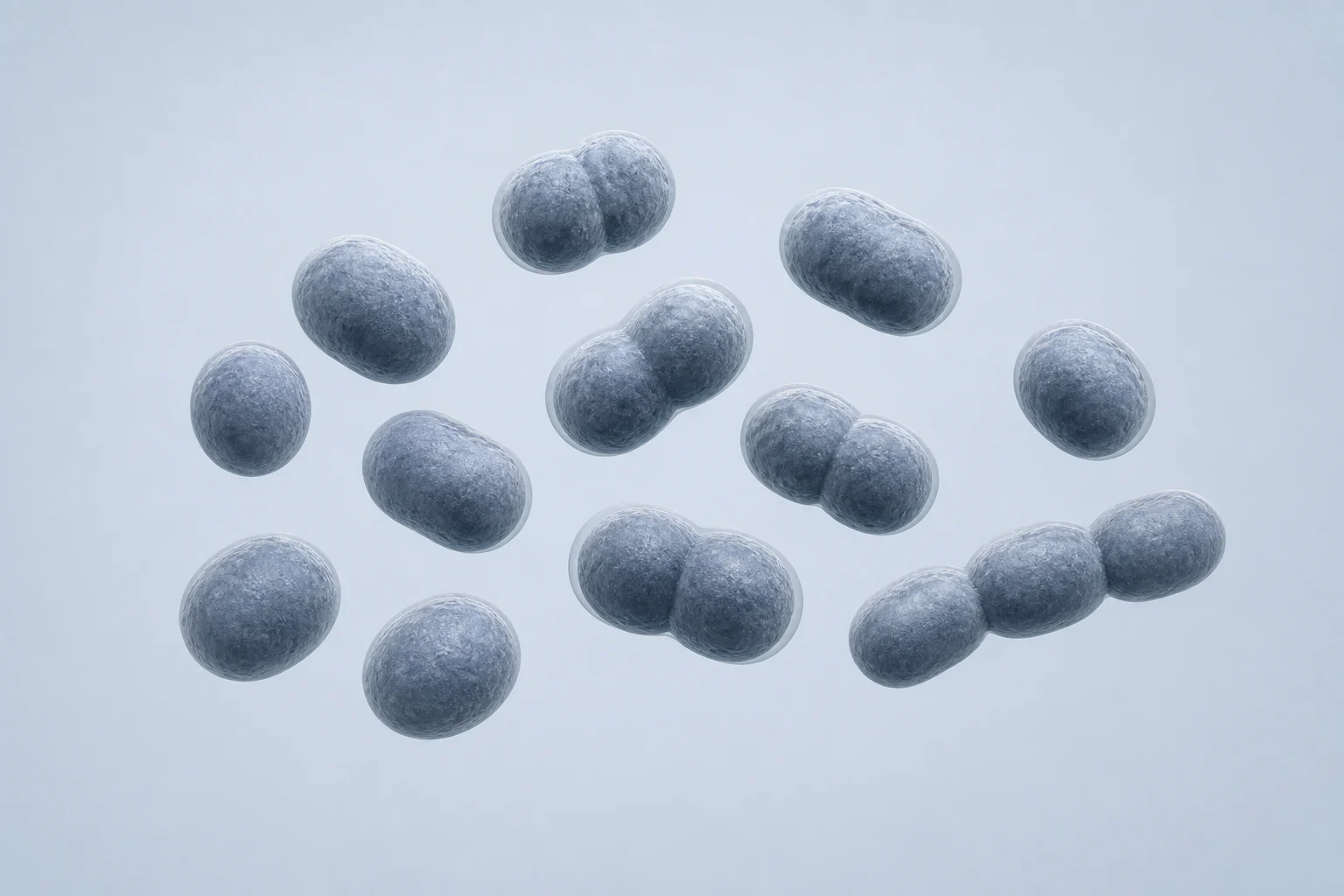
A Gram-negative, aerobic, non-fermenting coccobacillus and a member of the ESKAPE group of priority pathogens (Enterococcus, Staphylococcus, Klebsiella, Acinetobacter, Pseudomonas, Enterobacter). Acinetobacter baumannii is among the most problematic nosocomial pathogens…
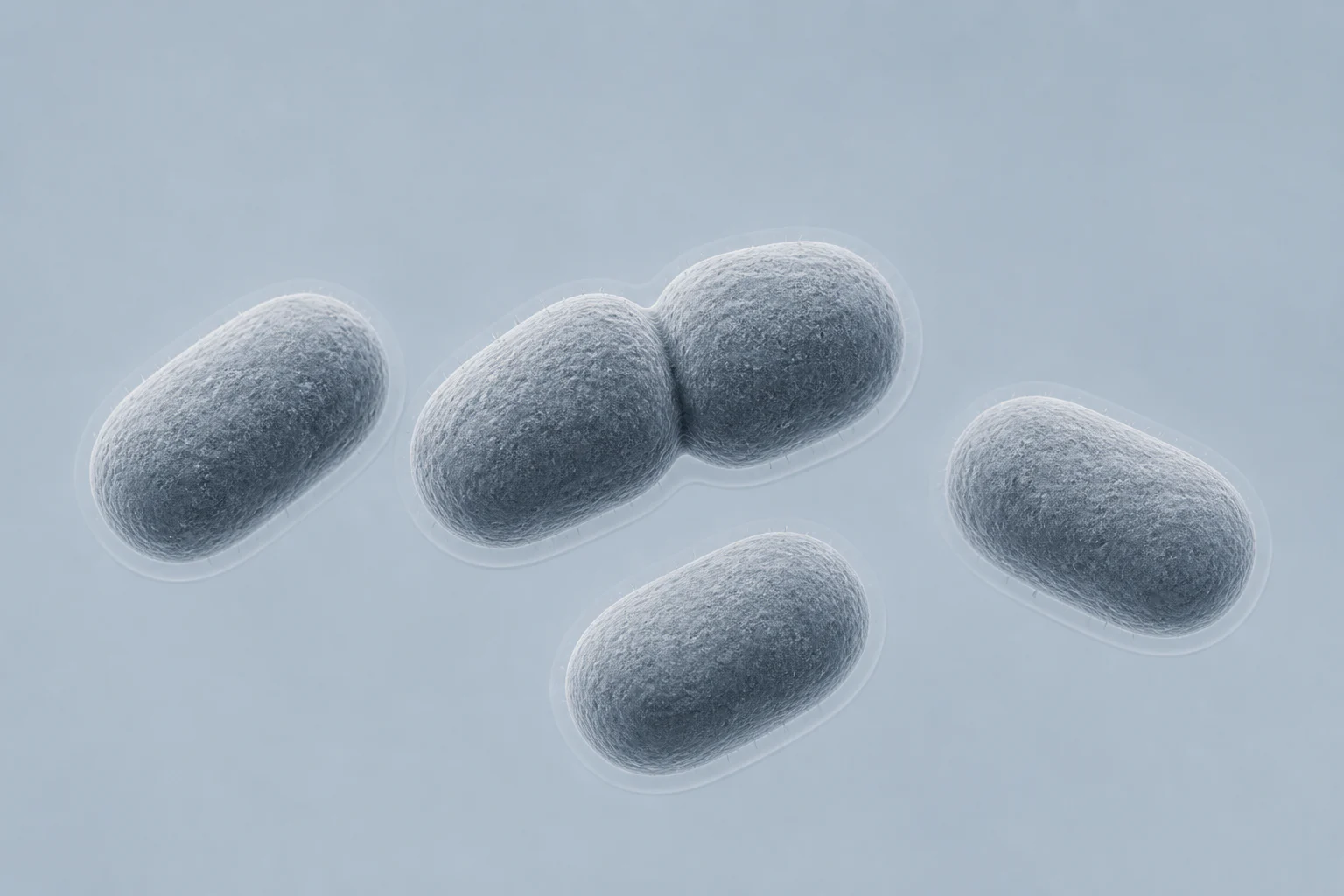
WHO Priority 1: Critical. A Gram-negative, strictly aerobic coccobacillus and one of the most dangerous nosocomial pathogens on the planet. A. baumannii belongs to the ESKAPE group and causes ventilator-associated pneumonia, wound infections, and bloodstream infections …
Antimicrobial metals are metal ions and metal-based materials that kill or inhibit microorganisms. Copper, silver, zinc, and gallium are the principal agents, each exploiting different aspects of microbial metal biology. What makes this field particularly relevant to Wi…
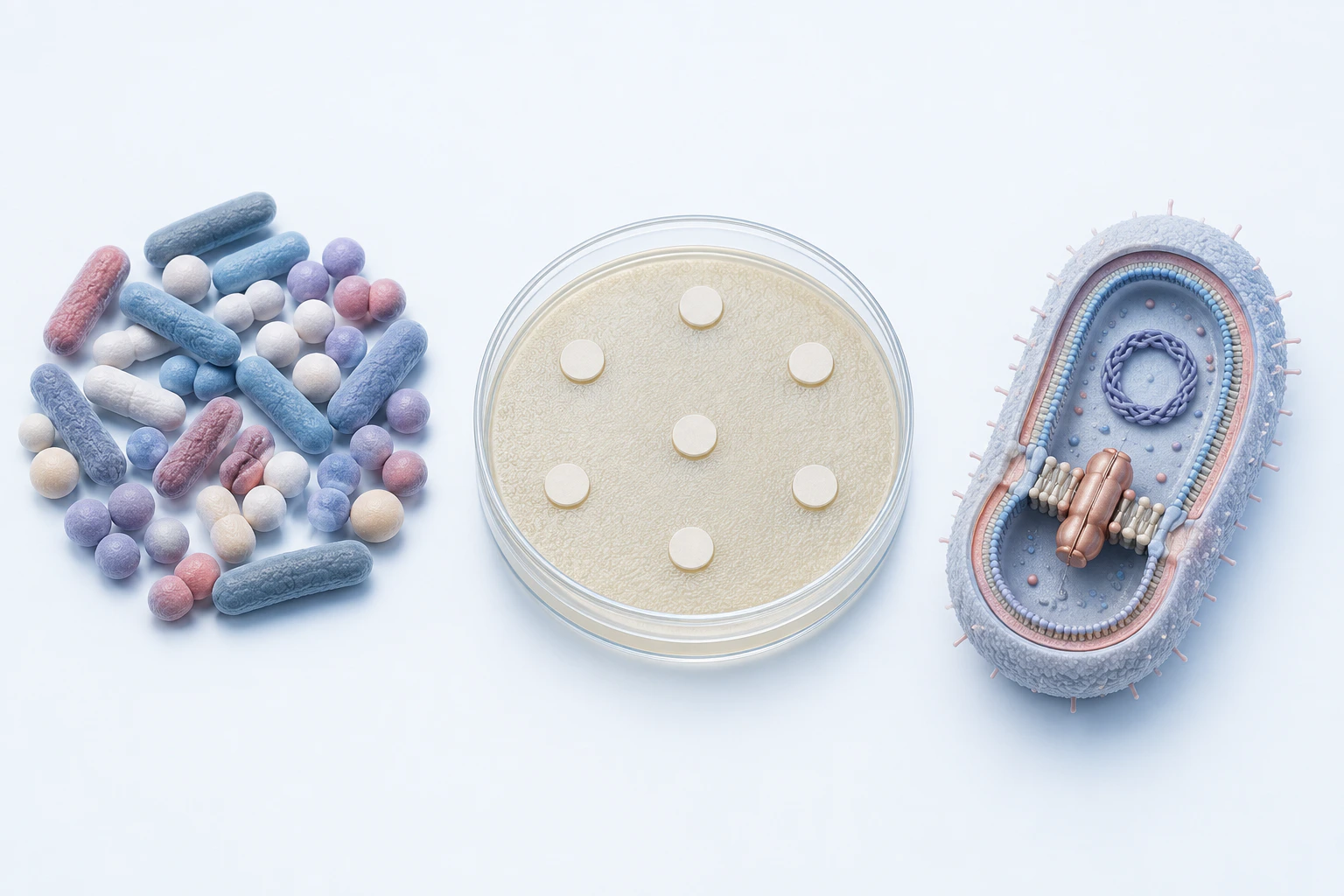
The ability of microorganisms to survive and replicate in the presence of antimicrobial agents — antibiotics, antifungals, antivirals, antiparasitic drugs — at concentrations that would normally inhibit or kill them. Antimicrobial resistance (AMR) is designated by the W…
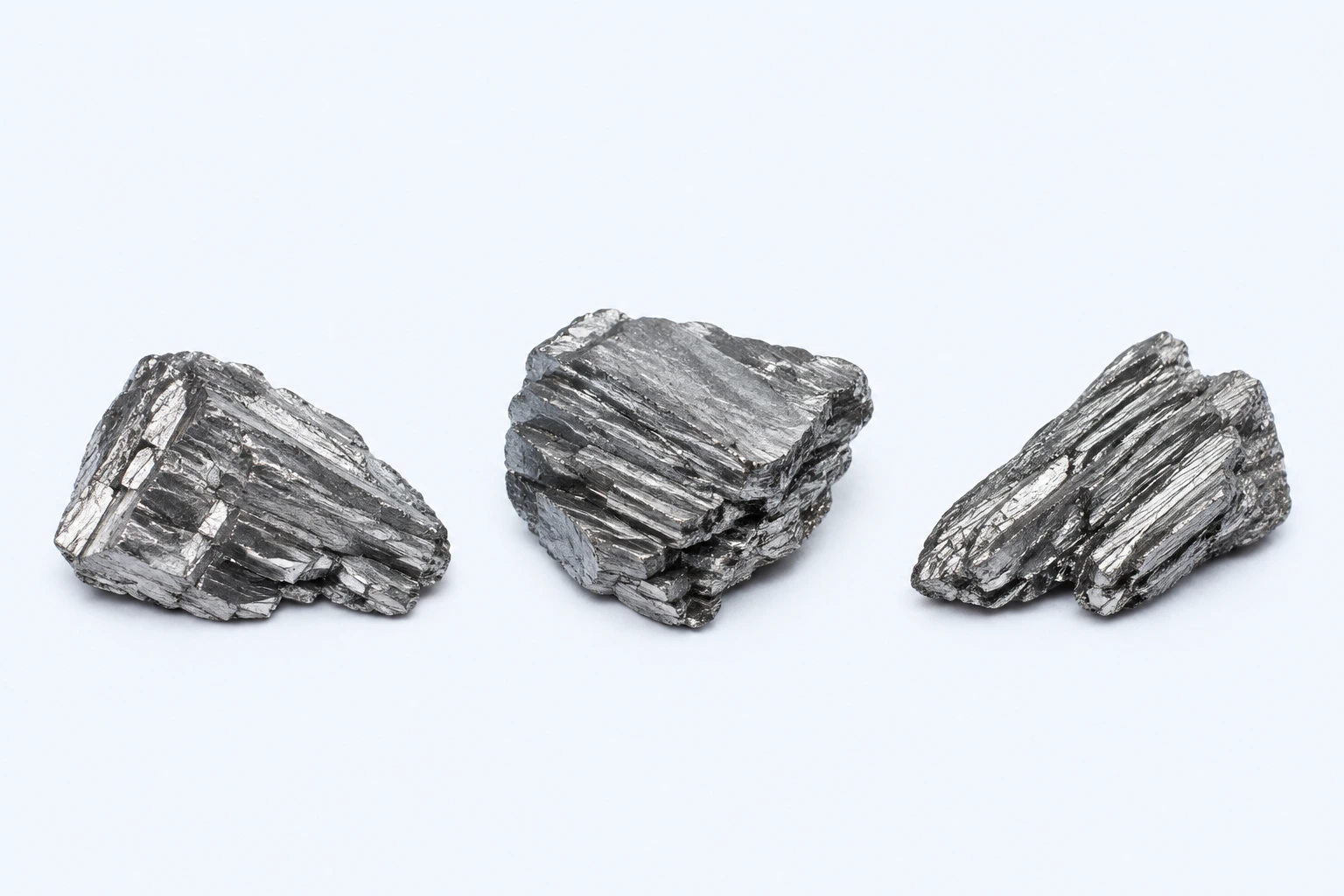
Arsenic is a metalloid and potent carcinogen (IARC Group 1) that ranks among the most widespread environmental toxicants affecting human health. An estimated 225 million people worldwide are chronically exposed through contaminated drinking water alone ghosh 2023 heavy …
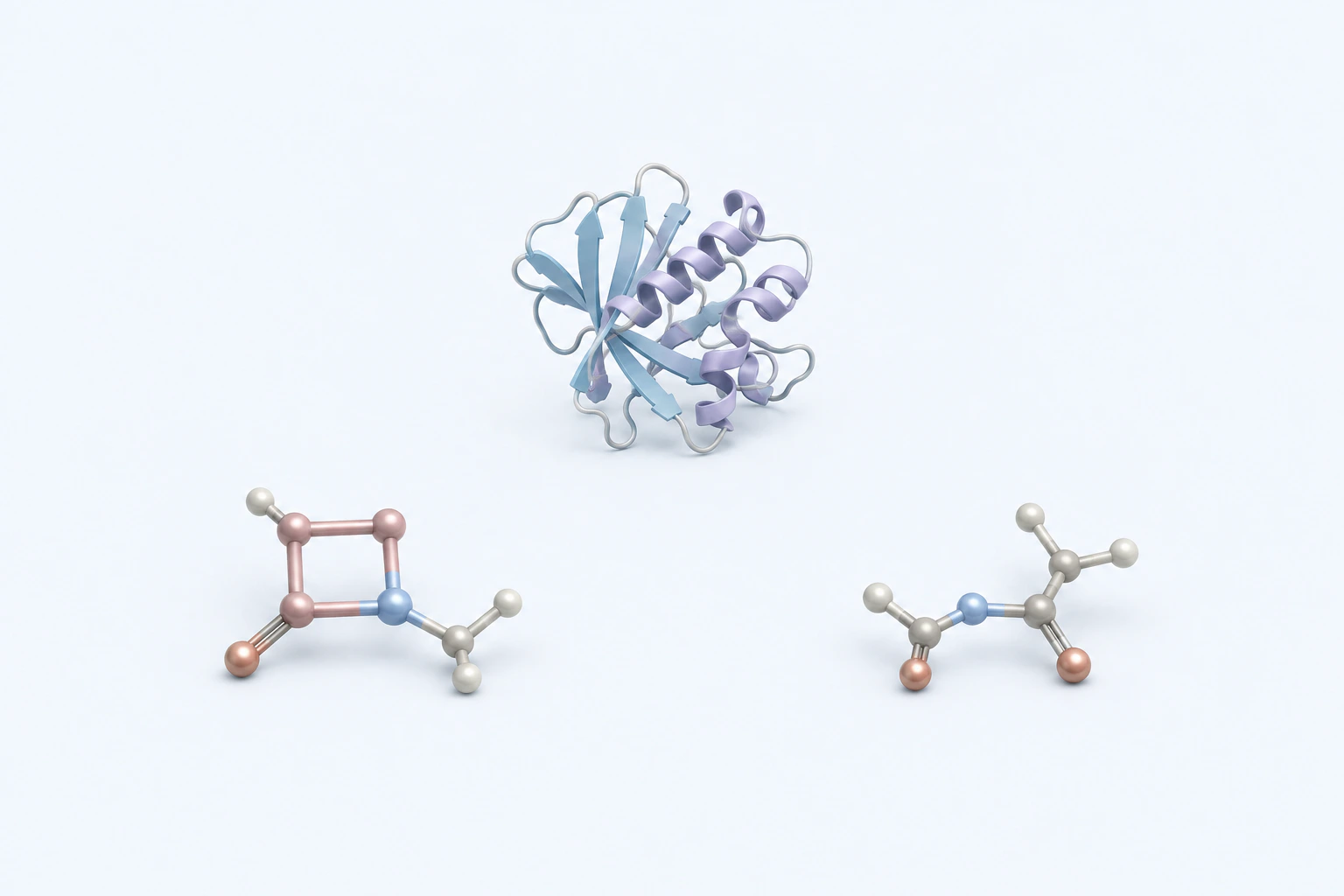
Beta-lactamases are bacterial enzymes that hydrolyze the beta-lactam ring of penicillins, cephalosporins, and carbapenems, rendering them inactive. They are the most common mechanism of antibiotic resistance and a central concern in the antimicrobial resistance crisis. …
Structured microbial communities encased in a self-produced extracellular polymeric substance (EPS) matrix. Biofilms are the predominant mode of bacterial and fungal growth in chronic infections, device-associated infections, and the gut. From a metallomics perspective,…
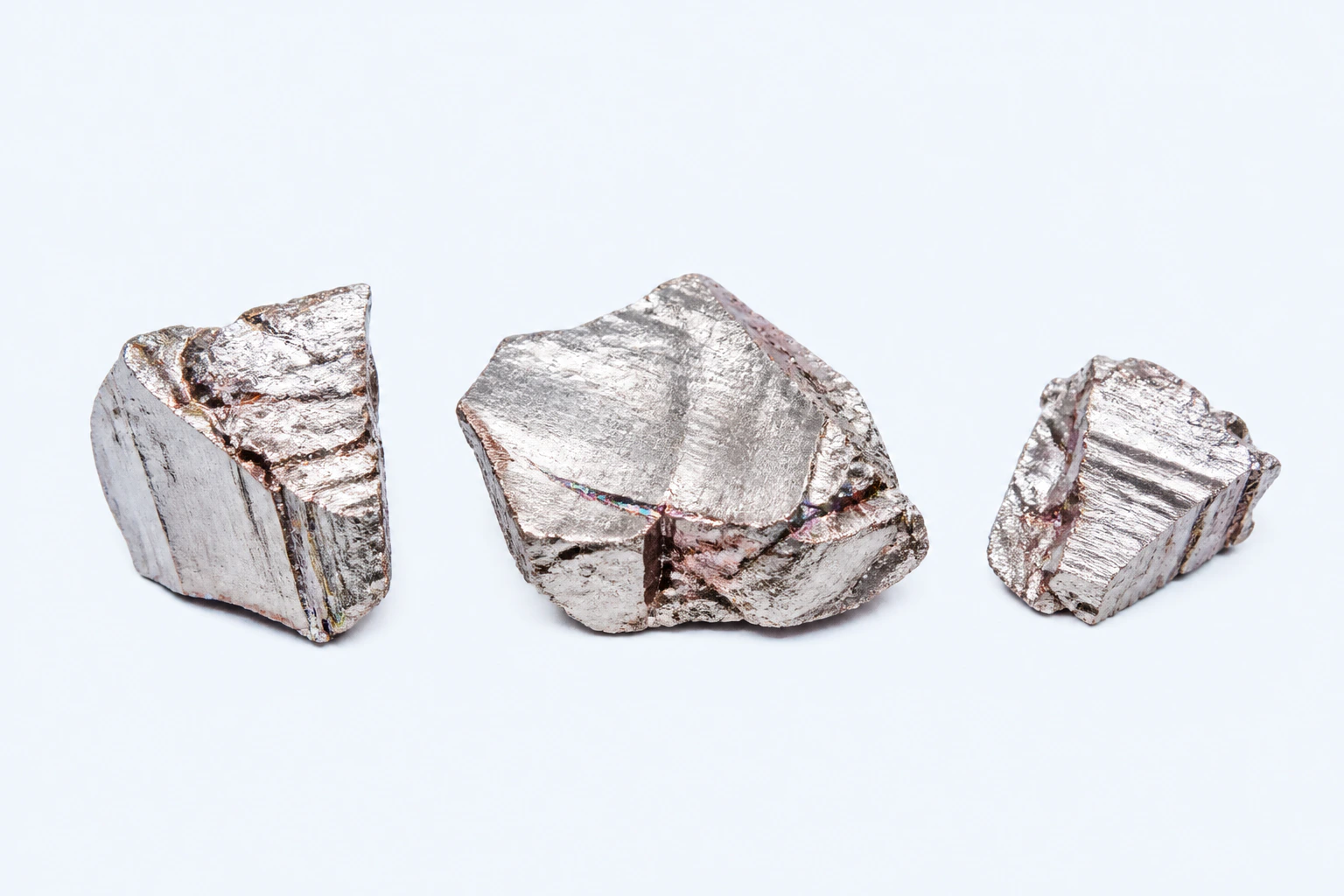
A heavy metal traditionally considered safe enough for over-the-counter gastrointestinal remedies (Pepto-Bismol, De-Nol), bismuth is re-emerging as a potent antimicrobial synergist. Its key property: Bi3+ competes with Fe3+ for binding sites on siderophores and bacteria…
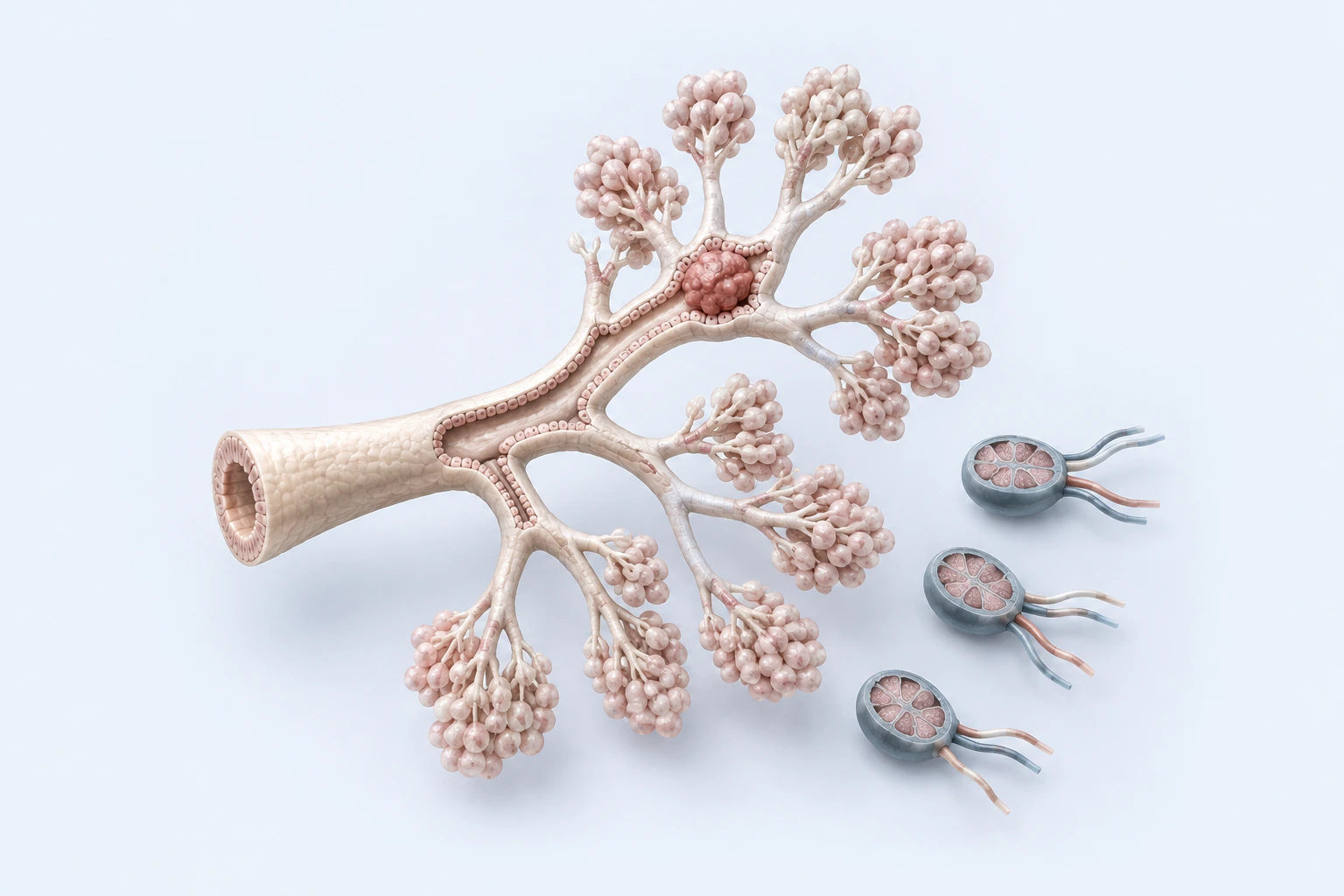
Breast cancer is the most common cancer in women worldwide, with approximately 2.3 million new cases annually. While genetic, hormonal, and lifestyle factors are well-established risk determinants, the metallomic dimension reveals a consistent pattern of trace element d…
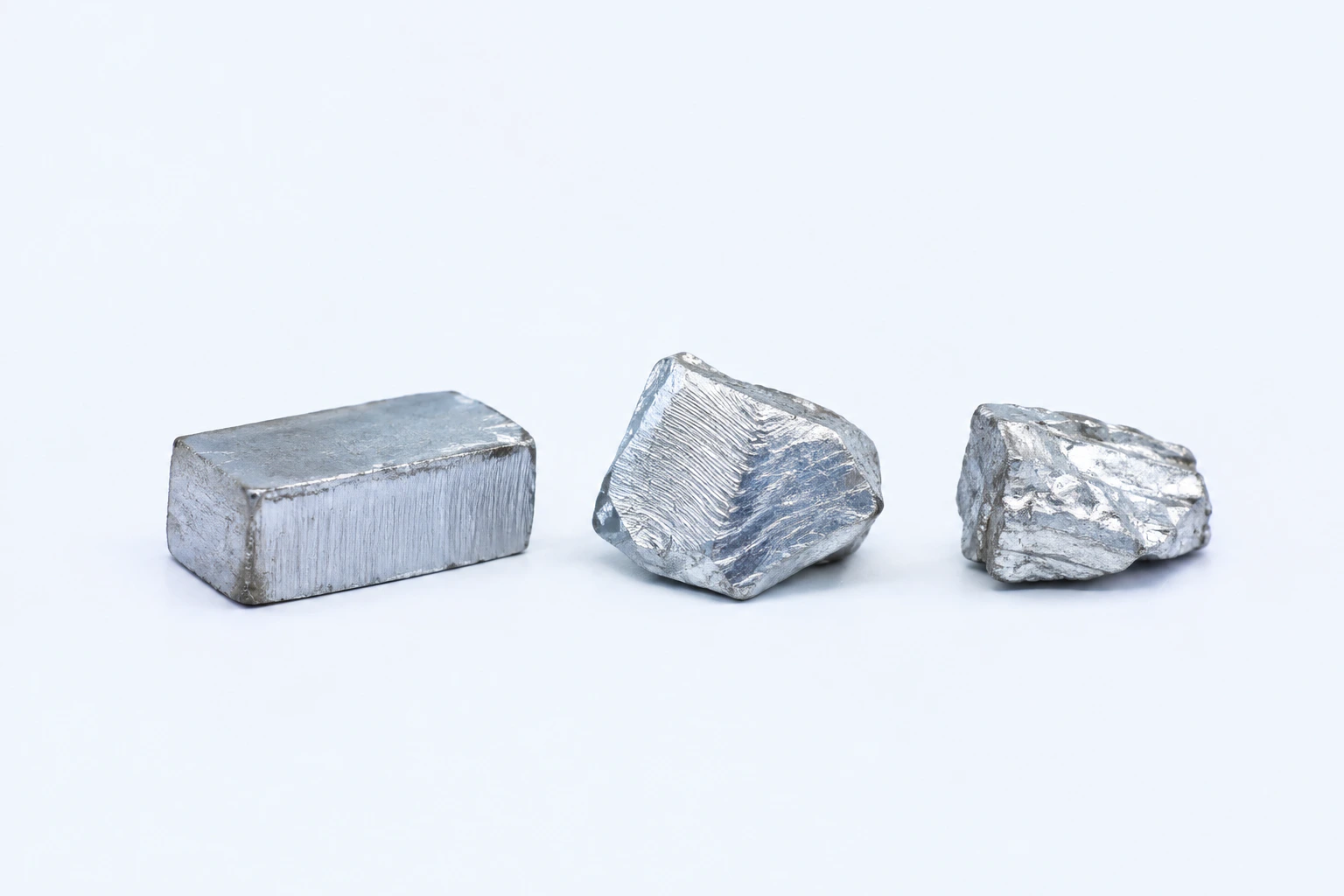
Cadmium is a toxic non-essential heavy metal (IARC Group 1 carcinogen) with a biological half-life of 17--30 years in mammals, primarily accumulating in the renal cortex via proximal tubular reabsorption of the Cd-metallothionein complex rasin 2025 cadmium exposure heal…
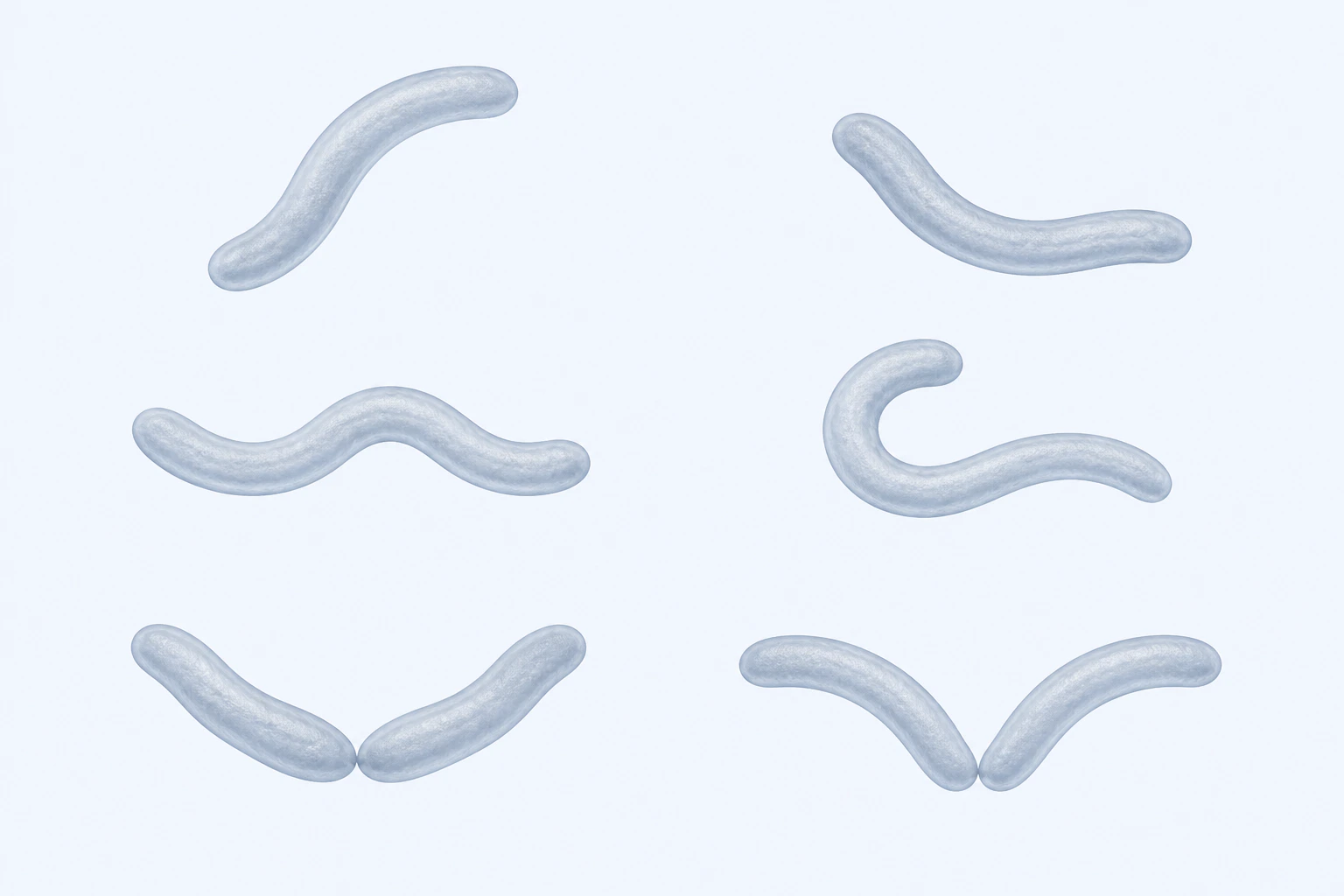
Campylobacter is a genus of Gram-negative, microaerophilic, spiral-shaped bacteria. C. jejuni is the most common bacterial cause of foodborne gastroenteritis worldwide and a trigger for post-infectious Guillain-Barré syndrome (molecular mimicry between Campylobacter LOS…
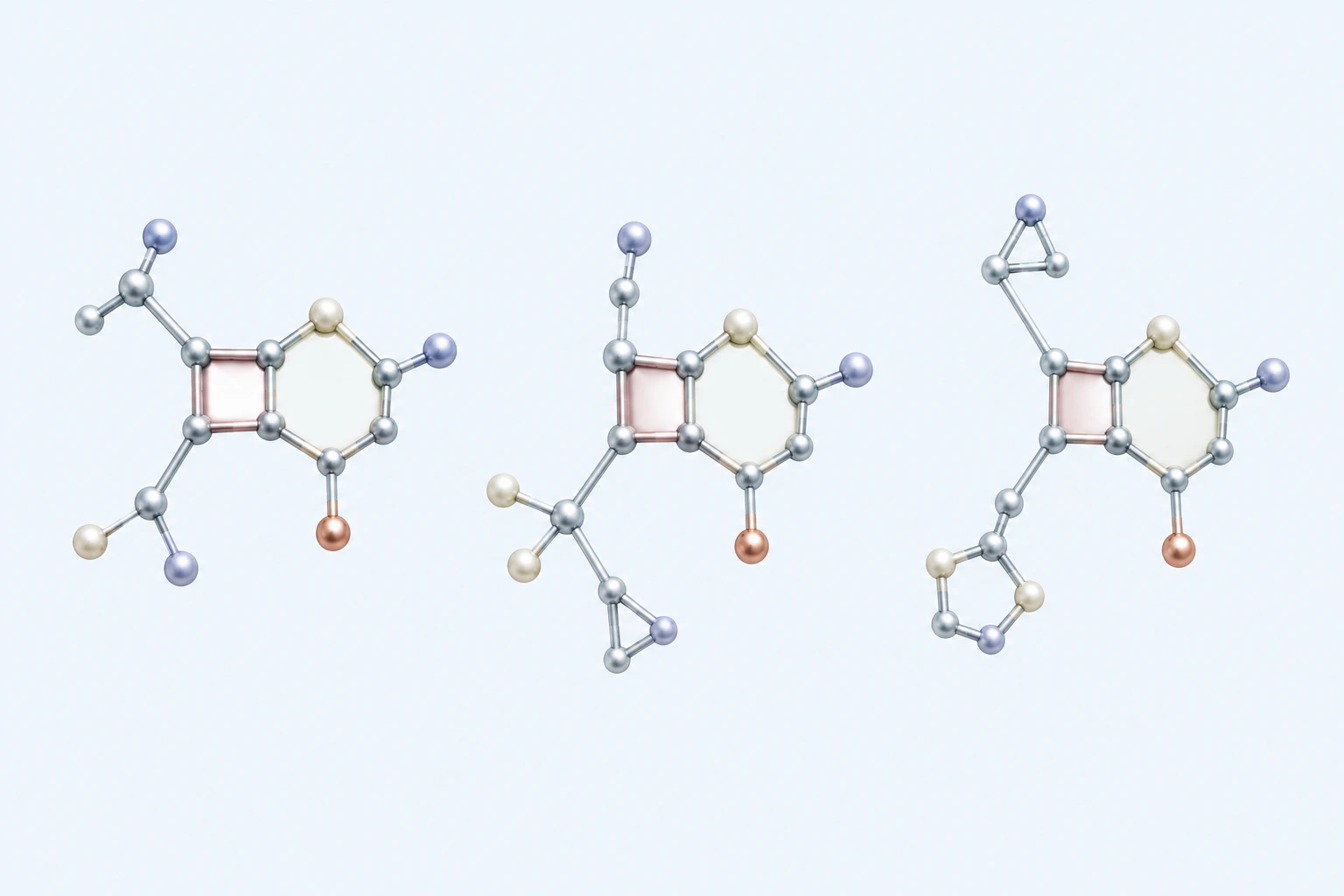
Cephalosporins are a class of beta-lactam antibiotics (five generations) that inhibit bacterial cell wall synthesis by binding penicillin-binding proteins. They are among the most prescribed antibiotic classes and among the most disruptive to the gut microbiome.
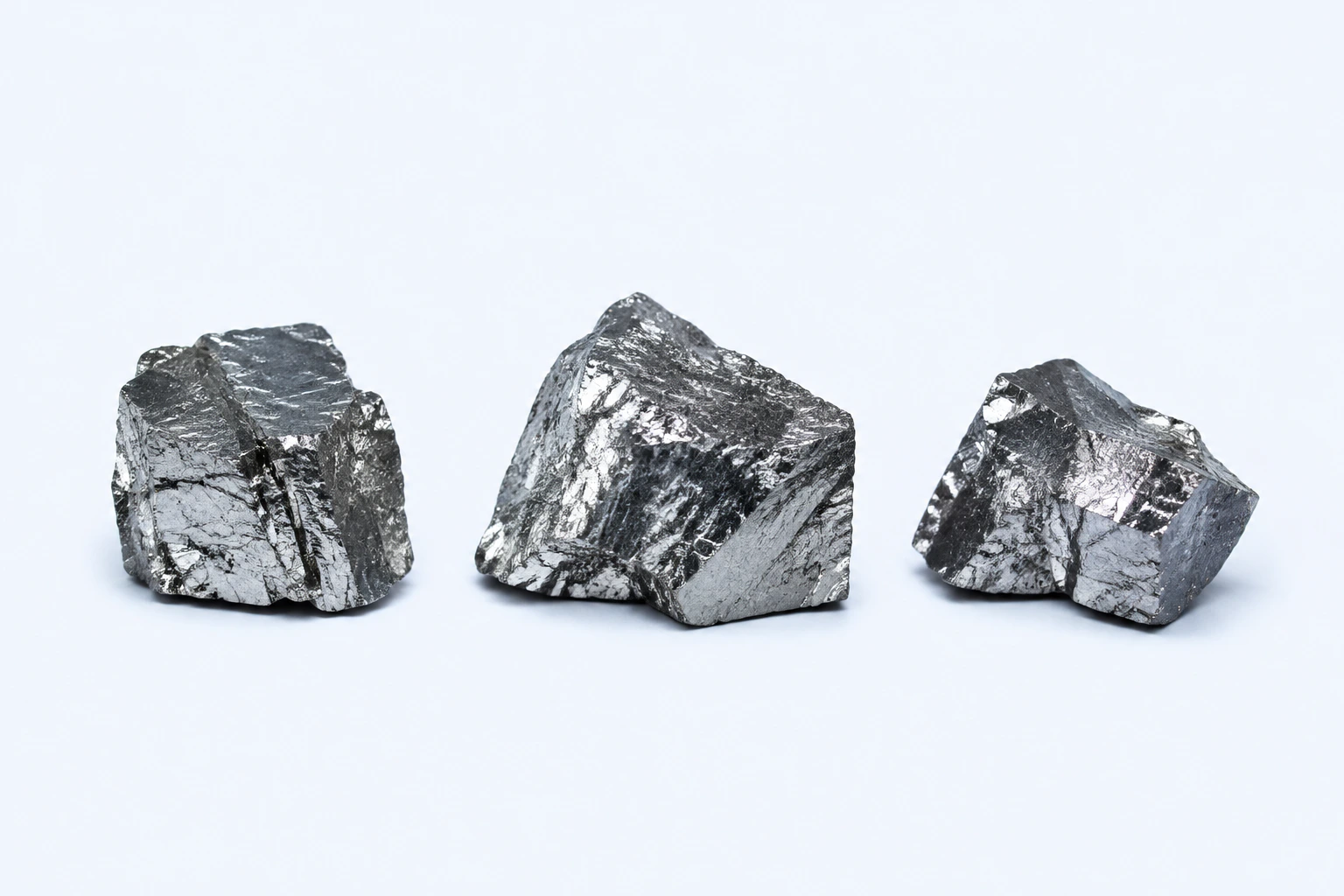
Chromium is a transition metal (atomic number 24) whose toxicology is defined by a stark oxidation-state divide. Hexavalent chromium, Cr(VI), is an IARC Group 1 human carcinogen that causes DNA damage through a unique mechanism of intracellular reduction and ternary add…
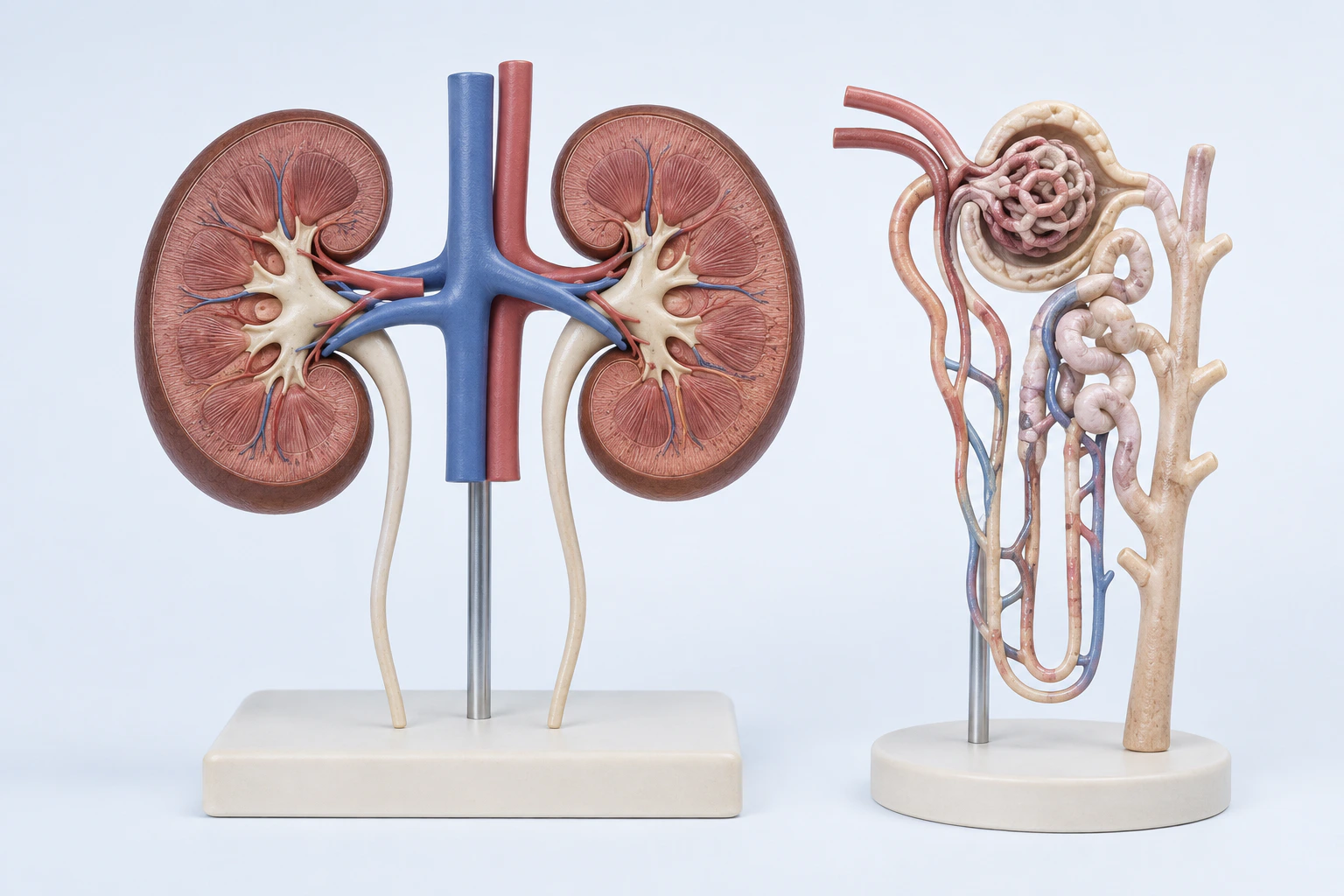
A progressive loss of kidney function affecting approximately 850 million people worldwide (10–14% of adults), causing 1.2 million deaths annually. CKD is unique among diseases in this wiki because it occupies both sides of the metal-disease equation: heavy metals (Cd, …
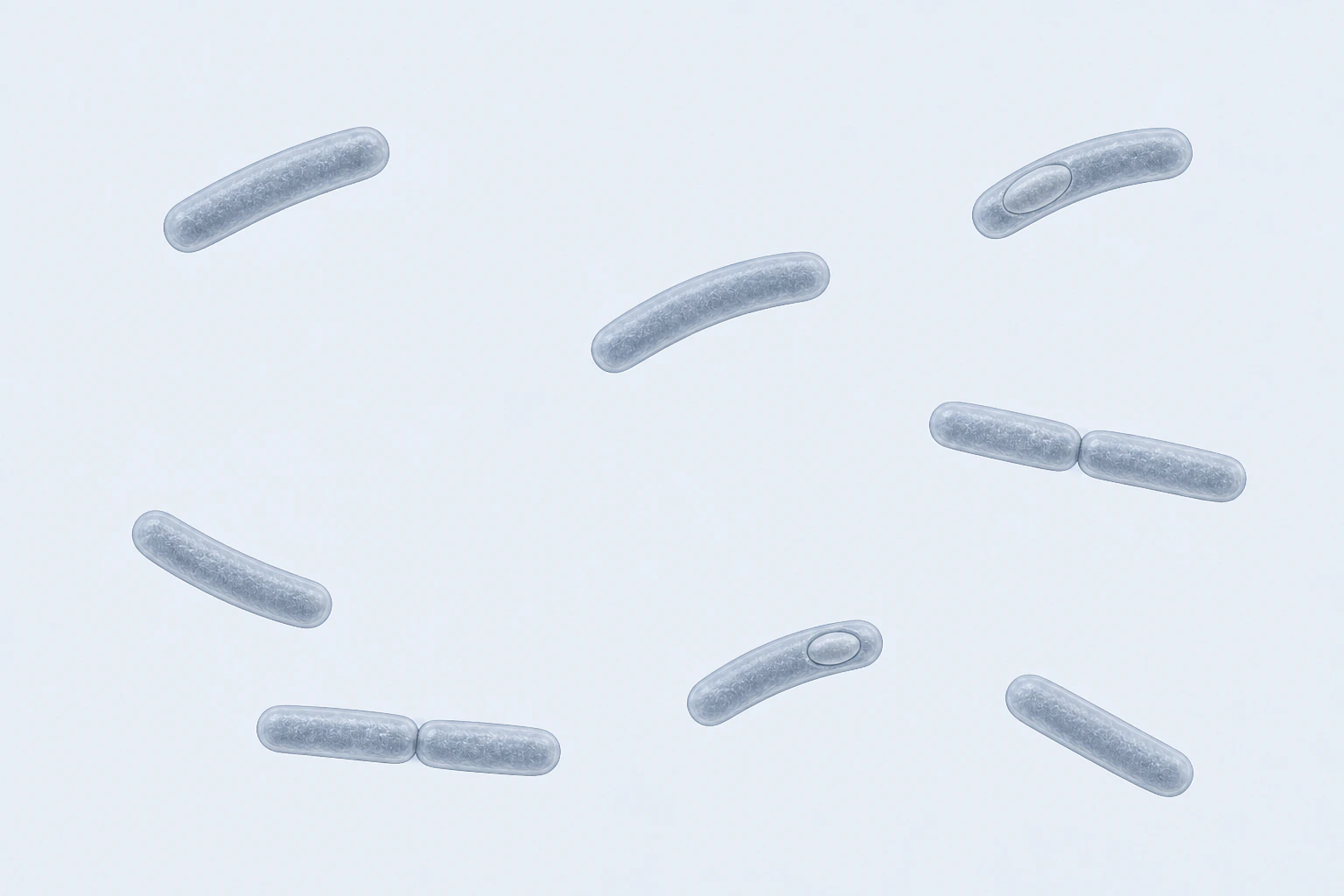
Clostridioides difficile is the current NCBI name for NCBITaxon:1496 and the correct, medically recommended combination recorded by LPSN. Both records retain Clostridium difficile as a validly published homotypic synonym of the same organism rather than a separate speci…
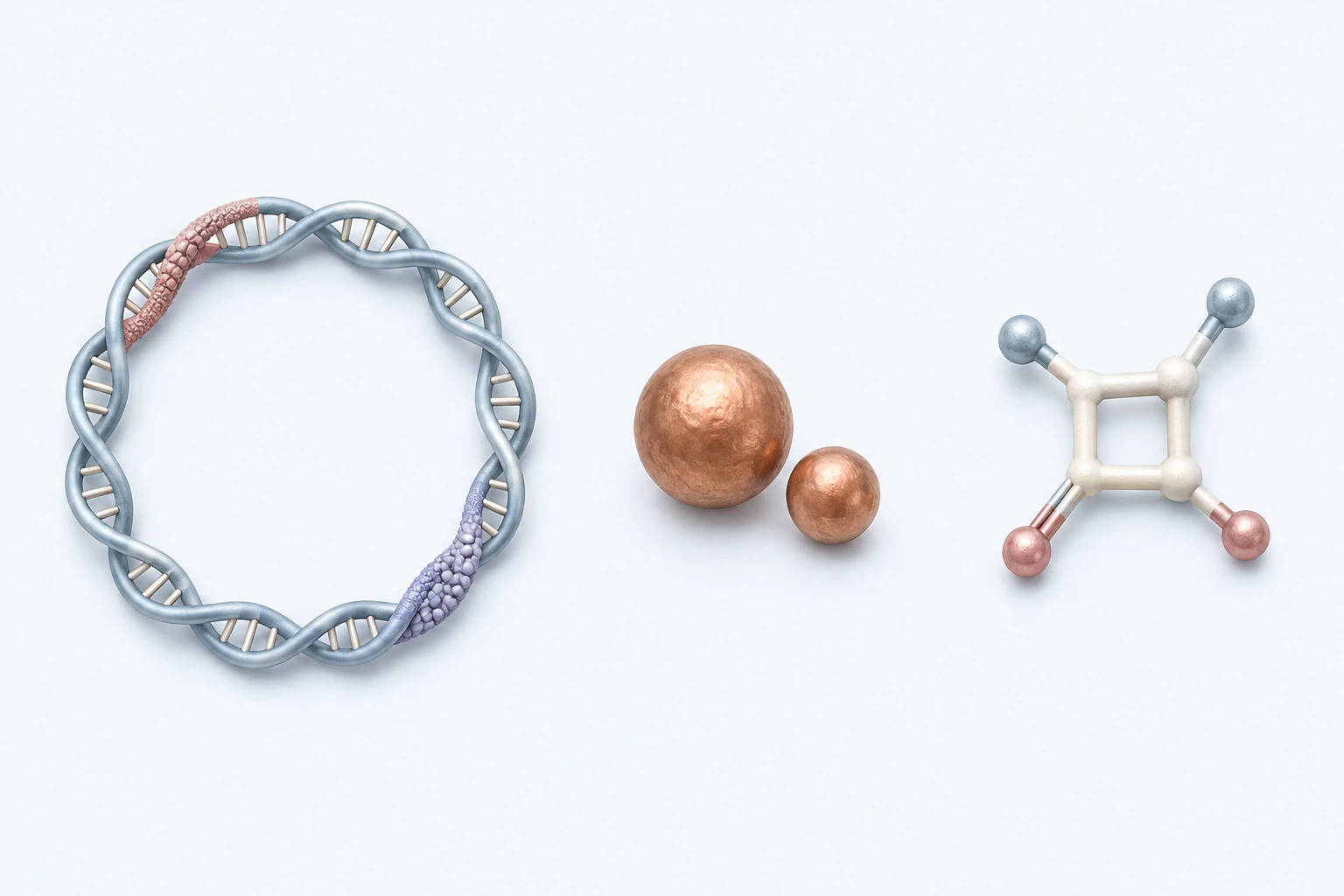
The process by which selection pressure from one agent — typically a heavy metal — simultaneously selects for resistance to a structurally unrelated agent such as an antibiotic, because the resistance determinants are genetically linked on the same mobile genetic elemen…
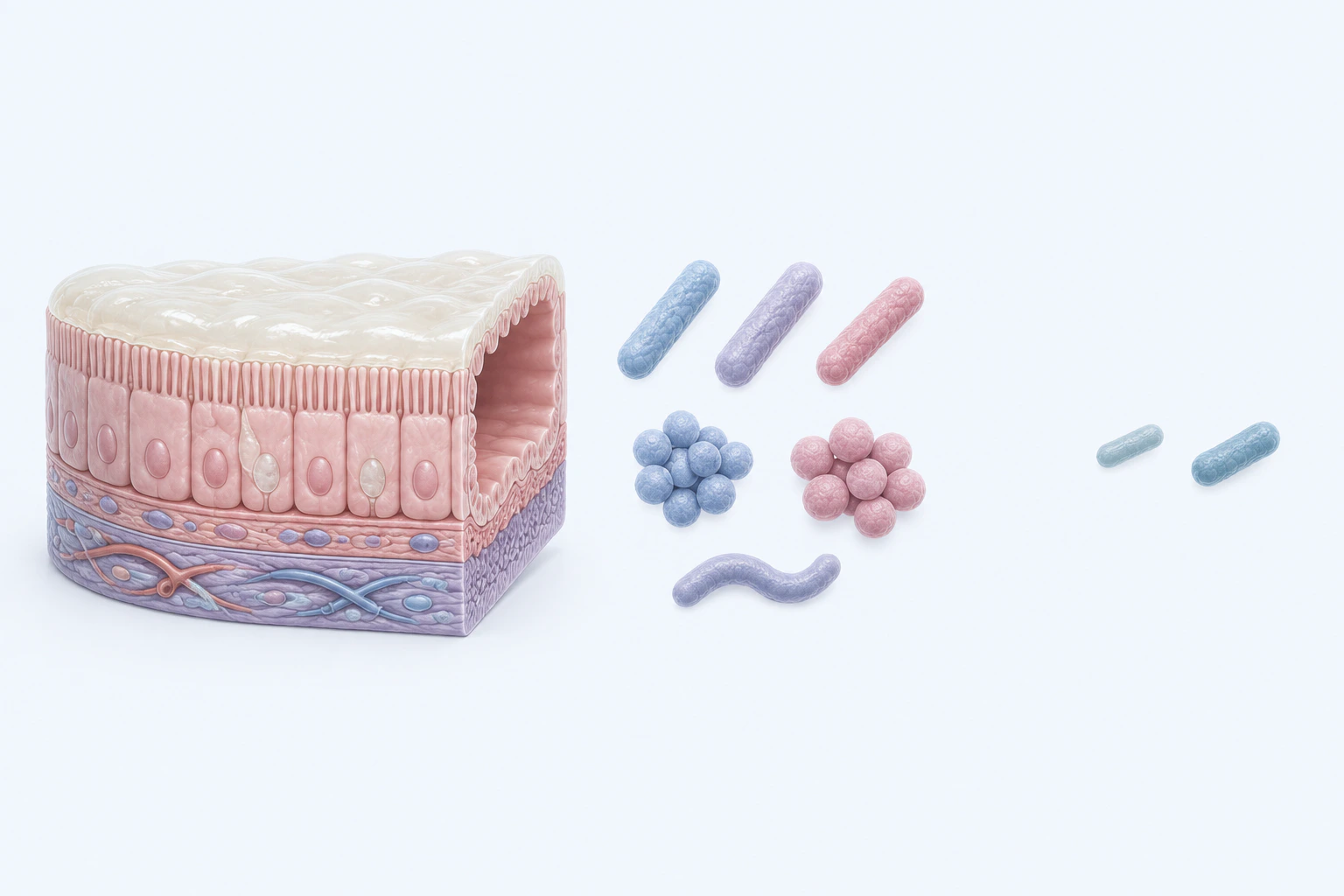
The collective ability of the resident gut microbiome to prevent colonization by exogenous pathogens and suppress expansion of resident pathobionts. Colonization resistance is not a property of any single organism but an emergent function of the whole microbial communit…
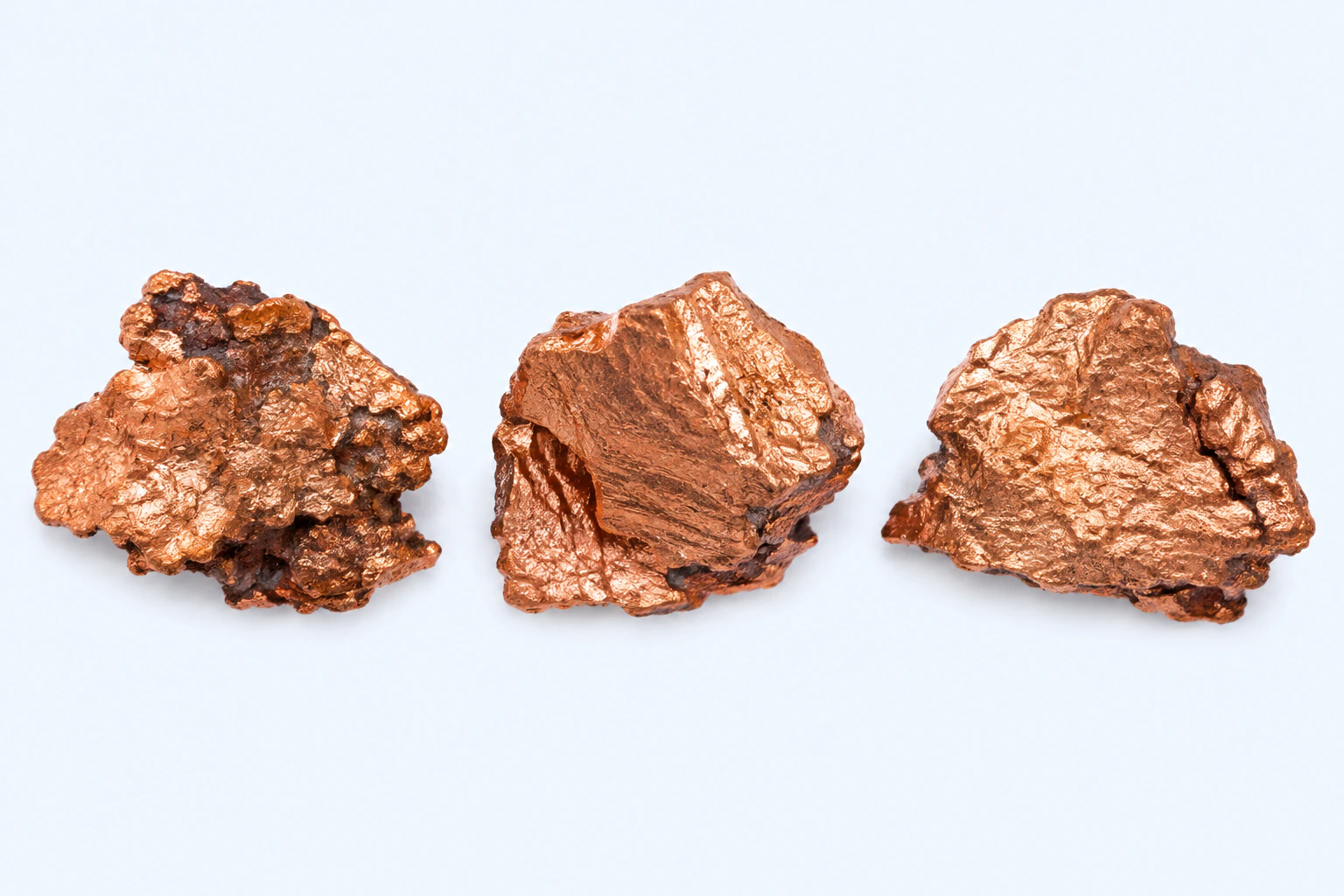
An essential trace element with a striking dual nature: required for survival as a cofactor for critical enzymes (SOD1, cytochrome c oxidase, ceruloplasmin), yet toxic in excess through Fenton-like redox cycling and mis metallation of iron-sulfur clusters. Copper is ele…
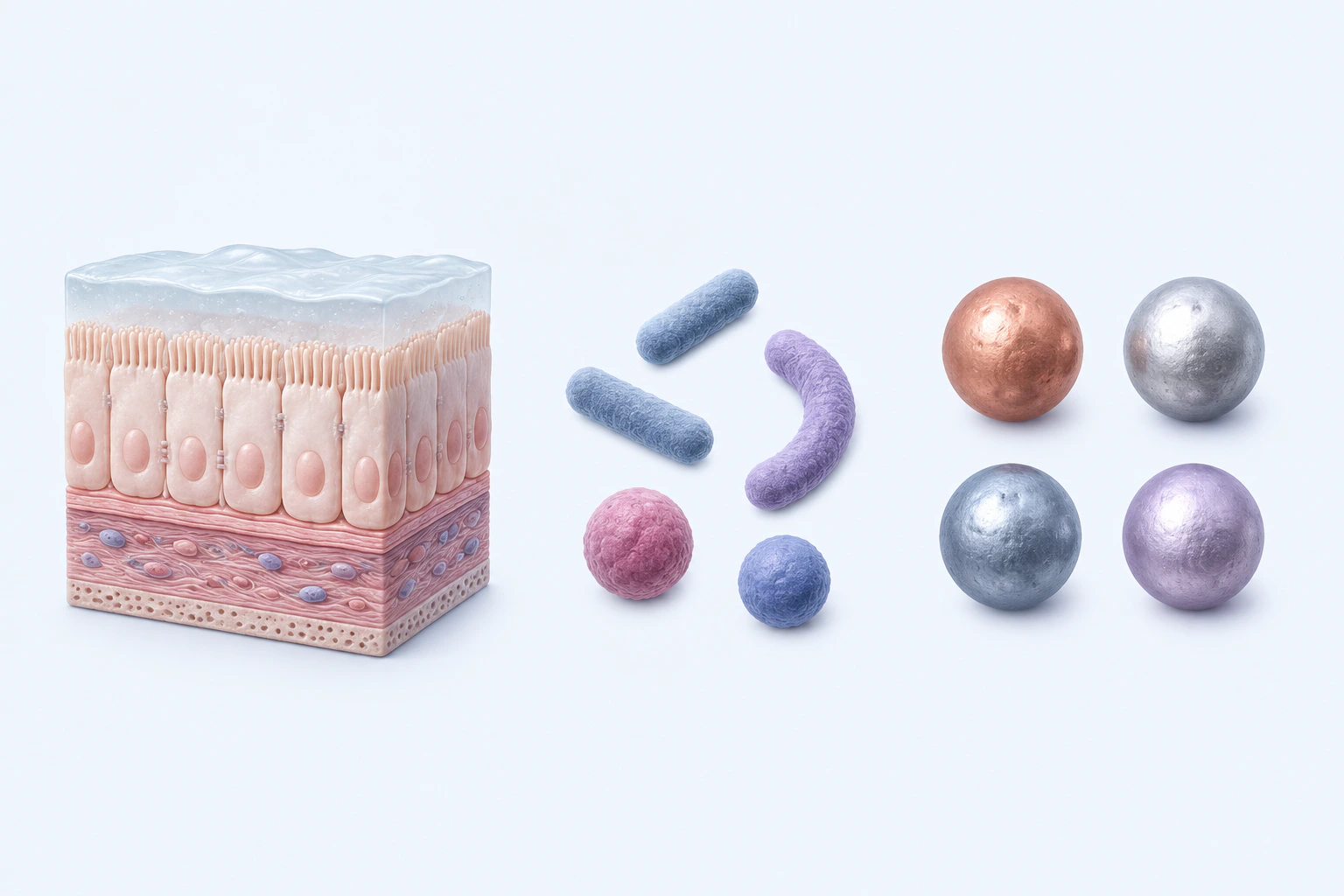
Every meal delivers metals to the gut lumen — essential minerals, trace elements, and contaminants alike. These metals do not passively transit the GI tract. They actively reshape the microbial ecosystem, selecting for metal-tolerant organisms, enabling virulence in met…
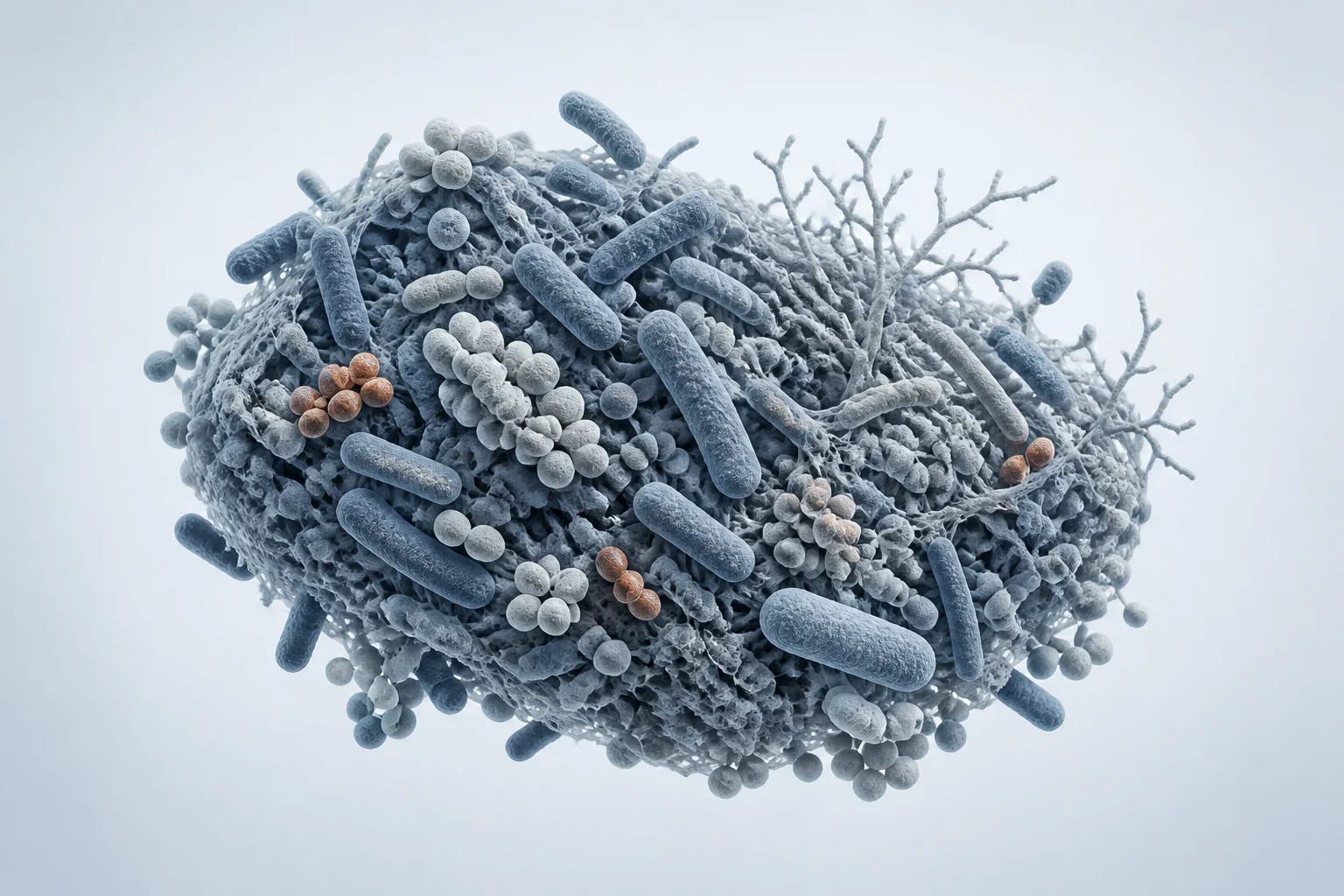
Disruption of the normal composition and metabolic function of microbial communities, particularly the gut microbiome. In the metallomics context, dysbiosis is both a consequence of metal toxicity and an amplifier of further disease -- creating vicious cycles where meta…

Membrane-spanning protein complexes that actively export substrates from the bacterial cell, using energy from ATP hydrolysis or the proton motive force. In the context of metal-microbiome biology, efflux pumps serve a dual role that has profound clinical consequences: …
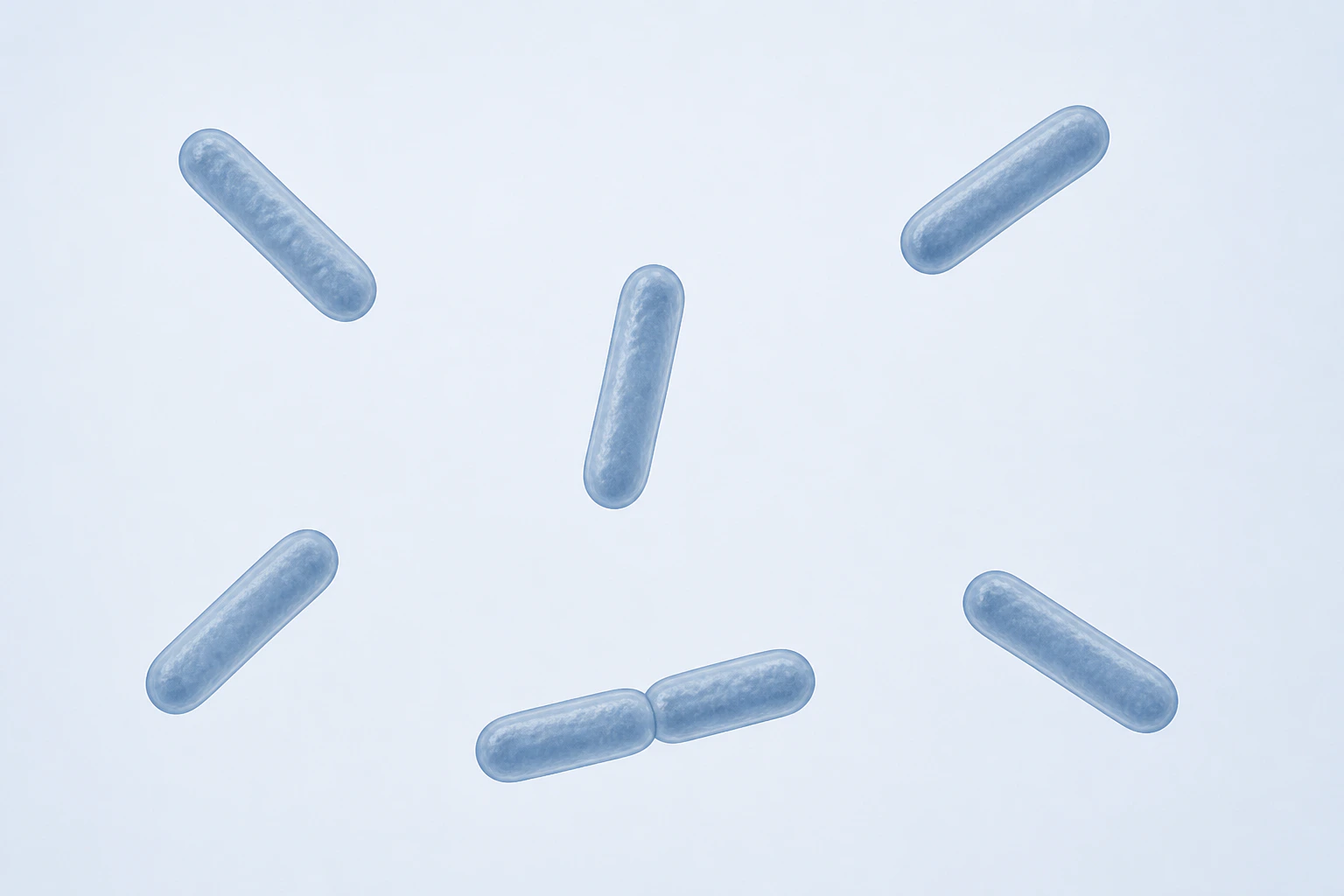
Enterobacter cloacae is a Gram-negative, facultatively anaerobic member of the Enterobacteriaceae. Ubiquitous in soil, water, and the mammalian gut, it is a leading cause of nosocomial infections and carries clinically significant antibiotic resistance through inducible…
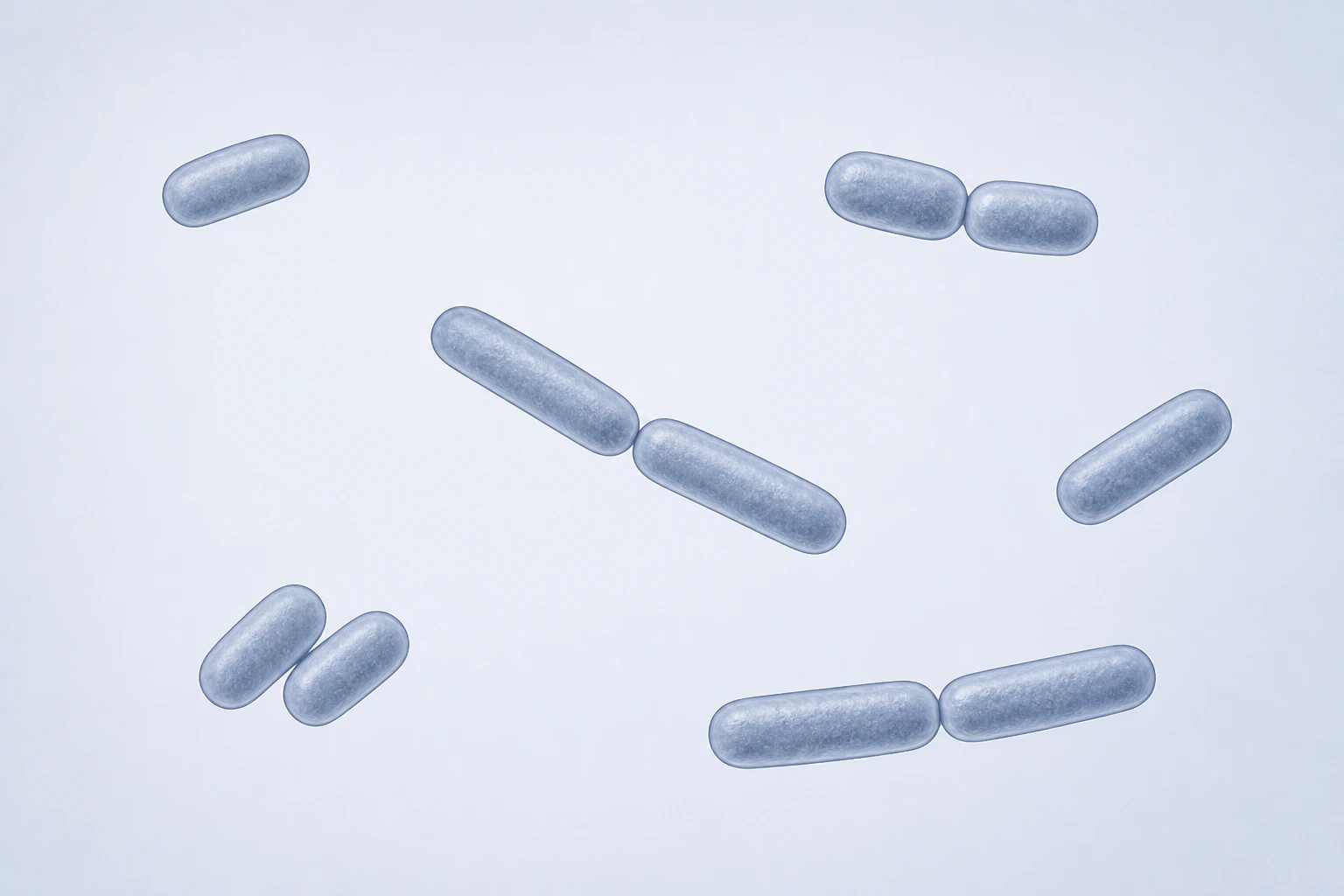
A family of Gram-negative, facultative anaerobic Gammaproteobacteria that includes many of the most important human pathogens: escherichia coli, klebsiella pneumoniae, salmonella typhimurium, shigella flexneri, yersinia pestis, proteus mirabilis, Morganella, and Serrati…
A genus of Gram-positive bacteria (primarily E. faecalis and E. faecium) that exemplifies the metal-antibiotic resistance co-selection crisis. Enterococci carry diverse metal tolerance genes for mercury, arsenic, copper, and cadmium on the same mobile genetic elements a…
Enterococcus faecium is a Gram-positive, facultatively anaerobic bacterium that epitomizes the metal-antibiotic co selection problem in modern medicine. As one of the six ESKAPE pathogens (the group responsible for the majority of hospital-acquired infections that fail …
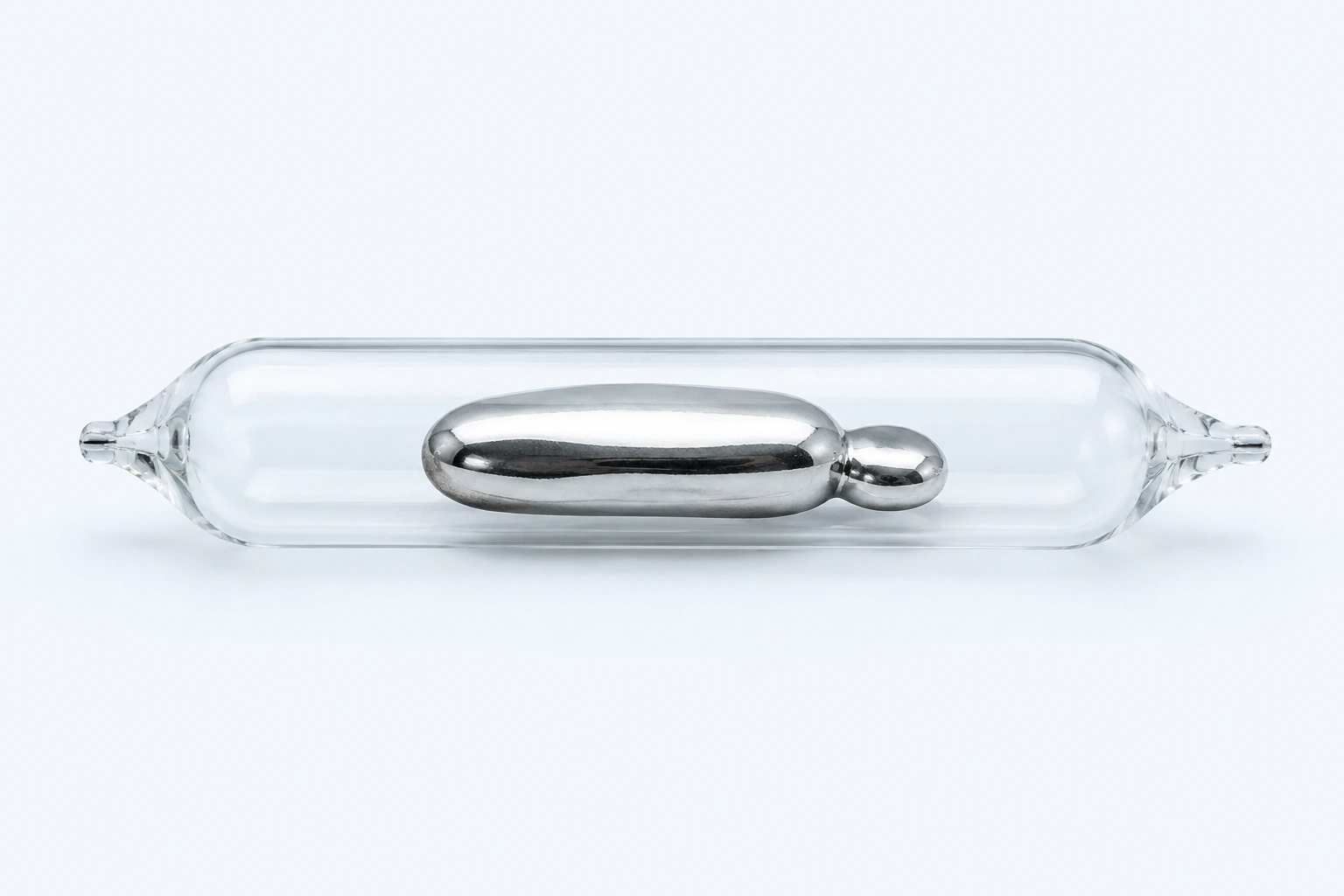
A group 13 post-transition metal (atomic number 31) with no known biological function in any organism — yet one of the most promising antimicrobial metals precisely because of what it cannot do. Ga3+ is nearly identical to Fe3+ in ionic radius (0.62 Å vs 0.645 Å) and co…
Alphabetical definitions of specialist terms used throughout this wiki. Where a full concept page exists, the term links to it. --- AhR (aryl hydrocarbon receptor) -- A ligand-activated transcription factor that senses microbial metabolites (especially indoles from tryp…
Horizontal gene transfer (HGT) is the movement of genetic material between organisms outside of parent-to-offspring inheritance. In the gut microbiome, HGT -- primarily mediated by mobile genetic elements (MGEs) including plasmids, transposons, integrons, and integrativ…
Microbial communities do not acquire and use metals in isolation. Within biofilms, polymicrobial infections, and the gut microbiome, microbes engage in complex cooperative and competitive relationships mediated by metals -- sharing metallophores, concentrating metals in…
A Gram-negative opportunistic pathogen and member of the ESKAPE group of antibiotic-resistant priority pathogens. K. pneumoniae deploys multiple nickel-dependent enzymes for virulence and relies on the dual-function metallophore yersiniabactin for both iron and nickel s…
Lactobacillus rhamnosus is a Gram-positive, facultatively anaerobic lactic acid bacterium and one of the most extensively studied probiotic species. The GG strain (ATCC 53103), isolated from a healthy human intestinal tract by Gorbach and Goldin in 1983, is the single m…
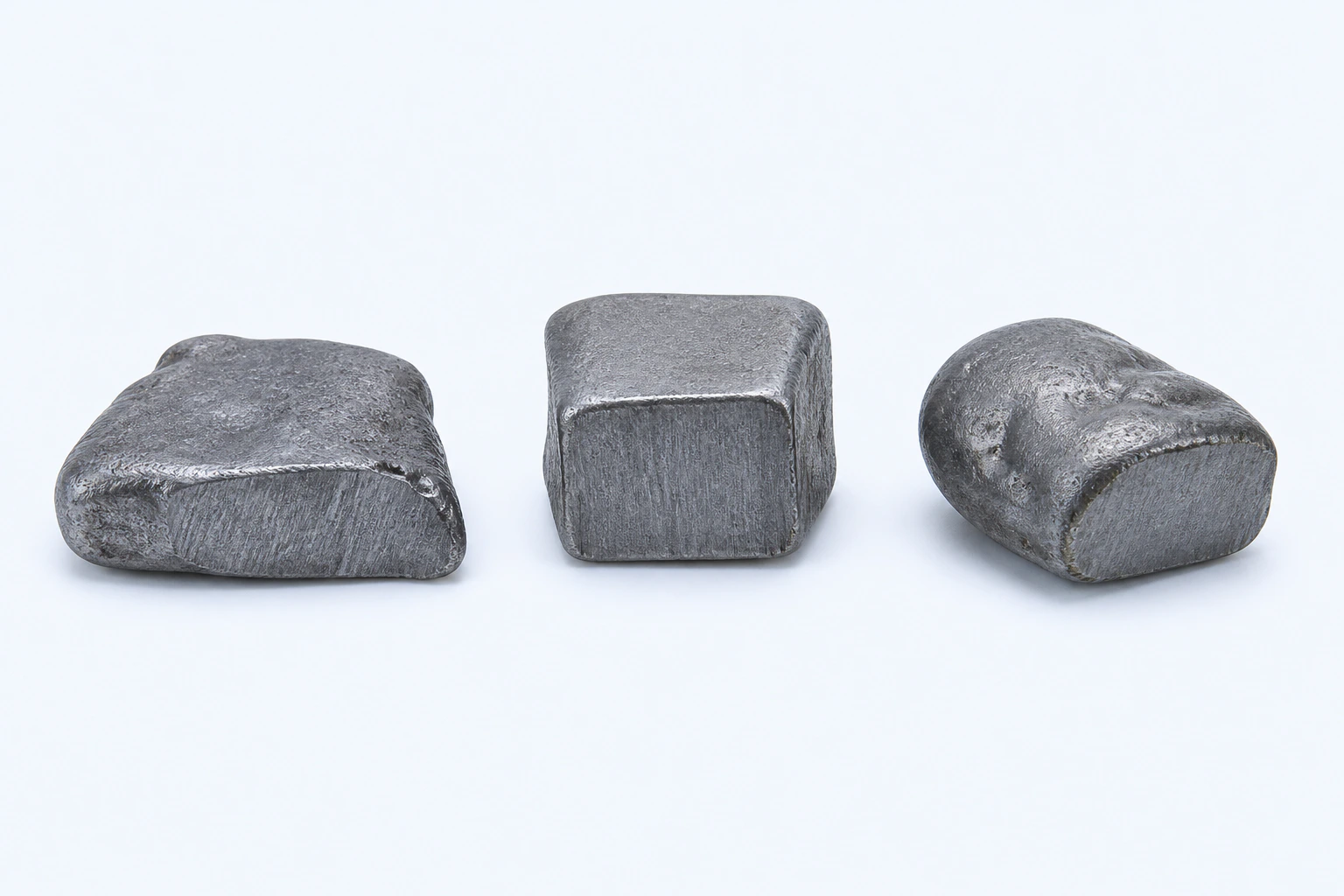
Lead is a purely toxic heavy metal with no known biological function. It is the most extensively studied metal in relation to neurodevelopmental harm and is increasingly recognized as a contributor to chronic disease across virtually every organ system, even at levels o…
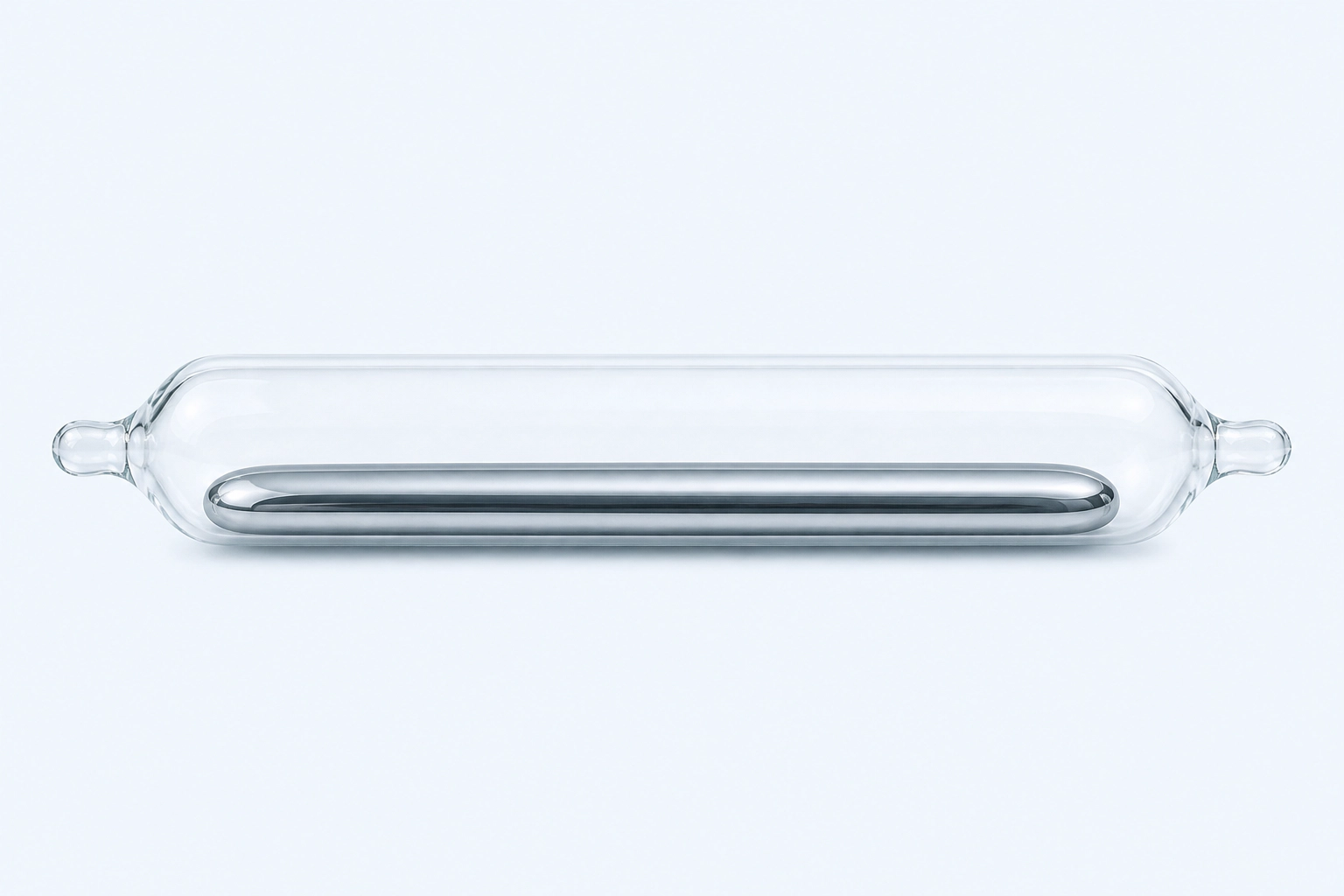
Mercury is the most toxic heavy metal with no known biological function. Its organic form -- methylmercury (MeHg) -- is the primary concern for dietary exposure via fish consumption. Mercury's toxicity centers on thiol group binding, glutathione depletion, and blood-bra…
Metal resistance genes encode proteins that allow bacteria to survive toxic metal concentrations through efflux pumps, enzymatic detoxification, or sequestration mechanisms. These genes are frequently carried on mobile genetic elements (plasmids, transposons, integrativ…
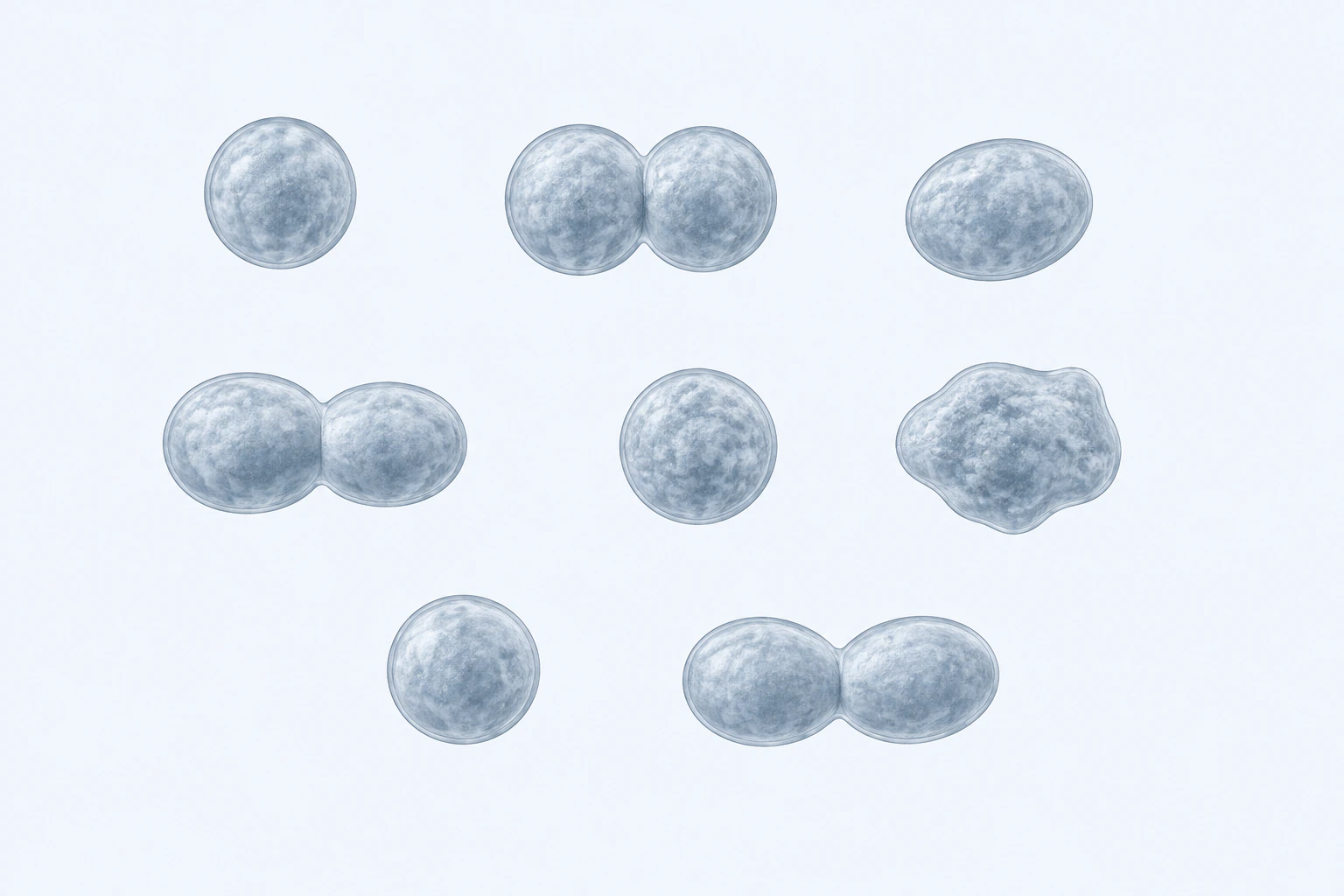
Mycoplasma is a genus of wall-less bacteria in the class Mollicutes, characterized by the smallest genomes of any self-replicating organisms (~580–1,350 kb). The lack of a cell wall makes them intrinsically resistant to beta-lactam antibiotics and undetectable by Gram s…
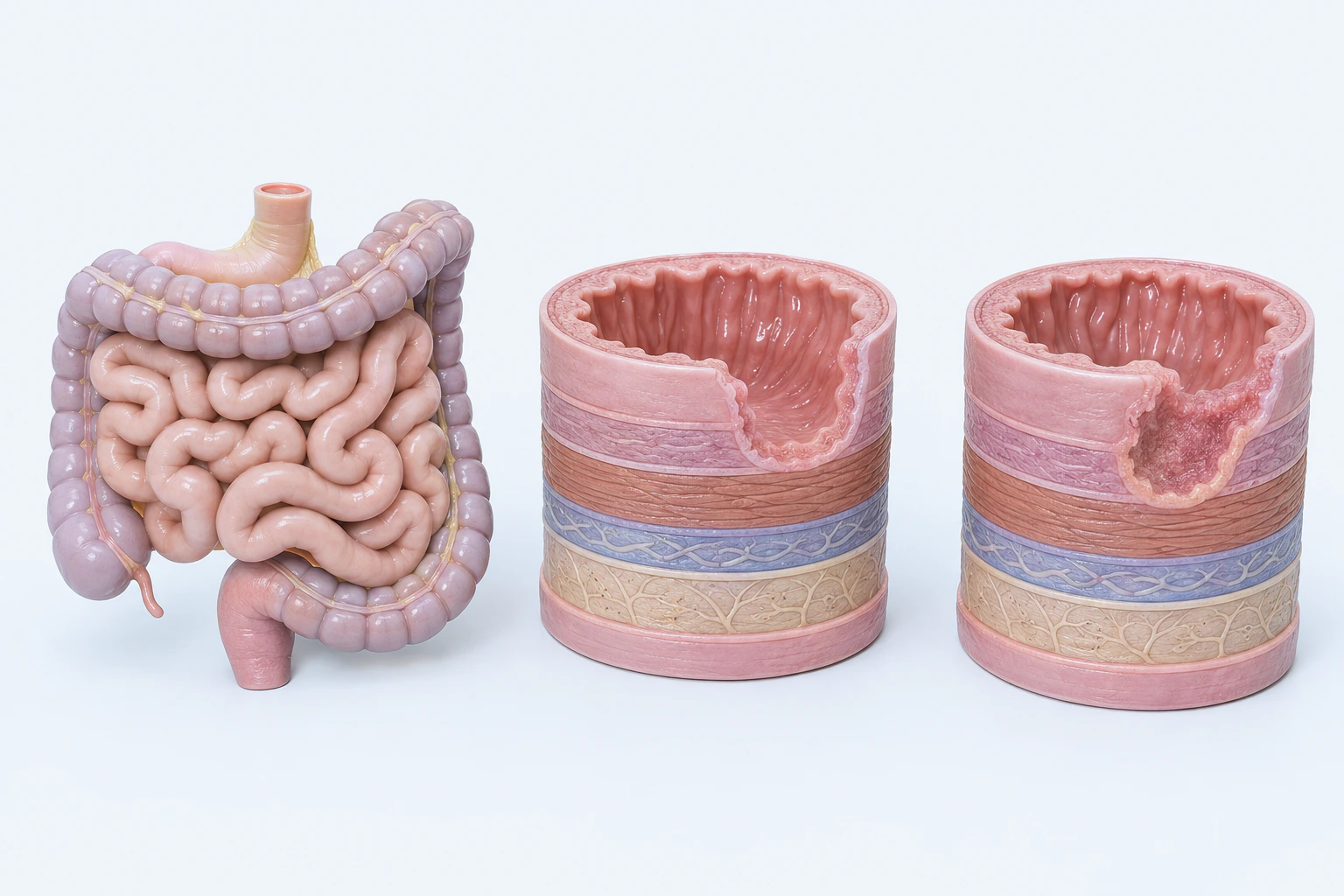
Necrotizing enterocolitis (NEC) is the most common and lethal gastrointestinal emergency in premature infants, affecting 5-12% of very low birth weight neonates (<1500 g) with mortality rates of 20-30%. Characterized by intestinal inflammation, necrosis, and perforation…
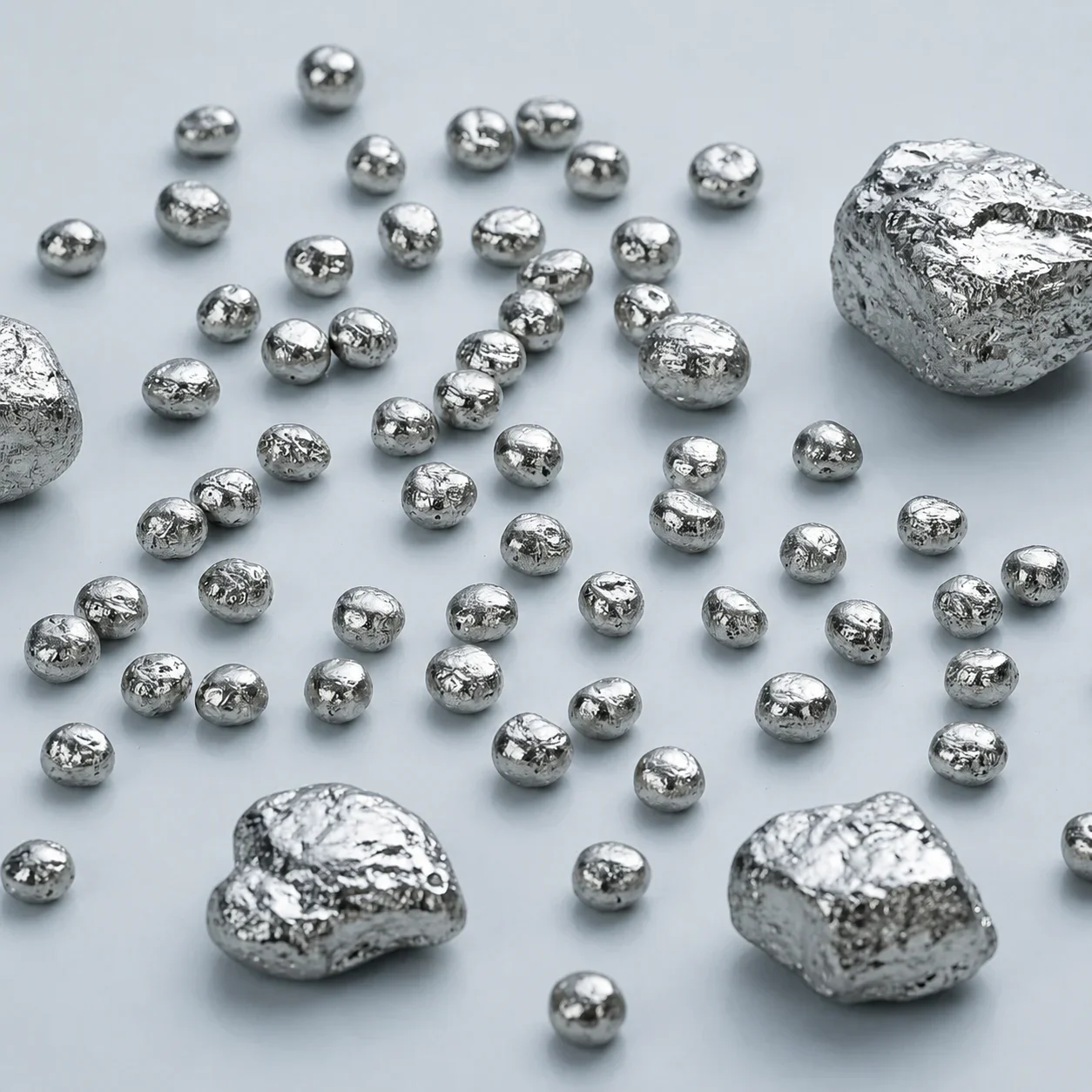
A transition metal occupying a central position in this wiki's evidence base. Nickel is toxic and carcinogenic to humans, yet an essential cofactor for pathogen virulence enzymes. It is the most frequent contact allergen worldwide and drives a wide spectrum of systemic …
The outer membrane (OM) is the defining structural feature of Gram-negative bacteria, providing a permeability barrier that profoundly influences metal acquisition, antibiotic resistance, immune activation, and virulence. For the microbiome-metal axis, the outer membran…
Oxalate (ethanedioic acid, C2O4^2-) is a small dicarboxylic acid found in many plant foods that has outsized significance for mineral metabolism and kidney health. In the gut, oxalate's fate is determined by a single specialist bacterium -- Oxalobacter formigenes -- who…
Oxalobacter formigenes is an obligate anaerobic, Gram-negative bacterium that occupies a unique metabolic niche in the human gut as the primary oxalate-degrading specialist. Its loss from the gut microbiome — most commonly from antibiotic exposure — has cascading conseq…
Phage therapy uses bacteriophages — viruses that infect and lyse specific bacteria — as precision antimicrobials. Unlike broad-spectrum antibiotics, phages target specific bacterial species or strains, sparing the commensal microbiome. In the WikiBiome framework, phage …
Pharmacomicrobiomics is the study of bidirectional interactions between drugs and the microbiome. The gut microbiome is not a passive bystander in pharmacology -- it actively metabolizes drugs, alters their bioavailability, and modulates therapeutic efficacy. Conversely…

Postpartum depression (PPD) affects 10-20% of women after delivery, with profound consequences for maternal health, infant bonding, and child neurodevelopment chao 2025 microbiota gut brain perinatal depression. The standard framing centers on hormonal withdrawal (estro…
Quorum sensing (QS) is cell-density-dependent communication in which bacteria produce, secrete, and detect small signaling molecules (autoinducers) to coordinate group behaviors — including biofilm formation, virulence factor production, siderophore synthesis, and antib…
Ruminococcus albus is a Gram-positive, obligate anaerobic bacterium that represents one of the primary cellulolytic (fiber-degrading) specialists in the human gut microbiota. This species constructs cellulosomes — extraordinary multi-enzyme complexes organized on bacter…
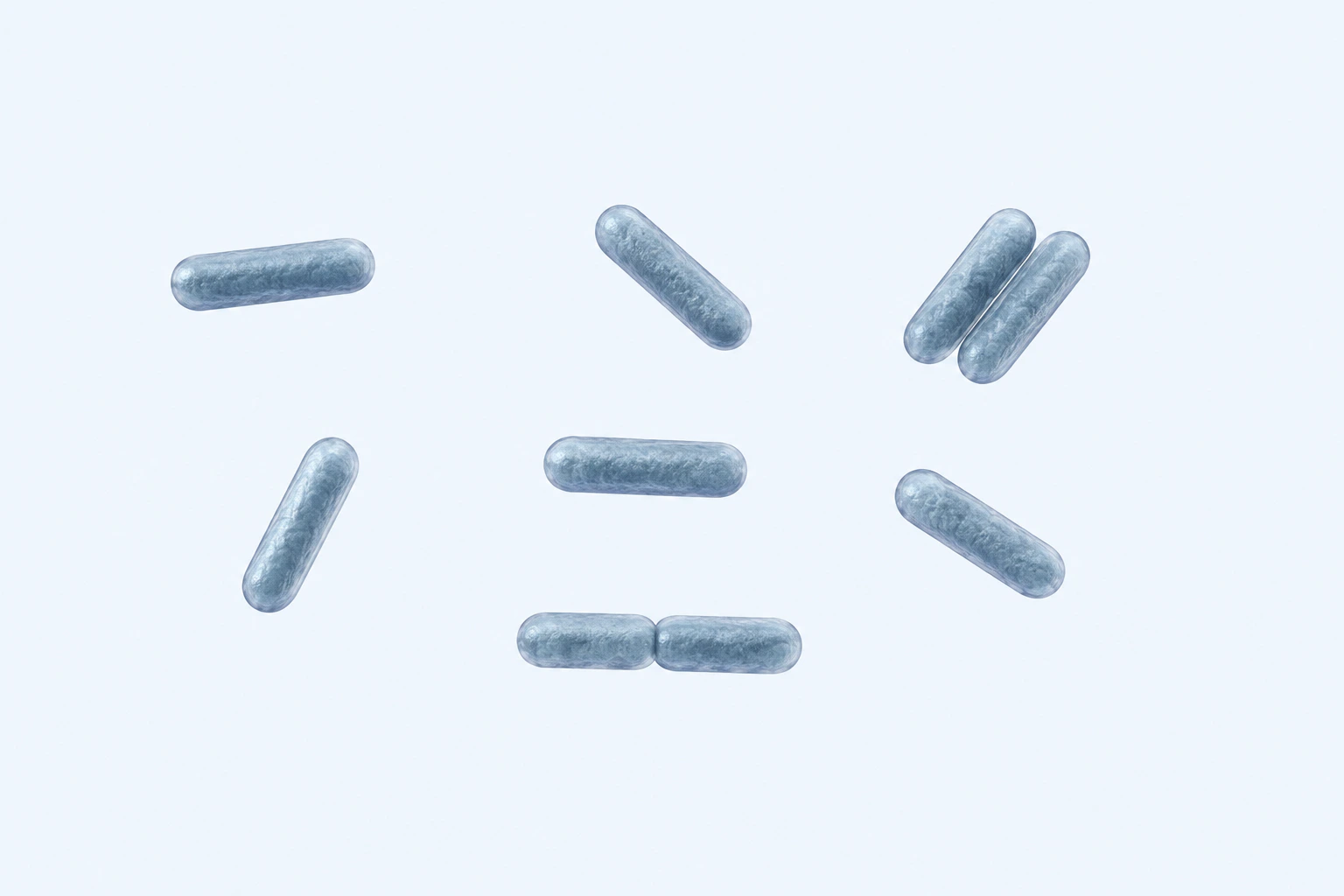
Salmonella is a genus of Gram-negative, facultatively anaerobic bacteria in the family Enterobacteriaceae. The two species — S. enterica (with 2,500 serovars including Typhimurium and Typhi) and S. bongori — cause a spectrum of disease from self-limiting gastroenteritis…
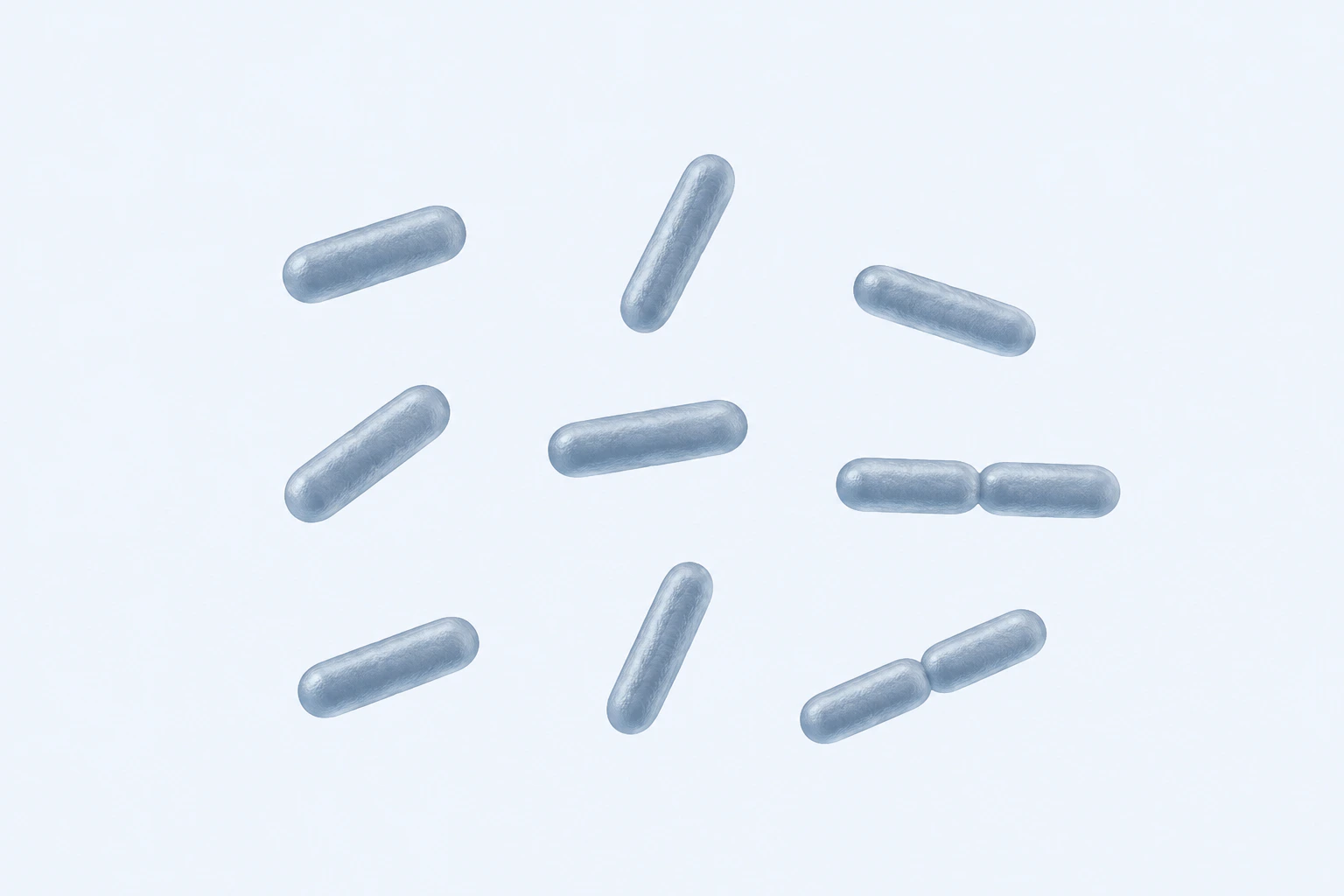
Shigella is a genus of Gram-negative, facultatively anaerobic bacteria in the family Enterobacteriaceae, closely related to Escherichia coli — so closely that many 16S rRNA-based studies report them as the Escherichia/Shigella complex, unable to distinguish the two gene…
Siderophores are small, high-affinity iron-chelating molecules secreted by bacteria, fungi, and some plants to scavenge ferric iron (Fe3+) from their environment. In the context of infection, siderophores are the molecular weapons pathogens deploy to break through nutri…
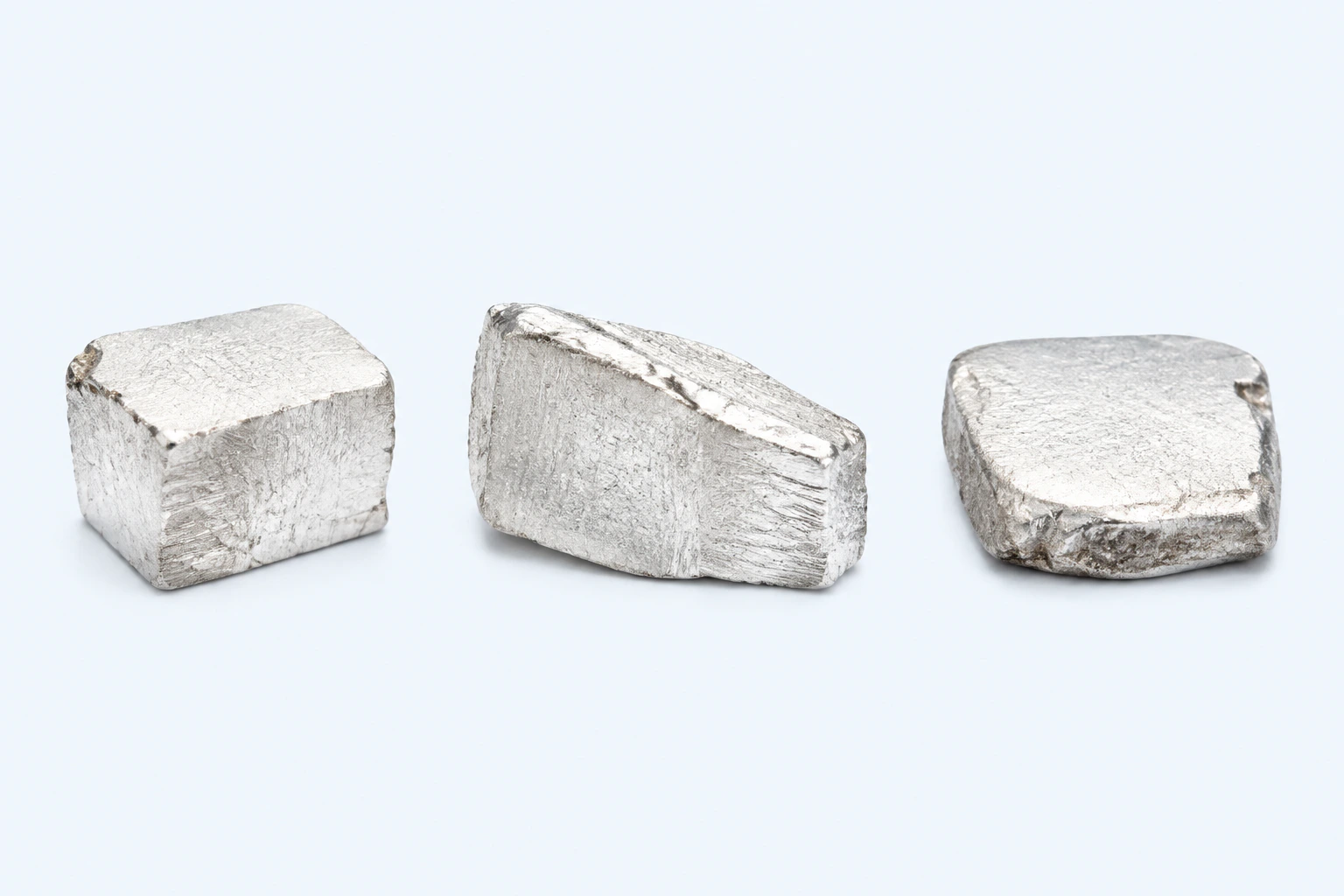
A non-essential metal with a 5,000-year history of antimicrobial use, silver has re-emerged as a critical tool in the post-antibiotic era. What makes silver particularly interesting from a metallomics perspective is not that it kills bacteria -- many metals do -- but ho…
A versatile Gram-positive pathogen with one of the best-characterized nutritional immunity evasion systems known. S. aureus requires nickel, iron, zinc, and manganese for virulence and has evolved dedicated acquisition systems for each, including the novel metallophore …
Zinc deficiency is a consistent finding in breast cancer, and Zn plays key roles in immunity (T cell differentiation), p53 activation, and SOD cofactor function. Yet supplementation data are limited, and in the Sister Study, zinc showed a dose-related positive associati…
Vancomycin is a glycopeptide antibiotic targeting Gram-positive bacteria by binding D-Ala-D-Ala of peptidoglycan precursors. It is the last-resort treatment for MRSA and oral vancomycin is first-line for severe clostridioides difficile infection. In the WikiBiome framew…
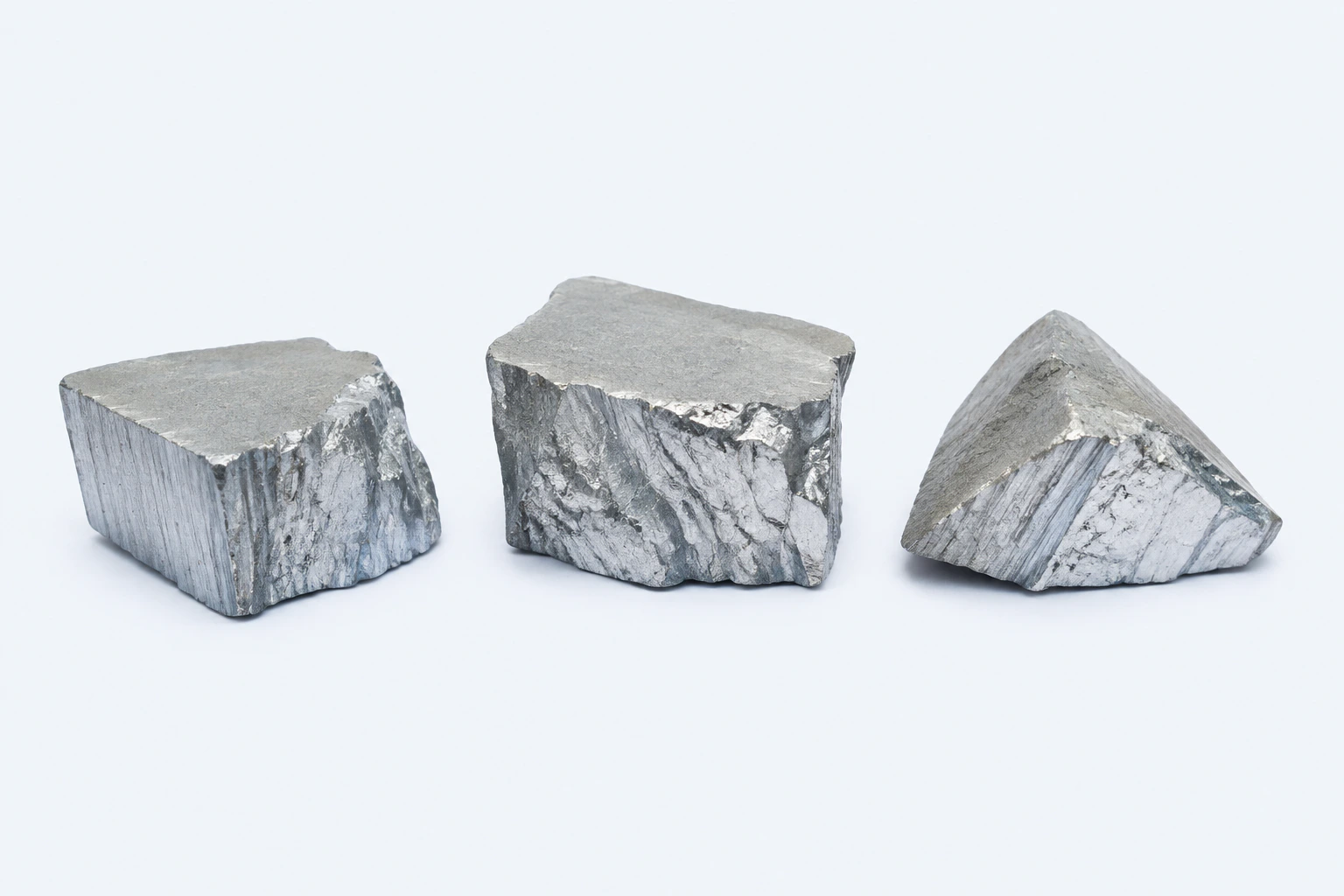
Zinc is the most widely utilized transition metal cofactor in biology. Approximately 9-10% of the eukaryotic proteome and 5-6% of the bacterial proteome consists of zinc-binding proteins capdevila 2024 bacterial metallostasis sensing trafficking. An estimated one-third …