
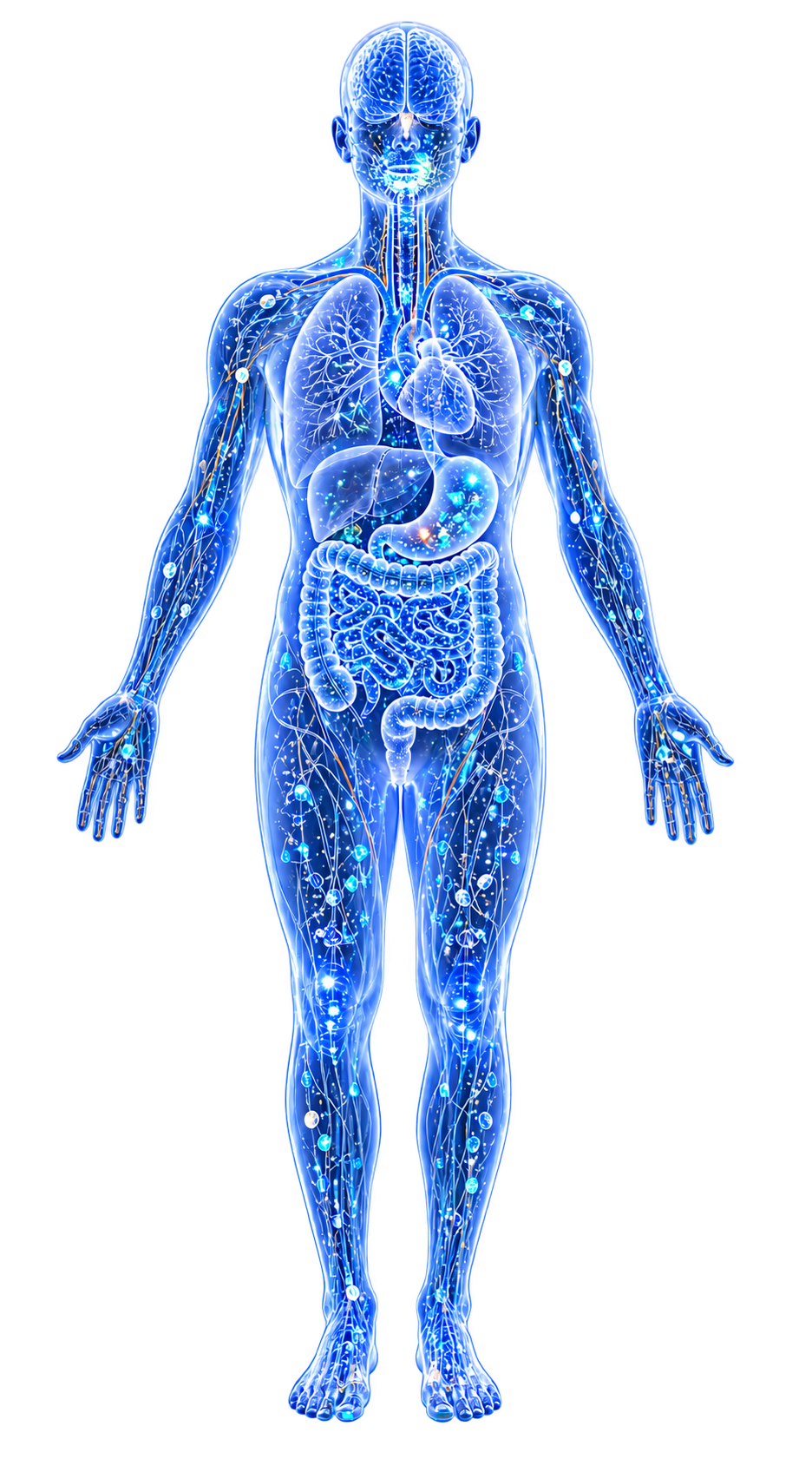
Bidirectional communication between the gut microbiota and the central nervous system, mediated by neural (vagus nerve, enteric nervous system), immune (cytokines, microglia), endocrine (HPA axis), and metabolic (SCFAs, neurotransmitter precursors, tryptophan metabolites, bile acids) pathways. Heavy Metals disrupt this axis at multiple points, linking environmental metal exposure to neurodevelopmental and neurodegenerative disease.
The gut-brain axis is relevant to at least seven diseases in this wiki: Parkinson's, Alzheimer's, multiple sclerosis, ASD, ADHD, depression, and anxiety.
Evidence map15 cited passagesInspect provenance +
Critical evidence: Vagotomy (severing the vagus nerve) is associated with lower Parkinson's disease risk in epidemiological studies, providing direct evidence that the vagus nerve serves as a conduit for gut-to-brain pathology.
Circulating LPS can activate microglial TLR4/nf kappa b signaling in experimental models, contributing to neuroinflammation.
In Alzheimer's disease, this microglial activation promotes amyloid-beta aggregation and tau phosphorylation.
butyrate strengthens gut barrier integrity, reduces intestinal inflammation, and modulates microglial activation in the brain—butyrate-treated microglia show reduced inflammatory cytokine production.
Neurotransmitter Precursors Gut bacteria produce serotonin (5-HT), dopamine, GABA, norepinephrine, and histamine or their direct precursors. While most of these do not cross the BBB directly, they:
Prenatal and early-life Pb exposure reshapes the child gut microbiome, reducing SCFA-producing commensals and increasing pathobionts.
The Pendergrass framework proposes ferroptosis as the convergent cell death mechanism linking gut pathology to dopaminergic neuron loss:
Bacterial amyloids (curli from E. coli) can cross-seed alpha-synuclein aggregation,.
PD patients consistently show reduced Prevotellaceae, Lachnospiraceae, and Faecalibacterium with increased Enterobacteriaceae—a pattern consistent with metal-driven dysbiosis.
Metal-induced gut dysbiosis increases systemic inflammation and LPS translocation, which activates microglia and promotes amyloid-beta aggregation and tau phosphorylation.
Gut microbiota composition differences in AD patients mirror metal-driven dysbiosis patterns.
Multi-strain probiotic supplementation improved EDSS disability scores by 0.3 points, reduced hs-CRP and depression scores.
S. thermophilus shifted Th1-to-Th2 balance with a 4-fold IL-10 increase.
Lactobacillus abundance inversely correlated with EAE severity (r = -0.67).
Children with ASD show both altered metal profiles (elevated toxic metals, depleted essential metals) and gut dysbiosis,.
Contents
1. Communication Pathways2. Metal Disruption of the Gut-Brain Axis3. Research Directions4. ConnectionsCommunication Pathways#
Vagal Pathway (Neural—Direct)#
The vagus nerve (cranial nerve X) provides the most direct and rapid gut-to-brain connection, with ~80% of fibers being afferent (gut-to-brain) and ~20% efferent (brain-to-gut).
Afferent signaling (gut to brain). Vagal afferent terminals in the gut mucosa and muscularis detect microbial metabolites (SCFAs, indoles), gut hormones (GLP-1, PYY, CCK), and inflammatory signals. SCFAs activate vagal afferents via FFAR2/FFAR3 receptors, signaling satiety and modulating Metal-Driven Inflammation.
Bacterial metabolites that activate vagal afferents include serotonin (produced by enterochromaffin cells stimulated by microbial SCFAs), tryptamine, and GABA. Vagal signals terminate in the nucleus tractus solitarius (NTS) in the brainstem, which relays to the hypothalamus, amygdala, and cortex.
Efferent signaling (brain to gut). The vagal efferent "cholinergic anti-inflammatory pathway" releases acetylcholine, which binds alpha-7 nicotinic receptors on macrophages, suppressing TNF-alpha and IL-1beta release. Stress-induced vagal withdrawal reduces this anti-inflammatory brake, contributing to gut inflammation.
Vagal efferents modulate gut motility, acid secretion, and mucosal blood flow.
Critical evidence: Vagotomy (severing the vagus nerve) is associated with lower Parkinson's disease risk in epidemiological studies,[1]Diet, Microbiota and Brain Health: Unraveling the Network Intersecting Metabolism and NeurodegenerationGentile F, Doneddu PE, Riva N et al. · 2020Open reference 1 ↓ providing direct evidence that the vagus nerve serves as a conduit for gut-to-brain pathology.
Enteric Nervous System#
The enteric nervous system (ENS, the "second brain") contains approximately 500 million neurons organized in the myenteric and submucosal plexuses. The ENS operates semi-independently from the CNS, controlling peristalsis, secretion, and local blood flow. Critically for neurodegeneration.
The ENS is a primary site of alpha-synuclein pathology in Parkinson's disease—Lewy bodies are found in enteric neurons years before motor symptoms appear.
The ENS expresses the same neurotransmitter systems as the CNS (dopamine, serotonin, GABA, acetylcholine), making it vulnerable to the same metal-induced insults.
ENS neurons are directly exposed to luminal contents, including metals and microbial metabolites, with far less protection than CNS neurons behind the blood-brain barrier.
Immune Signaling (Cytokines Crossing the BBB)#
The immune route is slower but more sustained than vagal signaling.
Gut Dysbiosis increases intestinal permeability, permitting translocation of LPS and bacterial metabolites into systemic circulation. Circulating LPS activates peripheral monocytes/macrophages, which produce TNF-alpha, IL-1beta, and IL-6. IL-6 crosses the Blood-Brain Barrier via saturable transport systems and activates the JAK/STAT3 pathway in microglia and astrocytes.
TNF-alpha signals through circumventricular organs (which lack a BBB) and through TNF receptor-mediated transcytosis. Circulating LPS can activate microglial TLR4/NF-kB Signaling Pathway signaling in experimental models, contributing to Neuroinflammation.[2]Microglia in neurodegenerative diseases: mechanism and potential therapeutic targetsGao C, Jiang J, Tan Y et al. · 2023Open reference 2 ↓ Activated microglia adopt a pro-inflammatory M1 phenotype, releasing ROS, NO, and additional cytokines that damage neurons.
In Alzheimer's disease, this microglial activation promotes amyloid-beta aggregation and tau phosphorylation.[3]Recent Advances in Therapeutics for the Treatment of Alzheimer's DiseasePasseri E, et al. · 2024Open reference 3 ↓ Metal exposure amplifies this pathway: metals directly activate NF-kB in microglia, and metal-driven gut dysbiosis increases the LPS load reaching the brain.
Metabolite Signaling#
#### SCFAs (Butyrate, Propionate, Acetate) Produced by fiber-fermenting commensals, SCFAs are central mediators of gut-brain communication: - Bind FFAR2/FFAR3 (GPR43/GPR41) and GPR109A on enteric neurons, immune cells, and vagal afferents. - Butyrate strengthens gut barrier integrity, reduces intestinal inflammation, and modulates microglial activation in the brain—butyrate-treated microglia show reduced inflammatory cytokine production.[4]Mechanism of Iron Ion Homeostasis in Intestinal Immunity and Gut Microbiota RemodelingHonghong Bao, Yi Wang, Hanlin Xiong et al. · 2024Open reference 4 ↓ - Propionate crosses the BBB and reduces microglial activation and neuroinflammation in animal models. - SCFAs promote the integrity of the blood-brain barrier itself; germ-free mice (no SCFAs) have a leaky BBB. - Metal-induced loss of SCFA-producing bacteria (Faecalibacterium, Roseburia, Lachnospiraceae) removes these neuroprotective signals.
#### Tryptophan and Indole Derivatives Microbial tryptophan metabolism produces neuroactive metabolites through three pathways: - Kynurenine pathway (host IDO1/TDO2): produces kynurenic acid (neuroprotective NMDA antagonist) and quinolinic acid (neurotoxic NMDA agonist). Inflammation shifts the balance toward quinolinic acid. - Indole pathway (microbial tryptophanase): produces indole, indole-3-propionic acid (IPA), and indole-3-aldehyde.
IPA is a potent antioxidant that protects against Oxidative Stress; it and indole-3-aldehyde activate the aryl hydrocarbon receptor (AhR), modulating neuroinflammation. - Serotonin pathway: gut bacteria produce ~95% of the body's serotonin via enterochromaffin cell stimulation.
Serotonin does not cross the BBB but affects the brain indirectly through vagal signaling and through tryptophan availability (serotonin synthesis in the brain depends on peripheral tryptophan levels). - Metal-induced depletion of Clostridium and Lactobacillus reduces IPA and indole-3-aldehyde production, diminishing AhR-mediated anti-inflammatory signaling.
#### Bile Acids Secondary bile acids (DCA, LCA) produced by gut bacterial 7-alpha-dehydroxylation: - Act through FXR and TGR5 receptors in the brain, affecting neuroinflammation and neuroprotection. - Tauroursodeoxycholic acid (TUDCA) has neuroprotective properties in PD and AD models. - Metal-induced dysbiosis alters bile acid metabolism, shifting the balance between neuroprotective and neurotoxic bile acid species.
#### Neurotransmitter Precursors Gut bacteria produce serotonin (5-HT), dopamine, GABA, norepinephrine, and histamine or their direct precursors.[4]Mechanism of Iron Ion Homeostasis in Intestinal Immunity and Gut Microbiota RemodelingHonghong Bao, Yi Wang, Hanlin Xiong et al. · 2024Open reference 4 ↓
While most of these do not cross the BBB directly, they: - Activate vagal afferents (local neurotransmitter signaling). - Modulate gut immune cells (which then release cytokines systemically). - Compete for amino acid transport across the BBB (e.g., bacterial consumption of tryptophan reduces brain serotonin synthesis).
Metal Disruption of the Gut-Brain Axis#
Lead and Neurodevelopment#
Prenatal and early-life lead (Pb) exposure reshapes the child Gut Microbiome, reducing SCFA-producing commensals and increasing pathobionts.[5]Interaction of Heavy Metal Lead with Gut Microbiota: Implications for Autism Spectrum DisorderTizabi Y, Bennani S, El Kouhen N et al. · 2023Open reference 5 ↓ lead-induced dysbiosis alters neurotransmitter precursor production, potentially contributing to neurodevelopmental disorders including ASD and ADHD.
The developing gut-brain axis is particularly vulnerable during the critical windows of microbiome establishment and neural circuit formation. lead mimics calcium (Ca) in synaptic signaling, disrupting neurotransmitter release at CNS synapses while simultaneously damaging the gut microbiome that produces neurotransmitter precursors.
Iron and Parkinson's Disease (The Gut-Brain-Ferroptosis Axis)#
The Pendergrass framework proposes Ferroptosis as the convergent cell death mechanism linking gut pathology to dopaminergic neuron loss:[6]Microbial Metallomics and Parkinson's Disease: A Unified Metal-Driven Framework Linking Ferroptosis, Dysbiosis, and alpha-Synuclein PathologyKaren Pendergrass · 2025Open reference 6 ↓
- Dietary/environmental metals (iron (Fe), manganese (Mn), nickel (Ni)) reshape gut communities.
- Loss of SCFA producers compromises gut barrier integrity.
- Alpha-synuclein aggregation begins in the ENS, potentially triggered by metal-induced oxidative stress.
- Misfolded alpha-synuclein propagates via the vagus nerve to the substantia nigra (Braak hypothesis).
- Iron accumulation in the SN drives ferroptotic neuron death.
- Bacterial amyloids (curli from E. coli) can cross-seed alpha-synuclein aggregation.[1]Diet, Microbiota and Brain Health: Unraveling the Network Intersecting Metabolism and NeurodegenerationGentile F, Doneddu PE, Riva N et al. · 2020Open reference 1 ↓[7]Gut microbial imbalance and neurodegenerative proteinopathies: from molecular mechanisms to prospects of clinical applicationsAlonso-Garcia P, Martin R, Martinez-Pinilla E · 2021Open reference 7 ↓
PD patients consistently show reduced Prevotellaceae, Lachnospiraceae, and Faecalibacterium with increased Enterobacteriaceae—a pattern consistent with metal-driven dysbiosis.[6]Microbial Metallomics and Parkinson's Disease: A Unified Metal-Driven Framework Linking Ferroptosis, Dysbiosis, and alpha-Synuclein PathologyKaren Pendergrass · 2025Open reference 6 ↓
Metals and Alzheimer's Disease#
Metal-induced gut dysbiosis increases systemic inflammation and LPS translocation, which activates microglia and promotes amyloid-beta aggregation and tau phosphorylation.[3]Recent Advances in Therapeutics for the Treatment of Alzheimer's DiseasePasseri E, et al. · 2024Open reference 3 ↓
Gut microbiota composition differences in AD patients mirror metal-driven dysbiosis patterns.[8]Effects of gut microbiota on neurodegenerative diseasesKhatoon S, Kalam N, Rashid S et al. · 2023Open reference 8 ↓
Amyloid-beta itself has antimicrobial properties, suggesting it may be an innate immune response to translocated bacteria—a response that becomes pathological when chronic.
Multiple Sclerosis (Immune-Mediated Gut-Brain)#
MS has the strongest probiotic evidence among neurodegenerative/autoimmune diseases in this wiki. Multi-strain probiotic supplementation improved EDSS disability scores by 0.3 points, reduced hs-CRP and depression scores.[9]Clinical and metabolic response to probiotic supplementation in patients with multiple sclerosis: A randomized, double-blind, placebo-controlled trialKouchaki E, Tamtaji OR, Salami M et al. · 2017Open reference 9 ↓ S. thermophilus shifted Th1-to-Th2 balance with a 4-fold IL-10 increase.[10]Streptococcus thermophilus ST285 Alters Pro-Inflammatory to Anti-Inflammatory Cytokine Secretion against Multiple Sclerosis Peptide in MiceDargahi N, Matsoukas J, Apostolopoulos V · 2020Open reference 10 ↓
Lactobacillus abundance inversely correlated with EAE severity (r = -0.67).[11]Variations in diet cause alterations in microbiota and metabolites that follow changes in disease severity in a multiple sclerosis modelLibbey JE, Sanchez JM, Doty DJ et al. · 2018Open reference 11 ↓ Diet composition alone was sufficient to alter EAE severity through microbiome changes.
ASD and Metal Dyshomeostasis#
Children with ASD show both altered metal profiles (elevated toxic metals, depleted essential metals) and gut dysbiosis.[12]Metal Dyshomeostasis as a Driver of Gut Pathology in Autism Spectrum DisordersO'Grady K, Grabrucker AM · 2025Open reference 12 ↓[13]Metal Profiles in Autism Spectrum Disorders: A Crosstalk between Toxic and Essential MetalsBlazewicz A, Grabrucker AM · 2023Open reference 13 ↓
Whether metal dyshomeostasis causes dysbiosis or dysbiosis impairs metal handling (or both) remains unresolved. GI symptoms are present in up to 70% of ASD children, and FMT has shown sustained improvements in both GI and behavioral symptoms.
Research Directions#
Psychobiotics#
The term "psychobiotics" describes probiotics with demonstrated effects on brain function. Multi-strain Lactobacillus + Bifidobacterium formulations have shown effects in clinical studies of depression and MS. S. thermophilus produces folate and modulates Th1/Th2 balance.
Metal-sequestering probiotic strains (L. plantarum CCFM8610 for cadmium, L. rhamnosus GR-1 for lead) are under investigation for their dual capacity to bind metals and influence gut-brain signaling.
Dietary Associations#
High-fiber diets support SCFA production, maintaining the metabolite bridge to the brain. Mediterranean diet patterns are associated with lower incidence of depression, PD, and AD in epidemiological studies. Dietary metal exposure (nickel, cadmium, lead) is an emerging variable in gut-brain axis research, as metal-driven dysbiosis alters the microbial metabolite landscape.
Fecal Microbiota Transplant#
FMT studies in ASD have reported sustained changes in gut microbiome composition and behavioral assessments. Animal models of manganese-induced parkinsonism have used FMT to investigate gut-brain axis mediation. These remain active areas of investigation.
Connections#
- Gut-Metal-Microbiome Interactions—the foundational concept for metal-microbiome interactions
- Ferroptosis—convergent cell death mechanism in the gut-brain-ferroptosis axis
- dysbiosis—metal-induced dysbiosis disrupts gut-brain communication
- inflammation—systemic inflammation bridges gut and brain pathology
- Neuroinflammation—microglial activation as the CNS endpoint of gut-derived signals
- NF-kB Signaling Pathway—LPS/TLR4 pathway activates central neuroinflammation
- Blood-Brain Barrier—cytokines and metabolites must cross the BBB to affect the brain
- Alpha-Synuclein—gut-first aggregation propagates to brain via vagus nerve
- Short-Chain Fatty Acids (SCFAs)—primary neuroprotective metabolites from gut bacteria
- Tryptophan Metabolism—microbial tryptophan metabolites modulate neuroinflammation via AhR
- Developmental Metal Vulnerability: Critical Windows of Susceptibility—early-life metal exposure during gut-brain axis maturation
- Probiotics—psychobiotics modulate the gut-brain axis therapeutically
References 16
Numbered by first appearance in the article, then reconciled with its declared source list.
- 1
Gentile F, Doneddu PE, Riva N et al. (2020). Diet, Microbiota and Brain Health: Unraveling the Network Intersecting Metabolism and Neurodegeneration. International Journal of Molecular Sciences.
- 2
Gao C, Jiang J, Tan Y et al. (2023). Microglia in neurodegenerative diseases: mechanism and potential therapeutic targets. Signal Transduction and Targeted Therapy.
- 3
Passeri E, et al. (2024). Recent Advances in Therapeutics for the Treatment of Alzheimer's Disease. (Brain Sciences / related journal).
- 4
★Honghong Bao, Yi Wang, Hanlin Xiong et al. (2024). Mechanism of Iron Ion Homeostasis in Intestinal Immunity and Gut Microbiota Remodeling. International Journal of Molecular Sciences.
- 5
★Tizabi Y, Bennani S, El Kouhen N et al. (2023). Interaction of Heavy Metal Lead with Gut Microbiota: Implications for Autism Spectrum Disorder. Biomolecules.
- 6
★Karen Pendergrass (2025). Microbial Metallomics and Parkinson's Disease: A Unified Metal-Driven Framework Linking Ferroptosis, Dysbiosis, and alpha-Synuclein Pathology. Conference Presentation.
- 7
Alonso-Garcia P, Martin R, Martinez-Pinilla E (2021). Gut microbial imbalance and neurodegenerative proteinopathies: from molecular mechanisms to prospects of clinical applications. Exploration of Neuroprotective Therapy.
- 8
Khatoon S, Kalam N, Rashid S et al. (2023). Effects of gut microbiota on neurodegenerative diseases. Frontiers in Aging Neuroscience.
- 9
Kouchaki E, Tamtaji OR, Salami M et al. (2017). Clinical and metabolic response to probiotic supplementation in patients with multiple sclerosis: A randomized, double-blind, placebo-controlled trial. Clinical Nutrition.
- 10
Dargahi N, Matsoukas J, Apostolopoulos V (2020). Streptococcus thermophilus ST285 Alters Pro-Inflammatory to Anti-Inflammatory Cytokine Secretion against Multiple Sclerosis Peptide in Mice. Brain Sciences.
- 11
Libbey JE, Sanchez JM, Doty DJ et al. (2018). Variations in diet cause alterations in microbiota and metabolites that follow changes in disease severity in a multiple sclerosis model. Beneficial Microbes.
- 12
★O'Grady K, Grabrucker AM (2025). Metal Dyshomeostasis as a Driver of Gut Pathology in Autism Spectrum Disorders. Journal of Neurochemistry.
- 13
Blazewicz A, Grabrucker AM (2023). Metal Profiles in Autism Spectrum Disorders: A Crosstalk between Toxic and Essential Metals. International Journal of Molecular Sciences.
- 14
Joe Alcock, Carlo C. Maley, C. Athena Aktipis (2014). Alcock, Maley & Aktipis 2014 — Is Eating Behavior Manipulated by the Gastrointestinal Microbiota? Evolutionary Pressures and Potential Mechanisms. BioEssays.
- 15
Yimin Han, Boya Wang, Han Gao et al. (2022). Han et al. 2022 — Vagus Nerve and Underlying Impact on the Gut Microbiota-Brain Axis in Behavior and Neurodegenerative Diseases. Journal of Inflammation Research.
- 16
Arpana Gupta, Vadim Osadchiy, Emeran A. Mayer (2020). Gupta, Osadchiy & Mayer 2020 — Brain-Gut-Microbiome Interactions in Obesity and Food Addiction. Nature Reviews Gastroenterology & Hepatology.
Article network
Mentioned here 18
Pages linking here 80
Connect the evidence
Publicly readable discussion by ORCID-authenticated researchers. Questions, interpretation, methods, corrections, and new evidence stay attached to this record.
No discussion yet. Start with a precise question or a source-backed observation.
Activity and accepted changes
Accepted researcher context, editorial status, public discussion, and upstream Git revisions are shown together. Pending, declined, and withdrawn proposals remain private.
- published revision
Strengthen TLR4 and link high-leverage contexts
Karen Pendergrass · +1 −1
Inspect exact Git diff ↗ - published revision
Consolidate microbial metabolite knowledge
Karen Pendergrass · +1 −1
Inspect exact Git diff ↗ - published revision
Backfill heavy metals concept links
Karen Pendergrass · +1 −1
Inspect exact Git diff ↗ - published revision
Backfill oxidative stress concept links
Karen Pendergrass · +1 −1
Inspect exact Git diff ↗ - published revision
Backfill gut microbiome concept links
Karen Pendergrass · +1 −1
Inspect exact Git diff ↗ - published revision
Backfill inflammation concept links
Karen Pendergrass · +2 −2
Inspect exact Git diff ↗ - published revision
Complete corpus-wide Dysbiosis linking
Karen Pendergrass · +2 −2
Inspect exact Git diff ↗ - published revision
massive wiki expansion: 149 stubs fixed, 100+ new pages, Rule 15 scan, keystone papers
WikiBiome Deploy Bot · +13 −13
Inspect exact Git diff ↗ - published revision
nightly maintenance: 94 stub demotions, 181 source_count fixes, 22 auto-discovered stubs, 5 adversarial audits, 3 boundary fixes, 3 evidence-level corrections
WikiBiome Deploy Bot · +8 −12
Inspect exact Git diff ↗ - published revision
pre-overnight checkpoint 2026-04-18
WikiBiome Deploy Bot · +3 −1
Inspect exact Git diff ↗ - published revision
WikiBiome update — 2026-04-11 22:49
WikiBiome Deploy Bot · +110 −22
Inspect exact Git diff ↗ - published revision
WikiBiome update — integrity fixes, metallomic diet pages, cross-condition analyses
WikiBiome Deploy Bot · +17 −9
Inspect exact Git diff ↗ - published revision
WikiBiome v7 — interactive microbiome metallomics encyclopedia
Karen Pendergrass · +61 −0
Inspect exact Git diff ↗