WikiBiomeThe human microbiome encyclopedia
WikiBiome/Search: “Fur”
Encyclopedia search

Search: “Fur”

Ranked matches across titles, topics, categories, and article introductions.

30 records in this view
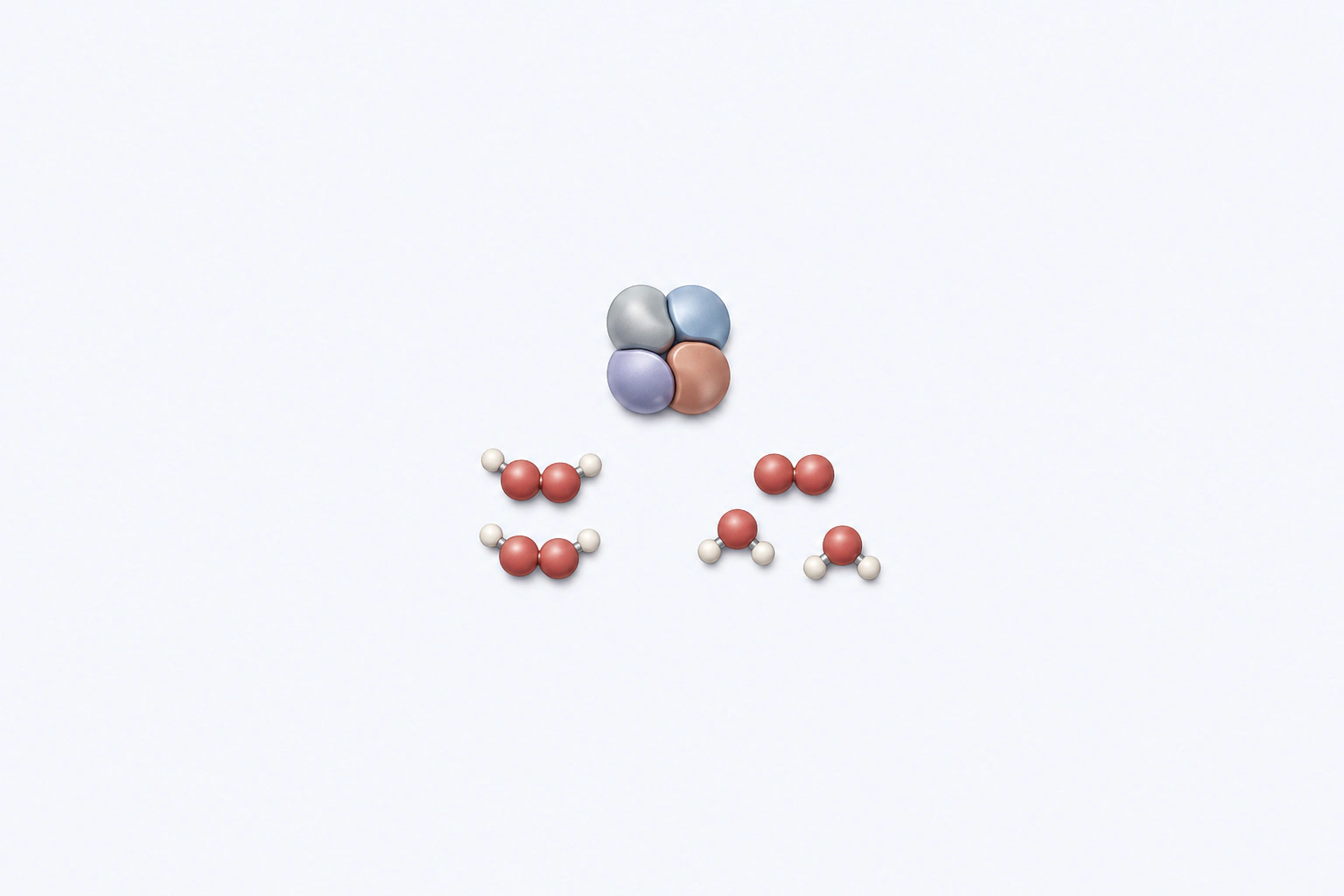
A compact generic enzyme form is separated from two peroxide-context tokens and a product group containing one oxygen pair and two water-like tokens.
Mechanisms6 sources

Catalase

Catalase is a heme-iron enzyme that decomposes hydrogen peroxide into water and oxygen. In microbial peroxide defense, it acts downstream of superoxide dismutase: superoxide dismutase converts superoxide to hydrogen peroxide, and catalase removes that hydrogen peroxide

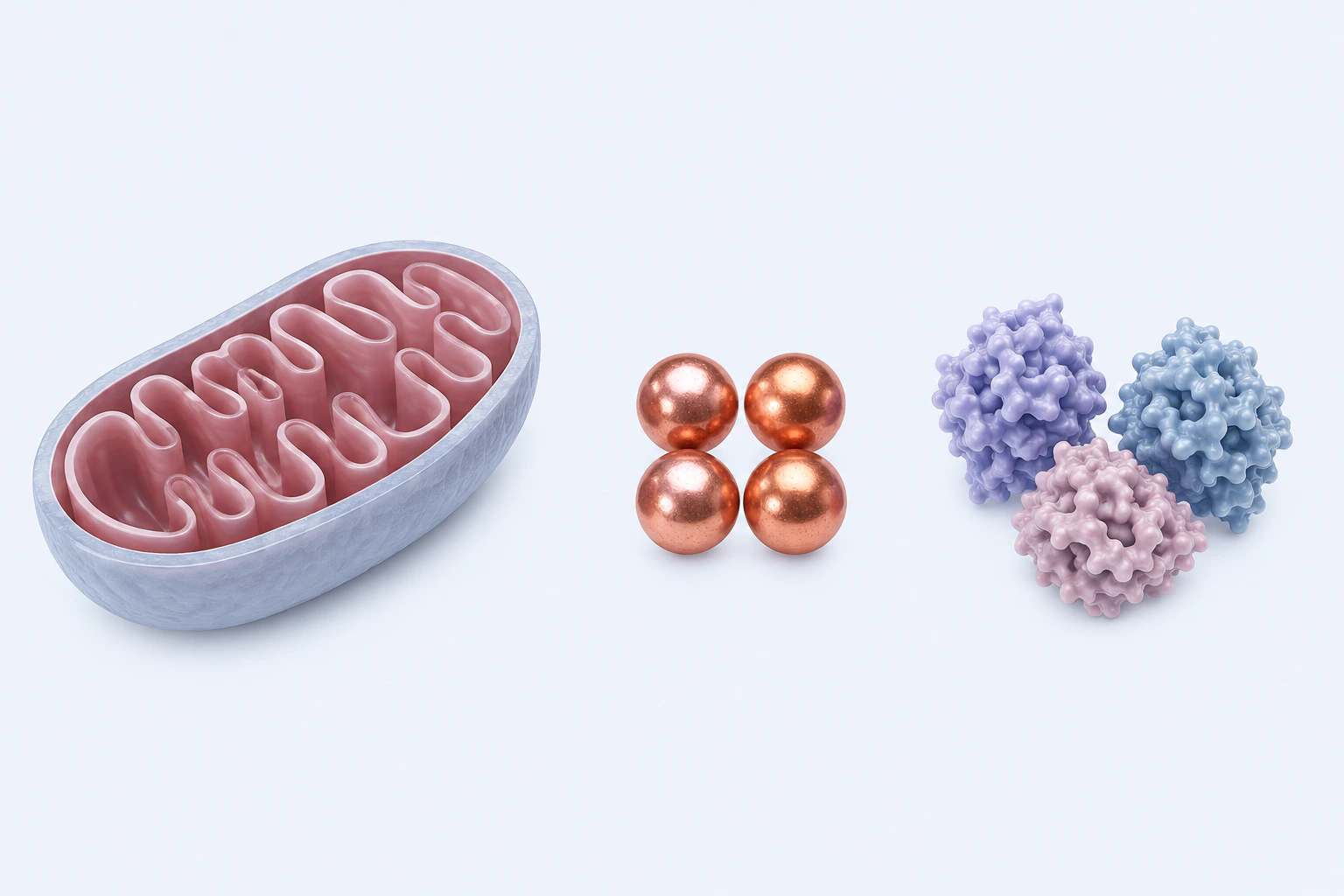
A generic mitochondrion-like cutaway appears separately from four copper-colored spheres and three folded protein-like forms.
Mechanisms4 sources

Cuproptosis

A distinct form of regulated cell death caused by excess intracellular copper binding to lipoylated proteins in the TCA cycle, first characterized by Tsvetkov et al. in Science (2022). Unlike ferroptosis (iron-dependent lipid peroxidation) or apoptosis (caspase-dependen

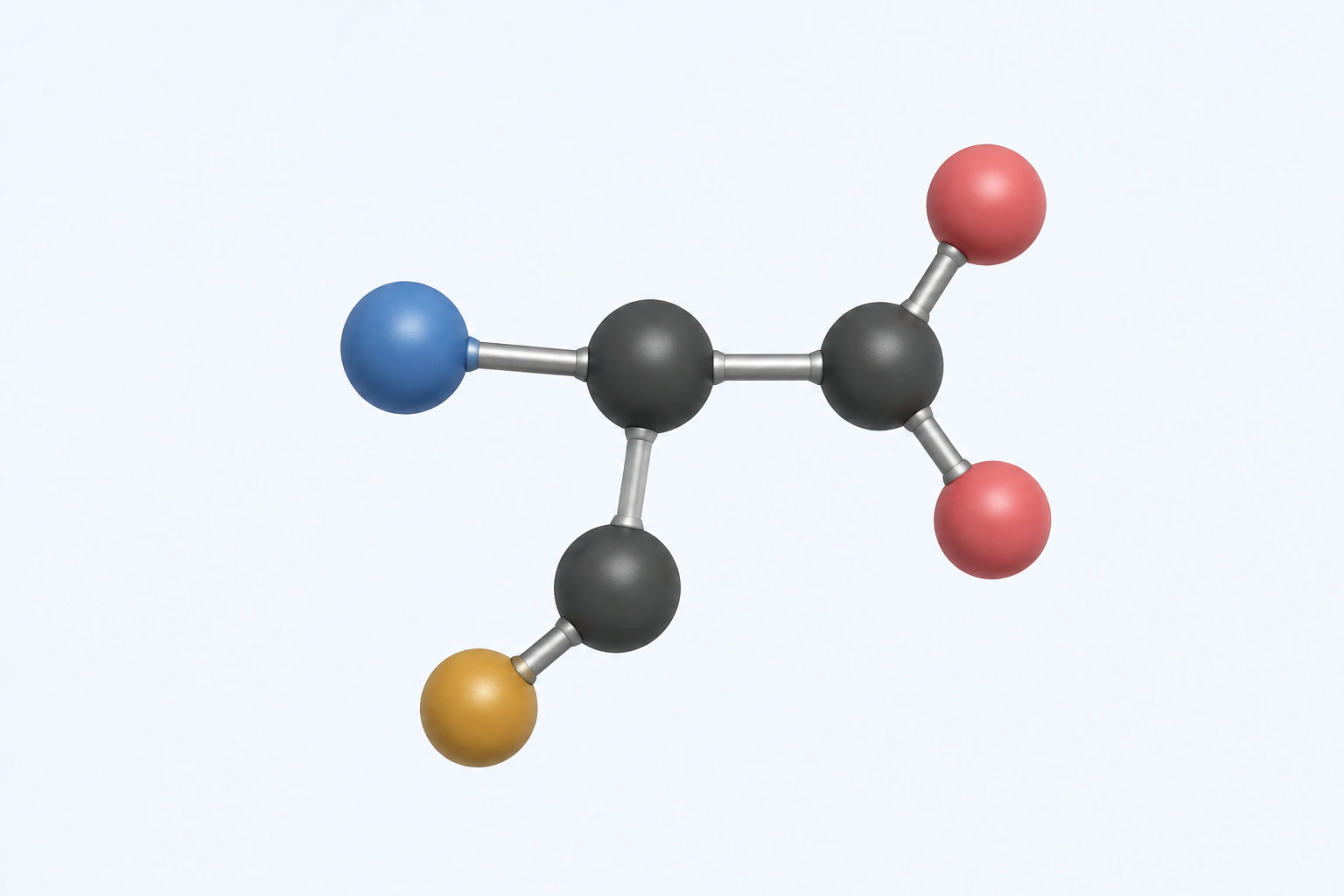
Single heavy-atom connectivity model of L-cysteine with three carbon centers, one nitrogen center, two oxygen centers, and one sulfur center.
Host defenses4 sources

Cysteine

Cysteine is a sulfur-containing amino acid whose thiol (-SH) group makes it the primary metal-binding residue in biology. It is the rate-limiting precursor for glutathione (the master intracellular antioxidant), a key residue in metallothioneins (metal-binding proteins)

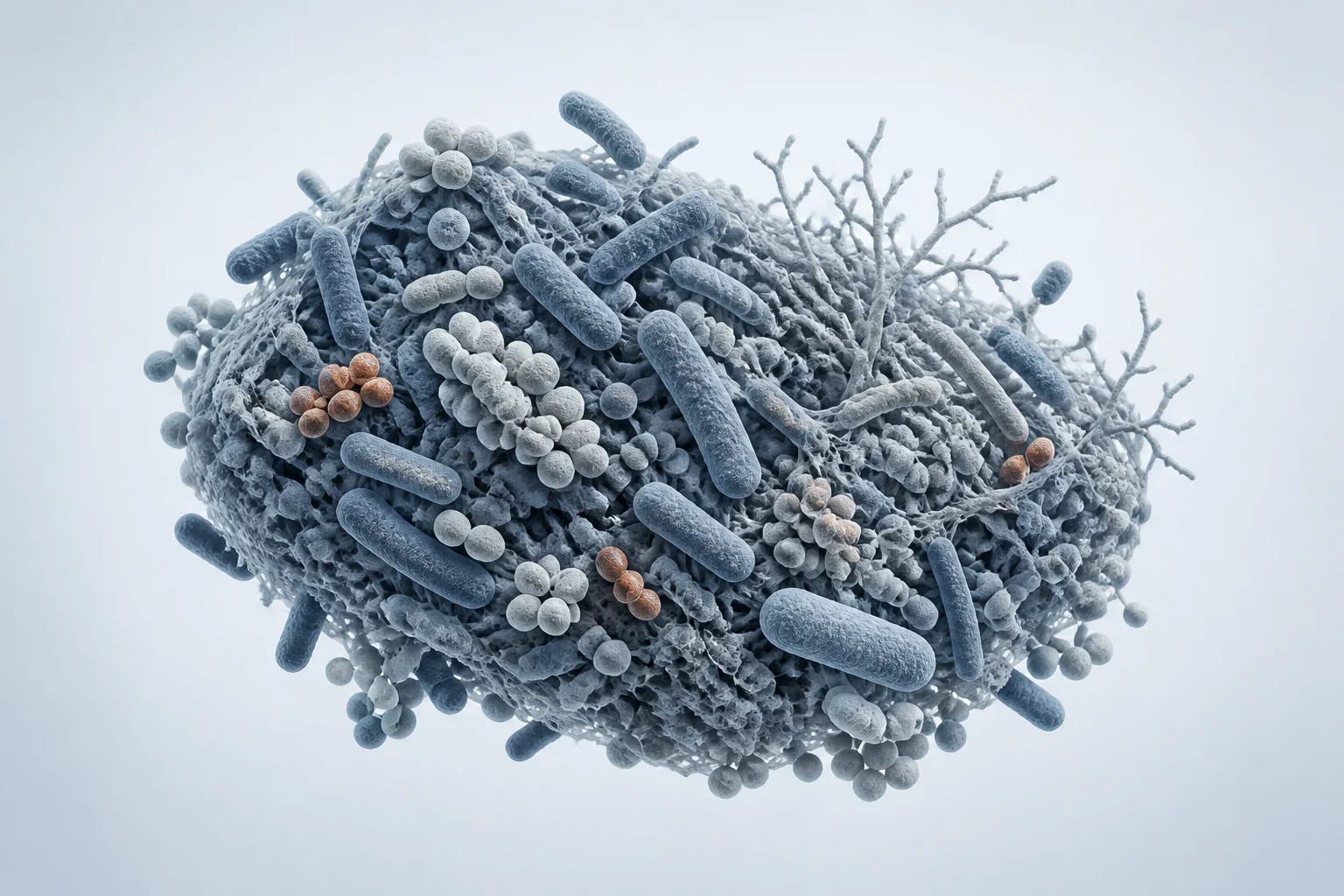
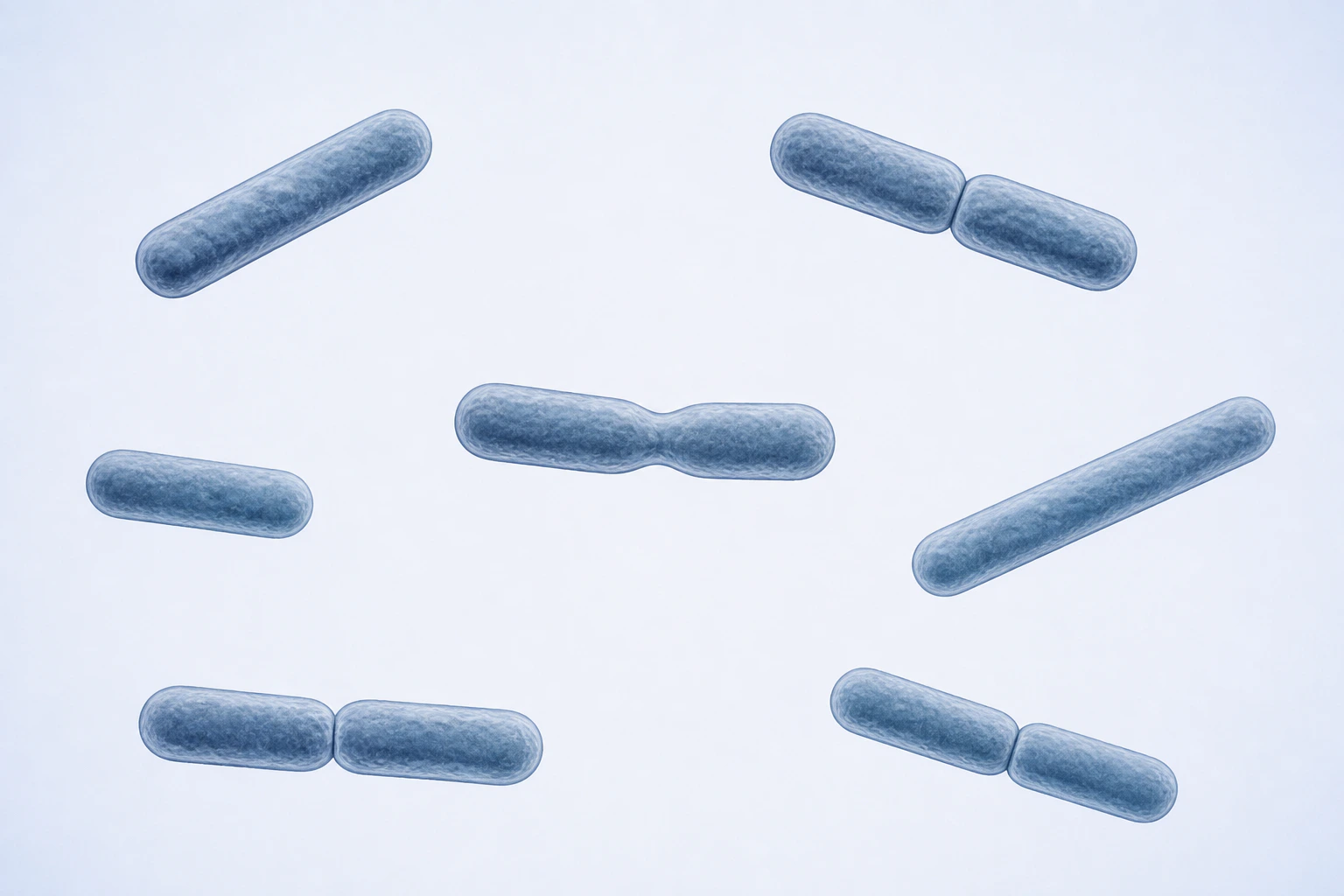
A microscopy-informed mixed microbial community with rods, cocci, curved rods, and branching forms on a pale cool field.
Mechanisms14 sources

Dysbiosis

Disruption of the normal composition and metabolic function of microbial communities, particularly the gut microbiome. In the metallomics context, dysbiosis is both a consequence of metal toxicity and an amplifier of further disease -- creating vicious cycles where meta

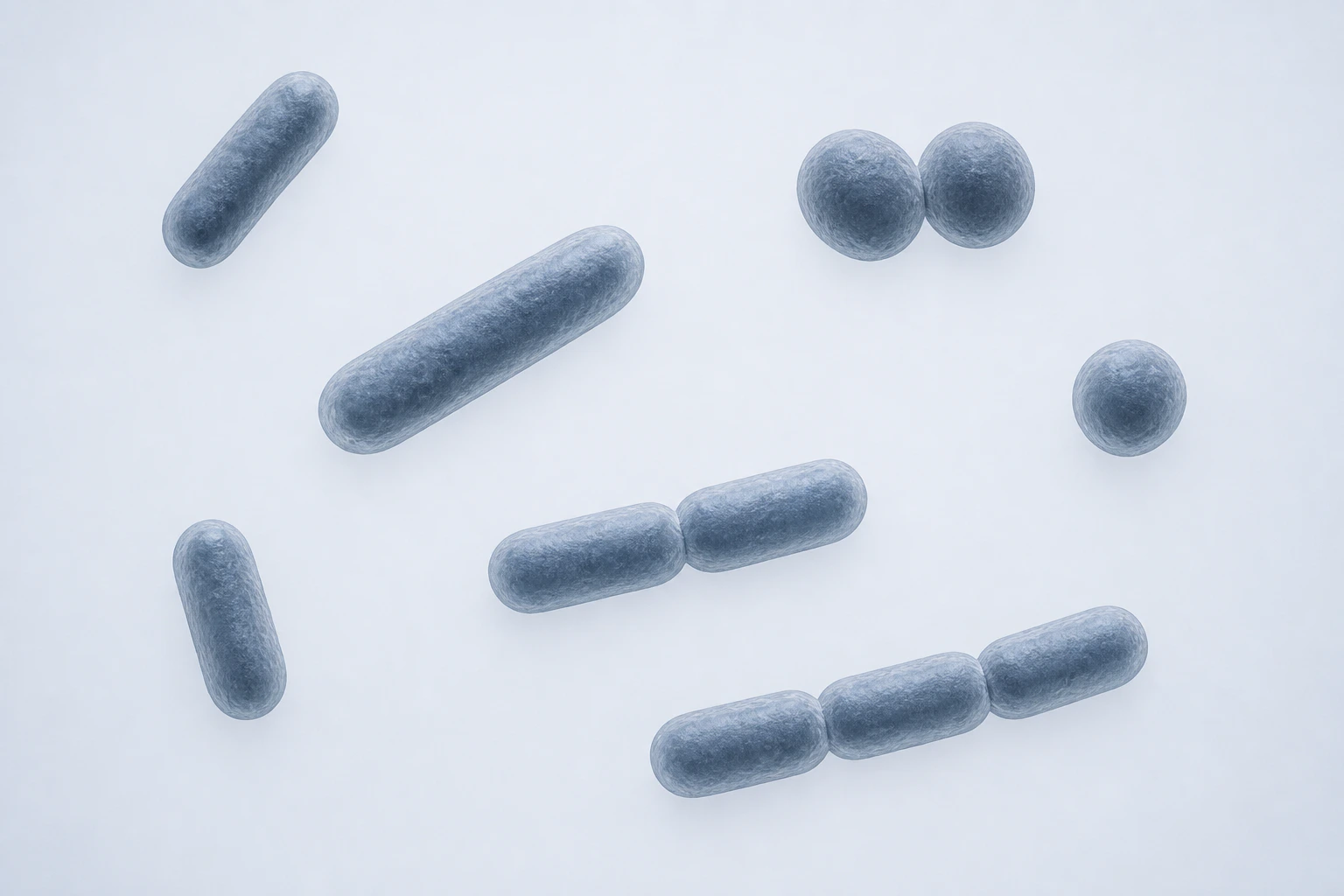
Eleven selected Bacillota bodies appear in seven groupings: three single rods, one single coccoid, one rod pair, one coccoid pair, and one three-rod chain.
Microorganisms10 sources

Firmicutes (Bacillota)

Firmicutes (recently reclassified as Bacillota) is the dominant bacterial phylum in the Western adult gut, comprising the core community of short-chain fatty acid (SCFA) producers that maintain intestinal barrier integrity, regulate immune function, and influence system

Mechanisms5 sources

Gene Regulation

Gene regulation in bacteria is the process by which cells control when and how much of each gene product is made. In the metallomics context, gene regulation is the mechanism by which bacteria respond to the metal environment -- sensing metal availability and adjusting

Host defenses3 sources

Metal Homeostasis

The biological processes by which organisms maintain proper intracellular and systemic concentrations of essential metals -- importing what is needed, storing excess safely, and exporting or sequestering surplus. Both host and microbial systems have evolved elaborate me

Mechanisms8 sources

Metal Sensing

Metal sensing is the set of regulatory mechanisms bacteria use to detect intracellular metal concentrations and adjust gene expression accordingly. Because metal ions cannot be synthesized or degraded -- only imported, exported, sequestered, or trafficked -- sensing and