WikiBiomeThe human microbiome encyclopedia
WikiBiome/Search: “metal-binding”
Encyclopedia search

Search: “metal-binding”

Ranked matches across titles, topics, categories, and article introductions.

13 records in this view
A
B
C
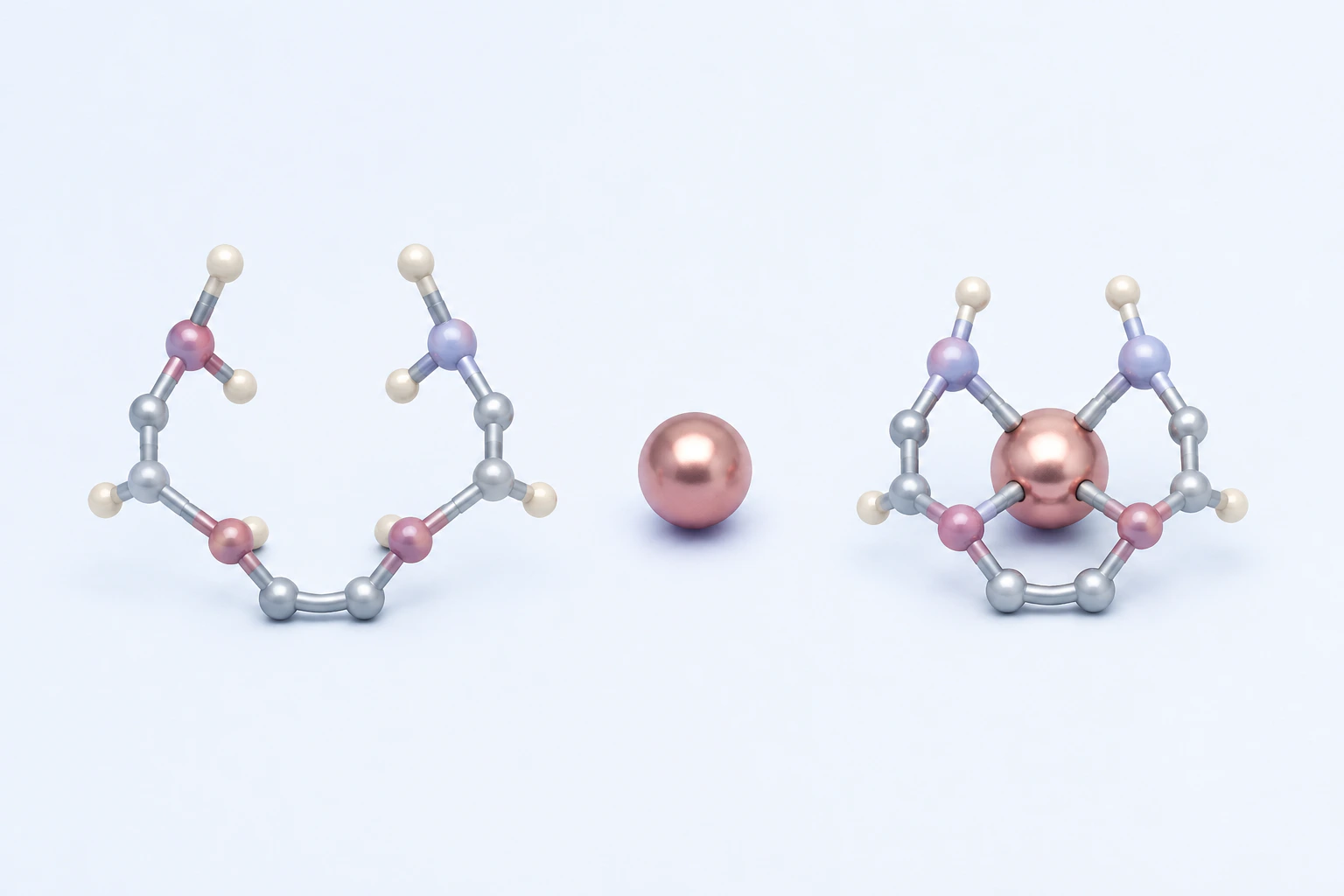
An open ligand teaching form, an isolated metal sphere, and a separate closed ligand-and-sphere model appear without arrows.
Mechanisms3 sources

Chelation Therapy

Chelation therapy uses high-affinity metal-binding molecules to form stable, excretable complexes with toxic metals, removing them from the body. The term derives from Greek "chele" (claw) -- the chelator grips the metal ion at multiple coordination sites. While chelati

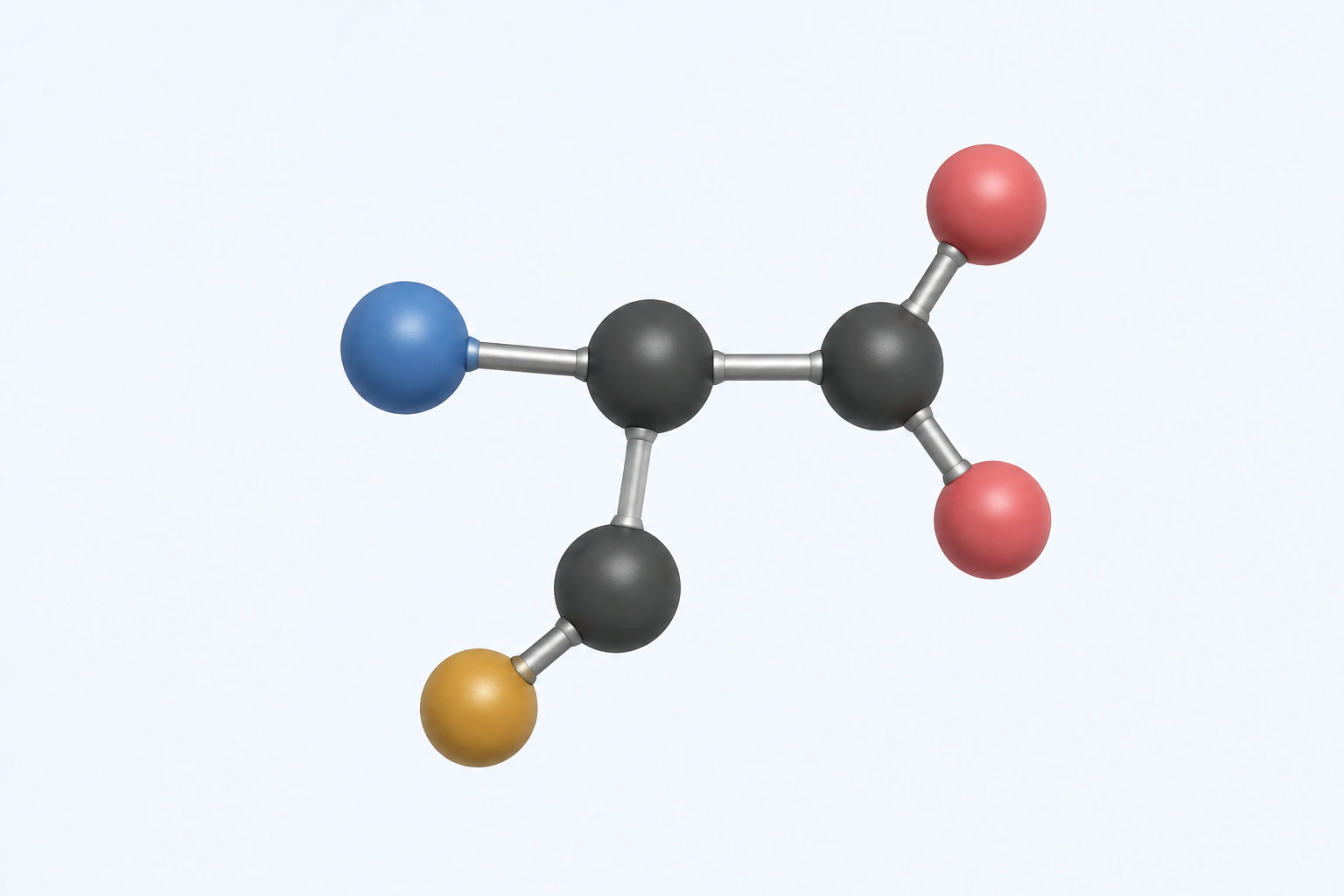
Single heavy-atom connectivity model of L-cysteine with three carbon centers, one nitrogen center, two oxygen centers, and one sulfur center.
Host defenses4 sources

Cysteine

Cysteine is a sulfur-containing amino acid whose thiol (-SH) group makes it the primary metal-binding residue in biology. It is the rate-limiting precursor for glutathione (the master intracellular antioxidant), a key residue in metallothioneins (metal-binding proteins)

H
Mechanisms3 sources

Histidine

Histidine is a semi-essential amino acid with a unique property that makes it central to metal biology: its imidazole side chain is one of the strongest biological metal-binding groups, coordinating zinc, nickel, copper, iron, and other transition metals in enzymes and

I
L
M
P