
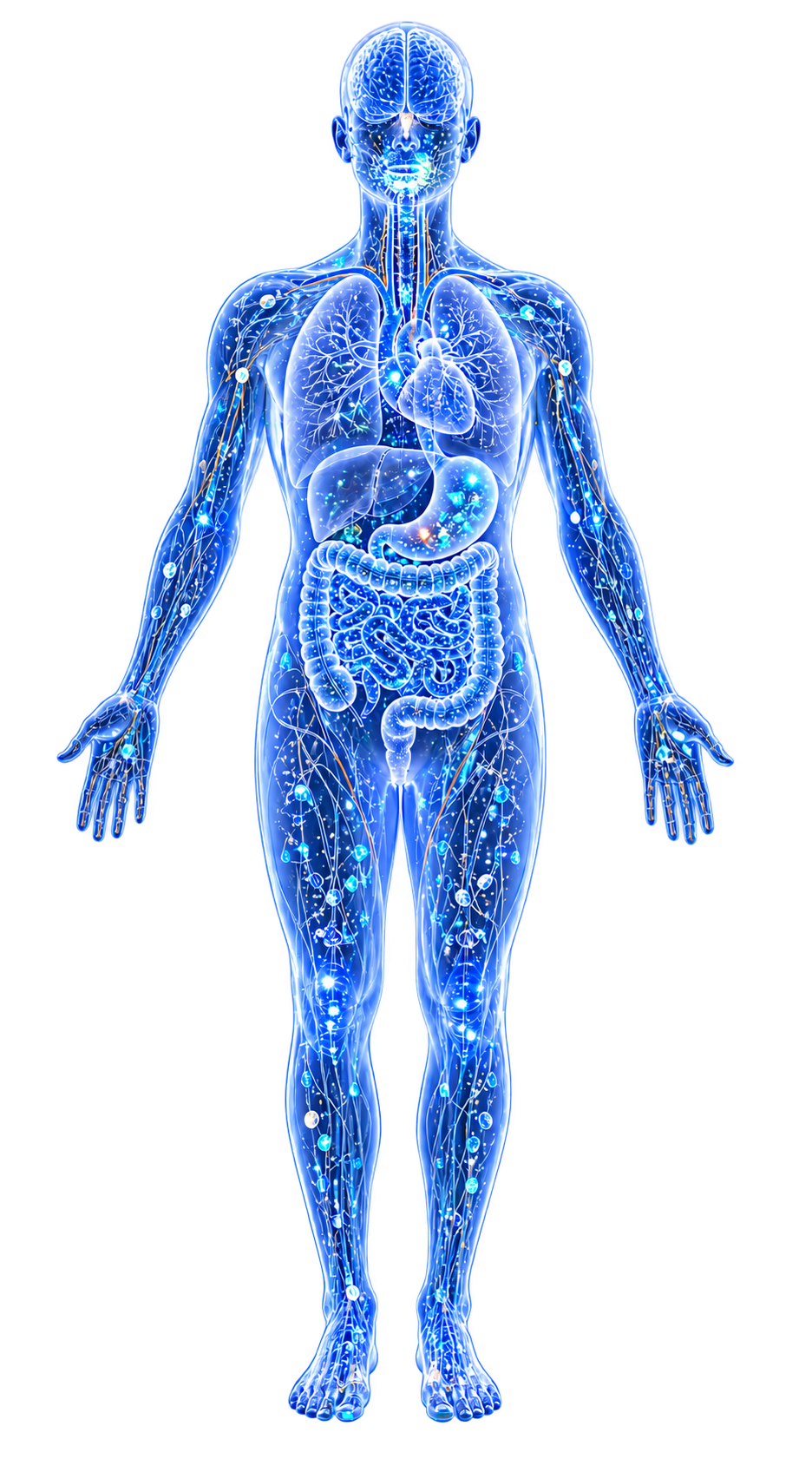
Metalloestrogens are metal ions that activate estrogen receptors and mimic the biological effects of estradiol, the primary endogenous estrogen. They represent a category of endocrine-disrupting compounds where the active agent is an inorganic metal rather than an organic xenoestrogen.
The term was introduced to describe the ability of certain metals—most notably cadmium, but also nickel, cobalt, copper, chromium, lead, mercury, tin, and vanadate—to bind estrogen receptor alpha (ERa) and/or the membrane estrogen receptor GPR30/GPER and activate downstream estrogenic signaling.
Contents
1. Cadmium: The Prototypical Metalloestrogen2. Nickel as a Metalloestrogen3. Relevance to Estrogen-Dependent Conditions4. Mechanistic Distinctions5. Key Research Gaps6. Connections to Other ConceptsCadmium: The Prototypical Metalloestrogen#
ERa Binding#
Cadmium is the best-characterized metalloestrogen. Key findings. Binding affinity: cadmium (Cd) binds ERa with a Kd of approximately 4.5 x 10^-10 M, nearly equivalent to estradiol's affinity.
Binding mechanism: cadmium occupies the ligand-binding domain (LBD) of ERa; it blocks 17beta-estradiol binding but does not alter the binding affinity of the remaining sites (competitive displacement).
Gene activation: cadmium activates classical ER target genes including cyclin D1, c-myc, and cathepsin D (CTD) in MCF-7, T-47D, and ZR-75-1 breast cancer cell lines at concentrations as low as 1 uM.
Cell proliferation: cadmium stimulates proliferation of ER-positive breast cancer cells in a manner indistinguishable from estradiol stimulation.
GPR30/GPER Pathway#
cadmium (Cd) also activates the membrane-bound estrogen receptor GPR30, inducing proliferative responses via the ERK-1/2 signaling cascade at concentrations of 50-500 nM in ER-negative cells. This is significant because it means cadmium can exert estrogenic effects even in tissues lacking classical nuclear estrogen receptors.
In Vivo and Chronic Exposure Evidence#
Exposure to 2.5 uM cadmium (Cd) for 40+ weeks transforms normal MCF-10A mammary epithelial cells to a basal-like phenotype with increased colony formation and invasive potential.
Epidemiological studies show positive correlation between urinary cadmium and breast cancer (McElroy et al.) cadmium accumulates preferentially in the mammary gland, with higher concentrations in malignant breast tumor tissue (0.053 ug/g) compared to normal tissue (0.02 ug/g).
Metallothioneins (MT) are primarily responsible for cadmium accumulation in breast cells; higher MT expression predicts cancer progression and drug resistance.
Beyond Estrogen Receptor Signaling#
The carcinogenic potential of cadmium (Cd) extends far beyond estrogenic activity. Epigenetic modifications: cadmium alters DNA methylation (both hypo- and hypermethylation), histone modifications, and miRNA/lncRNA expression; 997 genes epigenetically altered by cadmium in MCF-7 cells, with 400 associated with breast cancer.
Oxidative Stress: ROS generation, DNA repair enzyme (hOGG1) inhibition, disruption of NER and BER pathways. Epithelial-mesenchymal transition: cadmium promotes EMT by downregulating E-cadherin through Snail upregulation, enhancing migration and invasion.
Aneuploidy: CdCl2 (1-4 uM) and CdSO4 (0.033-0.134 uM) induce aneuploidy in human fibroblasts; estrogen itself also induces aneuploidy via Aurora kinase pathway, suggesting convergent genomic instability mechanisms.
Nickel as a Metalloestrogen#
Evidence for nickel as a metalloestrogen is supportive but weaker than for cadmium:
In Vitro Evidence#
MCF-7 cells treated with 10^-9 to 10^-6 M nickel (Ni) show 2-5 fold increase in cell growth. Nickel binds ERa through a noncompetitive mechanism—it does not alter Kd but decreases the number of estradiol binding sites. Microarray analysis of nickel-transformed mouse fibroblasts revealed overexpression of cyclin D1.
Nickel induces global loss of histone acetylation and H3K4 methylation, with increased H3K9 methylation (gene silencing marks), including at tumor suppressor gene regions (p53, p16).
Clinical Observations#
Nickel allergy prevalence is approximately twice as high in women as in men, with some evidence suggesting hormonal modulation of nickel sensitivity across the menstrual cycle.
In endometriosis patients, 90.3% tested positive for nickel allergic contact mucositis; a 3-month low-nickel diet significantly improved not only GI symptoms but also gynecological symptoms (dysmenorrhea, dyspareunia, pelvic pain), suggesting nickel-estrogen pathway overlap.
Nickel has been described as having "greater influence in women" in endometriosis-related studies.
Epidemiological Gaps#
No robust epidemiological data directly linking nickel exposure to breast cancer risk. Toenail nickel studies and meta-analyses have not found significant associations with breast cancer. The disconnect between in vitro estrogenic activity and epidemiological null results remains unresolved.
Relevance to Estrogen-Dependent Conditions#
Breast Cancer#
Heavy metal metalloestrogen activity is most studied in the context of breast cancer. Elevated copper (Cu), cadmium (Cd) levels and decreased selenium (Se), zinc (Zn) are consistently found in breast cancer patients. The copper/zinc ratio is increased in breast cancer blood/serum.
Metallomic signatures may eventually complement traditional diagnostic approaches.
Polycystic Ovary Syndrome (PCOS)#
PCOS is characterized by hyperandrogenism and is influenced by environmental endocrine disruptors. Studies have documented elevated levels of multiple Heavy Metals (including cadmium (Cd) and nickel (Ni)) in PCOS patients compared to controls. Metal-induced disruption of estrogen/androgen balance may contribute to ovarian dysfunction and metabolic complications.
Endometriosis#
Metals including nickel (Ni), cadmium (Cd), lead (Pb), and chromium (Cr) have been detected in peritoneal fluid of endometriosis patients. The remarkable prevalence of nickel sensitivity in endometriosis patients (90.3%) and the improvement of endometriosis symptoms on low-nickel diets suggest that dietary nickel may potentiate the estrogen-dependent proliferative processes underlying endometriosis.
Fertility and Pregnancy#
Lead, cadmium, and arsenic exposure is associated with infertility risk. NHANES data show associations between heavy metal burden and reduced fertility in women of reproductive age. Cadmium's estrogenic activity may disrupt the precisely timed hormonal signaling required for ovulation, implantation, and pregnancy maintenance.
Mechanistic Distinctions#
It is important to distinguish metalloestrogen activity from other mechanisms of metal-induced reproductive toxicity:
| Mechanism | Example | Pathway |
|---|---|---|
| Direct ER binding (metalloestrogen) | cadmium (Cd) binding ERa LBD | Classical estrogenic signaling |
| Membrane receptor activation | cadmium activating GPR30 | ERK-1/2, rapid non-genomic signaling |
| Epigenetic gene silencing | nickel (Ni) silencing p16/p53 via histone methylation | Loss of tumor suppression |
| Oxidative stress | Multiple metals generating ROS | DNA damage, lipid peroxidation |
| Zinc displacement | cadmium replacing zinc (Zn) in zinc-finger proteins | Disrupted transcription factor function |
| Thyroid disruption | cadmium inhibiting deiodinases | Altered T4/T3 ratio affecting metabolism |
In practice, these mechanisms operate simultaneously, and the net effect on estrogen-dependent tissues reflects their combined action.
Open Questions#
Unresolved questions identified by the current evidence record.
01No studies have evaluated chronic low-dose metalloestrogen exposure during critical developmental windows (prenatal, puberty, postmenopausal)+
The current WikiBiome record identifies this as an unresolved evidence gap.
02The interaction between metalloestrogen exposure and genetic susceptibility (e.g., BRCA1/2 carriers, CYP polymorphisms) is unexplored+
The current WikiBiome record identifies this as an unresolved evidence gap.
03Whether metalloestrogen activity is additive, synergistic, or antagonistic with organic xenoestrogens (BPA, phthalates) is unknown+
The current WikiBiome record identifies this as an unresolved evidence gap.
04The contribution of the Gut Microbiome's estrobolome to metalloestrogen processing has not been investigated+
The current WikiBiome record identifies this as an unresolved evidence gap.
Connections to Other Concepts#
Mis-Metallation—metalloestrogen binding to ERa is a specialized form of mis-metallation where a metal occupies a hormone receptor ligand-binding site. Gut-Metal-Microbiome Interactions—the estrobolome (gut microbial estrogen metabolism) may be disrupted by metals, compounding metalloestrogen effects.
Ferroptosis—cadmium's effects on iron homeostasis and oxidative stress connect to ferroptotic pathways in estrogen-responsive tissues. Environmental Metal Exposure—dietary cadmium (rice, leafy vegetables, shellfish) and nickel (legumes, chocolate, grains) represent the primary exposure routes for metalloestrogen effects.
Metallomics—metallomic profiling of breast tissue, peritoneal fluid, and blood can detect the metal signatures associated with estrogenic disruption. Ovarian Cancer—cadmium (Cd) and nickel (Ni) as metalloestrogens driving ovarian cell proliferation via ERa binding.
References 13
Numbered by first appearance in the article, then reconciled with its declared source list.
- 1
★Aquino NB, Sevigny MB, Sabangan J et al. (2012). Role of Cadmium and Nickel in Estrogen Receptor Signaling and Breast Cancer: Metalloestrogens or Not?. Journal of Environmental Science and Health Part C - Environmental Carcinogenesis and Ecotoxicology Reviews.
- 2
Tarhonska K, Lesicka M, Janasik B et al. (2022). Cadmium and breast cancer - Current state and research gaps in the underlying mechanisms. Toxicology Letters.
- 3
Borghini R, Porpora MG, Casale R et al. (2020). Irritable Bowel Syndrome-Like Disorders in Endometriosis: Prevalence of Nickel Sensitivity and Effects of a Low-Nickel Diet. An Open-Label Pilot Study. Nutrients.
- 4
★Ali AS, Nazar ME, Mustafa RM et al. (2024). Impact of heavy metals on breast cancer (Review). World Academy of Sciences Journal.
- 5
★Liu L, Chen J, Liu C et al. (2022). Relationships Between Biological Heavy Metals and Breast Cancer: A Systematic Review and Meta-Analysis. Frontiers in Nutrition.
- 6
Niehoff NM, O'Brien KM, Keil AP et al. (2021). Metals and Breast Cancer Risk: A Prospective Study Using Toenail Biomarkers. American Journal of Epidemiology.
- 7
Giuseppe Genchi, Maria Stefania Sinicropi, Graziantonio Lauria et al. (2020). The Effects of Cadmium Toxicity. International Journal of Environmental Research and Public Health.
- 8
★Kirmizi DA, Baser E, Turksoy VA et al. (2020). Are Heavy Metal Exposure and Trace Element Levels Related to Metabolic and Endocrine Problems in Polycystic Ovary Syndrome?. Biological Trace Element Research.
- 9
Lopez-Botella A, Gomez-Torres MJ, Sanchez R et al. (2023). Elevated Lead, Nickel, and Bismuth Levels in the Peritoneal Fluid of a Peritoneal Endometriosis Patient without Toxic Habits or Occupational Exposure following a Vegetarian Diet. Toxics.
- 10
Ding R, Ruan Y, He X et al. (2021). Pregnancy complications effect on the nickel content in maternal blood, placenta blood and umbilical cord blood during pregnancy. World J Clin Cases.
- 11
Bonamonte D, Foti C, Antelmi AR et al. (2005). Nickel contact allergy and menstrual cycle. Contact Dermatitis.
- 12
Lin J, Lin X, Qiu J et al. (2023). Association between heavy metals exposure and infertility among American women aged 20-44 years: A cross-sectional analysis from 2013 to 2018 NHANES data. Frontiers in Public Health.
- 13
Canipari R, De Santis L, Cecconi S (2020). Female Fertility and Environmental Pollution. International Journal of Environmental Research and Public Health.
Article network
Mentioned here 9
Pages linking here 32
Connect the evidence
Publicly readable discussion by ORCID-authenticated researchers. Questions, interpretation, methods, corrections, and new evidence stay attached to this record.
No discussion yet. Start with a precise question or a source-backed observation.
Activity and accepted changes
Accepted researcher context, editorial status, public discussion, and upstream Git revisions are shown together. Pending, declined, and withdrawn proposals remain private.
- published revision
Backfill heavy metals concept links
Karen Pendergrass · +1 −1
Inspect exact Git diff ↗ - published revision
Backfill oxidative stress concept links
Karen Pendergrass · +1 −1
Inspect exact Git diff ↗ - published revision
Backfill gut microbiome concept links
Karen Pendergrass · +1 −1
Inspect exact Git diff ↗ - published revision
massive wiki expansion: 149 stubs fixed, 100+ new pages, Rule 15 scan, keystone papers
WikiBiome Deploy Bot · +8 −8
Inspect exact Git diff ↗ - published revision
nightly maintenance: 94 stub demotions, 181 source_count fixes, 22 auto-discovered stubs, 5 adversarial audits, 3 boundary fixes, 3 evidence-level corrections
WikiBiome Deploy Bot · +1 −0
Inspect exact Git diff ↗ - published revision
pre-overnight checkpoint 2026-04-18
WikiBiome Deploy Bot · +3 −1
Inspect exact Git diff ↗ - published revision
WikiBiome update — 2026-04-15 17:23
WikiBiome Deploy Bot · +0 −1
Inspect exact Git diff ↗ - published revision
WikiBiome v2 migration: signature pages + safety fixes + gap analysis
WikiBiome Deploy Bot · +1 −0
Inspect exact Git diff ↗ - published revision
WikiBiome update — integrity fixes, metallomic diet pages, cross-condition analyses
WikiBiome Deploy Bot · +19 −0
Inspect exact Git diff ↗ - published revision
WikiBiome v7 — interactive microbiome metallomics encyclopedia
Karen Pendergrass · +109 −0
Inspect exact Git diff ↗