WikiBiomeThe human microbiome encyclopedia
WikiBiome/Search: “graves”
Encyclopedia search

Search: “graves”

Ranked matches across titles, topics, categories, and article introductions.

18 records in this view
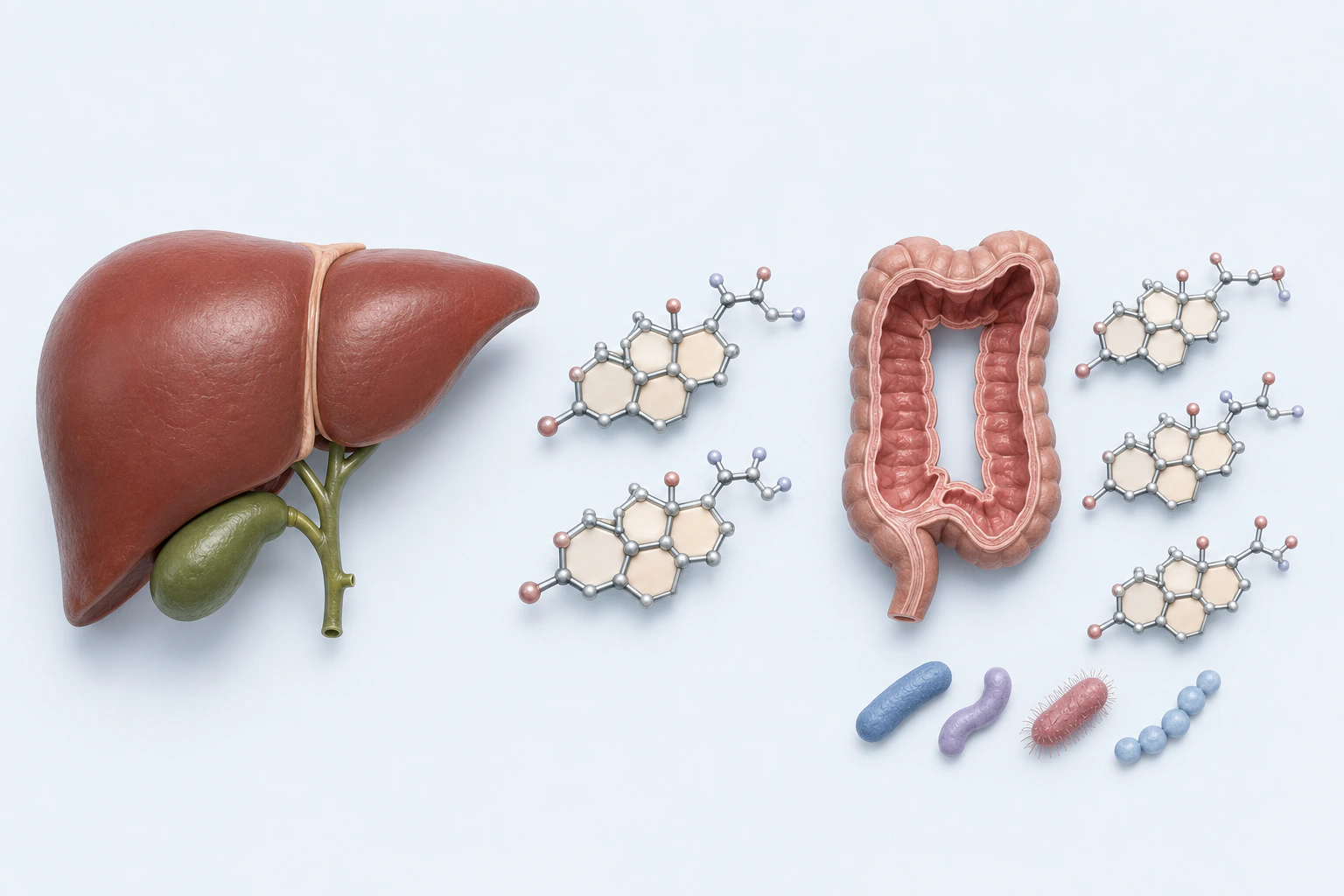
Separated liver and gallbladder, steroid-like tokens, and colon-with-microbial-context teaching groups orient bile acid metabolism without arrows.
Mechanisms8 sources

Bile Acid Metabolism

Bile acids are cholesterol-derived amphipathic molecules synthesized in the liver, secreted into the duodenum, and extensively modified by gut bacteria. The host-microbe co-metabolism of bile acids creates a signaling network with profound effects on lipid metabolism, g

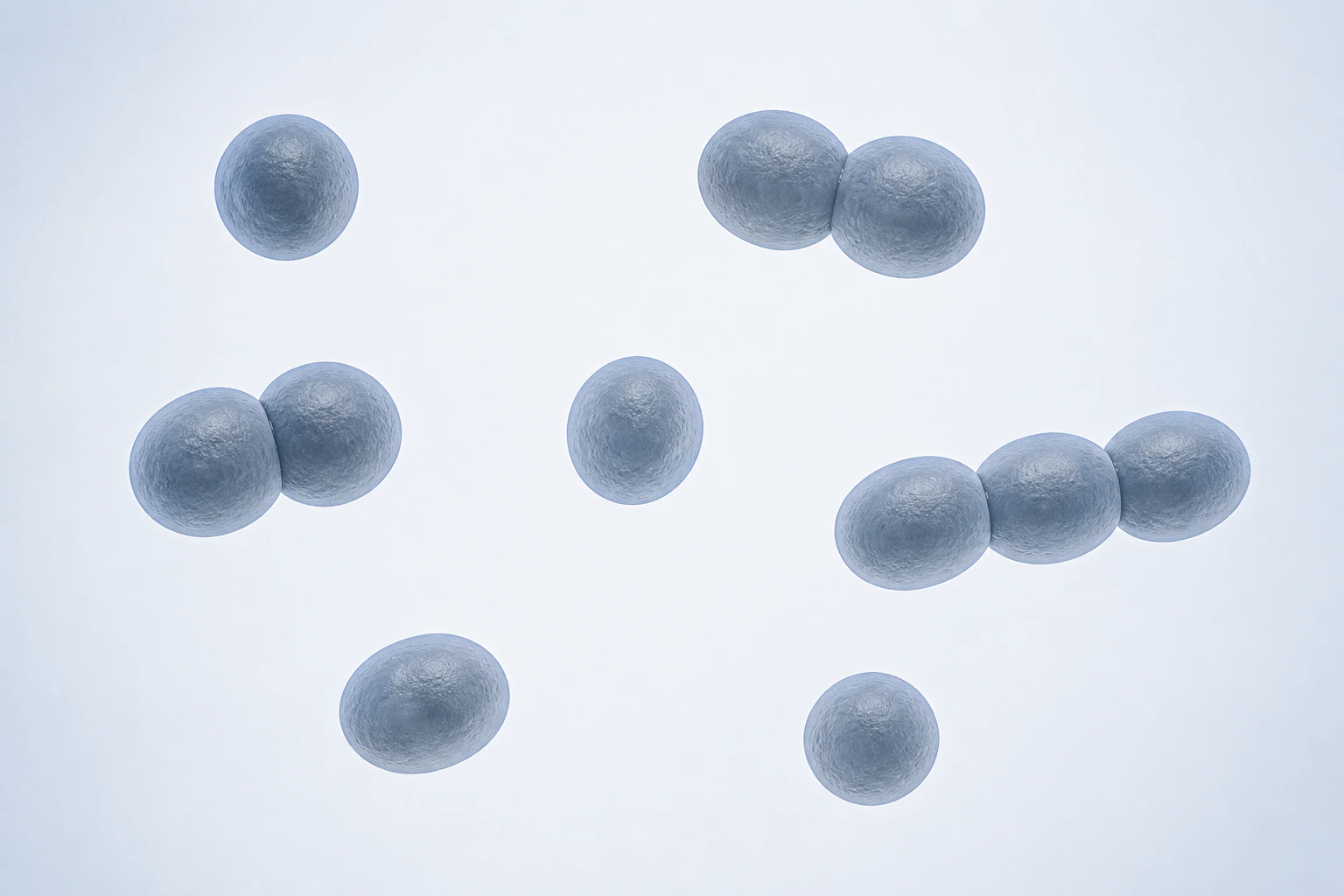
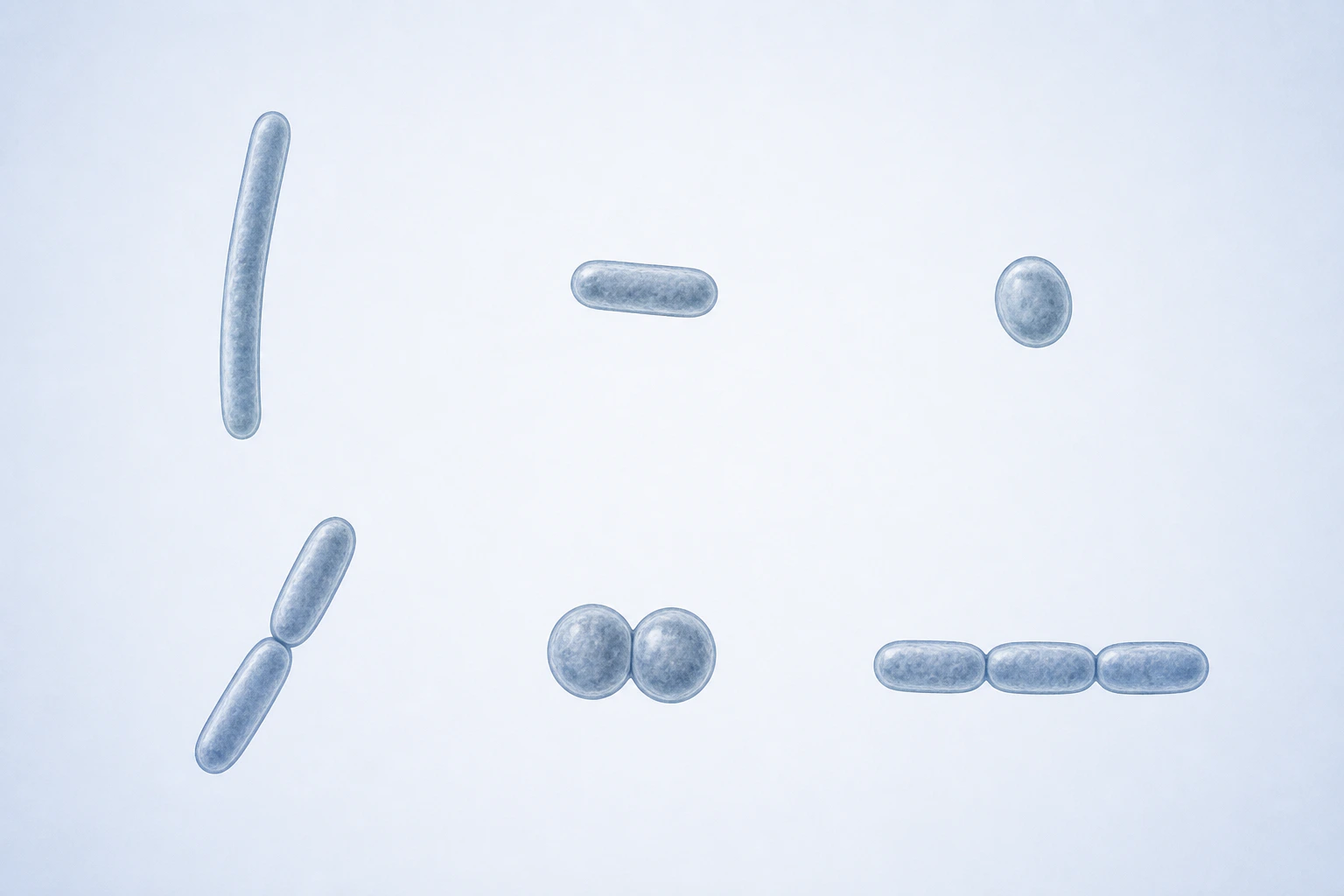
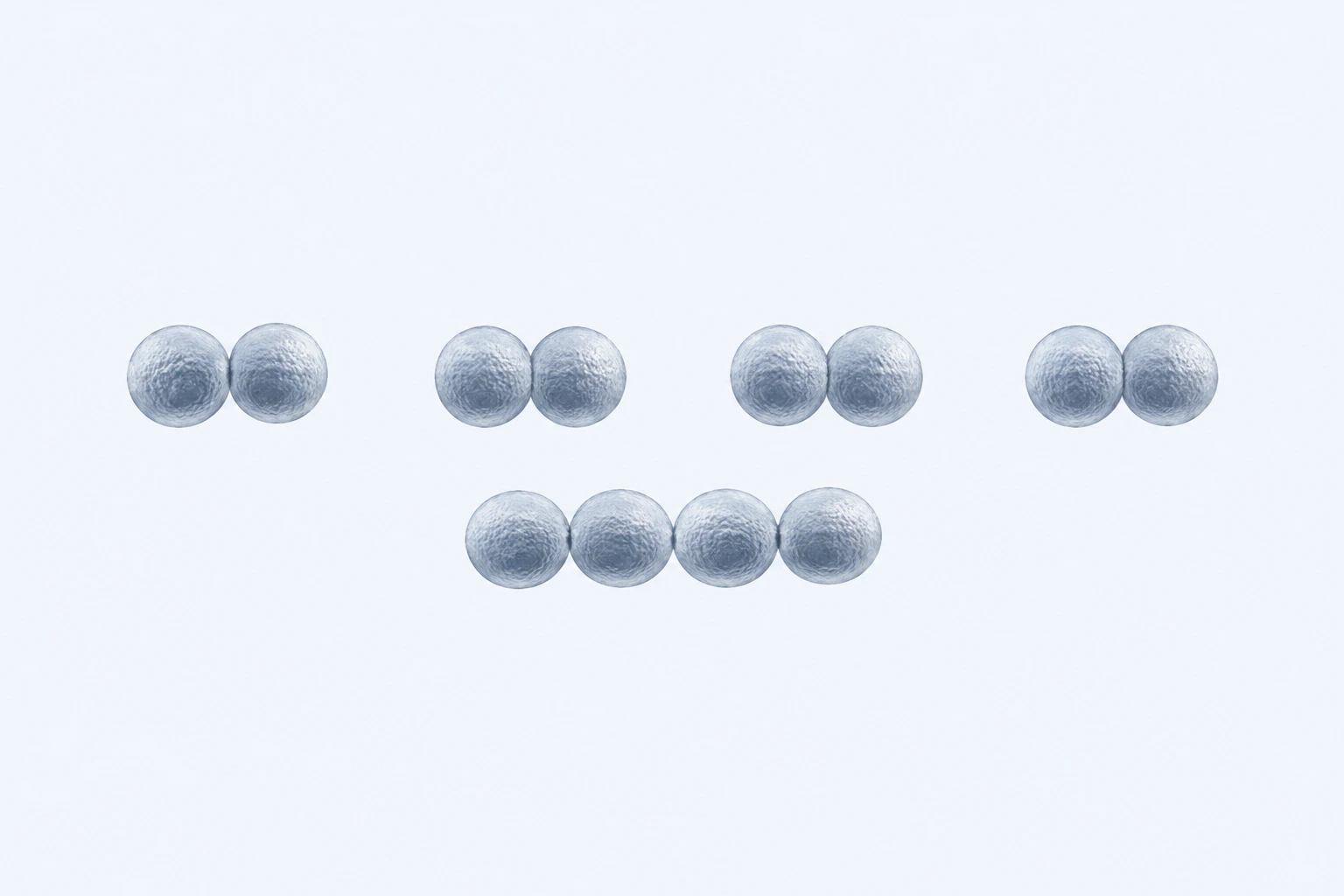
Eleven selected Enterococcus spherical-to-ovoid bodies appear in seven groupings: four singles, two touching pairs, and one short three-cell chain.
Microorganisms3 sources

Enterococcus

A genus of Gram-positive bacteria (primarily E. faecalis and E. faecium) that exemplifies the metal-antibiotic resistance co-selection crisis. Enterococci carry diverse metal tolerance genes for mercury, arsenic, copper, and cadmium on the same mobile genetic elements a

Other0 sources

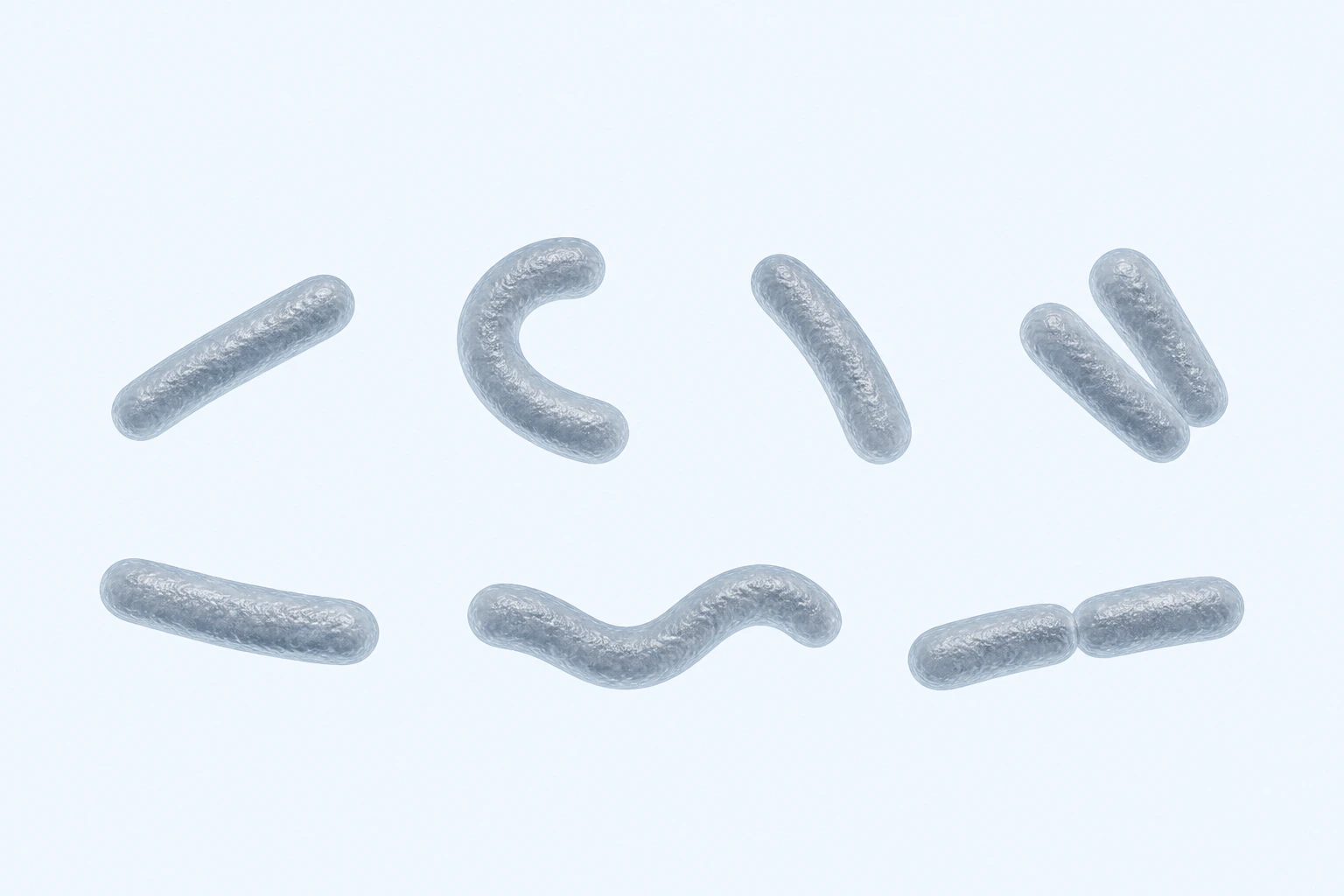
Intestinibacter

Intestinibacter bartlettii is a Gram-positive, obligate anaerobic, spore-forming bacterium within the Firmicutes phylum (Peptostreptococcaceae family). It is a relatively understudied gut commensal that has emerged in Mendelian randomization and metagenomic studies with

Mechanisms3 sources

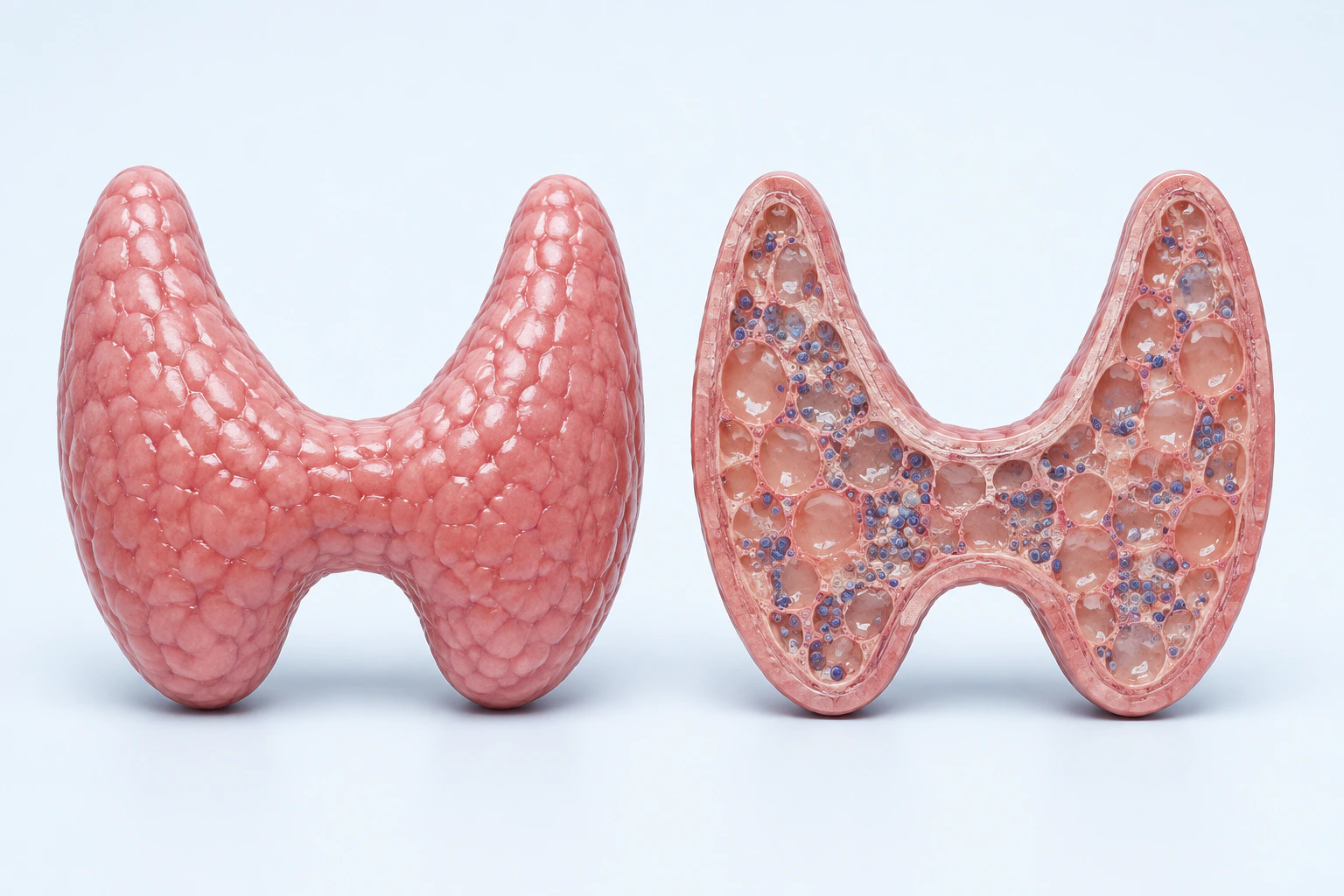
Thyroid Autoimmunity

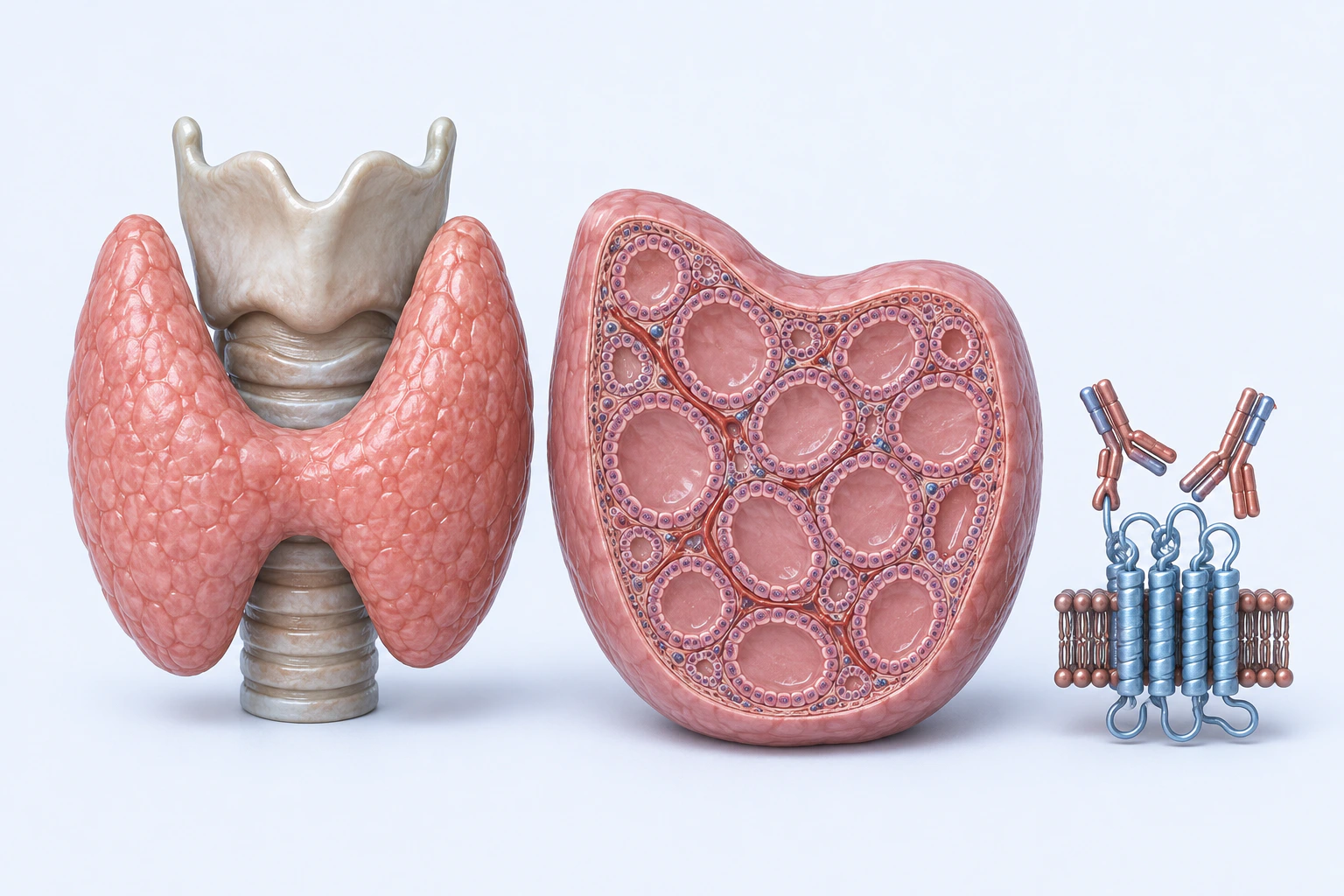
Autoimmune thyroid diseases (AITDs) -- hashimotos thyroiditis and graves disease -- are the most common organ-specific autoimmune conditions, affecting 5-10% of the global population. The thyroid gland sits at a remarkable intersection of metal biology and immune regula