WikiBiomeThe human microbiome encyclopedia
WikiBiome/Search: “endometriosis”
Encyclopedia search

Search: “endometriosis”

Ranked matches across titles, topics, categories, and article introductions.

74 records in this view
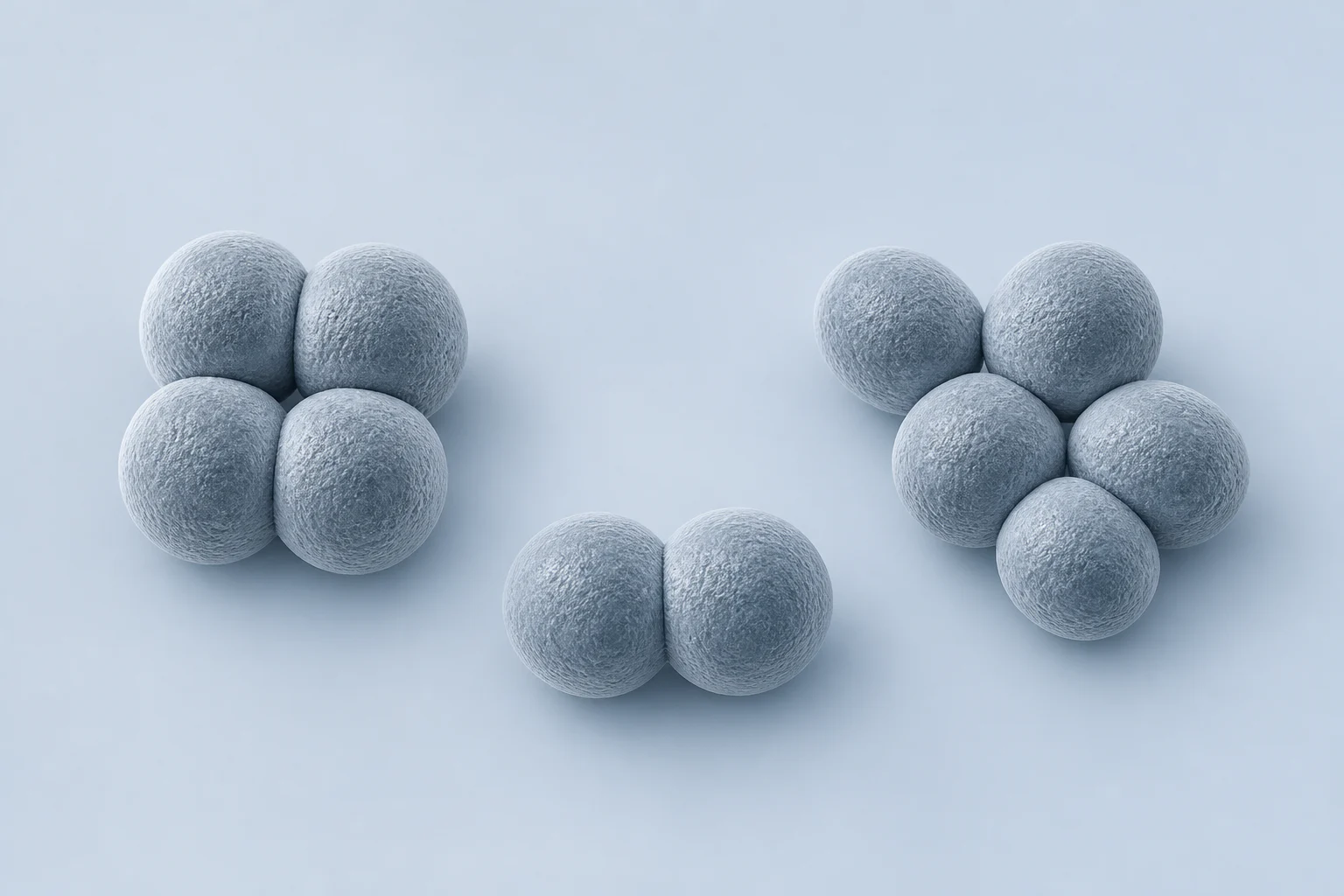
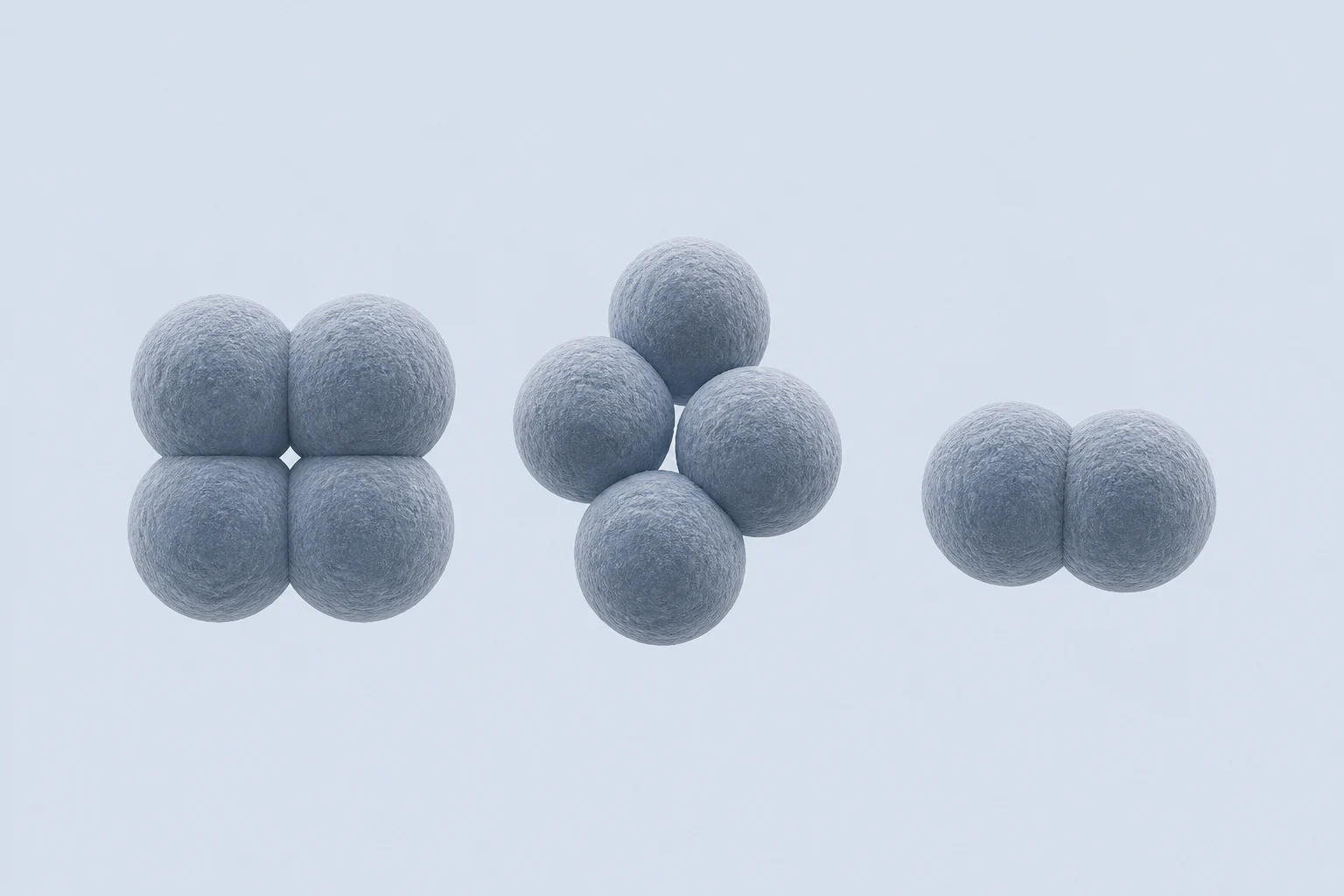
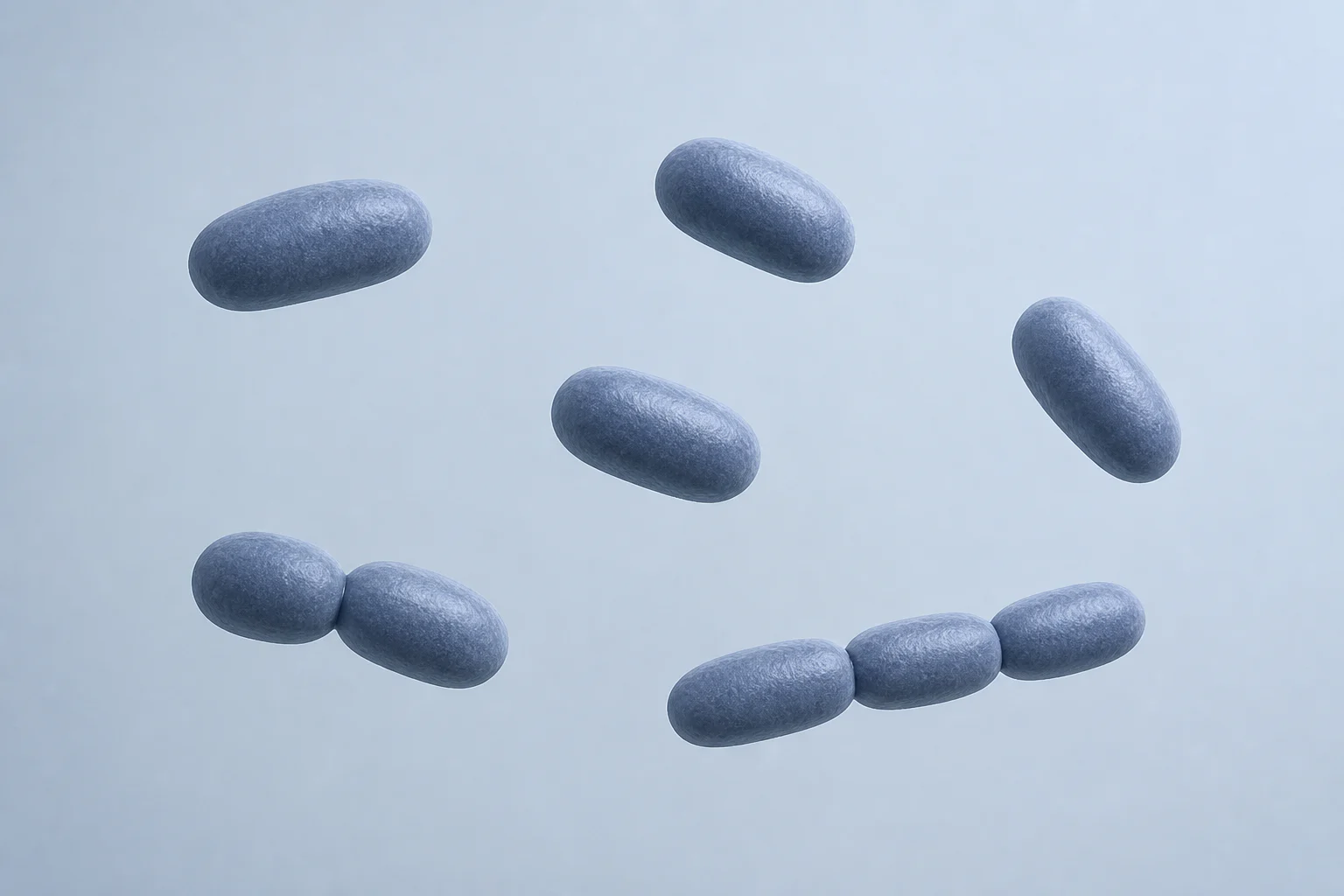
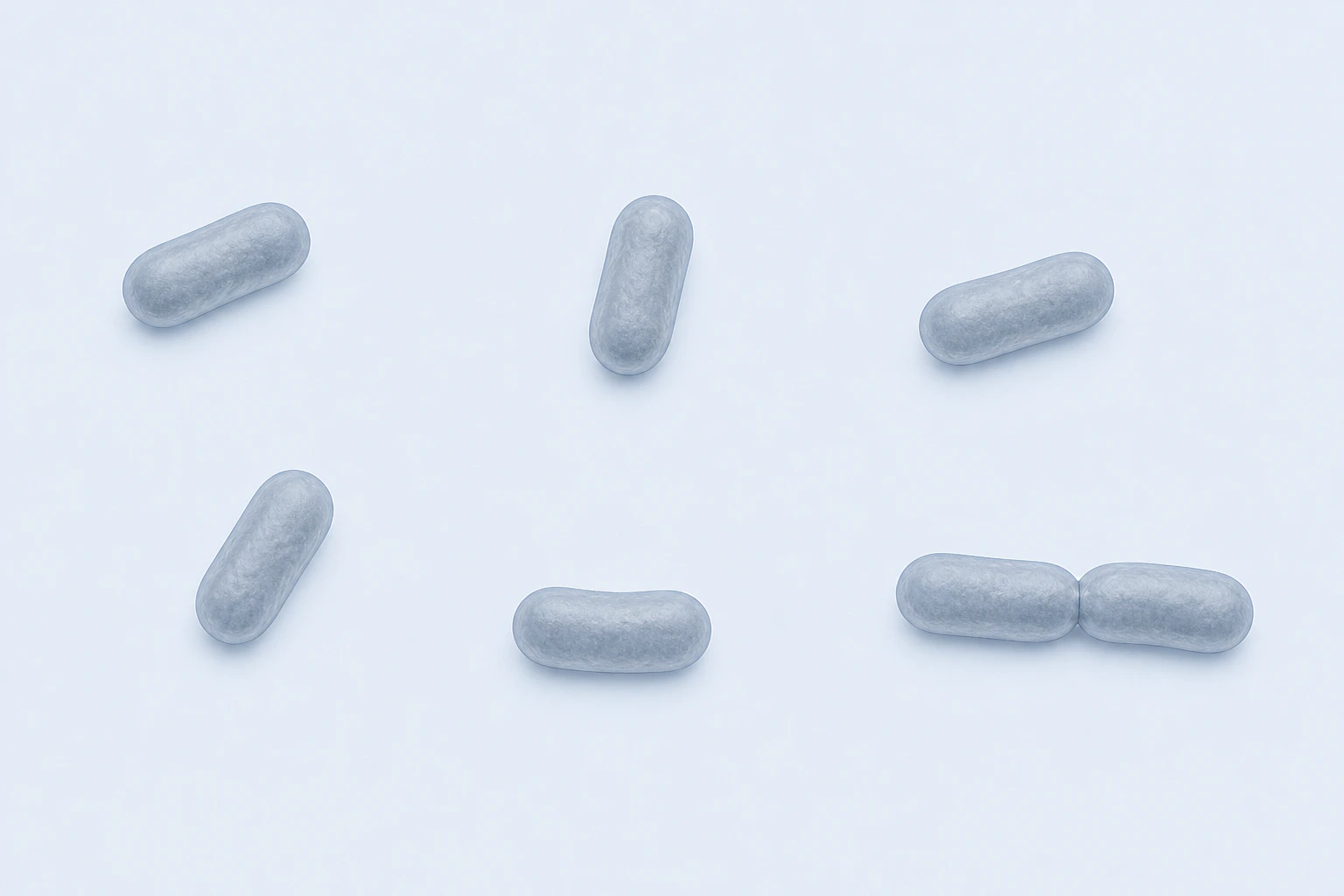
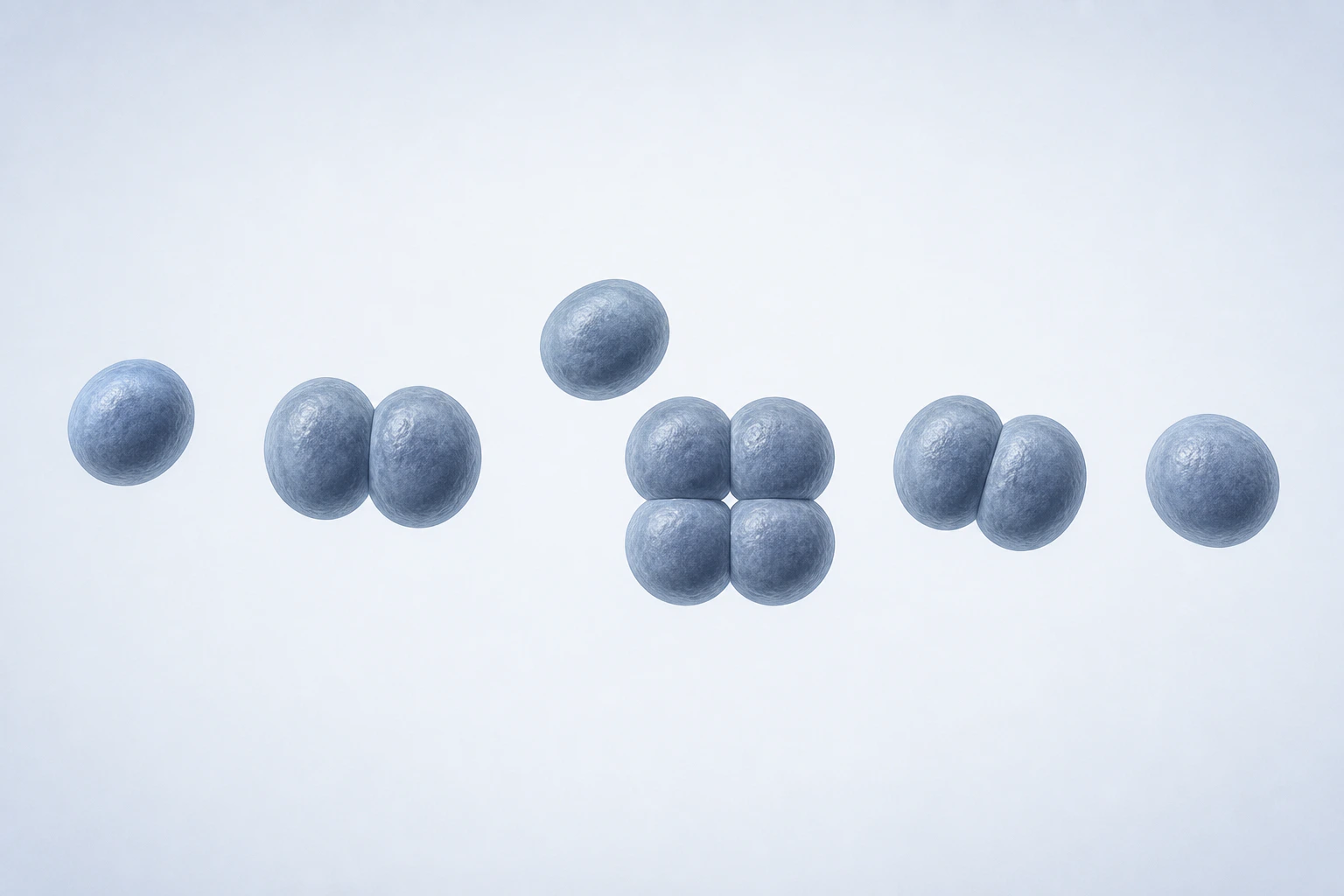
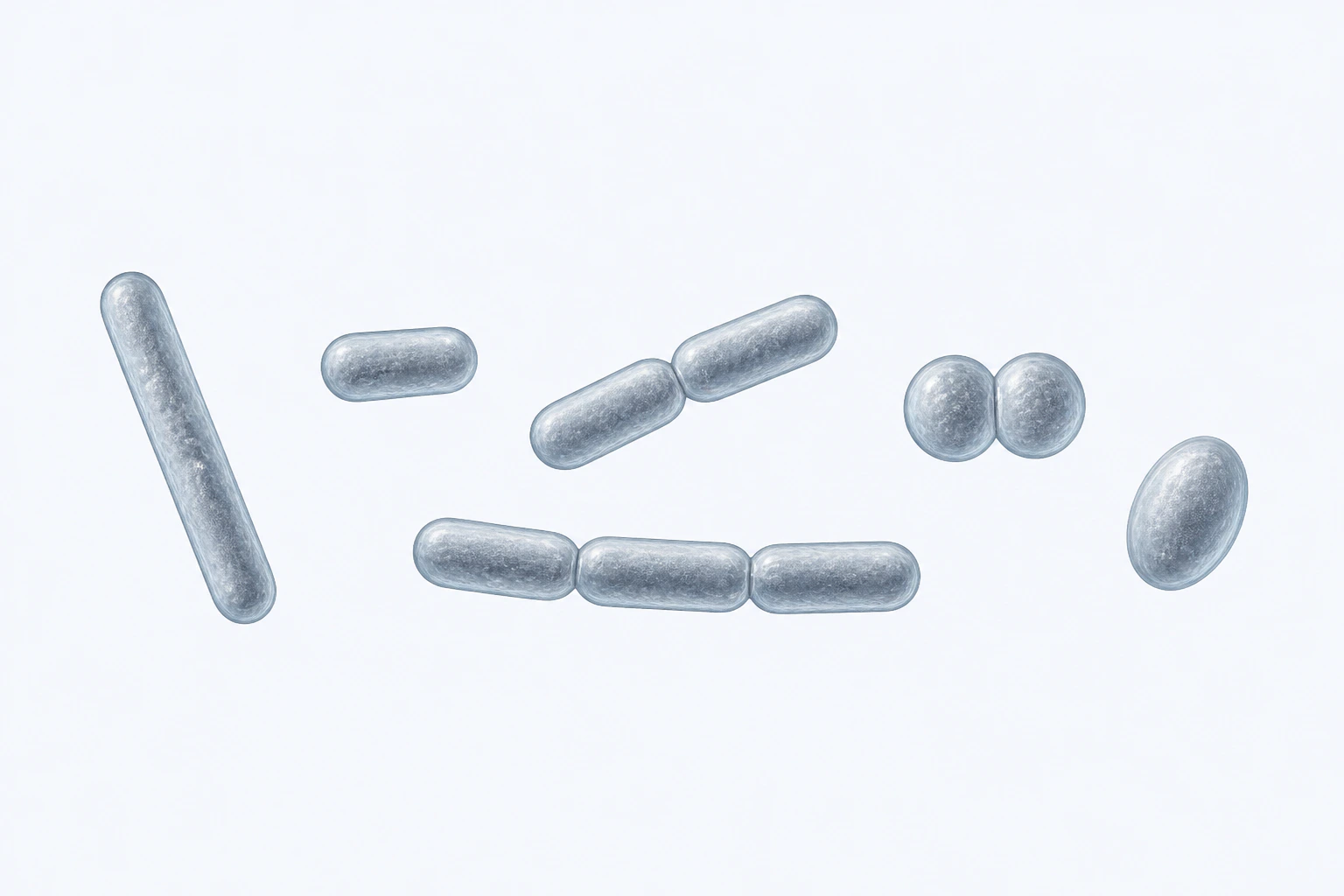
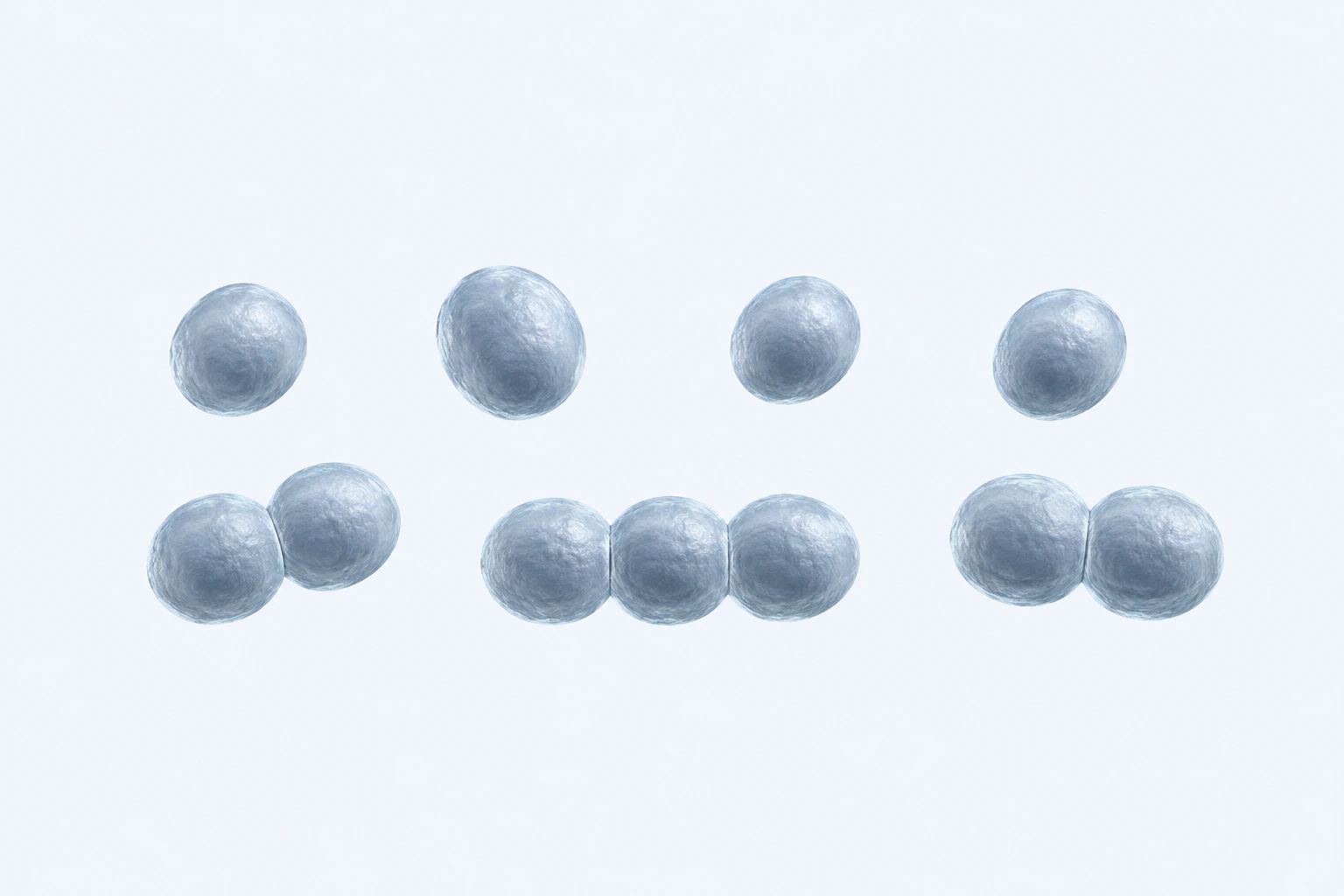
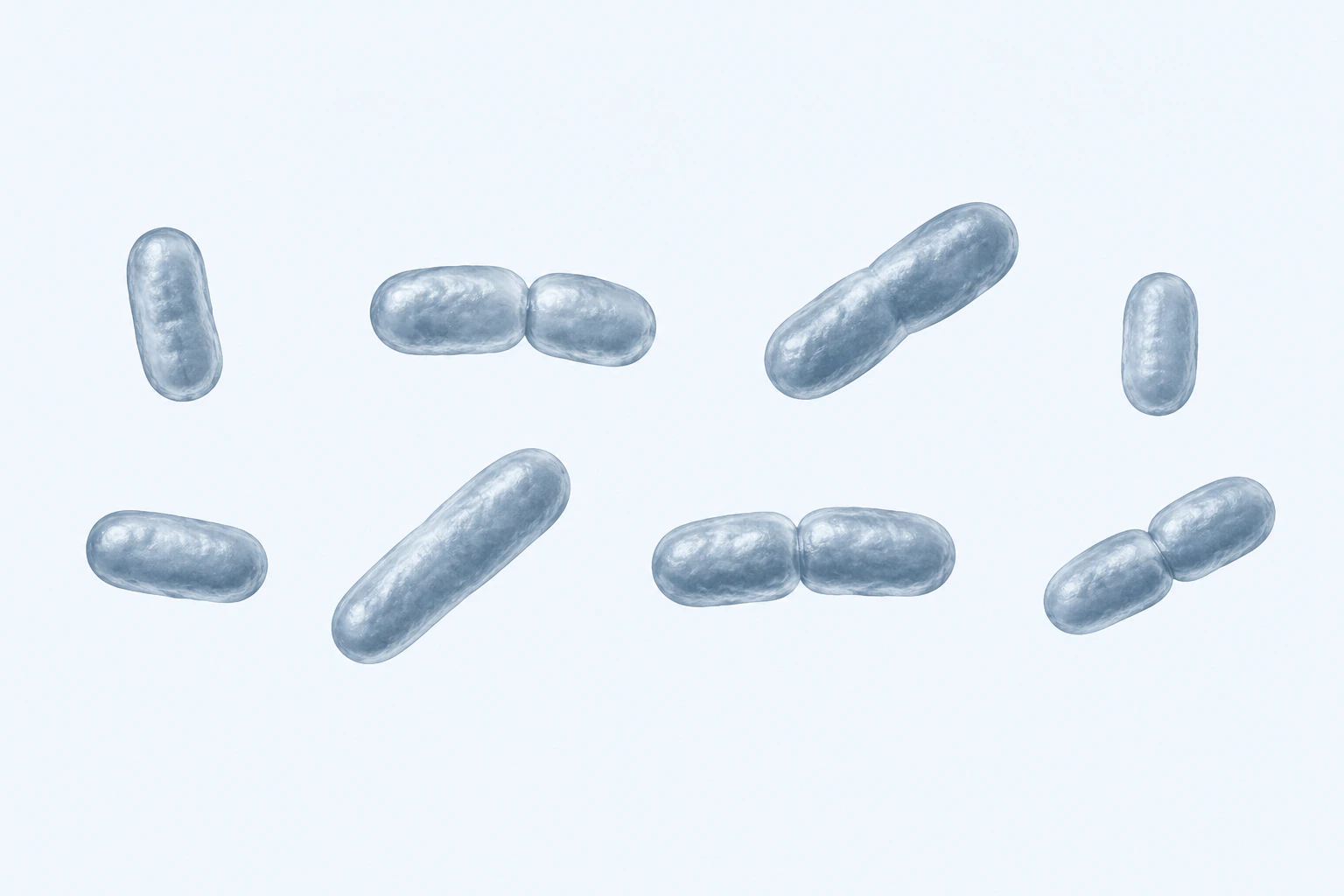
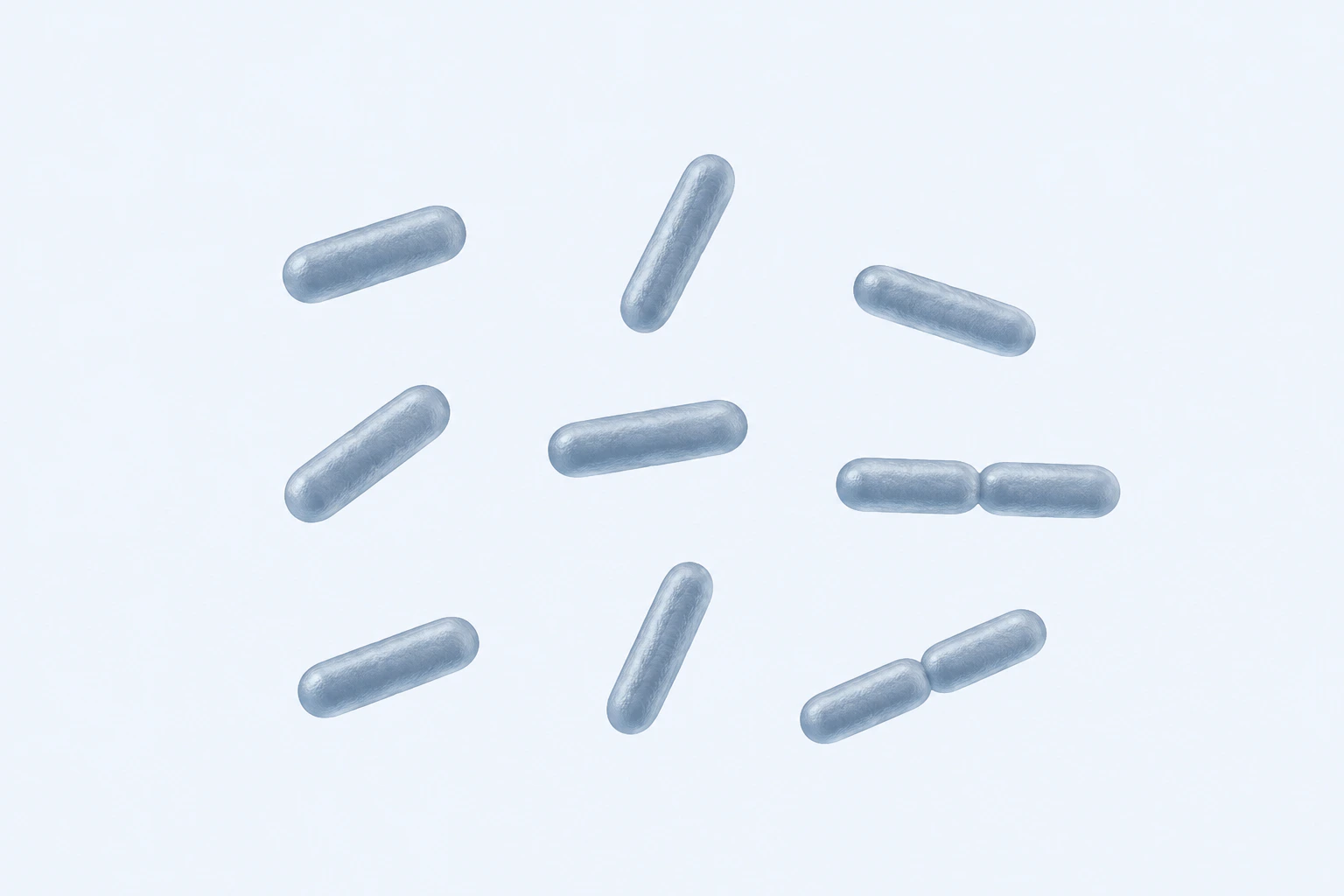
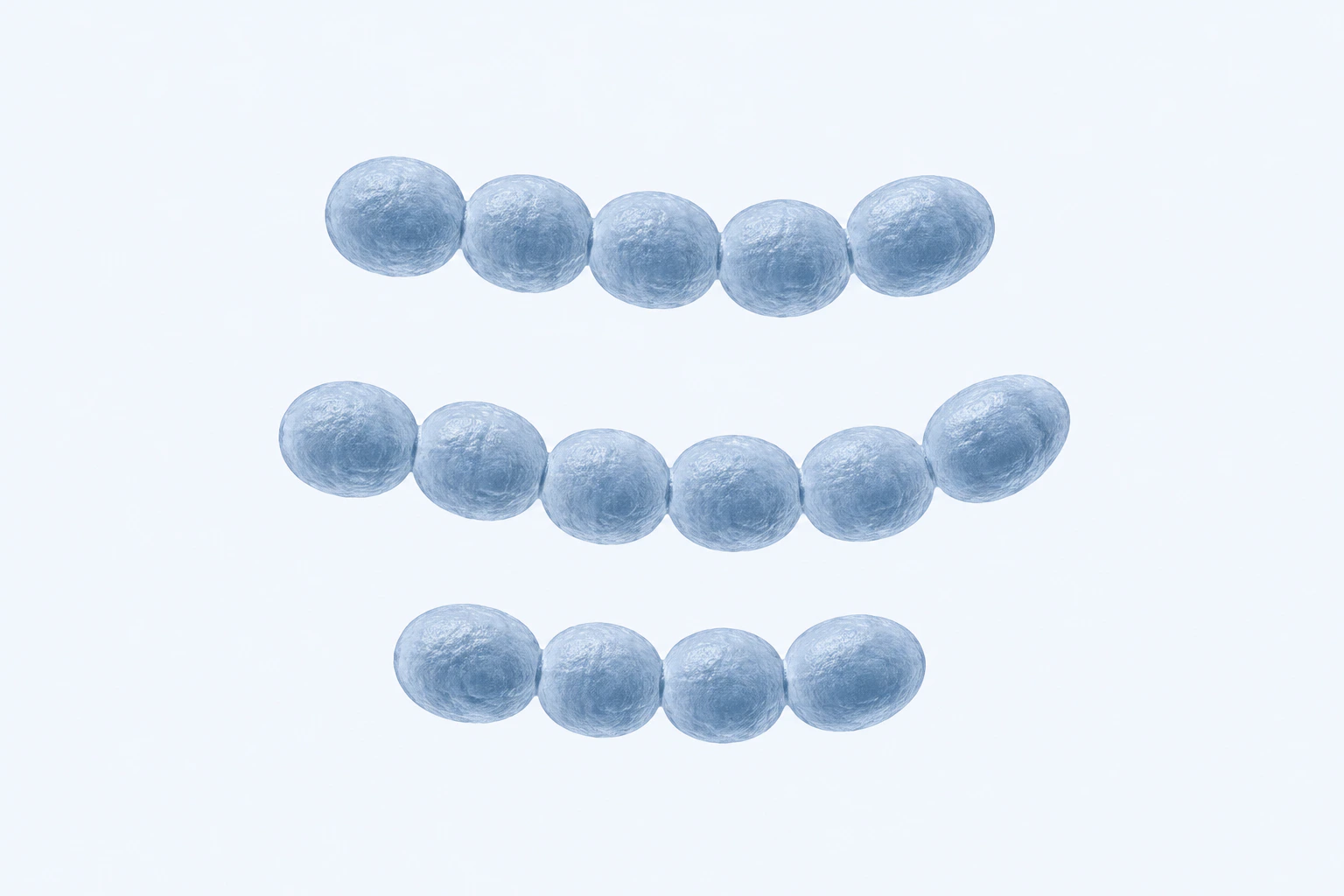
Eleven selected Gemella coccoid bodies appear in six groupings: three singles, two touching pairs, and one compact tetrad.
Microorganisms7 sources

Gemella

Gemella is a genus of Gram-positive, facultatively anaerobic cocci that are normal commensals of the oral cavity. Species include G. morbillorum, G. haemolysans, and G. sanguinis. In the WikiBiome context, Gemella is notable for its oral-gut translocation pattern — an o

Reference0 sources

Glossary

Alphabetical definitions of specialist terms used throughout this wiki. Where a full concept page exists, the term links to it. --- AhR (aryl hydrocarbon receptor) -- A ligand-activated transcription factor that senses microbial metabolites (especially indoles from tryp

Mechanisms5 sources

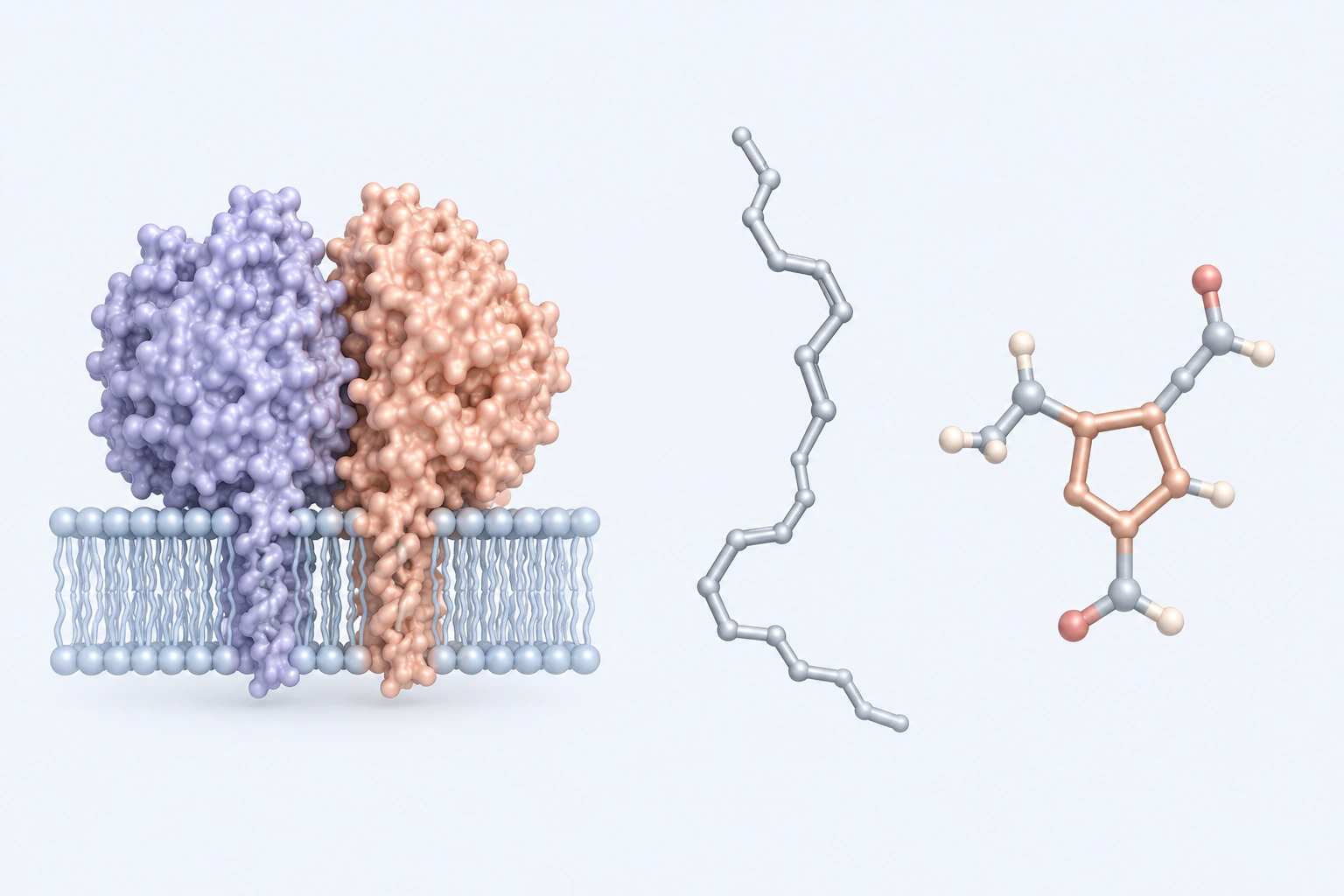
Isoflavones

Isoflavones (genistein, daidzein, glycitein) are phytoestrogens found primarily in soy products. They bind estrogen receptors (ERα and ERβ) with weak agonist/antagonist activity and are among the most microbiome-dependent dietary bioactives — their clinical effects depe

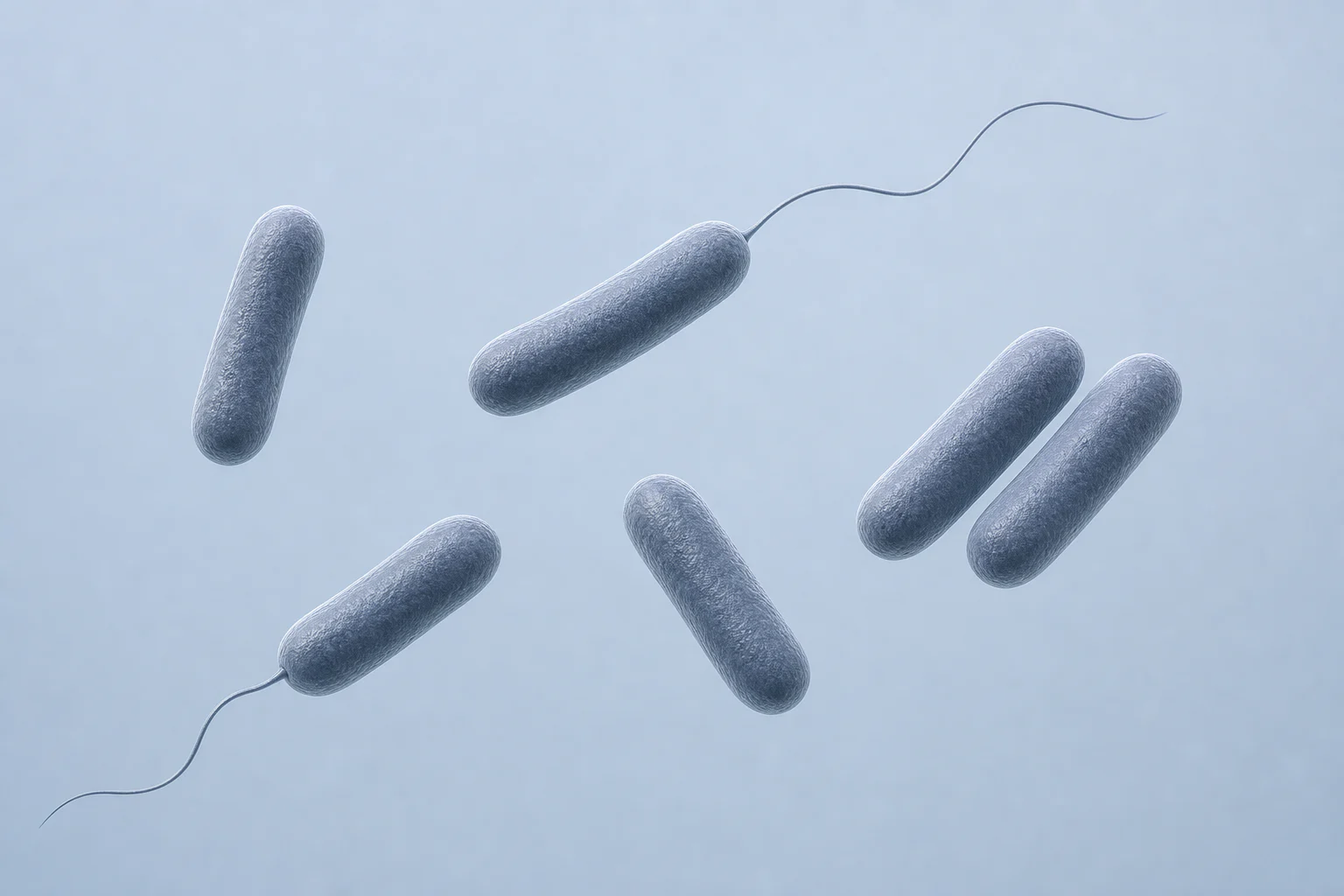
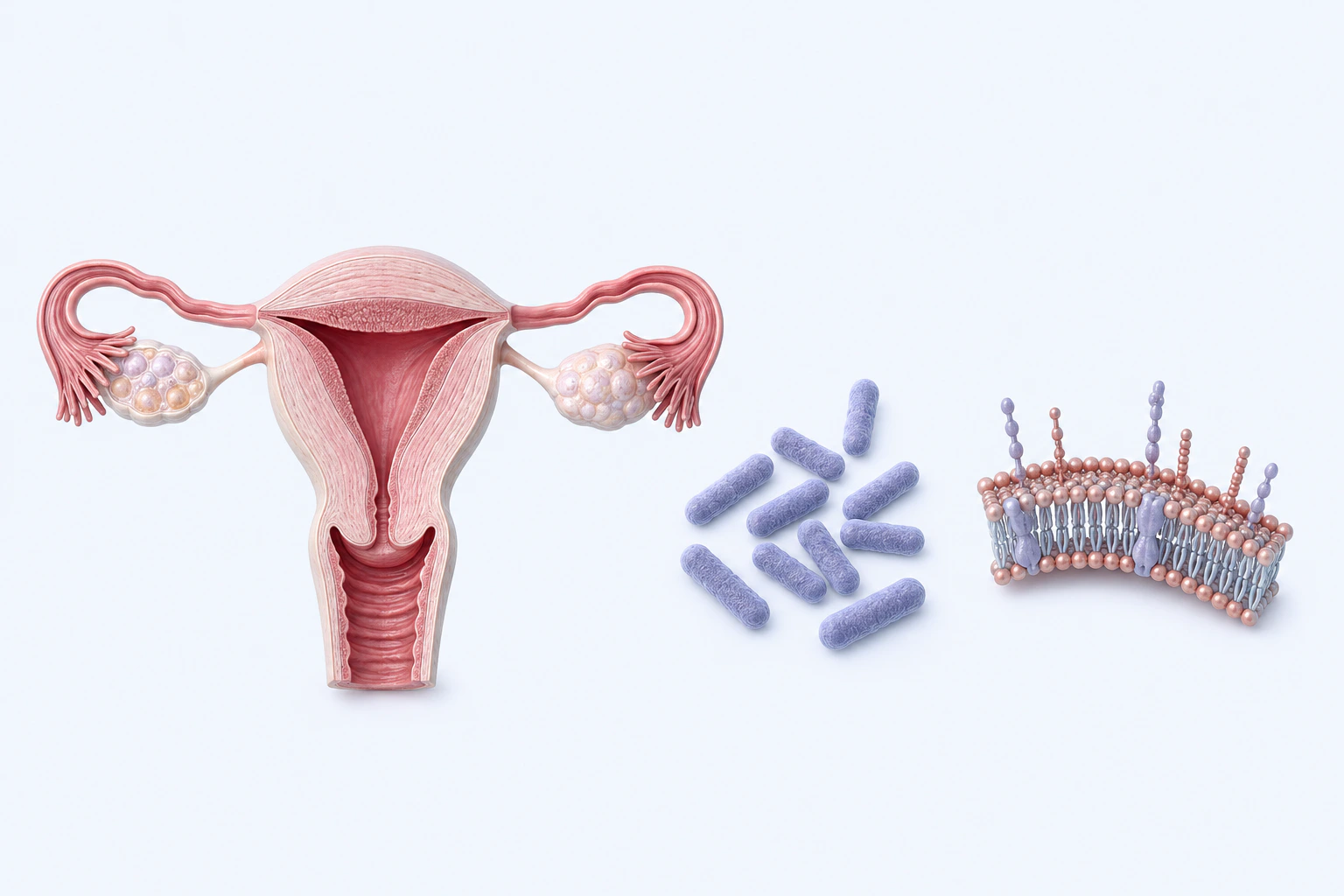
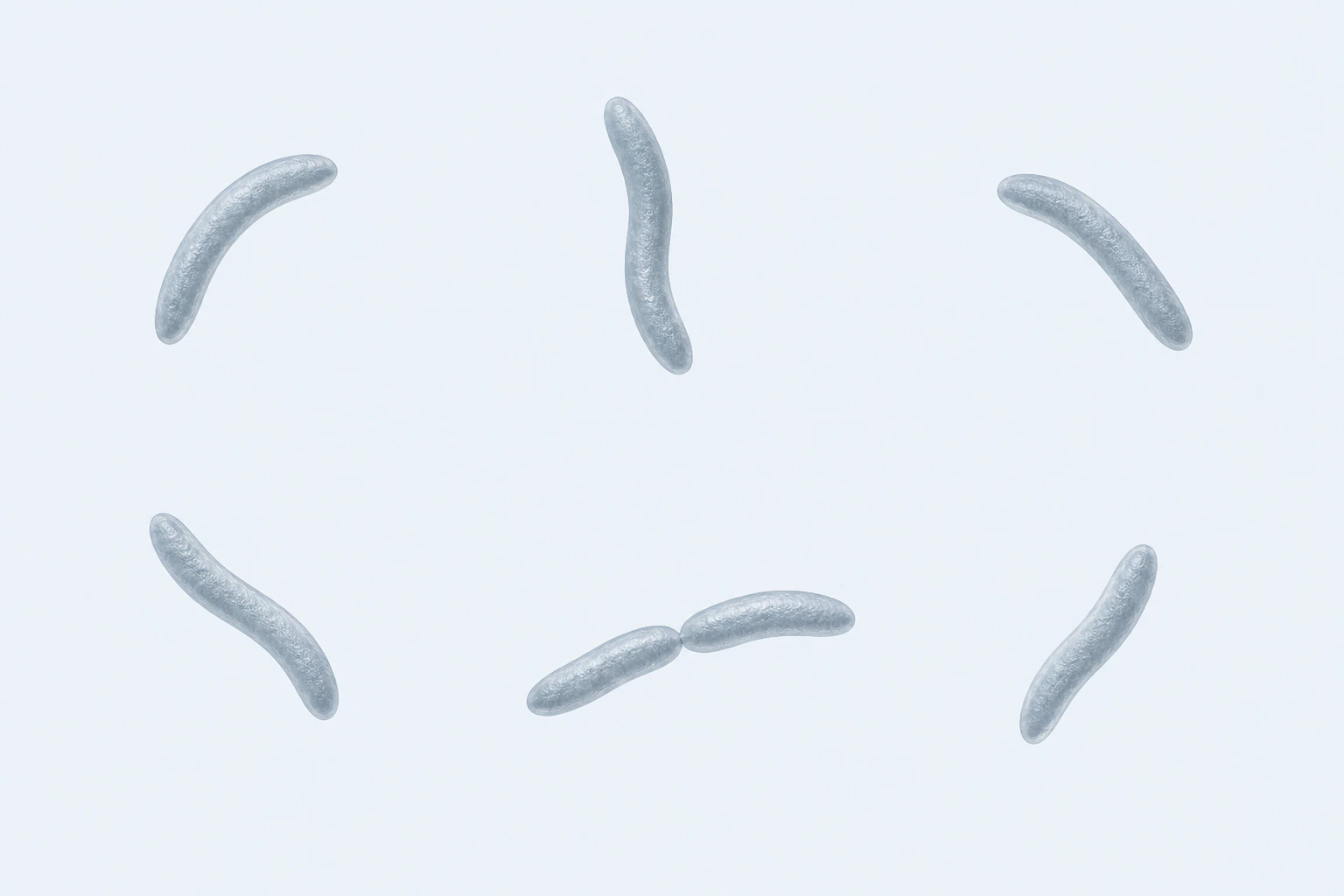
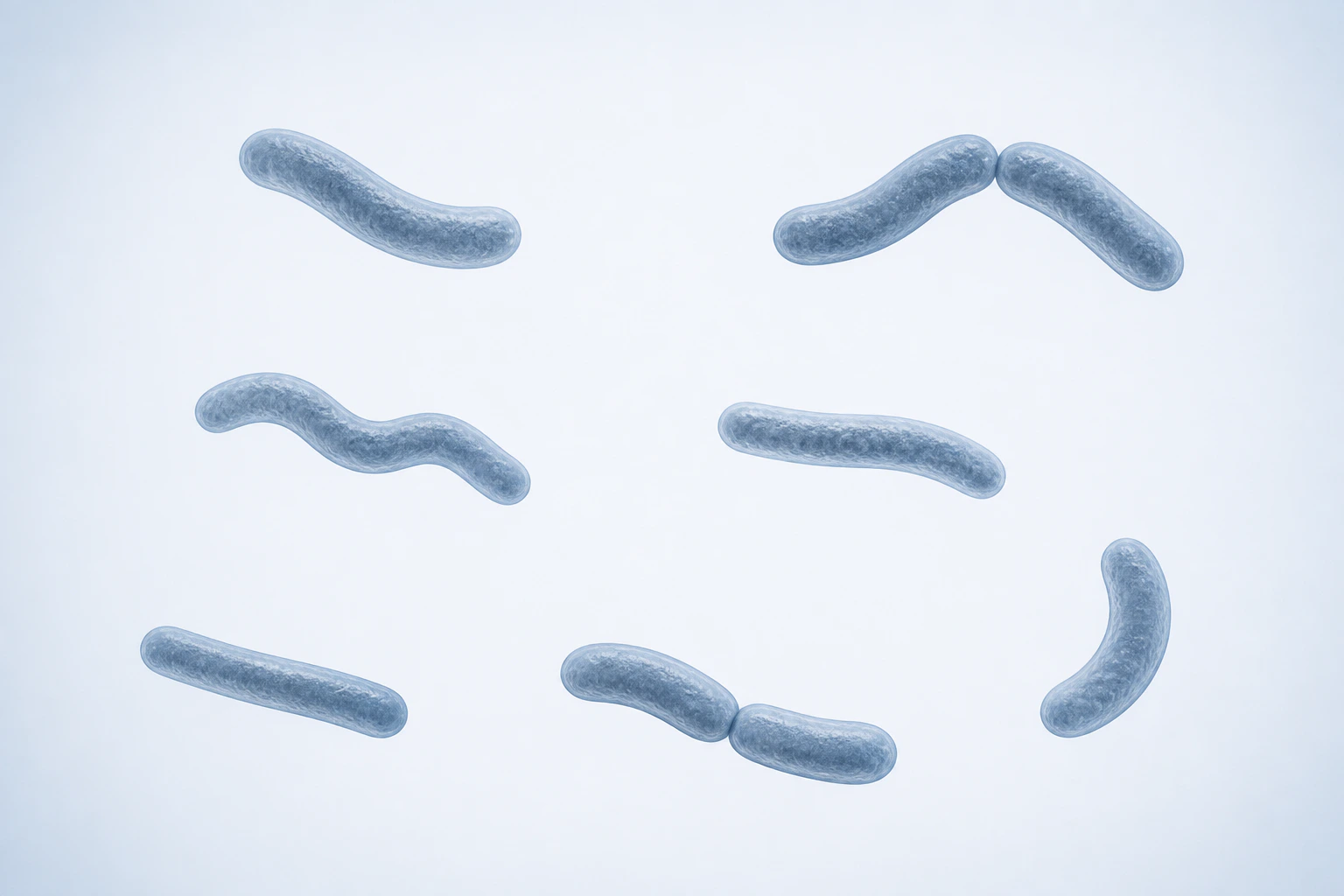
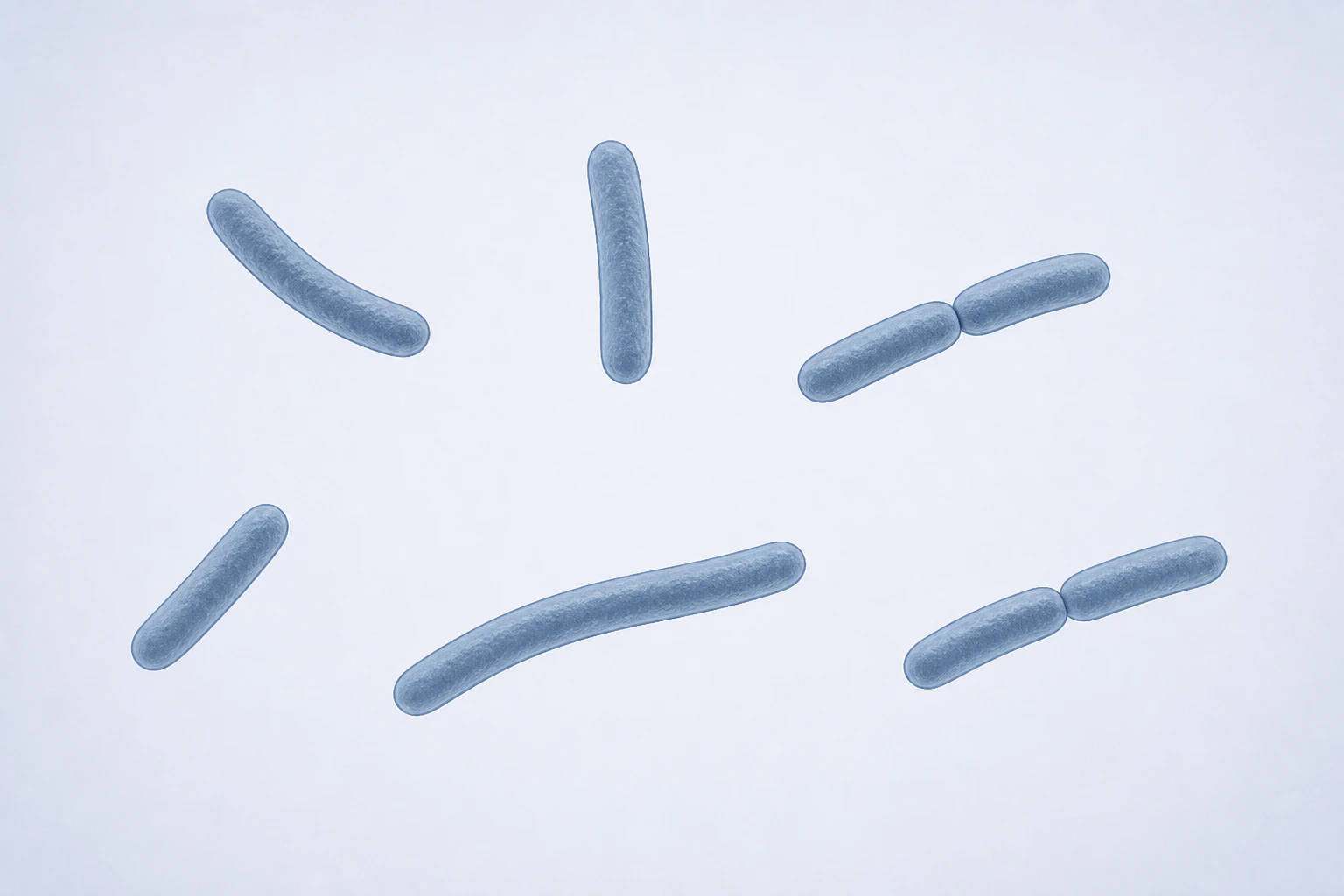
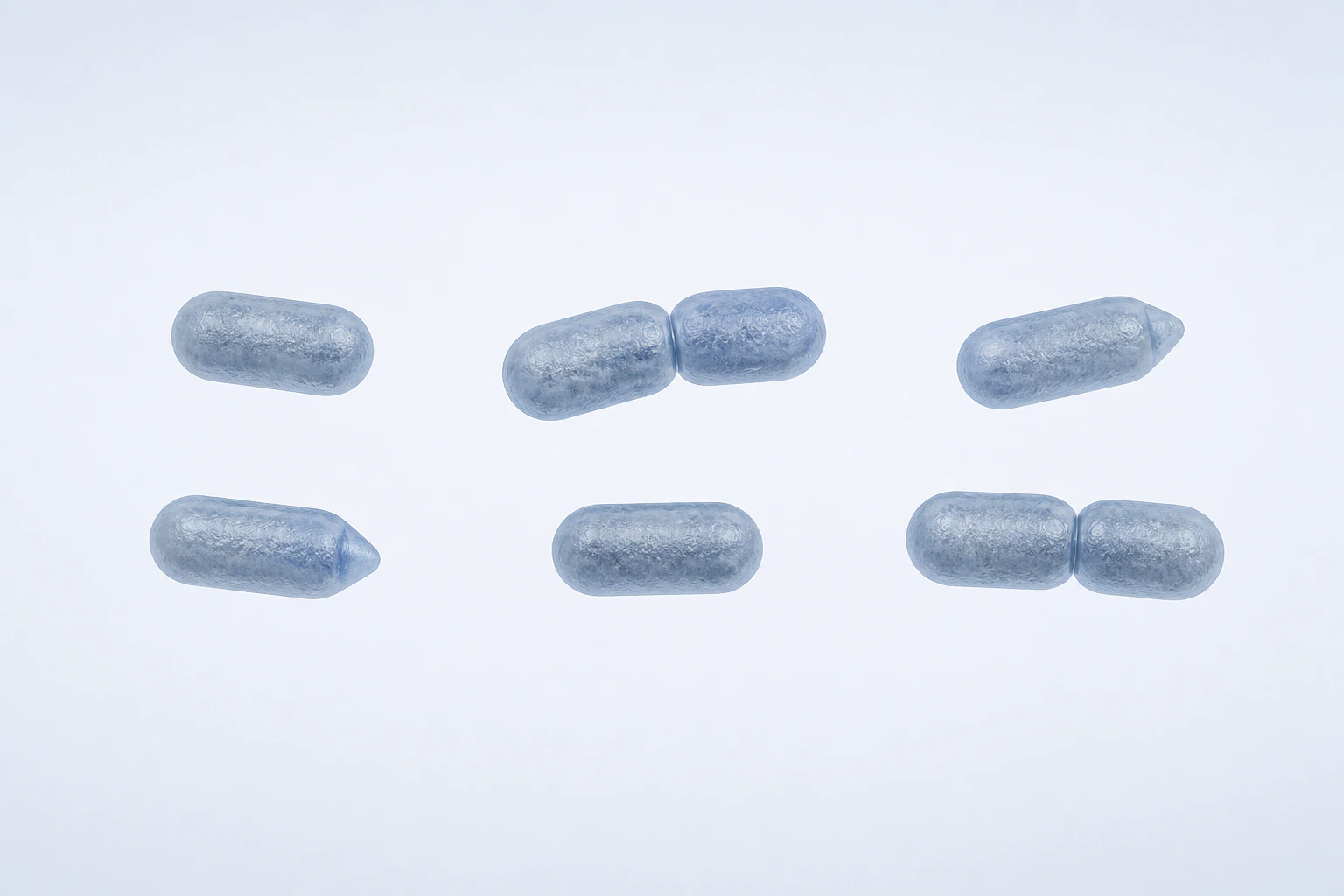
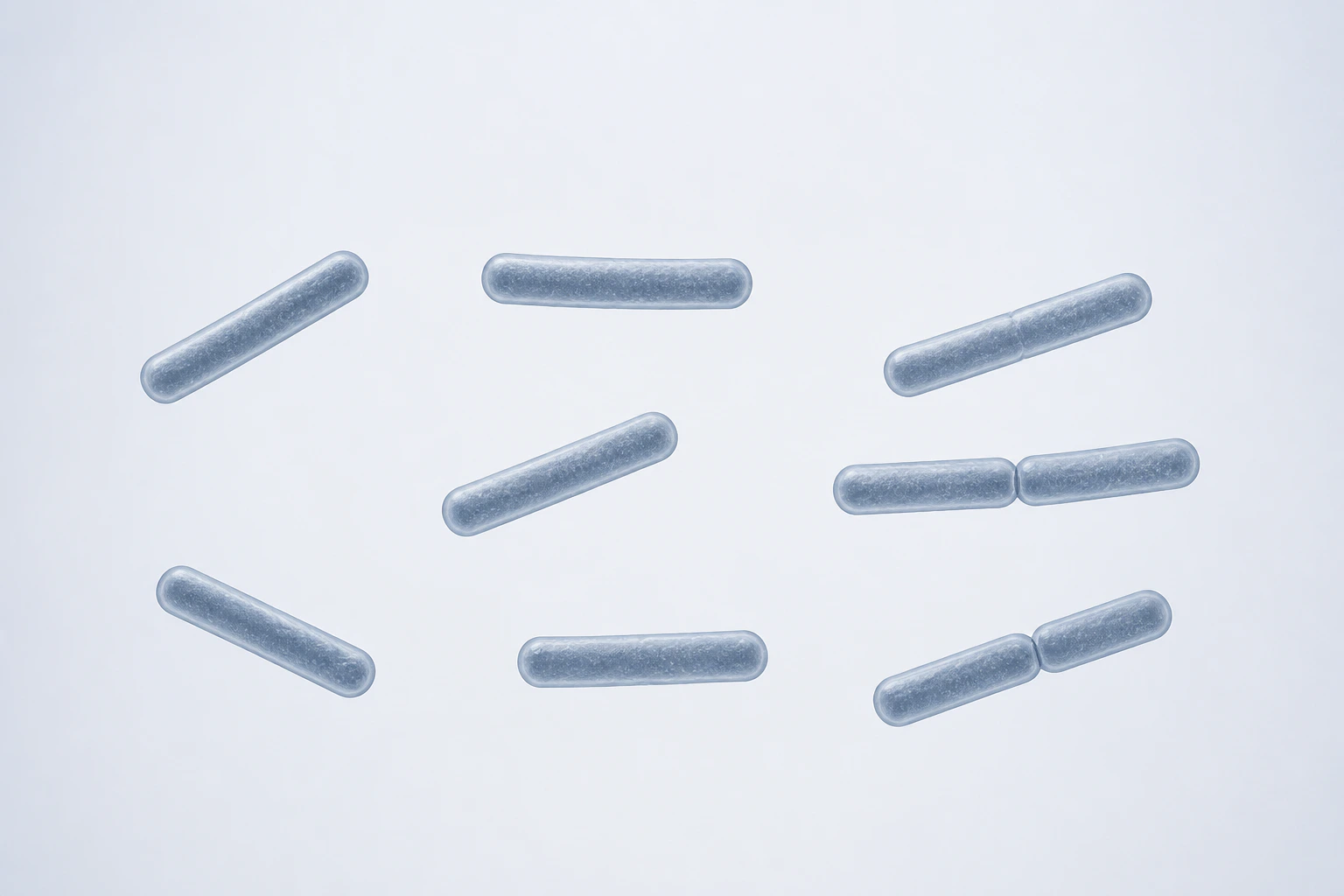
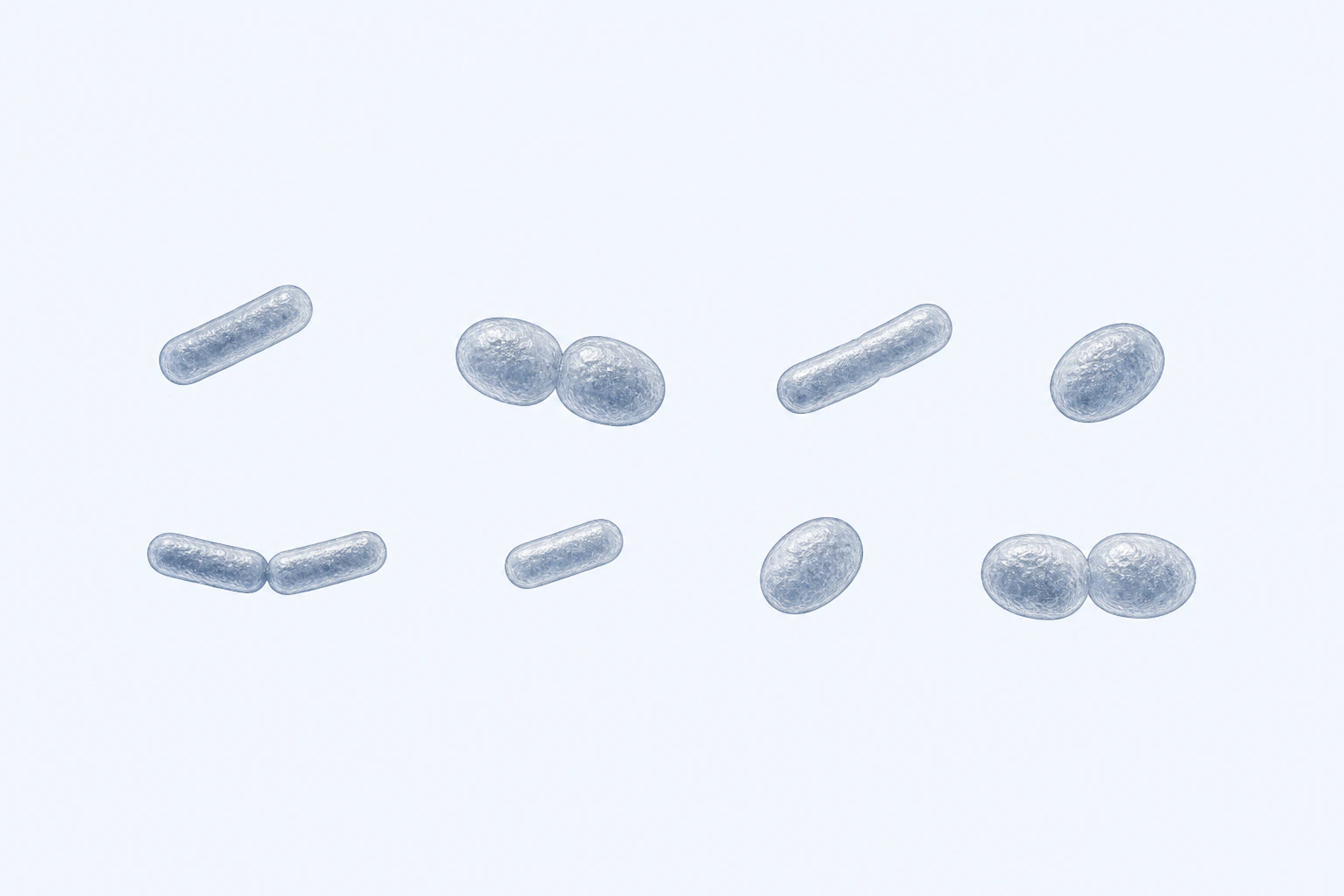
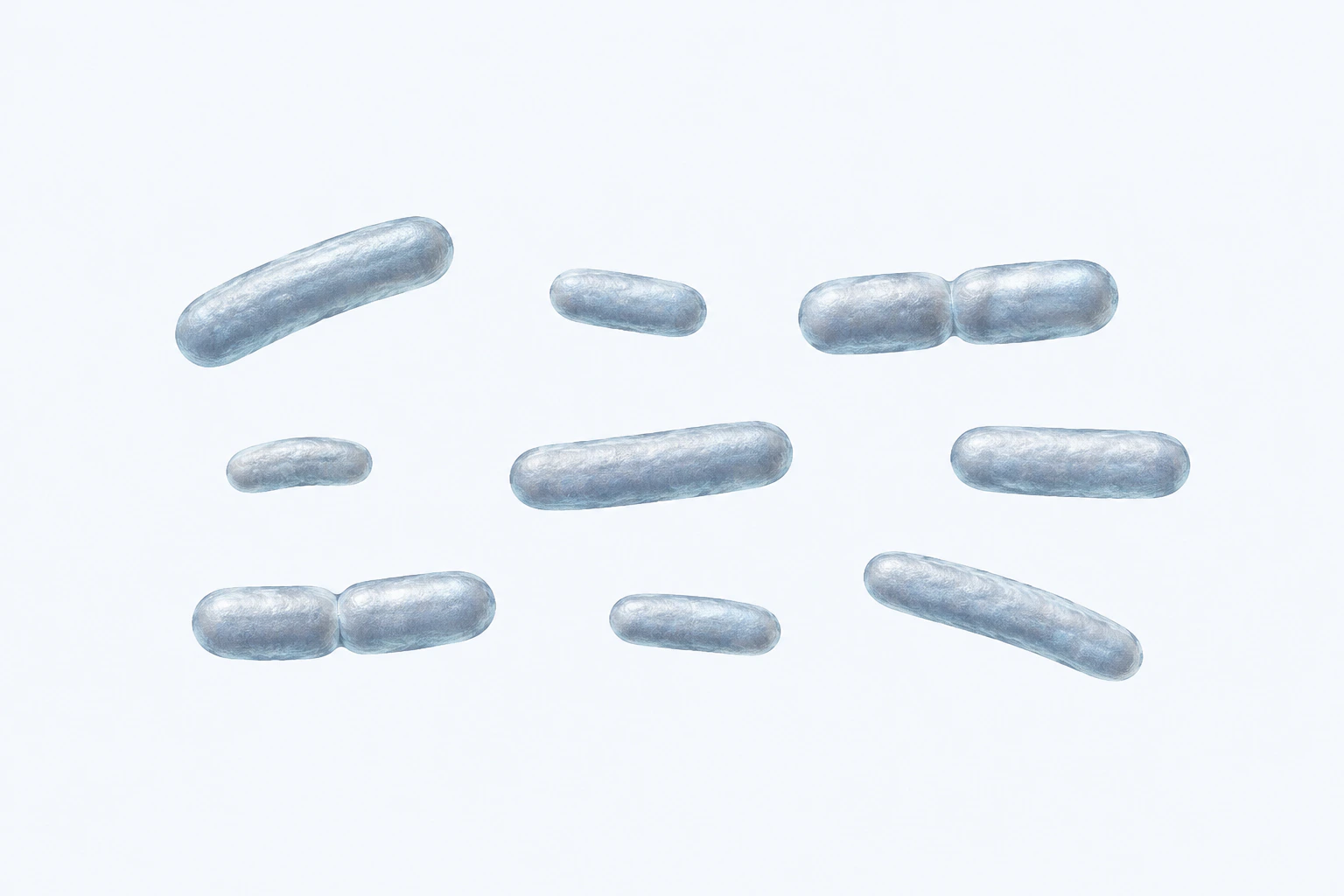
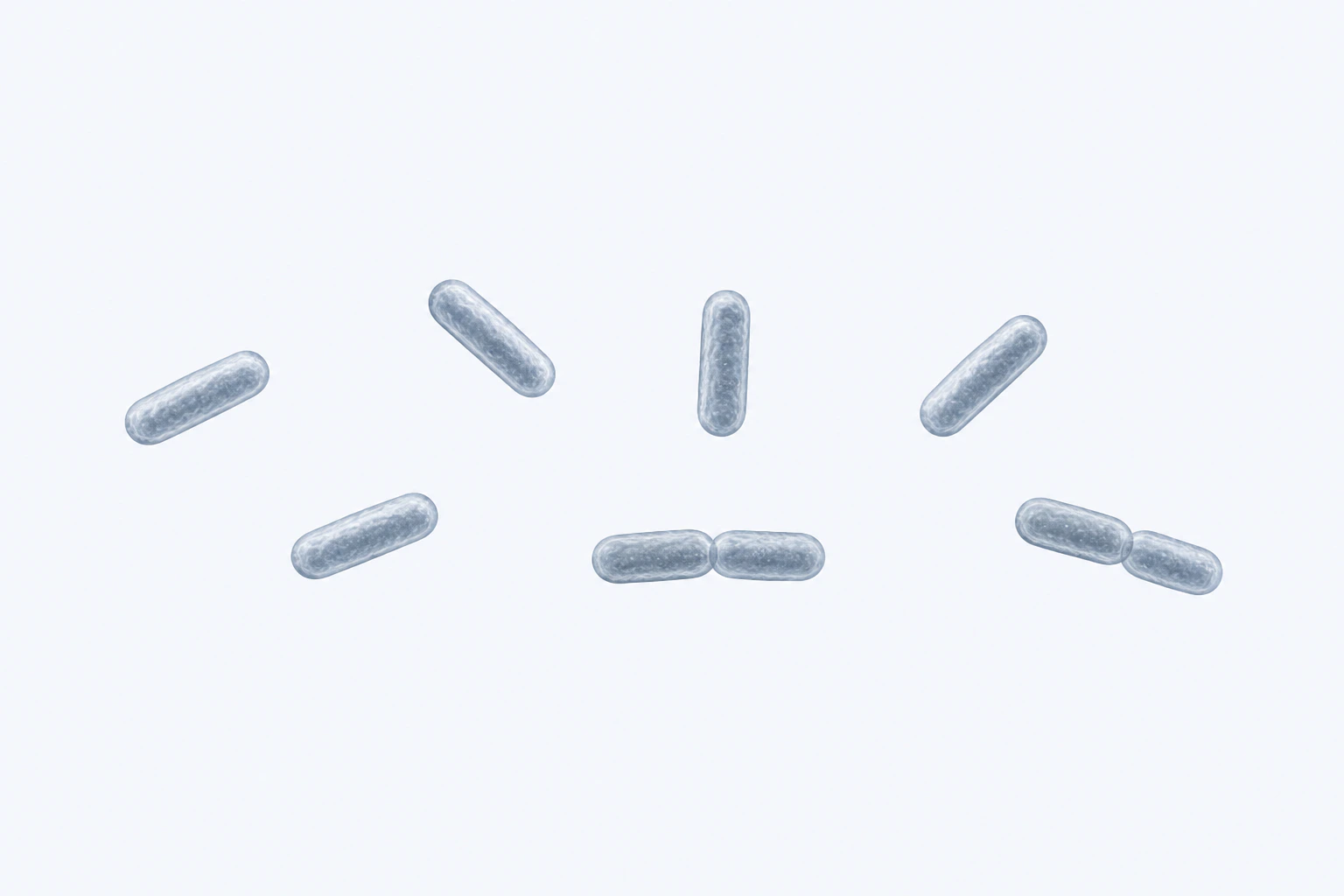
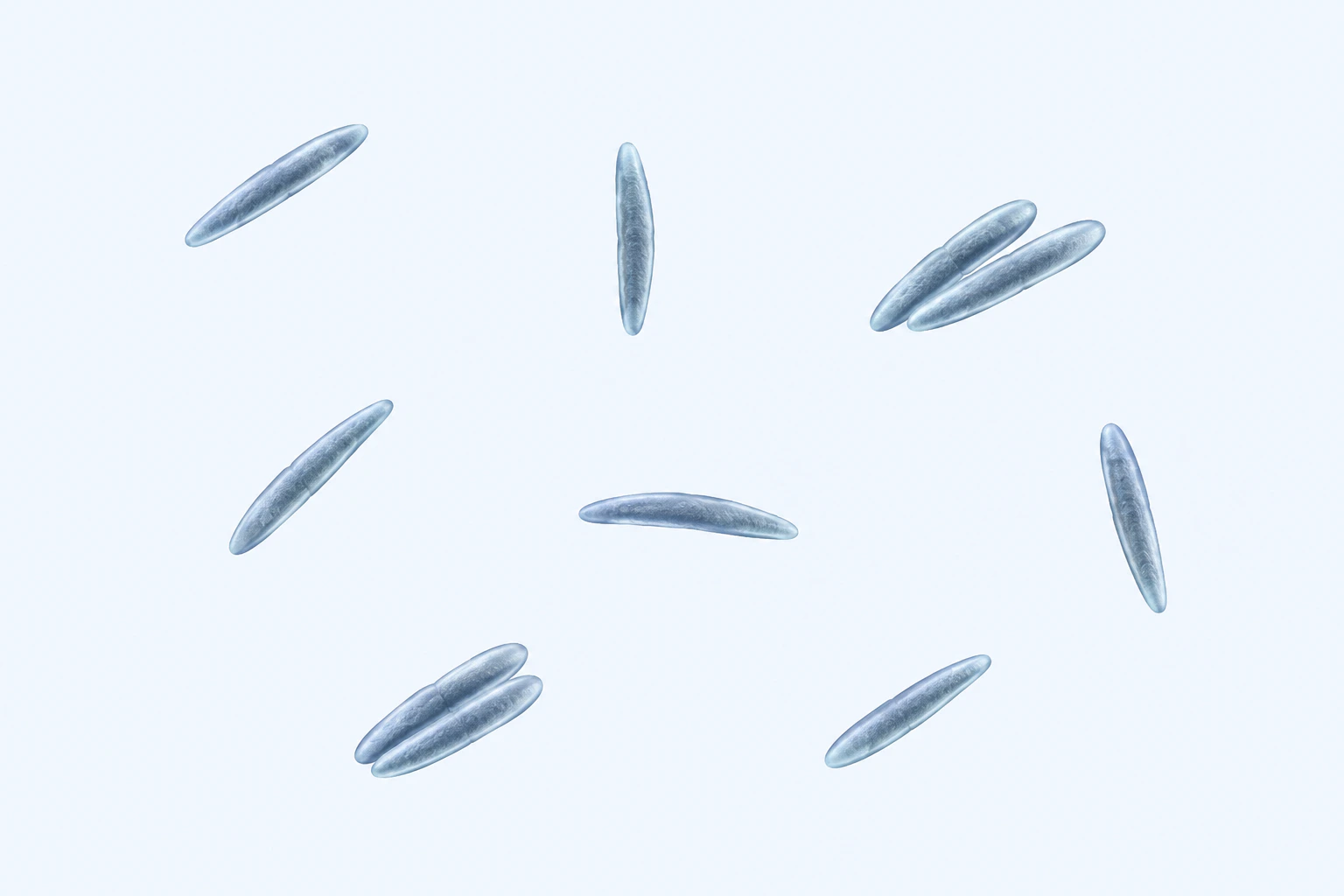
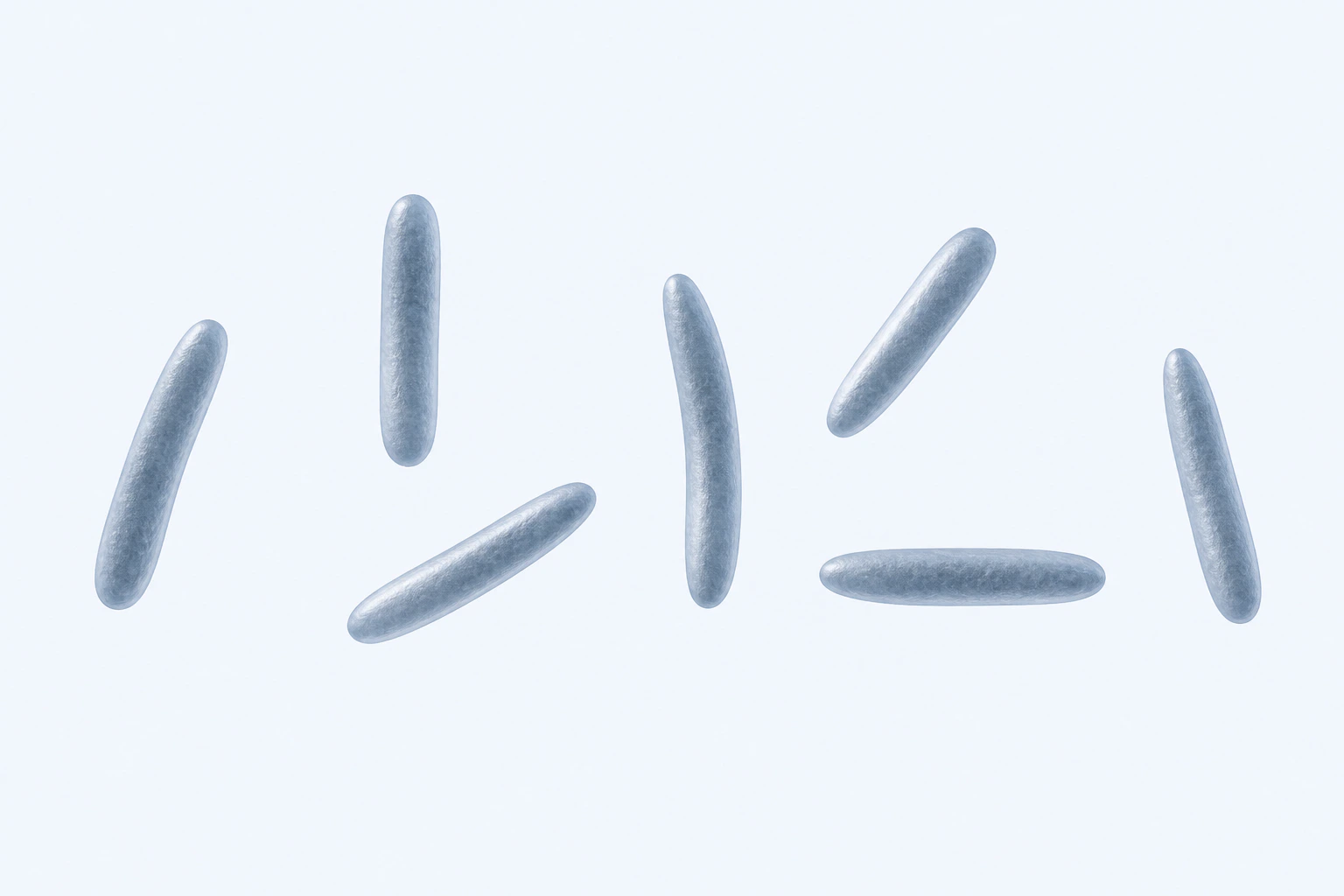
Eleven selected Lachnobacterium slender rods appear in eight groupings: five singles and three touching end-to-end pairs.
Microorganisms8 sources

Lachnobacterium

Lachnobacterium is a genus of Gram-positive, obligate anaerobic bacteria within the family Lachnospiraceae (phylum Firmicutes). It is a commensal member of the healthy human gut microbiota, though relatively understudied compared to other Lachnospiraceae genera. Lachnob

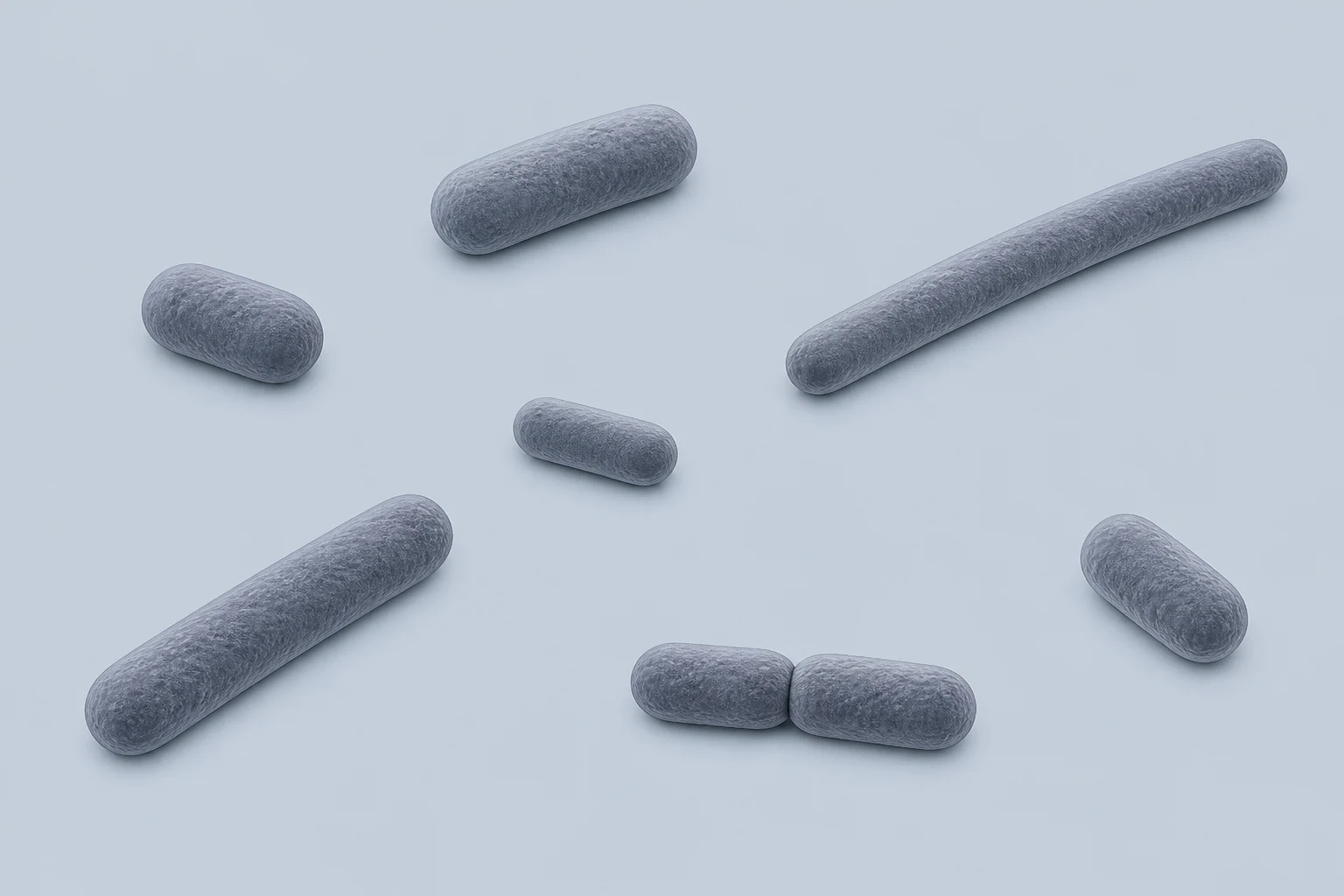
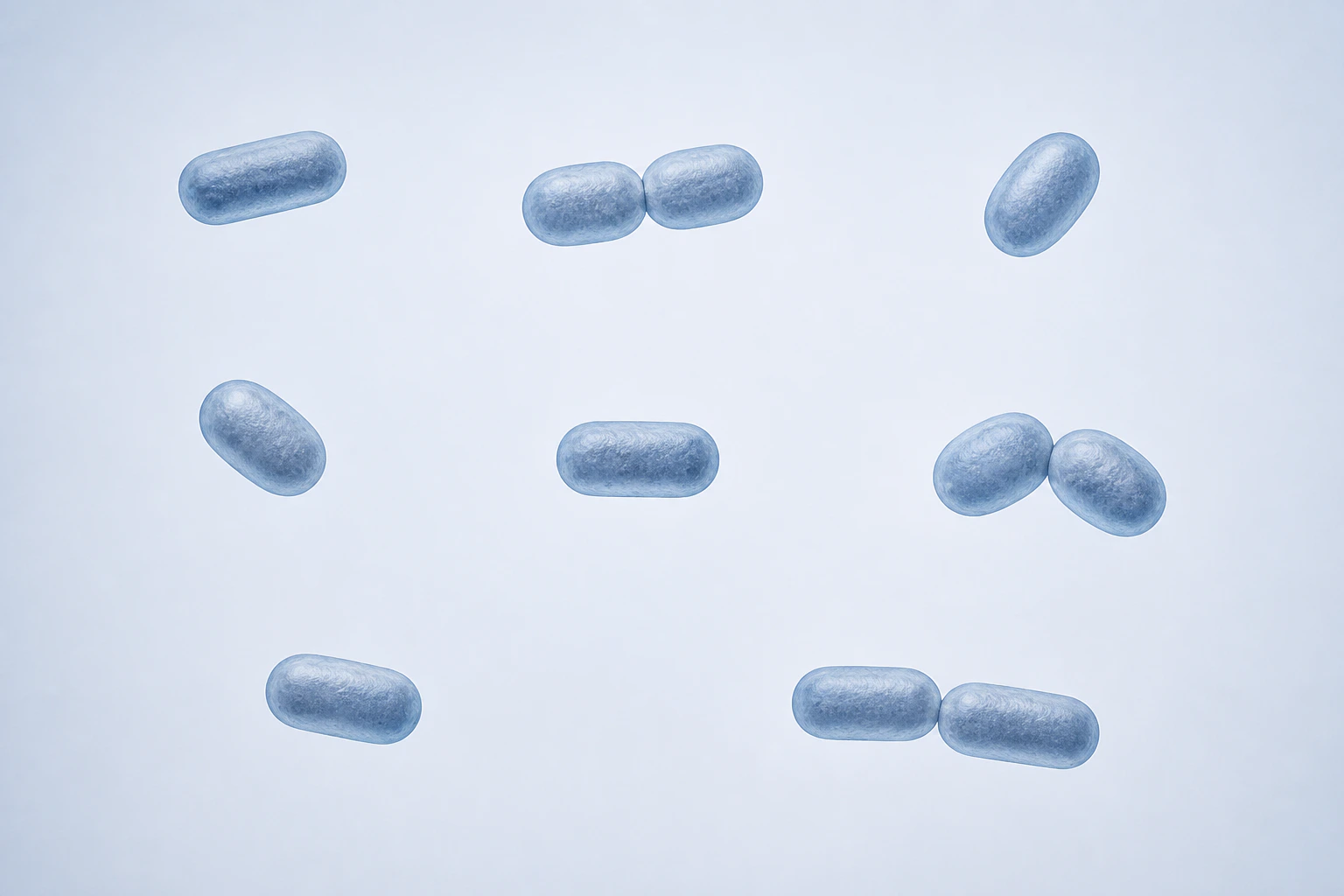
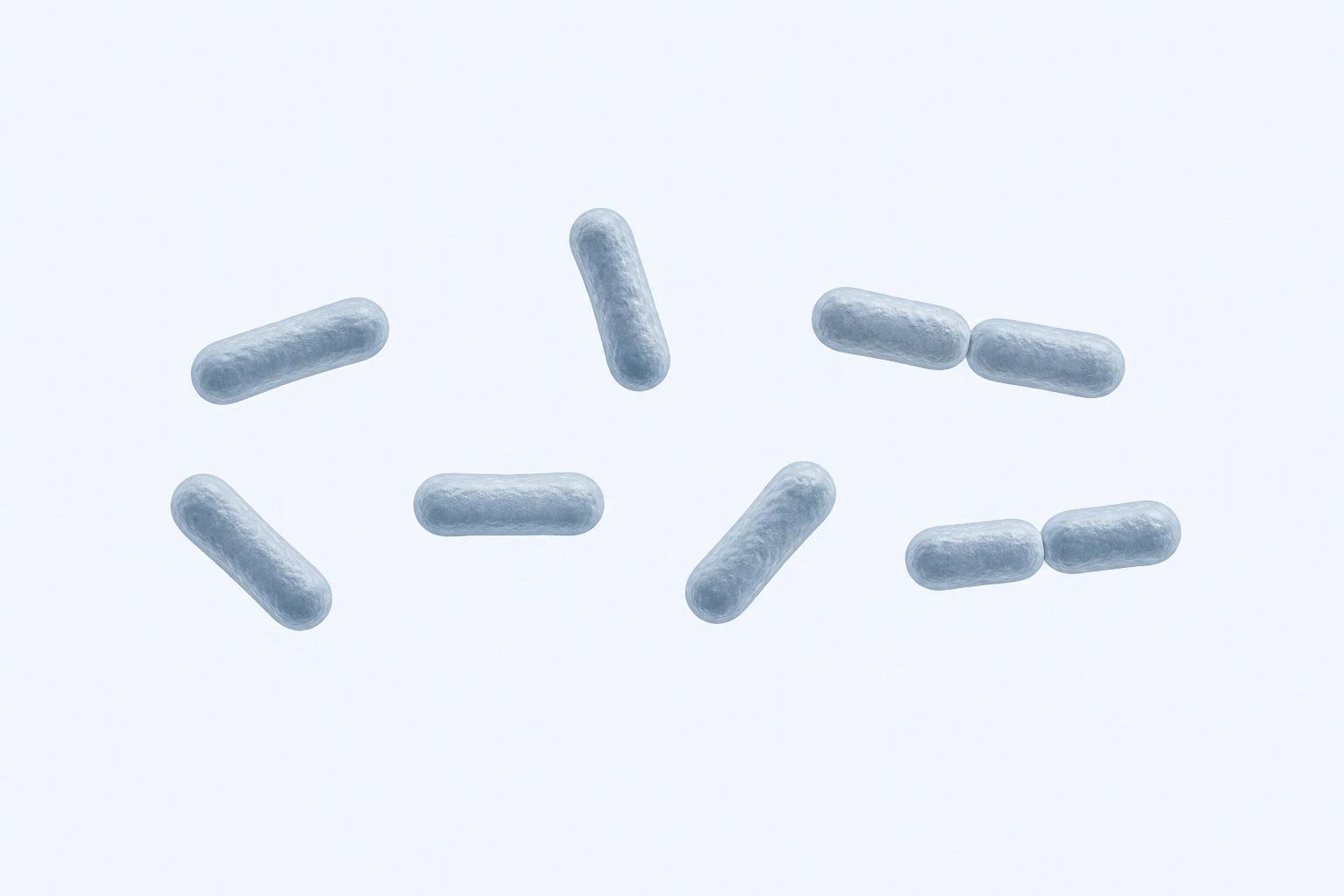
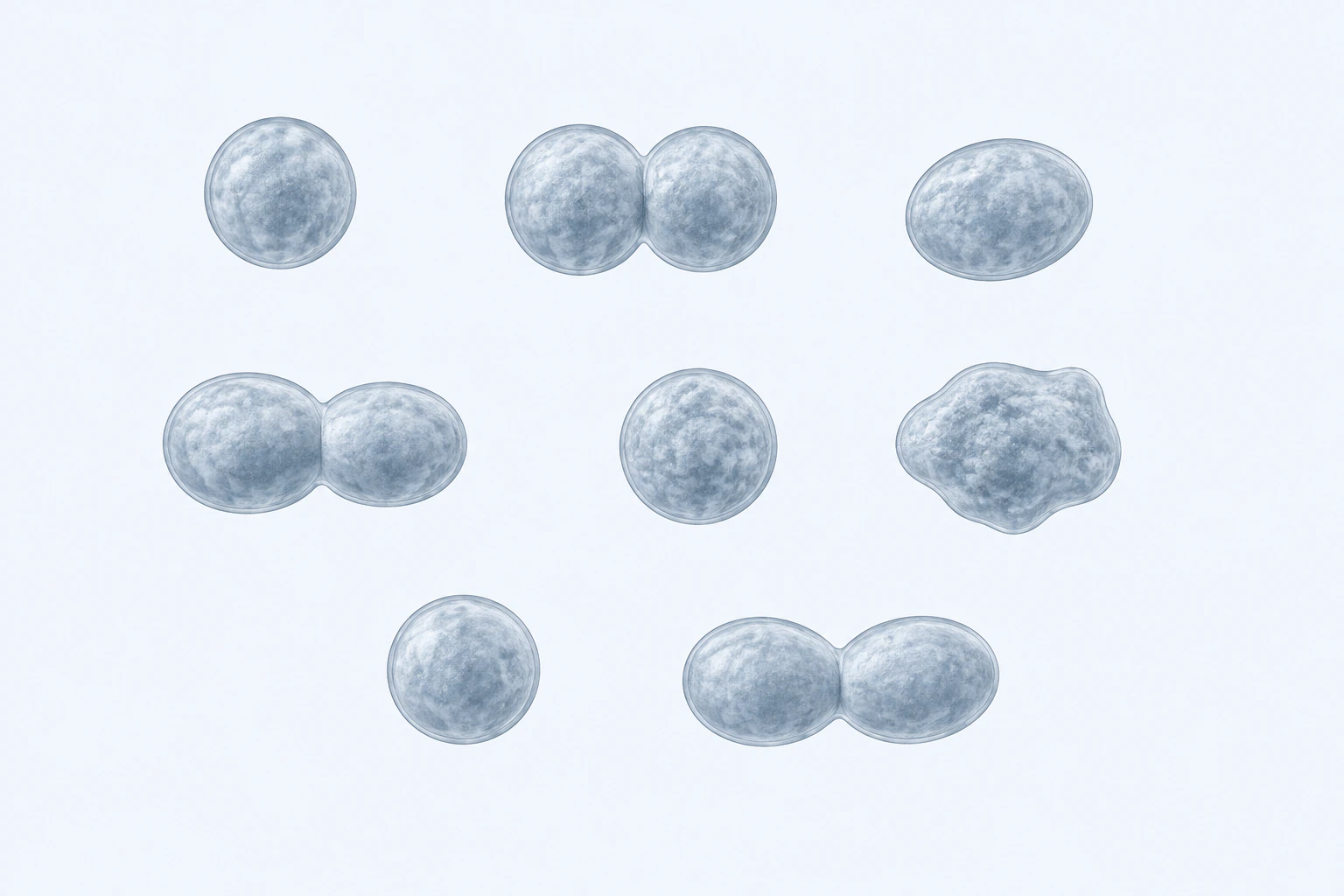
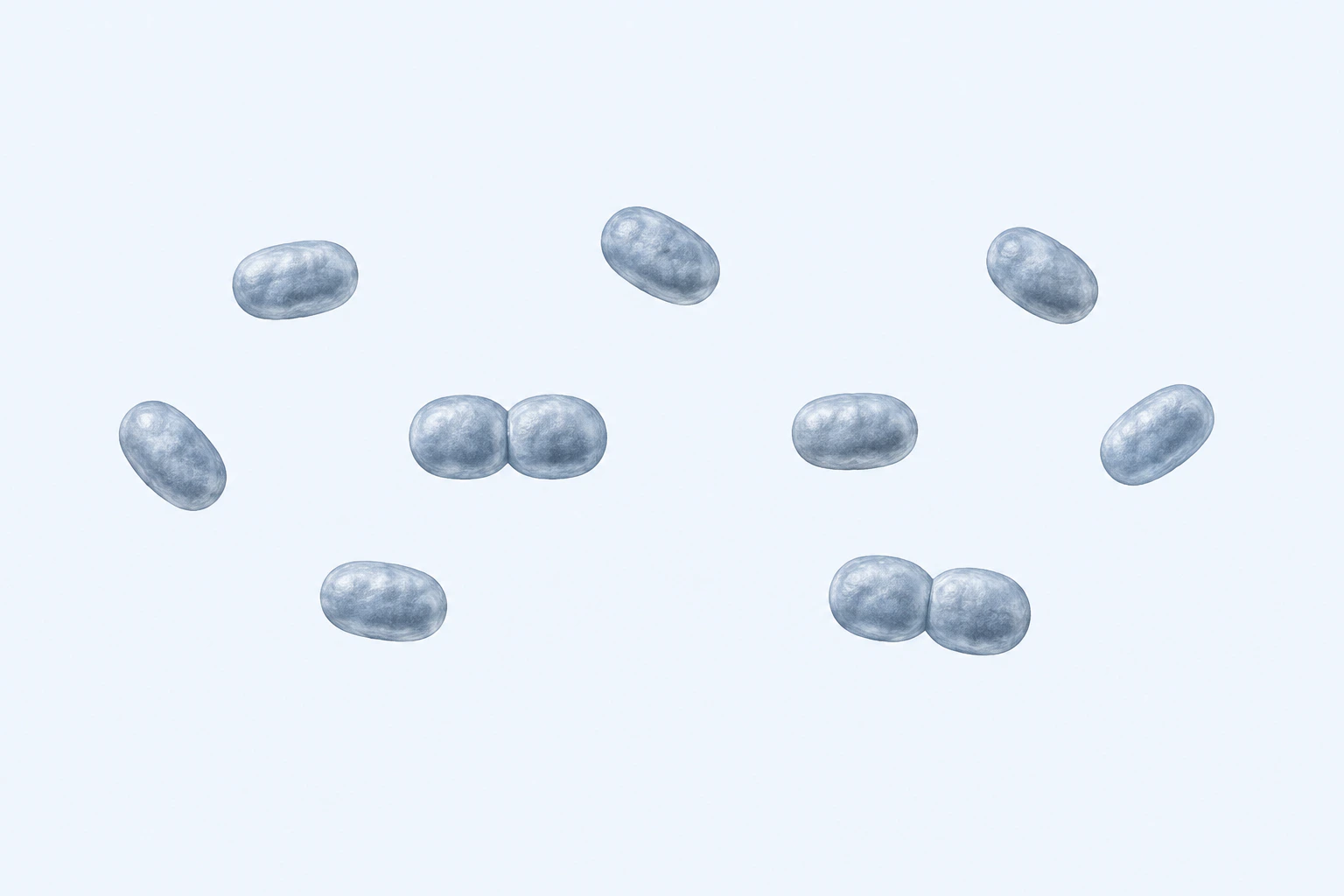
Eleven selected Mycoplasma rounded-to-ovoid bodies appear in eight groupings: five singles and three touching pairs.
Microorganisms6 sources

Mycoplasma

Mycoplasma is a genus of wall-less bacteria in the class Mollicutes, characterized by the smallest genomes of any self-replicating organisms (~580–1,350 kb). The lack of a cell wall makes them intrinsically resistant to beta-lactam antibiotics and undetectable by Gram s

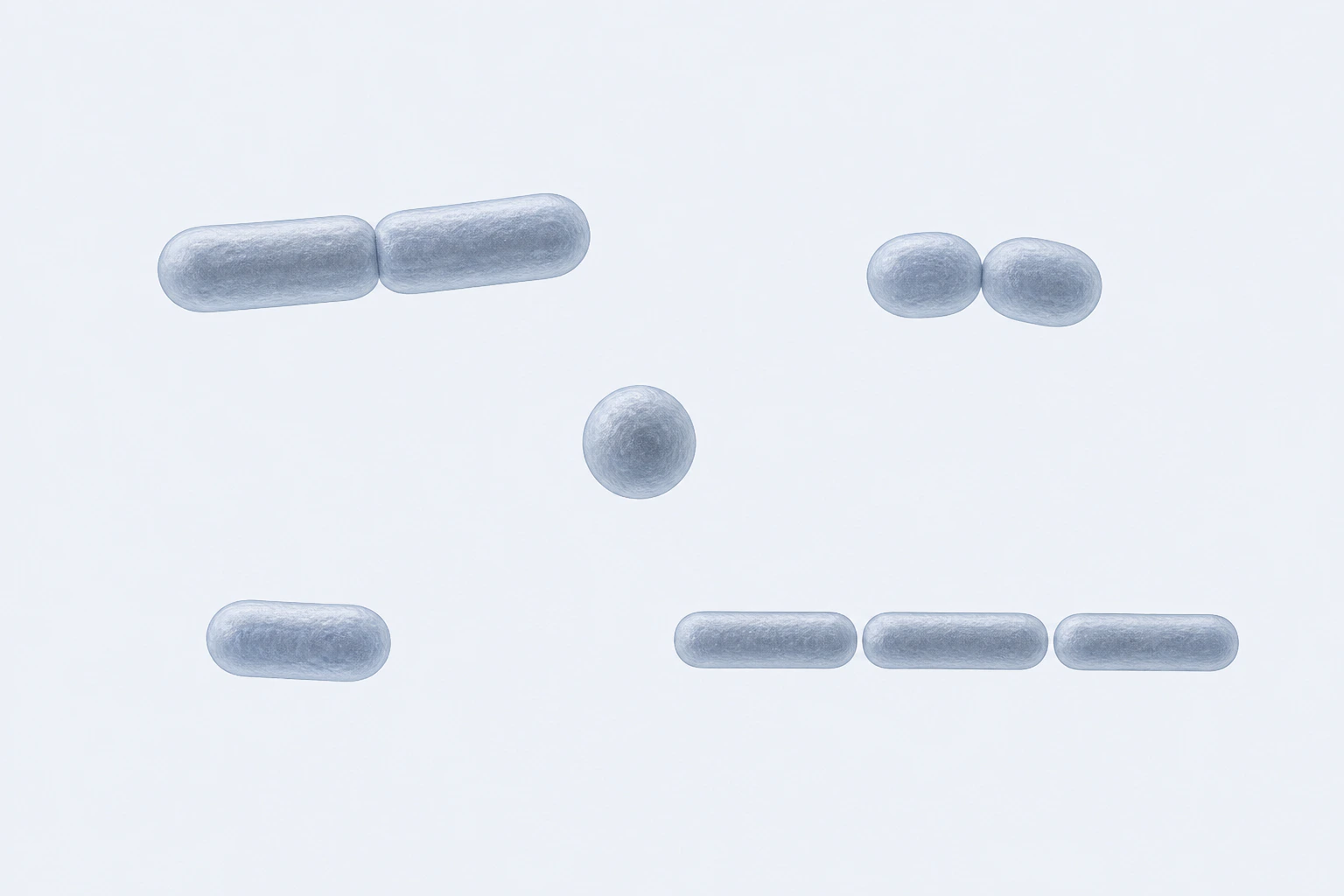
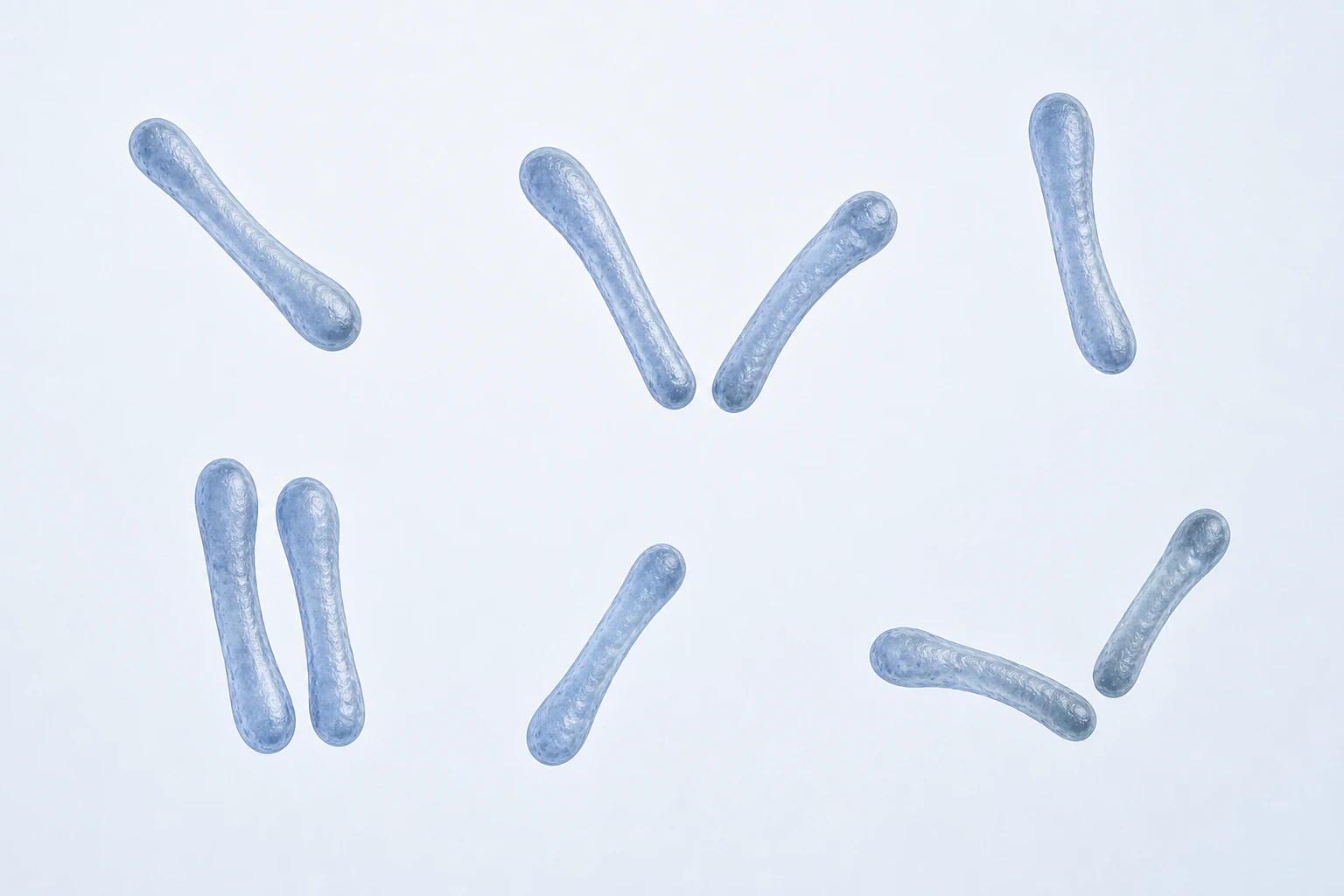
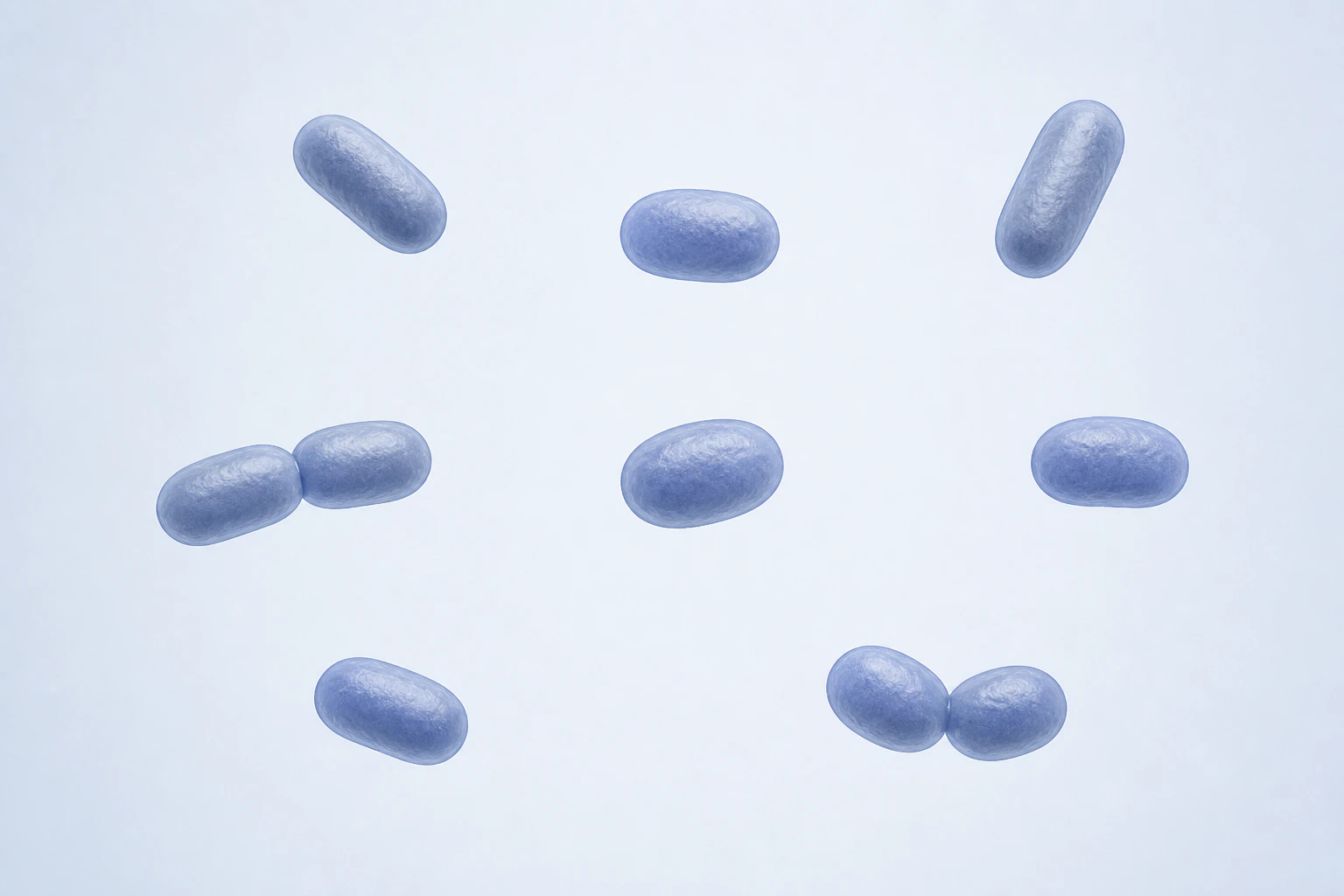
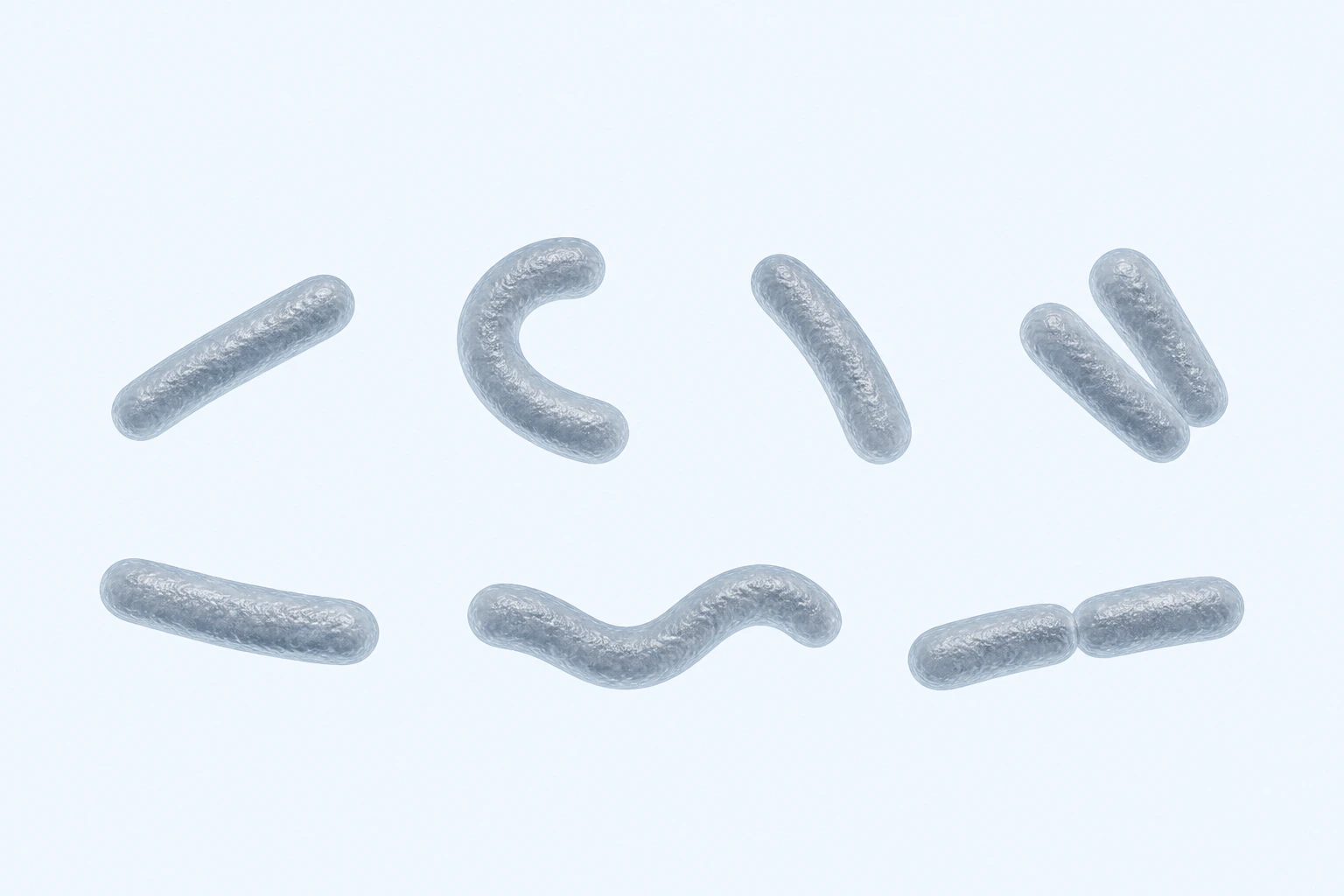
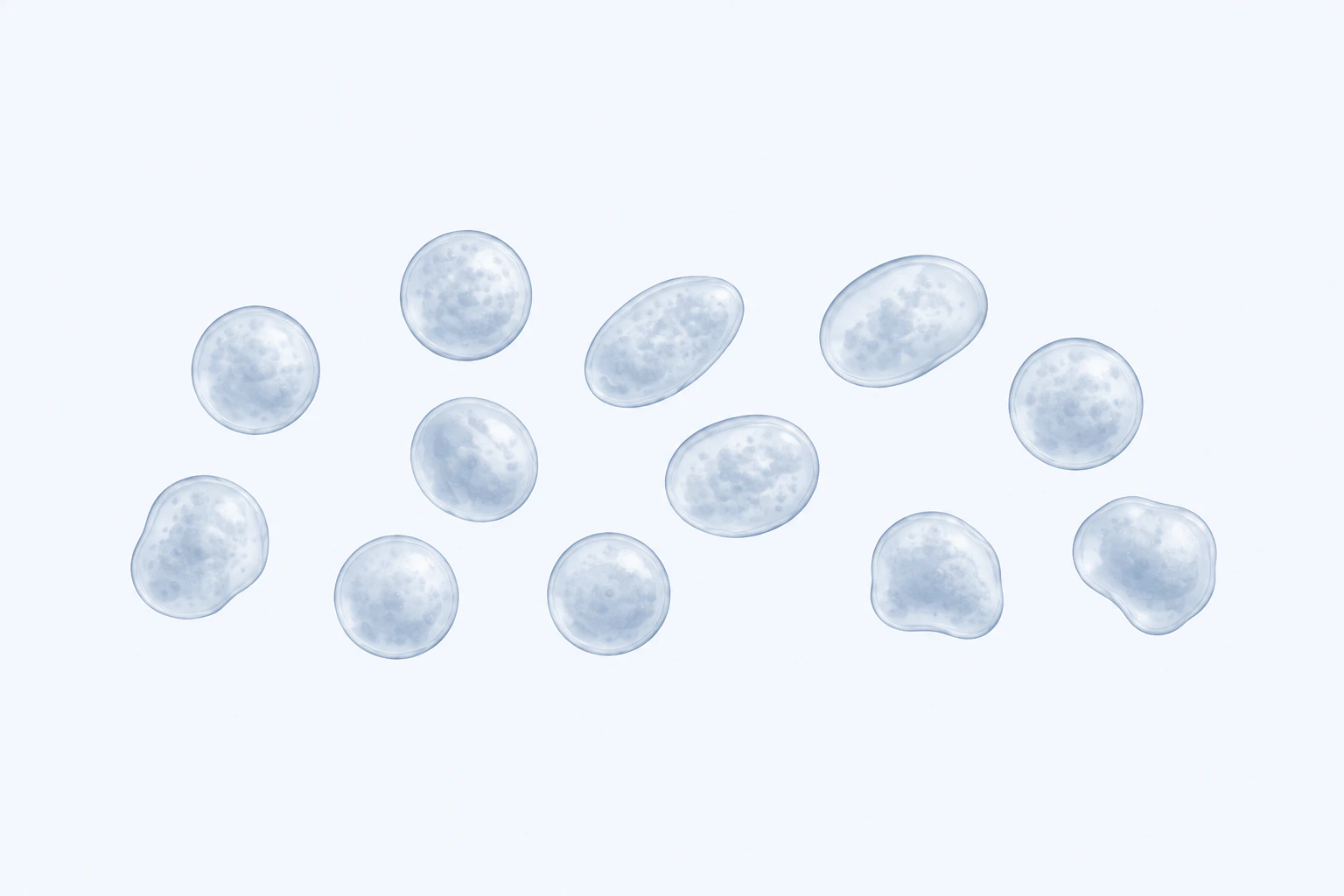
Twelve selected Ureaplasma cells show separated rounded-to-ovoid pleomorphic forms.
Microorganisms11 sources

Ureaplasma

Ureaplasma is a genus of wall-less bacteria in the class Mollicutes, comprising two species pathogenic to humans: U. urealyticum and U. parvum. The genus is named for its defining characteristic — obligate urease activity — which hydrolyzes urea to ammonia and CO2, prov