
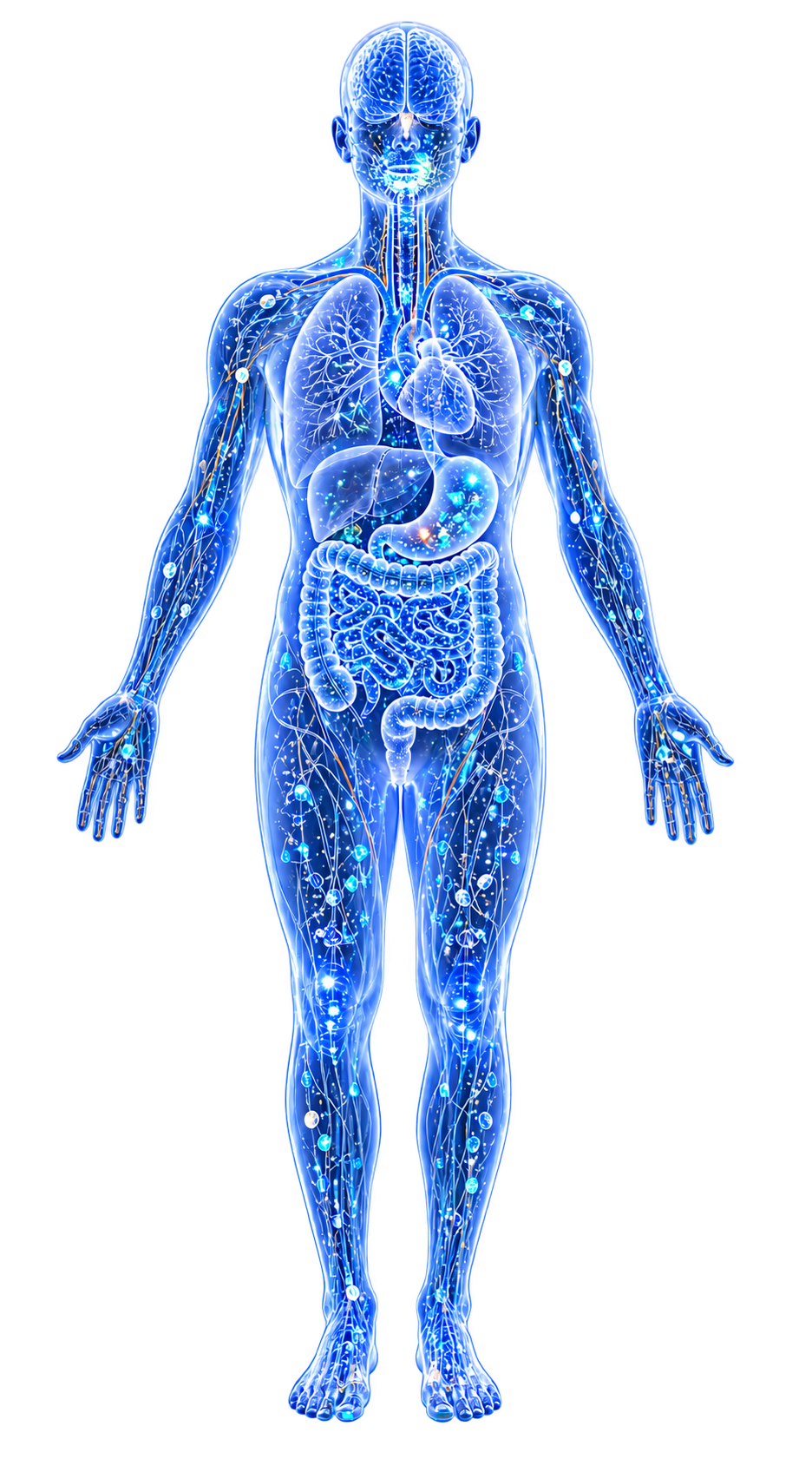
Oxidative stress is the imbalance between the production of reactive oxygen and nitrogen species (ROS/RNS) and the capacity of biological antioxidant defense systems to detoxify them.
It is the single most commonly invoked mechanism across metal toxicology in this wiki, linking exposures to Iron, Copper, Chromium, Nickel, Arsenic, Cadmium, Lead, Mercury, and Manganese to downstream pathology in virtually every organ system.
However, the specific routes by which different metals generate oxidative stress vary substantially, and the role of oxidative stress as a primary versus secondary mechanism differs by metal and disease context.
Evidence map83 cited passagesInspect provenance +
Copper participates in an analogous Fenton-like reaction (Cu+ + H2O2—Cu2+ + OH. + OH-), and both iron and copper are the primary endogenous catalysts of hydroxyl radical production in biological systems,.
Hydroxyl radicals initiate lipid peroxidation by abstracting hydrogen atoms from polyunsaturated fatty acids (PUFAs) in cell membranes. This generates lipid radicals that react with O2 to form lipid peroxyl radicals (LOO.), which propagate chain reactions that can damage thousands of lipid molecules from a single initiating event. End products include malond
Mn-SOD (SOD2): Mitochondrial; requires manganese as cofactor. The primary defense against superoxide generated by the electron transport chain. Mn-SOD is essential for life—homozygous knockout is lethal in mice.
Ni-SOD: Found in Streptomyces spp. and some other prokaryotes; uses nickel as cofactor. Important for oxidative stress defense in plant-colonizing bacteria.
In nickel toxicology, UNi shows an inverse U-shaped relationship with SOD activity in humans, and nickel exposure increases SOD activity in liver while reducing catalase in heart and kidneys.
Catalase decomposes hydrogen peroxide to water and oxygen (2 H2O2—2 H2O + O2). It contains an iron-heme prosthetic group and is concentrated in peroxisomes. lead inhibits catalase activity along with other antioxidant enzymes; PbA (500 mg/L) reduces CAT in liver and kidney.
GPX4: The only enzyme capable of reducing lipid hydroperoxides within membranes; its loss triggers ferroptosis,.
Se supplementation increases GPx and thioredoxin reductase (TR) activity and decreases oxidative stress markers in hashimotos thyroiditis patients,.
The GSH/GSSG ratio (reduced-to-oxidized glutathione) is a key indicator of cellular redox status. heavy metals interact with GSH in multiple ways: arsenic and mercury deplete GSH through direct thiol binding and conjugation; cadmium forms organo-metallic complexes with GSH sulfhydryl groups; chromium(VI) reduction to Cr(III) by GSH generates hydroxyl radical
PCOS patients show significantly decreased serum GSH levels (6.24 vs 8.09 mg/ml; P < 0.001) with strong negative correlations between heavy metals (As, Pb, Hg) and GSH.
Metallothioneins are low-molecular-weight (7-8 kDa) cysteine-rich proteins (18-23 cysteines per 61-68 amino acids) that bind divalent metal cations. They serve dual roles as metal storage/detoxification proteins and as antioxidants via thiol-mediated ROS scavenging. MTs are principally responsible for cadmium sequestration—the Cd-MT complex has a half-lif
iron is the prototypical Fenton-active metal. Excess labile (non-transferrin-bound) iron directly catalyzes hydroxyl radical production. Iron accumulation in the substantia nigra is a hallmark of Parkinson's disease, where it drives lipid peroxidation and ferroptosis in dopaminergic neurons. GPX4 downregulation removes the brake on ferroptotic cell death. Ir
copper participates in analogous Fenton-like chemistry (Cu+ + H2O2—Cu2+ + OH. + OH-). Like iron, copper cycles between two oxidation states (Cu+/Cu2+), making it a potent redox-active catalyst. Cu levels are elevated in PCOS, and Cu-serum levels positively correlate with leukocyte count, suggesting a role in oxidative stress response. Host immune cells ex
chromium(VI) generates oxidative stress indirectly through its intracellular reduction pathway. Cr(VI) enters cells via sulfate channels and is reduced: Cr(VI)—Cr(V)—Cr(IV)—Cr(III), primarily by ascorbate (~90% of reduction) and GSH. The intermediate Cr(V) and Cr(IV) species are potent oxidants that generate hydroxyl radicals. The dominant DNA damag
Ascorbate depletion: Ni(II) depletes intracellular ascorbate, reducing antioxidant capacity and impairing Fe-dependent hydroxylases.
Iron displacement: Ni(II) oxidizes iron in iron-sulfur clusters and iron-containing enzymes, disrupting iron homeostasis (IRP-1/IRP-2, transferrin receptor, ferritin).
SOD/catalase imbalance: Nickel increases SOD activity in liver but reduces catalase in heart and kidneys, creating an H2O2 surplus that cannot be adequately detoxified.
Elevated MDA in multiple organs confirms lipid peroxidation as a downstream consequence.
In carcinogenesis, oxidative stress plays a secondary role to epigenetic modifications and hypoxic signaling.
arsenic generates ROS through multiple routes, though its role as a primary carcinogenic mechanism is debated:
Inhibits pyruvate dehydrogenase (blocking the Krebs cycle) and uncouples oxidative phosphorylation.
Activates MAPK/NF-kB pathways, enhances myeloperoxidase activity.
Arsenic-induced ROS may be more relevant to acute toxicity than to carcinogenesis.
DNA adduct 8-OHdG is elevated in exposed populations.
Showing 24 of 83 evidence-bearing passages. Every remaining citation is still indexed in the reference record below.
Contents
1. Biochemistry of Reactive Oxygen Species2. Antioxidant Defense Systems3. Metal-Specific ROS Generation4. Biomarkers of Oxidative Stress5. Evidence Interpretation6. Role in Specific Diseases7. Oxidative Stress in Host-Pathogen Interactions8. Therapeutic Implications9. ConnectionsBiochemistry of Reactive Oxygen Species#
Major ROS and RNS#
| Species | Formula | Half-life | Primary source |
|---|---|---|---|
| Superoxide anion | O2.- | ~1 ms | Mitochondrial ETC (complexes I, III), NADPH oxidase |
| Hydrogen peroxide | H2O2 | Stable (minutes) | Dismutation of O2.- by SOD; direct enzymatic production |
| Hydroxyl radical | OH. | ~1 ns | Fenton reaction, radiolysis of water |
| Peroxynitrite | ONOO- | ~1 s | Reaction of O2.- with NO. |
| Lipid peroxyl radical | LOO. | Seconds | Chain propagation in lipid peroxidation |
Superoxide is the initial ROS produced by one-electron reduction of molecular oxygen. It is relatively unreactive itself but serves as the precursor to more damaging species.
Hydrogen peroxide is more stable and membrane-permeable, functioning both as a signaling molecule at low concentrations and as a source of hydroxyl radicals via Fenton chemistry.
The hydroxyl radical is the most reactive ROS in biology—it reacts at near diffusion-limited rates with virtually all biomolecules (DNA, proteins, lipids) and cannot be enzymatically detoxified.
The Fenton Reaction#
The Fenton reaction is the central chemical mechanism linking redox-active metals to oxidative damage:
> iron(II) (Fe2+) + H2O2 --> iron(III) + OH. + OH-
This reaction generates hydroxyl radicals from hydrogen peroxide, catalyzed by ferrous iron. The resulting iron(III) can be recycled back to iron(II) by superoxide (the Haber-Weiss cycle) or by cellular reductants such as ascorbate, making the process catalytic:
> iron(III) + O2.- --> iron(II) + O2 (superoxide-driven recycling)
The net Haber-Weiss reaction is therefore:
> O2.- + H2O2 --> OH. + OH- + O2
Copper participates in an analogous Fenton-like reaction (copper+ + H2O2 --> copper(II) (Cu2+) + OH. + OH-), and both Iron and Copper are the primary endogenous catalysts of hydroxyl radical production in biological systems.[1]Toxicity, Mechanism and Health Effects of Some Heavy MetalsMonisha Jaishankar, Tenzin Tseten, Naresh Anbalagan et al. · 2014Open reference 1 ↓[2]Heavy Metal Pollution in the Environment and Their Toxicological Effects on HumansJessica Briffa, Emmanuel Sinagra, Renald Blundell · 2020Open reference 2 ↓
Lipid Peroxidation#
Hydroxyl radicals initiate lipid peroxidation by abstracting hydrogen atoms from polyunsaturated fatty acids (PUFAs) in cell membranes. This generates lipid radicals that react with O2 to form lipid peroxyl radicals (LOO.), which propagate chain reactions that can damage thousands of lipid molecules from a single initiating event.
End products include malondialdehyde (MDA) and 4-hydroxynonenal (4-HNE), both used as biomarkers. When lipid peroxide accumulation overwhelms repair capacity (particularly GPX4), cells undergo Ferroptosis—iron-dependent programmed cell death.[3]Microbial Metallomics and Parkinson's Disease: A Unified Metal-Driven Framework Linking Ferroptosis, Dysbiosis, and alpha-Synuclein PathologyKaren Pendergrass · 2025Open reference 3 ↓
Antioxidant Defense Systems#
Enzymatic Defenses#
#### Superoxide Dismutases (SODs)
SODs catalyze the dismutation of superoxide to hydrogen peroxide and oxygen (2 O2.- + 2H+ --> H2O2 + O2). Three isoforms exist in mammals. copper/zinc superoxide dismutase (Cu/Zn-SOD) (SOD1): Cytoplasmic; requires Copper and Zinc as cofactors.
The most abundant intracellular SOD.
manganese (Mn)-SOD (SOD2): Mitochondrial; requires Manganese as cofactor. The primary defense against superoxide generated by the electron transport chain. manganese-SOD is essential for life—homozygous knockout is lethal in mice.[4]Metal Ion Acquisition in Staphylococcus aureus: Overcoming Nutritional ImmunityJames E. Cassat, Eric P. Skaar · 2012Open reference 4 ↓
EC-SOD (SOD3): Extracellular; copper/zinc-dependent.
nickel (Ni)-SOD: Found in Streptomyces spp. and some other prokaryotes; uses Nickel as cofactor. Important for oxidative stress defense in plant-colonizing bacteria.[5]Role of Nickel in Microbial PathogenesisRobert J. Maier, Stéphane L. Benoit · 2019Open reference 5 ↓
In Nickel toxicology, UNi shows an inverse U-shaped relationship with SOD activity in humans, and nickel exposure increases SOD activity in liver while reducing catalase in heart and kidneys.[6]Cardio-Metabolic Effects of Nickel: A Narrative ReviewYucheng Liu, Xiaomin Luo, Yongde Peng et al. · 2025Open reference 6 ↓
#### Catalase (CAT)
Catalase decomposes hydrogen peroxide to water and oxygen (2 H2O2 --> 2 H2O + O2).
It contains an iron-heme prosthetic group and is concentrated in peroxisomes. Lead inhibits catalase activity along with other antioxidant enzymes; PbA (500 mg/L) reduces CAT in liver and kidney.[7]Toxic Mechanisms of Five Heavy Metals: Mercury, Lead, Chromium, Cadmium, and ArsenicBalali-Mood M, Naseri K, Tahergorabi Z et al. · 2021Open reference 7 ↓
#### Glutathione Peroxidases (GPX)
GPX enzymes reduce hydrogen peroxide and organic hydroperoxides using glutathione (GSH) as a co-substrate. Most GPX isoforms are selenoproteins, directly linking Selenium status to antioxidant capacity. GPX1-3: Reduce H2O2 and small organic hydroperoxides.
GPX4: The only enzyme capable of reducing lipid hydroperoxides within membranes; its loss triggers Ferroptosis.[3]Microbial Metallomics and Parkinson's Disease: A Unified Metal-Driven Framework Linking Ferroptosis, Dysbiosis, and alpha-Synuclein PathologyKaren Pendergrass · 2025Open reference 3 ↓[8]Molecular Mechanisms of Cellular Injury and Role of Toxic Heavy Metals in Chronic Kidney DiseaseManish Mishra, Larry Nichols, Aditi A. Dave et al. · 2022Open reference 8 ↓
selenium (Se) supplementation increases GPx and thioredoxin reductase (TR) activity and decreases oxidative stress markers in Hashimoto's Thyroiditis patients.[9]Kravchenko 2023 — Thyroid hormones and minerals in immunocorrection of disorders in autoimmune thyroid diseasesKravchenko V, Zakharchenko T · 2023Open reference 9 ↓[10]McGregor Brock 2015 — The Role of Selenium in Thyroid Autoimmunity: A ReviewMcGregor Brock · 2015Open reference 10 ↓
Non-Enzymatic Defenses#
#### Glutathione (GSH)
Glutathione (gamma-glutamyl-cysteinyl-glycine) is the most abundant intracellular thiol and the primary non-enzymatic antioxidant. It serves as. A direct scavenger of ROS via its sulfhydryl group.
The essential co-substrate for GPX enzymes. A conjugation agent for electrophilic xenobiotics (via glutathione S-transferases).
A reservoir of cysteine for protein synthesis.
The GSH/GSSG ratio (reduced-to-oxidized glutathione) is a key indicator of cellular redox status. Heavy Metals interact with GSH in multiple ways: Arsenic and Mercury deplete GSH through direct thiol binding and conjugation;[7]Toxic Mechanisms of Five Heavy Metals: Mercury, Lead, Chromium, Cadmium, and ArsenicBalali-Mood M, Naseri K, Tahergorabi Z et al. · 2021Open reference 7 ↓ Cadmium forms organo-metallic complexes with GSH sulfhydryl groups;[11]Heavy Metals and Essential Elements in Association with Oxidative Stress in Women with Polycystic Ovary Syndrome -- A Systematic ReviewSmovrsnik T, Virant-Klun I, Pinter B · 2023Open reference 11 ↓ Chromium(VI) reduction to chromium (Cr)(III) by GSH generates hydroxyl radicals as intermediates.[7]Toxic Mechanisms of Five Heavy Metals: Mercury, Lead, Chromium, Cadmium, and ArsenicBalali-Mood M, Naseri K, Tahergorabi Z et al. · 2021Open reference 7 ↓
PCOS patients show significantly decreased serum GSH levels (6.24 vs 8.09 mg/ml; P < 0.001) with strong negative correlations between heavy metals (arsenic (As), lead (Pb), mercury (Hg)) and GSH.[12]Antioxidant Status in Relation to Heavy Metals Induced Oxidative Stress in Patients with Polycystic Ovarian Syndrome (PCOS)Manal Abudawood, Hajera Tabassum, Atheer H. Alanazi et al. · 2021Open reference 12 ↓
#### Metallothioneins (MTs)
Metallothioneins are low-molecular-weight (7-8 kDa) cysteine-rich proteins (18-23 cysteines per 61-68 amino acids) that bind divalent metal cations. They serve dual roles as metal storage/detoxification proteins and as antioxidants via thiol-mediated ROS scavenging.
MTs are principally responsible for Cadmium sequestration—the cadmium (Cd)-MT complex has a half-life of 25-30 years in the kidneys.[13]The Effects of Cadmium ToxicityGiuseppe Genchi, Maria Stefania Sinicropi, Graziantonio Lauria et al. · 2020Open reference 13 ↓
Cadmium produces dispositional tolerance by inducing MT synthesis, but MT capacity is finite; once saturated, free cadmium causes oxidative damage.[7]Toxic Mechanisms of Five Heavy Metals: Mercury, Lead, Chromium, Cadmium, and ArsenicBalali-Mood M, Naseri K, Tahergorabi Z et al. · 2021Open reference 7 ↓
#### Ascorbate (Vitamin C) and Tocopherol (Vitamin E)
Ascorbate is a water-soluble antioxidant that scavenges ROS and regenerates vitamin E. Vitamin E (alpha-tocopherol) is the primary lipid-soluble chain-breaking antioxidant in membranes, terminating lipid peroxidation chain reactions. Their roles in metal toxicology are complex—see the ascorbate-chromium paradox below.
Metal-Specific ROS Generation#
Different metals generate oxidative stress through distinct mechanisms. This is a critical nuance: while oxidative stress is a unifying theme, the biochemical route to that endpoint varies substantially.
Iron—Fenton Reaction (Direct)#
Iron is the prototypical Fenton-active metal. Excess labile (non-transferrin-bound) iron directly catalyzes hydroxyl radical production. Iron accumulation in the substantia nigra is a hallmark of Parkinson's disease, where it drives lipid peroxidation and Ferroptosis in dopaminergic neurons.[3]Microbial Metallomics and Parkinson's Disease: A Unified Metal-Driven Framework Linking Ferroptosis, Dysbiosis, and alpha-Synuclein PathologyKaren Pendergrass · 2025Open reference 3 ↓
GPX4 downregulation removes the brake on ferroptotic cell death. Iron overload in peritoneal fluid causes embryotoxicity via ferroptosis in Endometriosis.[14]I Am the 1 in 10 -- What Should I Eat? A Research Review of Nutrition in EndometriosisPiecuch M, Garbicz J, Waliczek M et al. · 2022Open reference 14 ↓ The Fenton reaction is also the basis for ferroptosis-inducing cancer therapies.[15]Mechanism of Iron Ion Homeostasis in Intestinal Immunity and Gut Microbiota RemodelingHonghong Bao, Yi Wang, Hanlin Xiong et al. · 2024Open reference 15 ↓
Copper—Fenton-Like Reaction (Direct)#
Copper participates in analogous Fenton-like chemistry (copper+ + H2O2 --> copper(II) (Cu2+) + OH. + OH-). Like iron, copper cycles between two oxidation states (copper+/copper(II)), making it a potent redox-active catalyst.
copper levels are elevated in PCOS, and copper-serum levels positively correlate with leukocyte count, suggesting a role in oxidative stress response.[16]Association of Trace Elements with Polycystic Ovary Syndrome in Women -- A Case-Control StudySmovrsnik T, Pinter B, Horvat M et al. · 2025Open reference 16 ↓ Host immune cells exploit copper toxicity by pumping copper into phagolysosomes to kill engulfed bacteria.[4]Metal Ion Acquisition in Staphylococcus aureus: Overcoming Nutritional ImmunityJames E. Cassat, Eric P. Skaar · 2012Open reference 4 ↓
Chromium—Reduction Intermediates#
Chromium(VI) generates oxidative stress indirectly through its intracellular reduction pathway. chromium (Cr)(VI) enters cells via sulfate channels and is reduced: chromium(VI) --> chromium(vanadium (V)) --> chromium(IV) --> chromium(III), primarily by ascorbate (~90% of reduction) and GSH. The intermediate chromium(vanadium) and chromium(IV) species are potent oxidants that generate hydroxyl radicals.
The dominant DNA damage is chromium-DNA adducts (ternary crosslinks with amino acids, GSH, or ascorbate), not oxidative lesions. Oxidative DNA damage (8-oxo-dG) occurs primarily at supraphysiological concentrations and is not considered the main carcinogenic mechanism at realistic exposures.[17]Genetic and Epigenetic Mechanisms in Metal Carcinogenesis and Cocarcinogenesis: Nickel, Arsenic, and ChromiumKonstantin Salnikov, Anatoly Zhitkovich · 2008Open reference 17 ↓
DNA damage and metastasis are common across all chromium exposure routes (dermal, inhalation, ingestion).[18]Adverse Human Health Effects of Chromium by Exposure Route: A Comprehensive Review Based on Toxicogenomic ApproachDong Yeop Shin, Sang Min Lee, Yujin Jang et al. · 2023Open reference 18 ↓
Nickel—Indirect/Multifactorial#
Nickel generates oxidative stress through several indirect mechanisms rather than direct Fenton chemistry.
Ascorbate depletion: nickel (Ni)(II) depletes intracellular ascorbate, reducing antioxidant capacity and impairing iron (Fe)-dependent hydroxylases.[17]Genetic and Epigenetic Mechanisms in Metal Carcinogenesis and Cocarcinogenesis: Nickel, Arsenic, and ChromiumKonstantin Salnikov, Anatoly Zhitkovich · 2008Open reference 17 ↓ Iron displacement: nickel(II) oxidizes iron in iron-sulfur clusters and iron-containing enzymes, disrupting iron homeostasis (IRP-1/IRP-2, transferrin receptor, ferritin).[17]Genetic and Epigenetic Mechanisms in Metal Carcinogenesis and Cocarcinogenesis: Nickel, Arsenic, and ChromiumKonstantin Salnikov, Anatoly Zhitkovich · 2008Open reference 17 ↓
SOD/catalase imbalance: Nickel increases SOD activity in liver but reduces catalase in heart and kidneys, creating an H2O2 surplus that cannot be adequately detoxified.[6]Cardio-Metabolic Effects of Nickel: A Narrative ReviewYucheng Liu, Xiaomin Luo, Yongde Peng et al. · 2025Open reference 6 ↓
Elevated MDA in multiple organs confirms lipid peroxidation as a downstream consequence.[6]Cardio-Metabolic Effects of Nickel: A Narrative ReviewYucheng Liu, Xiaomin Luo, Yongde Peng et al. · 2025Open reference 6 ↓ In carcinogenesis, oxidative stress plays a secondary role to Epigenetic Modifications and Hypoxic Signaling (HIF-1α Pathway).[17]Genetic and Epigenetic Mechanisms in Metal Carcinogenesis and Cocarcinogenesis: Nickel, Arsenic, and ChromiumKonstantin Salnikov, Anatoly Zhitkovich · 2008Open reference 17 ↓
Arsenic—GSH Depletion and Reactive Methylated Intermediates#
Arsenic generates ROS through multiple routes, though its role as a primary carcinogenic mechanism is debated.[17]Genetic and Epigenetic Mechanisms in Metal Carcinogenesis and Cocarcinogenesis: Nickel, Arsenic, and ChromiumKonstantin Salnikov, Anatoly Zhitkovich · 2008Open reference 17 ↓
Inhibits pyruvate dehydrogenase (blocking the Krebs cycle) and uncouples oxidative phosphorylation.[7]Toxic Mechanisms of Five Heavy Metals: Mercury, Lead, Chromium, Cadmium, and ArsenicBalali-Mood M, Naseri K, Tahergorabi Z et al. · 2021Open reference 7 ↓ Biomethylation produces reactive intermediates: DMA(III) is highly reactive and causes oxidative damage. Activates MAPK/NF-kB pathways, enhances myeloperoxidase activity.[8]Molecular Mechanisms of Cellular Injury and Role of Toxic Heavy Metals in Chronic Kidney DiseaseManish Mishra, Larry Nichols, Aditi A. Dave et al. · 2022Open reference 8 ↓
Arsenic-induced ROS may be more relevant to acute toxicity than to carcinogenesis.[17]Genetic and Epigenetic Mechanisms in Metal Carcinogenesis and Cocarcinogenesis: Nickel, Arsenic, and ChromiumKonstantin Salnikov, Anatoly Zhitkovich · 2008Open reference 17 ↓ DNA adduct 8-OHdG is elevated in exposed populations.[7]Toxic Mechanisms of Five Heavy Metals: Mercury, Lead, Chromium, Cadmium, and ArsenicBalali-Mood M, Naseri K, Tahergorabi Z et al. · 2021Open reference 7 ↓
Cadmium—Thiol Binding and Indirect Mechanisms#
Cadmium is not redox-active (it does not undergo Fenton chemistry) but generates oxidative stress indirectly.
Binds sulfhydryl groups of GSH and protein thiols, depleting antioxidant reserves.[11]Heavy Metals and Essential Elements in Association with Oxidative Stress in Women with Polycystic Ovary Syndrome -- A Systematic ReviewSmovrsnik T, Virant-Klun I, Pinter B · 2023Open reference 11 ↓ Inhibits mitochondrial electron transport chain complexes II and III, collapsing membrane potential and generating superoxide.[13]The Effects of Cadmium ToxicityGiuseppe Genchi, Maria Stefania Sinicropi, Graziantonio Lauria et al. · 2020Open reference 13 ↓
Displaces redox-active metals (iron (Fe), copper (Cu)) from protein binding sites, increasing the free/labile pool available for Fenton reactions. Disrupts calcium (Ca)/zinc (Zn)/iron homeostasis.[7]Toxic Mechanisms of Five Heavy Metals: Mercury, Lead, Chromium, Cadmium, and ArsenicBalali-Mood M, Naseri K, Tahergorabi Z et al. · 2021Open reference 7 ↓ Inhibits DNA repair enzymes (hOGG1), compounding oxidative DNA damage.[19]Cadmium and breast cancer - Current state and research gaps in the underlying mechanismsTarhonska K, Lesicka M, Janasik B et al. · 2022Open reference 19 ↓
cadmium (Cd) neurotoxicity involves diminished GPx, CAT, and SOD activity; enters neurons via voltage-gated calcium channels.[20]Exposure to Cadmium and Its Impacts on Human Health: A Short ReviewPuthiyavalappil Rasin, Ashwathi A V, Sabeel M Basheer et al. · 2025Open reference 20 ↓
Lead—ALAD Inhibition and Antioxidant Depletion#
Lead generates oxidative stress through. ALAD (aminolevulinic acid dehydratase) inhibition: Disrupts heme biosynthesis, causing accumulation of aminolevulinic acid (ALA), which auto-oxidizes to generate superoxide and hydrogen peroxide.[7]Toxic Mechanisms of Five Heavy Metals: Mercury, Lead, Chromium, Cadmium, and ArsenicBalali-Mood M, Naseri K, Tahergorabi Z et al. · 2021Open reference 7 ↓
Ferrochelatase inhibition: Further disrupts heme synthesis, reducing heme available for catalase and other heme-dependent antioxidant enzymes. Direct antioxidant depletion: Reduces GSH, SOD, CAT, GPx; increases lipid peroxidation (MDA) and H2O2.[7]Toxic Mechanisms of Five Heavy Metals: Mercury, Lead, Chromium, Cadmium, and ArsenicBalali-Mood M, Naseri K, Tahergorabi Z et al. · 2021Open reference 7 ↓
lead (Pb) follows ionic mechanisms similar to calcium(II) (Ca2+), magnesium(II) (Mg2+), iron(II) (Fe2+), displacing essential metals from binding sites.[1]Toxicity, Mechanism and Health Effects of Some Heavy MetalsMonisha Jaishankar, Tenzin Tseten, Naresh Anbalagan et al. · 2014Open reference 1 ↓
In children, blood lead levels >10 ug/dL affect IQ; lead is taken up by oligodendrocytes, reducing CNPase activity and causing demyelination.[21]Metal Profiles in Autism Spectrum Disorders: A Crosstalk between Toxic and Essential MetalsBlazewicz A, Grabrucker AM · 2023Open reference 21 ↓
Mercury—GSH Depletion and Enzyme Inhibition#
Mercury generates oxidative stress primarily through. Thiol binding: High affinity for sulfhydryl groups leads to GSH conjugation and depletion.[7]Toxic Mechanisms of Five Heavy Metals: Mercury, Lead, Chromium, Cadmium, and ArsenicBalali-Mood M, Naseri K, Tahergorabi Z et al. · 2021Open reference 7 ↓ Enzyme inhibition: Inhibits glutathione peroxidase, reducing capacity to detoxify H2O2 and lipid peroxides.[7]Toxic Mechanisms of Five Heavy Metals: Mercury, Lead, Chromium, Cadmium, and ArsenicBalali-Mood M, Naseri K, Tahergorabi Z et al. · 2021Open reference 7 ↓
Aquaporin disruption: Reduces aquaporin mRNA, affecting cellular water and solute homeostasis.
methylmercury (MeHg) and ethylHg are more toxic than inorganic mercury; methylmercury crosses the BBB and is 95-100% absorbed in the intestinal tract.[1]Toxicity, Mechanism and Health Effects of Some Heavy MetalsMonisha Jaishankar, Tenzin Tseten, Naresh Anbalagan et al. · 2014Open reference 1 ↓
In ASD, mercury inhibits GSH and increases ROS, contributing to mitochondrial dysfunction.[21]Metal Profiles in Autism Spectrum Disorders: A Crosstalk between Toxic and Essential MetalsBlazewicz A, Grabrucker AM · 2023Open reference 21 ↓
Manganese—Mitochondrial Dysfunction#
Manganese paradoxically serves as the cofactor for the mitochondrial antioxidant manganese (Mn)-SOD (SOD2) but is neurotoxic at elevated levels.
Excess manganese disrupts mitochondrial function, inducing cytochrome C release and caspase activation in dopaminergic neurons.[3]Microbial Metallomics and Parkinson's Disease: A Unified Metal-Driven Framework Linking Ferroptosis, Dysbiosis, and alpha-Synuclein PathologyKaren Pendergrass · 2025Open reference 3 ↓ manganese accumulates preferentially in the globus pallidus and striatum, causing parkinsonism distinct from idiopathic Parkinson's disease.
Metal-driven gut Dysbiosis by manganese (and iron (Fe), nickel (Ni)) initiates a cascade: loss of barrier integrity, bacterial translocation, systemic Metal-Driven Inflammation, and Neuroinflammation converging on dopaminergic neuron vulnerability.[3]Microbial Metallomics and Parkinson's Disease: A Unified Metal-Driven Framework Linking Ferroptosis, Dysbiosis, and alpha-Synuclein PathologyKaren Pendergrass · 2025Open reference 3 ↓
Biomarkers of Oxidative Stress#
Lipid Peroxidation#
MDA/TBARS (Malondialdehyde / Thiobarbituric acid reactive substances): The most widely used biomarker of lipid peroxidation. UNi shows a positive linear correlation with MDA in humans.[6]Cardio-Metabolic Effects of Nickel: A Narrative ReviewYucheng Liu, Xiaomin Luo, Yongde Peng et al. · 2025Open reference 6 ↓ MDA is elevated in PCOS women alongside elevated heavy metals.[11]Heavy Metals and Essential Elements in Association with Oxidative Stress in Women with Polycystic Ovary Syndrome -- A Systematic ReviewSmovrsnik T, Virant-Klun I, Pinter B · 2023Open reference 11 ↓
selenium (Se) supplementation in hypothyroid patients decreased MDA levels.[9]Kravchenko 2023 — Thyroid hormones and minerals in immunocorrection of disorders in autoimmune thyroid diseasesKravchenko V, Zakharchenko T · 2023Open reference 9 ↓
4-HNE (4-Hydroxynonenal): A reactive aldehyde product of omega-6 PUFA oxidation; both a biomarker and a mediator of oxidative damage.
DNA Oxidation#
- 8-oxo-dG (8-oxo-2'-deoxyguanosine): The primary biomarker of oxidative DNA damage. Elevated in arsenic-exposed populations.[7]Toxic Mechanisms of Five Heavy Metals: Mercury, Lead, Chromium, Cadmium, and ArsenicBalali-Mood M, Naseri K, Tahergorabi Z et al. · 2021Open reference 7 ↓ Generated by chromium (Cr)(VI) primarily at supraphysiological concentrations.[17]Genetic and Epigenetic Mechanisms in Metal Carcinogenesis and Cocarcinogenesis: Nickel, Arsenic, and ChromiumKonstantin Salnikov, Anatoly Zhitkovich · 2008Open reference 17 ↓
Protein Oxidation#
- Protein carbonyls: Products of direct oxidation of amino acid side chains (particularly Pro, Arg, Lys, Thr) by metal-catalyzed reactions. A stable and widely used marker of protein oxidative damage.
Antioxidant Enzyme Activity#
SOD activity: Decreased in PCOS patients (9.30 vs 17.39 IU/ml; P < 0.001).[12]Antioxidant Status in Relation to Heavy Metals Induced Oxidative Stress in Patients with Polycystic Ovarian Syndrome (PCOS)Manal Abudawood, Hajera Tabassum, Atheer H. Alanazi et al. · 2021Open reference 12 ↓ In nickel exposure, shows an inverse U-shaped relationship with urinary nickel.[6]Cardio-Metabolic Effects of Nickel: A Narrative ReviewYucheng Liu, Xiaomin Luo, Yongde Peng et al. · 2025Open reference 6 ↓
CAT activity: Reduced by lead, nickel, and cadmium exposure in multiple organ systems. GPx activity: Inhibited by mercury (direct enzyme inhibition) and decreased in PCOS.[12]Antioxidant Status in Relation to Heavy Metals Induced Oxidative Stress in Patients with Polycystic Ovarian Syndrome (PCOS)Manal Abudawood, Hajera Tabassum, Atheer H. Alanazi et al. · 2021Open reference 12 ↓
Redox Status Markers#
GSH/GSSG ratio: Reflects overall cellular redox balance. Decreased GSH in PCOS patients negatively correlates with arsenic (As), lead (Pb), mercury (Hg) levels.[12]Antioxidant Status in Relation to Heavy Metals Induced Oxidative Stress in Patients with Polycystic Ovarian Syndrome (PCOS)Manal Abudawood, Hajera Tabassum, Atheer H. Alanazi et al. · 2021Open reference 12 ↓
TOS (Total Oxidant Status) / TAS (Total Antioxidant Status): Composite markers. PCOS women show lower TAS and higher TOS.[11]Heavy Metals and Essential Elements in Association with Oxidative Stress in Women with Polycystic Ovary Syndrome -- A Systematic ReviewSmovrsnik T, Virant-Klun I, Pinter B · 2023Open reference 11 ↓
hs-CRP and TNF-alpha: Inflammatory markers elevated alongside oxidative stress markers in PCOS.[11]Heavy Metals and Essential Elements in Association with Oxidative Stress in Women with Polycystic Ovary Syndrome -- A Systematic ReviewSmovrsnik T, Virant-Klun I, Pinter B · 2023Open reference 11 ↓
Evidence Interpretation#
Oxidative stress can be an initiating mechanism, a downstream amplifier, a physiologic defense response, or a correlated marker. Detecting an oxidized molecule or altered antioxidant enzyme therefore does not by itself establish that oxidative stress caused the disease outcome.
Stronger causal interpretation requires temporal evidence, exposure-relevant dosing, pathway-specific perturbation, and an outcome that changes when the proposed redox mechanism is modified.[1]Toxicity, Mechanism and Health Effects of Some Heavy MetalsMonisha Jaishankar, Tenzin Tseten, Naresh Anbalagan et al. · 2014Open reference 1 ↓[2]Heavy Metal Pollution in the Environment and Their Toxicological Effects on HumansJessica Briffa, Emmanuel Sinagra, Renald Blundell · 2020Open reference 2 ↓
Several recurring limitations should remain explicit.
ROS and RNS also perform normal signaling and antimicrobial functions; complete suppression is neither possible nor necessarily beneficial. Biomarkers differ in stability, specificity, tissue origin, and sensitivity to sample handling. Cell-culture concentrations may exceed realistic human exposure, while animal models may not reproduce human mixtures, timing, or metabolism.
A fall in an oxidative-stress marker is an intermediate endpoint and does not automatically demonstrate clinical benefit. Antioxidant interventions may behave differently when redox-active metals, infection, or chemotherapy are present.
Role in Specific Diseases#
Carcinogenesis#
Oxidative stress contributes to cancer through DNA damage, genomic instability, and activation of proliferative signaling, but its importance as a primary mechanism varies by metal.
Chromium: Oxidative DNA damage is secondary to chromium (Cr)-DNA adducts; 8-oxo-dG occurs mainly at supraphysiological doses.[17]Genetic and Epigenetic Mechanisms in Metal Carcinogenesis and Cocarcinogenesis: Nickel, Arsenic, and ChromiumKonstantin Salnikov, Anatoly Zhitkovich · 2008Open reference 17 ↓ Nickel: Oxidative stress is secondary to epigenetic modifications and HIF-1alpha stabilization.[17]Genetic and Epigenetic Mechanisms in Metal Carcinogenesis and Cocarcinogenesis: Nickel, Arsenic, and ChromiumKonstantin Salnikov, Anatoly Zhitkovich · 2008Open reference 17 ↓
Arsenic: ROS debated as primary vs. secondary mechanism; arsenic primarily acts through cellular proliferation, NF-kB signaling, and epigenetic changes.[17]Genetic and Epigenetic Mechanisms in Metal Carcinogenesis and Cocarcinogenesis: Nickel, Arsenic, and ChromiumKonstantin Salnikov, Anatoly Zhitkovich · 2008Open reference 17 ↓
Cadmium: Induces ROS, inhibits DNA repair, and acts as a metalloestrogen binding ERalpha; carcinogenicity likely involves epigenetic pathways.[19]Cadmium and breast cancer - Current state and research gaps in the underlying mechanismsTarhonska K, Lesicka M, Janasik B et al. · 2022Open reference 19 ↓[13]The Effects of Cadmium ToxicityGiuseppe Genchi, Maria Stefania Sinicropi, Graziantonio Lauria et al. · 2020Open reference 13 ↓
Neurodegeneration and Ferroptosis#
Parkinson's disease: Iron accumulation in the substantia nigra catalyzes Fenton reactions; GPX4 downregulation triggers Ferroptosis in dopaminergic neurons; gut dysbiosis mediates metal-to-brain pathology via the gut-brain axis.[3]Microbial Metallomics and Parkinson's Disease: A Unified Metal-Driven Framework Linking Ferroptosis, Dysbiosis, and alpha-Synuclein PathologyKaren Pendergrass · 2025Open reference 3 ↓
Alzheimer's disease: Multiple metals (lead (Pb), mercury (Hg), cadmium (Cd), iron (Fe), copper (Cu), manganese (Mn)) contribute to oxidative damage in AD through ROS generation, mitochondrial dysfunction, and disruption of metal homeostasis in the brain.[21]Metal Profiles in Autism Spectrum Disorders: A Crosstalk between Toxic and Essential MetalsBlazewicz A, Grabrucker AM · 2023Open reference 21 ↓
ASD Autism Spectrum Disorder: mercury inhibits GSH; cadmium disrupts thiol groups; lead affects ALAD—all converging on oxidative stress and mitochondrial dysfunction. Toxic metals compete with Zinc for protein binding sites, effectively creating functional zinc deficiency.[21]Metal Profiles in Autism Spectrum Disorders: A Crosstalk between Toxic and Essential MetalsBlazewicz A, Grabrucker AM · 2023Open reference 21 ↓[22]Metal Dyshomeostasis as a Driver of Gut Pathology in Autism Spectrum DisordersO'Grady K, Grabrucker AM · 2025Open reference 22 ↓
Cardiovascular Disease#
Nickel exposure is associated with CVD; oxidative stress (SOD/MDA changes) is the primary proposed mechanism. Cardiac toxicity is mitigated by melatonin and ascorbic acid and exacerbated in antioxidant-deficient mice.[6]Cardio-Metabolic Effects of Nickel: A Narrative ReviewYucheng Liu, Xiaomin Luo, Yongde Peng et al. · 2025Open reference 6 ↓
Cadmium damages endothelial cells, raises LDL profiles, and increases atherosclerosis risk via lipid aggregation.[20]Exposure to Cadmium and Its Impacts on Human Health: A Short ReviewPuthiyavalappil Rasin, Ashwathi A V, Sabeel M Basheer et al. · 2025Open reference 20 ↓
Chronic Kidney Disease#
CKD pathogenesis involves oxidative stress, mitochondrial dysfunction, ferroptosis, and inflammation in an interconnected network. As CKD progresses, declining GFR reduces the ability to eliminate toxicants, creating a vicious cycle of metal accumulation.[8]Molecular Mechanisms of Cellular Injury and Role of Toxic Heavy Metals in Chronic Kidney DiseaseManish Mishra, Larry Nichols, Aditi A. Dave et al. · 2022Open reference 8 ↓
Arsenic increases ROS via MAPK/NF-kB; cadmium impairs ETC complexes II/III; mercury disrupts mitochondrial membrane potential.[8]Molecular Mechanisms of Cellular Injury and Role of Toxic Heavy Metals in Chronic Kidney DiseaseManish Mishra, Larry Nichols, Aditi A. Dave et al. · 2022Open reference 8 ↓
GPX4 loss of function triggers ferroptosis in renal tubular cells; iron-restricted diet is protective in animal models.[8]Molecular Mechanisms of Cellular Injury and Role of Toxic Heavy Metals in Chronic Kidney DiseaseManish Mishra, Larry Nichols, Aditi A. Dave et al. · 2022Open reference 8 ↓
PCOS#
Oxidative stress is proposed as a central mechanism linking heavy metal exposure to PCOS pathology.
PCOS patients have elevated serum arsenic (As), cadmium (Cd), lead (Pb), mercury (Hg) with decreased SOD and GSH.[12]Antioxidant Status in Relation to Heavy Metals Induced Oxidative Stress in Patients with Polycystic Ovarian Syndrome (PCOS)Manal Abudawood, Hajera Tabassum, Atheer H. Alanazi et al. · 2021Open reference 12 ↓ Positive correlations between antimony (Sb), lead, cadmium and MDA, TNF-alpha, HOMA-IR.[11]Heavy Metals and Essential Elements in Association with Oxidative Stress in Women with Polycystic Ovary Syndrome -- A Systematic ReviewSmovrsnik T, Virant-Klun I, Pinter B · 2023Open reference 11 ↓
Supplementation with zinc (Zn), chromium (Cr), selenium (Se), magnesium (Mg), calcium (Ca) shows potential for reducing OS and improving endocrine parameters.[11]Heavy Metals and Essential Elements in Association with Oxidative Stress in Women with Polycystic Ovary Syndrome -- A Systematic ReviewSmovrsnik T, Virant-Klun I, Pinter B · 2023Open reference 11 ↓
Heavy metals interact with sulfhydryl groups in GSH, forming organo-metallic complexes; they can disrupt insulin gene promoter activity and reproductive hormone levels.[11]Heavy Metals and Essential Elements in Association with Oxidative Stress in Women with Polycystic Ovary Syndrome -- A Systematic ReviewSmovrsnik T, Virant-Klun I, Pinter B · 2023Open reference 11 ↓
Endometriosis#
Vitamins C and E supplementation reduces systemic oxidative stress indicators in endometriosis patients (randomized triple-blind placebo-controlled trial).[14]I Am the 1 in 10 -- What Should I Eat? A Research Review of Nutrition in EndometriosisPiecuch M, Garbicz J, Waliczek M et al. · 2022Open reference 14 ↓ Iron overload in peritoneal fluid causes embryotoxicity via ferroptosis.[14]I Am the 1 in 10 -- What Should I Eat? A Research Review of Nutrition in EndometriosisPiecuch M, Garbicz J, Waliczek M et al. · 2022Open reference 14 ↓
PTEs (nickel (Ni), lead (Pb), Bi) elevated in peritoneal fluid of endometriosis patients may impair oocyte maturation and fertilization via excess ROS.[23]Elevated Lead, Nickel, and Bismuth Levels in the Peritoneal Fluid of a Peritoneal Endometriosis Patient without Toxic Habits or Occupational Exposure following a Vegetarian DietLopez-Botella A, Gomez-Torres MJ, Sanchez R et al. · 2023Open reference 23 ↓
Autism Spectrum Disorder#
Toxic metals (mercury (Hg), cadmium (Cd), lead (Pb)) and essential metal deficiency (zinc (Zn)) converge on oxidative stress and mitochondrial dysfunction as shared pathomechanisms in ASD.[21]Metal Profiles in Autism Spectrum Disorders: A Crosstalk between Toxic and Essential MetalsBlazewicz A, Grabrucker AM · 2023Open reference 21 ↓
Gut pathologies from mercury, cadmium, lead exposure and zinc deficiency overlap: intestinal barrier dysfunction, inflammation, and microbiota dysbiosis.[22]Metal Dyshomeostasis as a Driver of Gut Pathology in Autism Spectrum DisordersO'Grady K, Grabrucker AM · 2025Open reference 22 ↓
Oxidative Stress in Host-Pathogen Interactions#
Macrophage Oxidative Burst#
The host immune system weaponizes oxidative stress against pathogens. NADPH oxidase in activated macrophages and neutrophils generates superoxide within phagolysosomes to kill engulfed bacteria. This "oxidative burst" also involves copper and zinc pumped into phagosomes to intoxicate bacteria.[4]Metal Ion Acquisition in Staphylococcus aureus: Overcoming Nutritional ImmunityJames E. Cassat, Eric P. Skaar · 2012Open reference 4 ↓
Pathogen SODs as Virulence Factors#
Pathogens have evolved antioxidant defenses to survive the oxidative burst. manganese (Mn)-SOD (SodA/SodM) in Staphylococcus aureus: Manganese-dependent SOD is critical for oxidative stress defense; manganese acquisition via MntABC is a virulence requirement. Host calprotectin sequesters manganese and zinc to limit bacterial SOD activity.[4]Metal Ion Acquisition in Staphylococcus aureus: Overcoming Nutritional ImmunityJames E. Cassat, Eric P. Skaar · 2012Open reference 4 ↓
manganese as SOD cofactor in Streptococci: manganese is the primary cofactor for SOD across pathogenic Streptococcus species; cadmium disrupts manganese uptake/efflux in S. pneumoniae, indirectly increasing oxidative stress susceptibility.[24]Metal Homeostasis in Pathogenic StreptococciAkbari MS, Doran KS, Burcham LR · 2022Open reference 24 ↓
nickel (Ni)-SOD in Streptomyces spp.: A nickel-dependent SOD that protects against oxidative stress in plant hosts.[5]Role of Nickel in Microbial PathogenesisRobert J. Maier, Stéphane L. Benoit · 2019Open reference 5 ↓
H. pylori Urease Antioxidant Function#
Helicobacter pylori Urease has a remarkable dual function beyond urea hydrolysis: the holo-enzyme (nickel (Ni)-bound) acts as both a urea hydrolase and an oxidant quencher via a Met/Met-sulfoxide cycle. Even the apo-enzyme (nickel-free) retains this antioxidant role.
This allows H. pylori to survive the oxidative environment of the inflamed gastric mucosa.[5]Role of Nickel in Microbial PathogenesisRobert J. Maier, Stéphane L. Benoit · 2019Open reference 5 ↓
Hydrogenases and Acid/Oxidative Stress#
Salmonella enterica serovar Typhimurium: Contains 4 [NiFe] hydrogenases (Hya, Hyb, Hyc, Hyd); Hyb is most important for virulence. Triple mutant is completely avirulent.[5]Role of Nickel in Microbial PathogenesisRobert J. Maier, Stéphane L. Benoit · 2019Open reference 5 ↓
Shigella flexneri: H2-uptake hydrogenases combat acid stress in phagolysosomes, partly related to oxidative conditions.[5]Role of Nickel in Microbial PathogenesisRobert J. Maier, Stéphane L. Benoit · 2019Open reference 5 ↓
Therapeutic Implications#
Antioxidant Supplementation#
Selenium: selenium (Se) supplementation (200 ug/day) increases GPx3 and selenoprotein P, decreases MDA, and reduces anti-TPO antibodies in Hashimoto's thyroiditis.[10]McGregor Brock 2015 — The Role of Selenium in Thyroid Autoimmunity: A ReviewMcGregor Brock · 2015Open reference 10 ↓[9]Kravchenko 2023 — Thyroid hormones and minerals in immunocorrection of disorders in autoimmune thyroid diseasesKravchenko V, Zakharchenko T · 2023Open reference 9 ↓ selenium is the backbone of the selenoproteome including GPX4, the central brake on Ferroptosis.
Zinc: Supplementation enhances intestinal barrier function, reduces permeability, exerts anti-inflammatory effects, and promotes beneficial gut bacteria.[22]Metal Dyshomeostasis as a Driver of Gut Pathology in Autism Spectrum DisordersO'Grady K, Grabrucker AM · 2025Open reference 22 ↓ Lower zinc (Zn) in PCOS is associated with lower CAT activity and higher MDA.[11]Heavy Metals and Essential Elements in Association with Oxidative Stress in Women with Polycystic Ovary Syndrome -- A Systematic ReviewSmovrsnik T, Virant-Klun I, Pinter B · 2023Open reference 11 ↓
Vitamins C and E: Reduce systemic oxidative stress in endometriosis.[14]I Am the 1 in 10 -- What Should I Eat? A Research Review of Nutrition in EndometriosisPiecuch M, Garbicz J, Waliczek M et al. · 2022Open reference 14 ↓ Vitamin E terminates lipid peroxidation chain reactions in membranes.
Melatonin and ascorbic acid: Mitigate nickel-induced cardiac toxicity in animals; mice deficient in endogenous antioxidants show exacerbated nickel toxicity.[6]Cardio-Metabolic Effects of Nickel: A Narrative ReviewYucheng Liu, Xiaomin Luo, Yongde Peng et al. · 2025Open reference 6 ↓
magnesium (Mg), calcium (Ca) supplementation: Reduces TNF-alpha, weight, BMI in PCOS; calcium + vitamin D decreases LH and hs-CRP.[11]Heavy Metals and Essential Elements in Association with Oxidative Stress in Women with Polycystic Ovary Syndrome -- A Systematic ReviewSmovrsnik T, Virant-Klun I, Pinter B · 2023Open reference 11 ↓
The Ascorbate-Chromium Paradox#
Ascorbate plays a paradoxical role in Chromium toxicity: it is the primary intracellular reductant of chromium (Cr)(VI), accounting for ~90% of chromium(VI) reduction and generating chromium-DNA adducts and reactive intermediates. Simultaneously, ascorbate is needed as an antioxidant for repair.
This creates a paradox where the same molecule drives both damage and defense.[17]Genetic and Epigenetic Mechanisms in Metal Carcinogenesis and Cocarcinogenesis: Nickel, Arsenic, and ChromiumKonstantin Salnikov, Anatoly Zhitkovich · 2008Open reference 17 ↓ A similar paradox exists with Cadmium and Nickel: vitamin C in the presence of cadmium (Cd)/nickel (Ni) causes Fenton-type DNA breaks.[13]The Effects of Cadmium ToxicityGiuseppe Genchi, Maria Stefania Sinicropi, Graziantonio Lauria et al. · 2020Open reference 13 ↓
Probiotic Antioxidative Capacity#
Probiotics counteract heavy metal-induced oxidative stress through multiple mechanisms: biosorption, bioprecipitation, bioaccumulation, biotransformation, and organic acid secretion. Approximately 60% of ingested heavy metals are absorbed in the intestine, causing oxidative stress and barrier damage.
Metal-sequestering Lactobacillus and Bifidobacterium strains are proposed as targeted interventions.[25]Heavy Metal-Gut Microbiota Interactions: Probiotics Modulation and Biosensors DetectionLiliana Anchidin-Norocel, Oana C. Iatcu, Andrei Lobiuc et al. · 2025Open reference 25 ↓[3]Microbial Metallomics and Parkinson's Disease: A Unified Metal-Driven Framework Linking Ferroptosis, Dysbiosis, and alpha-Synuclein PathologyKaren Pendergrass · 2025Open reference 3 ↓
Metal Chelation#
Chelation therapy (EDTA, DMSA, DMPS) reduces toxic metal burden and can alleviate inflammation, oxidative damage, and barrier dysfunction. However, chelators have significant side effects and may also remove essential metals.[7]Toxic Mechanisms of Five Heavy Metals: Mercury, Lead, Chromium, Cadmium, and ArsenicBalali-Mood M, Naseri K, Tahergorabi Z et al. · 2021Open reference 7 ↓[22]Metal Dyshomeostasis as a Driver of Gut Pathology in Autism Spectrum DisordersO'Grady K, Grabrucker AM · 2025Open reference 22 ↓
Connections#
Metal Entities#
- Iron—Fenton reaction; ferroptosis; substantia nigra accumulation in PD
- Copper—Fenton-like reaction; phagolysosomal toxicity; elevated in PCOS
- Chromium—reduction intermediates; ascorbate paradox; chromium (Cr)-DNA adducts
- Nickel—indirect ROS via ascorbate depletion, iron displacement; SOD/catalase imbalance
- Arsenic—GSH depletion; reactive methylated intermediates; debated primary mechanism
- Cadmium—thiol binding; ETC inhibition; metallothionein sequestration
- Lead—ALAD inhibition; heme disruption; antioxidant enzyme depletion
- Mercury—thiol binding; GPx inhibition; BBB crossing
- Manganese—mitochondrial dysfunction; paradoxical (manganese (Mn)-SOD cofactor yet neurotoxic in excess)
- Selenium—GPX selenoproteins; ferroptosis defense; thyroid protection
- Zinc—copper/zinc superoxide dismutase (Cu/Zn-SOD) cofactor; competition target for toxic metals in ASD
Disease Entities#
- Breast Cancer—cadmium (Cd) metalloestrogen activity; metal-ROS-epigenetic interactions
- Alzheimer's Disease—multi-metal oxidative damage; amyloid-metal interactions
- Parkinson's Disease—iron-ferroptosis axis; manganese (Mn) parkinsonism; gut-brain pathway
- Autism Spectrum Disorder—mercury (Hg)/cadmium/lead (Pb)/zinc (Zn)-deficiency convergence on OS
- Chronic Kidney Disease—vicious cycle of metal accumulation and OS
- Endometriosis—peritoneal iron overload; ferroptosis; vitamin C/E therapy
- Polycystic Ovary Syndrome—metal burden with decreased SOD/GSH; supplementation potential
Concept Pages#
- Ferroptosis—iron-dependent lipid peroxidation cell death; GPX4 as brake
- Epigenetic Modifications—often co-occurs with oxidative stress in metal carcinogenesis
- Hypoxic Signaling (HIF-1α Pathway)—nickel-specific; HIF-1alpha stabilization via ascorbate depletion
- Metal Carcinogenesis—oxidative stress as one of several mechanisms
- Metabolic Syndrome and Metal Exposure—oxidative stress proposed as link to nickel exposure and MetS
- Nutritional Immunity (Metal Sequestration)—host metal sequestration starves pathogen antioxidant enzymes
- Glutathione (GSH)—the primary intracellular antioxidant; GSH depletion by toxic metals is a central OS mechanism
- DNA Damage in Metal Carcinogenesis—downstream consequence of ROS; 8-oxo-dG as biomarker
Pathogen Entities#
- Helicobacter pylori—urease antioxidant function; Met/Met-sulfoxide cycle
- Staphylococcus aureus—manganese (Mn)-SOD virulence factor; calprotectin metal sequestration
- Salmonella enterica serovar Typhimurium—[NiFe] hydrogenases for phagolysosomal survival
- Shigella flexneri—H2-uptake hydrogenases combat oxidative/acid stress
References 25
Numbered by first appearance in the article, then reconciled with its declared source list.
- 1
★Monisha Jaishankar, Tenzin Tseten, Naresh Anbalagan et al. (2014). Toxicity, Mechanism and Health Effects of Some Heavy Metals. Interdisciplinary Toxicology.
- 2
Jessica Briffa, Emmanuel Sinagra, Renald Blundell (2020). Heavy Metal Pollution in the Environment and Their Toxicological Effects on Humans. Heliyon.
- 3
★Karen Pendergrass (2025). Microbial Metallomics and Parkinson's Disease: A Unified Metal-Driven Framework Linking Ferroptosis, Dysbiosis, and alpha-Synuclein Pathology. Conference Presentation.
- 4
★James E. Cassat, Eric P. Skaar (2012). Metal Ion Acquisition in Staphylococcus aureus: Overcoming Nutritional Immunity. Seminars in Immunopathology.
- 5
★Robert J. Maier, Stéphane L. Benoit (2019). Role of Nickel in Microbial Pathogenesis. Inorganics.
- 6
★Yucheng Liu, Xiaomin Luo, Yongde Peng et al. (2025). Cardio-Metabolic Effects of Nickel: A Narrative Review. Cardiovascular Toxicology.
- 7
★Balali-Mood M, Naseri K, Tahergorabi Z et al. (2021). Toxic Mechanisms of Five Heavy Metals: Mercury, Lead, Chromium, Cadmium, and Arsenic. Frontiers in Pharmacology.
- 8
★Manish Mishra, Larry Nichols, Aditi A. Dave et al. (2022). Molecular Mechanisms of Cellular Injury and Role of Toxic Heavy Metals in Chronic Kidney Disease. International Journal of Molecular Sciences.
- 9
★Kravchenko V, Zakharchenko T (2023). Kravchenko 2023 — Thyroid hormones and minerals in immunocorrection of disorders in autoimmune thyroid diseases. Frontiers in Endocrinology.
- 10
McGregor Brock (2015). McGregor Brock 2015 — The Role of Selenium in Thyroid Autoimmunity: A Review. Journal of Restorative Medicine.
- 11
Smovrsnik T, Virant-Klun I, Pinter B (2023). Heavy Metals and Essential Elements in Association with Oxidative Stress in Women with Polycystic Ovary Syndrome -- A Systematic Review. Antioxidants.
- 12
Manal Abudawood, Hajera Tabassum, Atheer H. Alanazi et al. (2021). Antioxidant Status in Relation to Heavy Metals Induced Oxidative Stress in Patients with Polycystic Ovarian Syndrome (PCOS). Scientific Reports.
- 13
Giuseppe Genchi, Maria Stefania Sinicropi, Graziantonio Lauria et al. (2020). The Effects of Cadmium Toxicity. International Journal of Environmental Research and Public Health.
- 14
Piecuch M, Garbicz J, Waliczek M et al. (2022). I Am the 1 in 10 -- What Should I Eat? A Research Review of Nutrition in Endometriosis. Nutrients.
- 15
★Honghong Bao, Yi Wang, Hanlin Xiong et al. (2024). Mechanism of Iron Ion Homeostasis in Intestinal Immunity and Gut Microbiota Remodeling. International Journal of Molecular Sciences.
- 16
Smovrsnik T, Pinter B, Horvat M et al. (2025). Association of Trace Elements with Polycystic Ovary Syndrome in Women -- A Case-Control Study. Metabolites.
- 17
Konstantin Salnikov, Anatoly Zhitkovich (2008). Genetic and Epigenetic Mechanisms in Metal Carcinogenesis and Cocarcinogenesis: Nickel, Arsenic, and Chromium. Chemical Research in Toxicology.
- 18
Dong Yeop Shin, Sang Min Lee, Yujin Jang et al. (2023). Adverse Human Health Effects of Chromium by Exposure Route: A Comprehensive Review Based on Toxicogenomic Approach. International Journal of Molecular Sciences.
- 19
Tarhonska K, Lesicka M, Janasik B et al. (2022). Cadmium and breast cancer - Current state and research gaps in the underlying mechanisms. Toxicology Letters.
- 20
★Puthiyavalappil Rasin, Ashwathi A V, Sabeel M Basheer et al. (2025). Exposure to Cadmium and Its Impacts on Human Health: A Short Review. Journal of Hazardous Materials Advances.
- 21
Blazewicz A, Grabrucker AM (2023). Metal Profiles in Autism Spectrum Disorders: A Crosstalk between Toxic and Essential Metals. International Journal of Molecular Sciences.
- 22
★O'Grady K, Grabrucker AM (2025). Metal Dyshomeostasis as a Driver of Gut Pathology in Autism Spectrum Disorders. Journal of Neurochemistry.
- 23
Lopez-Botella A, Gomez-Torres MJ, Sanchez R et al. (2023). Elevated Lead, Nickel, and Bismuth Levels in the Peritoneal Fluid of a Peritoneal Endometriosis Patient without Toxic Habits or Occupational Exposure following a Vegetarian Diet. Toxics.
- 24
Akbari MS, Doran KS, Burcham LR (2022). Metal Homeostasis in Pathogenic Streptococci. Microorganisms.
- 25
★Liliana Anchidin-Norocel, Oana C. Iatcu, Andrei Lobiuc et al. (2025). Heavy Metal-Gut Microbiota Interactions: Probiotics Modulation and Biosensors Detection. Biosensors.
Article network
Mentioned here 18
Pages linking here 190
Connect the evidence
Publicly readable discussion by ORCID-authenticated researchers. Questions, interpretation, methods, corrections, and new evidence stay attached to this record.
No discussion yet. Start with a precise question or a source-backed observation.
Activity and accepted changes
Accepted researcher context, editorial status, public discussion, and upstream Git revisions are shown together. Pending, declined, and withdrawn proposals remain private.
- published revision
Add reviewed neuroinflammation coverage batch
Karen Pendergrass · +1 −1
Inspect exact Git diff ↗ - published revision
Backfill heavy metals concept links
Karen Pendergrass · +1 −1
Inspect exact Git diff ↗ - published revision
Backfill oxidative stress concept links
Karen Pendergrass · +21 −9
Inspect exact Git diff ↗ - published revision
Backfill inflammation concept links
Karen Pendergrass · +1 −1
Inspect exact Git diff ↗ - published revision
Complete corpus-wide Dysbiosis linking
Karen Pendergrass · +1 −1
Inspect exact Git diff ↗ - published revision
Complete reviewed Urease contextual coverage
Karen Pendergrass · +1 −1
Inspect exact Git diff ↗ - published revision
Add catalase concept and contextual links
Karen Pendergrass · +3 −3
Inspect exact Git diff ↗ - published revision
massive wiki expansion: 149 stubs fixed, 100+ new pages, Rule 15 scan, keystone papers
WikiBiome Deploy Bot · +51 −51
Inspect exact Git diff ↗ - published revision
nightly maintenance: 94 stub demotions, 181 source_count fixes, 22 auto-discovered stubs, 5 adversarial audits, 3 boundary fixes, 3 evidence-level corrections
WikiBiome Deploy Bot · +1 −0
Inspect exact Git diff ↗ - published revision
pre-overnight checkpoint 2026-04-18
WikiBiome Deploy Bot · +5 −3
Inspect exact Git diff ↗ - published revision
Deep content + citation pass: 10 entities enriched, 7 new sources, DOI integrity
WikiBiome Deploy Bot · +1 −1
Inspect exact Git diff ↗ - published revision
WikiBiome v2 migration: signature pages + safety fixes + gap analysis
WikiBiome Deploy Bot · +1 −0
Inspect exact Git diff ↗ - published revision
WikiBiome update — integrity fixes, metallomic diet pages, cross-condition analyses
WikiBiome Deploy Bot · +89 −87
Inspect exact Git diff ↗ - published revision
WikiBiome v7 — interactive microbiome metallomics encyclopedia
Karen Pendergrass · +320 −0
Inspect exact Git diff ↗