WikiBiomeThe human microbiome encyclopedia
WikiBiome/Search: “antimicrobial”
Encyclopedia search

Search: “antimicrobial”

Ranked matches across titles, topics, categories, and article introductions.

43 records in this view
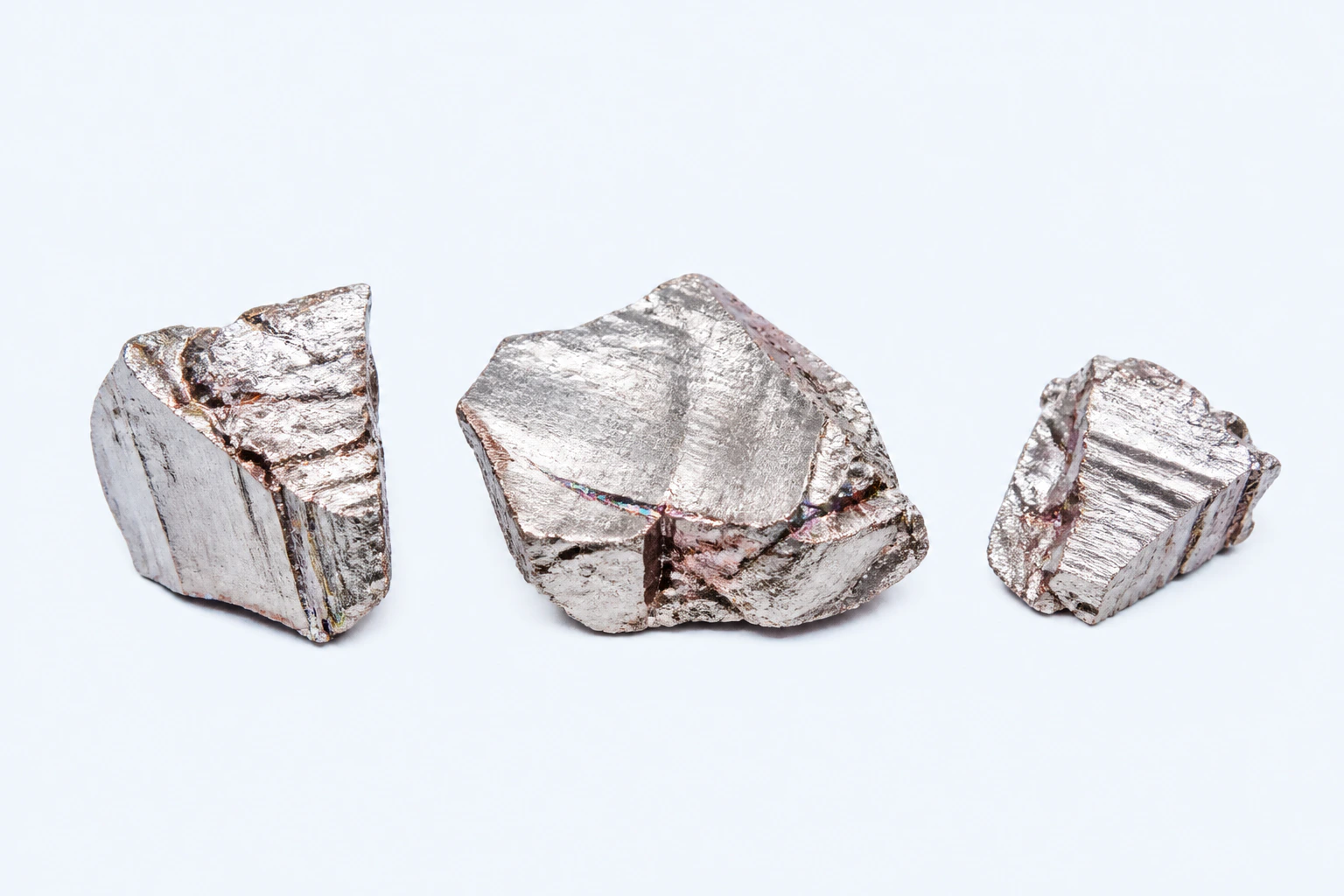
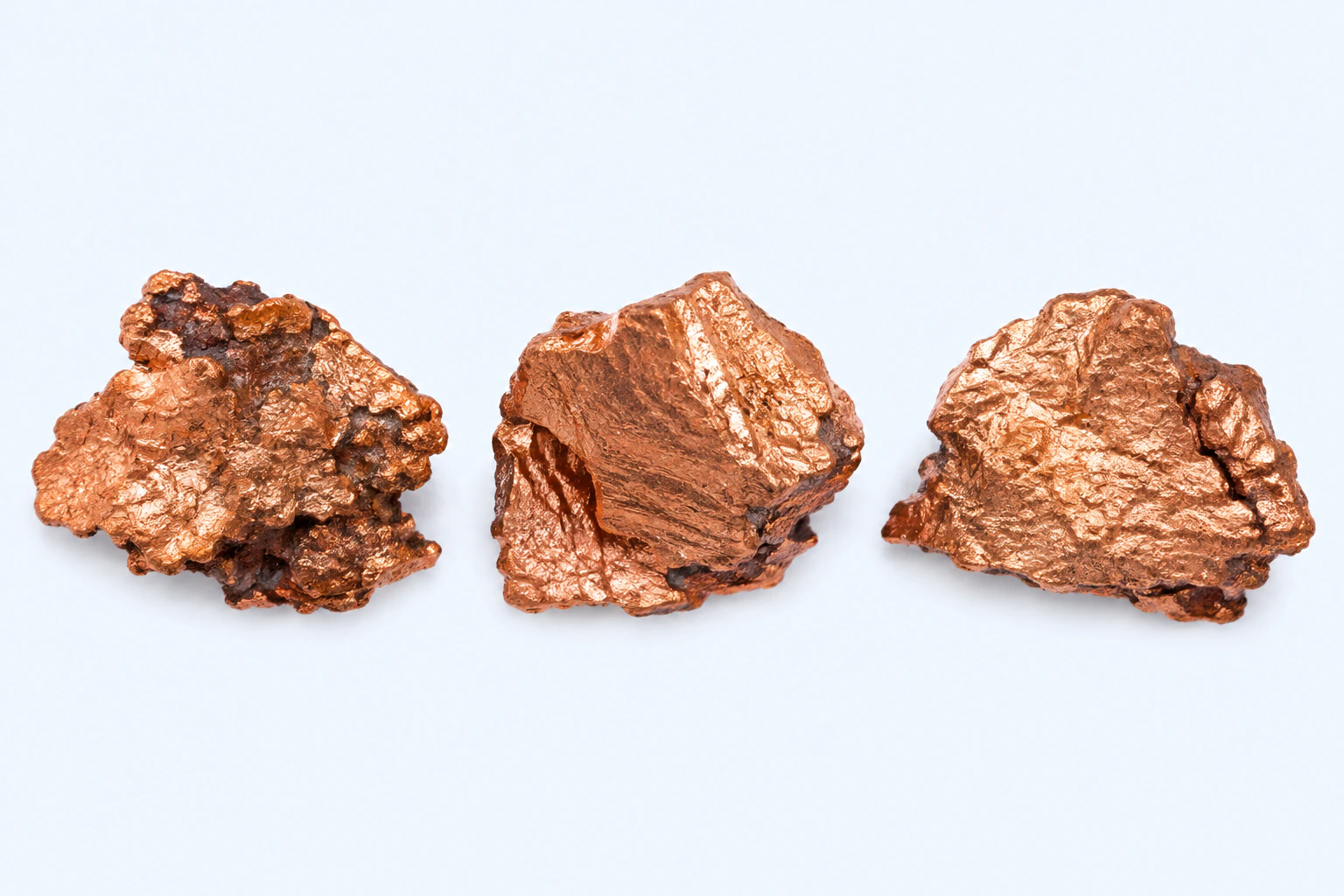
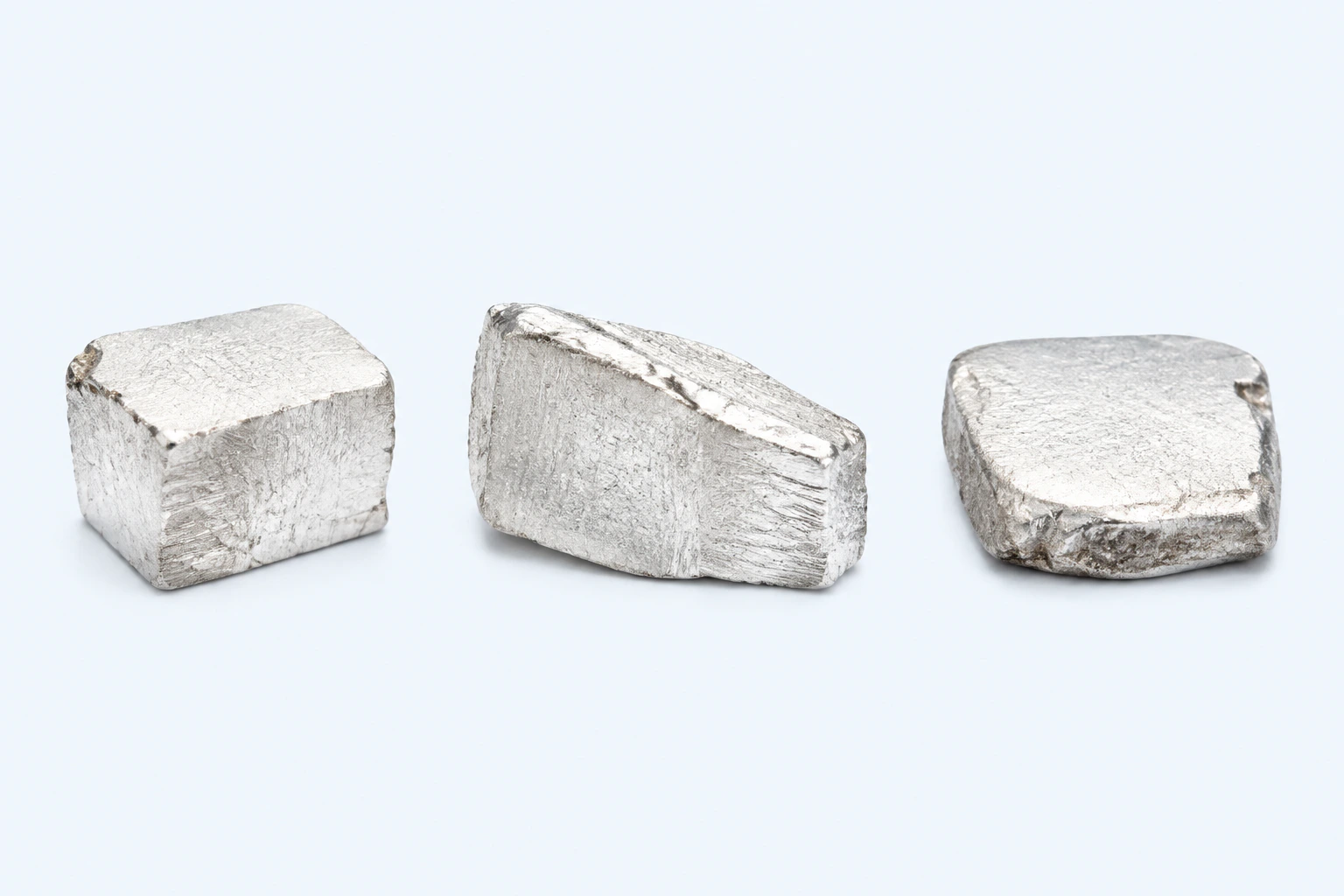
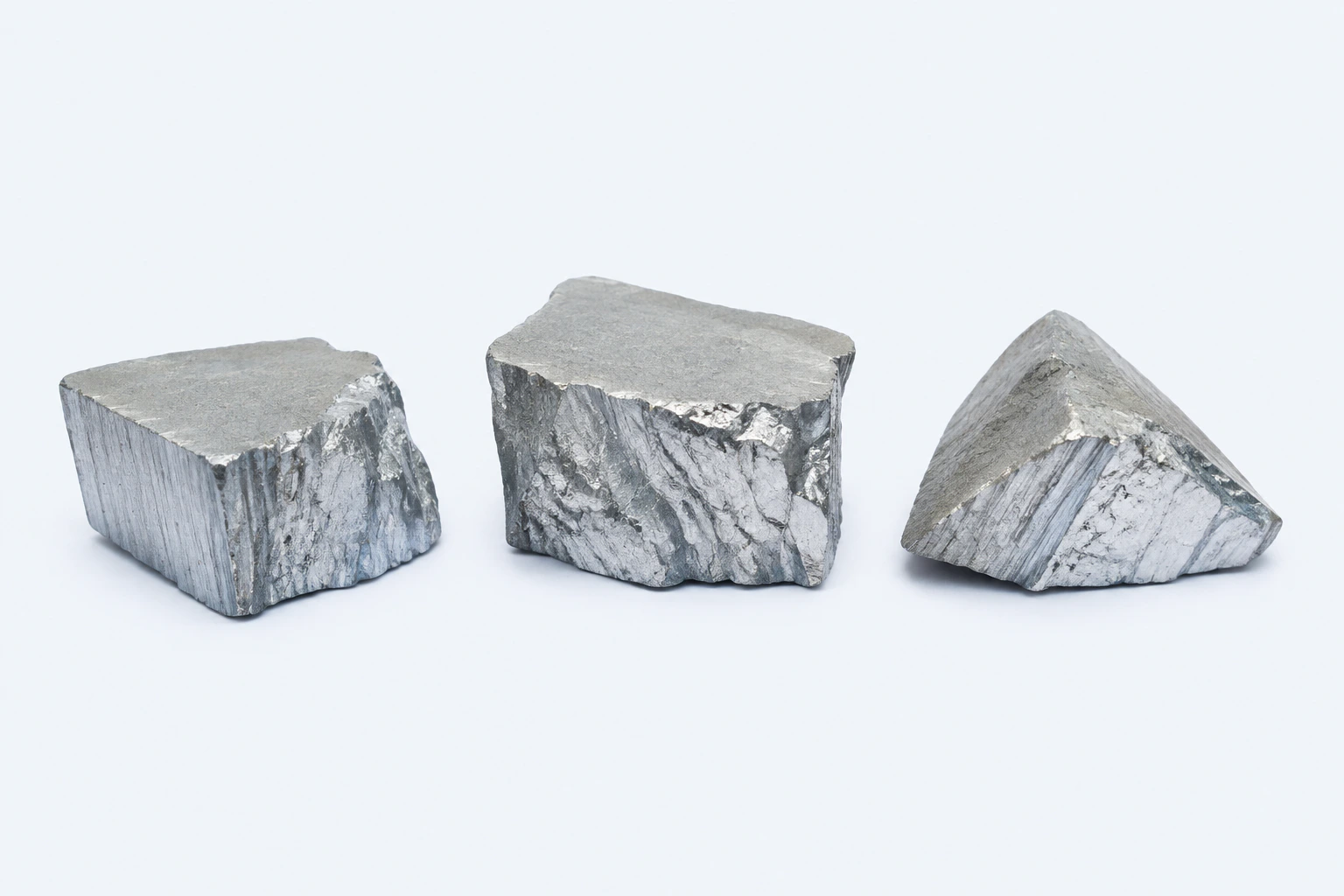
Three elemental bismuth pieces with silvery fracture faces, cool pink undertones, and restrained iridescent ridge tarnish.
Metals6 sources

Bismuth

A heavy metal traditionally considered safe enough for over-the-counter gastrointestinal remedies (Pepto-Bismol, De-Nol), bismuth is re-emerging as a potent antimicrobial synergist. Its key property: Bi3+ competes with Fe3+ for binding sites on siderophores and bacteria

Reference0 sources

Glossary

Alphabetical definitions of specialist terms used throughout this wiki. Where a full concept page exists, the term links to it. --- AhR (aryl hydrocarbon receptor) -- A ligand-activated transcription factor that senses microbial metabolites (especially indoles from tryp

Host defenses6 sources

Innate Immunity

Innate immunity is the body's first-line, non-specific defense against pathogens — comprising physical barriers (epithelium, mucus), antimicrobial molecules (calprotectin, lactoferrin, defensins), pattern recognition receptors (TLRs, NOD-like receptors), and phagocytic

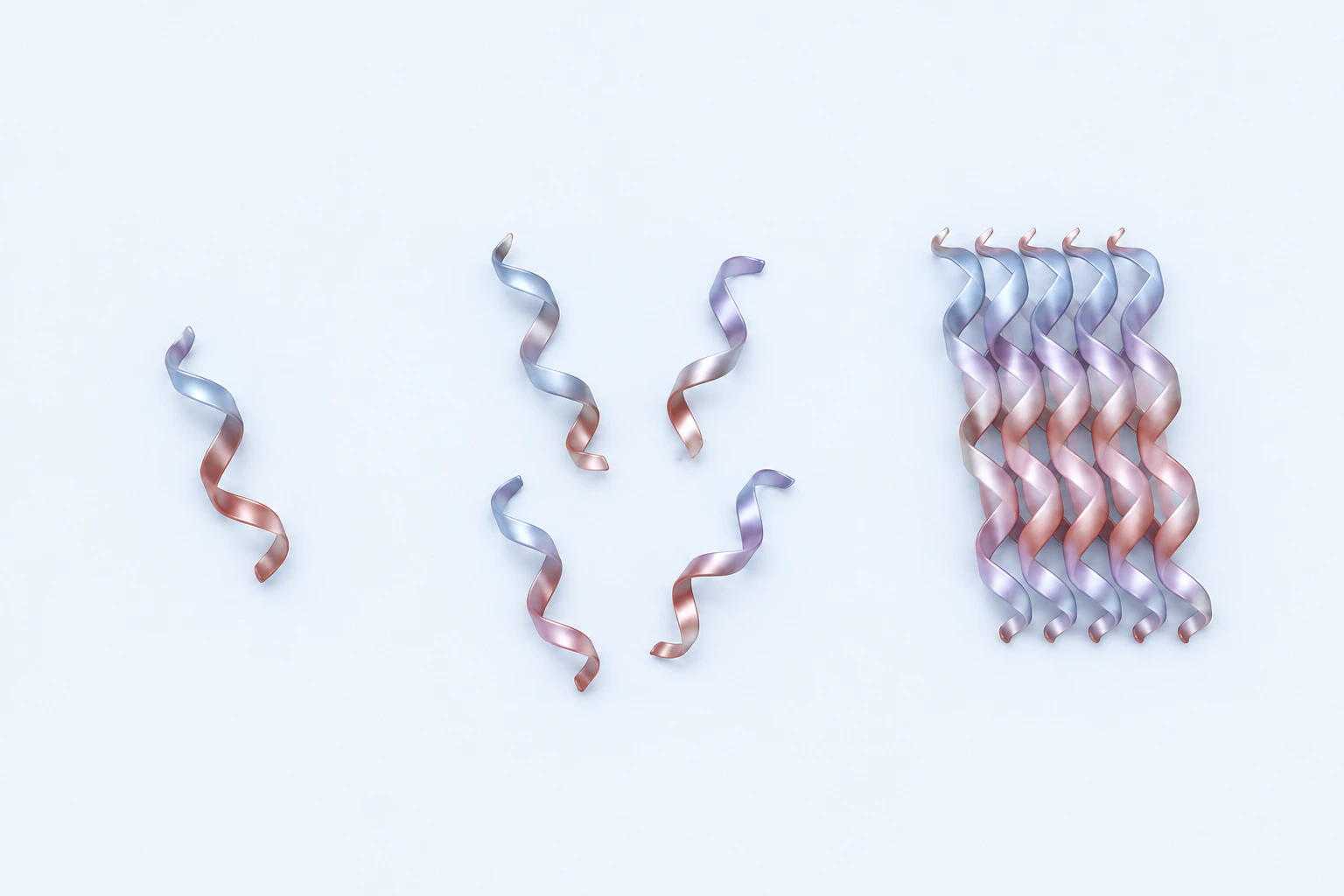
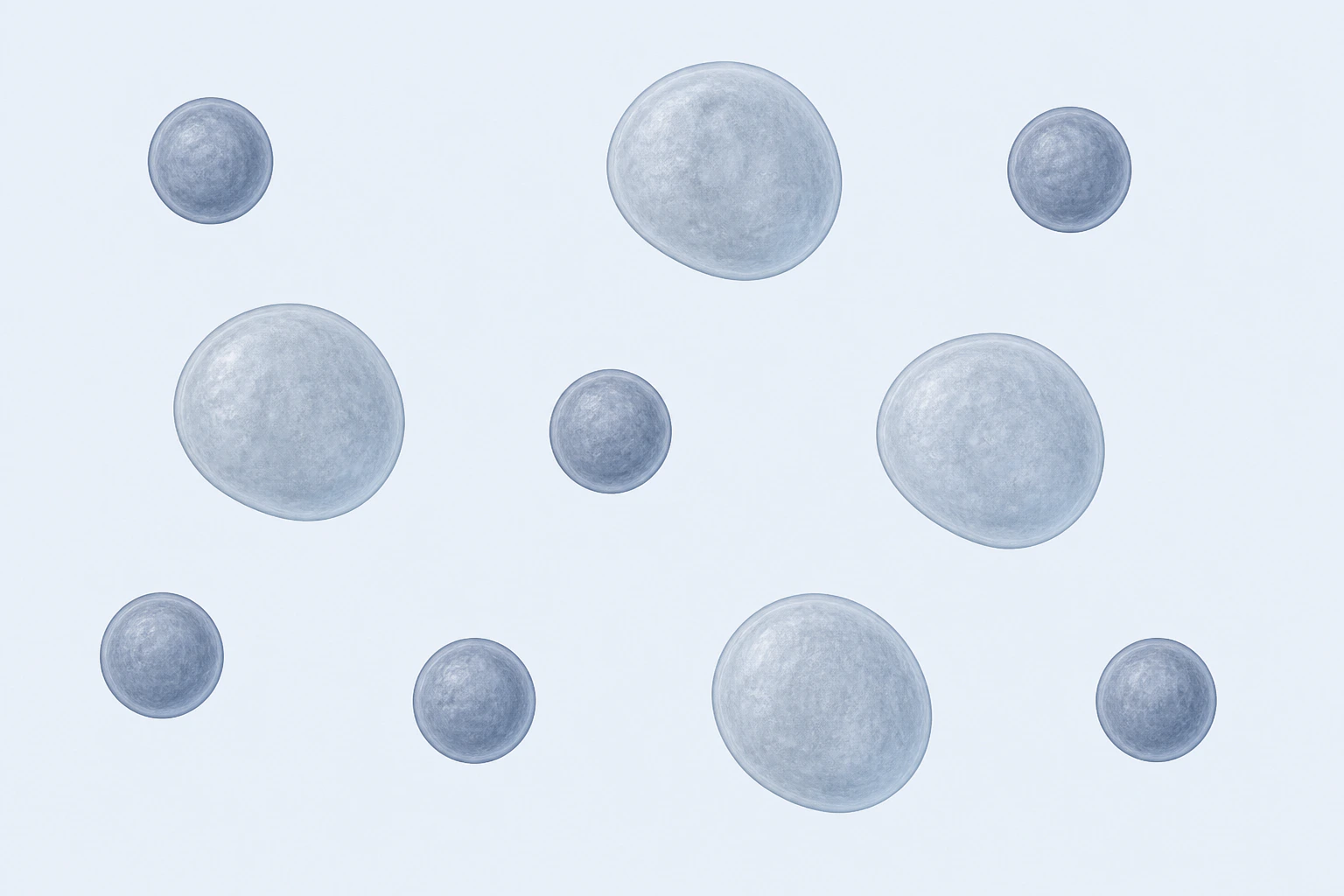
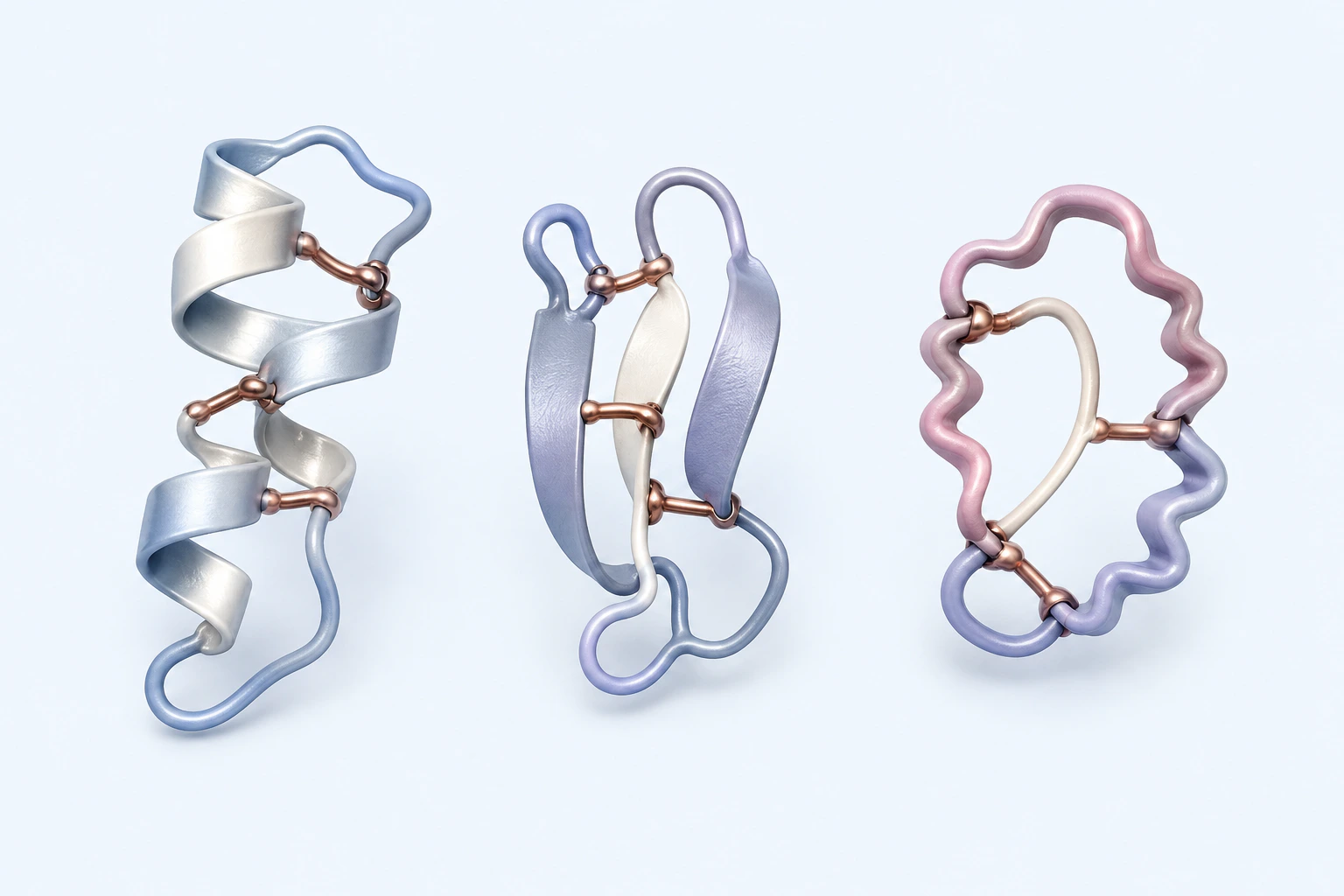
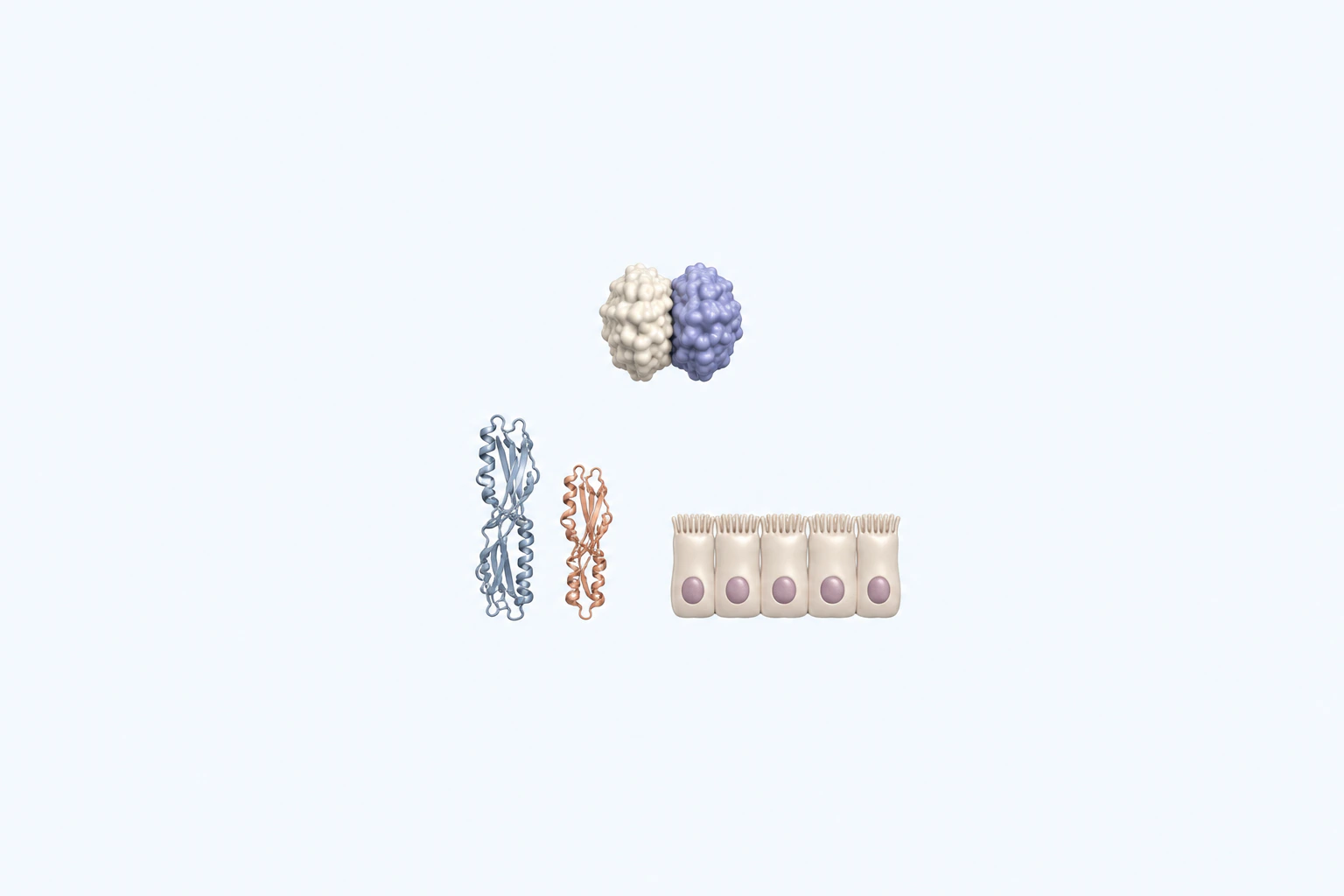
A generic cytokine form is separated from two distinct receptor-context forms and a small intact five-cell epithelial sheet.
Mechanisms7 sources

Interleukin-22

Interleukin-22 (IL-22) is an immune signaling protein that helps coordinate host responses at epithelial surfaces. In the gut evidence represented by WikiBiome, group 3 innate lymphoid cells (ILC3s) are a prominent source, while Th17-associated responses can also includ

Mechanisms5 sources

Vitamin D

Vitamin D (calciferol; active form: calcitriol/1,25(OH)₂D₃) is a secosteroid hormone with profound immunomodulatory effects. The vitamin D receptor (VDR) is expressed on virtually all immune cells, and vitamin D deficiency is epidemiologically linked to autoimmune disea