WikiBiomeThe human microbiome encyclopedia
WikiBiome/Search: “EPA”
Encyclopedia search

Search: “EPA”

Ranked matches across titles, topics, categories, and article introductions.

51 records in this view

Organizations & projects

Research & education platformMicrobiome MedicineA research and education platform connecting condition-specific microbiome signatures, biological mechanisms, and candidate interventions.microbiomemedicine.com
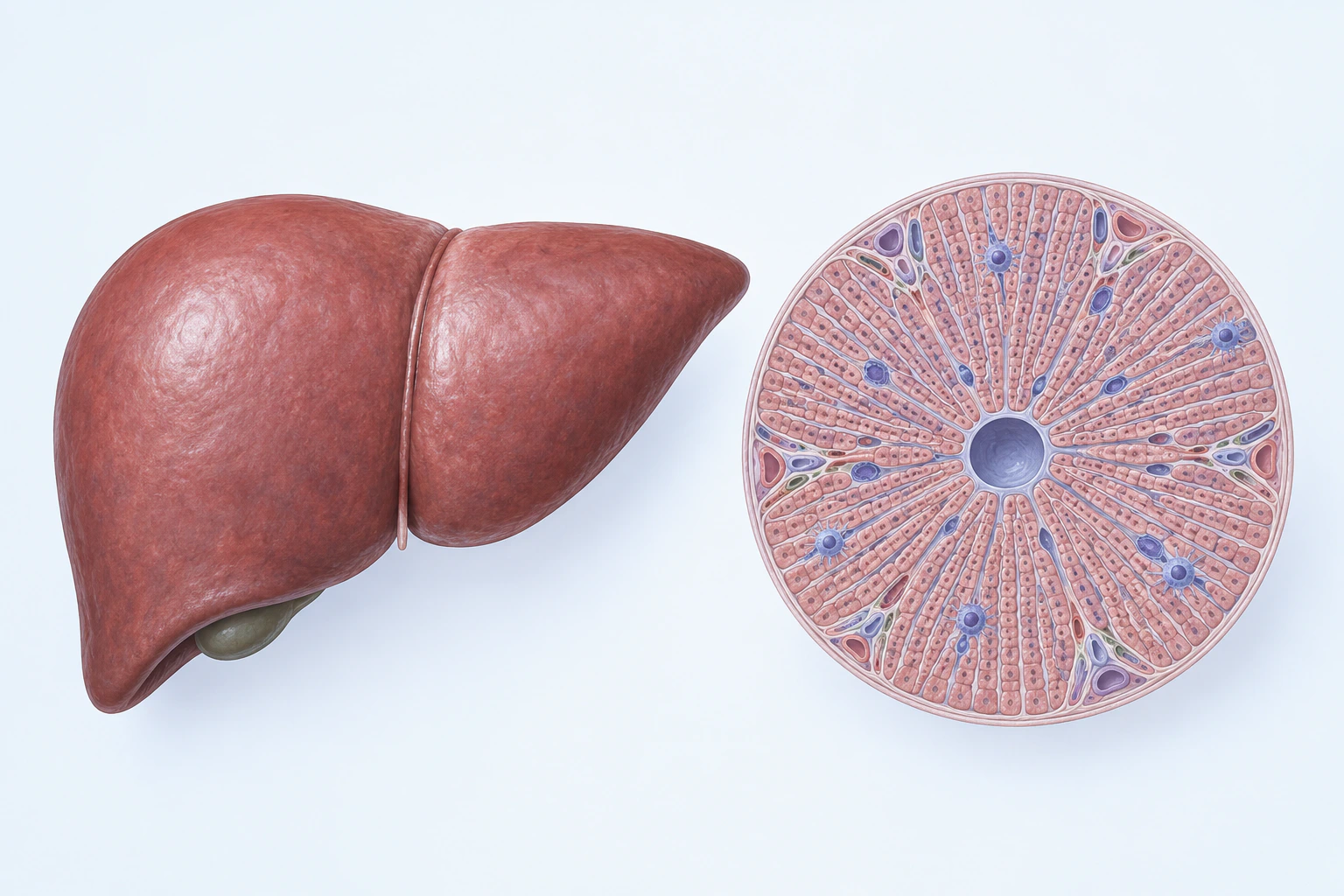
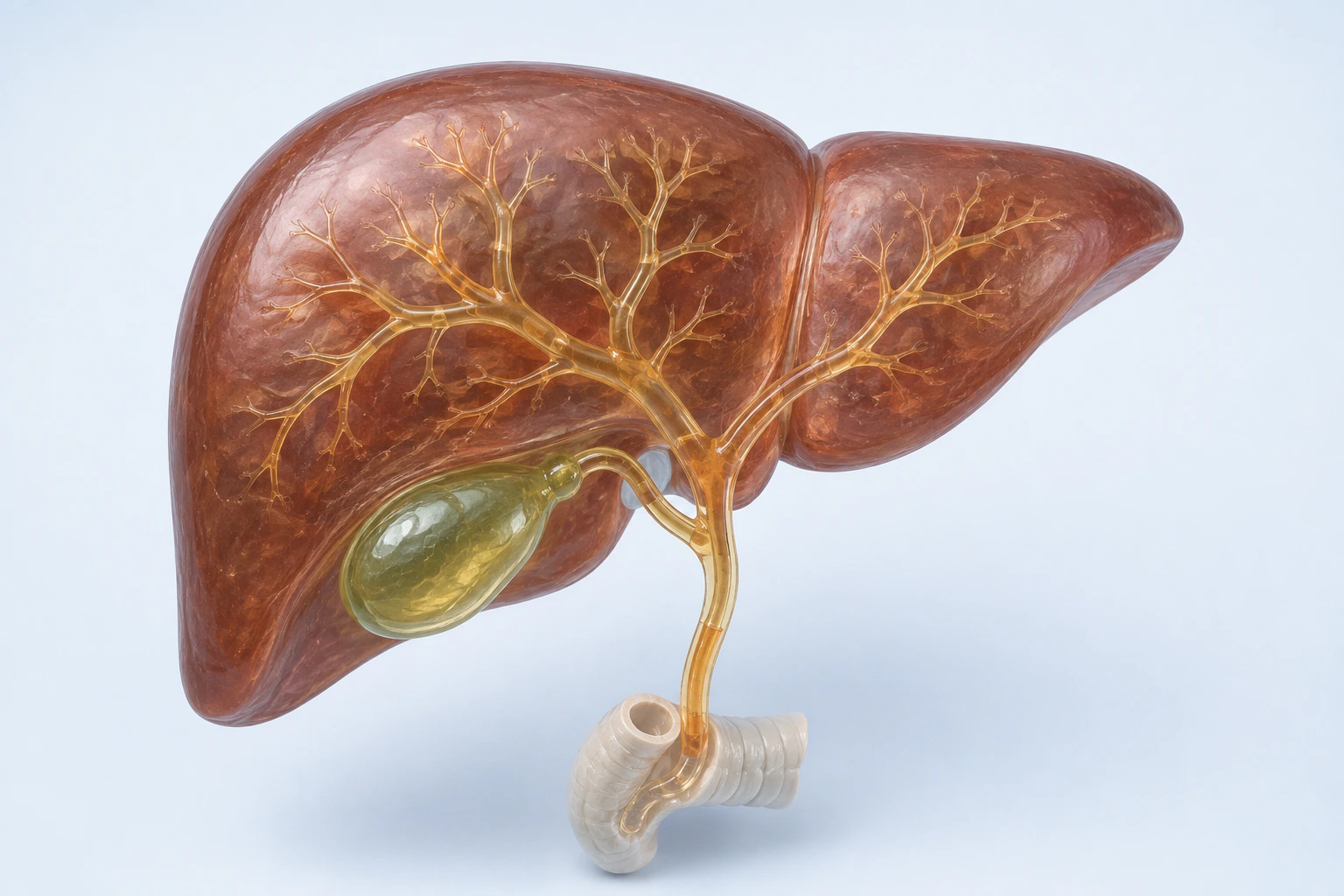
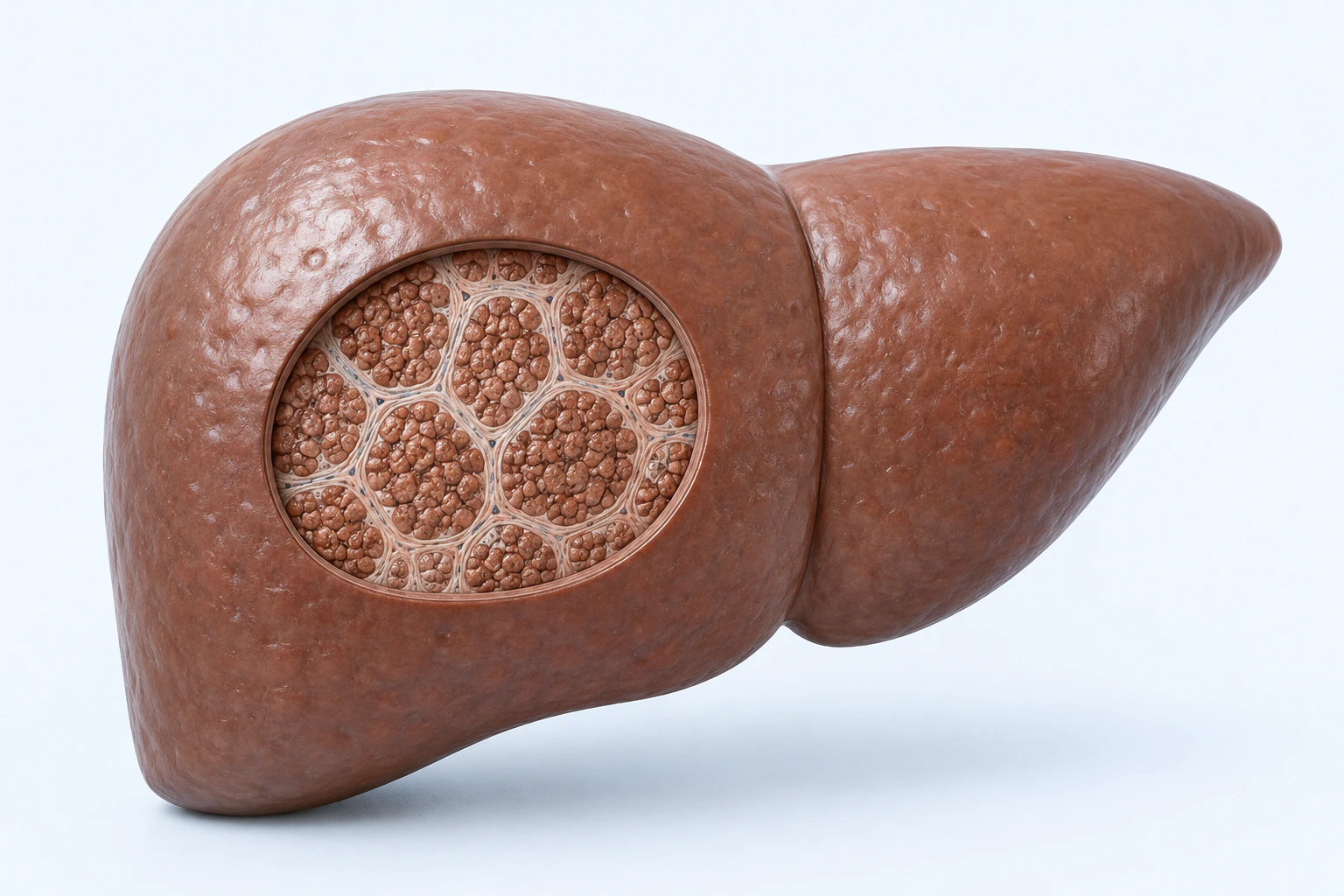
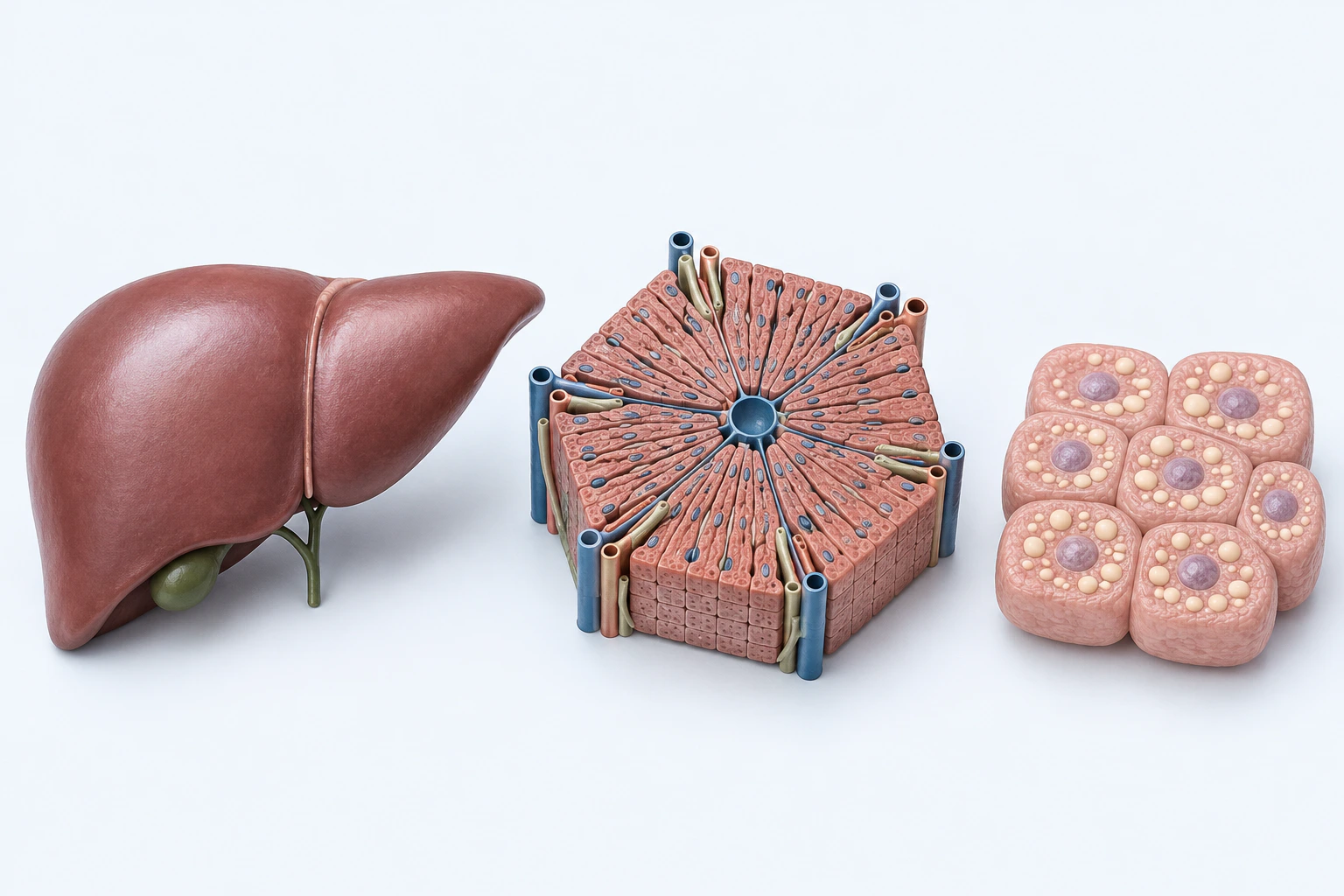
A complete liver with gallbladder appears beside a circular radial hepatic microarchitecture model with sparse blue-purple immune-cell-like elements.
Diseases4 sources

Hepatitis

Hepatitis (liver inflammation) encompasses viral (HBV, HCV, HAV), autoimmune, alcoholic, and toxin-induced forms. In the WikiBiome framework, the gut-liver axis is central — portal blood delivers gut-derived microbial products (LPS, bacterial DNA) directly to the liver

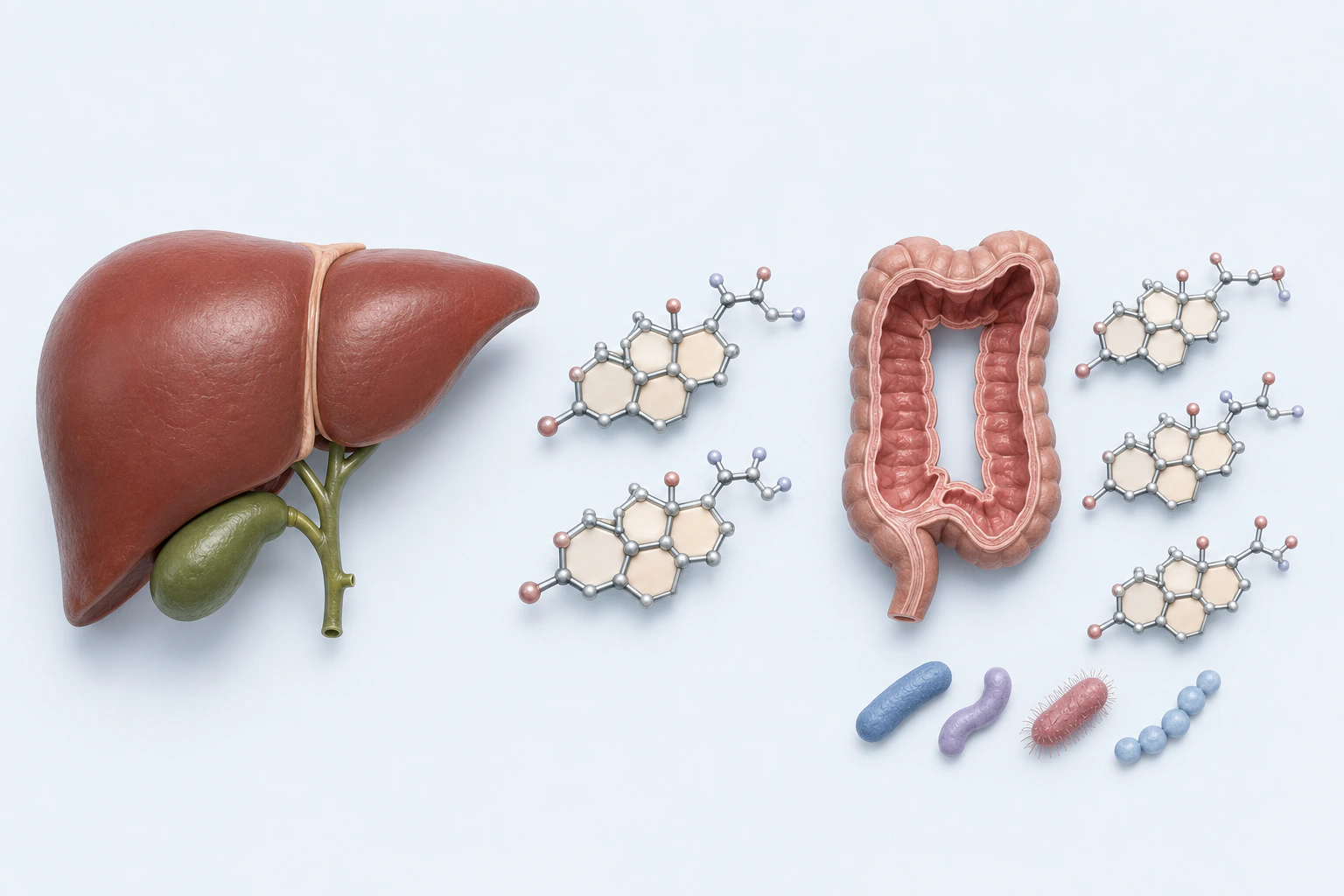
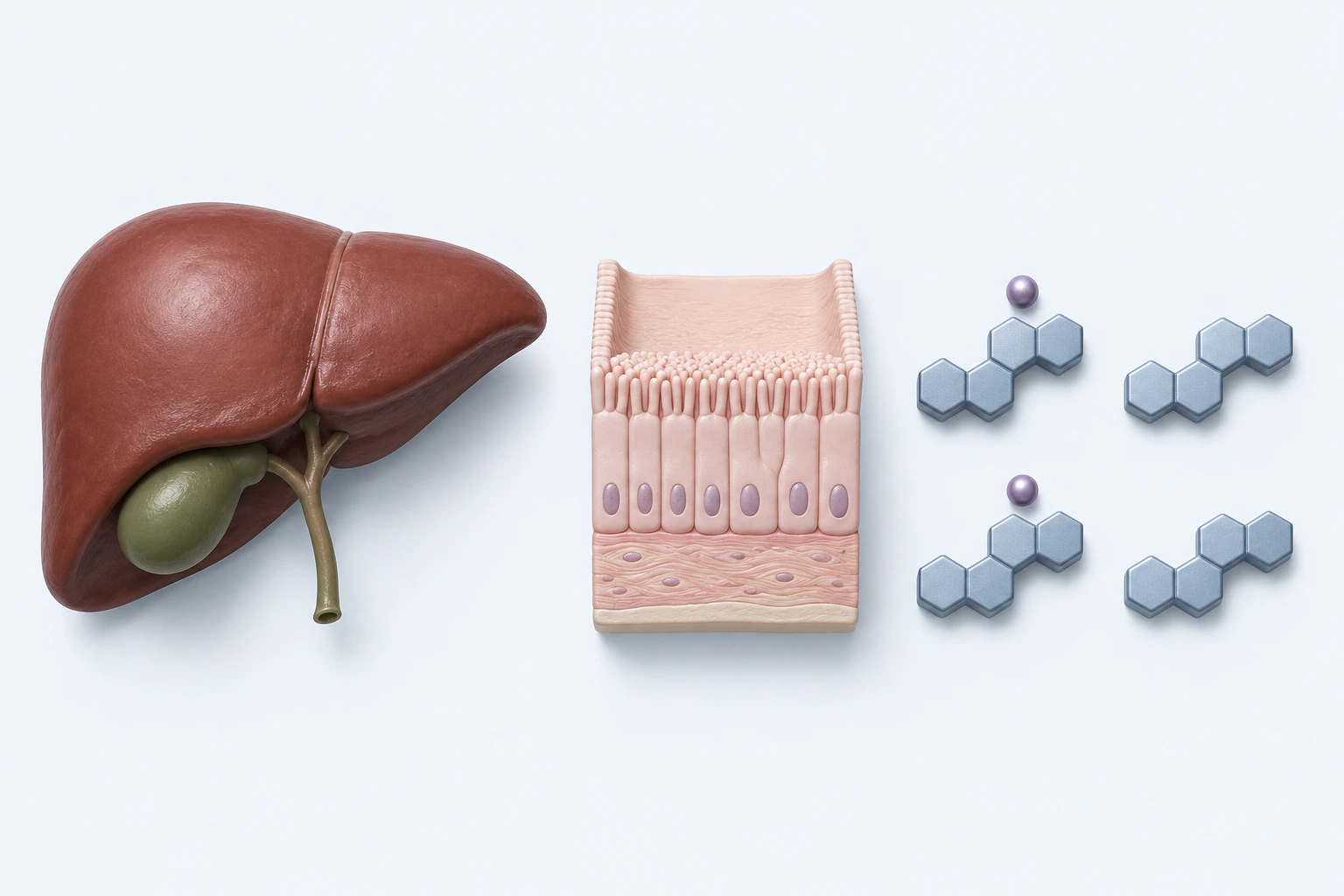
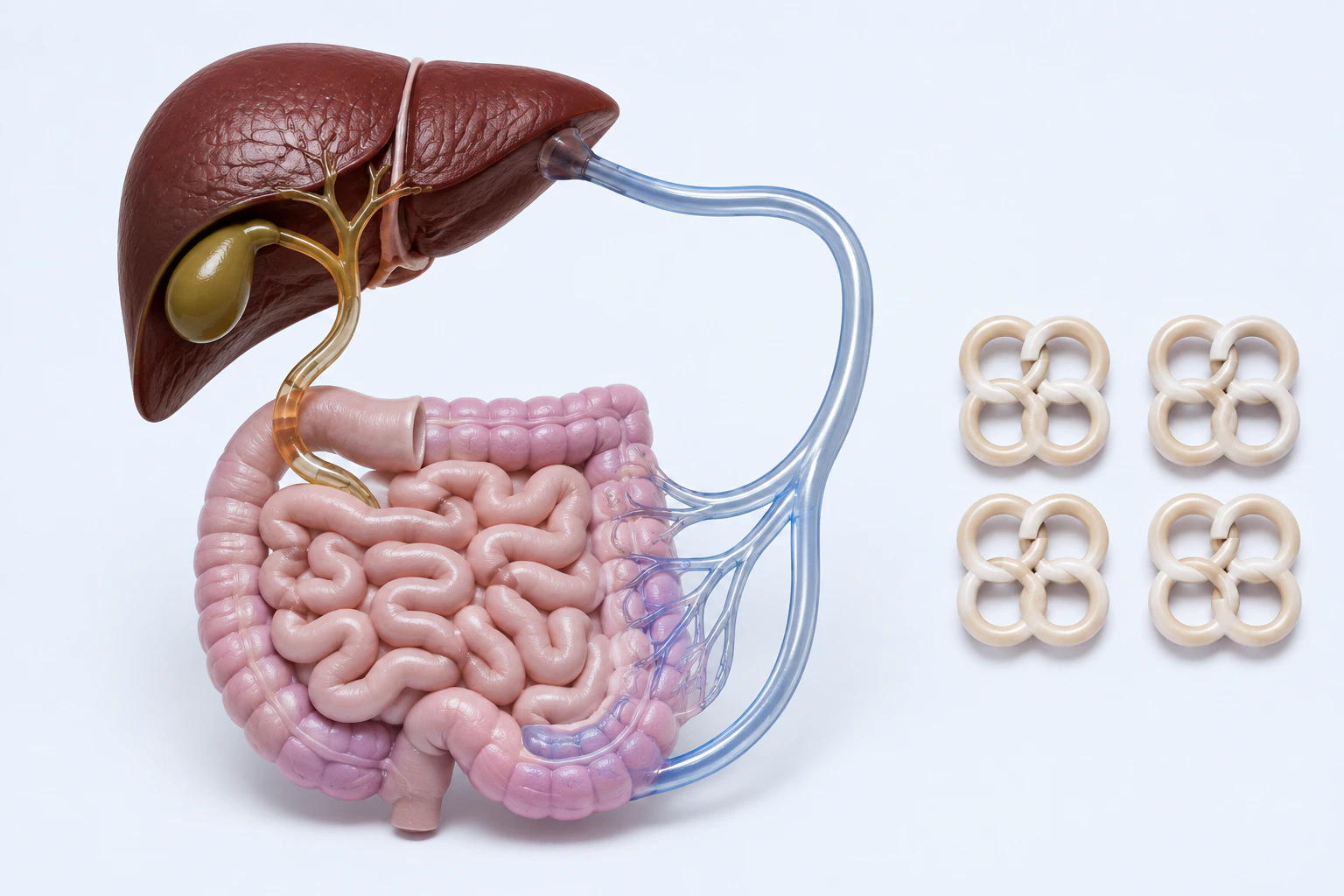
Separated liver and gallbladder, steroid-like tokens, and colon-with-microbial-context teaching groups orient bile acid metabolism without arrows.
Mechanisms8 sources

Bile Acid Metabolism

Bile acids are cholesterol-derived amphipathic molecules synthesized in the liver, secreted into the duodenum, and extensively modified by gut bacteria. The host-microbe co-metabolism of bile acids creates a signaling network with profound effects on lipid metabolism, g

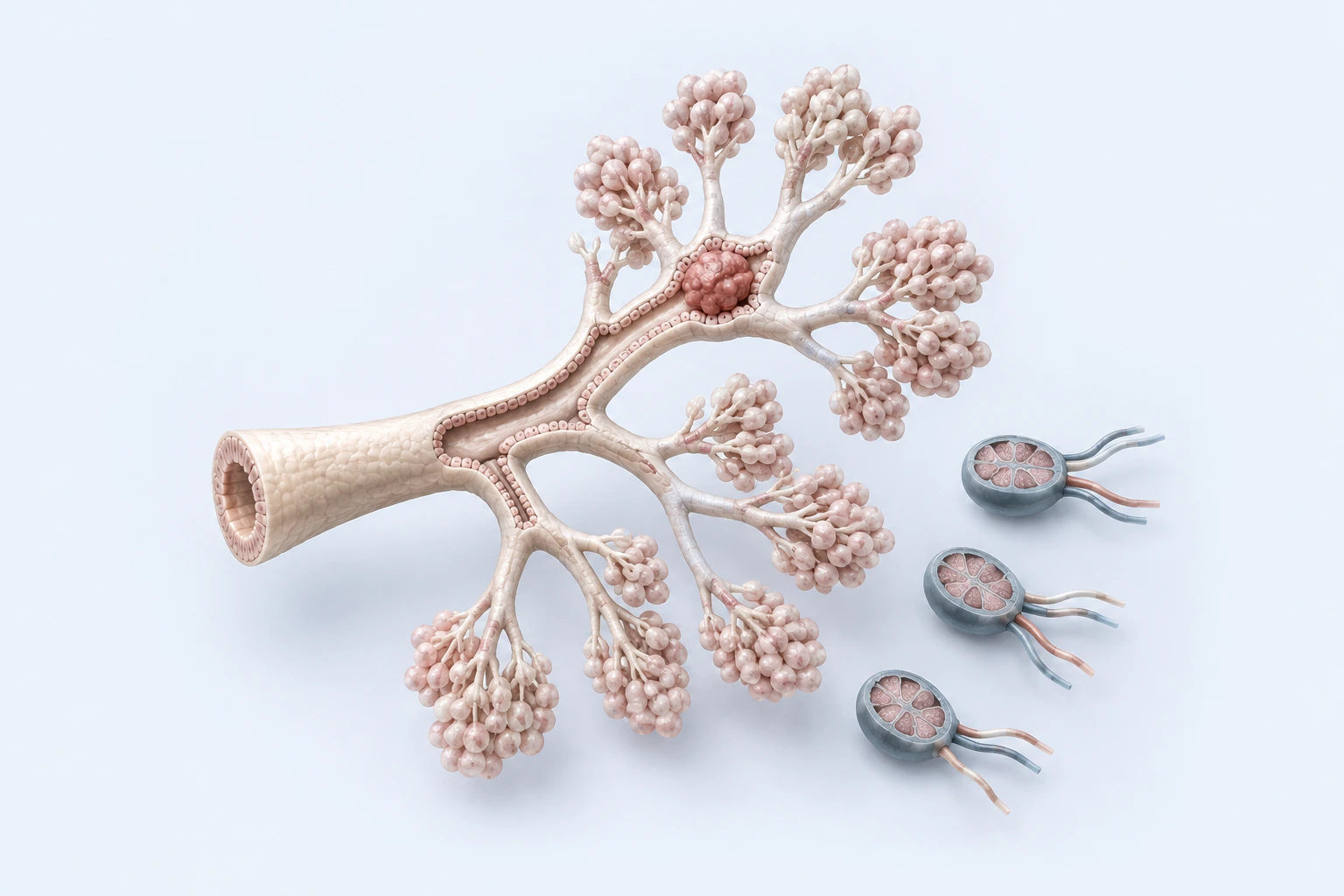
A branching mammary duct-and-lobule teaching model contains one irregular rose lesion, with three separate regional structures nearby.
Diseases19 sources

Breast Cancer

Breast cancer is the most common cancer in women worldwide, with approximately 2.3 million new cases annually. While genetic, hormonal, and lifestyle factors are well-established risk determinants, the metallomic dimension reveals a consistent pattern of trace element d

Reference0 sources

Glossary

Alphabetical definitions of specialist terms used throughout this wiki. Where a full concept page exists, the term links to it. --- AhR (aryl hydrocarbon receptor) -- A ligand-activated transcription factor that senses microbial metabolites (especially indoles from tryp

Host defenses6 sources

Innate Immunity

Innate immunity is the body's first-line, non-specific defense against pathogens — comprising physical barriers (epithelium, mucus), antimicrobial molecules (calprotectin, lactoferrin, defensins), pattern recognition receptors (TLRs, NOD-like receptors), and phagocytic

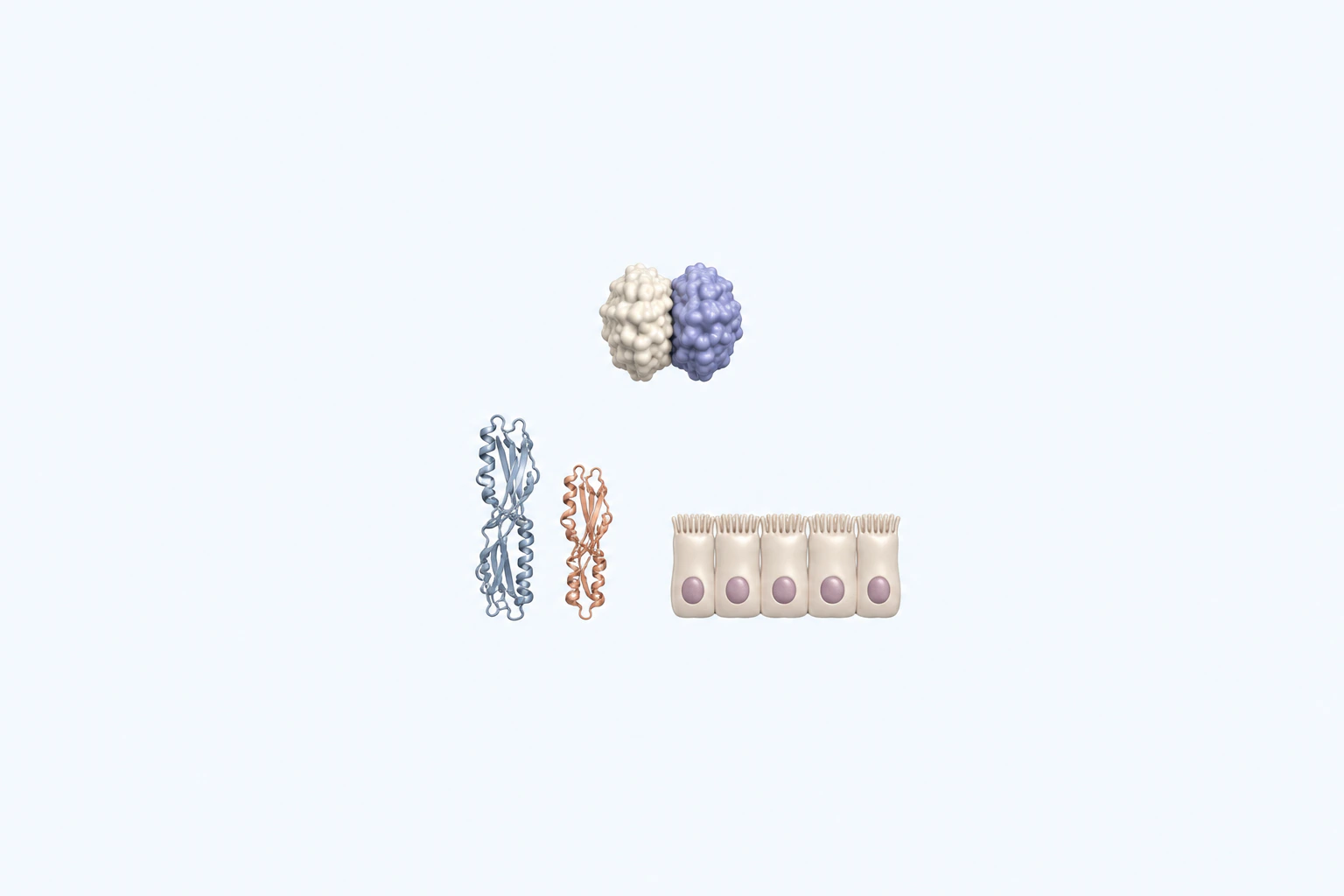
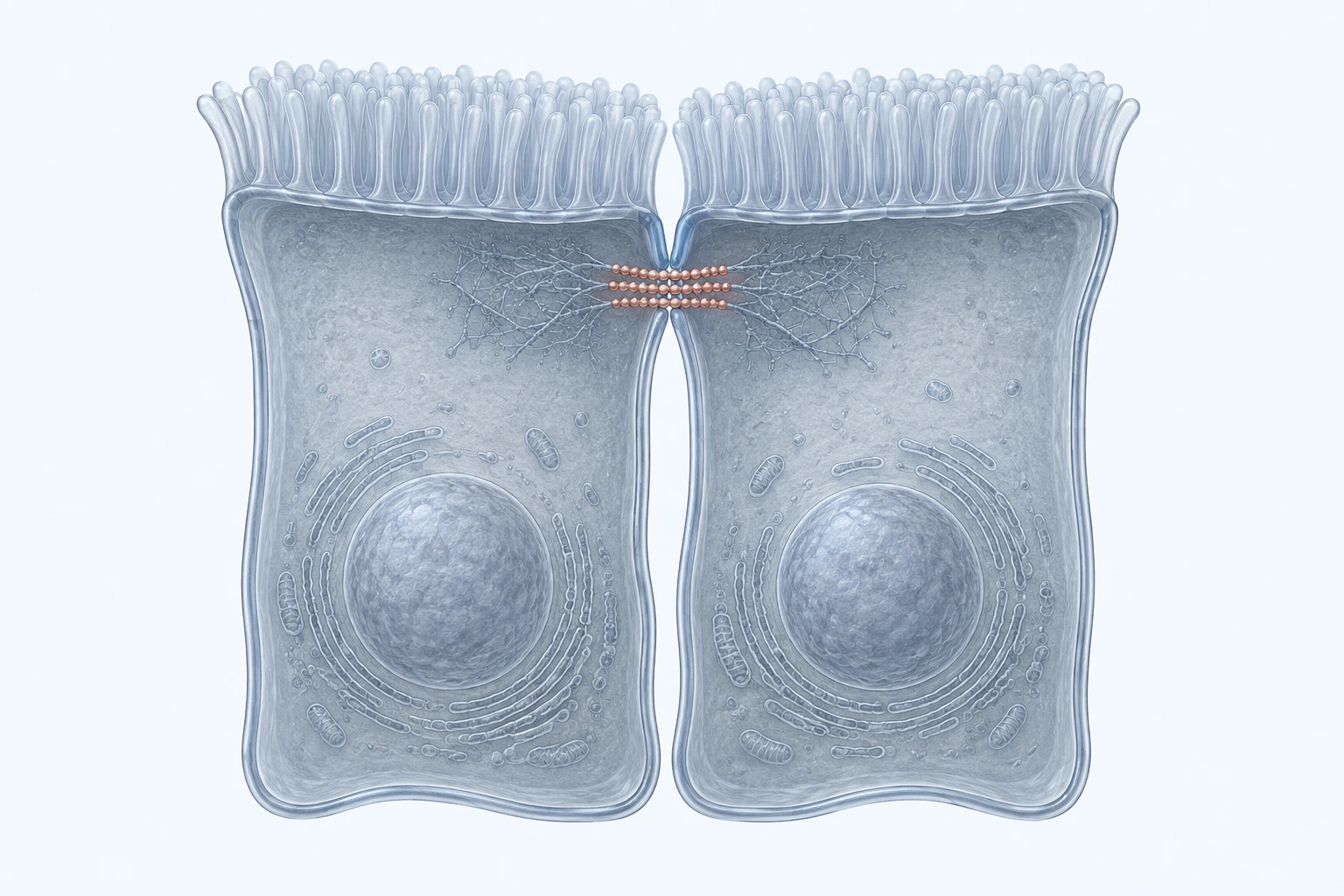
A generic cytokine form is separated from two distinct receptor-context forms and a small intact five-cell epithelial sheet.
Mechanisms7 sources

Interleukin-22

Interleukin-22 (IL-22) is an immune signaling protein that helps coordinate host responses at epithelial surfaces. In the gut evidence represented by WikiBiome, group 3 innate lymphoid cells (ILC3s) are a prominent source, while Th17-associated responses can also includ

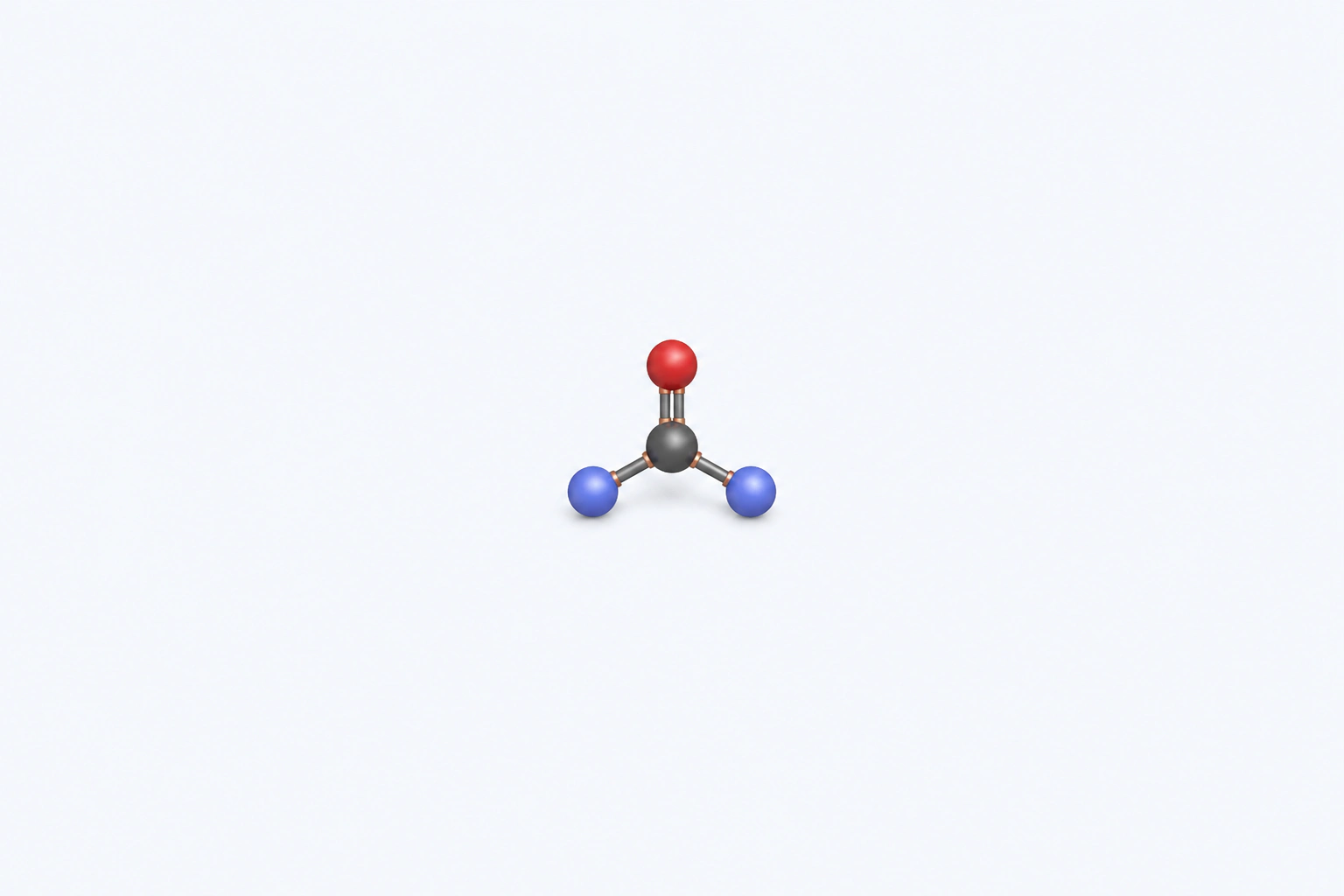
A compact urea connectivity model shows one carbonyl carbon, one oxygen, and two nitrogen centers, with hydrogens omitted.
Mechanisms6 sources

Urea

Urea is the substrate of urease. In the microbial systems covered by WikiBiome, urease hydrolyzes urea to ammonia and bicarbonate; those products can supply microbial nitrogen and help neutralize acidic environments maier 2019 nickel microbial pathogenesis. At a glance,