WikiBiomeThe human microbiome encyclopedia
WikiBiome/Search: “metabolism”
Encyclopedia search

Search: “metabolism”

Ranked matches across titles, topics, categories, and article introductions.

80 records in this view
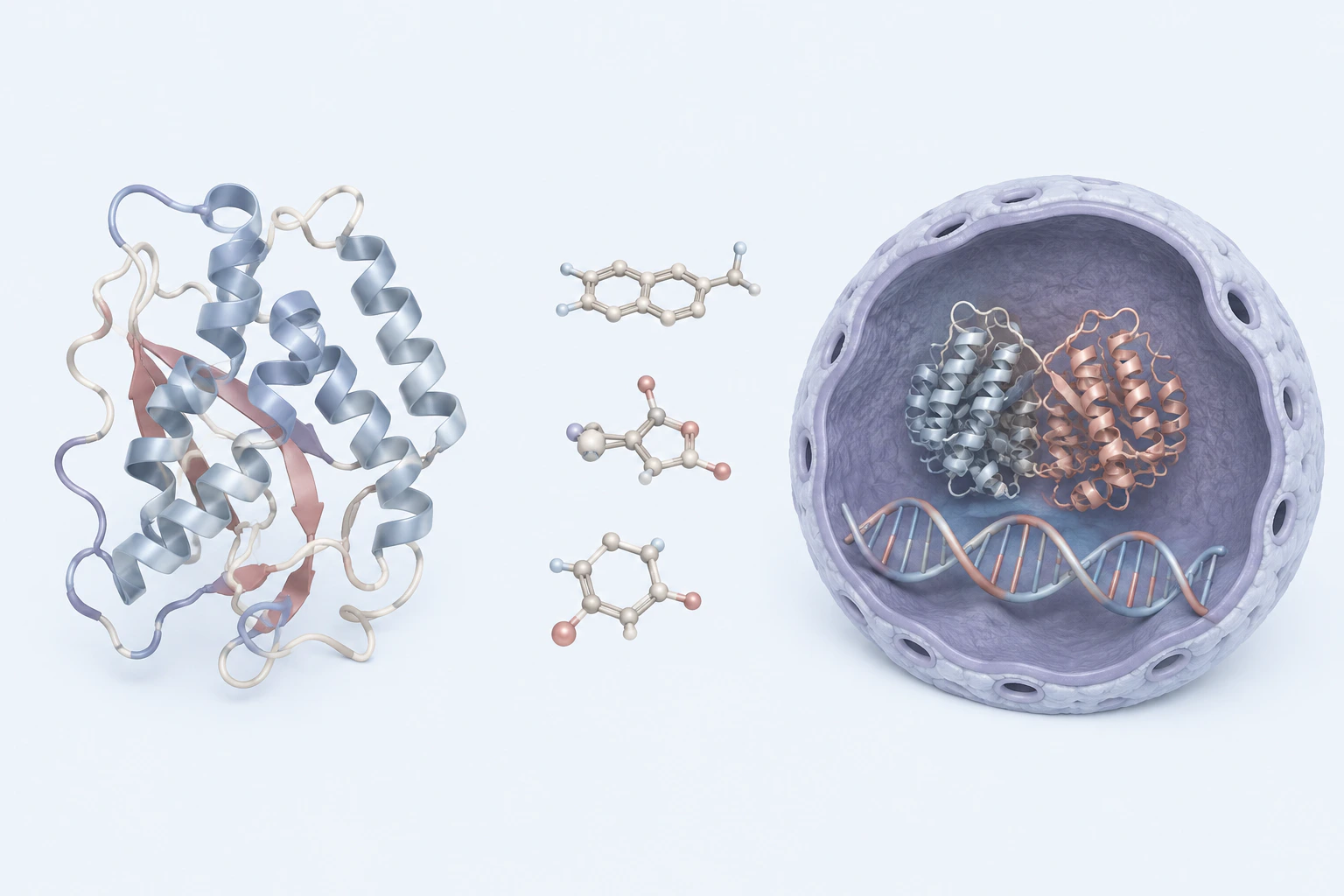
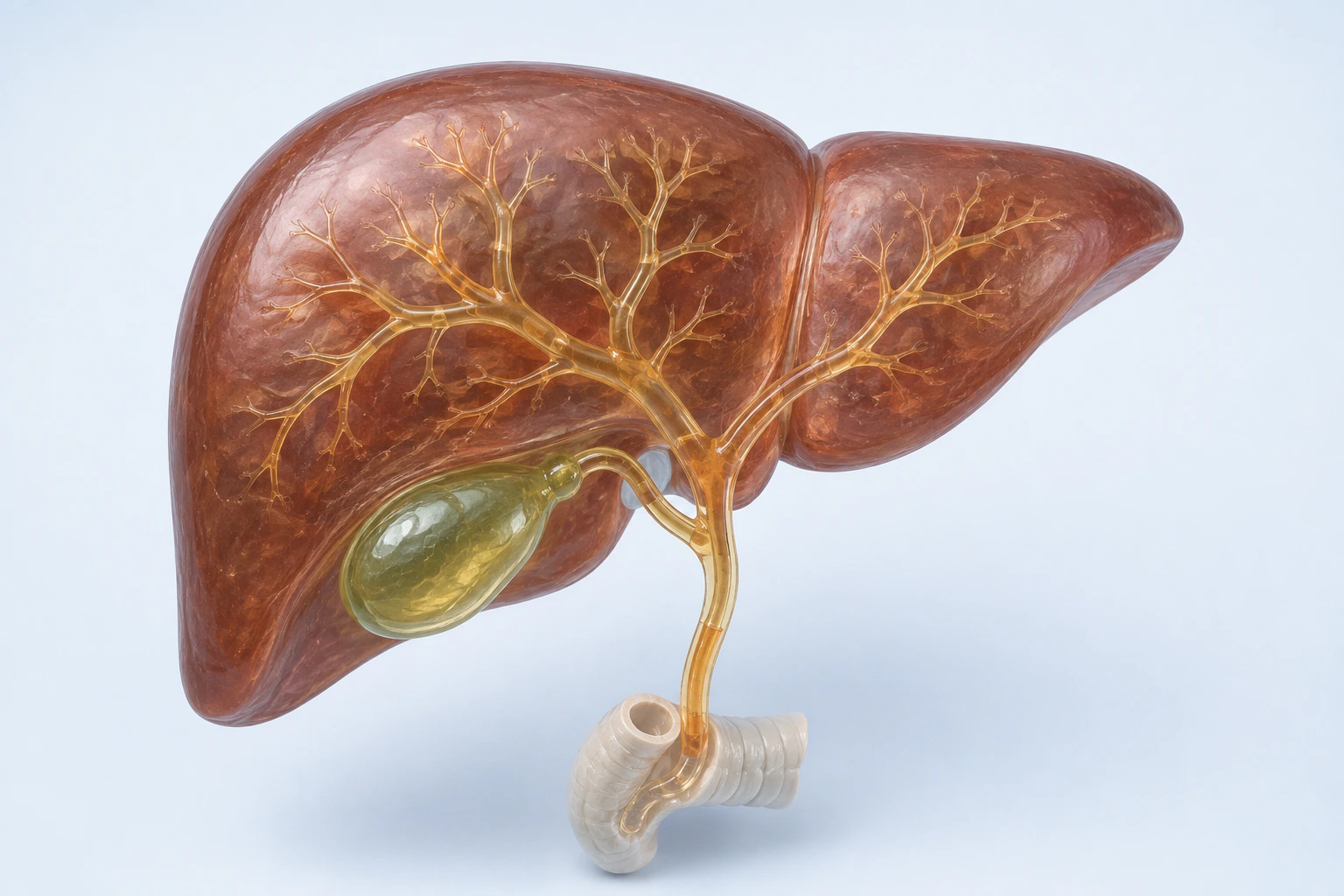
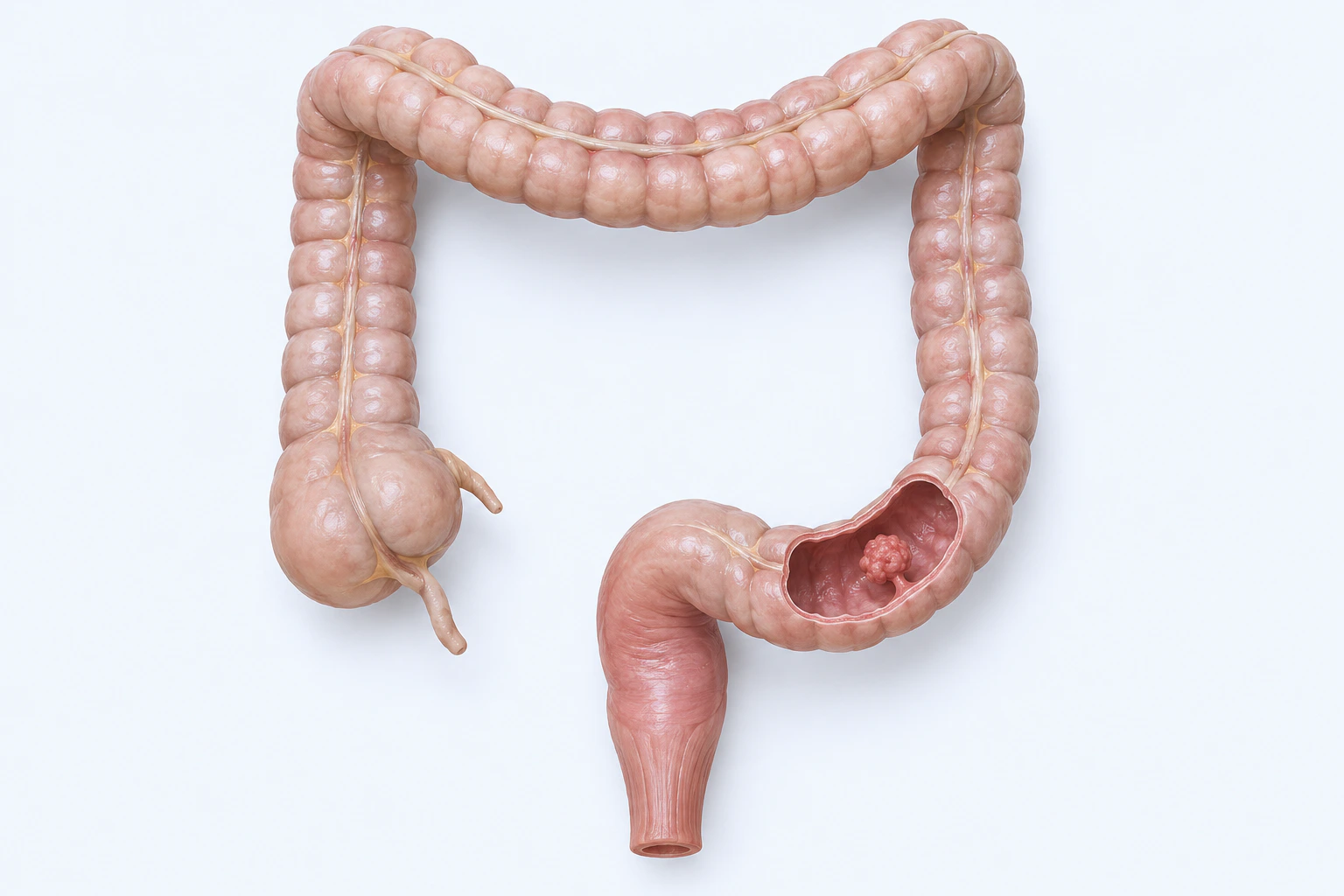
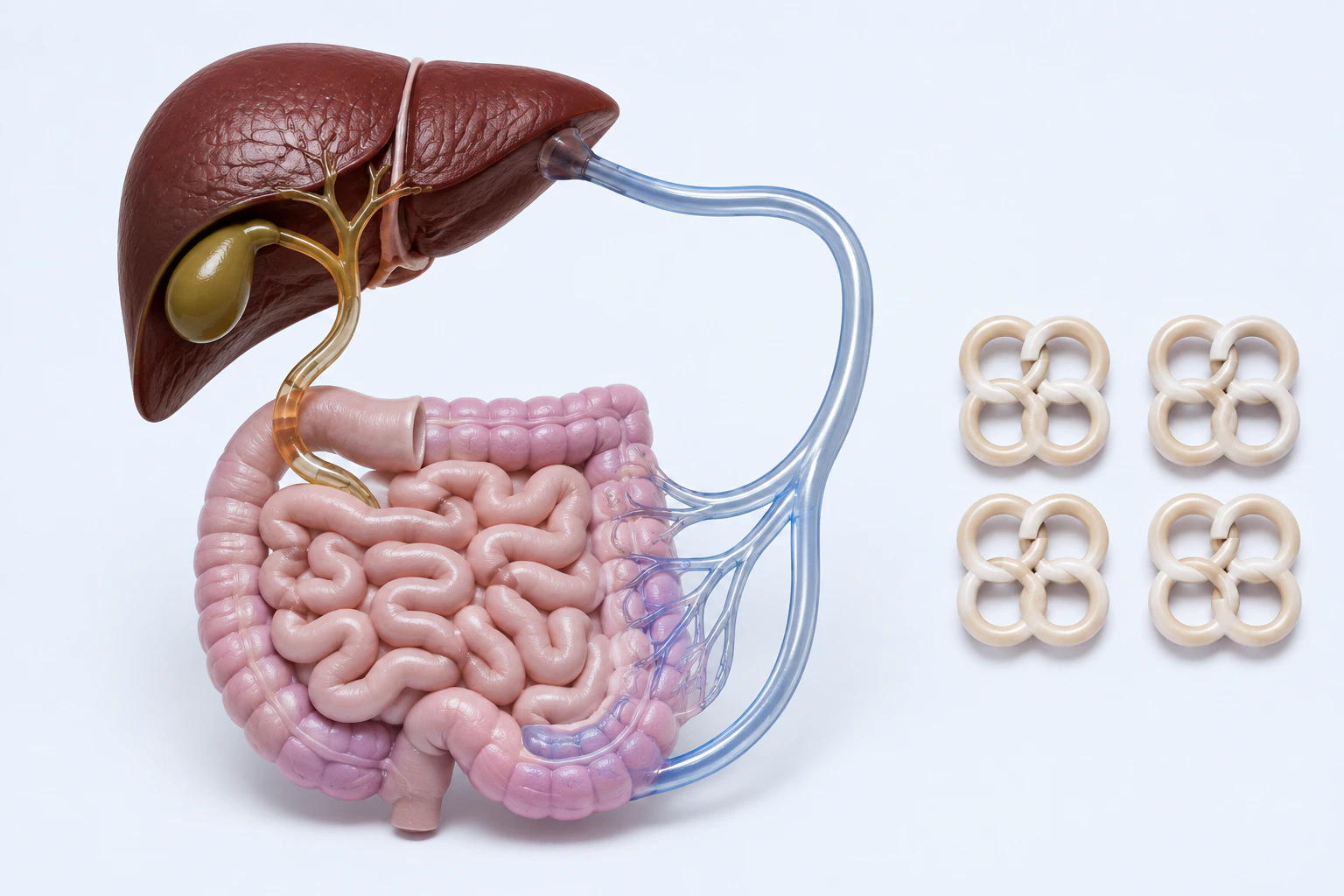
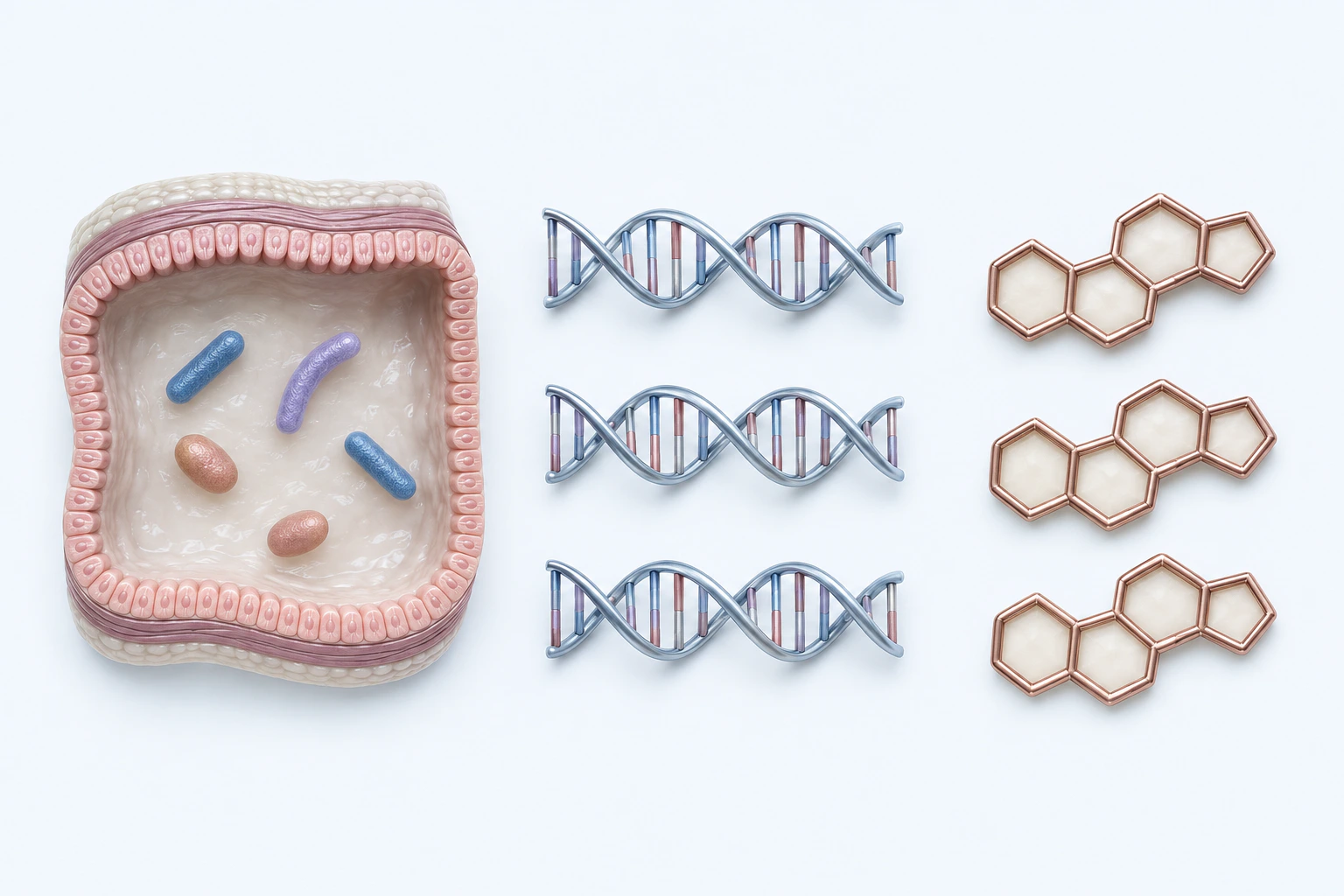
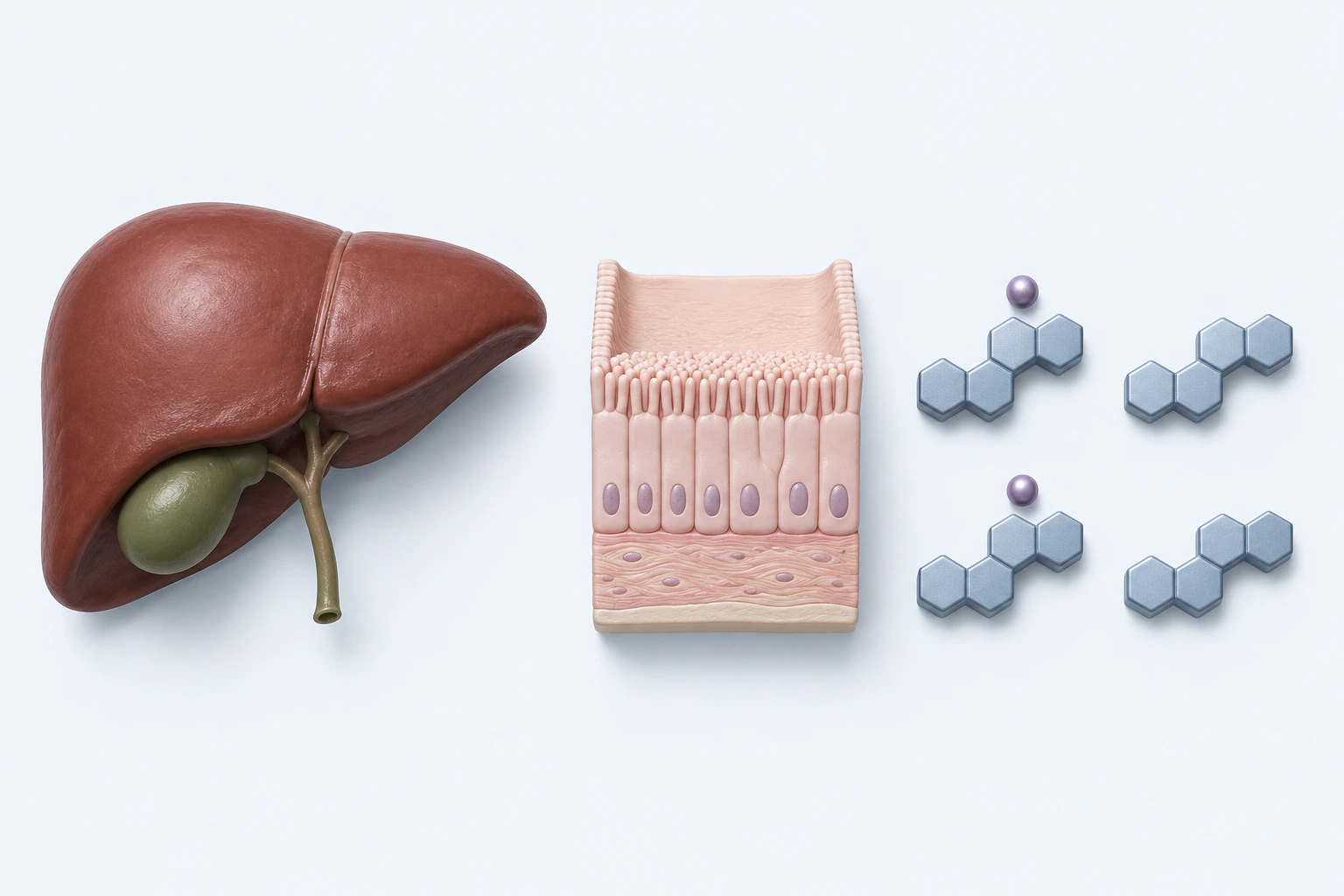
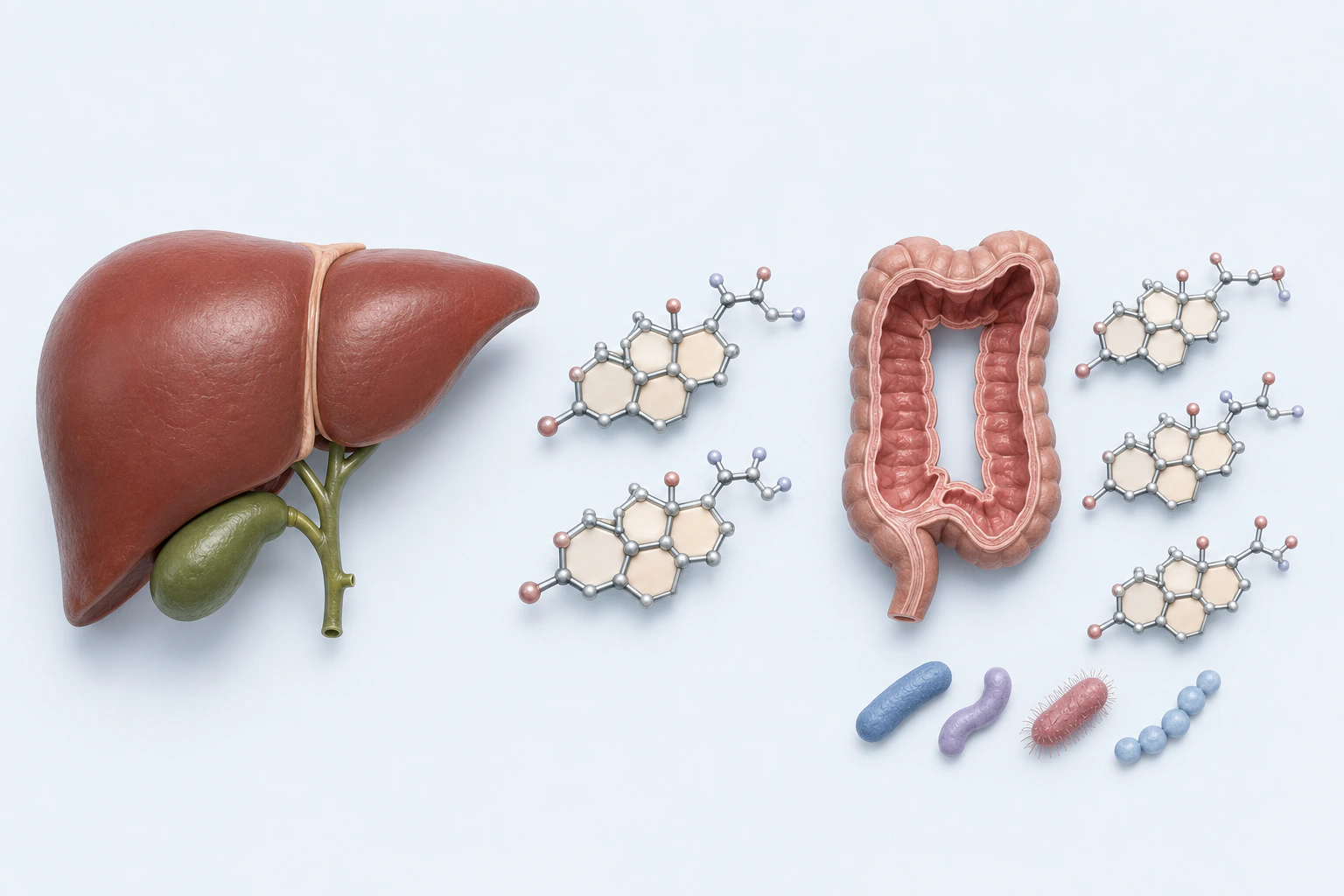
Separated liver and gallbladder, steroid-like tokens, and colon-with-microbial-context teaching groups orient bile acid metabolism without arrows.
Mechanisms8 sources

Bile Acid Metabolism

Bile acids are cholesterol-derived amphipathic molecules synthesized in the liver, secreted into the duodenum, and extensively modified by gut bacteria. The host-microbe co-metabolism of bile acids creates a signaling network with profound effects on lipid metabolism, g

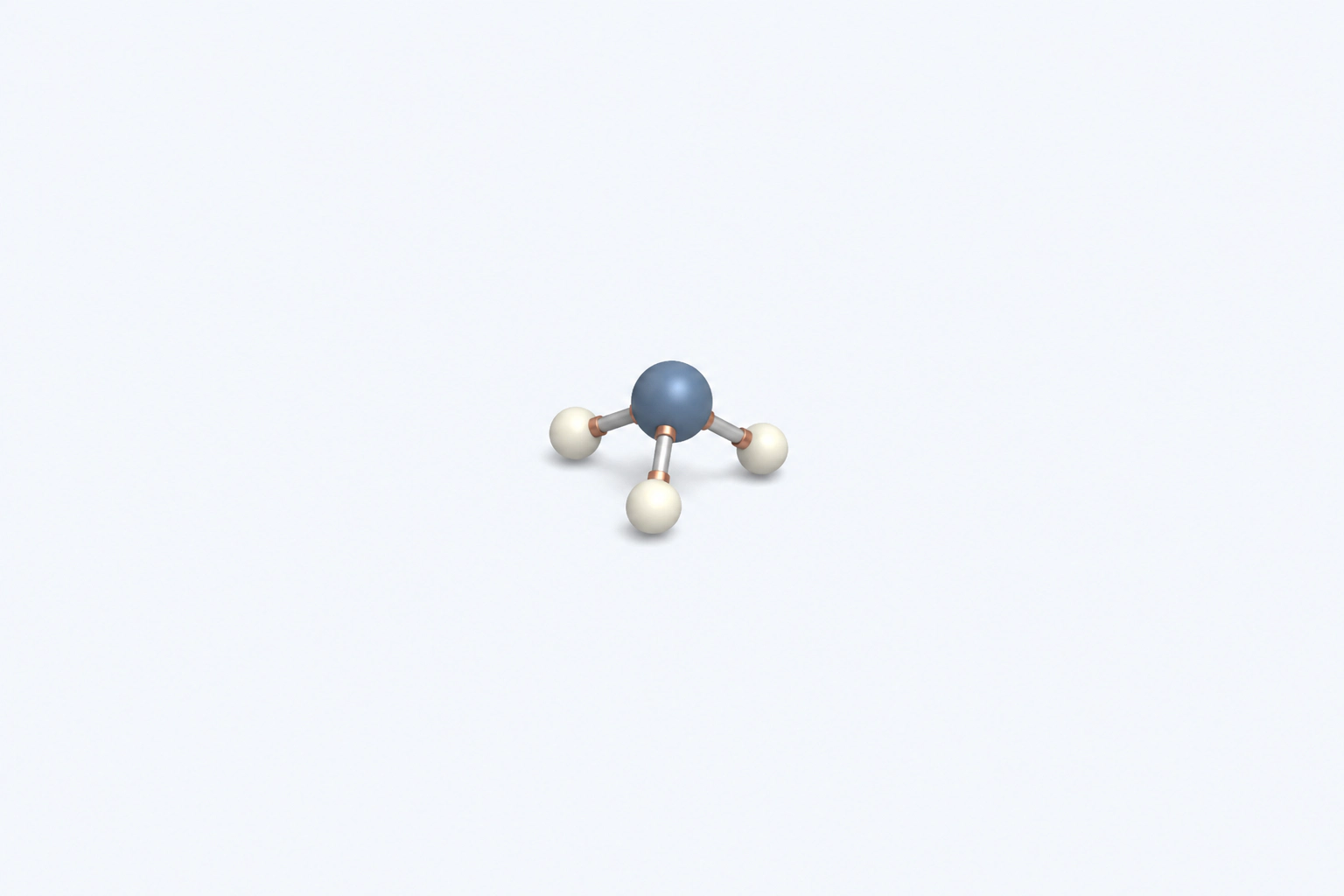
A compact trigonal-pyramidal ammonia teaching model shows one central nitrogen sphere connected to three hydrogen spheres.
Mechanisms4 sources

Ammonia

Ammonia is a nitrogen-containing product of microbial urease activity. When urease hydrolyzes urea, ammonia and bicarbonate are produced; in the microbial systems covered by WikiBiome, those products can provide nitrogen and raise local pH maier 2019 nickel microbial pa

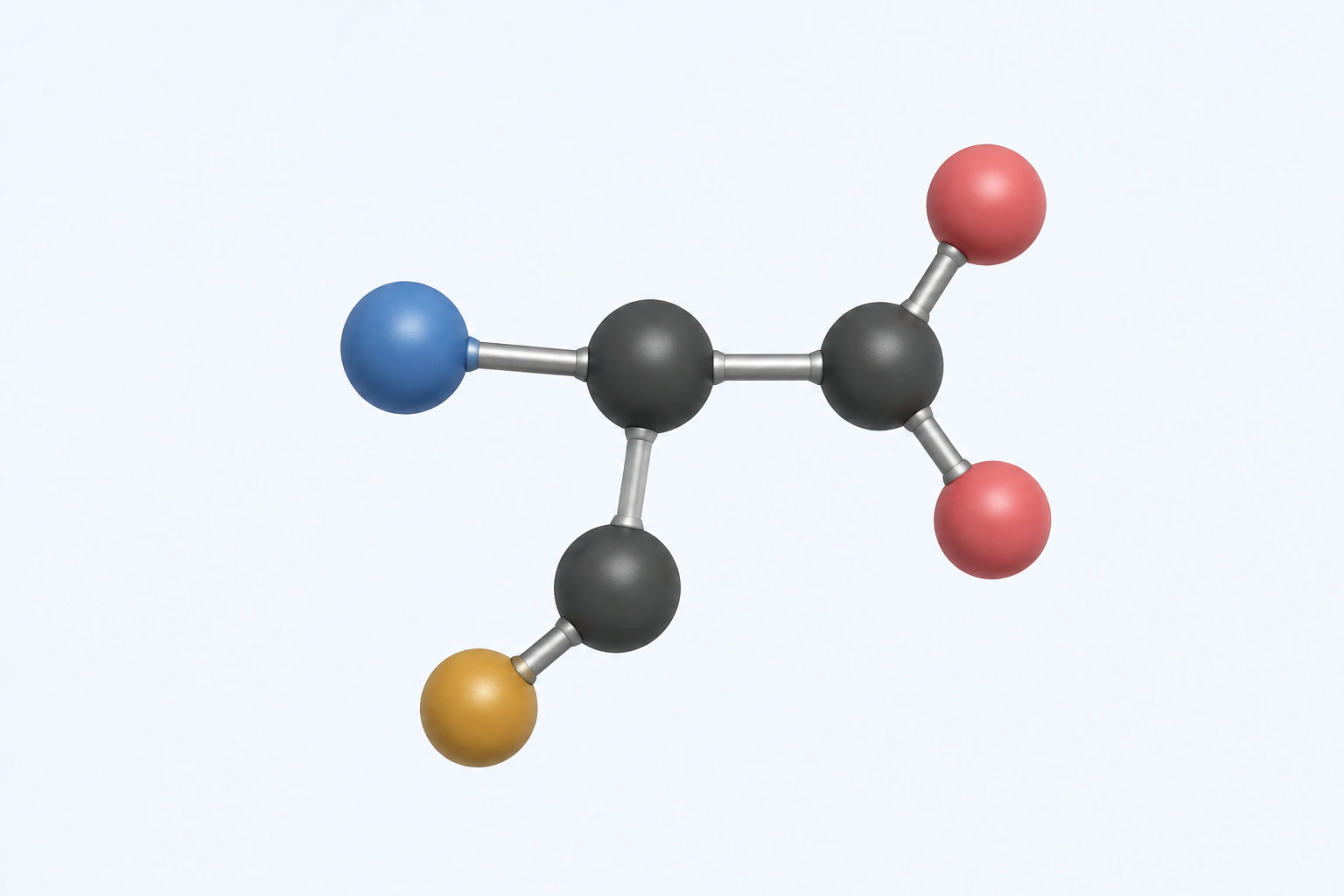
Single heavy-atom connectivity model of L-cysteine with three carbon centers, one nitrogen center, two oxygen centers, and one sulfur center.
Host defenses4 sources

Cysteine

Cysteine is a sulfur-containing amino acid whose thiol (-SH) group makes it the primary metal-binding residue in biology. It is the rate-limiting precursor for glutathione (the master intracellular antioxidant), a key residue in metallothioneins (metal-binding proteins)

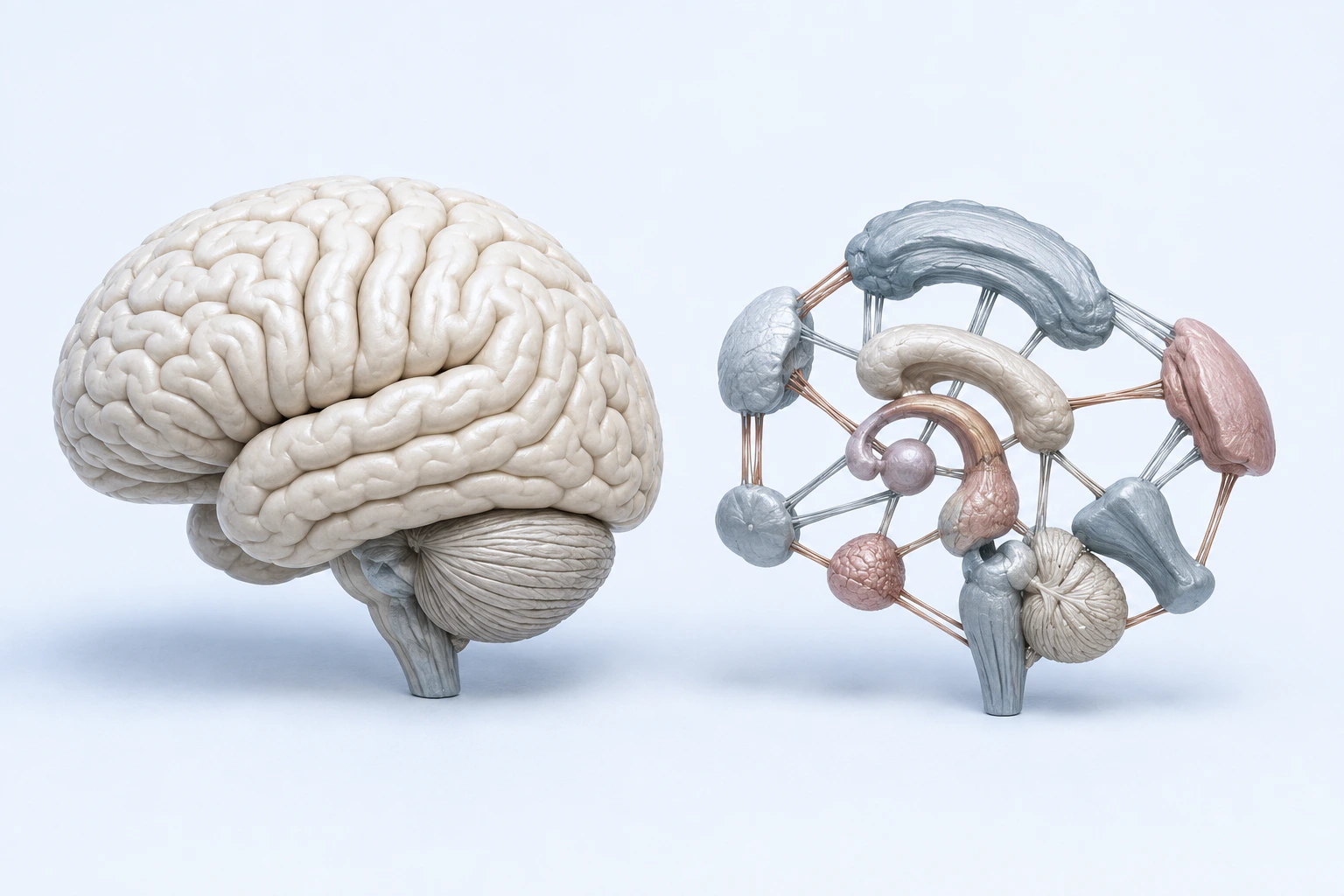
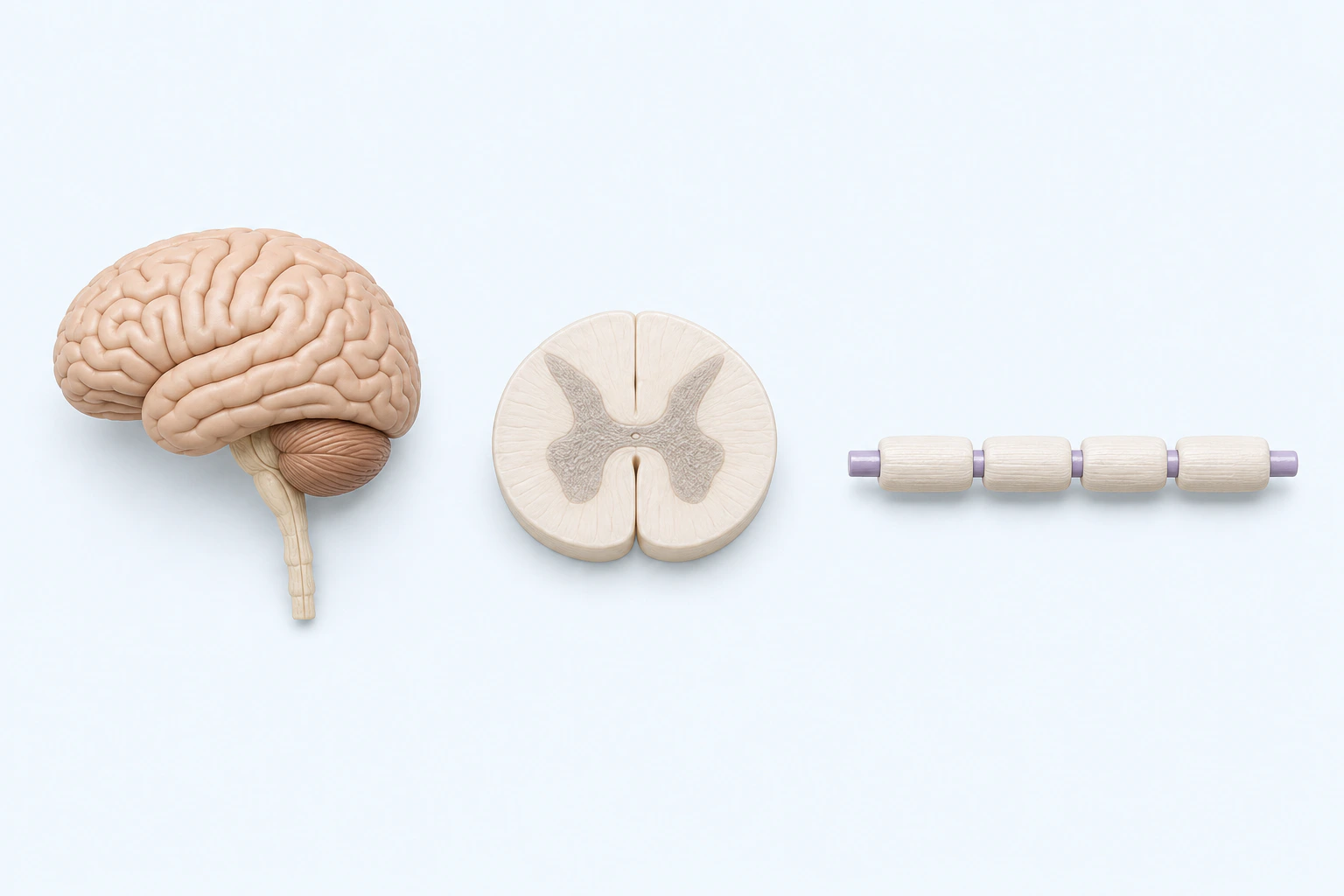
A complete intact brain teaching model appears beside a separate assembly of connected cortical- and limbic-like forms.
Diseases10 sources

Depression

Depression is the most prevalent mental health disorder globally, affecting over 280 million people zhu 2025 microbiota gut brain axis depression review, and one of the most metal-sensitive conditions in this wiki. It sits at the convergence of nearly every pathway cata

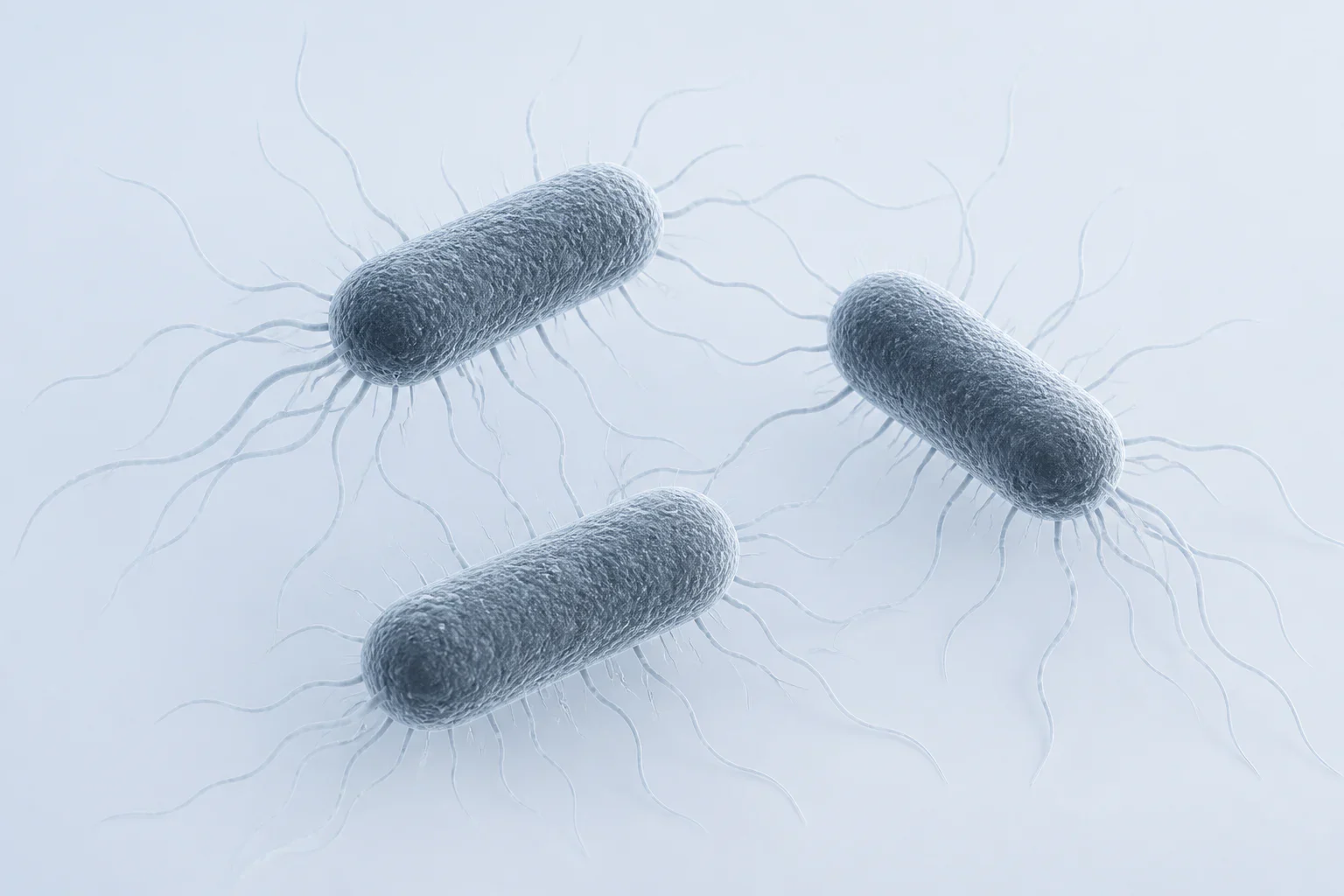
Microscopy-informed reconstruction of three rod-shaped Escherichia coli cells with peritrichous flagella and fine pili on a pale cool field.
Microorganisms6 sources

Escherichia coli

A Gram-negative bacterium that spans the commensal-pathogen spectrum, with pathogenic variants (UPEC, STEC, EHEC) deploying nickel-dependent enzymes as virulence factors. E. coli is the model organism for nickel transport biology -- the NikABCDE system was first charact

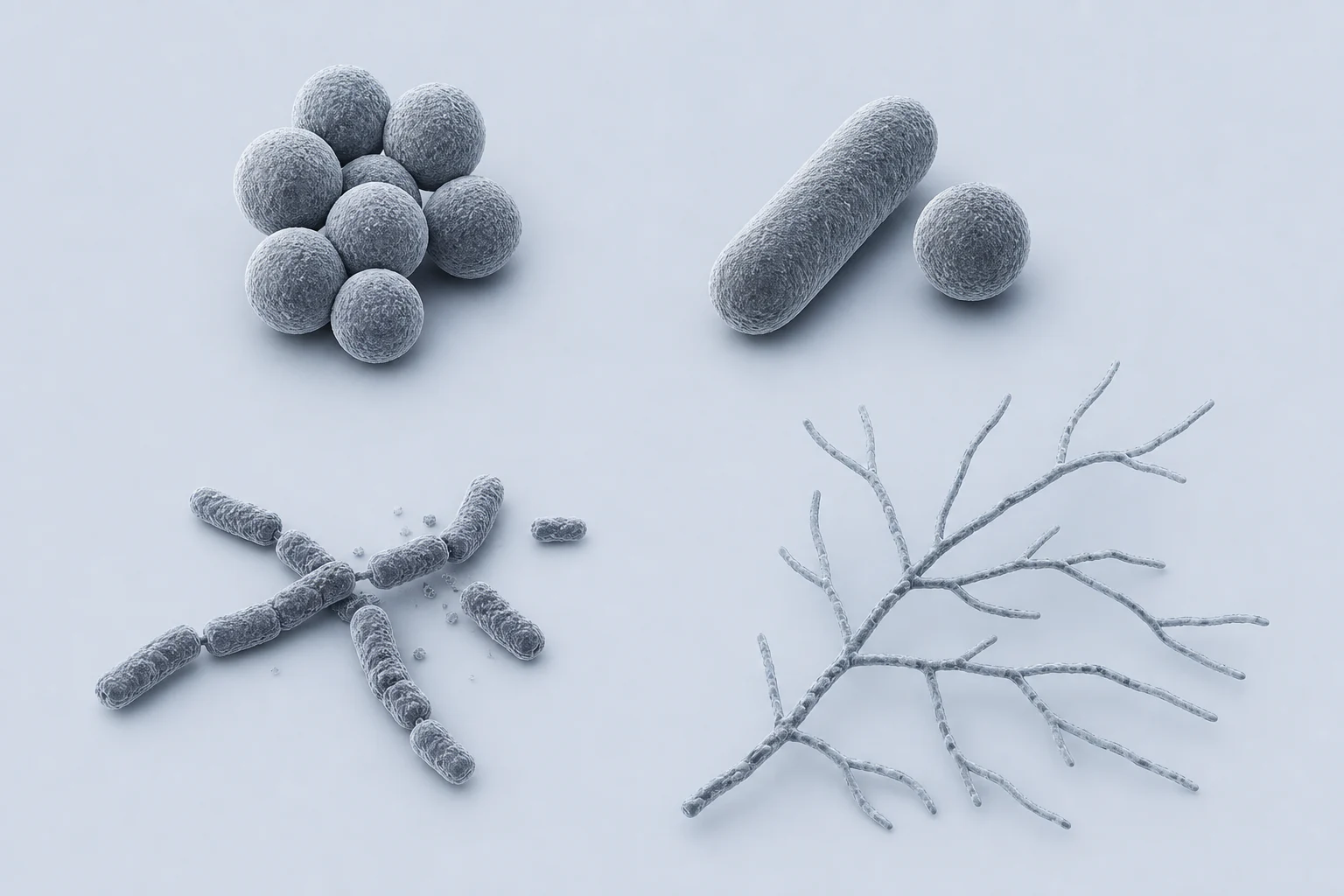
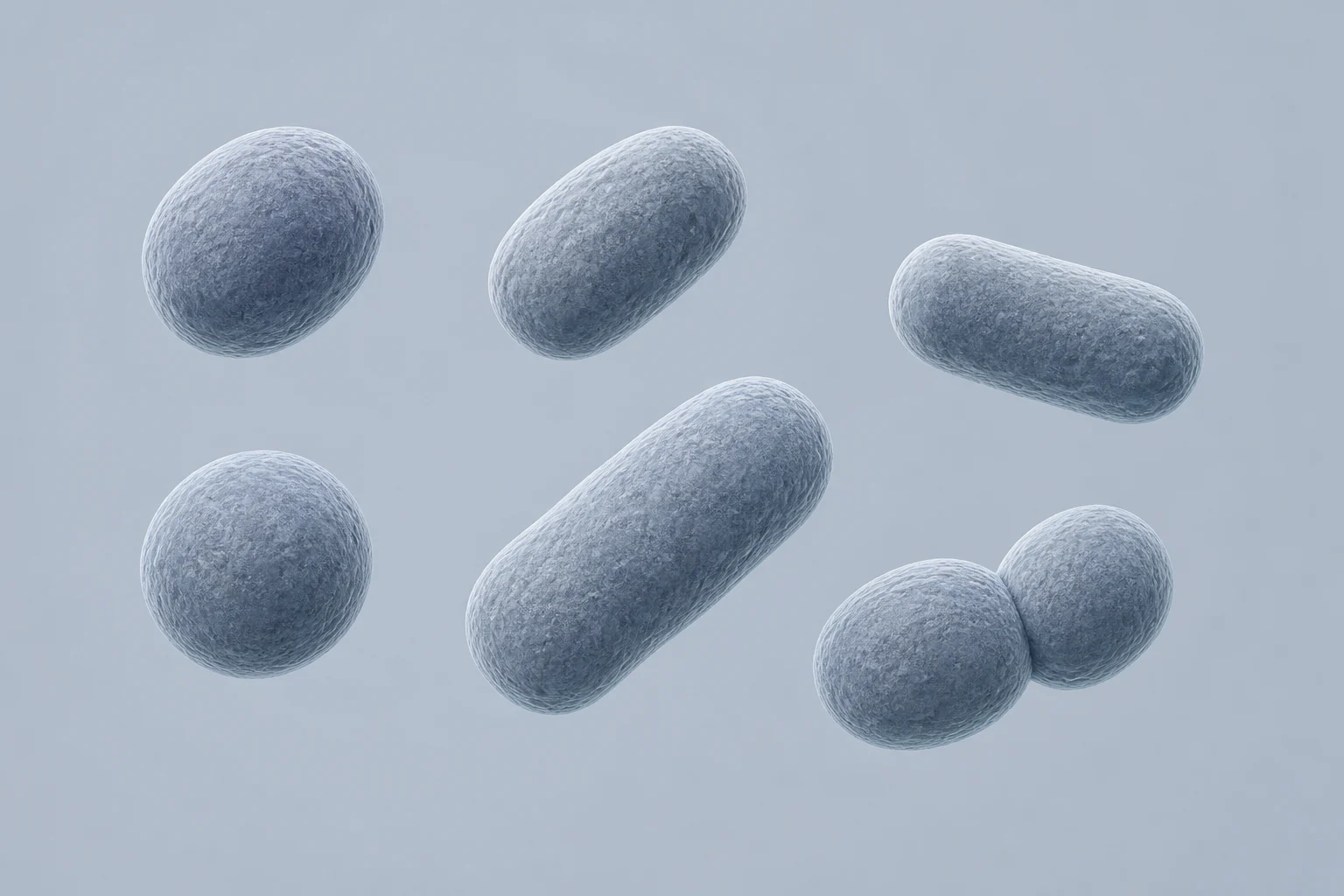
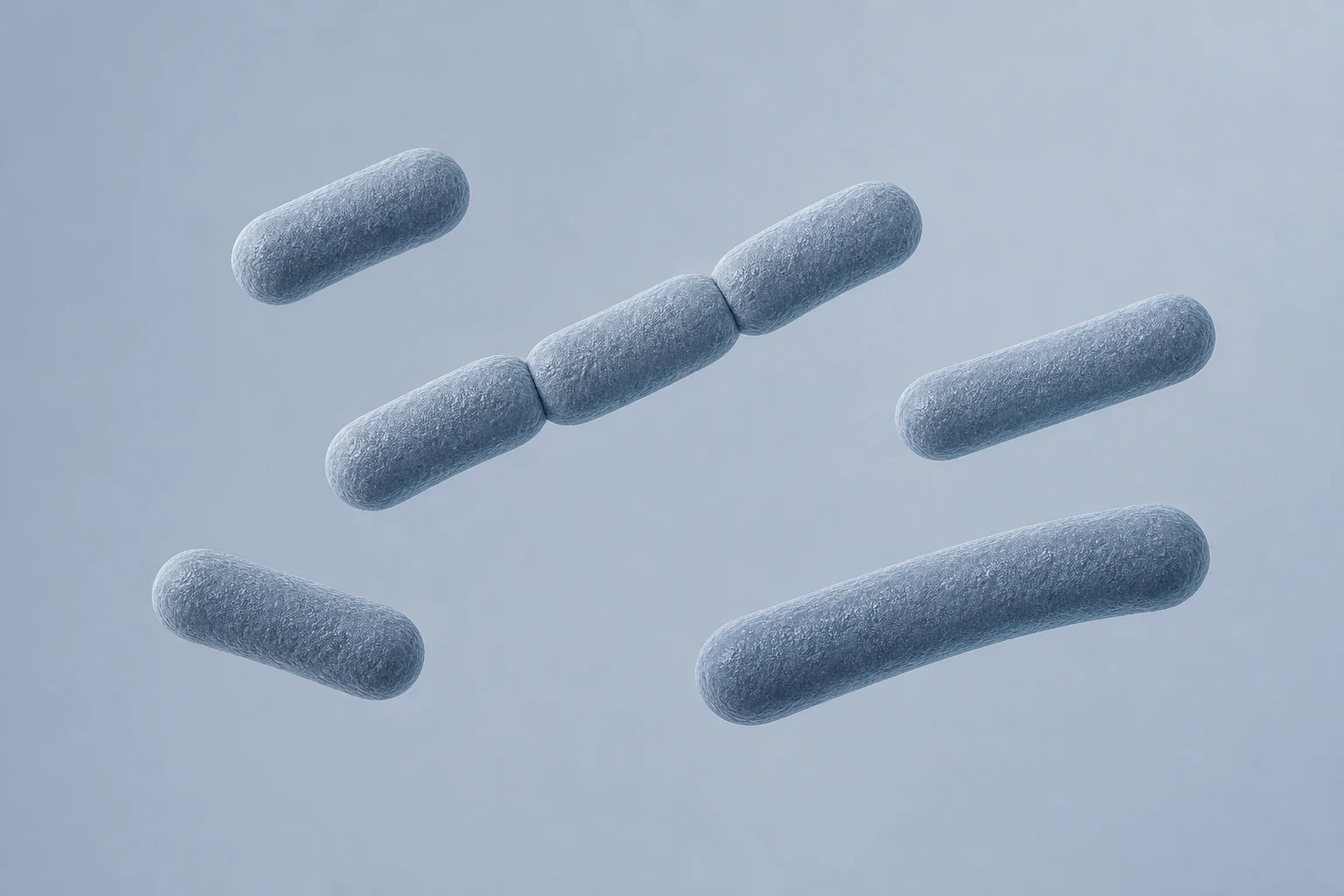
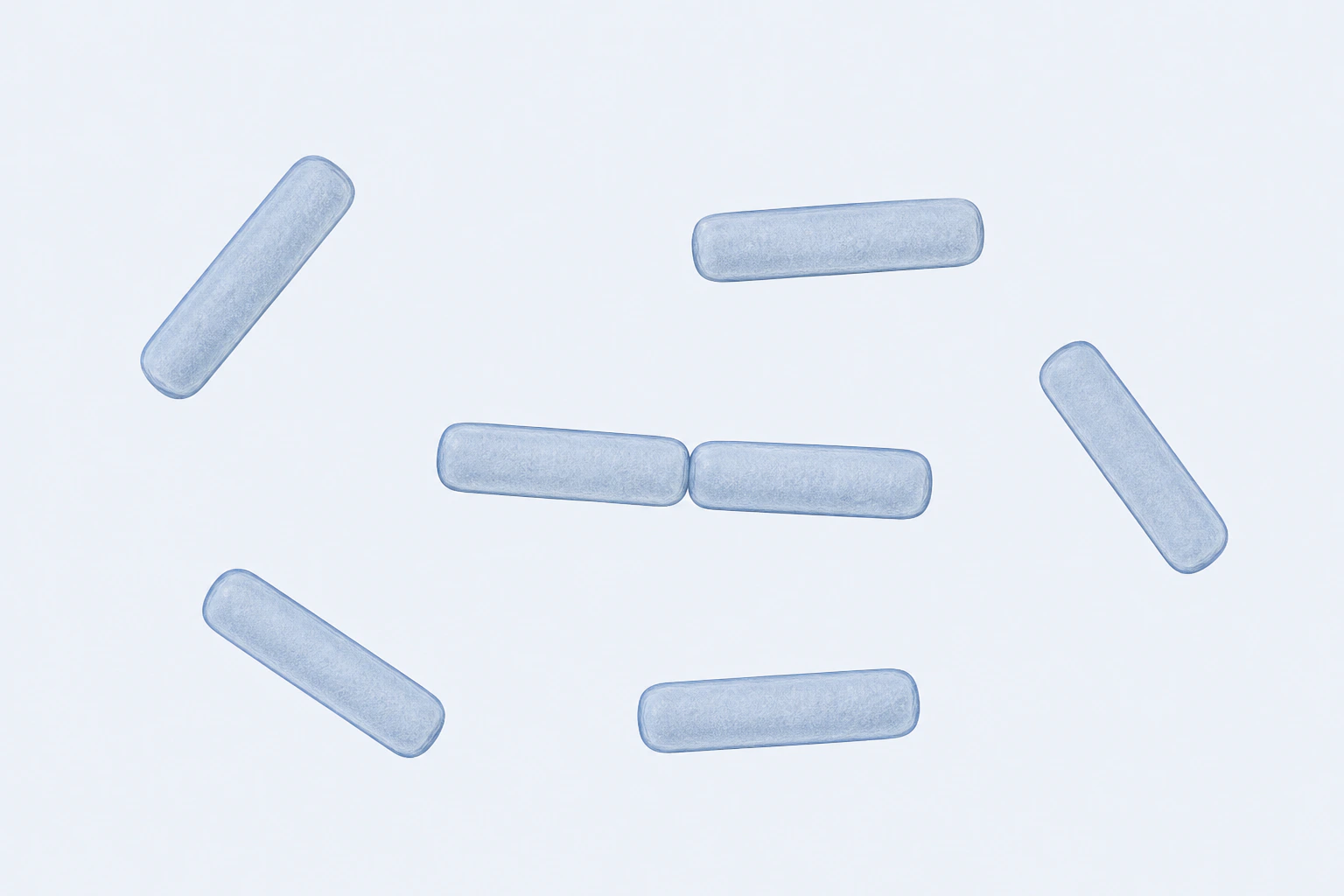
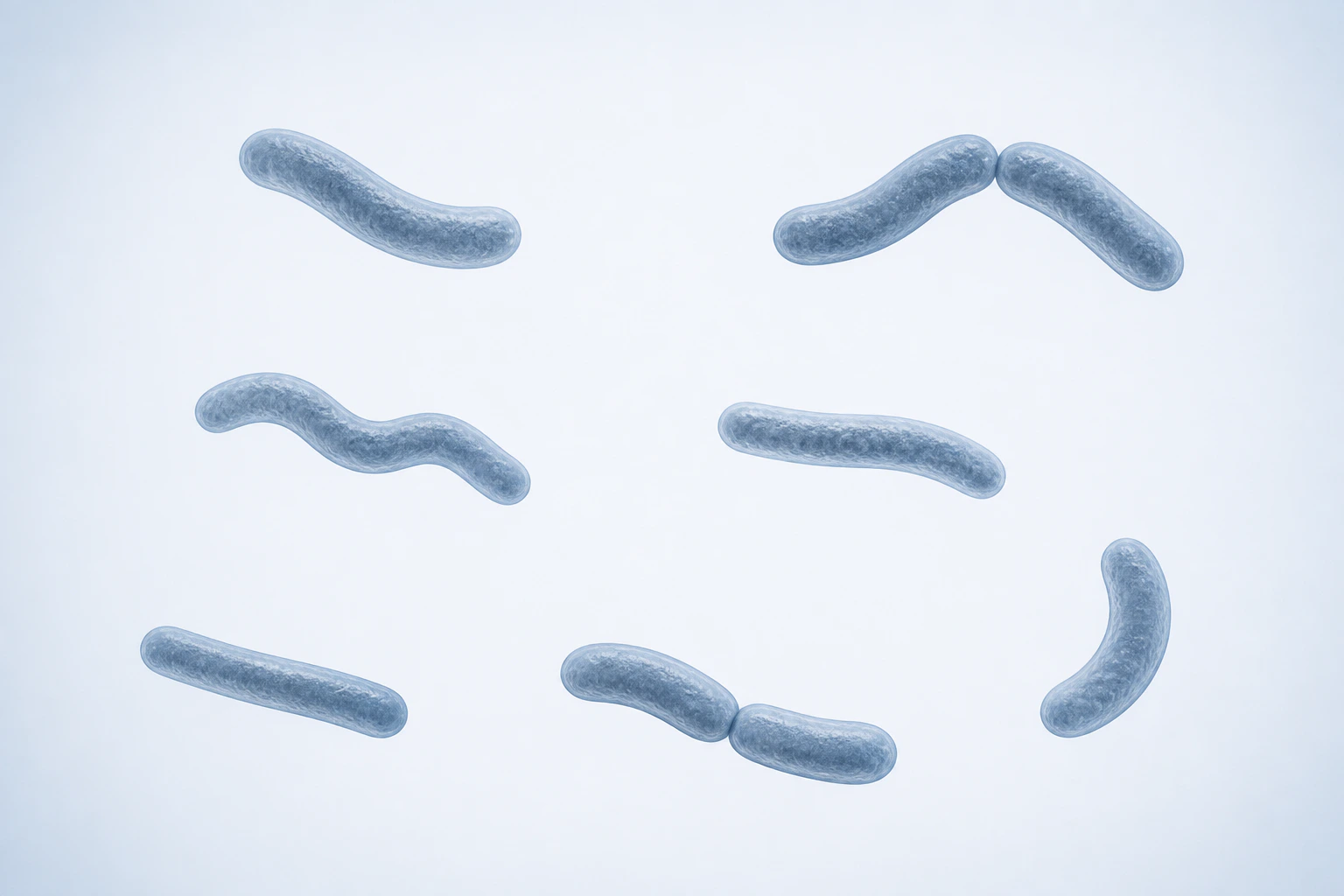
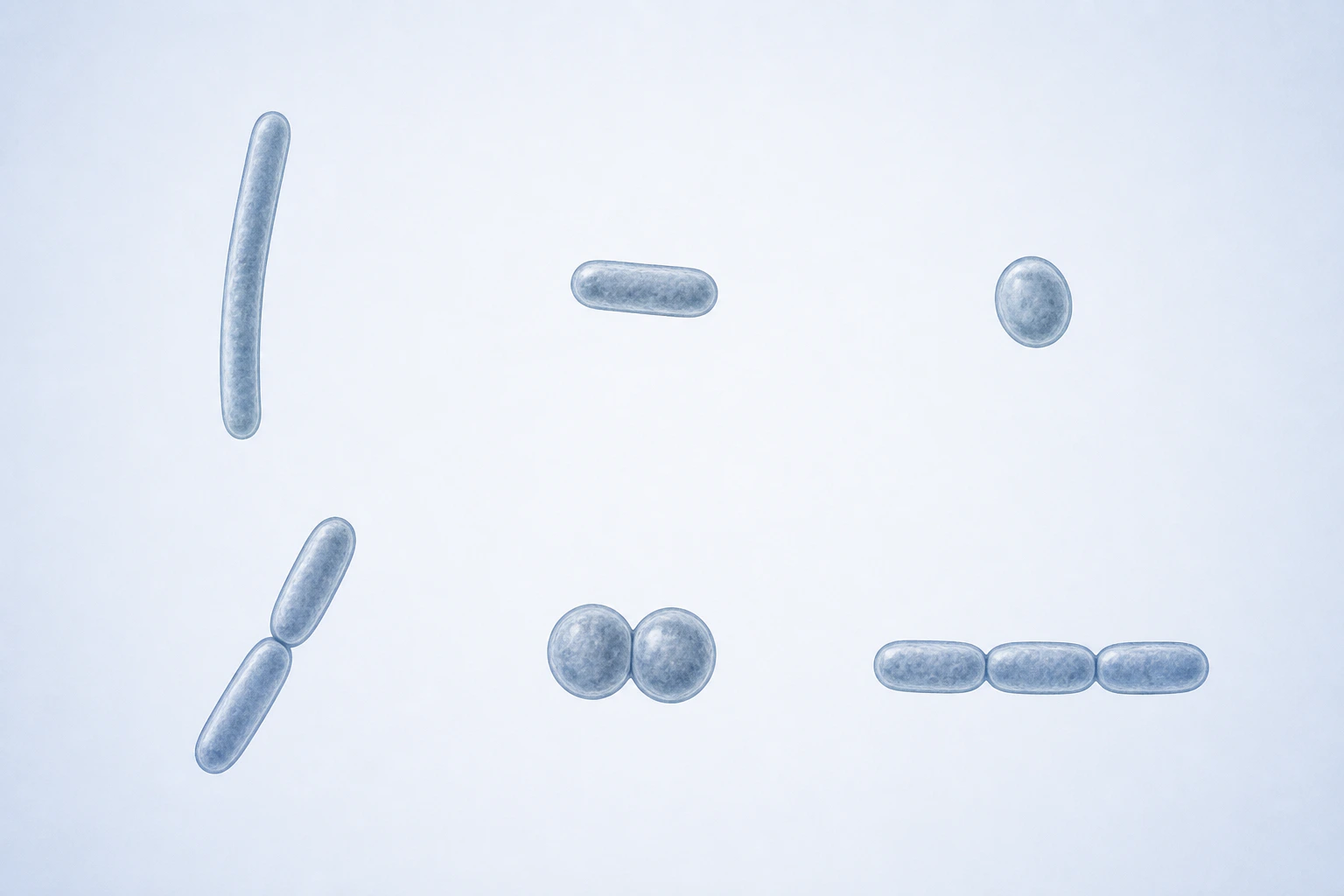
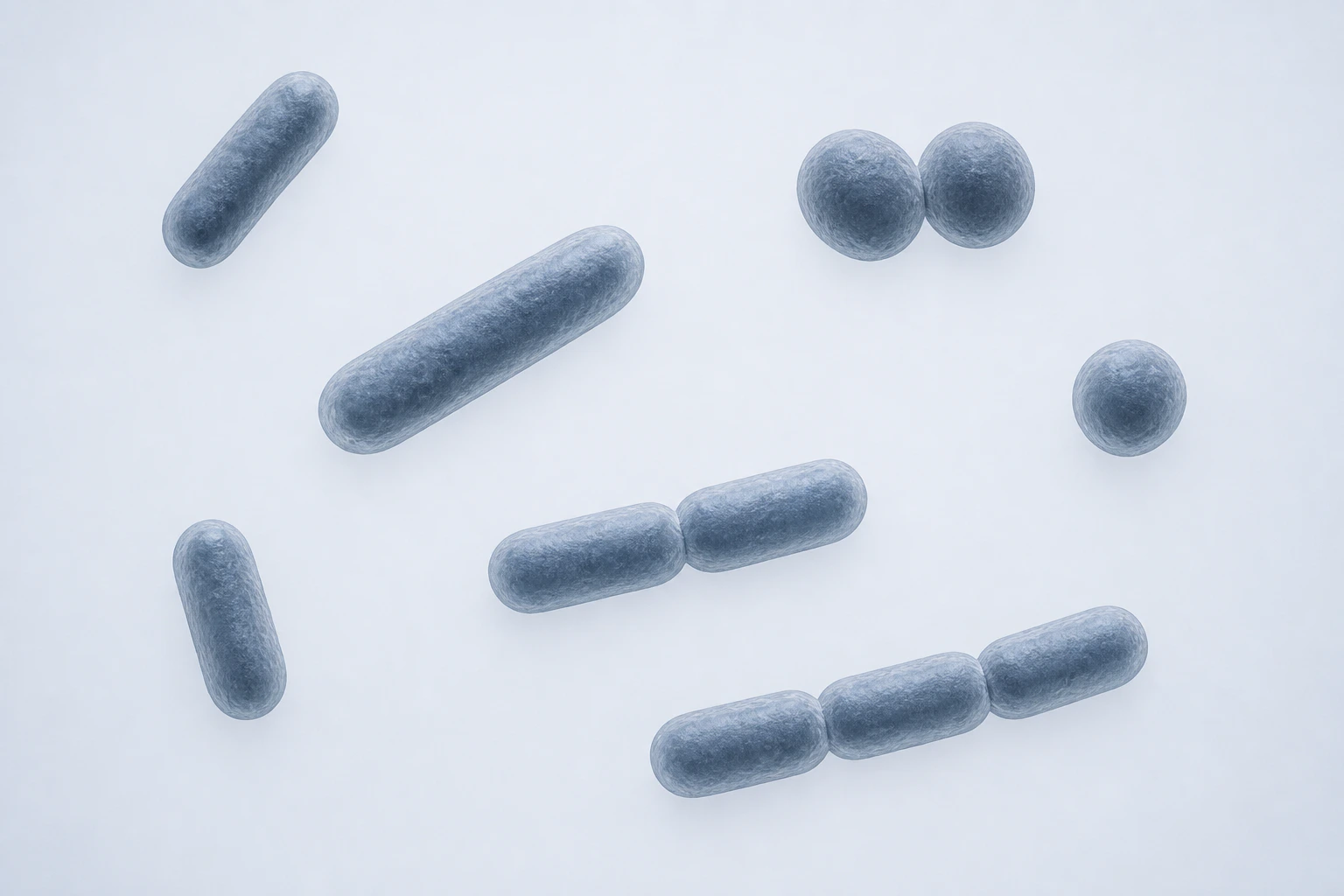
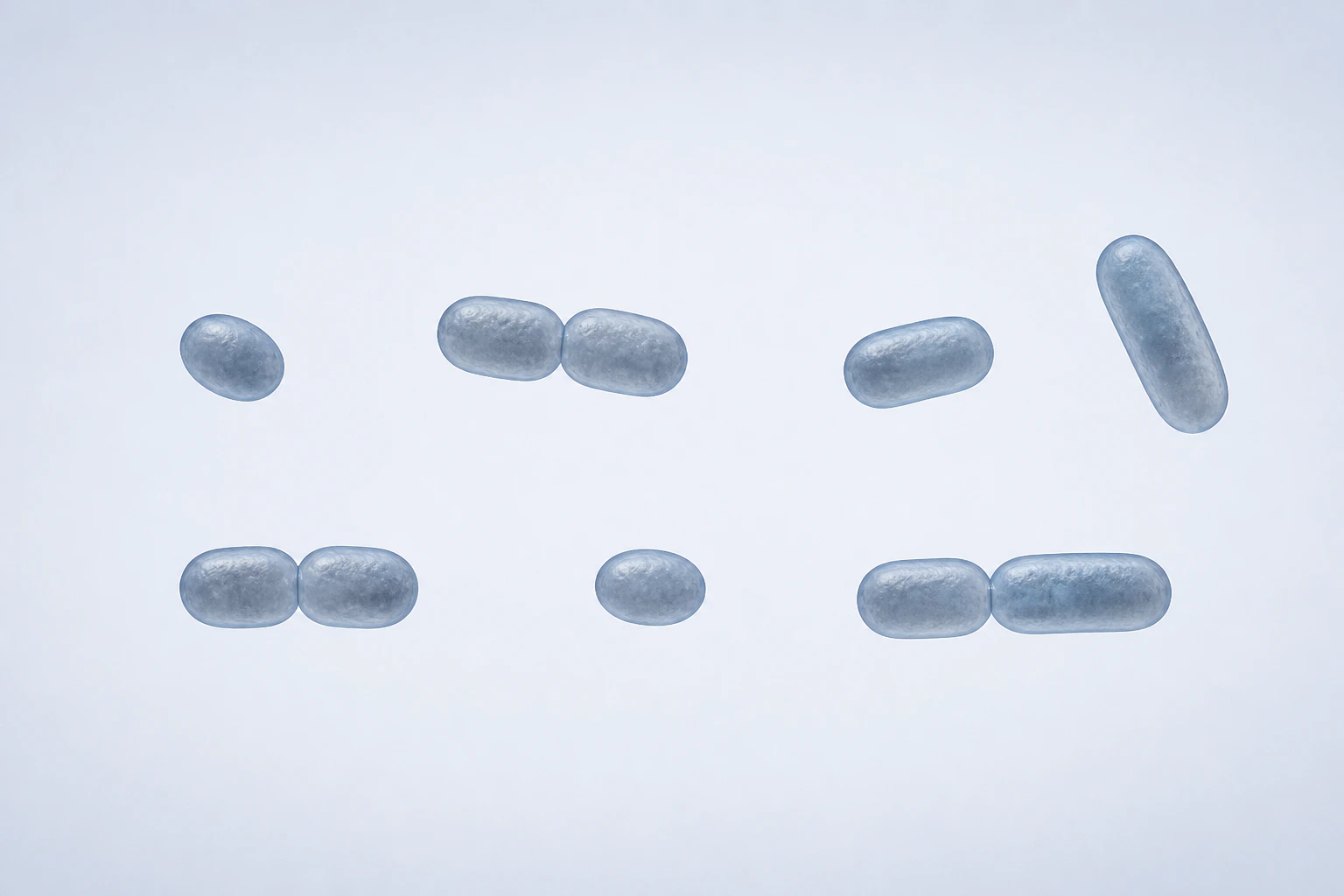
Eleven selected Bacillota bodies appear in seven groupings: three single rods, one single coccoid, one rod pair, one coccoid pair, and one three-rod chain.
Microorganisms10 sources

Firmicutes (Bacillota)

Firmicutes (recently reclassified as Bacillota) is the dominant bacterial phylum in the Western adult gut, comprising the core community of short-chain fatty acid (SCFA) producers that maintain intestinal barrier integrity, regulate immune function, and influence system

Reference0 sources

Glossary

Alphabetical definitions of specialist terms used throughout this wiki. Where a full concept page exists, the term links to it. --- AhR (aryl hydrocarbon receptor) -- A ligand-activated transcription factor that senses microbial metabolites (especially indoles from tryp

Mechanisms3 sources

Histidine

Histidine is a semi-essential amino acid with a unique property that makes it central to metal biology: its imidazole side chain is one of the strongest biological metal-binding groups, coordinating zinc, nickel, copper, iron, and other transition metals in enzymes and

Mechanisms5 sources

Isoflavones

Isoflavones (genistein, daidzein, glycitein) are phytoestrogens found primarily in soy products. They bind estrogen receptors (ERα and ERβ) with weak agonist/antagonist activity and are among the most microbiome-dependent dietary bioactives — their clinical effects depe