WikiBiomeThe human microbiome encyclopedia
WikiBiome/Search: “ammonia”
Encyclopedia search

Search: “ammonia”

Ranked matches across titles, topics, categories, and article introductions.

10 records in this view
A
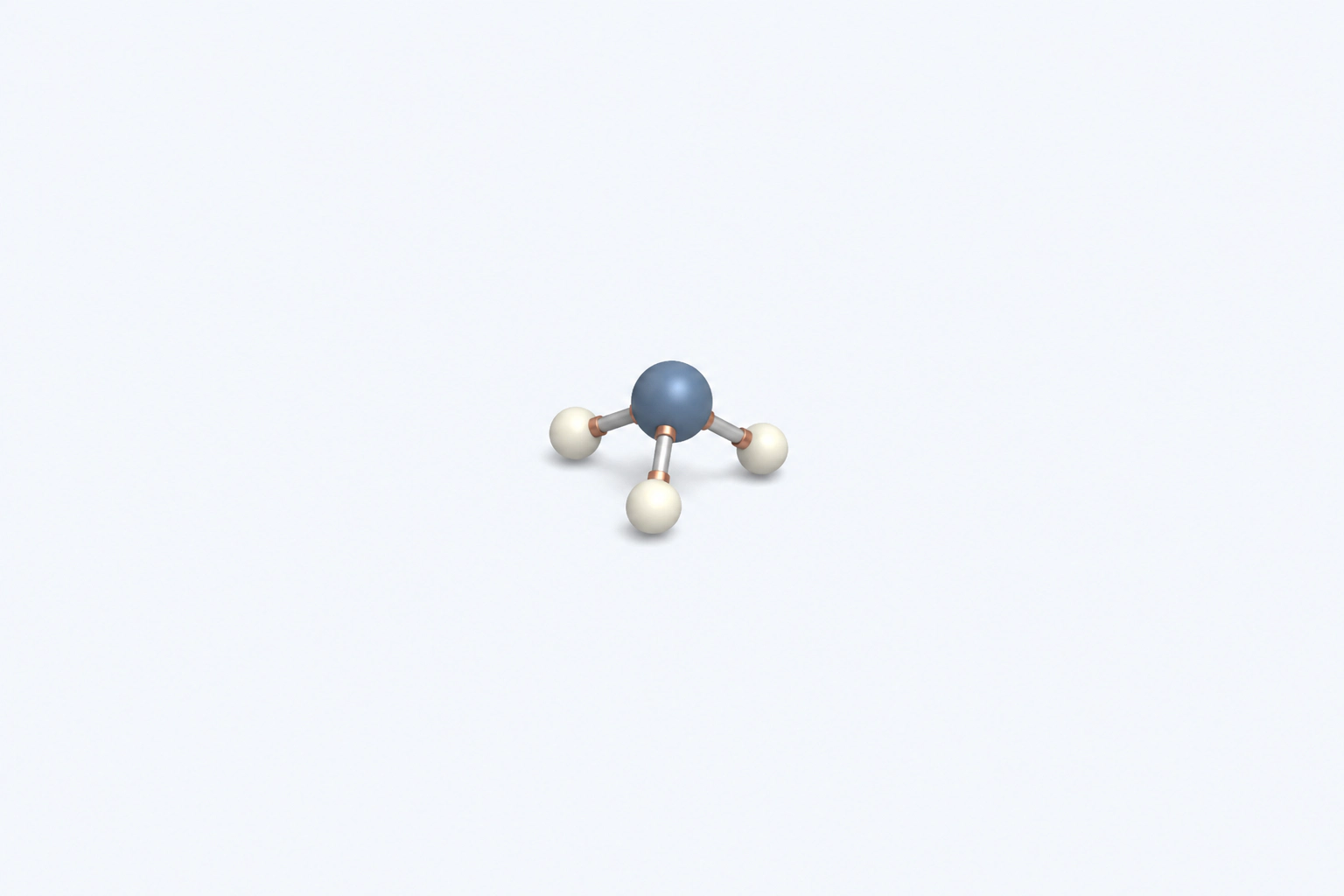
A compact trigonal-pyramidal ammonia teaching model shows one central nitrogen sphere connected to three hydrogen spheres.
Mechanisms4 sources

Ammonia

Ammonia is a nitrogen-containing product of microbial urease activity. When urease hydrolyzes urea, ammonia and bicarbonate are produced; in the microbial systems covered by WikiBiome, those products can provide nitrogen and raise local pH maier 2019 nickel microbial pa

C
F
G
Reference0 sources

Glossary

Alphabetical definitions of specialist terms used throughout this wiki. Where a full concept page exists, the term links to it. --- AhR (aryl hydrocarbon receptor) -- A ligand-activated transcription factor that senses microbial metabolites (especially indoles from tryp

N
P
S
U
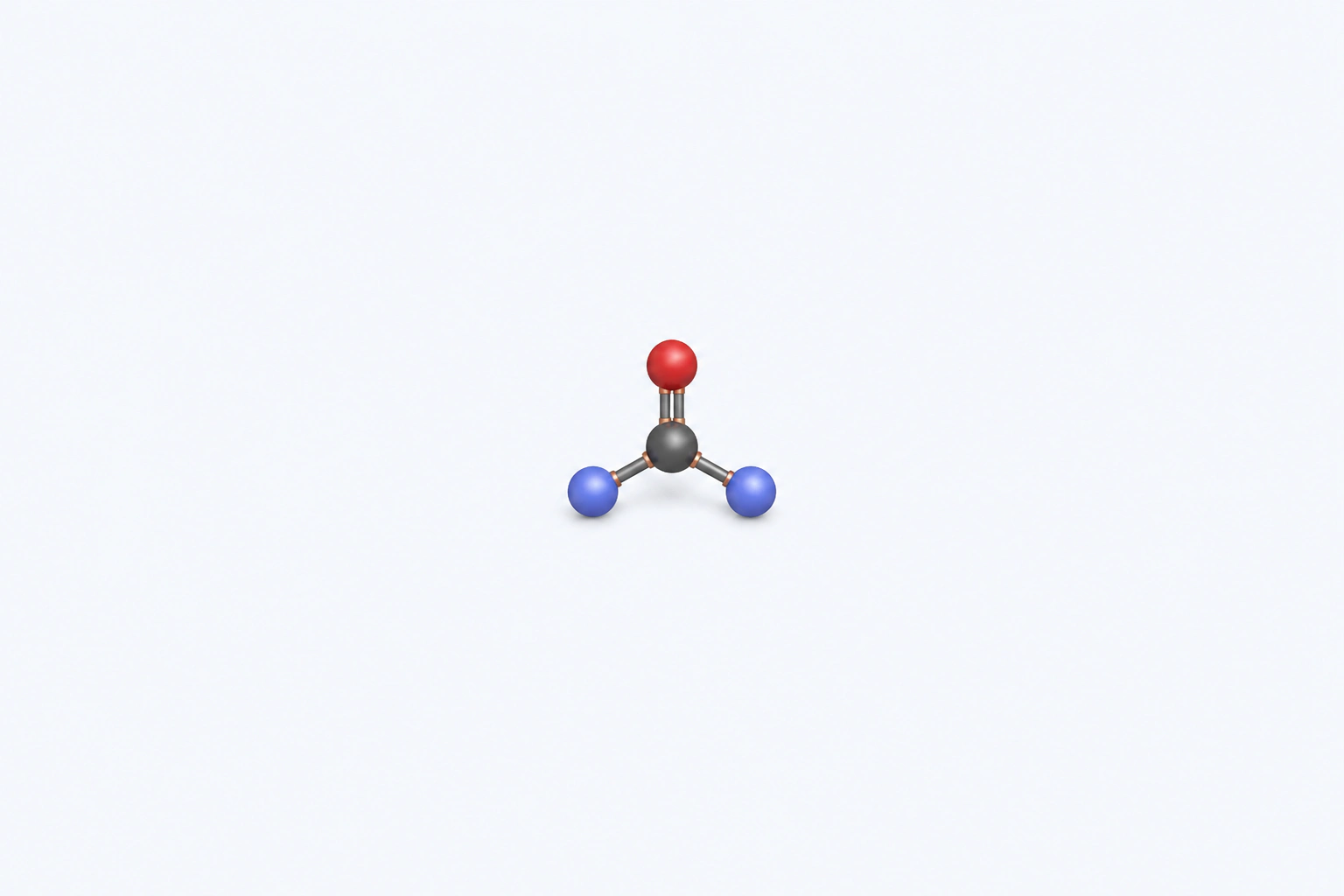
A compact urea connectivity model shows one carbonyl carbon, one oxygen, and two nitrogen centers, with hydrogens omitted.
Mechanisms6 sources

Urea

Urea is the substrate of urease. In the microbial systems covered by WikiBiome, urease hydrolyzes urea to ammonia and bicarbonate; those products can supply microbial nitrogen and help neutralize acidic environments maier 2019 nickel microbial pathogenesis. At a glance,

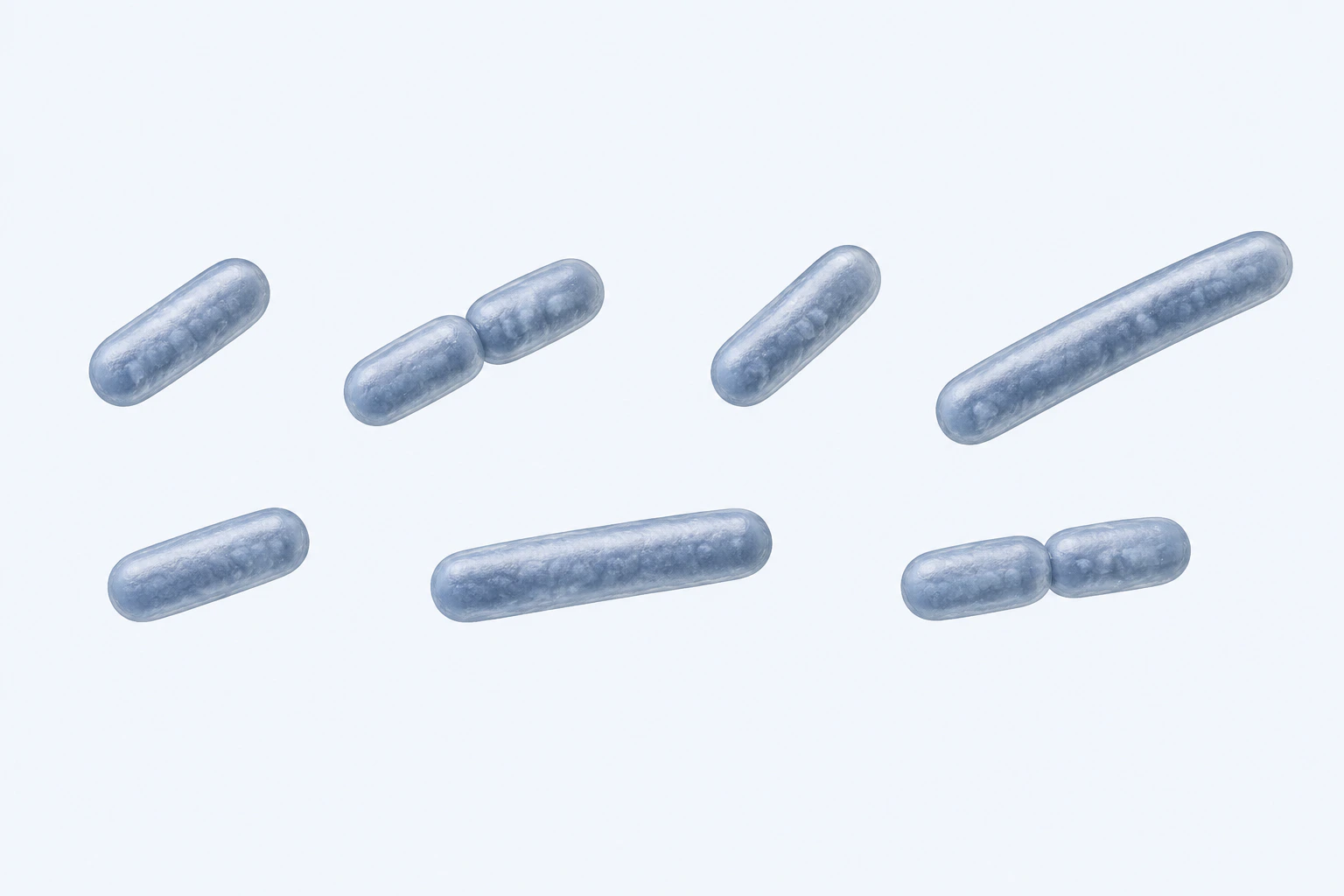
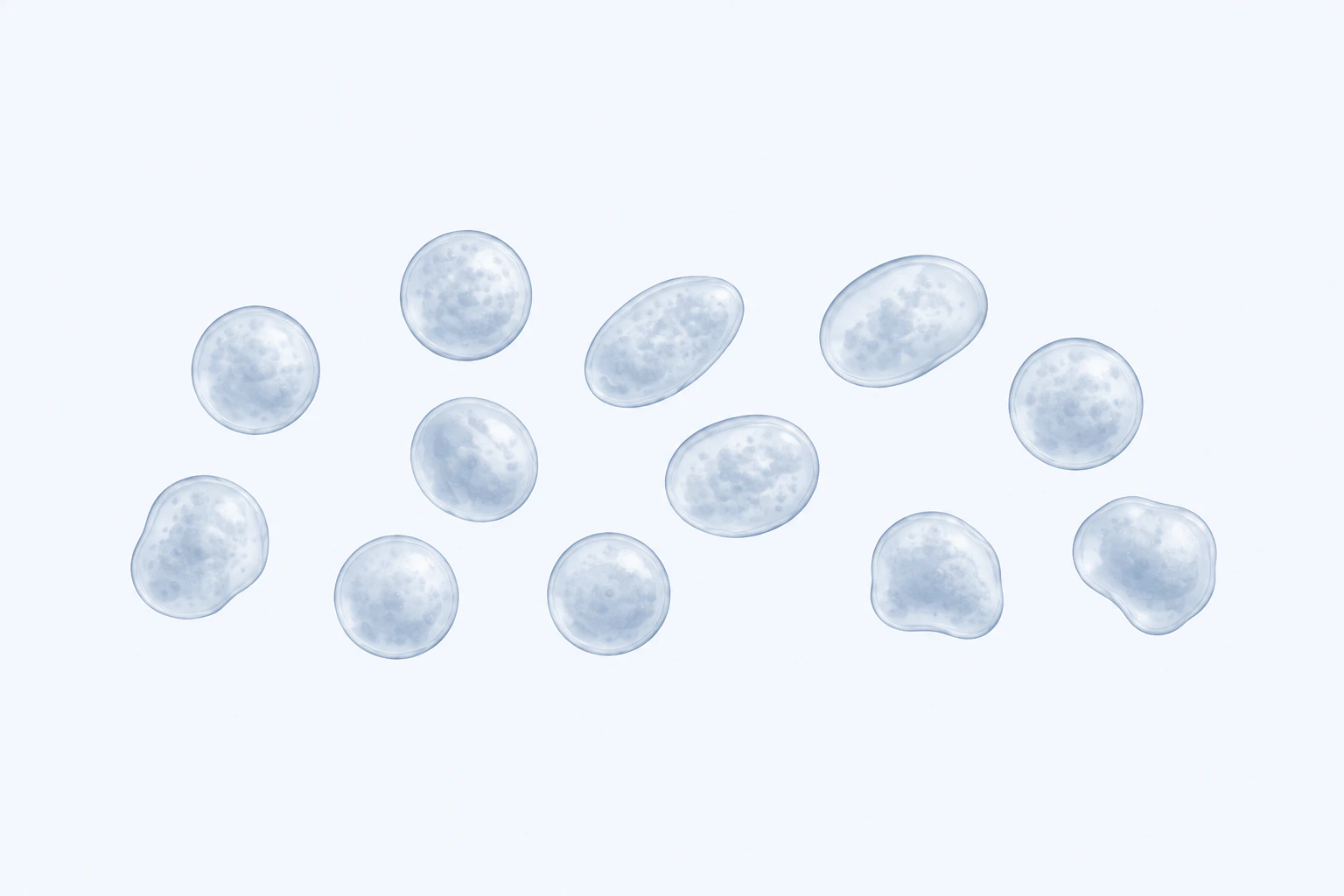
Twelve selected Ureaplasma cells show separated rounded-to-ovoid pleomorphic forms.
Microorganisms11 sources

Ureaplasma

Ureaplasma is a genus of wall-less bacteria in the class Mollicutes, comprising two species pathogenic to humans: U. urealyticum and U. parvum. The genus is named for its defining characteristic — obligate urease activity — which hydrolyzes urea to ammonia and CO2, prov