
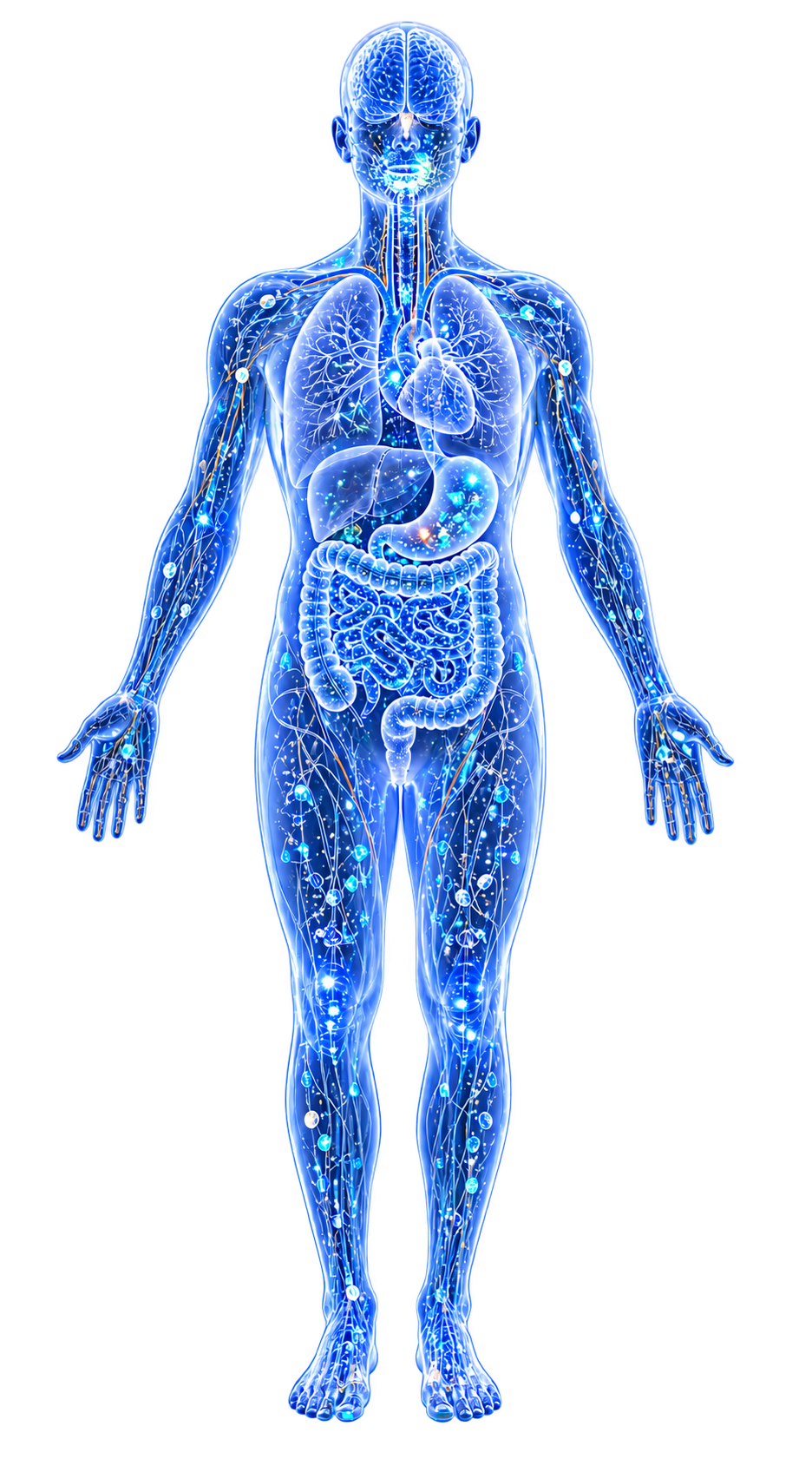
The community of trillions of microorganisms—bacteria, archaea, fungi (Mycobiome), viruses, and bacteriophages—inhabiting the human gastrointestinal tract, with the highest density in the colon (~10¹¹ cells/g).
The gut microbiome encodes 100–150 times more genes than the human genome and functions as a metabolic organ in its own right, producing vitamins, Short-Chain Fatty Acids (SCFAs), Indoles, secondary bile acids, neurotransmitters, and hundreds of other bioactive compounds that profoundly influence host physiology.
Understanding the gut microbiome requires moving beyond species catalogs to functional architecture: which metabolic guilds are present and active, which defensive functions are intact, and which ecological pressures are reshaping the community.
WikiBiome's distinctive contribution is mapping how metal exposure—dietary, environmental, and endogenous—is one of those dominant reshaping forces.
Evidence map15 cited passagesInspect provenance +
Pseudomonadota (Proteobacteria): Normally < 1% of the healthy gut community but expands dramatically in dysbiosis. Includes pathobionts like Escherichia coli, Klebsiella pneumoniae, and Pseudomonas aeruginosa. Proteobacteria enrichment is the most consistent microbiome signature across inflammatory and neurodegenerative diseases.
Tryptophan metabolites: Indoles and kynurenines modulate AhR signaling, Treg differentiation, and gut-brain axis communication
TMAO: Choline and carnitine → TMA (by gut bacteria) → TMAO (by hepatic FMO3)—a cardiovascular risk metabolite whose concentration depends entirely on microbiome composition
Innate immune calibration: Pattern recognition by commensal-derived MAMPs (microbial-associated molecular patterns) through TLR2 and TLR9 establishes baseline mucosal immune tone; Proteobacteria enrichment can shift TLR signaling toward TLR4 (an LPS receptor) and TLR5 (a flagellin receptor), altering inflammatory tone
heavy metals (Cd, Hg, Pb) directly disrupt tight junction proteins: cadmium downregulates ZO-1, ZO-2, occludin, and claudin-1; mercury suppresses claudin-1, occludin, ZO-1, and JAM-1
Serotonin: ~90% of body serotonin is gut-derived and regulates intestinal motility, secretion, and bidirectional gut-brain communication
Direct neurological disease risk: The gut-first hypothesis for Parkinson's disease proposes that alpha-synuclein misfolding begins in enteric neurons and propagates rostrally via the vagus nerve—positioning gut microbiome composition as an upstream driver of neurodegenerative pathology
How metals reshape the microbiome:
How the microbiome modulates metal handling:
The iron paradox: Iron deficiency reduces Lactobacillus and promotes Bacteroidetes/Proteobacteria expansion; iron supplementation in deficient individuals (especially in iron-deficient African children) increases Enterobacteriaceae and reduces Lactobacillus—enriching the community most adapted to exploit iron-rich environments. This means iron supplementat
Probiotics: Live beneficial microorganisms with documented health effects. Lactobacillus and Bifidobacterium strains are most studied; newer candidates include Akkermansia muciniphila, Faecalibacterium prausnitzii, and Christensenella minuta. Probiotic efficacy is strain-specific and context-specific—general supplementation is insufficient; matching strain
Prebiotics: Non-digestible substrates that selectively feed beneficial taxa. Inulin, FOS, resistant starch, and pectins selectively feed Bifidobacterium and Lachnospiraceae, increasing butyrate production. Galactooligosaccharides (GOS) have shown effects on both gut microbiome and behavior in children.
Fecal microbiota transplant (FMT): Transfer of a complete fecal community from a healthy donor. Highly effective for recurrent C. difficile infection; evidence building for IBD, metabolic syndrome, and neurodegenerative disease. FMT from young mice to aged mice reduces neuroinflammation and improves cognitive performance—suggesting systemic aging effects a
Dietary modification: The most powerful long-term intervention. A high-fiber, plant-diverse diet shifts the microbiome toward SCFA producers within days; Mediterranean diet adherence is associated with higher Faecalibacterium and Bifidobacterium and lower TMAO producers.
| Source | Evidence Level | Key Contribution | |--------|---------------|-----------------| | (2025) | Expert opinion (review) | Eight metal detoxification mechanisms by probiotics; metal-specific dysbiosis profiles | | (2024) | Expert opinion (review) | Iron homeostasis and microbiota; hepcidin axis; SCFA immune functions | | (2024) | Expert opinion (review
Contents
1. Composition and Diversity2. Core Functions3. The Metal-Microbiome Interface4. Dysbiosis5. Restoration Strategies6. See AlsoComposition and Diversity#
Phyla-Level Architecture#
The healthy adult gut microbiome is dominated by two bacterial phyla:
Bacillota (Firmicutes): The dominant phylum in Western adults, comprising the core SCFA-producing community. Key members include Faecalibacterium prausnitzii, Roseburia intestinalis, Blautia, Eubacterium hallii, Coprococcus catus, and Lactobacillus. Faecalibacterium prausnitzii—among the most abundant gut bacteria in healthy adults—produces anti-inflammatory SCFAs and metabolites that suppress NF-κB signaling directly.
Its depletion is one of the most consistent findings across IBD, Parkinson's disease, and colorectal cancer.
Bacteroidota (Bacteroidetes): Important for polysaccharide degradation via carbohydrate-active enzymes (CAZymes) and propionate production. Key members include Bacteroides fragilis, Bacteroides thetaiotaomicron, Bacteroides vulgatus, and Prevotella copri. The Firmicutes/Bacteroidetes (F/B) ratio has been studied extensively as a Dysbiosis marker, though its clinical interpretation is context-dependent.
Minor phyla with outsized functional importance. Actinobacteriota (Actinobacteria): Bifidobacterium—major short-chain fatty acid and lactate producer; depleted across multiple disease states; enriched in breast-fed infants; produces immunomodulatory compounds.
Pseudomonadota (Proteobacteria): Normally < 1% of the healthy gut community but expands dramatically in dysbiosis. Includes pathobionts like Escherichia coli, Klebsiella pneumoniae, and Pseudomonas aeruginosa. Proteobacteria enrichment is the most consistent microbiome signature across inflammatory and neurodegenerative diseases.[1]Wallen 2022 -- Metagenomics of Parkinson's Disease Implicates the Gut MicrobiomeZachary D Wallen, Mary B Makarious, Cornelis Blauwendraat et al. · 2022Open reference 1 ↓
Verrucomicrobiota: Akkermansia muciniphila—mucin-layer inhabitant and mucosal barrier maintainer; reduced in obesity, T2D, IBD, and neurological conditions; used as a next-generation probiotic candidate.
Fusobacteria: Fusobacterium nucleatum is a normal low-abundance commensal that becomes an opportunistic pathogen in colorectal cancer, where it uses FadA adhesin to activate Wnt/β-catenin signaling in colonic epithelial cells.
Diversity Metrics#
Alpha diversity measures the variety of species within a single sample.
Richness: Number of distinct species or operational taxonomic units (OTUs) present. Shannon index: Balances richness and evenness—a community with many equally abundant species scores higher than one dominated by a few. Faith's PD: Phylogenetic diversity, accounting for evolutionary distances between taxa.
Reduced alpha diversity is the most consistent measurable feature of dysbiosis across diseases. It reflects the collapse of functional redundancy—in a high-diversity community, many species can perform each critical function; in low-diversity dysbiosis, the loss of one functional guild is not buffered.
Beta diversity measures compositional differences between samples (individuals, time points, disease states). PCoA of Bray-Curtis dissimilarity or UniFrac distances visualizes how different communities are from each other—and how far from "healthy reference" a given patient's microbiome has shifted.
Enterotypes and Compositional Clusters#
The original enterotype concept (Bacteroides-type, Prevotella-type, Ruminococcus-type) is now understood to represent points along gradients rather than discrete clusters. However, the underlying observation holds: diet, geography, and age create reproducible compositional tendencies. Long-term red meat and fat consumption shifts toward Bacteroides-type; long-term plant-based fiber intake shifts toward Prevotella-type.
These compositional tendencies determine baseline metabolite output—including TMAO, bile acid secondary metabolism, and SCFA production capacity.
Core Functions#
1. Colonization Resistance#
The dense commensal community physically and biochemically prevents pathogen colonization through. Niche competition: Commensals occupy adhesion sites on intestinal epithelium and consume all available nutrients, leaving pathogen invaders without foothold. Bacteriocin production: Many Lactobacillus, Bifidobacterium, and Enterococcus strains secrete antimicrobial peptides (bacteriocins) with activity against closely related pathogens.
Lactic acid and SCFA production: Reducing luminal pH below the growth optimum of pathobionts. Siderophore competition: Commensals produce siderophores with high iron affinity that outcompete pathogen iron acquisition—relevant to siderophore ecology.
Loss of colonization resistance is a primary mechanism by which antibiotics cause C. difficile infection and allow pathobiont expansion—not because antibiotics do not kill these organisms, but because they eliminate the commensal community that kept them suppressed.
2. Metabolite Production#
The gut microbiome functions as a distributed chemical factory whose output shapes host physiology across organs. SCFA production: Fermentation of dietary fiber yields acetate, propionate, and Butyrate—the energy currency of the colonocyte, the key epigenetic regulator of host gene expression, and the primary anti-inflammatory signal in the gut.
Secondary bile acid synthesis: Bile salt hydrolases and 7α-dehydroxylases transform primary bile acids into secondary bile acids (deoxycholic acid, lithocholic acid) that activate FXR and TGR5 receptors, regulating hepatic lipid metabolism, GLP-1 secretion, and macrophage function.
Neurotransmitter precursors: Gut bacteria produce 90–95% of the body's serotonin (via enterochromaffin cell stimulation), GABA, histamine, and catecholamine precursors. Tryptophan metabolites: Indoles and kynurenines modulate AhR signaling, Treg differentiation, and gut-brain axis communication.[2]Mechanism of Iron Ion Homeostasis in Intestinal Immunity and Gut Microbiota RemodelingHonghong Bao, Yi Wang, Hanlin Xiong et al. · 2024Open reference 2 ↓
TMAO: Choline and carnitine → TMA (by gut bacteria) → TMAO (by hepatic FMO3)—a cardiovascular risk metabolite whose concentration depends entirely on microbiome composition.[3]Gut microbiota on cardiovascular diseases -- a mini review on current evidenceShouhong Zhang, Jing Li, Liping Li et al. · 2025Open reference 3 ↓
3. Immune Education and Calibration#
The gut microbiome is the primary educator of the mucosal and systemic immune systems. Treg induction: SCFA (especially butyrate) binding GPR109A and GPR41 on colonic regulatory T cell precursors drives Treg differentiation—the foundational mechanism of gut immune tolerance.
Th17/Treg balance: Segmented filamentous bacteria and similar organisms calibrate Th17 cell populations essential for mucosal defense; imbalance toward Th17 dominance is a feature of IBD, MS, and psoriasis.
IgA induction: Commensal microbiota drive secretory IgA production that coats bacteria in the lumen, preventing mucosal invasion without requiring inflammatory responses.
Innate immune calibration: Pattern recognition by commensal-derived MAMPs (microbial-associated molecular patterns) through TLR2 and TLR9 establishes baseline mucosal immune tone; Proteobacteria enrichment can shift TLR signaling toward TLR4 (an LPS receptor) and TLR5 (a flagellin receptor), altering inflammatory tone.[4]Zhuang 2024 — Autism Spectrum Disorder: Pathogenesis, Biomarker, and Intervention TherapyHongbin Zhuang, Zhiyuan Liang, Guanwei Ma et al. · 2024Open reference 4 ↓
4. Barrier Maintenance#
The gut barrier—a single layer of columnar epithelial cells joined by tight junctions, overlaid by a mucus layer maintained by goblet cells—is the physical interface between the microbial world and systemic circulation.
Butyrate-fueled colonocytes maintain tight junction protein expression (claudin-1, occludin, ZO-1); butyrate deficiency reduces these proteins and increases paracellular permeability. Akkermansia muciniphila stimulates mucus production and turns over the mucus layer; its depletion in dysbiosis leaves the epithelium directly exposed to luminal bacteria.
Heavy Metals (cadmium (Cd), mercury (Hg), lead (Pb)) directly disrupt tight junction proteins: cadmium downregulates ZO-1, ZO-2, occludin, and claudin-1; mercury suppresses claudin-1, occludin, ZO-1, and JAM-1.[5]Heavy Metal-Gut Microbiota Interactions: Probiotics Modulation and Biosensors DetectionLiliana Anchidin-Norocel, Oana C. Iatcu, Andrei Lobiuc et al. · 2025Open reference 5 ↓
5. Neuromodulation and the Gut-Brain Axis#
The gut-brain axis connects gut microbiome composition to brain function through neural (vagal), hormonal, and immunological routes. Vagal afferents: Enteroendocrine cells in the intestinal lining sense microbial metabolites and transmit signals to the brain via the vagus nerve within seconds—the fastest gut-brain communication pathway.
HPA axis: Gut dysbiosis activates the hypothalamic-pituitary-adrenal axis, elevating cortisol and sustaining low-grade systemic stress responses.
Serotonin: ~90% of body serotonin is gut-derived and regulates intestinal motility, secretion, and bidirectional gut-brain communication.[2]Mechanism of Iron Ion Homeostasis in Intestinal Immunity and Gut Microbiota RemodelingHonghong Bao, Yi Wang, Hanlin Xiong et al. · 2024Open reference 2 ↓
Direct neurological disease risk: The gut-first hypothesis for Parkinson's disease proposes that alpha-synuclein misfolding begins in enteric neurons and propagates rostrally via the vagus nerve—positioning gut microbiome composition as an upstream driver of neurodegenerative pathology.[6]Gut microbial imbalance and neurodegenerative proteinopathies: from molecular mechanisms to prospects of clinical applicationsAlonso-Garcia P, Martin R, Martinez-Pinilla E · 2021Open reference 6 ↓
The Metal-Microbiome Interface#
This wiki's central contribution is mapping the specific ways in which metal exposure reshapes the gut microbiome and how that reshaped community feeds back to alter metal handling. For the full treatment see Gut-Metal-Microbiome Interactions.
How metals reshape the microbiome.[5]Heavy Metal-Gut Microbiota Interactions: Probiotics Modulation and Biosensors DetectionLiliana Anchidin-Norocel, Oana C. Iatcu, Andrei Lobiuc et al. · 2025Open reference 5 ↓ Toxic metals (lead (Pb), cadmium (Cd), mercury (Hg), arsenic (As)) increase microbial membrane permeability, generating Oxidative Stress that is lethal to obligate anaerobes but tolerated by metal-resistant facultative aerobes.
Result: depletion of oxygen-sensitive SCFA producers (Firmicutes, Faecalibacterium, Roseburia) and enrichment of metal-tolerant Proteobacteria.
Approximately 60% of ingested heavy metals are absorbed in the intestine; the remainder passes through the gut and exerts selection pressure on luminal bacteria throughout transit.
This selection parallels the Co-Selection phenomenon: bacteria that survive metal exposure carry metal resistance genes, which are often co-located with antibiotic resistance genes.
How the microbiome modulates metal handling.[7]Toxic and Essential Metals: Metabolic Interactions with the Gut Microbiota and Health ImplicationsQinheng Zhu, Boyan Chen, Fu Zhang et al. · 2024Open reference 7 ↓ Biosorption: Metal ions adsorb to bacterial cell surfaces and extracellular polymeric substances (EPS) containing phosphoryl, carboxyl, and hydroxyl groups—sequestering metals and reducing their bioavailability for absorption.
Biotransformation: Gut bacteria chemically modify metals—Bacillus spp. reduce mercury(II) to volatile mercury(0); arsenic is methylated to less toxic organic forms by anaerobic bacteria.
Siderophore competition: The gut is the primary arena where host-derived iron-sequestering proteins (lactoferrin, calprotectin) compete with bacterial siderophores for iron. The composition of the siderophore-producing community determines the outcome of this competition.
Essential metal provision: Bacteria with metal cofactor-requiring enzymes (Urease for nickel, Hydrogenase for nickel/iron, vitamin B12 for cobalt) deplete specific essential metals from the gut lumen, affecting host absorption.
The iron paradox: Iron deficiency reduces Lactobacillus and promotes Bacteroidetes/Proteobacteria expansion; iron supplementation in deficient individuals (especially in iron-deficient African children) increases Enterobacteriaceae and reduces Lactobacillus—enriching the community most adapted to exploit iron-rich environments.[2]Mechanism of Iron Ion Homeostasis in Intestinal Immunity and Gut Microbiota RemodelingHonghong Bao, Yi Wang, Hanlin Xiong et al. · 2024Open reference 2 ↓
This means iron supplementation can worsen the gut ecology it is intended to support in nutritionally compromised populations.
Dysbiosis#
When the microbiome's composition or function is disrupted by metals, antibiotics, diet, infection, age, or other stressors, the result is dysbiosis: loss of diversity, loss of SCFA production, barrier breakdown, endotoxemia, and systemic Metal-Driven Inflammation. Key features of dysbiotic communities across diseases.
Proteobacteria bloom: Expansion of facultative aerobes—E. coli, Klebsiella, Enterobacter, Proteus—from < 1% to 10–50% of the community. F/B ratio shifts: Reduction in Firmicutes (specifically SCFA producers) relative to Bacteroidetes; in severe dysbiosis, both Firmicutes and Bacteroidetes decline as Proteobacteria dominate.
Loss of keystone species: Depletion of Faecalibacterium prausnitzii, Roseburia, and Blautia removes the community's primary anti-inflammatory producers. LPS elevation: Proteobacteria enrichment increases luminal LPS concentration; increased gut permeability allows LPS translocation to systemic circulation, driving chronic low-grade inflammation (metabolic endotoxemia).
Reduced metabolite diversity: SCFA production declines; bile acid secondary metabolism is disrupted; tryptophan metabolism shifts from protective indoles to inflammatory kynurenines.
Dysbiosis is not a single state but a spectrum.
The same disrupted community can underlie IBD, cardiovascular disease, neurodegenerative disease, metabolic syndrome, and autism spectrum disorder—not because the same bacteria cause each disease, but because the same functional deficits (lost SCFA production, elevated LPS, impaired colonization resistance) create the environmental conditions in which each disease-specific pathology can develop.
Restoration Strategies#
Probiotics: Live beneficial microorganisms with documented health effects. Lactobacillus and Bifidobacterium strains are most studied; newer candidates include Akkermansia muciniphila, Faecalibacterium prausnitzii, and Christensenella minuta.
Probiotic efficacy is strain-specific and context-specific—general supplementation is insufficient; matching strain to functional deficit is necessary.[5]Heavy Metal-Gut Microbiota Interactions: Probiotics Modulation and Biosensors DetectionLiliana Anchidin-Norocel, Oana C. Iatcu, Andrei Lobiuc et al. · 2025Open reference 5 ↓
Prebiotics: Non-digestible substrates that selectively feed beneficial taxa. Inulin, FOS, resistant starch, and pectins selectively feed Bifidobacterium and Lachnospiraceae, increasing butyrate production. Galactooligosaccharides (GOS) have shown effects on both gut microbiome and behavior in children.[6]Gut microbial imbalance and neurodegenerative proteinopathies: from molecular mechanisms to prospects of clinical applicationsAlonso-Garcia P, Martin R, Martinez-Pinilla E · 2021Open reference 6 ↓
Fecal microbiota transplant (FMT): Transfer of a complete fecal community from a healthy donor. Highly effective for recurrent C. difficile infection; evidence building for IBD, metabolic syndrome, and neurodegenerative disease.
FMT from young mice to aged mice reduces Neuroinflammation and improves cognitive performance—suggesting systemic aging effects are partly microbiome-mediated.[6]Gut microbial imbalance and neurodegenerative proteinopathies: from molecular mechanisms to prospects of clinical applicationsAlonso-Garcia P, Martin R, Martinez-Pinilla E · 2021Open reference 6 ↓
Dietary modification: The most powerful long-term intervention. A high-fiber, plant-diverse diet shifts the microbiome toward SCFA producers within days; Mediterranean diet adherence is associated with higher Faecalibacterium and Bifidobacterium and lower TMAO producers.[3]Gut microbiota on cardiovascular diseases -- a mini review on current evidenceShouhong Zhang, Jing Li, Liping Li et al. · 2025Open reference 3 ↓
See Also#
- Gut-Metal-Microbiome Interactions—the metal-specific dimension of gut microbiome interactions
- dysbiosis—the pathological disruption of microbiome composition and function
- microbiome-derived metabolites—the functional outputs of microbiome composition
- Short-Chain Fatty Acids (SCFAs)—the central beneficial metabolite class
- Nutritional Immunity (Metal Sequestration)—how host metal sequestration intersects with microbiome ecology
- Gut-Brain Axis—neural, hormonal, and immunological connections between gut and brain
- Mycobiome—the fungal component of the gut microbiome
- Probiotics—therapeutic restoration of beneficial microbiome members
- Fecal Microbiota Transplant (FMT)—community-level restoration strategy
- Co-Selection—how metal exposure drives antibiotic resistance in gut bacteria
References 8
Numbered by first appearance in the article, then reconciled with its declared source list.
- 1
Zachary D Wallen, Mary B Makarious, Cornelis Blauwendraat et al. (2022). Wallen 2022 -- Metagenomics of Parkinson's Disease Implicates the Gut Microbiome. Nature Communications.
- 2
★Honghong Bao, Yi Wang, Hanlin Xiong et al. (2024). Mechanism of Iron Ion Homeostasis in Intestinal Immunity and Gut Microbiota Remodeling. International Journal of Molecular Sciences.
- 3
Shouhong Zhang, Jing Li, Liping Li et al. (2025). Gut microbiota on cardiovascular diseases -- a mini review on current evidence. Frontiers in Microbiology.
- 4
Hongbin Zhuang, Zhiyuan Liang, Guanwei Ma et al. (2024). Zhuang 2024 — Autism Spectrum Disorder: Pathogenesis, Biomarker, and Intervention Therapy. MCP Open.
- 5
★Liliana Anchidin-Norocel, Oana C. Iatcu, Andrei Lobiuc et al. (2025). Heavy Metal-Gut Microbiota Interactions: Probiotics Modulation and Biosensors Detection. Biosensors.
- 6
Alonso-Garcia P, Martin R, Martinez-Pinilla E (2021). Gut microbial imbalance and neurodegenerative proteinopathies: from molecular mechanisms to prospects of clinical applications. Exploration of Neuroprotective Therapy.
- 7
★Qinheng Zhu, Boyan Chen, Fu Zhang et al. (2024). Toxic and Essential Metals: Metabolic Interactions with the Gut Microbiota and Health Implications. Frontiers in Nutrition.
- 8
Ameer Luqman, Adil Hassan, Mehtab Ullah et al. (2024). Role of the intestinal microbiome and its therapeutic intervention in cardiovascular disorder. Frontiers in Immunology.
Article network
Mentioned here 18
Pages linking here 223
Connect the evidence
Publicly readable discussion by ORCID-authenticated researchers. Questions, interpretation, methods, corrections, and new evidence stay attached to this record.
No discussion yet. Start with a precise question or a source-backed observation.
Activity and accepted changes
Accepted researcher context, editorial status, public discussion, and upstream Git revisions are shown together. Pending, declined, and withdrawn proposals remain private.
- published revision
Strengthen TLR4 and link high-leverage contexts
Karen Pendergrass · +1 −1
Inspect exact Git diff ↗ - published revision
Add reviewed neuroinflammation coverage batch
Karen Pendergrass · +1 −1
Inspect exact Git diff ↗ - published revision
Consolidate microbial metabolite knowledge
Karen Pendergrass · +2 −2
Inspect exact Git diff ↗ - published revision
Backfill heavy metals concept links
Karen Pendergrass · +1 −1
Inspect exact Git diff ↗ - published revision
Backfill oxidative stress concept links
Karen Pendergrass · +1 −1
Inspect exact Git diff ↗ - published revision
Backfill inflammation concept links
Karen Pendergrass · +1 −1
Inspect exact Git diff ↗ - published revision
Complete corpus-wide Dysbiosis linking
Karen Pendergrass · +3 −3
Inspect exact Git diff ↗ - published revision
Complete Hydrogenase contextual coverage
Karen Pendergrass · +1 −1
Inspect exact Git diff ↗ - published revision
Complete Tight junctions contextual coverage
Karen Pendergrass · +1 −1
Inspect exact Git diff ↗ - published revision
Complete reviewed Urease contextual coverage
Karen Pendergrass · +1 −1
Inspect exact Git diff ↗ - published revision
massive wiki expansion: 149 stubs fixed, 100+ new pages, Rule 15 scan, keystone papers
WikiBiome Deploy Bot · +47 −47
Inspect exact Git diff ↗ - published revision
Deepen 8 concept pages + 2 CP source pages (co-selection, AMR, alpha-synuclein, metabolites, gut-microbiome, propionic-acid, amyloid-beta, dyshomeostasis)
WikiBiome Deploy Bot · +130 −28
Inspect exact Git diff ↗ - published revision
Deep content + citation pass: 10 entities enriched, 7 new sources, DOI integrity
WikiBiome Deploy Bot · +2 −2
Inspect exact Git diff ↗ - published revision
WikiBiome update — integrity fixes, metallomic diet pages, cross-condition analyses
WikiBiome Deploy Bot · +8 −1
Inspect exact Git diff ↗ - published revision
WikiBiome update — 2026-04-10 15:45
WikiBiome Deploy Bot · +49 −0
Inspect exact Git diff ↗