WikiBiomeThe human microbiome encyclopedia
WikiBiome/Search: “chelation”
Encyclopedia search

Search: “chelation”

Ranked matches across titles, topics, categories, and article introductions.

16 records in this view
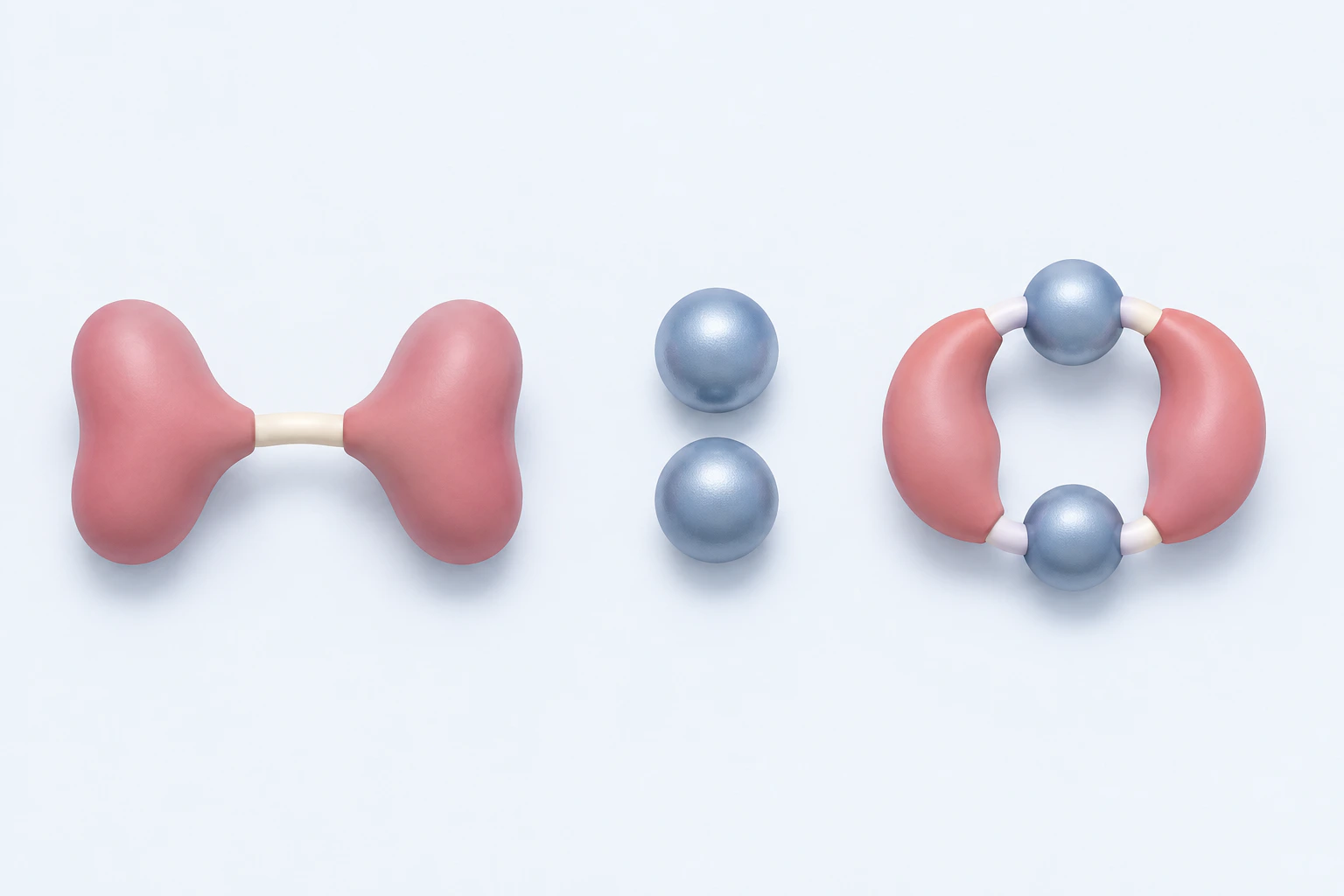
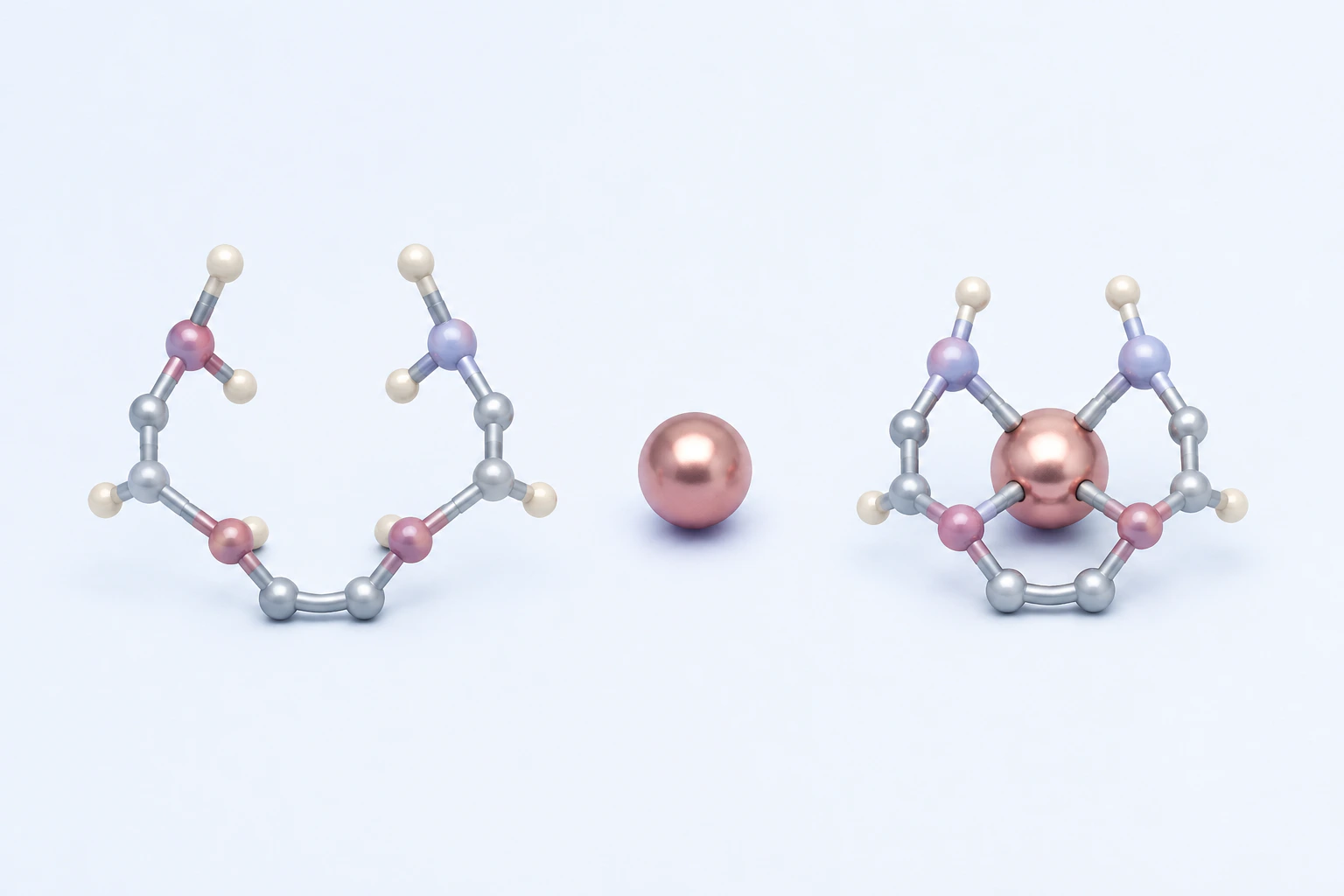
An open ligand teaching form, an isolated metal sphere, and a separate closed ligand-and-sphere model appear without arrows.
Mechanisms3 sources

Chelation Therapy

Chelation therapy uses high-affinity metal-binding molecules to form stable, excretable complexes with toxic metals, removing them from the body. The term derives from Greek "chele" (claw) -- the chelator grips the metal ion at multiple coordination sites. While chelati

Mechanisms6 sources

Metal Chelation Therapy

Chelation therapy uses molecules with high affinity for specific metal ions to form stable, excretable complexes, removing toxic metals from the body. The word derives from Greek "chele" (claw) -- the chelator grips the metal ion at multiple coordination sites. While ch

Mechanisms8 sources

EDTA

Ethylenediaminetetraacetic acid (EDTA) is a synthetic aminopolycarboxylic acid widely used as a chelation agent for heavy metal poisoning, particularly lead. In the microbiome context, EDTA is significant for two reasons: its therapeutic use in metal detoxification and