WikiBiomeThe human microbiome encyclopedia
WikiBiome/Search: “pathogen”
Encyclopedia search

Search: “pathogen”

Ranked matches across titles, topics, categories, and article introductions.

80 records in this view
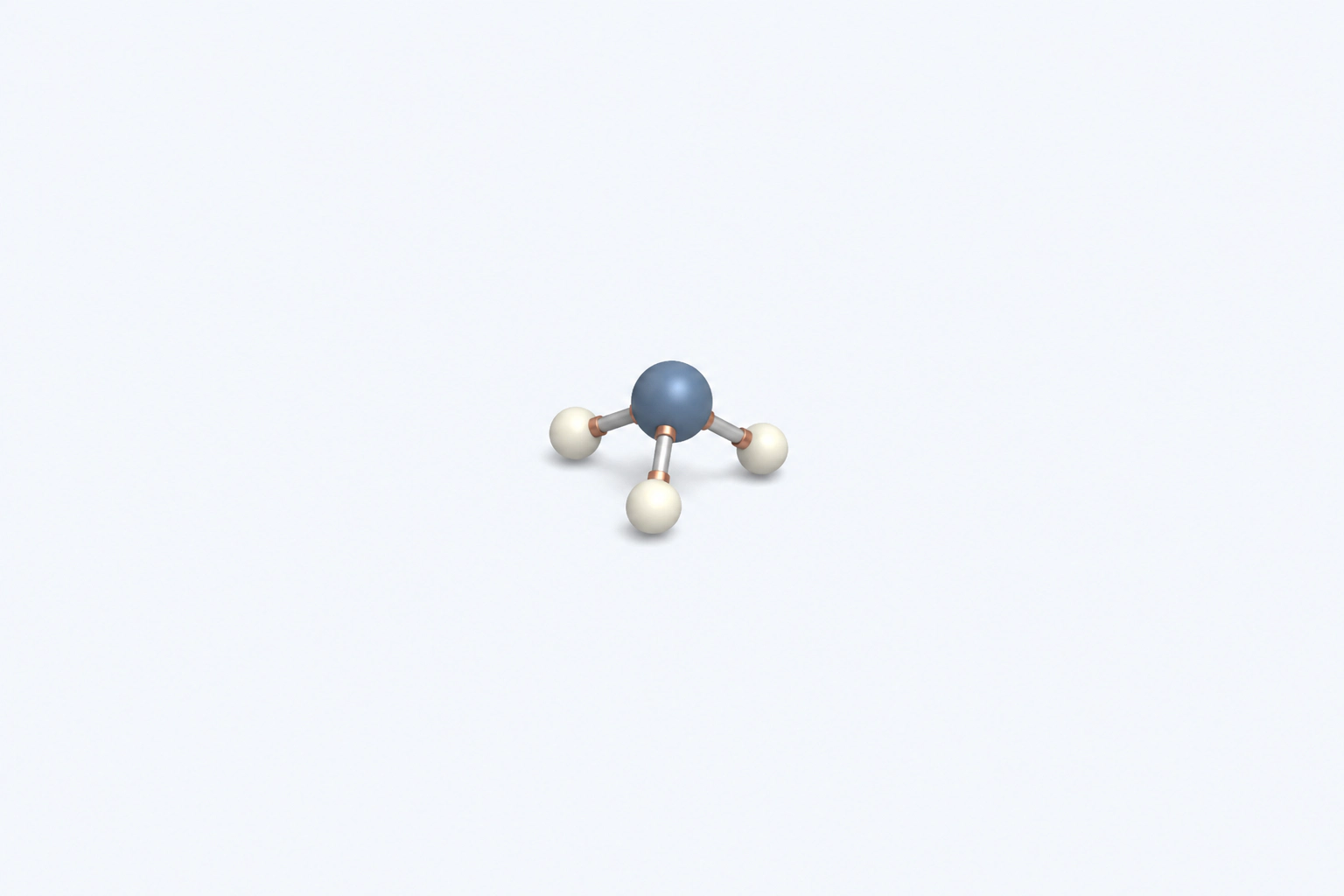
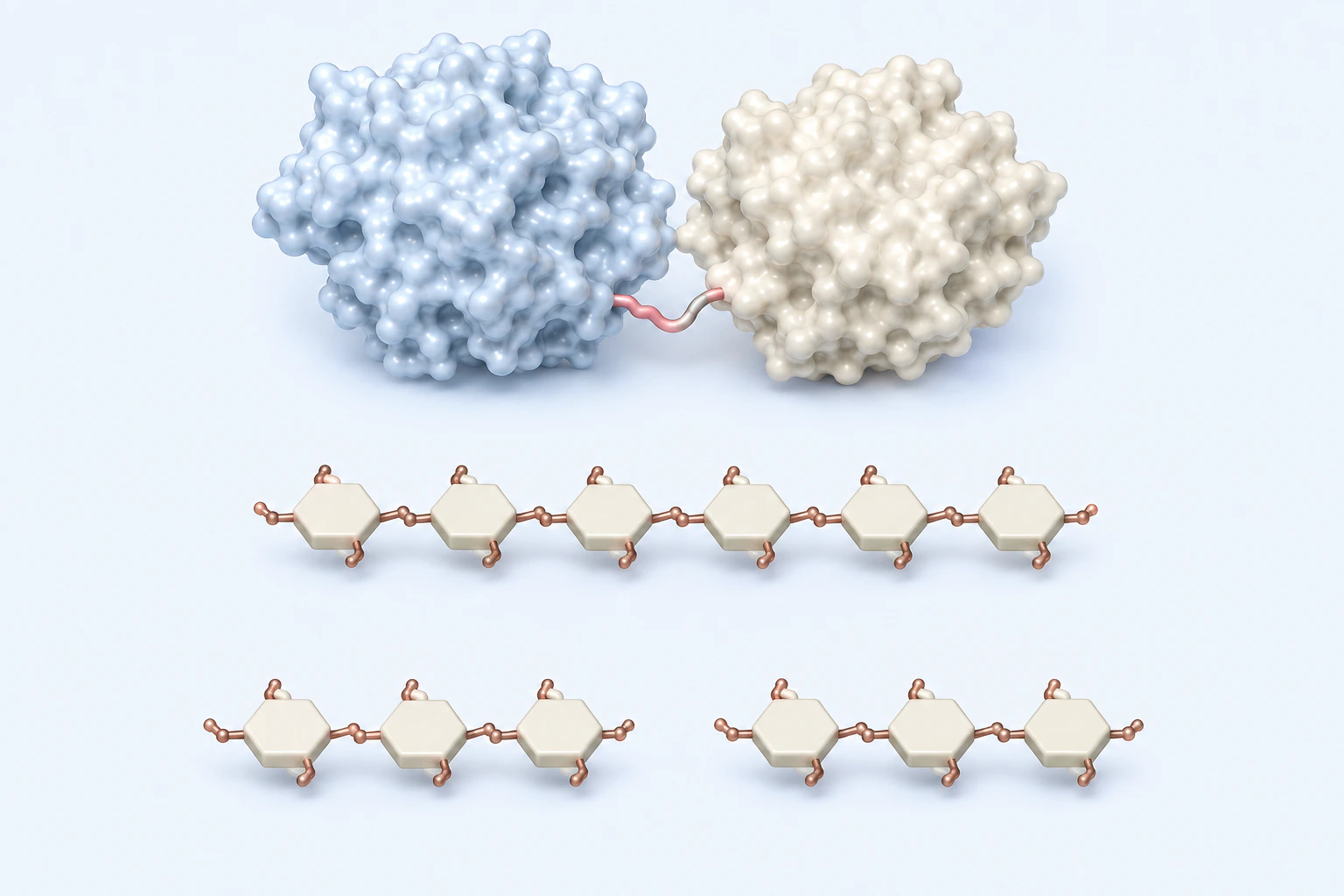
A compact trigonal-pyramidal ammonia teaching model shows one central nitrogen sphere connected to three hydrogen spheres.
Mechanisms4 sources

Ammonia

Ammonia is a nitrogen-containing product of microbial urease activity. When urease hydrolyzes urea, ammonia and bicarbonate are produced; in the microbial systems covered by WikiBiome, those products can provide nitrogen and raise local pH maier 2019 nickel microbial pa

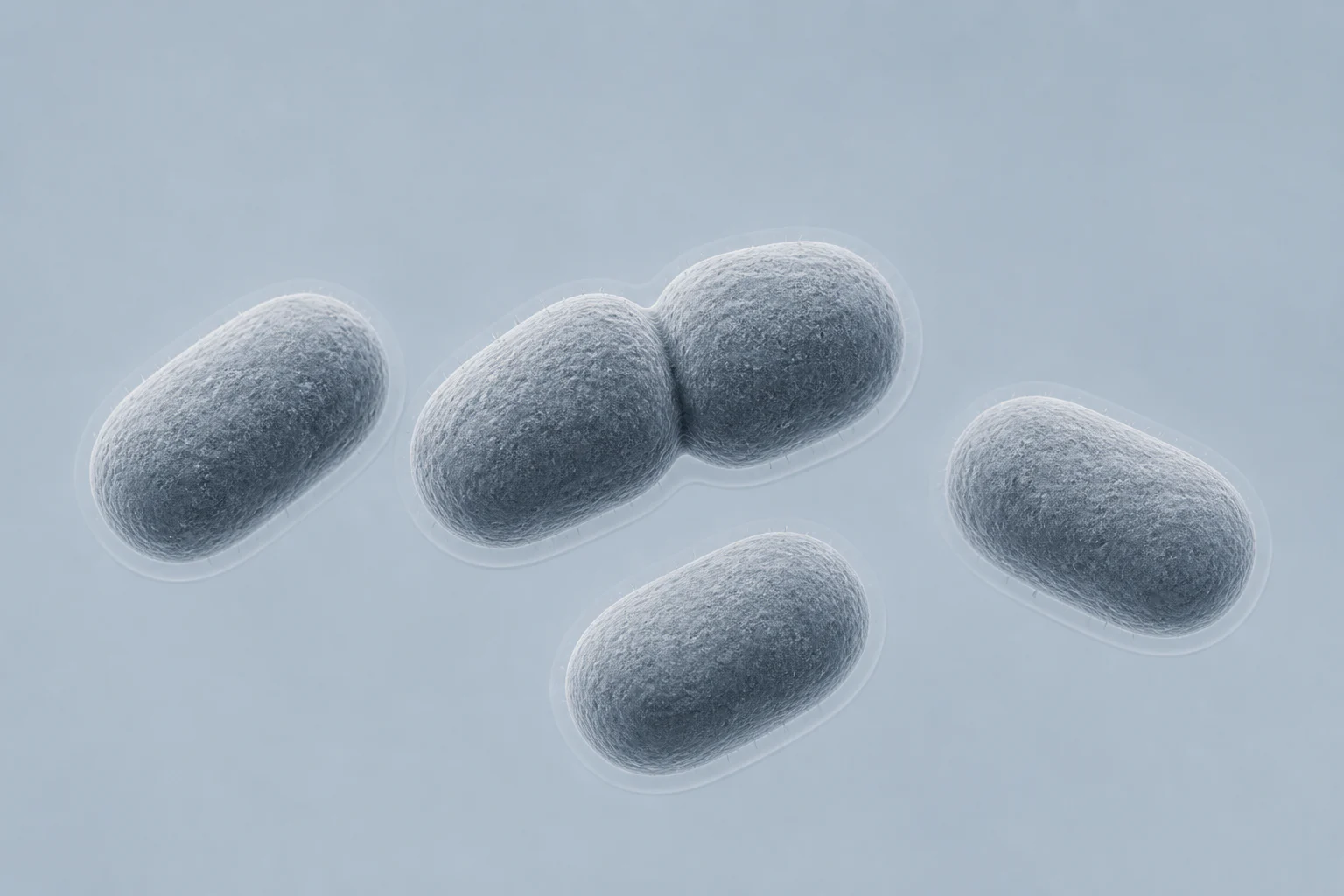
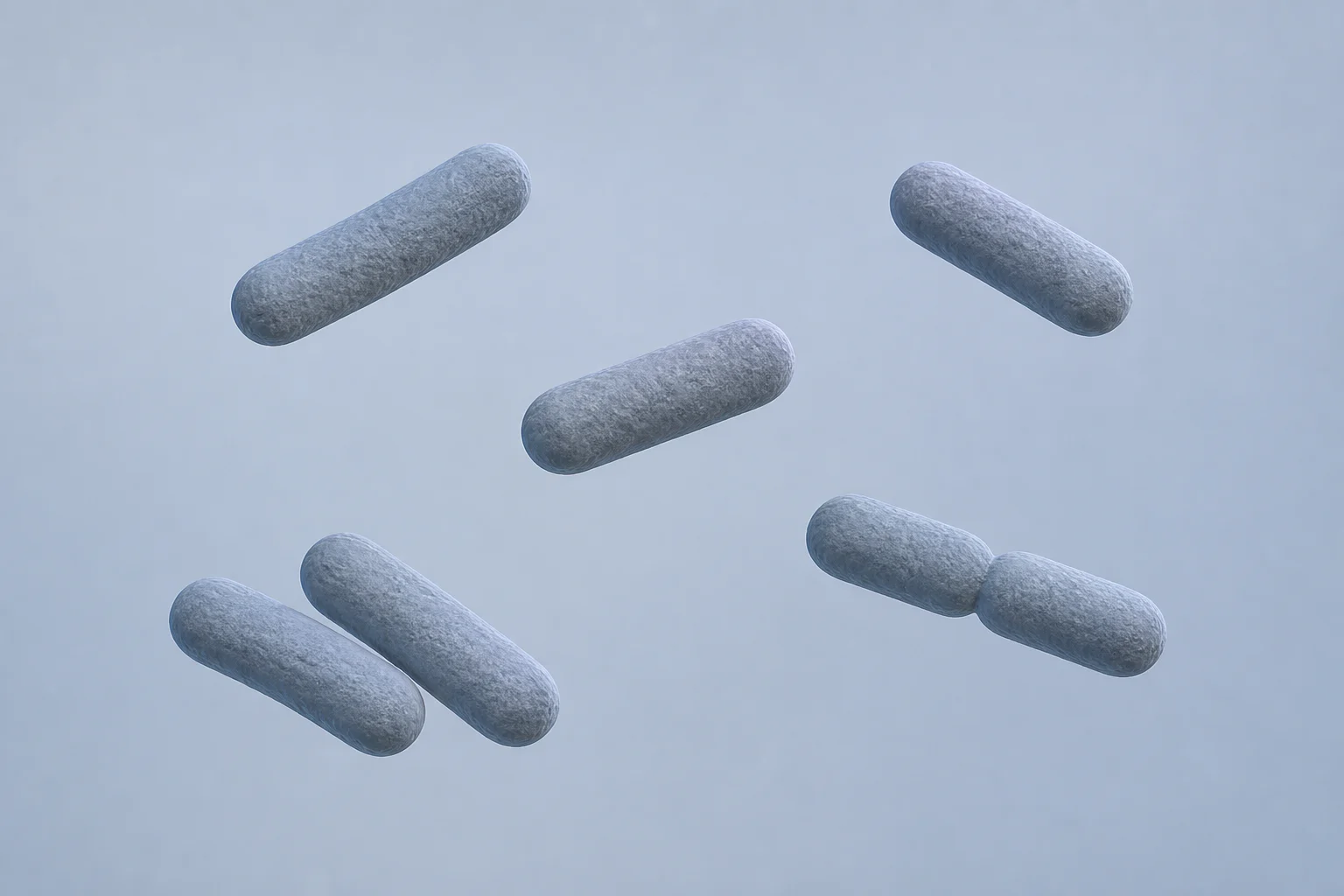
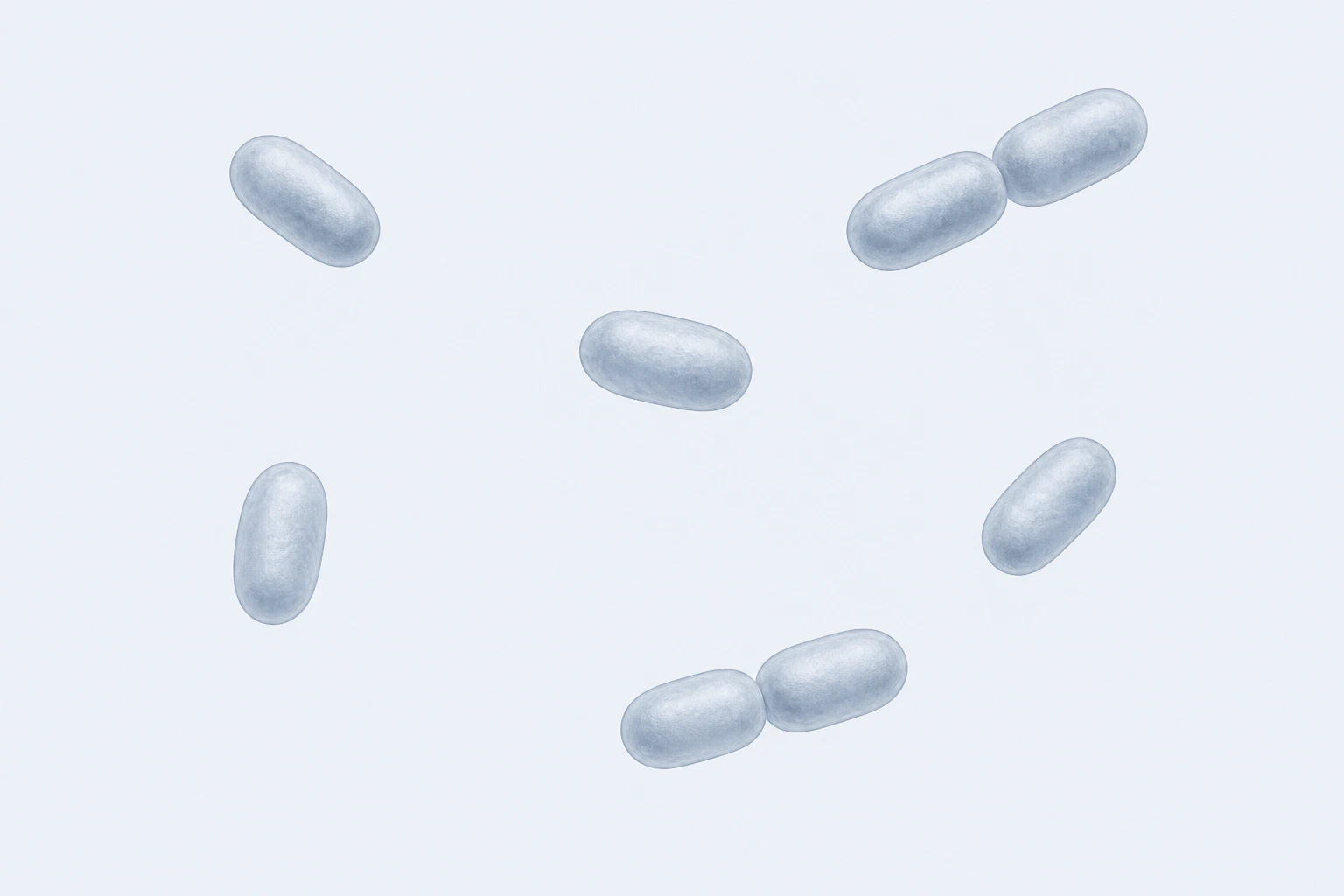
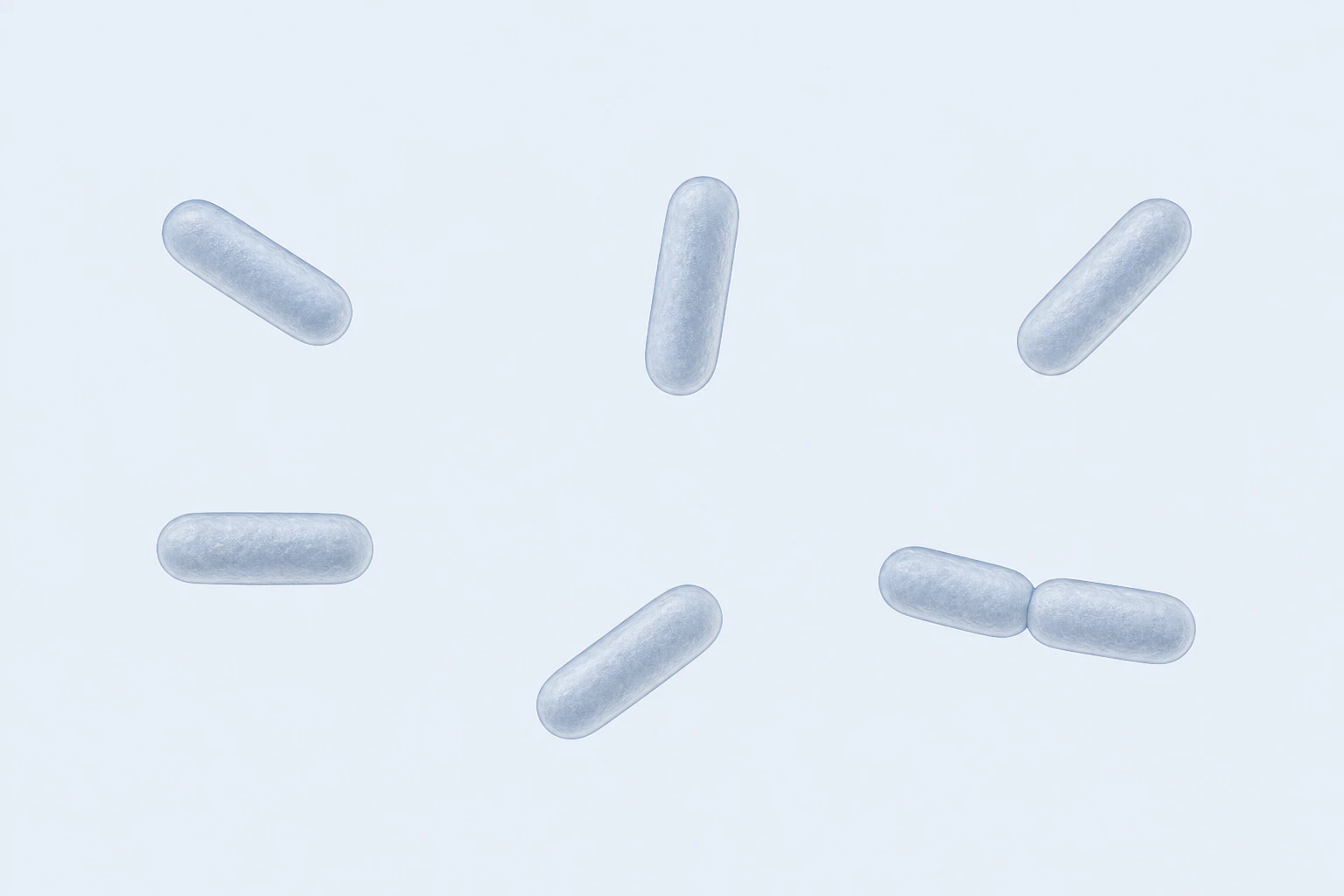
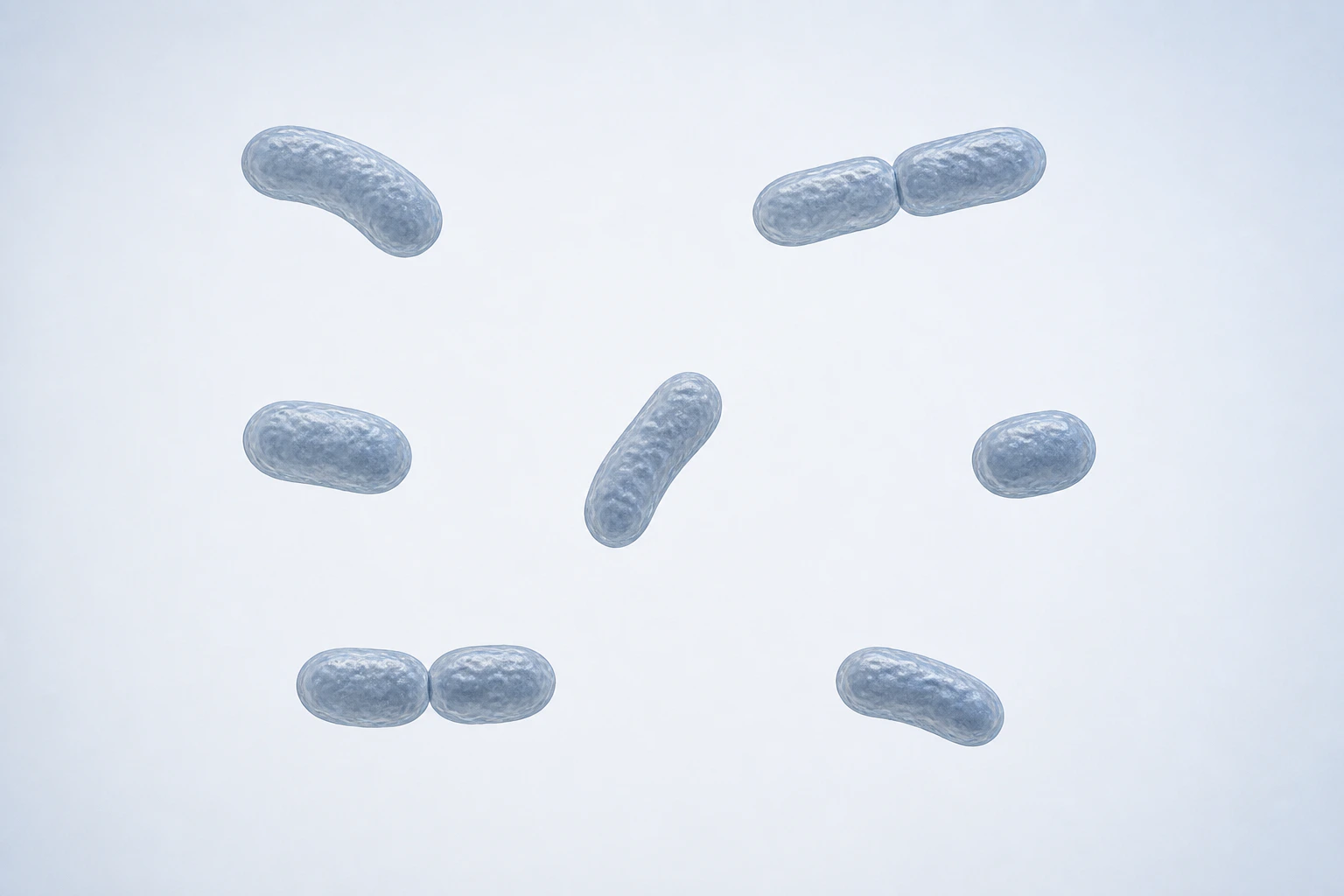
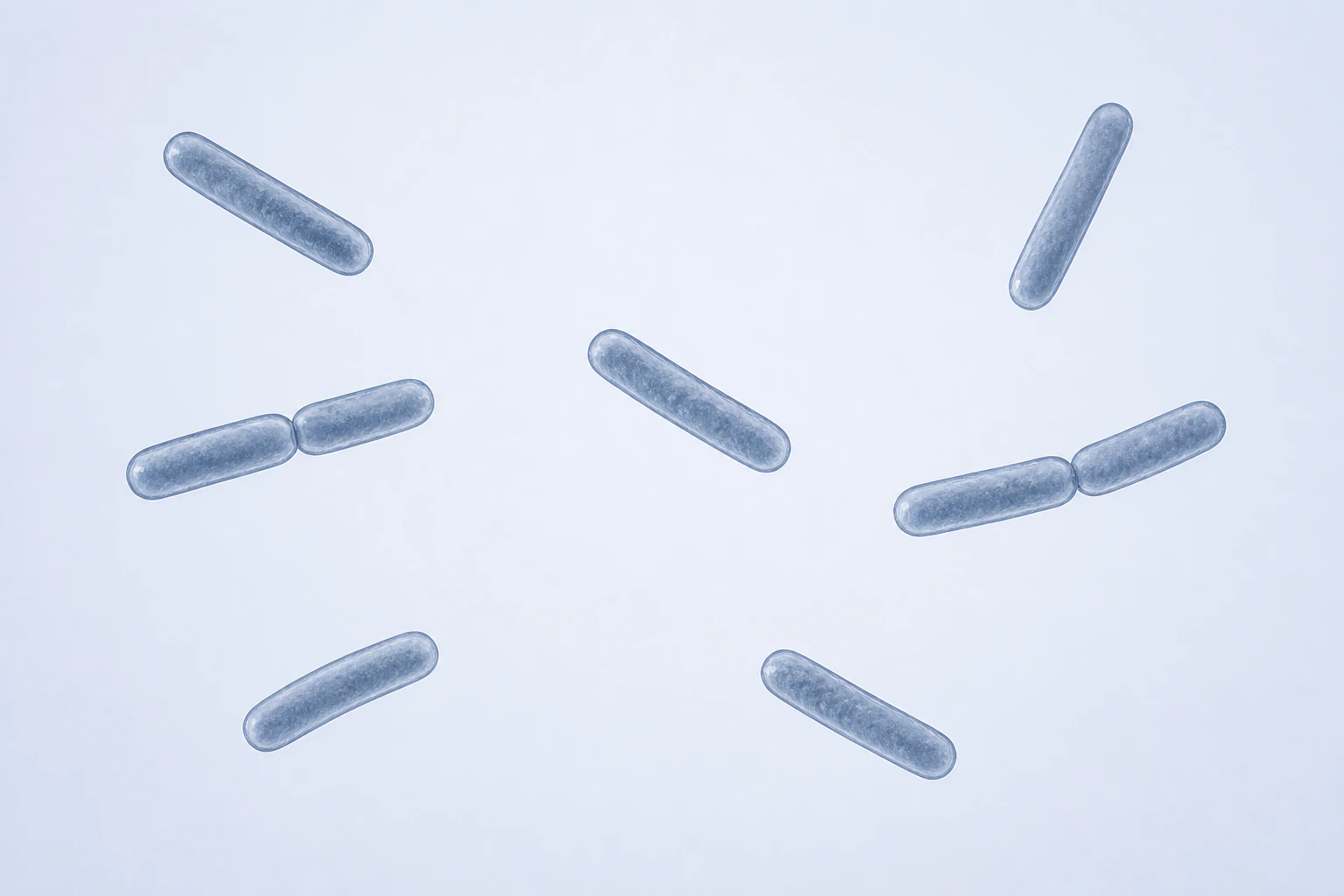
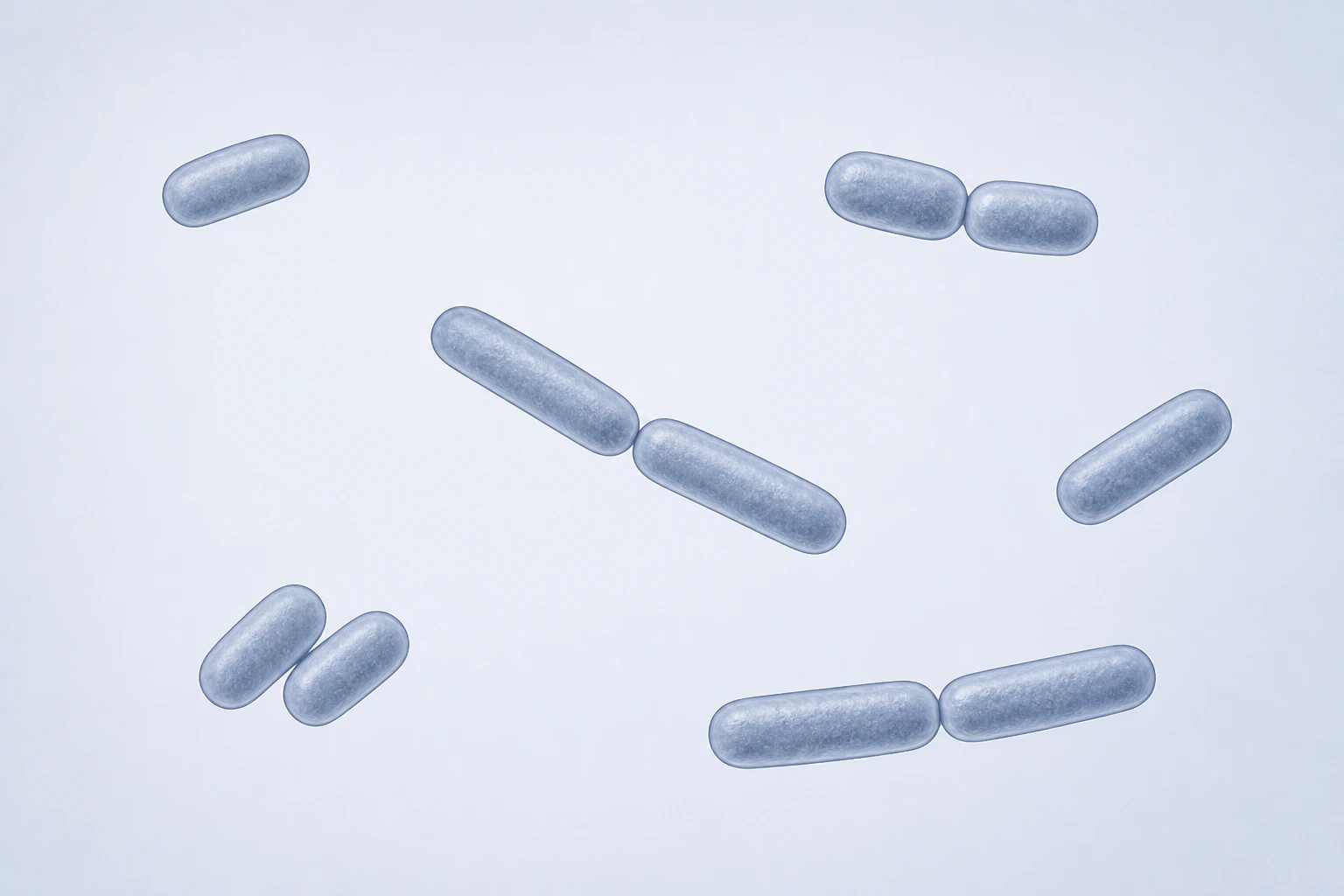
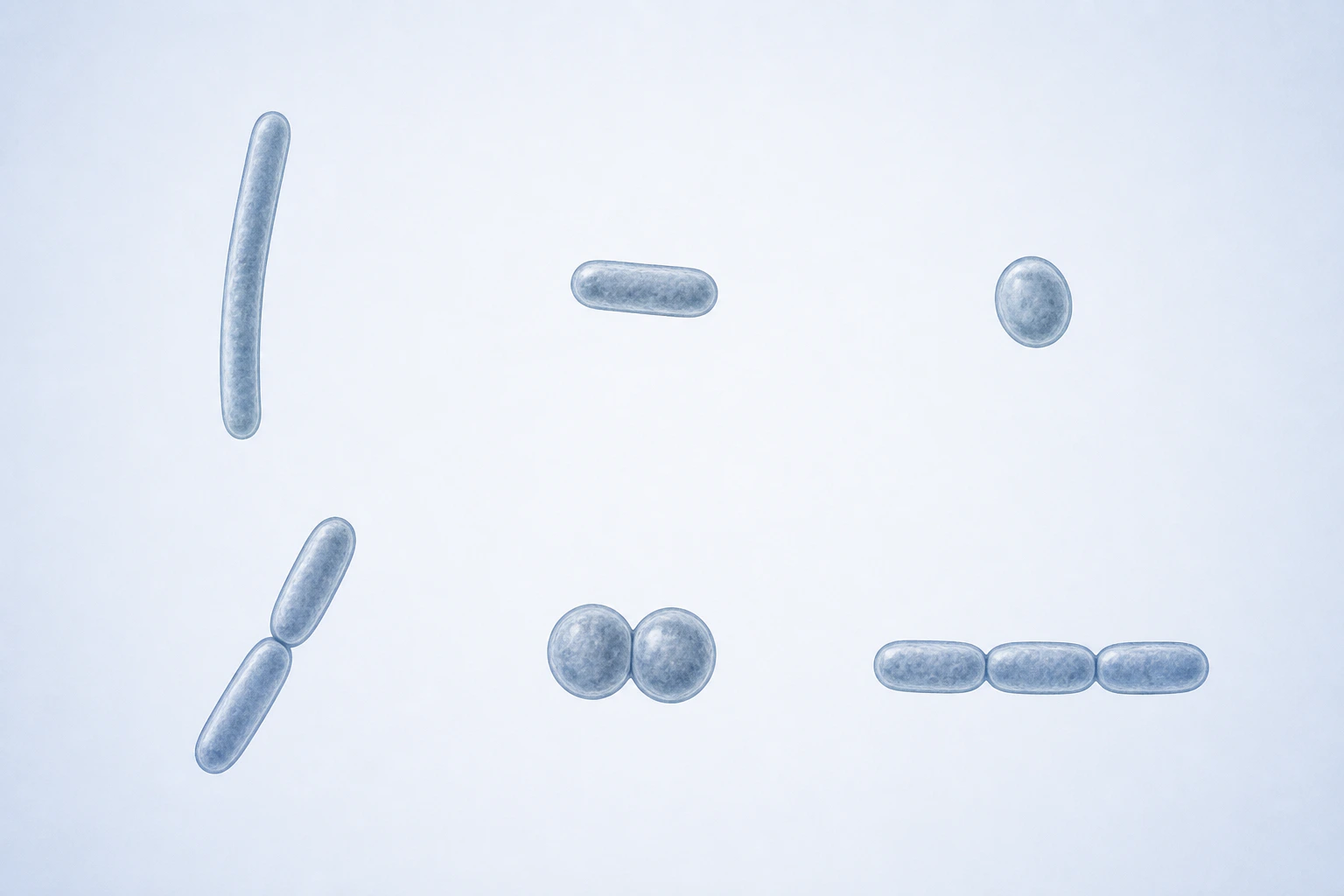
Eight plump Brucella coccobacillary bodies appear in six groupings: four singles and two touching pairs, each oval to very short and longer than wide.
Microorganisms1 sources

Brucella

A genus of Gram-negative intracellular pathogens causing brucellosis, the most common bacterial zoonosis worldwide. Brucella species depend on nickel-activated urease for gastrointestinal survival during the initial phase of infection, and urease immunization has been s

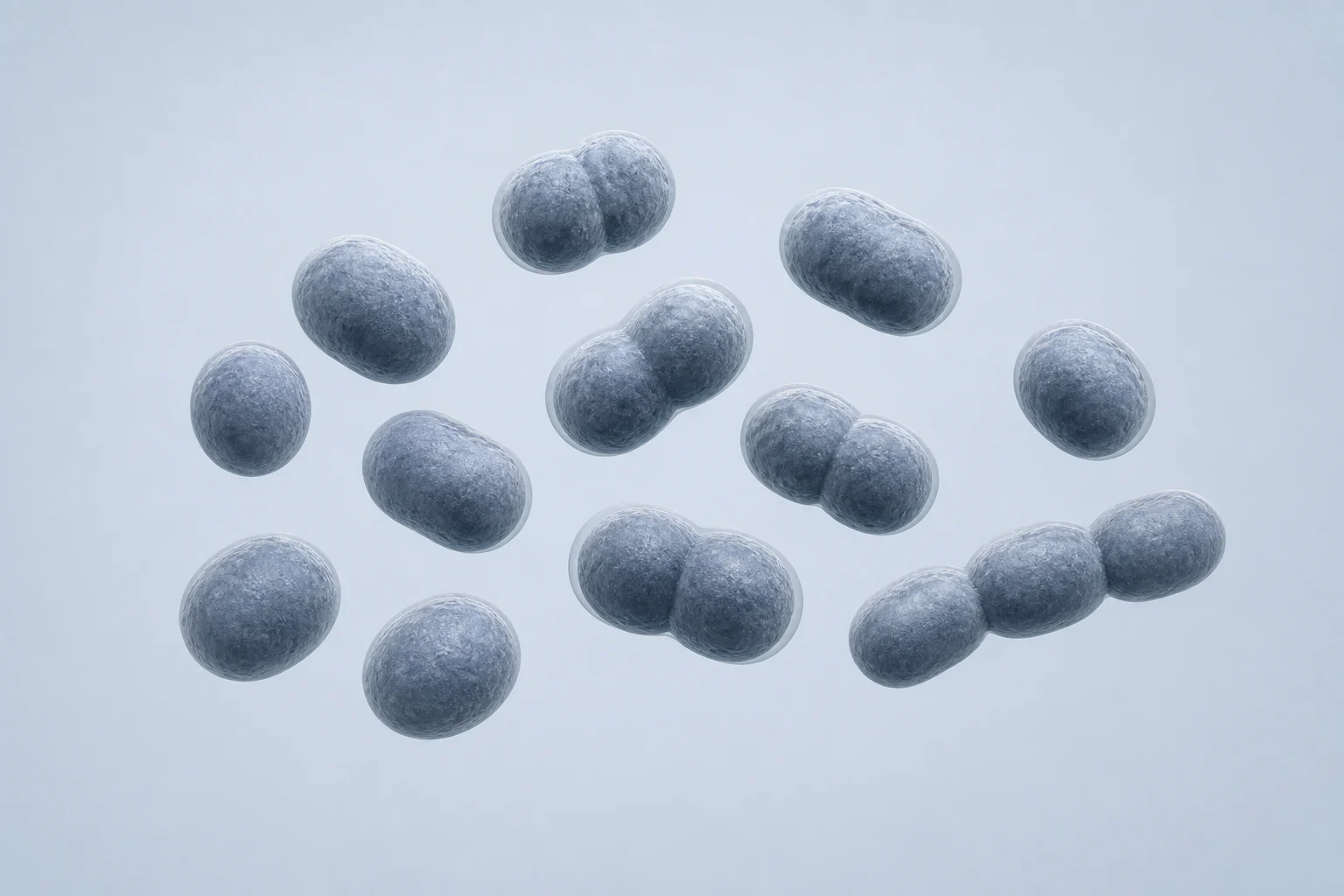
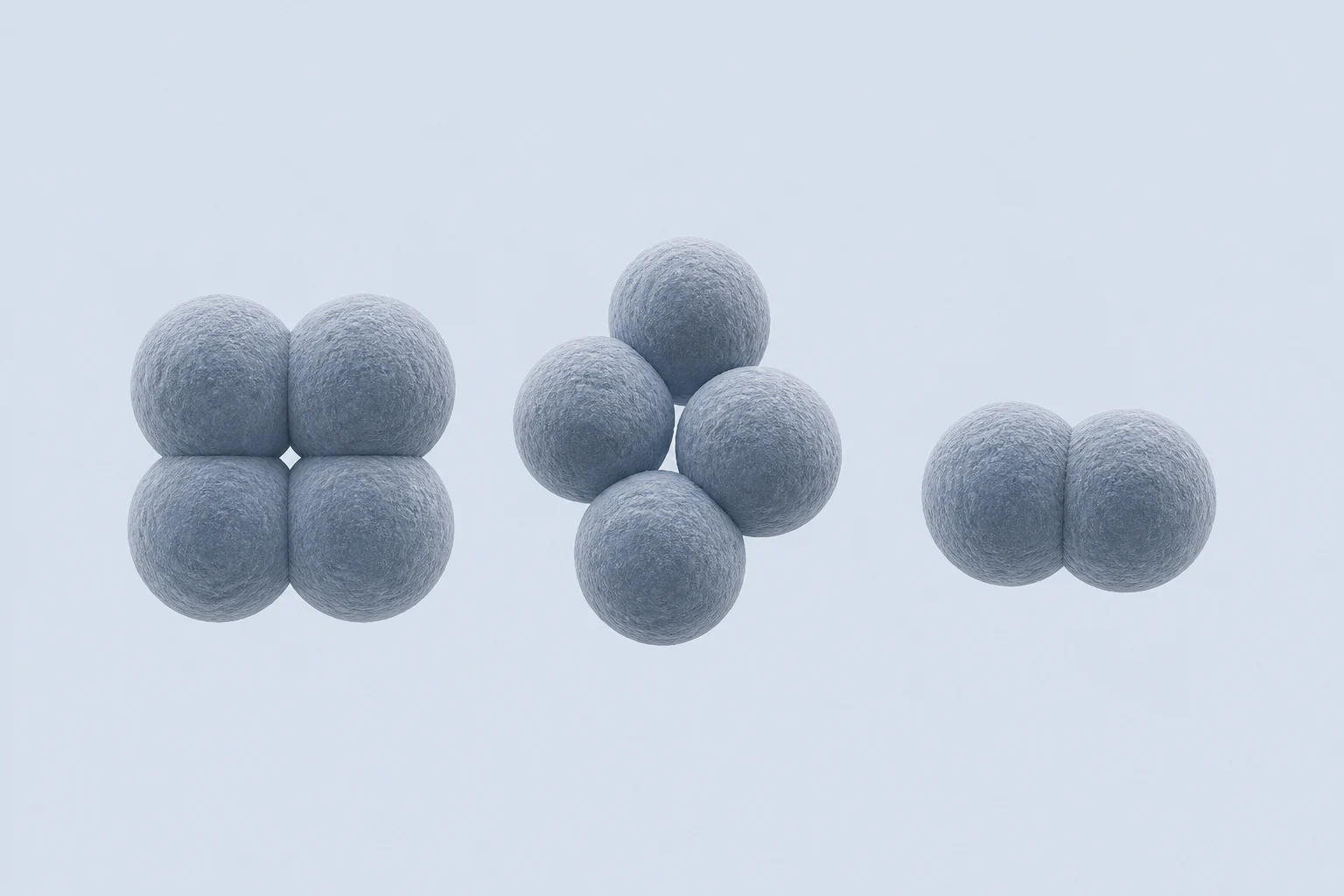
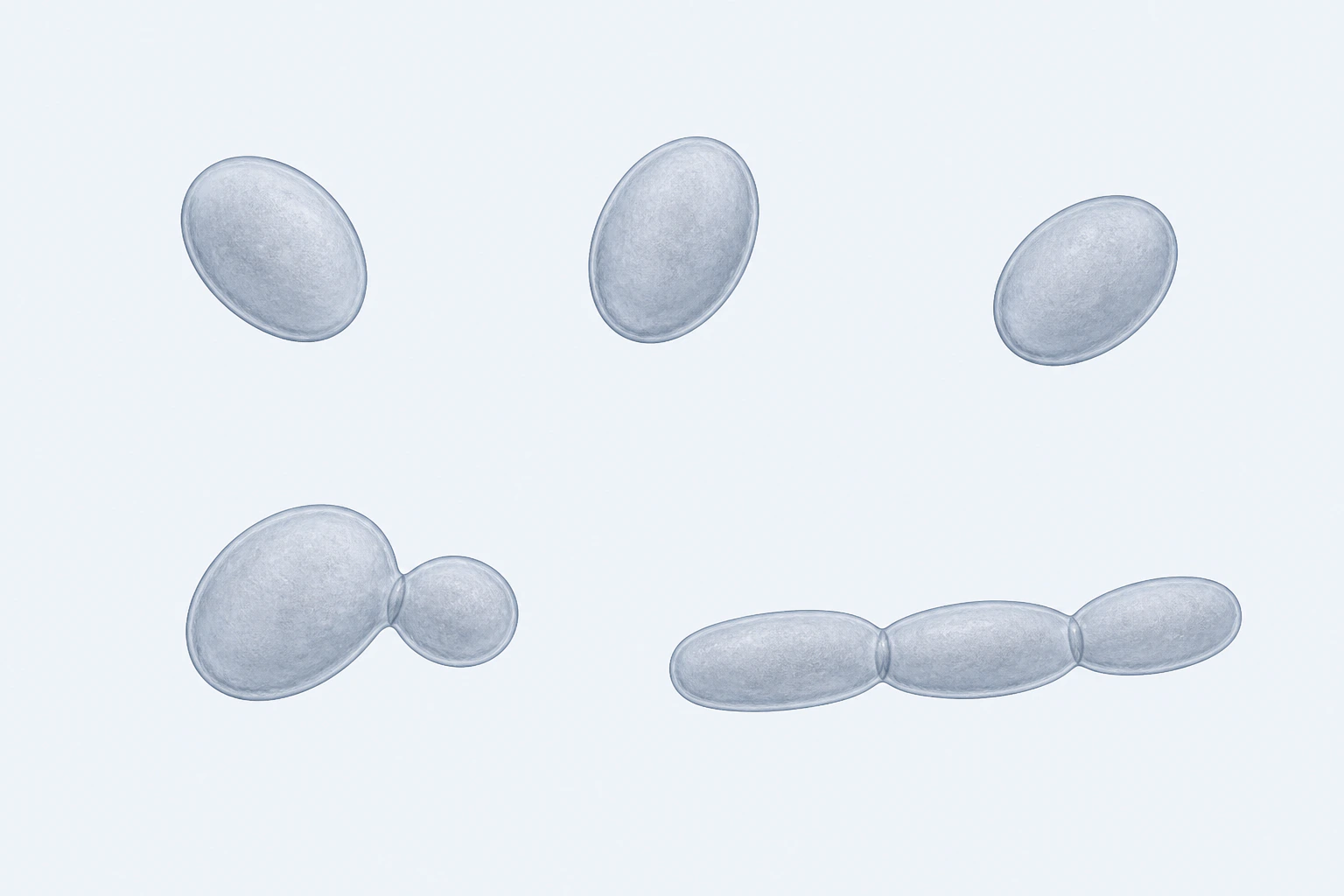
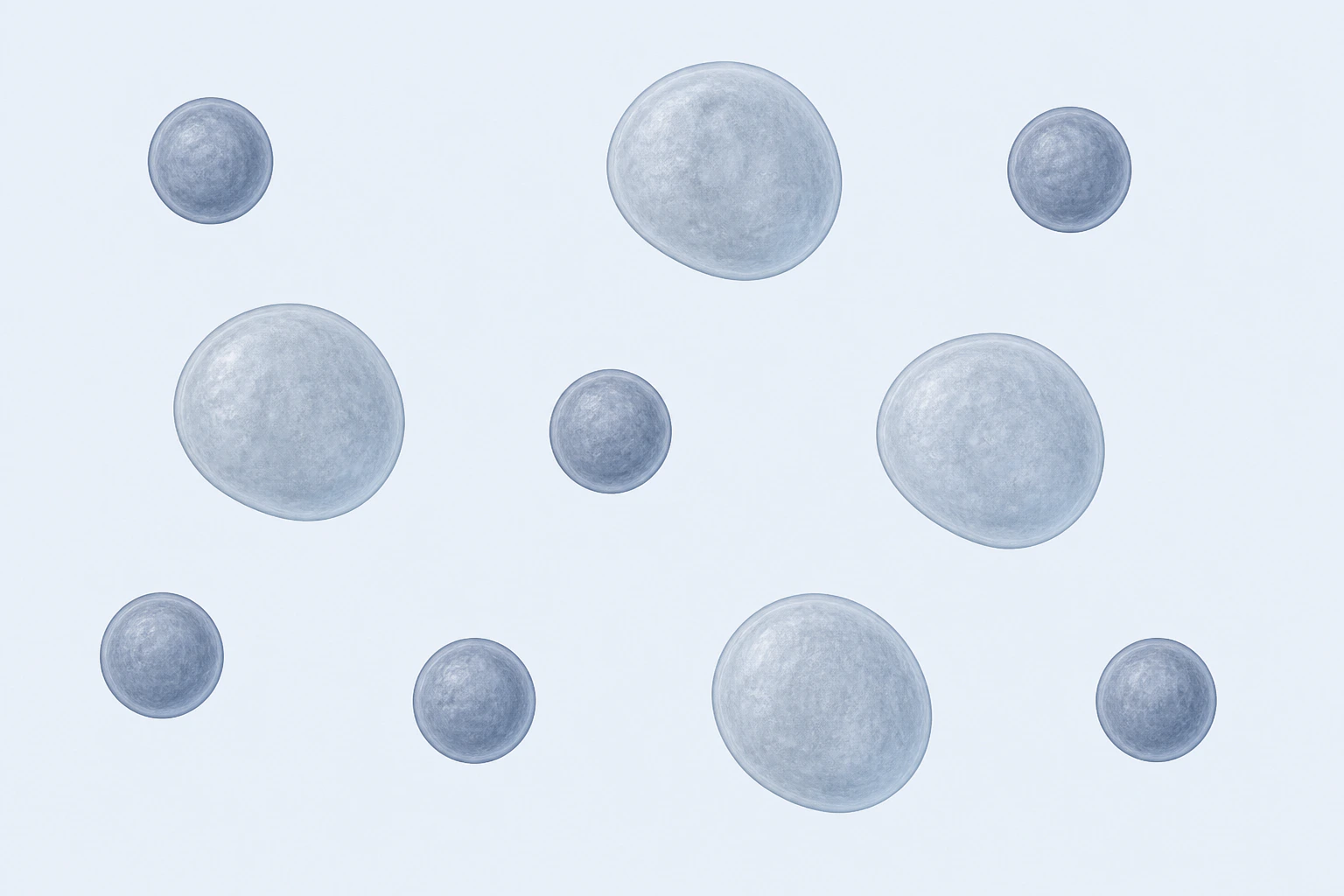
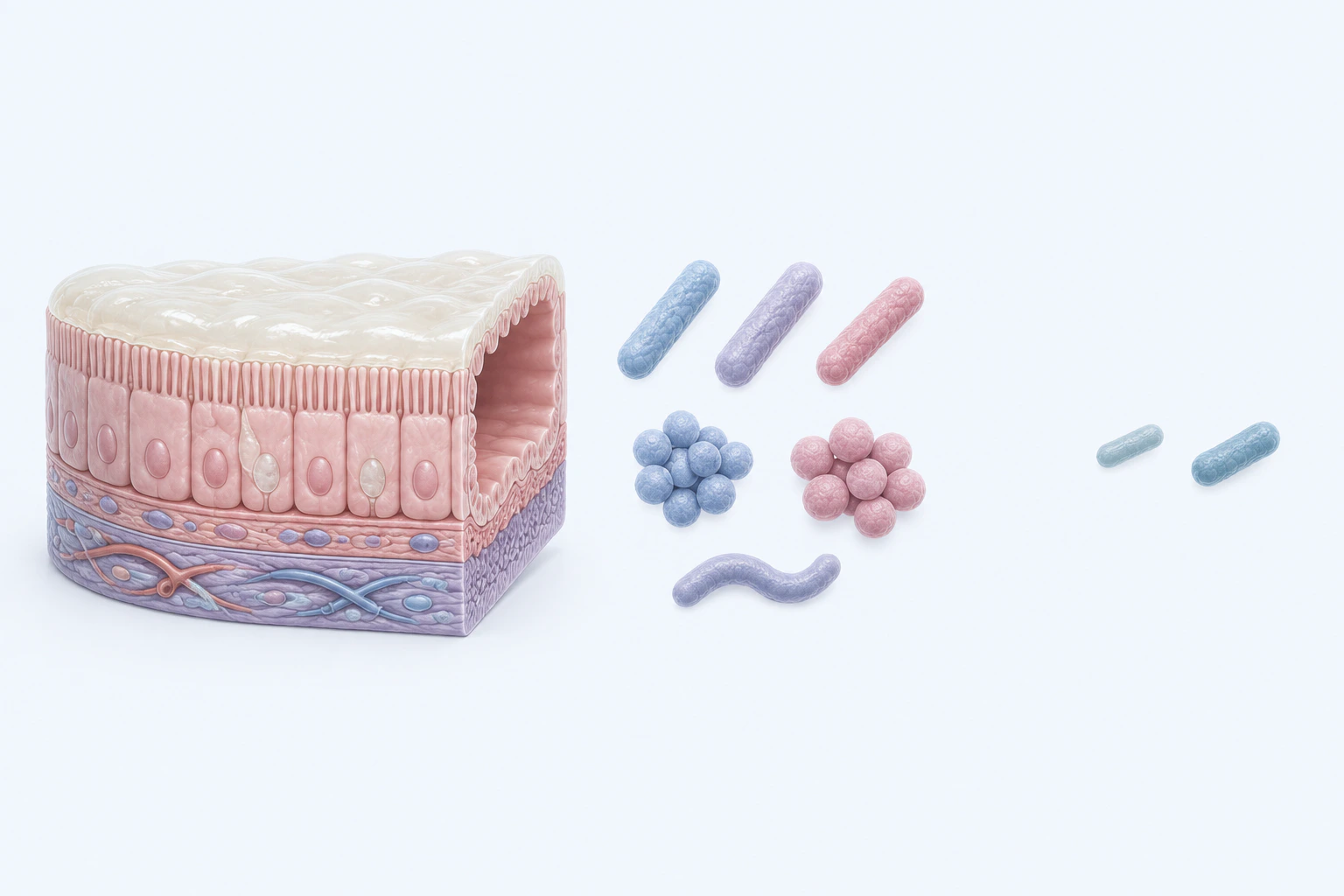
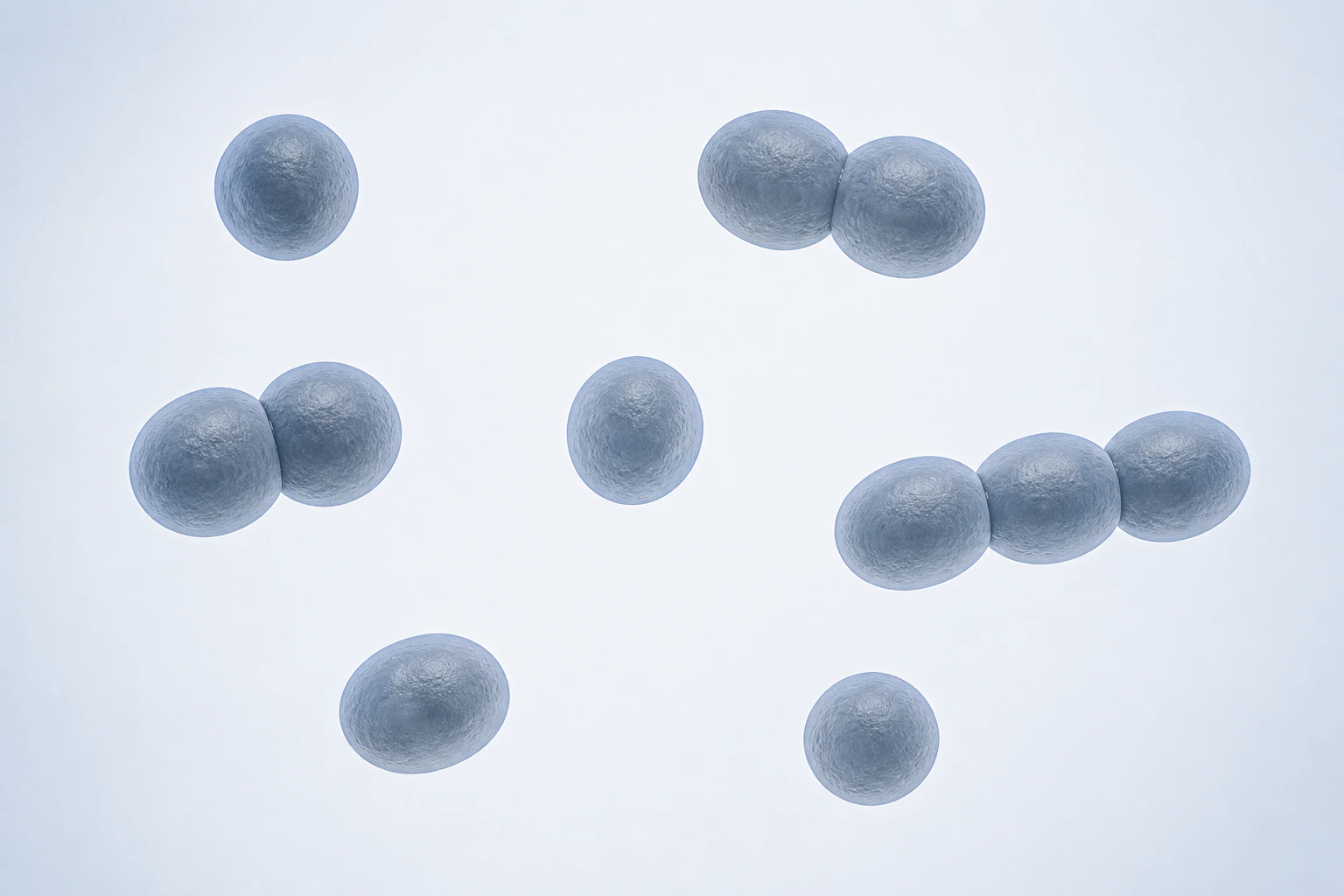
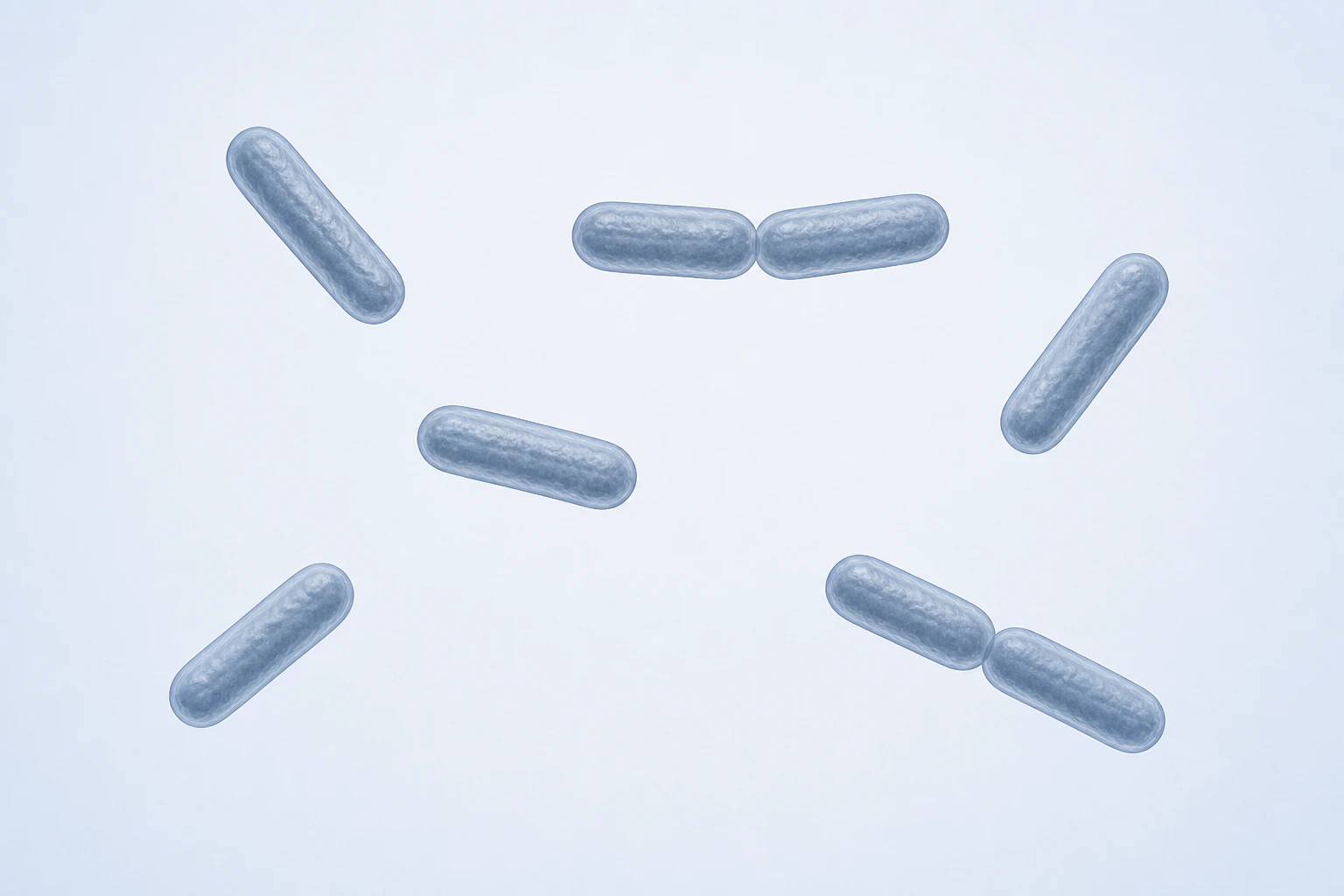
Eleven selected Enterococcus spherical-to-ovoid bodies appear in seven groupings: four singles, two touching pairs, and one short three-cell chain.
Microorganisms3 sources

Enterococcus

A genus of Gram-positive bacteria (primarily E. faecalis and E. faecium) that exemplifies the metal-antibiotic resistance co-selection crisis. Enterococci carry diverse metal tolerance genes for mercury, arsenic, copper, and cadmium on the same mobile genetic elements a

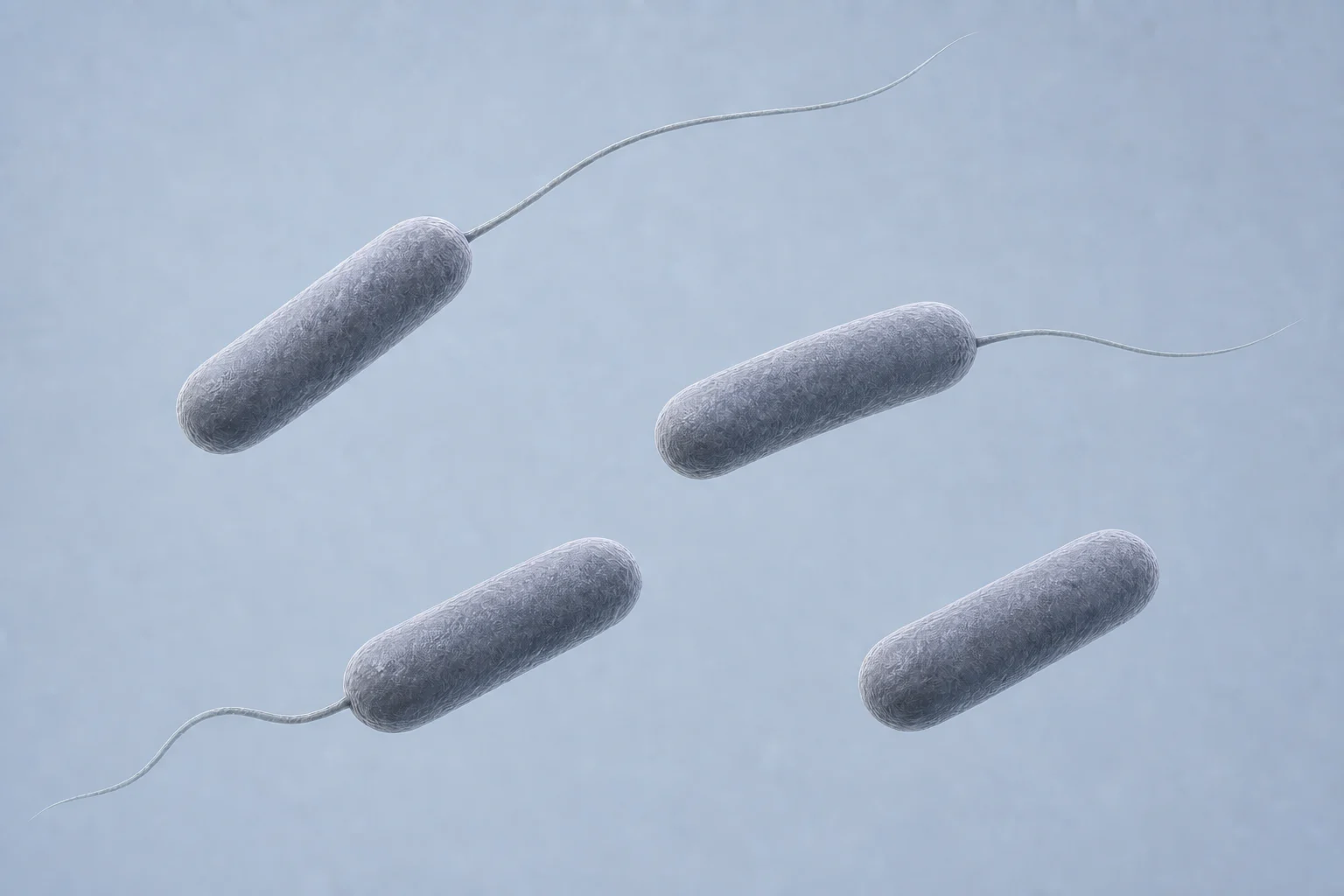
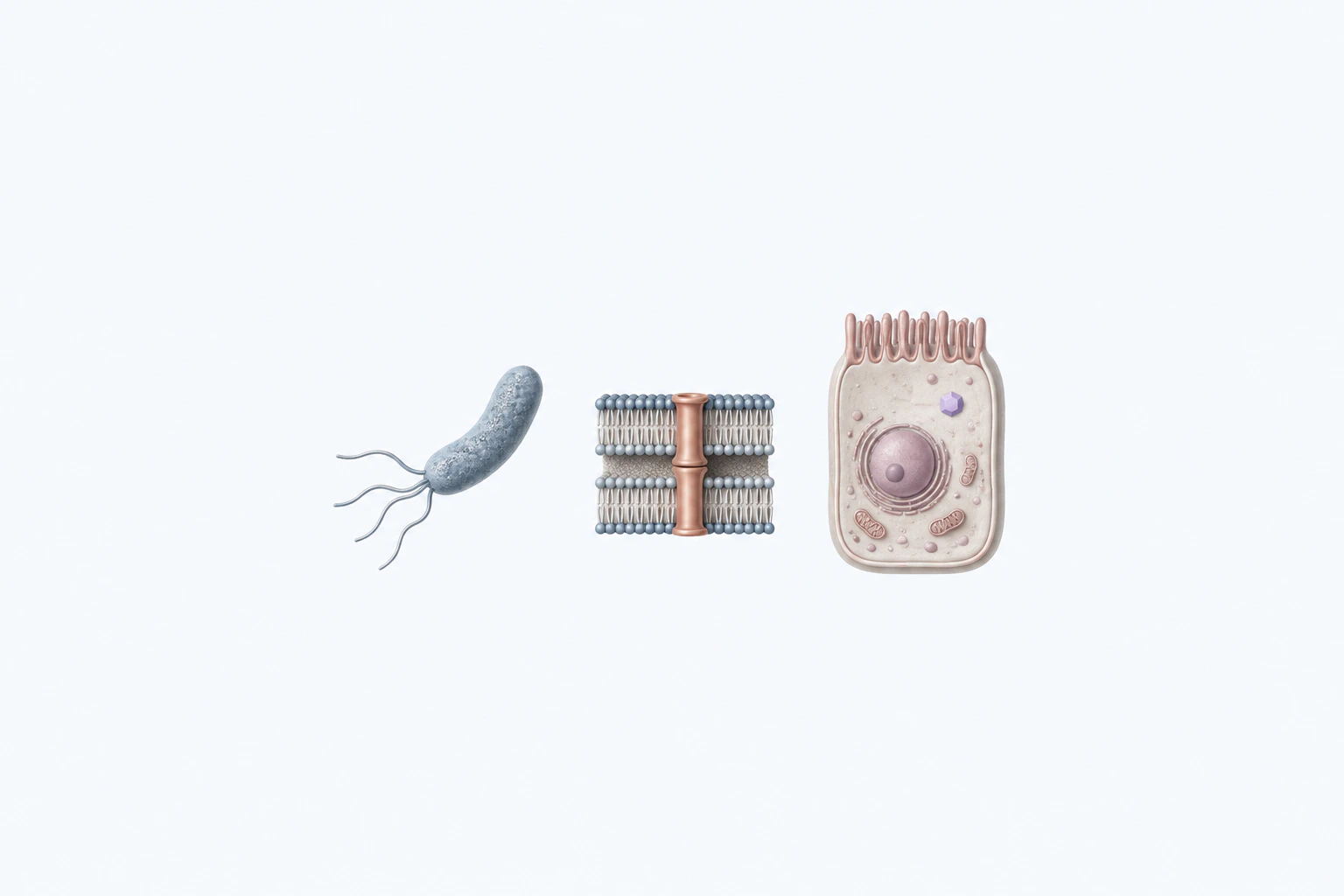
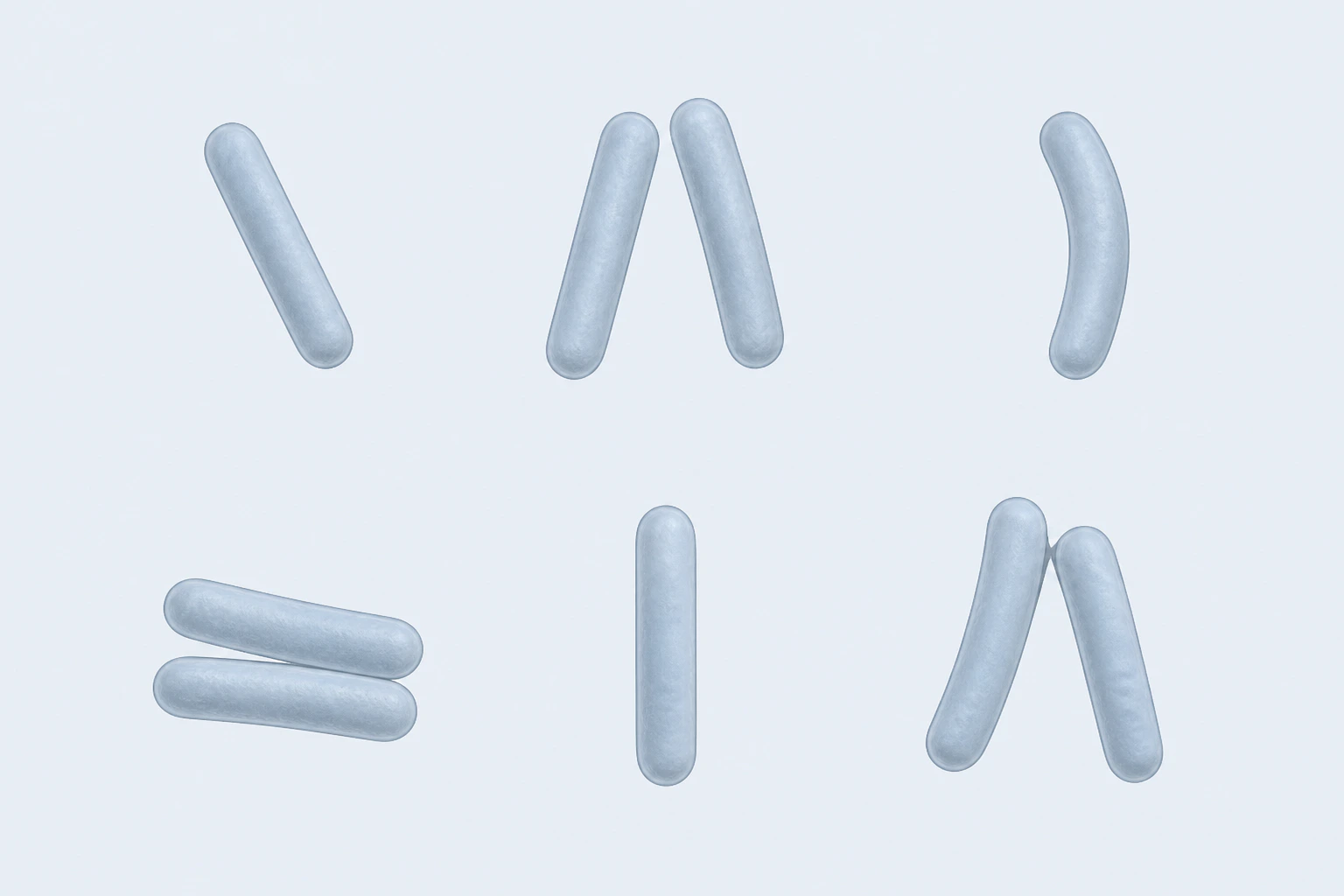
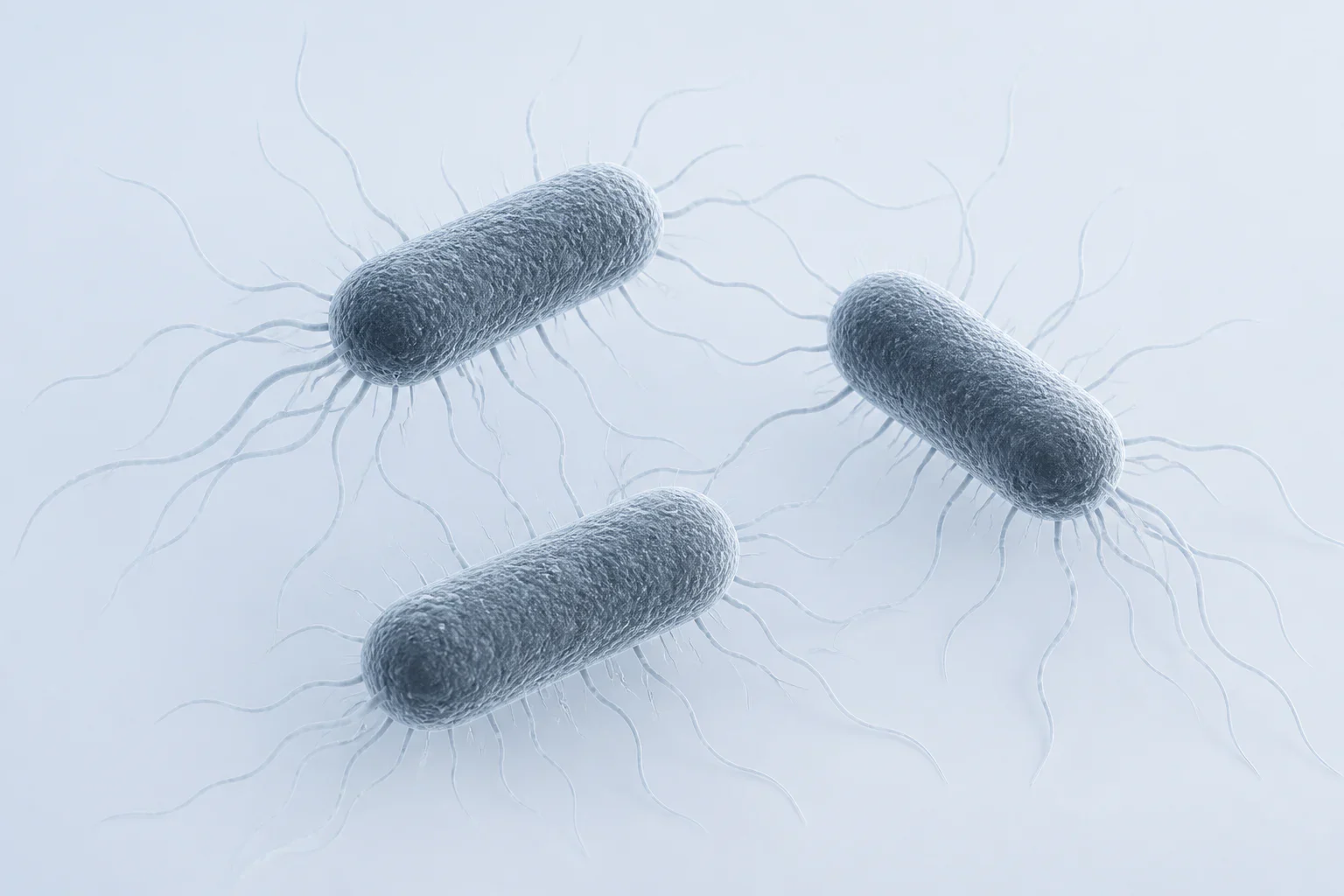
Microscopy-informed reconstruction of three rod-shaped Escherichia coli cells with peritrichous flagella and fine pili on a pale cool field.
Microorganisms6 sources

Escherichia coli

A Gram-negative bacterium that spans the commensal-pathogen spectrum, with pathogenic variants (UPEC, STEC, EHEC) deploying nickel-dependent enzymes as virulence factors. E. coli is the model organism for nickel transport biology -- the NikABCDE system was first charact

Mechanisms5 sources

Gene Regulation

Gene regulation in bacteria is the process by which cells control when and how much of each gene product is made. In the metallomics context, gene regulation is the mechanism by which bacteria respond to the metal environment -- sensing metal availability and adjusting

Reference0 sources

Glossary

Alphabetical definitions of specialist terms used throughout this wiki. Where a full concept page exists, the term links to it. --- AhR (aryl hydrocarbon receptor) -- A ligand-activated transcription factor that senses microbial metabolites (especially indoles from tryp

Host defenses6 sources

Innate Immunity

Innate immunity is the body's first-line, non-specific defense against pathogens — comprising physical barriers (epithelium, mucus), antimicrobial molecules (calprotectin, lactoferrin, defensins), pattern recognition receptors (TLRs, NOD-like receptors), and phagocytic