WikiBiomeThe human microbiome encyclopedia
WikiBiome/Search: “family”
Encyclopedia search

Search: “family”

Ranked matches across titles, topics, categories, and article introductions.

80 records in this view
Reference0 sources

Glossary

Alphabetical definitions of specialist terms used throughout this wiki. Where a full concept page exists, the term links to it. --- AhR (aryl hydrocarbon receptor) -- A ligand-activated transcription factor that senses microbial metabolites (especially indoles from tryp

Other0 sources

Hungatella

Hungatella hathewayi is a Gram-positive, obligate anaerobic bacterium within the Firmicutes phylum (family Clostridiaceae) that has rapidly emerged as a multi-disease cancer-associated pathobiont. A recently reclassified genus (from Clostridium hathewayi), it is now rec

Other0 sources

Intestinibacter

Intestinibacter bartlettii is a Gram-positive, obligate anaerobic, spore-forming bacterium within the Firmicutes phylum (Peptostreptococcaceae family). It is a relatively understudied gut commensal that has emerged in Mendelian randomization and metagenomic studies with

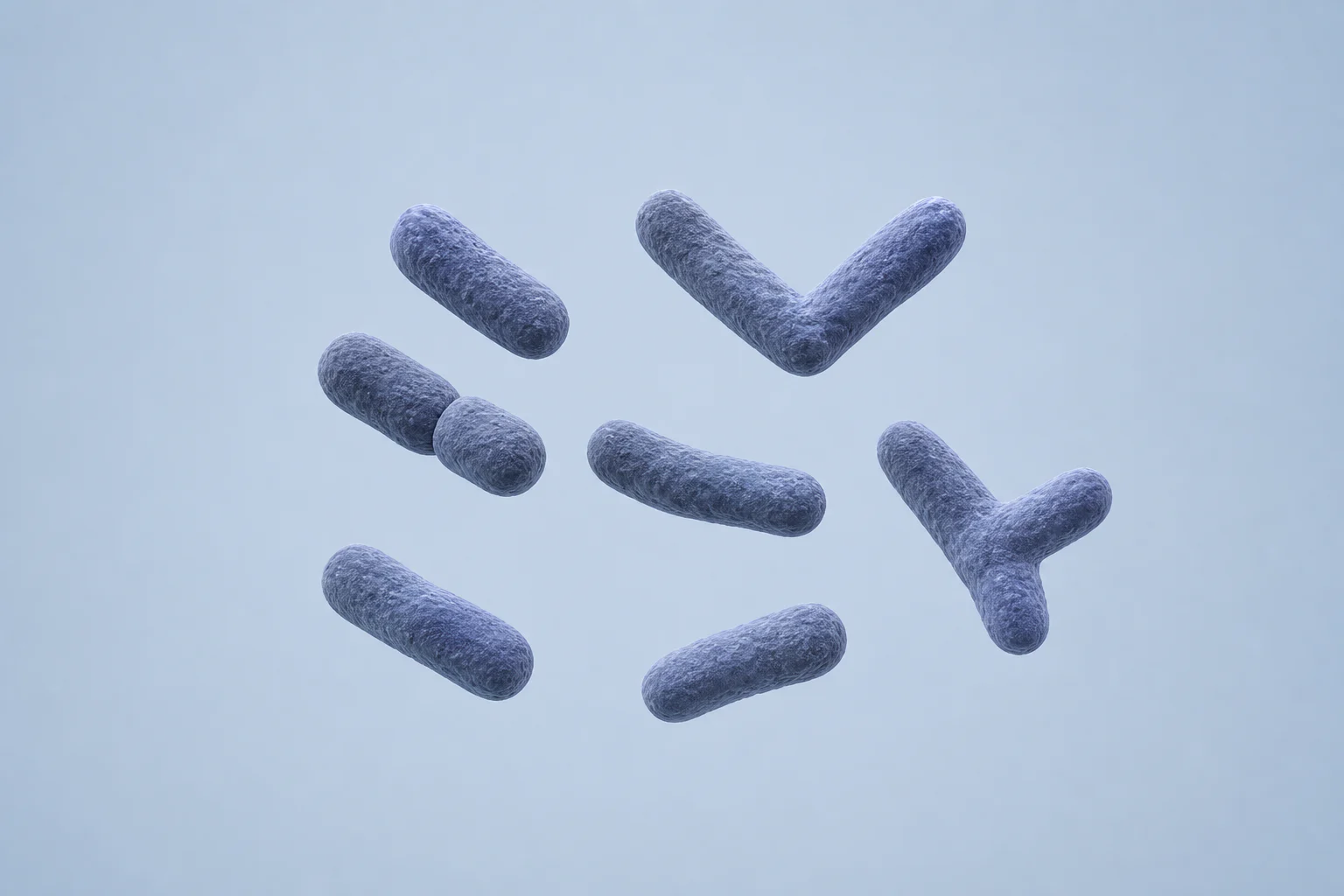
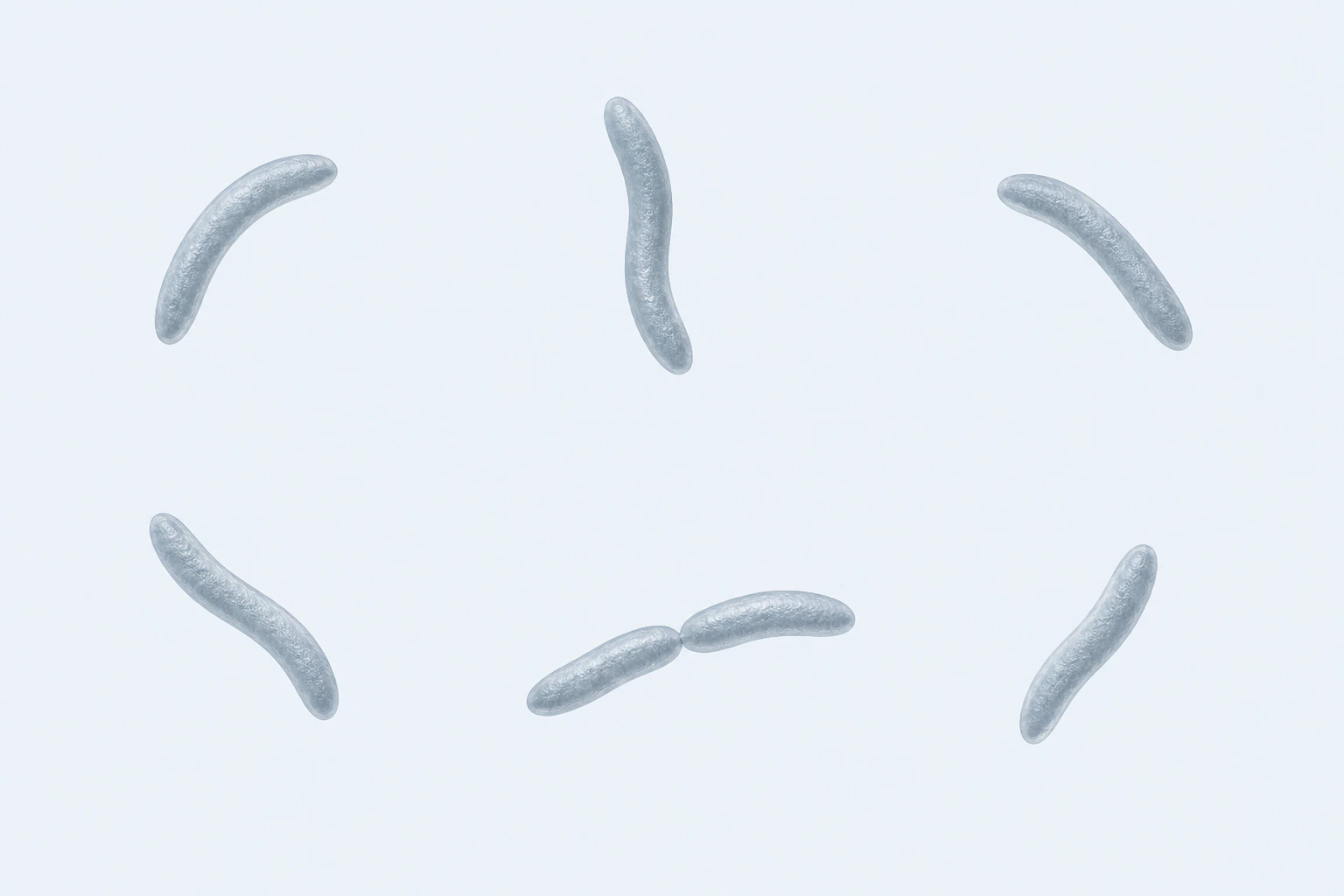
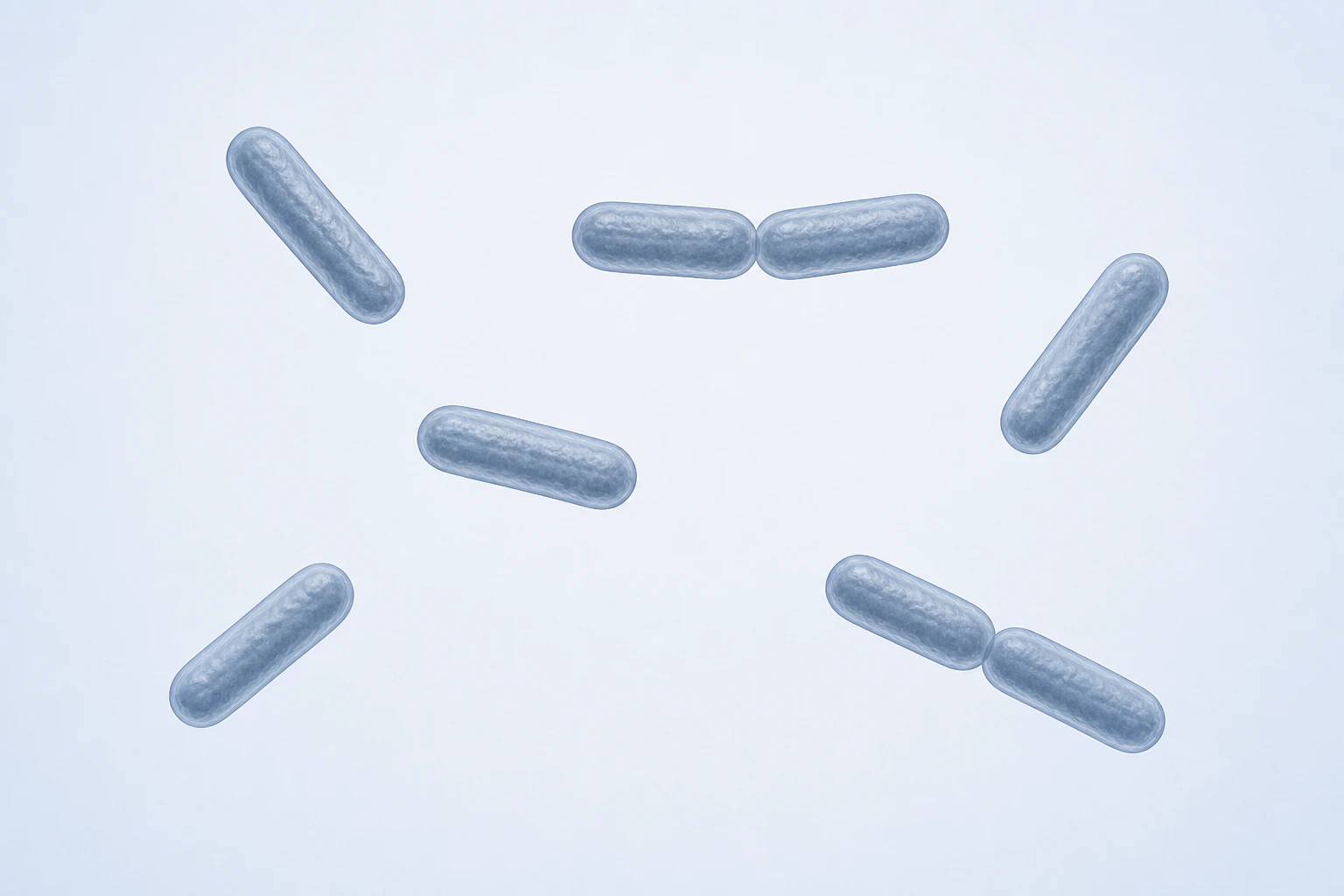
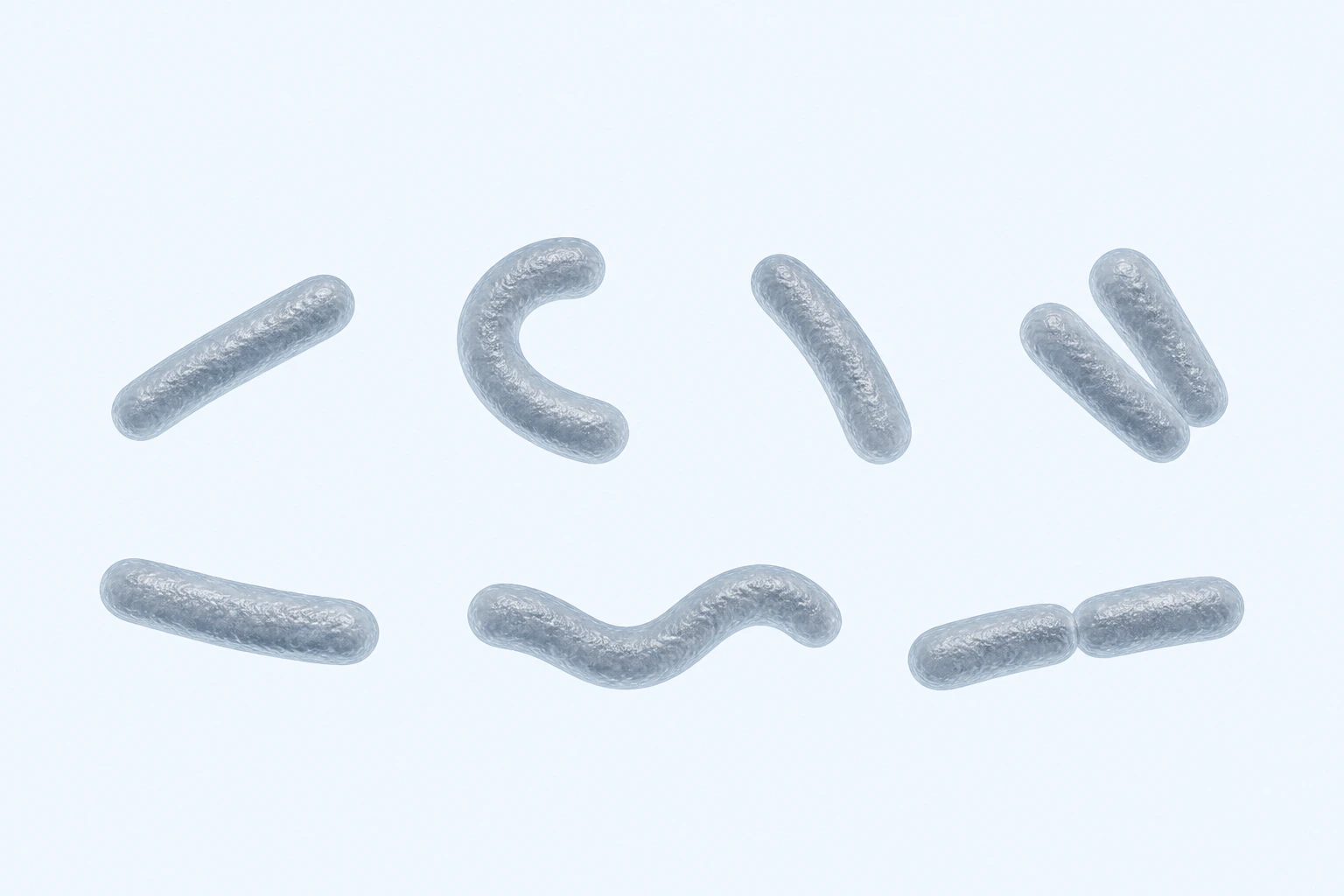
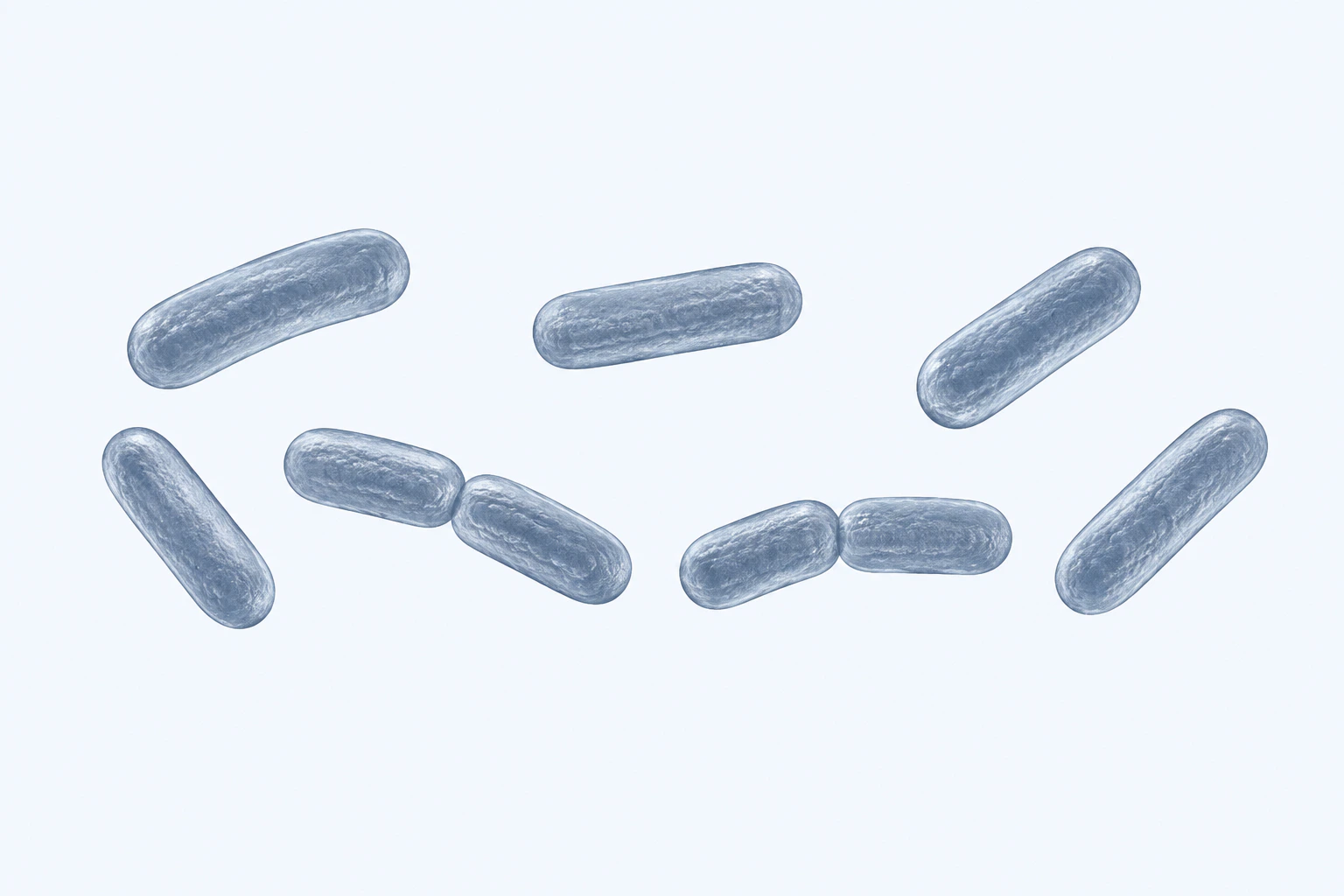
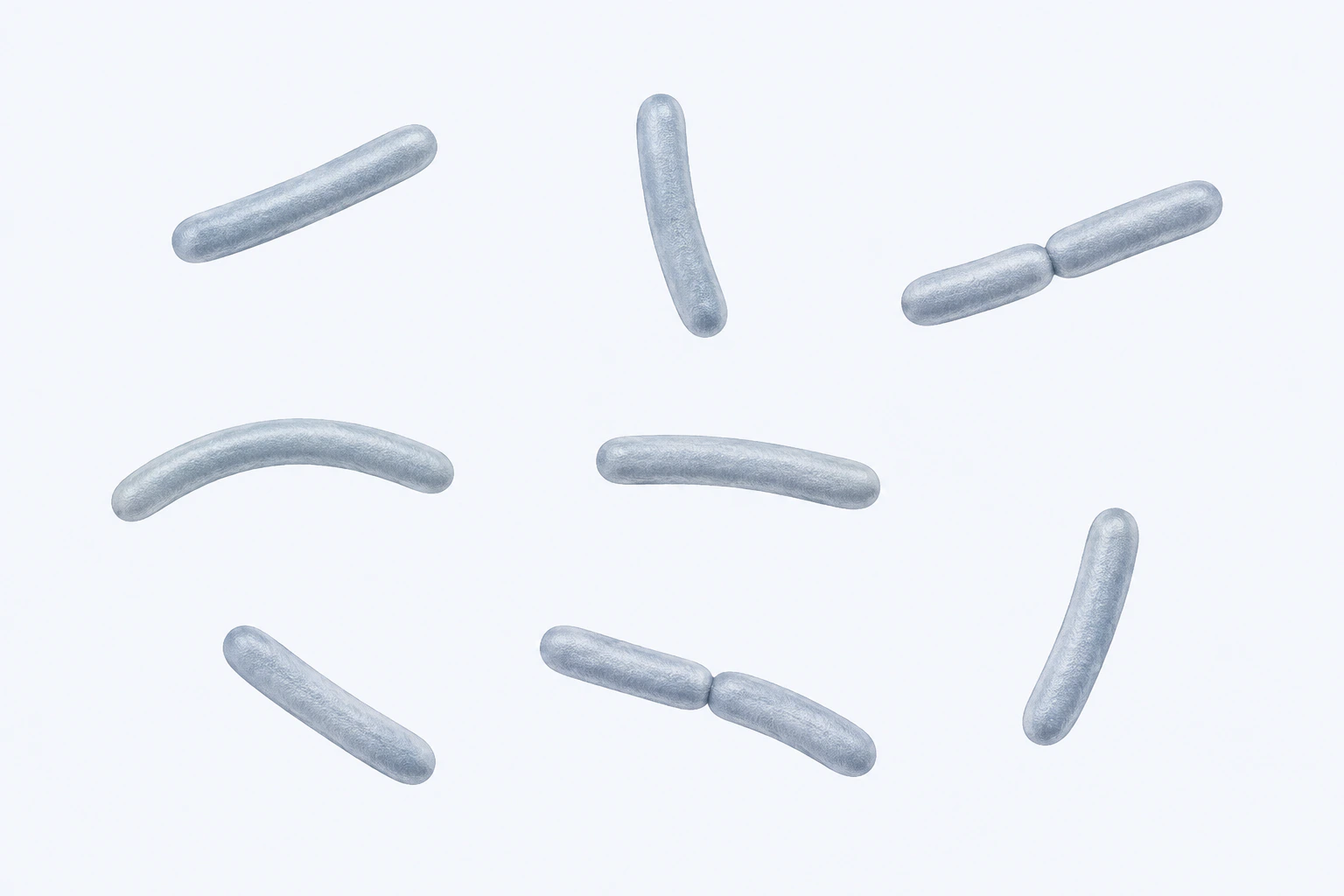
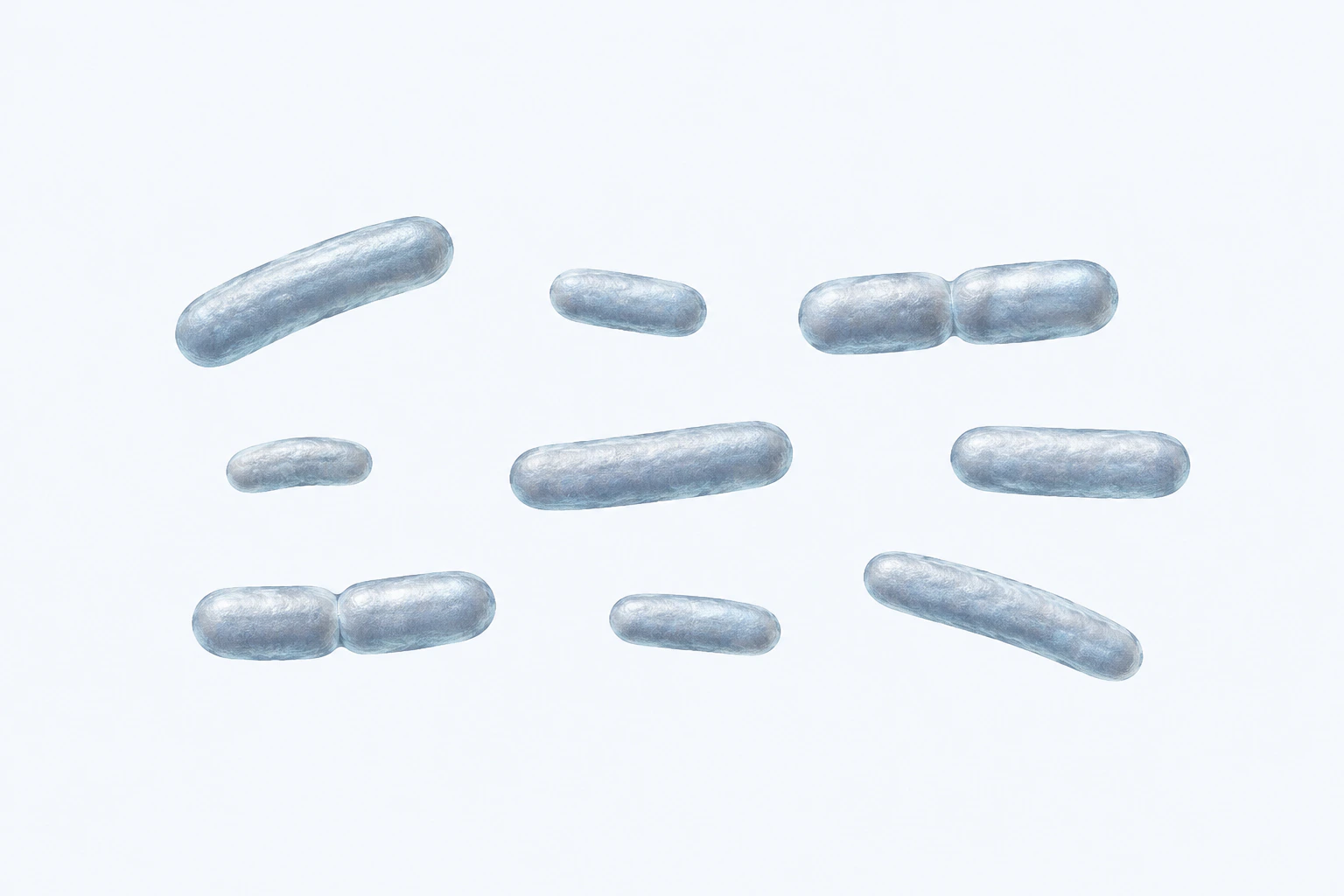
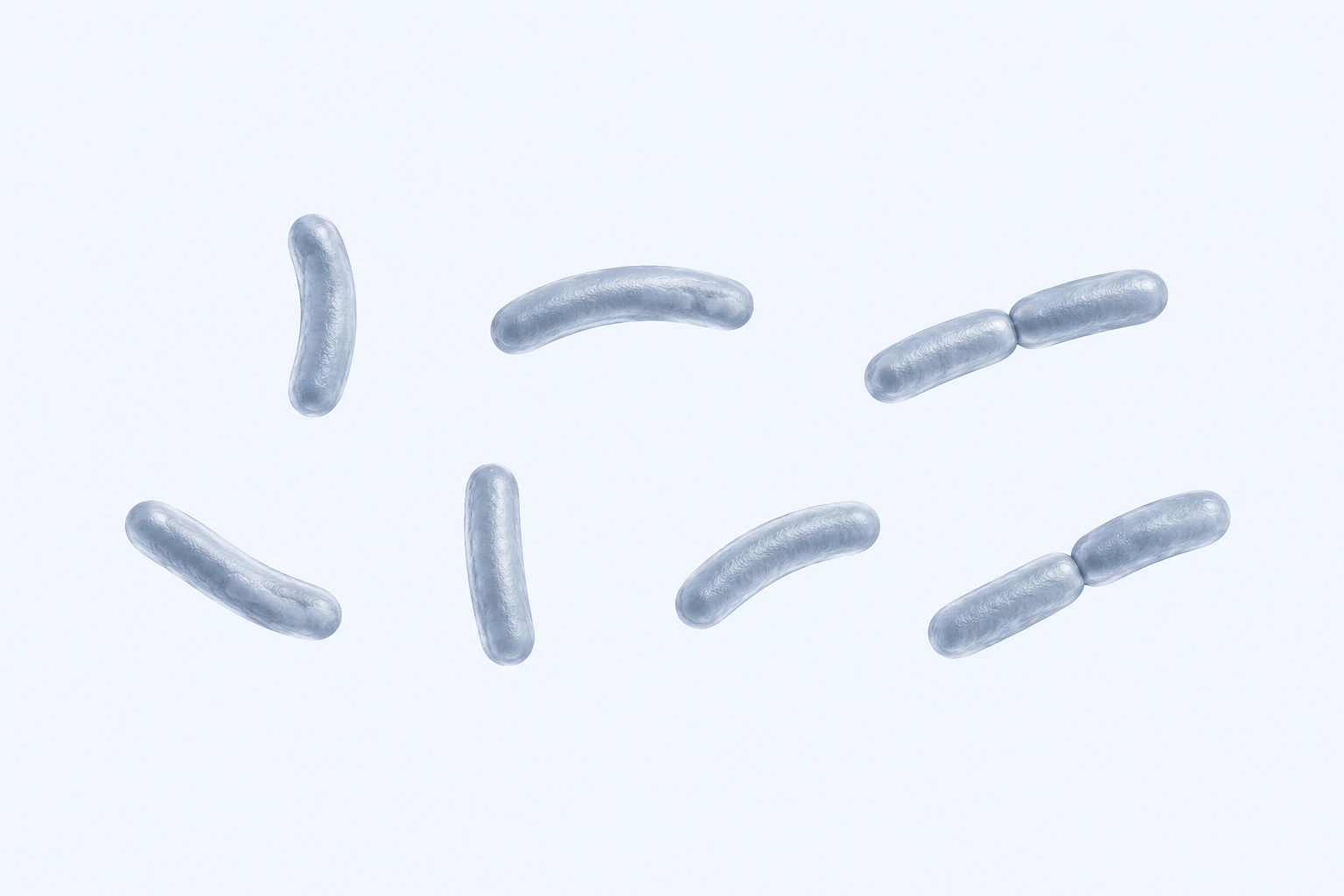
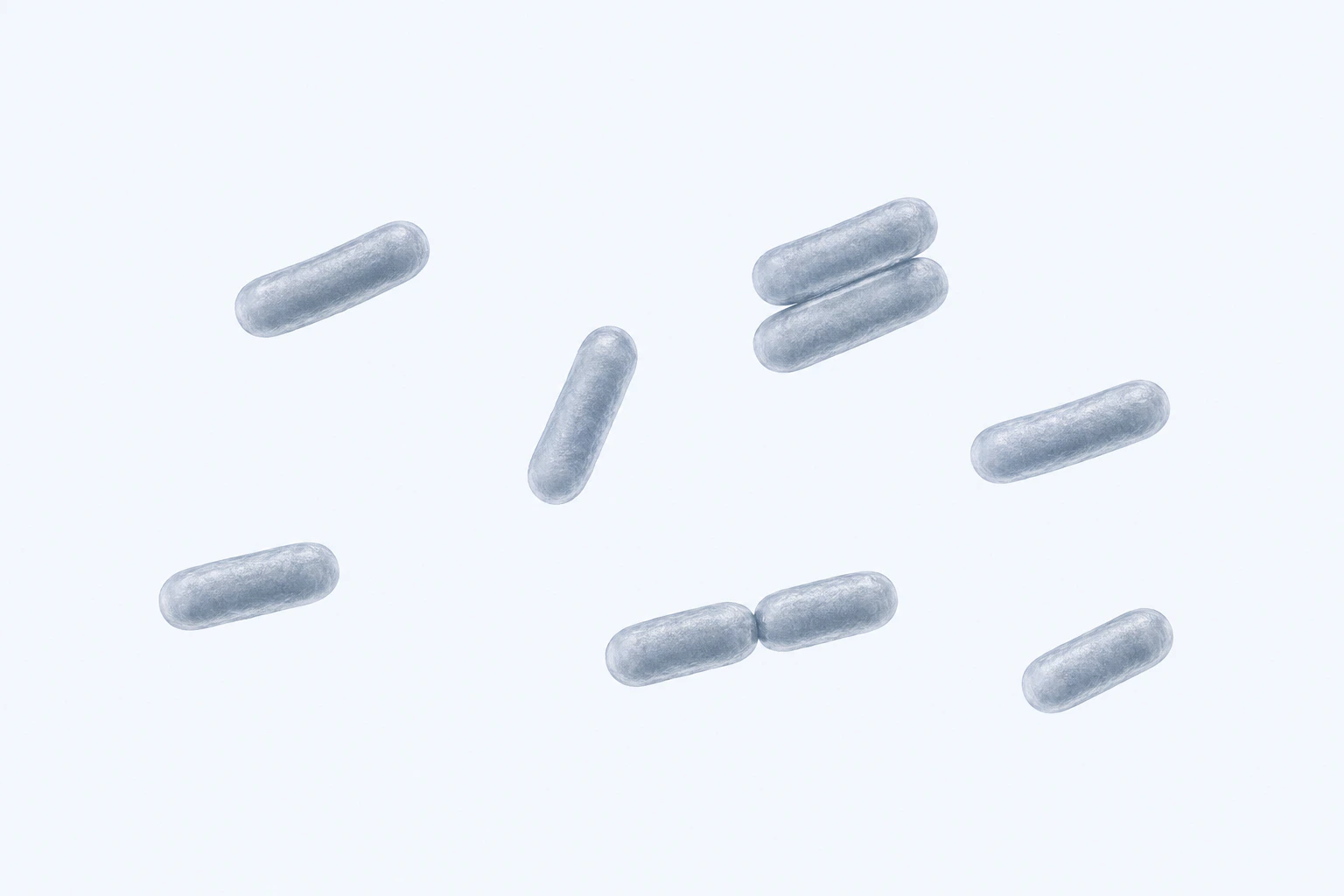
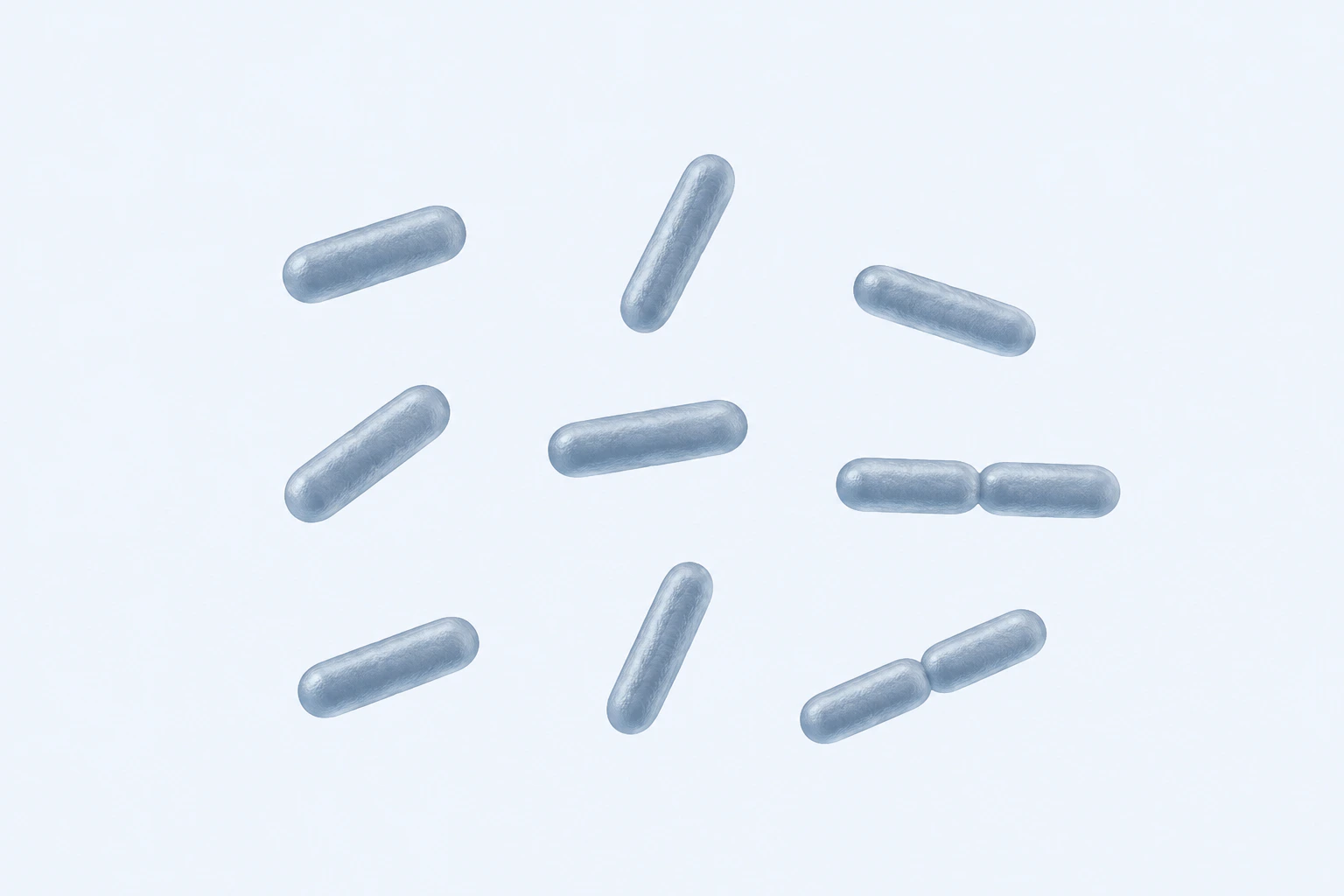
Eleven selected Lachnobacterium slender rods appear in eight groupings: five singles and three touching end-to-end pairs.
Microorganisms8 sources

Lachnobacterium

Lachnobacterium is a genus of Gram-positive, obligate anaerobic bacteria within the family Lachnospiraceae (phylum Firmicutes). It is a commensal member of the healthy human gut microbiota, though relatively understudied compared to other Lachnospiraceae genera. Lachnob

Mechanisms8 sources

Metal Sensing

Metal sensing is the set of regulatory mechanisms bacteria use to detect intracellular metal concentrations and adjust gene expression accordingly. Because metal ions cannot be synthesized or degraded -- only imported, exported, sequestered, or trafficked -- sensing and

Other0 sources

Oxalobacter

Oxalobacter formigenes is an obligate anaerobic, Gram-negative bacterium that occupies a unique metabolic niche in the human gut as the primary oxalate-degrading specialist. Its loss from the gut microbiome — most commonly from antibiotic exposure — has cascading conseq