
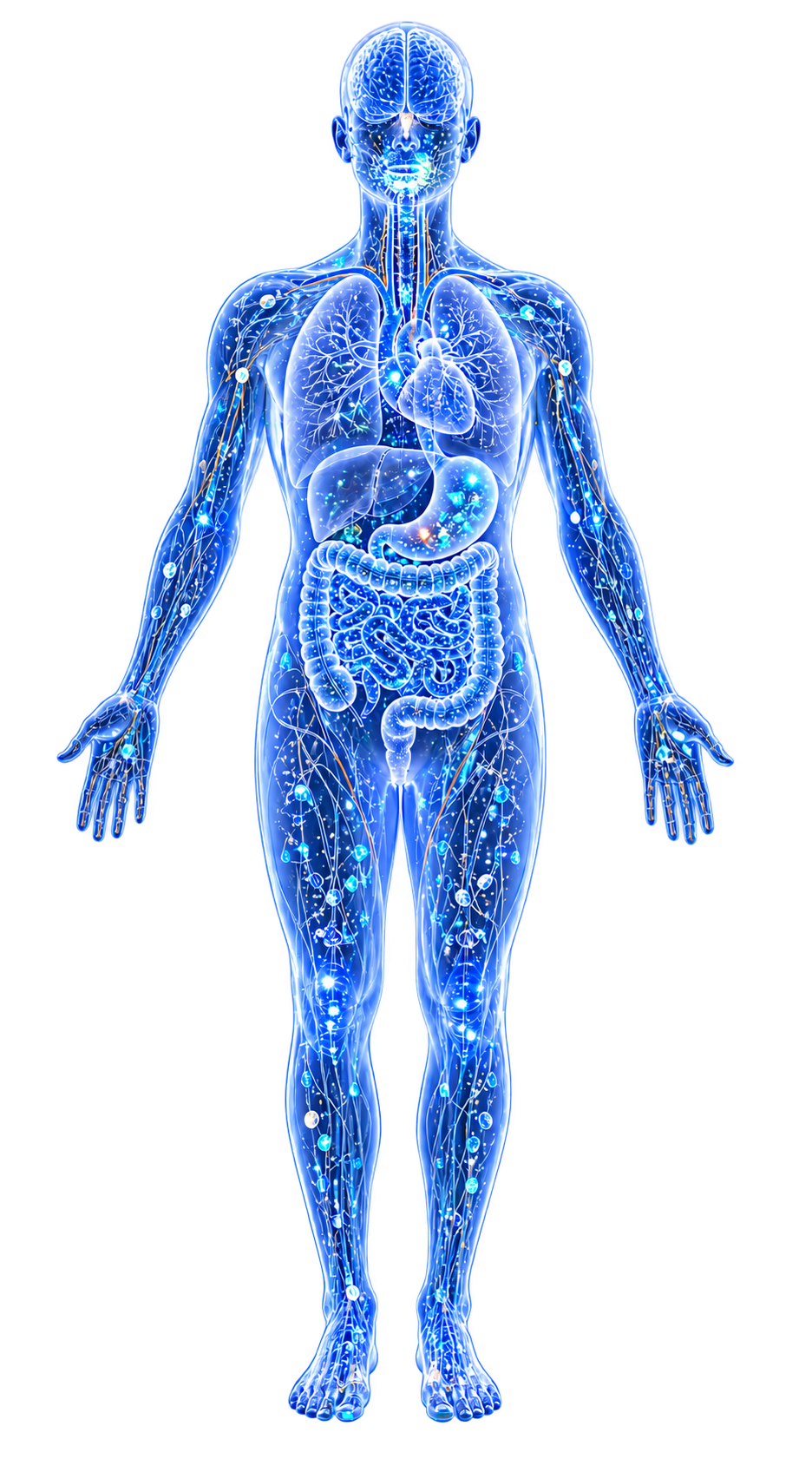
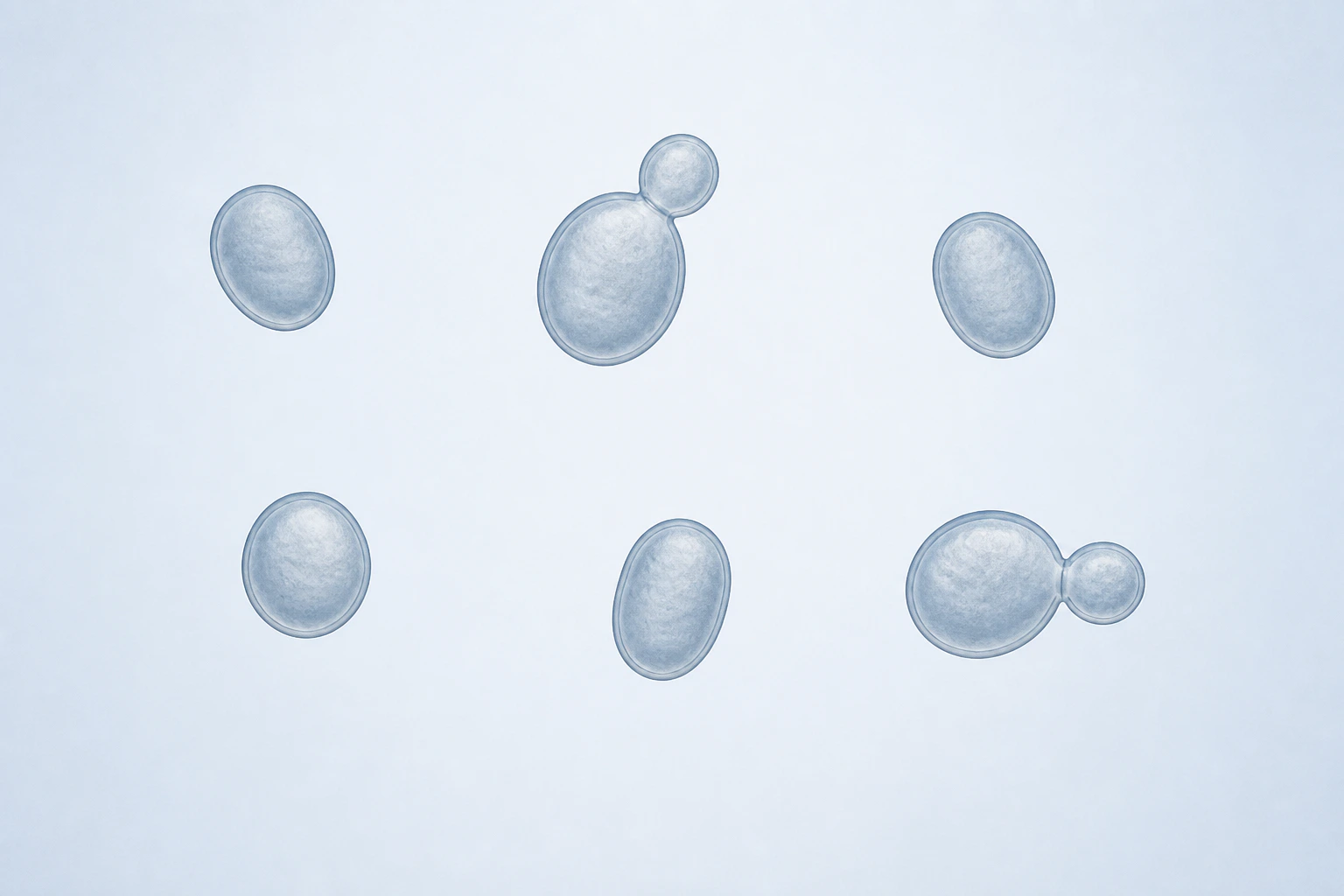
Selected type-species-anchored Debaryomyces budding-yeast forms, shown as eight bodies in six single or paired groupings. This genus-level reconstruction is representative, non-diagnostic, and not a micrograph.
Scientific media record2 verified identifiers
- Subject
- Debaryomycestaxon · genus
- Identifiers
- NCBITaxon:4958Index Fungorum:1432
- Review
- Editorial review completeIdentifiers authority-verified · Accessibility validated · · debaryomyces|debaryomyces-morphology-v1.webp
- Digital source
- Trained-algorithmic mediaCreated with a trained generative algorithm and reviewed by WikiBiome for subject identity, scientific framing, identifiers, provenance, and accessibility.
- Scientific basis
- Debaryomyces — NCBI TaxonomyDebaryomyces — Index FungorumDebaryomyces genus treatmentDebaryomyces primary taxonomic treatment
- License
- CC BY-SA 4.0Created
Debaryomyces is a genus of ascomycetous fungi, with D. hansenii being the most clinically relevant species, that represents a prominent opportunistic pathobiont enriched in inflammatory bowel disease, particularly Crohn's Disease.
Unlike many commensal fungi, Debaryomyces actively promotes type 1 (Th1/Tc1) and type 17 (Th17) immunity via pattern recognition receptor (PRR) engagement and CCL5-mediated immune activation. Debaryomyces is commonly found in fermented foods (cheese, cured meats) and processed foods, making it a potential dietary contributor to Crohn's disease flares.
Evidence map7 cited passagesInspect provenance +
Dramatically enriched (up to 100-fold elevation) in ileal and colonic biopsies from Crohn's disease patients (Jain et al. 2021 Science; )
Enrichment correlates with histologic inflammation score and disease activity ()
Debaryomyces cell wall is rich in beta-glucans and mannans that engage TLR2/6 and Dectin-1 (β-glucan receptor) on dendritic cells (; Brown et al. 2003 J Exp Med)
Engagement of Dectin-1 promotes IL-12 and IL-23 production, driving differentiation toward Th1, Tc1, and Th17 lineages ()
Fungal β-glucans also activate the IL-17 axis via Dectin-1 → Card9 → NF-κB signaling (; Leonardi et al. 2018 Science)
Debaryomyces presence correlates with elevated ileal IL-17A and IL-17F mRNA in CD patients ()
Elevated Debaryomyces is associated with poorer response to anti-TNF therapy (IFX, adalimumab) (Jain et al. 2021 Science; )
Contents
1. Taxonomy2. Enrichment in Crohn's Disease3. Pro-Inflammatory Mechanisms4. Dietary Sources and Environmental Exposure5. Ecological Context6. Metal Dependencies7. Key Metabolites and Enzymes8. Detection and Quantification9. Interkingdom Cooperation (Fungal-Bacterial Biofilms)10. Biofilm and Spatial Architecture11. Clinical Implications and Monitoring12. ConnectionsTaxonomy#
- Phylum: Ascomycota
- Family: Debaryomycetaceae
- Genus: Debaryomyces
- Key species: D. hansenii (most abundant in human microbiota and foods)
- Characteristics: Dimorphic yeast; aerobic; salt-tolerant; widely distributed in fermented foods and the environment
Enrichment in Crohn's Disease#
Mycobiota Dysbiosis#
Dramatically enriched (up to 100-fold elevation) in ileal and colonic biopsies from Crohn's disease patients (Jain et al. 2021 Science;[1]Unveiling the overlooked fungi: the vital of gut fungi in inflammatory bowel disease and colorectal cancerYilin Huang, Yang Wang, Xiaotian Huang et al. · 2024Open reference 1 ↓).
Particularly prominent in inflamed tissue vs. non-inflamed mucosa from the same patients (Jain et al. 2021 Science). Enrichment correlates with histologic Metal-Driven Inflammation score and disease activity ([2]Manipulation of Gut Microbiota as a Key Target for Crohn's DiseaseRashed R, Valcheva R, Dieleman LA · 2022Open reference 2 ↓).
Present at very low levels (<0.1%) in healthy controls; >5–10% in active Crohn's disease (Jain et al. 2021 Science).
Distinct from Candida#
Debaryomyces is often overlooked in Crohn's disease discussion because Candida species are more commonly investigated. However.
Debaryomyces shows stronger and more consistent association with CD than Candida in recent high-throughput mycobiota studies. Debaryomyces possesses distinct immune-activating properties compared to Candida. Detection requires fungal-specific sequencing (ITS1/ITS2 amplicon sequencing); standard bacterial 16S studies miss it.
Pro-Inflammatory Mechanisms#
Type 1 Immunity Activation (CCL5/CXCR3 Axis)#
Debaryomyces cell wall is rich in beta-glucans and mannans that engage TLR2/6 and Dectin-1 (β-glucan receptor) on dendritic cells (;[1]Unveiling the overlooked fungi: the vital of gut fungi in inflammatory bowel disease and colorectal cancerYilin Huang, Yang Wang, Xiaotian Huang et al. · 2024Open reference 1 ↓ Brown et al. 2003 J Exp Med).
Engagement of Dectin-1 promotes IL-12 and IL-23 production, driving differentiation toward Th1, Tc1, and Th17 lineages ([3]Interactions between Intestinal Microbiota and Host Immune Response in Inflammatory Bowel DiseaseZhang M, Sun K, Wu Y et al. · 2017Open reference 3 ↓). Debaryomyces-conditioned dendritic cells produce high levels of CCL5 (chemokine ligand 5) (Jain et al. 2021 Science).
CCL5 recruits CCR5+ effector T cells and NK cells to the intestinal mucosa, amplifying type 1 immunity (Jain et al. 2021 Science).
Type 17 Immunity (Th17 Axis)#
Fungal β-glucans also activate the IL-17 axis via Dectin-1 → Card9 → NF-κB signaling (;[3]Interactions between Intestinal Microbiota and Host Immune Response in Inflammatory Bowel DiseaseZhang M, Sun K, Wu Y et al. · 2017Open reference 3 ↓ Leonardi et al. 2018 Science).
Debaryomyces presence correlates with elevated ileal IL-17A and IL-17F mRNA in CD patients ([1]Unveiling the overlooked fungi: the vital of gut fungi in inflammatory bowel disease and colorectal cancerYilin Huang, Yang Wang, Xiaotian Huang et al. · 2024Open reference 1 ↓). Th17 cells produce pro-inflammatory IL-17, TNF-α, and IL-22, which impair tight junction integrity and promote tissue remodeling.
Barrier Dysfunction and Epithelial Damage#
Debaryomyces produces extracellular proteases and cellulases that degrade intestinal mucin and tight junction proteins. These enzymes directly damage epithelial glycocalyx and barrier function. Chronic exposure promotes increased intestinal permeability and enhanced antigen sampling.
IgG Response and Immune Complex Formation#
Debaryomyces antigens (β-glucans, mannans, proteins) drive robust IgG1 and IgG3 responses in CD patients. IgG-immune complexes deposit in the mucosa, activate complement, and recruit additional inflammatory cells. Cross-reactivity between Debaryomyces antigens and bacterial antigens may amplify dysbiotic immune responses.
Dietary Sources and Environmental Exposure#
Food and Fermentation Sources#
Cheese (especially blue cheese, aged varieties): major source of Debaryomyces. Cured meats (ham, bacon, pepperoni): preserved with salt and fermentation; Debaryomyces is salt-tolerant and thrives here. Fermented beverages (wine, beer): yeast-derived.
Processed foods with extended shelf life: Debaryomyces salt and osmotic tolerance makes it a food preservation challenge.
Clinical Implication#
CD patients with Debaryomyces enrichment and active disease often report flare association with cheese and cured meat consumption, a pattern consistent with active dietary Debaryomyces exposure and Type 1/17 immune amplification.
Ecological Context#
- Aerobic niche specialist: Unlike most gut bacteria, Debaryomyces thrives in oxygen-rich, inflamed tissue microenvironments
- Crohn's lesions are characterized by mucosal hypoxia (paradoxically) at deeper levels but surface epithelial hyperoxygenation and increased oxygen diffusion
- Debaryomyces may preferentially colonize the inflamed epithelial surface
- Competes poorly in healthy, anaerobic-dominant colonic ecology
- Enriched when anaerobic barriers (Butyrate-producing Firmicutes) are depleted
Metal Dependencies#
- Not well-characterized; does not possess obvious metal-dependent virulence factors
- Requires growth factors and biotin; typical yeast nutritional demands
- May compete for trace minerals (especially zinc) with bacterial competitors
Key Metabolites and Enzymes#
- β-Glucans and mannans – cell wall components; PRR ligands driving immune activation
- Extracellular proteases – degrade mucin and tight junction proteins
- Cellulases and β-glucosidases – degrade plant carbohydrates and mucopolysaccharides
- Ethanol – fermentation byproduct; may contribute to barrier permeability
- Volatile organic compounds – some species produce off-odors/flavors (food spoilage indicator)
Detection and Quantification#
ITS1/ITS2 amplicon sequencing: Fungal-specific rRNA gene profiling; required for Debaryomyces detection. Species-specific qPCR: D. hansenii PCR primers available but less commonly deployed. Culture: Grows well on Sabouraud dextrose agar and media supplemented with antibiotics (selective for fungi).
Immune markers: Serum anti-Debaryomyces IgG titers as proxy for mucosal exposure and immune activation. Typical abundance in CD: 5–50% of the fungal community; often the dominant fungal member in inflamed tissue.
Interkingdom Cooperation (Fungal-Bacterial Biofilms)#
- Debaryomyces forms mixed biofilms with bacterial pathogens like Enterococcus and Bacteroides fragilis
- Yeast cell wall polysaccharides promote biofilm matrix stability and provide shelter for bacterial partners
- Bacterial proteases and glycosidases enhance yeast nutrient access
- This interkingdom cooperation is particularly pronounced in Crohn's lesions
Biofilm and Spatial Architecture#
- Forms compact biofilm clusters on the inflamed intestinal epithelium
- Spatial proximity to epithelial and immune cells maximizes antigen exposure
- Protected from antimicrobial peptides and bile salts by biofilm matrix
- Persists in Crohn's granulomas and fissuring ulcers
Clinical Implications and Monitoring#
Mycobiota profiling should be part of Crohn's disease monitoring and mechanistic investigation. Elevated Debaryomyces is associated with poorer response to anti-TNF therapy (IFX, adalimumab) (Jain et al. 2021 Science;[2]Manipulation of Gut Microbiota as a Key Target for Crohn's DiseaseRashed R, Valcheva R, Dieleman LA · 2022Open reference 2 ↓).
May be a biomarker for identifying patients who benefit from antifungal strategies (azoles, echinocandins).
Associated with elevated fecal fungal biomass and Dysbiosis.
Connections#
- Crohn's Disease – enriched in inflamed tissue; pro-inflammatory type 1/17 immunity driver
- – Dectin-1 engagement drives Th1/Tc1 and Th17 differentiation via IL-12/IL-23
- – β-glucans activate IL-17 axis; associated with elevated mucosal IL-17A/F
- nutritional immunity – extracellular proteases degrade mucin and tight junctions
- inflammation – CCL5 production and immune complex deposition drive acute inflammation
- – overgrowth in fungal dysbiosis states; marker of interkingdom dysfunction
- and – dietary sources; consumption may trigger flares in susceptible individuals
- – salt-tolerant species enriched in shelf-stable products
- Enterococcus – frequent biofilm partner in Crohn's lesions
- Bacteroides fragilis – interkingdom biofilm member; cooperative virulence
- – key member of inflamed IBD microbiota signatures
References 4
Numbered by first appearance in the article, then reconciled with its declared source list.
- 1
Yilin Huang, Yang Wang, Xiaotian Huang et al. (2024). Unveiling the overlooked fungi: the vital of gut fungi in inflammatory bowel disease and colorectal cancer. Gut Pathogens.
- 2
Rashed R, Valcheva R, Dieleman LA (2022). Manipulation of Gut Microbiota as a Key Target for Crohn's Disease. Frontiers in Medicine.
- 3
Zhang M, Sun K, Wu Y et al. (2017). Interactions between Intestinal Microbiota and Host Immune Response in Inflammatory Bowel Disease. Frontiers in Immunology.
- 4
Nelson Mok, Natalie C. Knox, Feng Zhu et al. (2024). The Fungal Gut Microbiota in Pediatric-Onset Multiple Sclerosis. Frontiers in Microbiology.
Article network
Connect the evidence
Publicly readable discussion by ORCID-authenticated researchers. Questions, interpretation, methods, corrections, and new evidence stay attached to this record.
No discussion yet. Start with a precise question or a source-backed observation.
Activity and accepted changes
Accepted researcher context, editorial status, public discussion, and upstream Git revisions are shown together. Pending, declined, and withdrawn proposals remain private.
- published revision
Backfill inflammation concept links
Karen Pendergrass · +2 −2
Inspect exact Git diff ↗ - published revision
Complete corpus-wide Dysbiosis linking
Karen Pendergrass · +1 −1
Inspect exact Git diff ↗ - published revision
Complete Tight junctions contextual coverage
Karen Pendergrass · +1 −1
Inspect exact Git diff ↗ - published revision
Add Interleukin-22 concept and contextual links
Karen Pendergrass · +1 −1
Inspect exact Git diff ↗ - published revision
massive wiki expansion: 149 stubs fixed, 100+ new pages, Rule 15 scan, keystone papers
WikiBiome Deploy Bot · +31 −31
Inspect exact Git diff ↗ - published revision
nightly maintenance: 94 stub demotions, 181 source_count fixes, 22 auto-discovered stubs, 5 adversarial audits, 3 boundary fixes, 3 evidence-level corrections
WikiBiome Deploy Bot · +1 −0
Inspect exact Git diff ↗ - published revision
pre-overnight checkpoint 2026-04-18
WikiBiome Deploy Bot · +1 −0
Inspect exact Git diff ↗ - published revision
Deep content + citation pass: 10 entities enriched, 7 new sources, DOI integrity
WikiBiome Deploy Bot · +12 −12
Inspect exact Git diff ↗ - published revision
WikiBiome update — 2026-04-15 17:23
WikiBiome Deploy Bot · +9 −7
Inspect exact Git diff ↗ - published revision
WikiBiome update — integrity fixes, metallomic diet pages, cross-condition analyses
WikiBiome Deploy Bot · +3 −1
Inspect exact Git diff ↗ - published revision
WikiBiome update — 2026-04-10 17:16
WikiBiome Deploy Bot · +146 −0
Inspect exact Git diff ↗