
 metals · microbes · host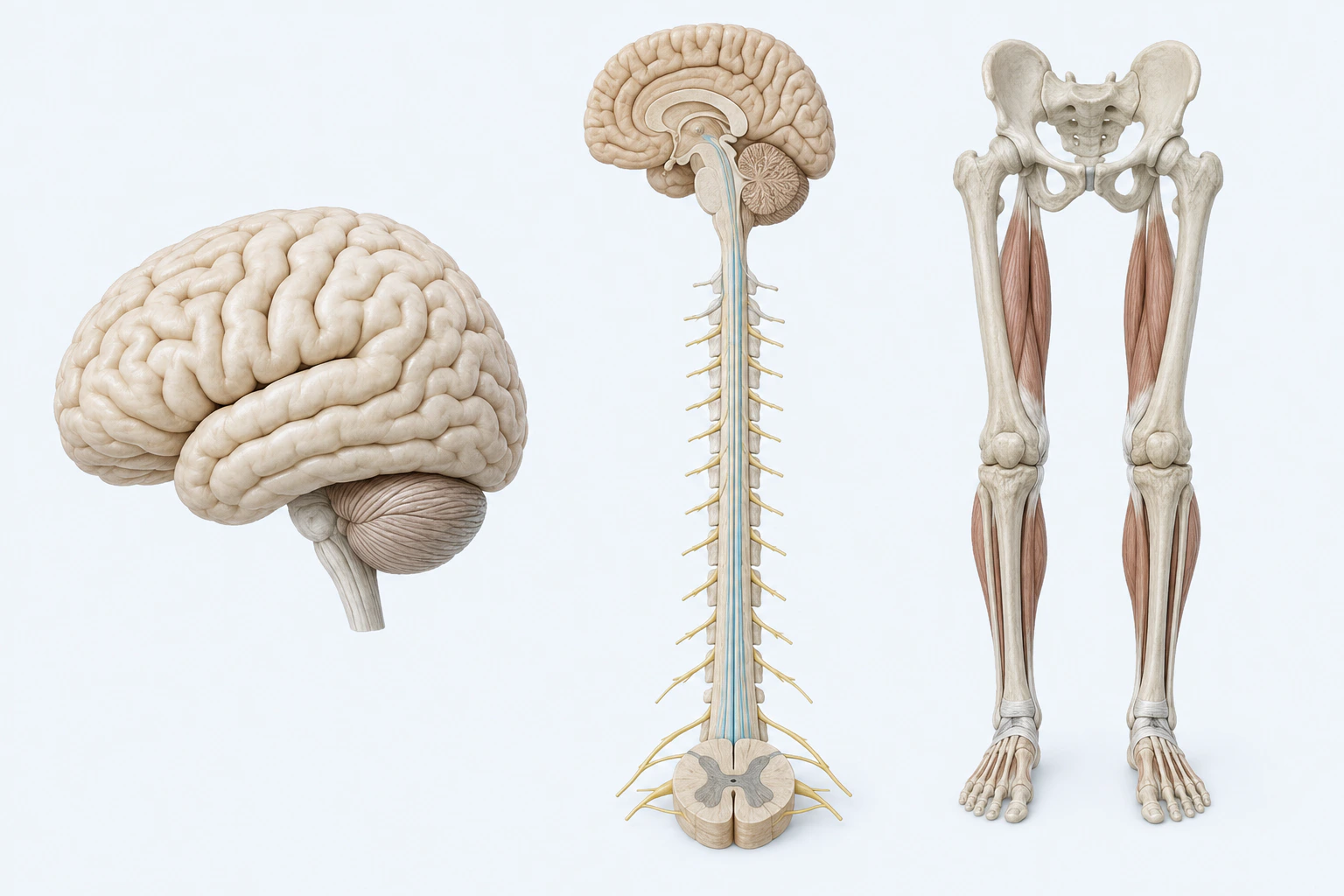
Neutral motor-system orientation for cerebral palsy. The two brain representations, spinal pathway, and lower-limb model do not depict one universal lesion, posture, subtype, severity, patient, or diagnosis.
Scientific media record1 verified identifier
- Subject
- Cerebral Palsycondition
- Identifiers
- MeSH:D002547
- Review
- Editorial review completeIdentifiers authority-verified · Accessibility validated · · cerebral-palsy|cerebral-palsy-pathology-v1.webp
- Digital source
- Trained-algorithmic mediaCreated with a trained generative algorithm and reviewed by WikiBiome for subject identity, scientific framing, identifiers, provenance, and accessibility.
- Scientific basis
- Cerebral Palsy — MeSHAbout Cerebral Palsy
- License
- CC BY-SA 4.0Created
Cerebral palsy (CP) is the most common motor disability in childhood, affecting 2-3 per 1,000 live births.[1]Allen 2021 — Multi-Organ Dysfunction in Cerebral PalsyAllen J, et al. · 2021Open reference 1 ↓ Characterized by non-progressive disturbances in movement and posture arising from injury to the developing brain, CP has traditionally been attributed to perinatal asphyxia.
However, only 10-20% of cases are caused by birth asphyxia alone. The microbiome perspective reveals critical pathways from gut Dysbiosis to white matter injury, particularly through the NEC-to-CP pathway[2]Wang 2023 — Microbial Gut-Brain Axis and White Matter Injury in Preterm InfantsWang J, et al. · 2023Open reference 2 ↓ and the oral-gut inflammatory axis.[3]Ferreira 2021 — Oral-Gut Inflammation Axis in Cerebral PalsyFerreira ACRG, et al. · 2021Open reference 3 ↓
Evidence map35 cited passagesInspect provenance +
Cerebral palsy (CP) is the most common motor disability in childhood, affecting 2-3 per 1,000 live births. Characterized by non-progressive disturbances in movement and posture arising from injury to the developing brain, CP has traditionally been attributed to perinatal asphyxia. However, only 10-20% of cases are caused by birth asphyxia alone. The microbio
Klebsiella overgrowth in the preterm gut produces abundant LPS
Klebsiella serves as a predictive biomarker: its overgrowth in preterm gut microbiome samples precedes and predicts brain injury. SCFAs (especially butyrate) can cross the BBB and promote myelination via HDAC inhibition—their depletion compounds the injury. This creates a potential window for intervention before irreversible damage occurs.
CP children show consistent depletion of SCFA-producing commensals, cross-sectional, n=46:
Lactobacillus—depleted; loss reduces lactic acid production and pathogen exclusion
A striking finding in CP is the 96% prevalence of periodontitis in affected children, cross-sectional, n=93, far exceeding population norms. Salivary IL-1beta, IL-6, IL-8, and IL-10 are all elevated in constipated CP subjects, with oral inflammation strongly correlating with systemic IL-1beta (R=0.720). The oral-gut axis in CP operates through:
| Metal | Direction | Relevance | |-------|-----------|-----------| | Iron (Fe) | Depleted (13-48% of CP children) | Impairs myelination, cognitive development, and motor function. Iron-dependent enzymes critical for oligodendrocyte maturation | | Zinc (Zn) | Depleted | Essential for neuronal growth, synaptic plasticity, and Paneth cell antimicrobial peptide
Constipation affects 26-74% of CP children, driven by:
Dietary fiber (psyllium seed husk) combined with multi-strain probiotics improved defecation frequency from 2.17 to 3.61/week and Bristol score from 1.68 to 3.71 at 6 months in CP children, case-series, n=35. Butyrate-producing genera (Bacteroides, Lachnospiraceae, Faecalibacterium) increased at 1 month but declined at 6 months, suggesting sustained interven
Children with CP and comorbid epilepsy (CPE) show dysregulated kynurenine metabolism, with elevated kynurenic acid, 2-oxindole, and dopamine, multi-omics, n=21. B. fragilis and Dialister invisus are depleted specifically in CPE (not non-epileptic CP), and these taxa are linked to kynurenine pathway modulation. Gut bacteria modulate this pathway through trypt
Notably, care modality itself shapes the CP microbiome: family-centered care enriches butyrate-producing Bacteroides and Lachnospiraceae, while welfare-centered care favors Prevotella, Fusobacterium, and Oscillibacter, cross-sectional, n=32. This positions the caregiving environment as an ecological intervention.
Cerebral palsy (CP) is the most common motor disability in childhood (2-3 per 1,000 live births), traditionally attributed to perinatal asphyxia but increasingly understood as a multi-organ condition with critical gut-brain axis involvement. Only 10-20% of cases are caused by birth asphyxia alone. The microbiome perspective reveals two major pathogenic pathw
Iron (depleted, 13-48%): Highly prevalent in CP. Iron-dependent enzymes are critical for oligodendrocyte maturation and myelination. The question of whether this represents true deficiency or hepcidin-mediated nutritional immunity is clinically critical—iron supplementation could fuel siderophore-producing Klebsiella in an already disrupted gut.
Copper (elevated in infants): Primary driver of Clostridium sensu stricto 1 abundance (PIP=0.867) with synergistic Mn-Cu interactions. Excess copper promotes oxidative damage to developing white matter.
Arsenic (elevated): Most influential metal on infant gut microbial alpha diversity. Environmental arsenic exposure during the perinatal period may shape the dysbiotic community that precedes CP.
The CP metallomic burden originates from multiple routes: environmental arsenic and lead exposure during pregnancy and infancy, parenteral nutrition providing unregulated iron to the preterm gut, copper accumulation from formula feeding, and anticonvulsant medications that alter metal absorption and vitamin D metabolism. The care environment is itself an eco
Elevated cytokines (IL-1beta, IL-6, IL-8, IL-10, TNF-alpha): Salivary cytokines are elevated in constipated CP subjects, with oral IL-1beta strongly correlating with systemic levels (R=0.720). This establishes the oral cavity as both a source of inflammation and a non-invasive monitoring window.
Depleted butyrate: The most functionally significant depletion. SCFAs cross the BBB and promote myelination via HDAC inhibition. Their loss directly compounds white matter injury.
Depleted vitamin D: Common due to reduced mobility, sun exposure, and anticonvulsant use. Vitamin D deficiency impairs immune regulation and bone health.
klebsiella pneumoniae is the NEC-to-CP driver. Present in 11/12 NEC cases, its overgrowth precedes and predicts brain injury in preterm infants. Klebsiella is a potent siderophore producer—its iron piracy machinery gives it competitive dominance in the preterm gut, particularly when parenteral iron bypasses lactoferrin-mediated sequestration.
streptococcus (4.70% in CPE) is an oral-origin pathobiont whose enrichment in the gut reflects the oral-gut translocation pathway. It co-occurs with Actinomyces (r=0.833) and Veillonella (r=0.811), forming an oral consortium that colonizes intestinal niches. KEGG analysis attributes neurodegenerative disease risk to Streptococcus-driven neuroinflammation.
akkermansia muciniphila is paradoxically enriched. While generally considered beneficial, its overgrowth in CPE degrades the mucus layer, increasing mucosal permeability and exposing the immune system to bacterial antigens.
The SCFA-producing community is comprehensively depleted in CPE (all P<0.001):
bacteroides fragilis and Dialister invisus are depleted specifically in CP+epilepsy, linked to kynurenine pathway modulation. B. fragilis loss removes a key immunomodulatory commensal whose polysaccharide A (PSA) promotes regulatory T-cell development.
Showing 24 of 35 evidence-bearing passages. Every remaining citation is still indexed in the reference record below.
One disease. Five evidence layers.
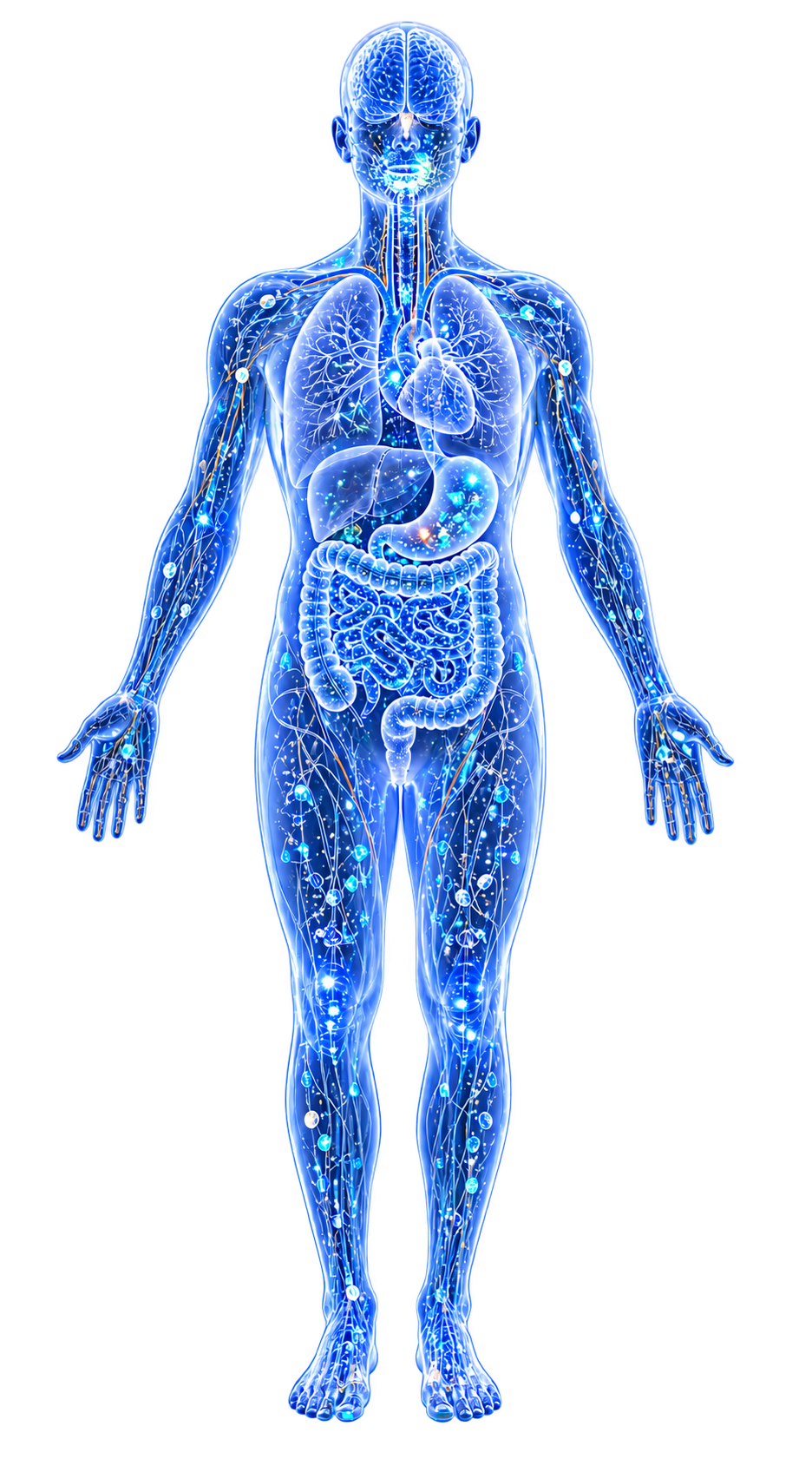
A generated systems view of the metals, organisms, host sequestration signals, ecological conditions, and microbial functions indexed for Cerebral Palsy.
Evidence layer
Taxonomic signature
Organisms reported as enriched or depleted, with their indexed functional context kept beside the name.Oral-origin pathobiont; drives neuroinflammation via IL-6/TNF-alpha; co-occurs with Actinomyces (r=0.833)
Opportunistic — thrives in antibiotic-exposed neonatal gut; contributes to dysbiotic state
Paradoxically enriched; mucin degradation increases mucosal permeability and immune antigen exposure
Enriched in CPE and welfare-centered care; includes oral species reflecting oral-gut translocation
Lactate-fermenting organism enriched in CP — metabolic adaptation to altered substrate availability
NEC-to-CP driver — predictive biomarker for brain injury in preterm infants; LPS-mediated microglial activation
NEC-to-CP pathway driver; siderophore-dependent iron piracy; LPS activates TLR4; predictive biomarker for brain injury in preterm infants
Enriched in welfare-centered care; pro-inflammatory biofilm former
Primary polysaccharide fermenter; loss releases competitive brake on immature-pattern taxa (10.94% in CPE)
Major butyrate producer; depletion impairs anti-inflammatory gut-brain signaling (0.78% in CPE)
Acetate/propionate producer; loss reduces colonocyte nutrition (1.44% in CPE)
Fiber-degrading commensal — depleted in CP gut ecology
Butyrate producer; near-complete depletion (0.00% in CPE)
Depleted; loss reduces lactic acid production, pathogen exclusion, and GABA production
Immunomodulatory commensal; depleted specifically in CP+epilepsy; linked to kynurenine pathway modulation
Evidence layer
Nutritional immunity
Host metal-withholding, inflammatory, antioxidant, and microbial-metabolite signals indexed in the signature.Elevated host signals
8Depleted protective signals
4Evidence layer
Ecological state
The environmental conditions that connect the organism-level observations into a system.Evidence layer
Virulence functions
Microbial structures, enzymes, and acquisition systems implicated by the linked evidence.The disease record, in full.
The original WikiBiome disease narrative remains intact beneath the generated signature atlas.
The NEC-to-CP Pathway#
Necrotizing Enterocolitis (NEC) is a devastating intestinal disease of preterm infants, and 20% of NEC survivors develop cerebral palsy. The mechanistic pathway is now well-characterized.
Klebsiella overgrowth in the preterm gut produces abundant LPS.[2]Wang 2023 — Microbial Gut-Brain Axis and White Matter Injury in Preterm InfantsWang J, et al. · 2023Open reference 2 ↓ LPS activates TLR4 on intestinal epithelium, triggering inflammatory cascades. Systemic inflammatory mediators (TNF-alpha, IL-1beta, IL-6) cross the immature blood-brain barrier.
Microglial activation in white matter produces reactive oxygen species, damaging oligodendrocyte precursor cells. White matter injury (periventricular leukomalacia) results—the neuropathological hallmark of CP.
Klebsiella serves as a predictive biomarker: its overgrowth in preterm Gut Microbiome samples precedes and predicts brain injury.[2]Wang 2023 — Microbial Gut-Brain Axis and White Matter Injury in Preterm InfantsWang J, et al. · 2023Open reference 2 ↓ SCFAs (especially Butyrate) can cross the BBB and promote myelination via HDAC inhibition—their depletion compounds the injury.
This creates a potential window for intervention before irreversible damage occurs.
Microbiome Associations#
Depleted Taxa#
CP children show consistent depletion of SCFA-producing commensals,[4]Huang 2019 — Distinct Gut Microbiota Composition and Functional Category in Children With Cerebral Palsy and EpilepsyCongfu Huang, Yinhu Li, Xin Feng et al. · 2019Open reference 4 ↓ cross-sectional, n=46. Bacteroides—loss reduces polysaccharide fermentation and immune education. Faecalibacterium—primary butyrate producer; depletion impairs anti-inflammatory signaling via the gut-brain axis. Blautia—acetate/propionate producer; loss reduces colonocyte nutrition.
Ruminococcus—fiber-degrading commensal; depleted in CP gut. Roseburia—butyrate producer; depletion compounds SCFA deficit. Lactobacillus—depleted; loss reduces lactic acid production and pathogen exclusion.[5]Huang 2022 — Dietary Fiber and Probiotics for Constipation in Cerebral PalsyHuang C, et al. · 2022Open reference 5 ↓
Enriched Taxa#
- Streptococcus—enriched; includes oral species that may reflect the oral-gut axis
- Enterococcus—opportunistic; thrives in antibiotic-exposed neonatal gut
- Akkermansia muciniphila—paradoxically enriched; may reflect mucin layer compensation or barrier dysfunction
- Prevotella—enriched in some CP cohorts; may relate to oral dysbiosis
- Veillonella—lactate-fermenting organism enriched in CP
- Klebsiella—enriched in preterm CP; the NEC-to-CP driver
Oral-Gut Inflammatory Axis#
A striking finding in CP is the 96% prevalence of periodontitis in affected children,[3]Ferreira 2021 — Oral-Gut Inflammation Axis in Cerebral PalsyFerreira ACRG, et al. · 2021Open reference 3 ↓ cross-sectional, n=93, far exceeding population norms. Salivary IL-1beta, IL-6, IL-8, and IL-10 are all elevated in constipated CP subjects, with oral Metal-Driven Inflammation strongly correlating with systemic IL-1beta (R=0.720).
The oral-gut axis in CP operates through. Swallowing dysfunction (common in CP) leads to aspiration of oral pathogens into the gut. Oral Streptococcus and Prevotella colonize the gut, maintaining chronic low-grade inflammation.
Shared inflammatory mediators between oral and gut mucosa amplify systemic inflammation.
Poor oral hygiene (due to motor disability) sustains the oral pathogen reservoir.
Metal Associations#
| Metal | Direction | Relevance |
|---|---|---|
| Iron (iron (Fe)) | Depleted (13-48% of CP children) | Impairs myelination, cognitive development, and motor function. Iron-dependent enzymes critical for oligodendrocyte maturation[1]Allen 2021 — Multi-Organ Dysfunction in Cerebral PalsyAllen J, et al. · 2021Open reference 1 ↓ |
| Zinc (zinc (Zn)) | Depleted | Essential for neuronal growth, synaptic plasticity, and Paneth cell antimicrobial peptide production. Deficiency common in feeding-restricted CP children |
| Lead (lead (Pb)) | Elevated (infant exposure) | Neurodevelopmental toxicant; crosses immature BBB readily; epigenetic effects on brain development |
| Arsenic (arsenic (As)) | Elevated (environmental) | Most influential metal on infant gut microbial alpha diversity,[6]Yan 2025 — Association Between Infants' Serum Levels of 26 Metals and Gut Microbiota: A Hospital-Based Cross-Sectional Study in ChinaXing Yan, Jun Qiu, Ruiwen Huang et al. · 2025Open reference 6 ↓ cross-sectional, n=342 |
| Copper (copper (Cu)) | Elevated (infants) | Drives Clostridium sensu stricto 1 abundance; excess may promote oxidative damage to developing white matter[6]Yan 2025 — Association Between Infants' Serum Levels of 26 Metals and Gut Microbiota: A Hospital-Based Cross-Sectional Study in ChinaXing Yan, Jun Qiu, Ruiwen Huang et al. · 2025Open reference 6 ↓ |
| Manganese (manganese (Mn)) | Variable | Key contributor to Burkholderia abundance; drives Enterococcus via metal-microbe interactions[6]Yan 2025 — Association Between Infants' Serum Levels of 26 Metals and Gut Microbiota: A Hospital-Based Cross-Sectional Study in ChinaXing Yan, Jun Qiu, Ruiwen Huang et al. · 2025Open reference 6 ↓ |
Gastrointestinal Comorbidities#
Constipation affects 26-74% of CP children,[1]Allen 2021 — Multi-Organ Dysfunction in Cerebral PalsyAllen J, et al. · 2021Open reference 1 ↓ driven by. Immobility and reduced physical activity. Gut dysbiosis with depleted SCFA producers.
Medications (anticonvulsants, anticholinergics).
Low dietary fiber intake due to feeding difficulties.
Dietary fiber (psyllium seed husk) combined with multi-strain probiotics improved defecation frequency from 2.17 to 3.61/week and Bristol score from 1.68 to 3.71 at 6 months in CP children,[5]Huang 2022 — Dietary Fiber and Probiotics for Constipation in Cerebral PalsyHuang C, et al. · 2022Open reference 5 ↓ case-series, n=35.
Butyrate-producing genera (Bacteroides, Lachnospiraceae, Faecalibacterium) increased at 1 month but declined at 6 months, suggesting sustained intervention is needed.
Kynurenine Pathway in CP with Epilepsy (CPE)#
Children with CP and comorbid epilepsy (CPE) show dysregulated kynurenine metabolism, with elevated kynurenic acid, 2-oxindole, and dopamine,[7]Peng 2023 — Gut Microbiome and Brain Metabolic Remodeling in CP with EpilepsyPeng A, et al. · 2023Open reference 7 ↓ multi-omics, n=21.
B. fragilis and Dialister invisus are depleted specifically in CPE (not non-epileptic CP), and these taxa are linked to kynurenine pathway modulation. Gut bacteria modulate this pathway through tryptophan metabolism, creating a direct link between intestinal dysbiosis and seizure susceptibility.
Notably, care modality itself shapes the CP microbiome: family-centered care enriches butyrate-producing Bacteroides and Lachnospiraceae, while welfare-centered care favors Prevotella, Fusobacterium, and Oscillibacter,[8]Lyu 2024 — Care Mode and Gut Microbiota in CP ChildrenLyu J, et al. · 2024Open reference 8 ↓ cross-sectional, n=32. This positions the caregiving environment as an ecological intervention.
Open Questions#
Unresolved questions identified by the current evidence record.
01Can early Klebsiella detection in preterm gut microbiome guide NEC prevention and reduce CP incidence?+
The current WikiBiome record identifies this as an unresolved evidence gap.
02Does treating periodontitis in CP children reduce systemic inflammation and improve outcomes?+
The current WikiBiome record identifies this as an unresolved evidence gap.
03Are iron and zinc supplementation safe and effective in CP given the complex metallomic context?+
The current WikiBiome record identifies this as an unresolved evidence gap.
04Can targeted probiotics (Faecalibacterium, Bifidobacterium) improve GI symptoms and neuroinflammation in CP?+
The current WikiBiome record identifies this as an unresolved evidence gap.
Cross-References#
- Necrotizing Enterocolitis—NEC-to-CP pathway, 20% of NEC survivors develop CP
- Epilepsy—CPE comorbidity, shared kynurenine pathway dysregulation
- Klebsiella pneumoniae—predictive biomarker for brain injury in preterm infants
- Iron—deficiency impairs myelination in developing brain
- Lead—neurodevelopmental toxicant crossing immature BBB
- Gut-Brain Axis—dysbiotic gut communities drive neuroinflammation and white matter injury via LPS translocation
References 9
Numbered by first appearance in the article, then reconciled with its declared source list.
- 1
Allen J, et al. (2021). Allen 2021 — Multi-Organ Dysfunction in Cerebral Palsy. Frontiers in Pediatrics.
- 2
Wang J, et al. (2023). Wang 2023 — Microbial Gut-Brain Axis and White Matter Injury in Preterm Infants. Frontiers in Integrative Neuroscience.
- 3
Ferreira ACRG, et al. (2021). Ferreira 2021 — Oral-Gut Inflammation Axis in Cerebral Palsy. Frontiers in Immunology.
- 4
Congfu Huang, Yinhu Li, Xin Feng et al. (2019). Huang 2019 — Distinct Gut Microbiota Composition and Functional Category in Children With Cerebral Palsy and Epilepsy. Frontiers in Pediatrics.
- 5
Huang C, et al. (2022). Huang 2022 — Dietary Fiber and Probiotics for Constipation in Cerebral Palsy. Frontiers in Pediatrics.
- 6
Xing Yan, Jun Qiu, Ruiwen Huang et al. (2025). Yan 2025 — Association Between Infants' Serum Levels of 26 Metals and Gut Microbiota: A Hospital-Based Cross-Sectional Study in China. Frontiers in Microbiology.
- 7
Peng A, et al. (2023). Peng 2023 — Gut Microbiome and Brain Metabolic Remodeling in CP with Epilepsy. Frontiers in Neurology.
- 8
Lyu J, et al. (2024). Lyu 2024 — Care Mode and Gut Microbiota in CP Children. Frontiers in Pediatrics.
- 9
Congfu Huang, Chunuo Chu, Yuanping Peng et al. (2022). Huang 2022 — Correlations Between Gastrointestinal and Oral Microbiota in Children With Cerebral Palsy and Epilepsy. Frontiers in Pediatrics.
Article network
Mentioned here 17
Pages linking here 8
Connect the evidence
Publicly readable discussion by ORCID-authenticated researchers. Questions, interpretation, methods, corrections, and new evidence stay attached to this record.
No discussion yet. Start with a precise question or a source-backed observation.
Activity and accepted changes
Accepted researcher context, editorial status, public discussion, and upstream Git revisions are shown together. Pending, declined, and withdrawn proposals remain private.
- published revision
Backfill gut microbiome concept links
Karen Pendergrass · +1 −1
Inspect exact Git diff ↗ - published revision
Backfill inflammation concept links
Karen Pendergrass · +1 −1
Inspect exact Git diff ↗ - published revision
Complete corpus-wide Dysbiosis linking
Karen Pendergrass · +1 −1
Inspect exact Git diff ↗ - published revision
massive wiki expansion: 149 stubs fixed, 100+ new pages, Rule 15 scan, keystone papers
WikiBiome Deploy Bot · +32 −32
Inspect exact Git diff ↗ - published revision
ingest: 87 papers (17 endometriosis, 67 erectile dysfunction, 3 cross-condition)
WikiBiome Deploy Bot · +98 −62
Inspect exact Git diff ↗ - published revision
cycle 1: health check + lint fixes + 8 ingests + 2 stubs + gestational-diabetes signature
WikiBiome Deploy Bot · +1 −0
Inspect exact Git diff ↗ - published revision
pre-overnight checkpoint 2026-04-18
WikiBiome Deploy Bot · +2 −2
Inspect exact Git diff ↗ - published revision
Citation integrity pass: 38 citations added, 24 parenthesized citations fixed
WikiBiome Deploy Bot · +14 −14
Inspect exact Git diff ↗ - published revision
Deepen Cerebral Palsy: 8 source pages + inline citations on entity
WikiBiome Deploy Bot · +2 −2
Inspect exact Git diff ↗ - published revision
Deepen Cerebral Palsy: 8 source pages + inline citations on entity
WikiBiome Deploy Bot · +24 −21
Inspect exact Git diff ↗ - published revision
Health check fixes: 40 intervention pages + 14 entity Connections sections
WikiBiome Deploy Bot · +1 −0
Inspect exact Git diff ↗ - published revision
Final 5 condition signatures + chelation library (Primitive 4/8)
WikiBiome Deploy Bot · +173 −0
Inspect exact Git diff ↗ - published revision
Final 5 condition signatures + chelation library (Primitive 4/8)
WikiBiome Deploy Bot · +102 −0
Inspect exact Git diff ↗