WikiBiomeThe human microbiome encyclopedia
WikiBiome/Search: “genus”
Encyclopedia search

Search: “genus”

Ranked matches across titles, topics, categories, and article introductions.

80 records in this view
A
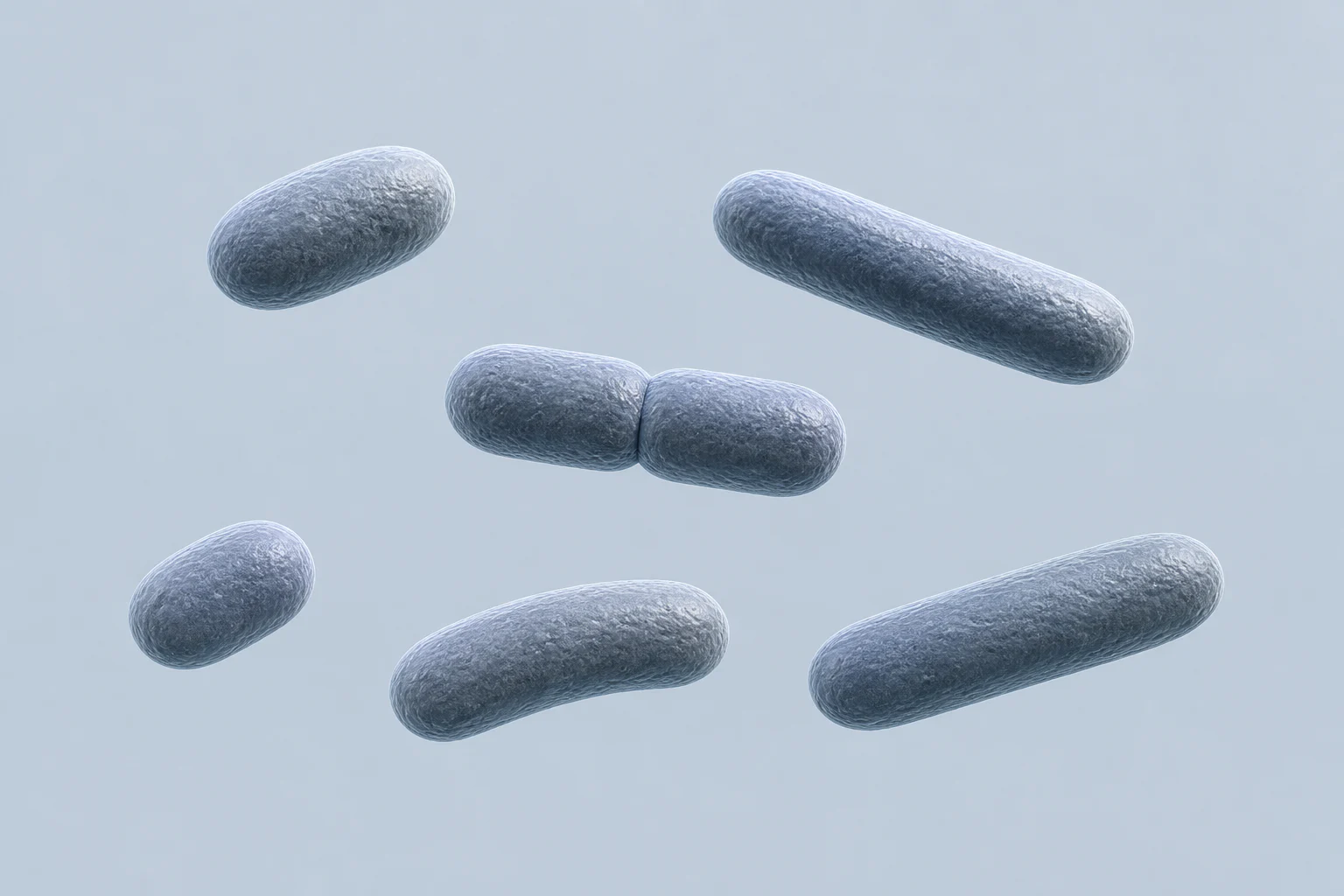
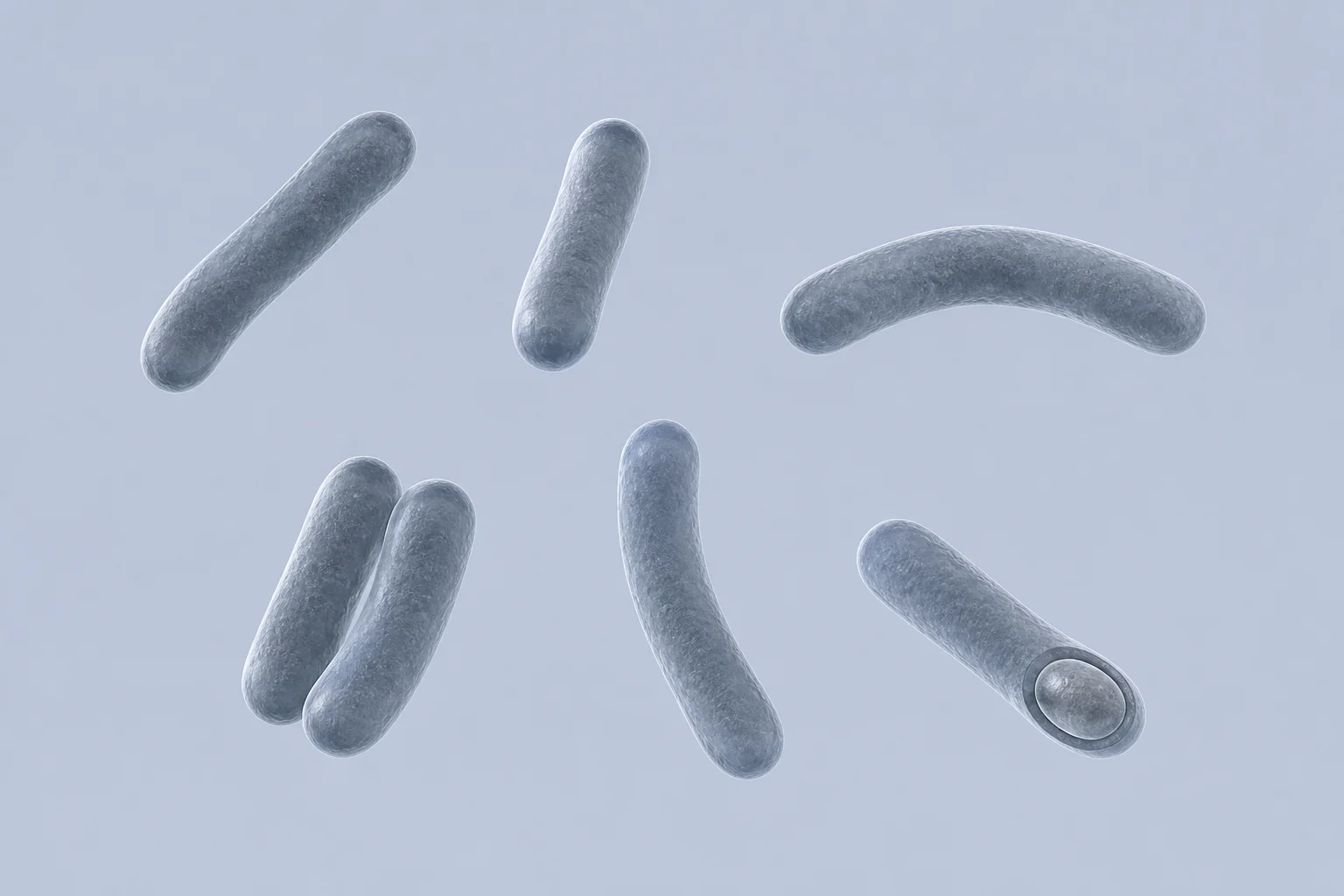
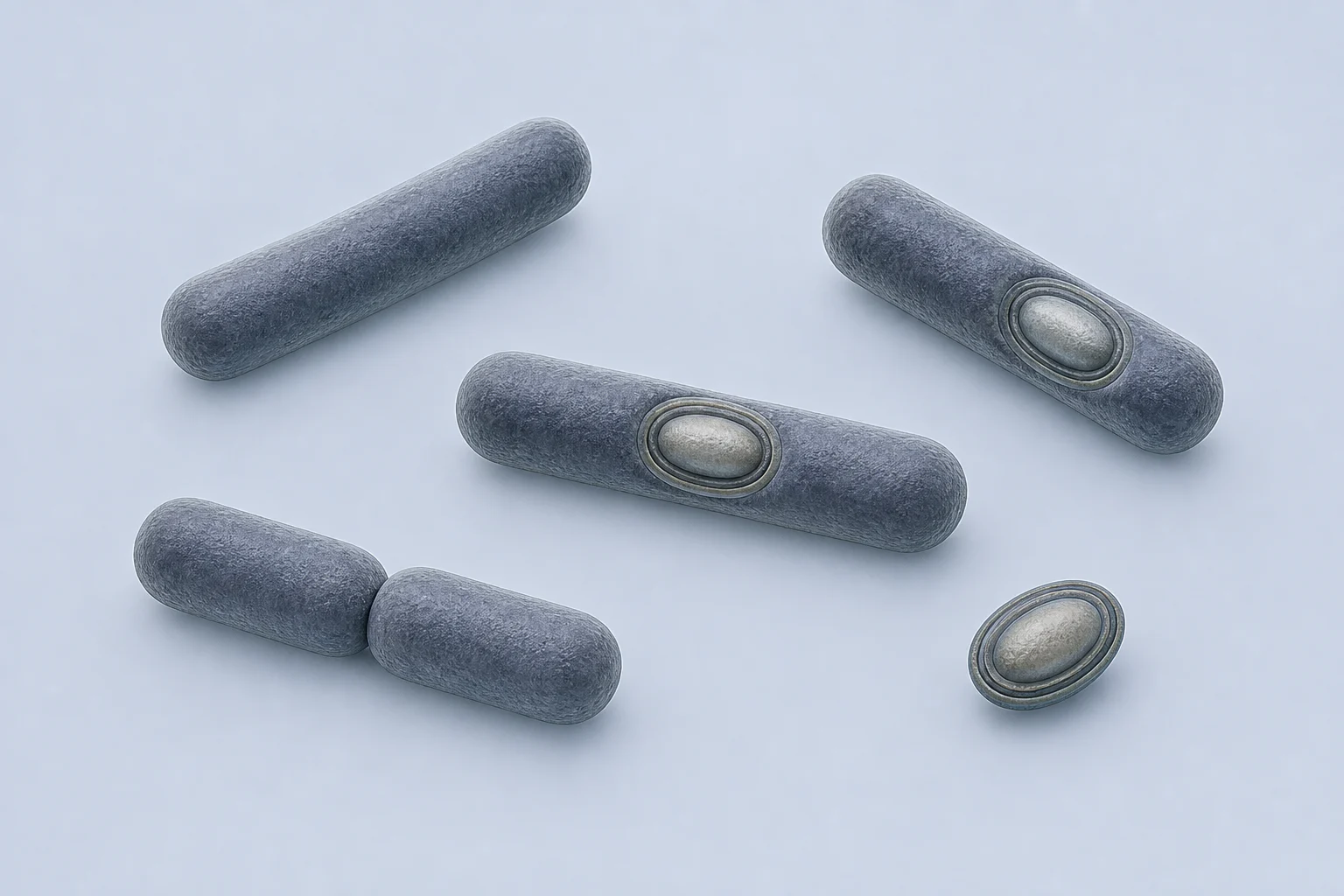
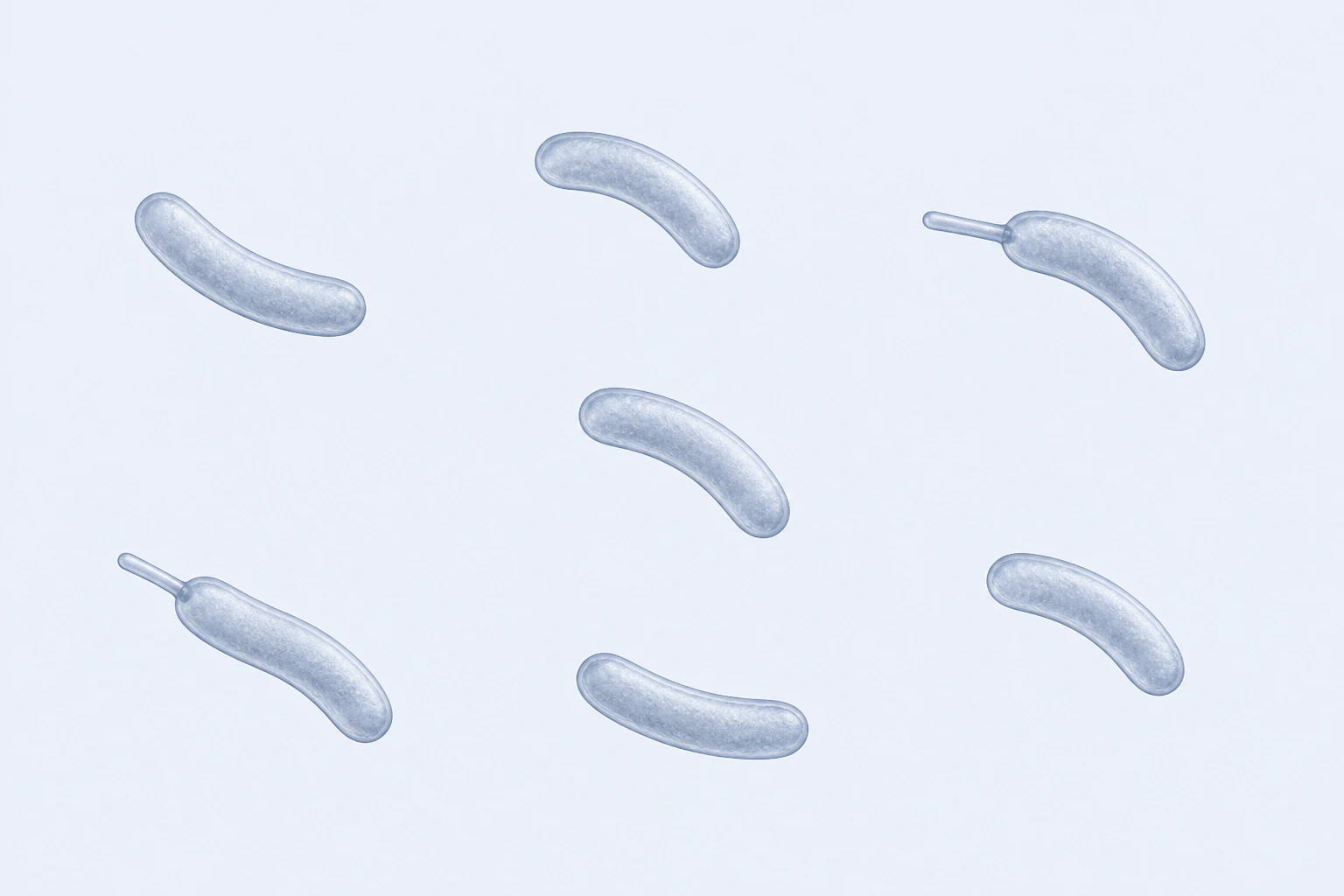
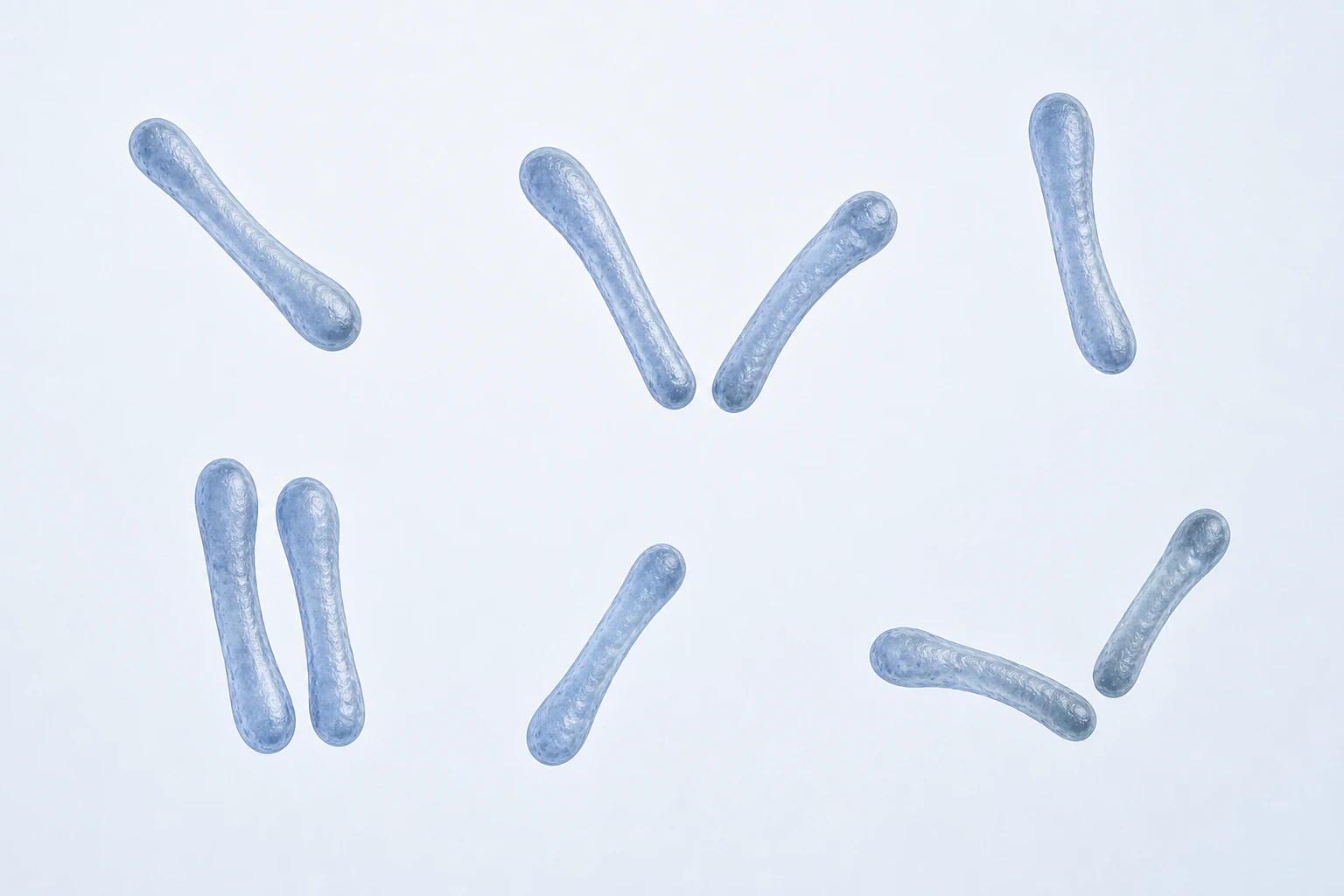
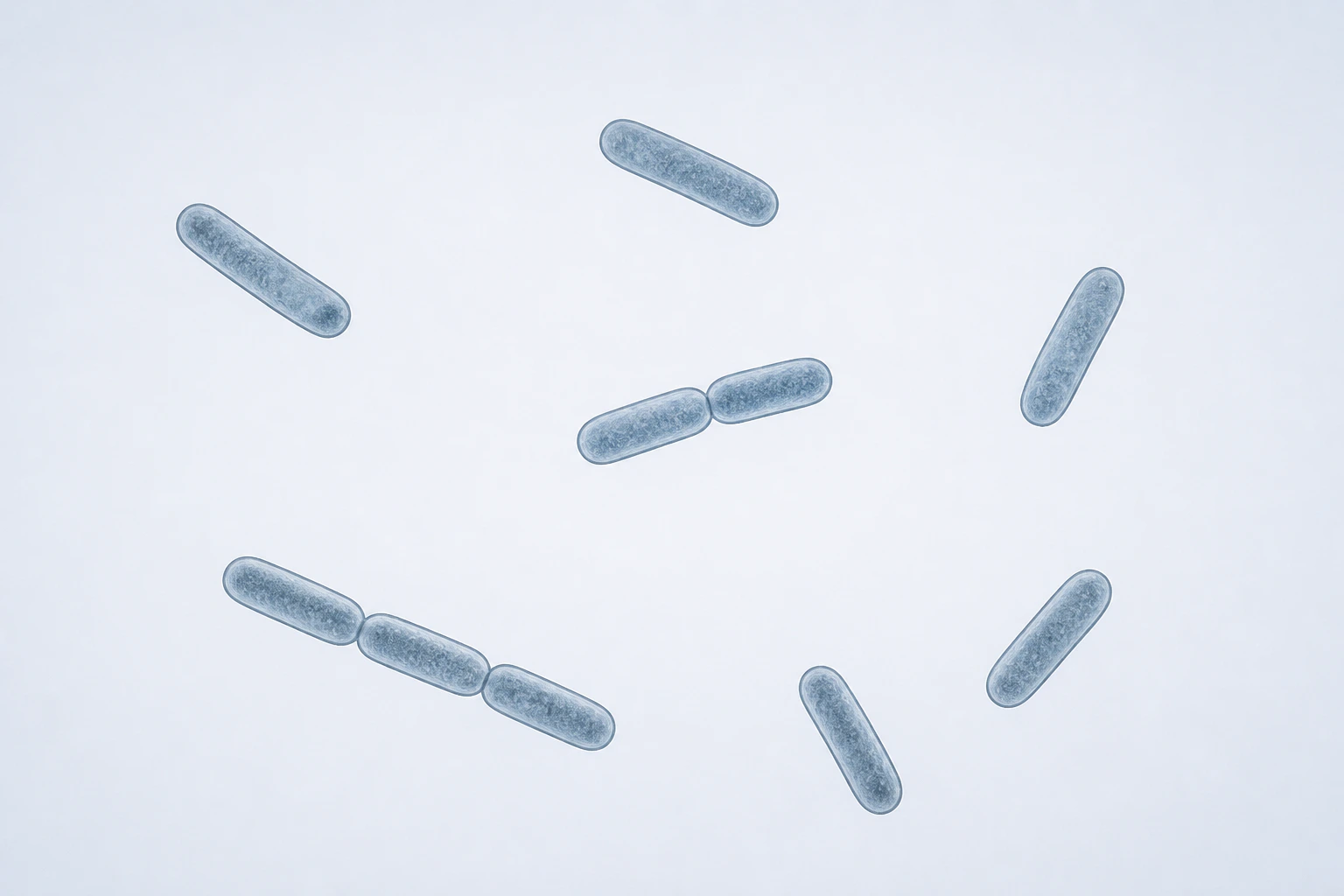
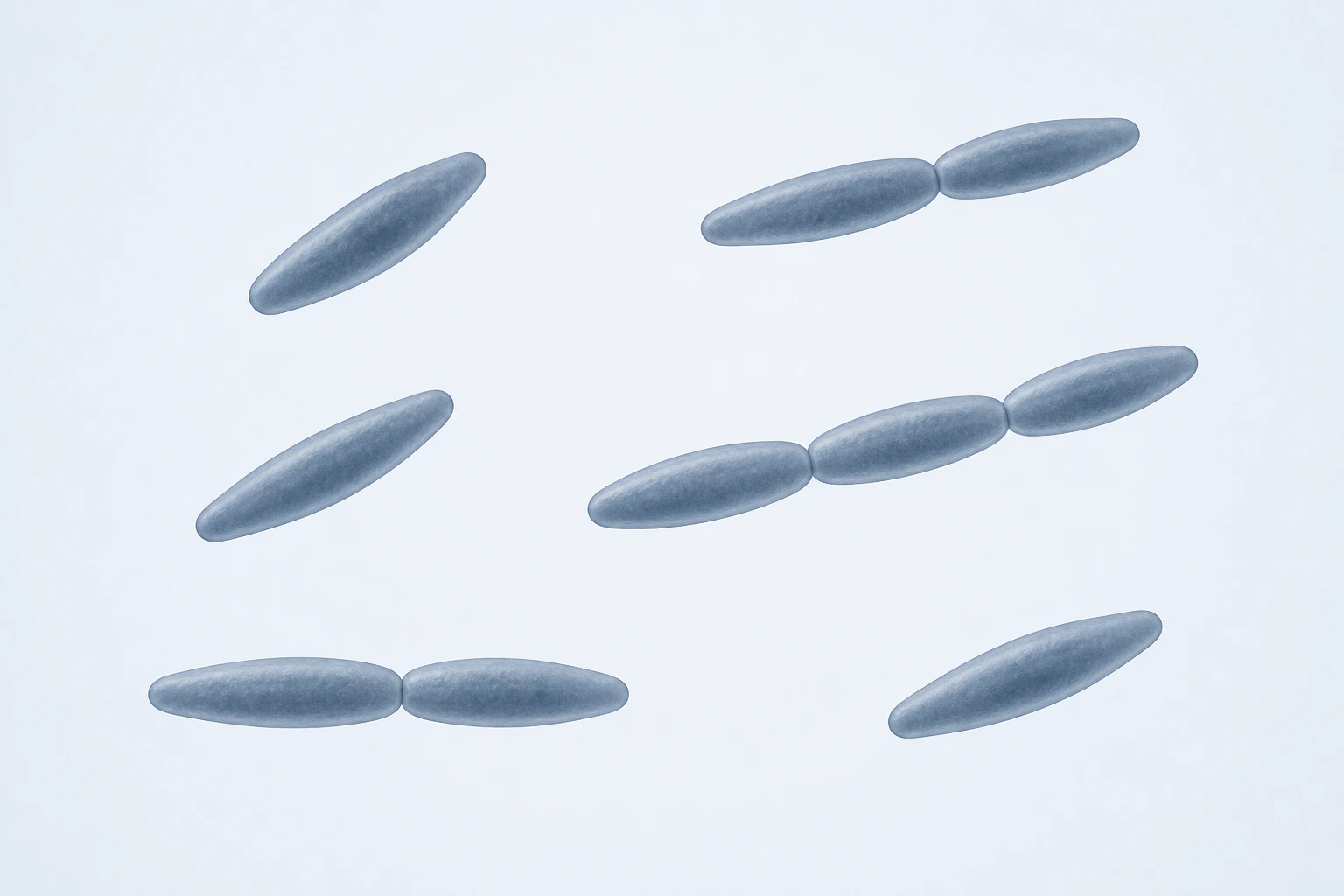
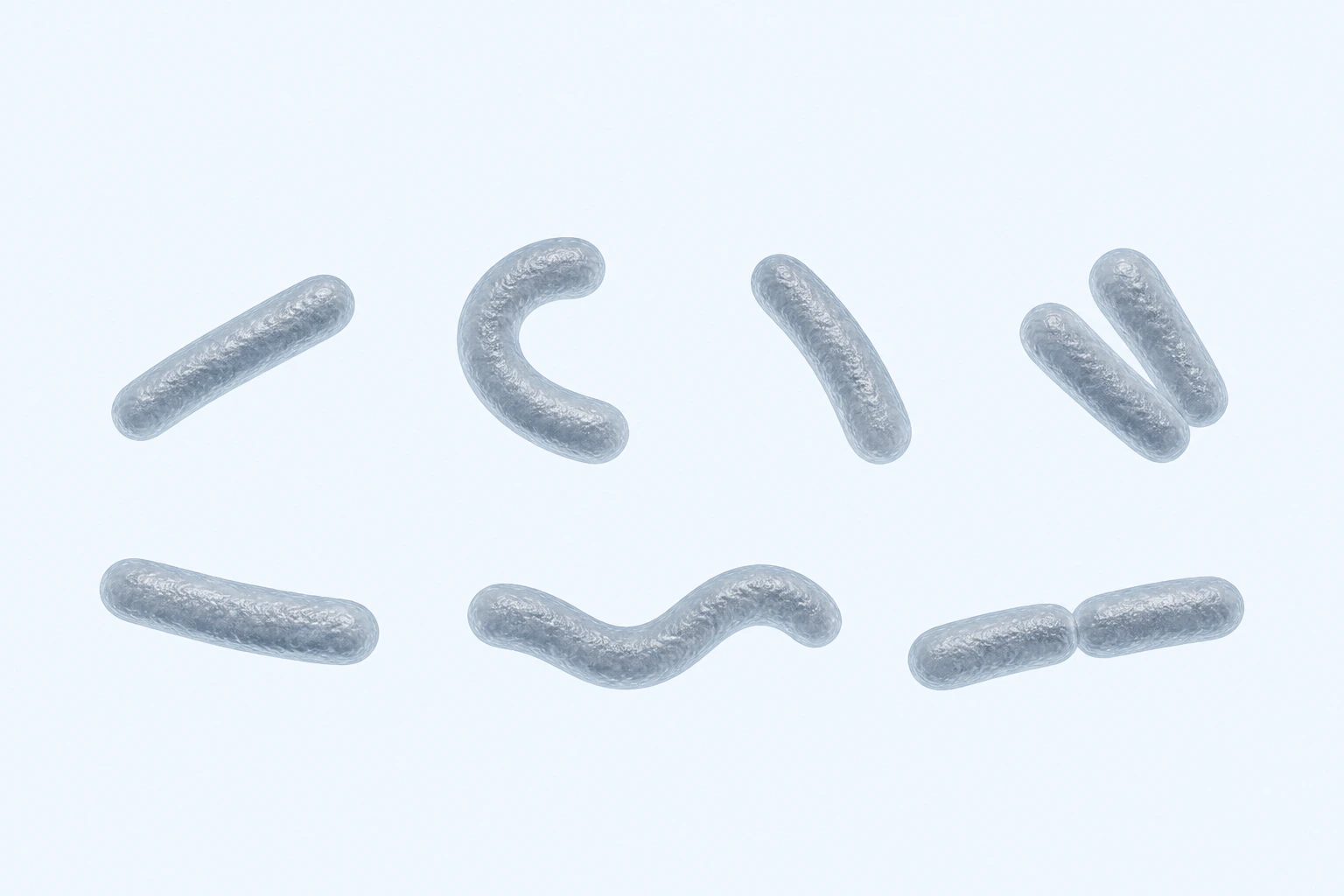
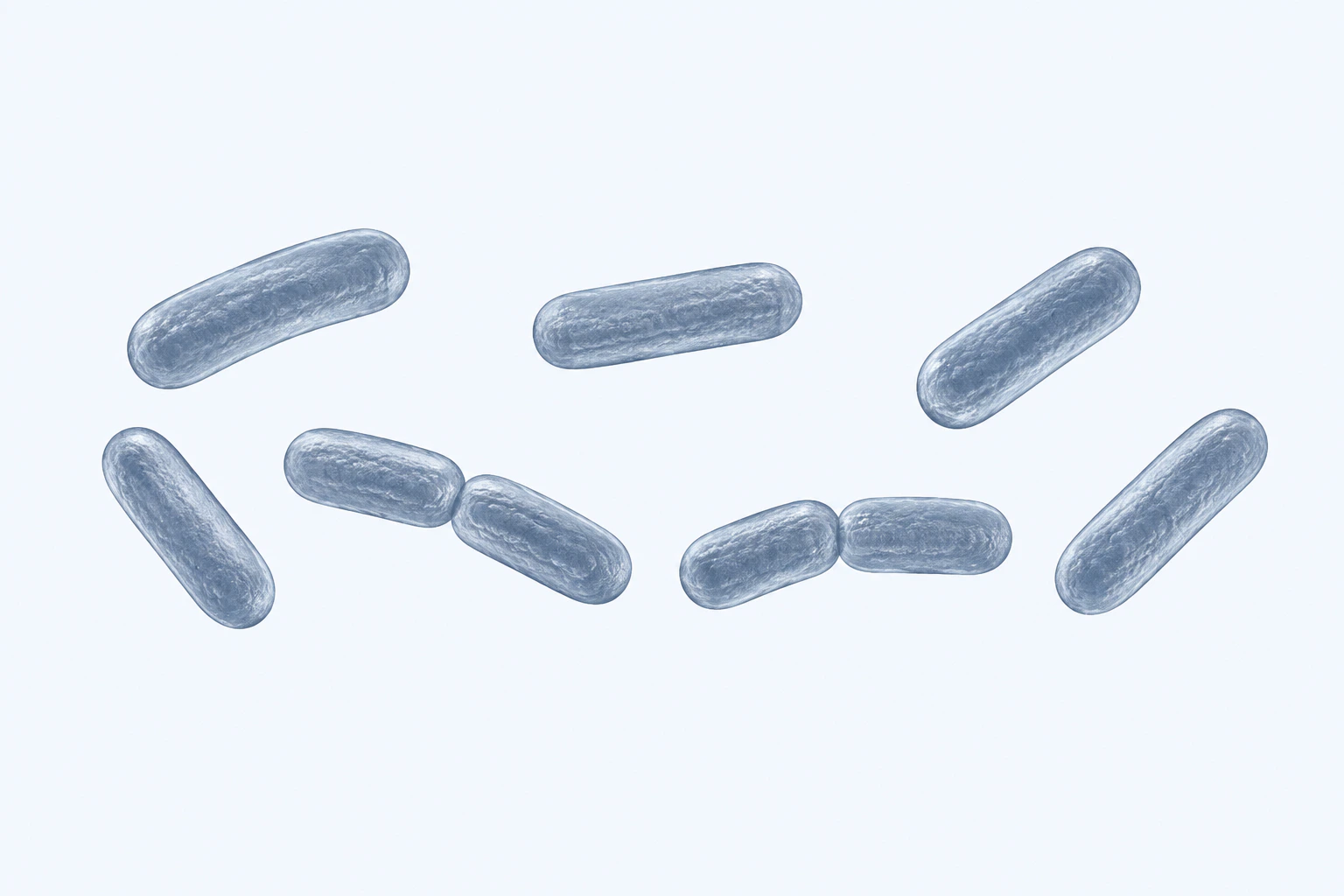
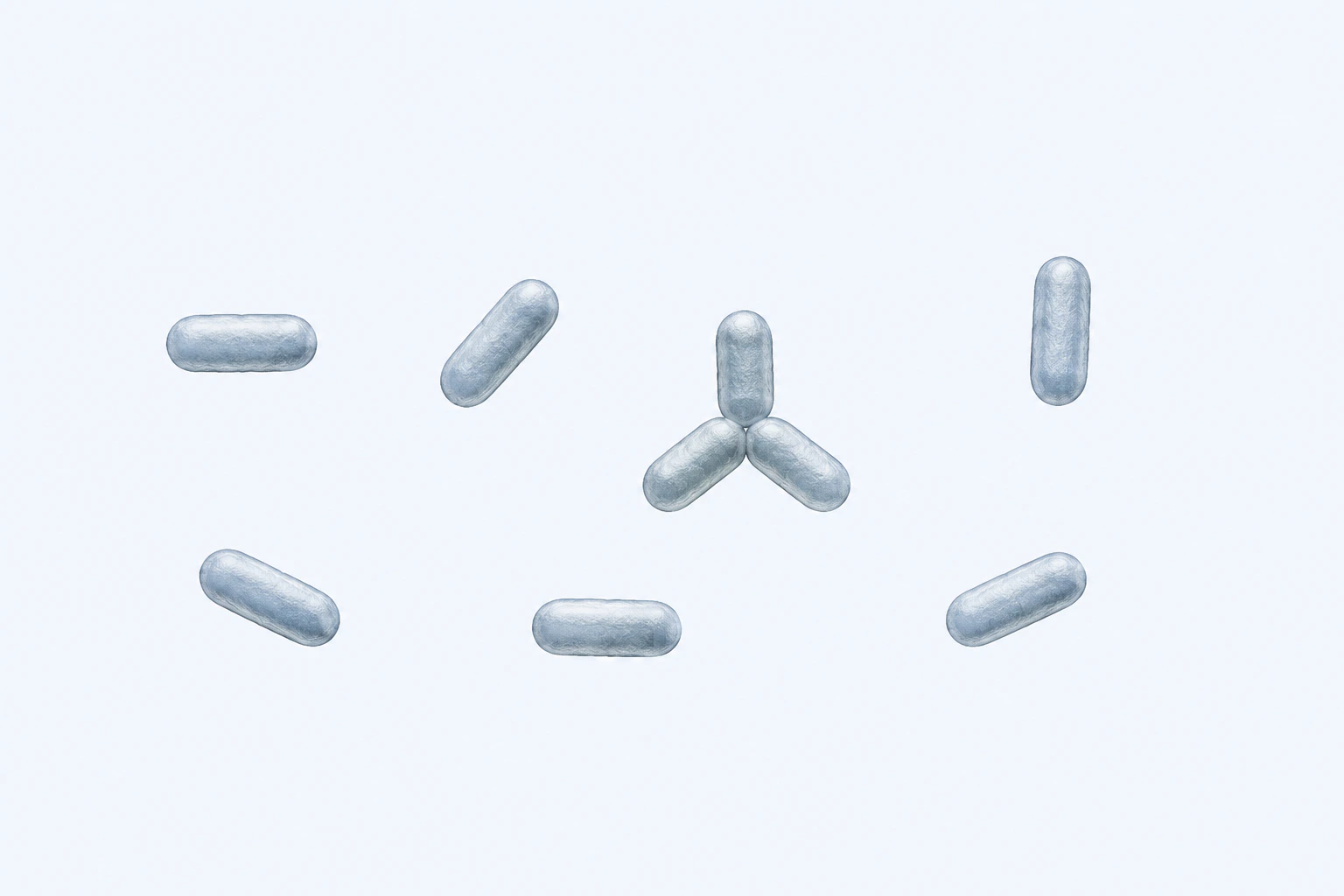
Seven thin Anaerotruncus bacilli, including a loose pair and one cell with an oval terminal endospore, on a pale cool field.
Microorganisms8 sources

Anaerotruncus

Anaerotruncus is a Gram-positive obligate anaerobic genus within the Ruminococcaceae (Firmicutes). First isolated from human feces, it is a minor member of the healthy gut community that has attracted attention for its consistent enrichment in aging-related conditions a

B
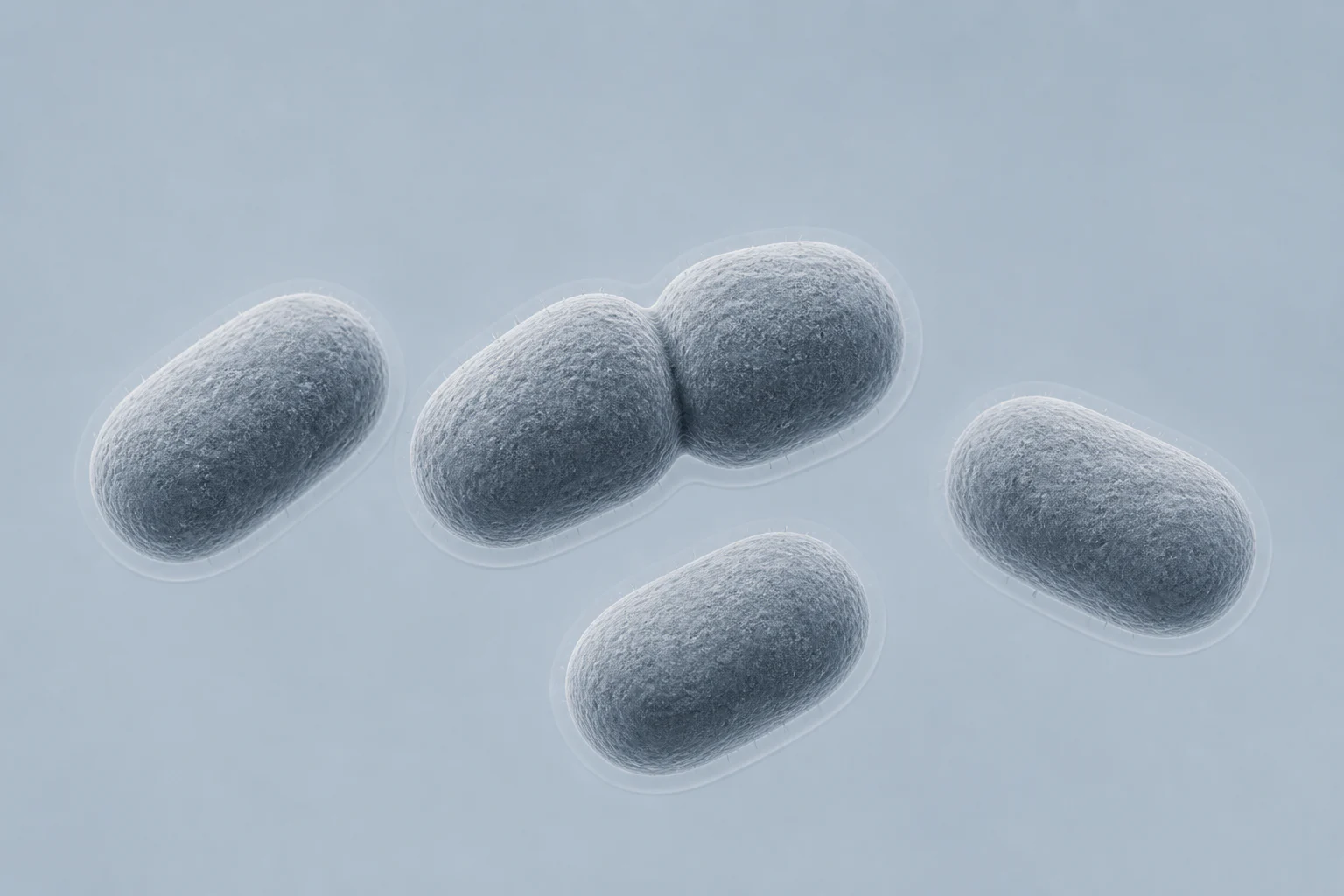
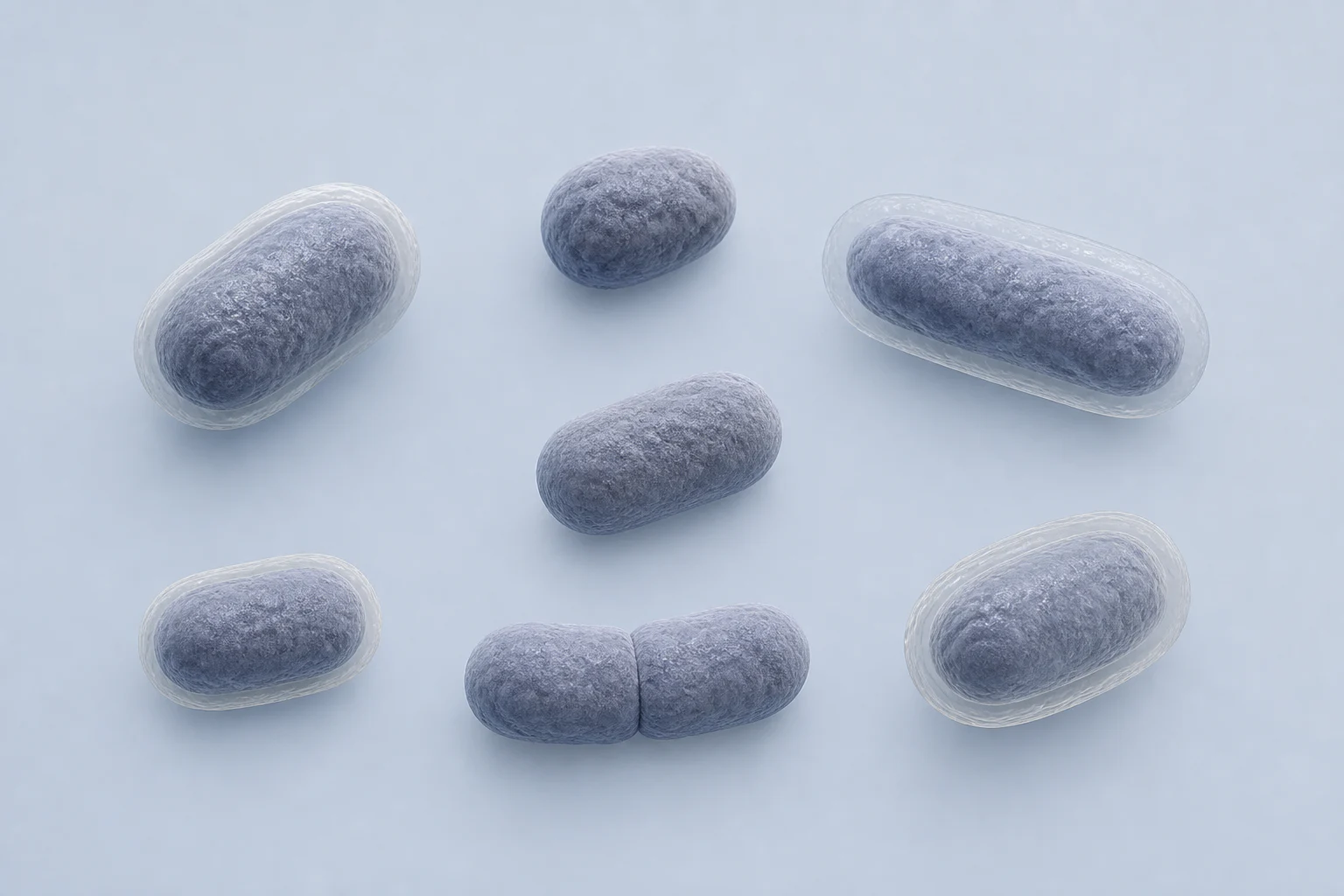
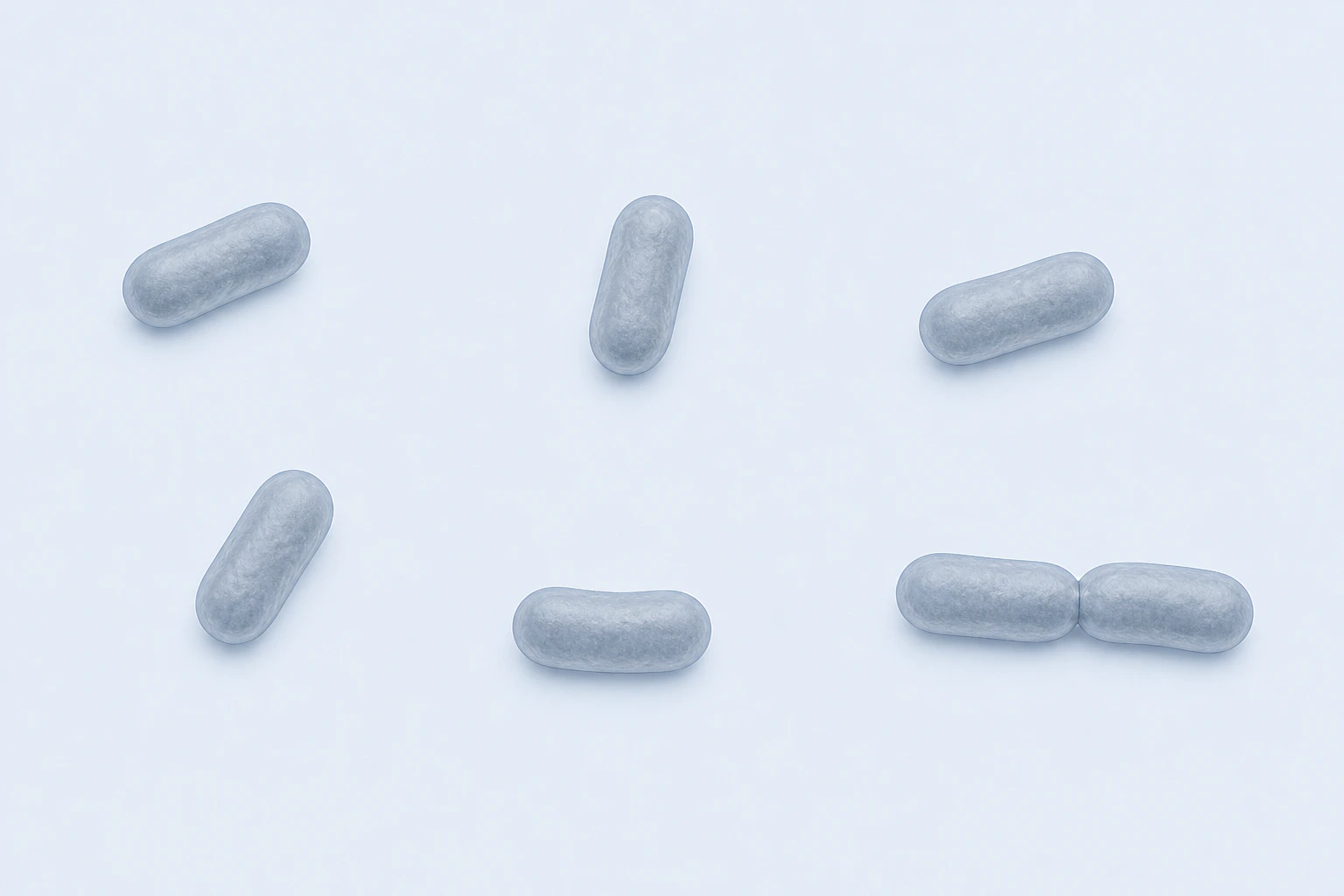
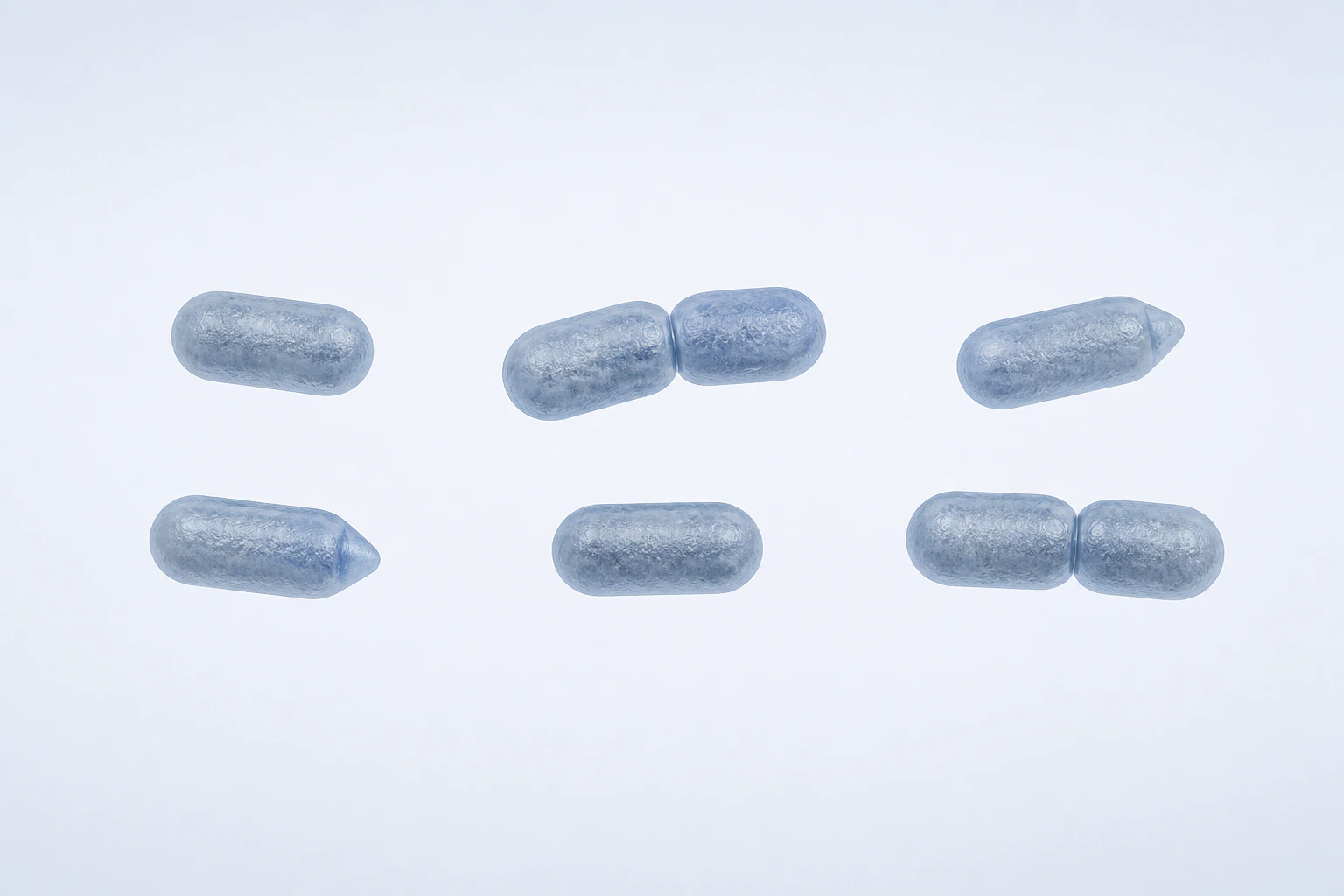
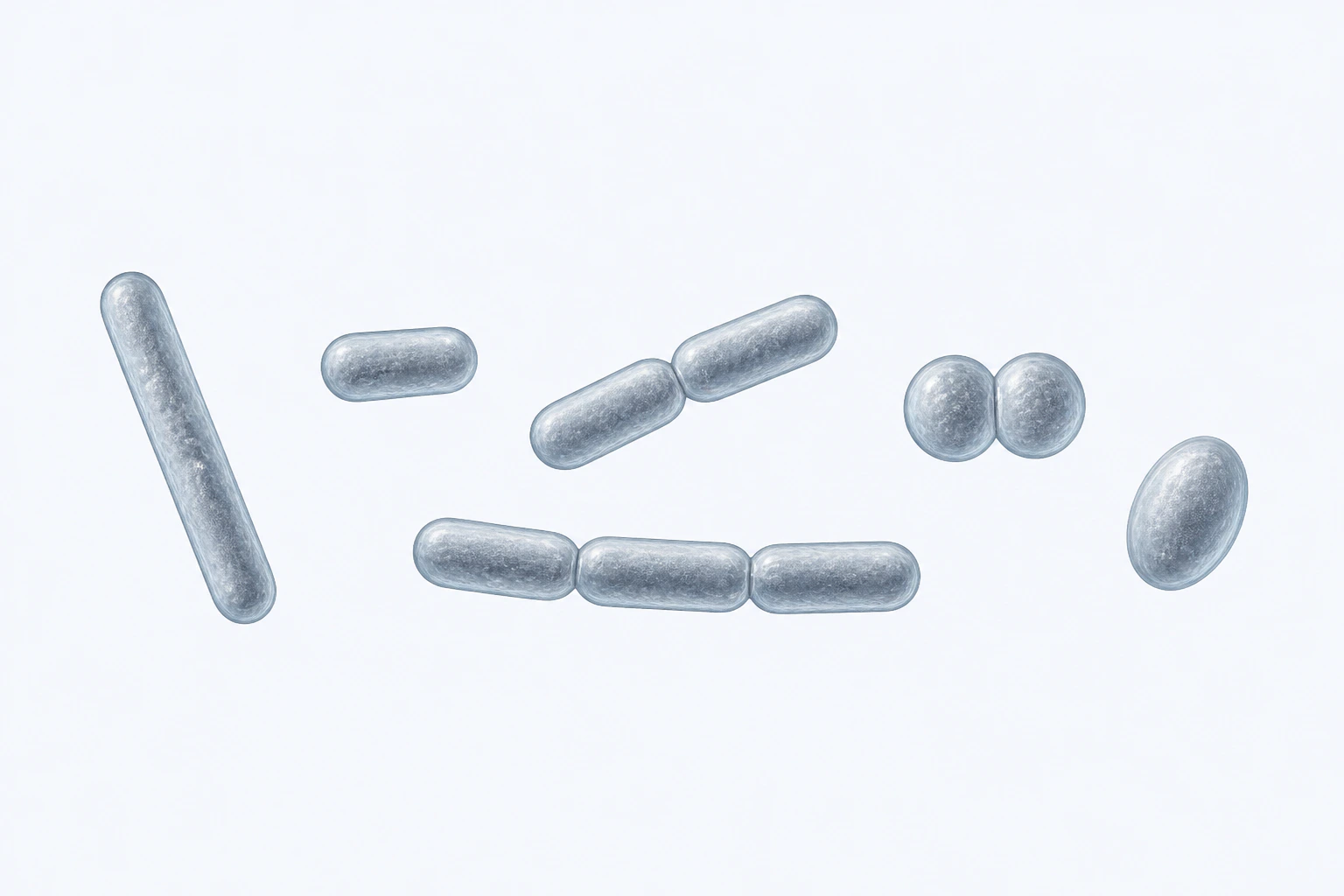
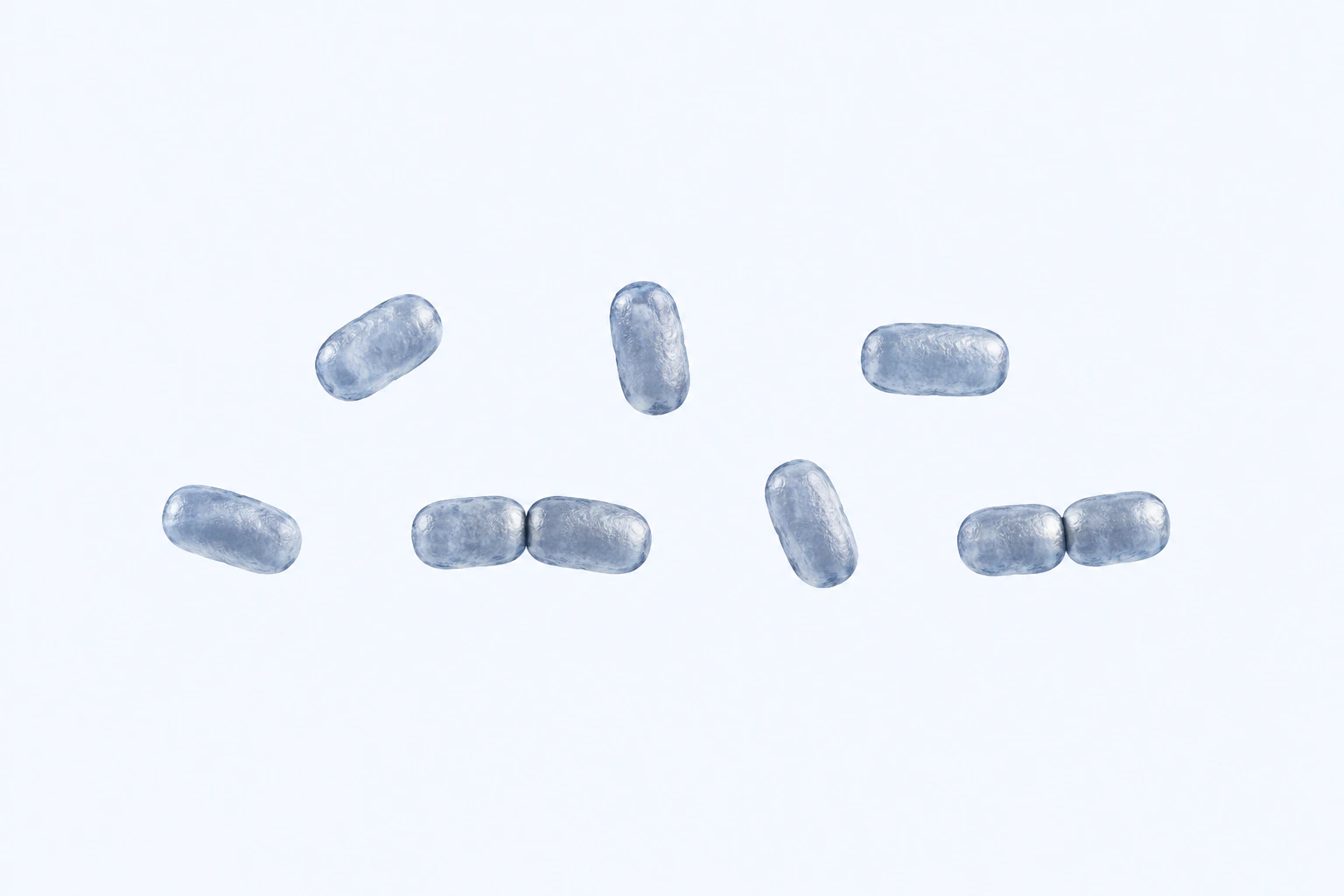
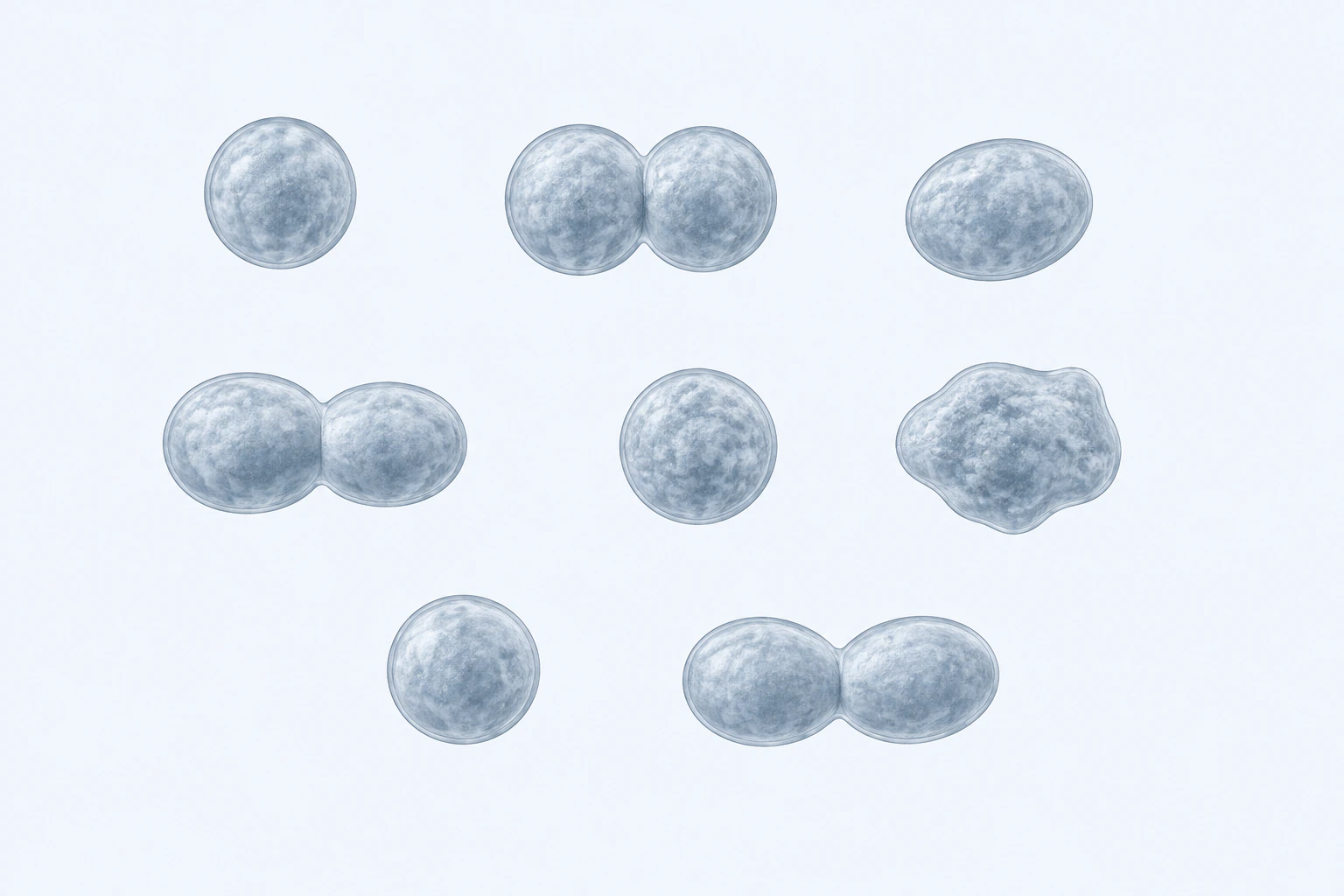
Eight plump Brucella coccobacillary bodies appear in six groupings: four singles and two touching pairs, each oval to very short and longer than wide.
Microorganisms1 sources

Brucella

A genus of Gram-negative intracellular pathogens causing brucellosis, the most common bacterial zoonosis worldwide. Brucella species depend on nickel-activated urease for gastrointestinal survival during the initial phase of infection, and urease immunization has been s

C
D
E
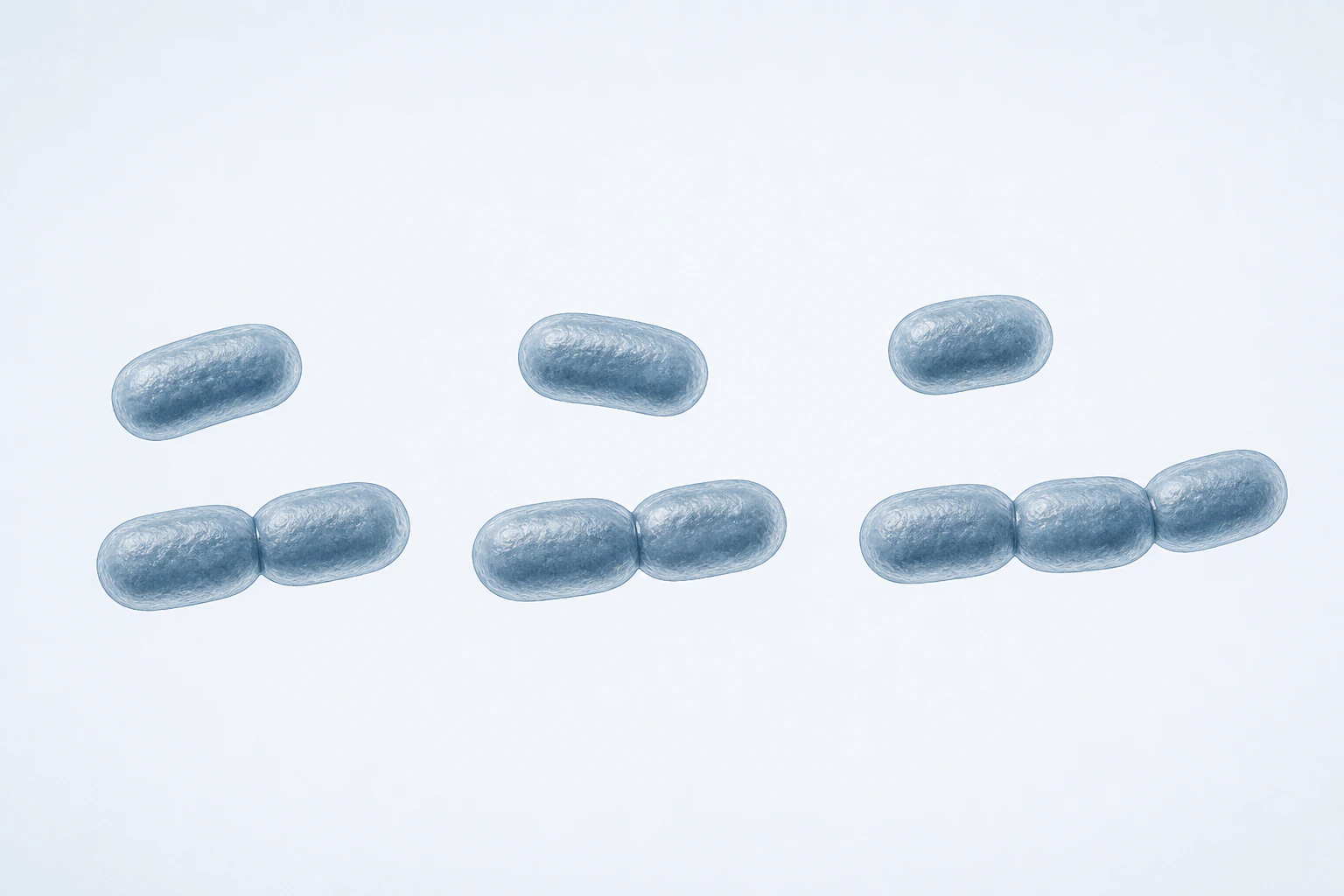
Eleven selected Enterococcus spherical-to-ovoid bodies appear in seven groupings: four singles, two touching pairs, and one short three-cell chain.
Microorganisms3 sources

Enterococcus

A genus of Gram-positive bacteria (primarily E. faecalis and E. faecium) that exemplifies the metal-antibiotic resistance co-selection crisis. Enterococci carry diverse metal tolerance genes for mercury, arsenic, copper, and cadmium on the same mobile genetic elements a

F
G
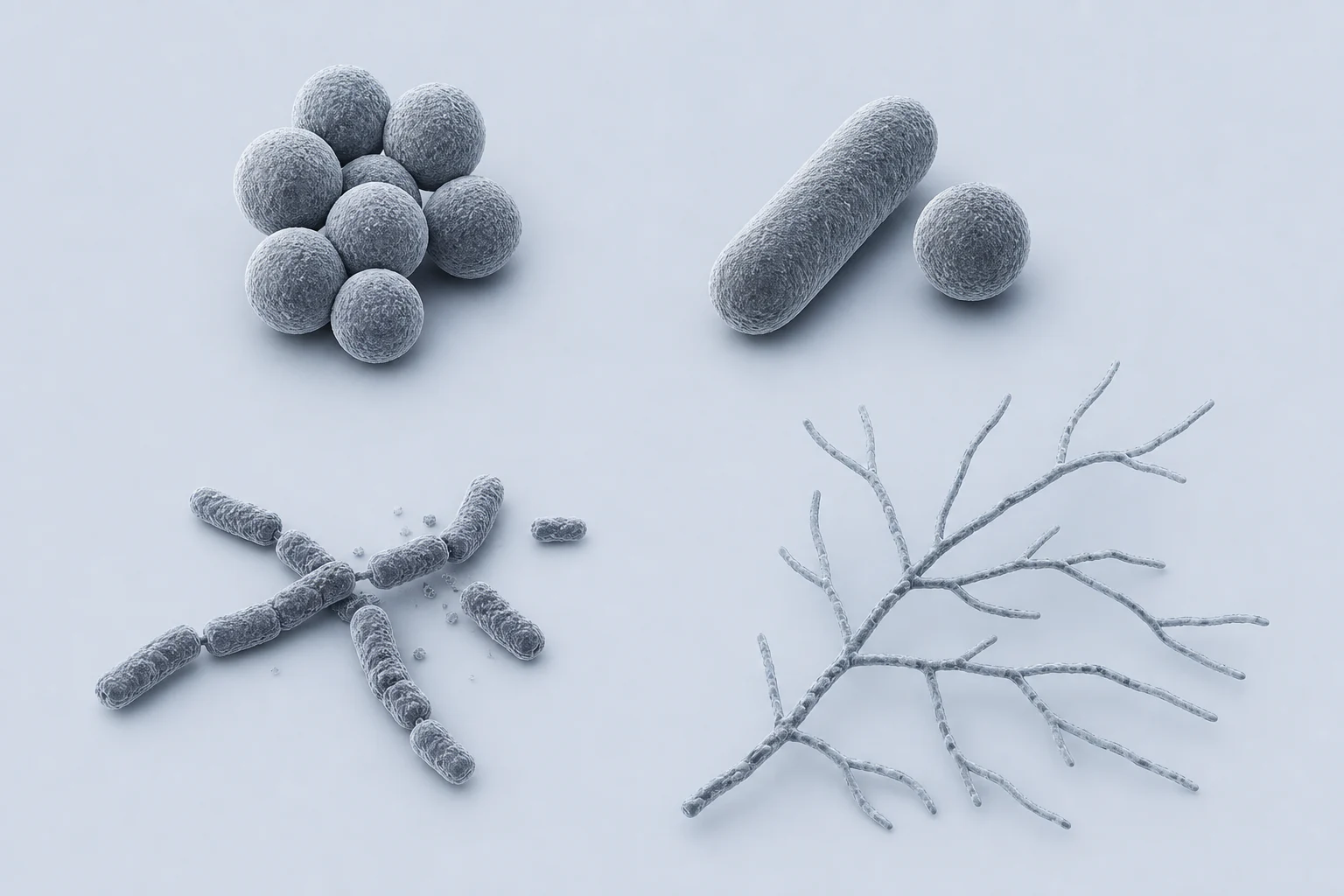
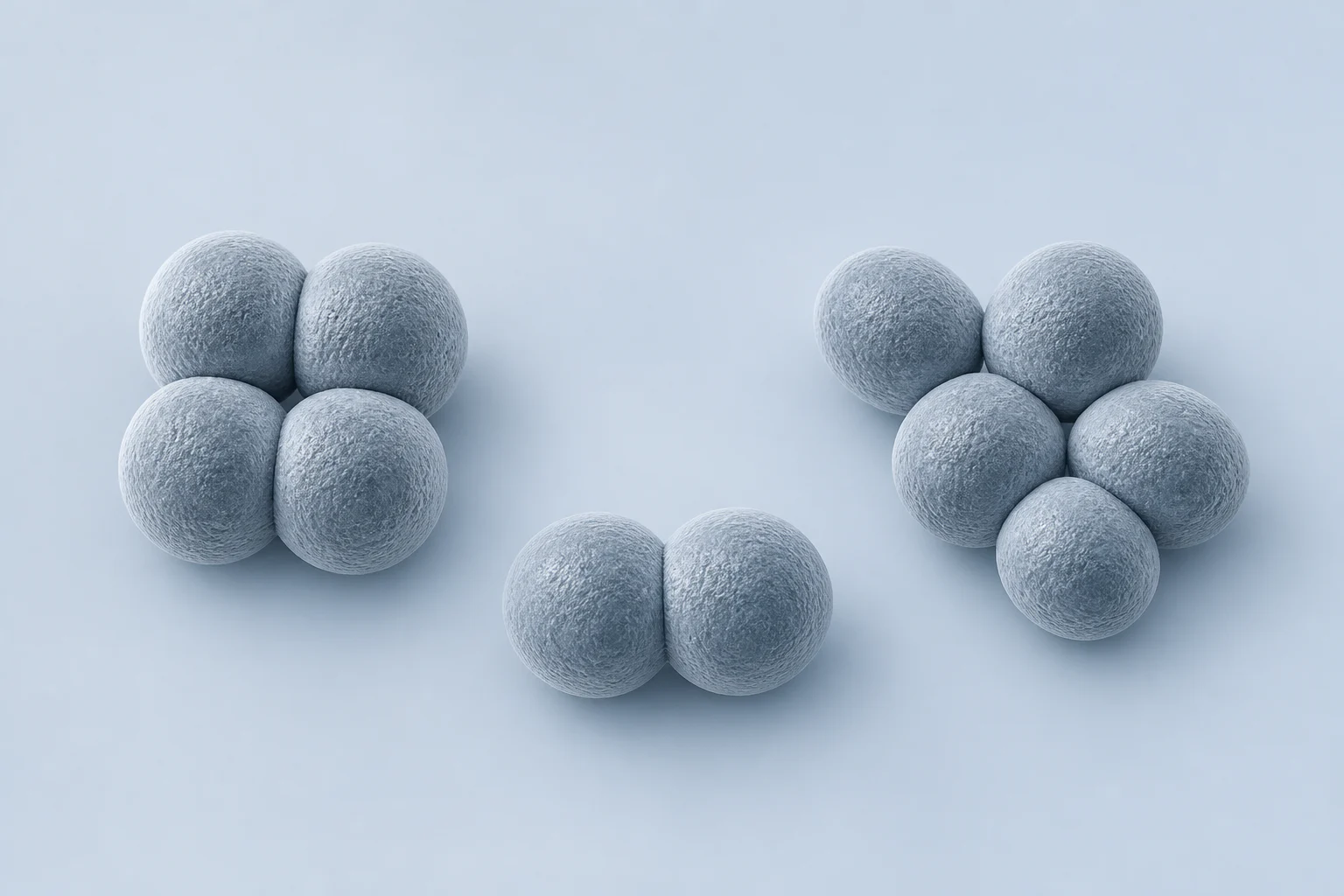
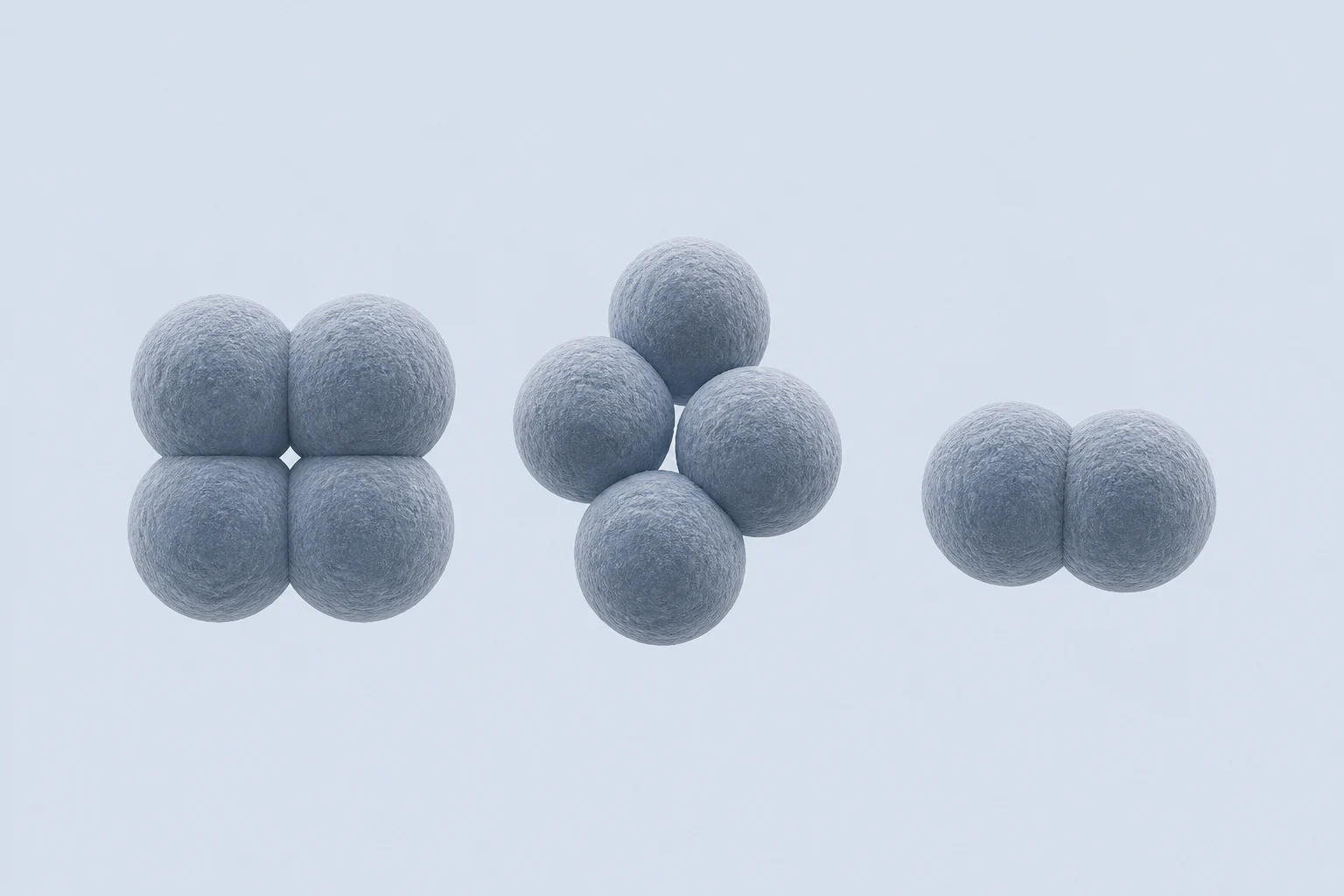
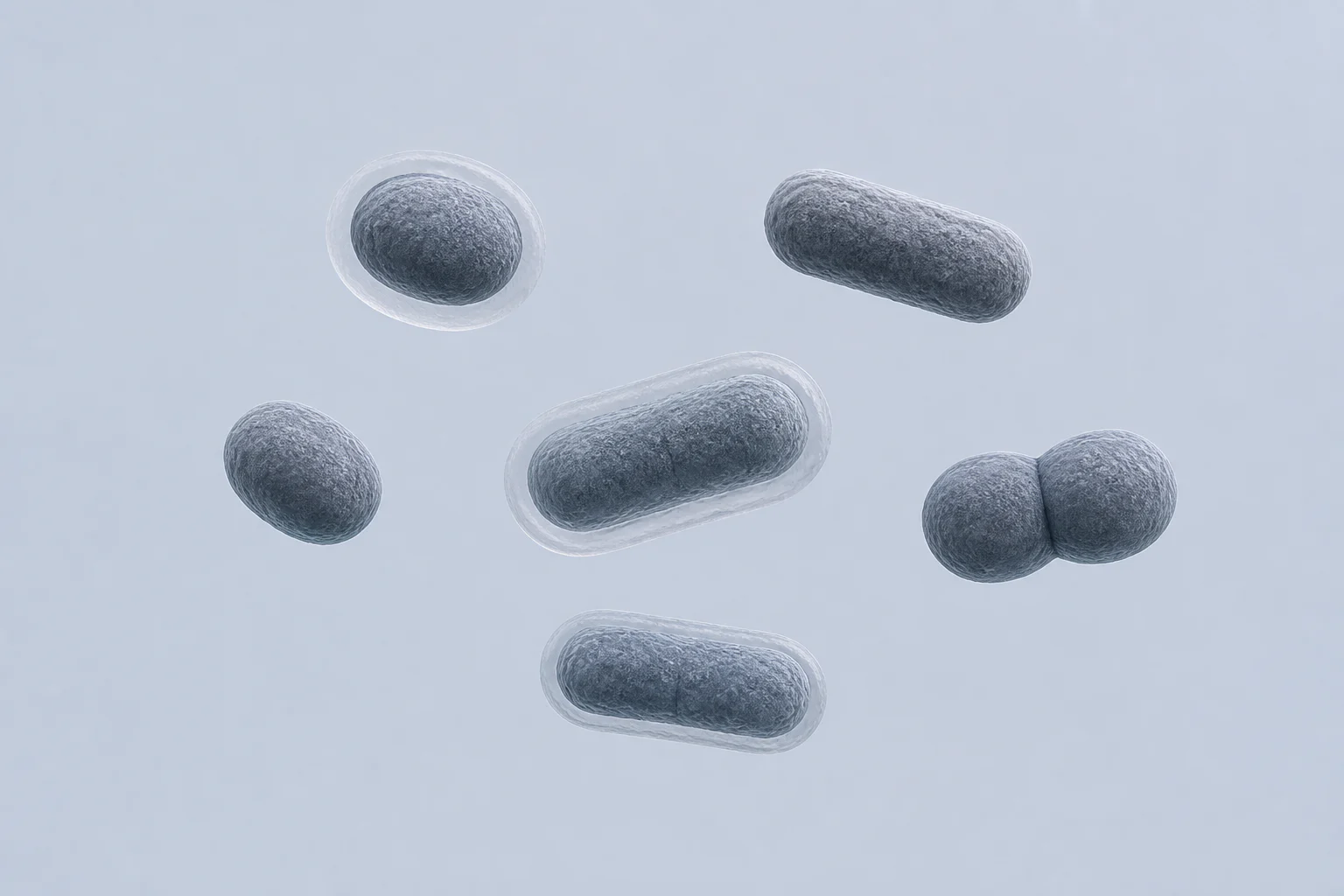
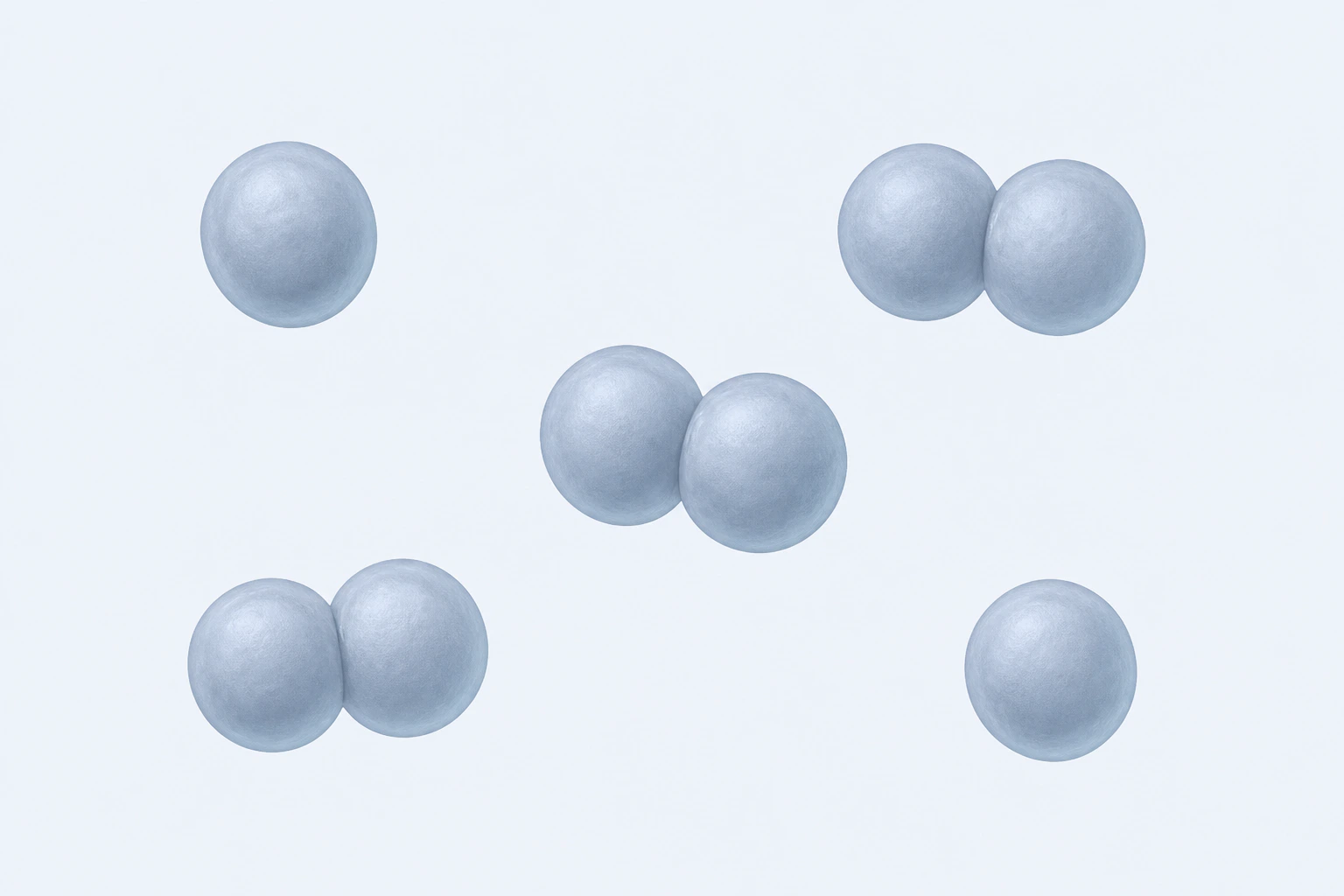
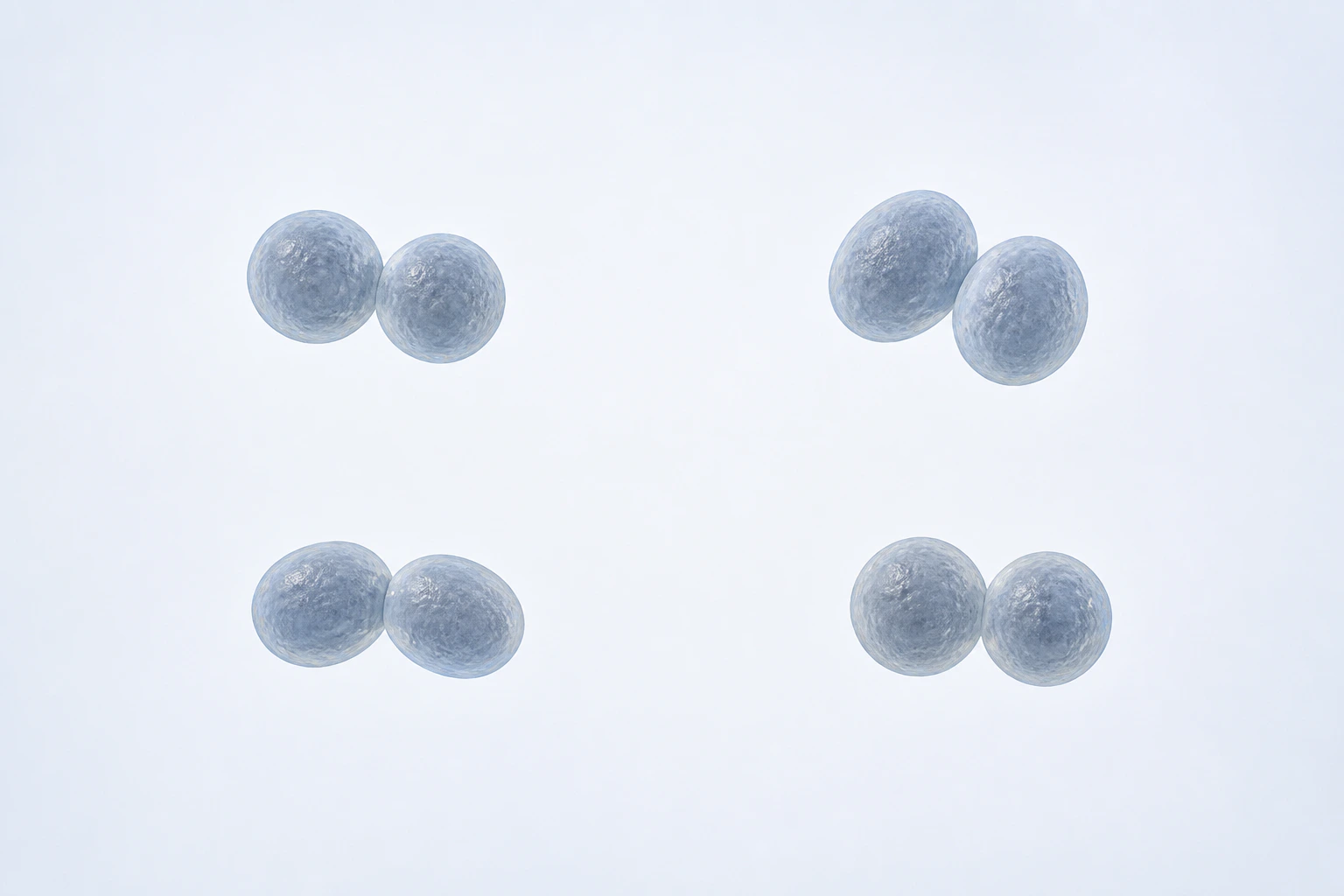
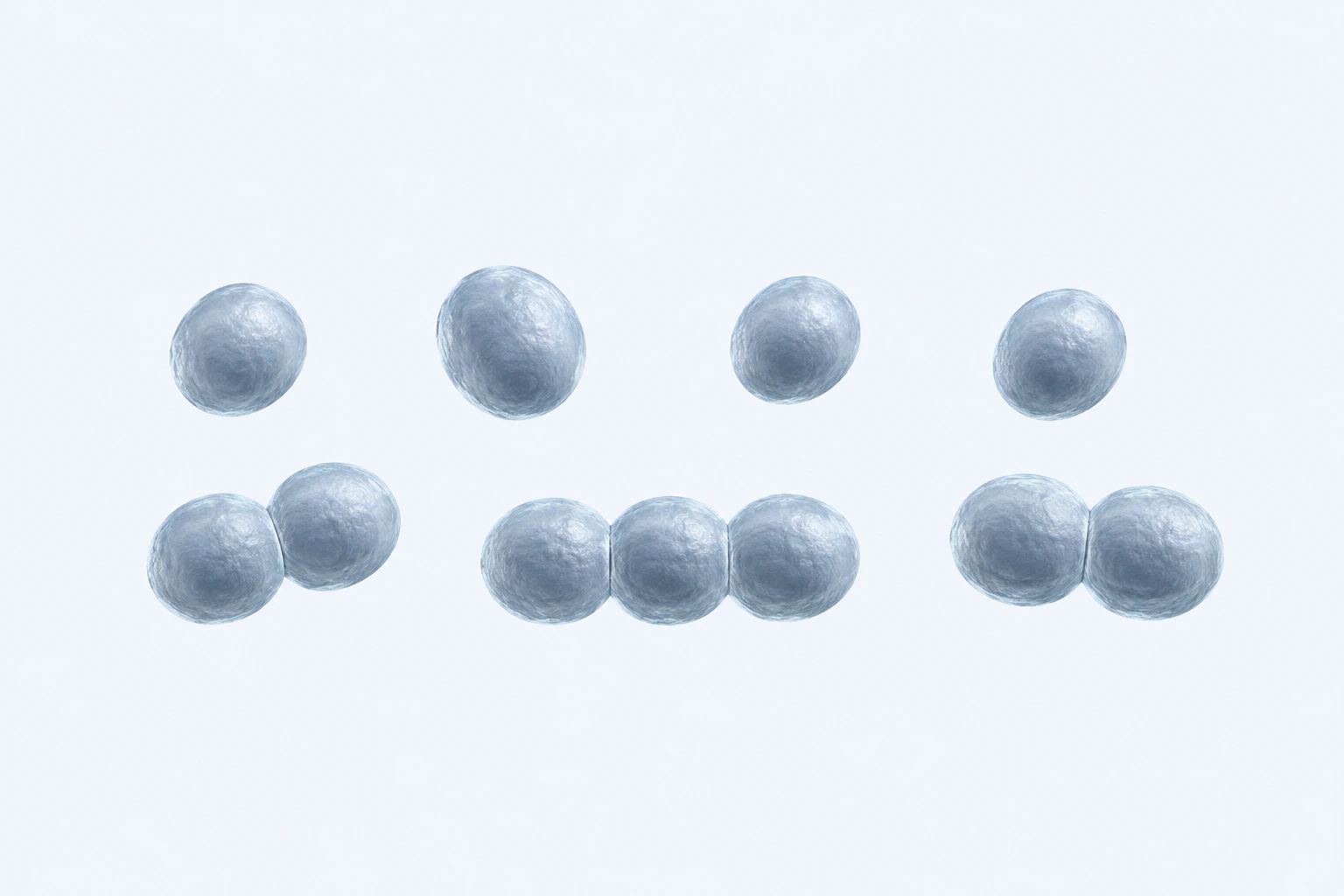
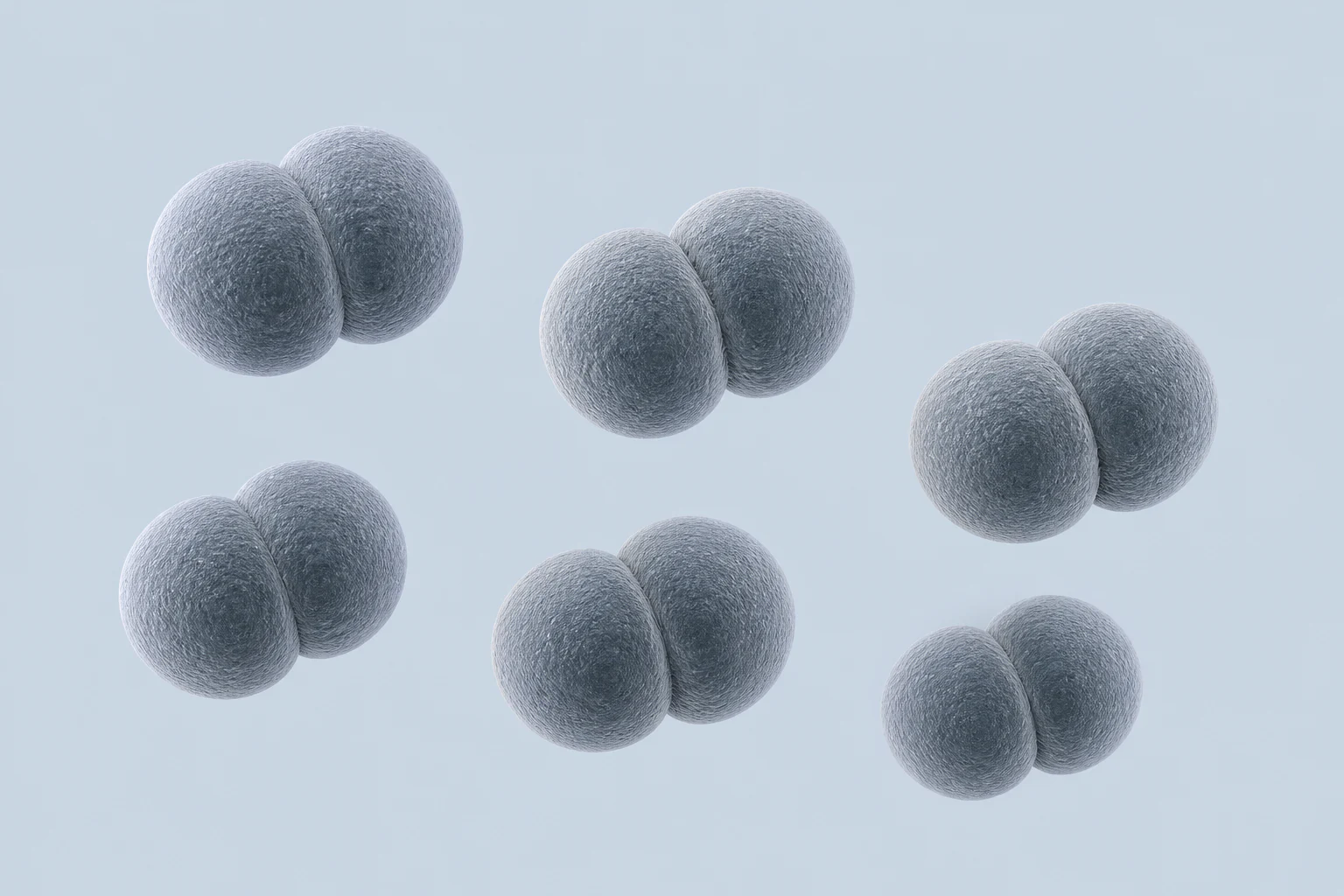
Eleven selected Gemella coccoid bodies appear in six groupings: three singles, two touching pairs, and one compact tetrad.
Microorganisms7 sources

Gemella

Gemella is a genus of Gram-positive, facultatively anaerobic cocci that are normal commensals of the oral cavity. Species include G. morbillorum, G. haemolysans, and G. sanguinis. In the WikiBiome context, Gemella is notable for its oral-gut translocation pattern — an o

H
Other0 sources

Hungatella

Hungatella hathewayi is a Gram-positive, obligate anaerobic bacterium within the Firmicutes phylum (family Clostridiaceae) that has rapidly emerged as a multi-disease cancer-associated pathobiont. A recently reclassified genus (from Clostridium hathewayi), it is now rec

I
K
L
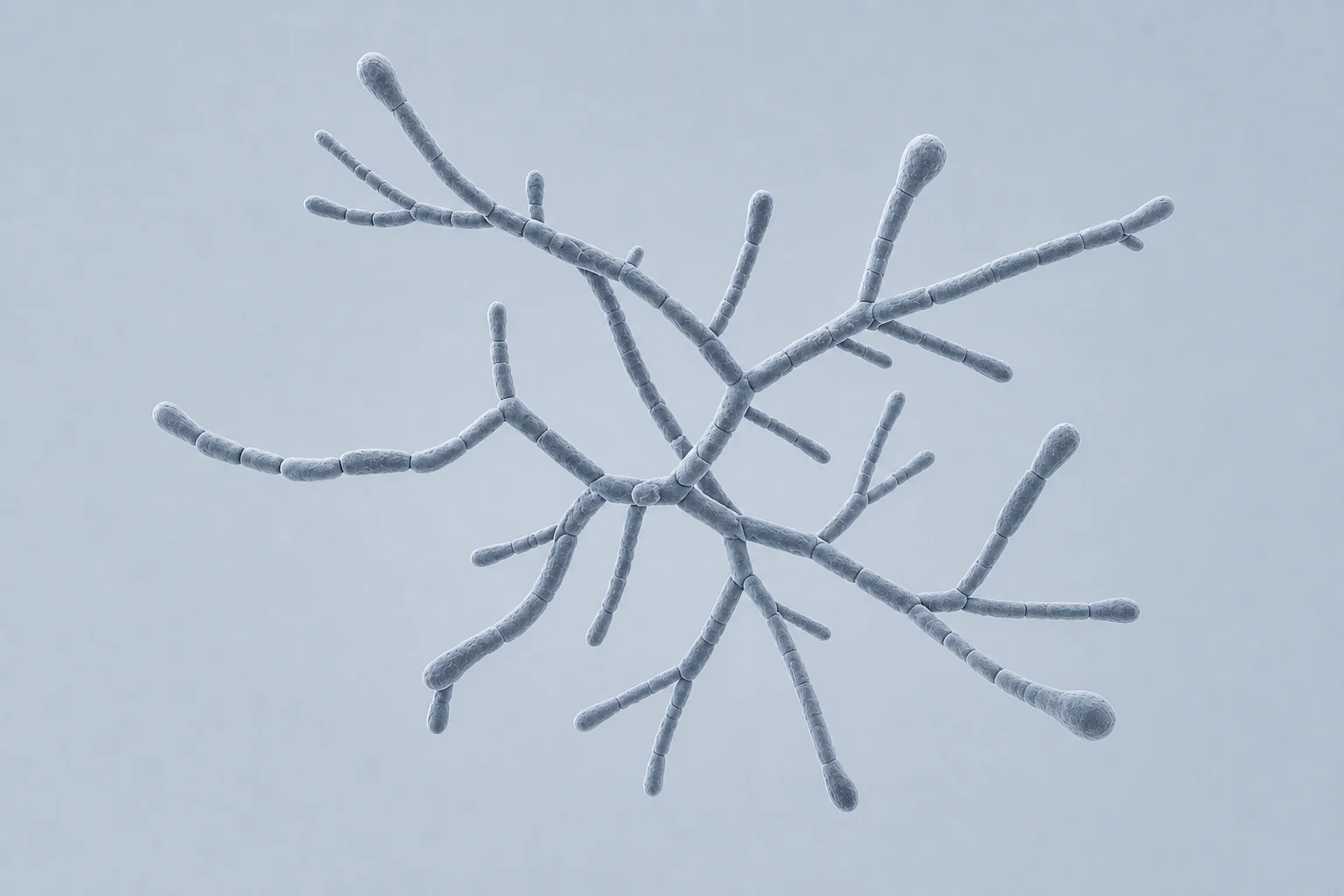
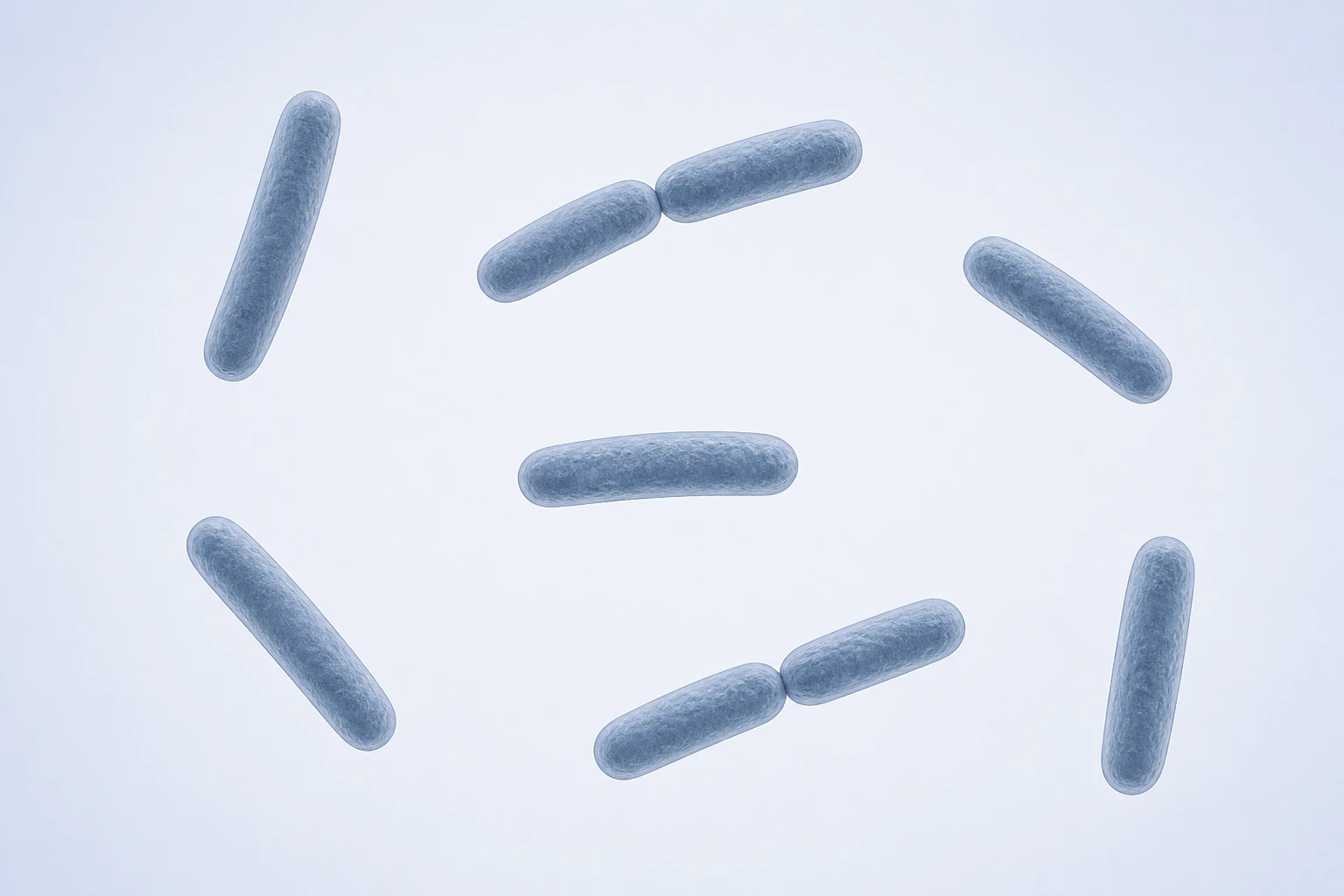
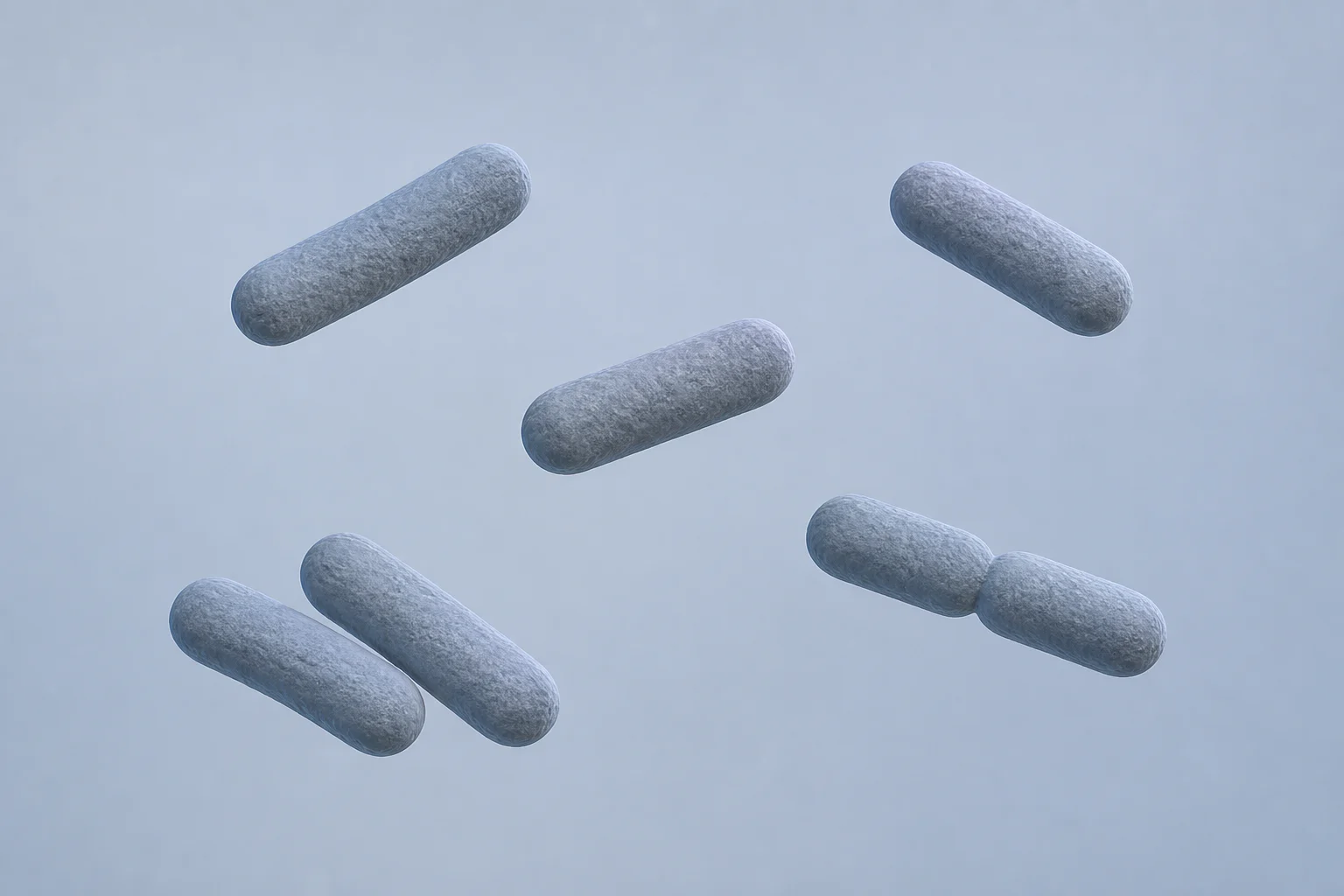
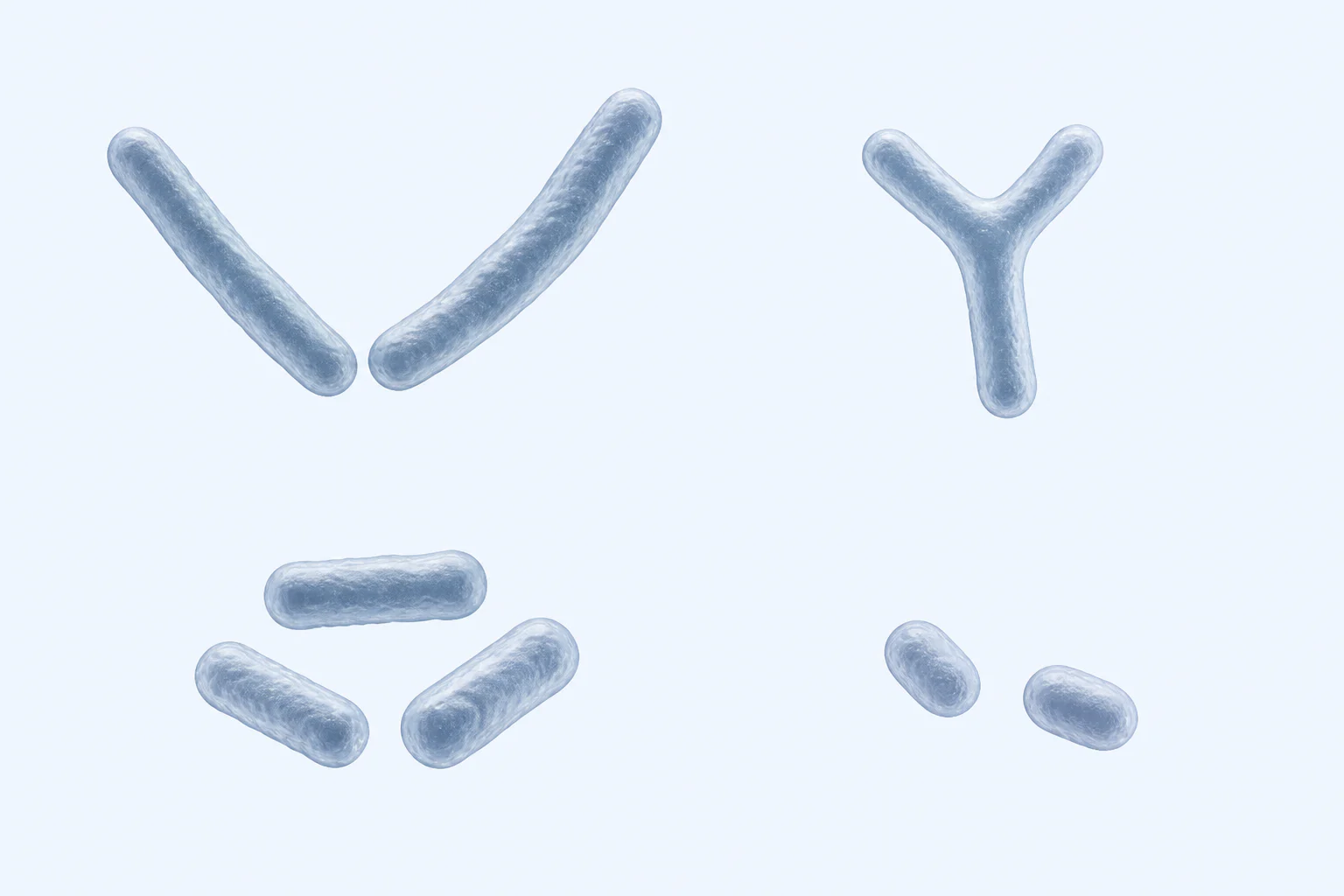
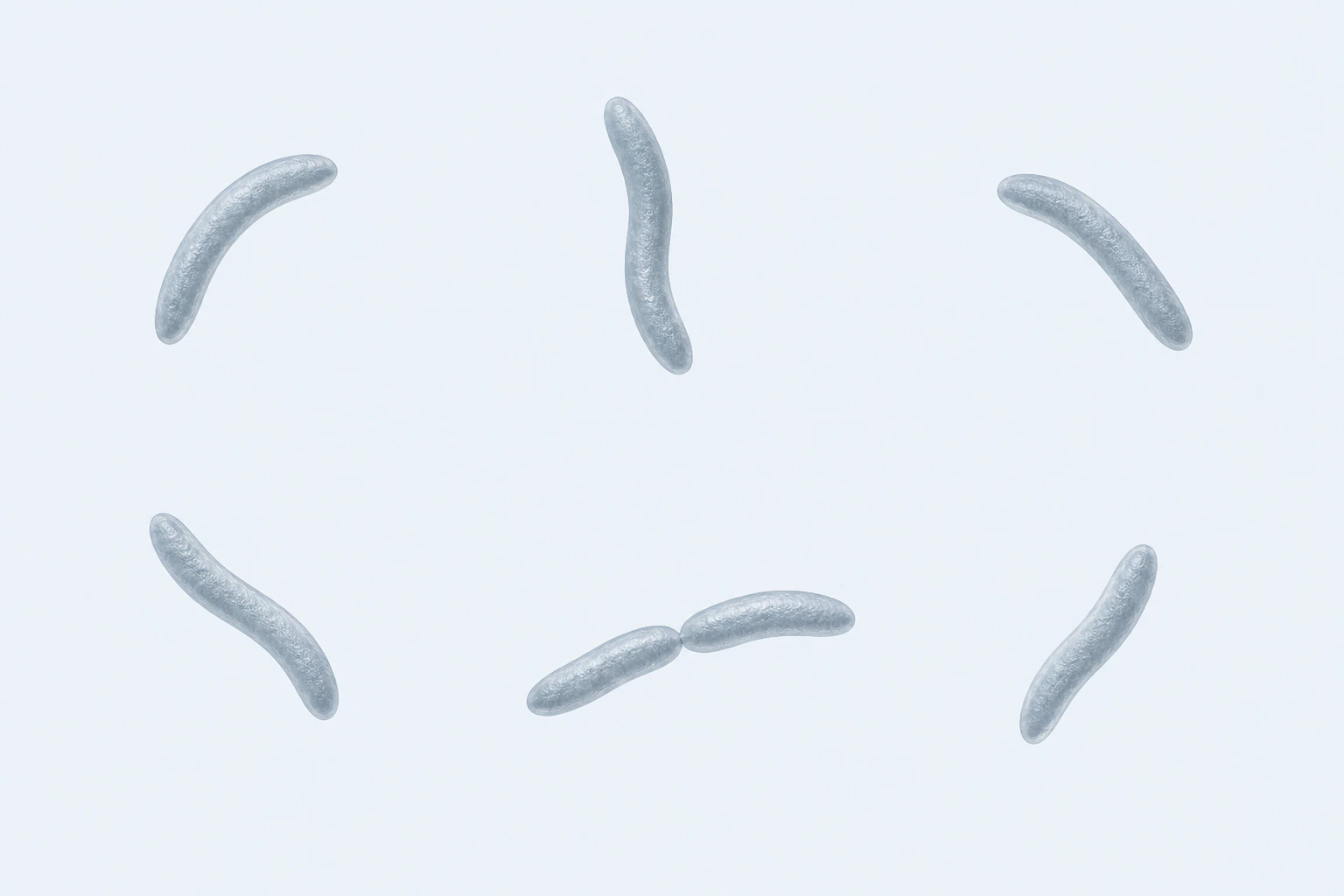
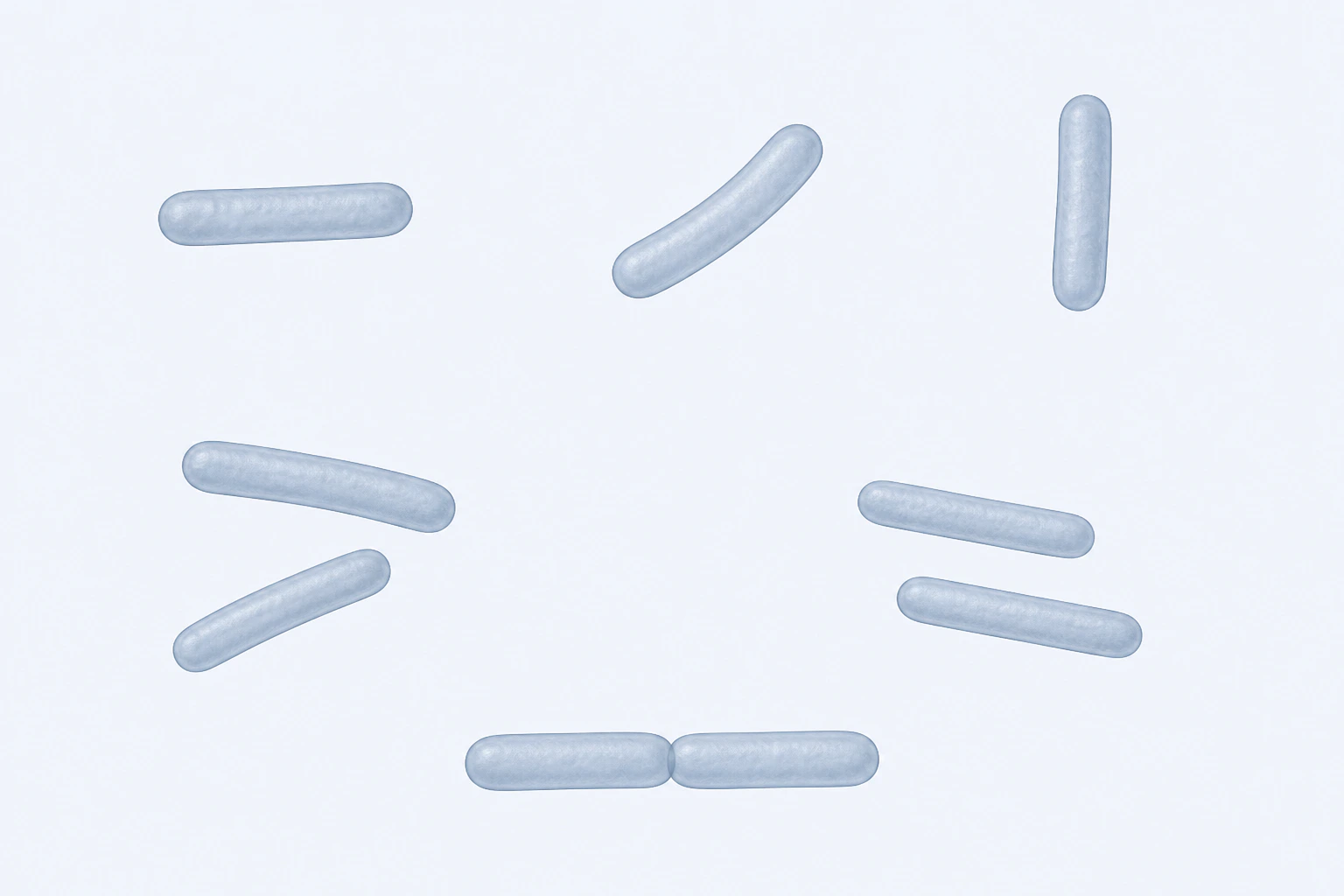
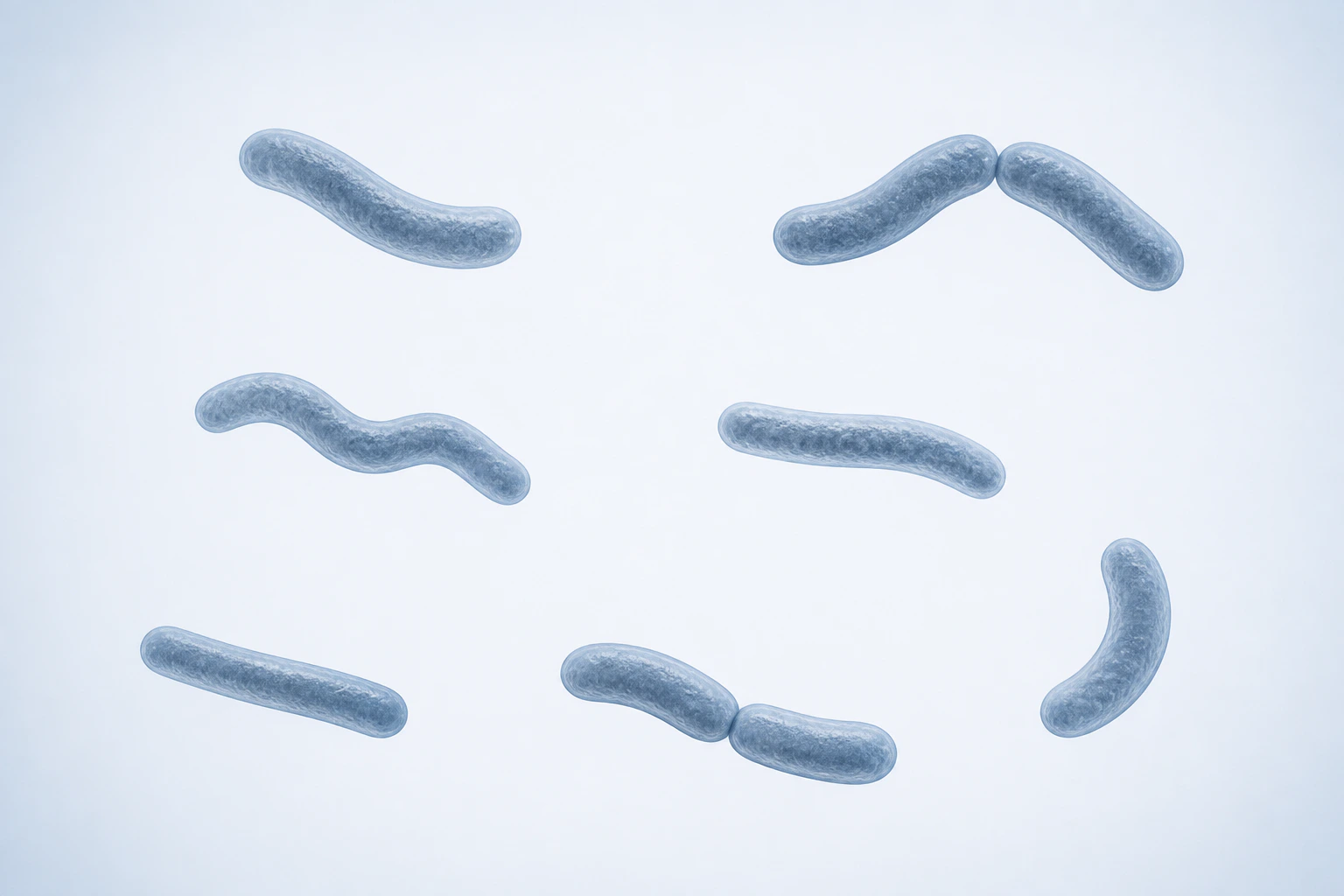
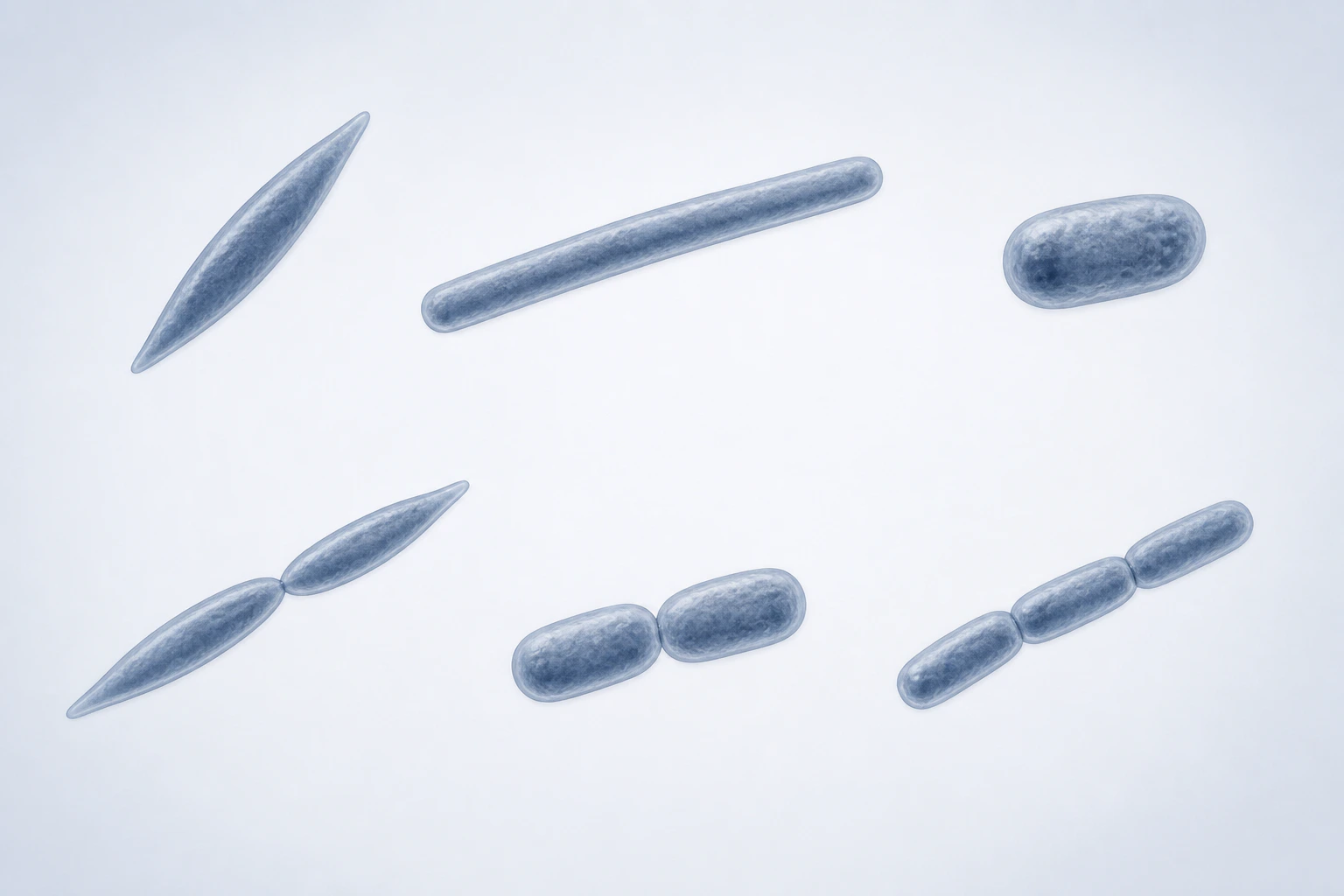
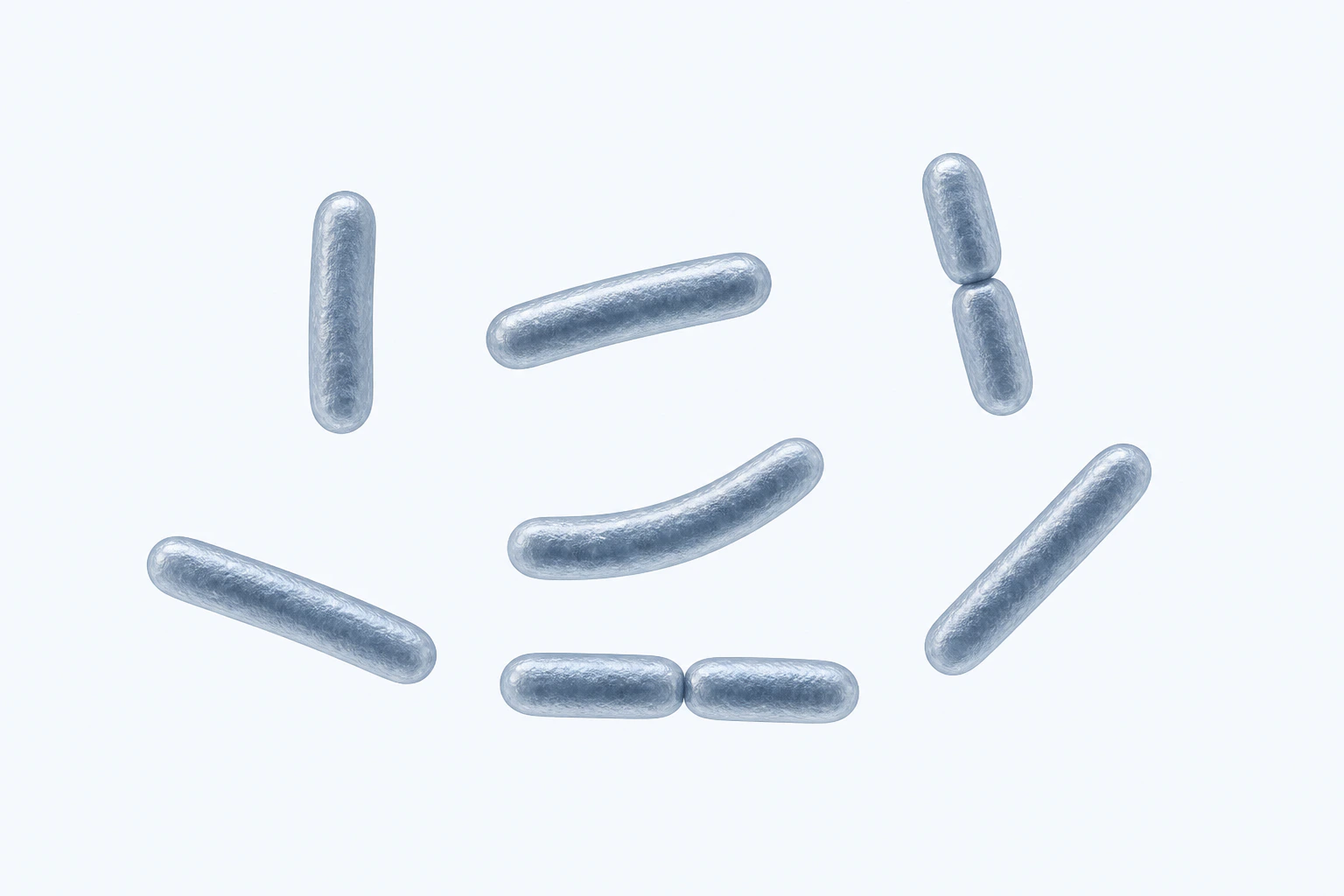
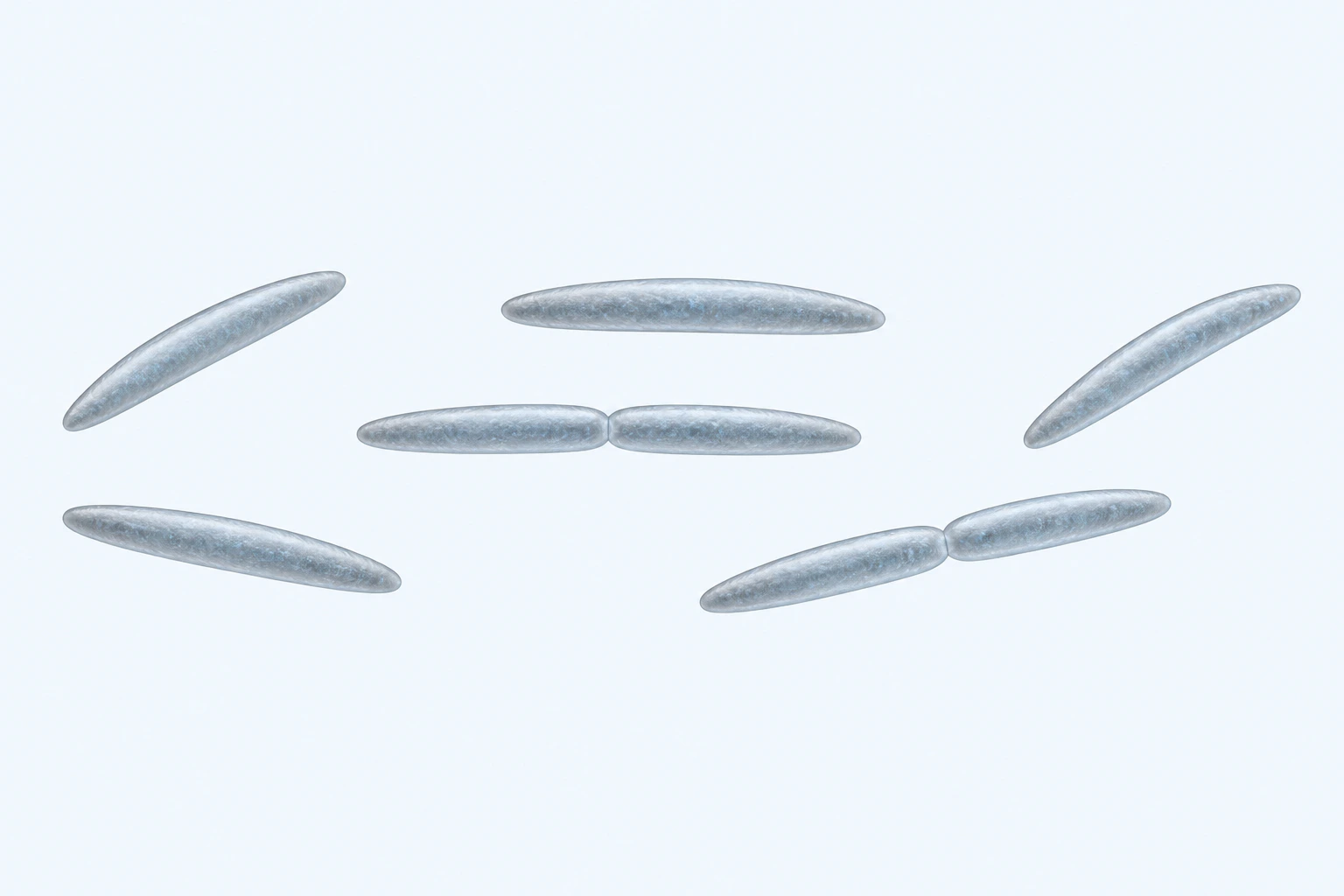
Eleven selected Lachnobacterium slender rods appear in eight groupings: five singles and three touching end-to-end pairs.
Microorganisms8 sources

Lachnobacterium

Lachnobacterium is a genus of Gram-positive, obligate anaerobic bacteria within the family Lachnospiraceae (phylum Firmicutes). It is a commensal member of the healthy human gut microbiota, though relatively understudied compared to other Lachnospiraceae genera. Lachnob

M
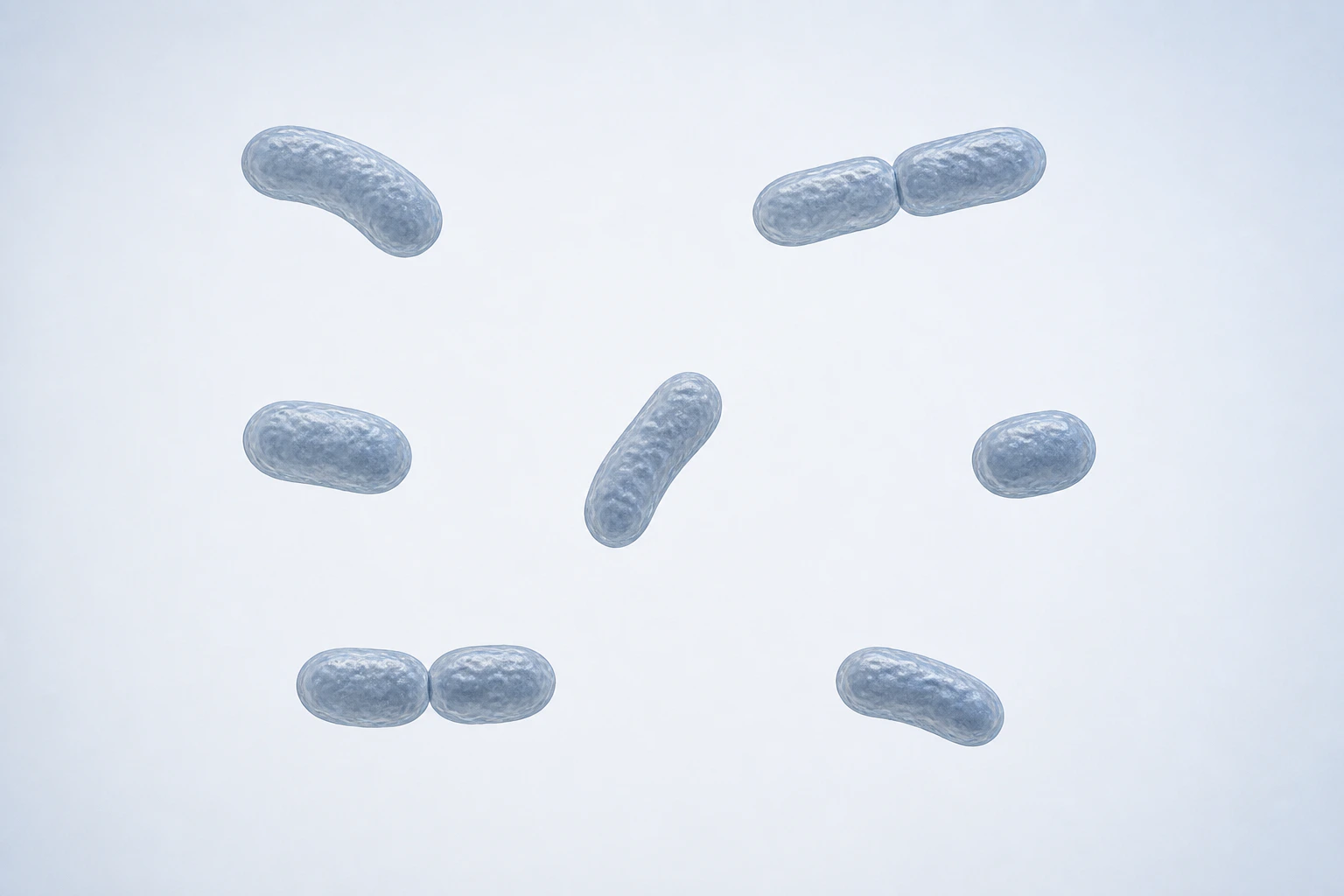
Eleven selected Mycoplasma rounded-to-ovoid bodies appear in eight groupings: five singles and three touching pairs.
Microorganisms6 sources

Mycoplasma

Mycoplasma is a genus of wall-less bacteria in the class Mollicutes, characterized by the smallest genomes of any self-replicating organisms (~580–1,350 kb). The lack of a cell wall makes them intrinsically resistant to beta-lactam antibiotics and undetectable by Gram s