WikiBiomeThe human microbiome encyclopedia
WikiBiome/Search: “nickel-dependent”
Encyclopedia search

Search: “nickel-dependent”

Ranked matches across titles, topics, categories, and article introductions.

25 records in this view
B
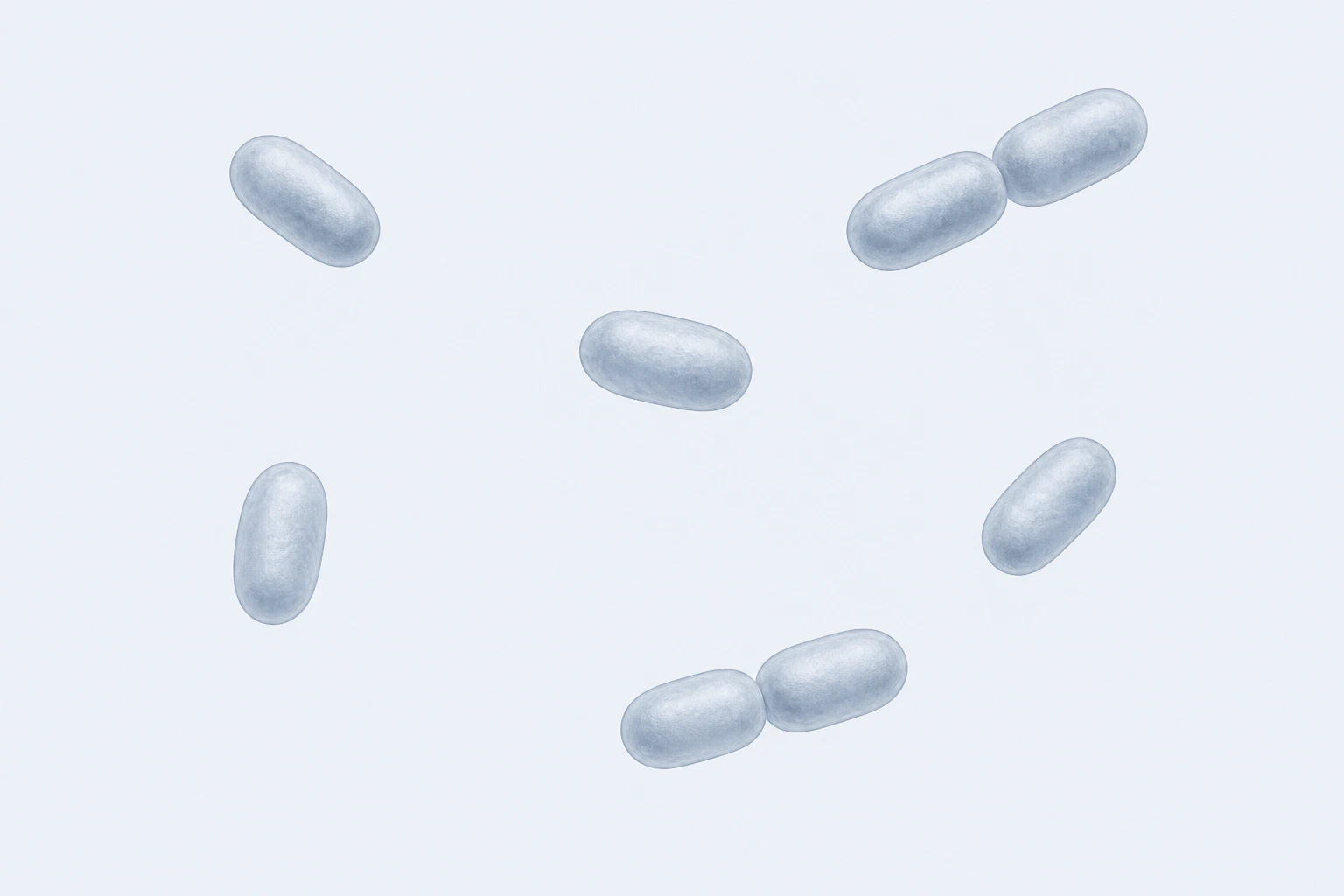
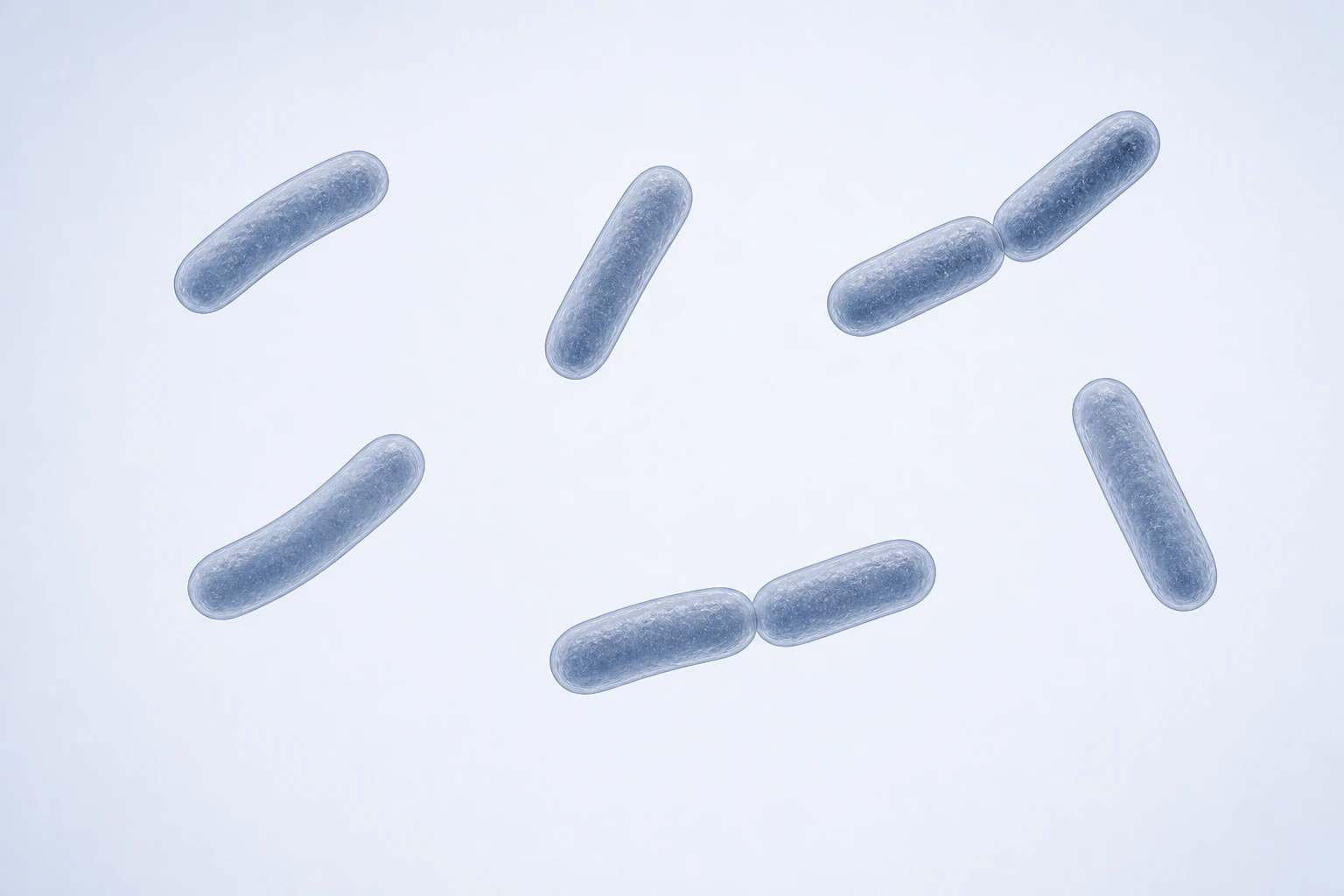
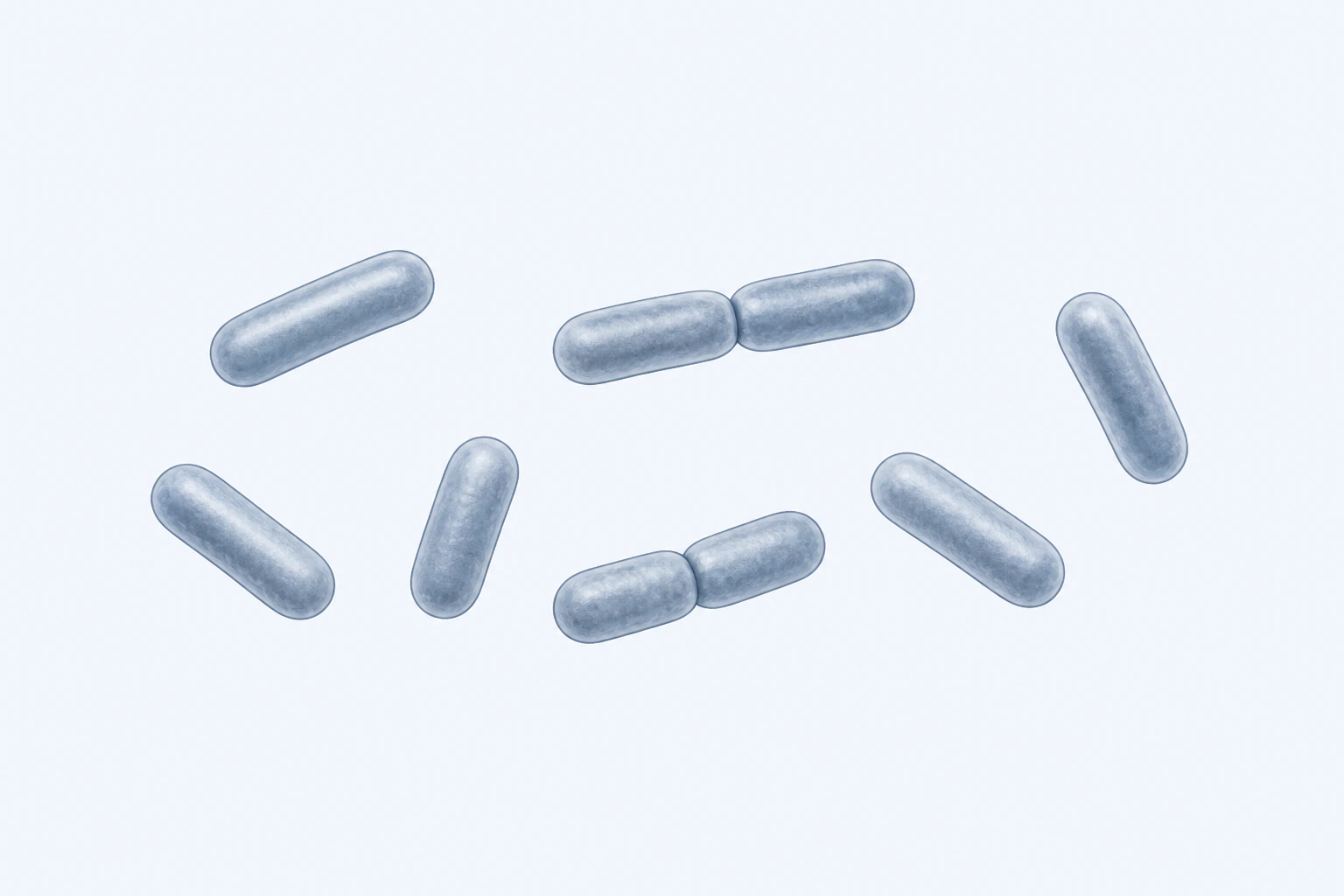
Eight plump Brucella coccobacillary bodies appear in six groupings: four singles and two touching pairs, each oval to very short and longer than wide.
Microorganisms1 sources

Brucella

A genus of Gram-negative intracellular pathogens causing brucellosis, the most common bacterial zoonosis worldwide. Brucella species depend on nickel-activated urease for gastrointestinal survival during the initial phase of infection, and urease immunization has been s

C
D
E
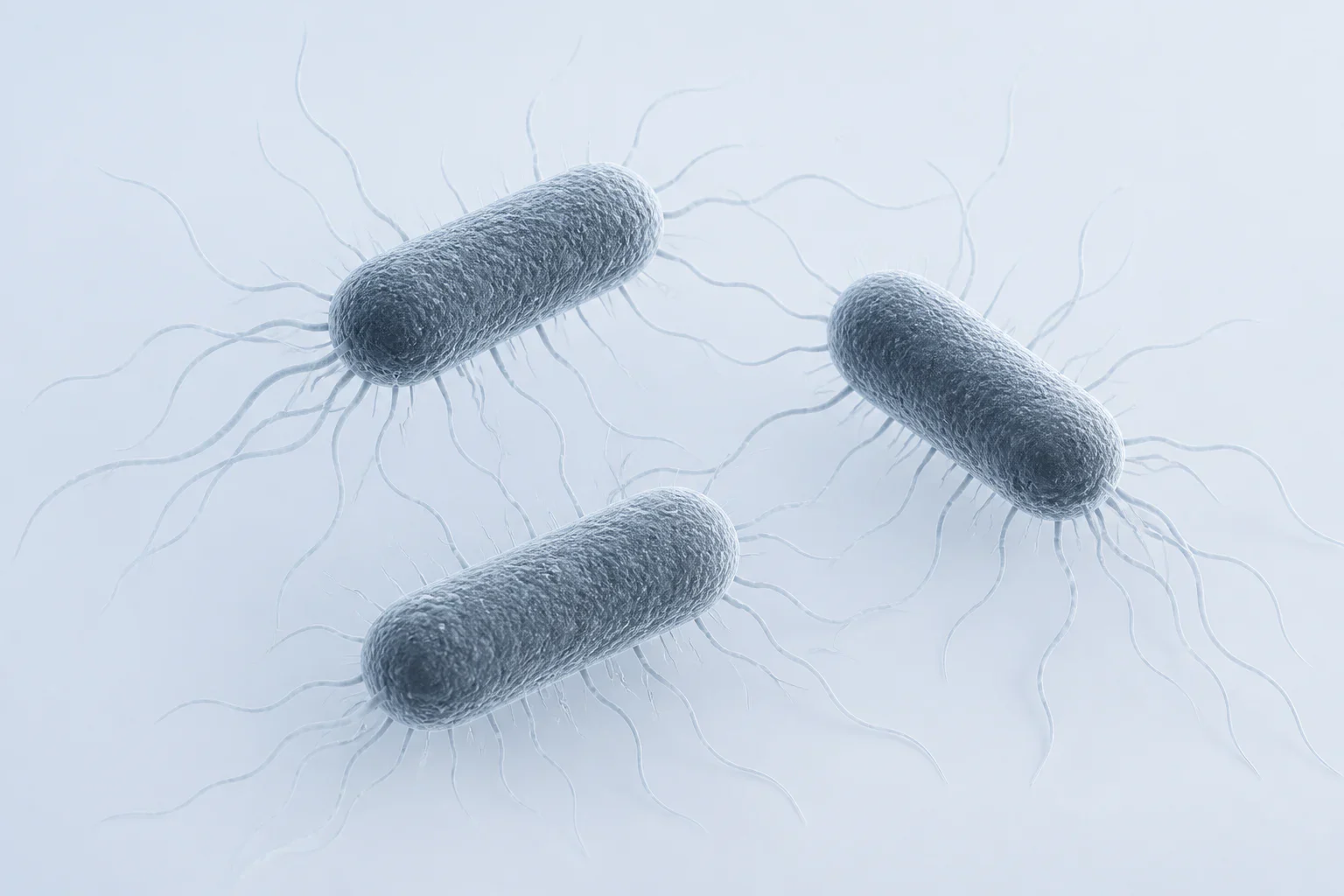
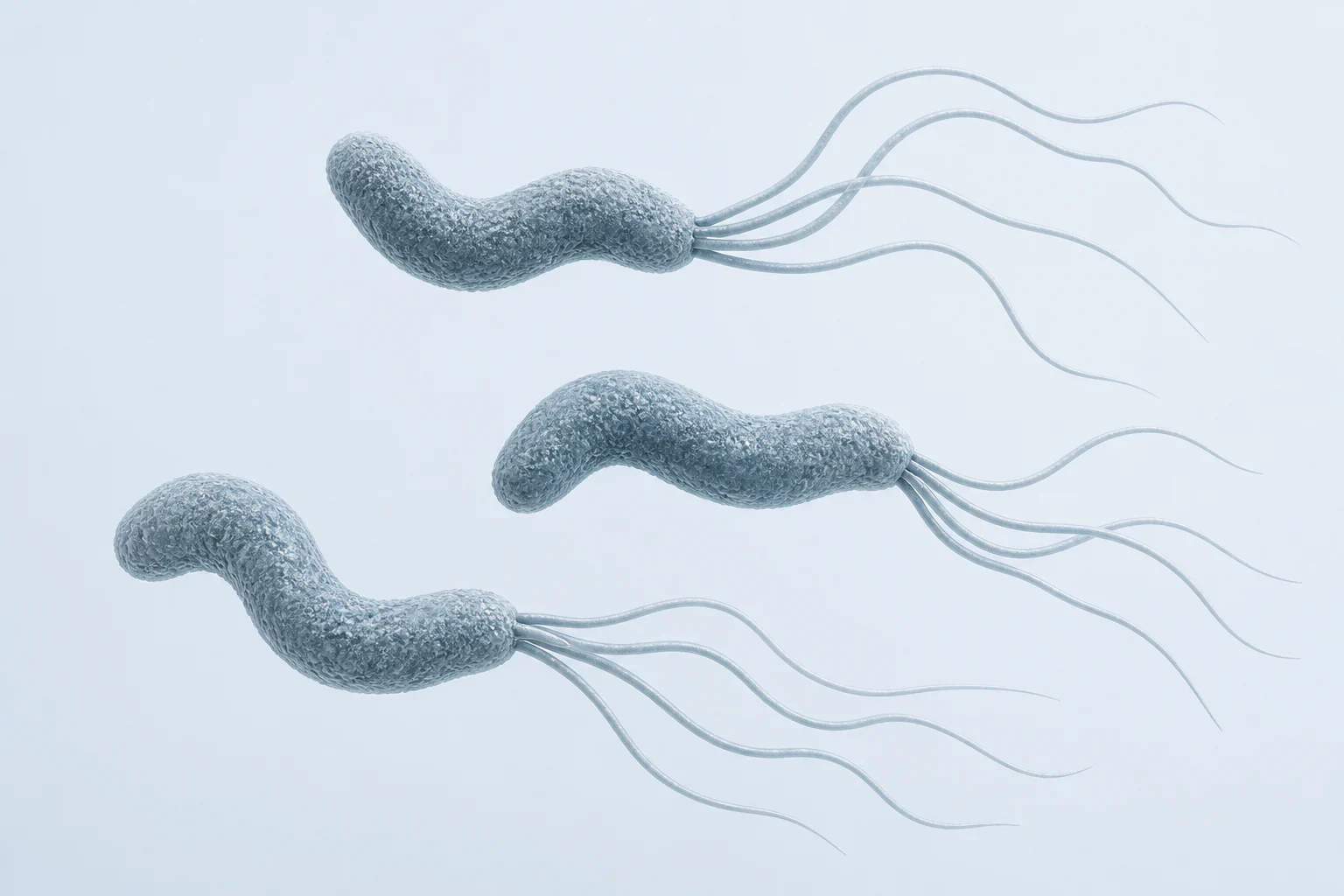
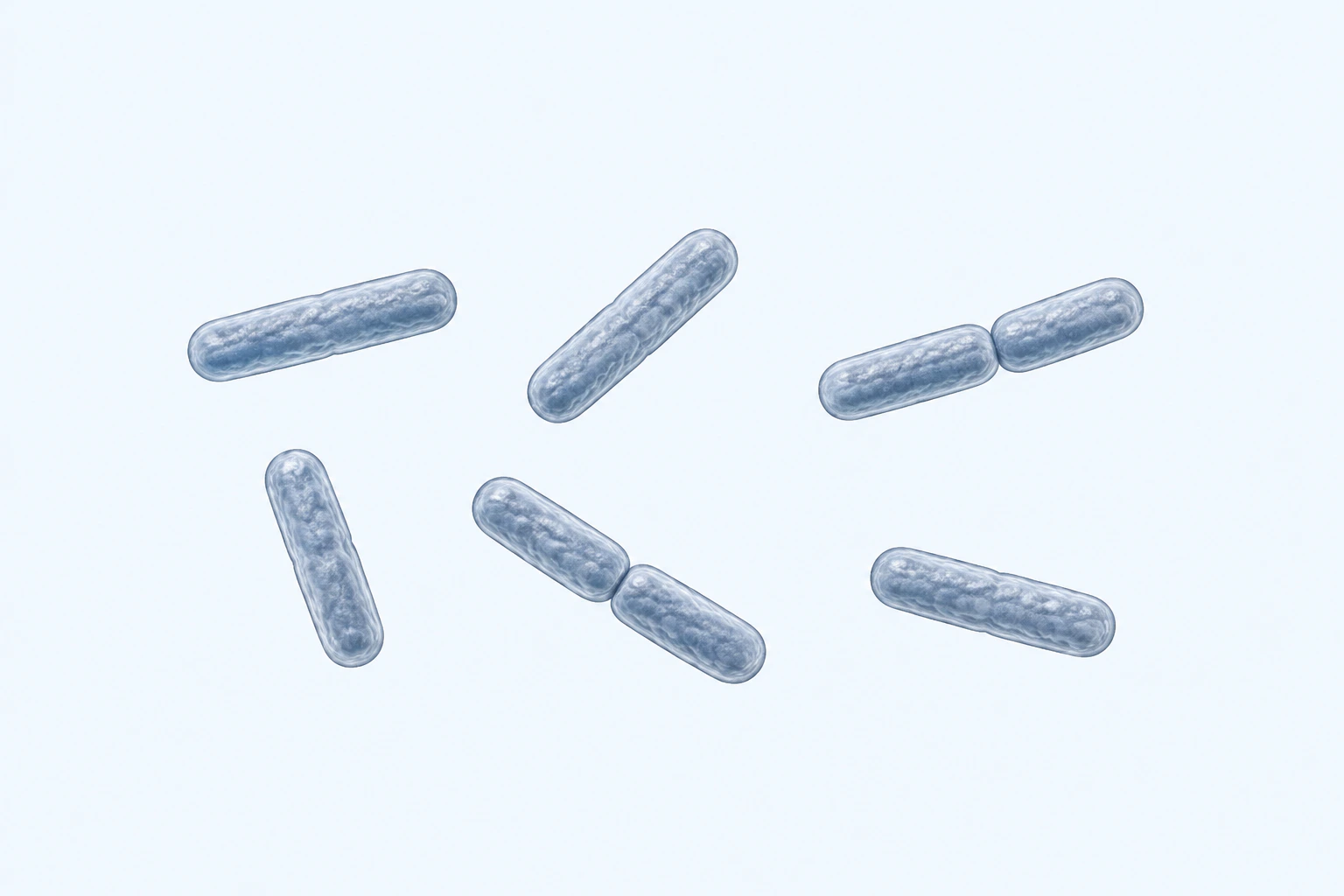
Microscopy-informed reconstruction of three rod-shaped Escherichia coli cells with peritrichous flagella and fine pili on a pale cool field.
Microorganisms6 sources

Escherichia coli

A Gram-negative bacterium that spans the commensal-pathogen spectrum, with pathogenic variants (UPEC, STEC, EHEC) deploying nickel-dependent enzymes as virulence factors. E. coli is the model organism for nickel transport biology -- the NikABCDE system was first charact

G
Reference0 sources

Glossary

Alphabetical definitions of specialist terms used throughout this wiki. Where a full concept page exists, the term links to it. --- AhR (aryl hydrocarbon receptor) -- A ligand-activated transcription factor that senses microbial metabolites (especially indoles from tryp

H
K
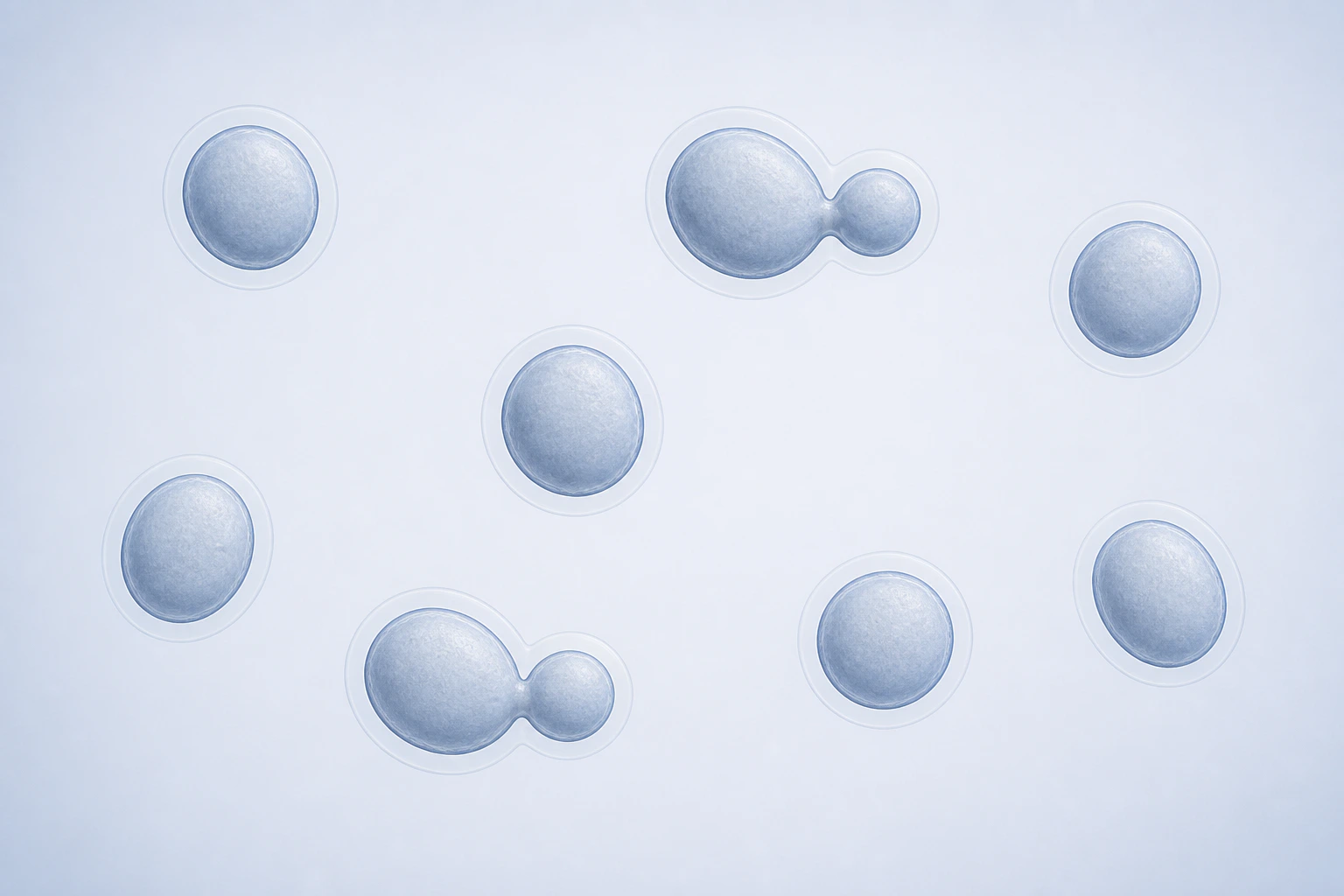
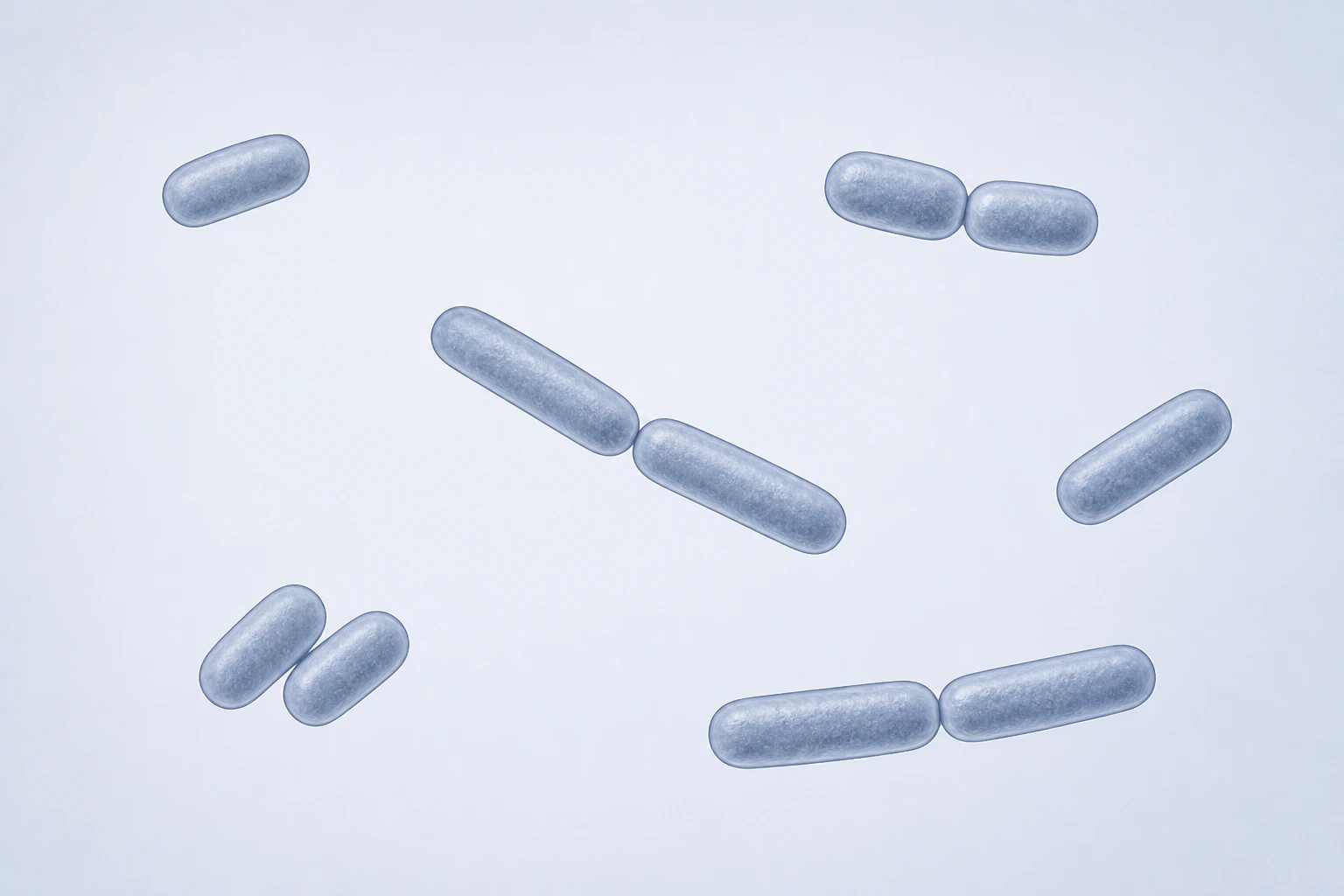
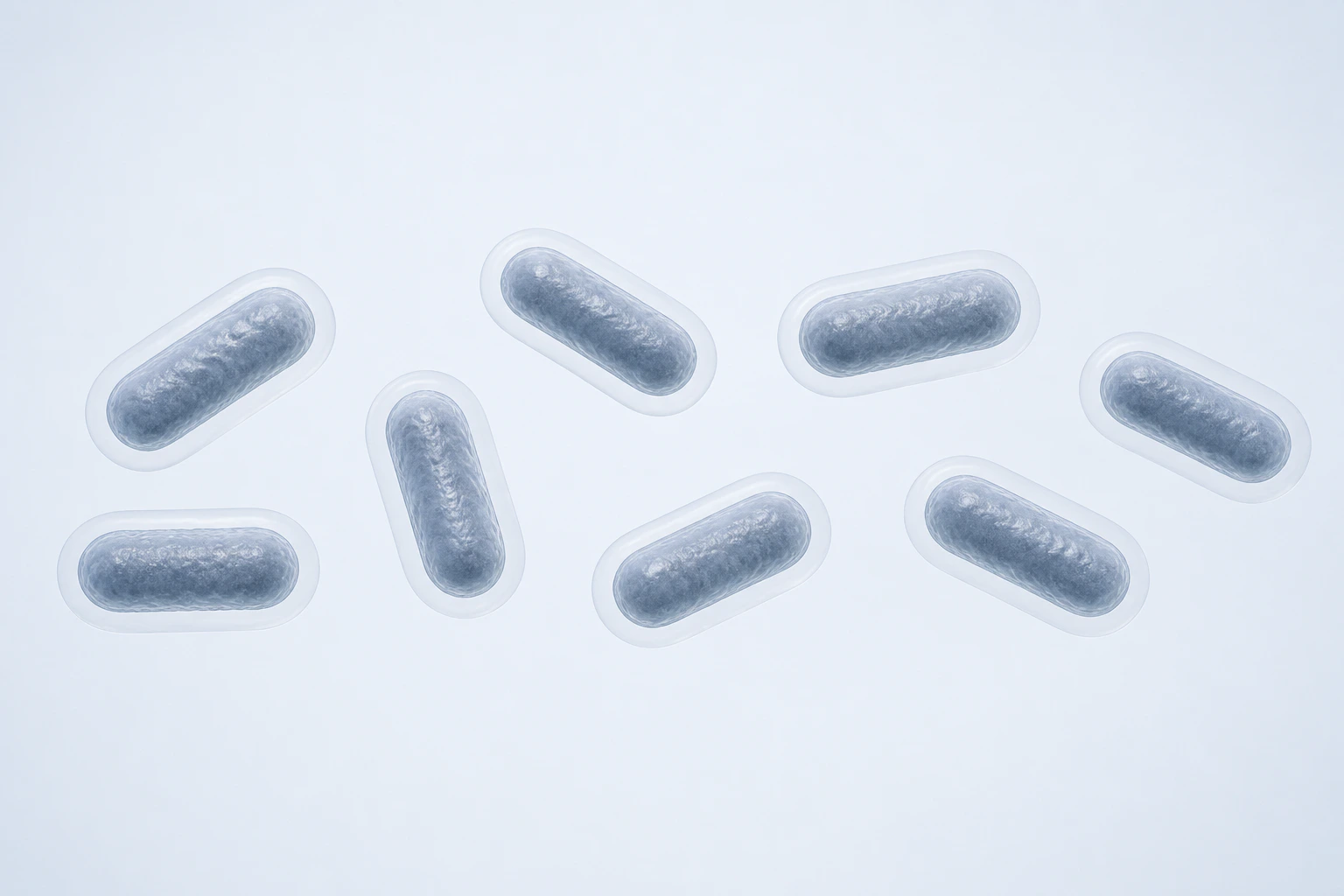
Eight isolated Klebsiella pneumoniae plump rods each show one closely following translucent capsule halo.
Microorganisms3 sources

Klebsiella pneumoniae

A Gram-negative opportunistic pathogen and member of the ESKAPE group of antibiotic-resistant priority pathogens. K. pneumoniae deploys multiple nickel-dependent enzymes for virulence and relies on the dual-function metallophore yersiniabactin for both iron and nickel s

M
Host defenses8 sources

Metal-Dependent Virulence

Transition metals serve as essential cofactors for pathogen virulence factors across virtually all domains of microbial life. The dependence of pathogens on metals they must scavenge from the host environment creates a fundamental tension at the heart of infectious dise

N
P
S
T
U
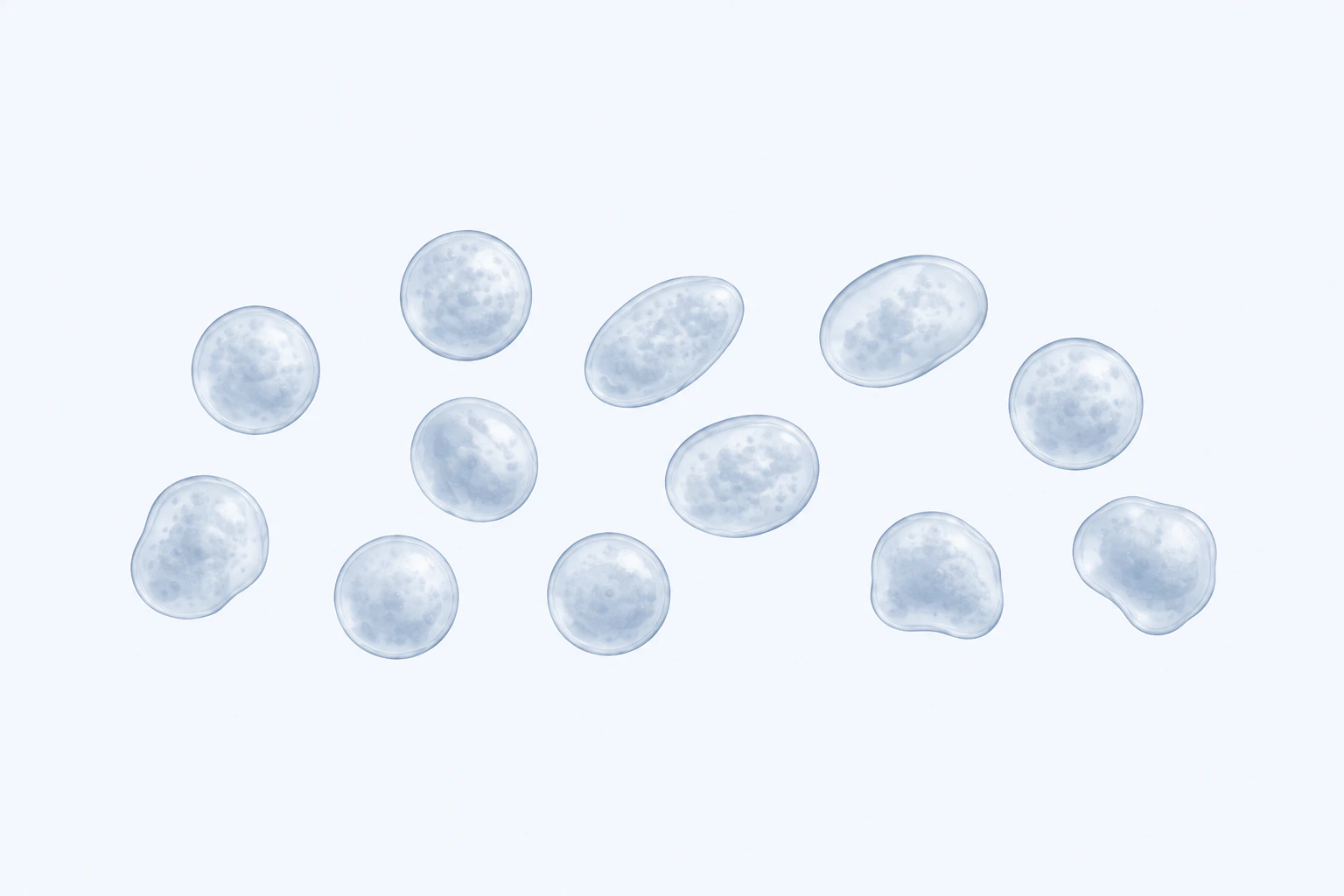
Twelve selected Ureaplasma cells show separated rounded-to-ovoid pleomorphic forms.
Microorganisms11 sources

Ureaplasma

Ureaplasma is a genus of wall-less bacteria in the class Mollicutes, comprising two species pathogenic to humans: U. urealyticum and U. parvum. The genus is named for its defining characteristic — obligate urease activity — which hydrolyzes urea to ammonia and CO2, prov

Y