WikiBiomeThe human microbiome encyclopedia
WikiBiome/Search: “pathogens”
Encyclopedia search

Search: “pathogens”

Ranked matches across titles, topics, categories, and article introductions.

73 records in this view
A
B
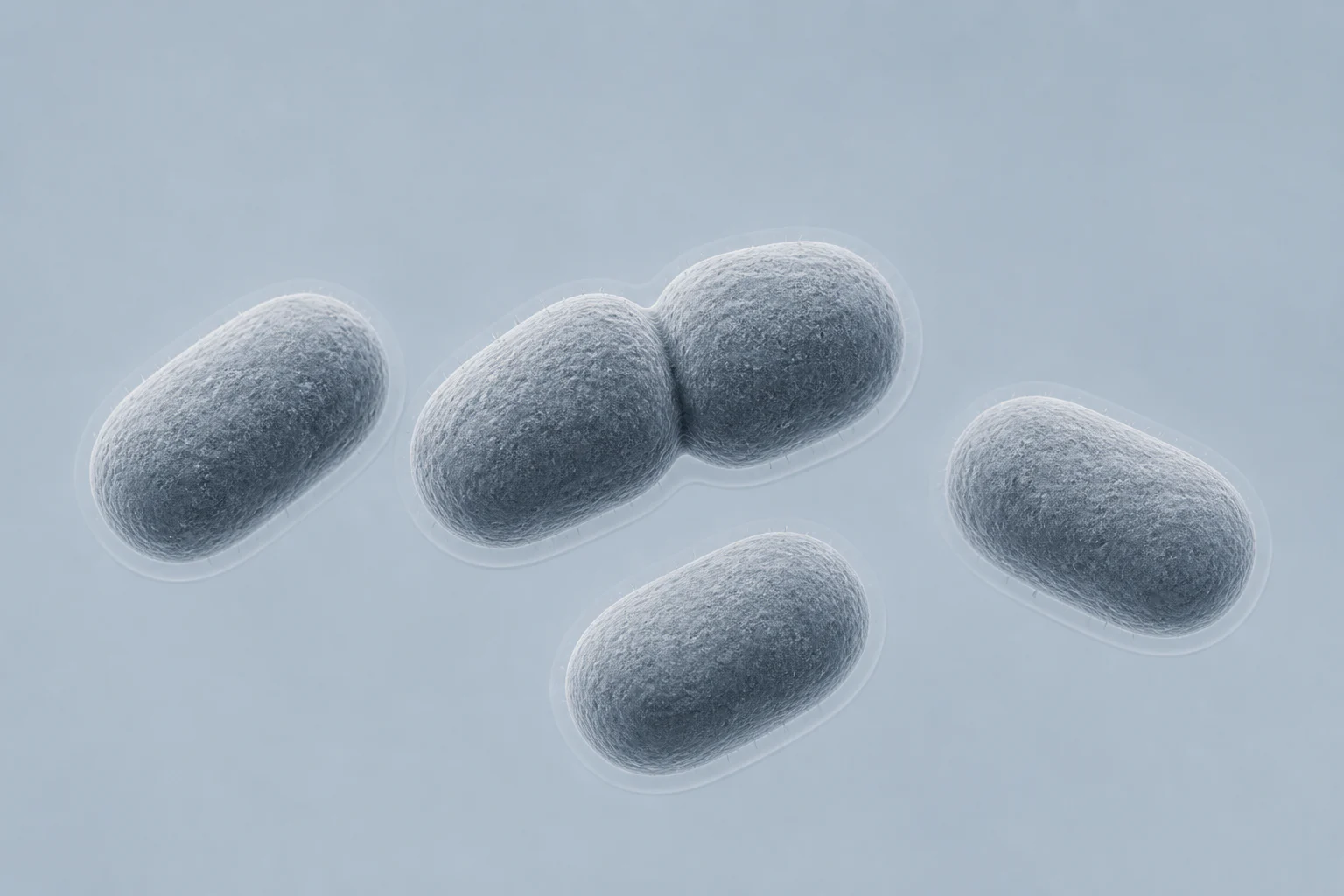
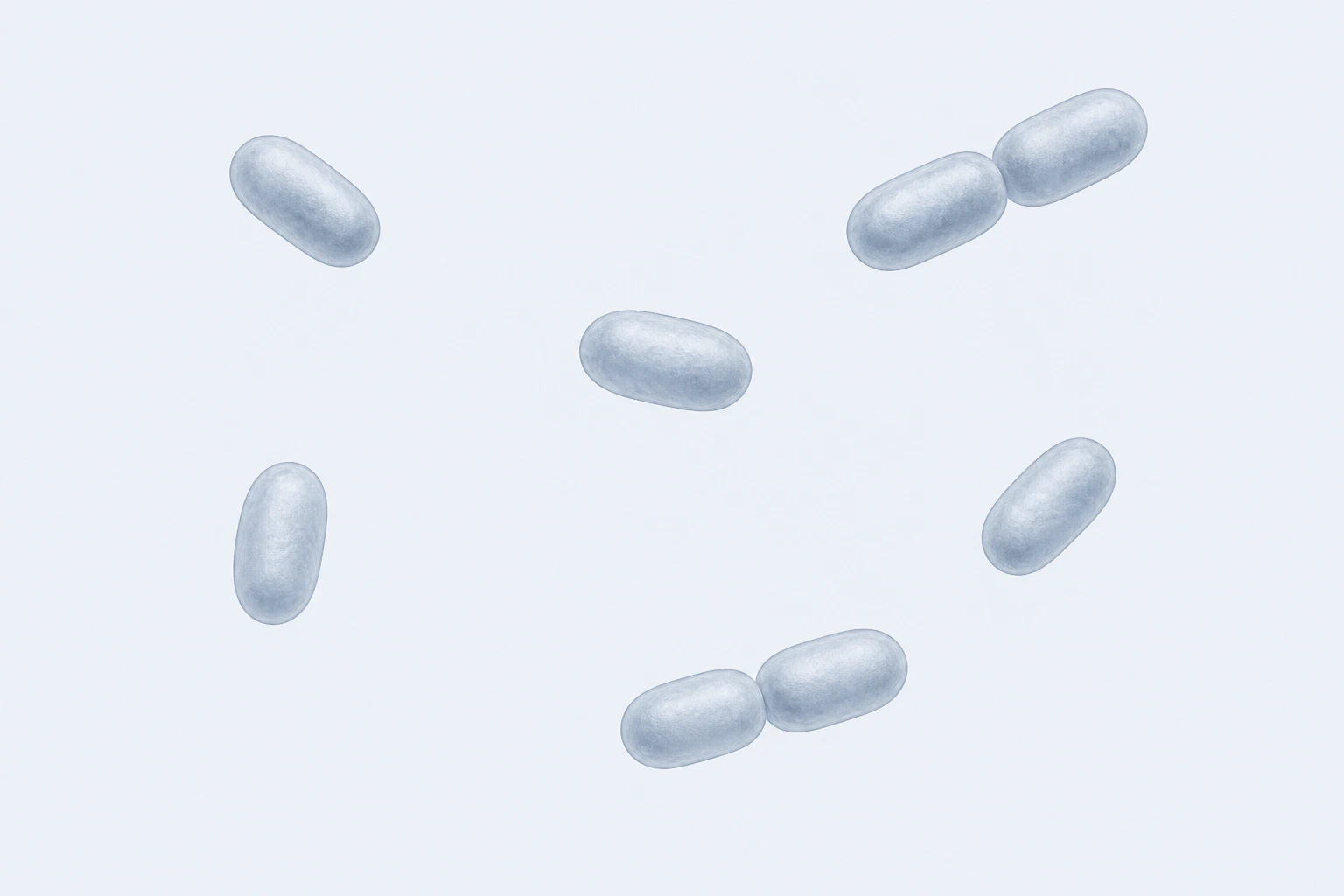
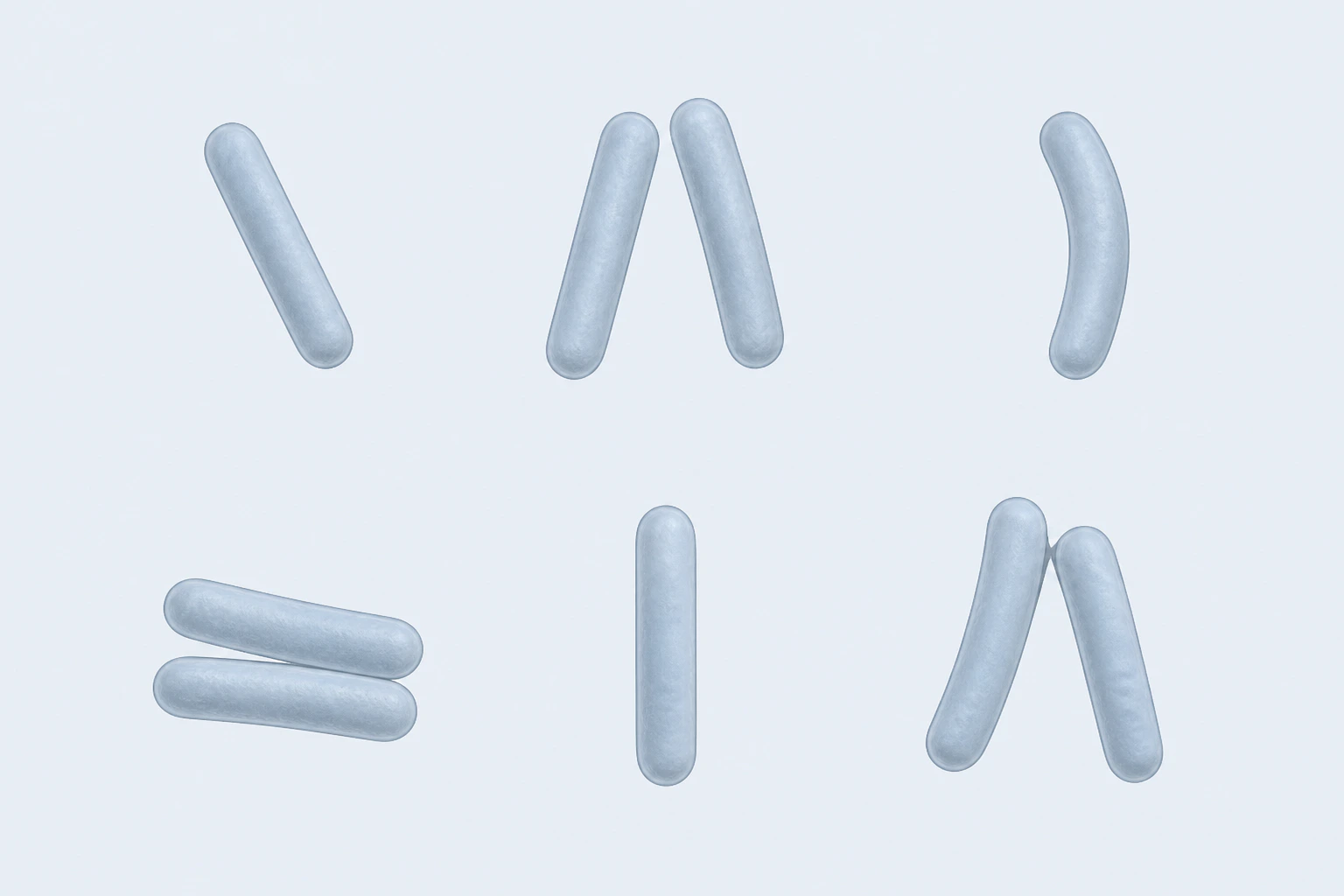
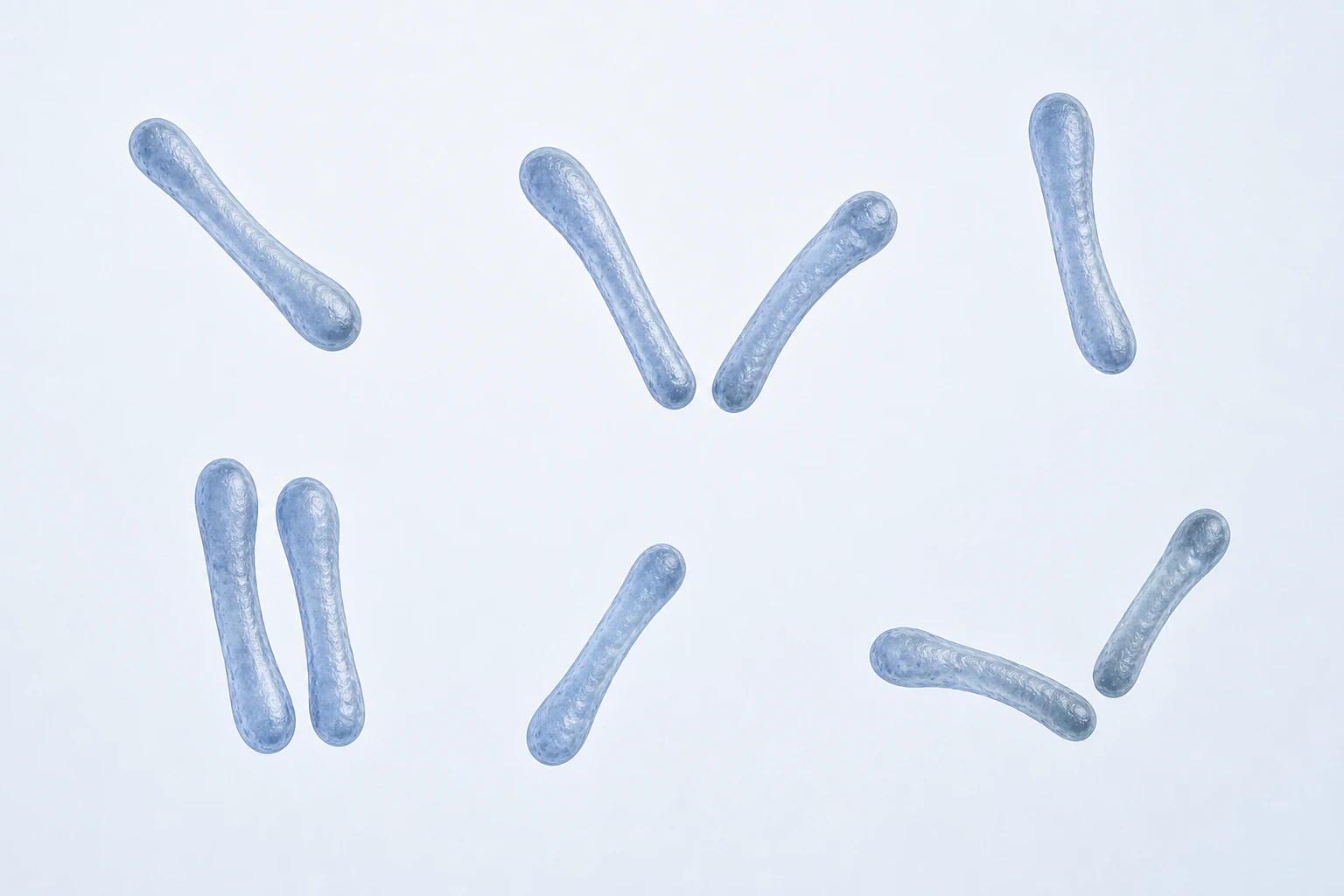
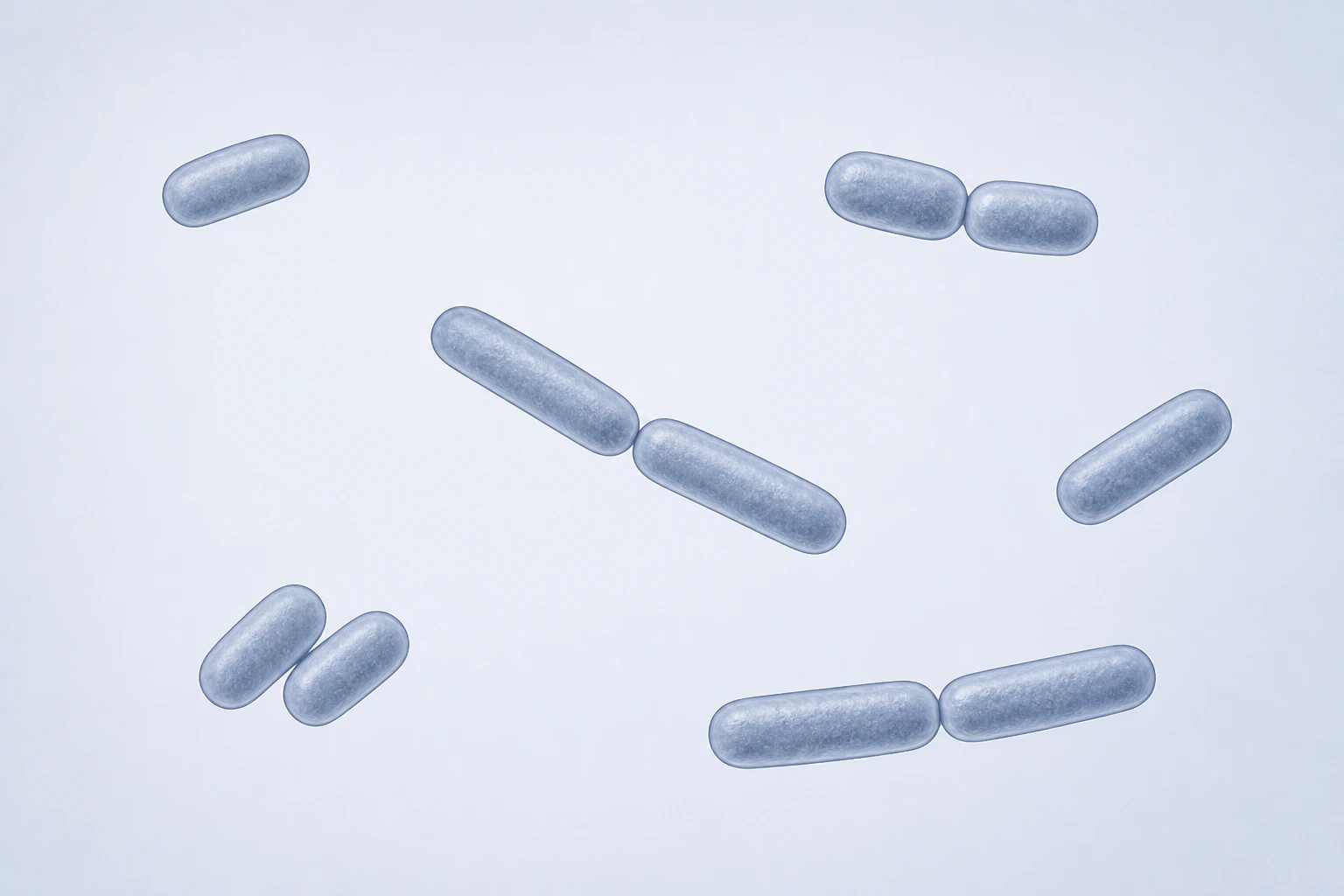
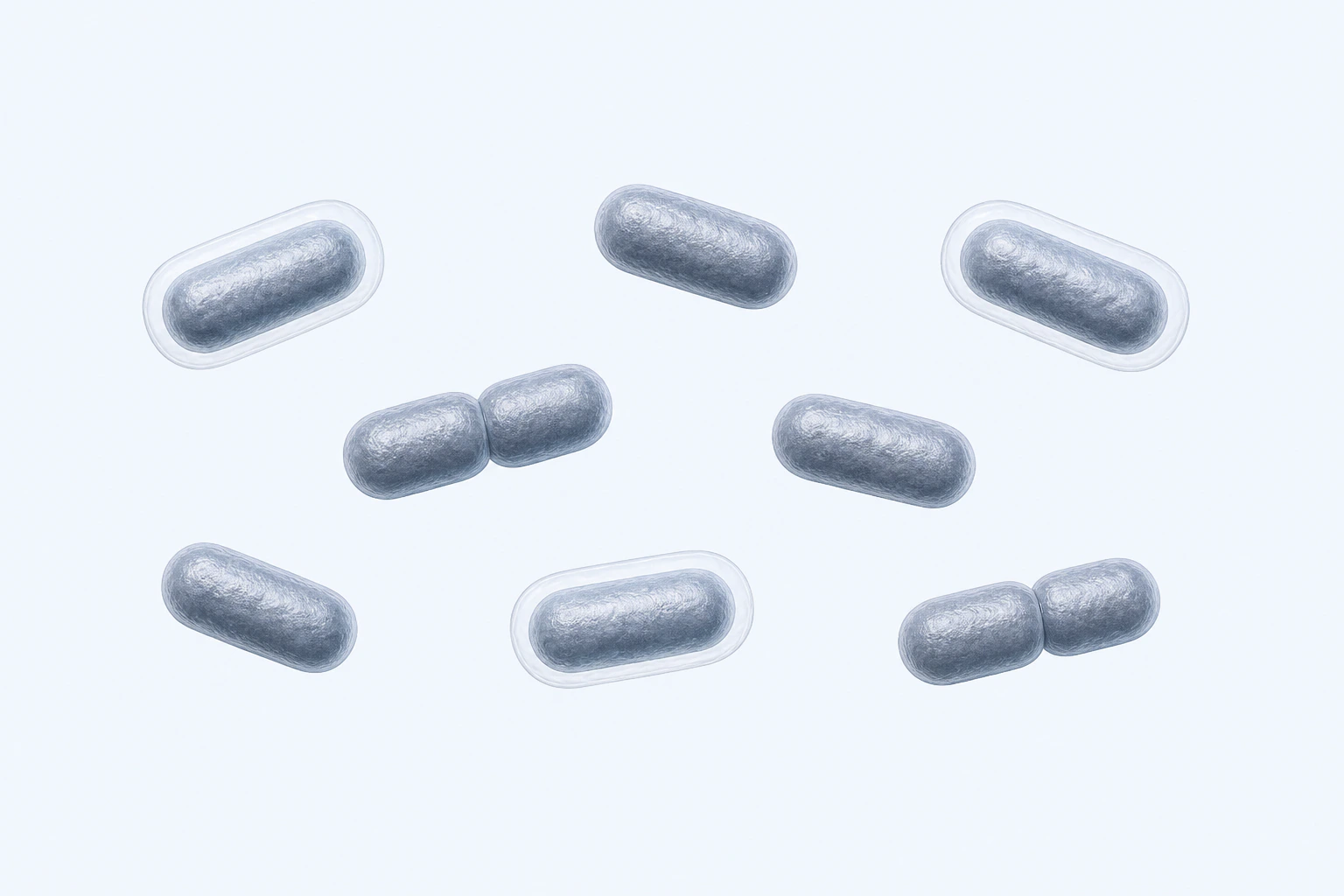
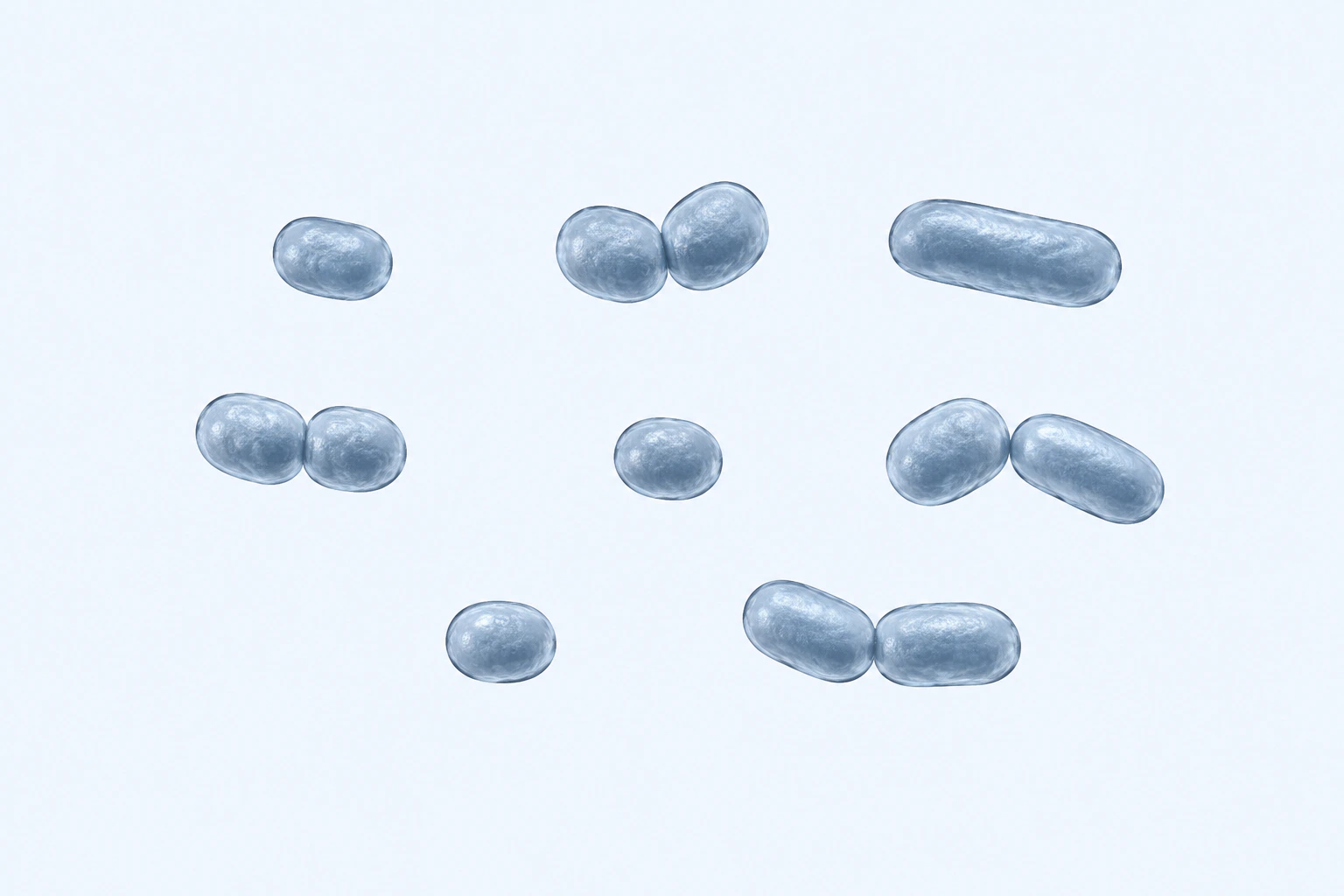
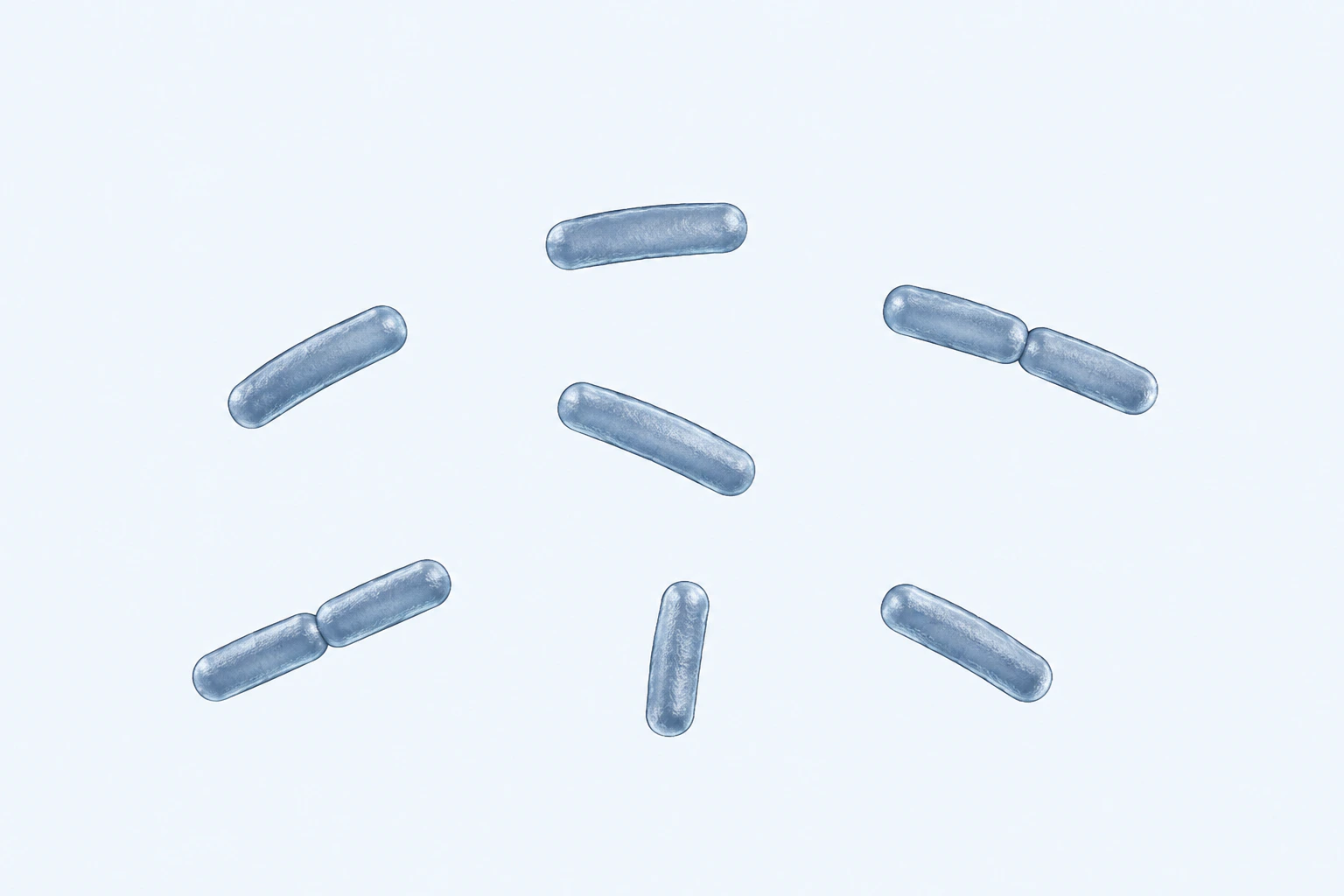
Eight plump Brucella coccobacillary bodies appear in six groupings: four singles and two touching pairs, each oval to very short and longer than wide.
Microorganisms1 sources

Brucella

A genus of Gram-negative intracellular pathogens causing brucellosis, the most common bacterial zoonosis worldwide. Brucella species depend on nickel-activated urease for gastrointestinal survival during the initial phase of infection, and urease immunization has been s

C
D
E
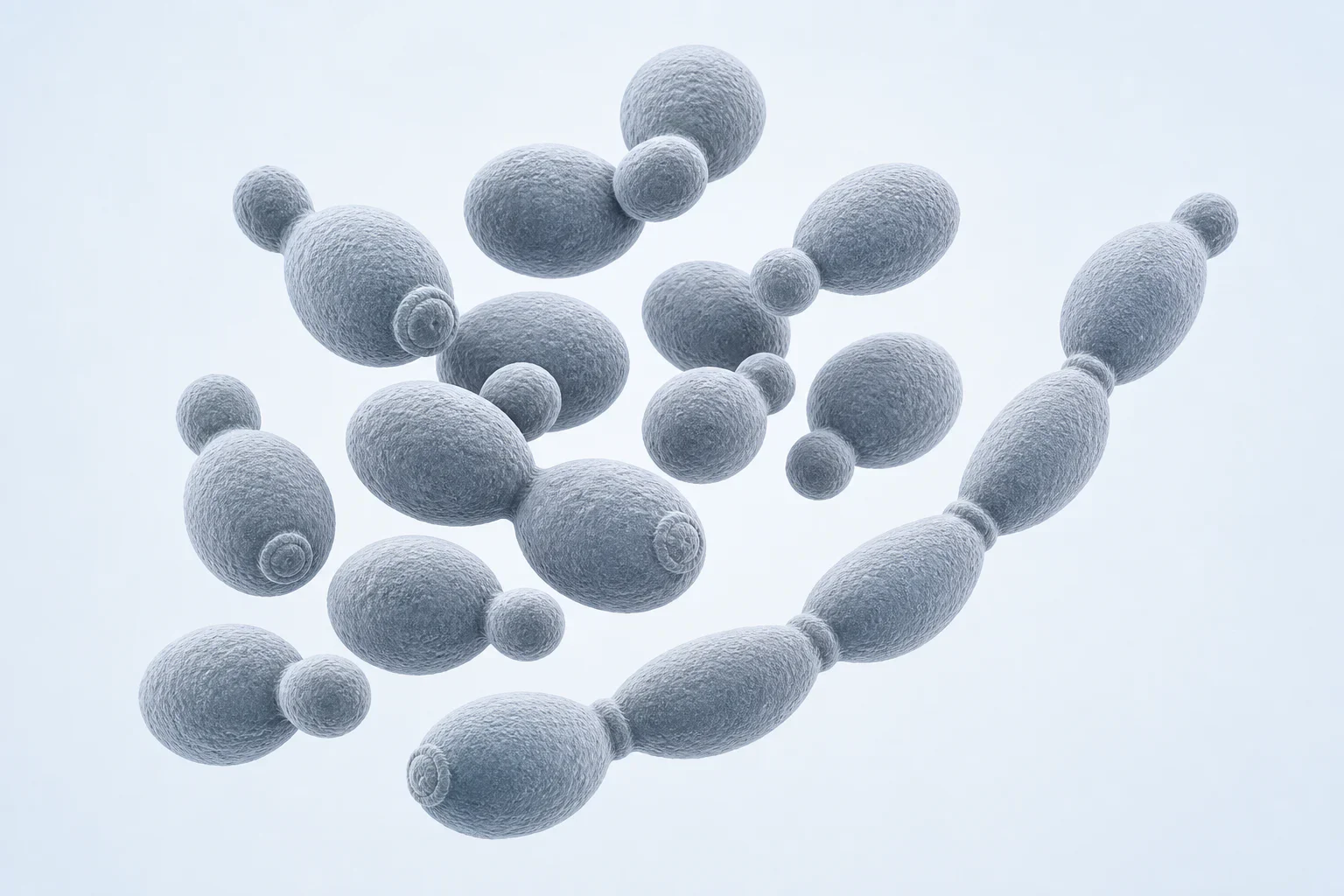
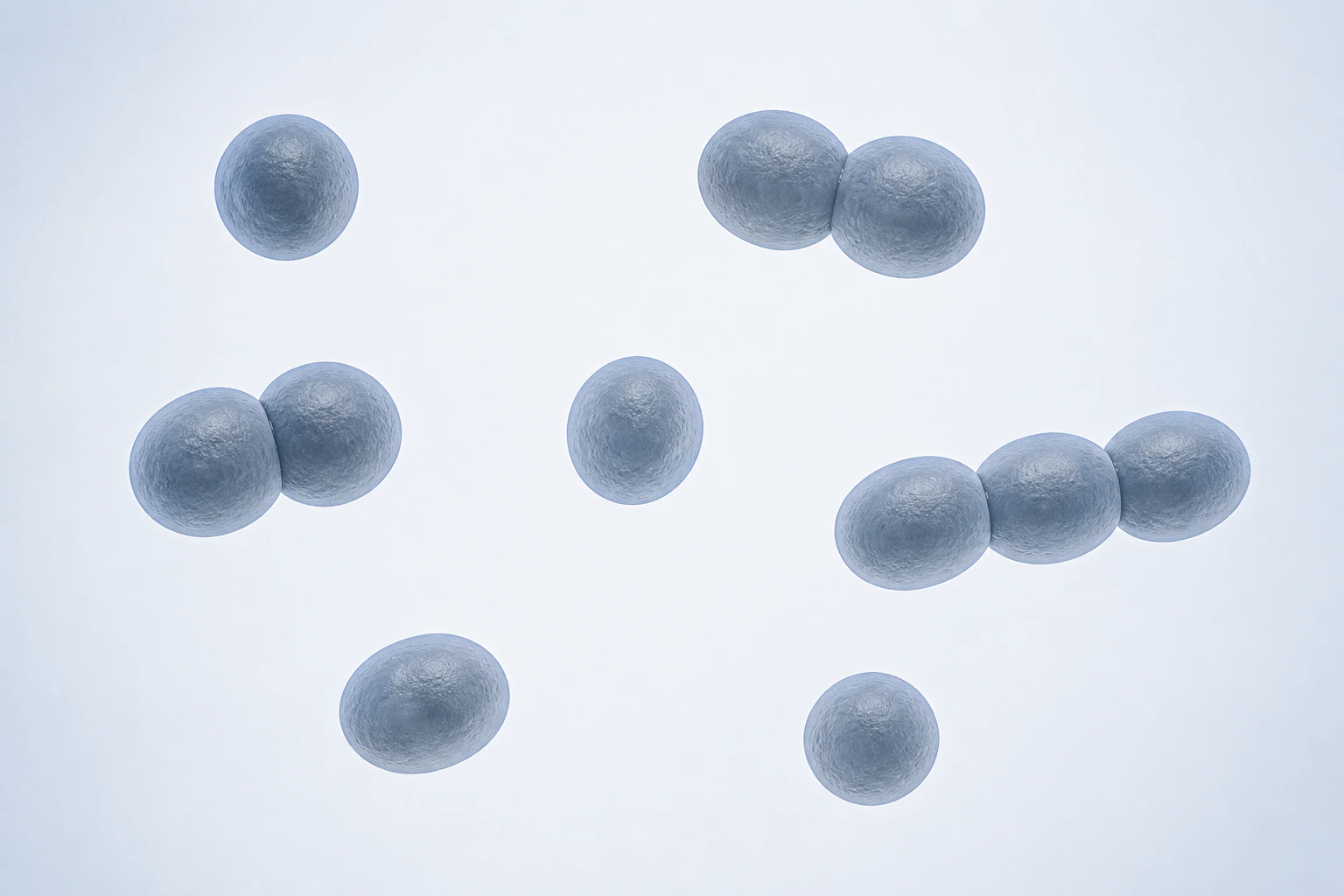
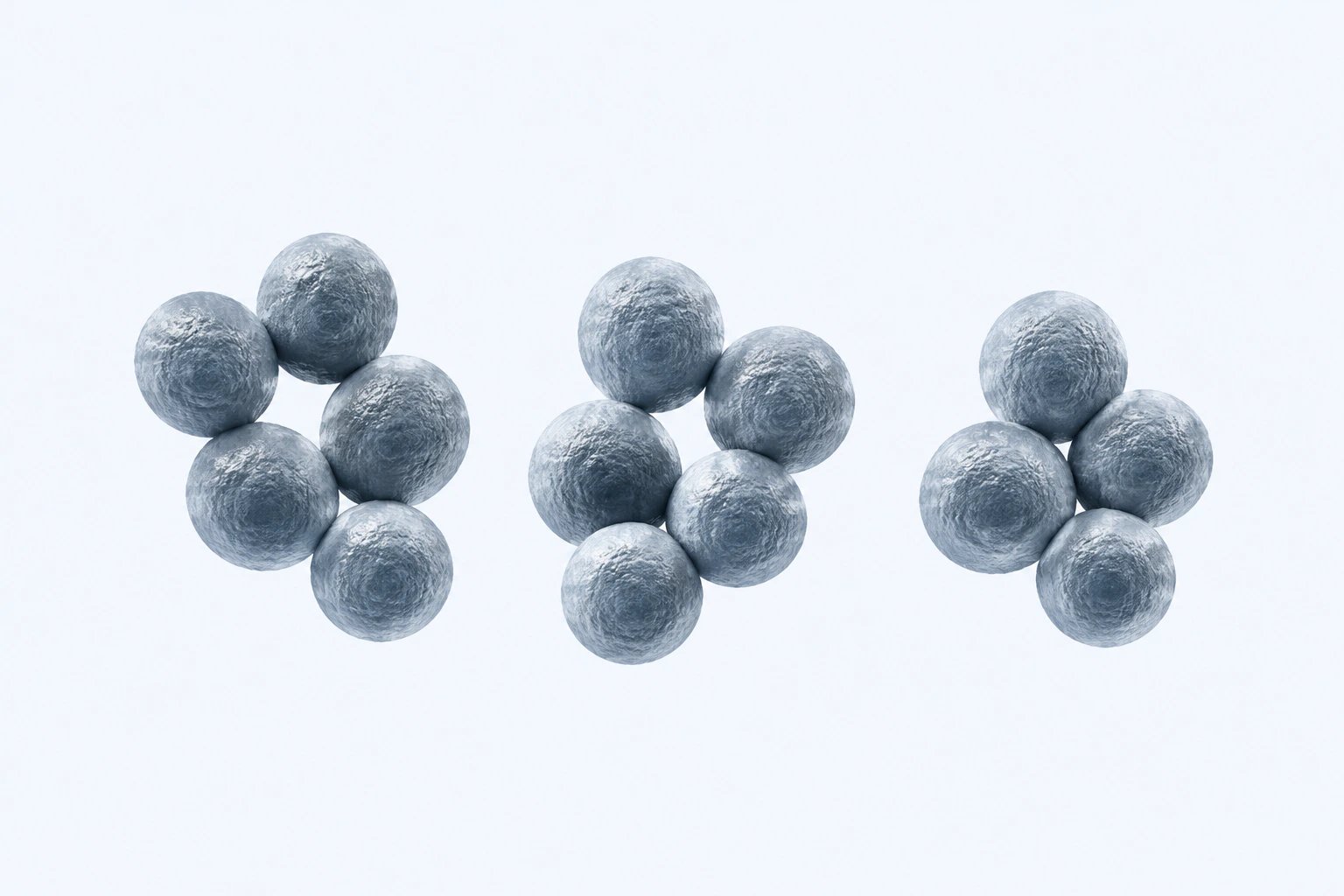
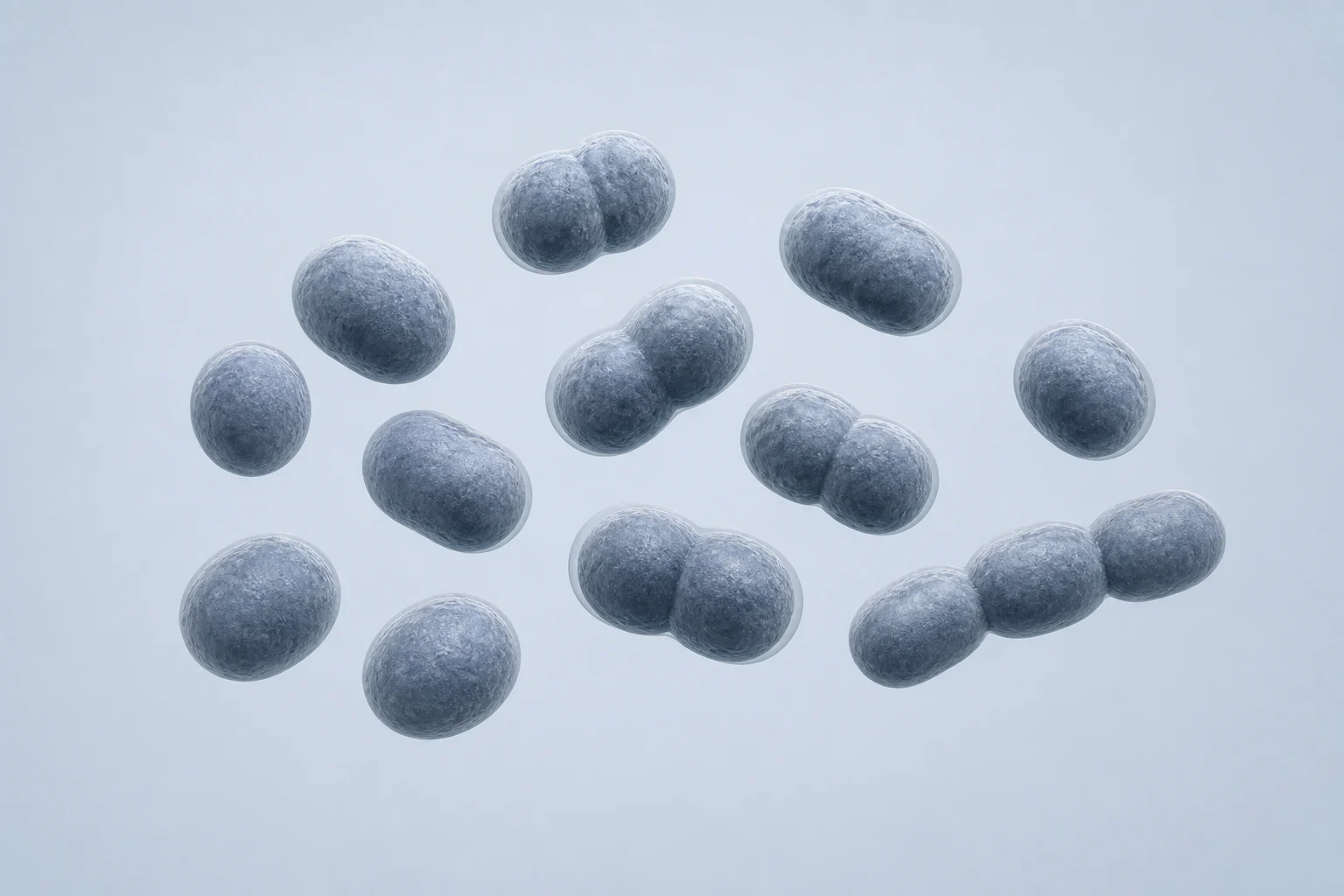
Eleven selected Enterococcus spherical-to-ovoid bodies appear in seven groupings: four singles, two touching pairs, and one short three-cell chain.
Microorganisms3 sources

Enterococcus

A genus of Gram-positive bacteria (primarily E. faecalis and E. faecium) that exemplifies the metal-antibiotic resistance co-selection crisis. Enterococci carry diverse metal tolerance genes for mercury, arsenic, copper, and cadmium on the same mobile genetic elements a

F
G
Reference0 sources

Glossary

Alphabetical definitions of specialist terms used throughout this wiki. Where a full concept page exists, the term links to it. --- AhR (aryl hydrocarbon receptor) -- A ligand-activated transcription factor that senses microbial metabolites (especially indoles from tryp

H
I
Host defenses6 sources

Innate Immunity

Innate immunity is the body's first-line, non-specific defense against pathogens — comprising physical barriers (epithelium, mucus), antimicrobial molecules (calprotectin, lactoferrin, defensins), pattern recognition receptors (TLRs, NOD-like receptors), and phagocytic

K
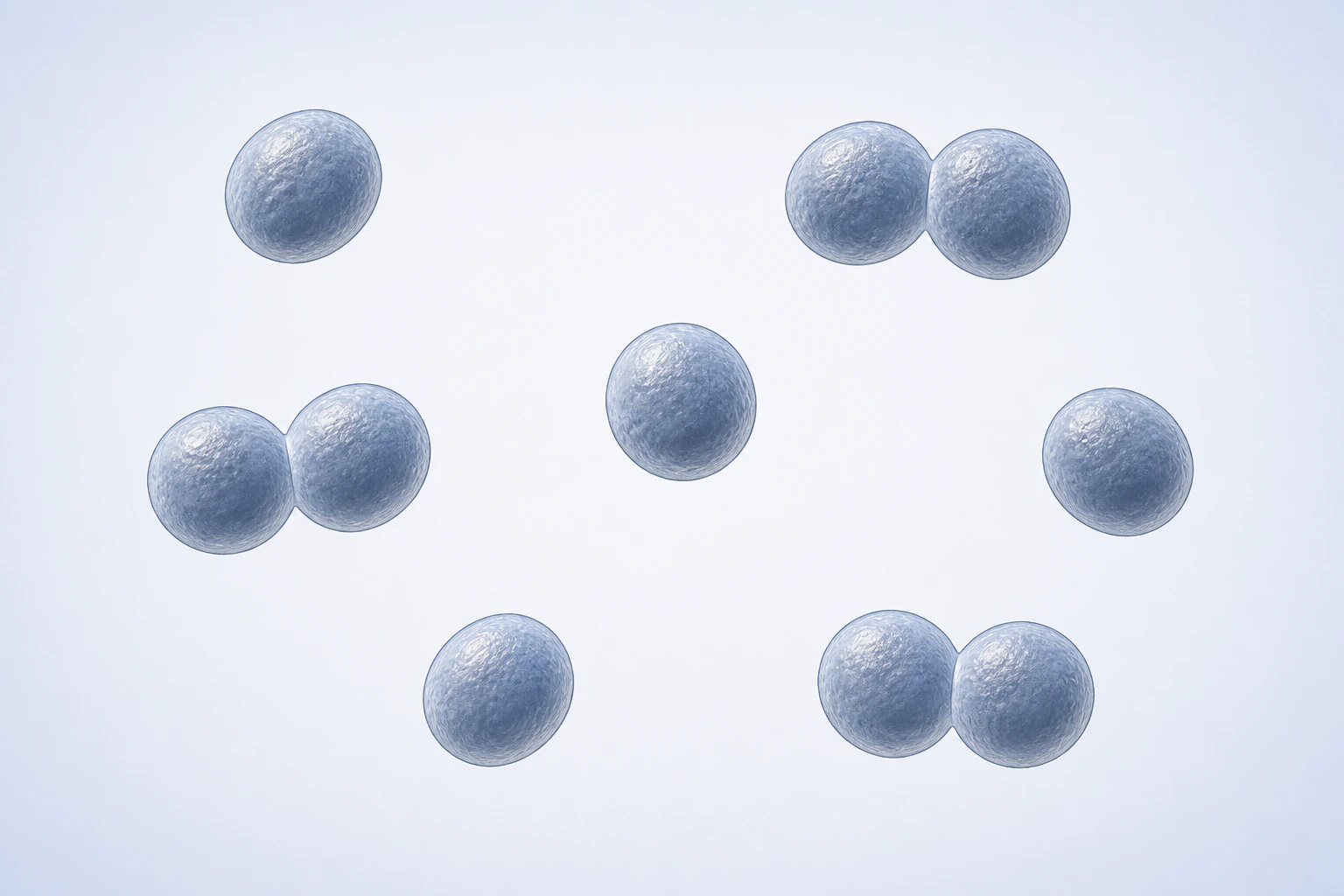
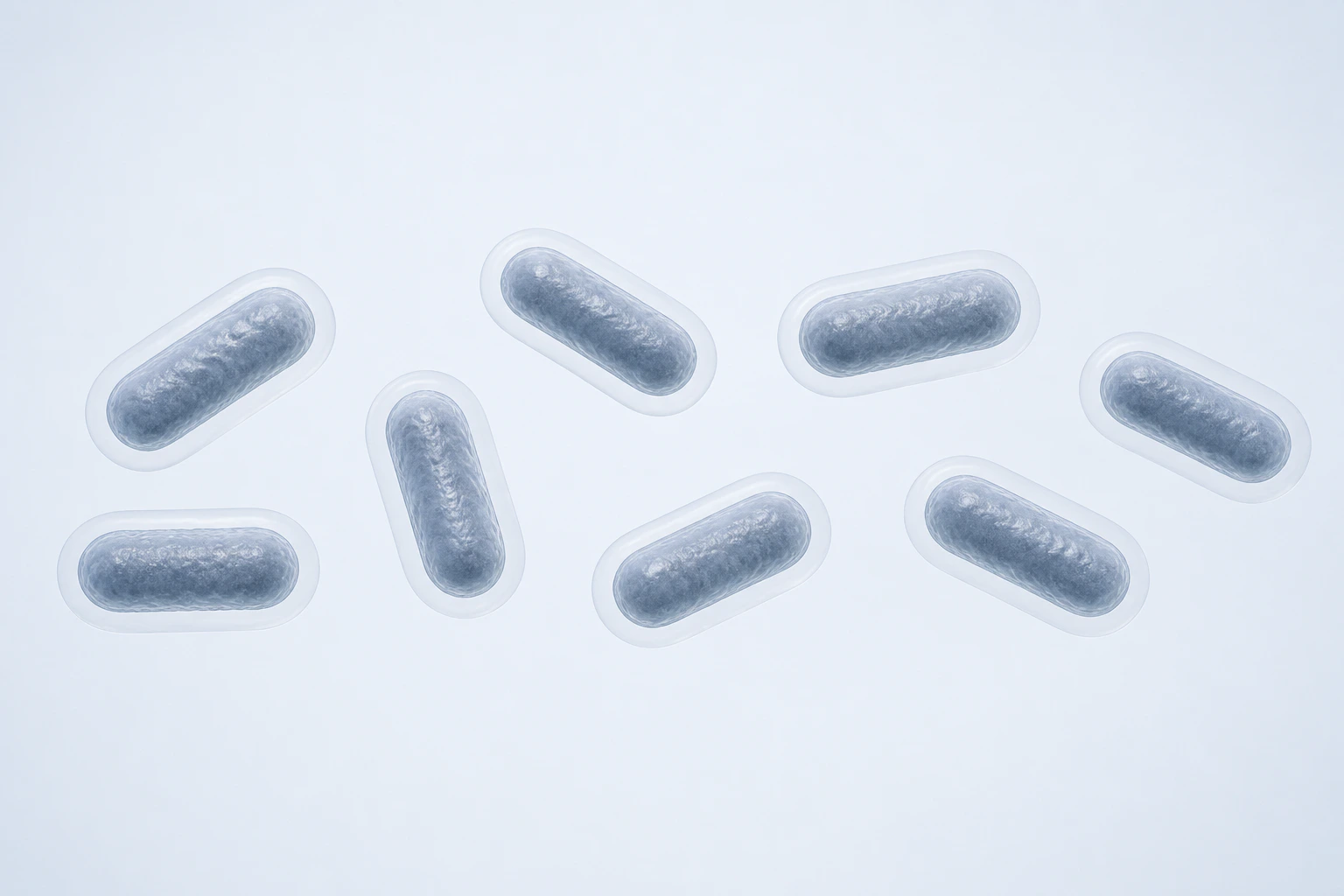
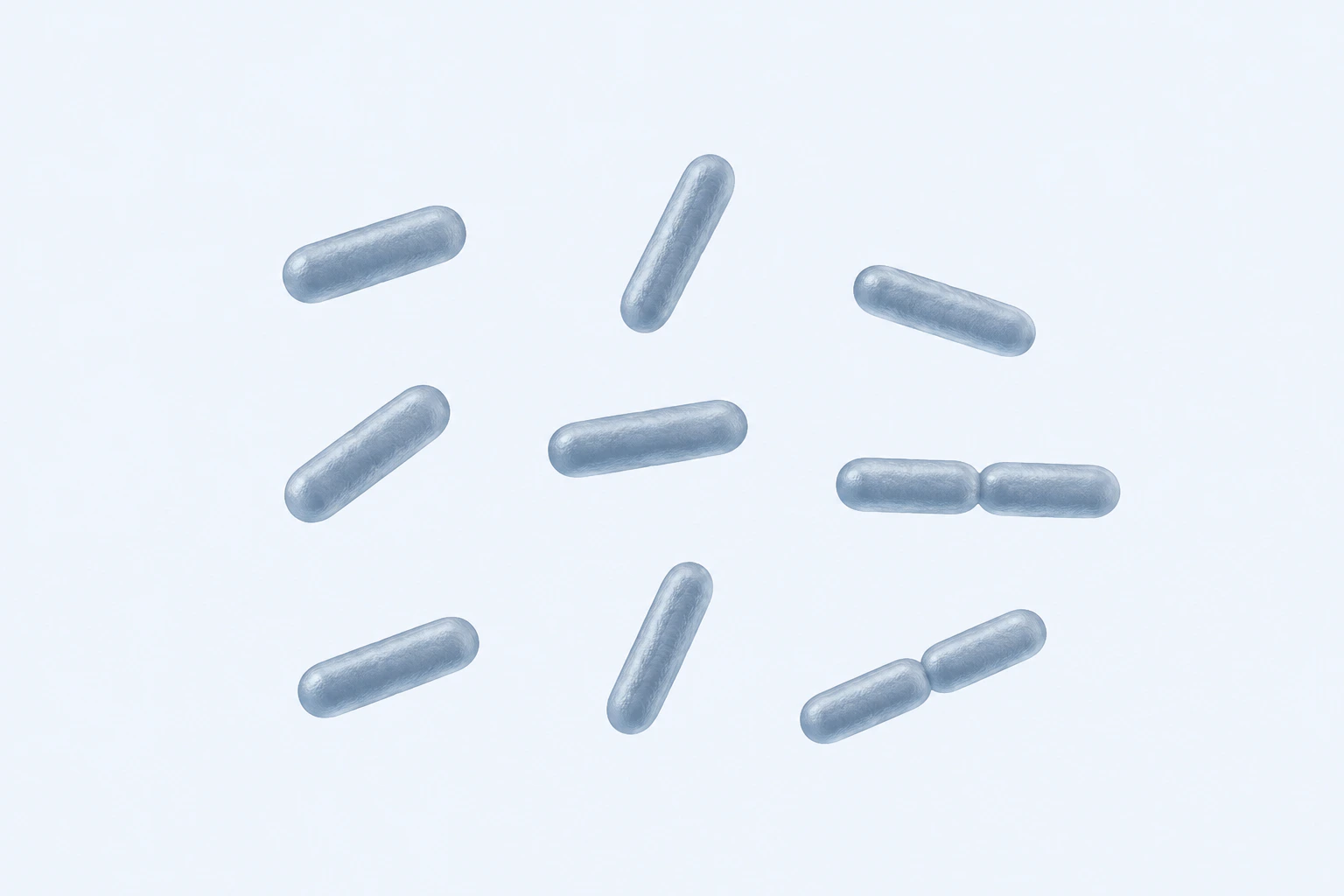
Eight isolated Klebsiella pneumoniae plump rods each show one closely following translucent capsule halo.
Microorganisms3 sources

Klebsiella pneumoniae

A Gram-negative opportunistic pathogen and member of the ESKAPE group of antibiotic-resistant priority pathogens. K. pneumoniae deploys multiple nickel-dependent enzymes for virulence and relies on the dual-function metallophore yersiniabactin for both iron and nickel s

L
M
Host defenses8 sources

Metal-Dependent Virulence

Transition metals serve as essential cofactors for pathogen virulence factors across virtually all domains of microbial life. The dependence of pathogens on metals they must scavenge from the host environment creates a fundamental tension at the heart of infectious dise

N
O
P
R
S
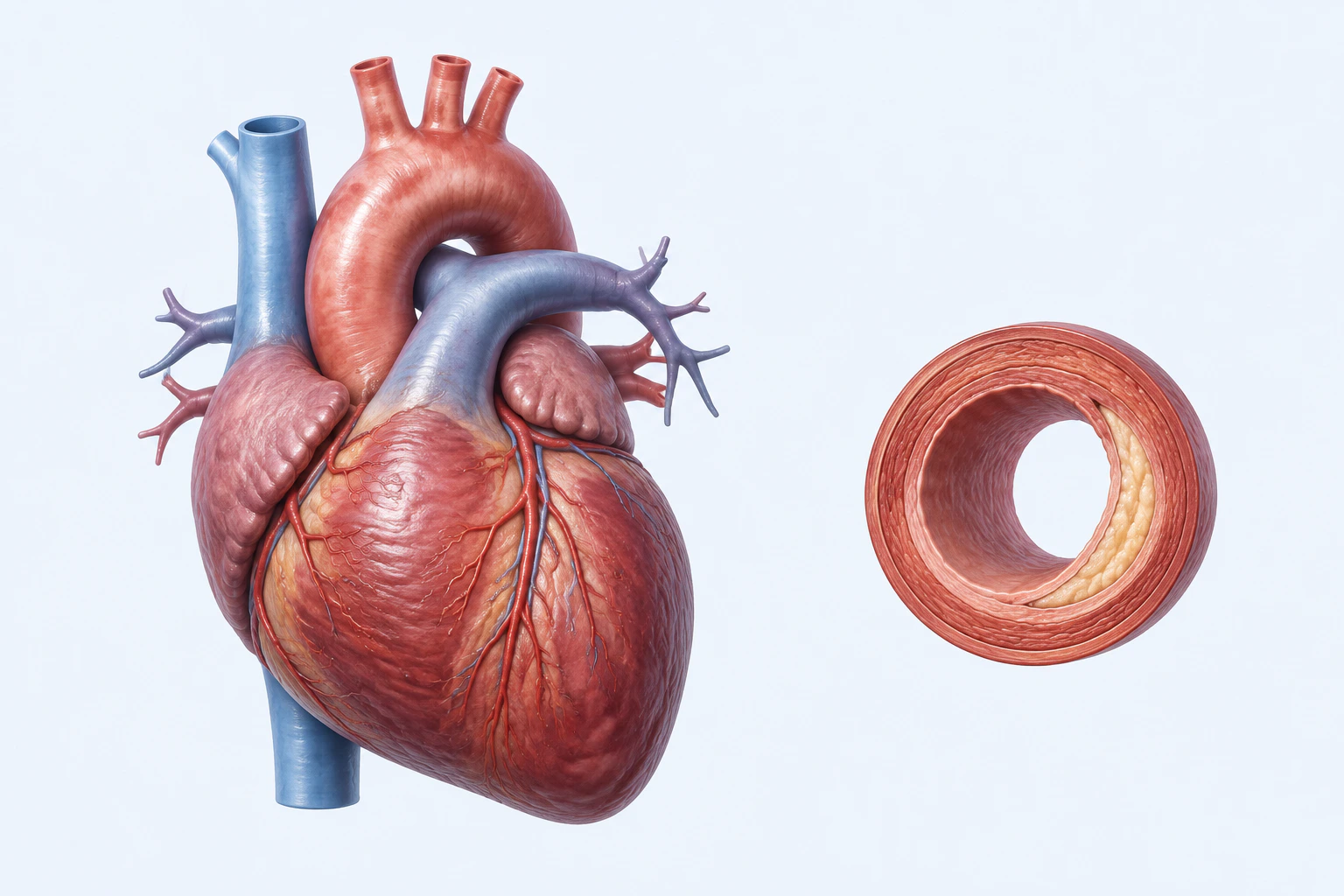
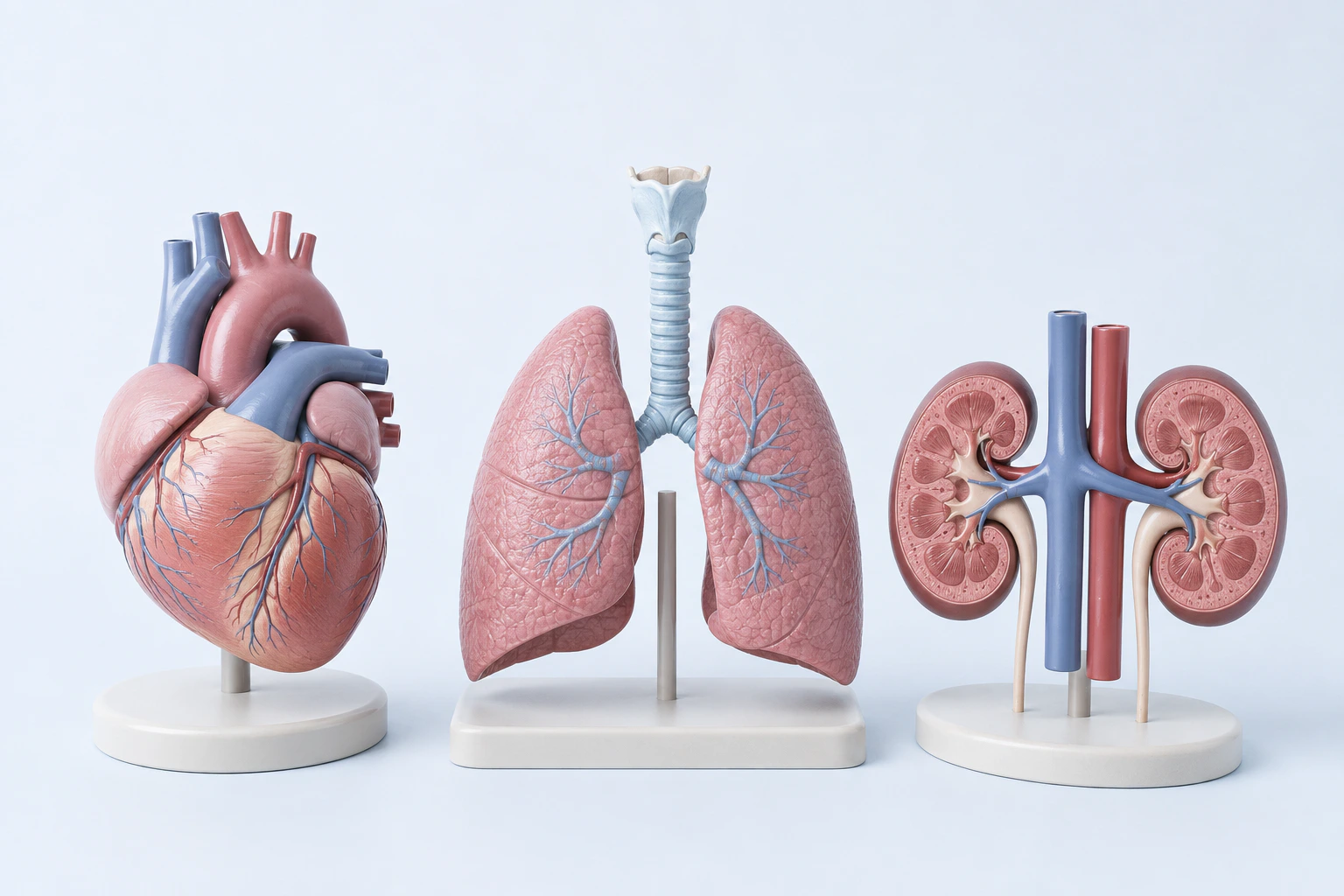
Neutral heart, paired-lung, and paired-kidney teaching models appear as three complete supported groups.
Diseases3 sources

Sepsis

Sepsis is life-threatening organ dysfunction caused by a dysregulated host response to infection. In the WikiBiome framework, sepsis represents the catastrophic failure of both colonization resistance (pathogen invasion) and nutritional immunity (metal restriction). Inf

T
U
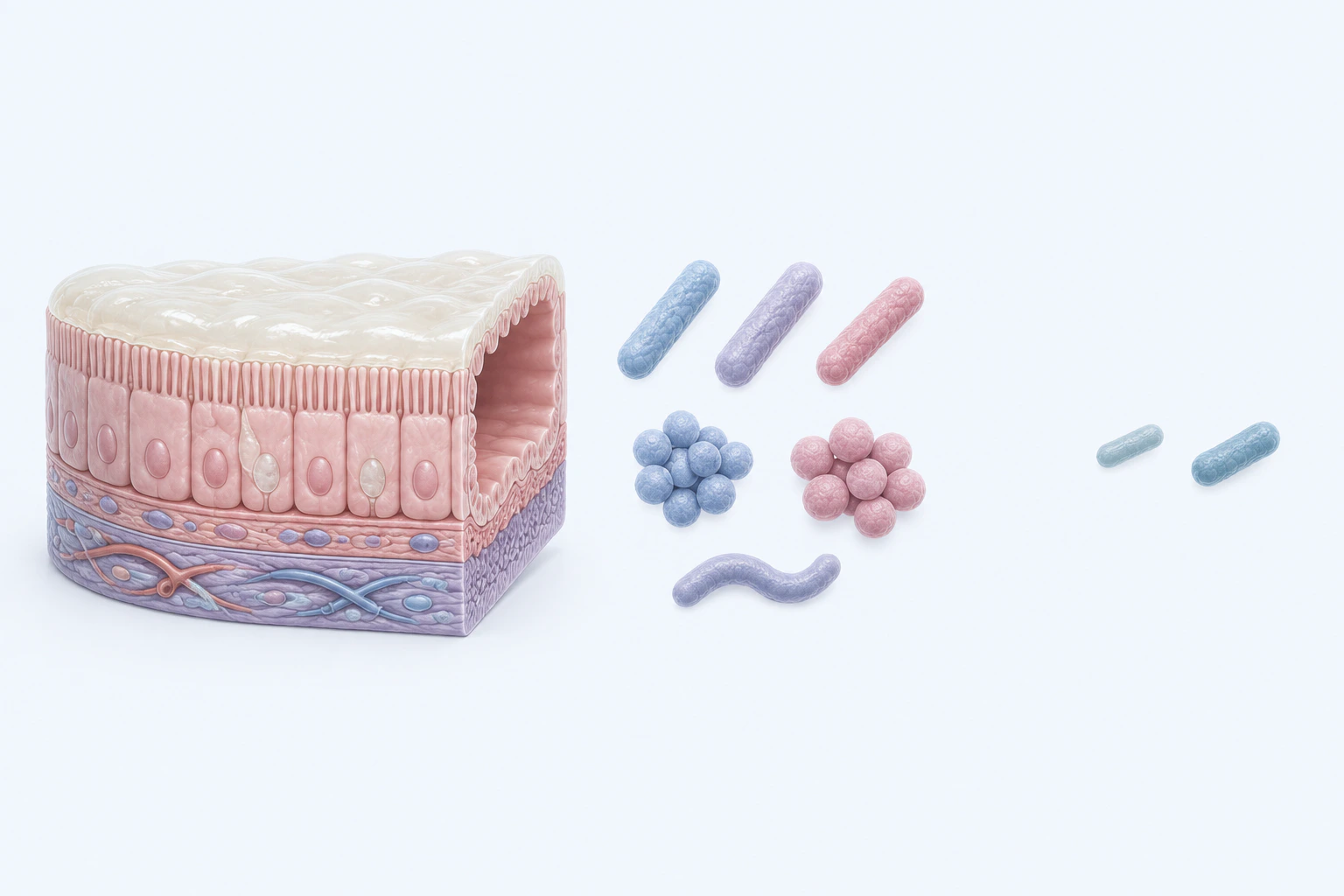
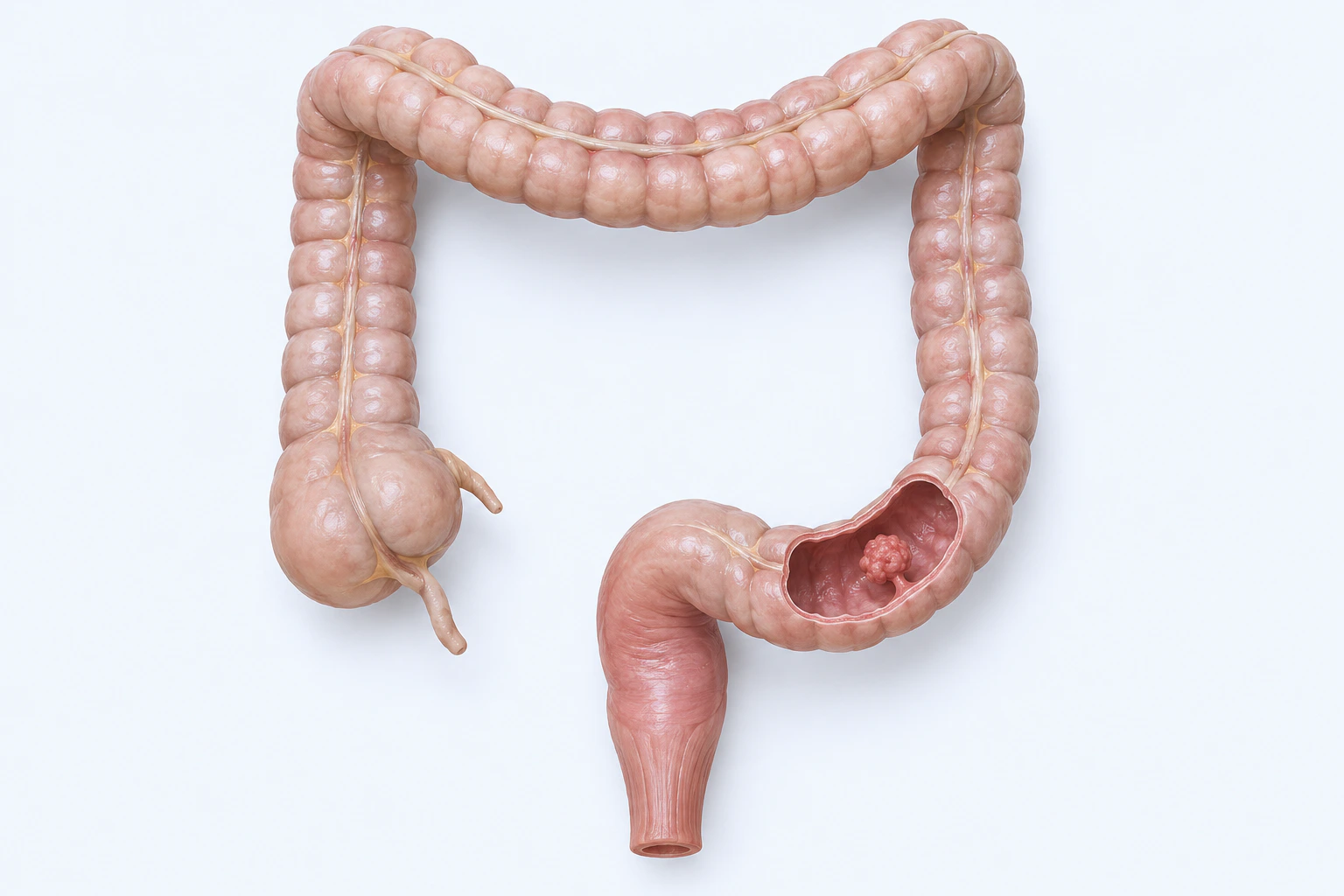
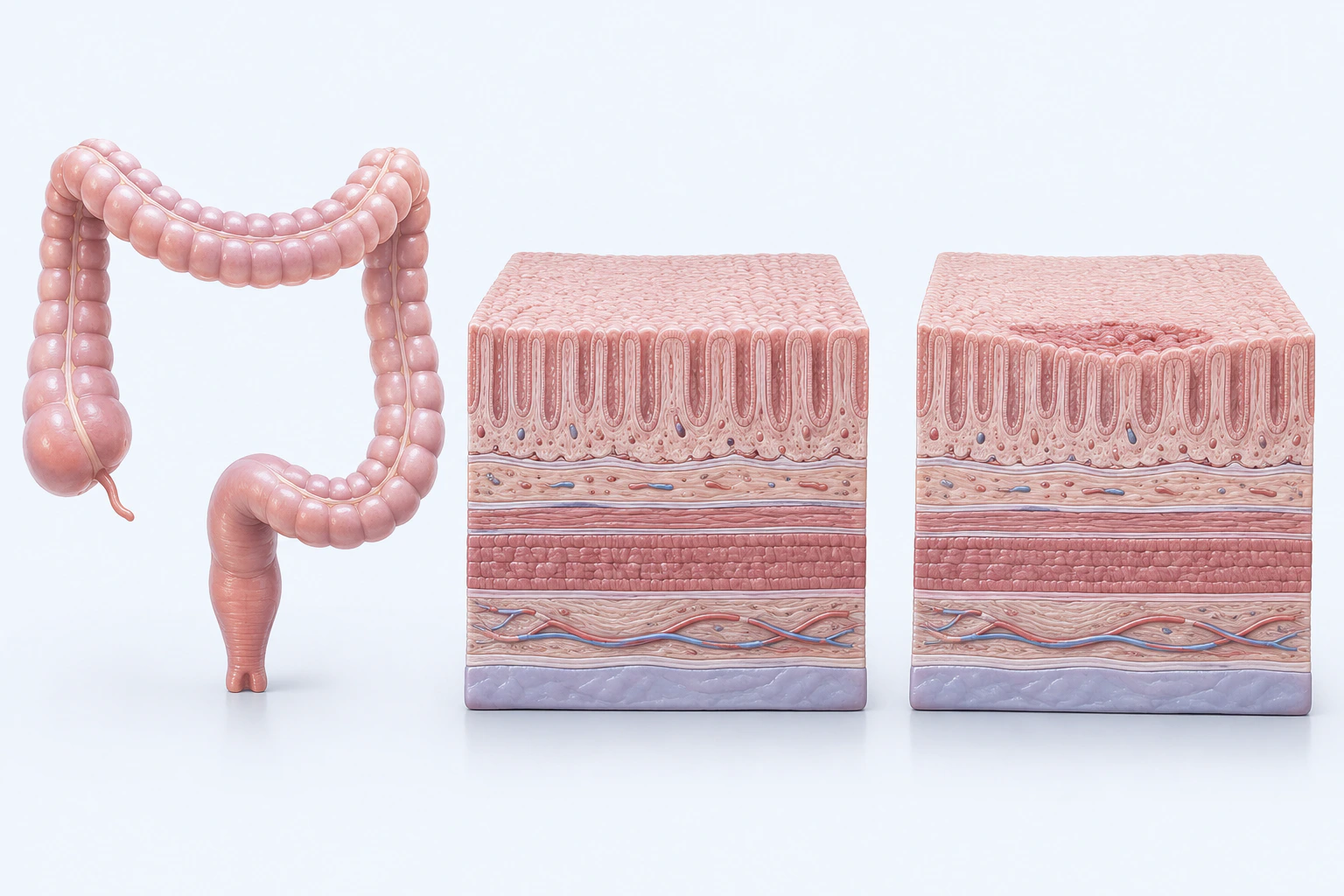
Colon anatomy and two layered bowel-wall models appear separately; one block has a shallow bounded surface depression.
Diseases6 sources

Ulcerative Colitis

A chronic inflammatory bowel disease characterized by continuous mucosal inflammation of the colon, extending proximally from the rectum. Unlike crohns disease, UC is limited to the colon, affects only the mucosa/submucosa (not transmural), produces no skip lesions, and

Z