WikiBiomeThe human microbiome encyclopedia
WikiBiome/Search: “nutritional-immunity”
Encyclopedia search

Search: “nutritional-immunity”

Ranked matches across titles, topics, categories, and article introductions.

54 records in this view
A
B
C
D
F
G
Mechanisms5 sources

Gene Regulation

Gene regulation in bacteria is the process by which cells control when and how much of each gene product is made. In the metallomics context, gene regulation is the mechanism by which bacteria respond to the metal environment -- sensing metal availability and adjusting

Reference0 sources

Glossary

Alphabetical definitions of specialist terms used throughout this wiki. Where a full concept page exists, the term links to it. --- AhR (aryl hydrocarbon receptor) -- A ligand-activated transcription factor that senses microbial metabolites (especially indoles from tryp

H
I
Host defenses6 sources

Innate Immunity

Innate immunity is the body's first-line, non-specific defense against pathogens — comprising physical barriers (epithelium, mucus), antimicrobial molecules (calprotectin, lactoferrin, defensins), pattern recognition receptors (TLRs, NOD-like receptors), and phagocytic

L
M
Host defenses3 sources

Metal Homeostasis

The biological processes by which organisms maintain proper intracellular and systemic concentrations of essential metals -- importing what is needed, storing excess safely, and exporting or sequestering surplus. Both host and microbial systems have evolved elaborate me

Mechanisms8 sources

Metal Sensing

Metal sensing is the set of regulatory mechanisms bacteria use to detect intracellular metal concentrations and adjust gene expression accordingly. Because metal ions cannot be synthesized or degraded -- only imported, exported, sequestered, or trafficked -- sensing and

Host defenses8 sources

Metal-Dependent Virulence

Transition metals serve as essential cofactors for pathogen virulence factors across virtually all domains of microbial life. The dependence of pathogens on metals they must scavenge from the host environment creates a fundamental tension at the heart of infectious dise

N
P
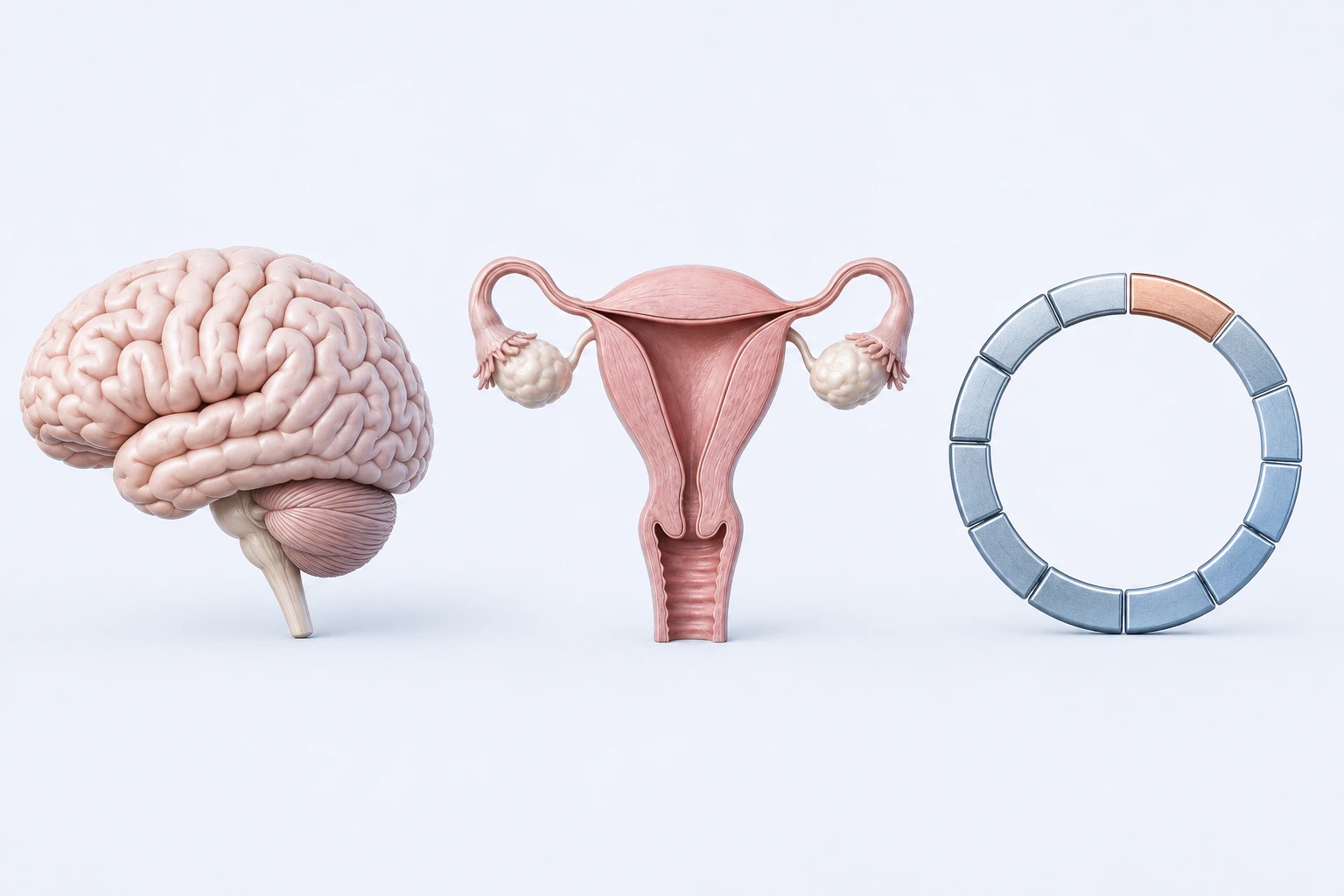
A neutral brain, reproductive anatomy, and an unnumbered timing ring appear separately for postpartum-depression orientation.
Diseases13 sources

Postpartum Depression

Postpartum depression (PPD) affects 10-20% of women after delivery, with profound consequences for maternal health, infant bonding, and child neurodevelopment chao 2025 microbiota gut brain perinatal depression. The standard framing centers on hormonal withdrawal (estro

S
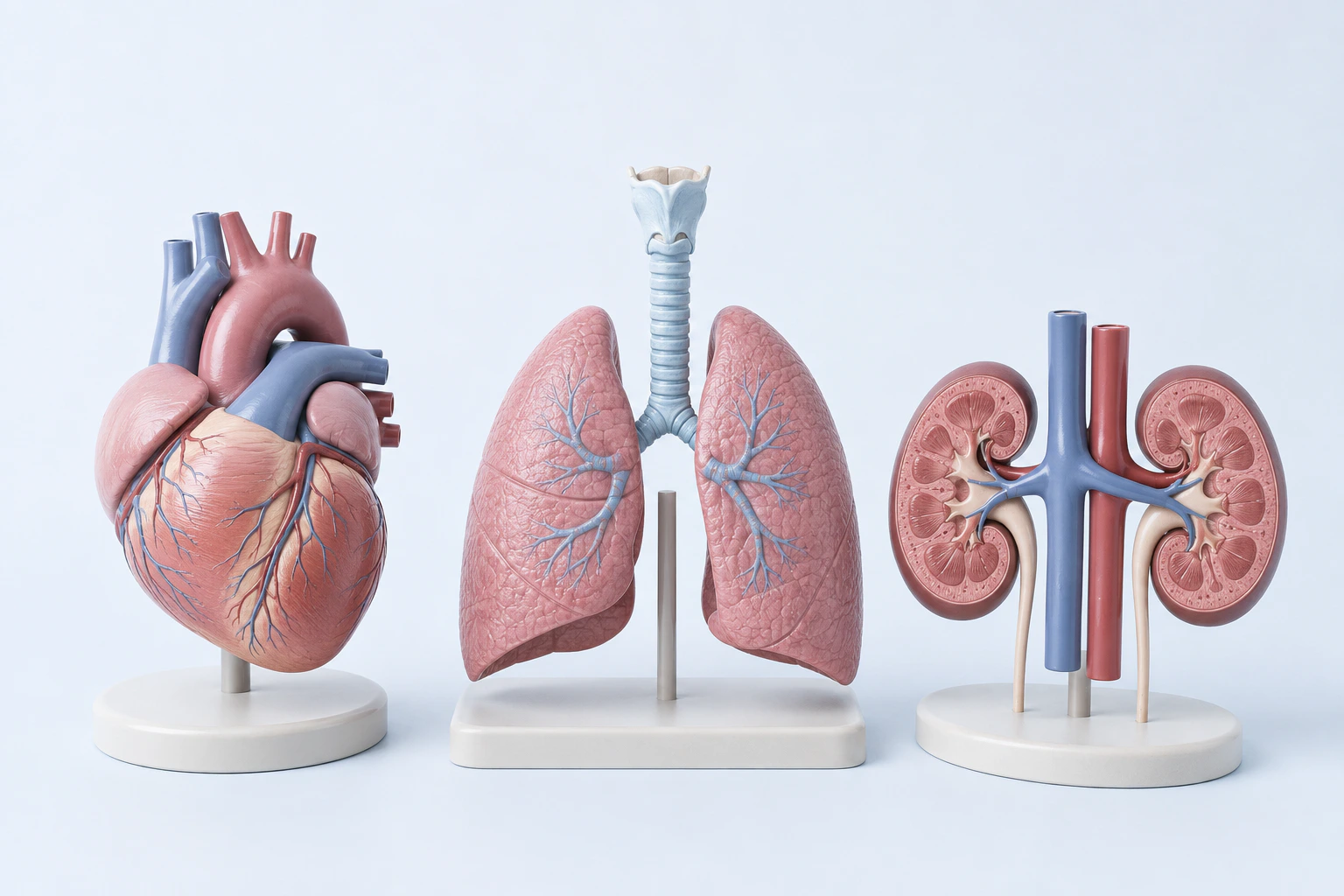
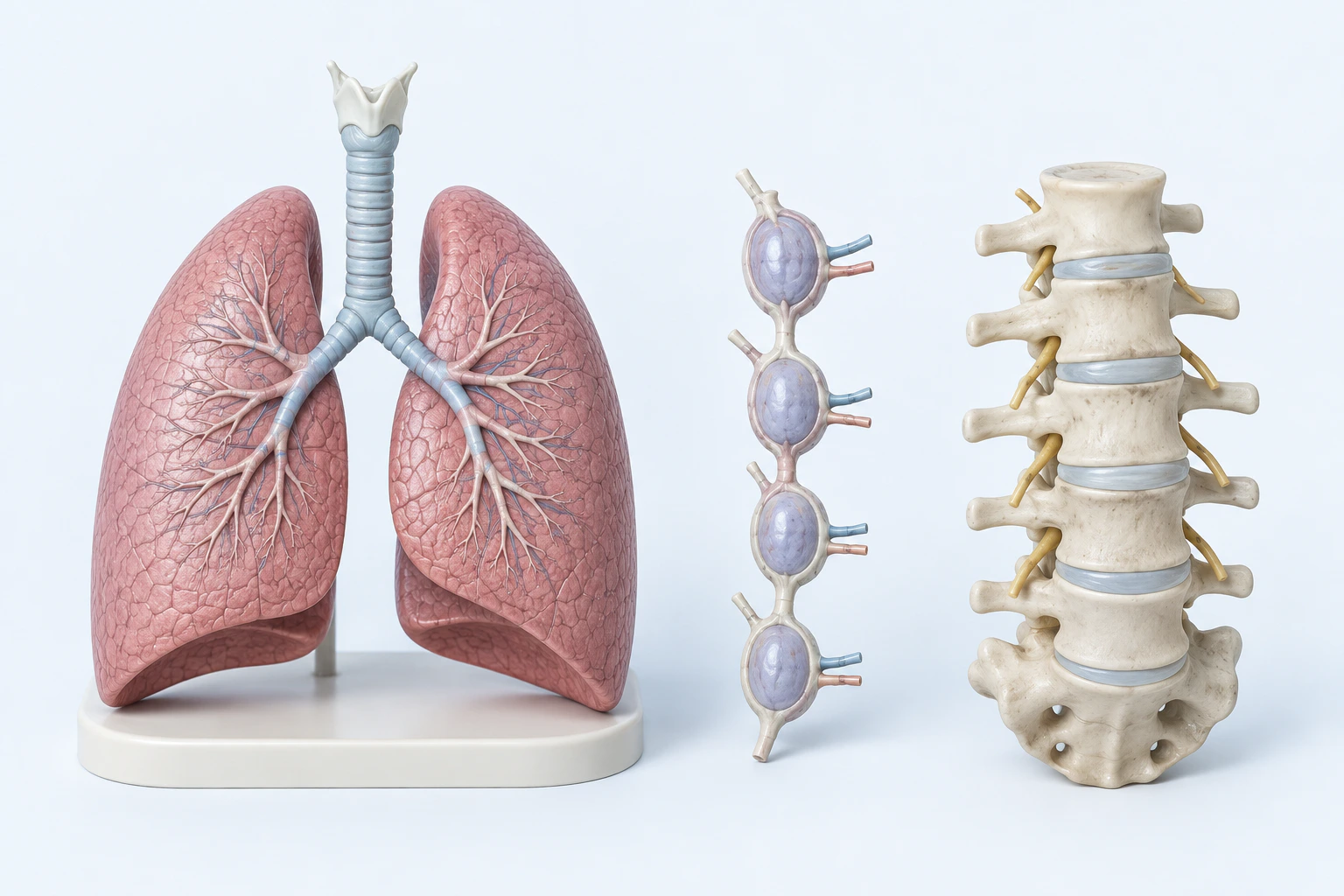
Neutral heart, paired-lung, and paired-kidney teaching models appear as three complete supported groups.
Diseases3 sources

Sepsis

Sepsis is life-threatening organ dysfunction caused by a dysregulated host response to infection. In the WikiBiome framework, sepsis represents the catastrophic failure of both colonization resistance (pathogen invasion) and nutritional immunity (metal restriction). Inf

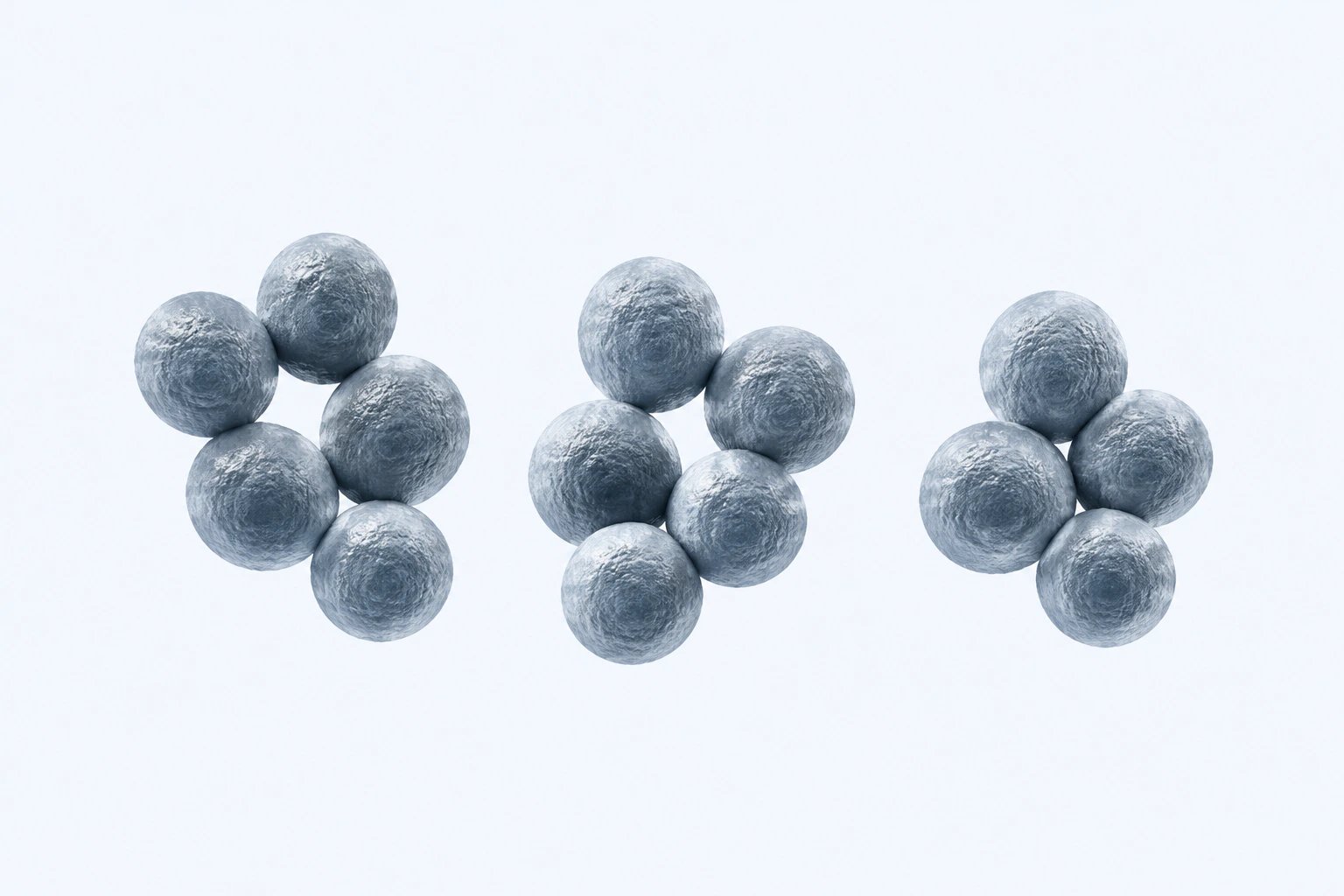
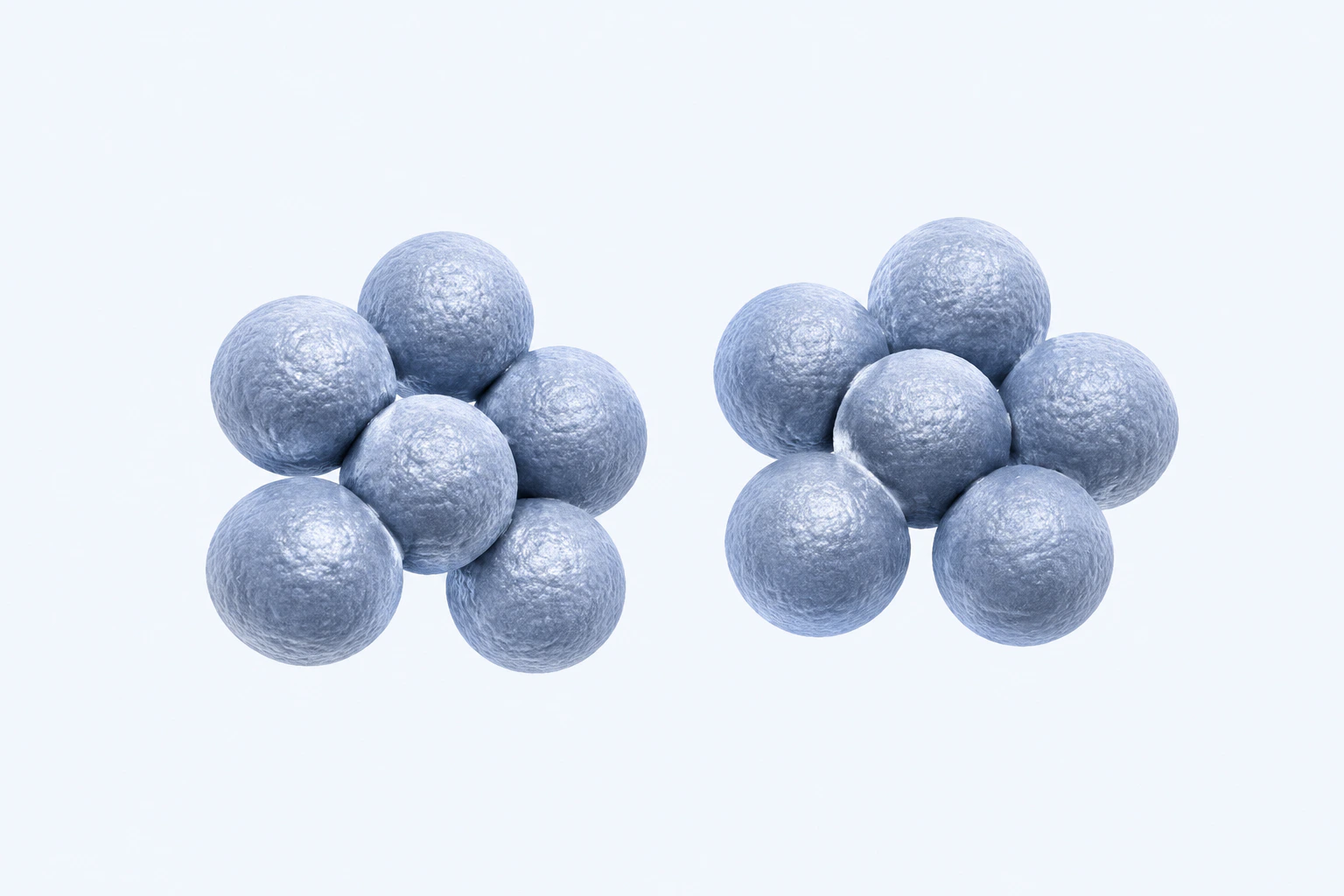
Twelve selected Staphylococcus aureus cocci appear in two irregular clusters of six.
Microorganisms6 sources

Staphylococcus aureus

A versatile Gram-positive pathogen with one of the best-characterized nutritional immunity evasion systems known. S. aureus requires nickel, iron, zinc, and manganese for virulence and has evolved dedicated acquisition systems for each, including the novel metallophore

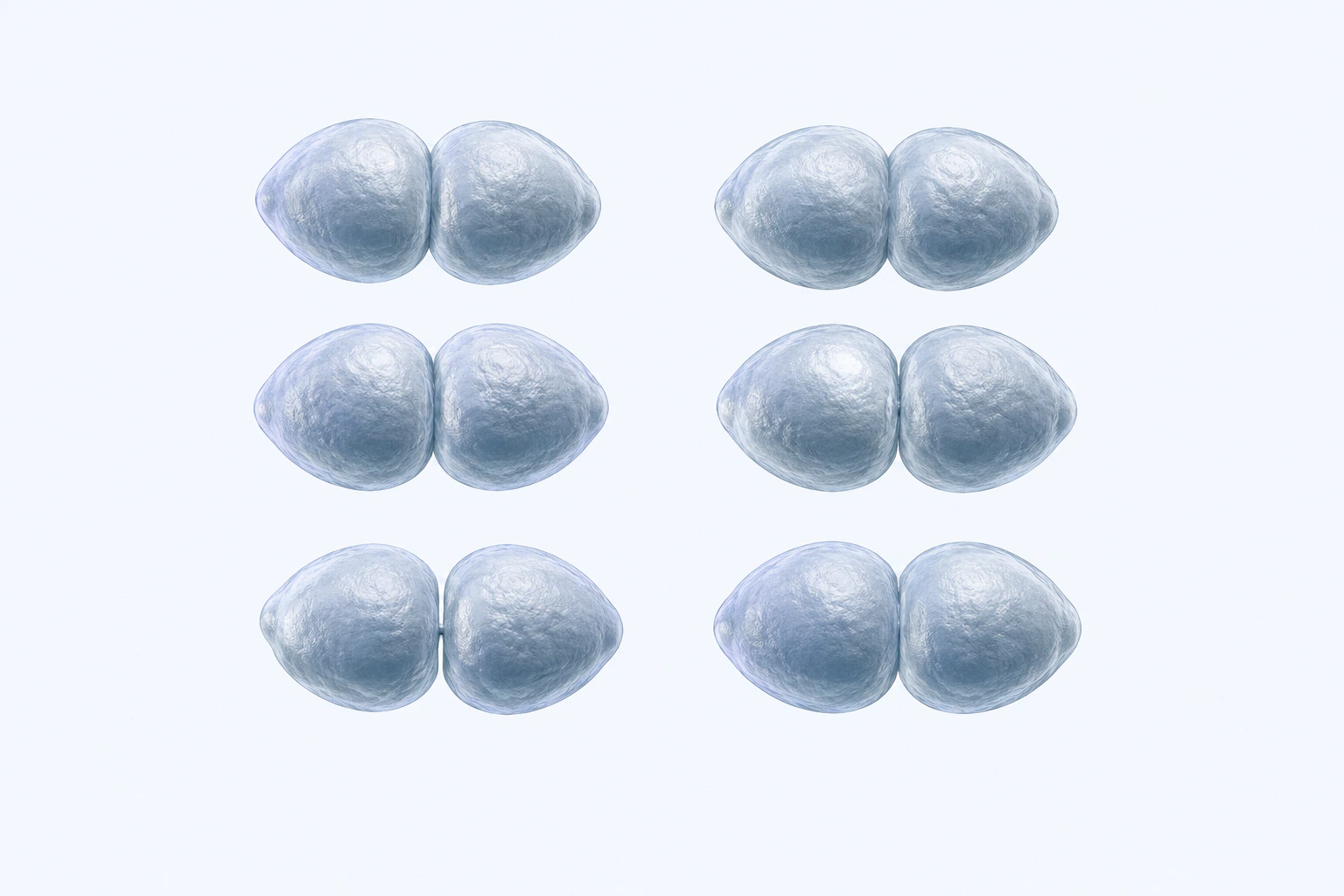
Twelve selected Streptococcus pneumoniae cocci appear as six opposed ovoid pairs.
Microorganisms7 sources

Streptococcus pneumoniae

A Gram-positive pathogen (the "pneumococcus") that depends on iron, manganese, and zinc for virulence and has evolved dedicated transport systems for each. Iron is required for viability itself, manganese powers the superoxide dismutase needed to survive the oxidative b

T
V
Z