WikiBiomeThe human microbiome encyclopedia
WikiBiome/Search: “nutrition”
Encyclopedia search

Search: “nutrition”

Ranked matches across titles, topics, categories, and article introductions.
80 records in this view
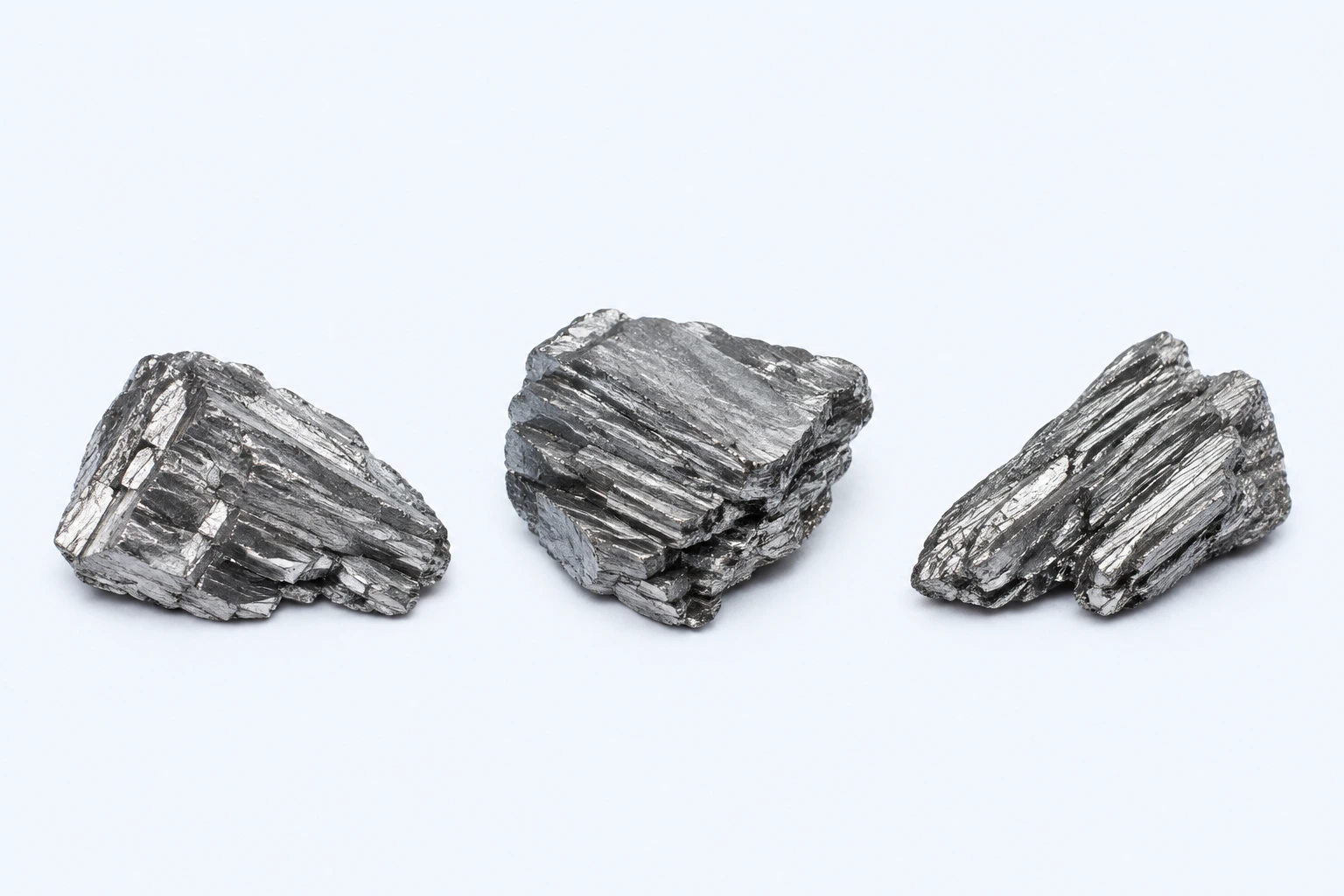
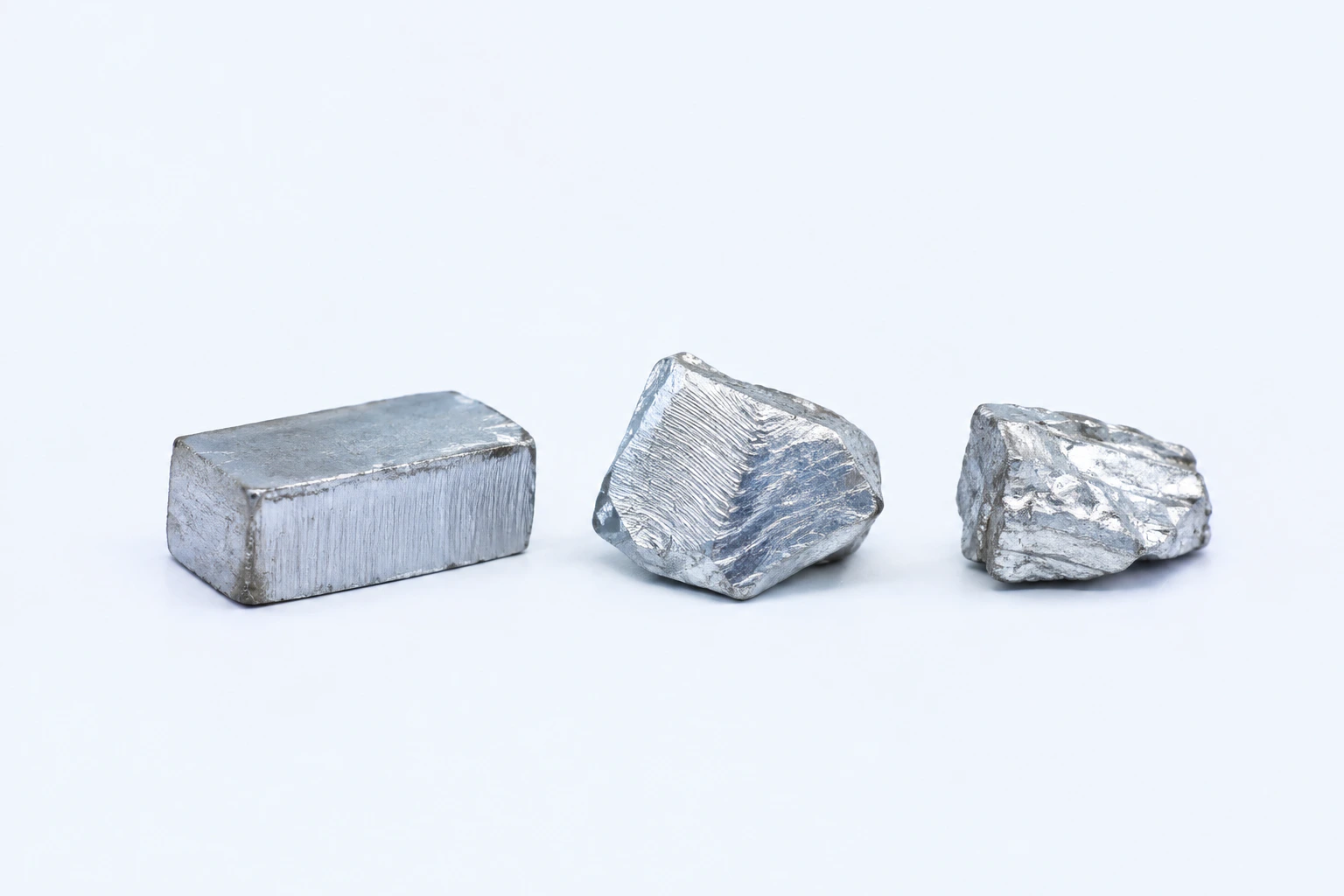
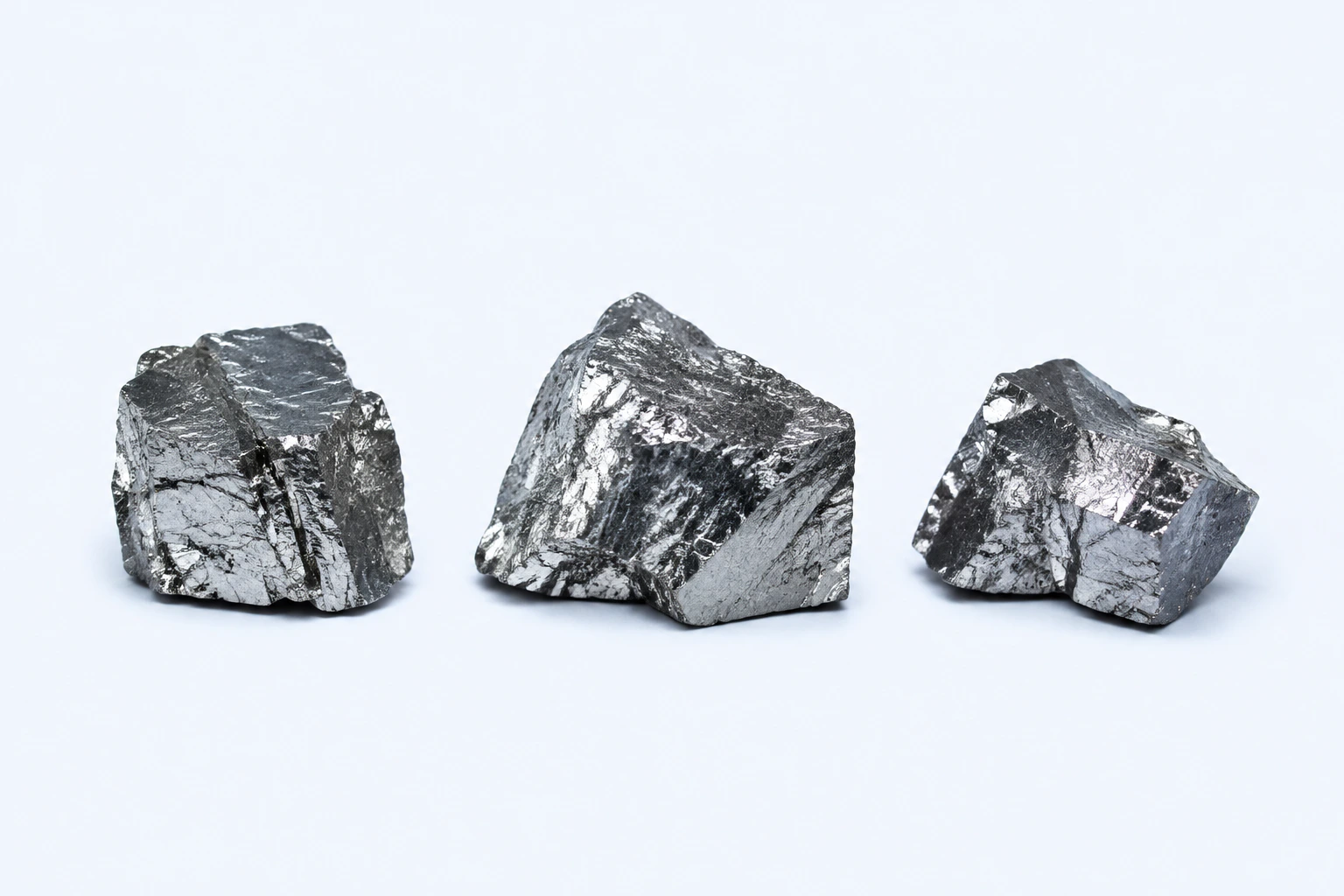
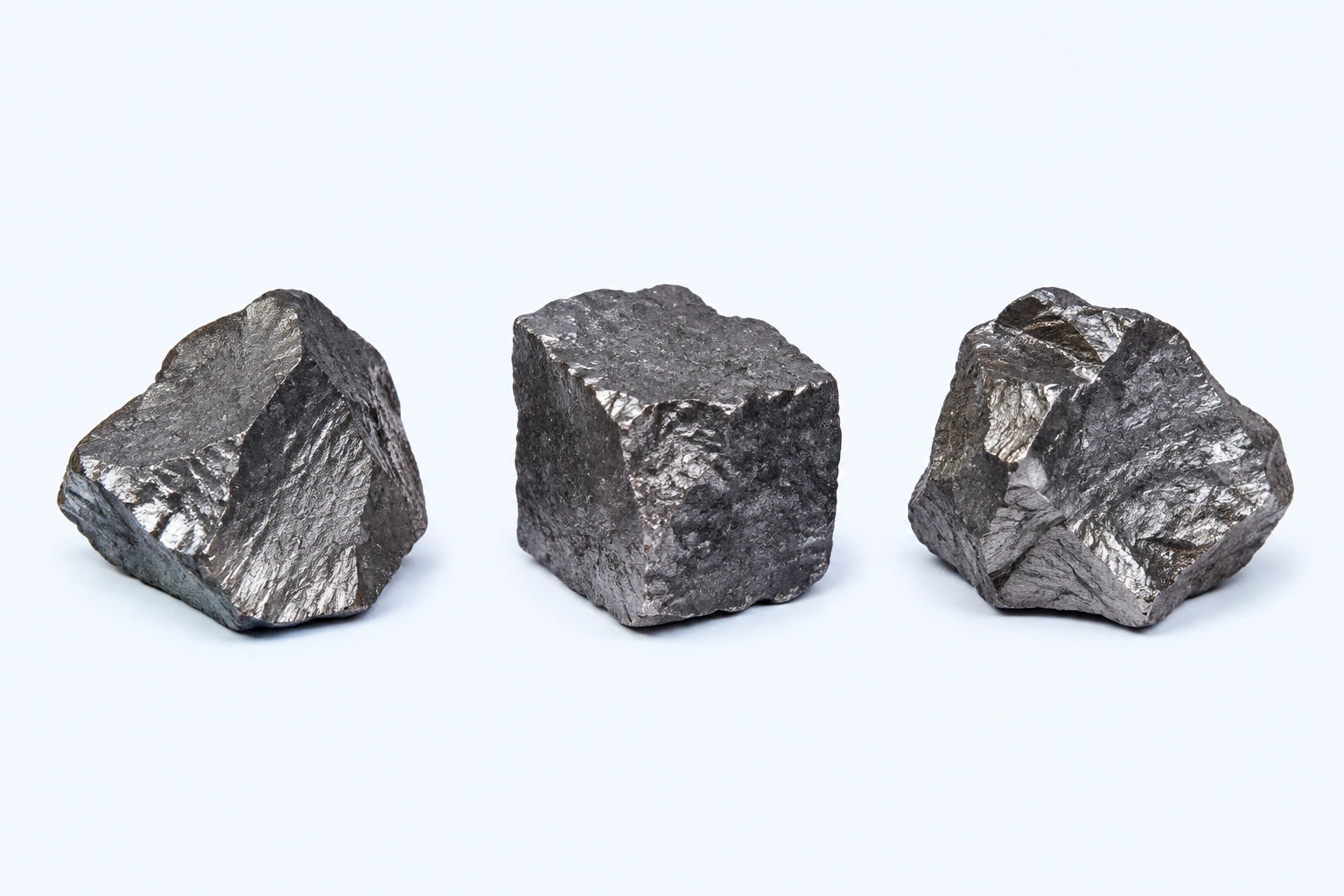
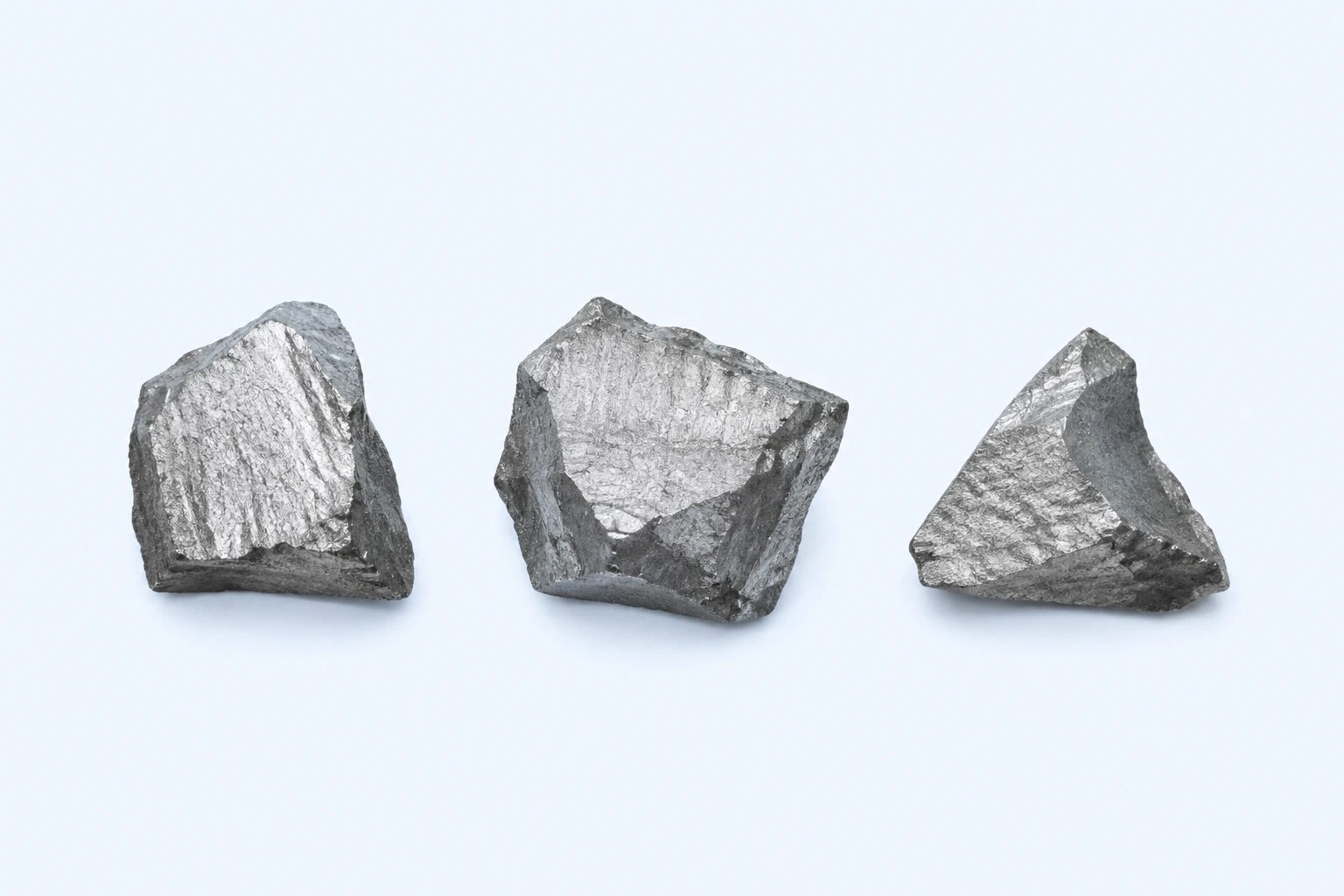
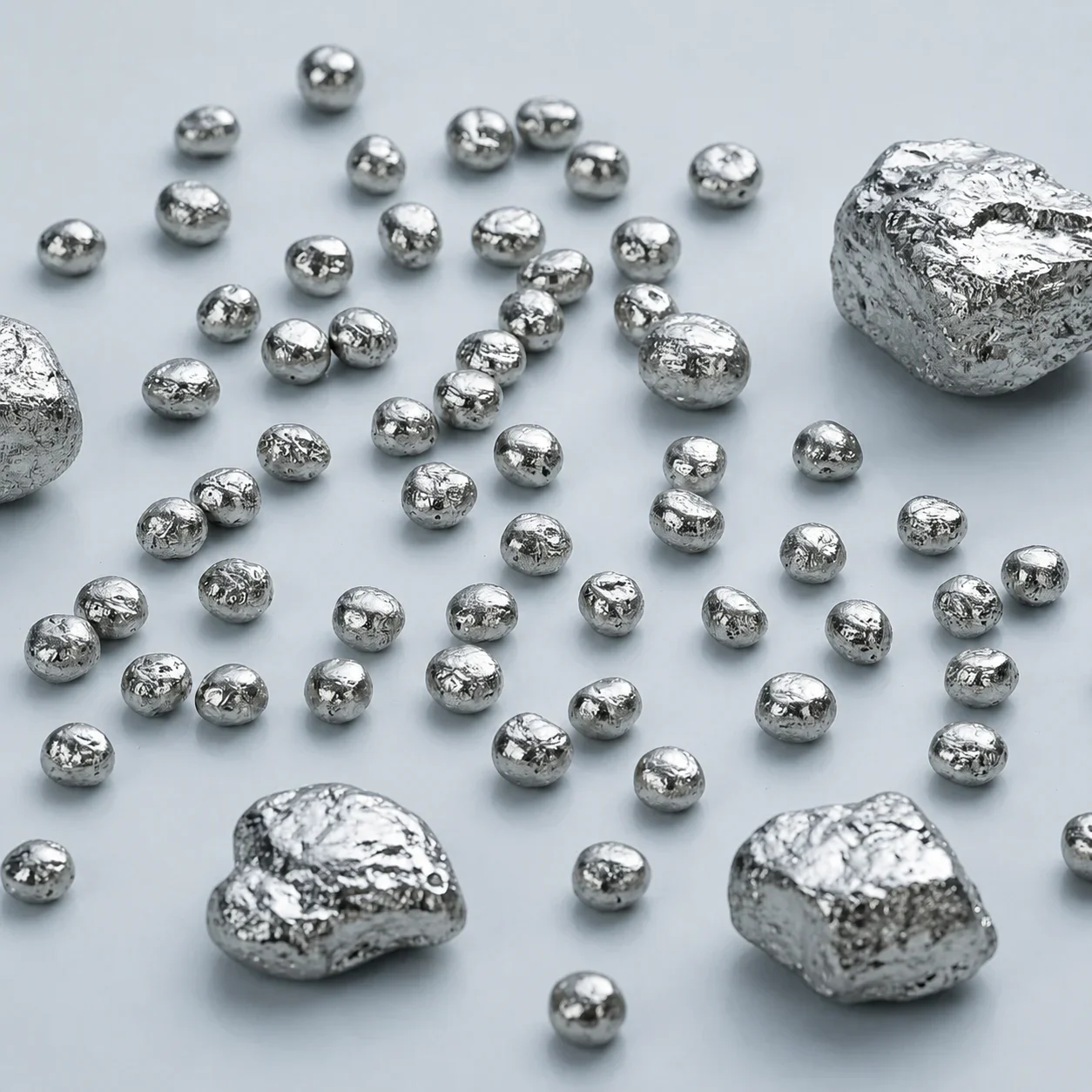
Three gray elemental arsenic fragments with layered brittle crystalline fracture faces.
Metals31 sources

Arsenic

Arsenic is a metalloid and potent carcinogen (IARC Group 1) that ranks among the most widespread environmental toxicants affecting human health. An estimated 225 million people worldwide are chronically exposed through contaminated drinking water alone ghosh 2023 heavy

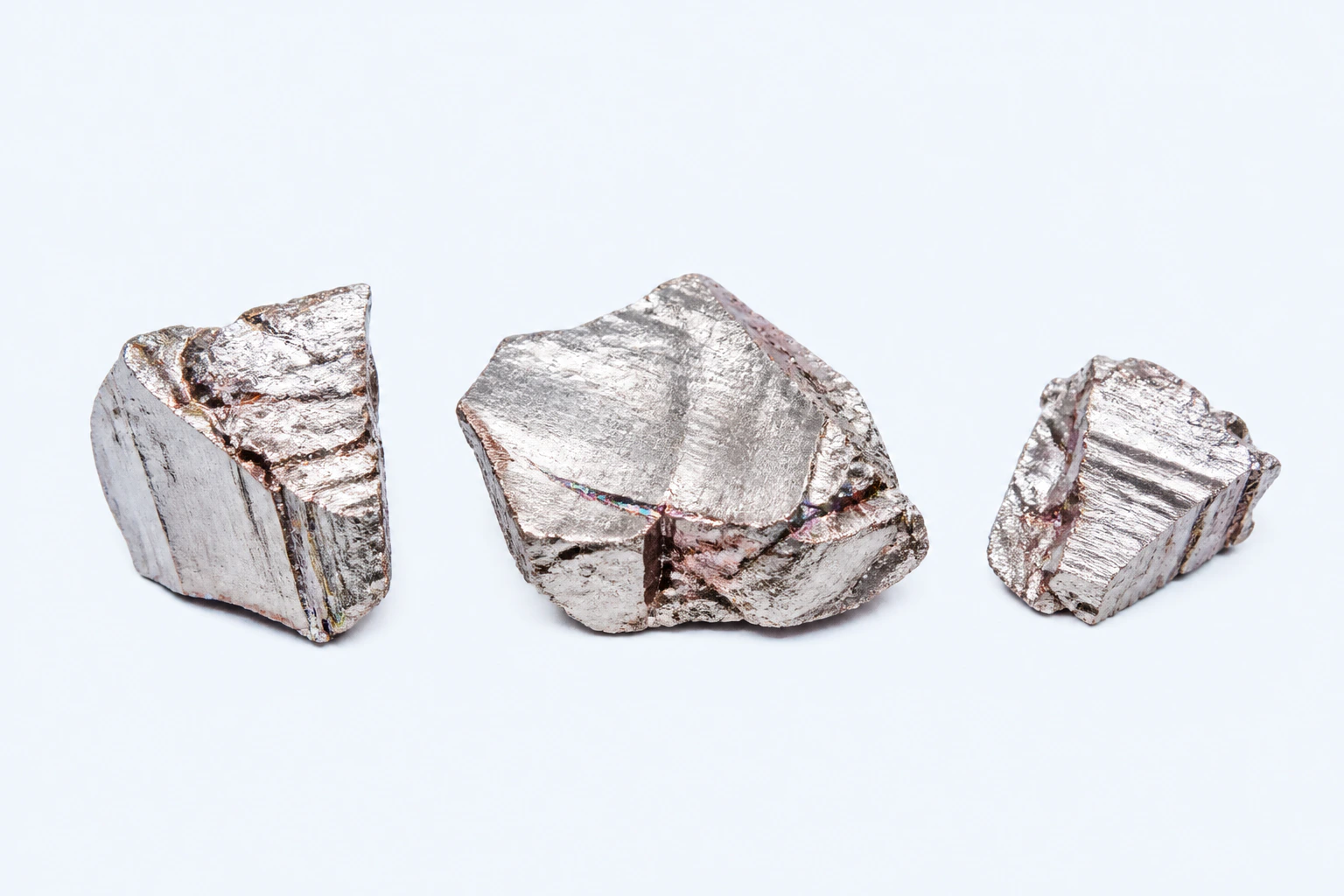
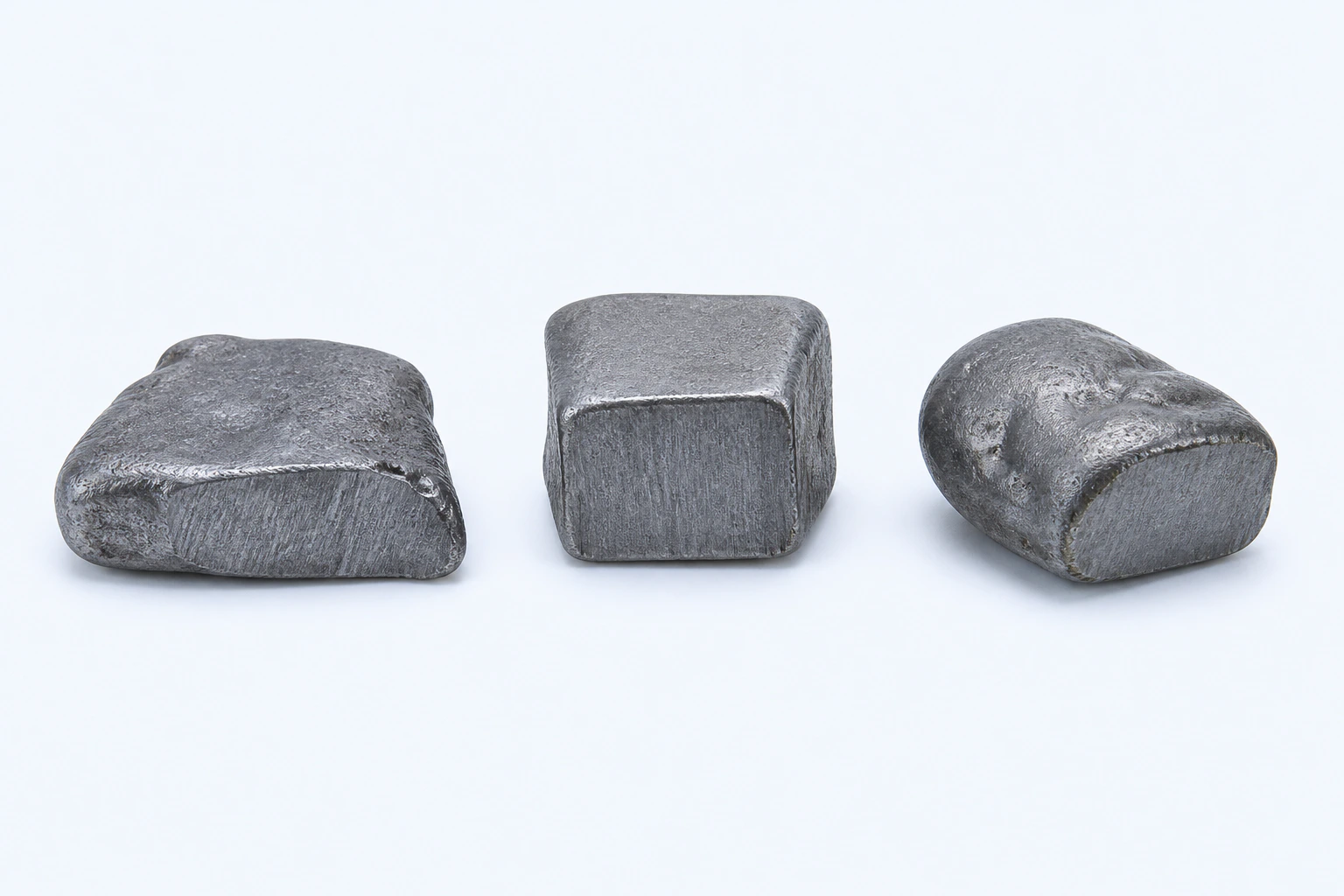
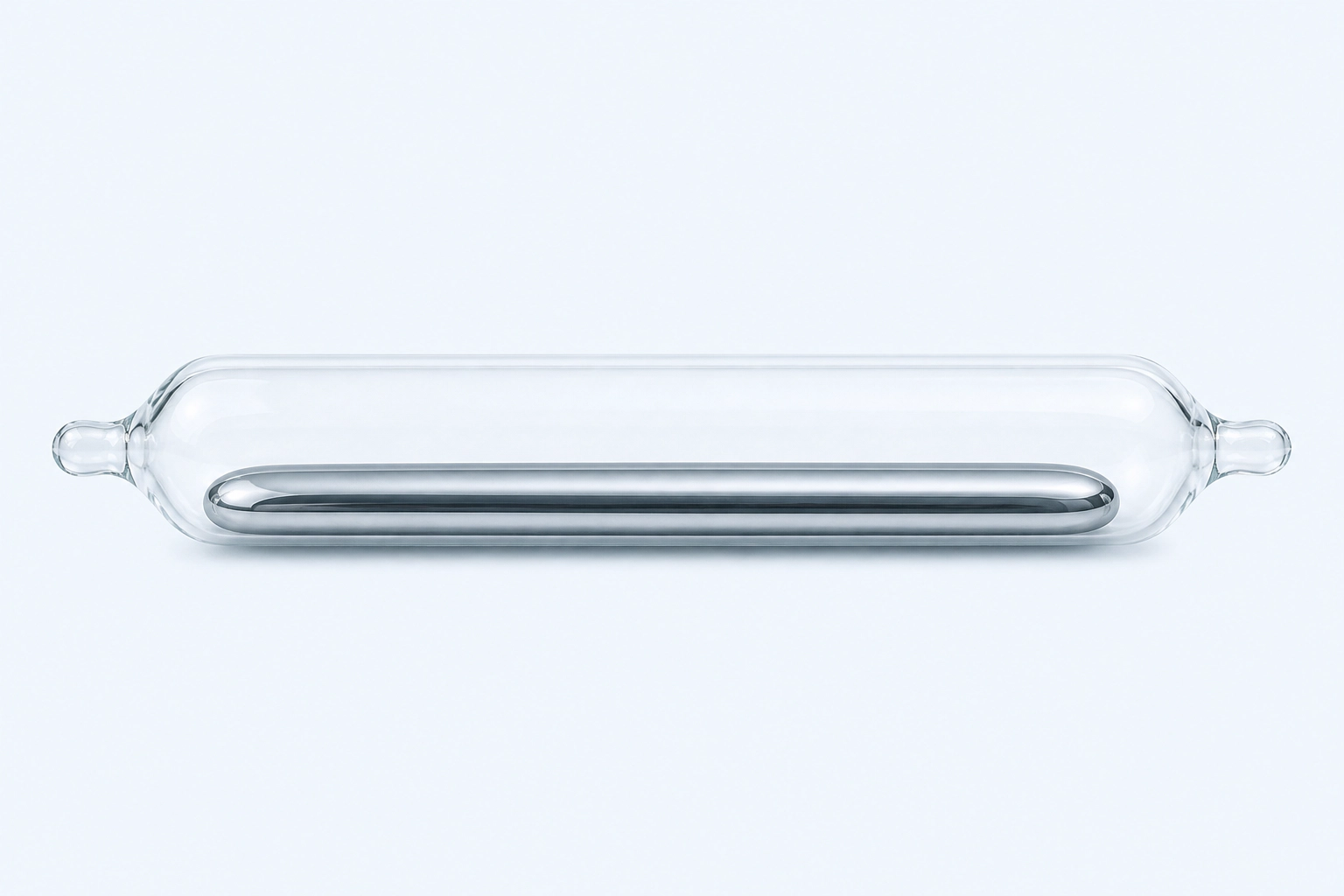
Three elemental bismuth pieces with silvery fracture faces, cool pink undertones, and restrained iridescent ridge tarnish.
Metals6 sources

Bismuth

A heavy metal traditionally considered safe enough for over-the-counter gastrointestinal remedies (Pepto-Bismol, De-Nol), bismuth is re-emerging as a potent antimicrobial synergist. Its key property: Bi3+ competes with Fe3+ for binding sites on siderophores and bacteria

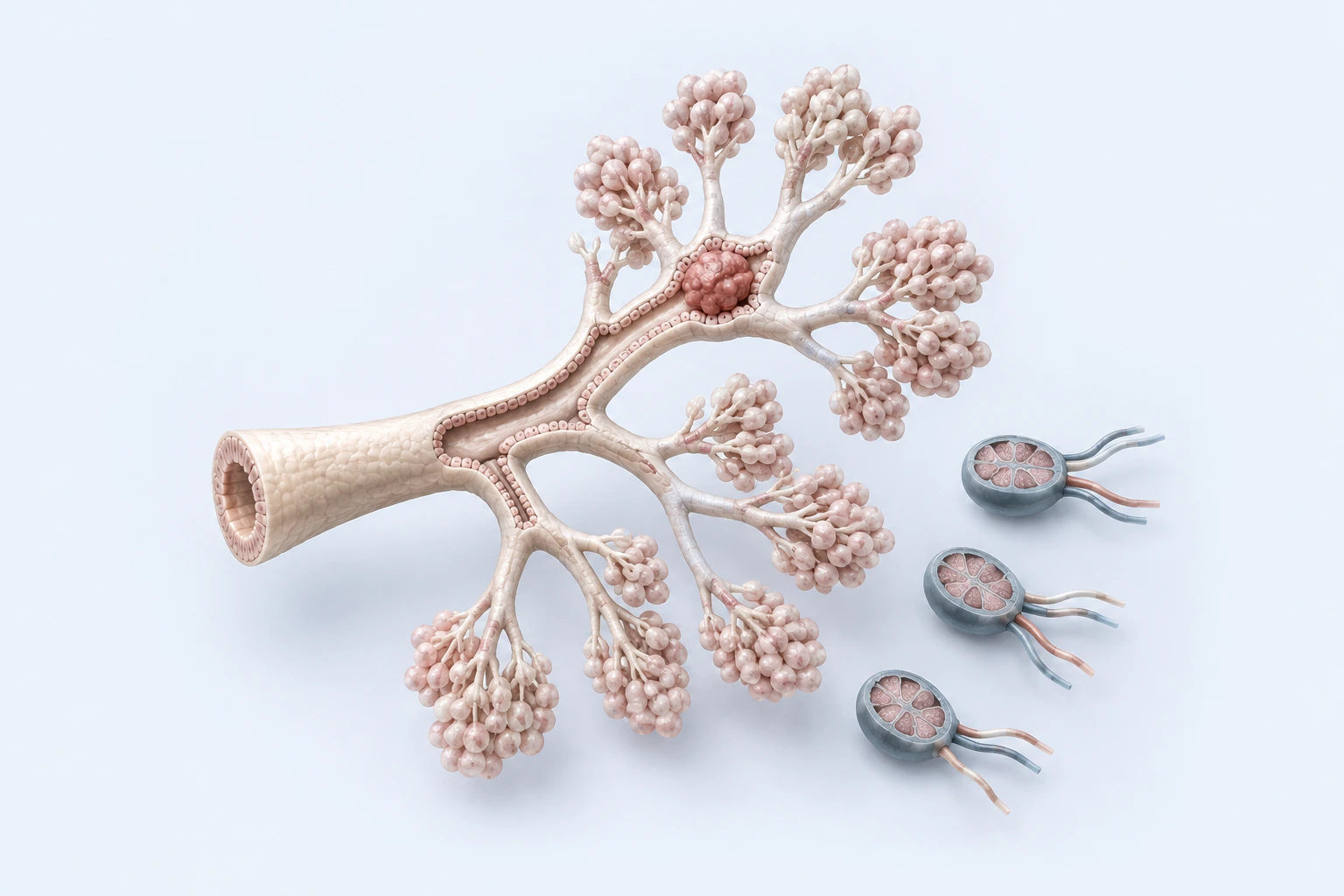
A branching mammary duct-and-lobule teaching model contains one irregular rose lesion, with three separate regional structures nearby.
Diseases19 sources

Breast Cancer

Breast cancer is the most common cancer in women worldwide, with approximately 2.3 million new cases annually. While genetic, hormonal, and lifestyle factors are well-established risk determinants, the metallomic dimension reveals a consistent pattern of trace element d

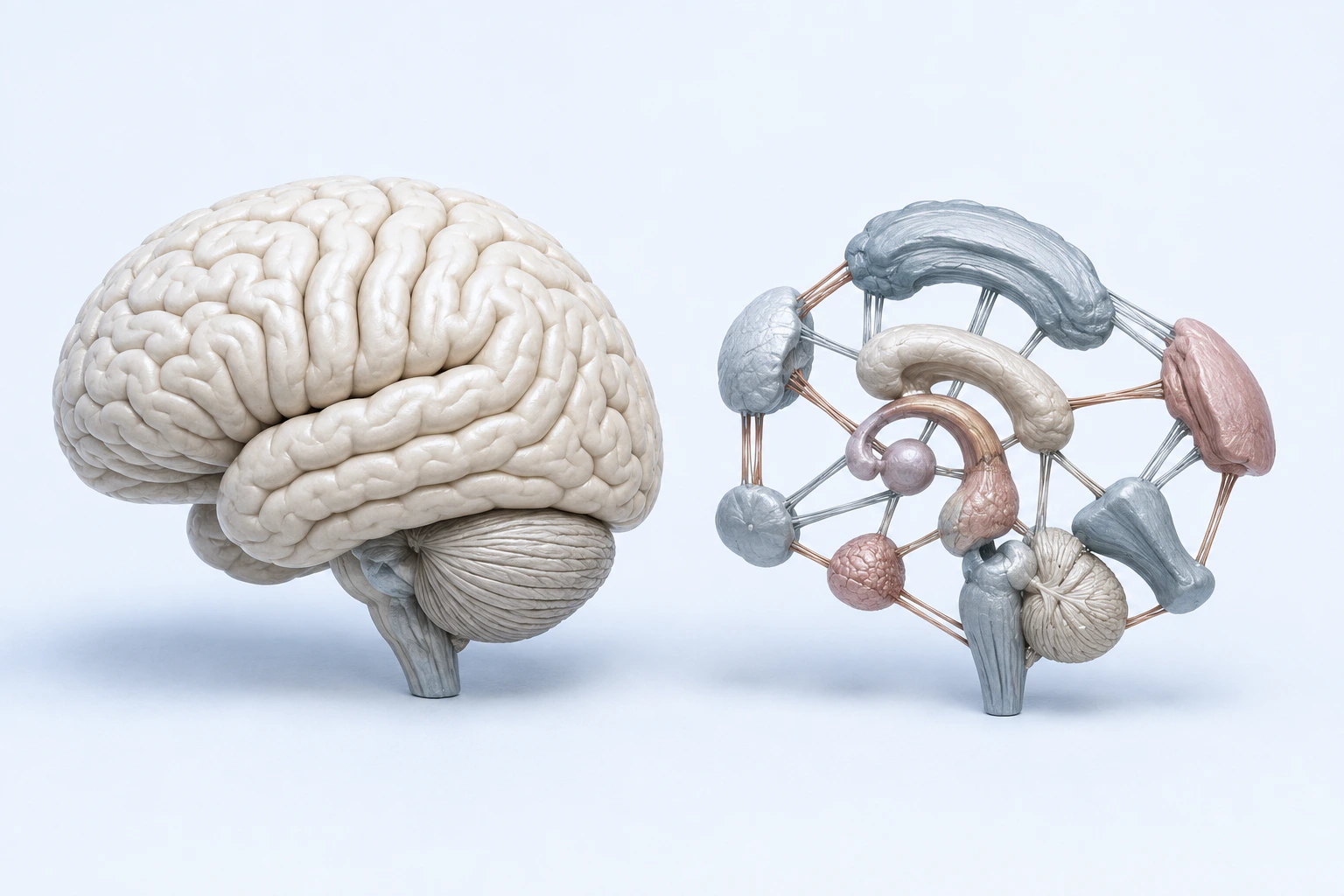
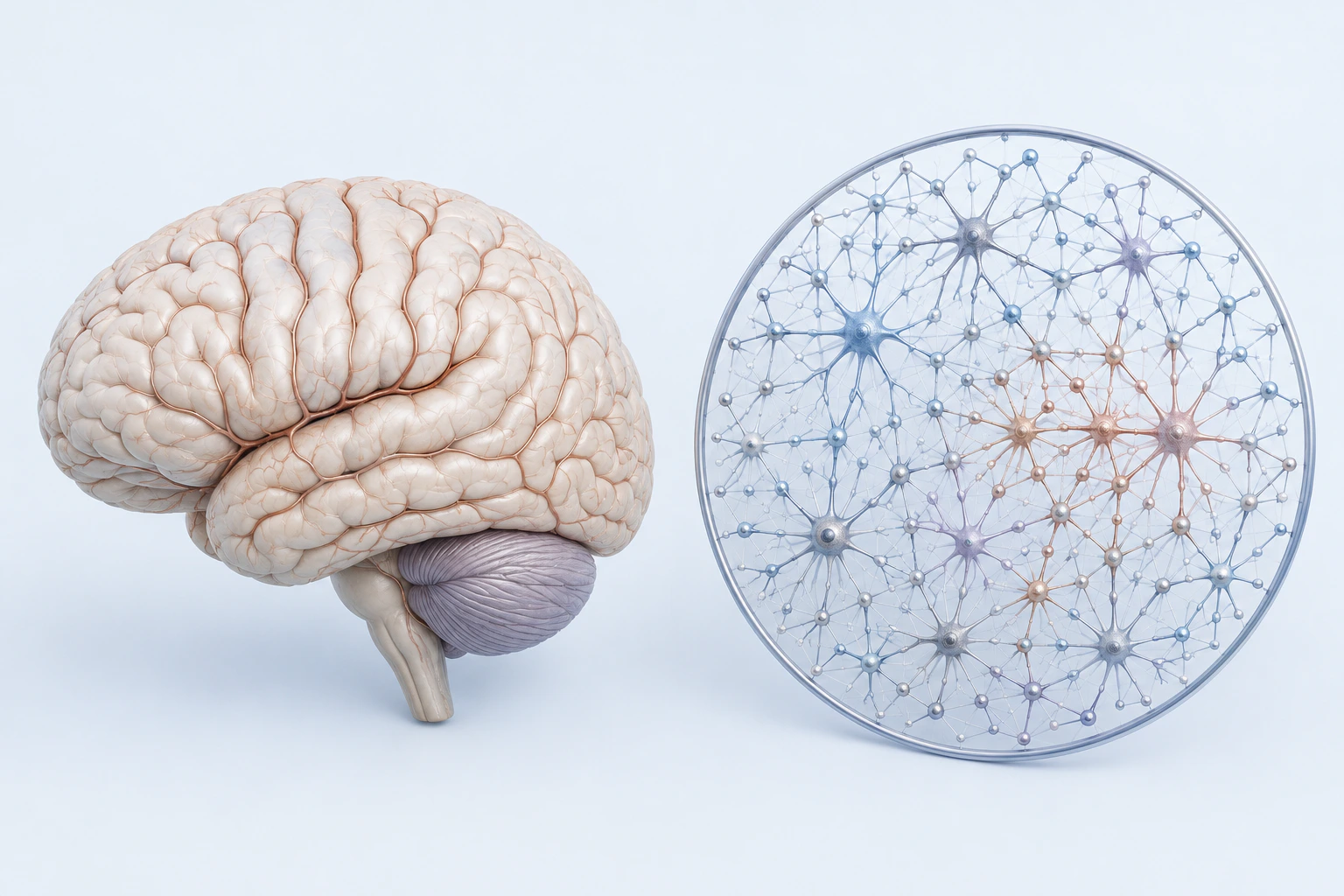
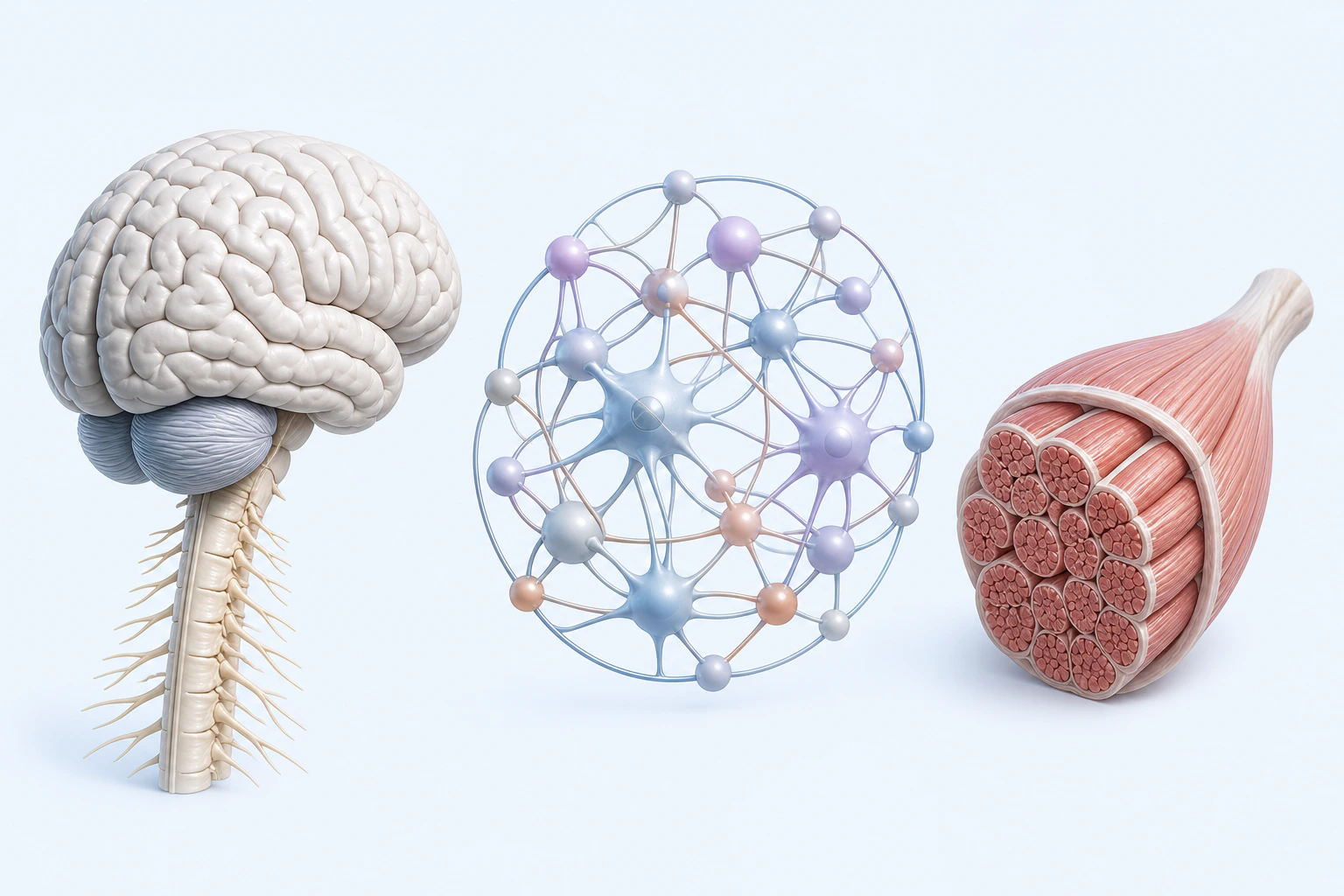
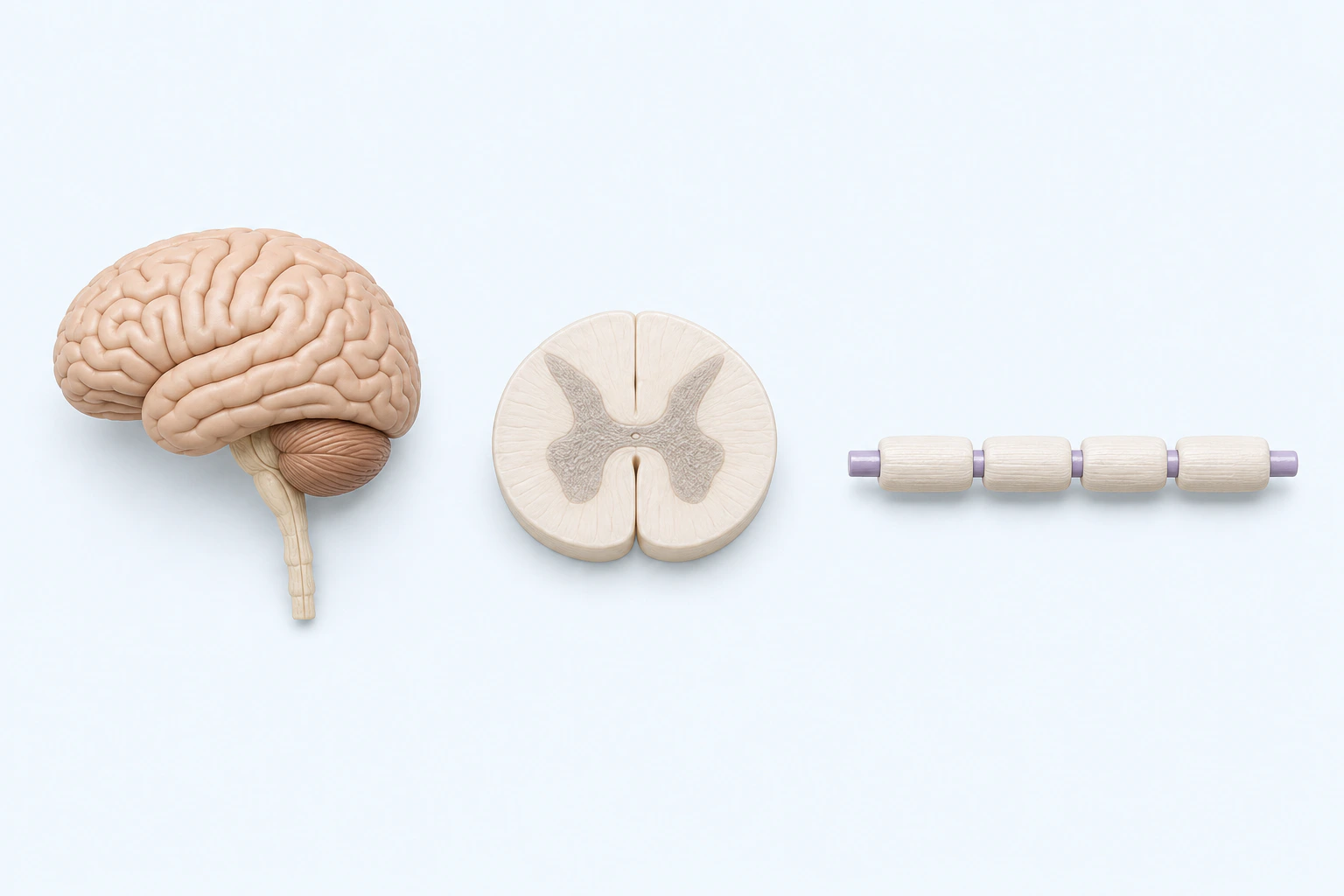
A complete intact brain teaching model appears beside a separate assembly of connected cortical- and limbic-like forms.
Diseases10 sources

Depression

Depression is the most prevalent mental health disorder globally, affecting over 280 million people zhu 2025 microbiota gut brain axis depression review, and one of the most metal-sensitive conditions in this wiki. It sits at the convergence of nearly every pathway cata

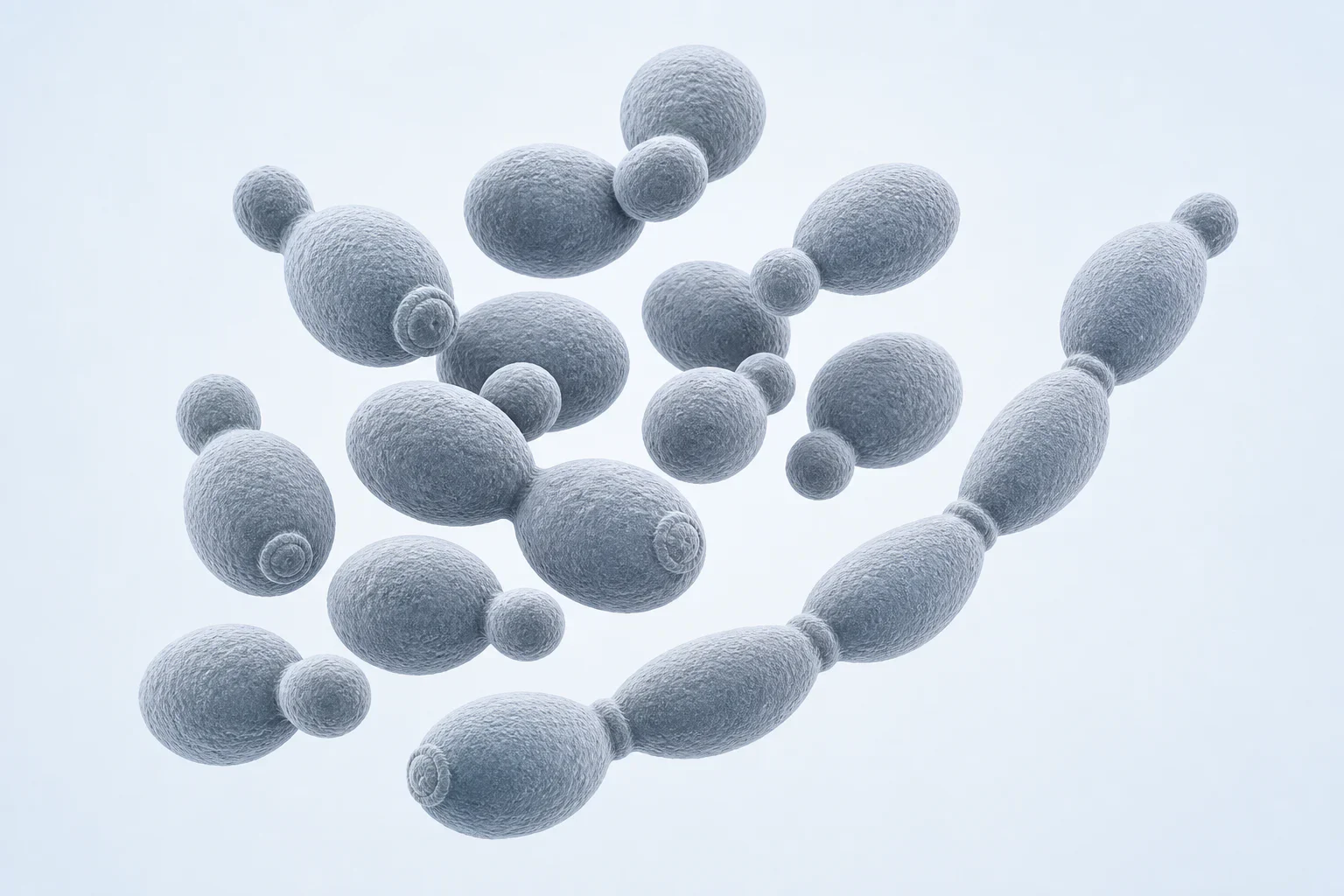
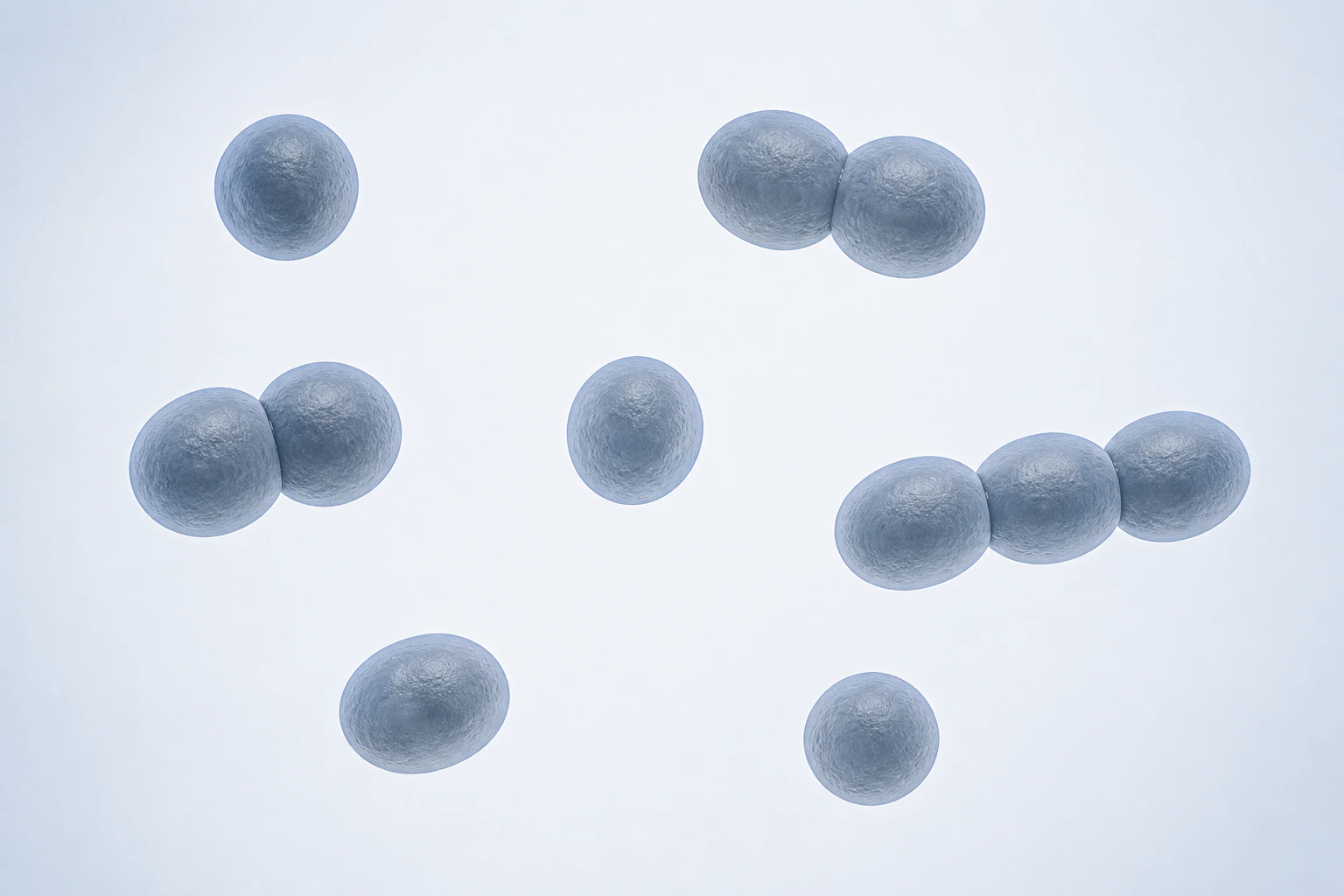
Eleven selected Enterococcus spherical-to-ovoid bodies appear in seven groupings: four singles, two touching pairs, and one short three-cell chain.
Microorganisms3 sources

Enterococcus

A genus of Gram-positive bacteria (primarily E. faecalis and E. faecium) that exemplifies the metal-antibiotic resistance co-selection crisis. Enterococci carry diverse metal tolerance genes for mercury, arsenic, copper, and cadmium on the same mobile genetic elements a

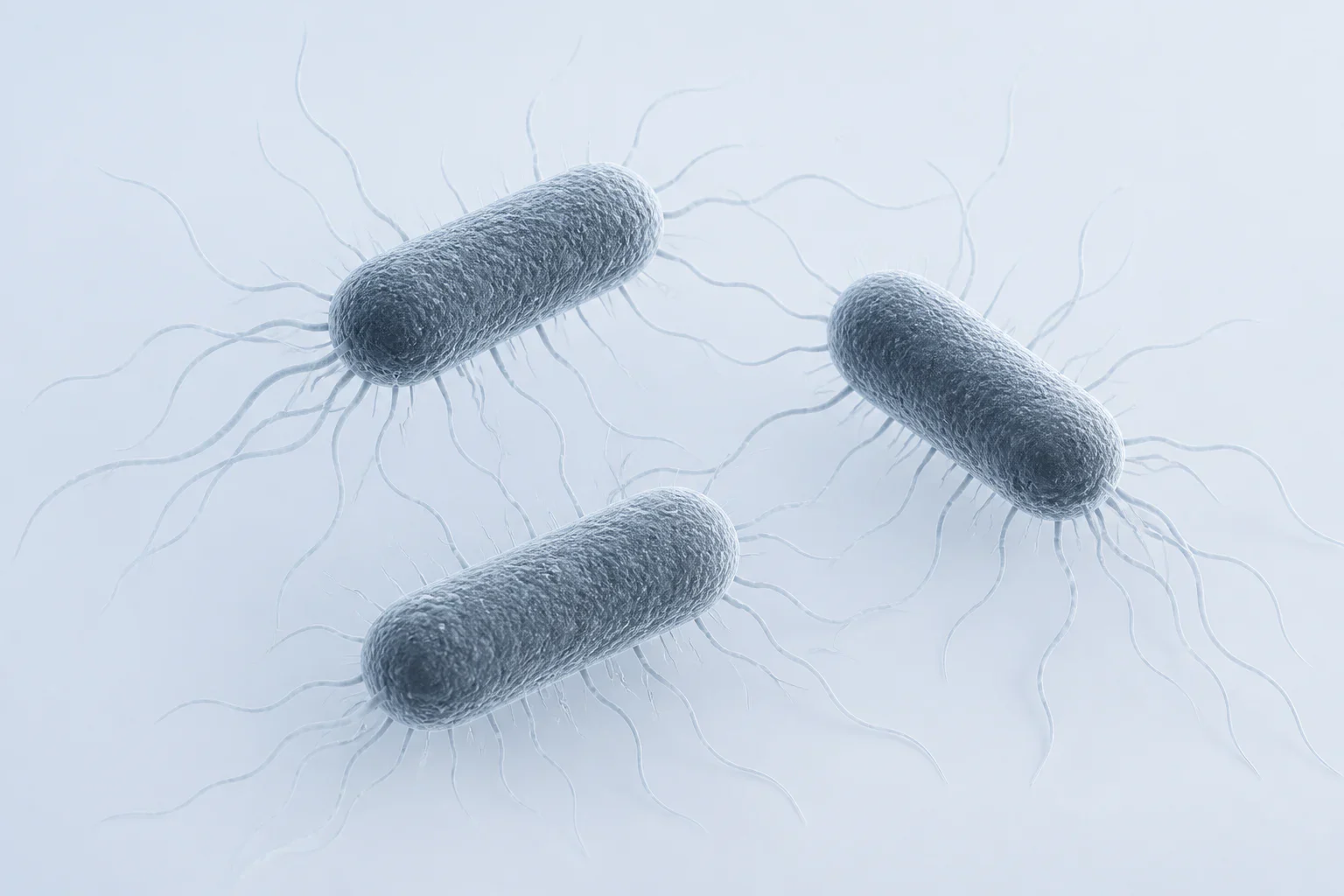
Microscopy-informed reconstruction of three rod-shaped Escherichia coli cells with peritrichous flagella and fine pili on a pale cool field.
Microorganisms6 sources

Escherichia coli

A Gram-negative bacterium that spans the commensal-pathogen spectrum, with pathogenic variants (UPEC, STEC, EHEC) deploying nickel-dependent enzymes as virulence factors. E. coli is the model organism for nickel transport biology -- the NikABCDE system was first charact

Mechanisms5 sources

Gene Regulation

Gene regulation in bacteria is the process by which cells control when and how much of each gene product is made. In the metallomics context, gene regulation is the mechanism by which bacteria respond to the metal environment -- sensing metal availability and adjusting

Reference0 sources

Glossary

Alphabetical definitions of specialist terms used throughout this wiki. Where a full concept page exists, the term links to it. --- AhR (aryl hydrocarbon receptor) -- A ligand-activated transcription factor that senses microbial metabolites (especially indoles from tryp

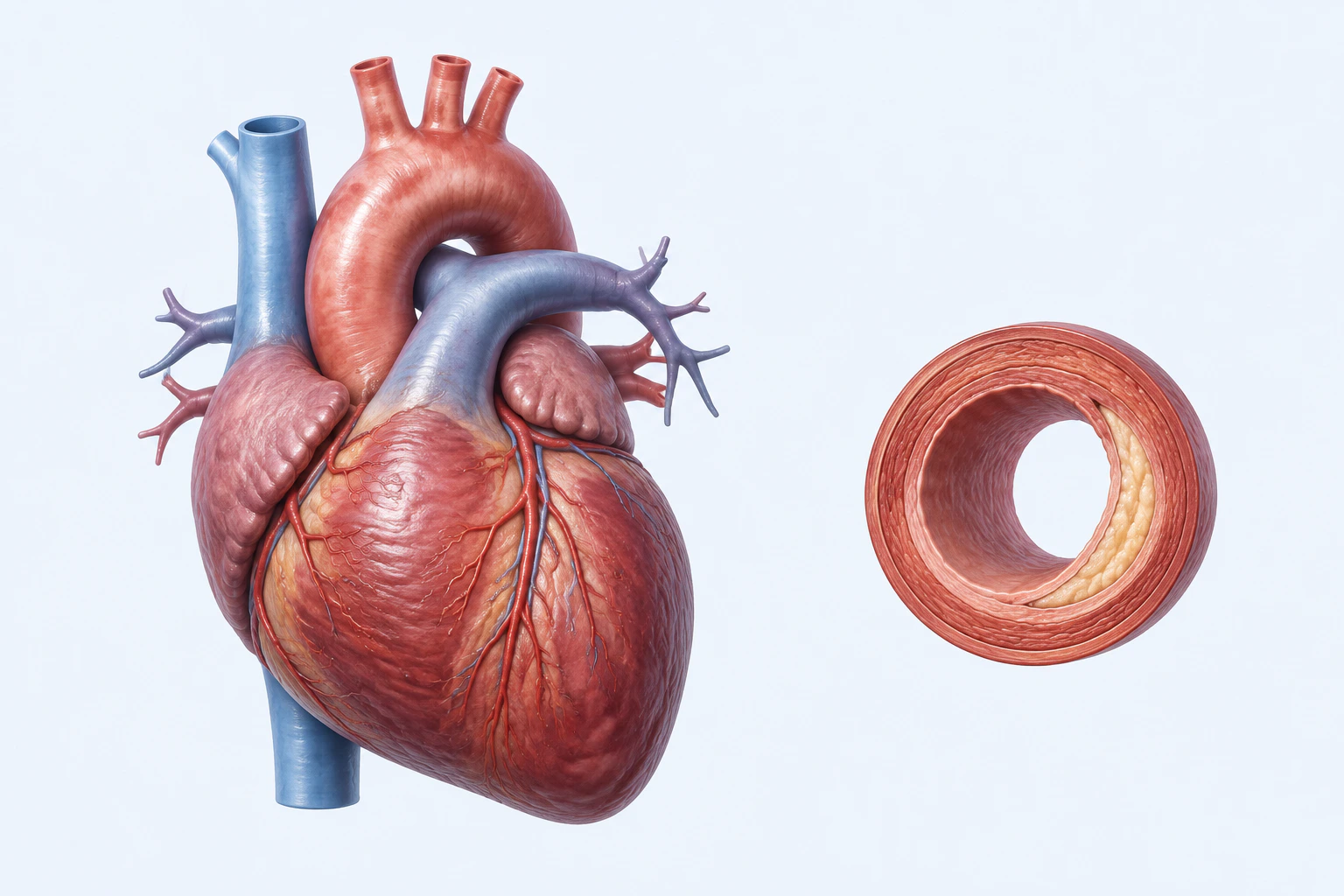
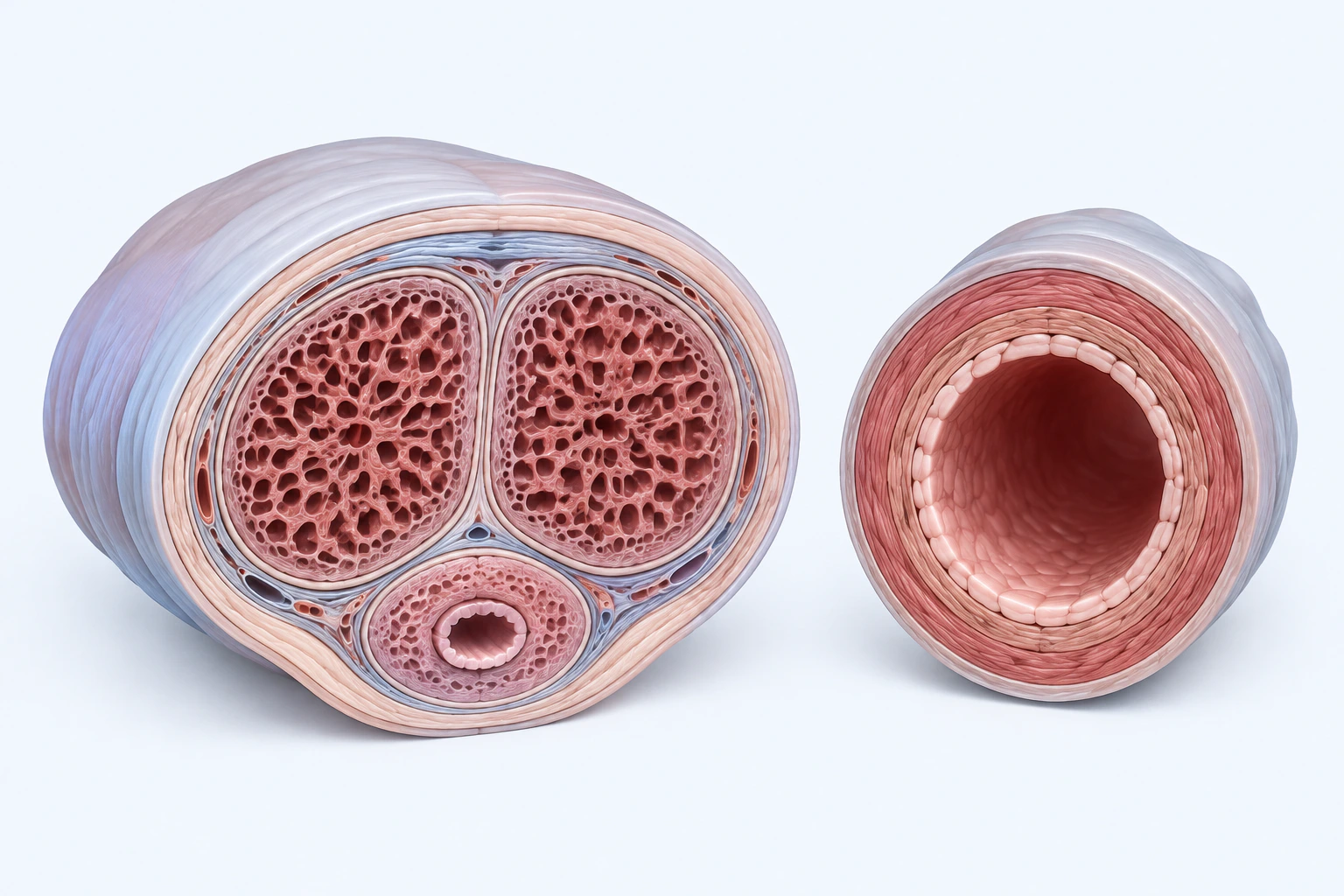
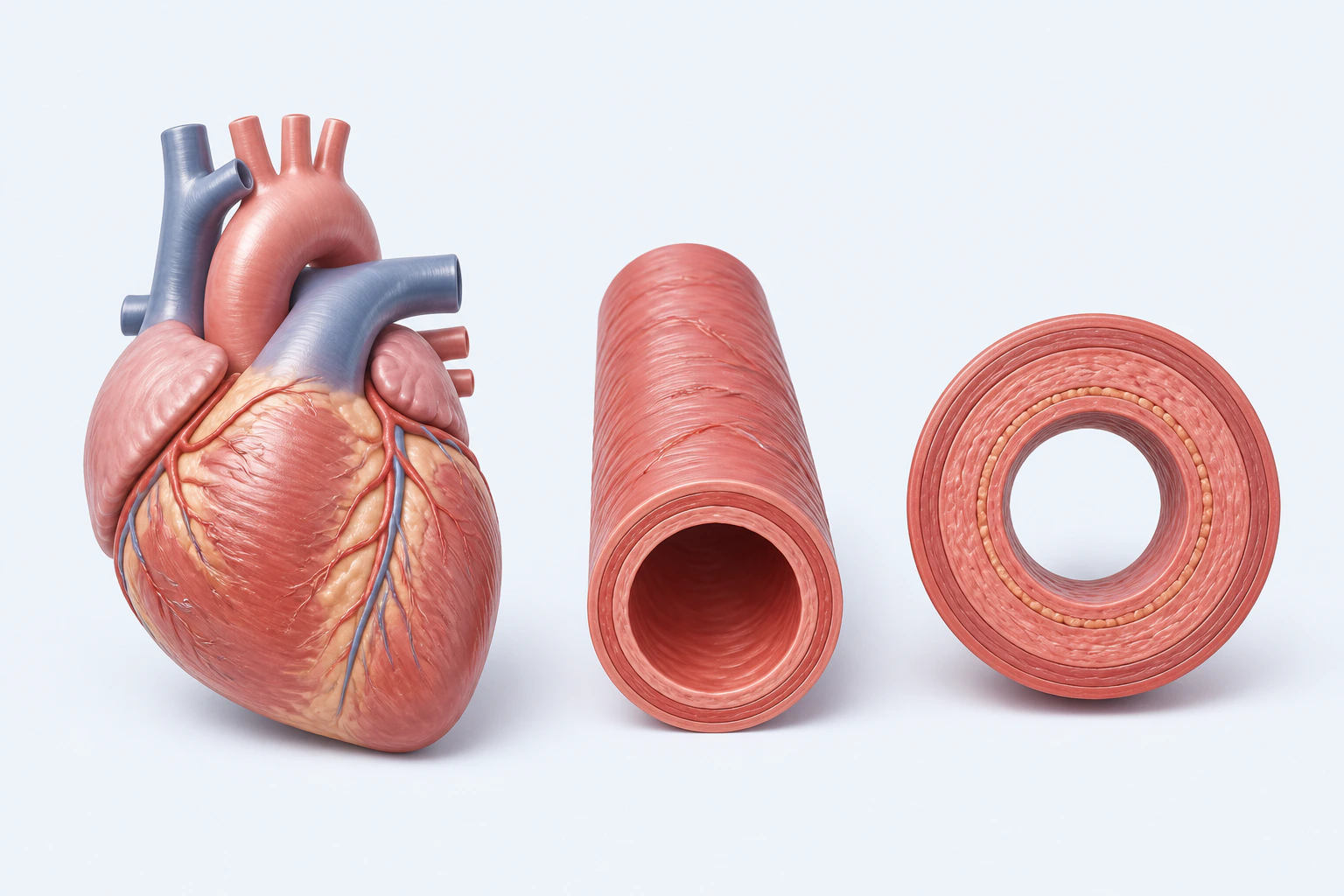
A heart with proximal vessels appears beside an open muscular-artery segment and a layered arterial cross-section with a patent lumen.
Diseases8 sources

Hypertension

Sustained elevation of systemic blood pressure, affecting an estimated 1.3 billion adults worldwide and the leading modifiable risk factor for cardiovascular disease, stroke, and chronic kidney disease. The gut microbiome-blood pressure axis has emerged as a major resea

Host defenses6 sources

Innate Immunity

Innate immunity is the body's first-line, non-specific defense against pathogens — comprising physical barriers (epithelium, mucus), antimicrobial molecules (calprotectin, lactoferrin, defensins), pattern recognition receptors (TLRs, NOD-like receptors), and phagocytic

Host defenses3 sources

Metal Homeostasis

The biological processes by which organisms maintain proper intracellular and systemic concentrations of essential metals -- importing what is needed, storing excess safely, and exporting or sequestering surplus. Both host and microbial systems have evolved elaborate me

Mechanisms8 sources

Metal Sensing

Metal sensing is the set of regulatory mechanisms bacteria use to detect intracellular metal concentrations and adjust gene expression accordingly. Because metal ions cannot be synthesized or degraded -- only imported, exported, sequestered, or trafficked -- sensing and

Host defenses8 sources

Metal-Dependent Virulence

Transition metals serve as essential cofactors for pathogen virulence factors across virtually all domains of microbial life. The dependence of pathogens on metals they must scavenge from the host environment creates a fundamental tension at the heart of infectious dise

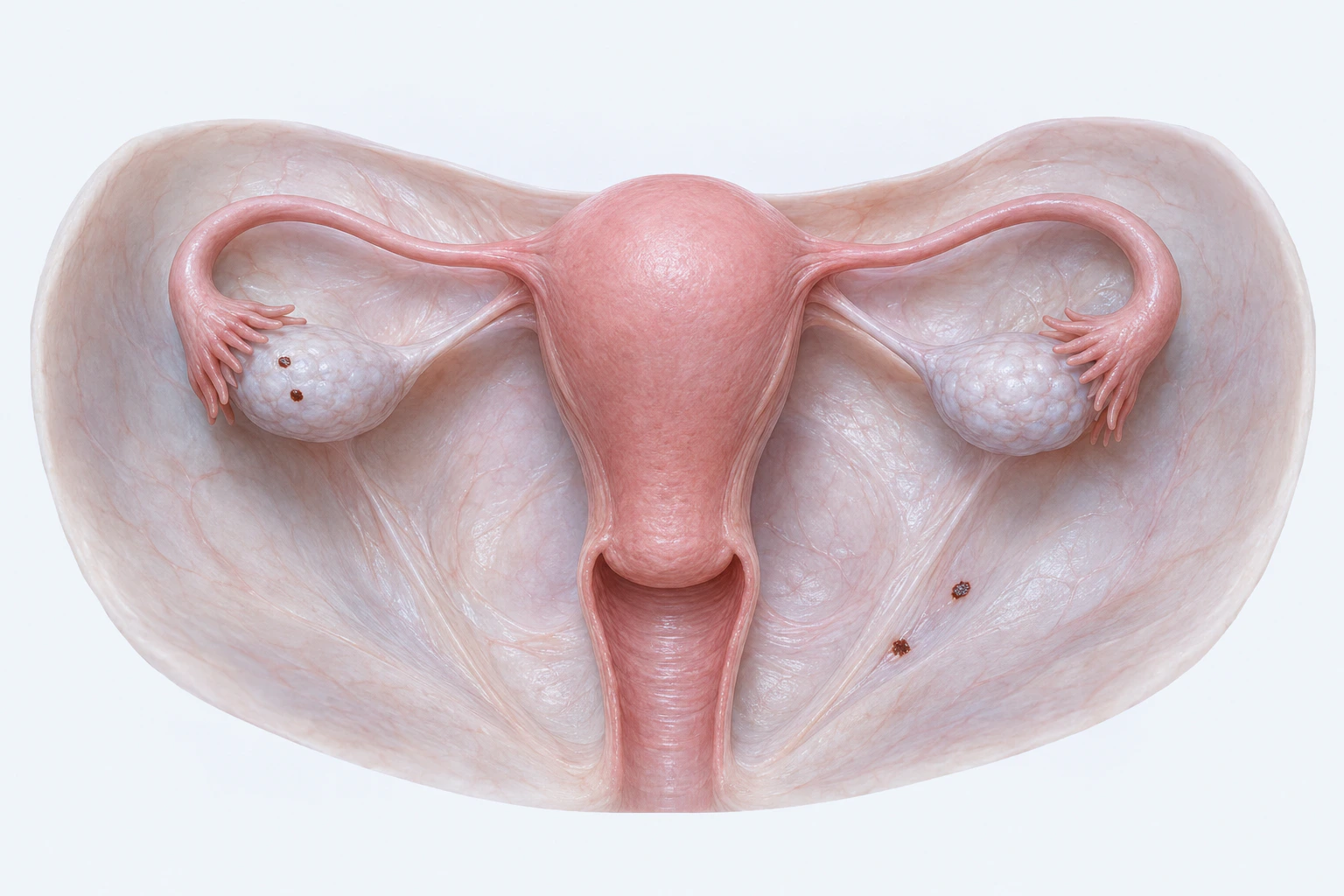
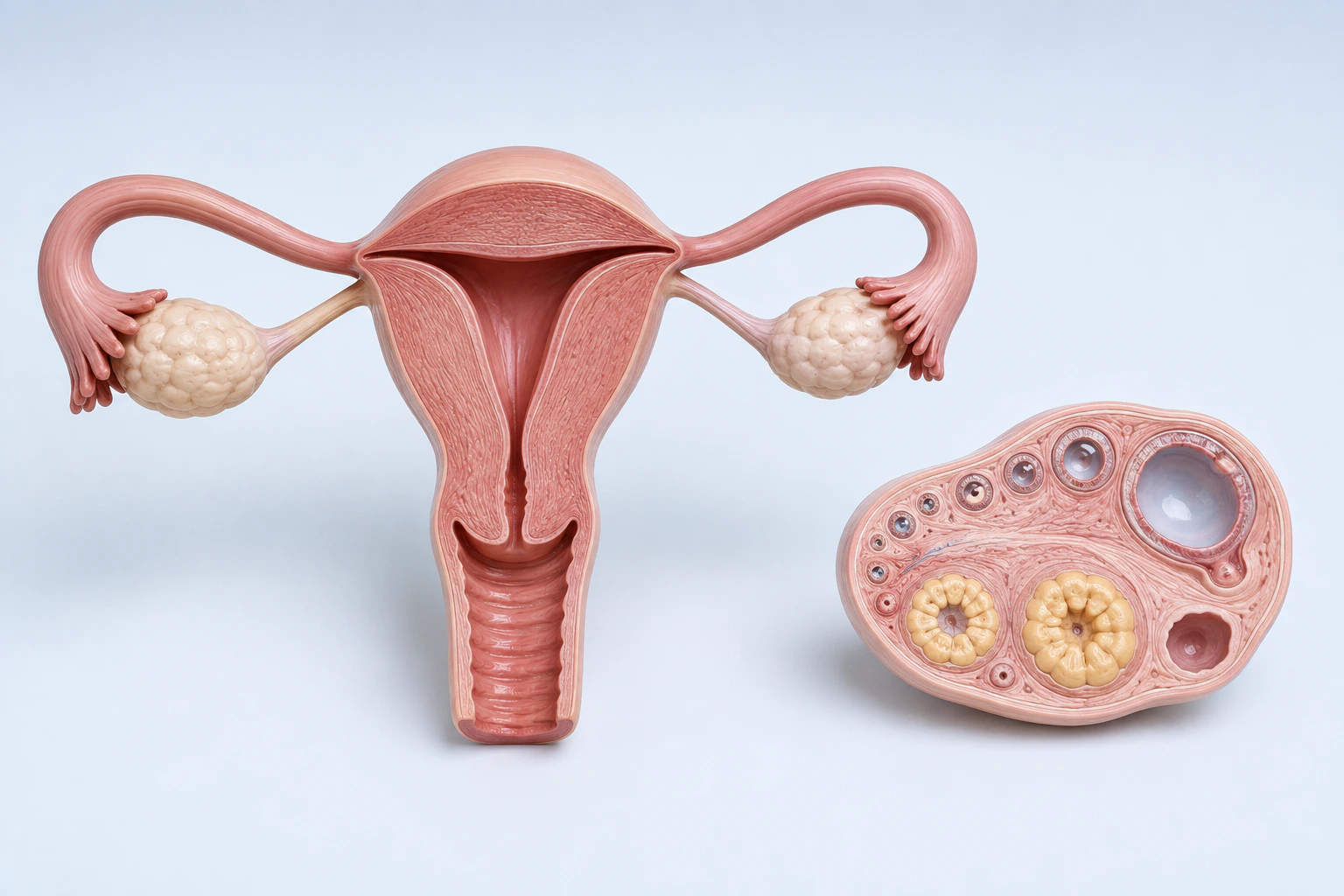
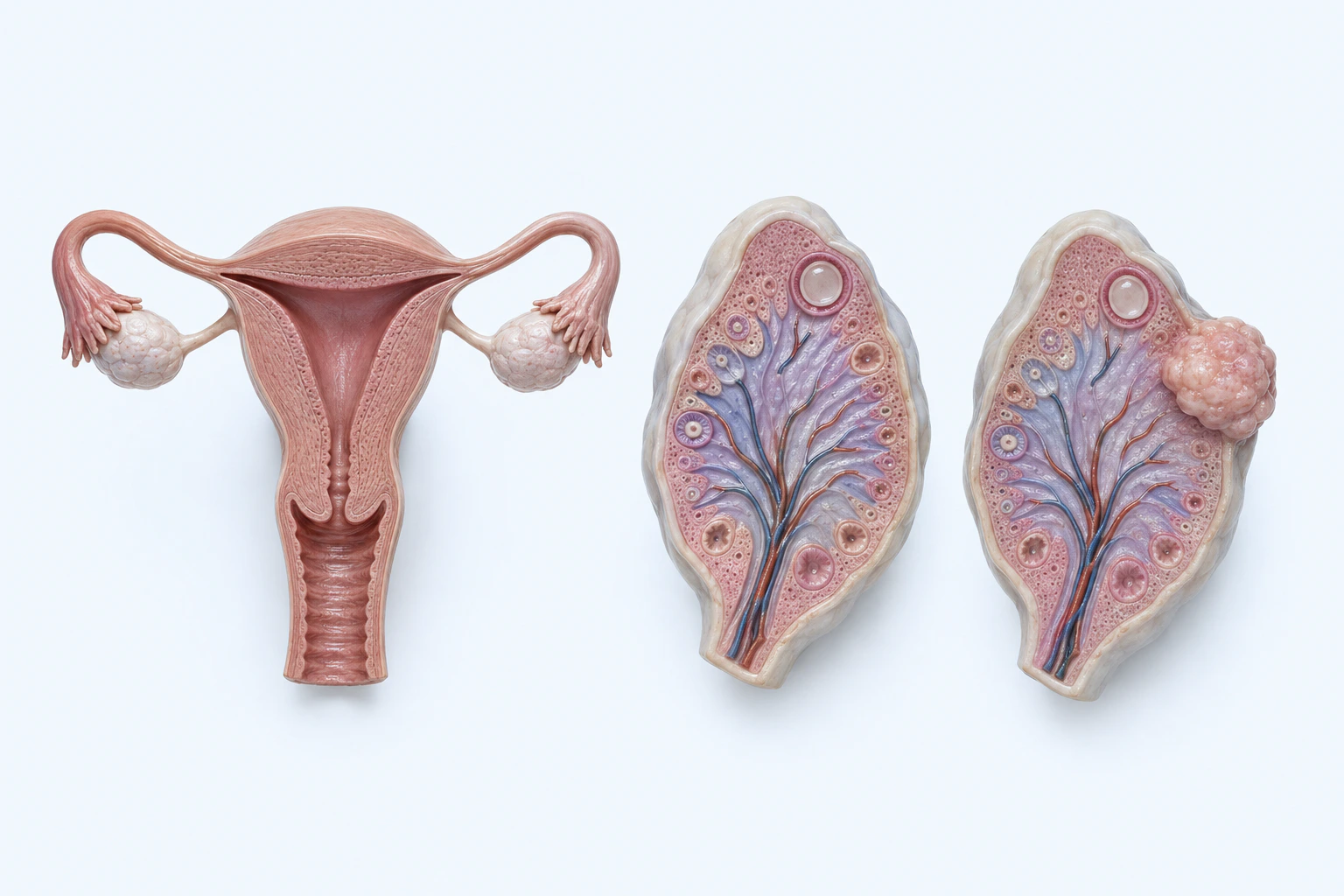
Reproductive anatomy and two ovarian cutaways appear separately; one cutaway carries a single prominent bounded nonspecific external growth.
Diseases6 sources

Ovarian Cancer

Ovarian cancer is the most lethal gynecological malignancy, with approximately 314,000 new cases and 207,000 deaths annually worldwide. Its poor prognosis stems largely from late-stage diagnosis (70% at stage III/IV) and the development of chemoresistance. From a metall