
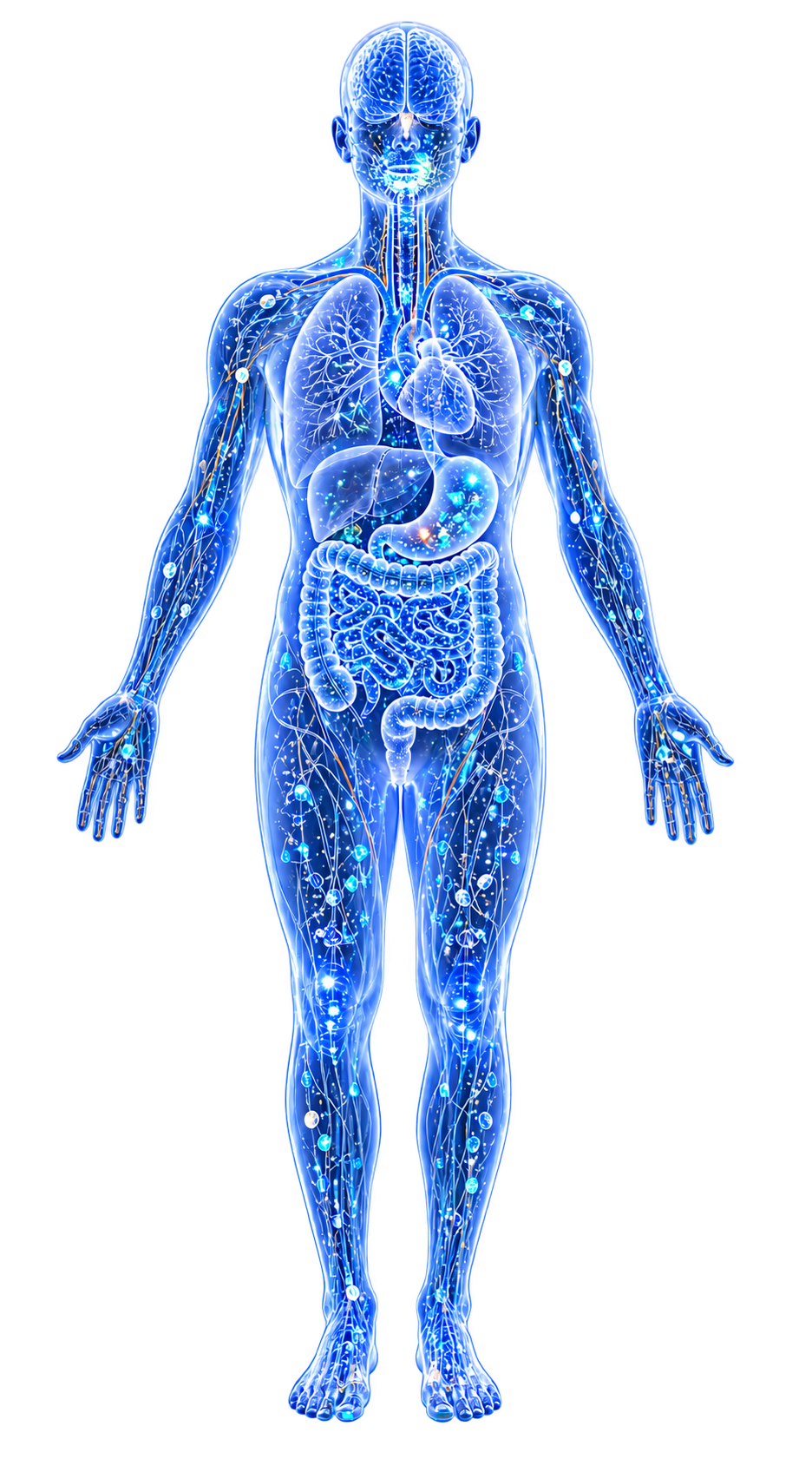
 metals · microbes · host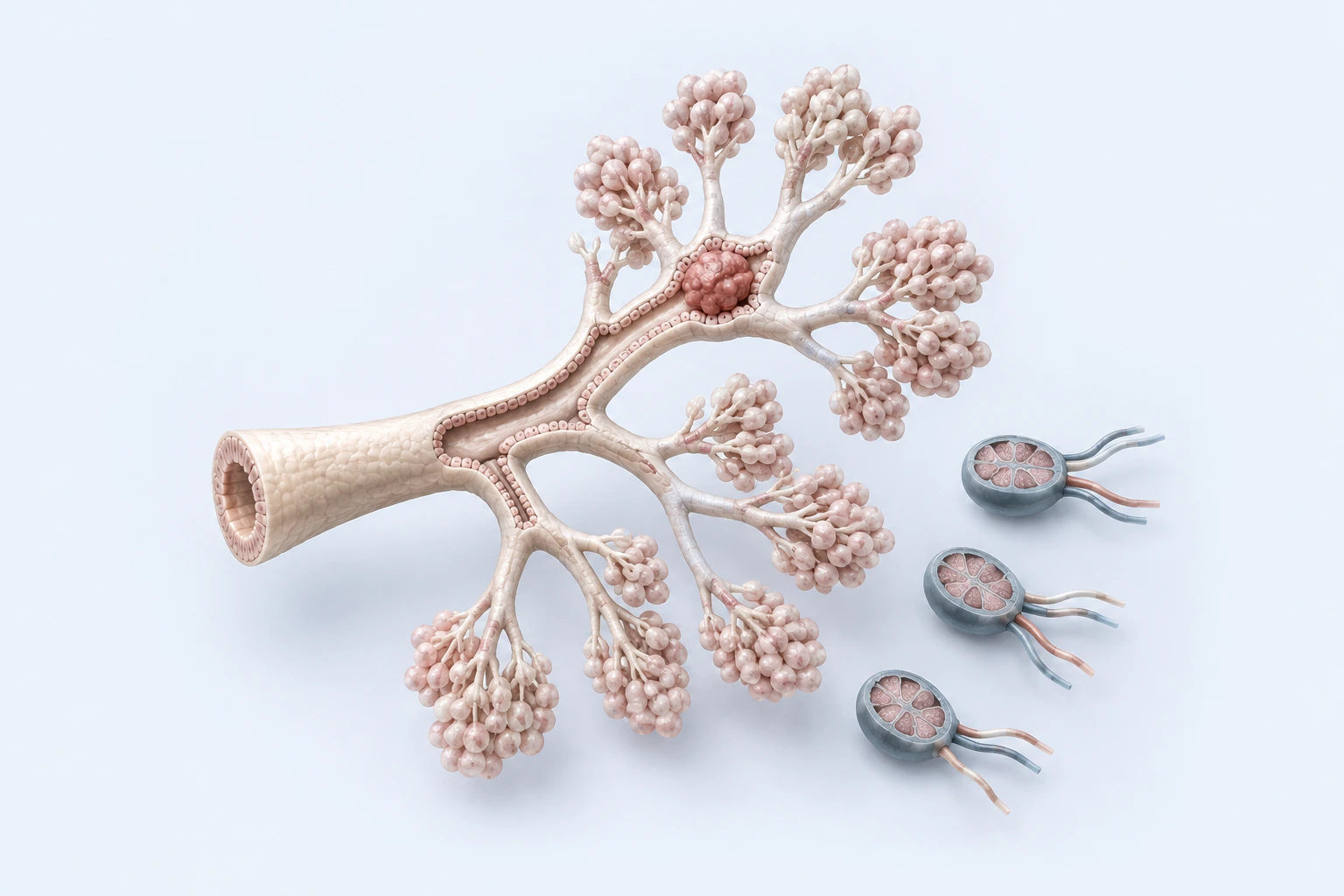
Internal mammary gland orientation with one representative localized lesion. The three separate regional structures are illustrative teaching-model elements; this reconstruction does not assert stage, subtype, receptor status, spread, or diagnosis.
Scientific media record1 verified identifier
- Subject
- Breast Neoplasmscondition
- Identifiers
- MeSH:D001943
- Review
- Editorial review completeIdentifiers authority-verified · Accessibility validated · · breast-cancer|breast-cancer-pathology-v2.webp
- Digital source
- Trained-algorithmic mediaCreated with a trained generative algorithm and reviewed by WikiBiome for subject identity, scientific framing, identifiers, provenance, and accessibility.
- License
- CC BY-SA 4.0Created
Breast cancer is the most common cancer in women worldwide, with approximately 2.3 million new cases annually. While genetic, hormonal, and lifestyle factors are well-established risk determinants, the metallomic dimension reveals a consistent pattern of trace element disruption that intersects with both estrogenic signaling and microbiome composition.
The most robust metallomic findings are copper and cadmium elevation alongside zinc and manganese depletion—a signature that simultaneously compromises antioxidant defense and amplifies estrogenic stimulation through the Metalloestrogens pathway.
Evidence map36 cited passagesInspect provenance +
Cadmium's role in breast cancer extends far beyond generic heavy metal toxicity. detailed the molecular mechanisms:
showed that nickel binds ERa and induces 2-5 fold cell growth increase in MCF-7 cells at 10^-9 to 10^-6 M concentrations. Nickel binding is noncompetitive with estradiol—it does not affect Kd but decreases estradiol binding sites. Beyond estrogenic effects, nickel induces global loss of histone acetylation, H3K9 methylation (gene silencing), and p16 promo
found that breast cancer patients have significantly reduced gut microbiome alpha-diversity (Shannon, Observed, Inverse Simpson, Pielou indices) compared to age-matched controls. Three genera—Acidaminococcus, Hungatella, and Tyzzerella—were enriched in breast cancer patients, while Christensenellaceae, Oscillospirales, and Dialister were depleted.
| Metal | Direction | Key Evidence | |-------|-----------|-------------| | copper | Elevated (serum, tissue) | Meta-analysis SMD 2.44 in Africa/Europe; associated with lysyl oxidase-like proteins and GPER1 signaling | | cadmium | Elevated (metalloestrogen) | SMD 2.55 in Asia; binds ERa with Kd ~4.5x10^-10 M; half-life 12-30 years; mammary gland accumulation;
The Cu/Zn ratio is the most reliable single metric, capturing simultaneous Cu elevation and Zn depletion. The mechanistic basis is direct: Cu displaces Zn from metallothionein due to higher binding affinity, causing simultaneous Cu/Zn-SOD antioxidant failure and pro-oxidant Cu accumulation.
Critical biomarker note: The Sister Study (n=1,495 cases, toenail biomarkers) found "little evidence supporting an association between individual metals and breast cancer risk overall". Toenails reflect 6-12 month exposure windows vs blood/serum (days-weeks). The notable toenail finding was an inverse association for molybdenum (HR=0.82 overall; HR=0.57 for
Smoking: Primary cadmium source; cessation associated with 35% decrease in breast cancer mortality
Diet: Cd enters the food chain through contaminated soils (phosphate fertilizers); cocoa, shellfish, and organ meats are high-Cd foods
Occupational: Industrial Cd and Ni exposure in manufacturing, battery production, and electroplating
Cosmetics: Cd, Pb, and Ni contamination documented in personal care products
Xenobiotic co-exposure: Co-exposure with BPA, microplastics, mycotoxins, PAHs, and nanoparticles potentiates Cd toxicity
Chronic low-dose Cd: 2.5 uM for 40+ weeks transforms normal MCF-10A epithelial cells to basal-like phenotype with increased colony formation and invasive potential
metallothionein is upregulated in breast cancer cells primarily as a cadmium detoxification response. However, higher MT expression paradoxically predicts cancer progression and drug resistance, indicating the defense mechanism is co-opted by tumor biology
ceruloplasmin elevation reflects copper transport dysregulation; copper is delivered to tumor-promoting lysyl oxidase-like proteins via ceruloplasmin-mediated transport
Cu/Zn-SOD and MnSOD are functionally depleted due to zinc and manganese deficiency, removing the primary enzymatic defense against superoxide radicals
Glutathione peroxidase is impaired by selenium depletion, removing the primary defense against lipid peroxidation
Confidence: moderate—the breast cancer gut microbiome has fewer dedicated studies than CRC, but the estrobolome mechanism is well-supported and the case-control gut profile from provides direct evidence.
fusobacterium nucleatum has been identified in breast tumor tissue, where it colonizes via Fap2-mediated binding to Gal-GalNAc receptors. In breast tissue, F. nucleatum promotes cancer progression through MMP-9, IL-8, EMT induction, and PD-L1 upregulation for immune evasion. Colistin-loaded nanovehicles targeting tumor-infiltrating F. nucleatum reverse chemo
bacteroides fragilis BFT toxin activates oncogenic beta-catenin and Notch1 signaling. Additionally, B. fragilis expresses beta-glucuronidase, contributing to estrogen deconjugation and recirculation.
Three genera were specifically enriched in breast cancer fecal microbiomes: acidaminococcus (24% cases vs 9% controls, associated with lower whole fruit intake), hungatella (38% vs 9%, associated with TMAO/choline metabolism), and tyzzerella (38% vs 20%).
Tumor-associated microbiota varies by subtype: TNBC enriches Bacillus and Mucor; ER+/PR+/HER2- enriches Klebsiella and Stenotrophomonas; triple-positive enriches Fusobacterium.
Breast cancer patients have significantly reduced alpha-diversity (Shannon 3.91 vs 4.13, p=0.012; Inverse Simpson p=0.005). Depleted taxa include christensenellaceae (health-associated, lean phenotype), oscillospirales, dialister, and Coriobacteriales.
akkermansia muciniphila is depleted by cadmium exposure at low doses, disrupting tight junction integrity and promoting systemic inflammation. bifidobacterium depletion is clinically significant because Bifidobacterium administration enhances anti-PD-1 immunotherapy efficacy in cancer models.
| Enzyme/Factor | Organism | Function in Breast Cancer | |---------------|----------|--------------------------| | Beta-glucuronidase | Multiple gut bacteria (B. fragilis, Enterobacteriaceae) | Deconjugates estrogen metabolites, increasing reabsorption and circulating estrogen available to breast tissue | | BFT metalloprotease | B. fragilis (Zn-dependent) |
Showing 24 of 36 evidence-bearing passages. Every remaining citation is still indexed in the reference record below.
One disease. Five evidence layers.
A generated systems view of the metals, organisms, host sequestration signals, ecological conditions, and microbial functions indexed for Breast Cancer.
Evidence layer
Taxonomic signature
Organisms reported as enriched or depleted, with their indexed functional context kept beside the name.Colonizes breast tissue via Fap2-mediated Gal-GalNAc binding; promotes MMP-9, IL-8, EMT, PD-L1 upregulation, and chemoresistance through autophagy
BFT toxin activates oncogenic beta-catenin and Notch1 signaling; beta-glucuronidase activity increases estrogen recirculation
Enriched in breast cancer fecal samples (24% cases vs 9% controls); associated with lower whole fruit intake
Enriched in breast cancer (38% vs 9% controls); associated with TMAO and choline metabolism
Enriched in breast cancer (38% vs 20% controls); mechanism unclear
Enriched in certain breast cancer subtypes (ER+/PR+/HER2-); pro-inflammatory
Health-associated family depleted in breast cancer; associated with lean phenotype and metabolic health
Depleted in breast cancer; SCFA-producing order
Depleted in breast cancer patients vs controls
Depletion compromises anti-PD-1 immunotherapy efficacy and colonization resistance
Depleted by cadmium exposure; loss disrupts tight junction integrity and promotes systemic inflammation
Evidence layer
Nutritional immunity
Host metal-withholding, inflammatory, antioxidant, and microbial-metabolite signals indexed in the signature.Elevated host signals
3Depleted protective signals
4Evidence layer
Ecological state
The environmental conditions that connect the organism-level observations into a system.Evidence layer
Virulence functions
Microbial structures, enzymes, and acquisition systems implicated by the linked evidence.The disease record, in full.
The original WikiBiome disease narrative remains intact beneath the generated signature atlas.
Metallomic Signature#
The metallomic profile of breast cancer from the Metal-Disease Matrix: A Cross-Source Synthesis and primary meta-analyses:
| Metal | Direction | Key Evidence | |
|---|---|---|---|
| [[copper | copper (Cu)]] | Elevated (serum, tissue) | Meta-analysis SMD 2.44 (Africa/Europe); significantly higher in plasma/serum across studies; associated with lysyl oxidase-like proteins and GPER1 signaling |
| [[cadmium | cadmium (Cd)]] | Elevated (metalloestrogen) | Higher in plasma, urine, hair, tissue; binds ERa with Kd ~4.5x10^-10 M; half-life 12-30 years in body |
| [[zinc | zinc (Zn)]] | Depleted (serum, hair) | Meta-analysis SMD -2.09 in plasma/serum; multiple meta-analyses (926-2,369 patients) confirm lower serum zinc |
| [[manganese | manganese (Mn)]] | Depleted (serum) | SMD -2.95 in plasma/serum (Asia); manganese deficiency disrupts MnSOD antioxidant function |
| [[lead | lead (Pb)]] | Elevated (tissue) | Significantly elevated in breast tissue; activates ERa and Ras/Raf/MEK/ERK pathway |
| [[nickel | nickel (Ni)]] | Inconsistent | Serum elevated in some Chinese populations; non-significant in meta-analysis and toenail studies |
| [[iron | iron (Fe)]] | Dysregulated | No significant differences in plasma/serum between cases and controls |
| [[selenium | selenium (Se)]] | Depleted | Decreased across cancer types; impairs glutathione peroxidase defense |
The Cu/Zn Ratio as Diagnostic Biomarker#
The copper (Cu)/zinc (Zn) ratio captures the two most consistent metallomic changes in breast cancer—copper elevation and zinc depletion—in a single metric. First proposed as a colorectal cancer marker, it is now documented as elevated in breast, prostate, lung, and thyroid cancers.
The mechanistic basis is direct: elevated copper displaces zinc from metallothionein due to higher binding affinity, and the resulting simultaneous failure of copper/zinc superoxide dismutase (Cu/Zn-SOD) antioxidant defense (from zinc depletion) and pro-oxidant copper accumulation creates a synergistic oxidative environment favoring carcinogenesis.
Cadmium as Metalloestrogen#
Cadmium's role in breast cancer extends far beyond generic heavy metal toxicity.[1]Cadmium and breast cancer - Current state and research gaps in the underlying mechanismsTarhonska K, Lesicka M, Janasik B et al. · 2022Open reference 1 ↓ detailed the molecular mechanisms.
ERa binding: cadmium (Cd) binds estrogen receptor alpha with a Kd of 4.5 x 10^-10 M—nearly equivalent to estradiol. It activates ER target genes (CycD1, c-myc, CTD) in MCF-7 cells at concentrations as low as 1 uM.
GPR30 pathway: cadmium also activates the membrane-bound estrogen receptor GPR30/GPER, inducing proliferative responses at 50-500 nM in ER-negative cells—meaning cadmium can drive proliferation even in ER-negative breast cancer.
Epigenetic carcinogenesis: 60 uM CdCl2 treatment of MCF-7 cells for 72 hours altered 997 genes by epigenetic modification, 400 of which were associated with breast cancer.
EMT promotion: cadmium promotes epithelial-mesenchymal transition by downregulating E-cadherin through Snail upregulation, enhancing migration and invasion. Mammary accumulation: cadmium accumulates preferentially in mammary gland tissue, with metallothioneins primarily responsible. Higher metallothionein expression predicts cancer progression and drug resistance.
Chronic low-level exposure (2.5 uM for 40+ weeks) transforms normal MCF-10A epithelial cells to a basal-like phenotype with increased colony formation and invasive potential.
Nickel: Supportive but Inconsistent#
[2]Role of Cadmium and Nickel in Estrogen Receptor Signaling and Breast Cancer: Metalloestrogens or Not?Aquino NB, Sevigny MB, Sabangan J et al. · 2012Open reference 2 ↓ showed that nickel binds ERa and induces 2-5 fold cell growth increase in MCF-7 cells at 10^-9 to 10^-6 M concentrations. Nickel binding is noncompetitive with estradiol—it does not affect Kd but decreases estradiol binding sites.
Beyond estrogenic effects, nickel induces global loss of histone acetylation, H3K9 methylation (gene silencing), and p16 promoter hypermethylation in all nickel-transformed cells. However, epidemiological evidence has not consistently supported a nickel-breast cancer association.
The[3]Metals and Breast Cancer Risk: A Prospective Study Using Toenail BiomarkersNiehoff NM, O'Brien KM, Keil AP et al. · 2021Open reference 3 ↓ prospective Sister Study (1,495 cases, toenail biomarkers) found no significant nickel association (T3 vs T1: HR = 1.04, 95% CI: 0.86-1.26), and the[4]Relationships Between Biological Heavy Metals and Breast Cancer: A Systematic Review and Meta-AnalysisLiu L, Chen J, Liu C et al. · 2022Open reference 4 ↓ meta-analysis similarly found non-significant results in plasma/serum.
The Toenail Biomarker Discrepancy#
A critical methodological note: the Sister Study using toenail biomarkers found "little evidence supporting an association between individual metals and breast cancer risk overall," with null results for cadmium (Cd), copper (Cu), nickel (Ni), and lead (Pb). This contrasts sharply with the meta-analysis of blood/serum/tissue studies.
Toenails reflect 6-12 month exposure windows versus blood/serum (days-weeks), and this biomarker matrix difference may explain the discrepancy. The notable toenail finding was an inverse association for Molybdenum (HR = 0.82 for overall; HR = 0.57 for ER-negative cancer), which was not captured by other matrices.
Gut Microbiome Connection#
[5]Association between Gut Microbiota and Breast Cancer: Diet as a Potential Modulating FactorAltinok Dindar D, Chun B, Palma A et al. · 2023Open reference 5 ↓ found that breast cancer patients have significantly reduced Gut Microbiome alpha-diversity (Shannon, Observed, Inverse Simpson, Pielou indices) compared to age-matched controls. Three genera—Acidaminococcus, Hungatella, and Tyzzerella—were enriched in breast cancer patients, while Christensenellaceae, Oscillospirales, and Dialister were depleted.
The microbiome connection operates through several metal-relevant pathways. Estrobolome: Beta-glucuronidase-producing gut bacteria deconjugate estrogen metabolites, increasing circulating estrogen levels. Metal-induced Dysbiosis can shift the estrobolome toward greater deconjugation activity, amplifying estrogenic stimulation of breast tissue.
SCFA and immune modulation: Loss of Butyrate-producing bacteria compromises intestinal barrier integrity and anti-inflammatory signaling, both relevant to cancer immune surveillance. Cadmium-microbiome interactions: cadmium (Cd) exposure at low doses specifically decreases Akkermansia muciniphila and disrupts tight junction integrity, promoting systemic Metal-Driven Inflammation.
Diet-microbiome-metal nexus: Hungatella (enriched in breast cancer) is associated with TMAO and choline metabolism; Acidaminococcus presence correlated with lower whole fruit intake, suggesting dietary patterns that also affect metal exposure.
Environmental Metal Exposure Links#
Smoking: Primary source of cadmium exposure; smoking cessation associated with 35% decrease in breast cancer mortality. Selenium may modify this protective effect. Diet: cadmium (Cd) enters the food chain through contaminated soils (phosphate fertilizers); cocoa, shellfish, and organ meats are high-cadmium foods.
Occupational: Industrial cadmium and nickel (Ni) exposure in manufacturing, battery production, and electroplating confer elevated risk. Cosmetics and consumer products: cadmium, lead (Pb), and nickel contamination documented in personal care products. Xenobiotic co-exposure: cobalt (Co)-exposure with BPA, microplastics, mycotoxins, PAHs, and nanoparticles can potentiate cadmium toxicity.
Dietary Metal Paradoxes#
Full evidence is maintained on the canonical paradox articles.
Current Interventions with Metal Relevance#
| Intervention | Mechanism | Evidence Level |
|---|---|---|
| copper (Cu)/zinc (Zn) ratio monitoring | Captures dual metallomic changes in a single diagnostic metric | Emerging biomarker |
| Selenium supplementation | May modify cadmium (Cd) toxicity; supports GPx antioxidant defense | Protective effect data from cadmium studies |
| Cadmium exposure reduction | Smoking cessation; dietary source management | Strong epidemiological rationale |
| Molybdenum | Inversely associated with BC risk (especially ER-negative); cofactor for sulfite oxidase | Novel finding from Sister Study; mechanism unclear |
| Metallothionein profiling | Higher MT expression predicts cancer progression and drug resistance | Potential prognostic biomarker |
Open Questions#
Unresolved questions identified by the current evidence record.
01Biomarker matrix optimization: Should clinical metallomic screening for breast cancer use blood, urine, or toenails?+
The dramatically different results by matrix type suggest the answer matters enormously.
02cadmium (Cd) exposure thresholds: What is the lowest chronic cadmium dose that meaningfully increases breast cancer risk?+
The ERa binding affinity (sub-nanomolar Kd) suggests even very low exposures may matter.
03Nickel's role: Is nickel a metalloestrogen relevant to breast cancer in vivo, or do the in vitro findings not translate to human exposure levels?+
The current WikiBiome record identifies this as an unresolved evidence gap.
04Racial/ethnic differences: The Sister Study found different metal-cancer associations by race/ethnicity (antimony protective in Black women, zinc positive in Black women). Do genetic polymorphisms in metal transporters explain these differences?+
The current WikiBiome record identifies this as an unresolved evidence gap.
05Cuproptosis in therapy: Can copper-dependent cell death (via FDX1) be therapeutically exploited in breast cancer, given the elevated copper (Cu) in tumor tissue?+
The current WikiBiome record identifies this as an unresolved evidence gap.
06Developmental windows: No studies have evaluated chronic low-dose cadmium (Cd) or nickel (Ni) exposure during puberty or pregnancy—the critical windows for breast tissue development.+
The current WikiBiome record identifies this as an unresolved evidence gap.
Comorbidities#
Polycystic Ovary Syndrome—shared metalloestrogen pathway (cadmium (Cd), nickel (Ni) bind ERa); both feature copper elevation and Oxidative Stress; PCOS insulin resistance increases breast cancer risk through hyperinsulinemia-driven cell proliferation.
Obesity—elevated BMI increases circulating estrogen via adipose aromatase activity; obesity-associated dysbiosis overlaps with breast cancer microbiome shifts; shared copper (Cu)/zinc (Zn) ratio disruption.
Type 2 Diabetes—insulin resistance and hyperinsulinemia promote breast cancer cell proliferation via IGF-1 pathway; metformin use in T2D is associated with reduced breast cancer risk; shared gut dysbiosis patterns.
Depression—breast cancer patients have 3-4x higher depression rates; shared gut-brain axis disruption and systemic inflammation; dysbiosis-driven tryptophan pathway shifts reduce serotonin precursor availability.
Connections#
- Metalloestrogens—cadmium (Cd) and nickel (Ni) as ERa-binding metals; the metalloestrogen hypothesis is most developed for breast cancer
- Copper—Near-universal elevation in cancer; copper (Cu)/zinc (Zn) ratio as diagnostic; cuproptosis as therapeutic concept
- Cadmium—Mammary gland accumulation; metalloestrogen pathway; epigenetic carcinogenesis
- Zinc—Depletion impairs SOD, p53, and immune defense; paradoxical findings in supplementation
- Nickel—In vitro metalloestrogen evidence; epidemiological evidence weak; chromatin modification mechanisms
- Gut-Metal-Microbiome Interactions—Estrobolome disruption; cadmium-driven dysbiosis; SCFA loss
- Metal-Disease Matrix: A Cross-Source Synthesis—Breast cancer fits the general cancer signature (elevated copper, cadmium; depleted zinc, selenium (Se))
References 21
Numbered by first appearance in the article, then reconciled with its declared source list.
- 1
Tarhonska K, Lesicka M, Janasik B et al. (2022). Cadmium and breast cancer - Current state and research gaps in the underlying mechanisms. Toxicology Letters.
- 2
★Aquino NB, Sevigny MB, Sabangan J et al. (2012). Role of Cadmium and Nickel in Estrogen Receptor Signaling and Breast Cancer: Metalloestrogens or Not?. Journal of Environmental Science and Health Part C - Environmental Carcinogenesis and Ecotoxicology Reviews.
- 3
Niehoff NM, O'Brien KM, Keil AP et al. (2021). Metals and Breast Cancer Risk: A Prospective Study Using Toenail Biomarkers. American Journal of Epidemiology.
- 4
★Liu L, Chen J, Liu C et al. (2022). Relationships Between Biological Heavy Metals and Breast Cancer: A Systematic Review and Meta-Analysis. Frontiers in Nutrition.
- 5
Altinok Dindar D, Chun B, Palma A et al. (2023). Association between Gut Microbiota and Breast Cancer: Diet as a Potential Modulating Factor. Nutrients.
- 6
★Ali AS, Nazar ME, Mustafa RM et al. (2024). Impact of heavy metals on breast cancer (Review). World Academy of Sciences Journal.
- 7
Rie Sugimoto, Lingaku Lee, Yuki Tanaka et al. (2024). Zinc Deficiency as a General Feature of Cancer: A Review of the Literature. Biological Trace Element Research.
- 8
Yan Zhang, Jie He, Jiao Jin et al. (2022). Recent advances in the application of metallomics in diagnosis and prognosis of human cancer. Metallomics.
- 9
Zufa Sabeel, Zhao Yang (2025). Microbiome-Targeted Nanoplatforms and Engineering Approaches in Breast Cancer Therapy. Molecular Cancer.
- 10
★Qinheng Zhu, Boyan Chen, Fu Zhang et al. (2024). Toxic and Essential Metals: Metabolic Interactions with the Gut Microbiota and Health Implications. Frontiers in Nutrition.
- 11
Song He, Hao Li, Zehui Yu et al. (2021). The Gut Microbiome and Sex Hormone-Related Diseases. Frontiers in Microbiology.
- 12
Konstantin Salnikov, Anatoly Zhitkovich (2008). Genetic and Epigenetic Mechanisms in Metal Carcinogenesis and Cocarcinogenesis: Nickel, Arsenic, and Chromium. Chemical Research in Toxicology.
- 13
Katrin Klotz, Wobbeke Weistenhofer, Frauke Neff et al. (2017). The Health Effects of Aluminum Exposure. Deutsches Arzteblatt International.
- 14
Kevin J. Thompson, James N. Ingle, Xiaojiu Tang et al. (2017). Thompson et al. 2017 — A Comprehensive Analysis of Breast Cancer Microbiota and Host Gene Expression. PLOS ONE.
- 15
Christine M. Velicer, Susan R. Heckbert, John W. Lampe et al. (2004). Velicer et al. 2004 — Antibiotic Use in Relation to the Risk of Breast Cancer. JAMA.
- 16
Zeni Wu, Doratha A. Byrd, Yunhu Wan et al. (2022). Wu et al. 2022 — The Oral Microbiome and Breast Cancer in the Ghana Breast Health Study. International Journal of Cancer.
- 17
Birgitta Söder, Maha Yakob, Jukka H. Meurman et al. (2010). Söder et al. 2010 — Periodontal Disease May Associate with Breast Cancer. Breast Cancer Research and Treatment.
- 18
Rajiv Saini (2011). Saini 2011 — Oral Health Links Breast Cancer. Journal of Pharmacy and Bioallied Sciences.
- 19
Raúl Bescos, Ann Ashworth, Craig Sheridan et al. (2020). Bescos et al. 2020 — Effects of Chlorhexidine Mouthwash on the Oral Microbiome. Scientific Reports.
- 20
Zoë Brookes, Leanne Teoh, Fabian Cieplik et al. (2023). Brookes et al. 2023 — Mouthwash Effects on the Oral Microbiome: Are They Good, Bad, or Balanced?. International Dental Journal.
- 21
Aleksandr Bing, Nathaniel L. Ritz, Henry C. Lin (2019). Bing, Ritz & Lin 2019 — The Unknown Effect of Antibiotic-Induced Dysbiosis on the Gut Microbiota. Microbiome and Metabolome in Diagnosis, Therapy, and other Strategic Applications (Book Chapter).
Article network
Mentioned here 18
Pages linking here 41
Connect the evidence
Publicly readable discussion by ORCID-authenticated researchers. Questions, interpretation, methods, corrections, and new evidence stay attached to this record.
No discussion yet. Start with a precise question or a source-backed observation.
Activity and accepted changes
Accepted researcher context, editorial status, public discussion, and upstream Git revisions are shown together. Pending, declined, and withdrawn proposals remain private.
- published revision
Backfill oxidative stress concept links
Karen Pendergrass · +1 −1
Inspect exact Git diff ↗ - published revision
Backfill gut microbiome concept links
Karen Pendergrass · +1 −1
Inspect exact Git diff ↗ - published revision
Backfill inflammation concept links
Karen Pendergrass · +1 −1
Inspect exact Git diff ↗ - published revision
Complete corpus-wide Dysbiosis linking
Karen Pendergrass · +1 −1
Inspect exact Git diff ↗ - published revision
Complete Tight junctions contextual coverage
Karen Pendergrass · +1 −1
Inspect exact Git diff ↗ - published revision
massive wiki expansion: 149 stubs fixed, 100+ new pages, Rule 15 scan, keystone papers
WikiBiome Deploy Bot · +46 −38
Inspect exact Git diff ↗ - published revision
nightly maintenance: 94 stub demotions, 181 source_count fixes, 22 auto-discovered stubs, 5 adversarial audits, 3 boundary fixes, 3 evidence-level corrections
WikiBiome Deploy Bot · +1 −0
Inspect exact Git diff ↗ - published revision
cycle 1: health check + lint fixes + 8 ingests + 2 stubs + gestational-diabetes signature
WikiBiome Deploy Bot · +1 −0
Inspect exact Git diff ↗ - published revision
WikiBiome update — 2026-04-15 17:23
WikiBiome Deploy Bot · +11 −11
Inspect exact Git diff ↗ - published revision
v2 migration Priority 2: All 29 disease entity pages upgraded with associated_conditions, seo_target, wikipedia_differentiation
WikiBiome Deploy Bot · +6 −0
Inspect exact Git diff ↗ - published revision
WikiBiome update — 2026-04-11 22:49
WikiBiome Deploy Bot · +7 −0
Inspect exact Git diff ↗ - published revision
WikiBiome update — integrity fixes, metallomic diet pages, cross-condition analyses
WikiBiome Deploy Bot · +10 −8
Inspect exact Git diff ↗ - published revision
WikiBiome v7 — interactive microbiome metallomics encyclopedia
Karen Pendergrass · +119 −0
Inspect exact Git diff ↗