Interventions0 sources
Berberine + Methimazole for Graves' Disease
This knowledge-base record is being expanded from WikiBiome’s evidence graph.
 WikiBiomeThe human microbiome encyclopedia
Ranked matches across titles, topics, categories, and article introductions.
This knowledge-base record is being expanded from WikiBiome’s evidence graph.
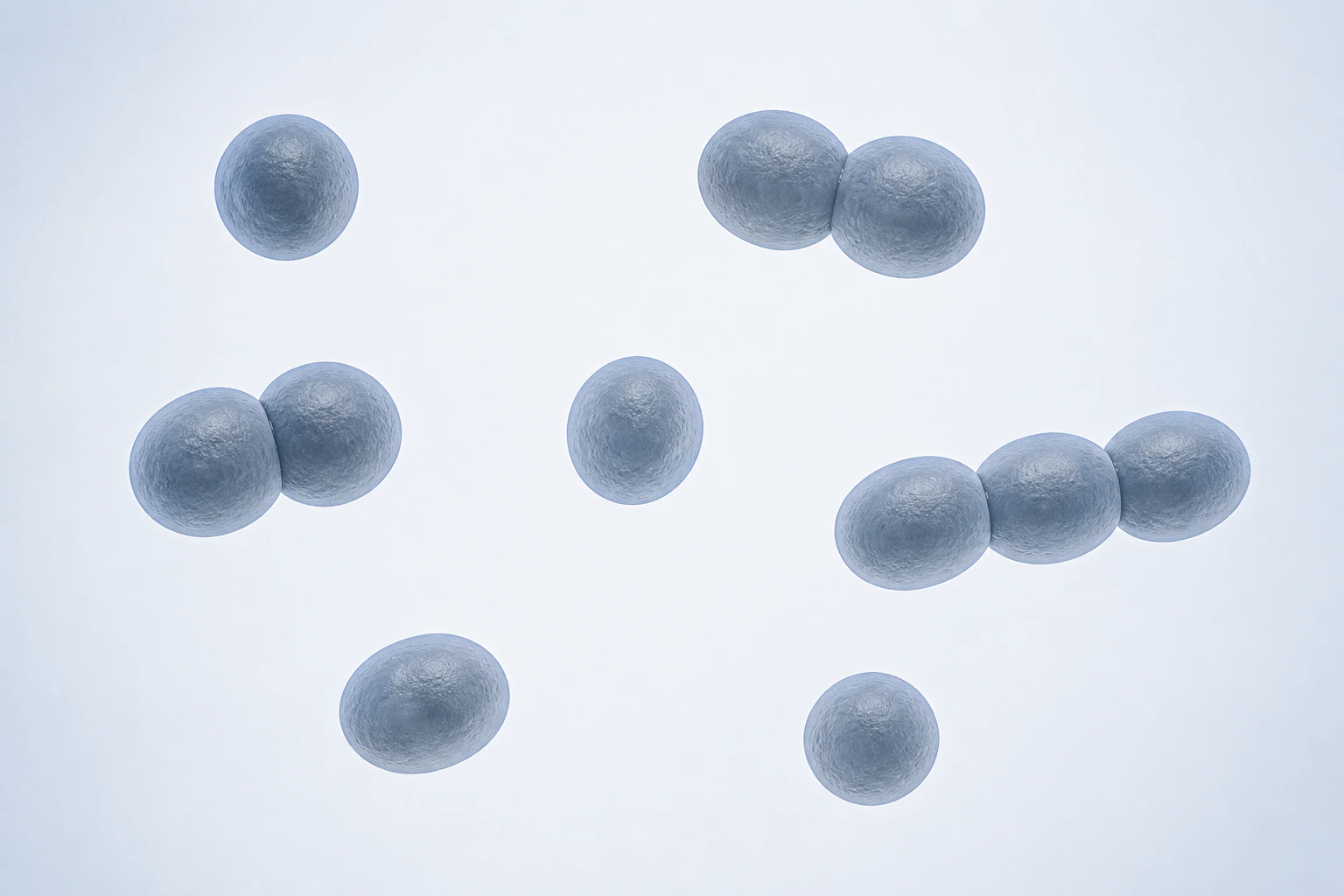
A genus of Gram-positive bacteria (primarily E. faecalis and E. faecium) that exemplifies the metal-antibiotic resistance co-selection crisis. Enterococci carry diverse metal tolerance genes for mercury, arsenic, copper, and cadmium on the same mobile genetic elements a…
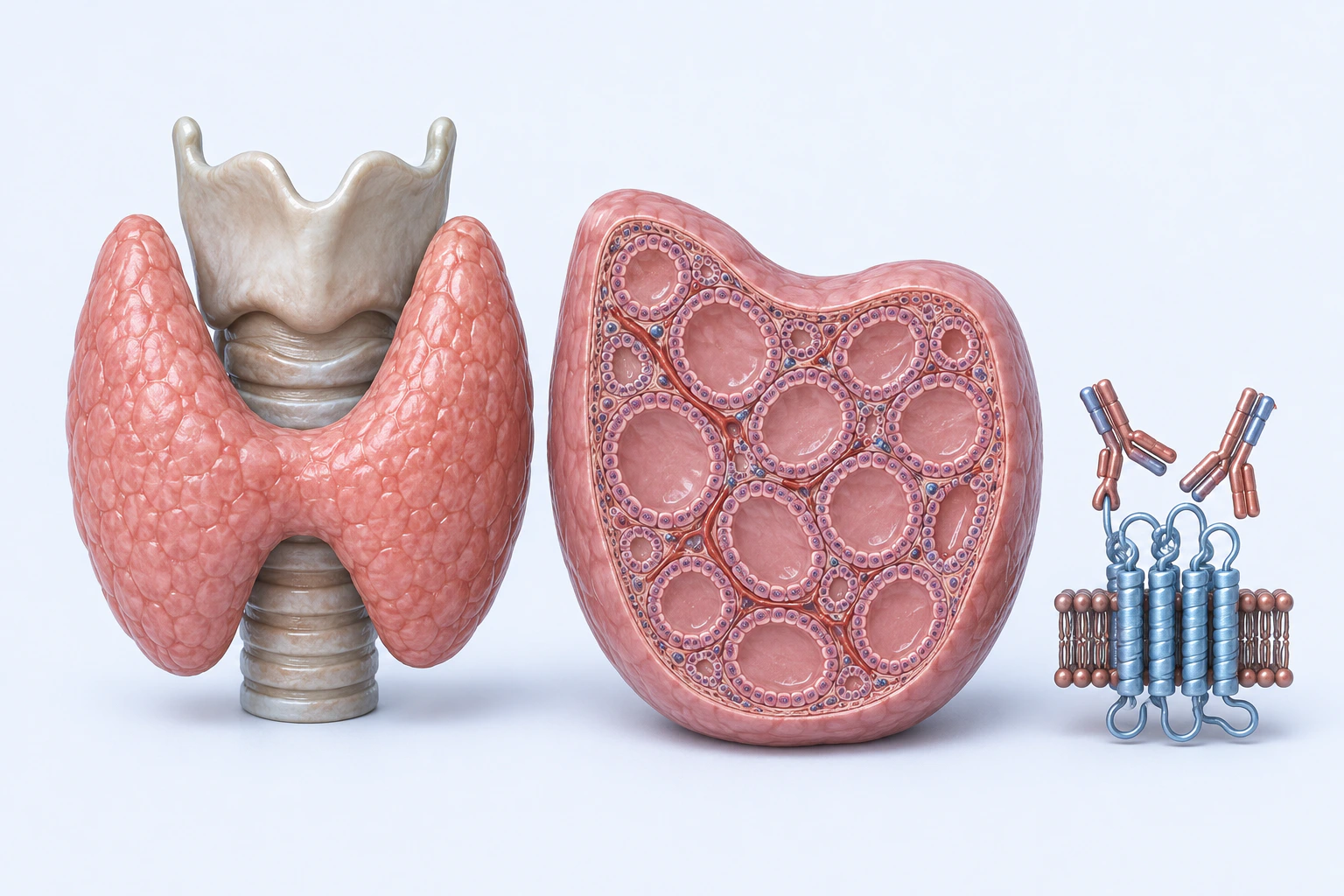
Graves' disease (GD) is an autoimmune thyroid disorder characterized by TSH receptor antibodies (TRAb) that stimulate the thyroid gland, causing hyperthyroidism kahaly 2022 graves disease targeted therapy review. It is the most common cause of hyperthyroidism, with conc…
The gut-thyroid axis describes the bidirectional communication between the gut microbiome and the thyroid gland. The thyroid regulates metabolism, energy homeostasis, and immune function -- and the microbiome influences thyroid physiology at every level: mineral absorpt…
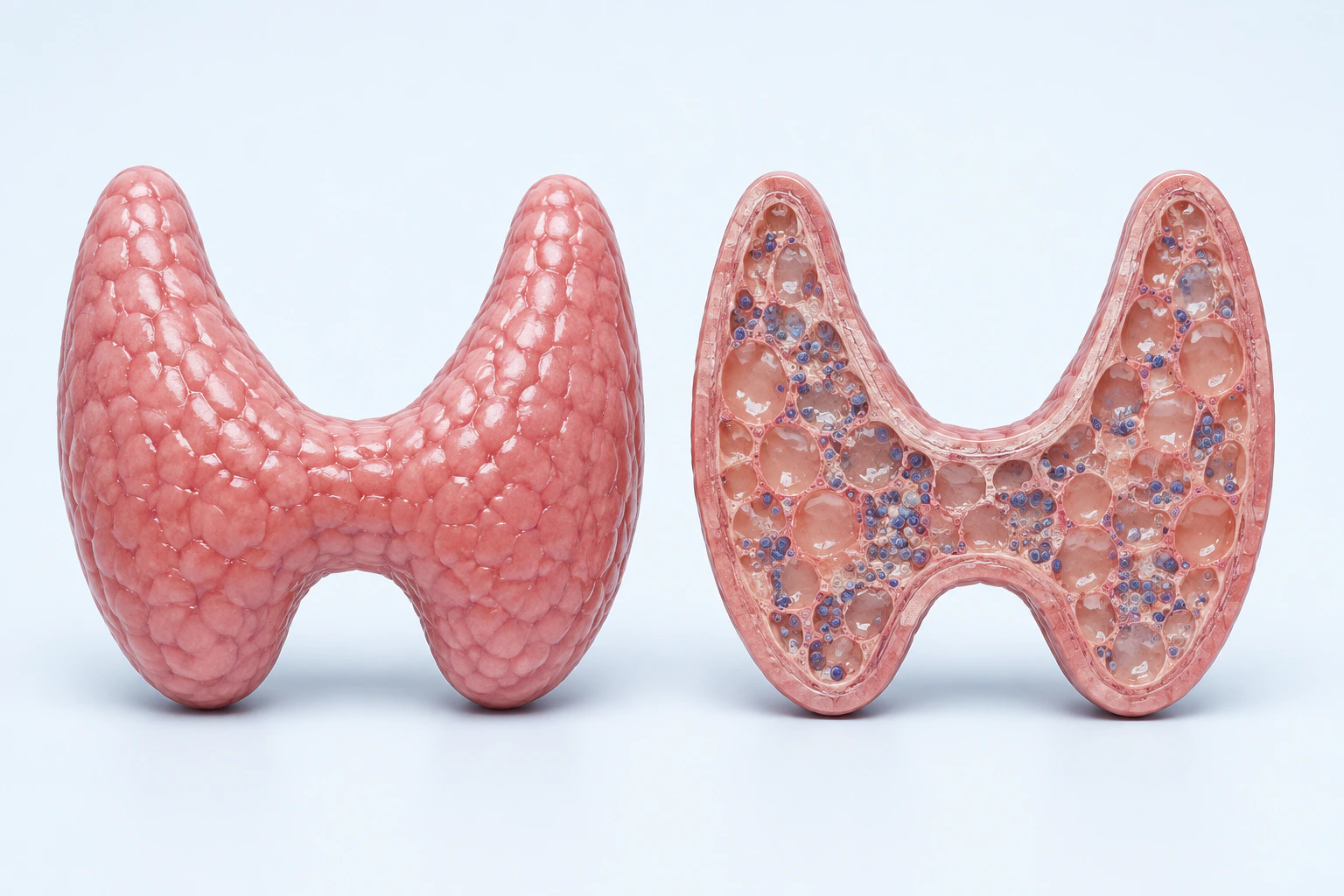
Hashimoto's thyroiditis (HT) is the most common autoimmune disease globally and the leading cause of hypothyroidism. Chronic lymphocytic infiltration of the thyroid gland progressively destroys follicular architecture, reducing thyroid hormone output. Prevalence is 5-10…
Intestinibacter bartlettii is a Gram-positive, obligate anaerobic, spore-forming bacterium within the Firmicutes phylum (Peptostreptococcaceae family). It is a relatively understudied gut commensal that has emerged in Mendelian randomization and metagenomic studies with…
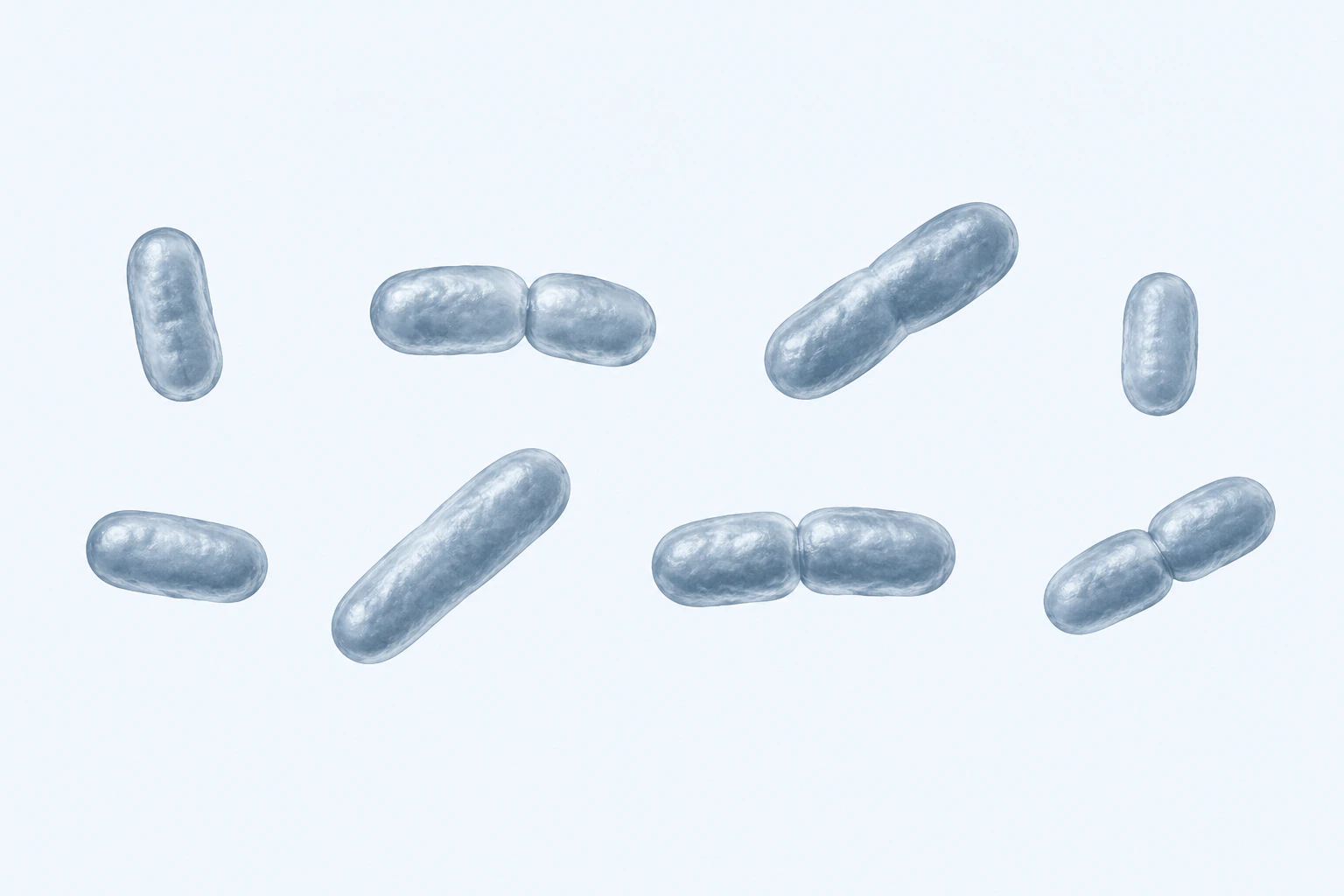
A Gram-negative, obligate anaerobic genus within the Firmicutes phylum (family Acidaminococcaceae, class Negativicutes). The primary species P. faecium and the recently characterized P. succinatutens are specialized propionate producers that utilize succinate as their m…
Warning: Clinical Disclaimer: This STOP page represents a hypothesis based on mechanistic evidence and should NOT replace clinical judgment. Always consult with a qualified healthcare provider before modifying any treatment plan. Evidence quality ratings reflect the str…
Warning: Clinical Disclaimer: This STOP page represents a hypothesis based on mechanistic evidence and should NOT replace clinical judgment. Always consult with a qualified healthcare provider before modifying any treatment plan. Evidence quality ratings reflect the str…
Autoimmune thyroid diseases (AITDs) -- hashimotos thyroiditis and graves disease -- are the most common organ-specific autoimmune conditions, affecting 5-10% of the global population. The thyroid gland sits at a remarkable intersection of metal biology and immune regula…