
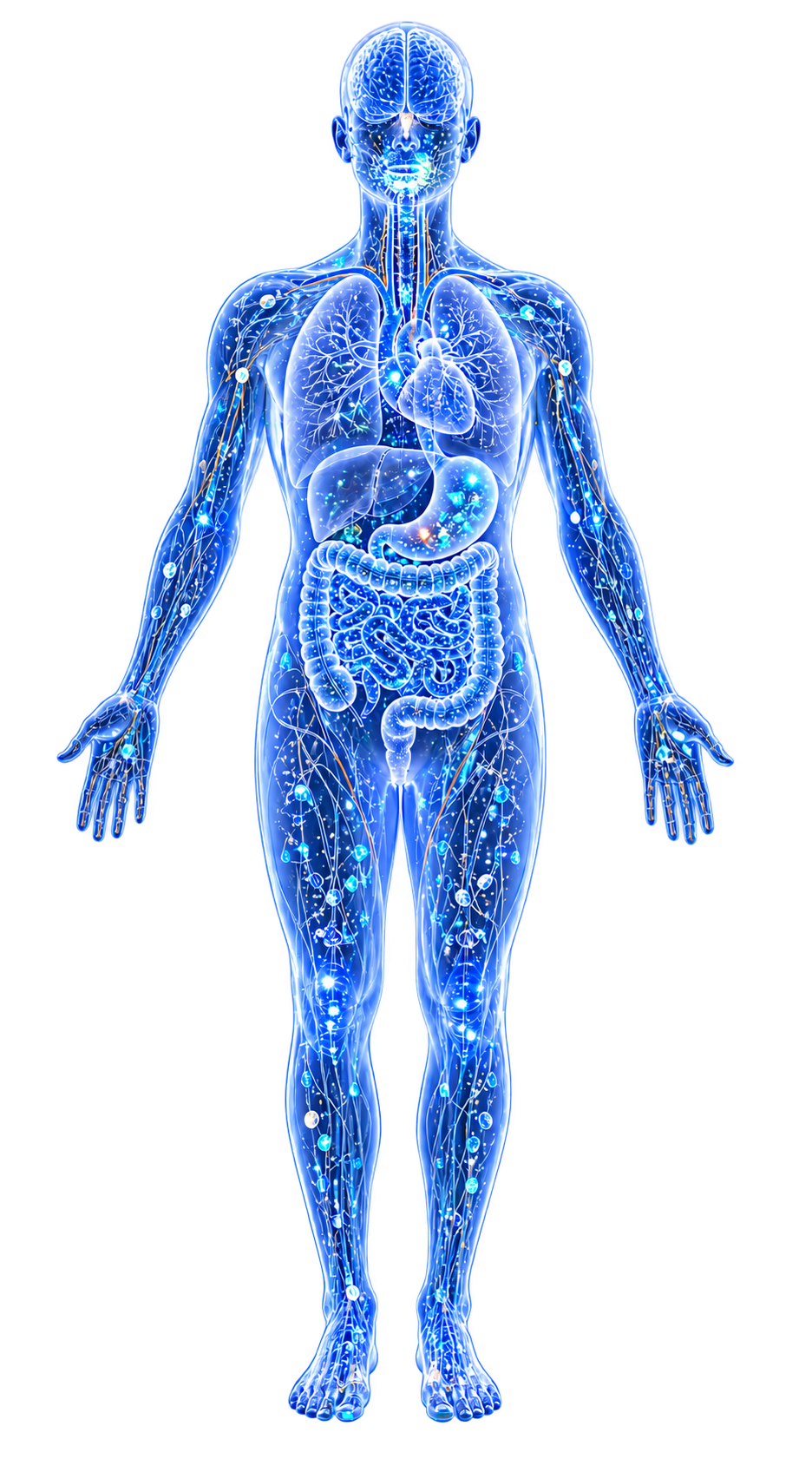
 metals · microbes · host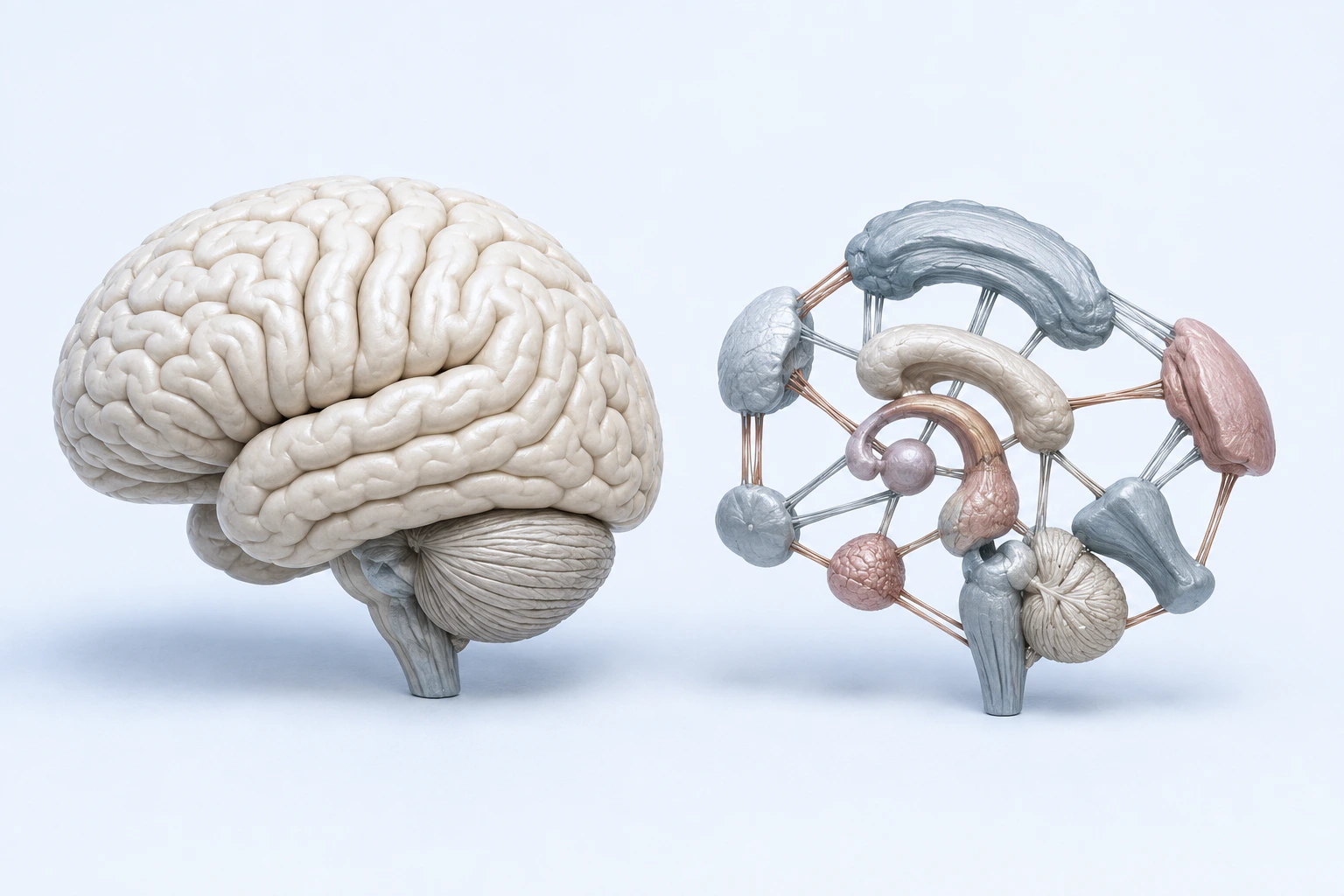
Neutral distributed-system orientation for depression. The network assembly is an editorial abstraction and does not depict a patient, lesion, chemical imbalance, biomarker, subtype, severity, treatment response, or diagnosis.
Scientific media record1 verified identifier
- Subject
- Depressioncondition
- Identifiers
- MeSH:D003863
- Review
- Editorial review completeIdentifiers authority-verified · Accessibility validated · · depression|depression-pathology-v1.webp
- Digital source
- Trained-algorithmic mediaCreated with a trained generative algorithm and reviewed by WikiBiome for subject identity, scientific framing, identifiers, provenance, and accessibility.
- Scientific basis
- Depression — MeSHDepression
- License
- CC BY-SA 4.0Created
Depression is the most prevalent mental health disorder globally, affecting over 280 million people,[1]Zhu 2025 — The Microbiota-Gut-Brain Axis in Depression: Unraveling the Relationships and Therapeutic OpportunitiesZhangcheng Zhu, Yiwen Cheng, Xia Liu et al. · 2025Open reference 1 ↓ and one of the most metal-sensitive conditions in this wiki.
It sits at the convergence of nearly every pathway catalogued here: Oxidative Stress, Metal-Driven Inflammation, Dysbiosis, Intestinal Permeability, and the gut-brain axis.
From a Metallomics perspective, depression features a distinctive signature of zinc depletion, copper elevation, and iron dysregulation,[2]Ogundare 2024 — Association of Combined Effect of Metals Exposure and Behavioral Factors on Depressive Symptoms in WomenOlamide Ogundare, Emmanuel Obeng-Gyasi · 2024Open reference 2 ↓ with toxic metals (lead, cadmium, mercury) acting as additional risk factors.
Evidence map48 cited passagesInspect provenance +
Depression is the most prevalent mental health disorder globally, affecting over 280 million people, and one of the most metal-sensitive conditions in this wiki. It sits at the convergence of nearly every pathway catalogued here: oxidative stress, inflammation, dysbiosis, intestinal permeability, and the gut-brain axis. From a metallomics perspective, depres
The most robust metal-depression association. Serum zinc is consistently lower in depressed patients, with severity correlating inversely with zinc levels:
Zinc deficiency increases inflammation (IL-6, TNF-alpha) and oxidative stress
Lead—childhood lead exposure predicts adult depression; Pb disrupts dopaminergic and serotonergic neurotransmission, impairs BDNF signaling, and causes epigenetic changes in stress-response genes
Cadmium—associated with depression in NHANES data with conditional PIP = 0.447 in BKMR analysis; Cd depletes zinc (competitive absorption), compounds oxidative stress, and disrupts HPA axis function
Mercury—occupational and dietary MeHg exposure associates with depressive symptoms; Hg depletes selenium (required for glutathione peroxidase → antioxidant defense)
Depleted: Coprococcus, Dialister, Faecalibacterium prausnitzii (butyrate producers with anti-inflammatory properties), Bifidobacterium, Lactobacillus
These shifts reduce short chain fatty acids production and increase LPS translocation; fecal microbiota from depressed patients transplanted into microbiota-depleted rats recapitulates the depressive phenotype
IDO diverts tryptophan from serotonin synthesis → kynurenine pathway; depressed patients show significantly elevated kynurenine/tryptophan ratio (p = 0.008) versus controls
The microbiome further modulates tryptophan availability (bacterial tryptophanase, indole production)
Increased intestinal permeability has been proposed to permit LPS translocation → TLR4 activation → systemic inflammation → neuroinflammation. This “leaky gut” sequence is one hypothesized route connecting peripheral and central inflammatory findings in depression; those associations do not establish it as a universal cause or treatment target.
| Metal | Evidence | Role in MDD | |-------|----------|-----------| | Cadmium (Cd) | Strongest individual metal contributor (BKMR conditional PIP = 0.447) | Neurotoxicant; disrupts monoaminergic systems (serotonin, dopamine, norepinephrine); mimics estrogen via ER-alpha/ER-beta; destabilizes HPA axis | | Lead (Pb) | Consistent positive association with depre
| Exposure | Metals | Relevance | |----------|--------|-----------| | Smoking/tobacco | Cd, Pb, Hg | Behavioral factor associated with depression | | Diet (largest contributor) | Cd, Pb, Zn (hyperaccumulation in grains, leafy greens) | Dietary patterns shape metal load and dysbiosis simultaneously | | Water supply | Pb, Cd, variable | Environmental backgroun
| Factor | Status | Function | |--------|--------|----------| | Hepcidin | ELEVATED | Restricts iron from pathogens; leads to functional anemia despite elevated serum ferritin | | Calprotectin | ELEVATED | Chelates and sequesters zinc; protects against pathogenic overgrowth | | Pro-inflammatory cytokines (TNF-alpha, IL-6, IL-1beta) | ELEVATED | Systemic and
| Taxon | Metal Dependencies | Key Enzymes/Metabolites | Pathogenic Role | |-------|-------------------|------------------------|-----------------| | candida albicans | Multiple (Ni, Fe) | Biofilm formation, LPS analog production | Fungal dysbiosis (elevated in depression ); biofilms disrupt barrier; reduced beneficial fungi | | clostridium clusters | Variab
| Taxon | Normal Function | Why Lost in MDD | |-------|-----------------|-----------------| | faecalibacterium | SCFA production (butyrate), anti-inflammatory metabolites | Significantly reduced in ASD, depression; loss of butyrate impairs colonocyte health, barrier function, Treg differentiation | | bifidobacterium | Lactate production, barrier support, ben
| Pathway/Metabolite | Mechanism | Impact on Depression | |-------------------|-----------|---------------------| | LPS biosynthesis | Gram-negative bacteria (Bacteroides, E. coli) | Gram-negative dominance → endotoxemia → LPS-driven TNF-alpha, IL-6 elevation → blood-brain barrier disruption → neuroinflammation | | Tryptophan fermentation | Clostridial trypt
| Intervention | Mechanism | Triangle Status | |-------------|-----------|----------------| | Low-cadmium diet | Reduce Cd load (primary environmental source is diet); reduce dysbiosis trigger | Promising—epidemiological associations strong; mechanism clear; human trials lacking | | Zinc-rich whole foods | Replenish depleted zinc cofactor pool; reduce dysb
| Intervention | Mechanism | Triangle Status | |-------------|-----------|----------------| | faecalibacterium hominis 4p15 | Novel commensal; restores butyrate production; reduces pathogenic indole-producing bacteria (Peptococcus); corrects E/I balance via AhR normalization | Promising—animal data strong; not yet human-tested for depression; preclinical r
| Intervention | Mechanism | Triangle Status | |-------------|-----------|----------------| | Zinc supplementation | Replenish depleted pool; restore GABA-A and NMDA receptor function; support immune tolerance; restore tryptophan metabolism | Promising—supplementation in PPD reduced depression scores; mechanism sound; randomized trials needed in non-perina
Both antidepressants reshape dysbiotic communities back toward health: increased Bacteroidetes, reduced Firmicutes (opposite of dysbiosis pattern)
Major depressive disorder (MDD) affects over 280 million people globally and sits at the convergence of nearly every pathway catalogued in this knowledge base: oxidative stress, inflammation, dysbiosis, intestinal permeability, and the gut-brain axis (). From a metallomics perspective, depression features a distinctive signature of zinc depletion, copper ele
Confidence: high—supported by a systematic review (, n=1,828,126 across 8 studies), NHANES cross-sectional data (, n=153), and multiple mechanistic reviews.
| Metal | Direction | Evidence | |-------|-----------|---------| | zinc | Depleted | Most robust metal-depression association; serum Zn inversely correlates with severity; required for NMDA receptor modulation, BDNF expression, and synaptic plasticity; Zn deficiency increases IL-6 and TNF-alpha () | | copper | Elevated | Serum Cu and ceruloplasmin elevated;
Showing 24 of 48 evidence-bearing passages. Every remaining citation is still indexed in the reference record below.
One disease. Five evidence layers.
A generated systems view of the metals, organisms, host sequestration signals, ecological conditions, and microbial functions indexed for Depression.
Evidence layer
Taxonomic signature
Organisms reported as enriched or depleted, with their indexed functional context kept beside the name.Fungal overgrowth — biofilm formation, intestinal barrier disruption, neuroinflammatory metabolites, reduced beneficial microbes
Enriched in MDD — produces pro-inflammatory metabolites (propionic acid, p-cresol), neurotoxic derivatives via tryptophan fermentation
Gram-negative → increased LPS production contributing to leaky gut and endotoxemia
Opportunistic overgrowth in dysbiotic states, LPS producer, impaired tryptophan metabolism
Consistently enriched in depression; pro-inflammatory; cortisol metabolism involvement
LPS source driving endotoxemia and TLR4-mediated neuroinflammation via gut-brain axis
Enriched in depressed patients; associated with pro-inflammatory metabolite production
Major butyrate producer and anti-inflammatory commensal — depleted in depression; loss reduces IL-10 production
Depleted in depression; produces tryptophan and GABA; selectively eliminated by heavy metal exposure
SCFA-producing family depleted in depression; omega-3/vitamin A diet prevents decreases
Most pronounced reduction (Prevotellaceae) in depressed patients; decreased richness correlates with reduced microbial diversity
Consistently depleted genus in depression; butyrate producer with DOPAC (dopamine metabolite) synthesis capacity
Depleted in depression; associated with quality of life indicators
Depleted in depression; tryptophan metabolizer producing protective indole derivatives (ILA, IAA); psychobiotic candidate
Evidence layer
Nutritional immunity
Host metal-withholding, inflammatory, antioxidant, and microbial-metabolite signals indexed in the signature.Elevated host signals
5Depleted protective signals
6Evidence layer
Ecological state
The environmental conditions that connect the organism-level observations into a system.Evidence layer
Virulence functions
Microbial structures, enzymes, and acquisition systems implicated by the linked evidence.The disease record, in full.
The original WikiBiome disease narrative remains intact beneath the generated signature atlas.
Metal Signatures#
Zinc -- The Antidepressant Metal#
The most robust metal-depression association. Serum zinc is consistently lower in depressed patients, with severity correlating inversely with zinc levels.[3]Exposure to heavy metals and neurocognitive function in adults: a systematic reviewAlthomali RH, Abbood MA, Saleh EAM et al. · 2024Open reference 3 ↓
Zinc is required for NMDA receptor modulation, BDNF expression, and synaptic plasticity. Zinc deficiency increases inflammation (IL-6, TNF-alpha) and oxidative stress.[4]Toxic Mechanisms of Five Heavy Metals: Mercury, Lead, Chromium, Cadmium, and ArsenicBalali-Mood M, Naseri K, Tahergorabi Z et al. · 2021Open reference 4 ↓ Multiple RCTs have evaluated zinc as SSRI augmentation, with modest effects most pronounced in zinc-deficient populations.
Zinc also supports Immune Balance (Treg function) and Intestinal Permeability (tight junction integrity).
Copper -- The Double-Edged Metal#
Serum copper and ceruloplasmin are elevated in depression, creating a high copper (Cu)/zinc (Zn) ratio that is among the most replicated findings in biological psychiatry.
Free (non-ceruloplasmin-bound) copper generates hydroxyl radicals via Fenton chemistry → oxidative stress. Copper excess inhibits GABAergic neurotransmission. The copper/zinc ratio may be a better biomarker than either metal alone.
Mis-Metallation of cuproenzymes (MAO, DBH, tyrosinase) disrupts monoamine metabolism.
Iron -- The Fatigue Connection#
Iron deficiency (with or without anemia) is a major contributor to depression, particularly in women.
Iron is required for tryptophan hydroxylase (serotonin synthesis) and tyrosine hydroxylase (dopamine synthesis). Ferritin levels below 30 ng/mL associate with depressive symptoms even without frank anemia. Iron overload (hemochromatosis) also associates with depression—the U-shaped relationship.
Hepcidin elevation from chronic inflammation sequesters iron, creating functional deficiency even with adequate stores.
Toxic Metals#
Lead—childhood lead exposure predicts adult depression;[2]Ogundare 2024 — Association of Combined Effect of Metals Exposure and Behavioral Factors on Depressive Symptoms in WomenOlamide Ogundare, Emmanuel Obeng-Gyasi · 2024Open reference 2 ↓ lead (Pb) disrupts dopaminergic and serotonergic neurotransmission, impairs BDNF signaling, and causes epigenetic changes in stress-response genes.[5]Toxicity, Mechanism and Health Effects of Some Heavy MetalsMonisha Jaishankar, Tenzin Tseten, Naresh Anbalagan et al. · 2014Open reference 5 ↓
Cadmium—associated with depression in NHANES data with conditional PIP = 0.447 in BKMR analysis;[2]Ogundare 2024 — Association of Combined Effect of Metals Exposure and Behavioral Factors on Depressive Symptoms in WomenOlamide Ogundare, Emmanuel Obeng-Gyasi · 2024Open reference 2 ↓ cadmium (Cd) depletes zinc (competitive absorption), compounds oxidative stress, and disrupts HPA axis function.[6]Exposure to Cadmium and Its Impacts on Human Health: A Short ReviewPuthiyavalappil Rasin, Ashwathi A V, Sabeel M Basheer et al. · 2025Open reference 6 ↓
Mercury—occupational and dietary methylmercury (MeHg) exposure associates with depressive symptoms; mercury depletes selenium (required for glutathione peroxidase → antioxidant defense).[4]Toxic Mechanisms of Five Heavy Metals: Mercury, Lead, Chromium, Cadmium, and ArsenicBalali-Mood M, Naseri K, Tahergorabi Z et al. · 2021Open reference 4 ↓
The Gut-Brain Axis in Depression#
Depression is increasingly recognized as a gut-brain disorder:
Microbiome Signatures#
Depleted: Coprococcus, Dialister, Faecalibacterium prausnitzii (Butyrate producers with anti-inflammatory properties), Bifidobacterium, Lactobacillus.[1]Zhu 2025 — The Microbiota-Gut-Brain Axis in Depression: Unraveling the Relationships and Therapeutic OpportunitiesZhangcheng Zhu, Yiwen Cheng, Xia Liu et al. · 2025Open reference 1 ↓[7]Current Perspectives on Gut Microbiome Dysbiosis and DepressionCapuco A, Urits I, Hasoon J et al. · 2020Open reference 7 ↓
Enriched: Eggerthella, Enterobacteriaceae, Flavonifractor.
These shifts reduce Short-Chain Fatty Acids (SCFAs) production and increase LPS translocation; fecal microbiota from depressed patients transplanted into microbiota-depleted rats recapitulates the depressive phenotype.[7]Current Perspectives on Gut Microbiome Dysbiosis and DepressionCapuco A, Urits I, Hasoon J et al. · 2020Open reference 7 ↓
Tryptophan Shunting#
The IDO (indoleamine 2,3-dioxygenase) pathway is central. inflammation (IFN-gamma, TNF-alpha) upregulates IDO in macrophages and microglia.
IDO diverts tryptophan from serotonin synthesis → kynurenine pathway; depressed patients show significantly elevated kynurenine/tryptophan ratio (p = 0.008) versus controls.[7]Current Perspectives on Gut Microbiome Dysbiosis and DepressionCapuco A, Urits I, Hasoon J et al. · 2020Open reference 7 ↓
Kynurenine → quinolinic acid (neurotoxic NMDA agonist) vs. kynurenic acid (neuroprotective). Metal-driven inflammation biases toward the neurotoxic branch. The microbiome further modulates tryptophan availability (bacterial tryptophanase, indole production).[1]Zhu 2025 — The Microbiota-Gut-Brain Axis in Depression: Unraveling the Relationships and Therapeutic OpportunitiesZhangcheng Zhu, Yiwen Cheng, Xia Liu et al. · 2025Open reference 1 ↓
Intestinal Permeability#
Increased Intestinal Permeability has been proposed to permit LPS translocation → TLR4 activation → systemic inflammation → Neuroinflammation.[8]Microglia in neurodegenerative diseases: mechanism and potential therapeutic targetsGao C, Jiang J, Tan Y et al. · 2023Open reference 8 ↓
This “leaky gut” sequence is one hypothesized route connecting peripheral and central inflammatory findings in depression; those associations do not establish it as a universal cause or treatment target.
Comorbidity Web#
Depression co-occurs with virtually every disease in this wiki, amplified by shared metal and microbiome mechanisms. Inflammatory Bowel Disease (IBD)—30% comorbid depression; shared inflammation and dysbiosis. Chronic Kidney Disease—depression prevalence 20-40%; shared cadmium, lead pathways. Parkinson's Disease—depression precedes motor symptoms; shared iron dysregulation.
Type 2 Diabetes—bidirectional relationship; shared zinc depletion, inflammation. Cardiovascular Disease—shared lead exposure, inflammation, microbiome disruption. Hashimoto's Thyroiditis—selenium/iodine imbalance affects mood and thyroid together.
Connections#
Essential Metals#
Zinc—serum zinc (Zn) consistently low; NMDA modulation, BDNF, synaptic plasticity; supplementation augments SSRIs. Copper—elevated serum copper (Cu) and ceruloplasmin; high copper/zinc ratio is among the most replicated biomarkers. Iron—deficiency impairs serotonin and dopamine synthesis; ferritin <30 ng/mL associates with depressive symptoms.
Magnesium—magnesium (Mg) deficiency linked to HPA-axis hyperactivation and NMDA receptor dysregulation. Selenium—required for glutathione peroxidase; selenium (Se) depletion compounds mercury toxicity and oxidative burden.
Toxic Metals#
Lead—childhood lead (Pb) exposure predicts adult depression; disrupts monoamine neurotransmission and BDNF. Cadmium—depletes zinc competitively; HPA-axis disruption; NHANES associations. Mercury—methylmercury (MeHg) depletes selenium and glutathione; occupational and dietary exposure links.
Gut-Brain and Microbiome#
Gut-Brain Axis—bidirectional vagal, endocrine, and immune communication linking gut dysbiosis to mood. Tryptophan Metabolism—IDO-mediated shunting from serotonin to neurotoxic kynurenine metabolites. dysbiosis—depletion of butyrate producers and enrichment of pro-inflammatory taxa.
inflammation—peripheral and central inflammation converge on depression via IL-6, TNF-alpha, CRP. neuroinflammation—microglial activation, kynurenine pathway, and BBB disruption. Short-Chain Fatty Acids (SCFAs)—butyrate depletion weakens barrier function and reduces anti-inflammatory signaling.
Coprococcus—consistently depleted genus in depression; butyrate producer with DOPAC synthesis capacity. Faecalibacterium prausnitzii—anti-inflammatory commensal depleted in depressed patients. Probiotics—psychobiotics (L. helveticus, B. longum) show modest antidepressant effects in RCTs.
Fecal Microbiota Transplant (FMT)—emerging FMT evidence for treatment-resistant depression via gut-brain axis restoration.
Analyses#
- Metal-Disease Matrix: A Cross-Source Synthesis—depression features a distinctive zinc (Zn)-low, copper (Cu)-high, iron (Fe)-variable, toxic-metal-elevated signature
References 38
Numbered by first appearance in the article, then reconciled with its declared source list.
- 1
Zhangcheng Zhu, Yiwen Cheng, Xia Liu et al. (2025). Zhu 2025 — The Microbiota-Gut-Brain Axis in Depression: Unraveling the Relationships and Therapeutic Opportunities. Frontiers in Immunology.
- 2
Olamide Ogundare, Emmanuel Obeng-Gyasi (2024). Ogundare 2024 — Association of Combined Effect of Metals Exposure and Behavioral Factors on Depressive Symptoms in Women. Toxics.
- 3
Althomali RH, Abbood MA, Saleh EAM et al. (2024). Exposure to heavy metals and neurocognitive function in adults: a systematic review. Environmental Sciences Europe.
- 4
★Balali-Mood M, Naseri K, Tahergorabi Z et al. (2021). Toxic Mechanisms of Five Heavy Metals: Mercury, Lead, Chromium, Cadmium, and Arsenic. Frontiers in Pharmacology.
- 5
★Monisha Jaishankar, Tenzin Tseten, Naresh Anbalagan et al. (2014). Toxicity, Mechanism and Health Effects of Some Heavy Metals. Interdisciplinary Toxicology.
- 6
★Puthiyavalappil Rasin, Ashwathi A V, Sabeel M Basheer et al. (2025). Exposure to Cadmium and Its Impacts on Human Health: A Short Review. Journal of Hazardous Materials Advances.
- 7
Capuco A, Urits I, Hasoon J et al. (2020). Current Perspectives on Gut Microbiome Dysbiosis and Depression. Advances in Therapy.
- 8
Gao C, Jiang J, Tan Y et al. (2023). Microglia in neurodegenerative diseases: mechanism and potential therapeutic targets. Signal Transduction and Targeted Therapy.
- 9
Olamide Ogundare, Emmanuel Obeng-Gyasi (2024). Association of Combined Effect of Metals Exposure and Behavioral Factors on Depressive Symptoms in Women. Toxics.
- 10
Rokoff LB, Cardenas A, Lin PI et al. (2023). Early pregnancy essential and non-essential metal mixtures and maternal antepartum and postpartum depressive symptoms. Neurotoxicology.
- 11
Hiremath KM, Dharambhat S, Mutalik N et al. (2021). Correlation of Serum Zinc Levels with Postpartum Depression - A Case-control Study in North Karnataka. Journal of Clinical and Diagnostic Research.
- 12
Etebary S, Nikseresht S, Sadeghipour HR et al. (2010). Postpartum Depression and Role of Serum Trace Elements. Iranian Journal of Psychiatry.
- 13
Siegmann EM, Muller HHO, Luecke C et al. (2020). Graves' disease as a driver of depression: a mechanistic insight. Frontiers in Endocrinology.
- 14
Jacobson MH, Ghassabian A, Gore AC et al. (2022). Exposure to environmental chemicals and perinatal psychopathology. Biochemical Pharmacology.
- 15
Ines Hadrich, Mariem Turki, Imen Chaari et al. (2025). Hadrich 2025 -- Gut Mycobiome and Neuropsychiatric Disorders: Insights and Therapeutic Potential. Frontiers in Cellular Neuroscience.
- 16
Kaitlin Romano, Ashka N. Shah, Anett Schumacher et al. (2023). Romano 2023 — Gut Microbiome in Children with Mood, Anxiety, and NDDs: Umbrella Review. Gut Microbiome.
- 17
You Yu, Yujing Wang, Jie Zhang et al. (2025). Yu 2025 — The Gut Commensal Faecalibacterium hominis Attenuates Indole-AhR Signaling and Restores ASD-Like Behaviors with BTBR Mice. Frontiers in Microbiology.
- 18
Jing-Jing Ni, Qian Xu, Shan-Shan Yan et al. (2022). Ni 2022 — Gut Microbiota and Psychiatric Disorders: A Two-Sample Mendelian Randomization Study. Frontiers in Microbiology.
- 19
Liu H, Liu H, Liu C et al. (2022). Liu et al. 2022 — Gut Microbiome and the Role of Metabolites in the Study of Graves' Disease. Frontiers in Molecular Biosciences.
- 20
Aoki C, Imai K, Owaki T et al. (2022). The Possible Effects of Zinc Supplementation on Postpartum Depression and Anemia. Medicina.
- 21
Pourmirzaiee MA, Daniali S, Riahi R et al. (2024). Association of Postpartum Depression with Maternal Serum Magnesium Levels, Infant Growth, and Neurodevelopmental Indices. International Journal of Preventive Medicine.
- 22
Weijie Zhang, Wan Qu, Hua Wang et al. (2021). Antidepressants fluoxetine and amitriptyline induce alterations in intestinal microbiota and gut microbiome function in rats exposed to chronic unpredictable mild stress. Translational Psychiatry.
- 23
Antonella Campanale, Dario Siniscalco, Vincenzo Di Marzo (2025). Campanale 2025 -- The Endocannabinoidome-Gut Microbiome-Brain Axis as a Novel Therapeutic Target for Autism Spectrum Disorder. Journal of Biomedical Science.
- 24
Sheena Mathew, Sumathitla Bichenapaliy, Vahe Khachatryan et al. (2022). Mathew 2022 -- Role of Serotoninergic Antidepressants in the Development of Autism Spectrum Disorders: A Systematic Review. Cureus.
- 25
Rosa E. Boeschoten, Annemarie M.J. Braamse, Aartjan T.F. Beekman et al. (2017). Prevalence of depression and anxiety in Multiple Sclerosis: A systematic review and meta-analysis. Journal of the Neurological Sciences.
- 26
Macer BJD, Prady SL, Mikocka-Walus A (2017). Antidepressants in Inflammatory Bowel Disease: A Systematic Review. Inflammatory Bowel Diseases.
- 27
Benedetta Parodi, Nicole Kerlero de Rosbo (2021). The Gut-Brain Axis in Multiple Sclerosis. Is Its Dysfunction a Pathological Trigger or a Consequence of the Disease?. Frontiers in Immunology.
- 28
Gentile F, Doneddu PE, Riva N et al. (2020). Diet, Microbiota and Brain Health: Unraveling the Network Intersecting Metabolism and Neurodegeneration. International Journal of Molecular Sciences.
- 29
★Karen Pendergrass (2026). Heavy Metals, Microbial Metallomics, and the US Obesity Epidemic: A Mechanistic Examination of a Population-Level Metabolic Disruption. Zenodo Preprint.
- 30
Amanda Hazel Dilmore, Rayus Kuplicki, Daniel McDonald et al. (2025). Dilmore 2025 — Medication Use Is Associated with Distinct Microbial Features in Anxiety and Depression. Molecular Psychiatry.
- 31
Nadja Paeslack, Maximilian Mimmler, Stefanie Becker et al. (2022). Microbiota-derived tryptophan metabolites in vascular inflammation and cardiovascular disease. Amino Acids.
- 32
★Sweta Ghosh, Syam P. Nukavarpu, Venkatakrishna Rao Jala (2024). Effects of Heavy Metals on Gut Barrier Integrity and Gut Microbiota. Microbiota and Host.
- 33
Zhang Ruohan, Wang Ruting, Wu Hongxi et al. (2025). Zhang 2025 — Gut Microbiota as a Novel Target for Treating Anxiety and Depression: From Mechanisms to Multimodal Interventions. Frontiers in Microbiology.
- 34
Khatoon S, Kalam N, Rashid S et al. (2023). Effects of gut microbiota on neurodegenerative diseases. Frontiers in Aging Neuroscience.
- 35
★Chin-Chan M, Navarro-Yepes J, Quintanilla-Vega B (2015). Environmental pollutants as risk factors for neurodegenerative disorders: Alzheimer and Parkinson diseases. Frontiers in Cellular Neuroscience.
- 36
★Guevara-Ramirez P, Tamayo-Trujillo R, Cadena-Ullauri S et al. (2024). Heavy metals in the diet: unraveling the molecular pathways linked to neurodegenerative disease risk. Food and Agricultural Immunology.
- 37
Jessica Briffa, Emmanuel Sinagra, Renald Blundell (2020). Heavy Metal Pollution in the Environment and Their Toxicological Effects on Humans. Heliyon.
- 38
★Qinheng Zhu, Boyan Chen, Fu Zhang et al. (2024). Toxic and Essential Metals: Metabolic Interactions with the Gut Microbiota and Health Implications. Frontiers in Nutrition.
Article network
Mentioned here 18
Pages linking here 70
Connect the evidence
Publicly readable discussion by ORCID-authenticated researchers. Questions, interpretation, methods, corrections, and new evidence stay attached to this record.
No discussion yet. Start with a precise question or a source-backed observation.
Activity and accepted changes
Accepted researcher context, editorial status, public discussion, and upstream Git revisions are shown together. Pending, declined, and withdrawn proposals remain private.
- published revision
Strengthen TLR4 and link high-leverage contexts
Karen Pendergrass · +1 −1
Inspect exact Git diff ↗ - published revision
Add reviewed neuroinflammation coverage batch
Karen Pendergrass · +2 −2
Inspect exact Git diff ↗ - published revision
Strengthen Metallomics and link high-leverage contexts
Karen Pendergrass · +1 −1
Inspect exact Git diff ↗ - published revision
Backfill oxidative stress concept links
Karen Pendergrass · +3 −3
Inspect exact Git diff ↗ - published revision
Backfill inflammation concept links
Karen Pendergrass · +5 −5
Inspect exact Git diff ↗ - published revision
Complete corpus-wide Dysbiosis linking
Karen Pendergrass · +1 −1
Inspect exact Git diff ↗ - published revision
Complete Tight junctions contextual coverage
Karen Pendergrass · +1 −1
Inspect exact Git diff ↗ - published revision
massive wiki expansion: 149 stubs fixed, 100+ new pages, Rule 15 scan, keystone papers
WikiBiome Deploy Bot · +6 −6
Inspect exact Git diff ↗ - published revision
nightly maintenance: 94 stub demotions, 181 source_count fixes, 22 auto-discovered stubs, 5 adversarial audits, 3 boundary fixes, 3 evidence-level corrections
WikiBiome Deploy Bot · +4 −3
Inspect exact Git diff ↗ - published revision
cycle 1: health check + lint fixes + 8 ingests + 2 stubs + gestational-diabetes signature
WikiBiome Deploy Bot · +1 −0
Inspect exact Git diff ↗ - published revision
pre-overnight checkpoint 2026-04-18
WikiBiome Deploy Bot · +8 −8
Inspect exact Git diff ↗ - published revision
Batch: fix 1025 broken wikilinks, wire 13 STOP pages, deepen PPD/GERD/T1D/8 microbes
WikiBiome Deploy Bot · +1 −1
Inspect exact Git diff ↗ - published revision
Deep citation pass on 10 disease entities + expand 3 thin entities
WikiBiome Deploy Bot · +11 −11
Inspect exact Git diff ↗ - published revision
Deepen metal/concept entities + 8 new sources for T1D/schizophrenia
WikiBiome Deploy Bot · +317 −0
Inspect exact Git diff ↗ - published revision
Citation integrity pass: 38 citations added, 24 parenthesized citations fixed
WikiBiome Deploy Bot · +2 −10
Inspect exact Git diff ↗