
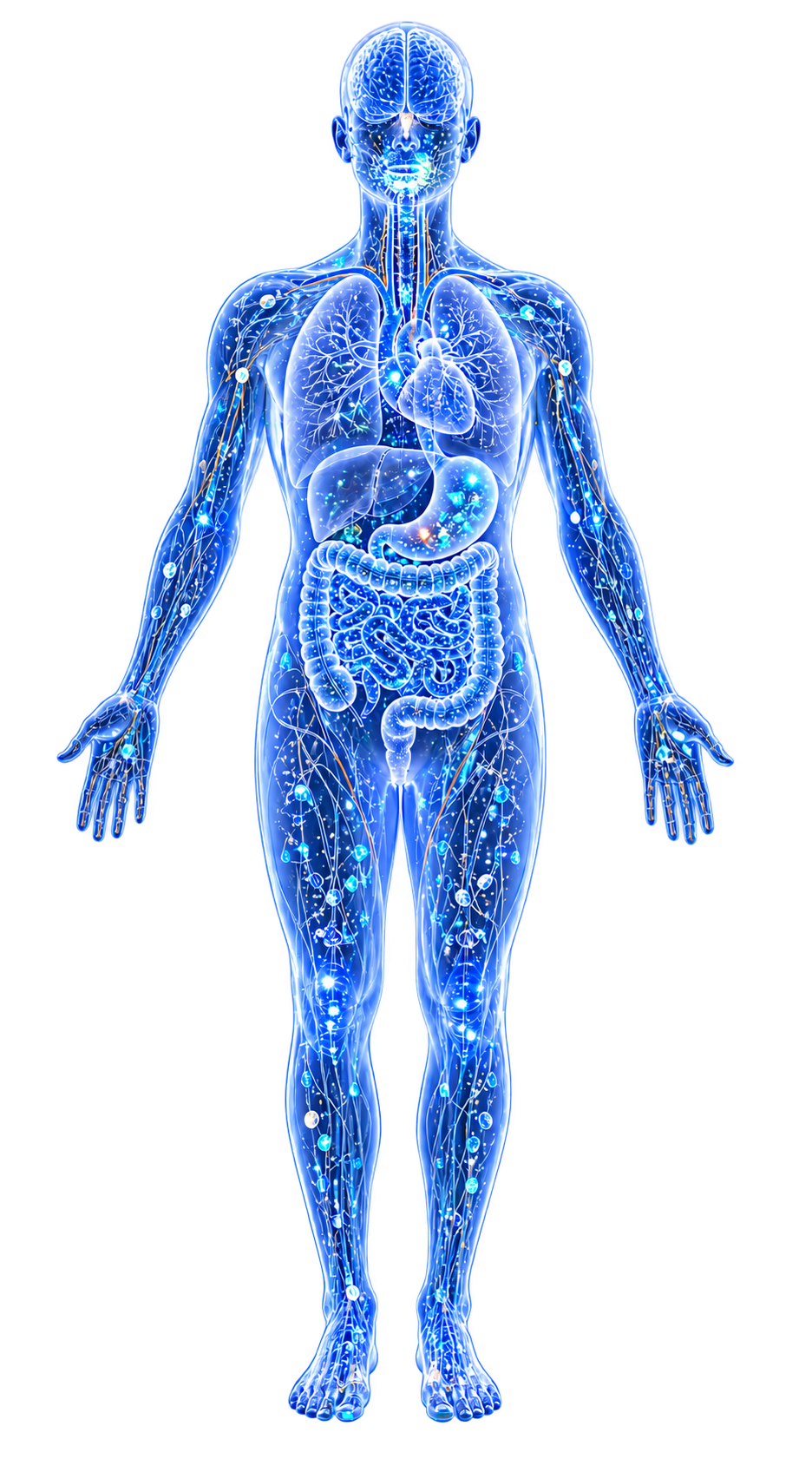
 metals · microbes · host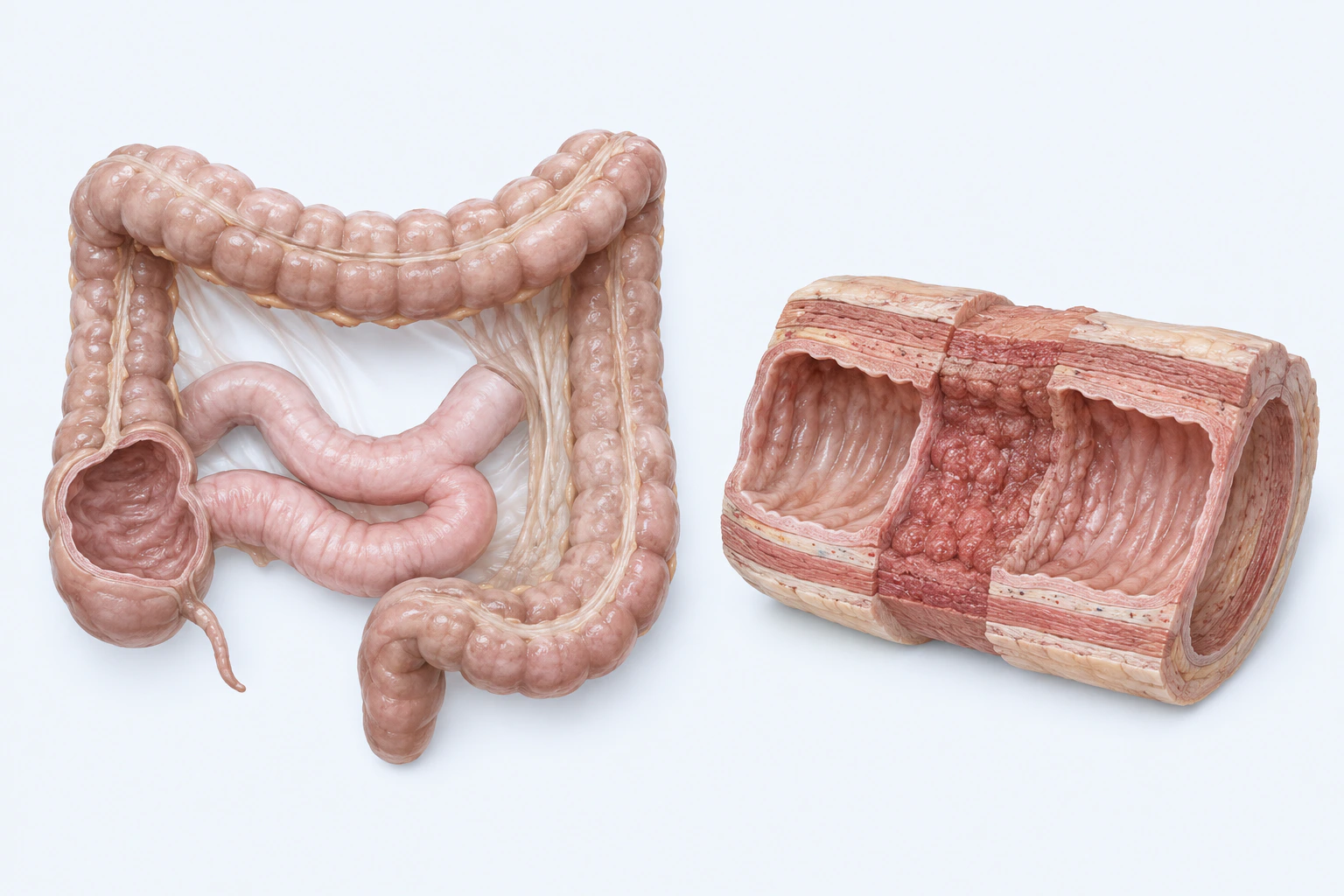
Representative segmental and transmural bowel-wall orientation for Crohn disease. The separate model does not assert a universal distribution, complication, severity, subtype, or diagnosis.
Scientific media record1 verified identifier
- Subject
- Crohn Diseasecondition
- Identifiers
- MeSH:D003424
- Review
- Editorial review completeIdentifiers authority-verified · Accessibility validated · · crohns-disease|crohns-disease-pathology-v1.webp
- Digital source
- Trained-algorithmic mediaCreated with a trained generative algorithm and reviewed by WikiBiome for subject identity, scientific framing, identifiers, provenance, and accessibility.
- Scientific basis
- Crohn Disease — MeSHDefinition & Facts for Crohn’s Disease
- License
- CC BY-SA 4.0Created
A chronic, relapsing-remitting inflammatory bowel disease (IBD) characterized by transmural Metal-Driven Inflammation of the gastrointestinal tract, most commonly affecting the terminal ileum and colon but capable of involving any segment from mouth to anus.[1]Interactions between Intestinal Microbiota and Host Immune Response in Inflammatory Bowel DiseaseZhang M, Sun K, Wu Y et al. · 2017Open reference 1 ↓
Prevalence is increasing globally, particularly in newly industrialized countries, with current estimates exceeding 3 million affected individuals in Europe and North America combined.[2]Adherence to a Mediterranean Diet is Associated with a Lower Risk of Later-Onset Crohn's Disease: Results From Two Large Prospective Cohort StudiesKhalili H, Hakansson N, Chan SS et al. · 2024Open reference 2 ↓
From a metal-microbiome perspective, Crohn's disease represents one of the clearest examples of ecological collapse driven by metal dyshomeostasis: restricted luminal metal availability selects against SCFA-producing commensals, enables pathobiont expansion, and establishes a self-reinforcing cycle of Dysbiosis, barrier dysfunction, and chronic inflammation.
Evidence map60 cited passagesInspect provenance +
A chronic, relapsing-remitting inflammatory bowel disease (IBD) characterized by transmural inflammation of the gastrointestinal tract, most commonly affecting the terminal ileum and colon but capable of involving any segment from mouth to anus. Prevalence is increasing globally, particularly in newly industrialized countries, with current estimates exceedin
The metallomic profile in Crohn's disease is defined not by simple deficiency or excess but by redistribution of metals across tissue compartments. The ZIP8 A391T variant studies provide the mechanistic template: metals are trapped in mucosal tissue while being depleted from the lumen where commensal bacteria need them.
iron status in CD is complex because two distinct mechanisms coexist. True iron deficiency arises from chronic blood loss (ulceration, fistulae) and malabsorption (especially with ileal disease). Anemia of chronic disease results from hepcidin elevation as part of the acute-phase response, which blocks iron absorption and sequesters iron in macrophages. Hepc
zinc is depleted in CD patients, contributing to a cascade of downstream effects. Zinc is required for tight junction integrity (claudins and occludins are zinc-dependent), so depletion directly impairs the gut barrier. Zinc deficiency also dysregulates matrix metalloproteinase (MMP) activity—MMP-1, MMP-3, and MMP-9 are zinc-dependent enzymes upregulated
copper is positively associated with CRP in CD patients, consistent with its role as an acute-phase reactant. Ceruloplasmin (a copper-carrying protein) rises during inflammation, elevating circulating copper. This copper elevation supports oxidative stress through Fenton-like chemistry while simultaneously being deployed by macrophages as an antimicrobial we
cadmium exposure independently induces dysbiosis patterns consistent with CD. Cadmium enters cells through calcium channels, displacing correct metal cofactors (mis-metallation) and driving oxidative stress. The ZIP8 A391T variant affects cadmium handling at the colonic mucosa, with MUT mice showing higher cadmium in bulk colon tissue. Glutathione depletion
CD is characterized by profound dysbiosis with reduced alpha diversity, the most severe of any IBD subtype.
| Taxon | Normal Function | Evidence | |-------|----------------|----------| | faecalibacterium prausnitzii | Primary butyrate producer; anti-inflammatory (suppresses nf kappa b, induces IL-10) | Most consistently depleted taxon across all CD cohorts; low abundance predicts post-surgical recurrence | | Roseburia | Butyrate and propionate production | Consist
| Taxon | Role in CD | |-------|-----------| | Adherent-invasive escherichia coli (AIEC) | Found in 75% of ileal CD mucosa vs 6% in healthy; invades epithelial cells, replicates in macrophages, induces granuloma-like structures | | Enterobacteriaceae | Bloom associated with NOD2 risk allele dosage; thrive in inflamed, iron-rich mucosal environment | | Fusoba
The fundamental ecological pattern: metal dyshomeostasis selects AGAINST SCFA-producing commensals and FOR metal-tolerant or metal-acquiring pathobionts. Dysbiosis persists even during endoscopic remission, indicating it is not purely secondary to inflammation.
Adherent-invasive escherichia coli depends on siderophores metallophores for iron scavenging in the inflamed gut. AIEC strains express multiple siderophore systems (enterobactin, yersiniabactin, aerobactin) that outcompete host nutritional immunity defenses like lactoferrin. Type 1 pili with FimH adhesin bind CEACAM6 receptors (upregulated in inflamed ileal
bacteroides fragilis enterotoxigenic strains produce fragilysin (BFT), a zinc-dependent metalloprotease that cleaves E-cadherin at the epithelial surface, directly disrupting tight junctions and increasing intestinal permeability. BFT activates nf kappa b signaling and triggers IL-8 secretion. The zinc dependency of this toxin means its activity is modulated
Barrier integrity in CD is compromised at multiple levels. Tight junction proteins (claudins, occludin, ZO-1) are degraded by MMPs and BFT toxin, increasing paracellular permeability measurable by the lactulose/mannitol ratio test. Mucus layer thickness is reduced, and bacterial adherence to the mucosal surface increases. Paneth cell dysfunction (driven by N
Iron supplementation feeds pathogens: Oral iron supplementation provides substrate for AIEC and other siderophore-producing Enterobacteriaceae. These organisms possess dedicated siderophores metallophores systems specifically evolved to scavenge iron in the gut lumen. Supplemental iron bypasses host nutritional immunity defenses.
Iron supplementation worsens dysbiosis: Free luminal iron shifts the competitive balance away from SCFA-producing commensals (which have modest iron requirements) toward iron-scavenging pathobionts, deepening dysbiosis.
Iron drives ferroptosis in inflamed mucosa: Iron accumulation in inflamed tissue catalyzes lipid peroxidation through Fenton chemistry. GPX3 (glutathione peroxidase 3) is causally protective against CD—its role in preventing iron-dependent oxidative stress connects ferroptosis to disease pathogenesis.
The rs13107325 SNP in the SLC39A8 gene (encoding the ZIP8 metal transporter) is a Crohn's disease risk allele that provides the most direct genetic evidence linking metal dyshomeostasis to IBD.
Greater adherence to a Mediterranean diet is associated with a 58% lower risk of later-onset CD (HR: 0.42, 95% CI 0.22-0.80) across two large Swedish prospective cohorts with 17-year follow-up. The protection is CD-specific—no association was found with UC. Poor Mediterranean diet adherence (mMED score 0-2) confers a population attributable risk of 12% fo
High-fiber diets are generally protective in CD, contrary to the longstanding clinical belief that fiber restriction was necessary for patients with the disease. A meta-analysis of 11 studies (2,389 CD patients) shows improved remission rates and reduced hospitalizations with high-fiber intake. Infliximab combined with a high-fiber vegetarian diet achieved 8
Dietary polyphenols synergistically interact with gut microbiota to suppress inflammation in IBD. They increase microbial diversity, boost faecalibacterium prausnitzii, and inhibit AIEC. Polyphenol mechanisms include nf kappa b suppression, Nrf2 upregulation (activating antioxidant defenses against ferroptosis), and gut barrier protection. Metal chelation by
In nickel-sensitized individuals, dietary nickel exacerbates gastrointestinal inflammation. A low-nickel dietary approach, parallel to nickel-free diet protocols that enhanced H. pylori eradication, may benefit a subset of CD patients—particularly given that nickel levels were higher in active CD compared to inactive UC.
CD and UC share core dysbiosis features (reduced diversity, depleted SCFA producers, enriched Proteobacteria) but differ in important ways. CD shows more severe alpha diversity reduction. Mediterranean diet is protective against CD but not UC. Mendelian randomization reveals disease-specific causal genera: Lachnospiraceae UCG001 is protective against CD spec
CD is causally associated with 8 extraintestinal manifestations including primary biliary cholangitis, sarcoidosis, iridocyclitis, interstitial lung disease, atopic dermatitis, ankylosing spondylitis, psoriatic arthropathies, and primary sclerosing cholangitis. Mendelian randomization shows that gut microbiota does NOT mediate these associations—the micro
Key evidence for causality: ZIP8 A391T mice develop microbiome shifts at 2 months but inflammation only at 10 months—dysbiosis is the cause, not the consequence.
Showing 24 of 60 evidence-bearing passages. Every remaining citation is still indexed in the reference record below.
One disease. Five evidence layers.
A generated systems view of the metals, organisms, host sequestration signals, ecological conditions, and microbial functions indexed for Crohn's Disease.
Evidence layer
Taxonomic signature
Organisms reported as enriched or depleted, with their indexed functional context kept beside the name.Adherent-invasive E. coli (AIEC) -- found in 75% of ileal CD mucosa vs 6% healthy; invades epithelial cells, replicates in macrophages, induces granuloma-like structures; multiple siderophore systems (enterobactin, yersiniabactin, aerobactin)
Pro-inflammatory; enrichment associated with CD polygenic risk score independent of disease status; promotes NF-kB activation
Metal-resistant, consistently pro-inflammatory
Mucin-degrading; directly damages mucosal barrier; consistently enriched in CD
Mixed — some strains pathogenic (BFT toxin), others commensal
Fungal component; biofilm formation provides functional shielding for bacterial pathogens
Pathobiont enriched by heavy metal exposure (arsenic (As), lead (Pb), mercury (Hg))
Fungal pathobiont; dramatically enriched in inflamed ileal tissue; activates type 1/17 immunity via beta-glucan/Dectin-1 signaling
Bloom associated with NOD2 risk allele dosage; thrive in inflamed, iron-rich mucosal environment
Primary butyrate producer; anti-inflammatory (suppresses NF-kB, induces IL-10); most consistently depleted taxon across all CD cohorts; low abundance predicts post-surgical recurrence
Butyrate and propionate production; consistently reduced; part of Clostridia cluster XIVa
SCFA producers — lost in iron-rich pro-inflammatory environment; Mendelian randomization confirms protective causal role
Mucus-layer specialist — depleted; Mendelian randomization shows causal protective association
SCFA production; MR confirms causal protective role (Eubacterium ventriosum OR: 0.68)
SCFA production and barrier support; Mendelian randomization confirms causal protective role (Lachnospiraceae UCG001 OR: 0.81)
Reduced early in ZIP8 A391T variant mice; lost competitive advantage under metal dyshomeostasis
Evidence layer
Nutritional immunity
Host metal-withholding, inflammatory, antioxidant, and microbial-metabolite signals indexed in the signature.Elevated host signals
7Depleted protective signals
3Evidence layer
Ecological state
The environmental conditions that connect the organism-level observations into a system.Evidence layer
Virulence functions
Microbial structures, enzymes, and acquisition systems implicated by the linked evidence.The disease record, in full.
The original WikiBiome disease narrative remains intact beneath the generated signature atlas.
Metallomic Signature#
The metallomic profile in Crohn's disease is defined not by simple deficiency or excess but by redistribution of metals across tissue compartments.
The ZIP8 A391T variant studies provide the mechanistic template: metals are trapped in mucosal tissue while being depleted from the lumen where commensal bacteria need them.[3]ZIP8 A391T Crohn's Disease-Linked Risk Variant Induces Colonic Metal Ion Dyshomeostasis, Microbiome Compositional Shifts, and InflammationYang JC, Zhao M, Chernikova D et al. · 2024Open reference 3 ↓
Iron Dysregulation#
Iron status in CD is complex because two distinct mechanisms coexist.[4]Clinical and inflammatory biomarkers of inflammatory bowel diseases are linked to plasma trace elements and toxic metals; new insights into an old conceptAmerikanou C, Karavoltsos S, Gioxari A et al. · 2022Open reference 4 ↓ True iron deficiency arises from chronic blood loss (ulceration, fistulae) and malabsorption (especially with ileal disease).
Anemia of chronic disease results from Hepcidin elevation as part of the acute-phase response, which blocks iron absorption and sequesters iron in macrophages.[5]Oxidative Stress Gene Expression, DNA Methylation, and Gut Microbiota Interaction Trigger Crohn's Disease: a Multi-Omics Mendelian Randomization StudyXu S, Li X, Zhang S et al. · 2023Open reference 5 ↓
Hepcidin is the key differentiator: elevated hepcidin indicates functional iron withholding (the body is deliberately restricting iron from pathogens via Nutritional Immunity (Metal Sequestration)), while low hepcidin with low ferritin indicates true deficiency.
This distinction is clinically critical because iron supplementation in the setting of high hepcidin feeds siderophore-producing pathogens without correcting the underlying problem.
Zinc Depletion#
Zinc is depleted in CD patients, contributing to a cascade of downstream effects. Zinc is required for tight junction integrity (claudins and occludins are zinc-dependent), so depletion directly impairs the gut barrier.
Zinc deficiency also dysregulates matrix metalloproteinase (MMP) activity—MMP-1, MMP-3, and MMP-9 are zinc-dependent enzymes upregulated in inflamed CD tissue.[5]Oxidative Stress Gene Expression, DNA Methylation, and Gut Microbiota Interaction Trigger Crohn's Disease: a Multi-Omics Mendelian Randomization StudyXu S, Li X, Zhang S et al. · 2023Open reference 5 ↓
Paneth cell antimicrobial peptides (alpha-defensins) require zinc for function, and their impairment through NOD2 mutations is compounded by zinc depletion.[6]Intestinal Microbiota and the Innate Immune System - a Crosstalk in Crohn's Disease PathogenesisHaag LM, Siegmund B · 2015Open reference 6 ↓ Calprotectin (S100A8/A9), the gold-standard fecal biomarker for IBD monitoring, works by sequestering zinc (and manganese) from pathogens—its elevation in CD reflects both neutrophil infiltration and active Nutritional Immunity (Metal Sequestration).
Copper Elevation#
Copper is positively associated with CRP in CD patients, consistent with its role as an acute-phase reactant.[4]Clinical and inflammatory biomarkers of inflammatory bowel diseases are linked to plasma trace elements and toxic metals; new insights into an old conceptAmerikanou C, Karavoltsos S, Gioxari A et al. · 2022Open reference 4 ↓ Ceruloplasmin (a copper-carrying protein) rises during inflammation, elevating circulating copper.
This copper elevation supports Oxidative Stress through Fenton-like chemistry while simultaneously being deployed by macrophages as an antimicrobial weapon against intracellular pathogens.
Cadmium as Risk Factor#
Cadmium exposure independently induces dysbiosis patterns consistent with CD. Cadmium enters cells through calcium channels, displacing correct metal cofactors (mis-metallation) and driving oxidative stress.
The ZIP8 A391T variant affects cadmium handling at the colonic mucosa, with MUT mice showing higher cadmium in bulk colon tissue.[3]ZIP8 A391T Crohn's Disease-Linked Risk Variant Induces Colonic Metal Ion Dyshomeostasis, Microbiome Compositional Shifts, and InflammationYang JC, Zhao M, Chernikova D et al. · 2024Open reference 3 ↓ Glutathione depletion in CD removes the primary neutralization pathway for cadmium, creating a vulnerability loop.
Calprotectin as Biomarker#
Fecal Calprotectin (S100A8/A9) is the gold-standard non-invasive biomarker for IBD monitoring. It is a calcium- and zinc-binding protein released by neutrophils infiltrating the intestinal mucosa. Its biological function is metal sequestration—starving pathogens of zinc and manganese.
In the metal-microbiome framework, calprotectin elevation is simultaneously a diagnostic marker and an active participant in Nutritional Immunity (Metal Sequestration), reshaping the luminal metal environment and selecting for organisms that can survive metal restriction.
Microbiome Signature#
CD is characterized by profound dysbiosis with reduced alpha diversity, the most severe of any IBD subtype.[7]Diagnosis of Crohn's Disease and Ulcerative Colitis Using the MicrobiomeKang DY, Park JL, Yeo MK et al. · 2023Open reference 7 ↓
Depleted Taxa#
| Taxon | Normal Function | Evidence |
|---|---|---|
| Faecalibacterium prausnitzii | Primary Butyrate producer; anti-inflammatory (suppresses NF-kB Signaling Pathway, induces IL-10) | Most consistently depleted taxon across all CD cohorts; low abundance predicts post-surgical recurrence[6]Intestinal Microbiota and the Innate Immune System - a Crosstalk in Crohn's Disease PathogenesisHaag LM, Siegmund B · 2015Open reference 6 ↓ |
| Roseburia | Butyrate and propionate production | Consistently reduced in CD; part of Clostridia cluster XIVa |
| Clostridia clusters IV/XIVa | SCFA production, Treg induction | Depleted as a group; includes key butyrate producers |
| Lachnospiraceae (Family) | SCFA production, barrier support | Mendelian randomization confirms causal protective role; Lachnospiraceae UCG001 protective (OR: 0.81)[8]Two-Sample Mendelian Randomization Analysis Investigates Causal Associations Between Gut Microbial Genera and Inflammatory Bowel Disease, and Specificity Causal Associations in Ulcerative Colitis or Crohn's DiseaseLiu B, Ye D, Yang H et al. · 2022Open reference 8 ↓ |
| Akkermansia muciniphila | Mucus layer maintenance | Depleted in inflamed gut; MR supports causal protective association |
| Eubacterium | SCFA production | MR confirms protective causal role; Eubacterium ventriosum protective (OR: 0.68)[8]Two-Sample Mendelian Randomization Analysis Investigates Causal Associations Between Gut Microbial Genera and Inflammatory Bowel Disease, and Specificity Causal Associations in Ulcerative Colitis or Crohn's DiseaseLiu B, Ye D, Yang H et al. · 2022Open reference 8 ↓ |
Enriched Taxa#
| Taxon | Role in CD | |
|---|---|---|
| Adherent-invasive Escherichia coli (AIEC) | Found in 75% of ileal CD mucosa vs 6% in healthy; invades epithelial cells, replicates in macrophages, induces granuloma-like structures[9]Synergic Interactions between Polyphenols and Gut Microbiota in Mitigating Inflammatory Bowel DiseasesLi H, Christman LM, Li R et al. · 2020Open reference 9 ↓ | |
| Enterobacteriaceae | Bloom associated with NOD2 risk allele dosage;[10]Complex Host Genetics Influence the Microbiome in Inflammatory Bowel DiseaseKnights D, Silverberg MS, Weersma RK et al. · 2014Open reference 10 ↓ thrive in inflamed, iron-rich mucosal environment | |
| Fusobacterium | Pro-inflammatory; enrichment associated with CD polygenic risk score independent of disease status[11]Crohn's Disease in Endoscopic Remission, Obesity, and Cases of High Genetic Risk Demonstrate Overlapping Shifts in the Colonic Mucosal-Luminal Interface MicrobiomeJacobs JP, Goudarzi M, Lagishetty V et al. · 2022Open reference 11 ↓ | |
| Ruminococcus gnavus | Mucin-degrading; directly damages barrier | |
| Candida albicans | Fungal component; biofilm formation provides functional shielding for bacterial pathogens | |
| [[debaryomyces | Debaryomyces]] | Fungal pathobiont; dramatically enriched in inflamed ileal tissue; activates type 1/17 immunity via beta-glucan/Dectin-1 signaling |
The fundamental ecological pattern: metal dyshomeostasis selects AGAINST SCFA-producing commensals and FOR metal-tolerant or metal-acquiring pathobionts. Dysbiosis persists even during endoscopic remission, indicating it is not purely secondary to inflammation.[11]Crohn's Disease in Endoscopic Remission, Obesity, and Cases of High Genetic Risk Demonstrate Overlapping Shifts in the Colonic Mucosal-Luminal Interface MicrobiomeJacobs JP, Goudarzi M, Lagishetty V et al. · 2022Open reference 11 ↓
Key Virulence Factors#
AIEC Iron Acquisition and Invasion#
Adherent-invasive Escherichia coli depends on Siderophores and Metallophores for iron scavenging in the inflamed gut.[9]Synergic Interactions between Polyphenols and Gut Microbiota in Mitigating Inflammatory Bowel DiseasesLi H, Christman LM, Li R et al. · 2020Open reference 9 ↓ AIEC strains express multiple siderophore systems (enterobactin, yersiniabactin, aerobactin) that outcompete host Nutritional Immunity (Metal Sequestration) defenses like lactoferrin.
Type 1 pili with FimH adhesin bind CEACAM6 receptors (upregulated in inflamed ileal epithelium), enabling mucosal adhesion and invasion.[6]Intestinal Microbiota and the Innate Immune System - a Crosstalk in Crohn's Disease PathogenesisHaag LM, Siegmund B · 2015Open reference 6 ↓ Once inside macrophages, AIEC replicates and triggers TNF-alpha, IL-6, and IL-8 release.[1]Interactions between Intestinal Microbiota and Host Immune Response in Inflammatory Bowel DiseaseZhang M, Sun K, Wu Y et al. · 2017Open reference 1 ↓
Outer membrane vesicles (OMVs) deliver virulence factors and LPS into host cells, amplifying inflammation via NF-kB Signaling Pathway activation. This is a textbook example of Metal-Dependent Virulence: without siderophore-mediated iron acquisition, AIEC cannot colonize the inflamed mucosa.
B. fragilis BFT Toxin#
Bacteroides fragilis enterotoxigenic strains produce fragilysin (BFT), a zinc-dependent metalloprotease that cleaves E-cadherin at the epithelial surface, directly disrupting tight junctions and increasing intestinal permeability. BFT activates NF-kB Signaling Pathway signaling and triggers IL-8 secretion.
The zinc dependency of this toxin means its activity is modulated by luminal zinc availability—another intersection of metal homeostasis and virulence.
Not all B. fragilis strains are pathogenic; non-toxigenic strains producing polysaccharide A (PSA) actually suppress IL-17 and enhance IL-10, demonstrating commensal protective mechanisms.[1]Interactions between Intestinal Microbiota and Host Immune Response in Inflammatory Bowel DiseaseZhang M, Sun K, Wu Y et al. · 2017Open reference 1 ↓
Gut Barrier Disruption#
Barrier integrity in CD is compromised at multiple levels. Tight junction proteins (claudins, occludin, ZO-1) are degraded by MMPs and BFT toxin, increasing paracellular permeability measurable by the lactulose/mannitol ratio test.
Mucus layer thickness is reduced, and bacterial adherence to the mucosal surface increases.[6]Intestinal Microbiota and the Innate Immune System - a Crosstalk in Crohn's Disease PathogenesisHaag LM, Siegmund B · 2015Open reference 6 ↓ Paneth cell dysfunction (driven by NOD2 and ATG16L1 mutations) reduces alpha-defensin secretion, impairing the antimicrobial barrier.
SCFA depletion (from loss of Faecalibacterium prausnitzii and Roseburia) starves colonocytes of their primary energy source, causing further tight junction loss. Fecal calprotectin elevation reflects the neutrophil infiltration that follows barrier failure, as bacteria translocate across the compromised epithelium and trigger innate immune activation.
The Iron Paradox in Crohn's Disease#
This is the central metallomic paradox in CD and one of the clearest examples of Dietary Metal Paradoxes: When Healthy Foods and Good Intentions Backfire:
- Patients are iron-deficient: Chronic blood loss from ulceration, impaired absorption (especially ileal disease), and hepcidin-mediated sequestration all contribute to anemia, affecting up to 70% of CD patients.
- Iron supplementation feeds pathogens: Oral iron supplementation provides substrate for AIEC and other siderophore-producing Enterobacteriaceae.[9]Synergic Interactions between Polyphenols and Gut Microbiota in Mitigating Inflammatory Bowel DiseasesLi H, Christman LM, Li R et al. · 2020Open reference 9 ↓ These organisms possess dedicated Siderophores and Metallophores systems specifically evolved to scavenge iron in the gut lumen. Supplemental iron bypasses host Nutritional Immunity (Metal Sequestration) defenses.
- Iron supplementation worsens dysbiosis: Free luminal iron shifts the competitive balance away from SCFA-producing commensals (which have modest iron requirements) toward iron-scavenging pathobionts, deepening dysbiosis.[3]ZIP8 A391T Crohn's Disease-Linked Risk Variant Induces Colonic Metal Ion Dyshomeostasis, Microbiome Compositional Shifts, and InflammationYang JC, Zhao M, Chernikova D et al. · 2024Open reference 3 ↓
- Iron drives Ferroptosis in inflamed mucosa: Iron accumulation in inflamed tissue catalyzes lipid peroxidation through Fenton chemistry. GPX3 (glutathione peroxidase 3) is causally protective against CD—its role in preventing iron-dependent oxidative stress connects ferroptosis to disease pathogenesis.[5]Oxidative Stress Gene Expression, DNA Methylation, and Gut Microbiota Interaction Trigger Crohn's Disease: a Multi-Omics Mendelian Randomization StudyXu S, Li X, Zhang S et al. · 2023Open reference 5 ↓
- Hepcidin-guided management is critical: Measuring Hepcidin distinguishes true iron deficiency (low hepcidin—supplement cautiously, prefer IV iron) from anemia of chronic disease (high hepcidin—treat inflammation first, do not give oral iron). IV iron bypasses the luminal compartment, avoiding the dysbiosis-amplifying effect of oral supplementation.
ZIP8 A391T Variant#
The rs13107325 SNP in the SLC39A8 gene (encoding the ZIP8 metal transporter) is a Crohn's disease risk allele that provides the most direct genetic evidence linking metal dyshomeostasis to IBD.[3]ZIP8 A391T Crohn's Disease-Linked Risk Variant Induces Colonic Metal Ion Dyshomeostasis, Microbiome Compositional Shifts, and InflammationYang JC, Zhao M, Chernikova D et al. · 2024Open reference 3 ↓
Metal effects: Homozygous A393T mice show increased cobalt uptake in mucosal epithelium, higher cadmium and manganese in bulk colon tissue, and reduced luminal availability of Iron, Zinc, manganese, Copper, cobalt, and Cadmium—a comprehensive redistribution affecting all tested metals.
Microbiome effects: Genotype-microbiome association strengthens with age (R-squared increases from 3% at 2 months to 9% at 12 months). Lactobacillus is reduced early; by 12 months, 18-29 genera are differentially abundant. Predicted functional pathways show altered "cofactor biosynthesis"—the microbiota is adapting to metal restriction.
The temporal sequence: Microbiome shifts were detectable at 2 months, but spontaneous intestinal inflammation did not develop until 10 months. This demonstrates that dysbiosis precedes inflammation—the microbiome change is the driving force, not merely a consequence. This positions ZIP8 A391T as a microbiome quantitative trait locus (mb-QTL).
Clinical implications: ZIP8 A391T carriers may require different metal supplementation strategies. The variant affects manganese, zinc, iron, cobalt, and cadmium handling simultaneously, meaning single-metal interventions may be insufficient.
Diet#
Mediterranean Diet#
Greater adherence to a Mediterranean diet is associated with a 58% lower risk of later-onset CD (HR: 0.42, 95% CI 0.22-0.80) across two large Swedish prospective cohorts with 17-year follow-up.[2]Adherence to a Mediterranean Diet is Associated with a Lower Risk of Later-Onset Crohn's Disease: Results From Two Large Prospective Cohort StudiesKhalili H, Hakansson N, Chan SS et al. · 2024Open reference 2 ↓ The protection is CD-specific—no association was found with UC.
Poor Mediterranean diet adherence (mMED score 0-2) confers a population attributable risk of 12% for later-onset CD, meaning 12% of cases could theoretically be prevented through dietary change. The Mediterranean pattern is rich in polyphenols, fiber, omega-3 fatty acids, and plant-based foods that collectively support SCFA-producing commensals and suppress inflammation.
Exclusive Enteral Nutrition (EEN)#
EEN is the first-line induction therapy for pediatric CD in most guidelines, achieving remission rates comparable to corticosteroids (approximately 80%) without steroid side effects. EEN works partly by dramatically altering the Gut Microbiome and reducing luminal antigens.
Its metal implications are significant: by controlling the exact nutritional composition entering the gut, EEN effectively manages luminal metal availability—a form of controlled Nutritional Immunity (Metal Sequestration).
The Fiber Paradox#
High-fiber diets are generally protective in CD, contrary to the longstanding clinical belief that fiber restriction was necessary for patients with the disease. A meta-analysis of 11 studies (2,389 CD patients) shows improved remission rates and reduced hospitalizations with high-fiber intake.[12]High-Fiber Diet and Crohn's Disease: Systematic Review and Meta-AnalysisSerrano Fernandez V, Seldas Palomino M, Laredo-Aguilera JA et al. · 2023Open reference 12 ↓
Infliximab combined with a high-fiber vegetarian diet achieved 84% clinical remission with 46% mucosal healing. A catered high-fiber (14g/1000 kcal), low-fat diet was well-tolerated even in fibrostenotic disease.[13]A High-Fiber, Low-Fat Diet Improves the Symptoms and Metabolic Profile of Patients with Crohn's DiseaseAbreu MT, Quintero MA, Garces L et al. · 2024Open reference 13 ↓
However, fiber can worsen stricturing disease where luminal narrowing creates mechanical obstruction risk—this is a structural contraindication, not a metabolic one. Fiber also binds metals (iron, zinc, copper), modulating their luminal bioavailability—which may actually be therapeutic by limiting free iron available to pathogens.
Polyphenols#
Dietary polyphenols synergistically interact with gut microbiota to suppress inflammation in IBD. They increase microbial diversity, boost Faecalibacterium prausnitzii, and inhibit AIEC.[9]Synergic Interactions between Polyphenols and Gut Microbiota in Mitigating Inflammatory Bowel DiseasesLi H, Christman LM, Li R et al. · 2020Open reference 9 ↓ Polyphenol mechanisms include NF-kB Signaling Pathway suppression, Nrf2 upregulation (activating antioxidant defenses against Ferroptosis), and gut barrier protection.
Metal chelation by polyphenols (catechins bind iron and copper) affects both bioavailability and oxidative potential.
Low-Nickel Diet#
In nickel-sensitized individuals, dietary nickel exacerbates gastrointestinal inflammation. A low-nickel dietary approach, parallel to nickel-free diet protocols that enhanced H. pylori eradication, may benefit a subset of CD patients—particularly given that nickel levels were higher in active CD compared to inactive UC.[4]Clinical and inflammatory biomarkers of inflammatory bowel diseases are linked to plasma trace elements and toxic metals; new insights into an old conceptAmerikanou C, Karavoltsos S, Gioxari A et al. · 2022Open reference 4 ↓
Connection to Other IBD#
UC Comparison#
CD and UC share core dysbiosis features (reduced diversity, depleted SCFA producers, enriched Proteobacteria) but differ in important ways. CD shows more severe alpha diversity reduction.[7]Diagnosis of Crohn's Disease and Ulcerative Colitis Using the MicrobiomeKang DY, Park JL, Yeo MK et al. · 2023Open reference 7 ↓ Mediterranean diet is protective against CD but not UC.[2]Adherence to a Mediterranean Diet is Associated with a Lower Risk of Later-Onset Crohn's Disease: Results From Two Large Prospective Cohort StudiesKhalili H, Hakansson N, Chan SS et al. · 2024Open reference 2 ↓
Mendelian randomization reveals disease-specific causal genera: Lachnospiraceae UCG001 is protective against CD specifically, while Eubacterium ventriosum is protective against UC specifically.[8]Two-Sample Mendelian Randomization Analysis Investigates Causal Associations Between Gut Microbial Genera and Inflammatory Bowel Disease, and Specificity Causal Associations in Ulcerative Colitis or Crohn's DiseaseLiu B, Ye D, Yang H et al. · 2022Open reference 8 ↓
Metal profiles also differ: selenium is depleted in both, but thallium is specifically associated with UC disease activity while copper-CRP association is specific to CD.[4]Clinical and inflammatory biomarkers of inflammatory bowel diseases are linked to plasma trace elements and toxic metals; new insights into an old conceptAmerikanou C, Karavoltsos S, Gioxari A et al. · 2022Open reference 4 ↓
These distinctions suggest that while the Gut-Metal-Microbiome Interactions axis is central to both conditions, the specific metal-microbe interactions driving each disease are distinct.
Extraintestinal Manifestations#
CD is causally associated with 8 extraintestinal manifestations including primary biliary cholangitis, sarcoidosis, iridocyclitis, interstitial lung disease, atopic dermatitis, ankylosing spondylitis, psoriatic arthropathies, and primary sclerosing cholangitis.[14]Gut Microbiota Does Not Play a Mediating Role in the Causal Association Between Inflammatory Bowel Disease and Several Its Associated Extraintestinal ManifestationsLu W, Cen J, Dai Q et al. · 2024Open reference 14 ↓
Mendelian randomization shows that gut microbiota does NOT mediate these associations—the microbiome is altered by IBD but is not the conduit through which IBD produces systemic complications. This implies that the shared immune dysregulation and systemic inflammation (rather than microbial translocation) drive extraintestinal disease.
The Self-Reinforcing Cycle#
The metal-microbiome framework reveals Crohn's disease as a self-amplifying ecological collapse:
- Initiating event: Metal dyshomeostasis (genetic via ZIP8 A391T, environmental via Cadmium/lead exposure, or dietary)
- SCFA producer depletion: Faecalibacterium prausnitzii, Roseburia, Lachnospiraceae cannot compete in metal-restricted or metal-toxic environments
- Butyrate collapse: Colonocyte starvation, tight junction loss, increased permeability
- Pathobiont bloom: AIEC, Fusobacterium, Enterococcus expand using Siderophores and Metallophores and metal resistance systems
- Barrier failure: Bacterial translocation triggers innate immune activation via NF-kB Signaling Pathway
- Inflammation reinforces dysbiosis: Hepcidin elevation, Calprotectin (S100A8/A9) release, and oxidative stress further alter the luminal metal environment, selecting against commensals
- Ferroptosis: Iron accumulation in inflamed tissue drives lipid peroxidation and mucosal cell death
Key evidence for causality: ZIP8 A391T mice develop microbiome shifts at 2 months but inflammation only at 10 months—dysbiosis is the cause, not the consequence.[3]ZIP8 A391T Crohn's Disease-Linked Risk Variant Induces Colonic Metal Ion Dyshomeostasis, Microbiome Compositional Shifts, and InflammationYang JC, Zhao M, Chernikova D et al. · 2024Open reference 3 ↓
Open Questions#
Unresolved questions identified by the current evidence record.
01Should metal supplementation strategy differ for ZIP8 A391T carriers versus non-carriers?+
The current WikiBiome record identifies this as an unresolved evidence gap.
02When will Faecalibacterium prausnitzii become available as a therapeutic probiotic?+
The current WikiBiome record identifies this as an unresolved evidence gap.
03Can hepcidin-guided iron management (IV iron when hepcidin is low, treat inflammation when hepcidin is high) become standard of care?+
The current WikiBiome record identifies this as an unresolved evidence gap.
04Does prenatal cadmium/lead screening predict later IBD risk, given lasting microbiome effects?+
The current WikiBiome record identifies this as an unresolved evidence gap.
05Would combined E. coli Nissle 1917 (siderophore competition) plus targeted prebiotics (F. prausnitzii restoration) represent an optimal two-sided ecological intervention?+
The current WikiBiome record identifies this as an unresolved evidence gap.
Comorbidities#
Colorectal Cancer—Crohn's colitis confers 2-3x increased CRC risk via the inflammation-dysplasia-carcinoma sequence; shared Fusobacterium nucleatum enrichment, NF-kB activation, and barrier dysfunction; surveillance colonoscopy recommended after 8 years of colonic CD.
Depression—depression prevalence is 20-30% in CD, far exceeding population rates; shared gut-brain axis disruption via SCFA depletion and tryptophan pathway shifts; inflammation-driven neuroinflammation through LPS translocation and microglial activation; anti-TNF therapy improves both intestinal and depressive symptoms.
Rheumatoid Arthritis—shared autoimmune architecture (HLA-DRB1, PTPN22); anti-TNF agents (infliximab) treat both; Crohn's extraintestinal manifestations include inflammatory arthropathy; mucosal immune priming in the gut may trigger joint autoimmunity.
Anxiety Disorders—anxiety disorders affect up to 35% of IBD patients; bidirectional gut-brain axis disruption; disease unpredictability compounds neurobiological anxiety mechanisms; vagal signaling disruption from gut inflammation.
Connections#
- Metal-Disease Matrix: A Cross-Source Synthesis
- Fecal Microbiota Transplant (FMT)—case series evidence for FMT in refractory Crohn's; weaker than UC evidence
- Prebiotics—prebiotic fiber supports butyrate producer recovery in Crohn's remission
- Microbial Biomarkers—calprotectin and microbial diversity as non-invasive Crohn's monitoring tools
- Dyshomeostasis—ZIP8 A391T variant creates zinc/manganese dyshomeostasis specific to Crohn's pathogenesis
- Biomarkers—fecal calprotectin, CRP, and metallomic panels for disease activity monitoring
References 25
Numbered by first appearance in the article, then reconciled with its declared source list.
- 1
Zhang M, Sun K, Wu Y et al. (2017). Interactions between Intestinal Microbiota and Host Immune Response in Inflammatory Bowel Disease. Frontiers in Immunology.
- 2
Khalili H, Hakansson N, Chan SS et al. (2024). Adherence to a Mediterranean Diet is Associated with a Lower Risk of Later-Onset Crohn's Disease: Results From Two Large Prospective Cohort Studies. Gut.
- 3
★Yang JC, Zhao M, Chernikova D et al. (2024). ZIP8 A391T Crohn's Disease-Linked Risk Variant Induces Colonic Metal Ion Dyshomeostasis, Microbiome Compositional Shifts, and Inflammation. Digestive Diseases and Sciences.
- 4
Amerikanou C, Karavoltsos S, Gioxari A et al. (2022). Clinical and inflammatory biomarkers of inflammatory bowel diseases are linked to plasma trace elements and toxic metals; new insights into an old concept. Frontiers in Nutrition.
- 5
Xu S, Li X, Zhang S et al. (2023). Oxidative Stress Gene Expression, DNA Methylation, and Gut Microbiota Interaction Trigger Crohn's Disease: a Multi-Omics Mendelian Randomization Study. BMC Medicine.
- 6
Haag LM, Siegmund B (2015). Intestinal Microbiota and the Innate Immune System - a Crosstalk in Crohn's Disease Pathogenesis. Frontiers in Immunology.
- 7
Kang DY, Park JL, Yeo MK et al. (2023). Diagnosis of Crohn's Disease and Ulcerative Colitis Using the Microbiome. BMC Microbiology.
- 8
Liu B, Ye D, Yang H et al. (2022). Two-Sample Mendelian Randomization Analysis Investigates Causal Associations Between Gut Microbial Genera and Inflammatory Bowel Disease, and Specificity Causal Associations in Ulcerative Colitis or Crohn's Disease. Frontiers in Immunology.
- 9
Li H, Christman LM, Li R et al. (2020). Synergic Interactions between Polyphenols and Gut Microbiota in Mitigating Inflammatory Bowel Diseases. Food & Function.
- 10
Knights D, Silverberg MS, Weersma RK et al. (2014). Complex Host Genetics Influence the Microbiome in Inflammatory Bowel Disease. Genome Medicine.
- 11
Jacobs JP, Goudarzi M, Lagishetty V et al. (2022). Crohn's Disease in Endoscopic Remission, Obesity, and Cases of High Genetic Risk Demonstrate Overlapping Shifts in the Colonic Mucosal-Luminal Interface Microbiome. Genome Medicine.
- 12
Serrano Fernandez V, Seldas Palomino M, Laredo-Aguilera JA et al. (2023). High-Fiber Diet and Crohn's Disease: Systematic Review and Meta-Analysis. Nutrients.
- 13
Abreu MT, Quintero MA, Garces L et al. (2024). A High-Fiber, Low-Fat Diet Improves the Symptoms and Metabolic Profile of Patients with Crohn's Disease. medRxiv (preprint).
- 14
Lu W, Cen J, Dai Q et al. (2024). Gut Microbiota Does Not Play a Mediating Role in the Causal Association Between Inflammatory Bowel Disease and Several Its Associated Extraintestinal Manifestations. Frontiers in Immunology.
- 15
Fatemeh Rezazadegan, Maryam Mahmoudi, Seyed Mohammad Mousavi (2025). Rezazadegan et al. 2025 — Heavy Metals and Gut Microbiota: A Systematic Review. Journal of Health, Population and Nutrition.
- 16
Shoshannah Eggers, Vishal Midya, Moira Bixby et al. (2023). Eggers et al. 2023 — Prenatal Lead Exposure and Gut Microbiome. Frontiers in Microbiology.
- 17
Coryell M, McAlpine M, Pinkham NV et al. (2018). The gut microbiome is required for full protection against acute arsenic toxicity in mouse models. Nature Communications.
- 18
M. Firoze Khan, Hui Wang (2020). Environmental Exposures and Autoimmune Diseases: Contribution of Gut Microbiome. Frontiers in Immunology.
- 19
Zhang ZJ, Qu HL, Zhao N et al. (2021). Assessment of Causal Direction Between Gut Microbiota and Inflammatory Bowel Disease: A Mendelian Randomization Analysis. Frontiers in Genetics.
- 20
Breton J, Daniel C, Vignal C et al. (2016). Does oral exposure to cadmium and lead mediate susceptibility to colitis? The dark-and-bright sides of heavy metals in gut ecology. Scientific Reports.
- 21
Victoria Pascal, Marta Pozuelo, Natalia Borruel et al. (2017). A microbial signature for Crohn's disease. Gut.
- 22
Andrea Brusaferro, Elena Cavalli, Edoardo Farinelli et al. (2018). Brusaferro 2018 — Gut dysbiosis and paediatric Crohn's disease. Journal of Infection.
- 23
Haijing Wang, Yuanjun Wang, Libin Yang et al. (2024). Wang 2024 — Integrated 16S rRNA sequencing and metagenomics insights into microbial dysbiosis and distinct virulence factors in inflammatory bowel disease. Frontiers in Microbiology.
- 24
Vangoitsenhoven R, Cresci GAM (2020). Role of Microbiome and Antibiotics in Autoimmune Diseases. Nutrition in Clinical Practice.
- 25
Shen J, Zuo ZX, Mao AP (2014). Effect of Probiotics on Inducing Remission and Maintaining Therapy in Ulcerative Colitis, Crohn's Disease, and Pouchitis: Meta-analysis of Randomized Controlled Trials. Inflammatory Bowel Diseases.
Article network
Mentioned here 18
Pages linking here 55
Connect the evidence
Publicly readable discussion by ORCID-authenticated researchers. Questions, interpretation, methods, corrections, and new evidence stay attached to this record.
No discussion yet. Start with a precise question or a source-backed observation.
Activity and accepted changes
Accepted researcher context, editorial status, public discussion, and upstream Git revisions are shown together. Pending, declined, and withdrawn proposals remain private.
- published revision
Backfill oxidative stress concept links
Karen Pendergrass · +3 −3
Inspect exact Git diff ↗ - published revision
Backfill gut microbiome concept links
Karen Pendergrass · +1 −1
Inspect exact Git diff ↗ - published revision
Backfill inflammation concept links
Karen Pendergrass · +4 −4
Inspect exact Git diff ↗ - published revision
Complete corpus-wide Dysbiosis linking
Karen Pendergrass · +4 −4
Inspect exact Git diff ↗ - published revision
Complete Tight junctions contextual coverage
Karen Pendergrass · +1 −1
Inspect exact Git diff ↗ - published revision
massive wiki expansion: 149 stubs fixed, 100+ new pages, Rule 15 scan, keystone papers
WikiBiome Deploy Bot · +32 −32
Inspect exact Git diff ↗ - published revision
nightly maintenance: 94 stub demotions, 181 source_count fixes, 22 auto-discovered stubs, 5 adversarial audits, 3 boundary fixes, 3 evidence-level corrections
WikiBiome Deploy Bot · +1 −0
Inspect exact Git diff ↗ - published revision
semantic integrity pass: boundary fixes, 10 interventions, 31 STOPs, 2 supersessions, keystone revalidation
WikiBiome Deploy Bot · +1 −1
Inspect exact Git diff ↗ - published revision
cycle 1: health check + lint fixes + 8 ingests + 2 stubs + gestational-diabetes signature
WikiBiome Deploy Bot · +1 −0
Inspect exact Git diff ↗ - published revision
pre-overnight checkpoint 2026-04-18
WikiBiome Deploy Bot · +1 −0
Inspect exact Git diff ↗ - published revision
Deep citation pass on 10 disease entities + expand 3 thin entities
WikiBiome Deploy Bot · +5 −5
Inspect exact Git diff ↗ - published revision
Deepen metal/concept entities + 8 new sources for T1D/schizophrenia
WikiBiome Deploy Bot · +287 −0
Inspect exact Git diff ↗ - published revision
Citation integrity pass: 38 citations added, 24 parenthesized citations fixed
WikiBiome Deploy Bot · +1 −17
Inspect exact Git diff ↗ - published revision
v2 migration Priority 2: All 29 disease entity pages upgraded with associated_conditions, seo_target, wikipedia_differentiation
WikiBiome Deploy Bot · +6 −0
Inspect exact Git diff ↗ - published revision
WikiBiome v2 migration: signature pages + safety fixes + gap analysis
WikiBiome Deploy Bot · +5 −0
Inspect exact Git diff ↗