
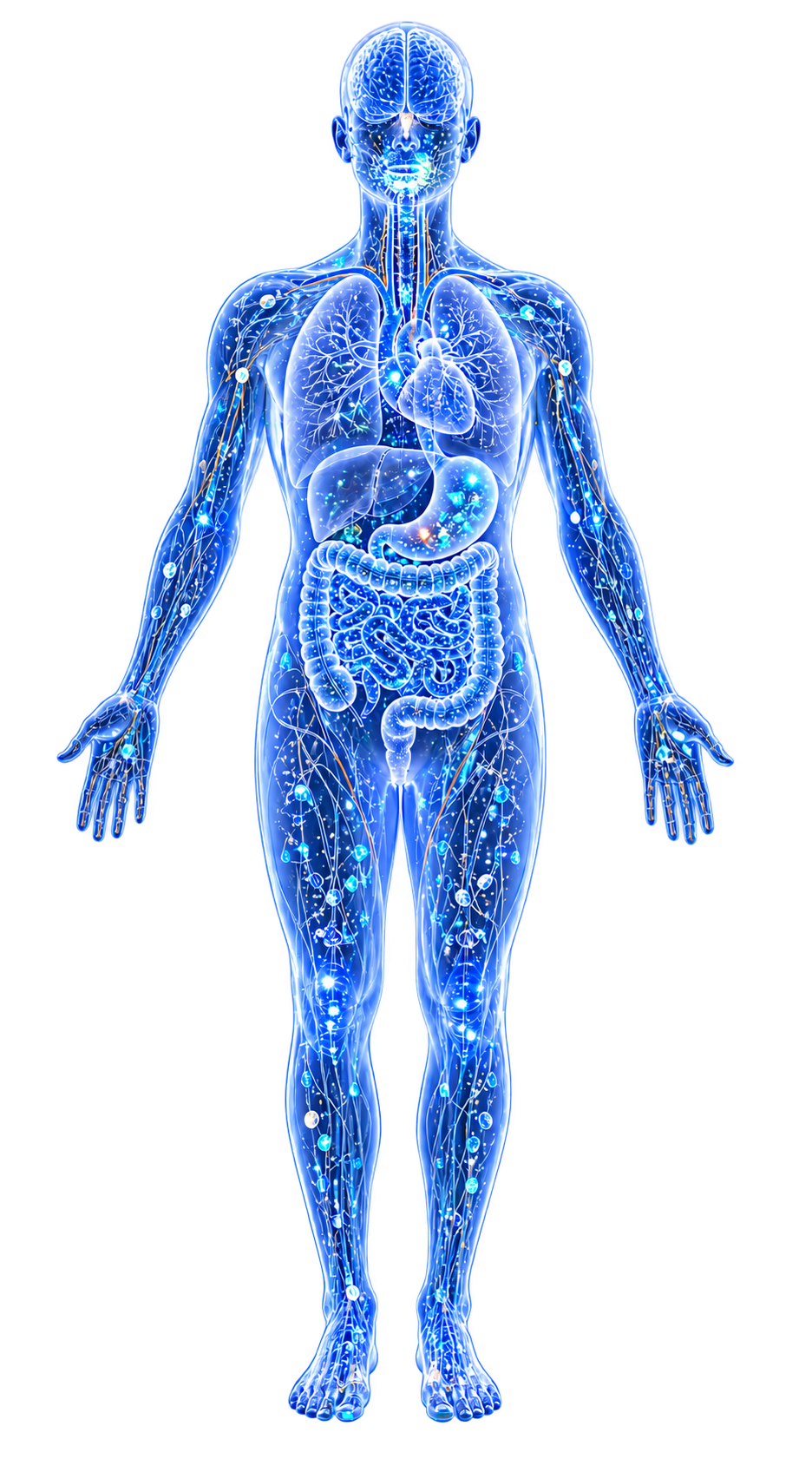
Microbial communities do not acquire and use metals in isolation. Within biofilms, polymicrobial infections, and the Gut Microbiome, microbes engage in complex cooperative and competitive relationships mediated by metals—sharing metallophores, concentrating metals in biofilm matrices, and collectively resisting host Nutritional Immunity (Metal Sequestration).
These inter-species and inter-kingdom metal dynamics can amplify virulence beyond what any single pathogen achieves alone, and they connect biofilm biology, polymicrobial infection, and the gut ecosystem into a unified framework of community-level metal ecology.
Evidence map17 cited passagesInspect provenance +
Enterococcus faecium massively upregulates EPS production genes under cadmium stress (Gene Cluster 2 in cheng-2021), and this EPS likely sequesters metals in the biofilm matrix, analogous to the extracellular chelation function of siderophores metallophores.
staphylococcus aureus: Urease genes are significantly upregulated in biofilm-embedded cells compared to planktonic cells. The ammonia/bicarbonate generated by urease may buffer the local biofilm pH, creating a favorable microenvironment.
proteus mirabilis: Urease-driven alkalinization causes struvite (MgNH4PO4) and apatite (Ca10(PO4)6CO3) crystal formation within biofilms on urinary catheters. These crystalline biofilms physically obstruct catheter lumens and provide a mineralized scaffold that is extremely resistant to antibiotic penetration and host immune clearance.
Pyoverdine/pyochelin sharing: In P. aeruginosa polymicrobial infections, the extracellular metal chelation by PVD/PCH may inadvertently protect neighboring species from metal toxicity as well.
Metal nanoparticles (Ag, Au, Fe-oxide, and notably Ni-containing bimetallic nanoparticles) target these mixed-kingdom biofilms through ROS generation, membrane disruption, and enzyme inactivation.
Ag-Ni nanoparticles showed potent anti-Candida activity at 0.19-1.56 ug/mL; Ni-Cu-Zn-IONPs caused complete yeast cell lysis—demonstrating that metal-based approaches can target the metal biology of mixed-kingdom biofilms.
In the "frenemy" concept described by Patil et al. (2021), microbes that are commensal under healthy conditions may become competitive or cooperative under disease conditions, with metal availability as a key determinant of these relationships.
Commensal bacteria bind, bioaccumulate, and transform heavy metals, reducing their bioavailability to both pathogens and the host.
Probiotics binding metals: Lactobacillus and Bifidobacterium species biosorb Cd, Pb, and other heavy metals on their cell surfaces, facilitating fecal excretion.
Pseudomonas spp. in the gut produce siderophores and H2S that form insoluble metal complexes.
Heavy metals reduce microbial diversity, with consistent loss of SCFA-producing commensals (Faecalibacterium, Lachnospiraceae, Lactobacillus) and enrichment of metal-tolerant pathobionts (Enterobacteriaceae).
Iron supplementation in infants increases Enterobacteriaceae and decreases Lactobacillus.
Cadmium disrupts manganese and zinc homeostasis in S. pneumoniae, indirectly increasing oxidative stress susceptibility.
Pendergrass (2026) presents the most complete illustration of inter-kingdom metal shielding principles applied to a specific disease:
Rebelo et al. (2021) surveyed 381 Enterococcus isolates spanning 120 years (1900-2019) and found that metal tolerance (MeT) genes for mercury, arsenic, and copper systematically co-occur with antibiotic resistance (ABR) genes on the same mobile genetic elements.
Cadmium exposure triggers massive transcriptional reprogramming in E. faecium: 1,152 differentially expressed genes (47% of the genome), including upregulation of P-type ATPase metal efflux pumps and EPS production.
The cadmium resistome involves 67 genes in A. baumannii, with CDF and HME efflux systems providing comprehensive cadmium translocation pathways.
Contents
1. Biofilm Metal Dynamics2. Polymicrobial Metal Cooperation3. Cross-Kingdom Interactions4. Gut Microbiome as Metal Buffer5. The NEC Connection: The Clearest Example6. Metal-Antibiotic Resistance Co-Selection7. ConnectionsBiofilm Metal Dynamics#
Biofilms concentrate metals from the environment and create microenvironments where metal availability differs dramatically from the surrounding host tissue.
Metal Concentration in Biofilms#
Biofilm exopolysaccharide (EPS) matrices bind and concentrate metal ions, creating local metal reservoirs that are partially shielded from host metal restriction.
Enterococcus faecium massively upregulates EPS production genes under cadmium stress (Gene Cluster 2 in cheng-2021), and this EPS likely sequesters metals in the biofilm matrix, analogous to the extracellular chelation function of Siderophores and Metallophores.[1]Cadmium stress triggers significant metabolic reprogramming in Enterococcus faecium CX 2-6Cheng X, Yang B, Zheng J et al. · 2021Open reference 1 ↓
Urease and Biofilm Formation#
Staphylococcus aureus: Urease genes are significantly upregulated in biofilm-embedded cells compared to planktonic cells. The Ammonia/bicarbonate generated by urease may buffer the local biofilm pH, creating a favorable microenvironment.[2]Role of Nickel in Microbial PathogenesisRobert J. Maier, Stéphane L. Benoit · 2019Open reference 2 ↓
Proteus mirabilis: Urease-driven alkalinization causes struvite (MgNH4PO4) and apatite (Ca10(PO4)6CO3) crystal formation within biofilms on urinary catheters. These crystalline biofilms physically obstruct catheter lumens and provide a mineralized scaffold that is extremely resistant to antibiotic penetration and host immune clearance.[2]Role of Nickel in Microbial PathogenesisRobert J. Maier, Stéphane L. Benoit · 2019Open reference 2 ↓
Biofilms as Barriers to Host Metal Restriction#
The biofilm EPS matrix may physically limit diffusion of host metal-sequestering proteins (calprotectin, lactoferrin) into the biofilm interior, allowing interior cells to access metals that would be unavailable to planktonic cells.
This creates a spatial gradient of metal availability within the biofilm: cells at the periphery face host metal restriction while interior cells are relatively metal-replete.
Polymicrobial Metal Cooperation#
Siderophore Sharing and Cheating#
In polymicrobial communities, one species' metallophore can supply metals to another. Siderophore "public goods": Siderophores are secreted extracellularly and can be captured by any cell with the appropriate receptor, not just the producer. This creates opportunities for both cooperation (cross-feeding) and cheating (non-producing strains free-ride on producers).
Cross-species siderophore utilization: Many pathogens encode receptors for siderophores they do not produce, enabling them to pirate iron acquired by co-infecting species.
Pyoverdine/pyochelin sharing: In P. aeruginosa polymicrobial infections, the extracellular metal chelation by PVD/PCH may inadvertently protect neighboring species from metal toxicity as well.[3]Presence of the siderophores pyoverdine and pyochelin in the extracellular medium reduces toxic metal accumulation in Pseudomonas aeruginosa and increases bacterial metal toleranceBraud A, Geoffroy V, Hoegy F et al. · 2010Open reference 3 ↓
Synergistic Urease Induction#
In mixed Proteus mirabilis and Providencia stuartii catheter-associated UTI communities, urease activity is synergistically enhanced beyond what either species produces alone. The resulting alkalinization and crystalline biofilm formation is more severe in polymicrobial infections.
This is a direct example of inter-species metal-enzyme cooperation amplifying virulence.
Complementary Metal Acquisition#
Different species in a polymicrobial community may specialize in acquiring different metals: one species provides iron via siderophores while another provides nickel via nickelophores, creating a division of labor in metal scavenging.
The broad-spectrum metallophore staphylopine (S. aureus) and pyoverdine (P. aeruginosa) chelate different metals with different efficiencies, and co-infection may provide a more complete metal acquisition profile than either pathogen alone.
Cross-Kingdom Interactions#
Candida-Bacteria Biofilms#
Candida albicans frequently forms polymicrobial biofilms with bacterial species in oral, vaginal, and wound infections.
Metal nanoparticles (silver (Ag), Au, iron (Fe)-oxide, and notably nickel (Ni)-containing bimetallic nanoparticles) target these mixed-kingdom biofilms through ROS generation, membrane disruption, and enzyme inactivation.[4]Metal Nanoparticles to Combat Candida albicans Infections: An UpdatePaulo Henrique Fonseca do Carmo, Maira Terra Garcia, Livia Mara Alves Figueiredo-Godoi et al. · 2023Open reference 4 ↓
silver-nickel nanoparticles showed potent anti-Candida activity at 0.19-1.56 ug/mL; nickel-copper (Cu)-zinc (Zn)-IONPs caused complete yeast cell lysis—demonstrating that metal-based approaches can target the metal biology of mixed-kingdom biofilms.[4]Metal Nanoparticles to Combat Candida albicans Infections: An UpdatePaulo Henrique Fonseca do Carmo, Maira Terra Garcia, Livia Mara Alves Figueiredo-Godoi et al. · 2023Open reference 4 ↓
Ferumoxytol (FDA-approved iron oxide nanoparticles for anemia) disrupts oral Candida biofilms, repurposing a metal-replacement therapy as an anti-biofilm agent.
Fungal-Bacterial Metal Competition#
- In the "frenemy" concept described by Patil et al. (2021), microbes that are commensal under healthy conditions may become competitive or cooperative under disease conditions, with metal availability as a key determinant of these relationships.[5]Infection metallomics for critical care in the post-COVID eraPatil RH, Luptakova D, Havlicek V · 2021Open reference 5 ↓
Gut Microbiome as Metal Buffer#
The gut microbiome functions as a collective metal-processing system that determines how much dietary metal reaches pathogens, commensals, and the host.
Commensal Metal Sequestration#
Commensal bacteria bind, bioaccumulate, and transform Heavy Metals, reducing their bioavailability to both pathogens and the host.[6]Gut Microbiota: A Target for Heavy Metal Toxicity and a Probiotic Protective StrategyHui Duan, Leilei Yu, Fengwei Tian et al. · 2020Open reference 6 ↓
Probiotics binding metals: Lactobacillus and Bifidobacterium species biosorb cadmium (Cd), lead (Pb), and other heavy metals on their cell surfaces, facilitating fecal excretion.[7]Potential Application of Living Microorganisms in the Detoxification of Heavy MetalsRunqiu Chen, Huaijun Tu, Tingtao Chen · 2022Open reference 7 ↓
Pseudomonas spp. in the gut produce siderophores and H2S that form insoluble metal complexes.[7]Potential Application of Living Microorganisms in the Detoxification of Heavy MetalsRunqiu Chen, Huaijun Tu, Tingtao Chen · 2022Open reference 7 ↓ Sulfate-reducing bacteria precipitate metals as insoluble sulfides. This commensal metal buffering may simultaneously limit pathogen metal access and protect the host from metal toxicity.
Metal Exposure Disrupting Commensals#
Environmental metal exposure disrupts the commensal metal buffer, with cascading consequences. Heavy metals reduce microbial diversity, with consistent loss of SCFA-producing commensals (Faecalibacterium, Lachnospiraceae, Lactobacillus) and enrichment of metal-tolerant pathobionts (Enterobacteriaceae).[8]Microbial Metallomics and Parkinson's Disease: A Unified Metal-Driven Framework Linking Ferroptosis, Dysbiosis, and alpha-Synuclein PathologyKaren Pendergrass · 2025Open reference 8 ↓
Iron supplementation in infants increases Enterobacteriaceae and decreases Lactobacillus.[9]Mechanism of Iron Ion Homeostasis in Intestinal Immunity and Gut Microbiota RemodelingHonghong Bao, Yi Wang, Hanlin Xiong et al. · 2024Open reference 9 ↓ Cadmium disrupts manganese and zinc homeostasis in S. pneumoniae, indirectly increasing Oxidative Stress susceptibility.[10]Metal Homeostasis in Pathogenic StreptococciAkbari MS, Doran KS, Burcham LR · 2022Open reference 10 ↓
The disrupted microbiome may then free metals that were previously sequestered by commensals, making them available to pathogens—a vicious cycle.
The NEC Connection: The Clearest Example#
Pendergrass (2026) presents the most complete illustration of inter-kingdom metal shielding principles applied to a specific disease:[11]Nickel as a Catalytic Driver of Necrotizing Enterocolitis: Dietary Nickel, Microbial Metallomics, and the Activation of Nickel-Dependent Virulence Pathways in the Preterm GutKaren Pendergrass · 2026Open reference 11 ↓
- Dietary nickel input: Soy-based infant formula delivers ~10x more nickel (0.45 mg/L) than cow's milk formula (0.03 mg/L) and orders of magnitude more than human breast milk (0.005-0.016 mg/L).
- Overwhelmed host defenses: The preterm infant's immature calprotectin and lactoferrin systems cannot sequester the nickel load.
- Pathogen activation: Excess nickel fuels nickel (Ni)-dependent virulence enzymes (urease, [NiFe] Hydrogenase, GloI) in NEC-associated pathogens (E. coli, Klebsiella, Enterobacter, Citrobacter, Ureaplasma).
- Positive feedback: Urease-generated ammonia raises gut pH, favoring Proteobacteria over acid-producing commensals like Lactobacillus, creating a self-reinforcing Dysbiosis.
- Community-level effect: The enriched pathogen community collectively produces more nickel-enzymes, further altering the gut environment.
- Breast milk as evolved countermeasure: Human breast milk's naturally low nickel content may represent an evolved Nutritional Immunity (Metal Sequestration) strategy—starving nickel-dependent gut pathogens of their essential cofactor.
This is the clearest documented example of environmental metal --> pathogen virulence --> community dysbiosis --> disease.
Metal-Antibiotic Resistance Co-Selection#
Environmental metal exposure drives antibiotic resistance through genetic co-selection, adding a critical dimension to the inter-kingdom metal story.
Evidence from Enterococcus#
Rebelo et al. (2021) surveyed 381 Enterococcus isolates spanning 120 years (1900-2019) and found that metal tolerance (MeT) genes for mercury, arsenic, and copper systematically co-occur with antibiotic resistance (ABR) genes on the same mobile genetic elements.[12]Diversity of metal and antibiotic resistance genes in Enterococcus spp. from the last century reflects multiple pollution and genetic exchange among phyla from overlapping ecosystemsRebelo A, Mourao J, Freitas AR et al. · 2021Open reference 12 ↓
ABR genes found near MeT genes include vanA, tet(M), erm(B), and aminoglycoside resistance determinants.
MeT and ABR genes are located on conjugative plasmids flanked by IS elements, enabling horizontal gene transfer across species and even across phyla (shared between Enterococcus and Lactobacillus).
cobalt (Co)-selection has accelerated since the 1990s, correlating with increased antimicrobial and metal use.
Mechanism#
When bacteria are exposed to metals (from pollution, agriculture, diet), metal-resistant clones are selected. If these clones carry antibiotic resistance genes on the same genetic element, antibiotic resistance is co-selected without antibiotic exposure.
This means environmental metal pollution drives antibiotic resistance—a One Health concern linking agricultural metal contamination, dietary metal exposure, and clinical antibiotic failure.
Cadmium as Driver#
Cadmium exposure triggers massive transcriptional reprogramming in E. faecium: 1,152 differentially expressed genes (47% of the genome), including upregulation of P-type ATPase metal efflux pumps and EPS production.[1]Cadmium stress triggers significant metabolic reprogramming in Enterococcus faecium CX 2-6Cheng X, Yang B, Zheng J et al. · 2021Open reference 1 ↓
The cadmium resistome involves 67 genes in A. baumannii, with CDF and HME efflux systems providing comprehensive cadmium translocation pathways.[13]The Molecular Basis of Acinetobacter baumannii Cadmium Toxicity and ResistanceAlquethamy SF, Adams FG, Maharjan R et al. · 2021Open reference 13 ↓
Connections#
- Metal-Dependent Virulence—the virulence factors that community metal dynamics support
- Siderophores and Metallophores—the shared/competed metal-scavenging molecules
- Pathogen Metal Acquisition Systems—the cellular machinery that processes community-acquired metals
- Nutritional Immunity (Metal Sequestration)—the host defense that microbial communities collectively overcome
- Gut-Metal-Microbiome Interactions—the gut ecosystem where metal shielding plays out
- Dietary Nickel Exposure—the environmental input driving NEC pathogenesis
- Nickel—the metal at the center of the NEC story
- Iron—iron supplementation effects on gut ecology
- oxidative stress—ROS defense via community SOD production
- Environmental Metal Exposure—the upstream driver of metal-antibiotic co-selection
References 14
Numbered by first appearance in the article, then reconciled with its declared source list.
- 1
Cheng X, Yang B, Zheng J et al. (2021). Cadmium stress triggers significant metabolic reprogramming in Enterococcus faecium CX 2-6. Computational and Structural Biotechnology Journal.
- 2
★Robert J. Maier, Stéphane L. Benoit (2019). Role of Nickel in Microbial Pathogenesis. Inorganics.
- 3
Braud A, Geoffroy V, Hoegy F et al. (2010). Presence of the siderophores pyoverdine and pyochelin in the extracellular medium reduces toxic metal accumulation in Pseudomonas aeruginosa and increases bacterial metal tolerance. Environmental Microbiology Reports.
- 4
Paulo Henrique Fonseca do Carmo, Maira Terra Garcia, Livia Mara Alves Figueiredo-Godoi et al. (2023). Metal Nanoparticles to Combat Candida albicans Infections: An Update. Microorganisms.
- 5
★Patil RH, Luptakova D, Havlicek V (2021). Infection metallomics for critical care in the post-COVID era. Mass Spectrometry Reviews.
- 6
★Hui Duan, Leilei Yu, Fengwei Tian et al. (2020). Gut Microbiota: A Target for Heavy Metal Toxicity and a Probiotic Protective Strategy. Science of the Total Environment.
- 7
Runqiu Chen, Huaijun Tu, Tingtao Chen (2022). Potential Application of Living Microorganisms in the Detoxification of Heavy Metals. Foods.
- 8
★Karen Pendergrass (2025). Microbial Metallomics and Parkinson's Disease: A Unified Metal-Driven Framework Linking Ferroptosis, Dysbiosis, and alpha-Synuclein Pathology. Conference Presentation.
- 9
★Honghong Bao, Yi Wang, Hanlin Xiong et al. (2024). Mechanism of Iron Ion Homeostasis in Intestinal Immunity and Gut Microbiota Remodeling. International Journal of Molecular Sciences.
- 10
Akbari MS, Doran KS, Burcham LR (2022). Metal Homeostasis in Pathogenic Streptococci. Microorganisms.
- 11
Karen Pendergrass (2026). Nickel as a Catalytic Driver of Necrotizing Enterocolitis: Dietary Nickel, Microbial Metallomics, and the Activation of Nickel-Dependent Virulence Pathways in the Preterm Gut. Zenodo Preprint.
- 12
Rebelo A, Mourao J, Freitas AR et al. (2021). Diversity of metal and antibiotic resistance genes in Enterococcus spp. from the last century reflects multiple pollution and genetic exchange among phyla from overlapping ecosystems. Science of the Total Environment.
- 13
Alquethamy SF, Adams FG, Maharjan R et al. (2021). The Molecular Basis of Acinetobacter baumannii Cadmium Toxicity and Resistance. Applied and Environmental Microbiology.
- 14
★James E. Cassat, Eric P. Skaar (2012). Metal Ion Acquisition in Staphylococcus aureus: Overcoming Nutritional Immunity. Seminars in Immunopathology.
Article network
Mentioned here 18
Pages linking here 12
Connect the evidence
Publicly readable discussion by ORCID-authenticated researchers. Questions, interpretation, methods, corrections, and new evidence stay attached to this record.
No discussion yet. Start with a precise question or a source-backed observation.
Activity and accepted changes
Accepted researcher context, editorial status, public discussion, and upstream Git revisions are shown together. Pending, declined, and withdrawn proposals remain private.
- published revision
Backfill heavy metals concept links
Karen Pendergrass · +1 −1
Inspect exact Git diff ↗ - published revision
Backfill oxidative stress concept links
Karen Pendergrass · +2 −2
Inspect exact Git diff ↗ - published revision
Backfill gut microbiome concept links
Karen Pendergrass · +1 −1
Inspect exact Git diff ↗ - published revision
Complete corpus-wide Dysbiosis linking
Karen Pendergrass · +1 −1
Inspect exact Git diff ↗ - published revision
Complete Ammonia contextual coverage
Karen Pendergrass · +1 −1
Inspect exact Git diff ↗ - published revision
Complete Hydrogenase contextual coverage
Karen Pendergrass · +1 −1
Inspect exact Git diff ↗ - published revision
Complete reviewed Urease contextual coverage
Karen Pendergrass · +1 −1
Inspect exact Git diff ↗ - published revision
massive wiki expansion: 149 stubs fixed, 100+ new pages, Rule 15 scan, keystone papers
WikiBiome Deploy Bot · +20 −20
Inspect exact Git diff ↗ - published revision
nightly maintenance: 94 stub demotions, 181 source_count fixes, 22 auto-discovered stubs, 5 adversarial audits, 3 boundary fixes, 3 evidence-level corrections
WikiBiome Deploy Bot · +1 −0
Inspect exact Git diff ↗ - published revision
pre-overnight checkpoint 2026-04-18
WikiBiome Deploy Bot · +3 −1
Inspect exact Git diff ↗ - published revision
WikiBiome update — 2026-04-15 17:23
WikiBiome Deploy Bot · +0 −1
Inspect exact Git diff ↗ - published revision
WikiBiome update — integrity fixes, metallomic diet pages, cross-condition analyses
WikiBiome Deploy Bot · +24 −17
Inspect exact Git diff ↗ - published revision
WikiBiome v7 — interactive microbiome metallomics encyclopedia
Karen Pendergrass · +134 −0
Inspect exact Git diff ↗