WikiBiomeThe human microbiome encyclopedia
WikiBiome/Search: “metabolic”
Encyclopedia search

Search: “metabolic”

Ranked matches across titles, topics, categories, and article introductions.

80 records in this view
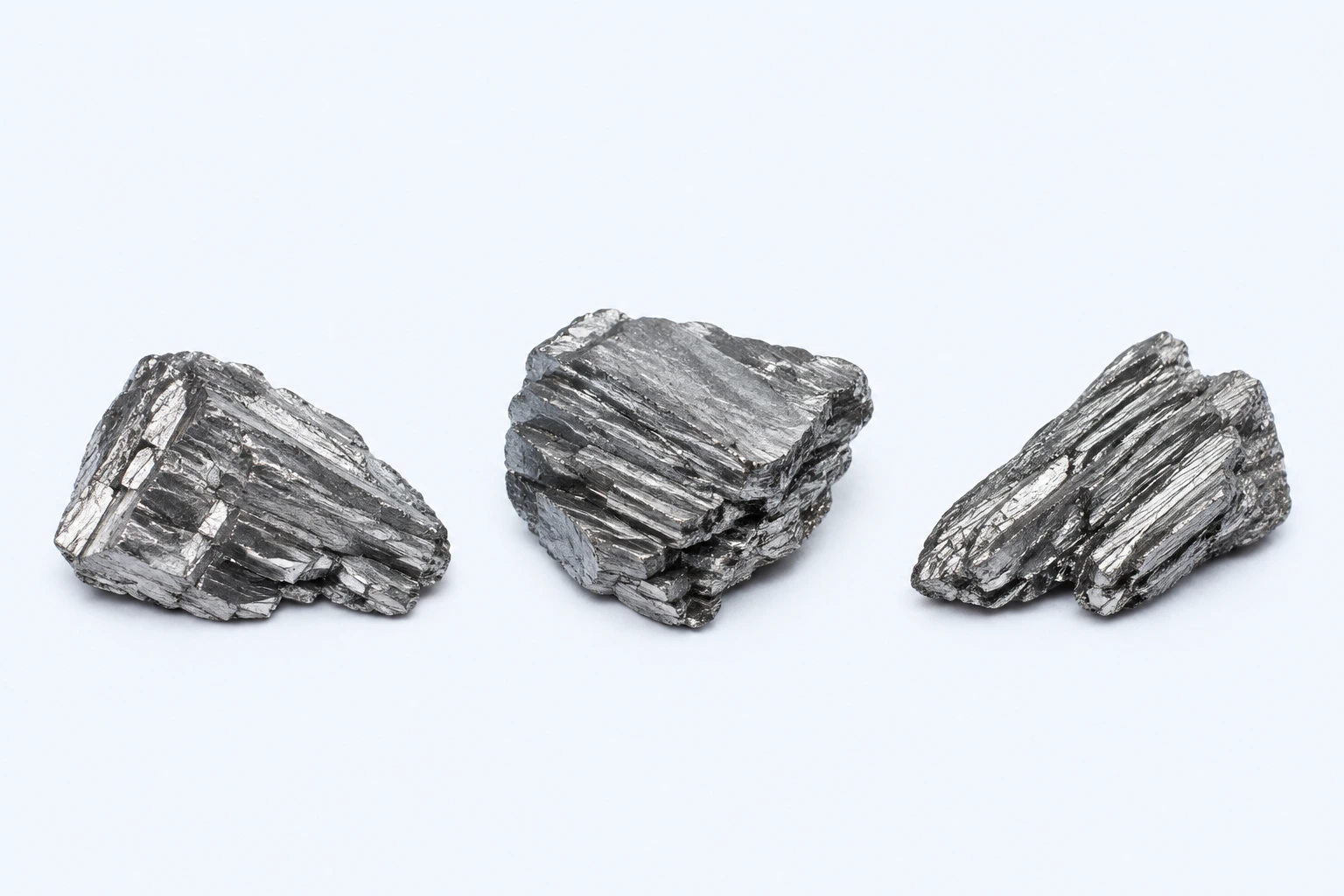
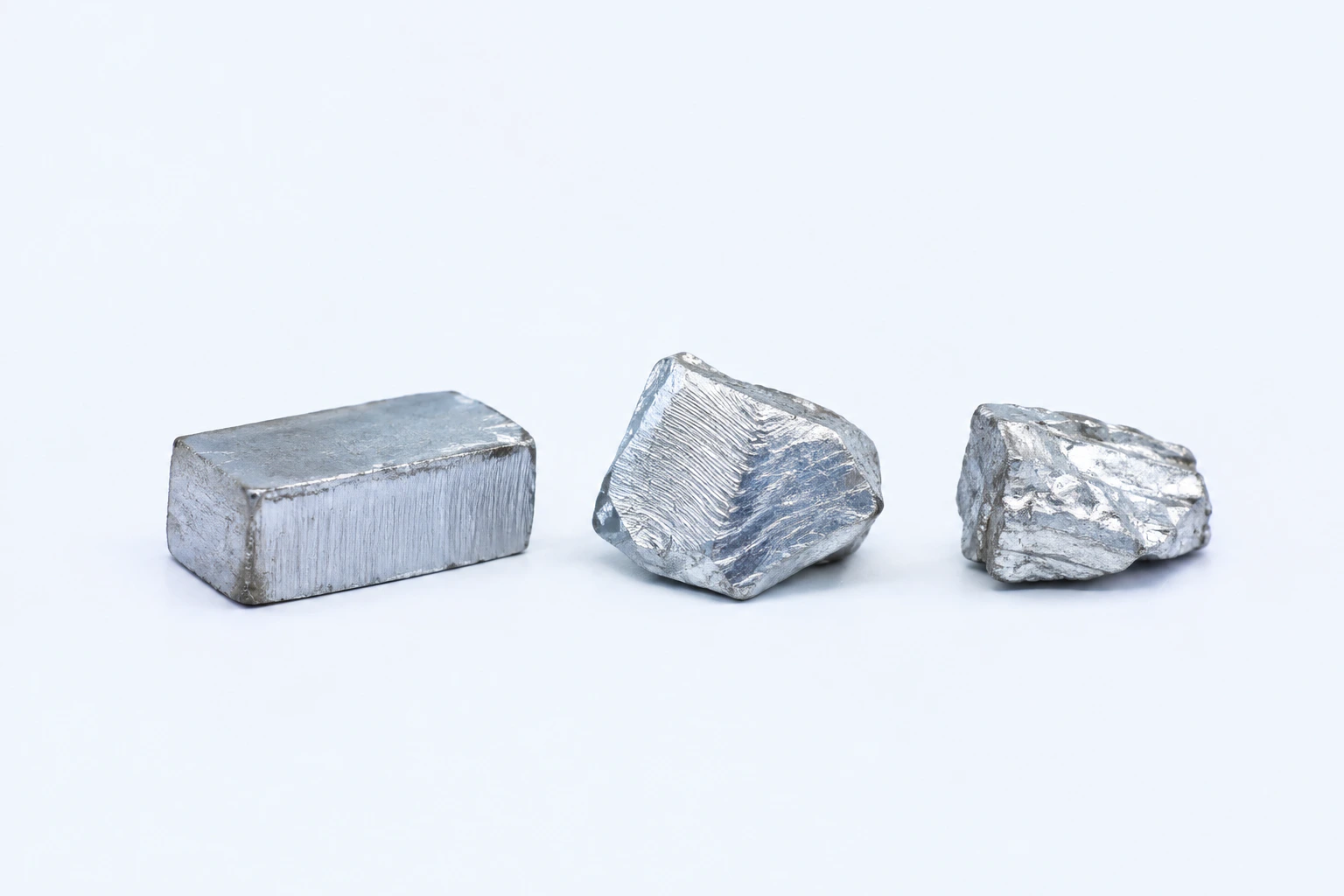
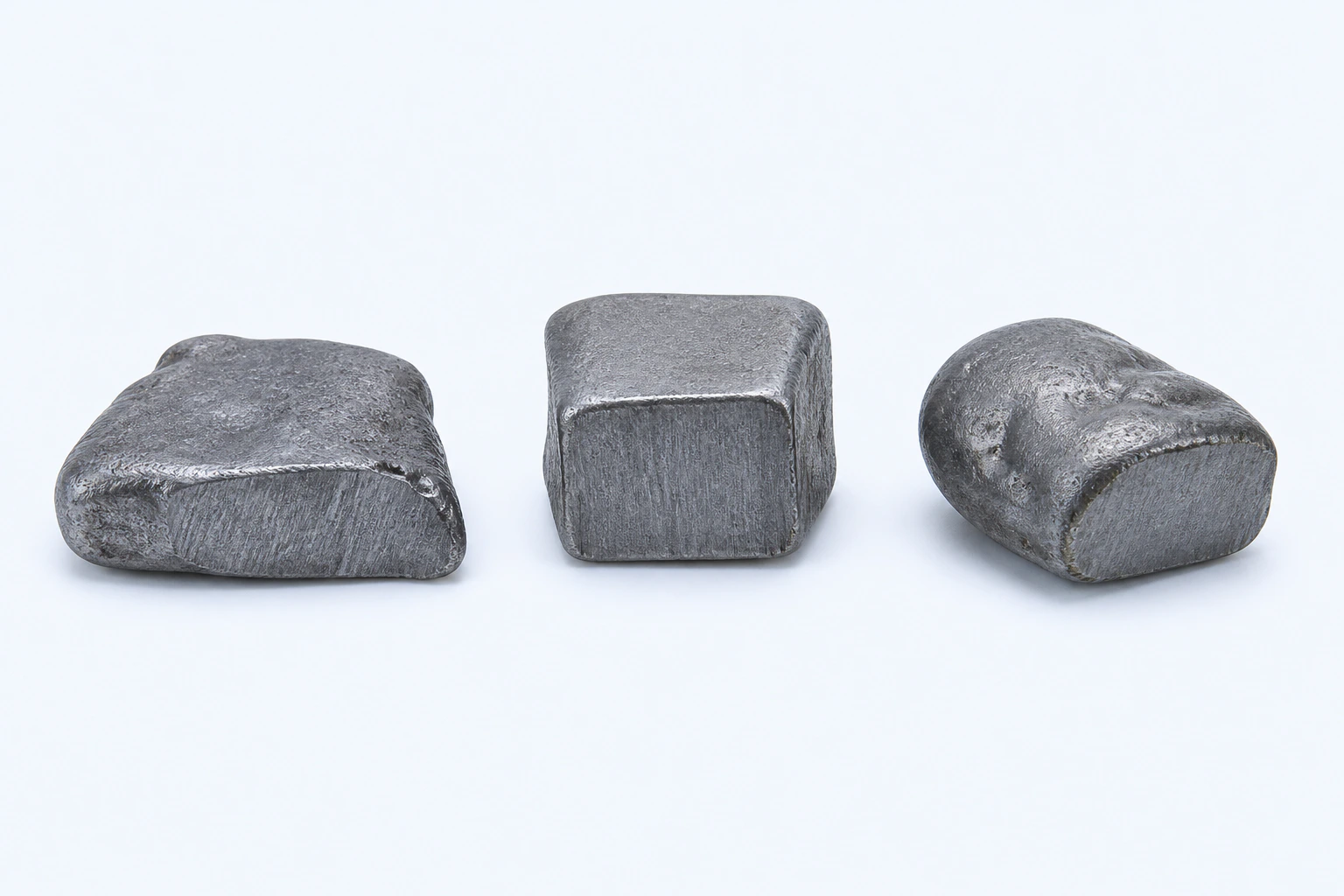
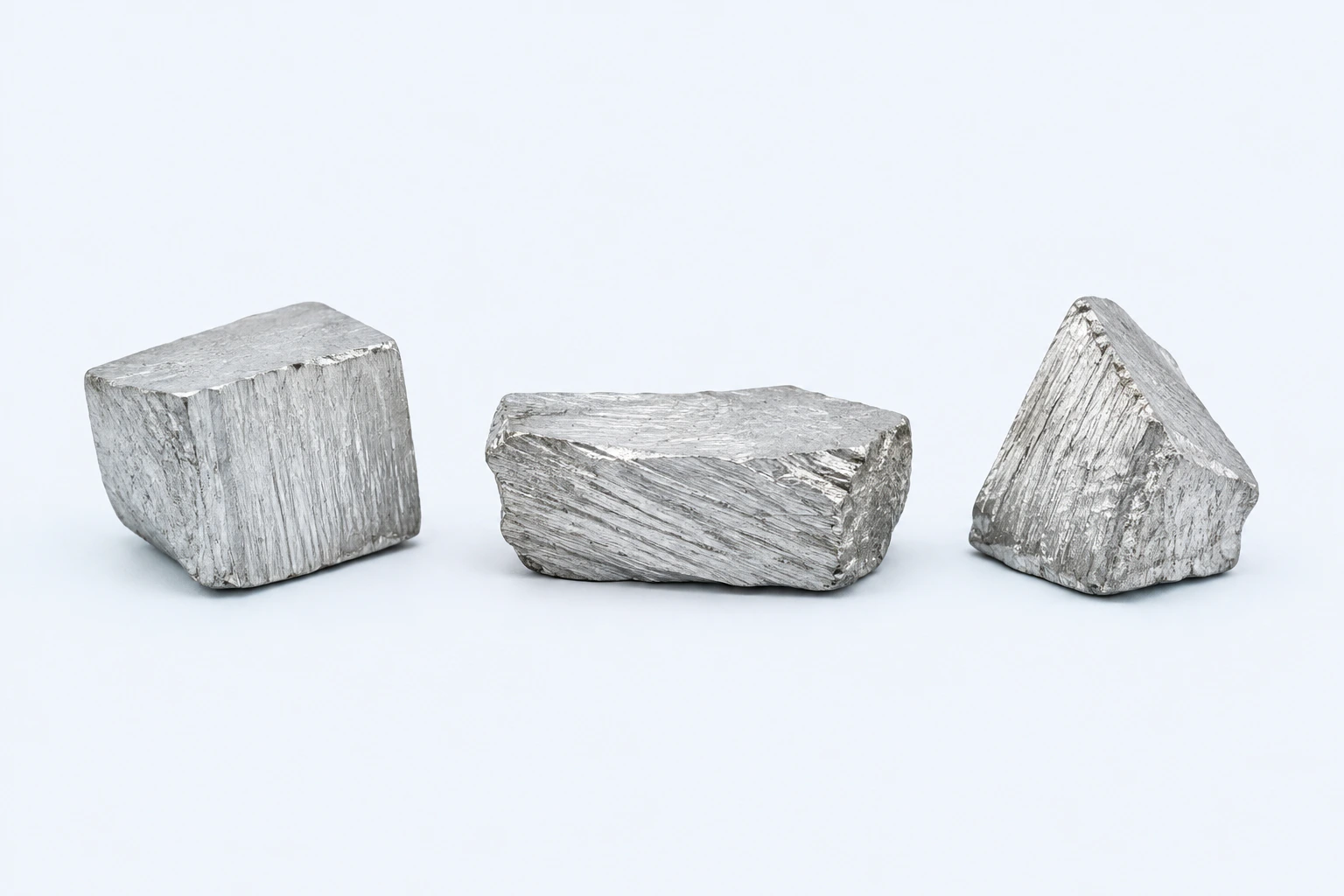
Three gray elemental arsenic fragments with layered brittle crystalline fracture faces.
Metals31 sources

Arsenic

Arsenic is a metalloid and potent carcinogen (IARC Group 1) that ranks among the most widespread environmental toxicants affecting human health. An estimated 225 million people worldwide are chronically exposed through contaminated drinking water alone ghosh 2023 heavy

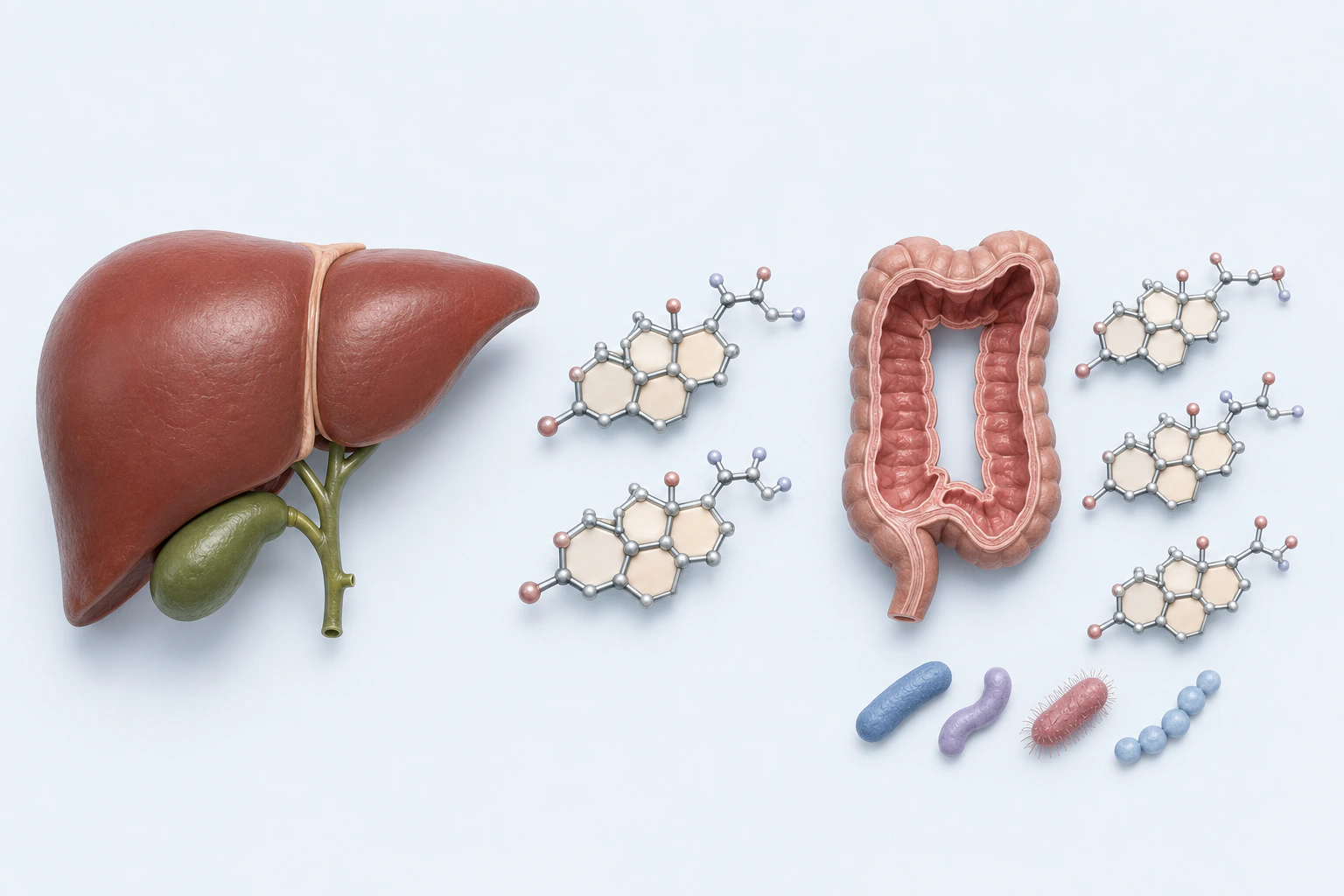
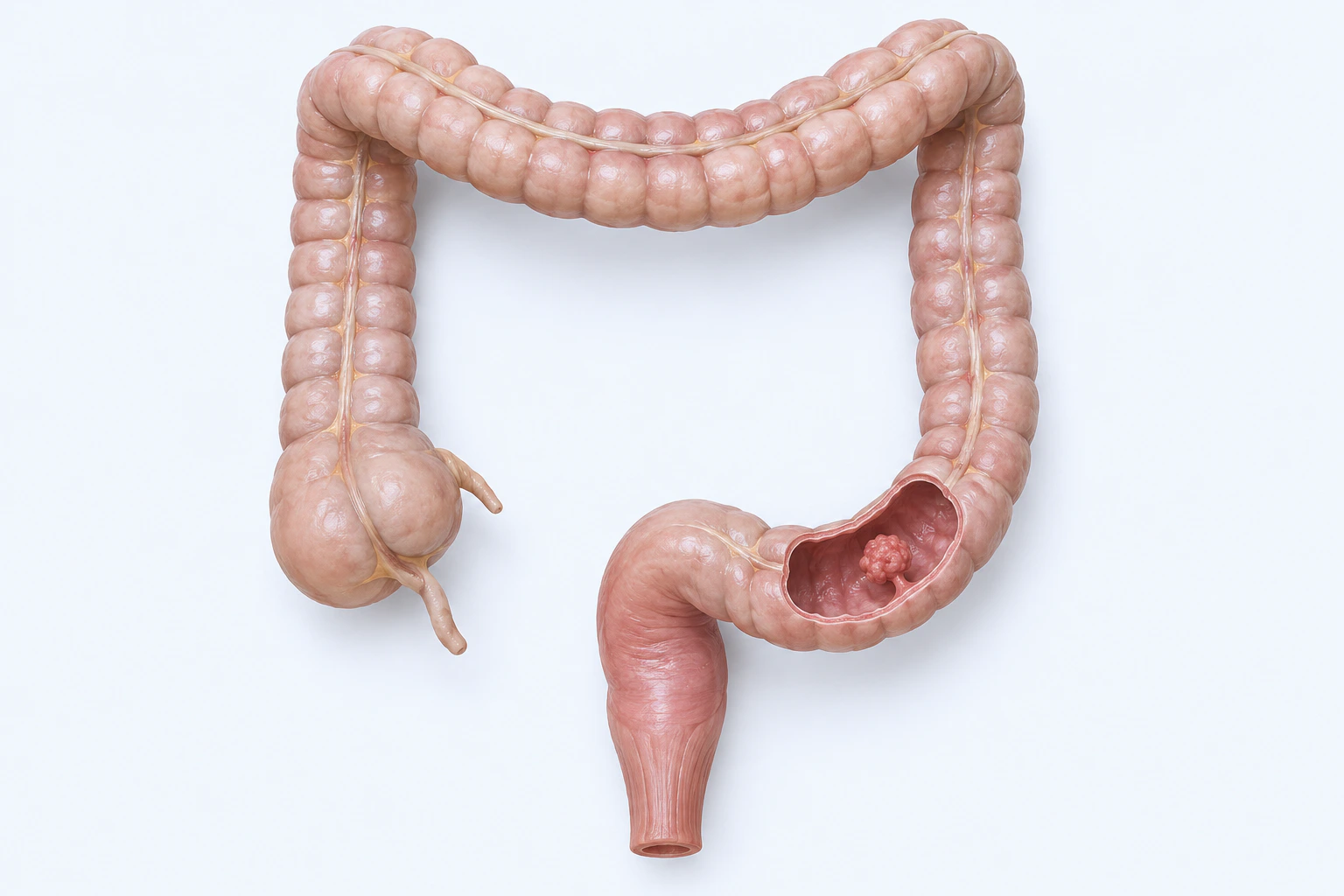
Separated liver and gallbladder, steroid-like tokens, and colon-with-microbial-context teaching groups orient bile acid metabolism without arrows.
Mechanisms8 sources

Bile Acid Metabolism

Bile acids are cholesterol-derived amphipathic molecules synthesized in the liver, secreted into the duodenum, and extensively modified by gut bacteria. The host-microbe co-metabolism of bile acids creates a signaling network with profound effects on lipid metabolism, g

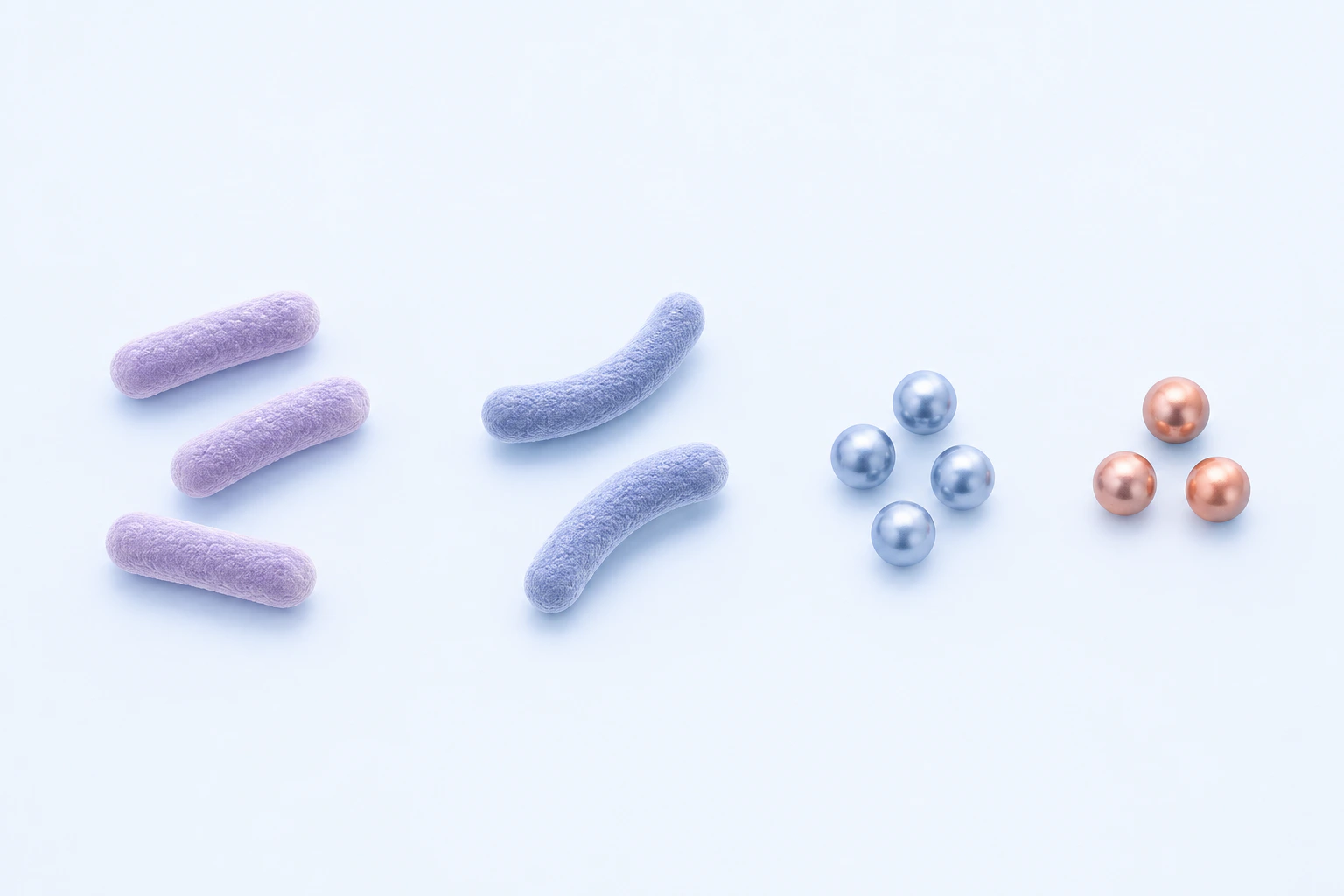
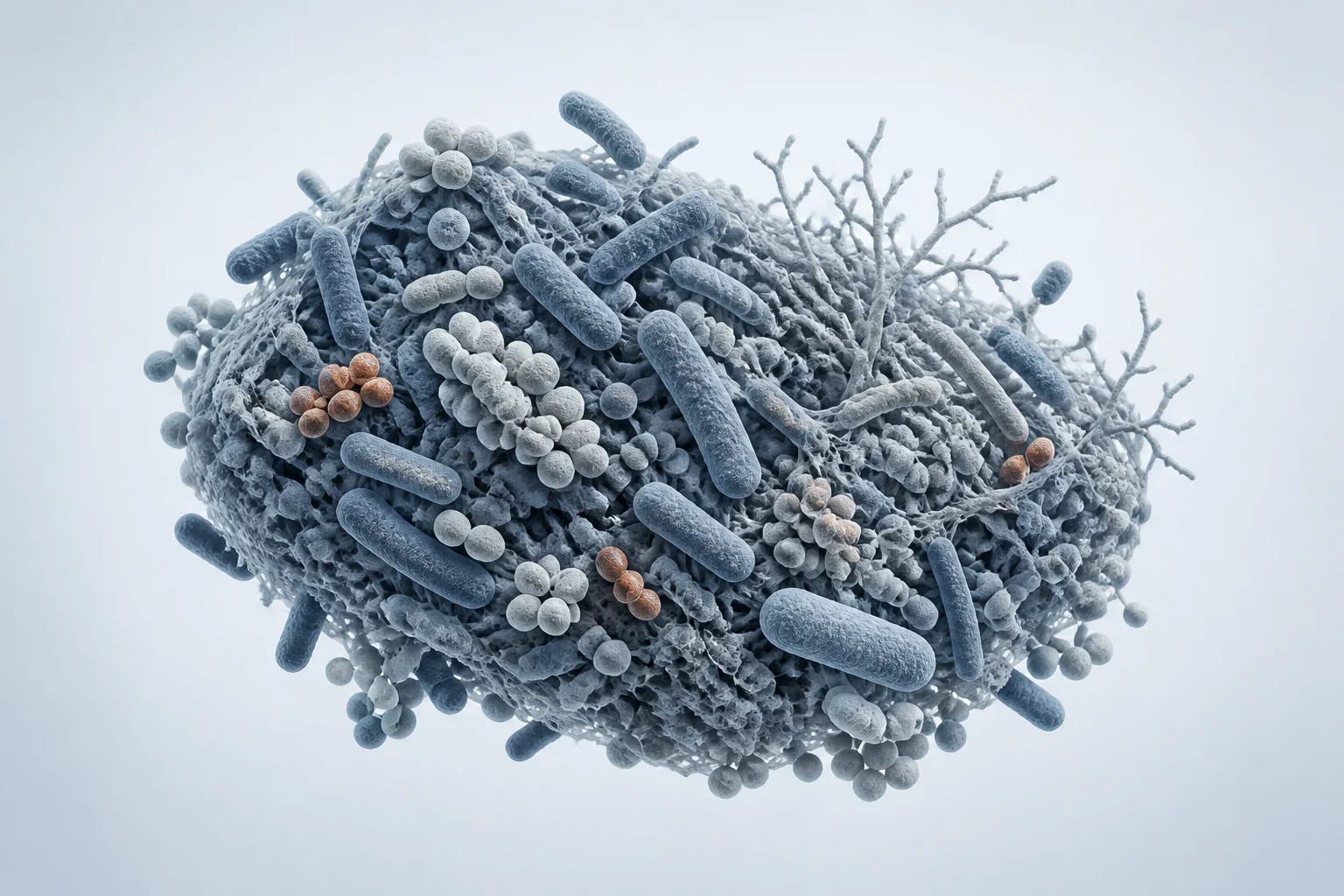
A microscopy-informed mixed microbial community with rods, cocci, curved rods, and branching forms on a pale cool field.
Mechanisms14 sources

Dysbiosis

Disruption of the normal composition and metabolic function of microbial communities, particularly the gut microbiome. In the metallomics context, dysbiosis is both a consequence of metal toxicity and an amplifier of further disease -- creating vicious cycles where meta

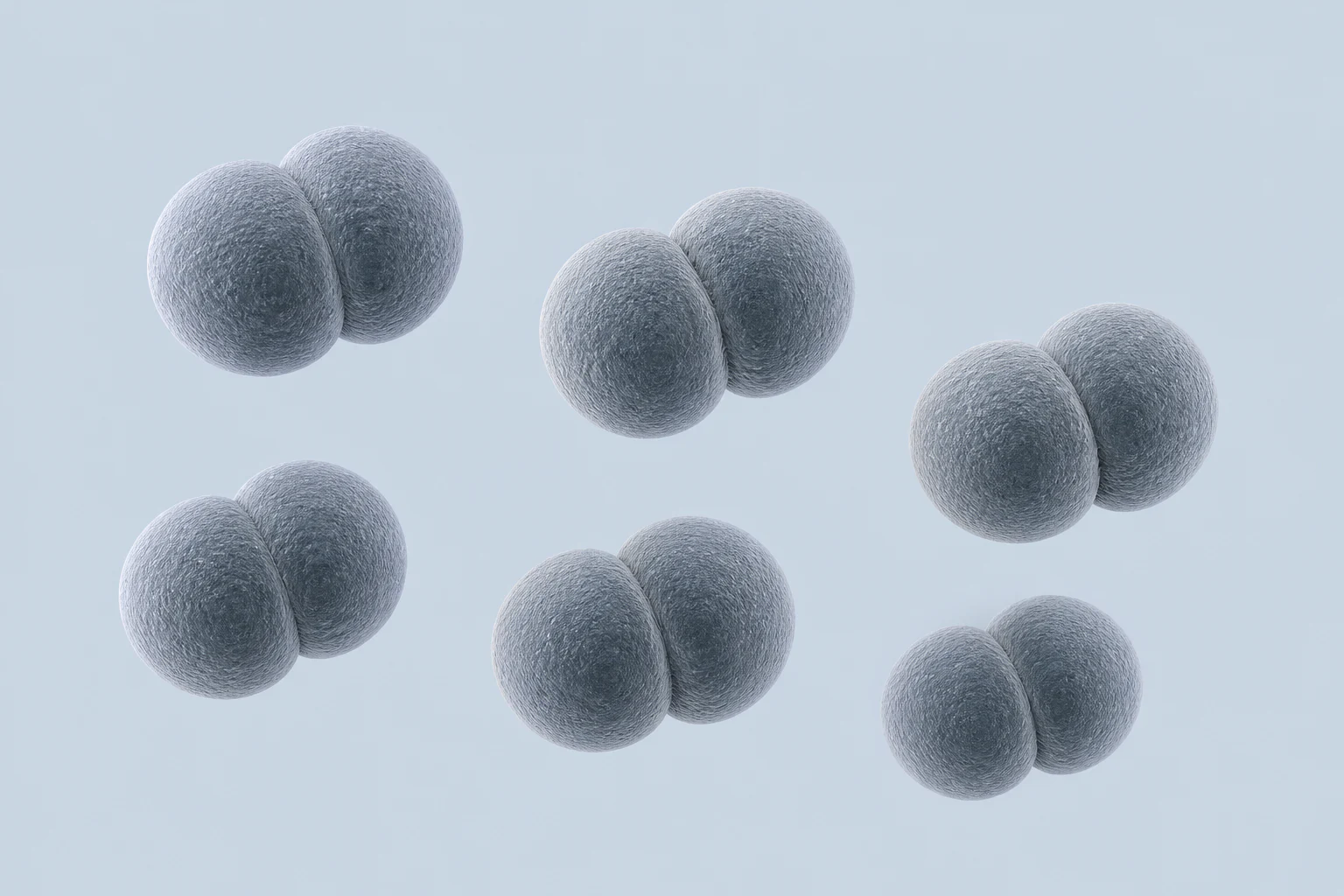
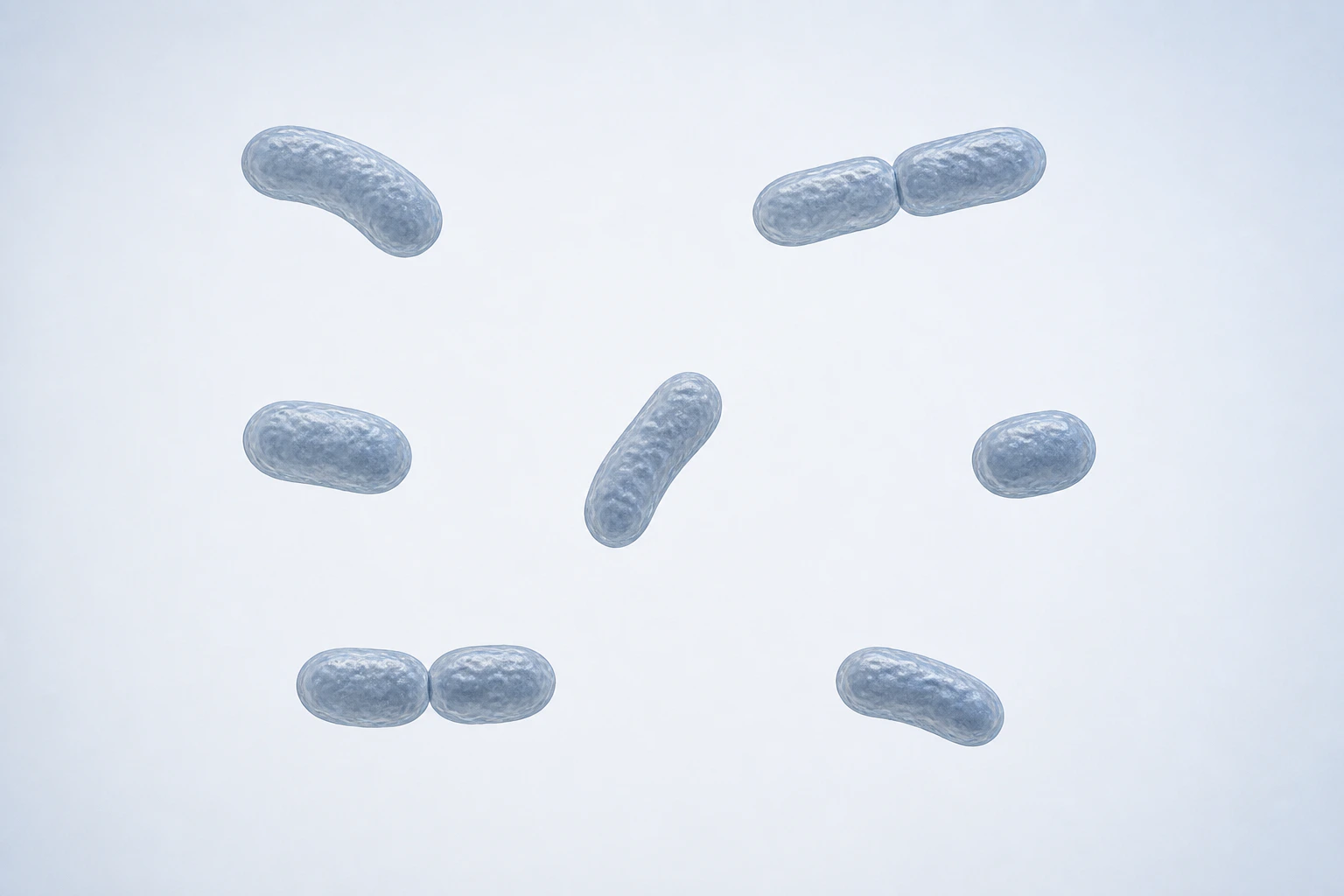
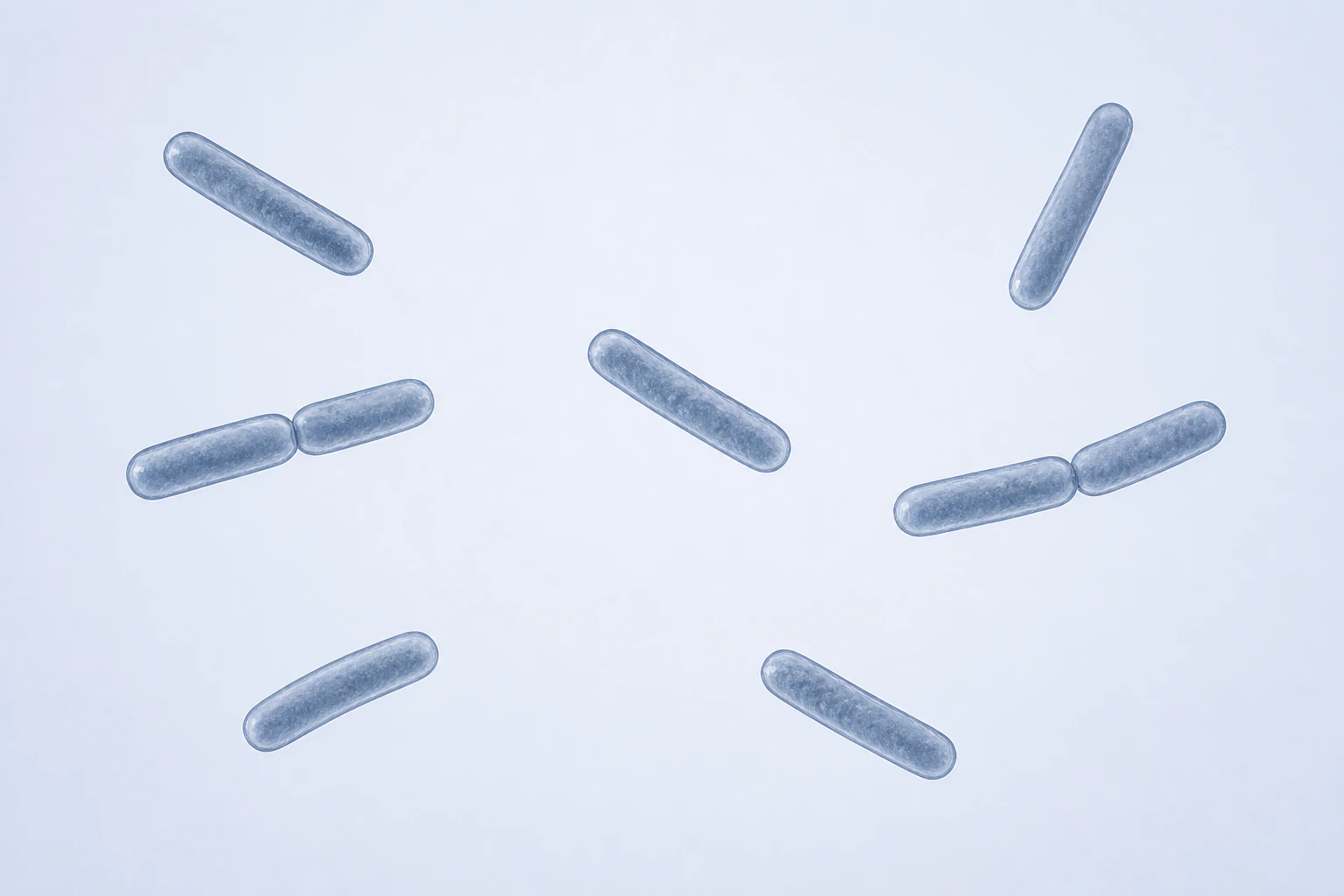
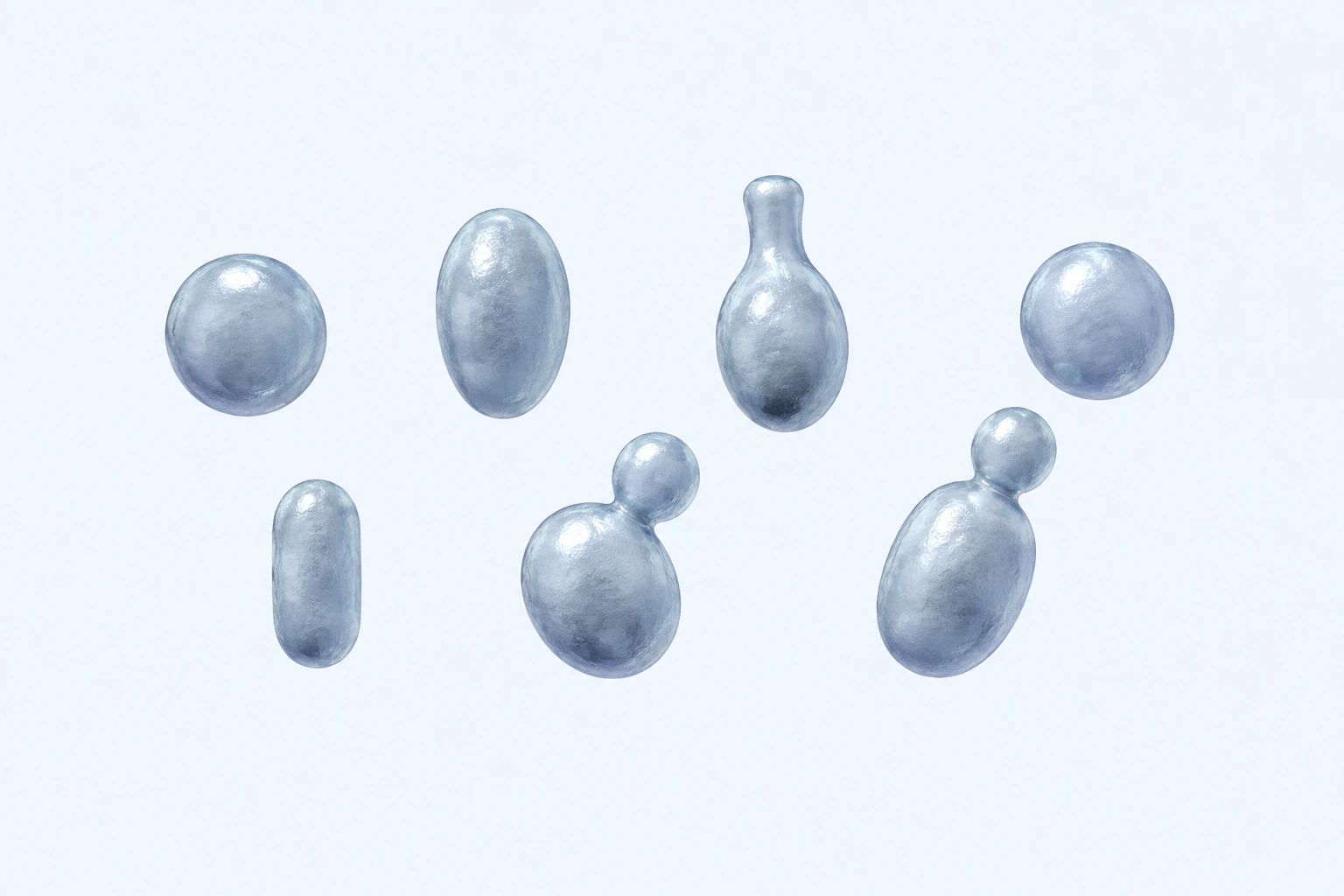
Eleven selected Enterococcus spherical-to-ovoid bodies appear in seven groupings: four singles, two touching pairs, and one short three-cell chain.
Microorganisms3 sources

Enterococcus

A genus of Gram-positive bacteria (primarily E. faecalis and E. faecium) that exemplifies the metal-antibiotic resistance co-selection crisis. Enterococci carry diverse metal tolerance genes for mercury, arsenic, copper, and cadmium on the same mobile genetic elements a

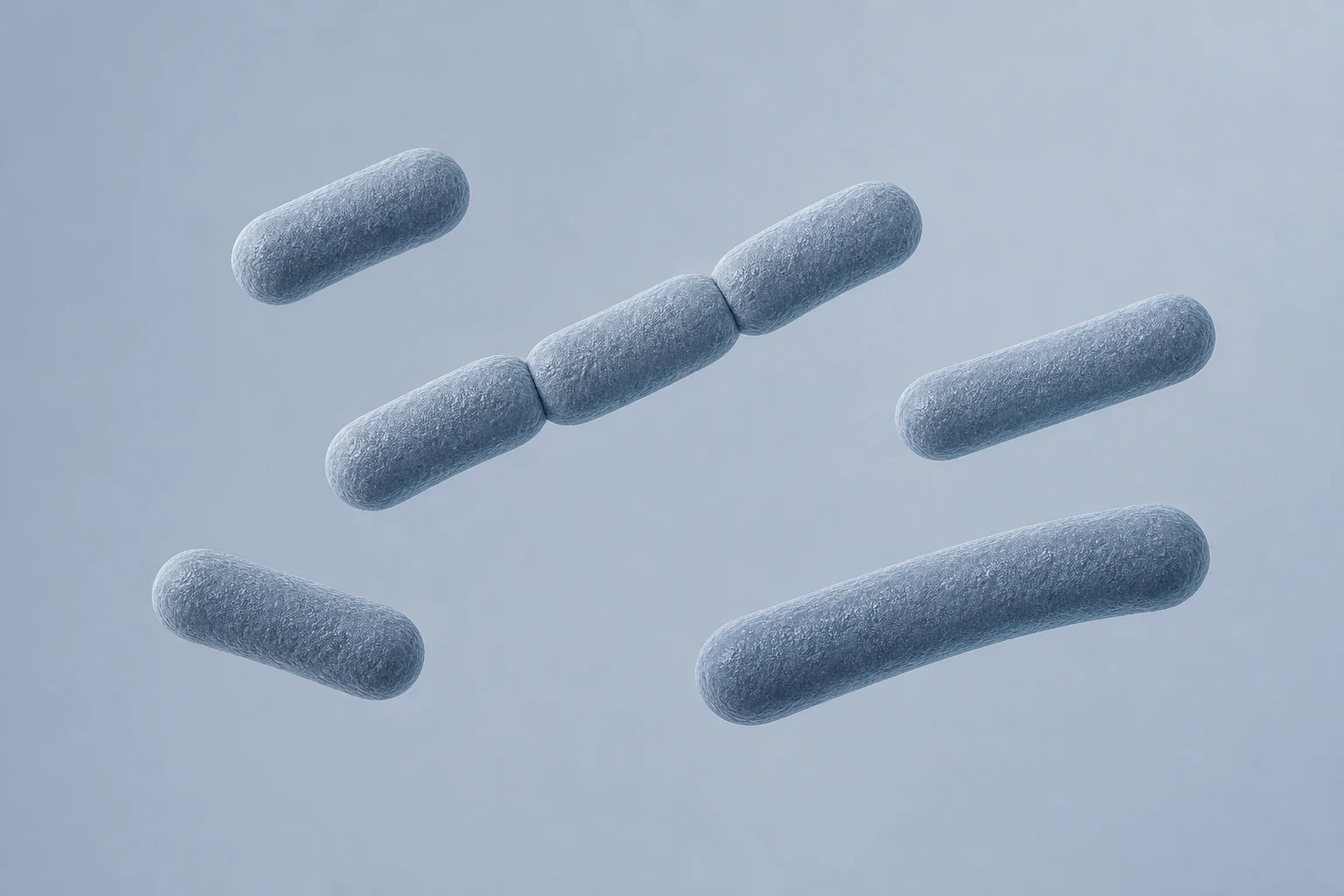
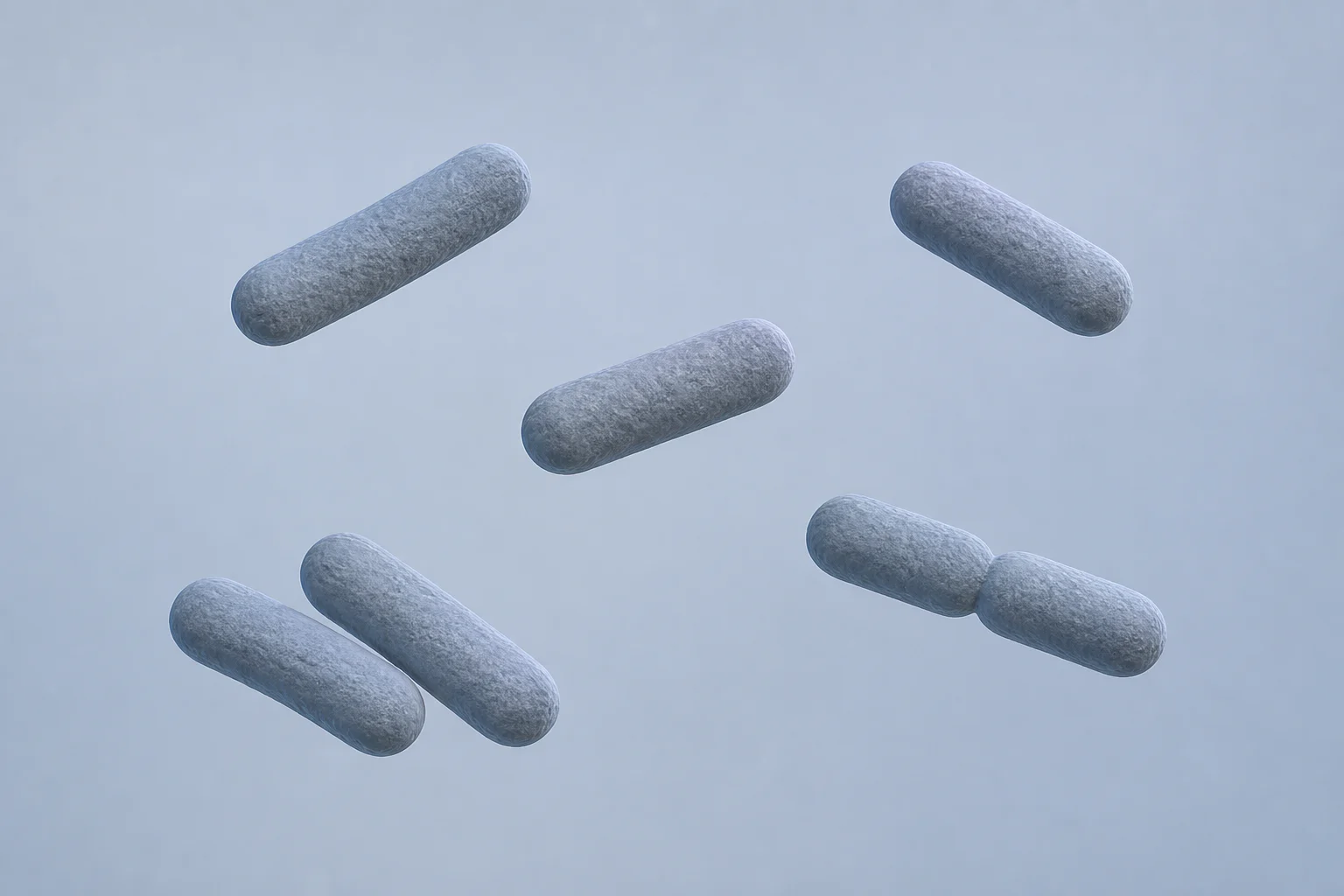
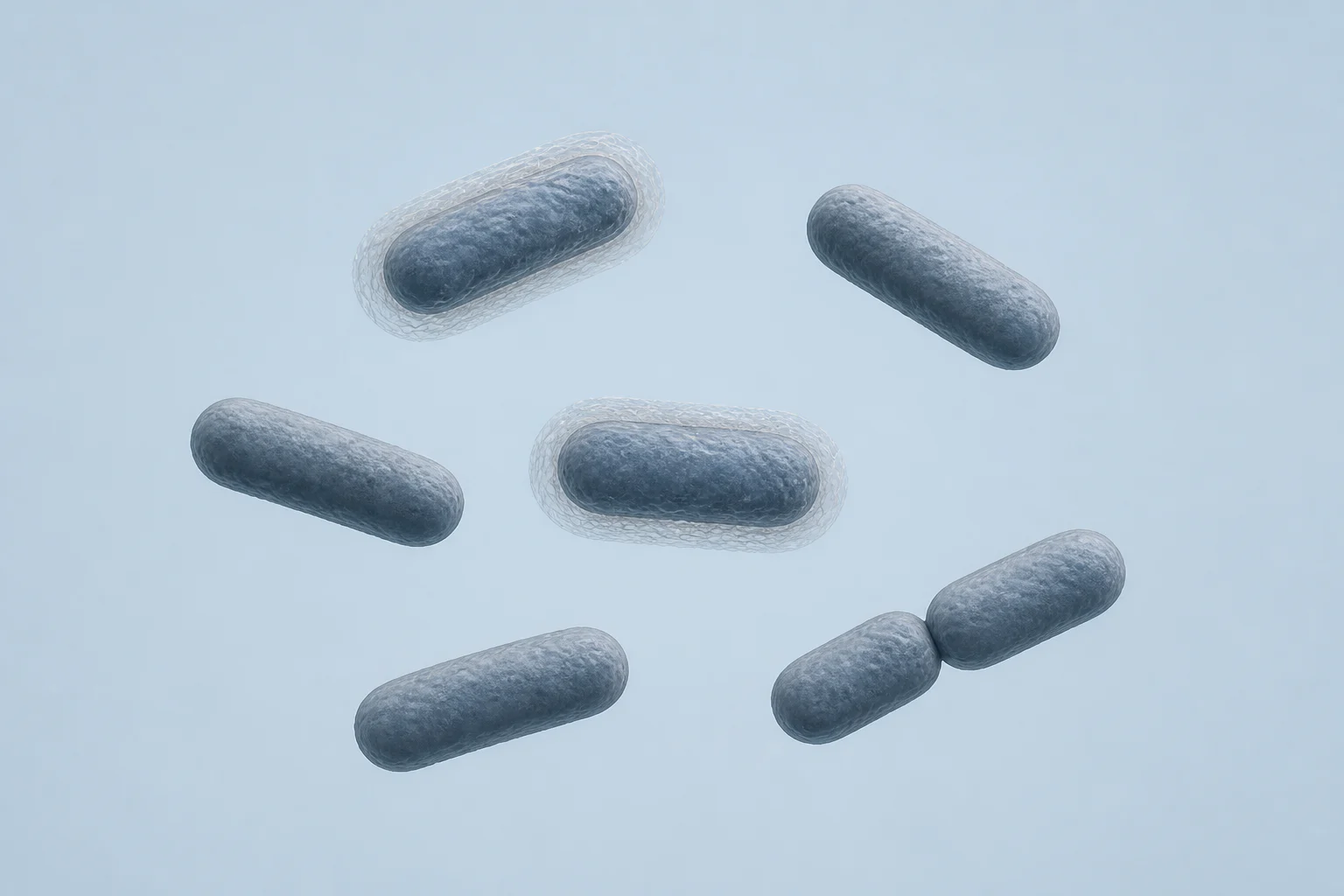
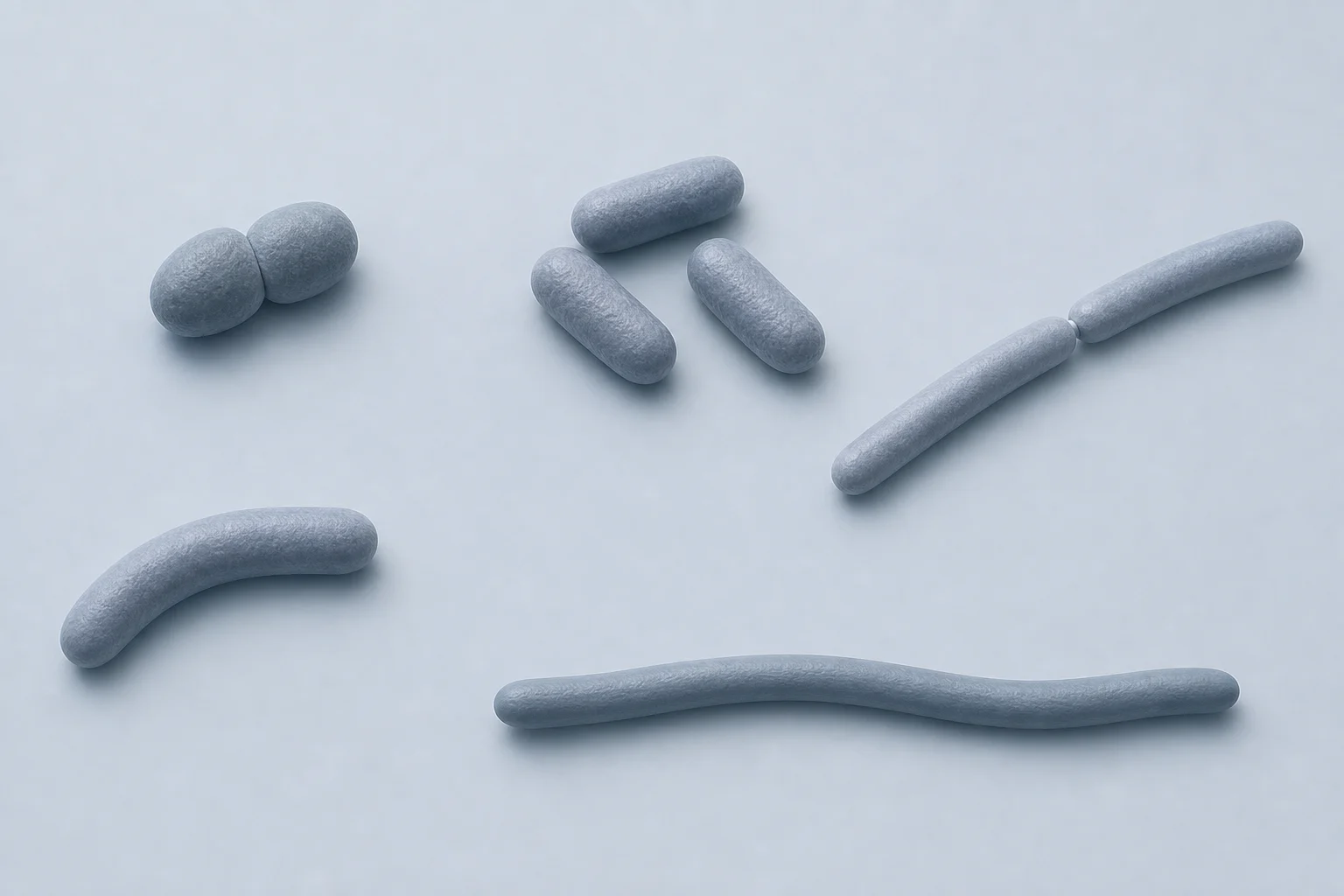
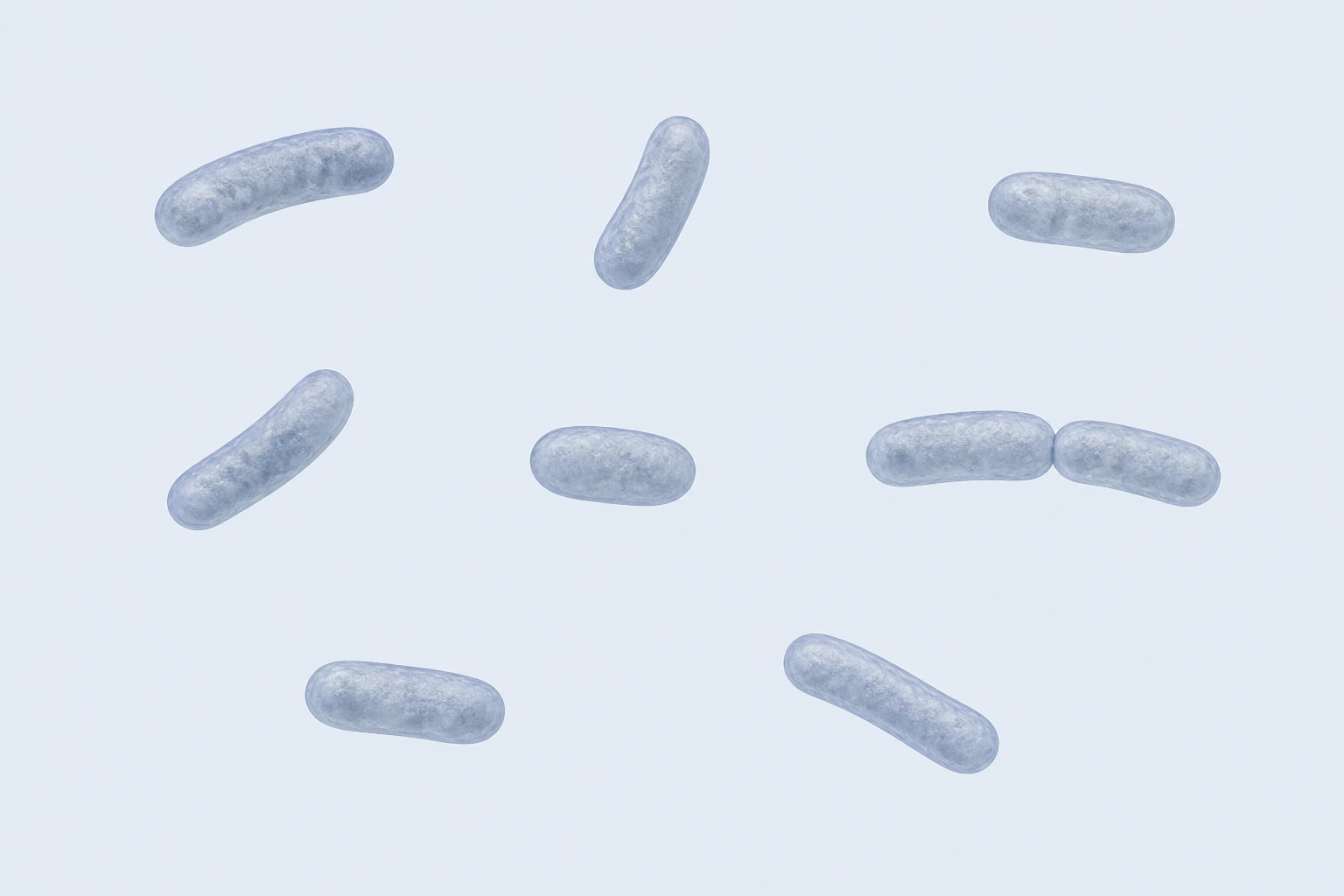
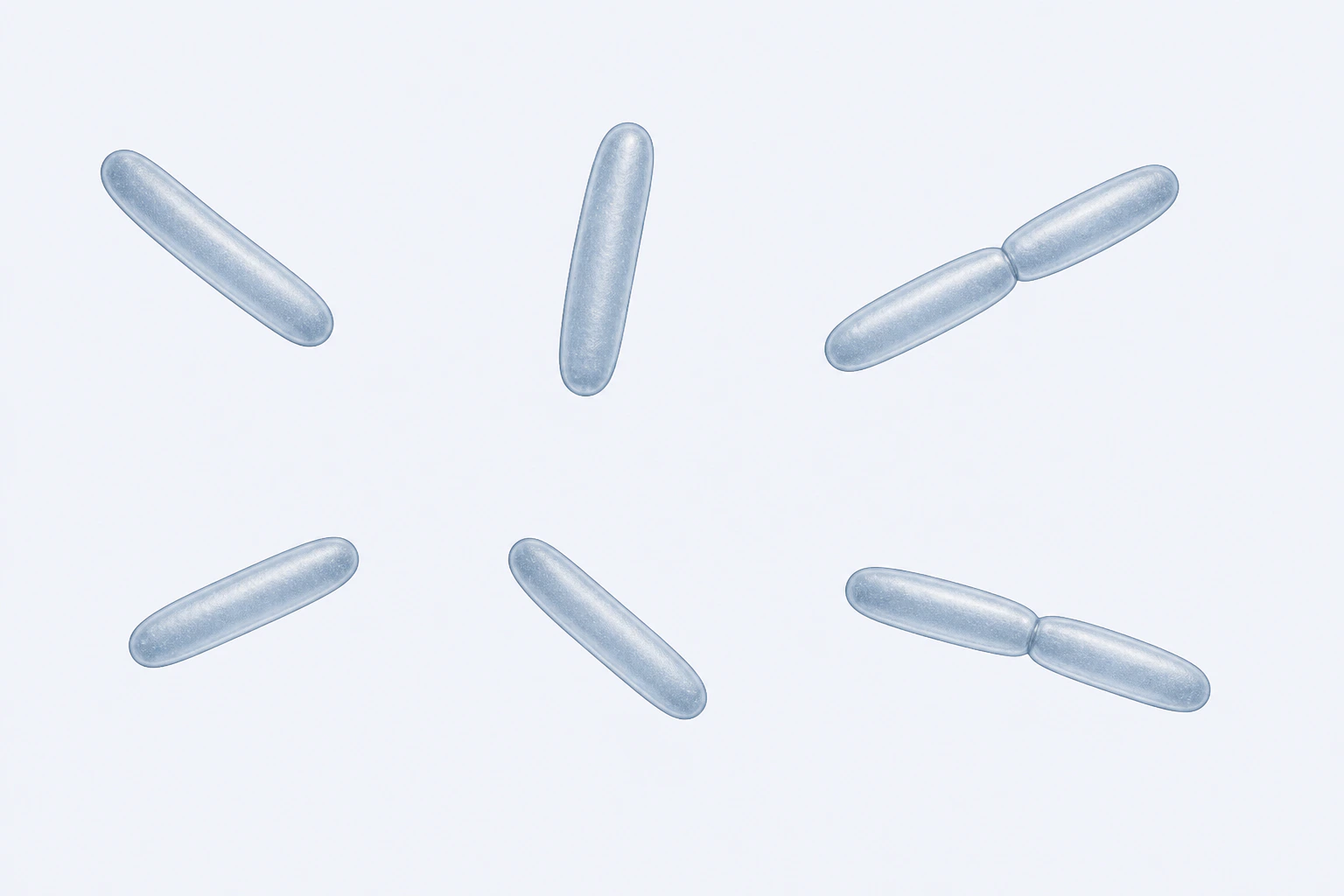
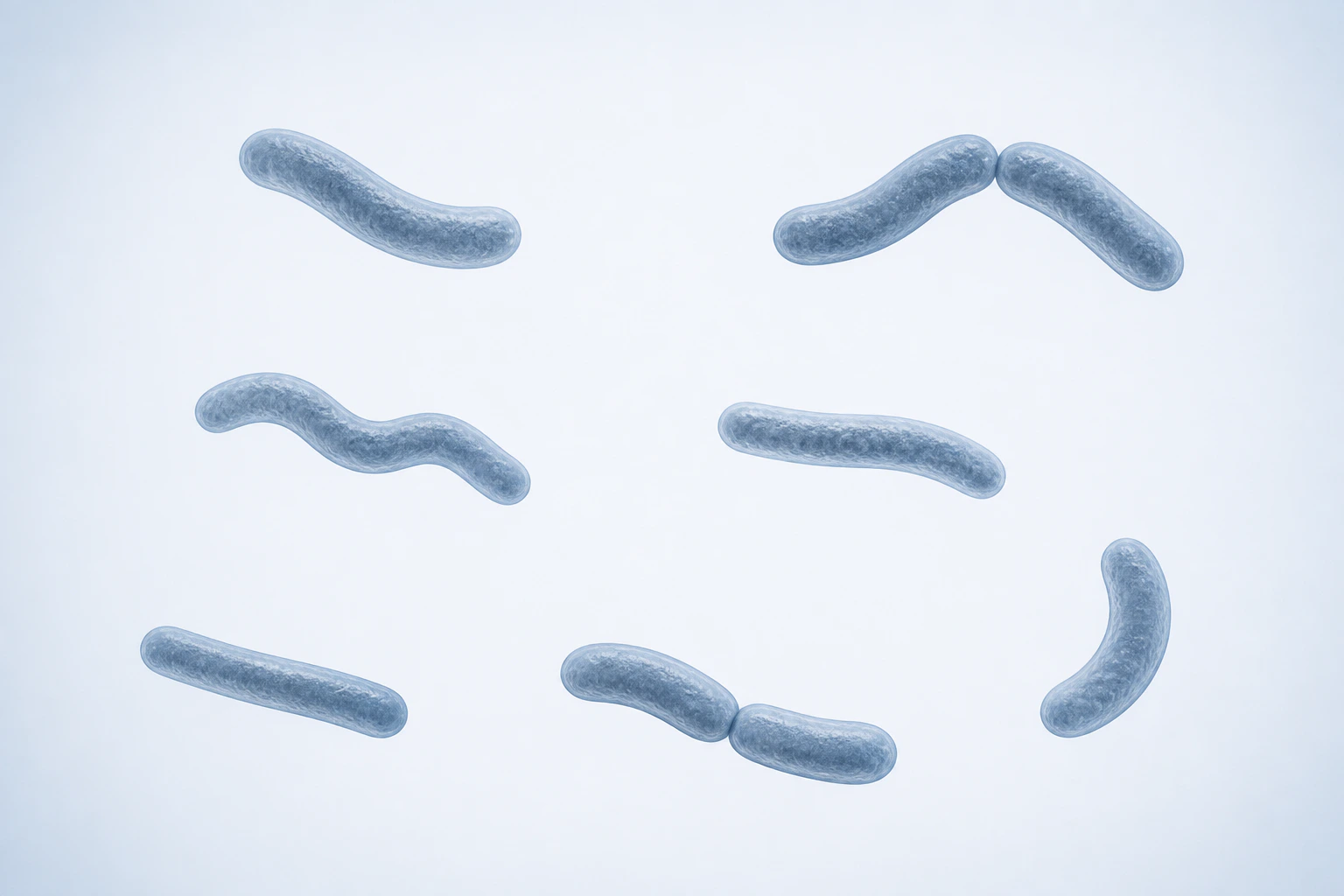
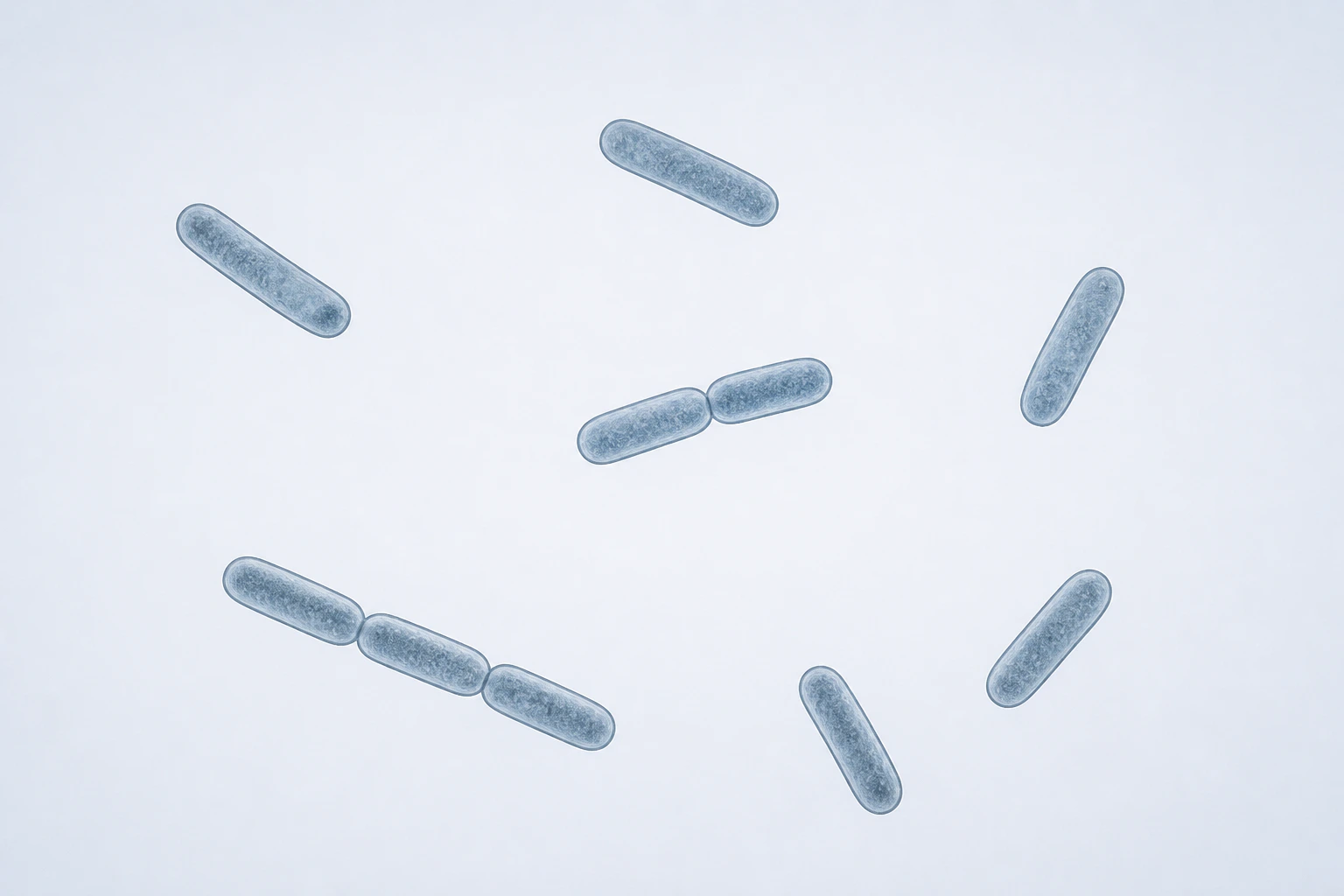
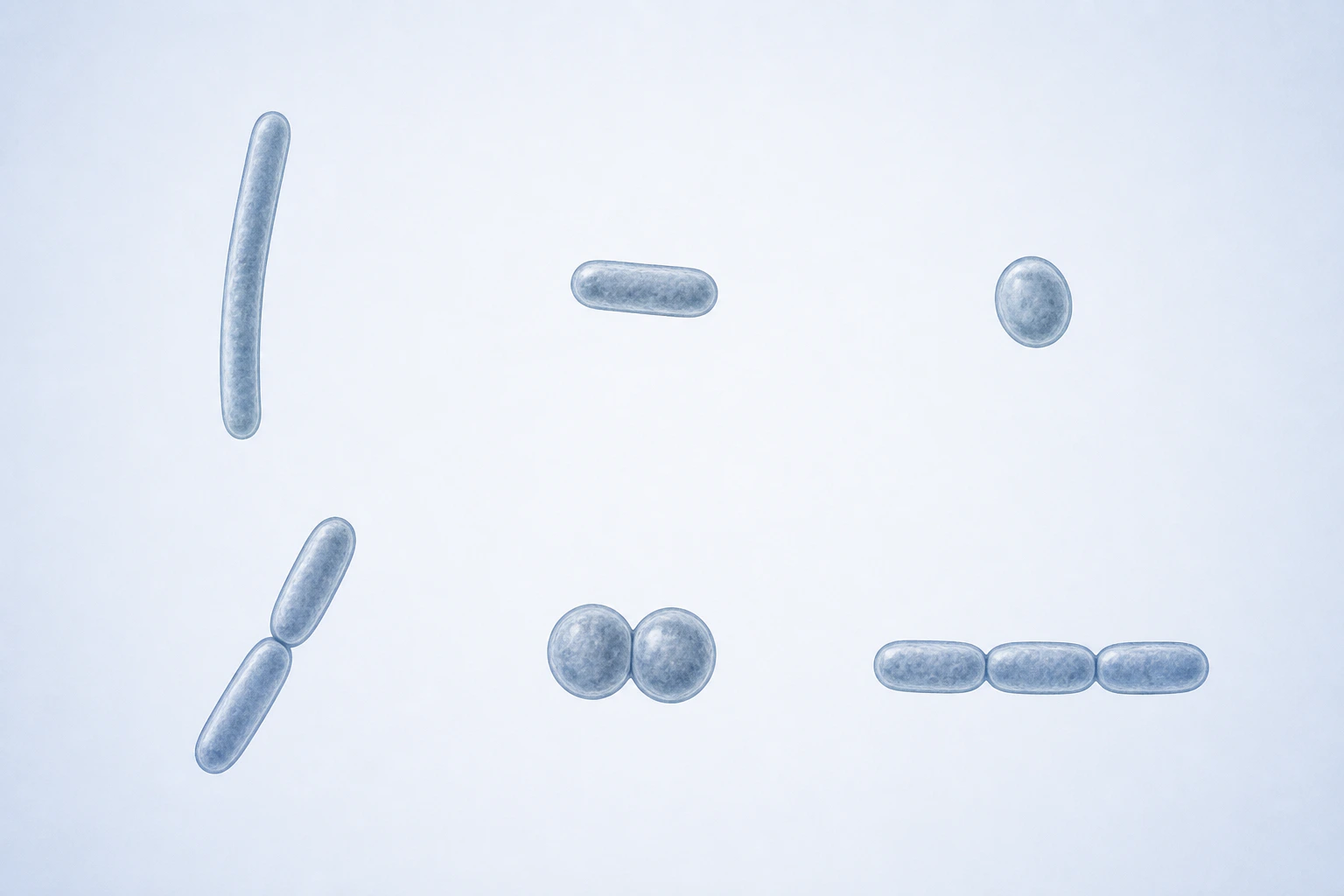
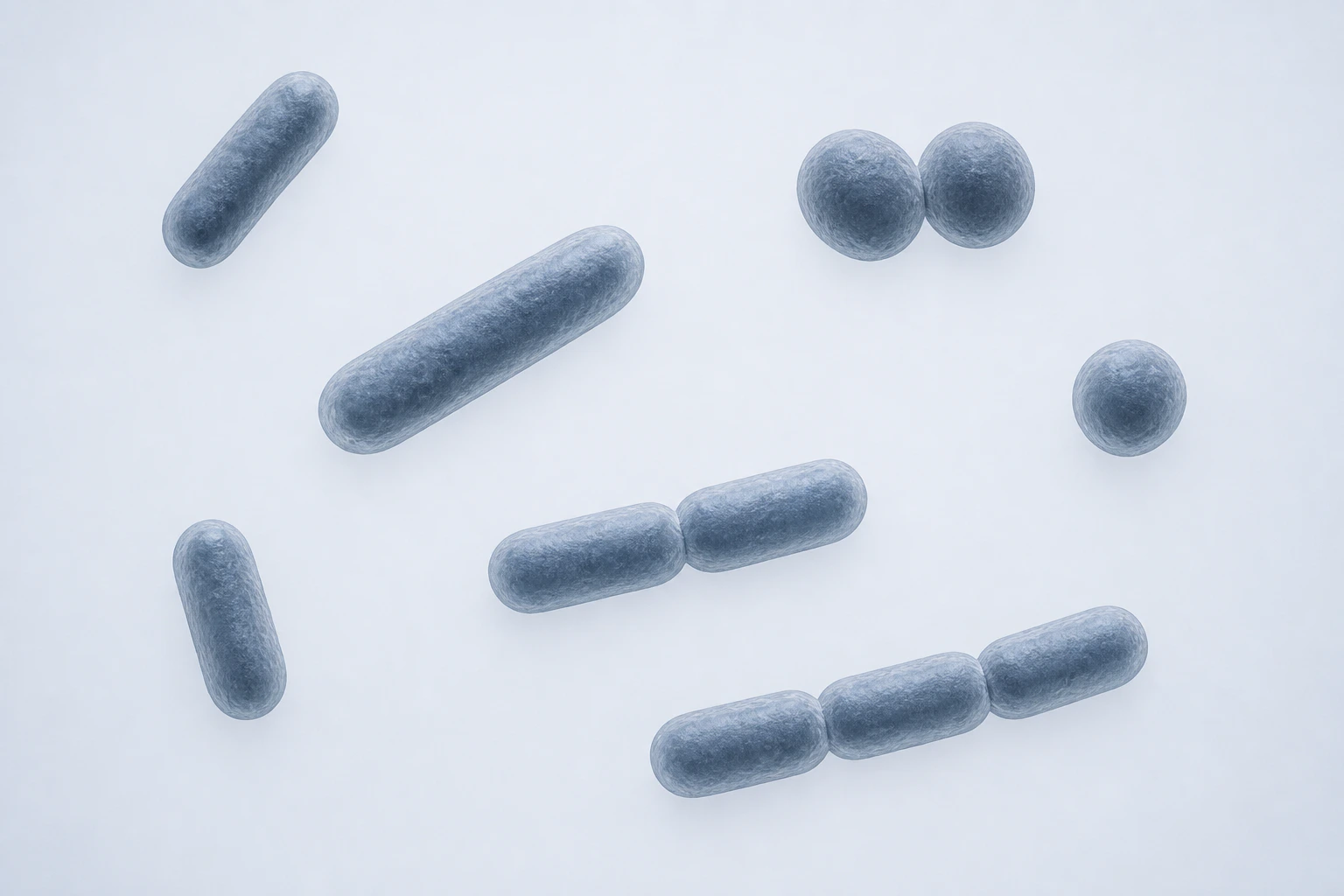
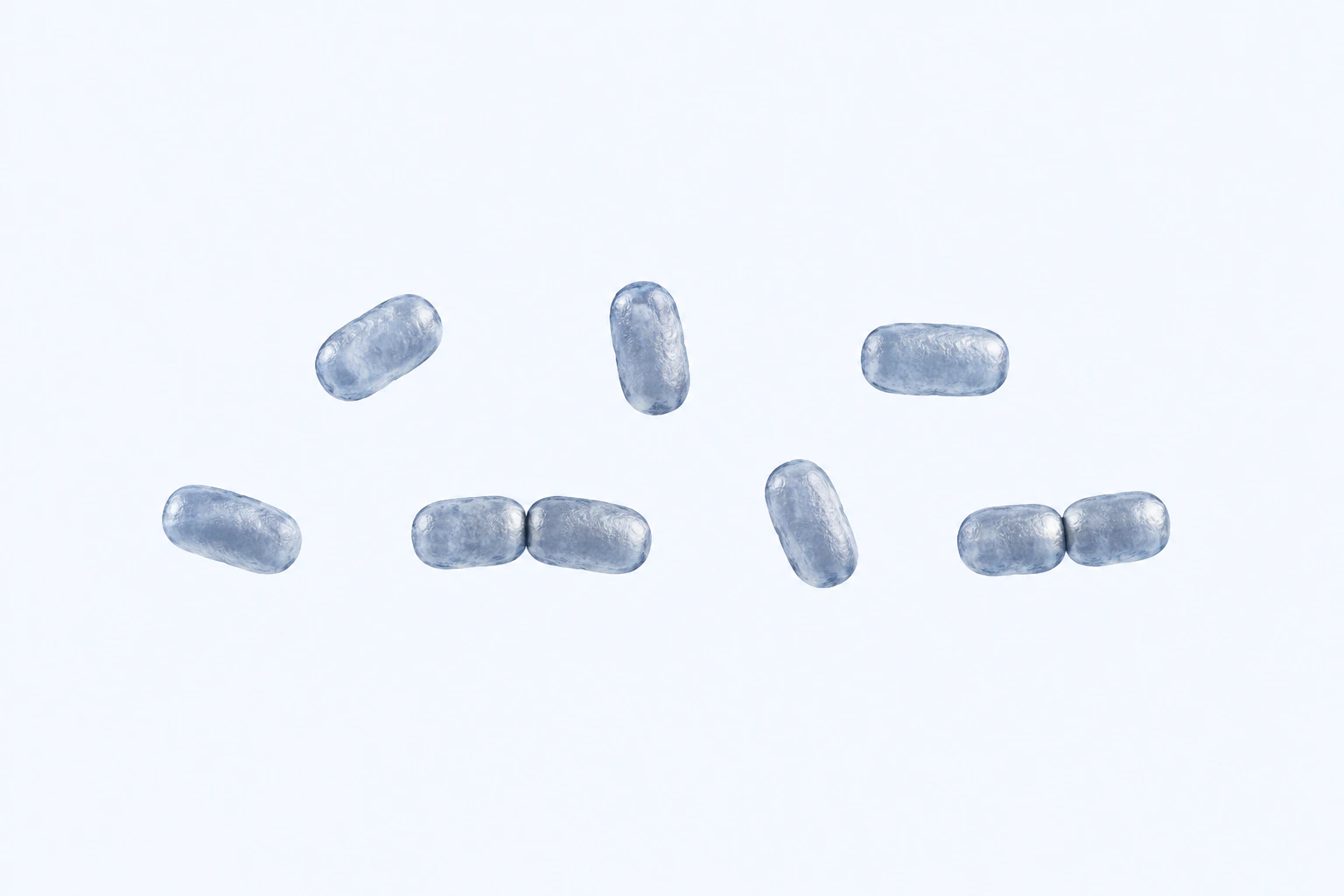
Eleven selected Bacillota bodies appear in seven groupings: three single rods, one single coccoid, one rod pair, one coccoid pair, and one three-rod chain.
Microorganisms10 sources

Firmicutes (Bacillota)

Firmicutes (recently reclassified as Bacillota) is the dominant bacterial phylum in the Western adult gut, comprising the core community of short-chain fatty acid (SCFA) producers that maintain intestinal barrier integrity, regulate immune function, and influence system

Mechanisms5 sources

Gene Regulation

Gene regulation in bacteria is the process by which cells control when and how much of each gene product is made. In the metallomics context, gene regulation is the mechanism by which bacteria respond to the metal environment -- sensing metal availability and adjusting

Reference0 sources

Glossary

Alphabetical definitions of specialist terms used throughout this wiki. Where a full concept page exists, the term links to it. --- AhR (aryl hydrocarbon receptor) -- A ligand-activated transcription factor that senses microbial metabolites (especially indoles from tryp

Other0 sources

Intestinibacter

Intestinibacter bartlettii is a Gram-positive, obligate anaerobic, spore-forming bacterium within the Firmicutes phylum (Peptostreptococcaceae family). It is a relatively understudied gut commensal that has emerged in Mendelian randomization and metagenomic studies with

Host defenses8 sources

Metal-Dependent Virulence

Transition metals serve as essential cofactors for pathogen virulence factors across virtually all domains of microbial life. The dependence of pathogens on metals they must scavenge from the host environment creates a fundamental tension at the heart of infectious dise