Mechanisms4 sources
Microbiome Diversity Metrics (Alpha and Beta Diversity)
This knowledge-base record is being expanded from WikiBiome’s evidence graph.
 WikiBiomeThe human microbiome encyclopedia
Ranked matches across titles, topics, categories, and article introductions, filtered to mechanism.
This knowledge-base record is being expanded from WikiBiome’s evidence graph.
Microbiome-derived metabolites are small molecules made, consumed, or chemically transformed through activity in the gut microbiome and other host-associated communities. They connect community function to host biology, but the phrase covers several kinds of provenance:…

Every meal delivers metals to the gut lumen — essential minerals, trace elements, and contaminants alike. These metals do not passively transit the GI tract. They actively reshape the microbial ecosystem, selecting for metal-tolerant organisms, enabling virulence in met…
The community of trillions of microorganisms — bacteria, archaea, fungi (mycobiome), viruses, and bacteriophages — inhabiting the human gastrointestinal tract, with the highest density in the colon (~10¹¹ cells/g). The gut microbiome encodes 100–150 times more genes tha…
The relationship between heavy metals and the gut microbiota is bidirectional: metals reshape microbial community composition and metabolic output, while the microbiota modulates metal absorption, speciation, and toxicity. The gut microbiota serves as the first line of …
The oral microbiome is the second most complex microbial community in the human body after the gut, harboring ~700 species across distinct niches (tongue, buccal mucosa, gingival crevice, saliva, dental plaque). While traditionally studied in the context of dental disea…
The semen microbiome refers to the microbial community inhabiting the male reproductive tract and seminal fluid. Core genera identified through shotgun metagenomic sequencing include Corynebacterium, Staphylococcus, Streptococcus, and Prevotella, though composition vari…
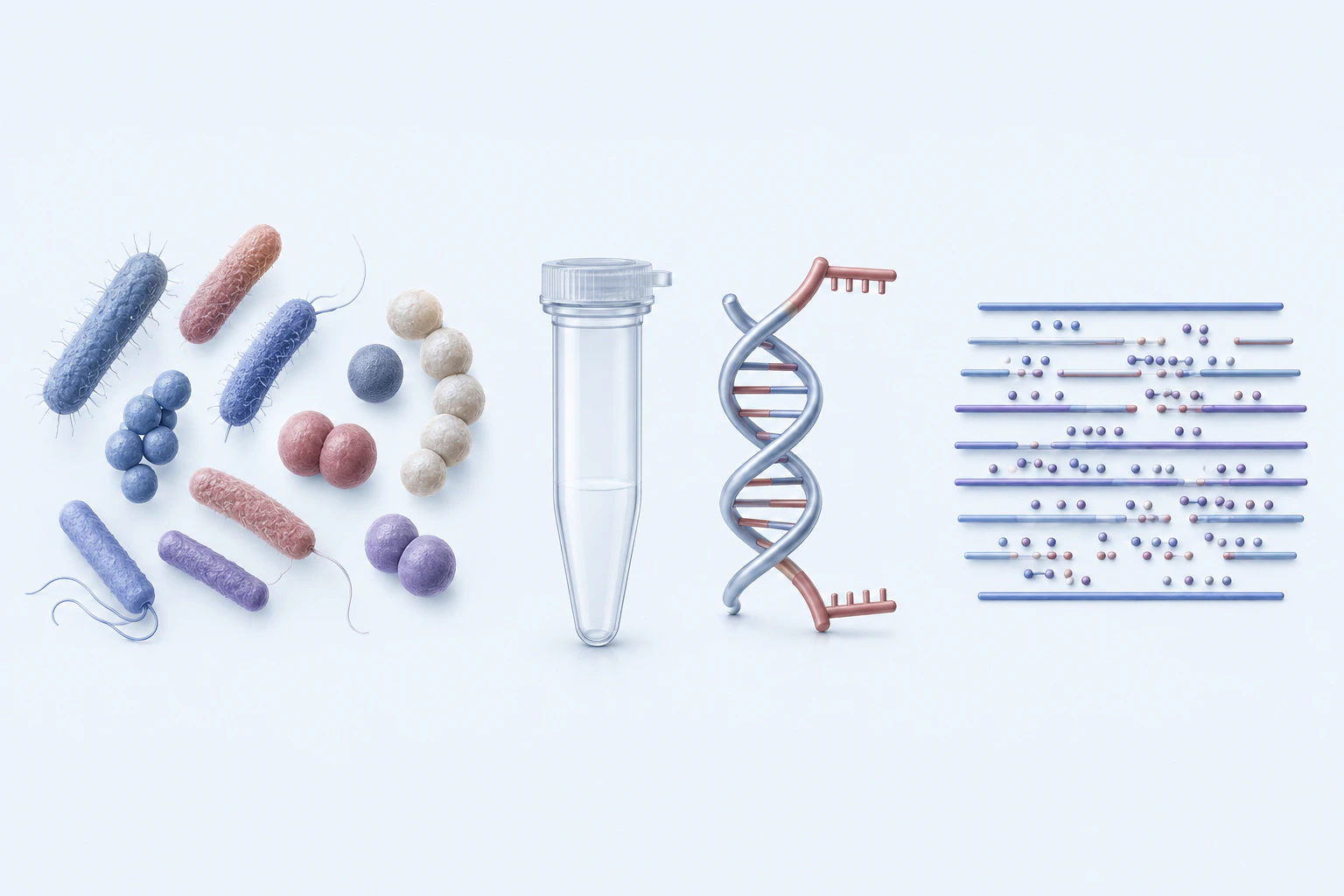
16S rRNA gene sequencing is the most widely used method for characterizing bacterial communities in this wiki. It targets the ~1,500 base pair 16S ribosomal RNA gene, which contains nine hypervariable regions (V1–V9) flanked by conserved sequences. Universal primers amp…
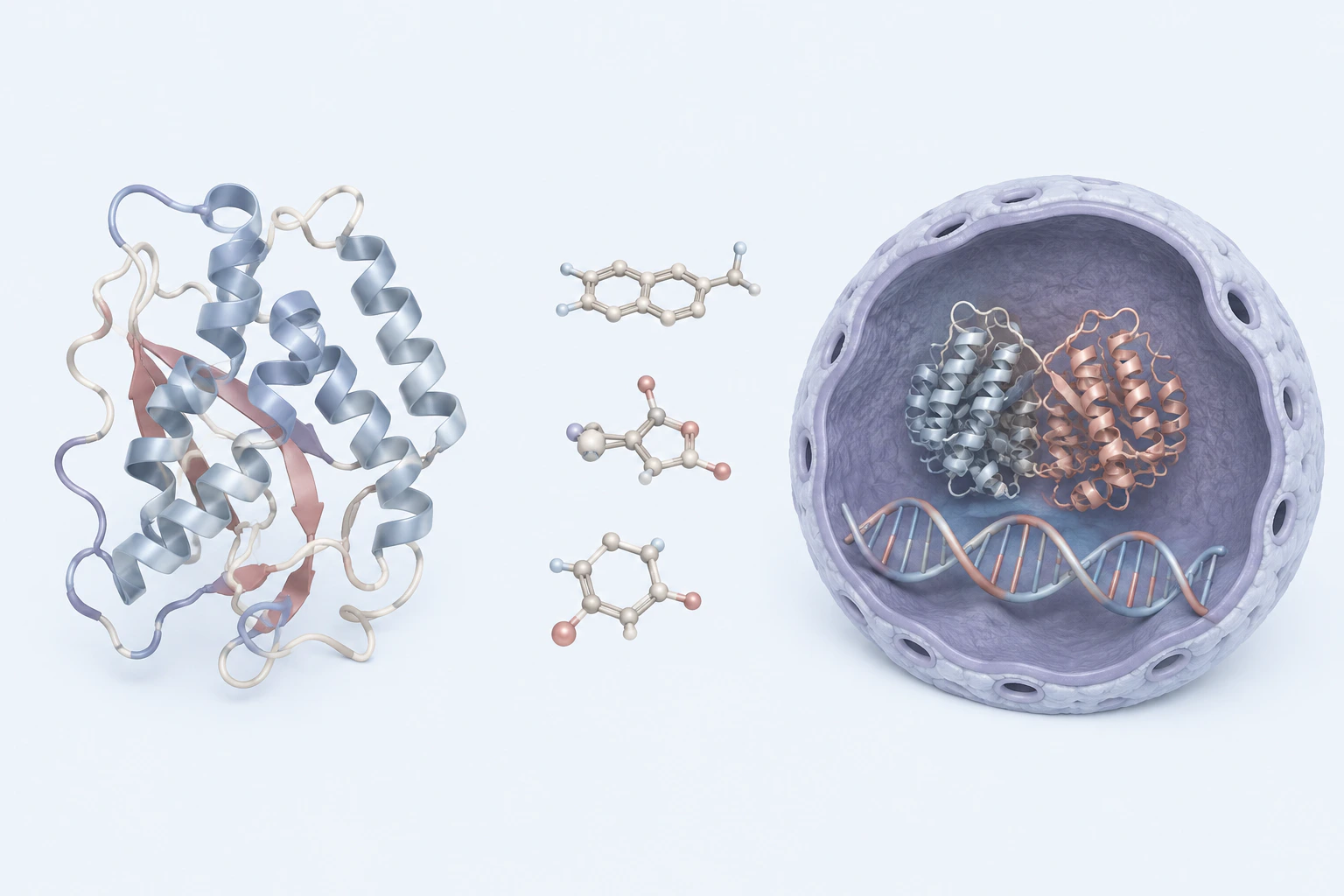
The aryl hydrocarbon receptor (AhR) is a ligand-activated transcription factor that functions as a master sensor at the intersection of gut microbial metabolism, environmental chemical exposure, and immune regulation. It is expressed broadly across immune cells, intesti…
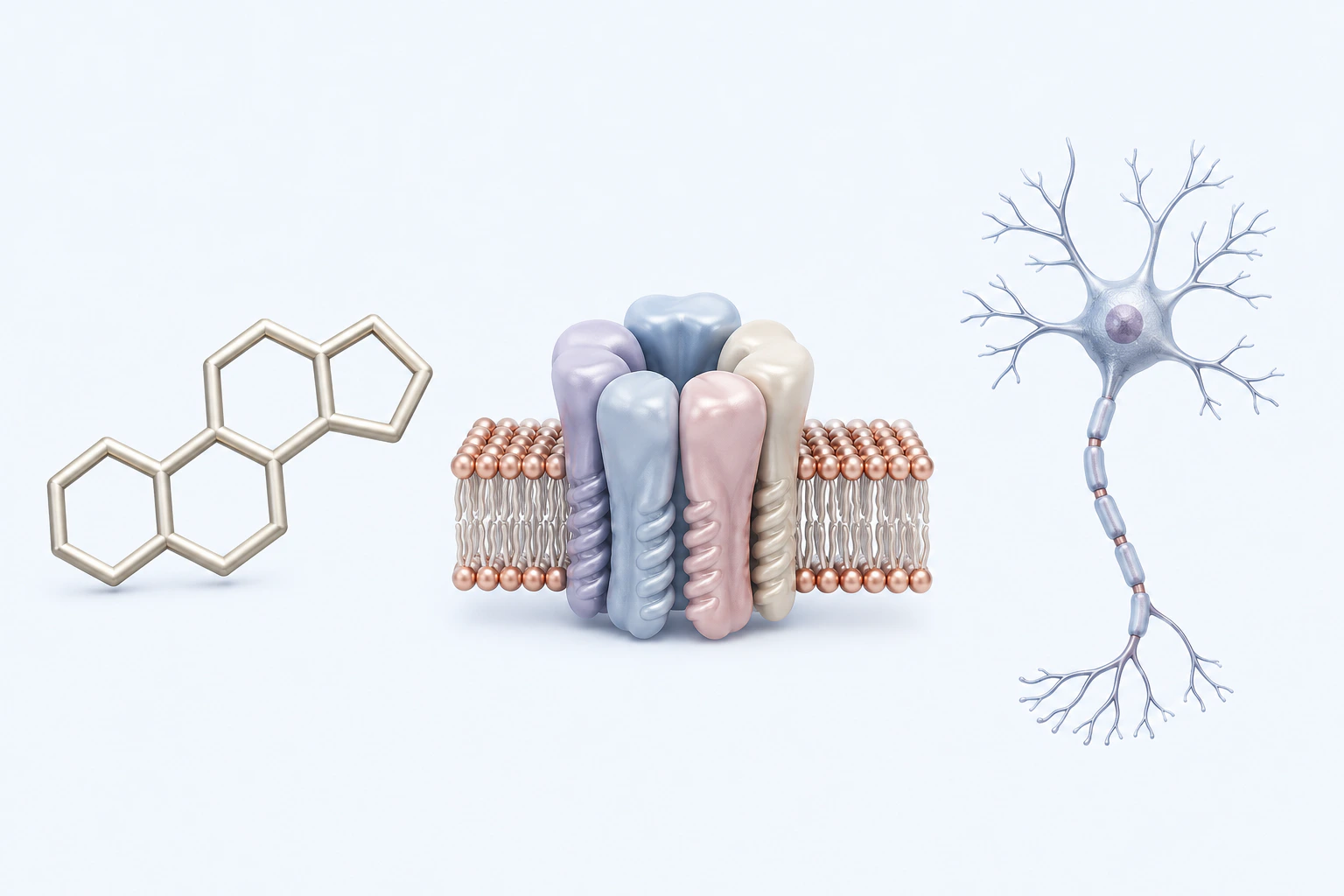
Allopregnanolone (3α-hydroxy-5α-pregnan-20-one) is a neurosteroid metabolite of progesterone that is the most potent endogenous positive allosteric modulator of GABA-A receptors. It is central to the pathophysiology of PMDD and postpartum depression — conditions where a…
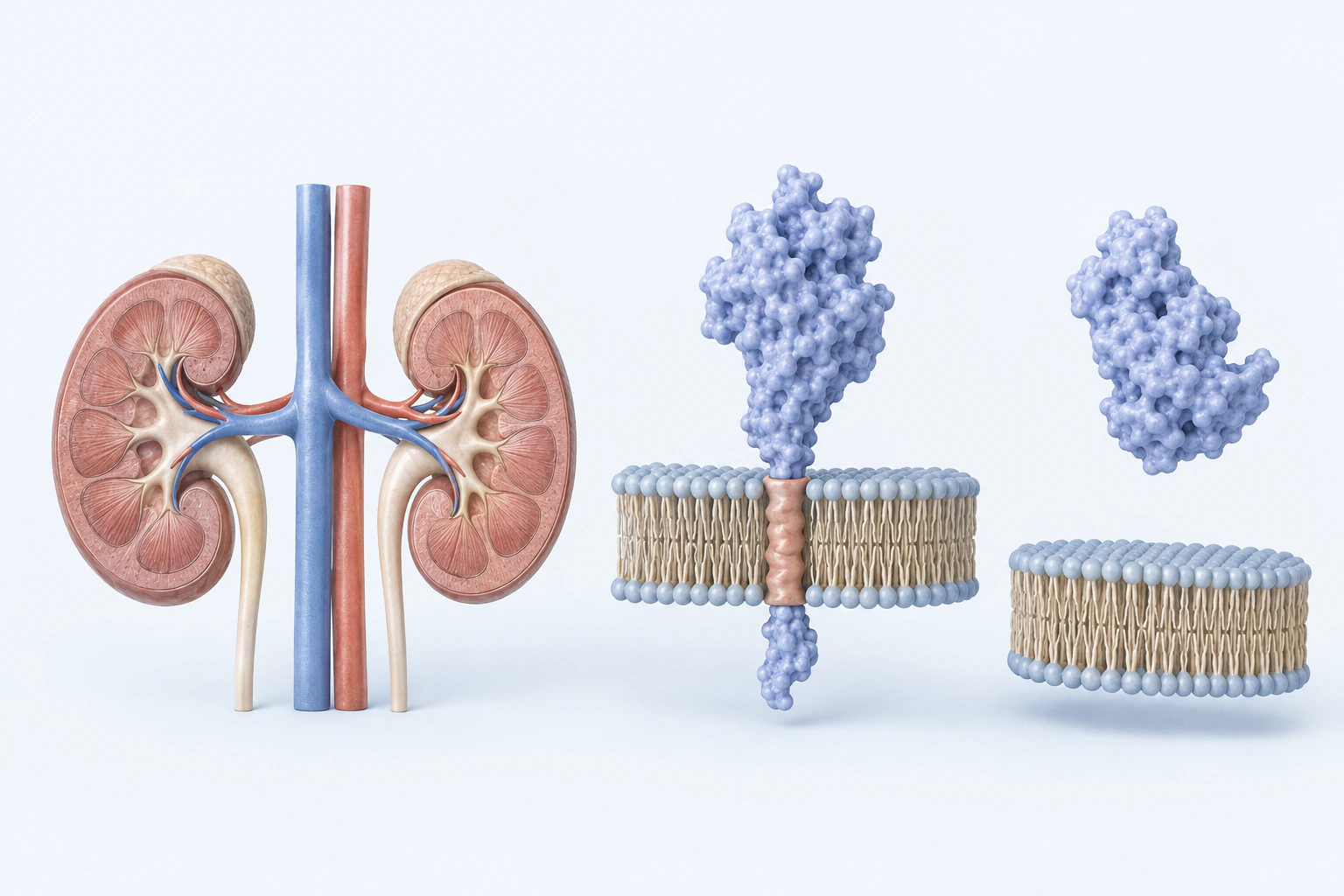
An anti-aging protein that has emerged as a critical mediator between heavy metal exposure and chronic kidney disease progression. Originally discovered as a gene whose mutation caused premature aging in mice, alpha-klotho is now understood to be a multifunctional prote…
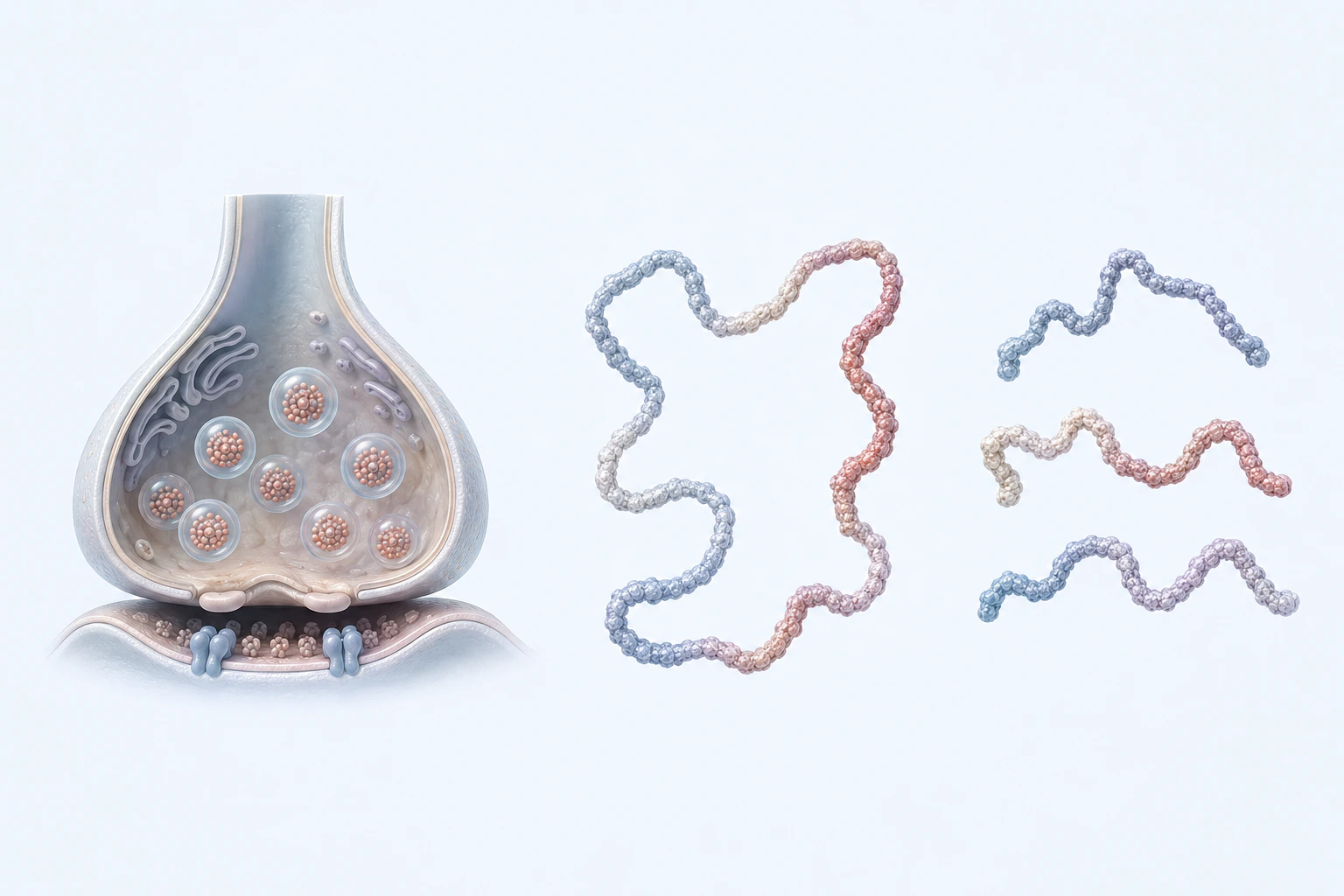
A 140-amino-acid presynaptic protein whose misfolding into insoluble fibrils and their deposition in Lewy bodies is the defining neuropathological hallmark of parkinsons disease and the broader family of synucleinopathies (including Lewy body dementia and multiple syste…
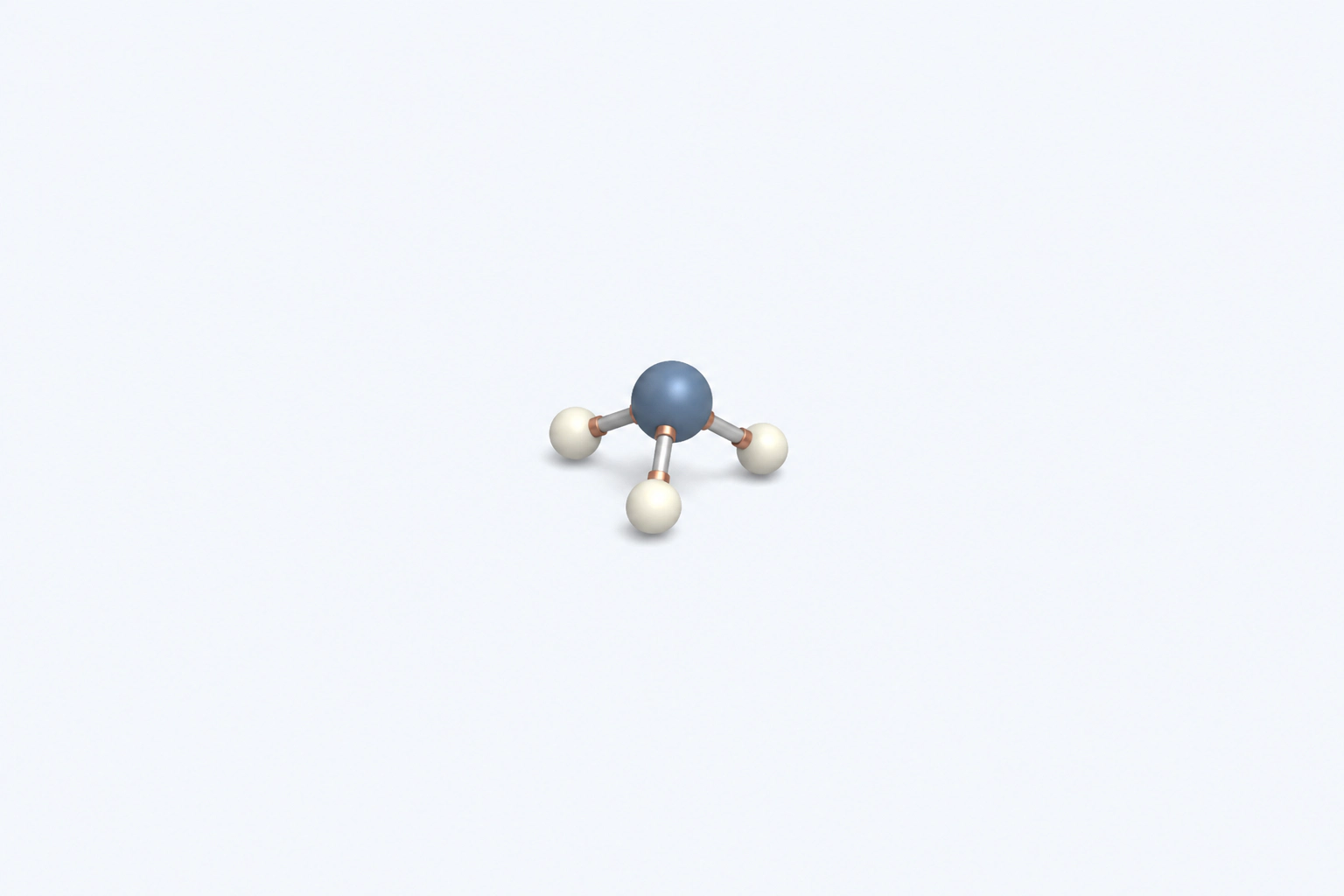
Ammonia is a nitrogen-containing product of microbial urease activity. When urease hydrolyzes urea, ammonia and bicarbonate are produced; in the microbial systems covered by WikiBiome, those products can provide nitrogen and raise local pH maier 2019 nickel microbial pa…
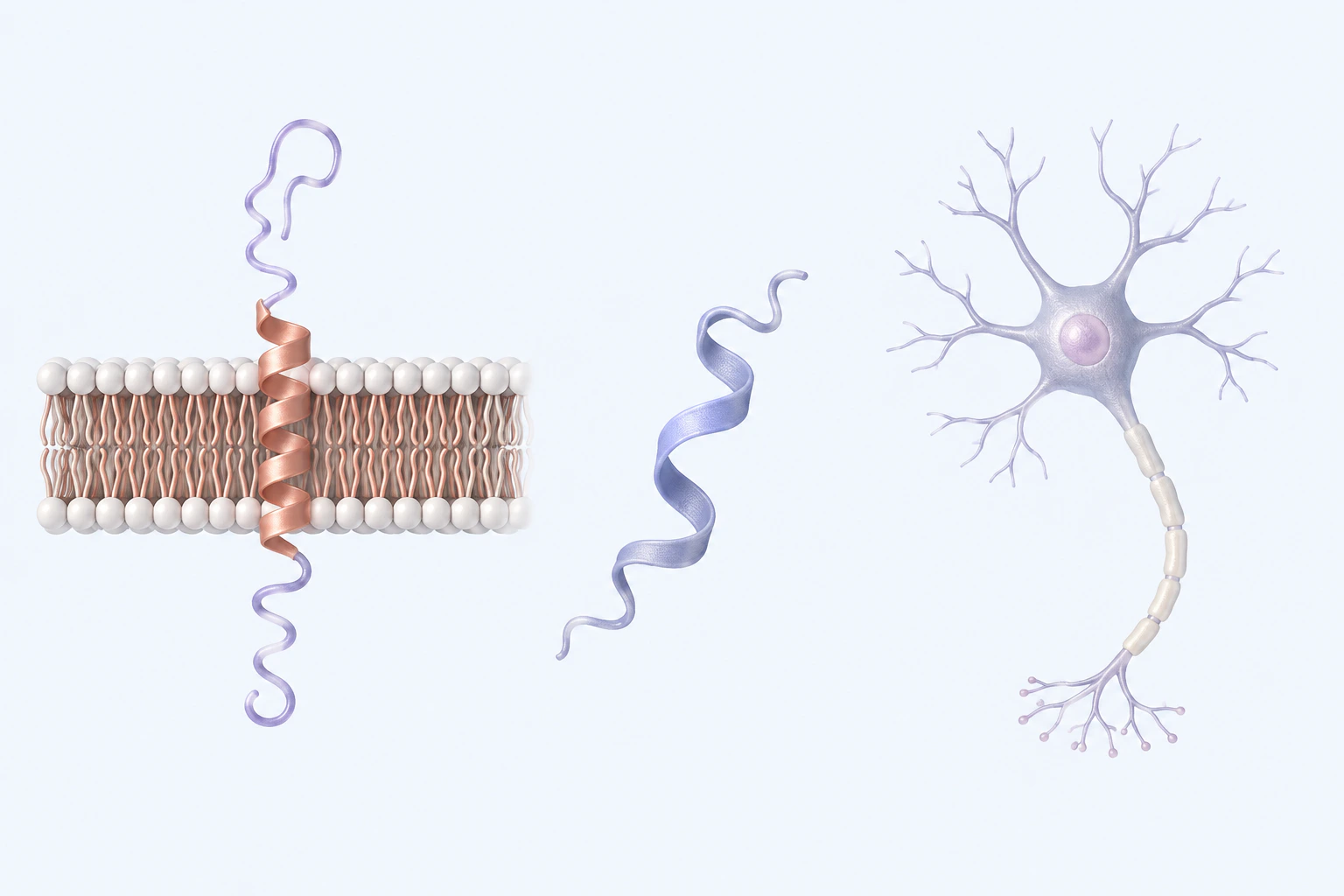
Amyloid-beta (Aβ) is a 36–43 amino acid peptide derived from the proteolytic cleavage of amyloid precursor protein (APP) by beta-secretase (BACE1) and gamma-secretase. Its aggregation from soluble monomers into insoluble fibrillar plaques in the brain is the defining ne…
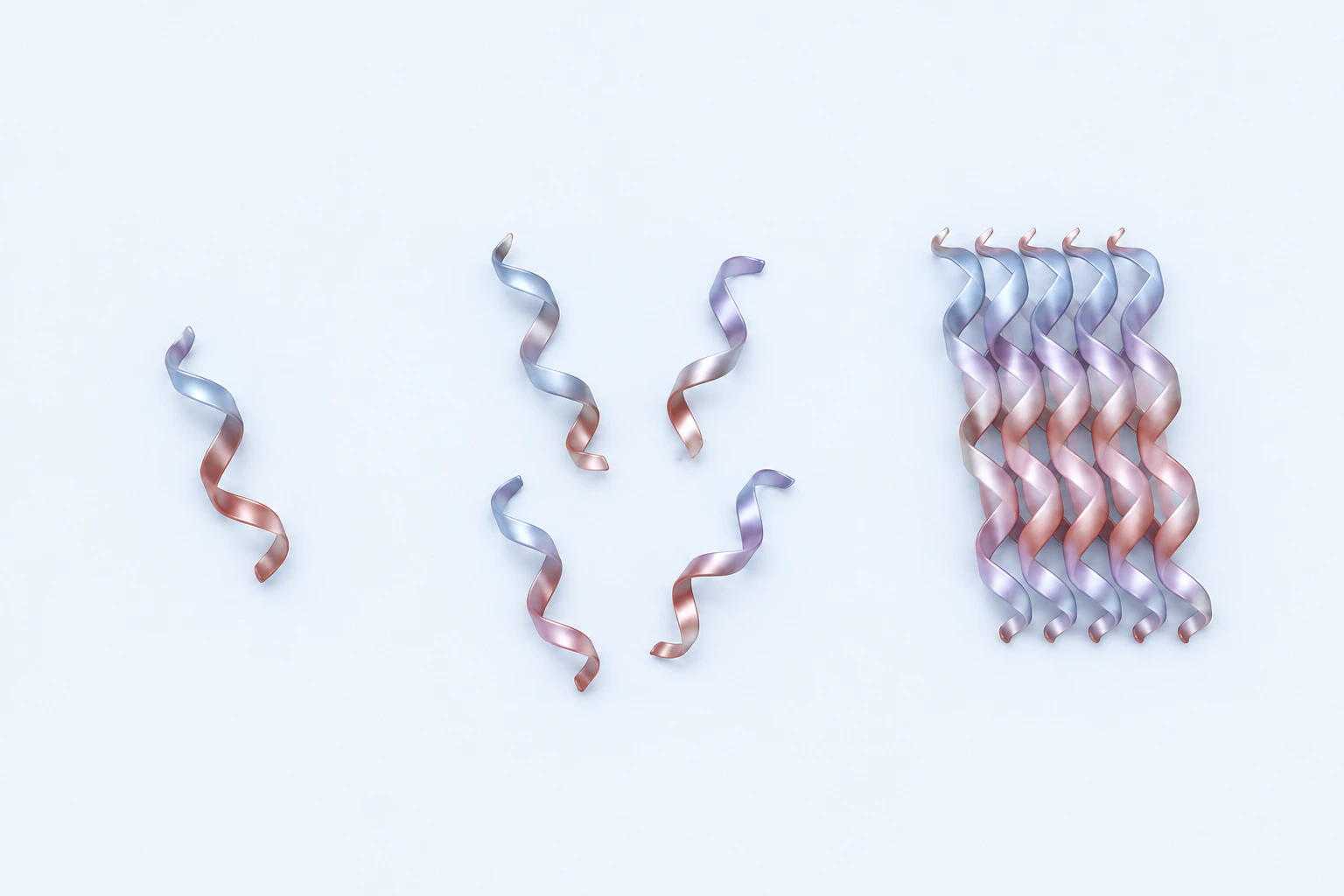
The process by which soluble amyloid-beta (Aβ) monomers assemble into neurotoxic oligomers and insoluble fibrillar plaques in the brain -- the defining neuropathological event of alzheimers disease. What distinguishes WikiBiome's treatment of this process from conventio…
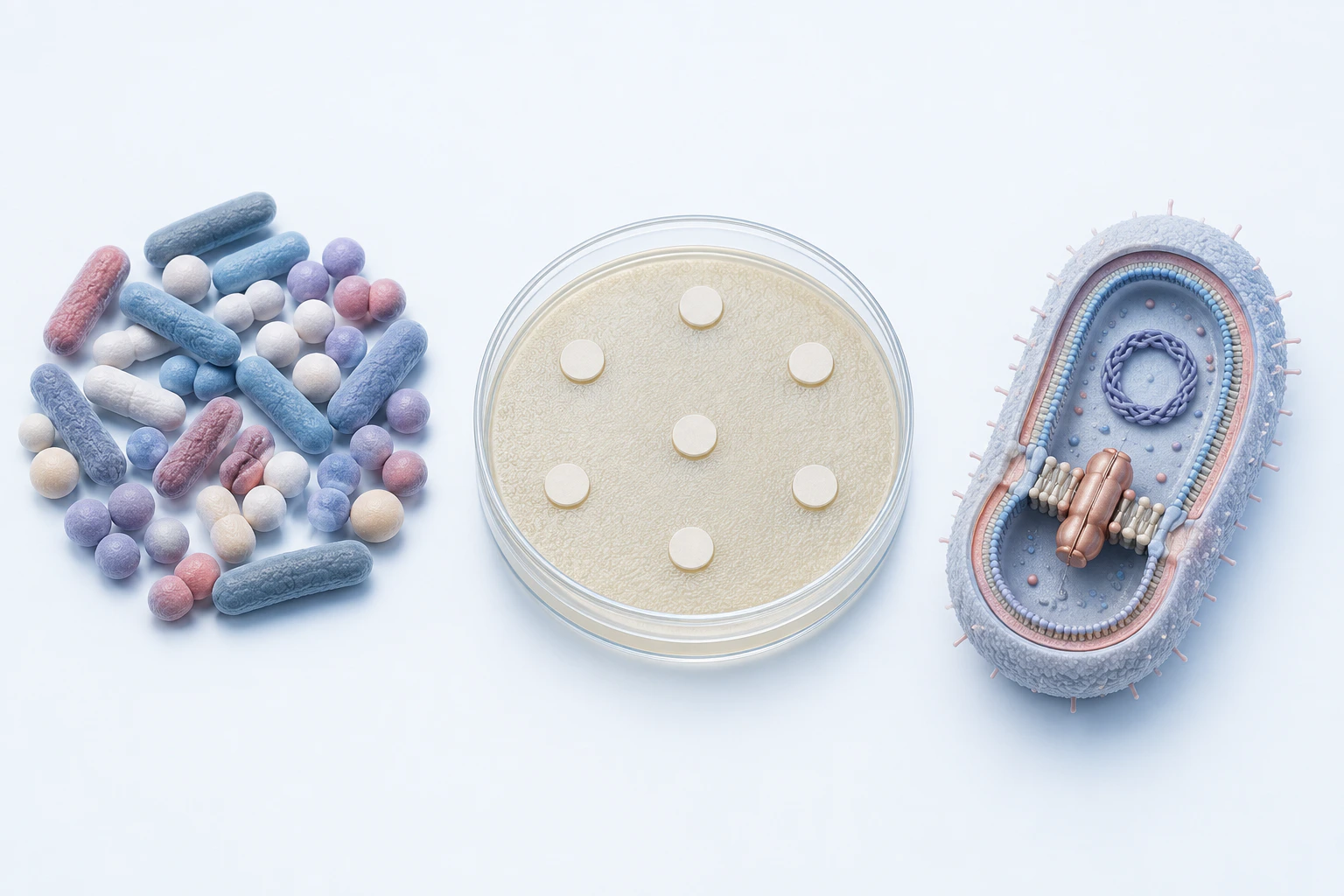
The ability of microorganisms to survive and replicate in the presence of antimicrobial agents — antibiotics, antifungals, antivirals, antiparasitic drugs — at concentrations that would normally inhibit or kill them. Antimicrobial resistance (AMR) is designated by the W…
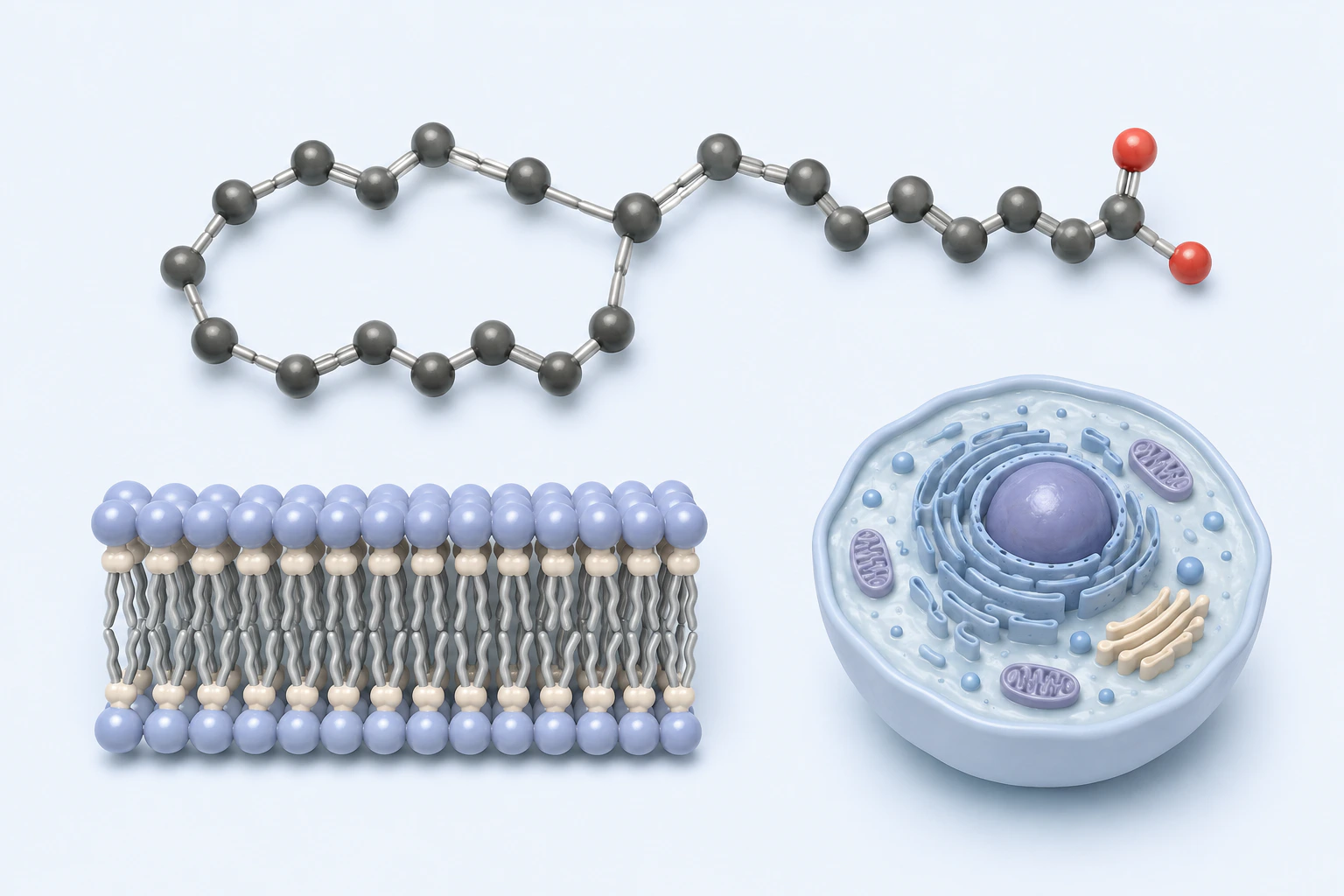
Arachidonic acid (AA) is a 20-carbon omega-6 polyunsaturated fatty acid (20:4n-6) that serves as the primary substrate for prostaglandin and leukotriene synthesis via COX-2 and 5-LOX pathways. It is the dominant pro-inflammatory lipid mediator — and its balance with ant…
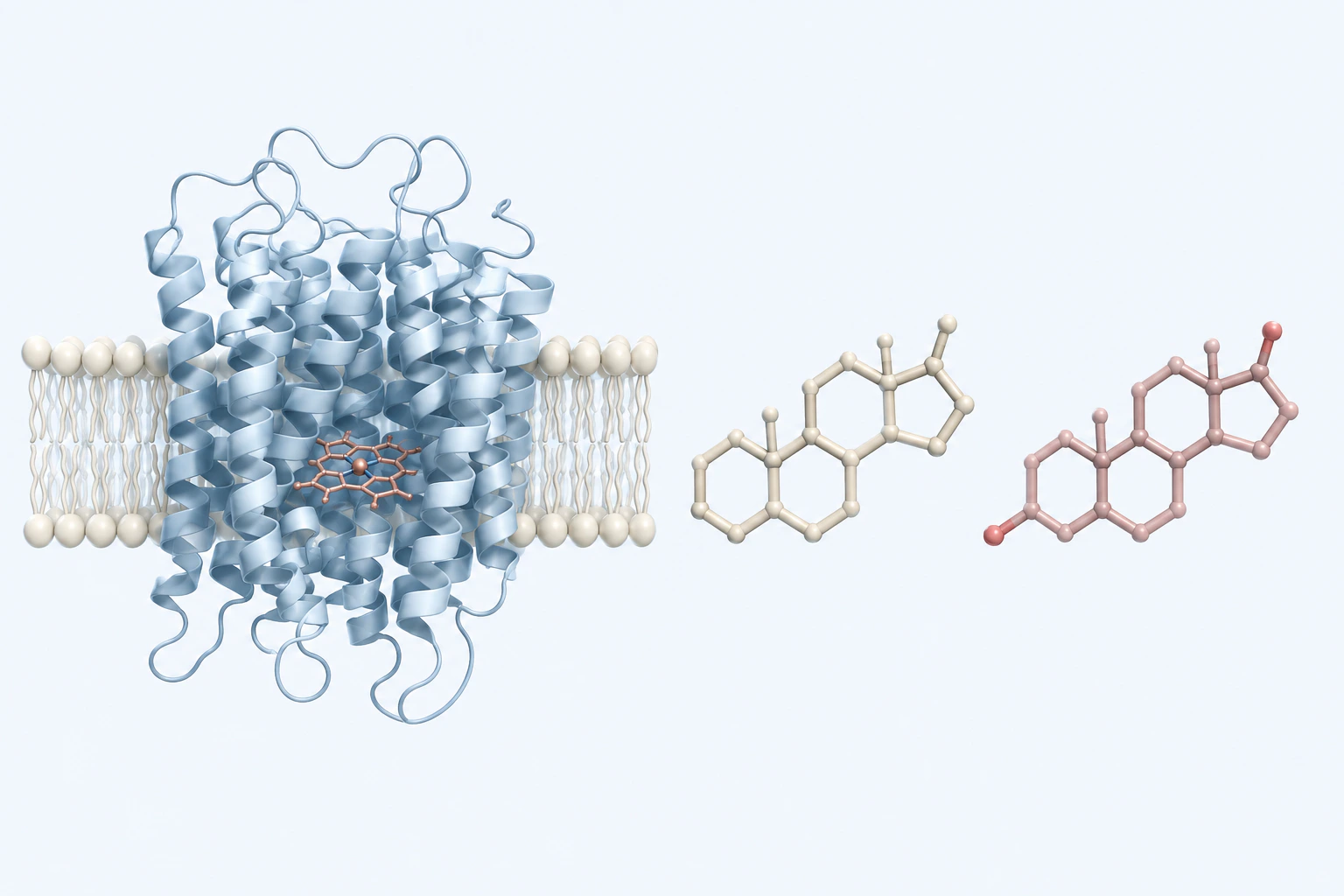
Aromatase (CYP19A1) is the cytochrome P450 enzyme that catalyzes the final and rate-limiting step of estrogen biosynthesis — the conversion of androgens (testosterone, androstenedione) to estrogens (estradiol, estrone). It is expressed in the ovaries, placenta, adipose …
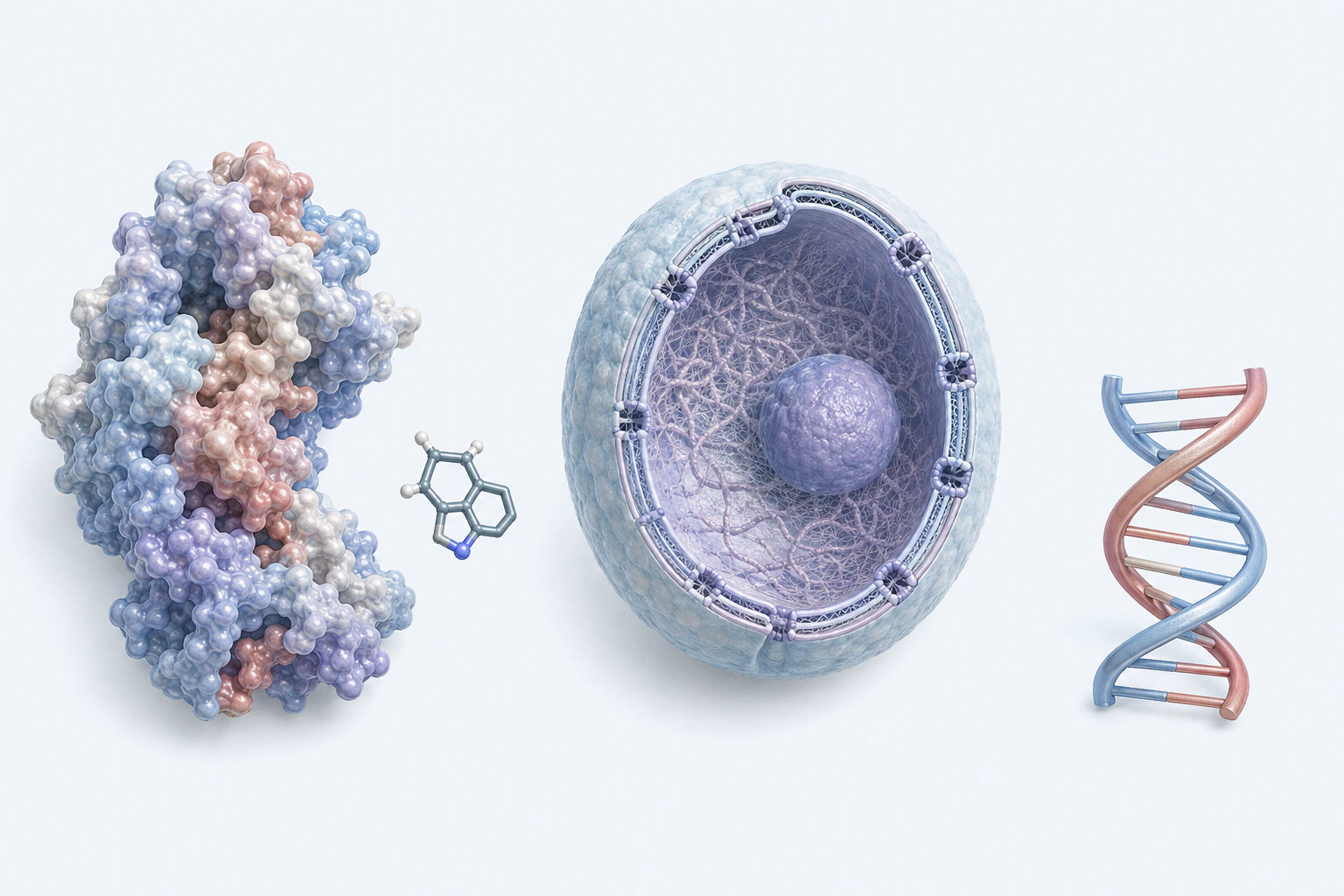
This page serves as a cross-reference point for the existing ahr concept page, which provides comprehensive coverage of AhR signaling, microbiome-derived ligands, and immune regulation. The aryl hydrocarbon receptor is a ligand-activated transcription factor that integr…
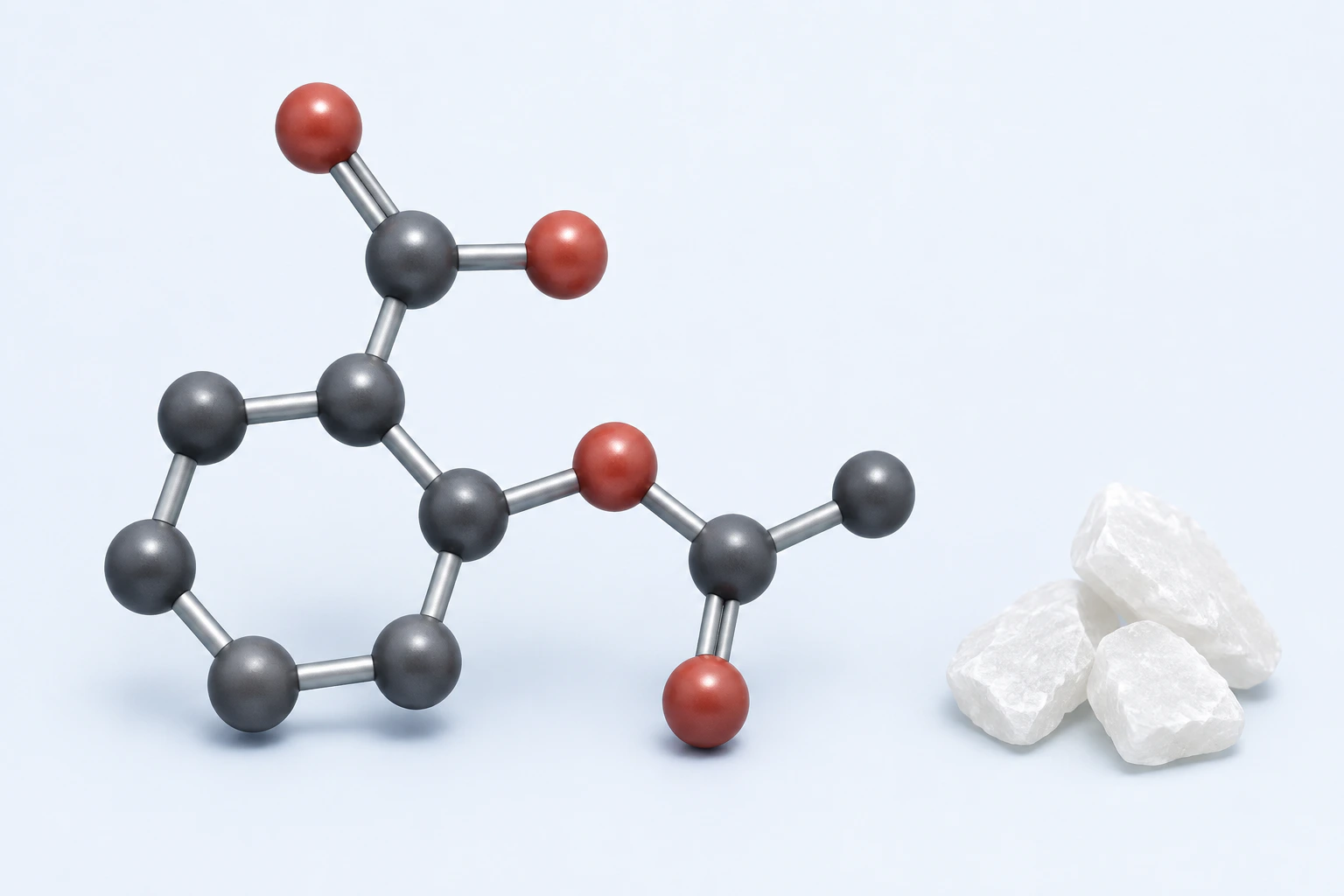
Aspirin (acetylsalicylic acid) is a non-steroidal anti-inflammatory drug (NSAID) that irreversibly inhibits cyclooxygenase (COX) enzymes, suppressing prostaglandin synthesis. While widely used as an antiplatelet and anti-inflammatory agent, aspirin carries significant i…
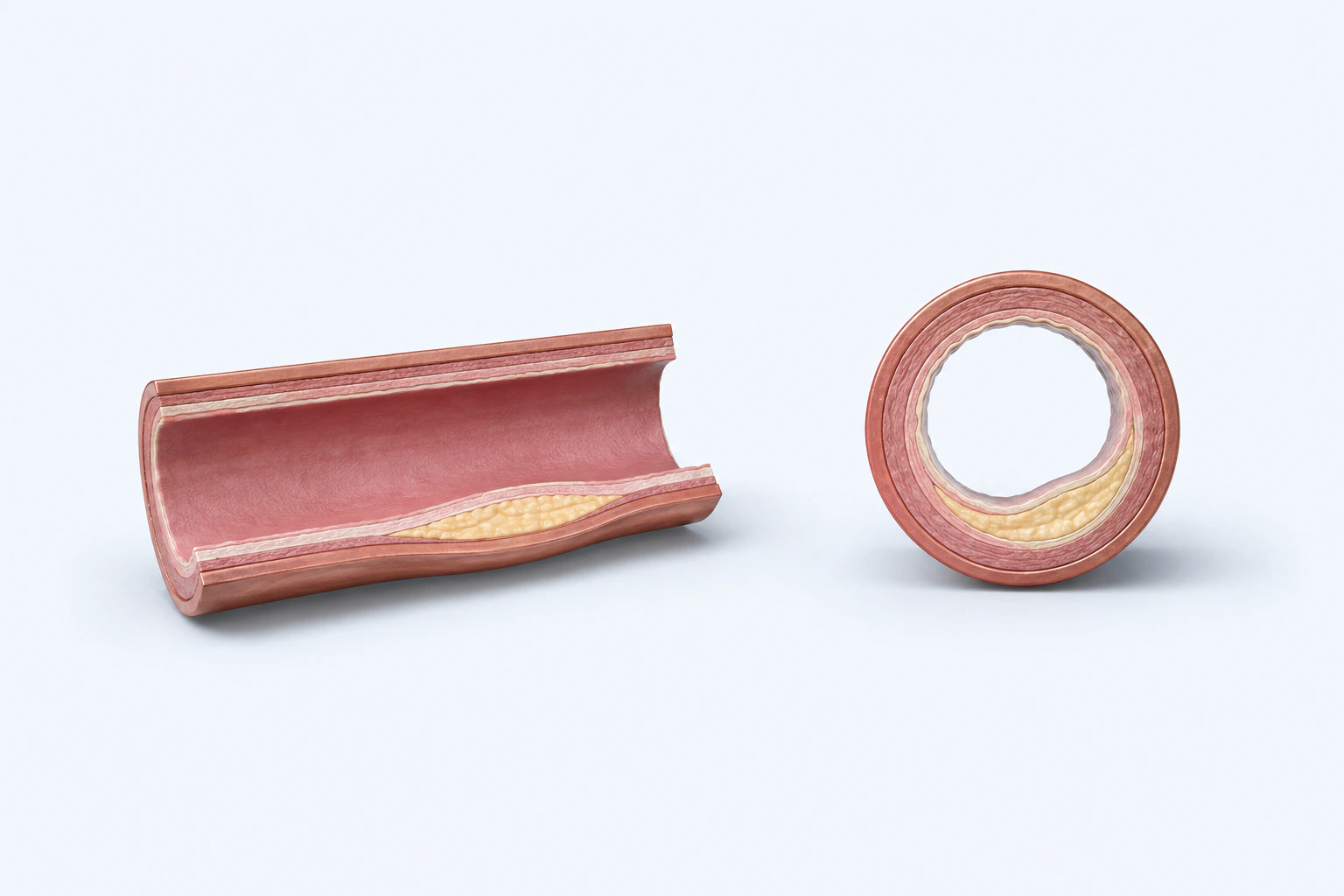
Progressive inflammatory disease of the arterial wall characterized by lipid accumulation, immune cell infiltration, and fibrous plaque formation. In the metallomics framework, atherosclerosis sits at the convergence of three interacting systems: heavy metal toxicity, g…
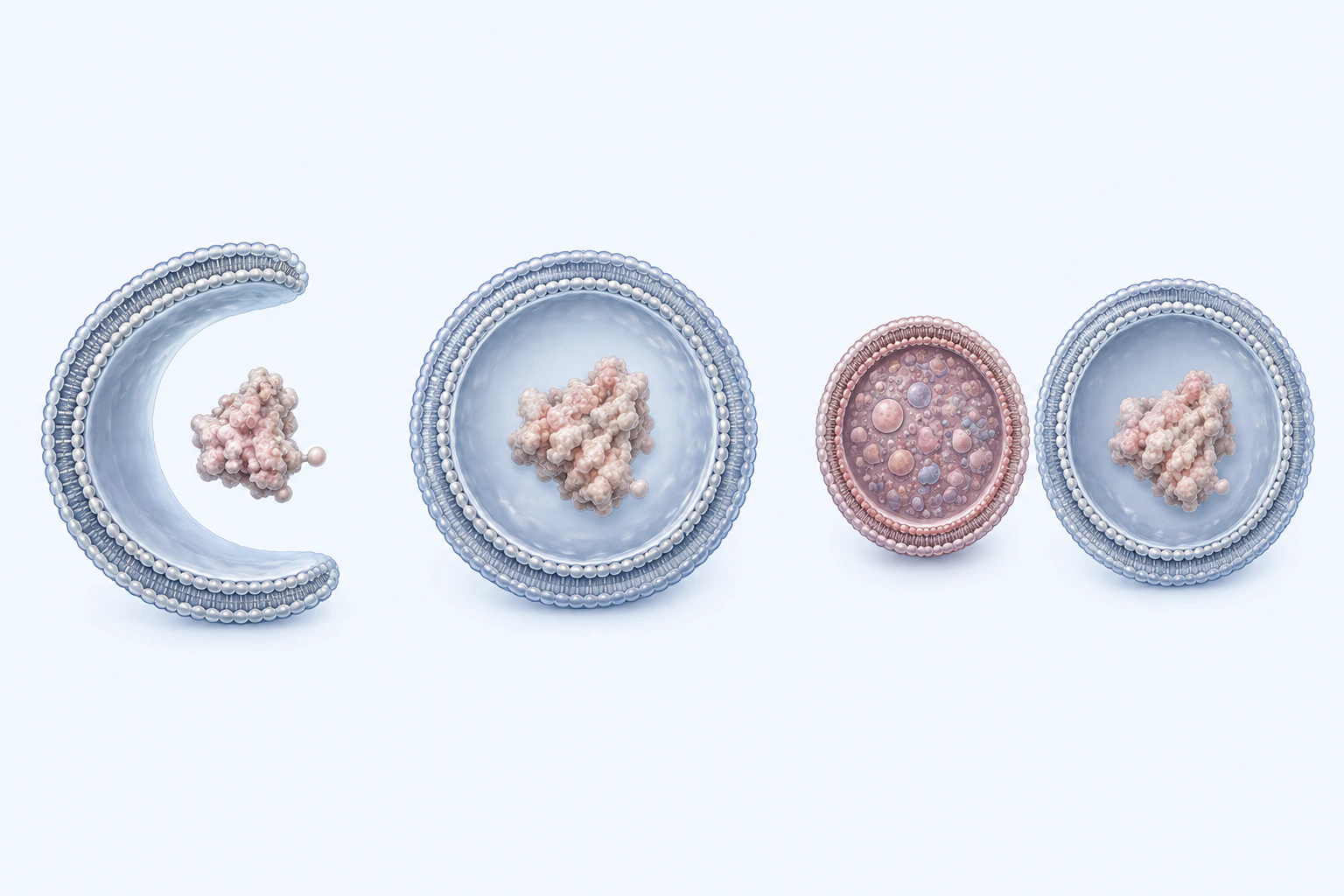
Autophagy (from Greek, "self-eating") is the cellular process of degrading and recycling damaged organelles, misfolded proteins, and intracellular pathogens through lysosomal digestion. It is the cell's primary quality control mechanism -- a housekeeping system that bec…
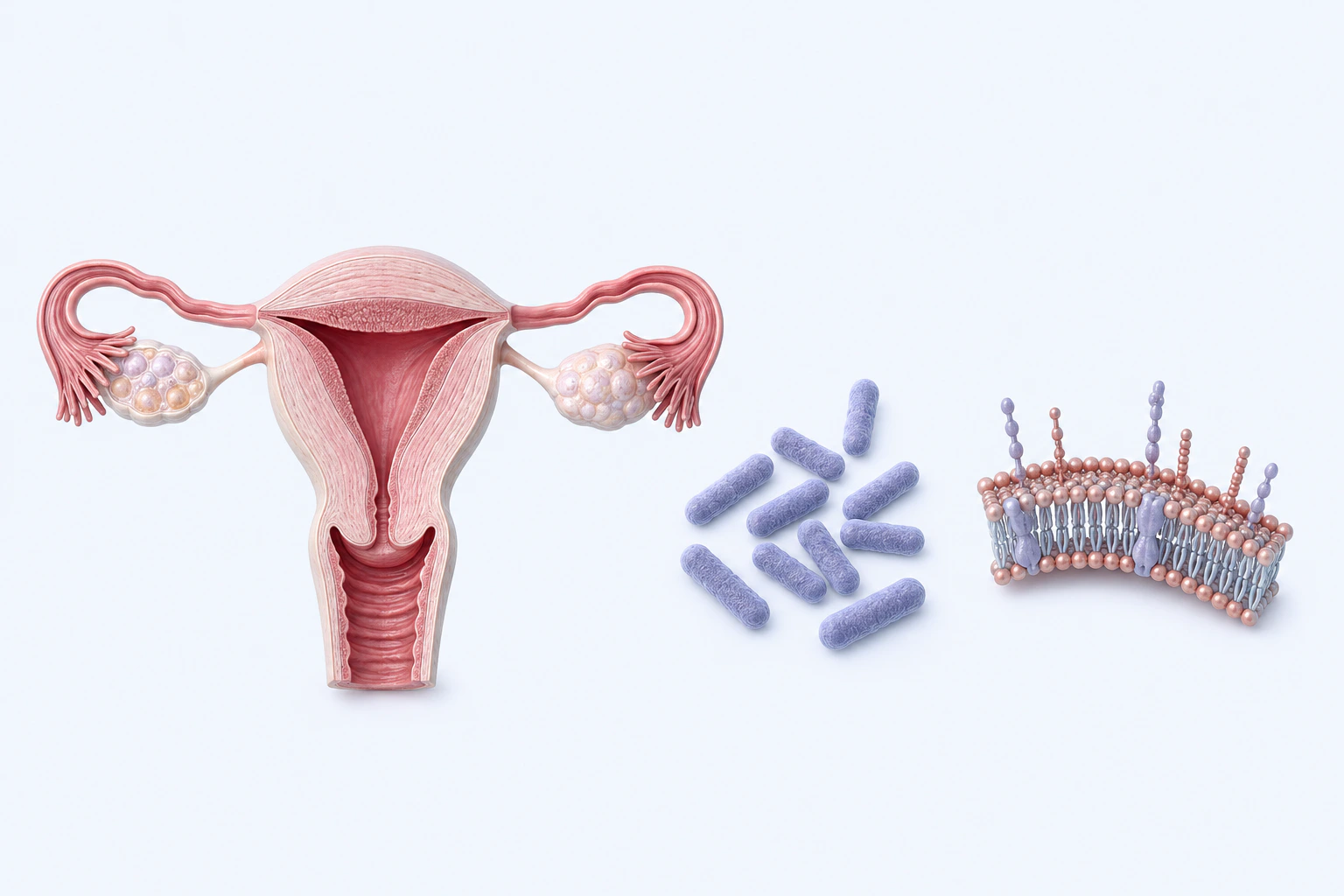
The bacterial contamination hypothesis proposes that bacterial endotoxin (LPS) contamination of menstrual blood and endometrial tissue is a key driver of endometriosis pathogenesis. First formalized by Khan et al. (2018), this hypothesis shifts endometriosis from a pure…
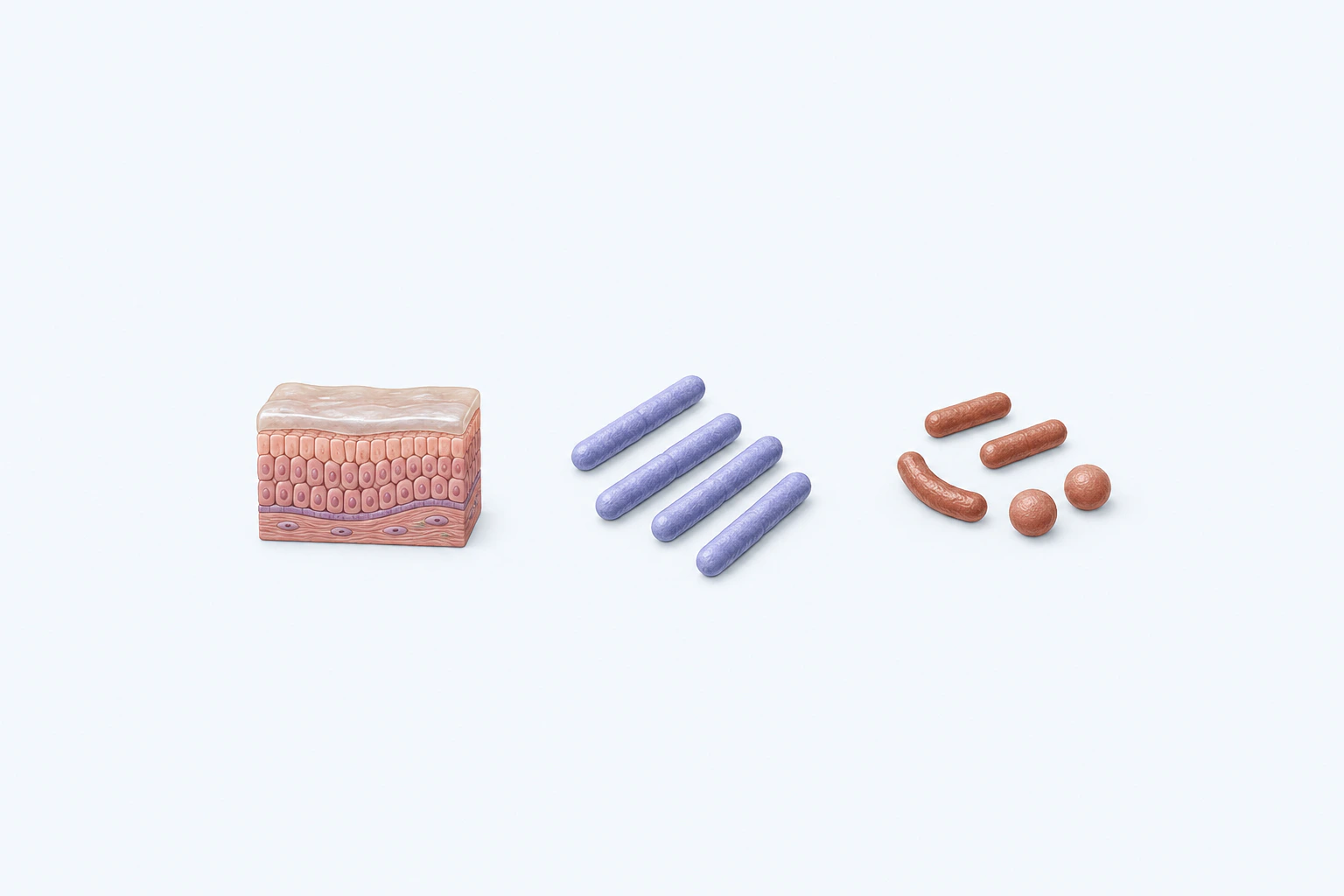
Bacterial vaginosis (BV) is the most common vaginal infection in women of reproductive age, affecting an estimated 29% of women globally. Rather than an infection by a single pathogen, BV represents a polymicrobial dysbiotic state -- a collapse of the protective Lactoba…

Viruses that exclusively infect bacteria. Bacteriophages -- phages for short -- are the most abundant biological entities on Earth, outnumbering bacteria in most environments by ratios of 1:1 to 10:1. In the human gut, the phageome represents a powerful but underexplore…
BDNF is the primary neurotrophin supporting neuronal survival, synaptic plasticity, and memory formation in the hippocampus and prefrontal cortex. Reduced BDNF is a consistent finding in depression, schizophrenia, and neurodegeneration. The gut microbiome modulates BDNF…
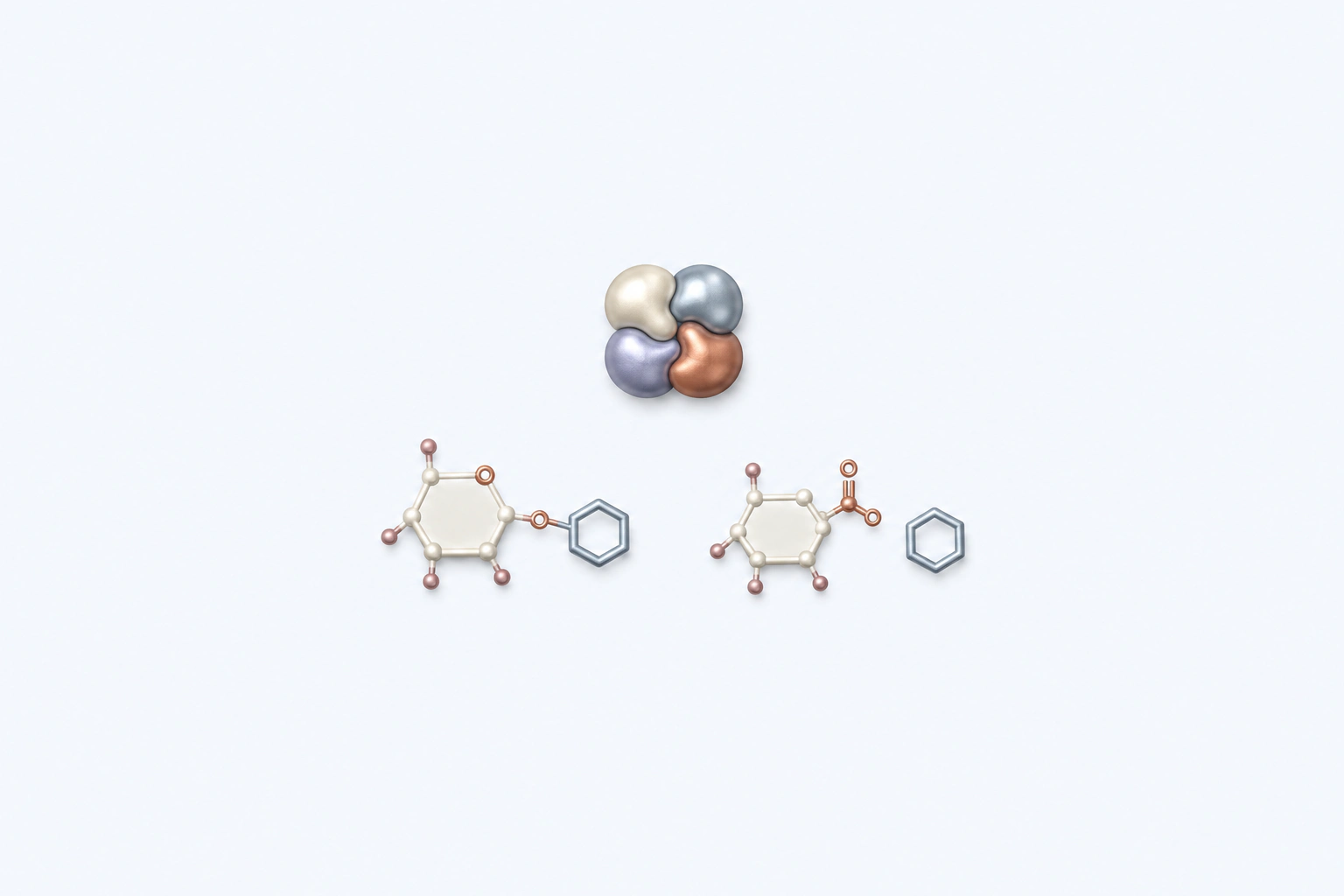
Beta-glucuronidase (β-glucuronidase, EC 3.2.1.31) is an enzyme that catalyzes the hydrolysis of glucuronidated compounds, cleaving the β-1,4-glycosidic bond between a sugar and a glucuronic acid group. In the microbiome, beta-glucuronidase is the key enzyme of the estro…
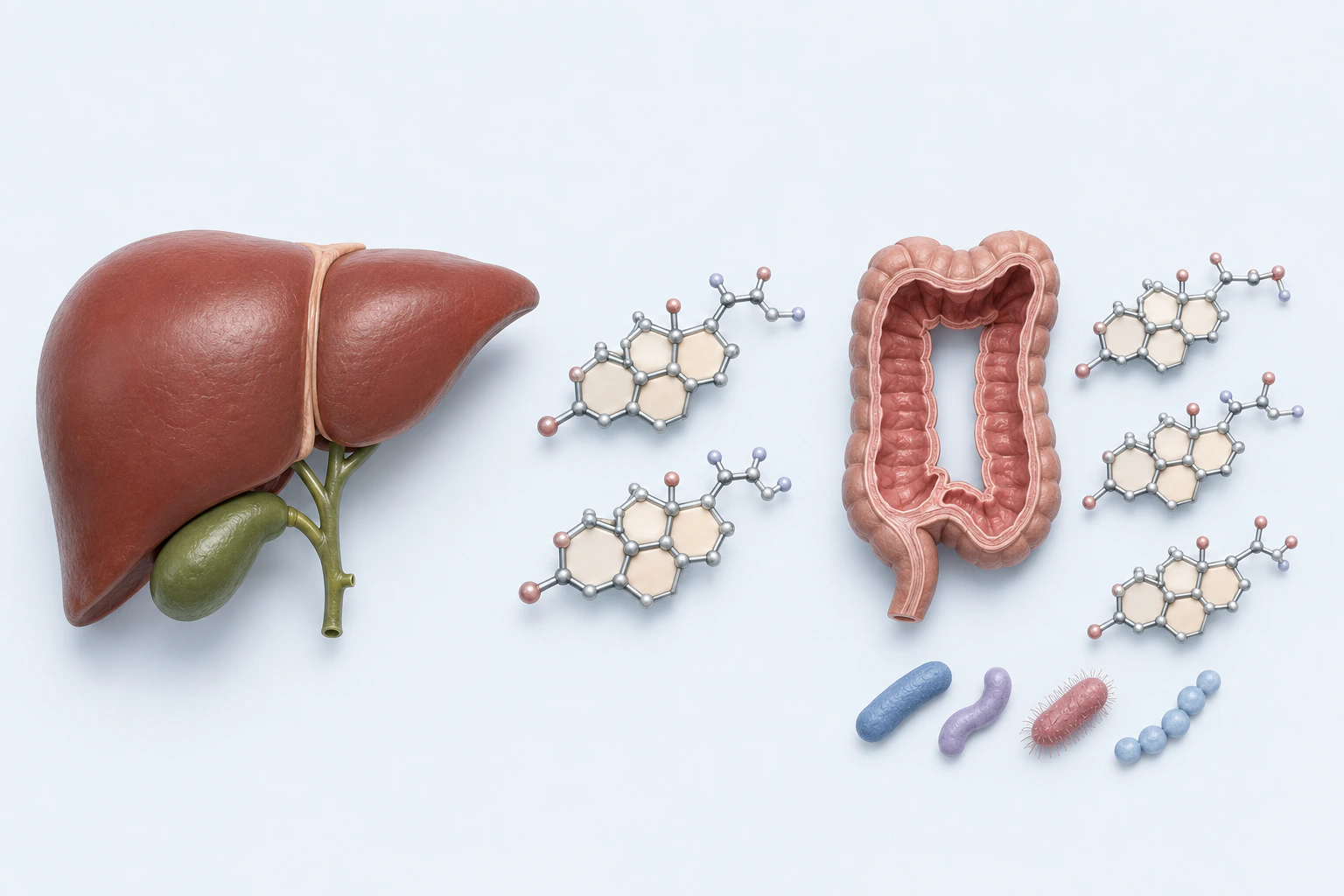
Bile acids are cholesterol-derived amphipathic molecules synthesized in the liver, secreted into the duodenum, and extensively modified by gut bacteria. The host-microbe co-metabolism of bile acids creates a signaling network with profound effects on lipid metabolism, g…
Measurable indicators of biological state, exposure, or disease. In the metallomics context, biomarkers span three interconnected domains: metal biomarkers (quantifying exposure and body burden), microbiome biomarkers (reflecting microbial community disruption), and met…
A selective semipermeable border formed by brain endothelial cells connected by tight junctions, pericytes, and astrocytic end-feet. The BBB restricts passage of most molecules from blood to brain, protecting the CNS from toxins, pathogens, and inflammatory mediators. M…
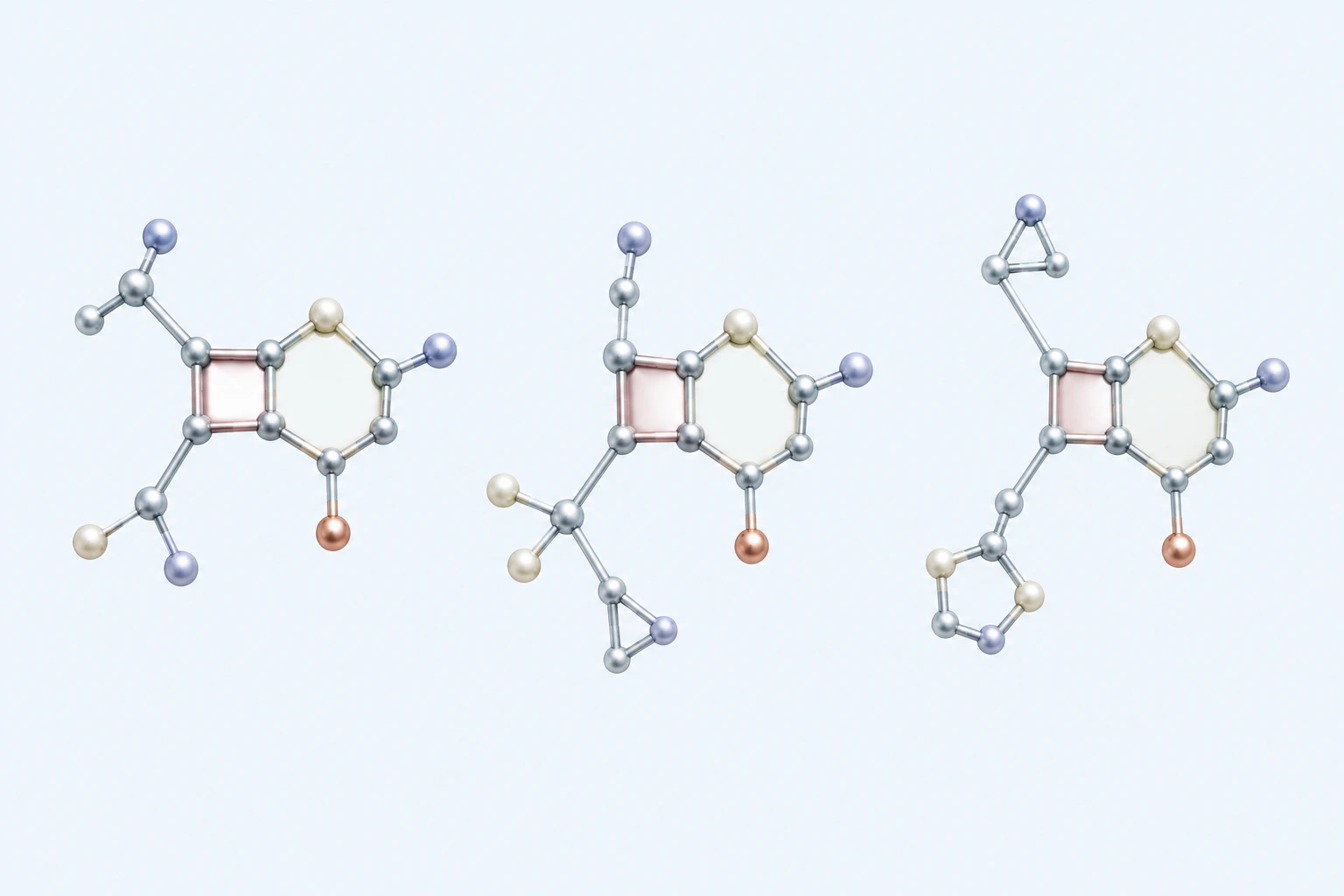
Cephalosporins are a class of beta-lactam antibiotics (five generations) that inhibit bacterial cell wall synthesis by binding penicillin-binding proteins. They are among the most prescribed antibiotic classes and among the most disruptive to the gut microbiome.
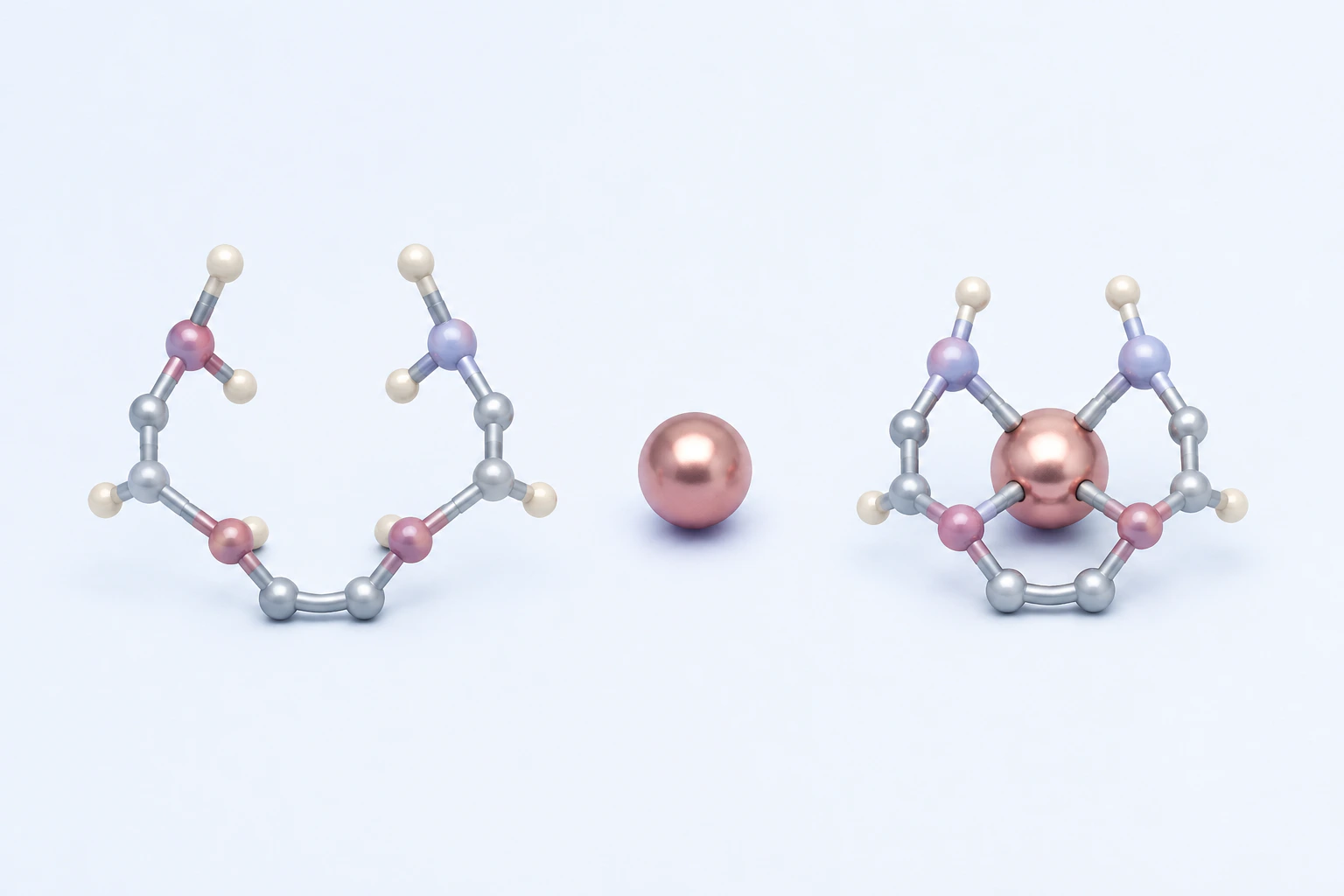
Chelation therapy uses high-affinity metal-binding molecules to form stable, excretable complexes with toxic metals, removing them from the body. The term derives from Greek "chele" (claw) -- the chelator grips the metal ion at multiple coordination sites. While chelati…
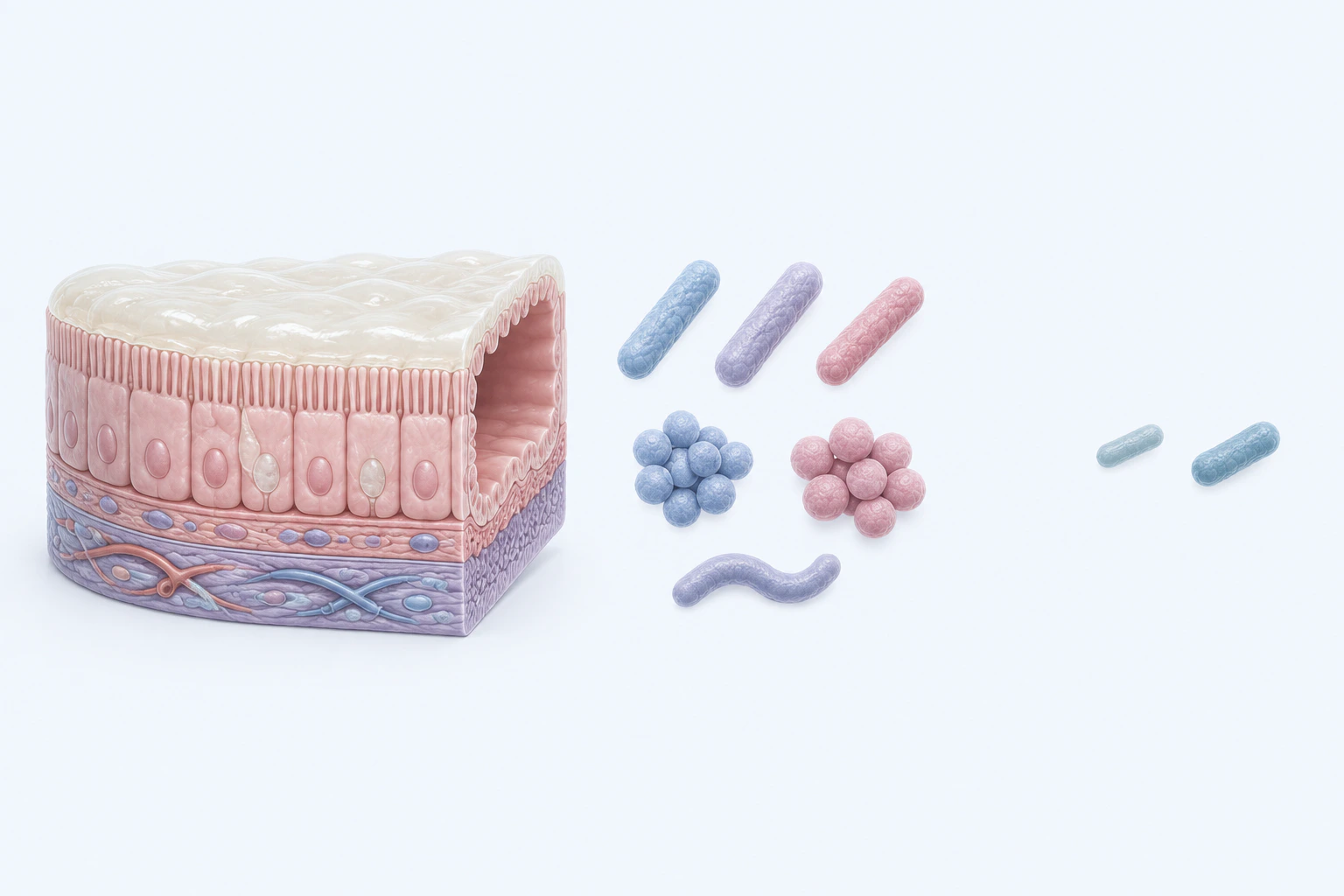
The collective ability of the resident gut microbiome to prevent colonization by exogenous pathogens and suppress expansion of resident pathobionts. Colonization resistance is not a property of any single organism but an emergent function of the whole microbial communit…
The co-occurrence of multiple diseases in the same individual at rates exceeding chance. Comorbidity patterns are a central puzzle in medicine -- why do IBD patients develop CVD? Why does PCOS cluster with T2D? Why do neurodegenerative diseases associate with depression…
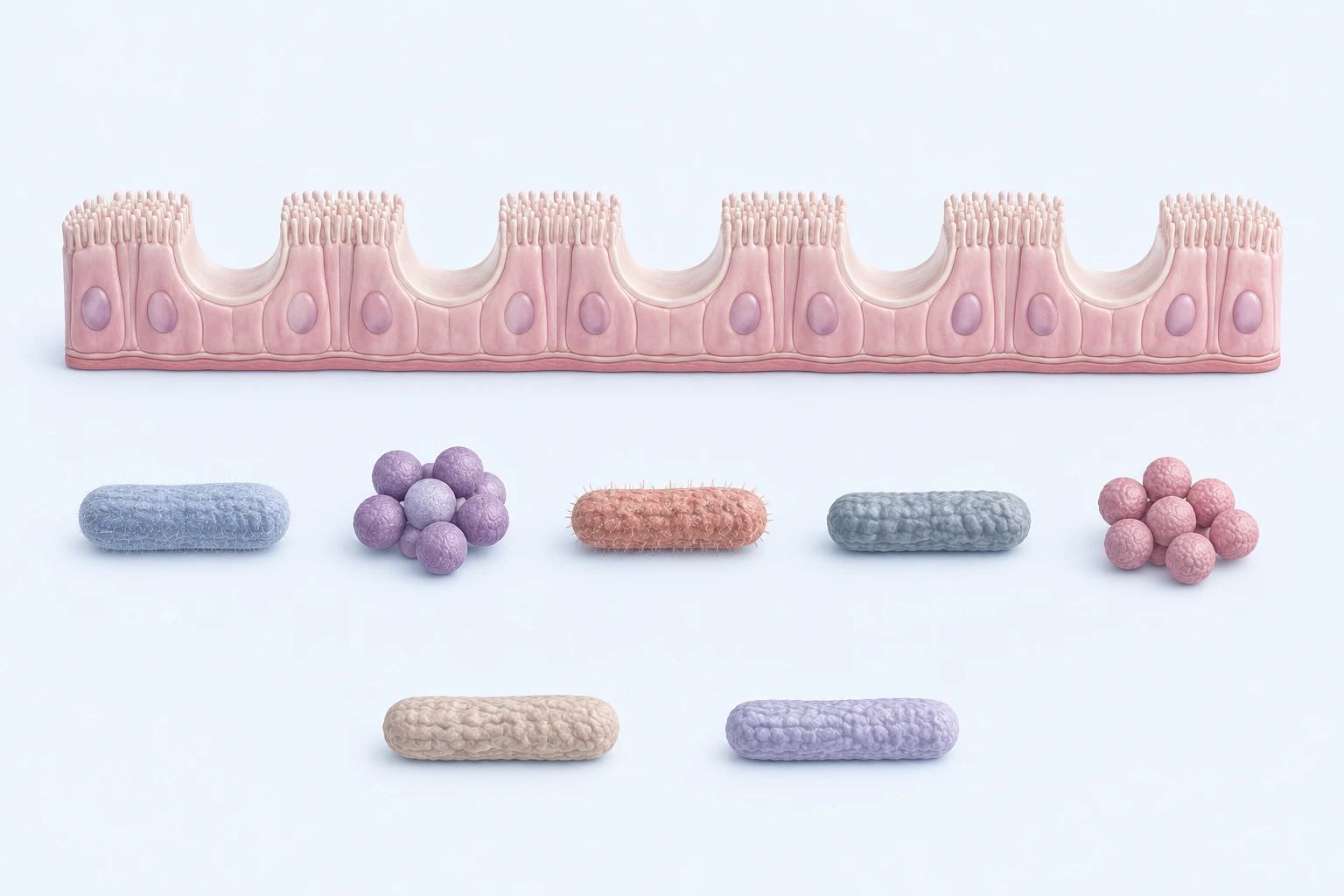
Competitive exclusion is the ecological principle that two species competing for the same limiting resource cannot coexist indefinitely — one will outcompete the other. In the gut microbiome, competitive exclusion is the primary mechanism by which commensal bacteria pre…
Cortisol is the primary glucocorticoid stress hormone, produced by the adrenal cortex under HPA (hypothalamic-pituitary-adrenal) axis control. In the WikiBiome framework, cortisol is the molecular bridge between psychological stress and microbiome disruption — it direct…
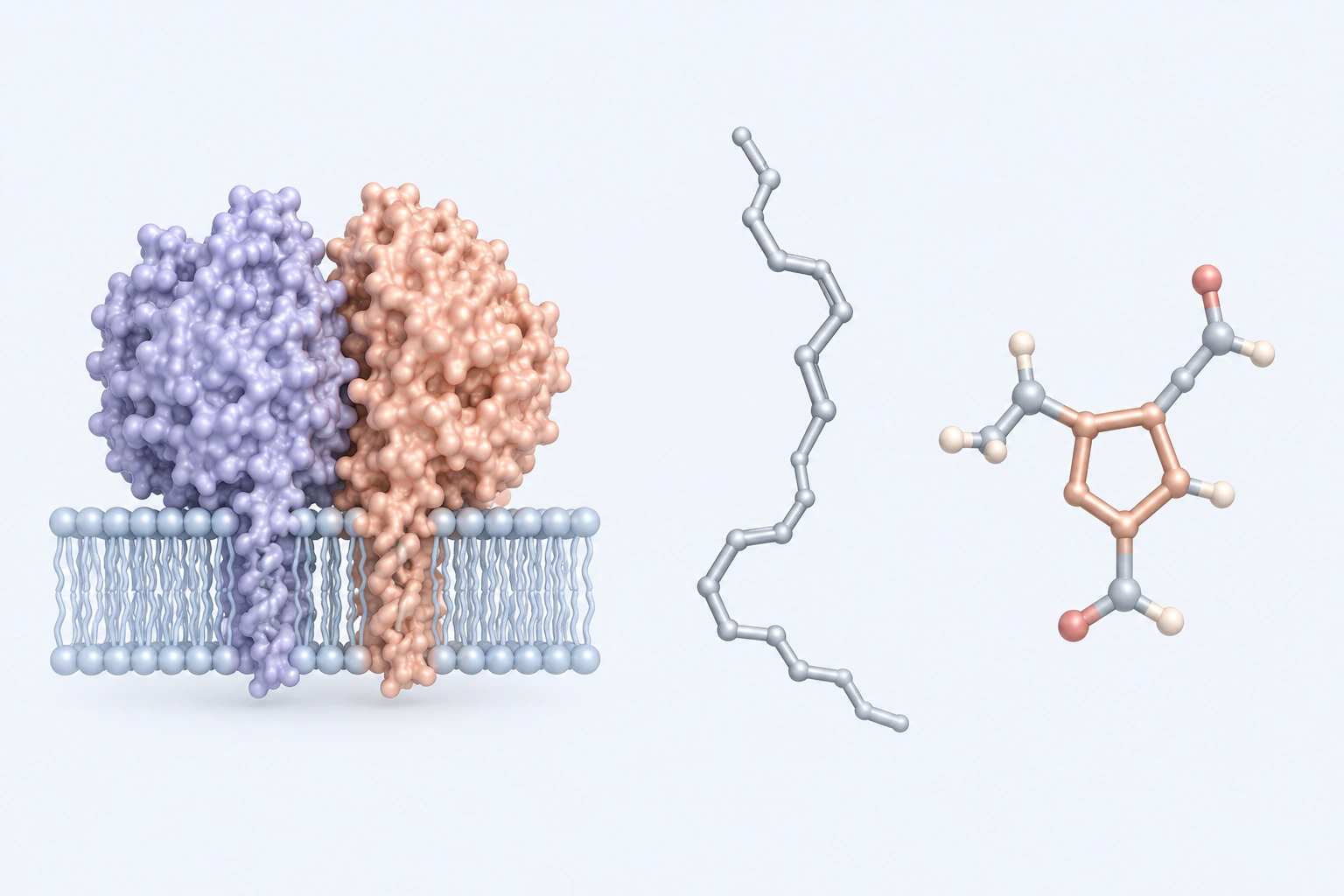
Cyclooxygenase-2 (COX-2) is the inducible enzyme that converts arachidonic acid to prostaglandin H₂ — the precursor of prostaglandin E₂ (PGE₂), prostacyclin, and thromboxane. Unlike COX-1 (constitutive, homeostatic), COX-2 is transcriptionally induced by nf kappa b duri…
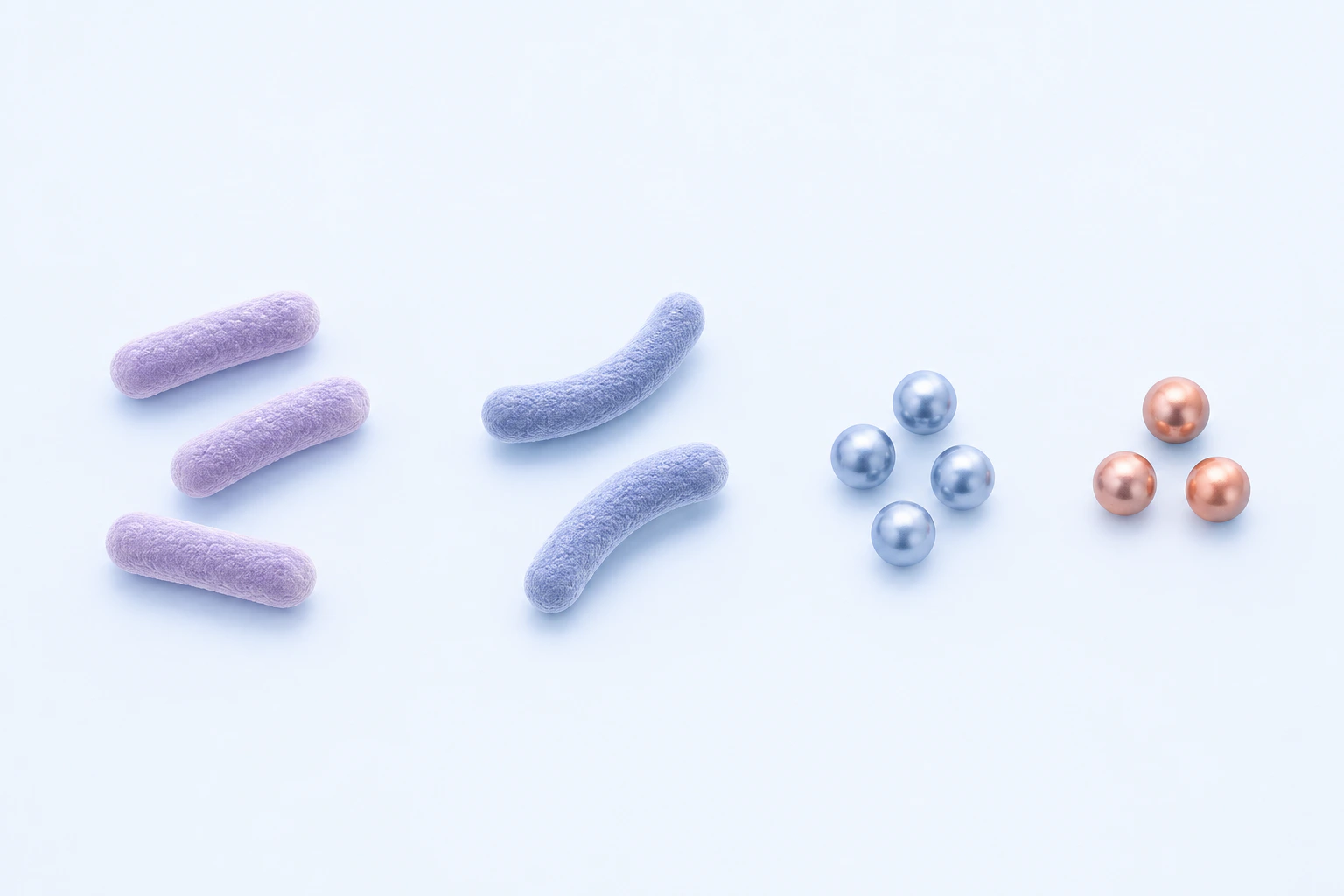
Cross-feeding (syntrophy) is the metabolic cooperation in which one organism's waste product becomes another's substrate. It is the cooperative counterpart to competitive exclusion — rather than competing for the same resource, organisms partition metabolic labor into s…
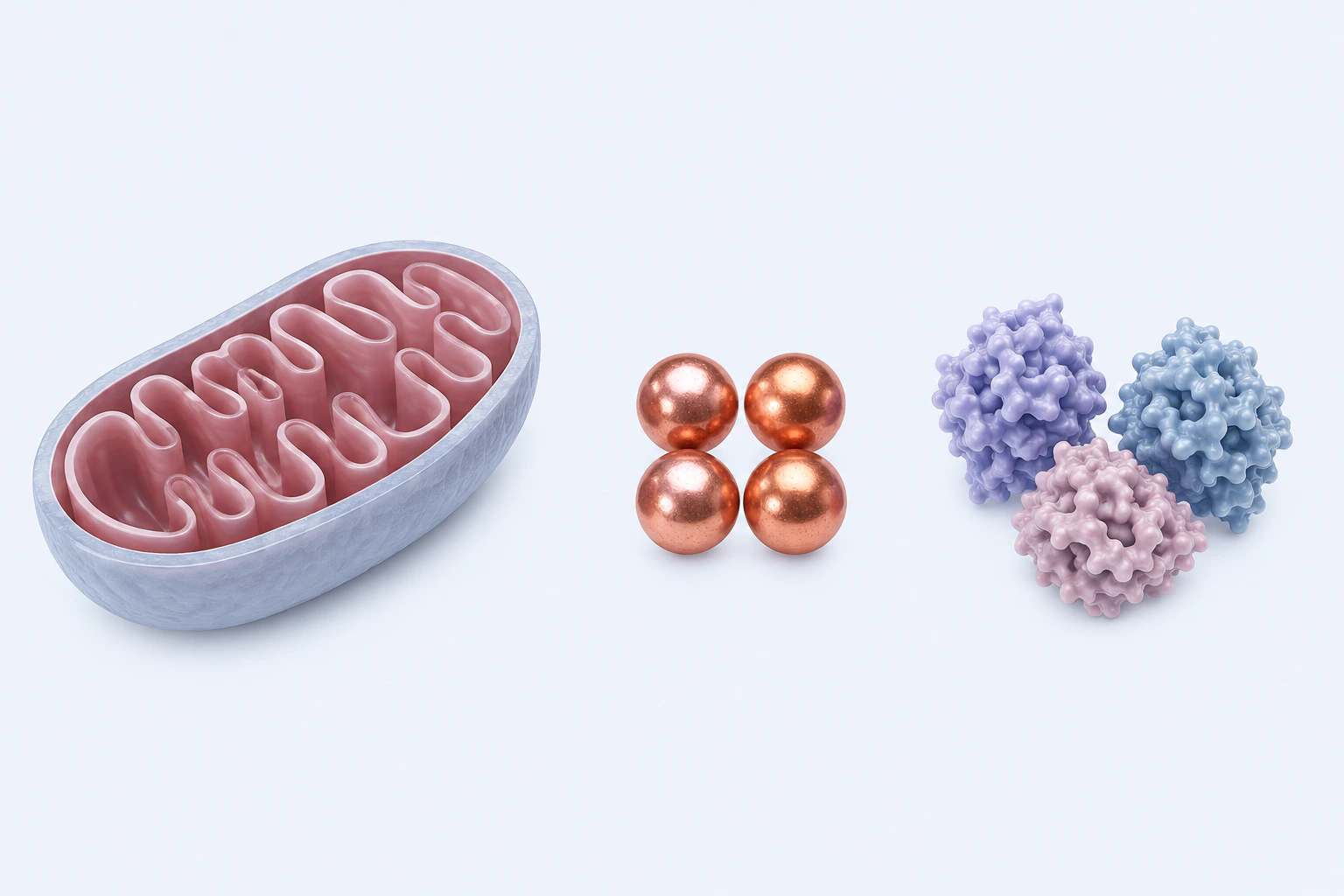
A distinct form of regulated cell death caused by excess intracellular copper binding to lipoylated proteins in the TCA cycle, first characterized by Tsvetkov et al. in Science (2022). Unlike ferroptosis (iron-dependent lipid peroxidation) or apoptosis (caspase-dependen…

Defensins are small (29–45 amino acid) cationic antimicrobial peptides that form the first line of chemical defense at mucosal surfaces. Alpha-defensins (HD5, HD6) are produced by Paneth cells in the small intestinal crypts; beta-defensins (hBD1-4) are produced by epith…
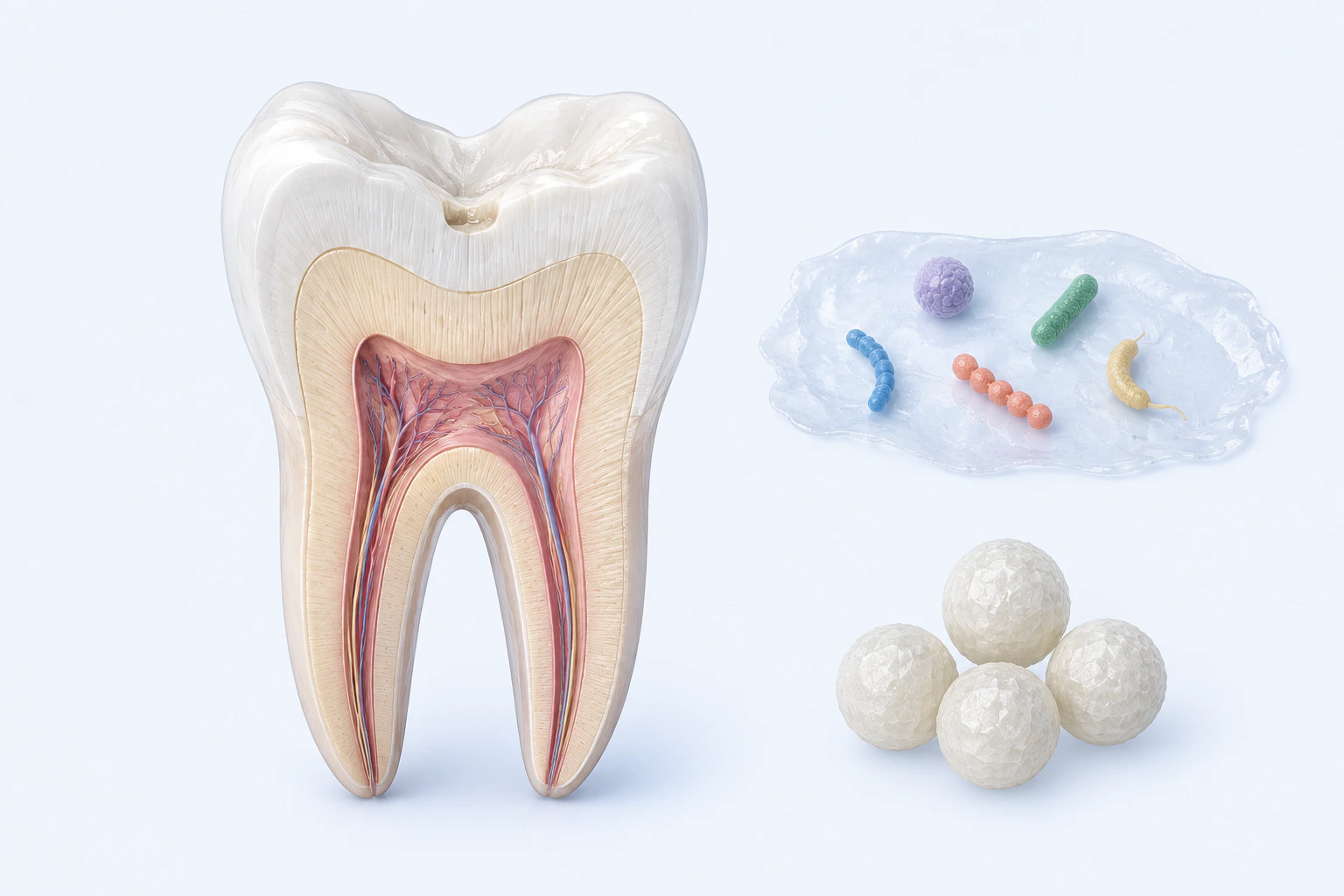
Dental caries (tooth decay) is the most prevalent chronic disease worldwide, driven by acid-producing biofilm bacteria — primarily Streptococcus mutans and Lactobacillus species — that demineralize tooth enamel. In the WikiBiome framework, dental caries connects to the …
This page unifies the infant formula contamination, pregnancy complications, autism spectrum disorder, necrotizing enterocolitis, and neurodevelopmental toxicity threads around a single organizing insight: metal toxicity is disproportionately severe during specific deve…

arsenic (As) is unique among dietary heavy metals because it exists in two fundamentally different forms with dramatically different toxicities: inorganic arsenic (iAs, the dangerous form) and organic arsenic (arsenobetaine, arsenosugars — largely non-toxic). Understand…
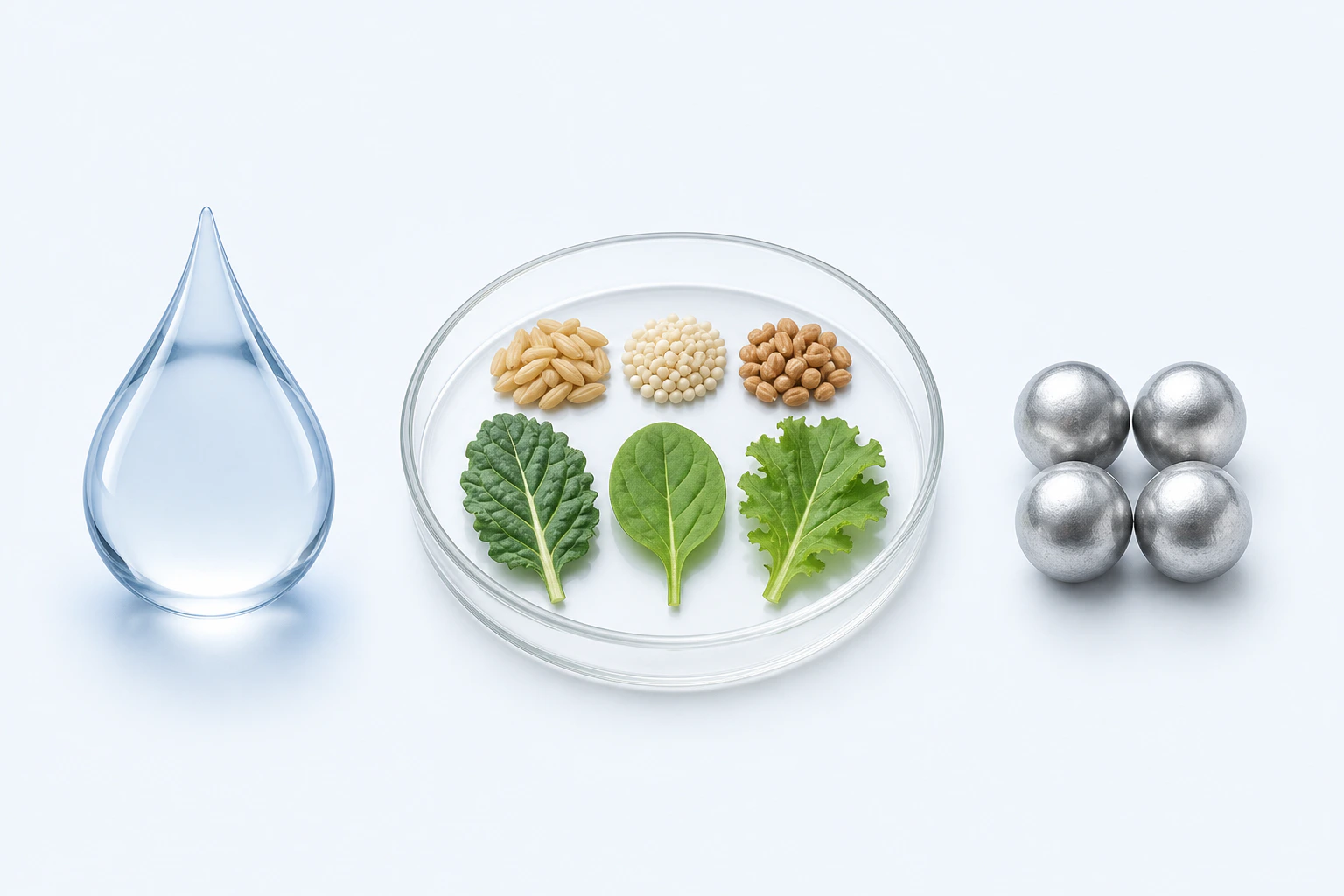
cadmium (Cd) enters the human body primarily through food. Unlike nickel, which has high-concentration food categories that can be avoided, cadmium contamination is diffuse — embedded in staple crops, leafy greens, and grains that form the basis of most dietary patterns…
lead (Pb) has no safe level of exposure. Unlike most dietary metals, lead does not play any known biological role — every atom absorbed represents toxic burden. While environmental lead exposure (paint, soil, air) has decreased dramatically since leaded gasoline phase-o…

Drug repurposing (also called drug repositioning) is the strategy of identifying new therapeutic uses for existing approved drugs. It dramatically accelerates the path from bench to bedside because safety, pharmacokinetics, and manufacturing are already established. In …
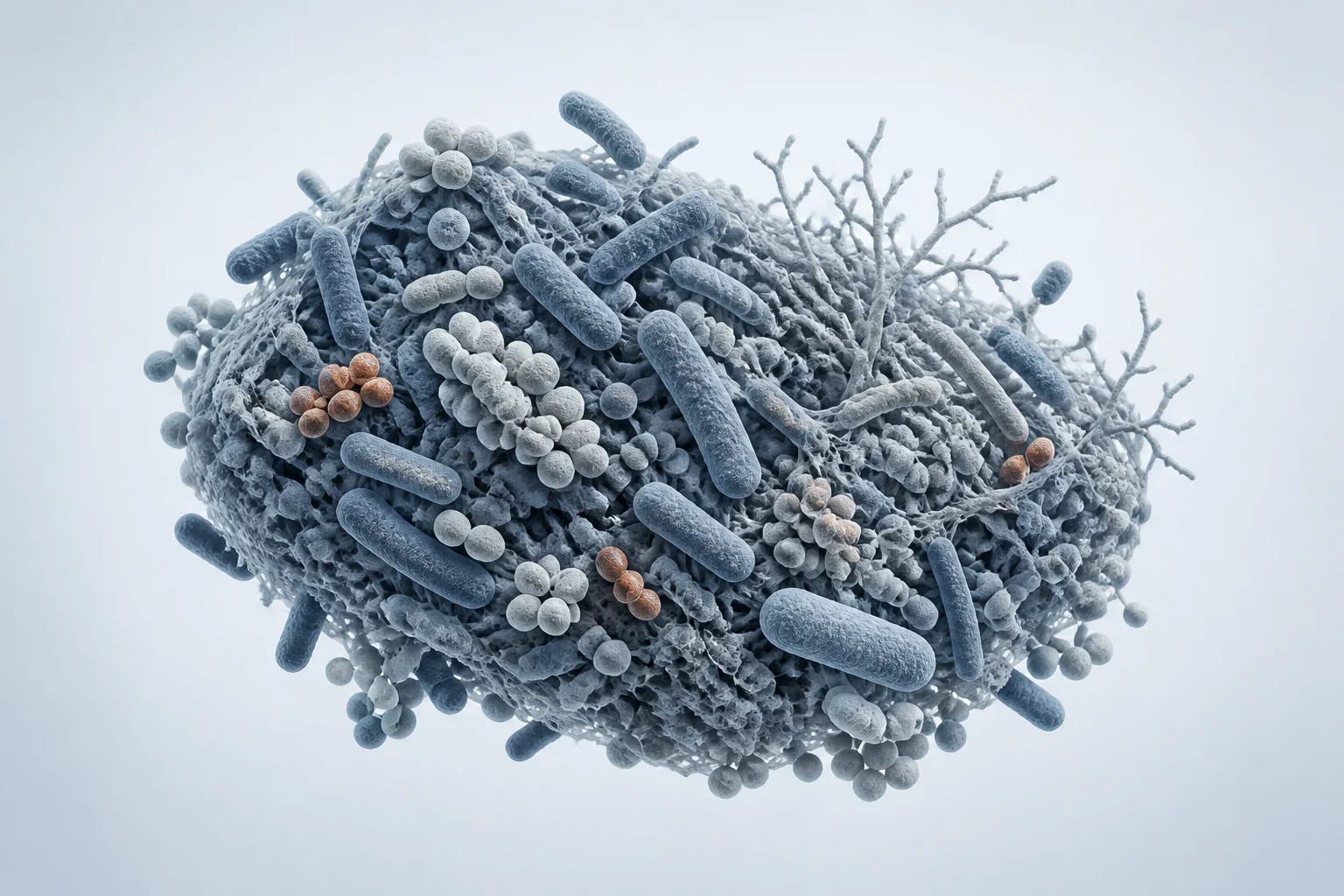
Disruption of the normal composition and metabolic function of microbial communities, particularly the gut microbiome. In the metallomics context, dysbiosis is both a consequence of metal toxicity and an amplifier of further disease -- creating vicious cycles where meta…
Dysmenorrhea -- painful menstruation -- is the most common gynecological complaint, affecting 50-90% of reproductive-age women. It is classified as primary (no identifiable pelvic pathology) or secondary (caused by conditions such as endometriosis, adenomyosis, or fibro…
Ethylenediaminetetraacetic acid (EDTA) is a synthetic aminopolycarboxylic acid widely used as a chelation agent for heavy metal poisoning, particularly lead. In the microbiome context, EDTA is significant for two reasons: its therapeutic use in metal detoxification and …

Membrane-spanning protein complexes that actively export substrates from the bacterial cell, using energy from ATP hydrolysis or the proton motive force. In the context of metal-microbiome biology, efflux pumps serve a dual role that has profound clinical consequences: …

Endocrine-disrupting chemicals (EDCs) are exogenous substances that interfere with hormone synthesis, secretion, transport, binding, action, or elimination. The classical EDC list -- BPA, phthalates, dioxins, PCBs, pesticides -- is well established. What WikiBiome adds …
Exogenous chemicals that interfere with hormone synthesis, secretion, transport, binding, or elimination, mimicking or blocking endogenous hormones at physiologically relevant concentrations. In the metallomics-microbiome framework, endocrine disruptors occupy a critica…

Endothelial dysfunction is the impairment of the vascular endothelium's ability to produce nitric oxide (NO), regulate vascular tone, and prevent thrombosis. It is the earliest detectable stage of atherosclerosis and the mechanistic link between gut dysbiosis, systemic …
Endotoxemia is the presence of bacterial endotoxin (lipopolysaccharide, LPS) in the bloodstream. Metabolic endotoxemia — chronic, low-grade LPS translocation from the gut — is a central mechanism linking dysbiosis to systemic disease across dozens of conditions in this …
Epigenetic modifications — heritable changes in gene expression without altering the DNA sequence — are a primary mechanism through which both heavy metals and the gut microbiome influence disease across the lifespan. The three major epigenetic mechanisms (DNA methylati…
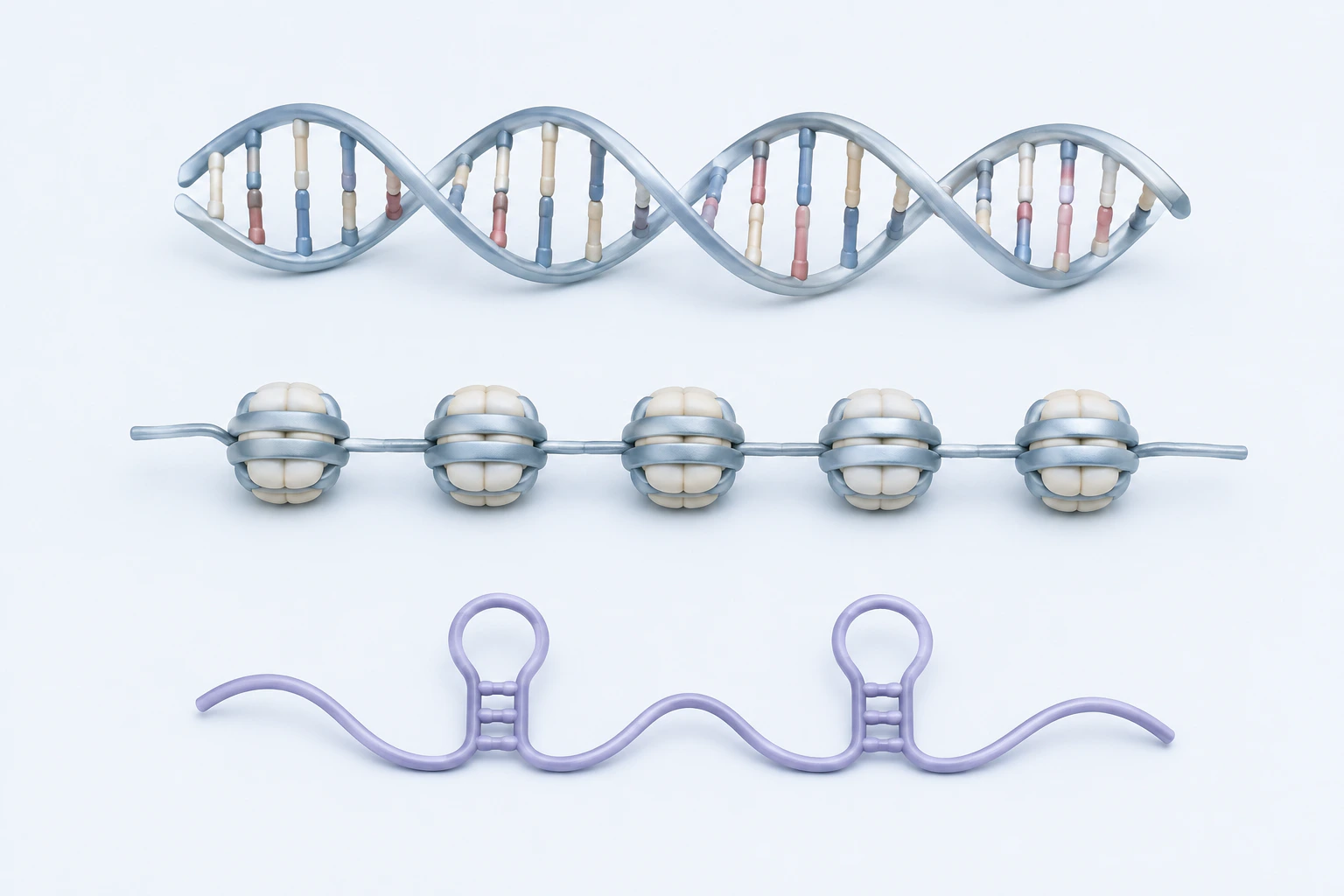
Epigenetics is the study of heritable changes in gene expression that occur without alterations to the DNA sequence itself. These changes -- primarily DNA methylation, histone modifications, and non-coding RNA regulation -- represent a molecular memory system that can b…
Epithelial-mesenchymal transition (EMT) is a cellular program in which polarized epithelial cells lose their cell-cell adhesion and acquire migratory, mesenchymal properties. While essential during embryonic development and wound healing, aberrant EMT activation drives …
Essential oils are volatile aromatic compounds extracted from plants, composed primarily of terpenes, phenylpropanoids, and their oxygenated derivatives. In the WikiBiome context, essential oils are relevant not as aromatherapy but as sources of bioactive molecules with…
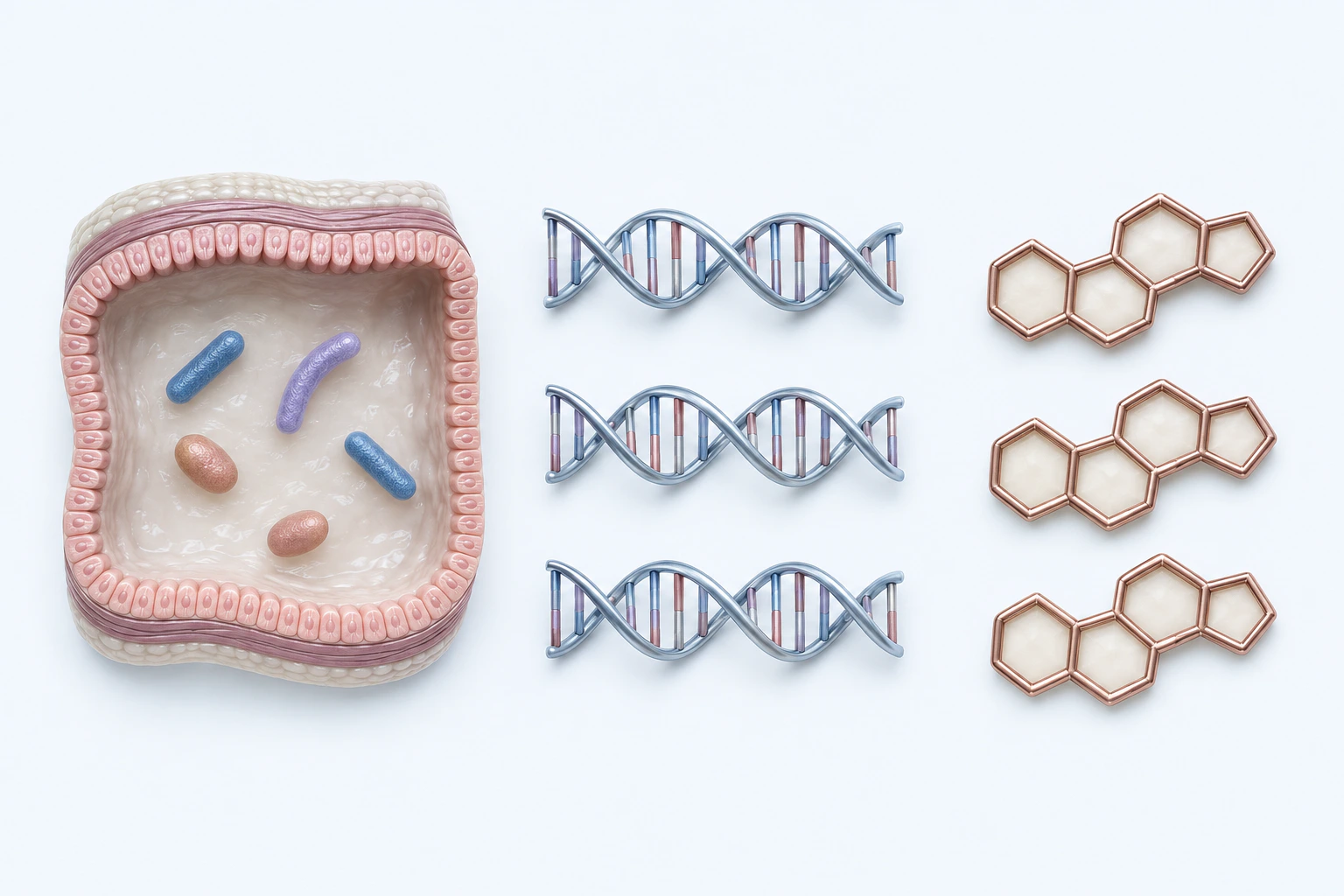
The estrobolome is the aggregate of enteric bacterial genes whose products are capable of metabolizing estrogens. First proposed by Plottel and Blaser (2011), the concept describes how the gut microbiome acts as an endocrine organ, modulating circulating estrogen levels…

Estrogen recirculation is the recycling loop by which conjugated estrogens excreted in bile are deconjugated by gut bacterial beta glucuronidase, reabsorbed across the intestinal epithelium, and returned to systemic circulation uzuner 2023 bidirectional relationship end…
The farnesoid X receptor (FXR), also known as NR1H4, is a nuclear receptor that functions as the primary bile acid sensor in the body. Activated by bile acids — especially chenodeoxycholic acid (CDCA) — FXR regulates bile acid synthesis, cholesterol metabolism, glucose …
The transfer of processed stool from a healthy donor into a recipient's gastrointestinal tract to restore a disrupted microbial community. FMT is the most direct form of microbiome intervention -- replacing the entire community rather than supplementing individual strai…
Gut barrier dysfunction -- colloquially "leaky gut" -- is the pathological increase in intestinal permeability that permits translocation of bacteria, bacterial products (LPS, peptidoglycan), metals, and dietary antigens from the gut lumen into the systemic circulation.…
Bidirectional communication between the gut microbiota and the central nervous system, mediated by neural (vagus nerve, enteric nervous system), immune (cytokines, microglia), endocrine (HPA axis), and metabolic (SCFAs, neurotransmitter precursors, tryptophan metabolite…
The gut-gonadal axis describes the bidirectional communication between the intestinal microbiome and the reproductive endocrine system. Gut bacteria modulate sex hormone levels through enzymatic activity (particularly beta glucuronidase-mediated estrogen deconjugation),…

The gut-kidney axis describes the bidirectional relationship between the gut microbiome and kidney function. As kidney disease progresses, the resulting biochemical changes (uremia, altered pH, fluid shifts) reshape the gut microbiome. The dysbiotic microbiome, in turn,…
The gut-penis axis is an emerging concept describing the systemic pathway by which gut microbiome dysbiosis impairs erectile function through endothelial nitric oxide (NO) suppression and chronic inflammation. Though less established than the gut-brain or gut-heart axes…

The gut-prostate axis describes the bidirectional communication between the gut microbiome and the prostate gland. Gut-derived microbial metabolites, inflammatory mediators, and immune signals influence prostatic health, while prostatic disease states alter systemic inf…
The gut-testis axis describes the bidirectional communication between the gut microbiome and the male reproductive system. Gut-derived microbial metabolites, immune signals, and systemic inflammatory mediators influence testicular function, testosterone biosynthesis, an…
The gut-thyroid axis describes the bidirectional communication between the gut microbiome and the thyroid gland. The thyroid regulates metabolism, energy homeostasis, and immune function -- and the microbiome influences thyroid physiology at every level: mineral absorpt…
The gut-vagina axis describes the bidirectional relationship between the intestinal and vaginal microbiomes. Emerging evidence shows that gut microbial composition influences vaginal colonization patterns through immune modulation, metabolite exchange, and direct microb…
heavy metals exert some of their most devastating effects on the nervous system. lead, mercury, and arsenic are the three metals with the most extensively documented neurotoxic mechanisms, but cadmium, manganese, aluminum, and nickel also contribute to neurological dama…
Heavy metals is a widely used but chemically imprecise umbrella term for elements discussed because of their density, persistence, environmental occurrence, or toxicity. One common convention uses density above 5 g/cm3, but density alone does not determine biological ha…
Homocysteine is a sulfur-containing amino acid intermediate in the methionine cycle. Elevated plasma homocysteine (hyperhomocysteinemia) is an established risk factor for cardiovascular disease, endothelial dysfunction, and neurodegenerative disease. The gut microbiome …
Horizontal gene transfer (HGT) is the movement of genetic material between organisms outside of parent-to-offspring inheritance. In the gut microbiome, HGT -- primarily mediated by mobile genetic elements (MGEs) including plasmids, transposons, integrons, and integrativ…
Human milk oligosaccharides are a diverse family of over 200 structurally distinct complex sugars found in breast milk. They are the third most abundant solid component of human milk (after lactose and lipids), yet they are not digestible by the infant. Their sole purpo…
Hydrogen sulfide is a gaseous signaling molecule (gasotransmitter) produced by both host enzymes (CBS, CSE, 3-MST) and gut bacteria — primarily sulfate-reducing bacteria (desulfovibrio). Like nitric oxide and carbon monoxide, H₂S has dual roles: physiological signaling …
Hyperaccumulator plants are species that concentrate heavy metals in their tissues at 10–100× the levels found in non-accumulating species growing in the same soil. Over 700 plant species are known hyperaccumulators — primarily for nickel (~530 species), but also zinc, …
Hyperandrogenism -- the clinical or biochemical excess of androgens (testosterone, androstenedione, DHEA-S) -- is a defining feature of polycystic ovary syndrome (PCOS), affecting 60-80% of women with the condition. It manifests as hirsutism, acne, androgenic alopecia, …
Hyperparathyroidism is the overproduction of parathyroid hormone (PTH), a master regulator of calcium homeostasis. While primary hyperparathyroidism (from parathyroid adenoma) is well described, the WikiBiome framework highlights secondary hyperparathyroidism -- the com…