WikiBiomeThe human microbiome encyclopedia
WikiBiome/Search: “microbiota”
Encyclopedia search

Search: “microbiota”

Ranked matches across titles, topics, categories, and article introductions.

80 records in this view
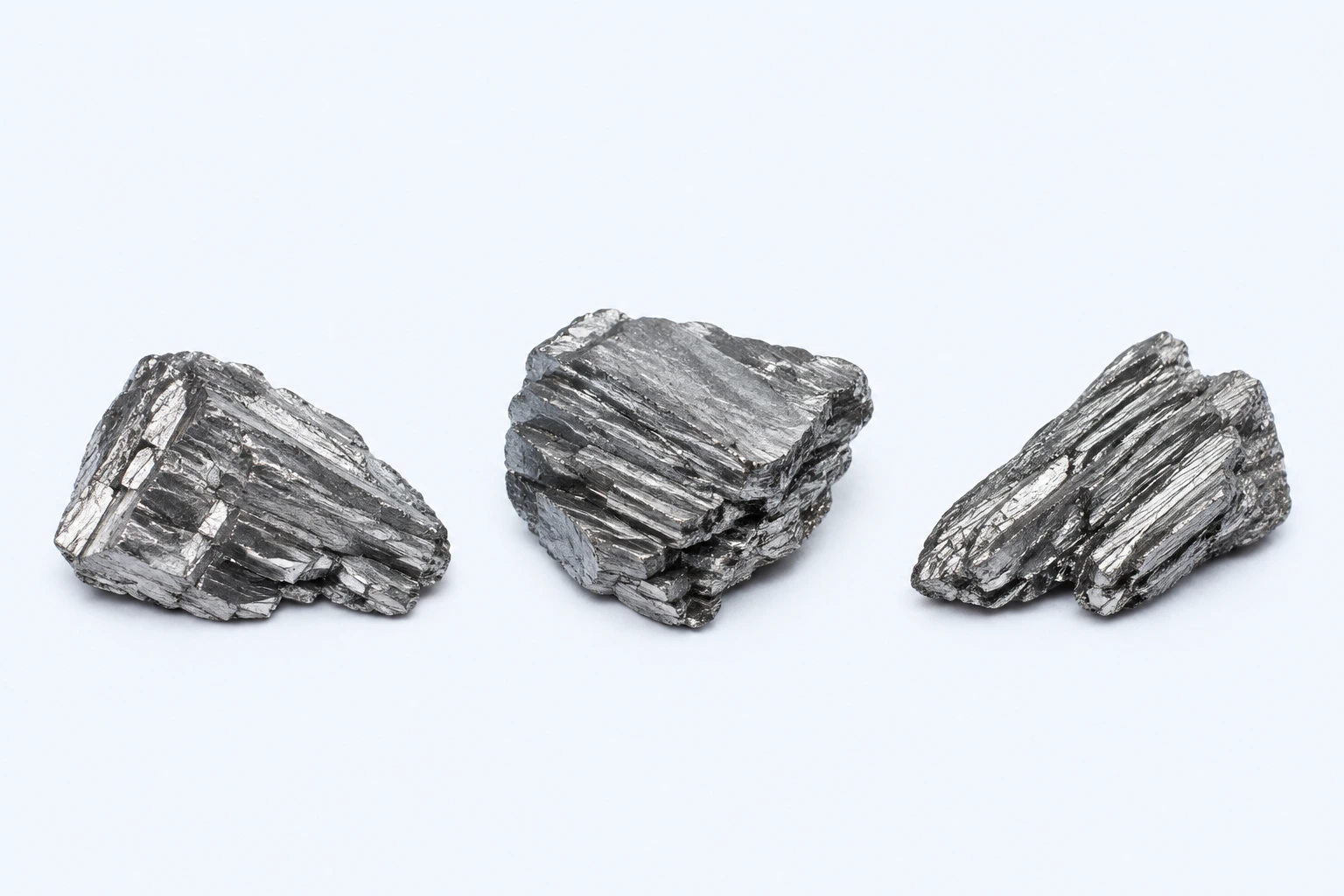
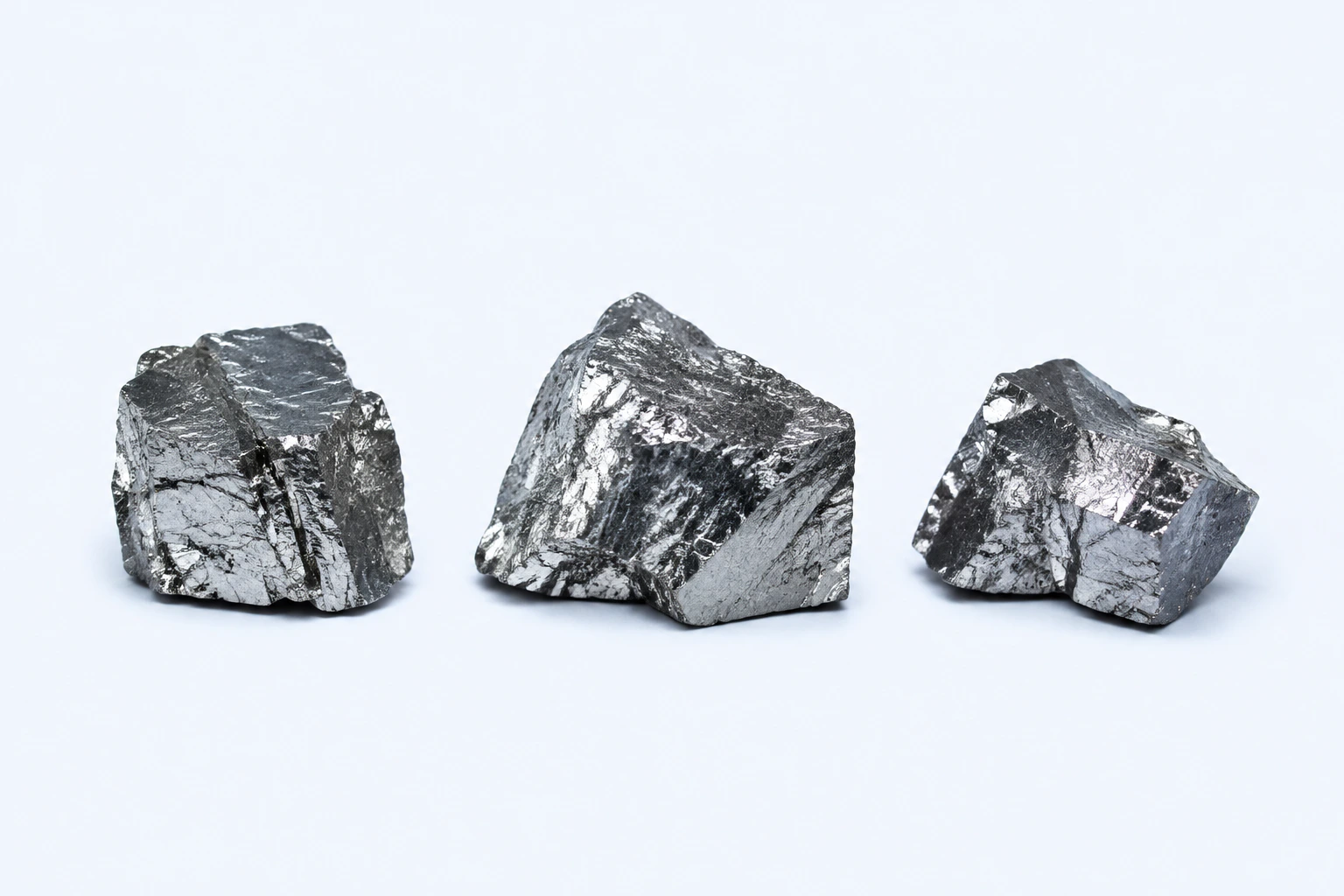
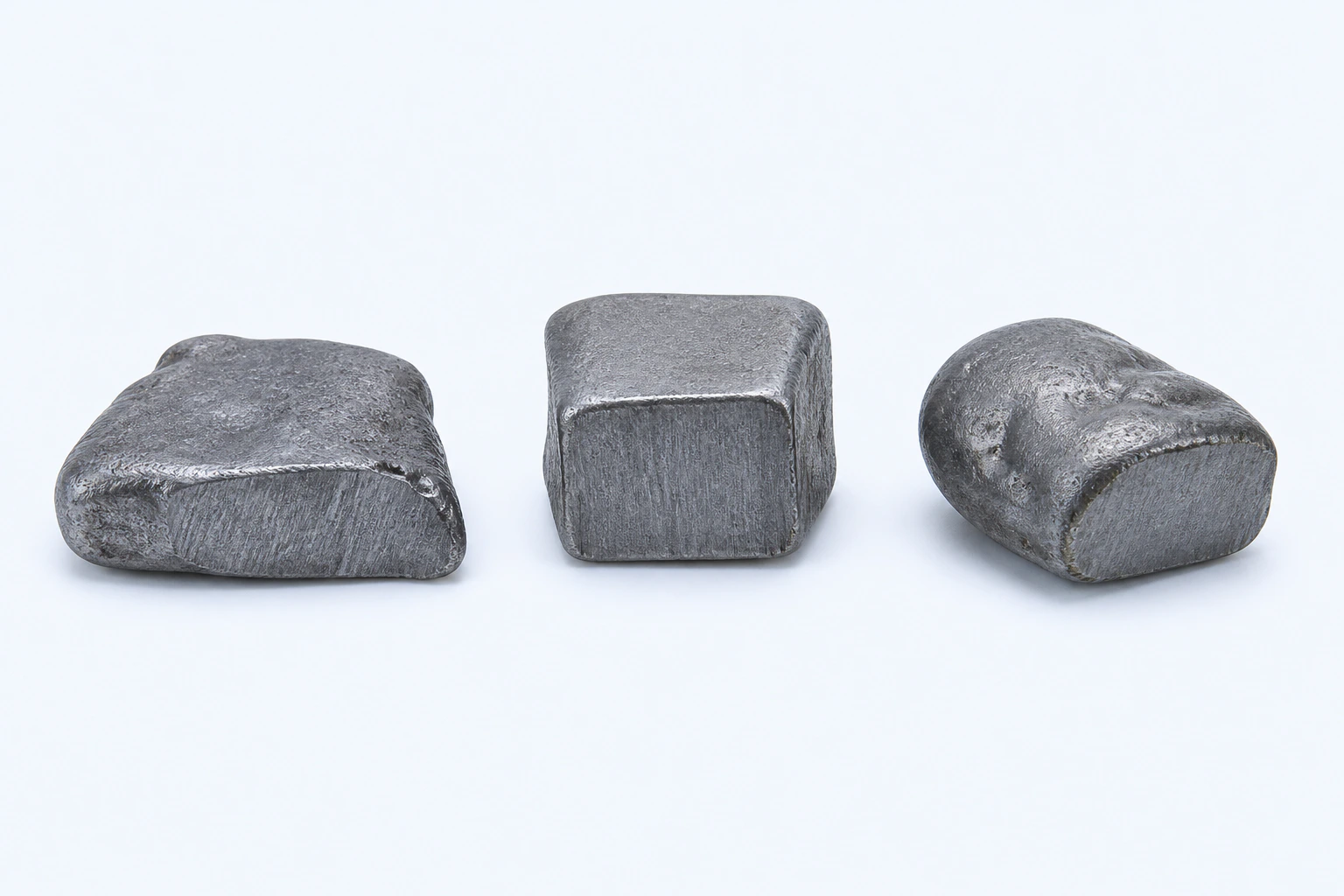
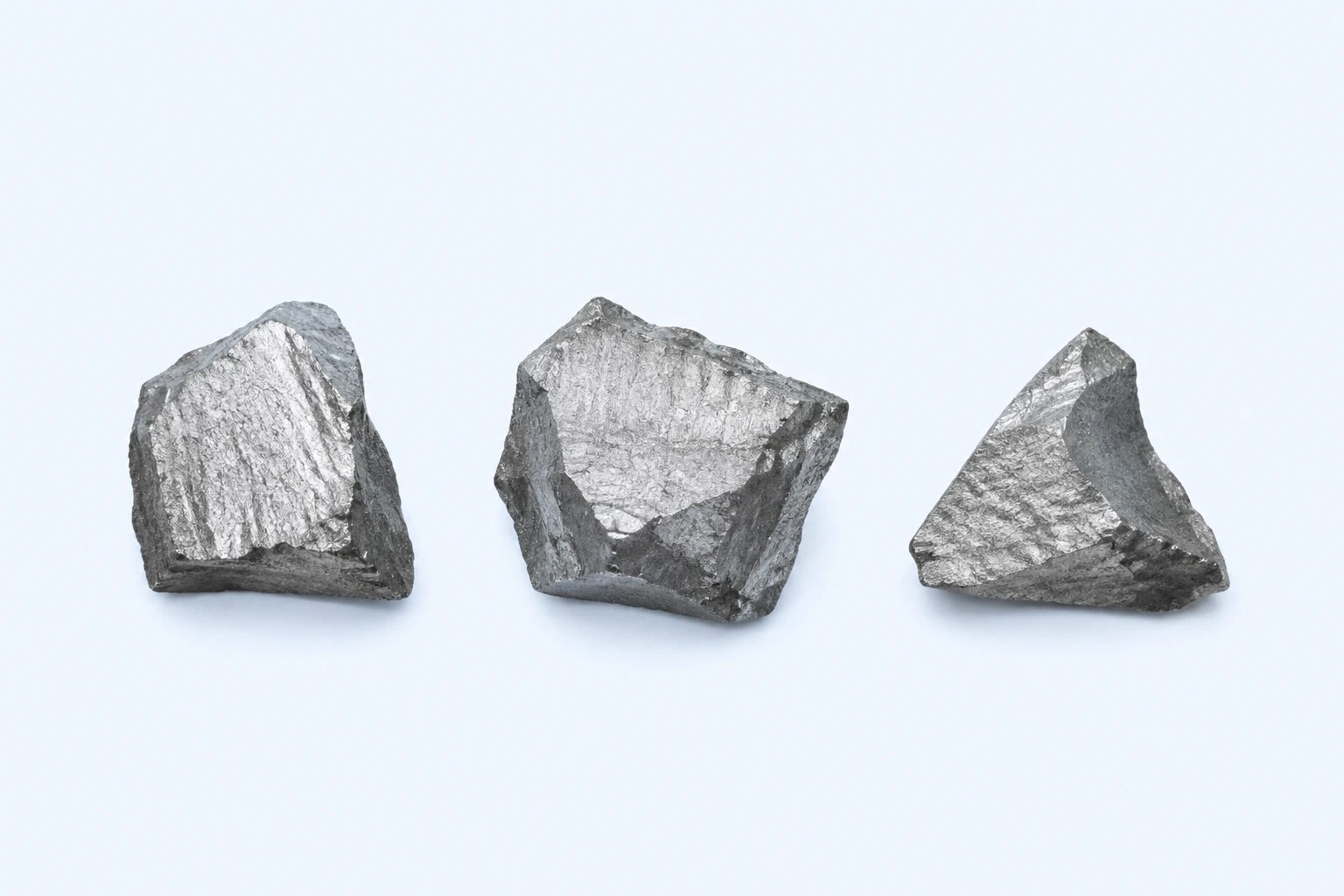
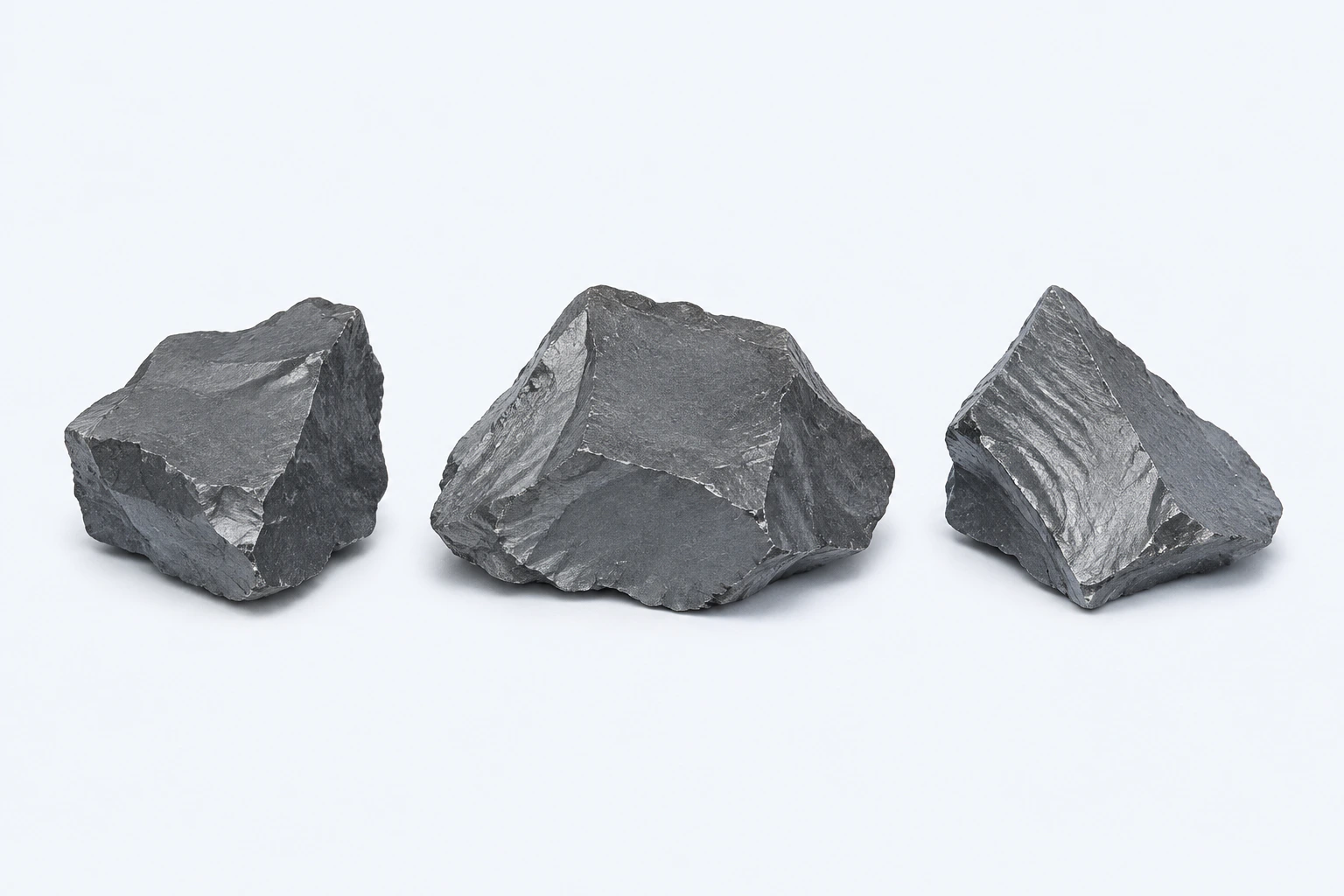
Three gray elemental arsenic fragments with layered brittle crystalline fracture faces.
Metals31 sources

Arsenic

Arsenic is a metalloid and potent carcinogen (IARC Group 1) that ranks among the most widespread environmental toxicants affecting human health. An estimated 225 million people worldwide are chronically exposed through contaminated drinking water alone ghosh 2023 heavy

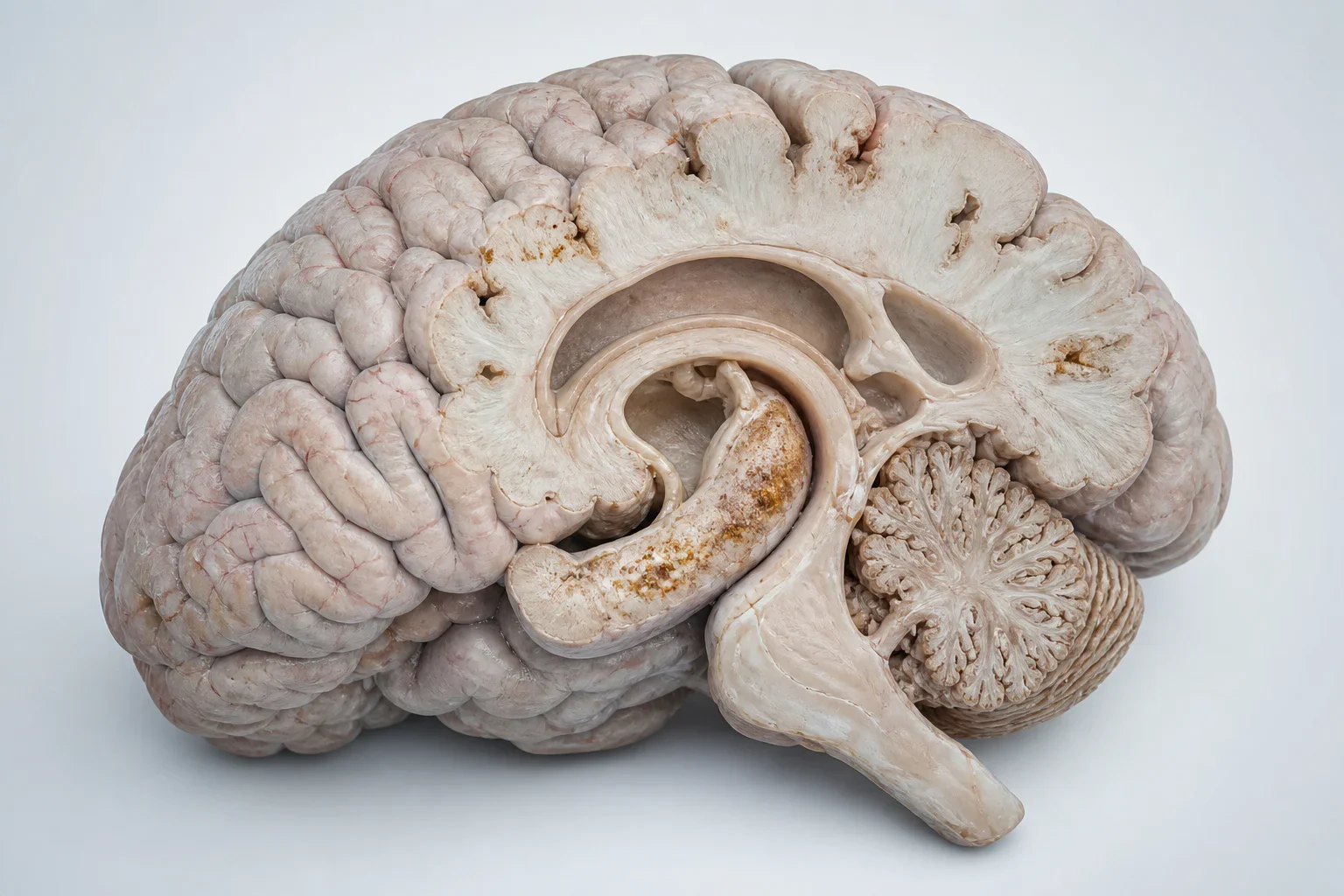
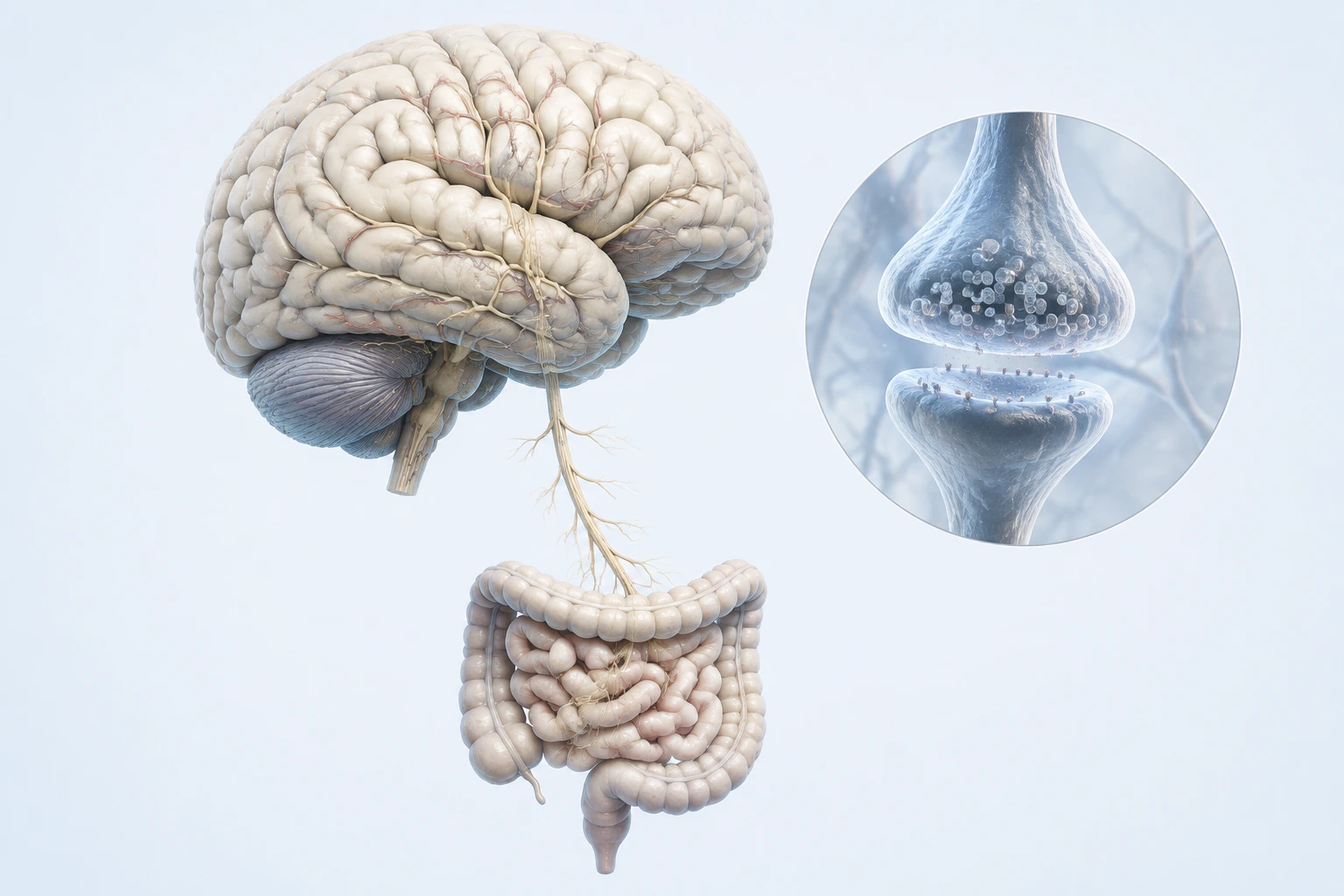
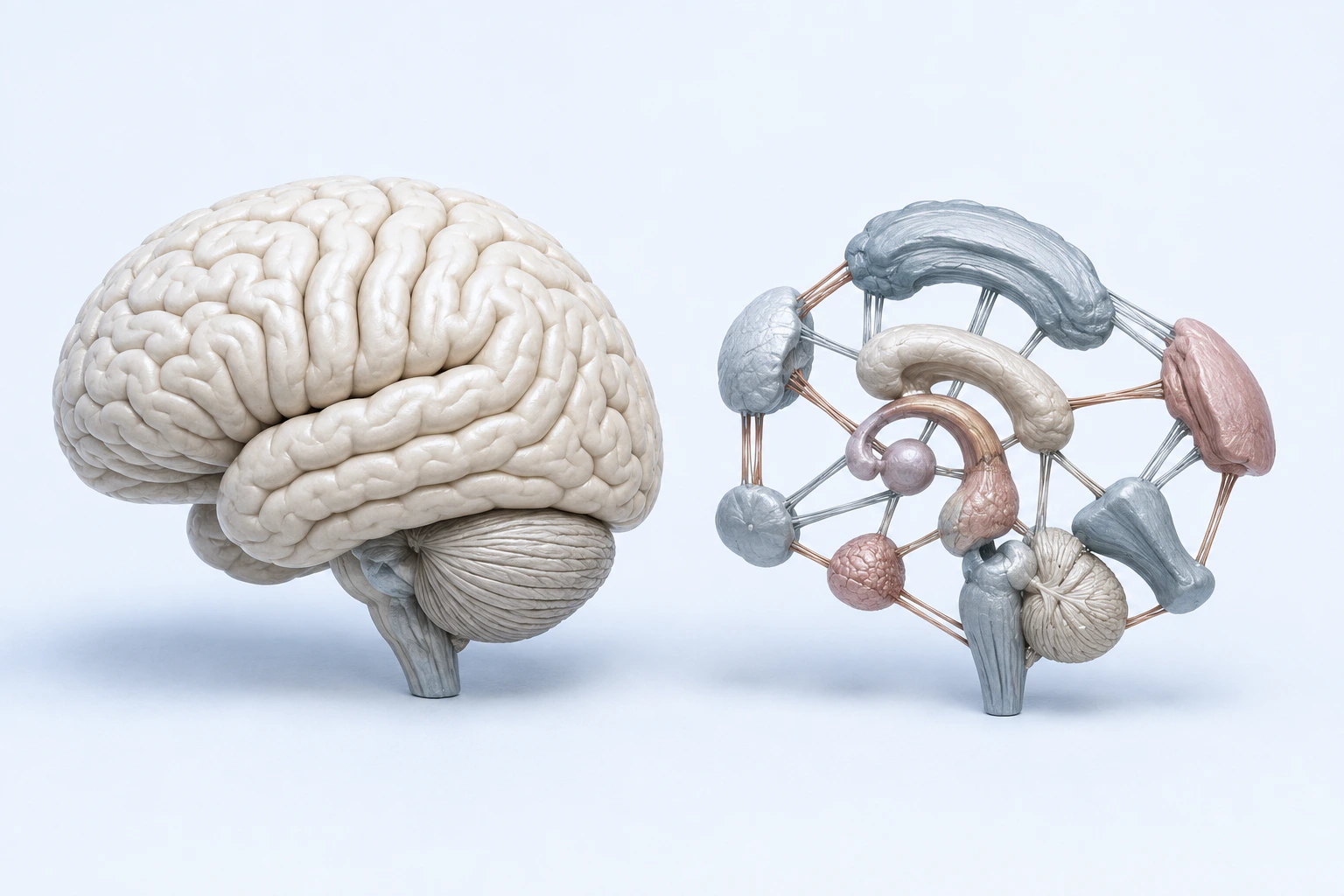
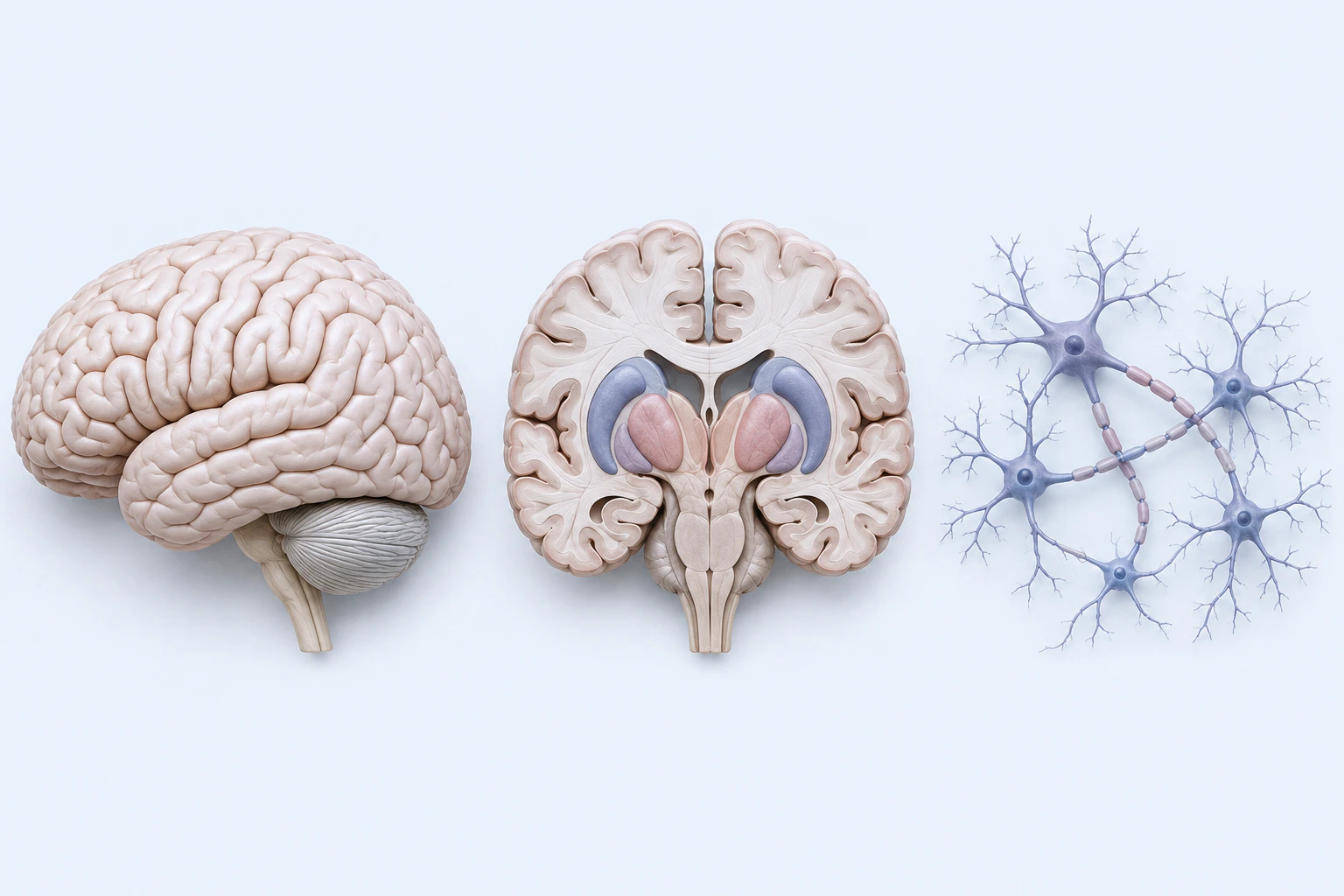
A complete intact brain teaching model appears beside a separate assembly of connected cortical- and limbic-like forms.
Diseases10 sources

Depression

Depression is the most prevalent mental health disorder globally, affecting over 280 million people zhu 2025 microbiota gut brain axis depression review, and one of the most metal-sensitive conditions in this wiki. It sits at the convergence of nearly every pathway cata

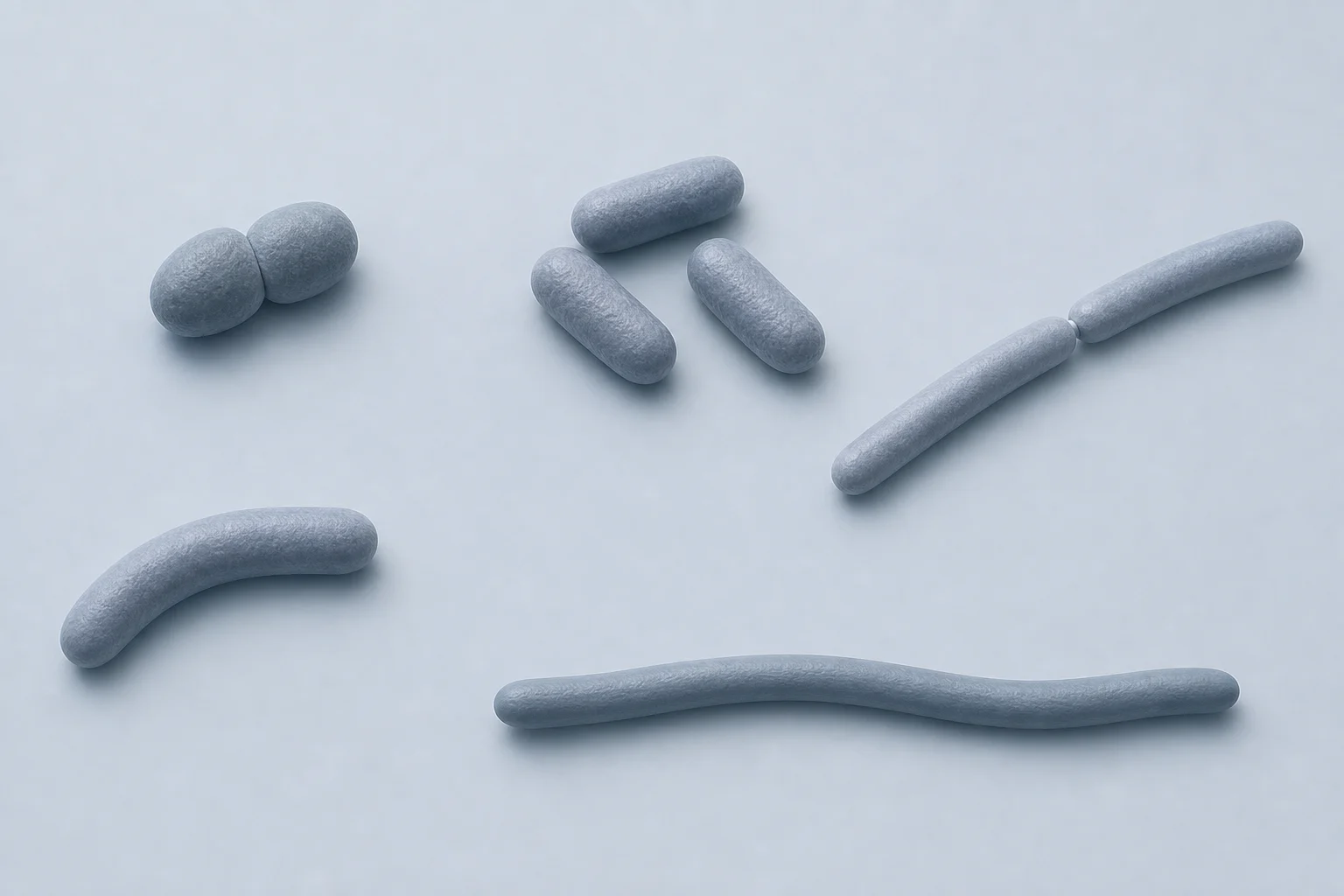
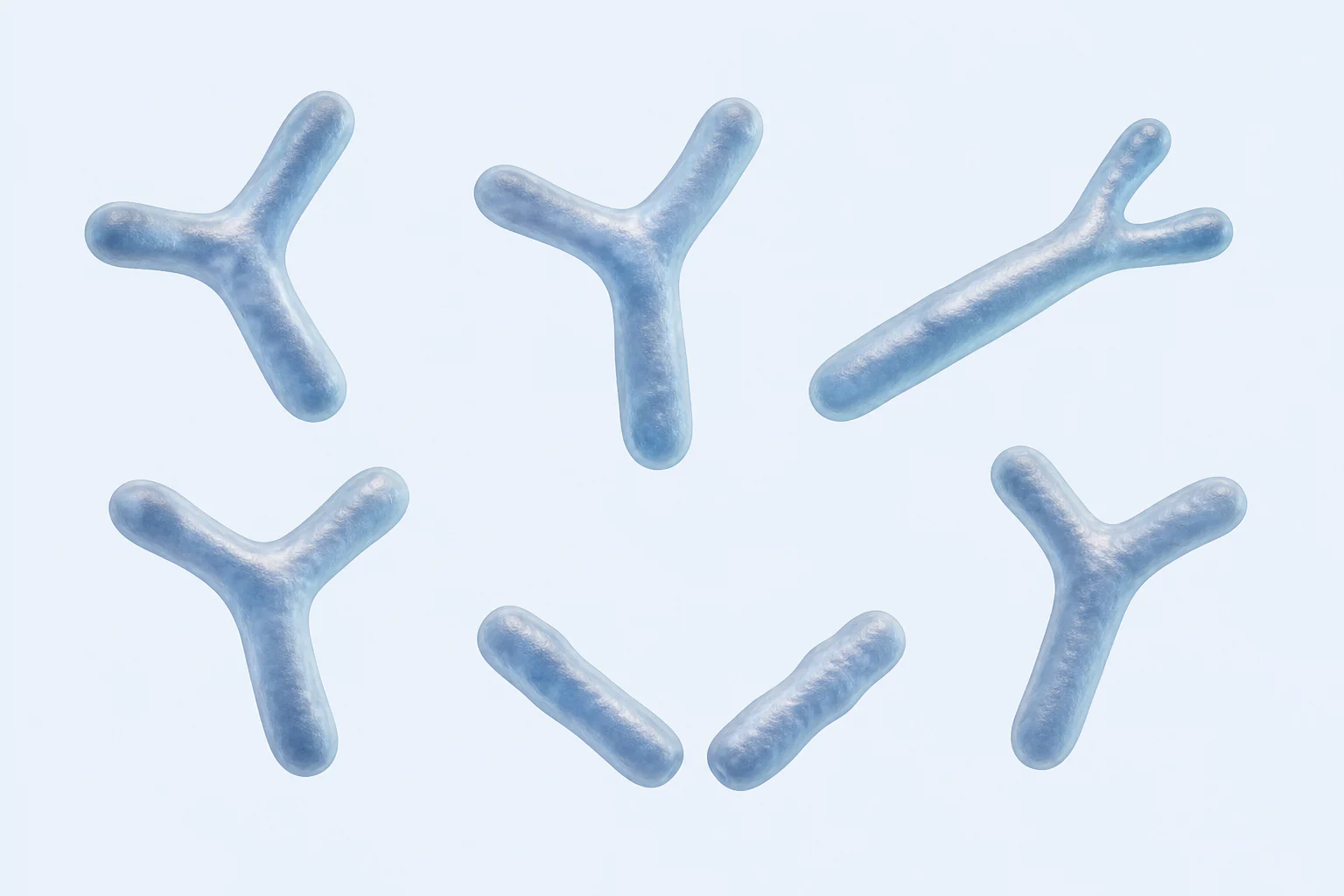
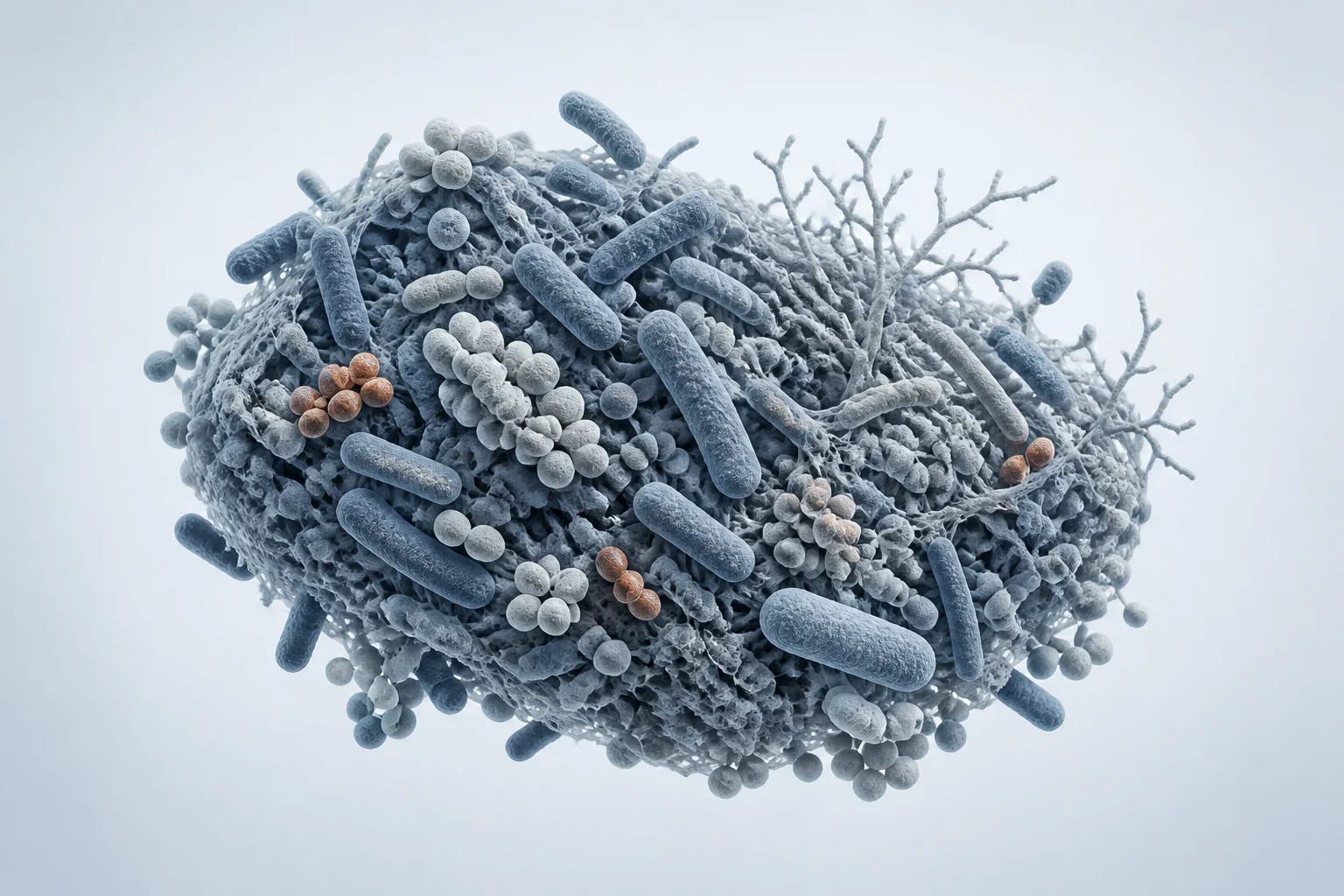
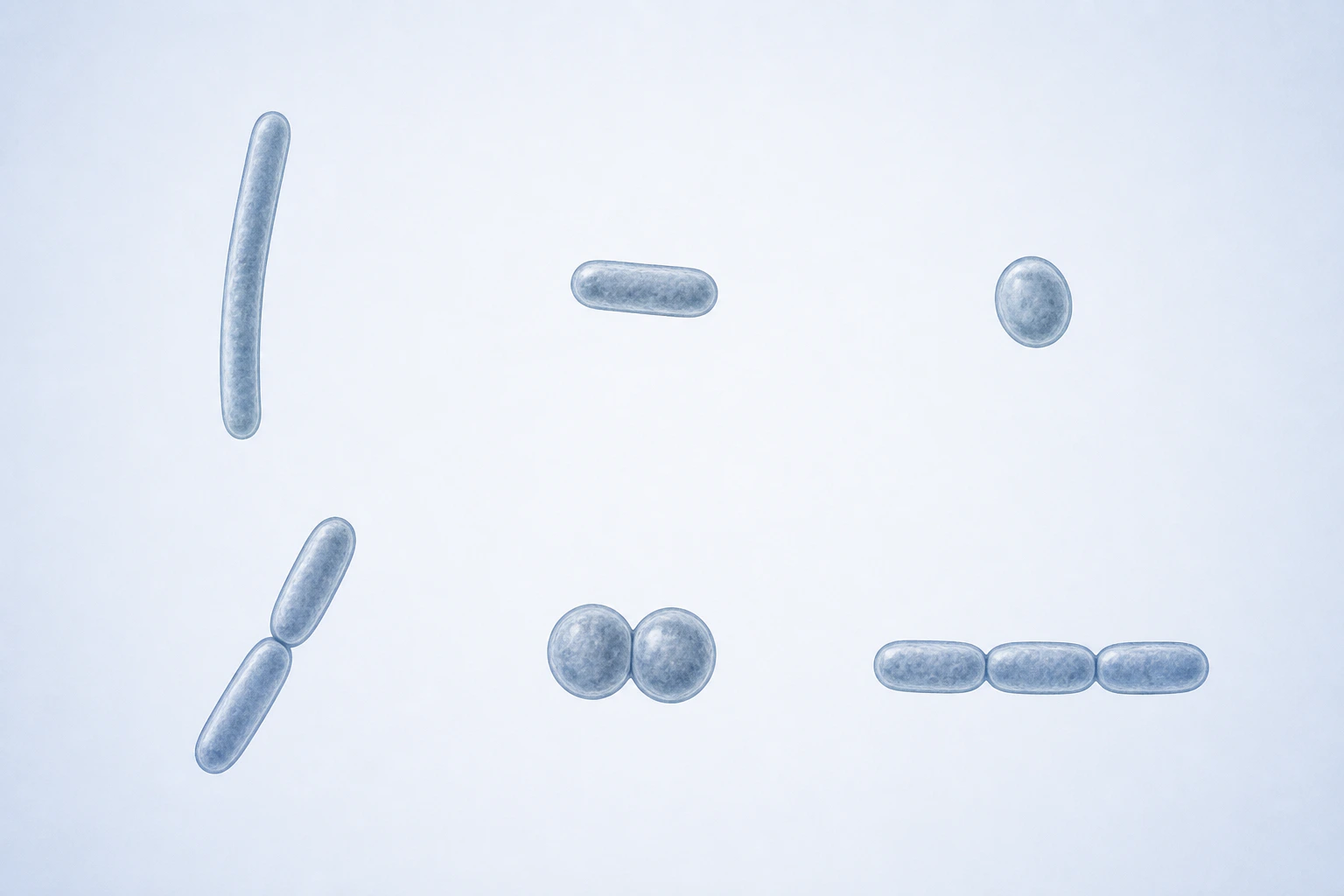
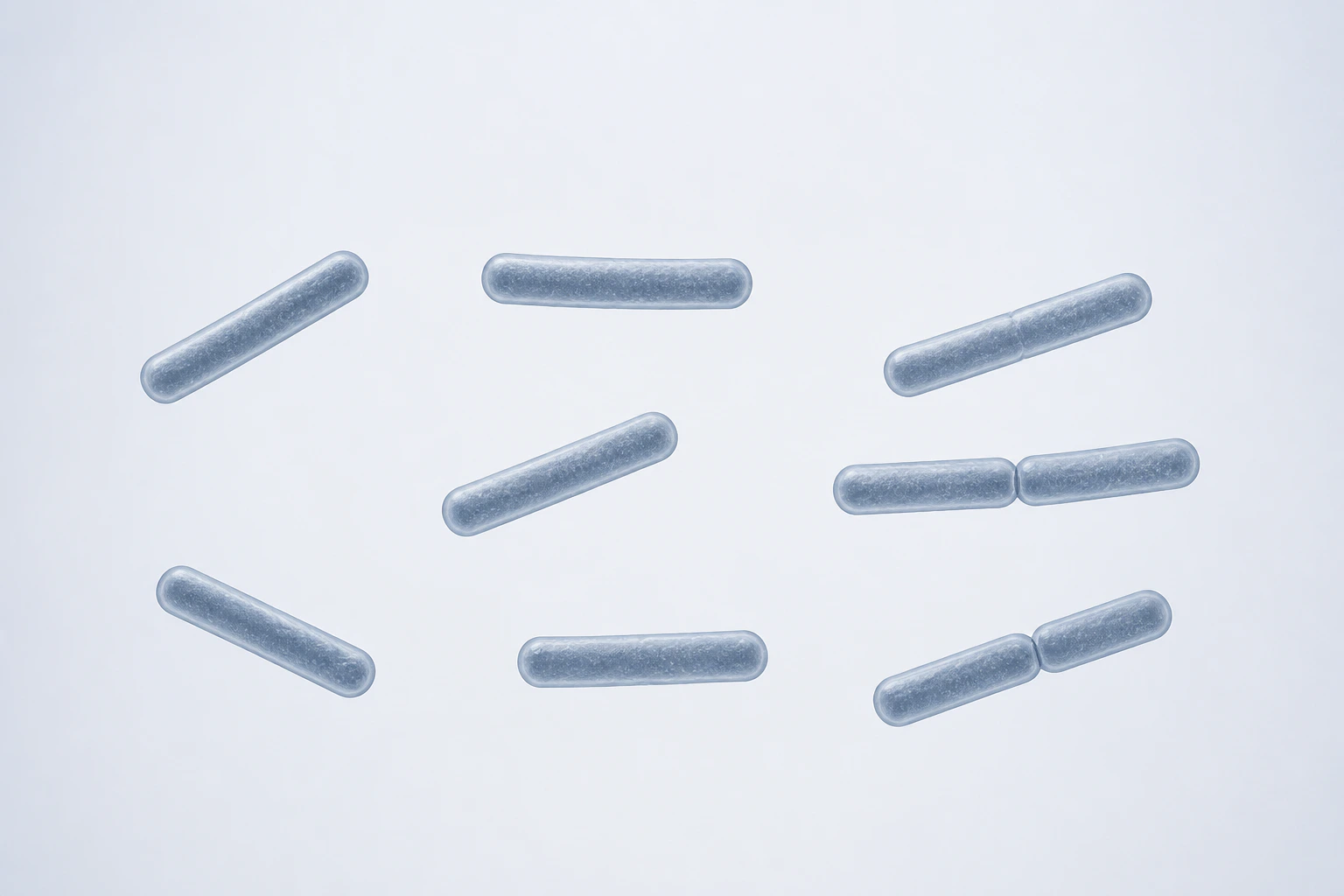
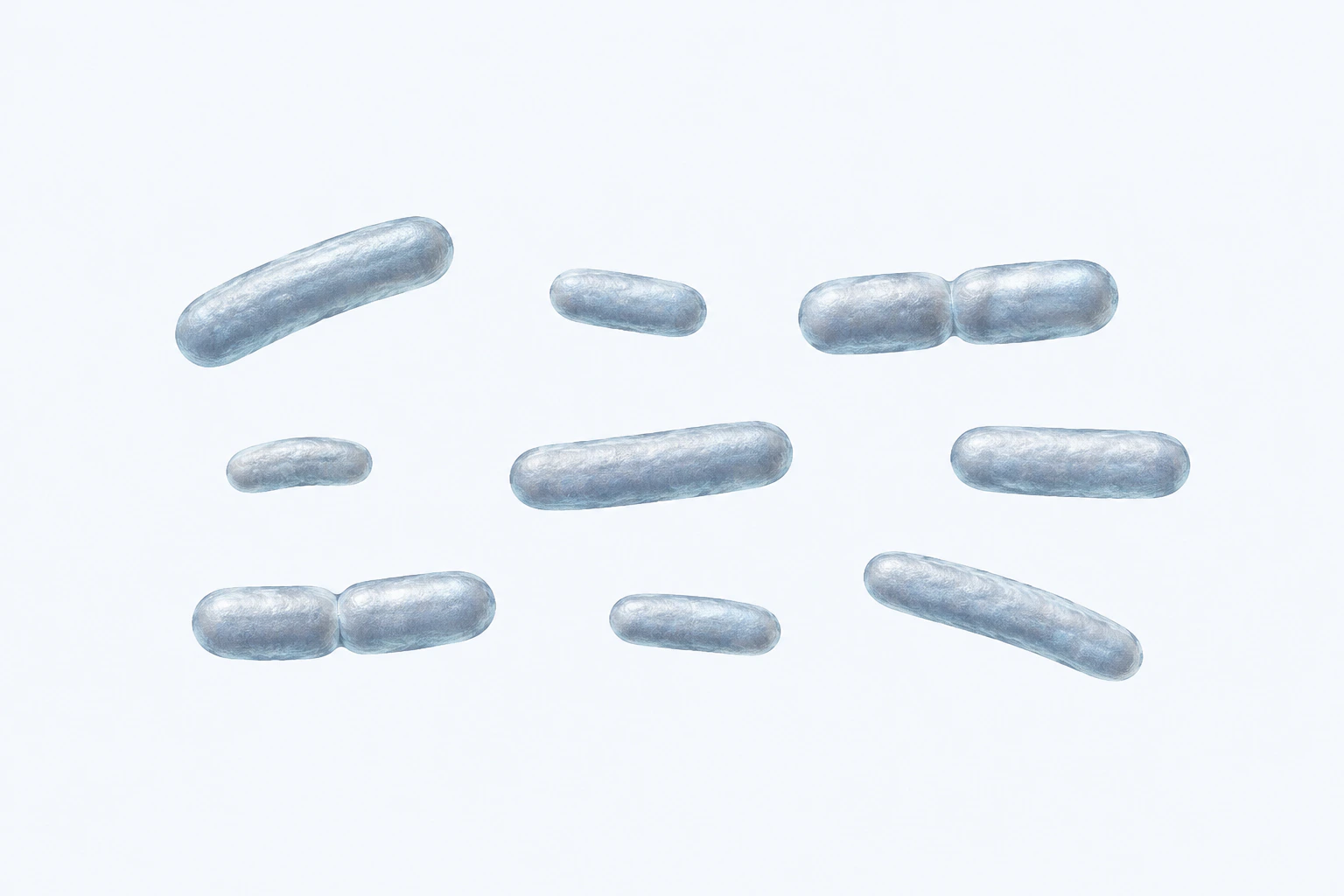
A microscopy-informed mixed microbial community with rods, cocci, curved rods, and branching forms on a pale cool field.
Mechanisms14 sources

Dysbiosis

Disruption of the normal composition and metabolic function of microbial communities, particularly the gut microbiome. In the metallomics context, dysbiosis is both a consequence of metal toxicity and an amplifier of further disease -- creating vicious cycles where meta

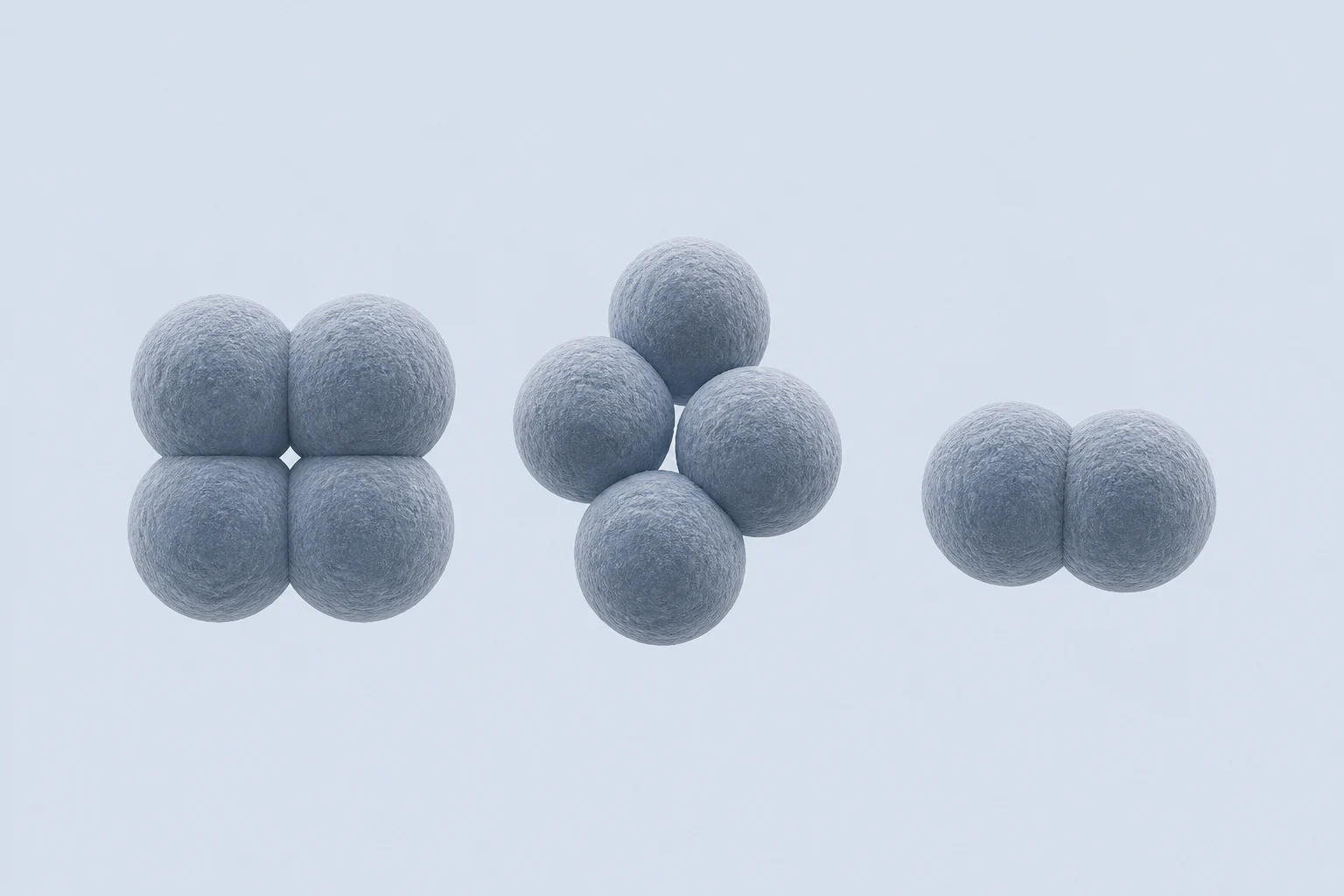
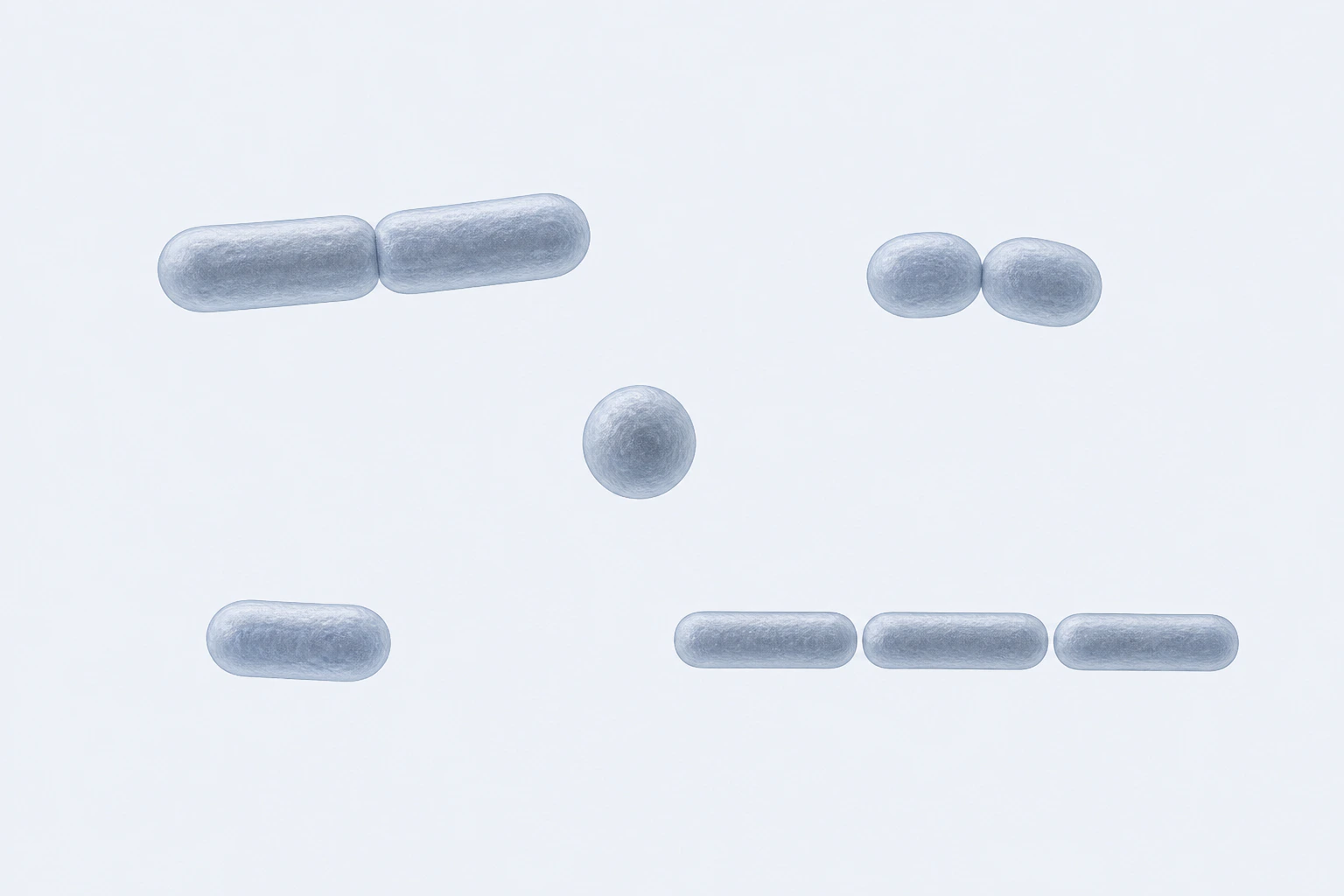
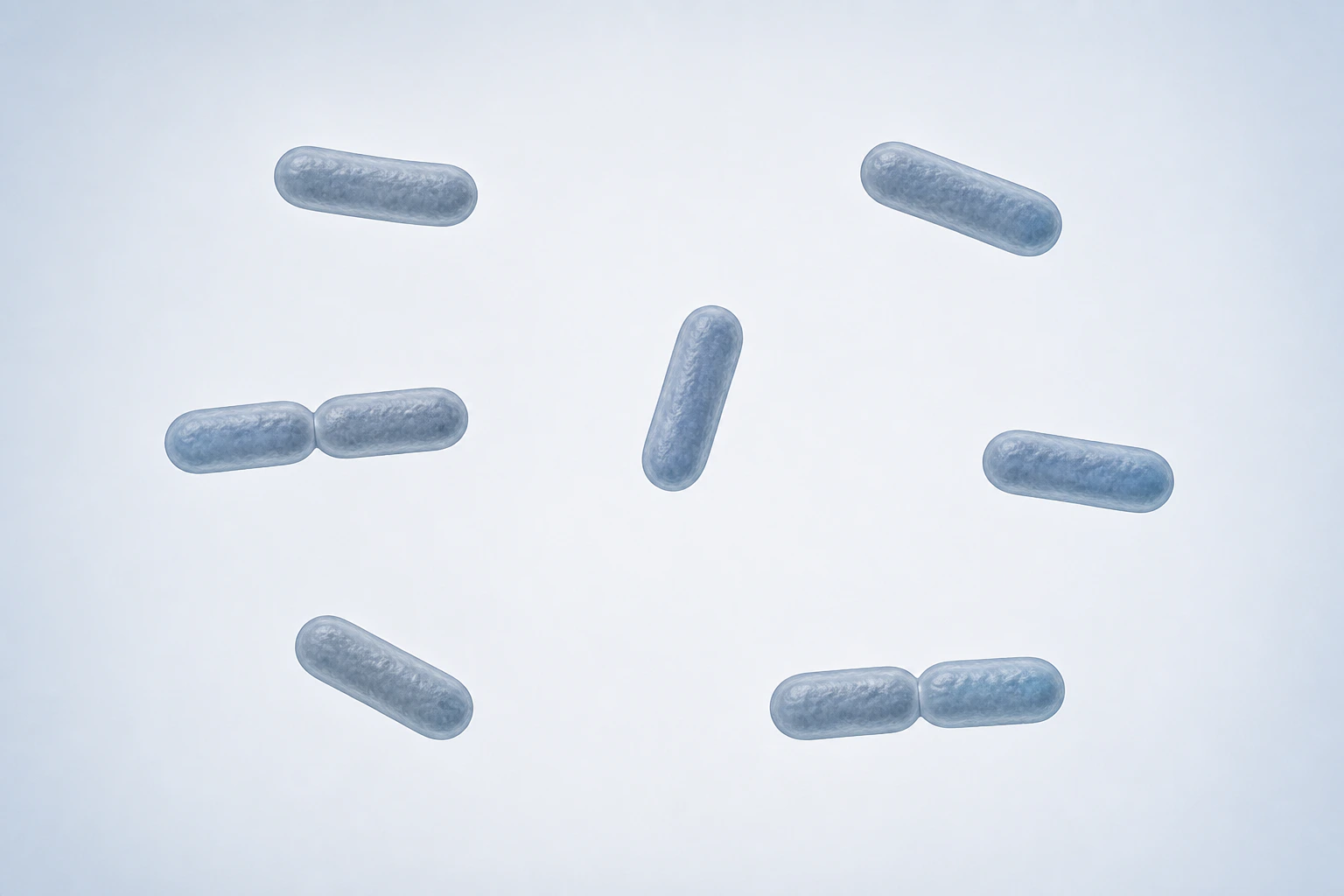
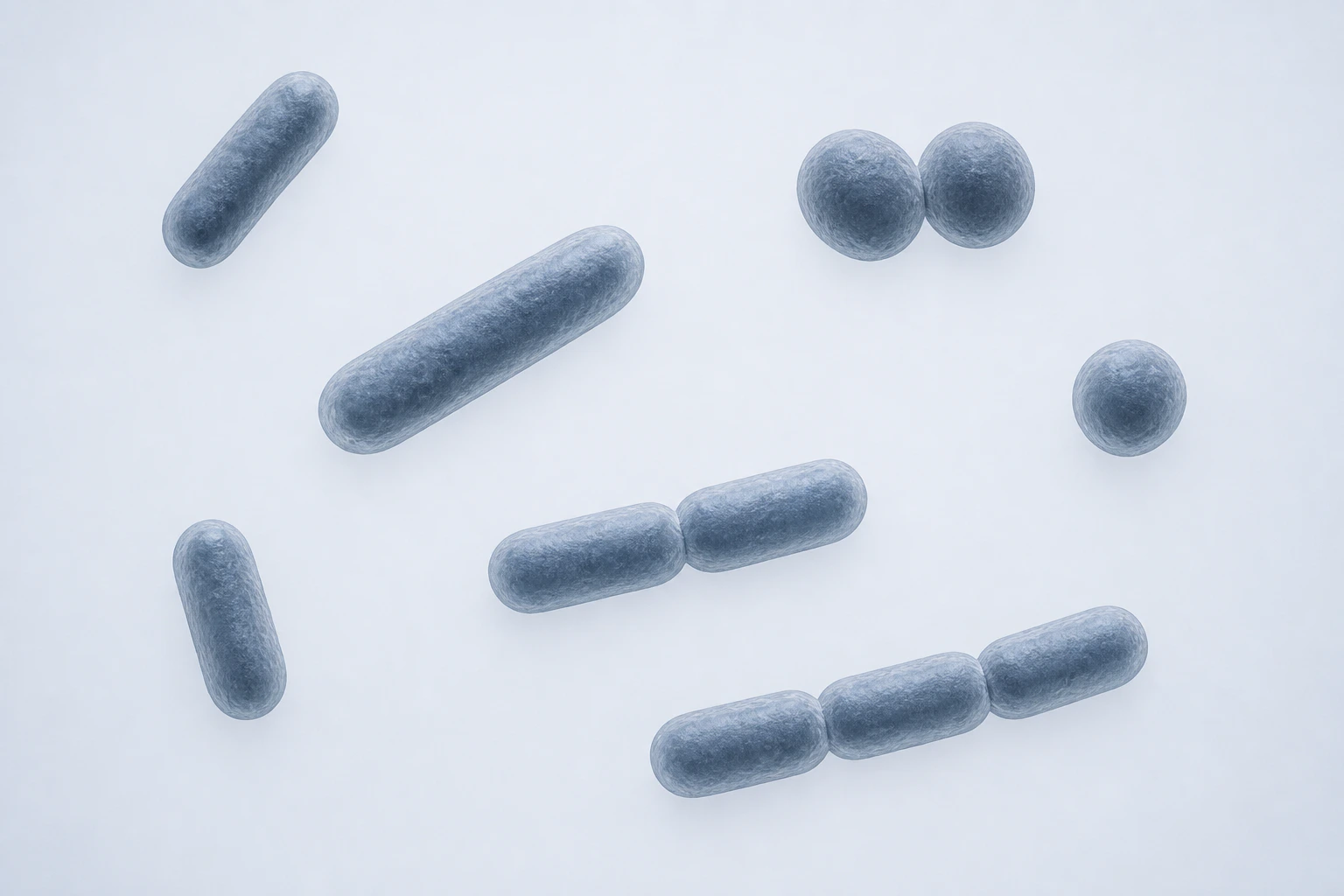
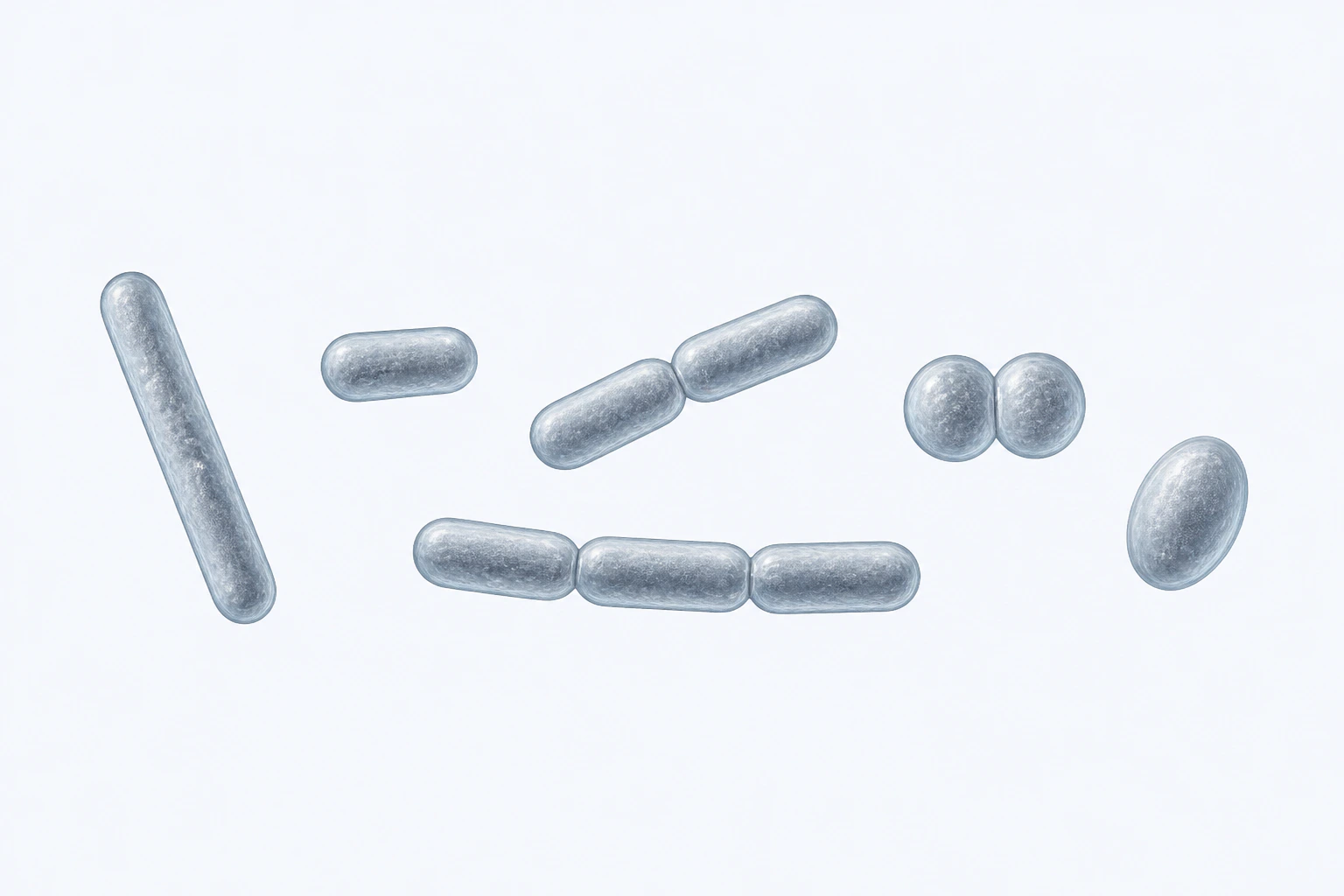
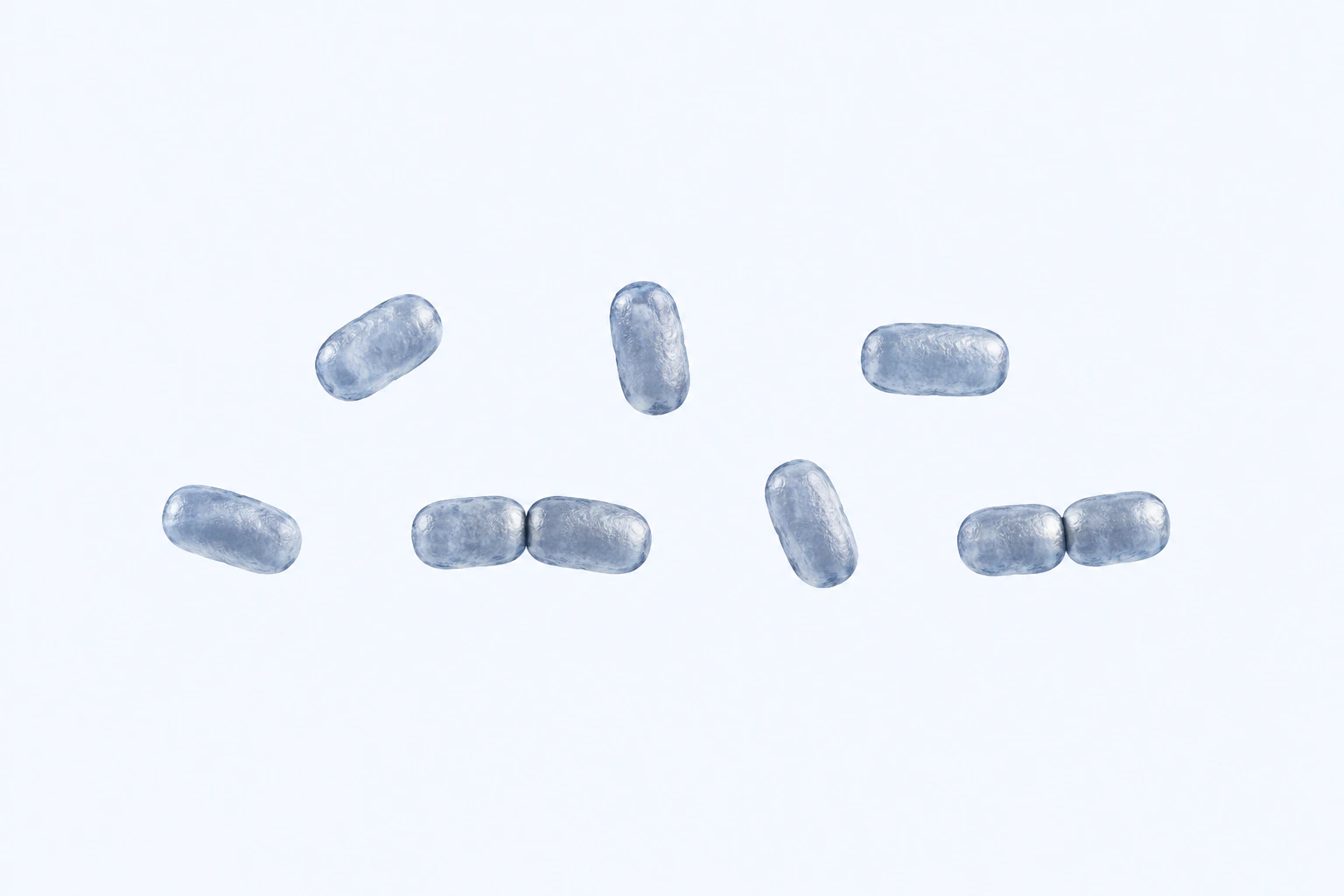
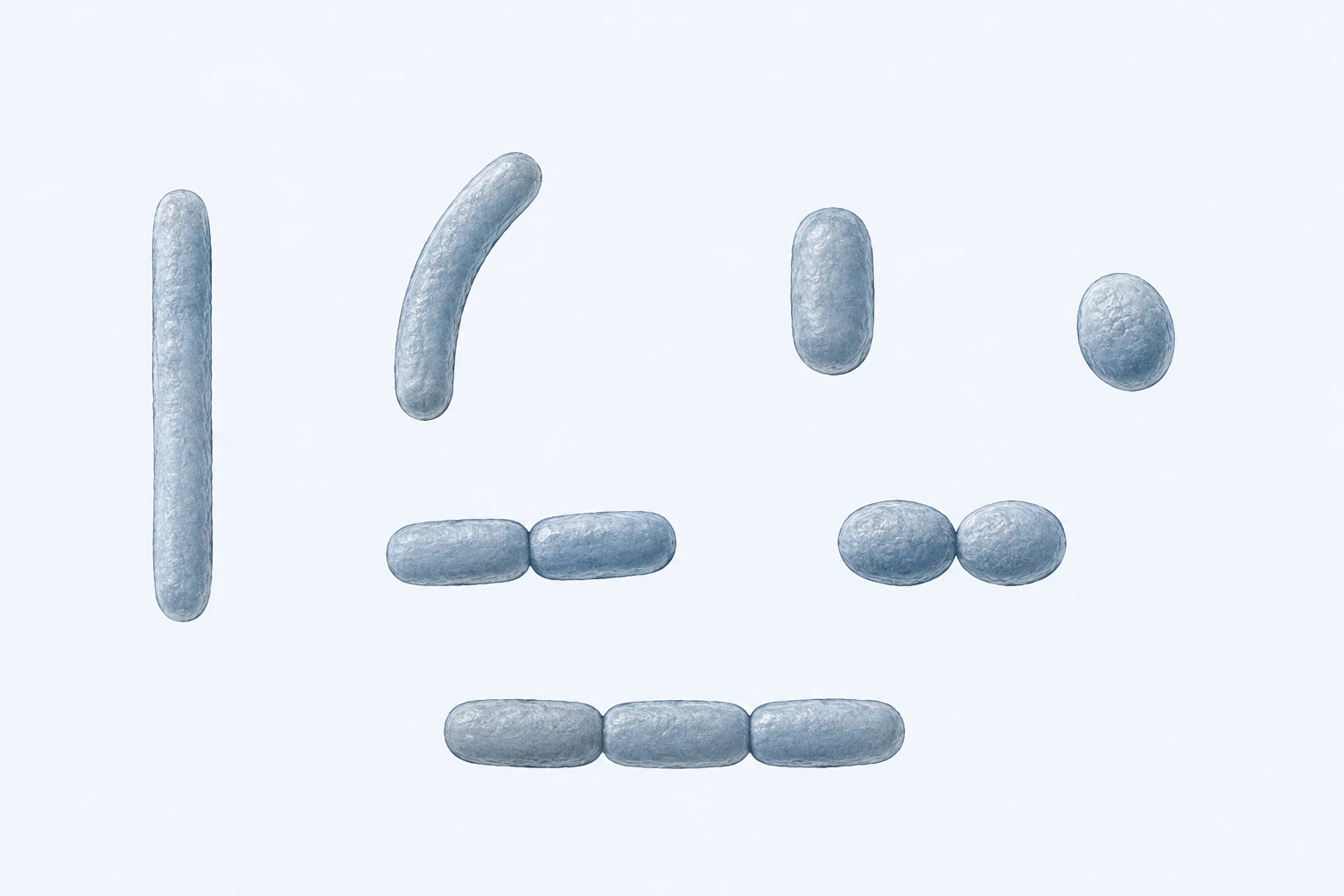
Eleven selected Bacillota bodies appear in seven groupings: three single rods, one single coccoid, one rod pair, one coccoid pair, and one three-rod chain.
Microorganisms10 sources

Firmicutes (Bacillota)

Firmicutes (recently reclassified as Bacillota) is the dominant bacterial phylum in the Western adult gut, comprising the core community of short-chain fatty acid (SCFA) producers that maintain intestinal barrier integrity, regulate immune function, and influence system

Reference0 sources

Glossary

Alphabetical definitions of specialist terms used throughout this wiki. Where a full concept page exists, the term links to it. --- AhR (aryl hydrocarbon receptor) -- A ligand-activated transcription factor that senses microbial metabolites (especially indoles from tryp

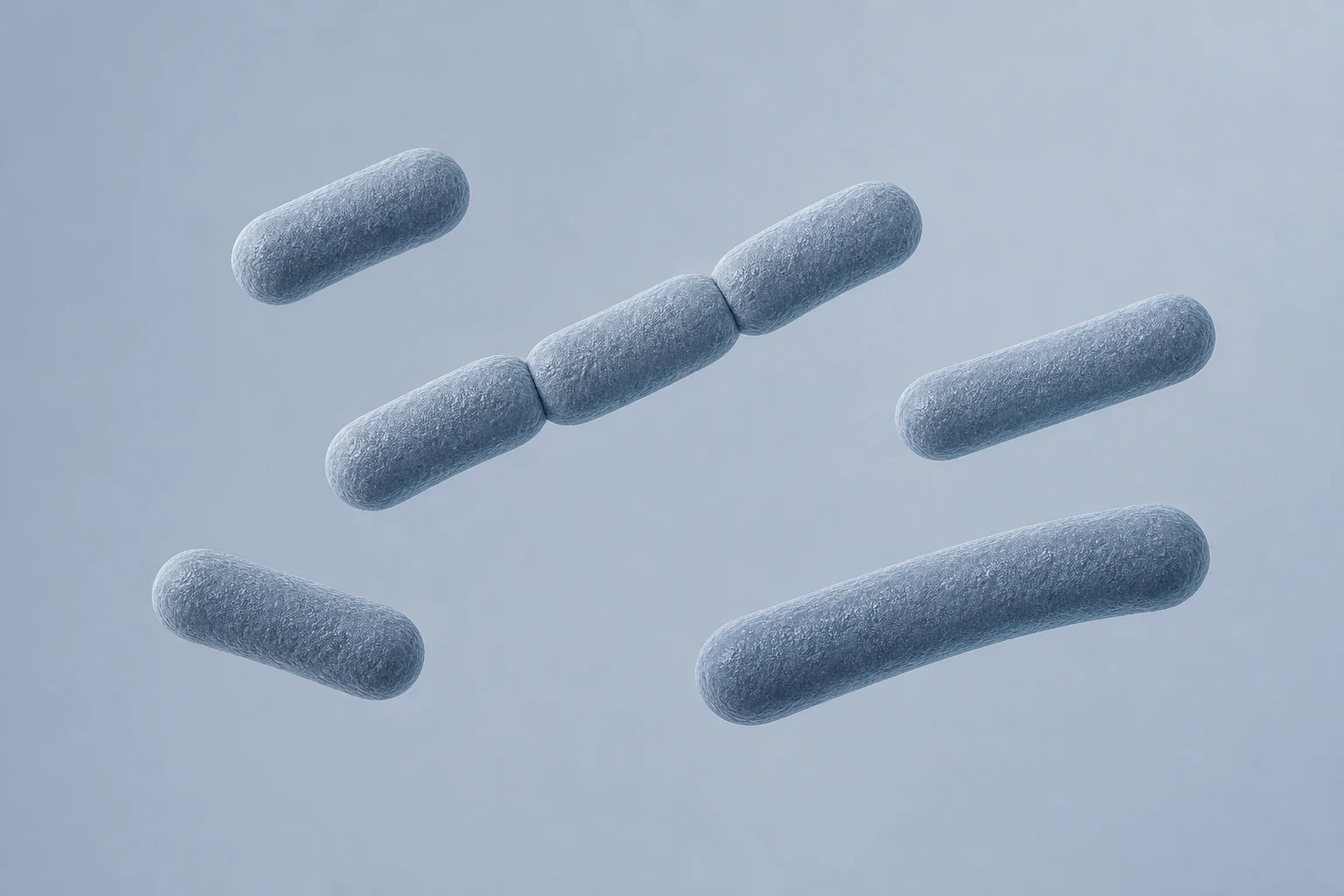
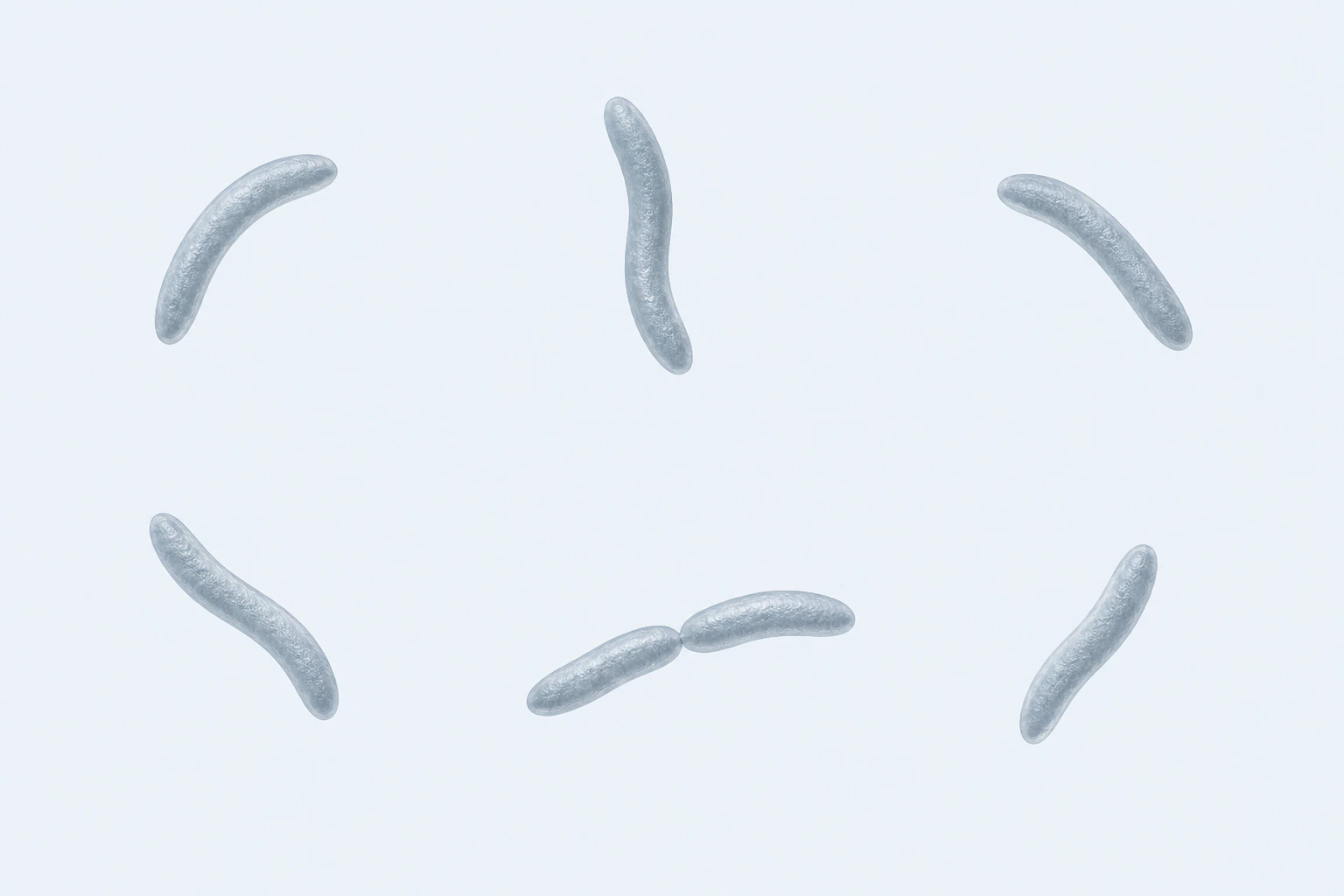
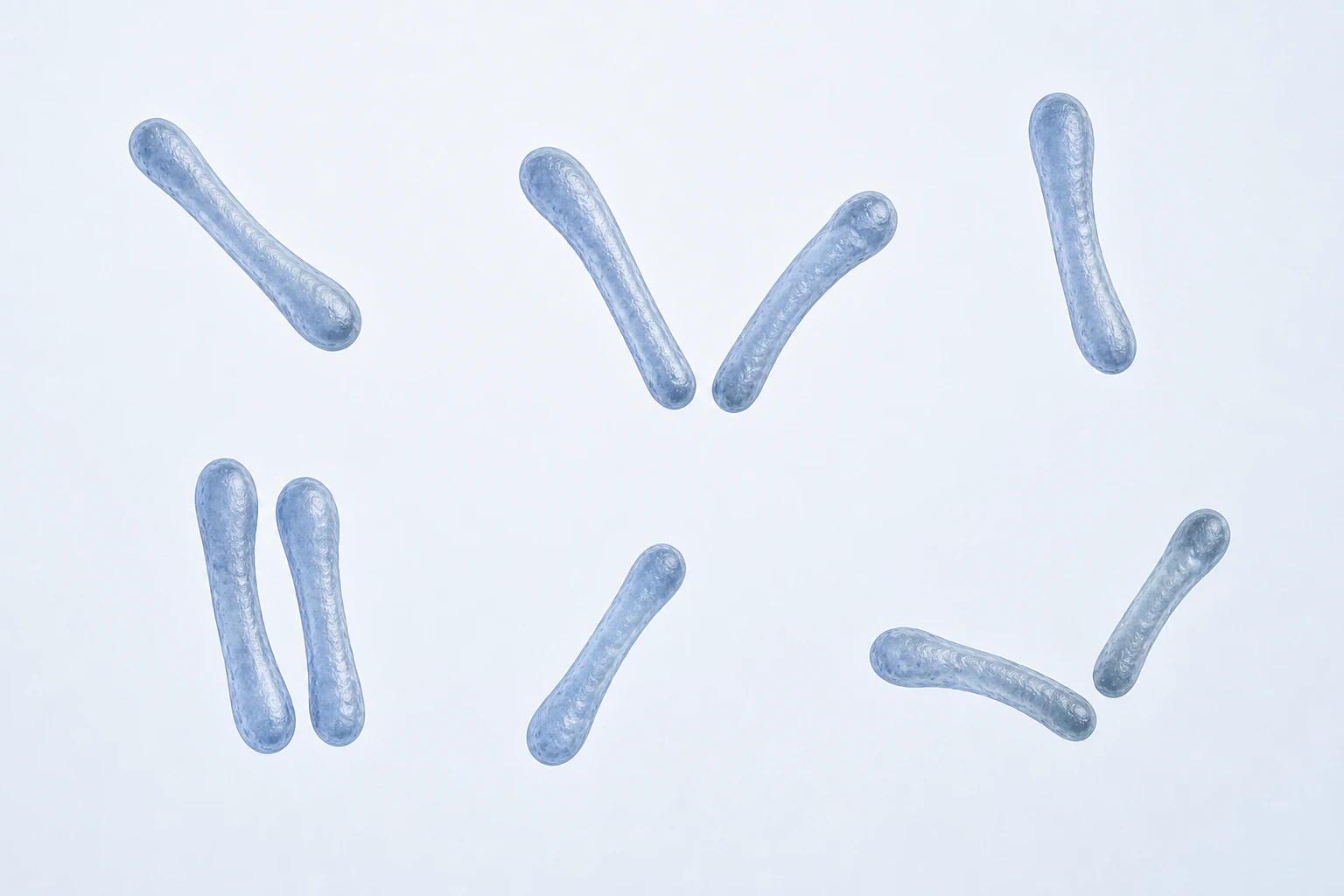
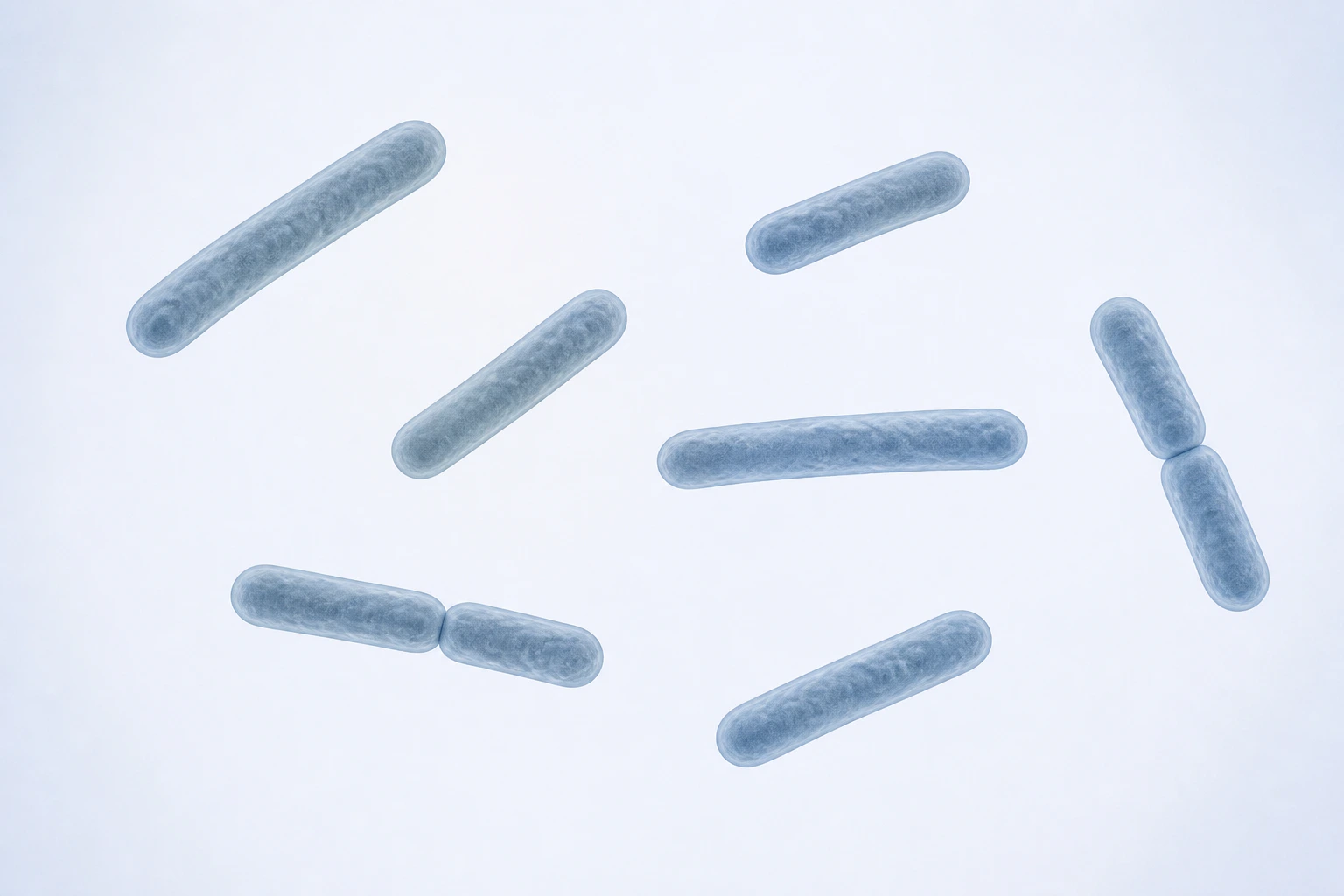
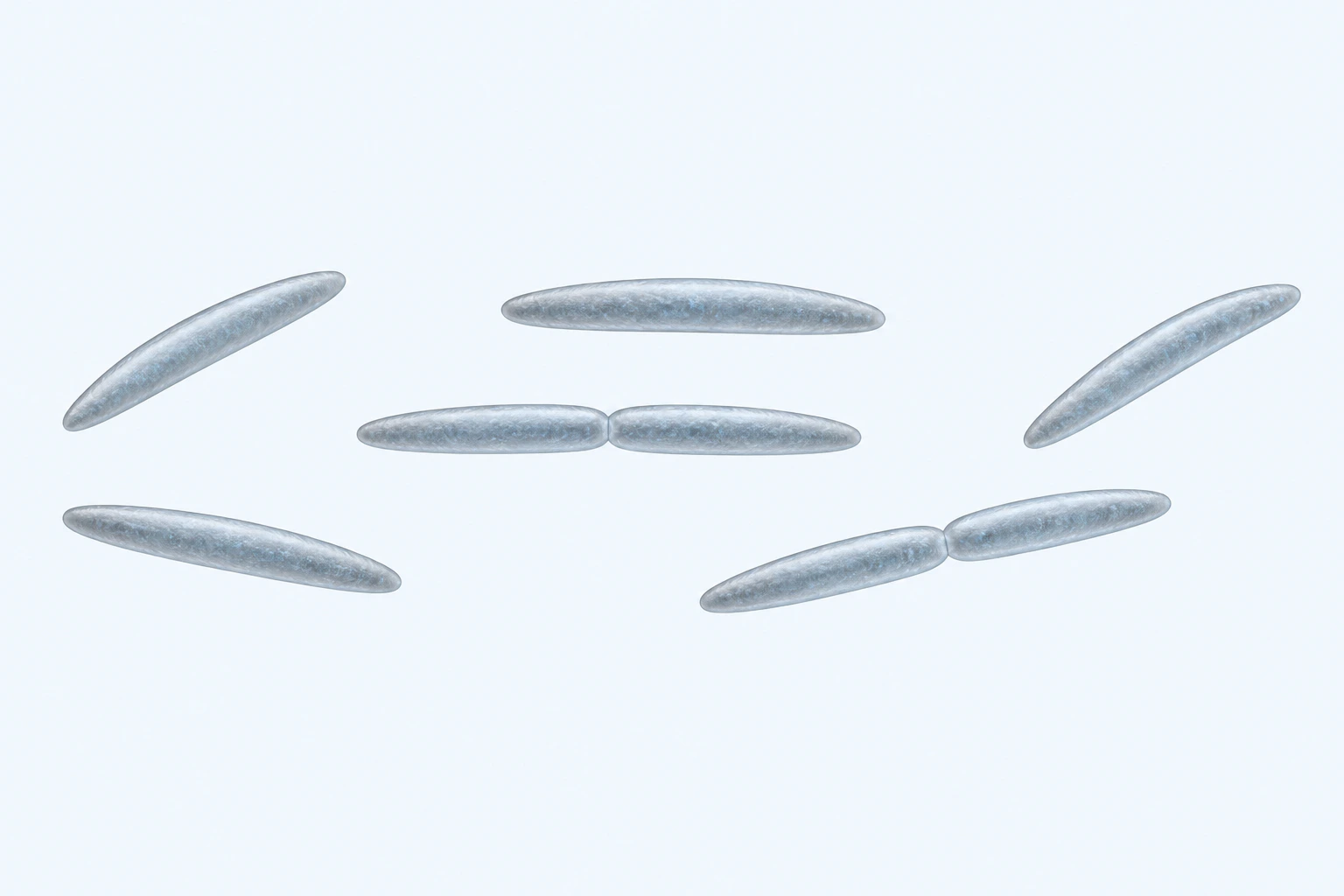
Eleven selected Lachnobacterium slender rods appear in eight groupings: five singles and three touching end-to-end pairs.
Microorganisms8 sources

Lachnobacterium

Lachnobacterium is a genus of Gram-positive, obligate anaerobic bacteria within the family Lachnospiraceae (phylum Firmicutes). It is a commensal member of the healthy human gut microbiota, though relatively understudied compared to other Lachnospiraceae genera. Lachnob

Mechanisms3 sources

Peptidoglycan

Peptidoglycan (murein) is the polymer of N-acetylglucosamine and N-acetylmuramic acid cross-linked by short peptides that forms the bacterial cell wall. It is a major pathogen-associated molecular pattern (PAMP) recognized by host TLR2 (intact peptidoglycan), NOD1 (meso

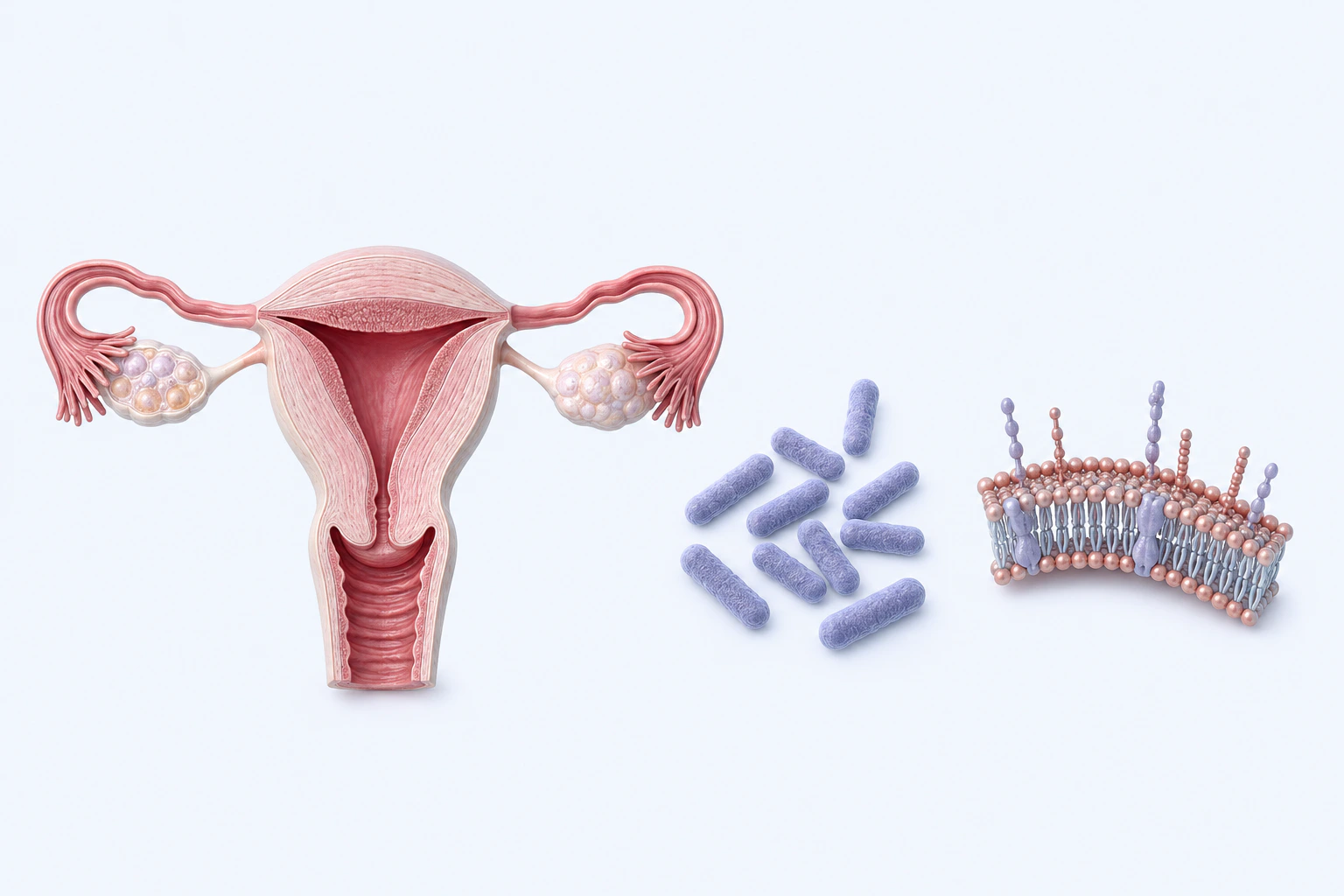
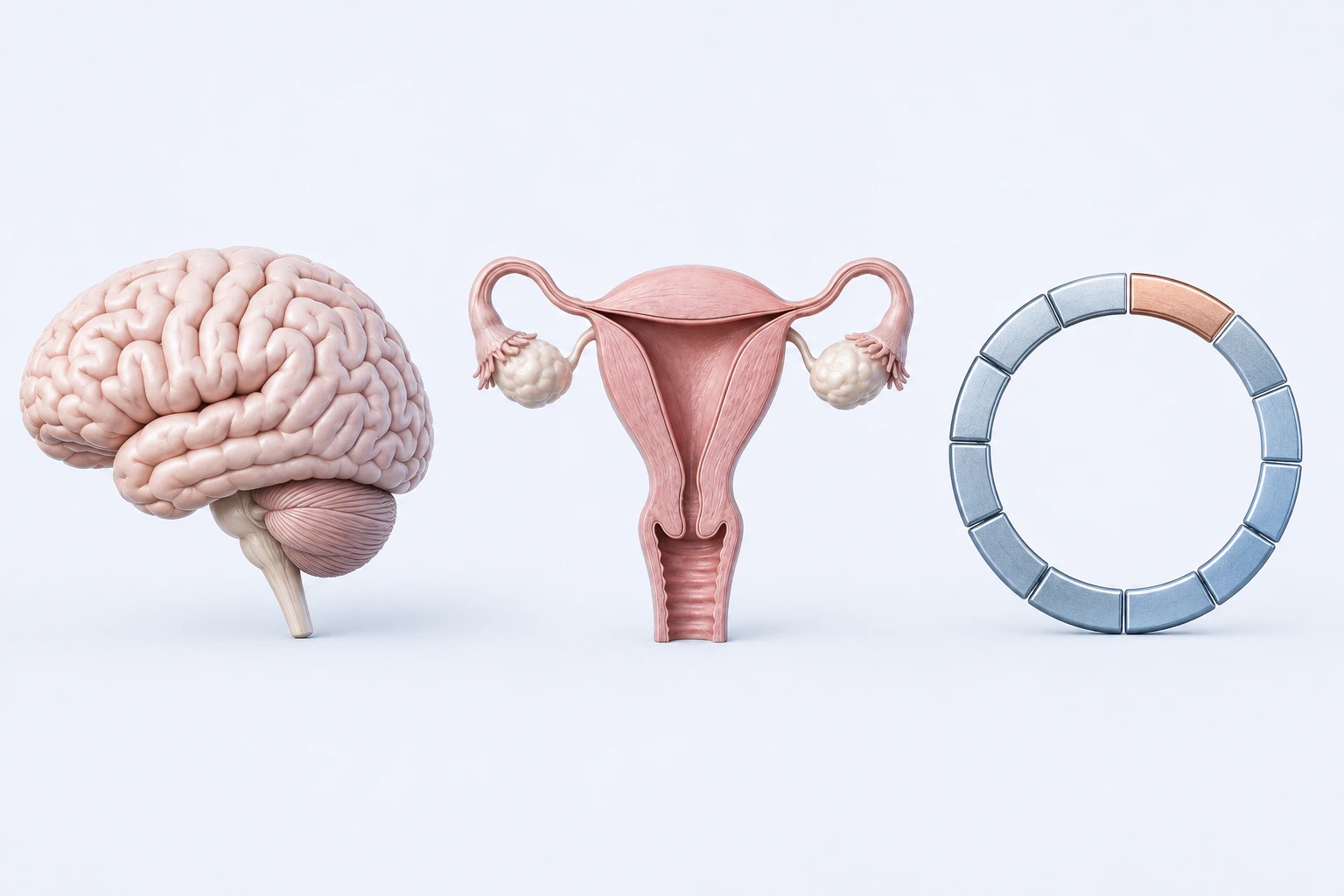
A neutral brain, reproductive anatomy, and an unnumbered timing ring appear separately for postpartum-depression orientation.
Diseases13 sources

Postpartum Depression

Postpartum depression (PPD) affects 10-20% of women after delivery, with profound consequences for maternal health, infant bonding, and child neurodevelopment chao 2025 microbiota gut brain perinatal depression. The standard framing centers on hormonal withdrawal (estro

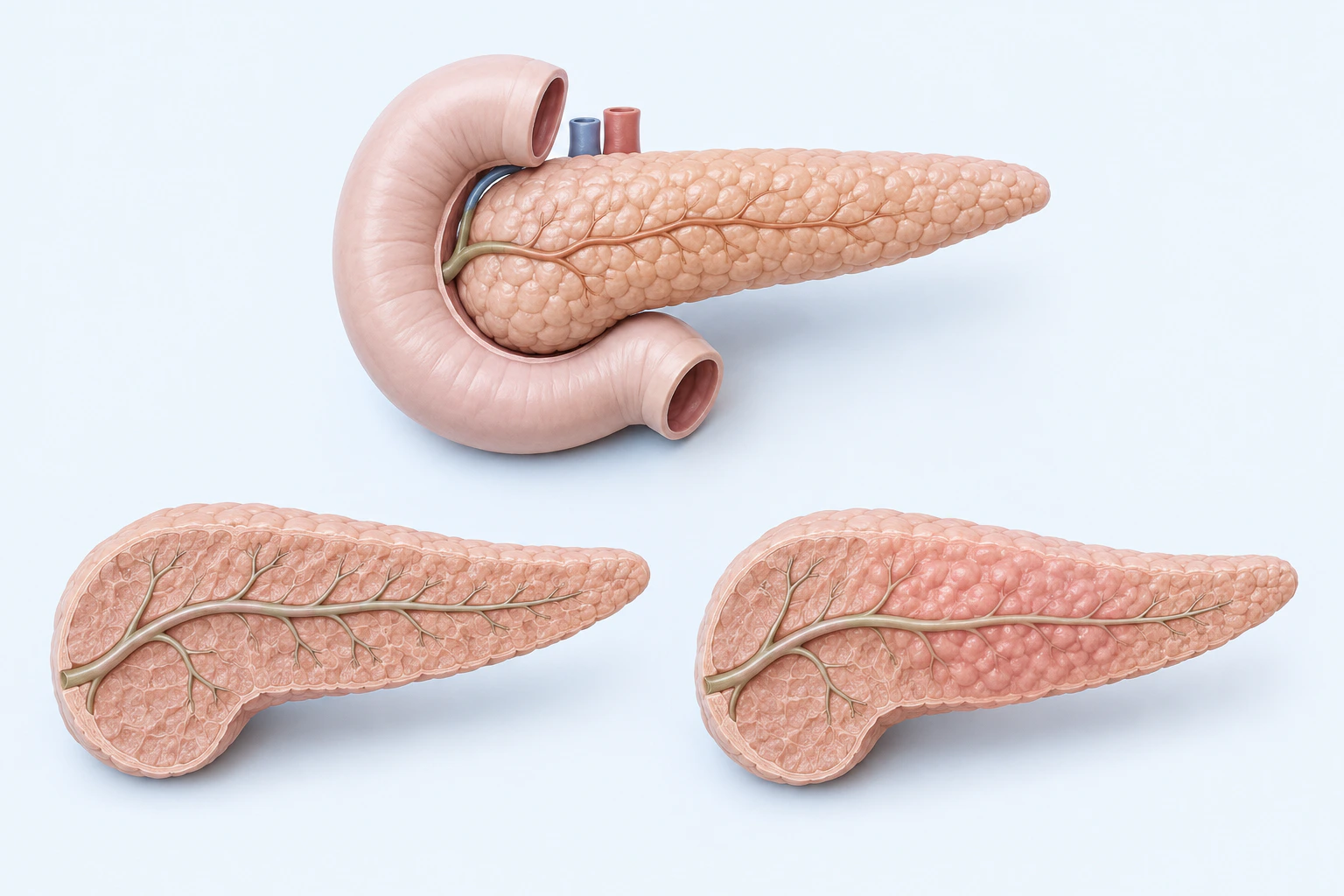
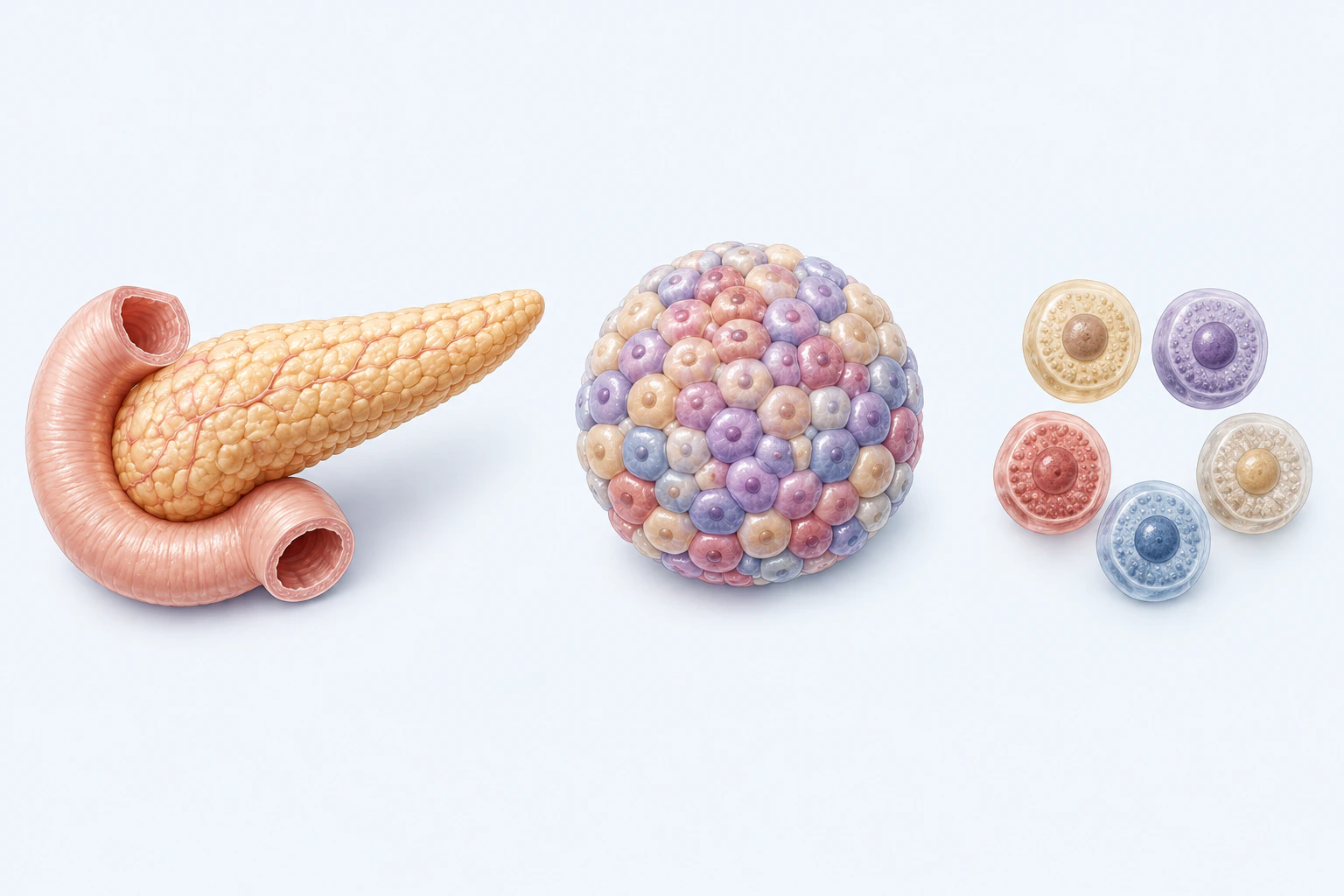
Pancreas and duodenum, a spherical cellular teaching cluster, and five generic rounded cells appear separately.
Diseases10 sources

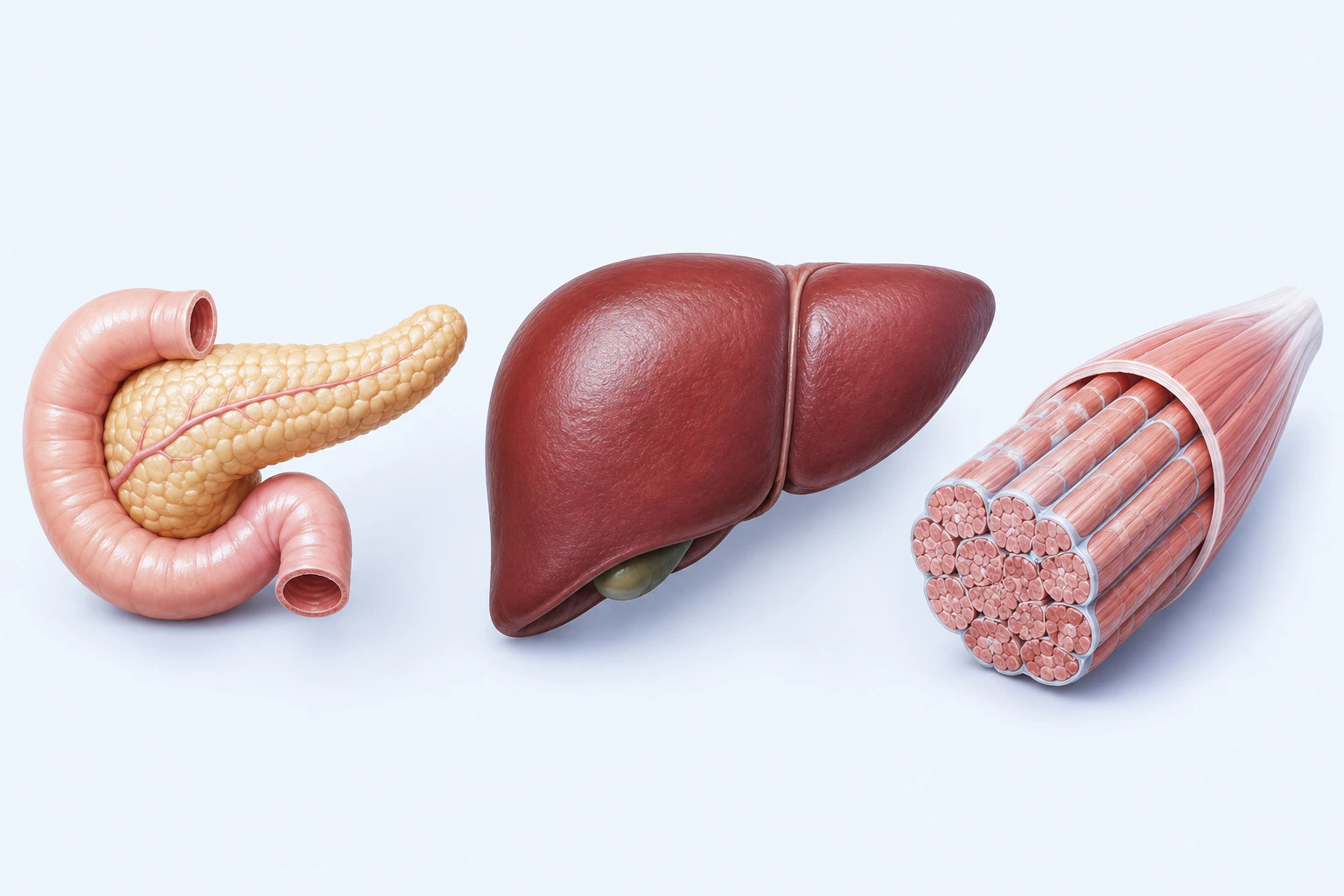
Type 1 Diabetes

Type 1 diabetes is an autoimmune disease in which immune-mediated destruction of insulin-producing beta cells in the pancreatic islets of Langerhans leads to lifelong insulin dependence. T1D is fundamentally distinct from type 2 diabetes, which is characterized by insul

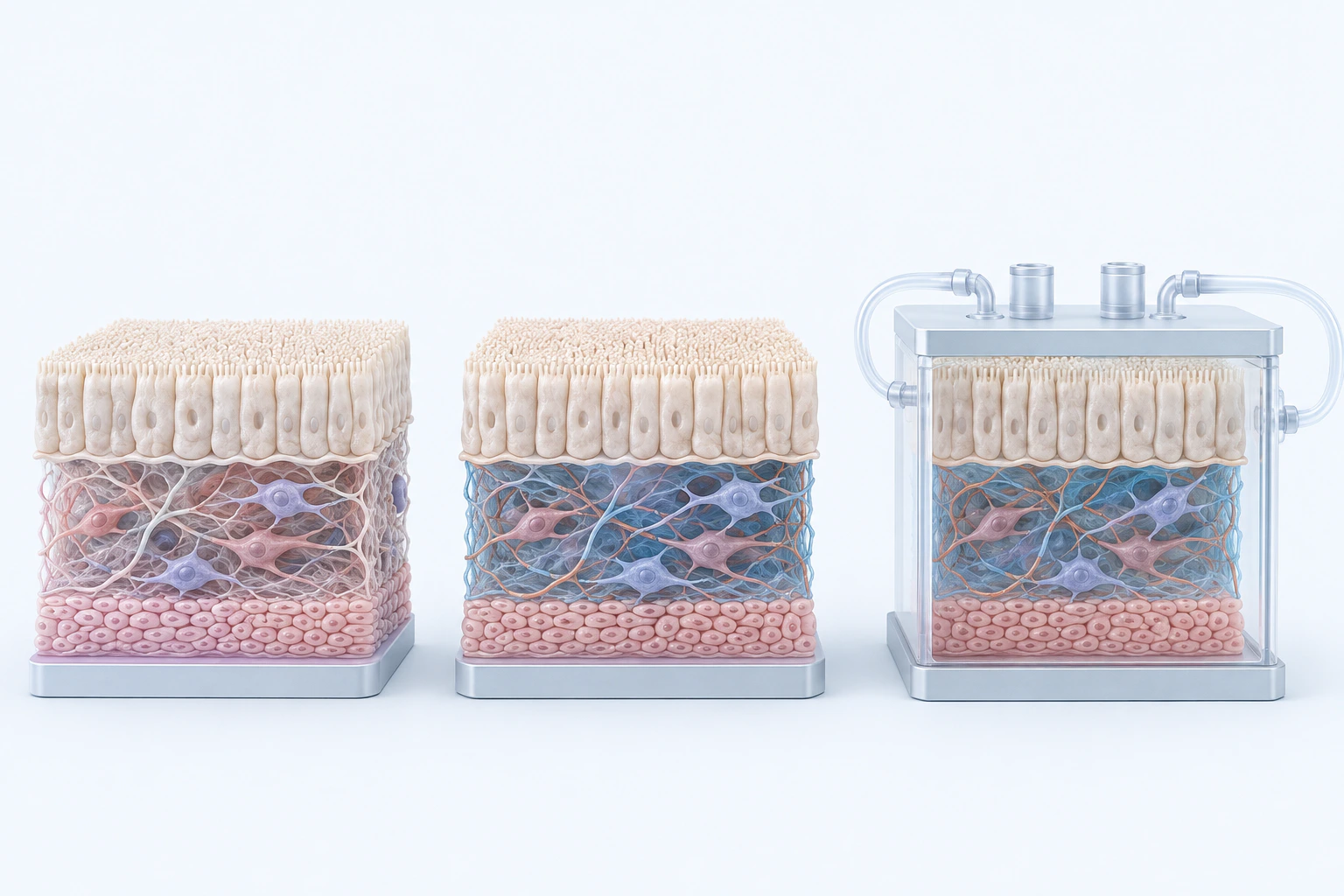
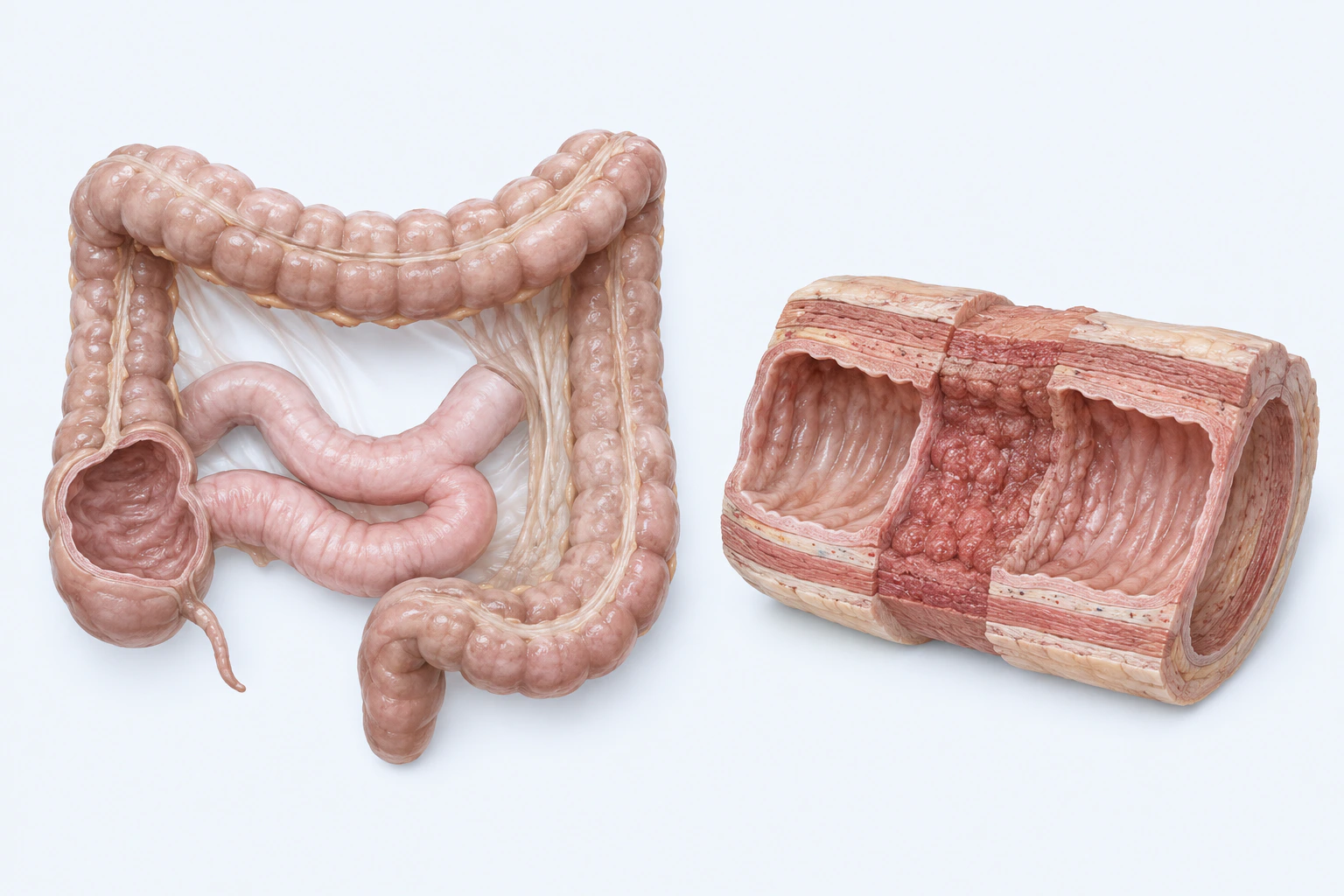
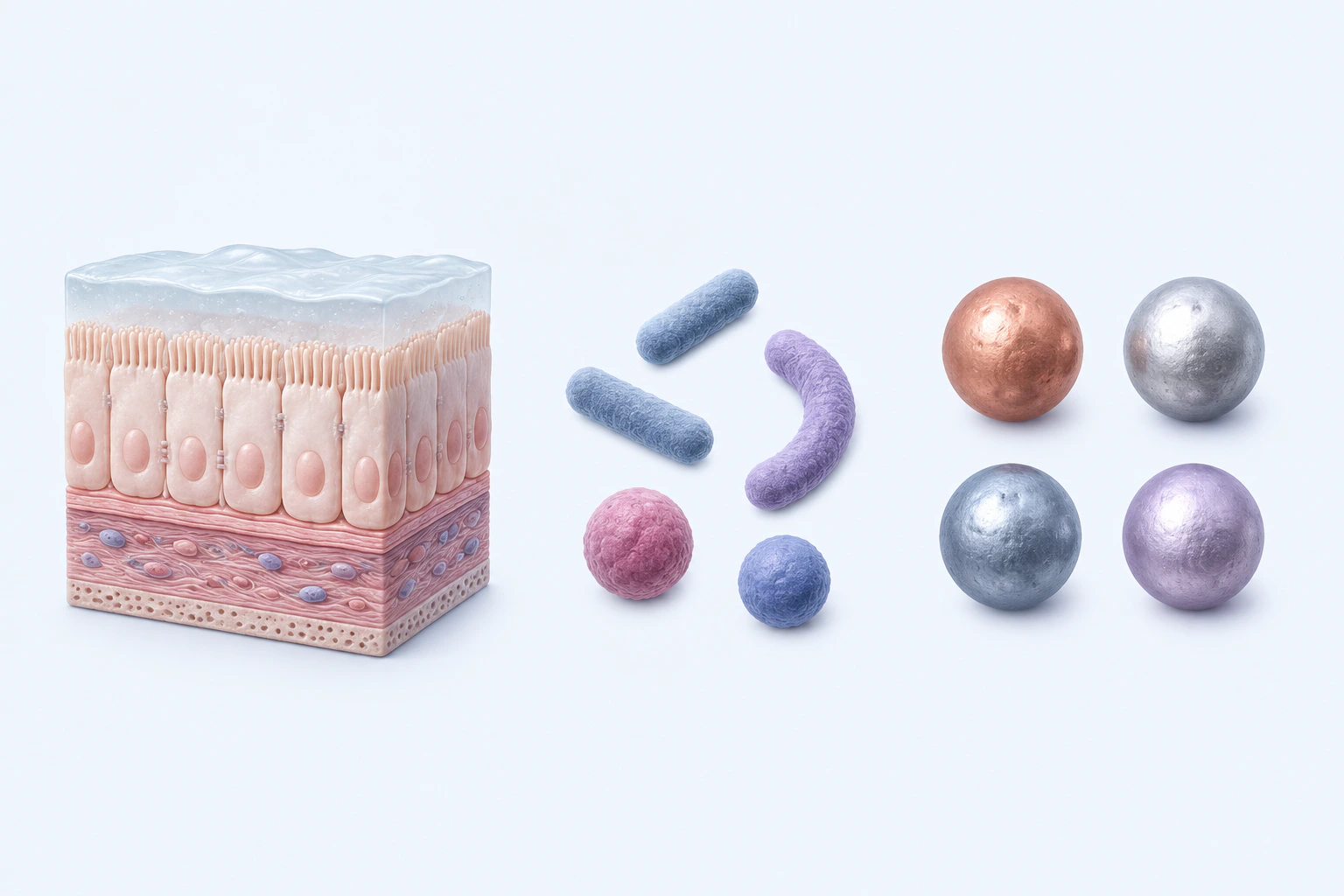
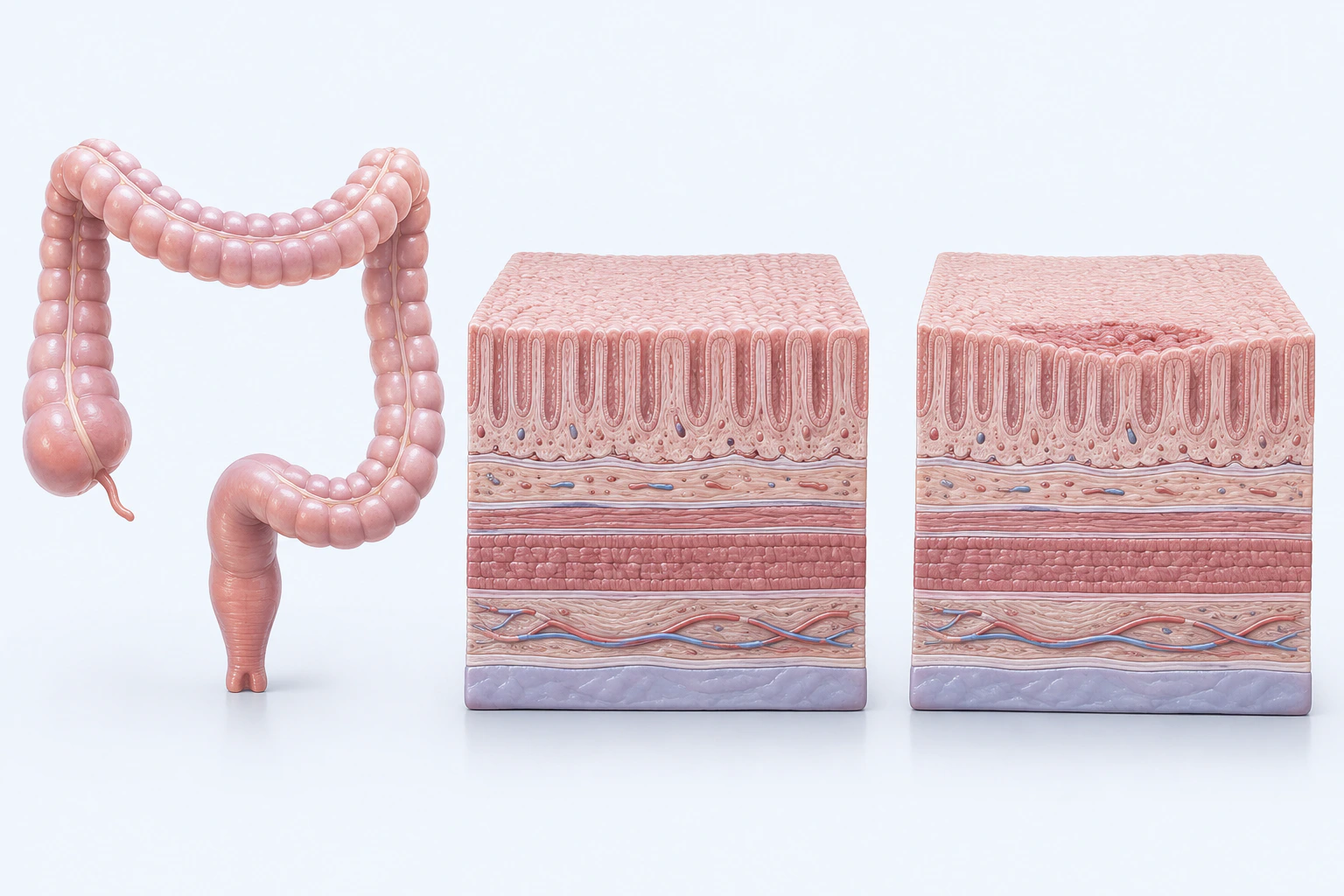
Colon anatomy and two layered bowel-wall models appear separately; one block has a shallow bounded surface depression.
Diseases6 sources

Ulcerative Colitis

A chronic inflammatory bowel disease characterized by continuous mucosal inflammation of the colon, extending proximally from the rectum. Unlike crohns disease, UC is limited to the colon, affects only the mucosa/submucosa (not transmural), produces no skip lesions, and