
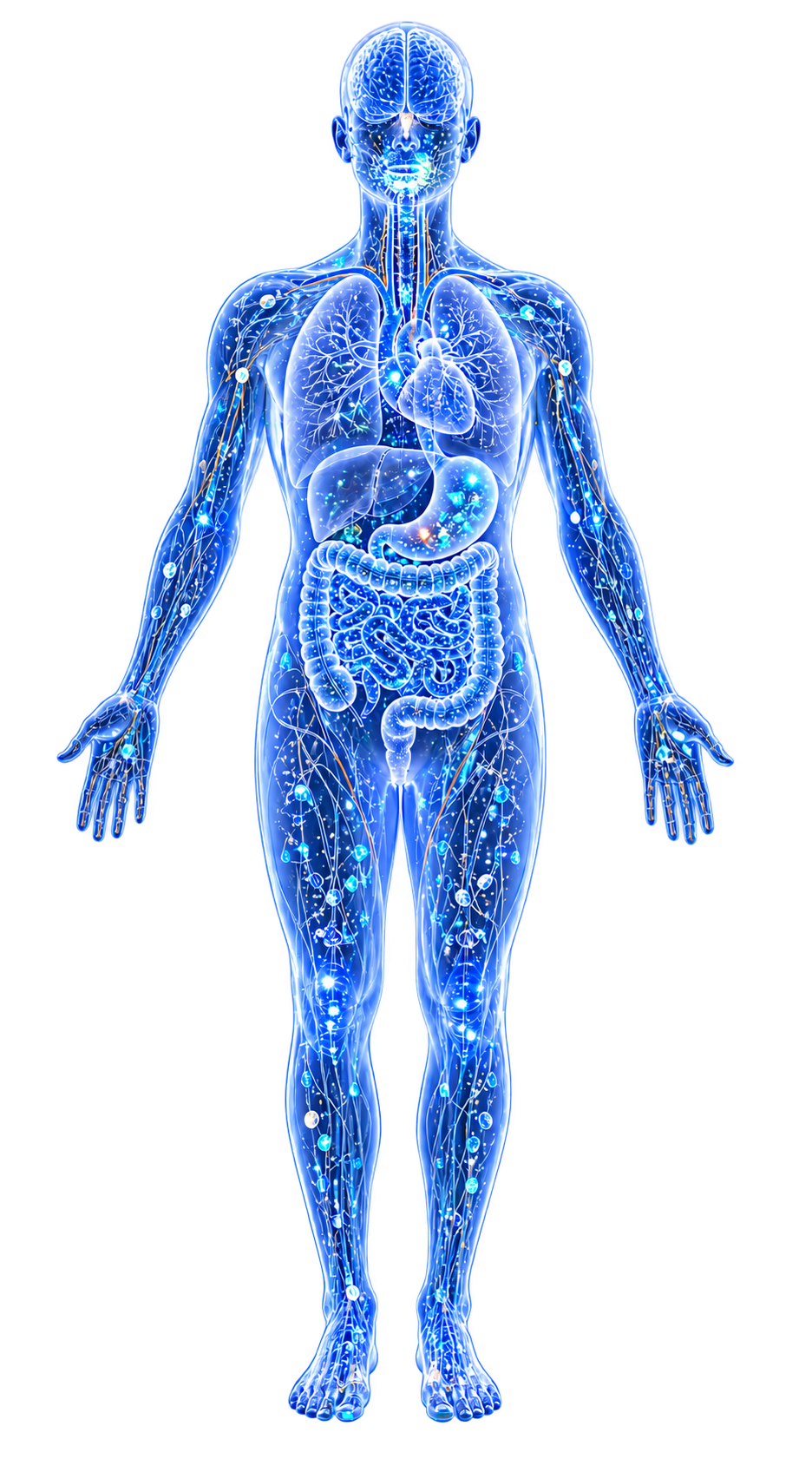
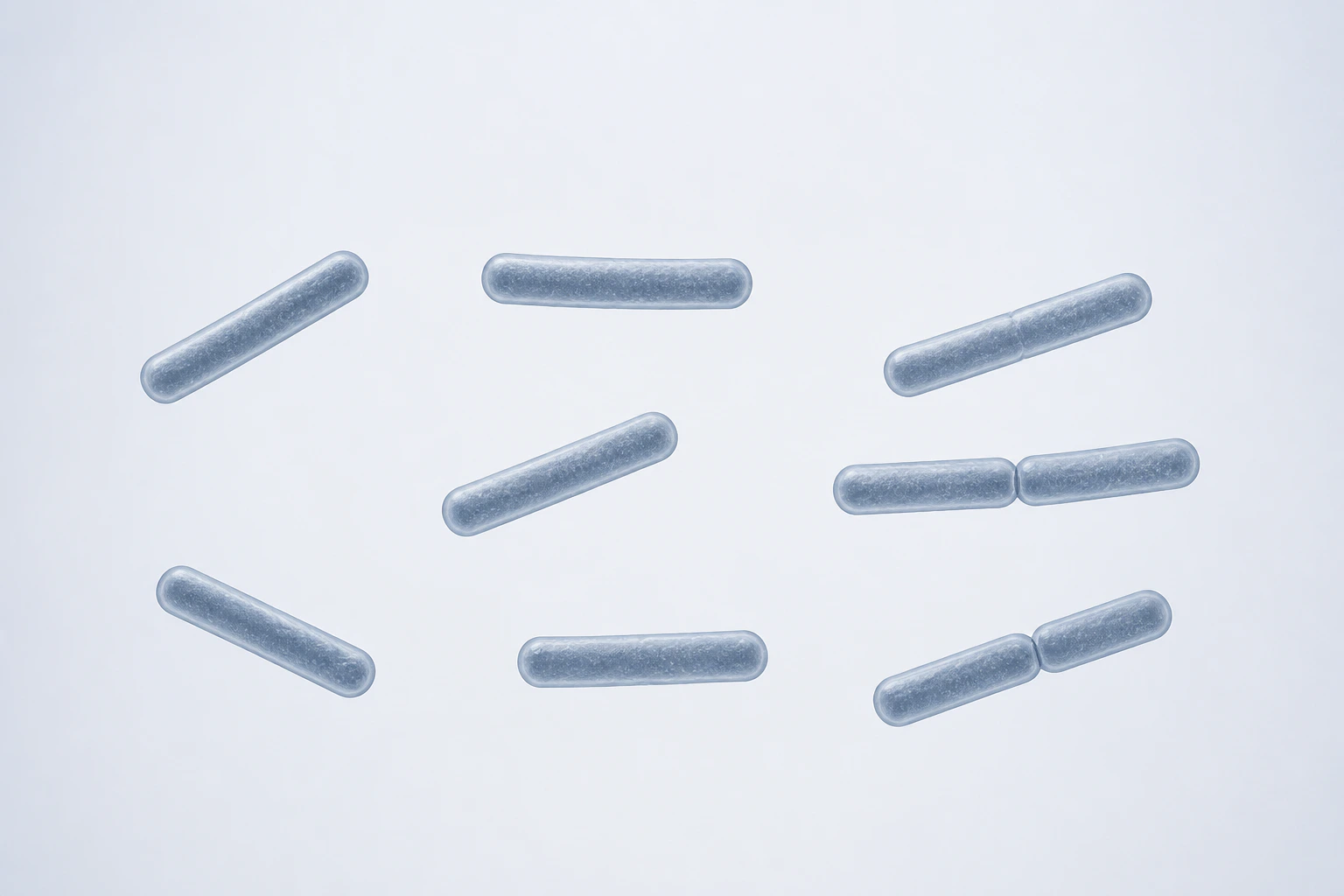
Type-species-anchored Lachnobacterium rods, shown as eleven bodies in five single and three paired groupings. This genus-level scientific reconstruction is representative, non-diagnostic, does not turn colony-form etymology into cellular morphology, and is not a micrograph.
Scientific media record1 verified identifier
- Subject
- Lachnobacteriumtaxon · genus
- Identifiers
- NCBITaxon:140625
- Review
- Editorial review completeIdentifiers authority-verified · Accessibility validated · · lachnobacterium|lachnobacterium-morphology-v1.webp
- Digital source
- Trained-algorithmic mediaCreated with a trained generative algorithm and reviewed by WikiBiome for subject identity, scientific framing, identifiers, provenance, and accessibility.
- Scientific basis
- Lachnobacterium — NCBI TaxonomyLachnobacterium — LPSNLachnobacterium bovis — NCBI TaxonomyLachnobacterium bovis gen. nov., sp. nov.
- License
- CC BY-SA 4.0Created
Lachnobacterium is a genus of Gram-positive, obligate anaerobic bacteria within the family Lachnospiraceae (phylum Firmicutes). It is a commensal member of the healthy human gut microbiota, though relatively understudied compared to other Lachnospiraceae genera.
Lachnobacterium has been identified as depleted in gynecological conditions involving Gut Microbiome disruption. Reduced abundance has been reported in endometriosis (,[1]Svensson 2021 — Associations Between Endometriosis and Gut MicrobiotaAgnes Svensson, Louise Brunkwall, Bodil Roth et al. · 2021Open reference 1 ↓ cross-sectional) and premature ovarian insufficiency (,[2]Association between premature ovarian insufficiency and gut microbiotaWu J, Zhuo Y, Liu Y et al. · 2021Open reference 2 ↓ cross-sectional), consistent with broader Lachnospiraceae loss observed in estrogen-related disorders.
Evidence map1 cited passagesInspect provenance +
Lachnobacterium has been identified as depleted in gynecological conditions involving gut microbiome disruption. Reduced abundance has been reported in endometriosis (, cross-sectional) and premature ovarian insufficiency (, cross-sectional), consistent with broader Lachnospiraceae loss observed in estrogen-related disorders.
Contents
1. Cross-ReferencesCross-References#
- Lachnospiraceae—parent family
- Endometriosis—condition of depletion
- Butyrivibrio—related Lachnospiraceae genus with similar depletion patterns
References 10
Numbered by first appearance in the article, then reconciled with its declared source list.
- 1
Agnes Svensson, Louise Brunkwall, Bodil Roth et al. (2021). Svensson 2021 — Associations Between Endometriosis and Gut Microbiota. Reproductive Sciences.
- 2
Wu J, Zhuo Y, Liu Y et al. (2021). Association between premature ovarian insufficiency and gut microbiota. BMC Pregnancy and Childbirth.
- 3
Atabilen B, Akdevelioglu Y (2022). Effects of Different Dietary Interventions in Multiple Sclerosis: A Systematic Review of Evidence from 2018 to 2022. Nutritional Neuroscience.
- 4
Zhuye Jie, Huihua Xia, Shi-Long Zhong et al. (2017). The gut microbiome in atherosclerotic cardiovascular disease. Nature Communications.
- 5
Marina Saresella, Ivana Marventano, Monica Barone et al. (2020). Alterations in Circulating Fatty Acid Are Associated With Gut Microbiota Dysbiosis and Inflammation in Multiple Sclerosis. Frontiers in Immunology.
- 6
Kosuke Fujimoto, Daichi Miyaoka, Satoshi Uematsu (2022). Characterization of the human gut virome in metabolic and autoimmune diseases. Inflammation and Regeneration.
- 7
Lucia N. Peralta-Marzal, David Rojas-Velazquez, Douwe Rigters et al. (2024). Peralta-Marzal 2024 — A Robust Microbiome Signature for Autism Spectrum Disorder Across Different Studies Using Machine Learning. Scientific Reports.
- 8
Anna C. Salvador, M. Nazmul Huda, Danny Arends et al. (2023). Salvador 2023 — Strain, Sex, and Diet-Dependent Modulation of Gut Microbiota Reveals Candidate Keystone Organisms. Microbiome.
- 9
Szeligowski T, Yun AL, Lennox BR et al. (2020). The Gut Microbiome and Schizophrenia: The Current State of the Field and Clinical Applications. Frontiers in Psychiatry.
- 10
Georgina Quaranta, Mauro Pittiruti, Brunella Posteraro et al. (2019). Quaranta 2019 — FMT as a Potential Tool for Female Reproductive Tract Diseases (Review). Frontiers in Immunology.
Article network
Mentioned here 4
Connect the evidence
Publicly readable discussion by ORCID-authenticated researchers. Questions, interpretation, methods, corrections, and new evidence stay attached to this record.
No discussion yet. Start with a precise question or a source-backed observation.
Activity and accepted changes
Accepted researcher context, editorial status, public discussion, and upstream Git revisions are shown together. Pending, declined, and withdrawn proposals remain private.
- published revision
Backfill gut microbiome concept links
Karen Pendergrass · +1 −1
Inspect exact Git diff ↗ - published revision
massive wiki expansion: 149 stubs fixed, 100+ new pages, Rule 15 scan, keystone papers
WikiBiome Deploy Bot · +41 −0
Inspect exact Git diff ↗