WikiBiomeThe human microbiome encyclopedia
WikiBiome/Search: “microbe”
Encyclopedia search

Search: “microbe”

Ranked matches across titles, topics, categories, and article introductions.

80 records in this view

Organizations & projects

Research & education platformMicrobiome MedicineA research and education platform connecting condition-specific microbiome signatures, biological mechanisms, and candidate interventions.microbiomemedicine.com
A
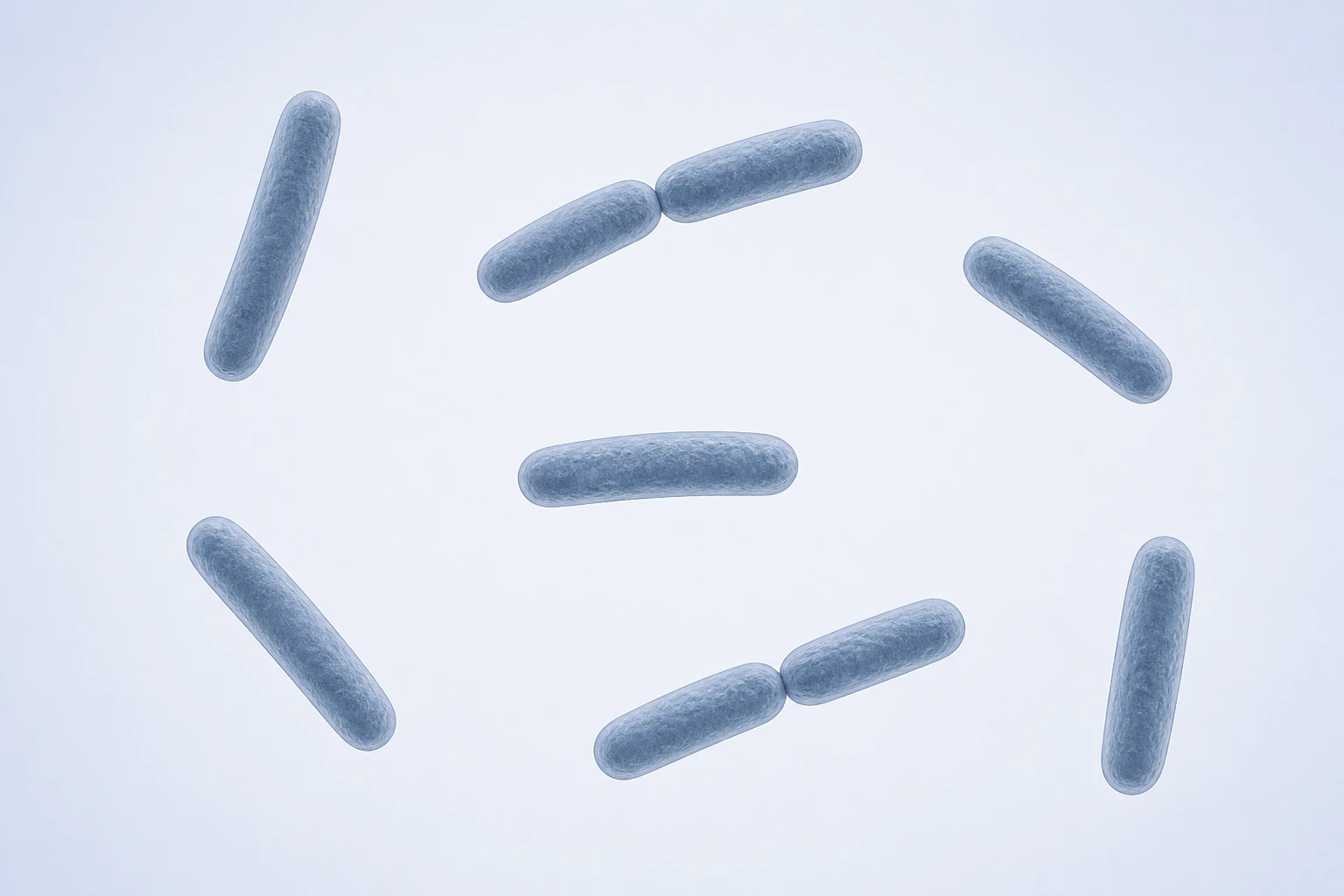
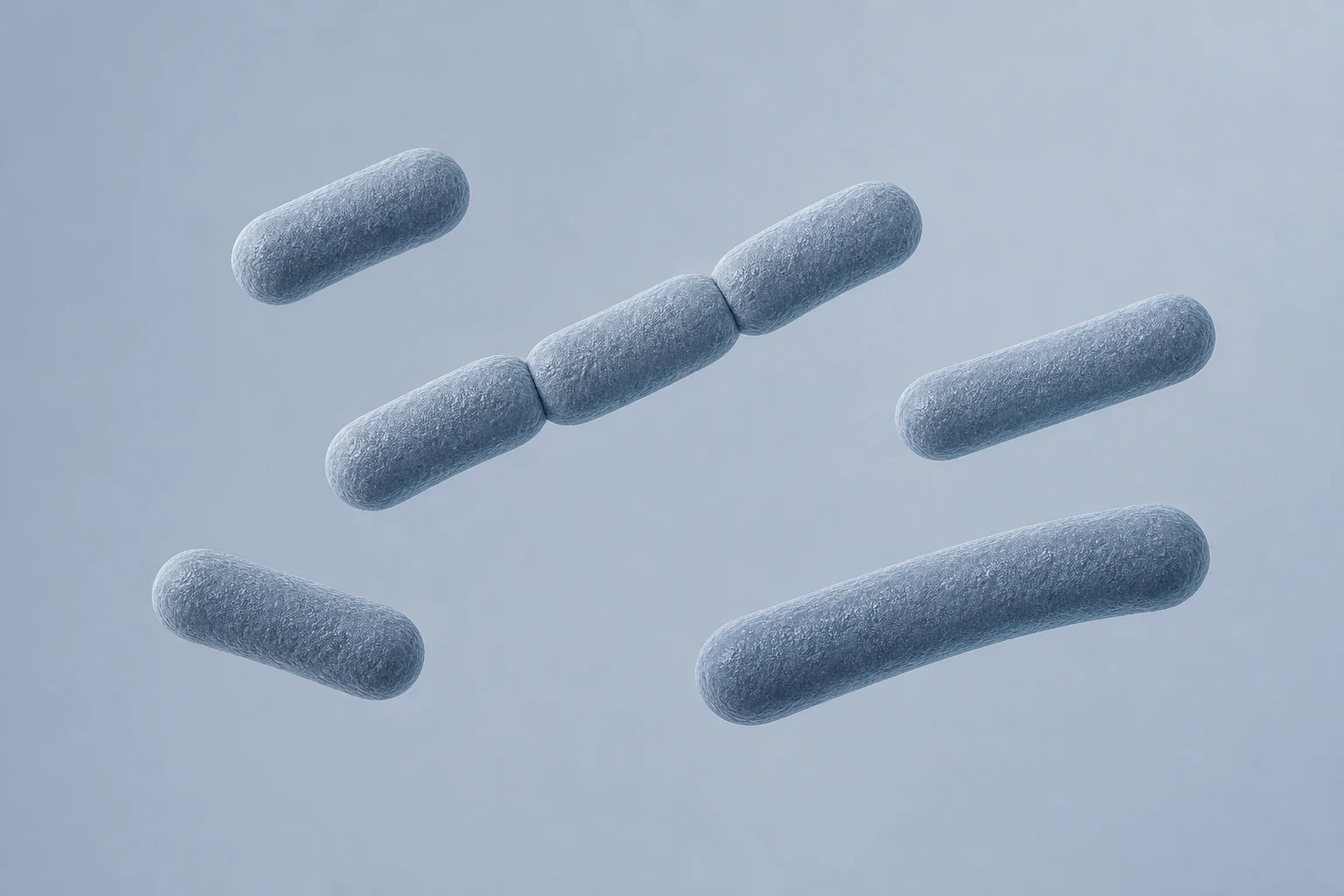
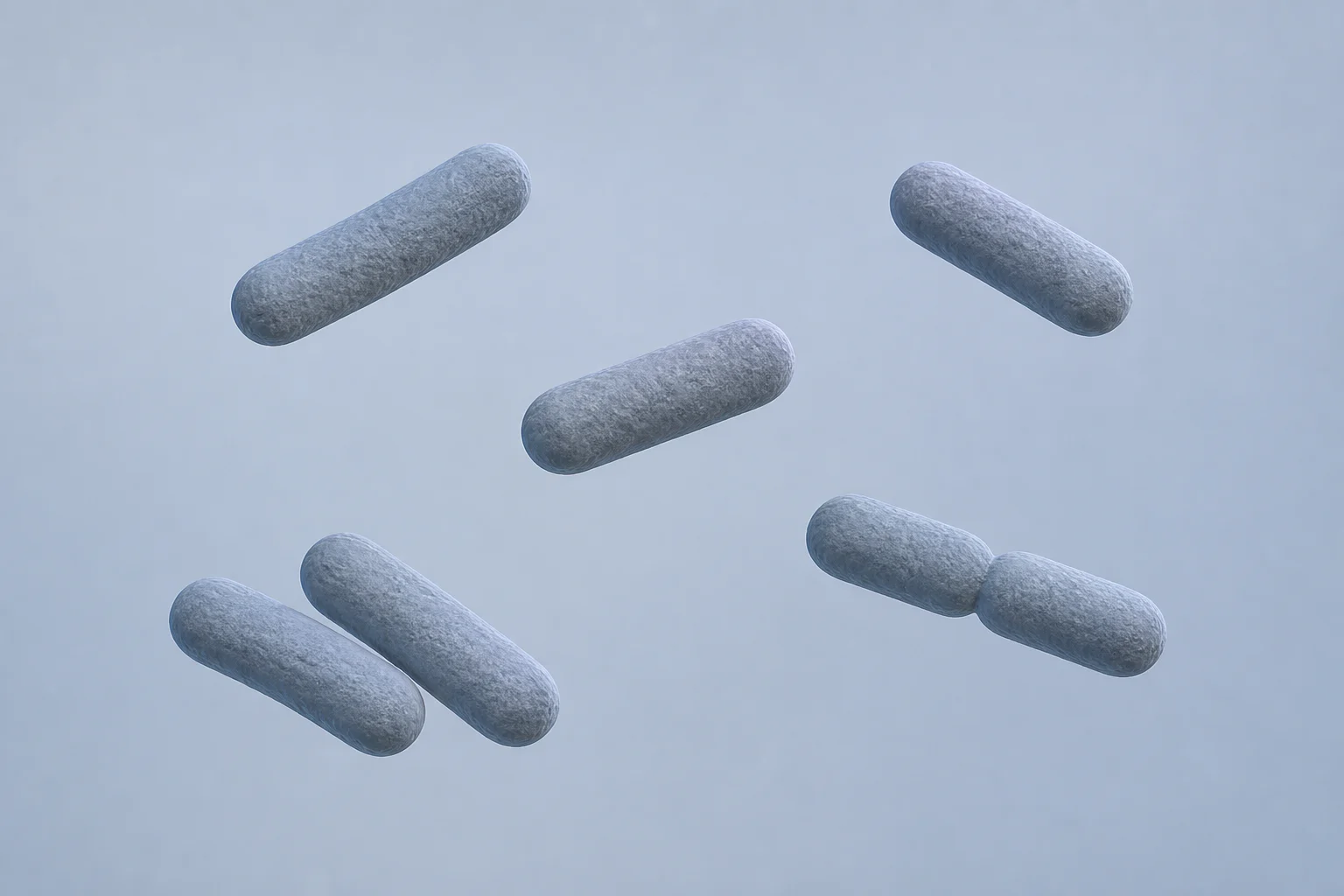
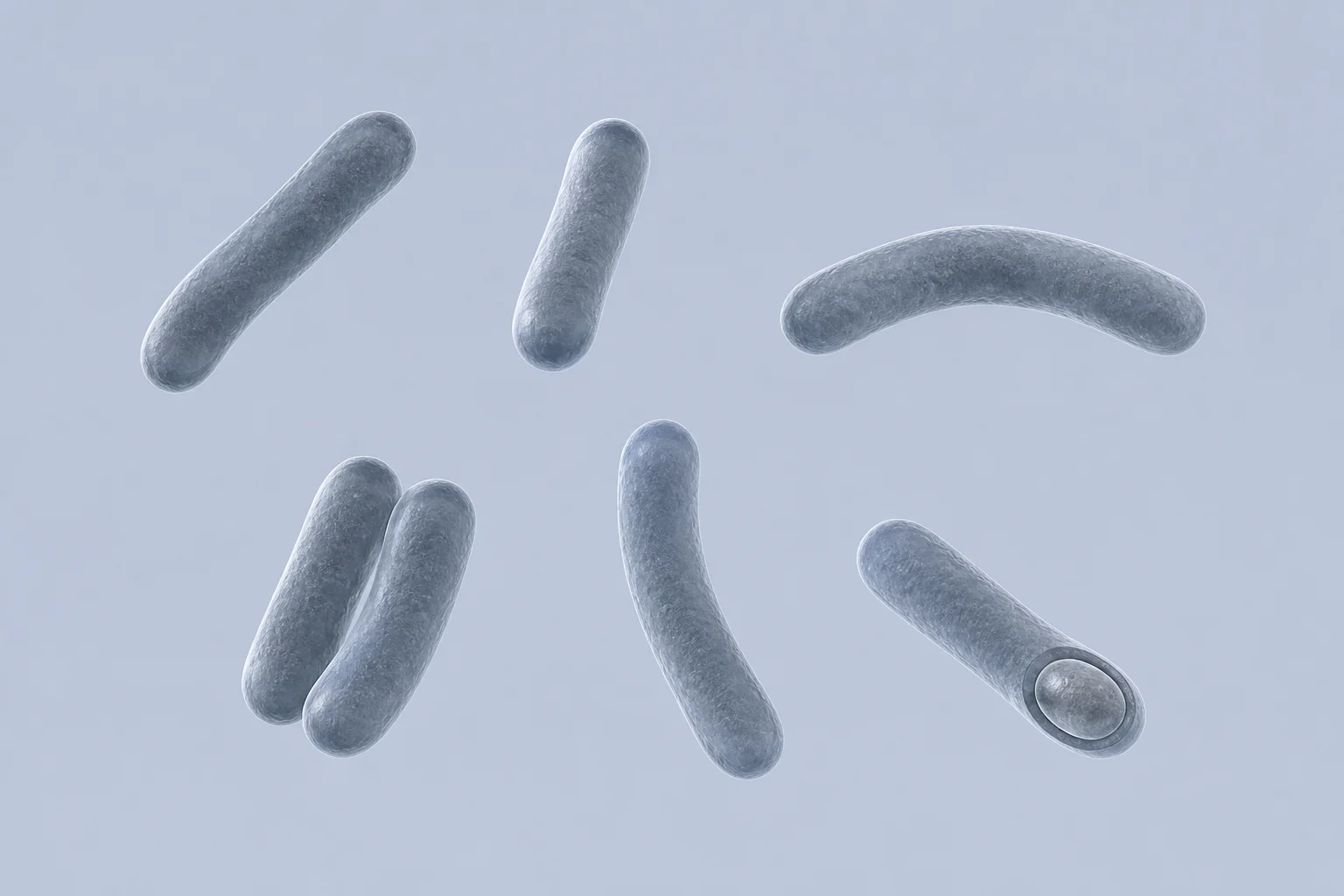
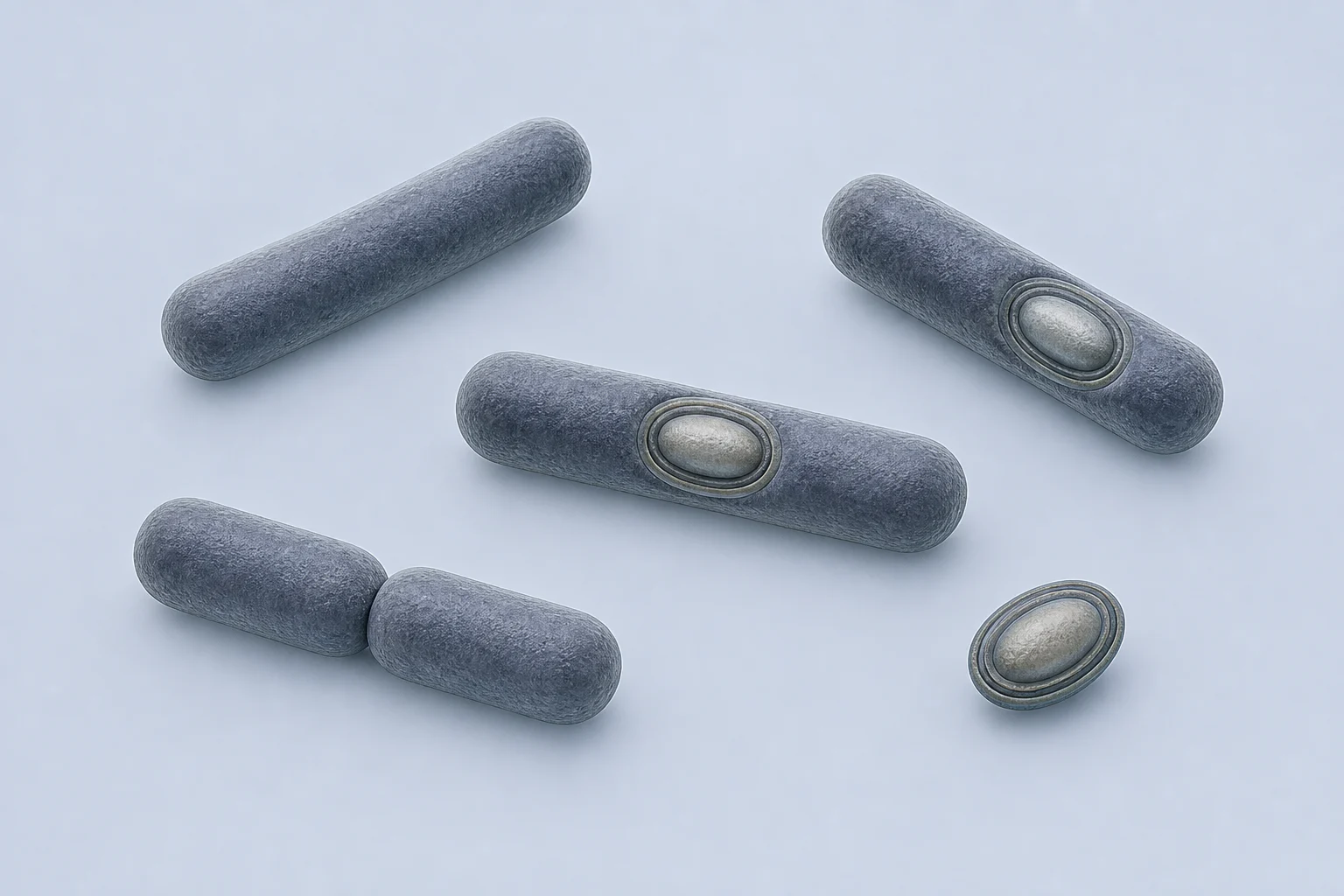
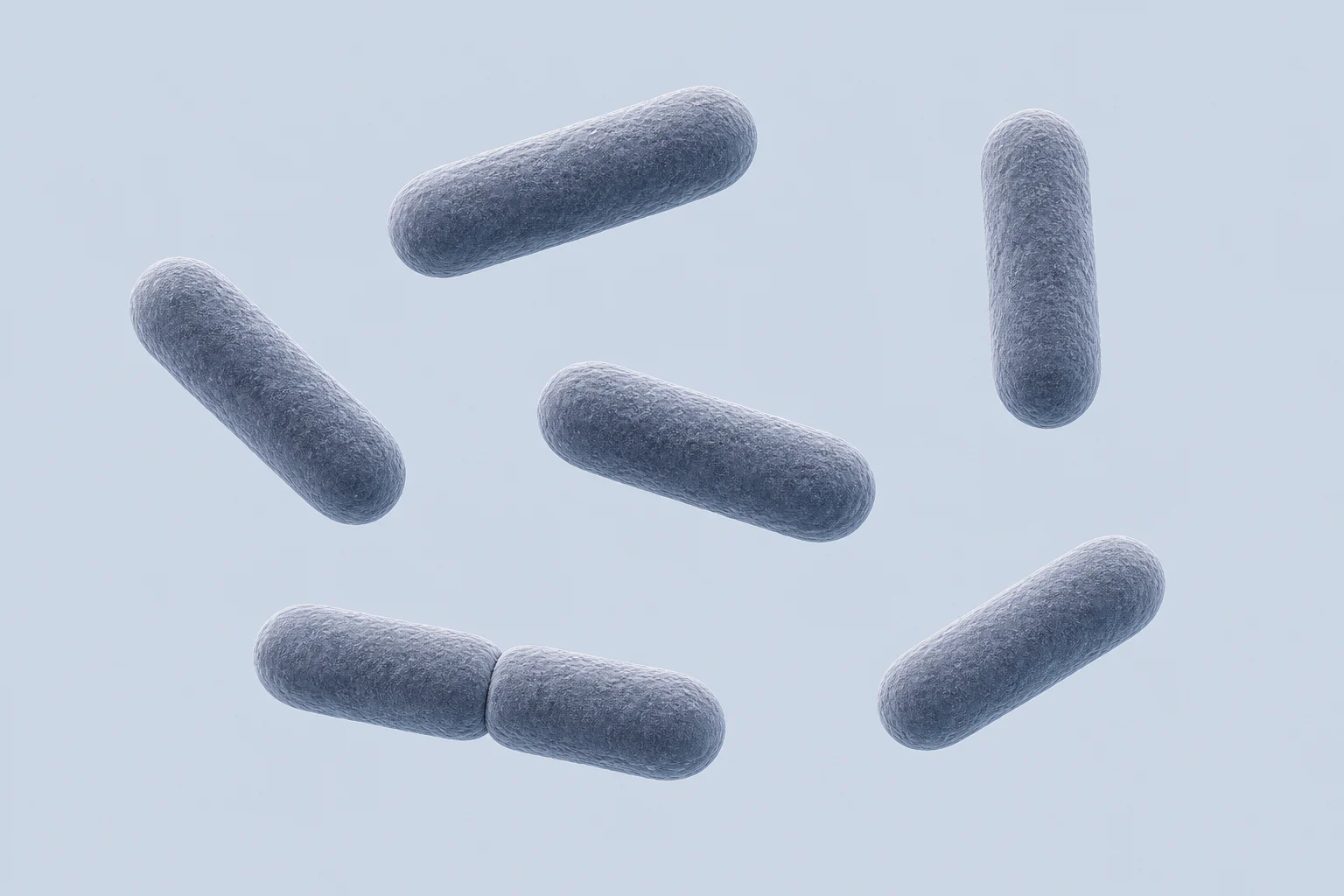
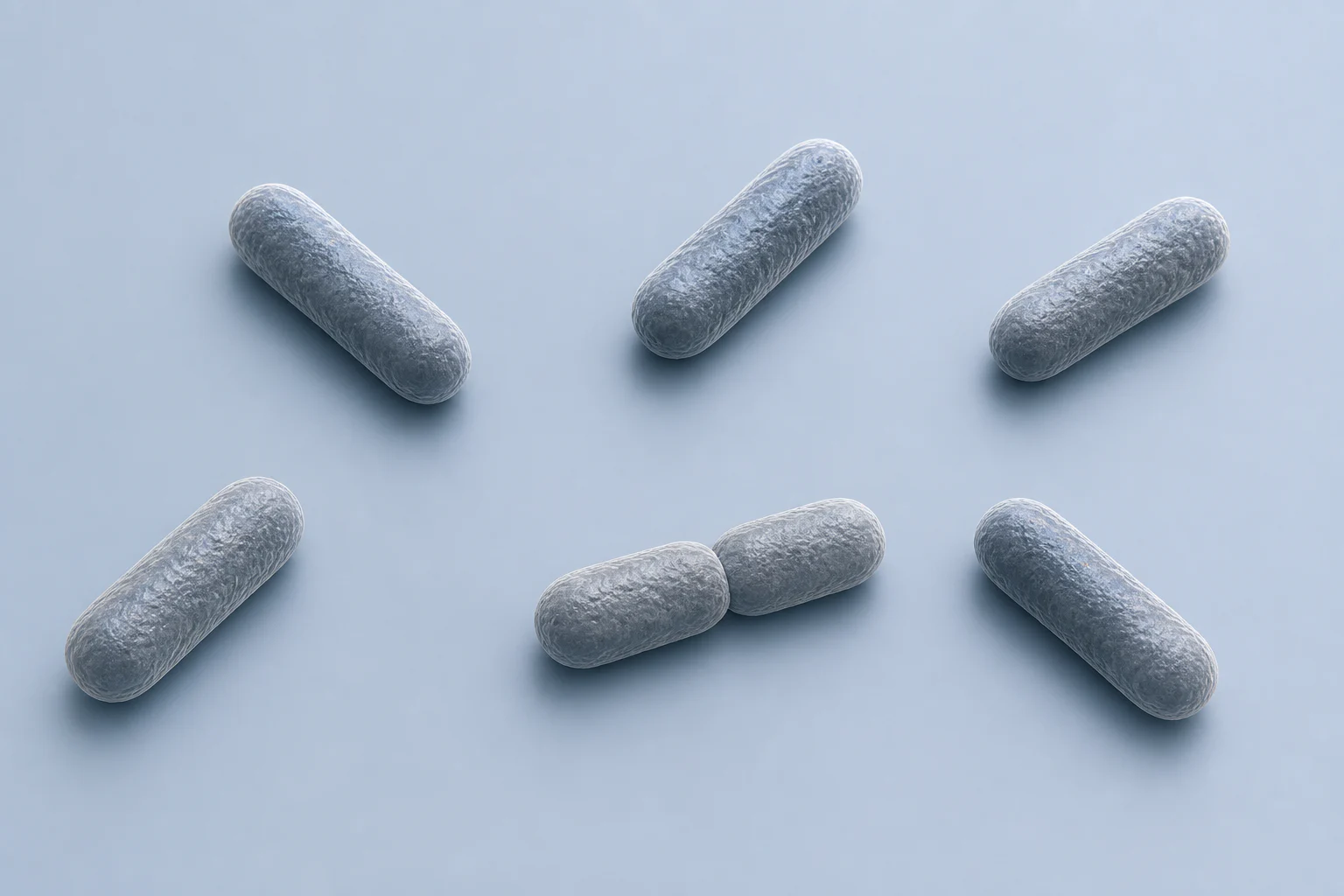
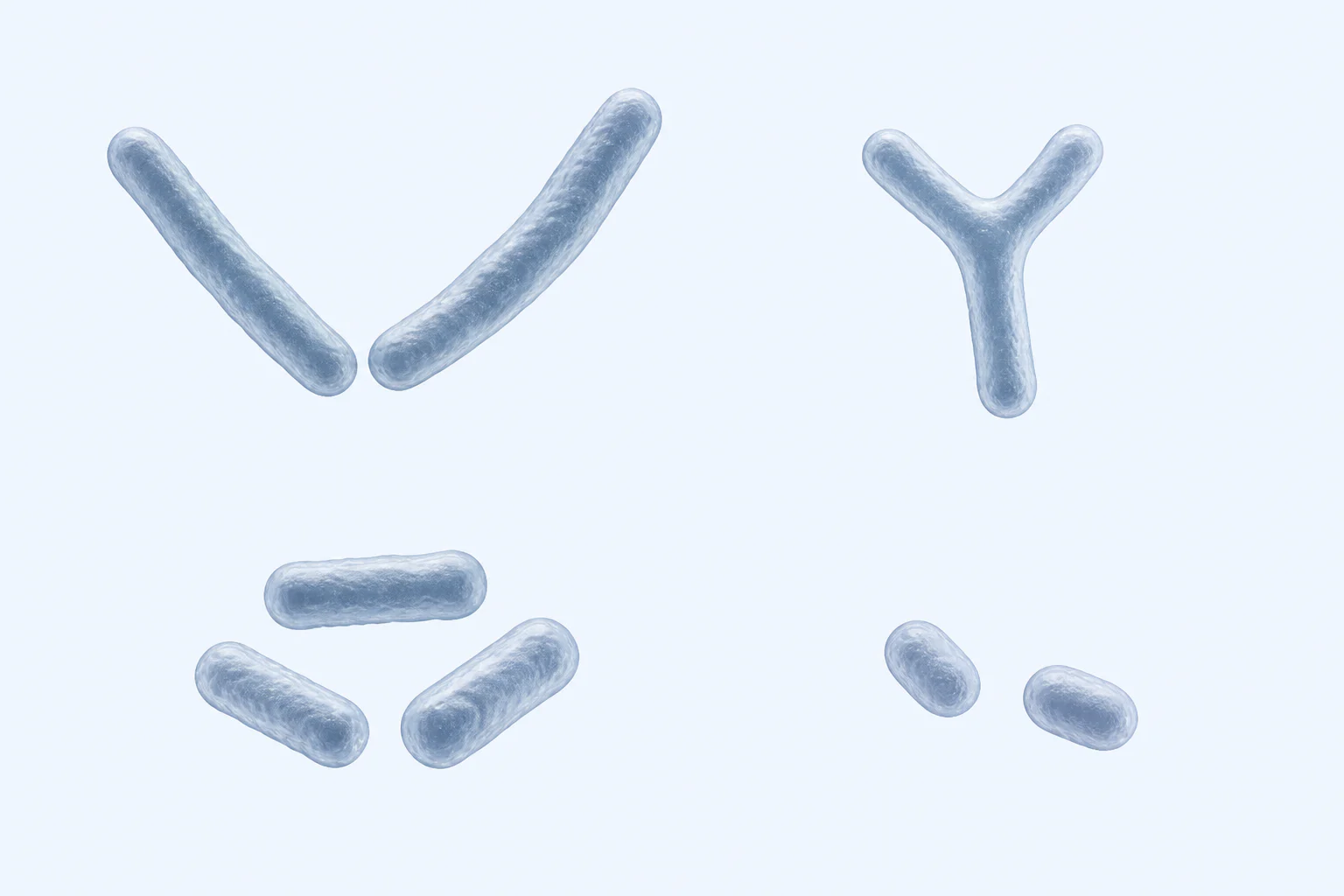
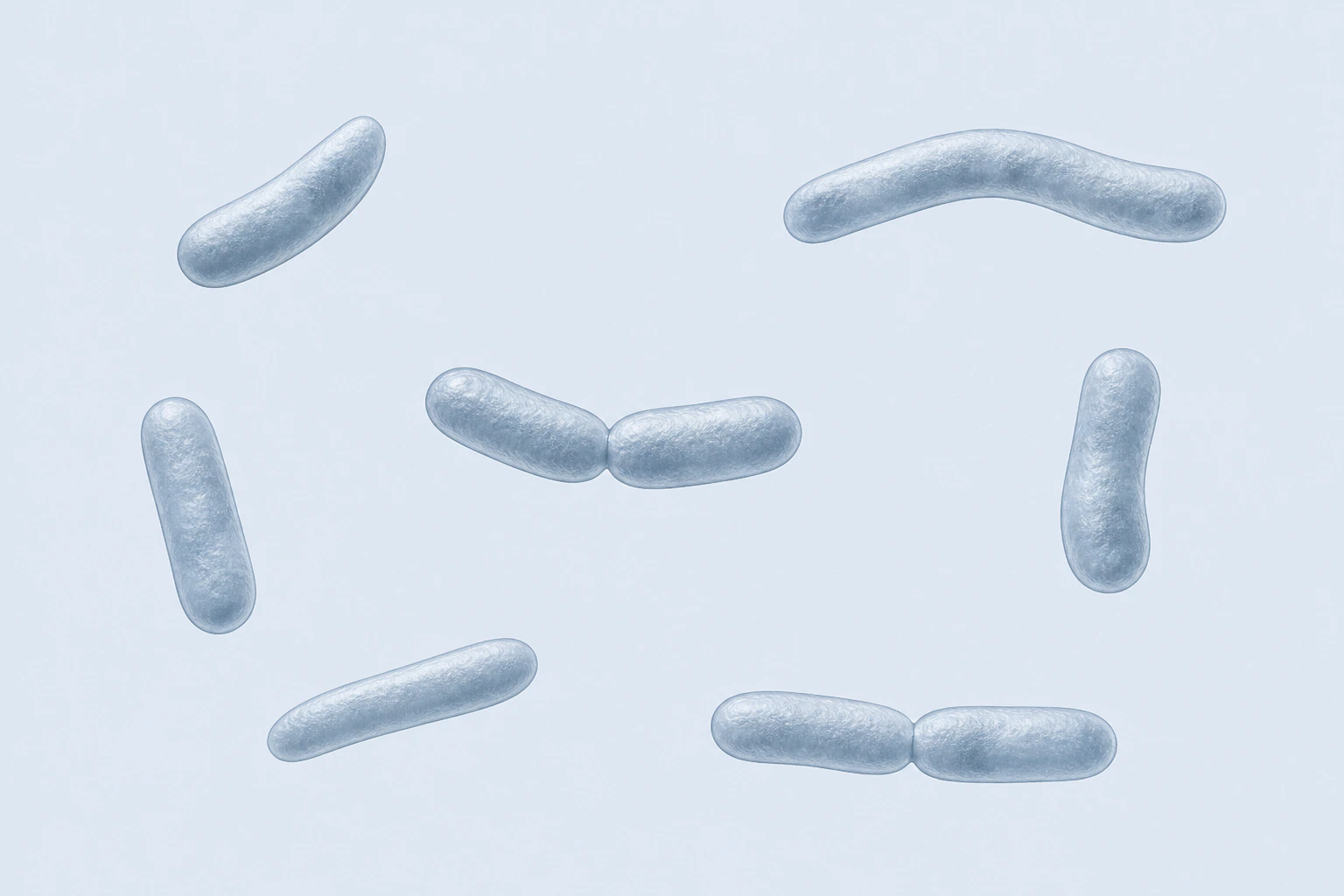
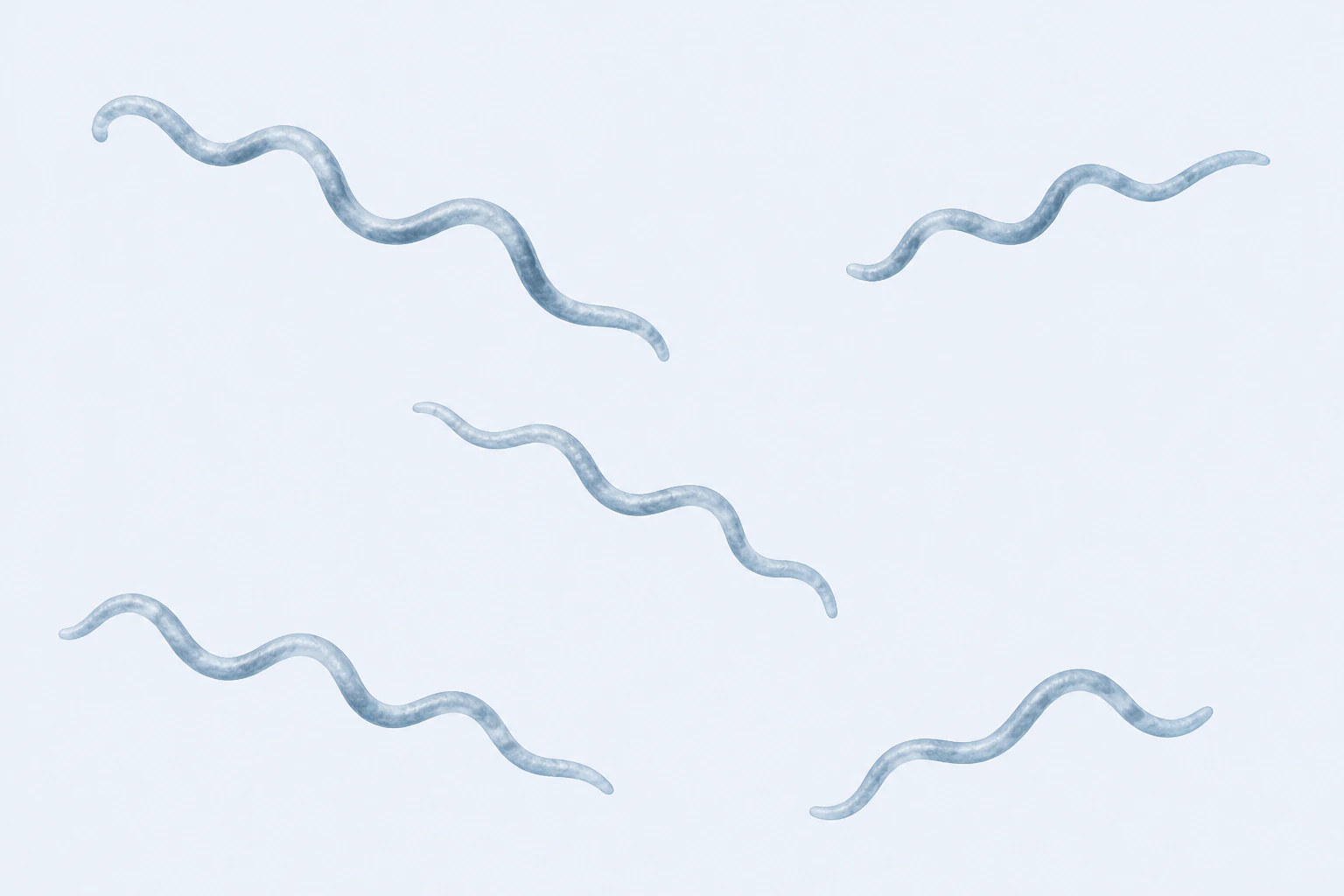
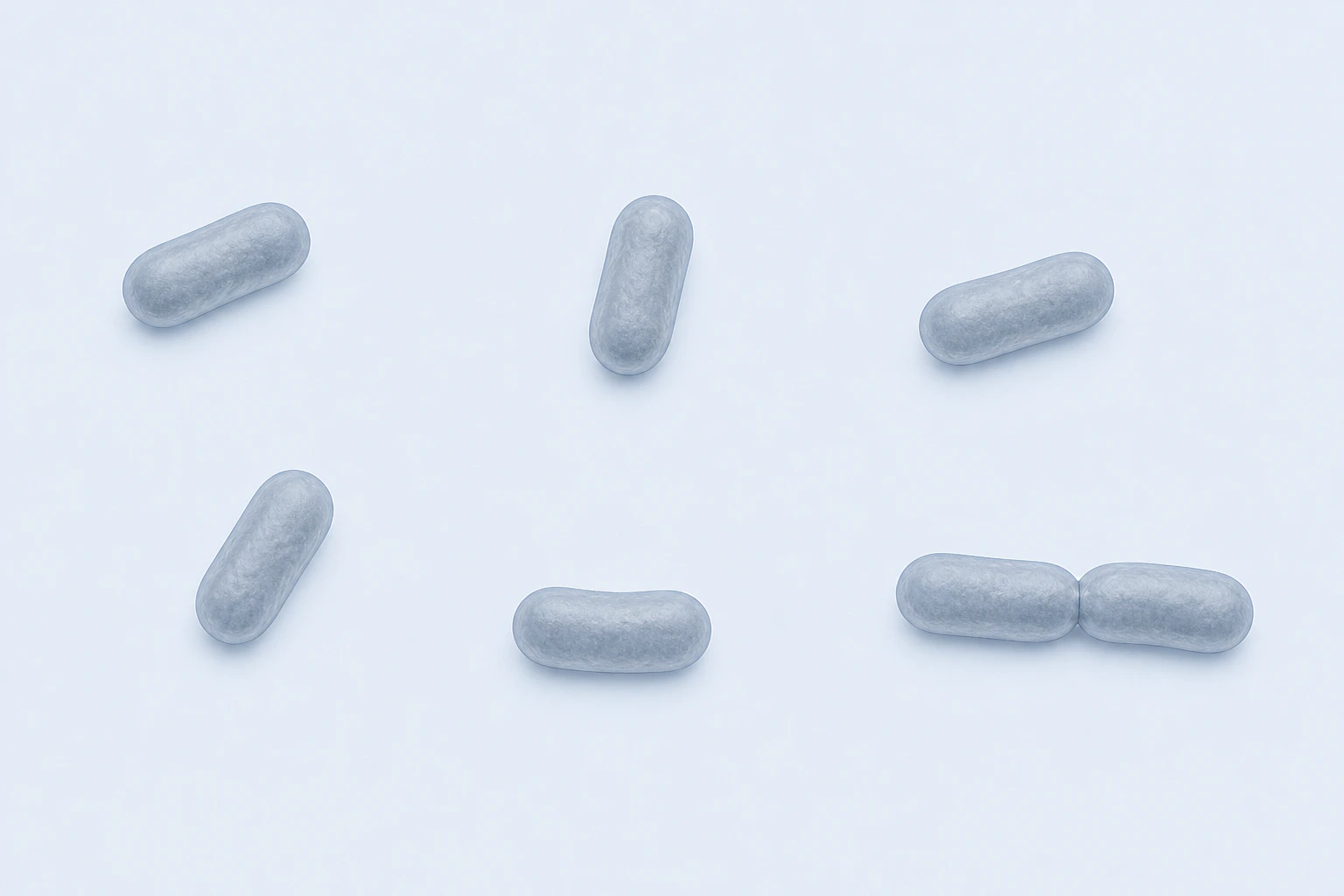
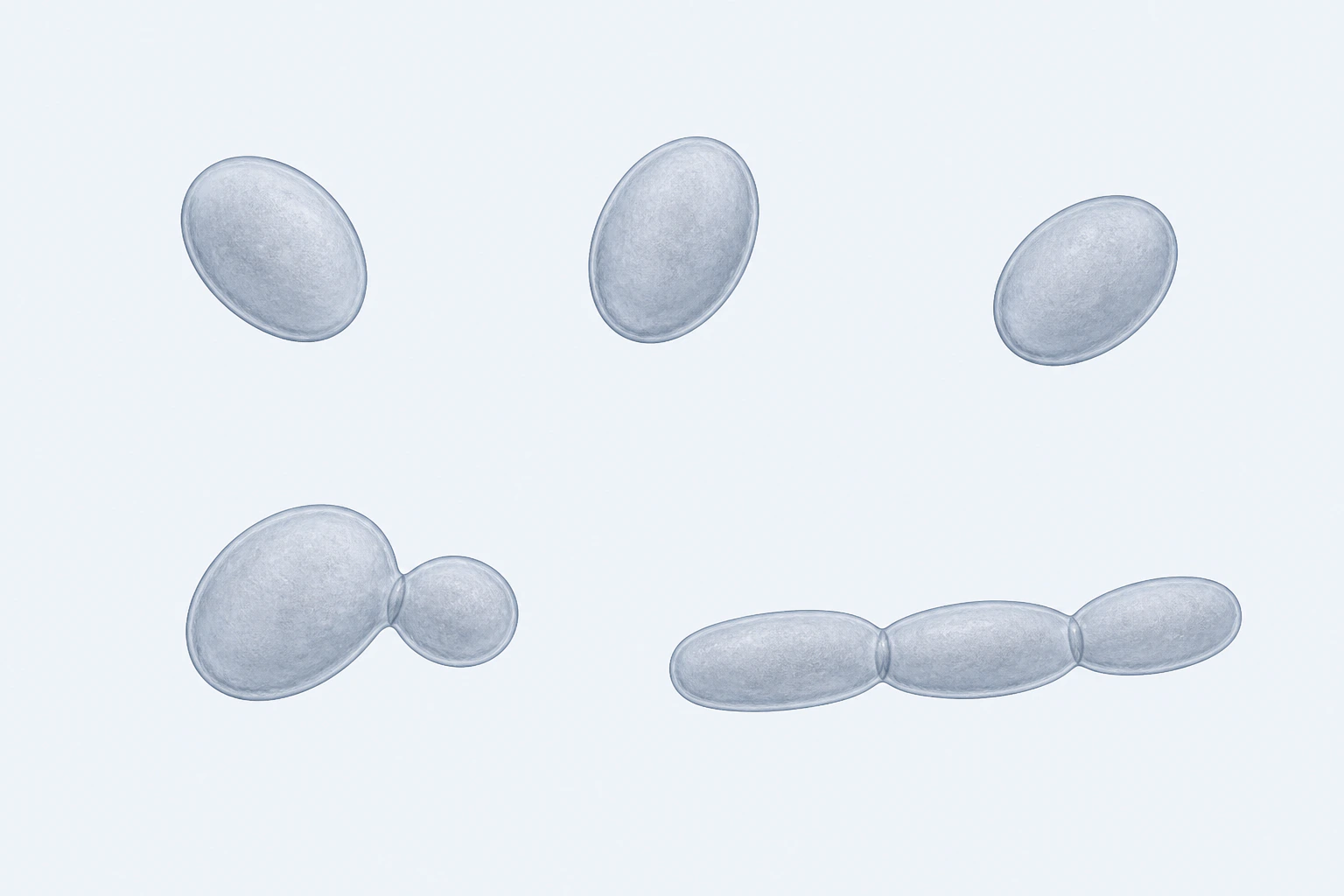
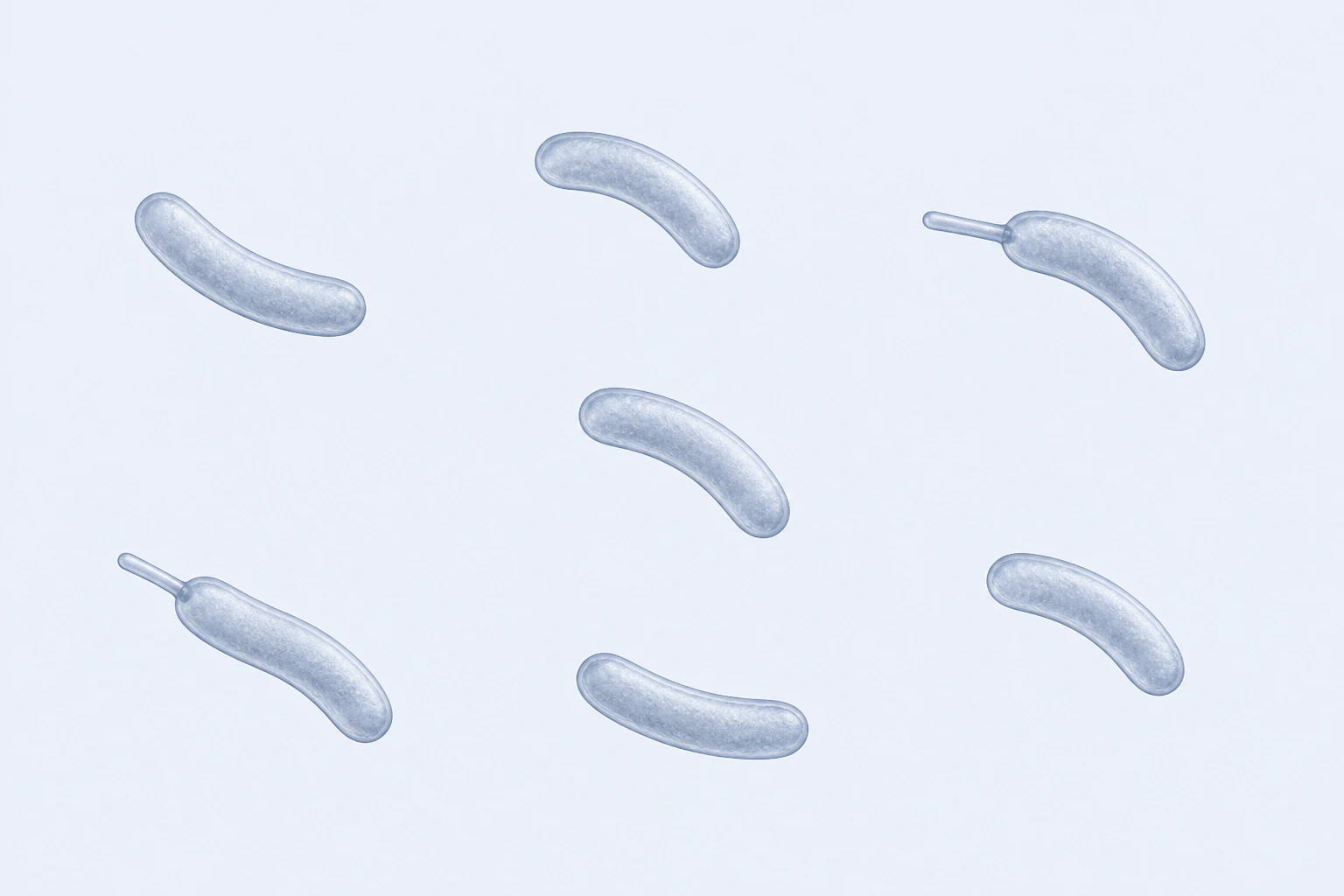
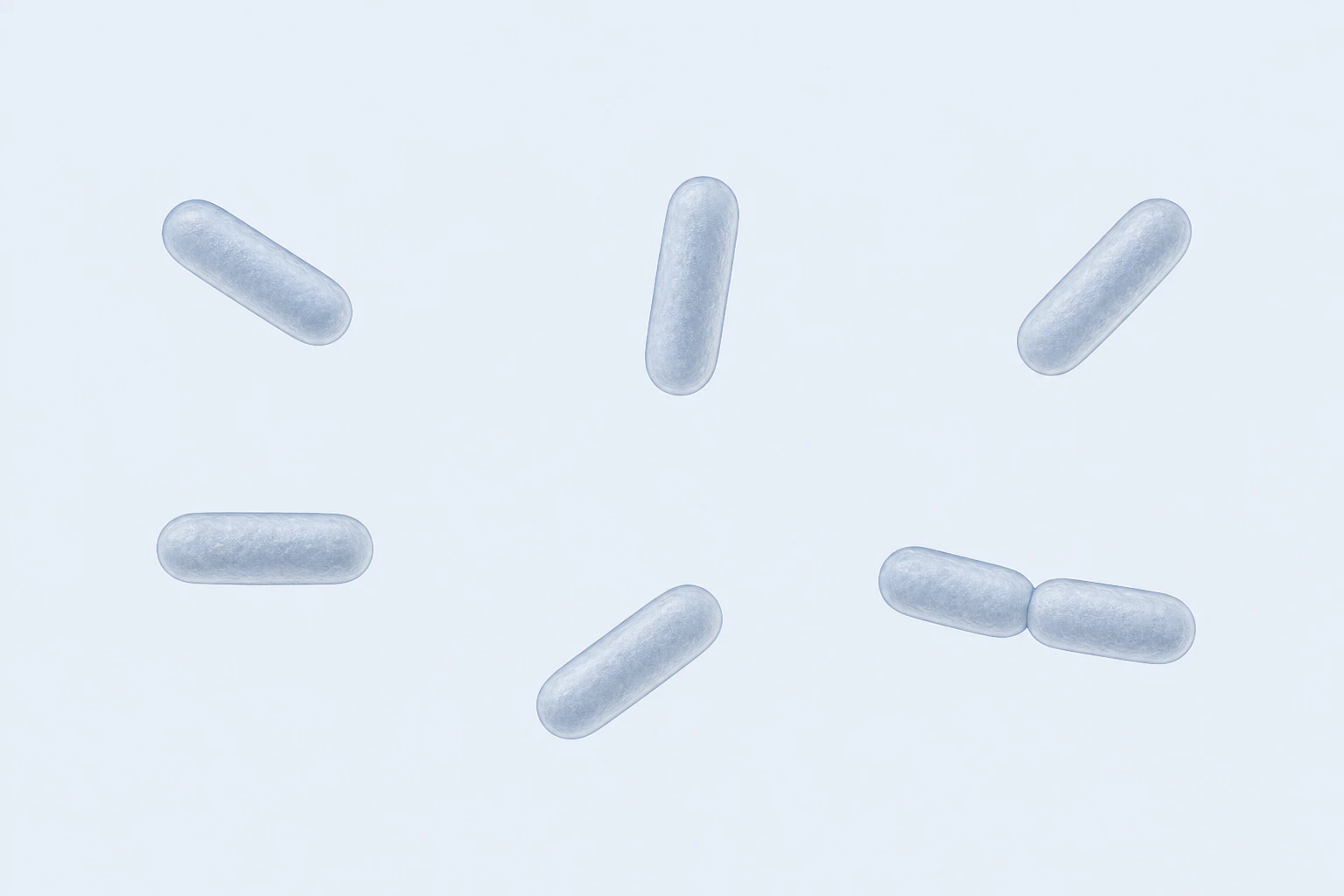
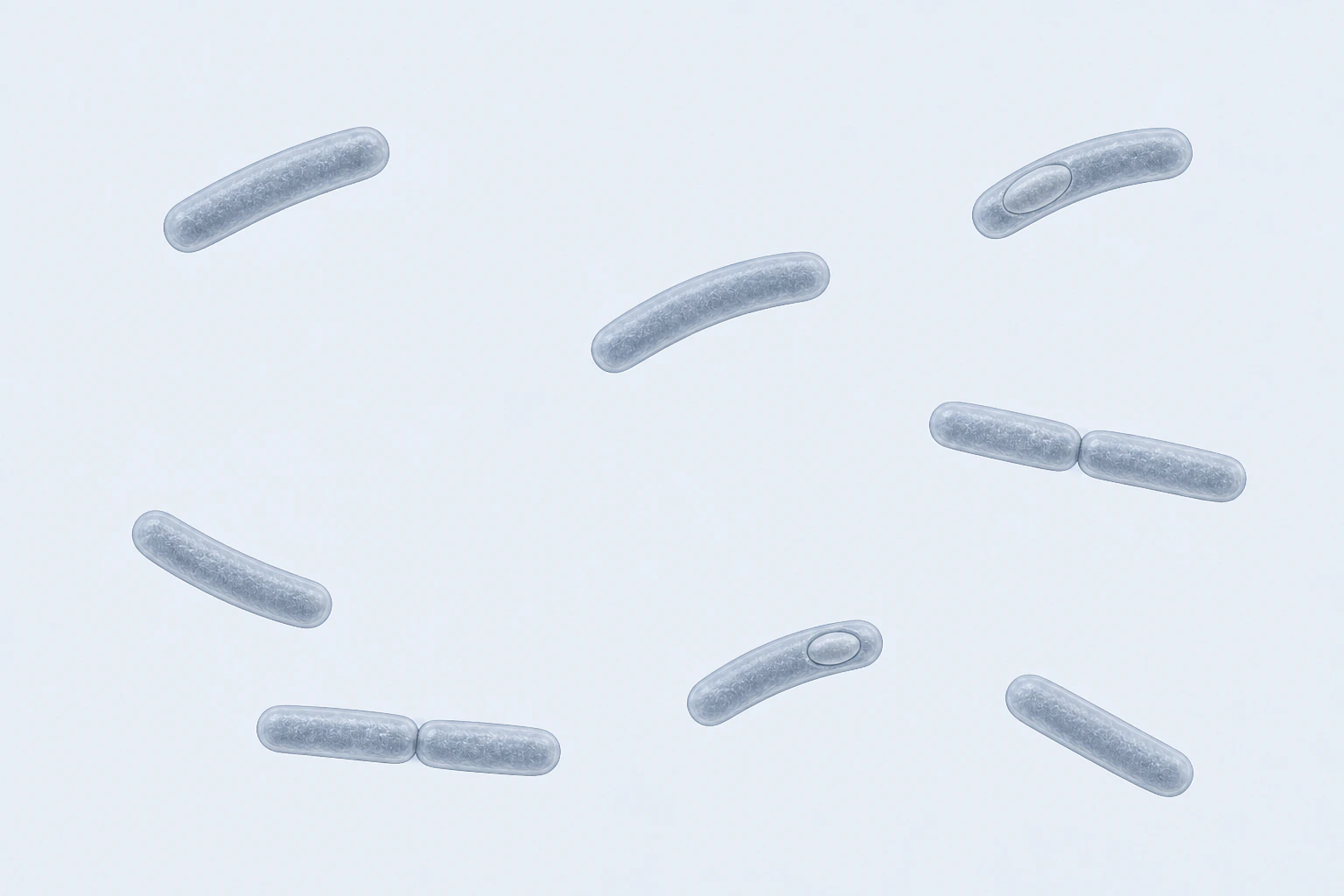
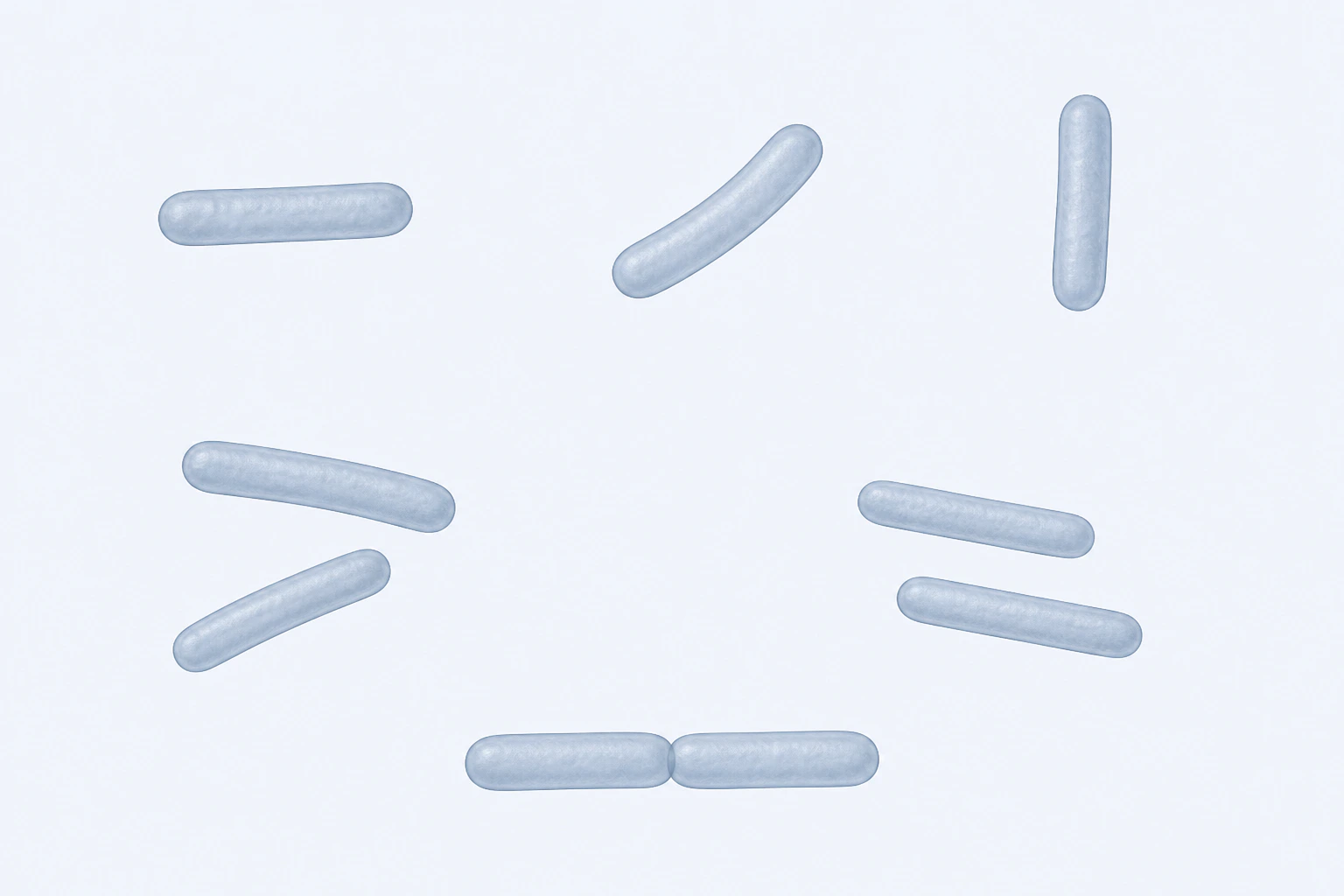
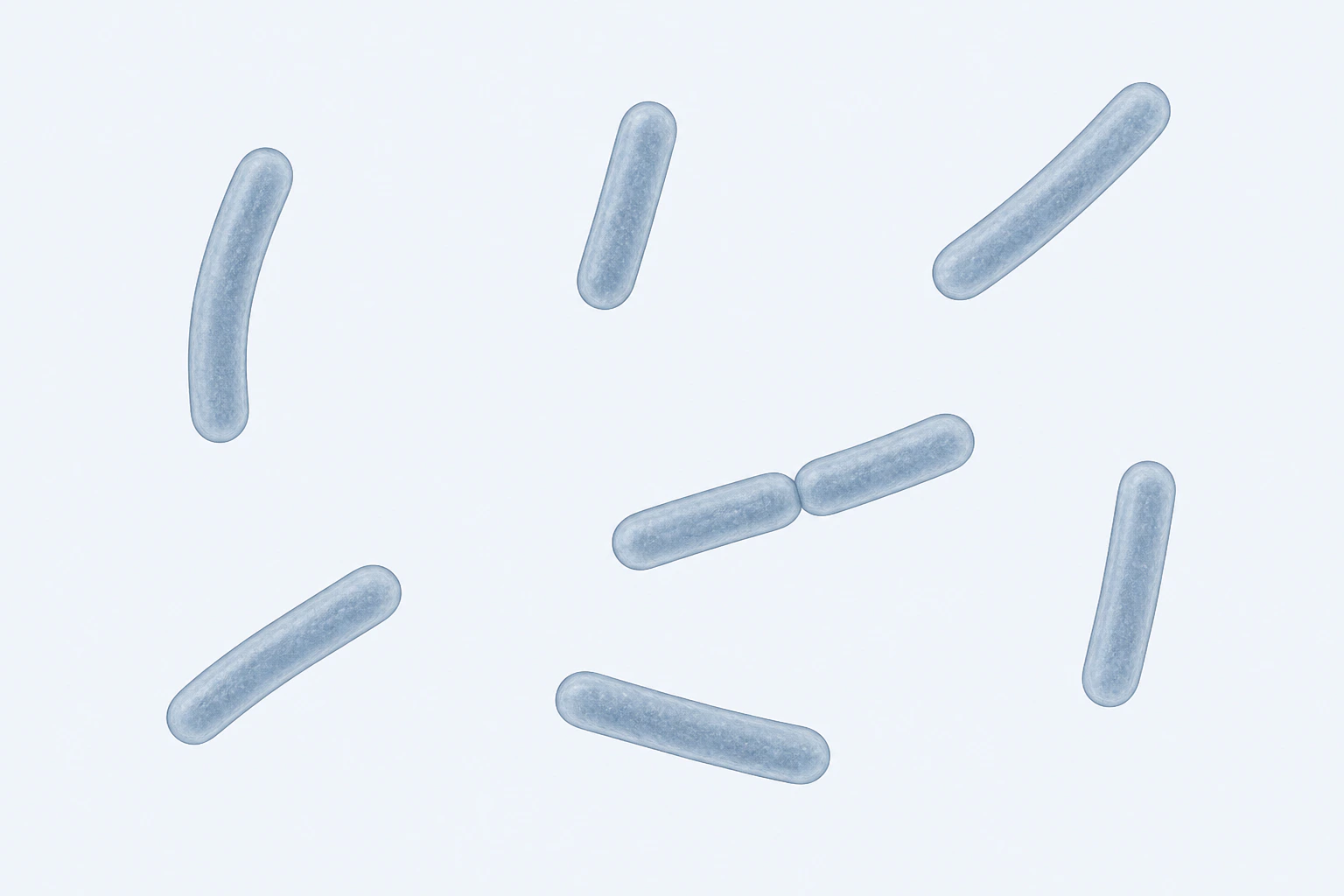
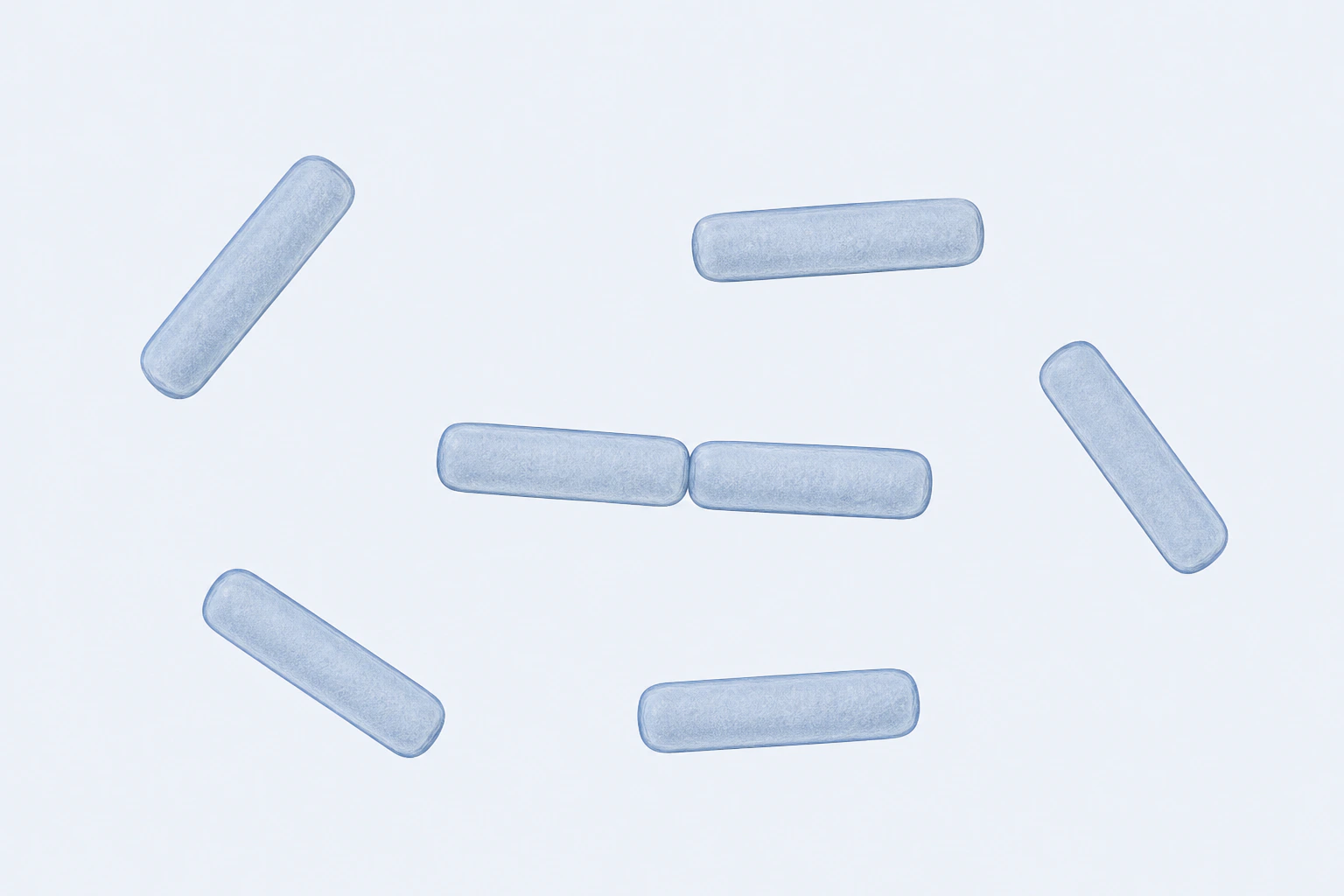
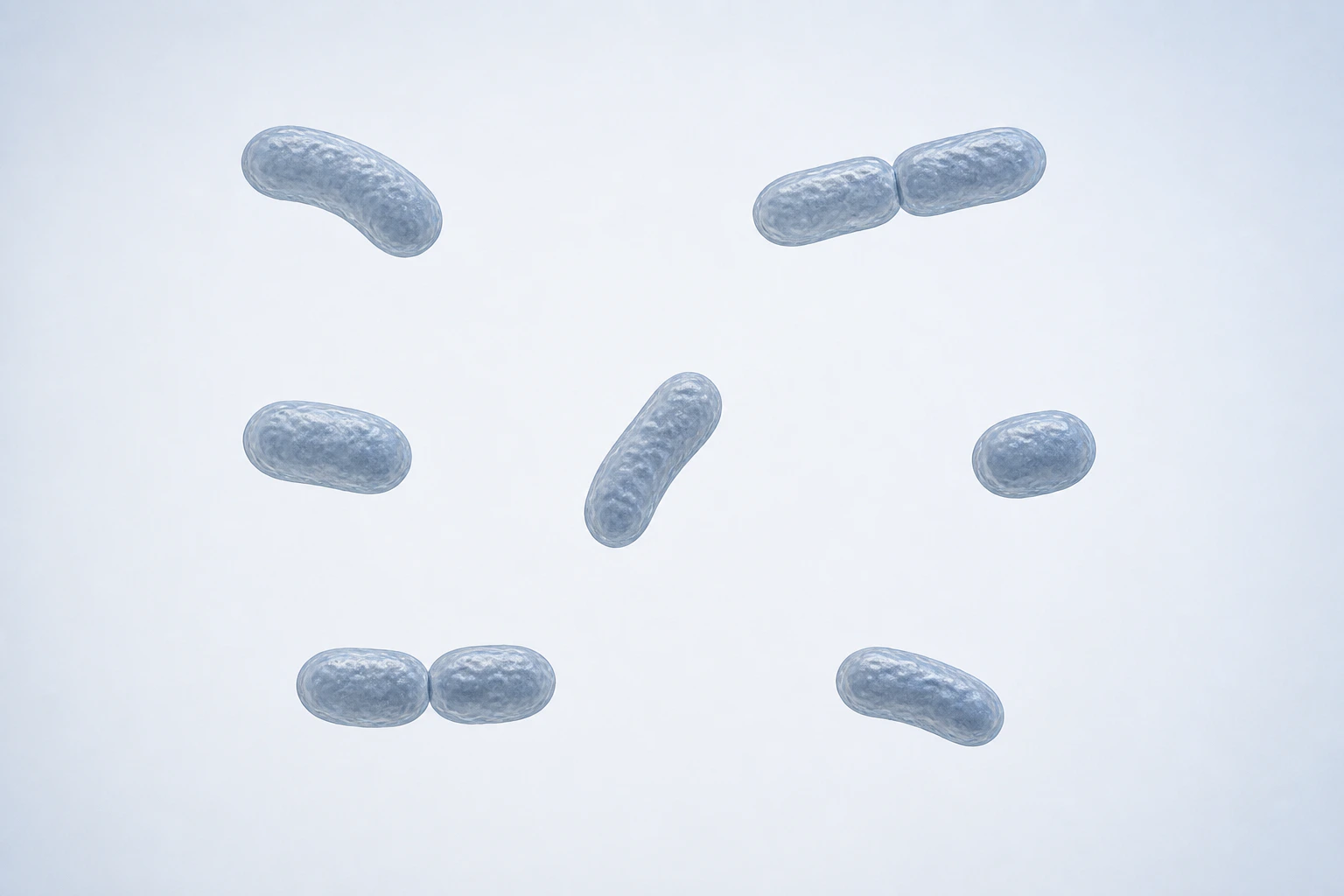
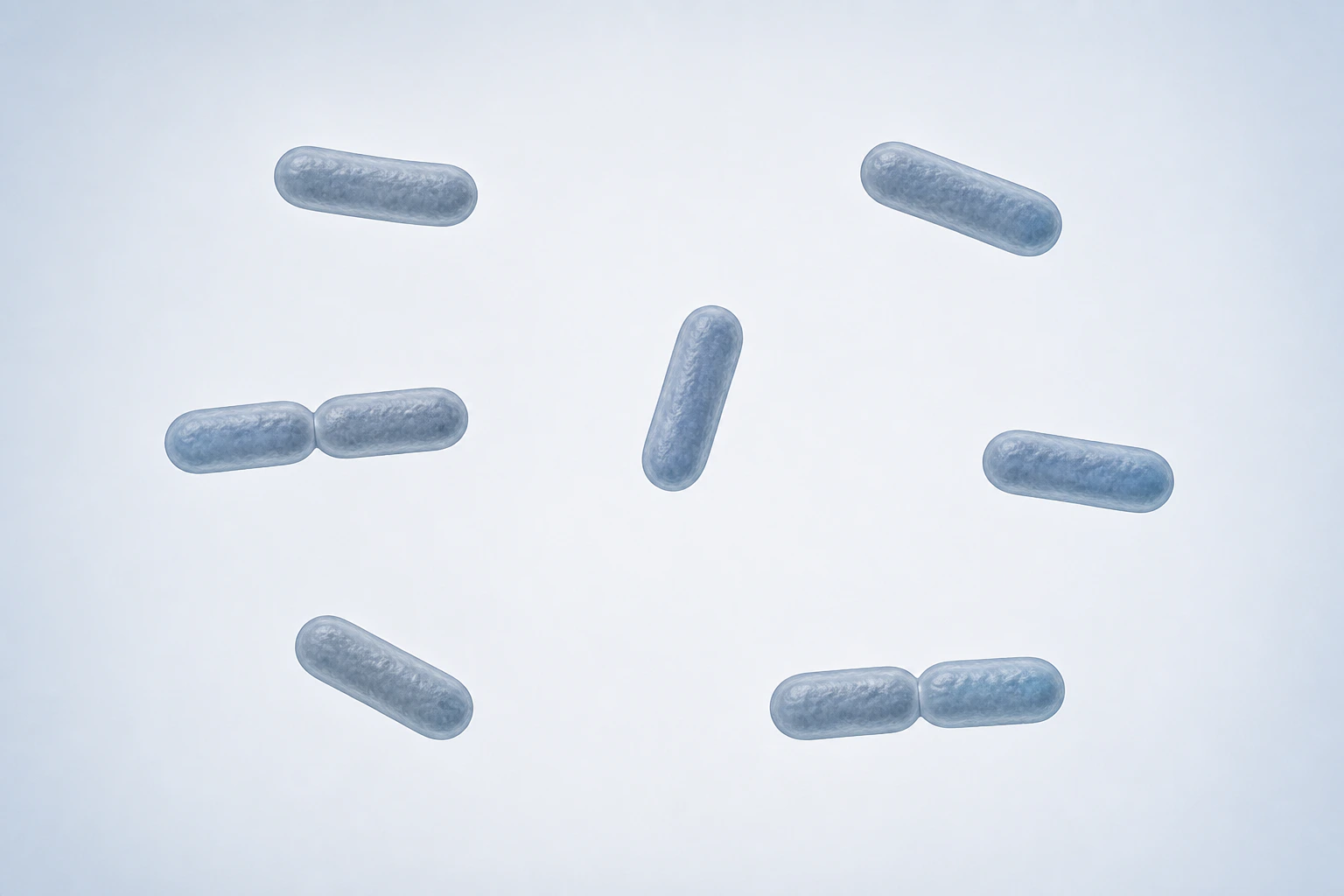
Seven thin Anaerotruncus bacilli, including a loose pair and one cell with an oval terminal endospore, on a pale cool field.
Microorganisms8 sources

Anaerotruncus

Anaerotruncus is a Gram-positive obligate anaerobic genus within the Ruminococcaceae (Firmicutes). First isolated from human feces, it is a minor member of the healthy gut community that has attracted attention for its consistent enrichment in aging-related conditions a

B
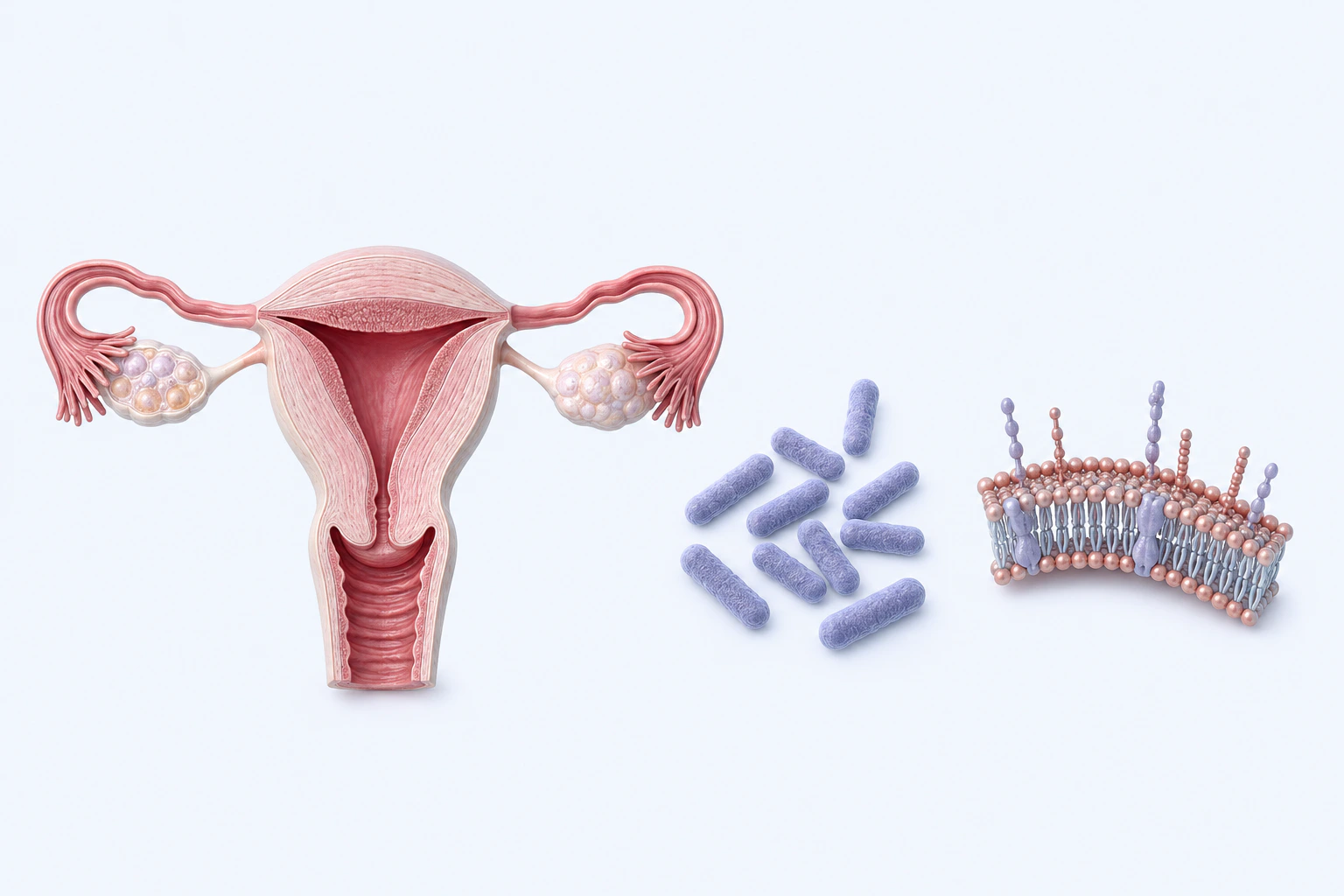
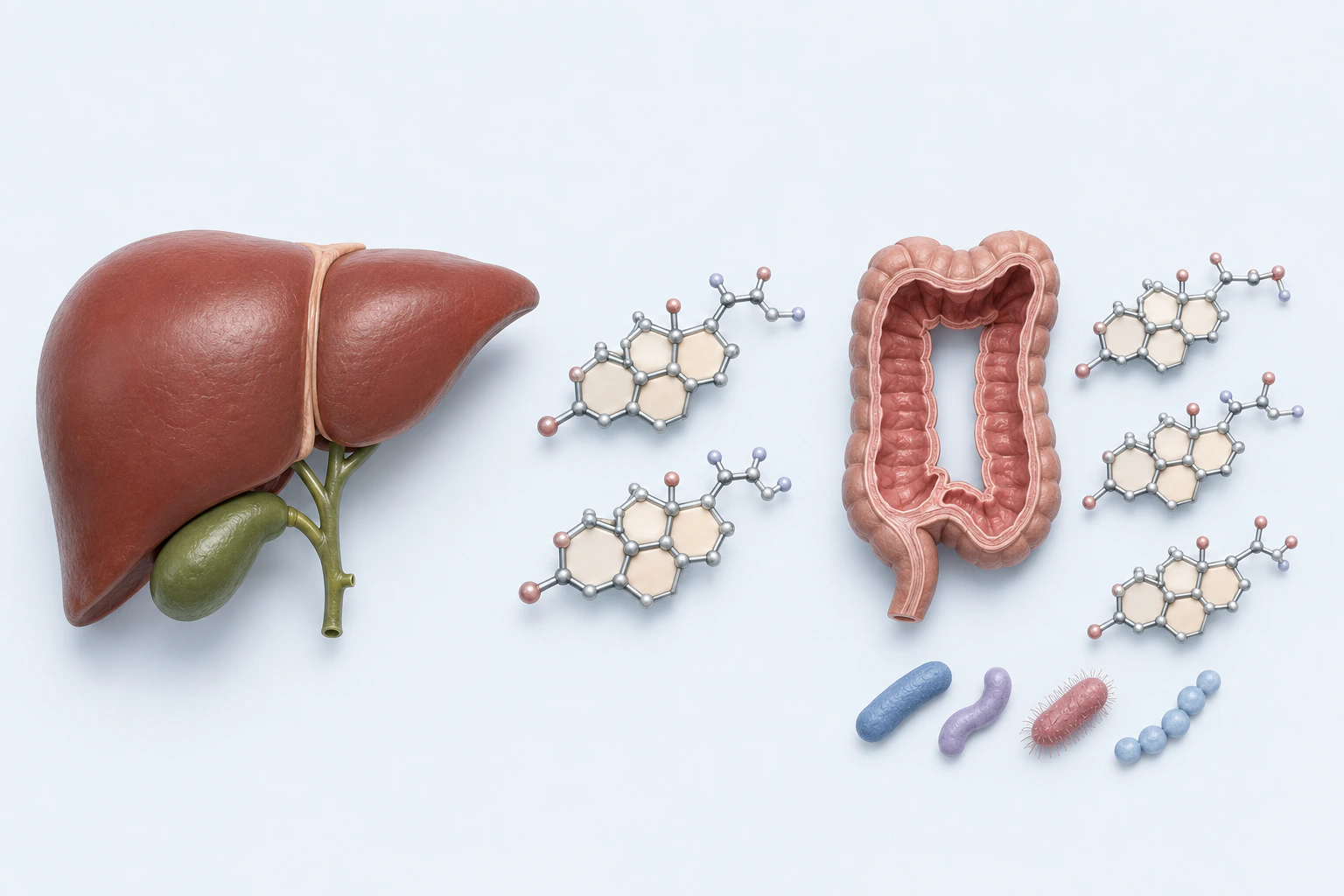
Separated liver and gallbladder, steroid-like tokens, and colon-with-microbial-context teaching groups orient bile acid metabolism without arrows.
Mechanisms8 sources

Bile Acid Metabolism

Bile acids are cholesterol-derived amphipathic molecules synthesized in the liver, secreted into the duodenum, and extensively modified by gut bacteria. The host-microbe co-metabolism of bile acids creates a signaling network with profound effects on lipid metabolism, g

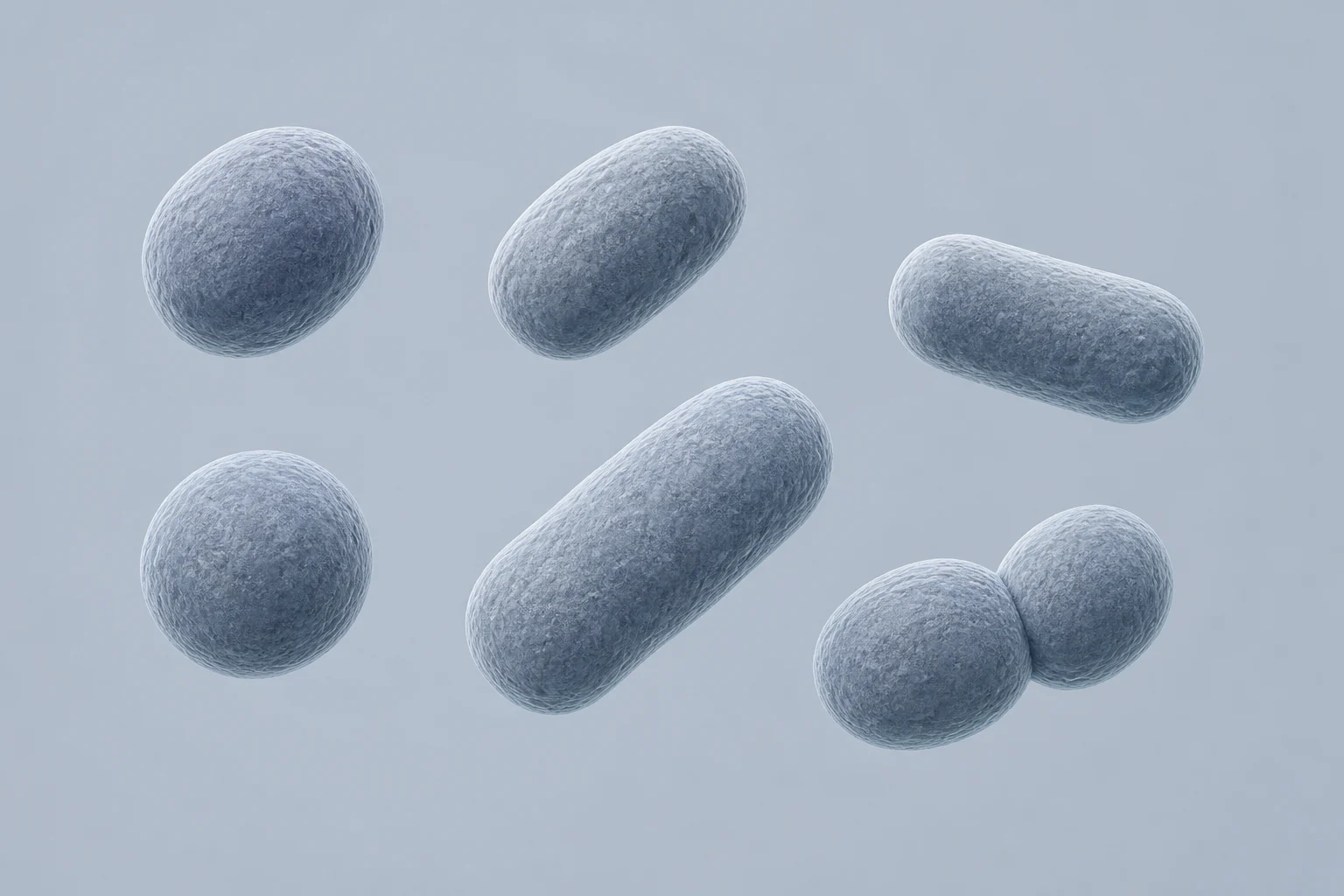
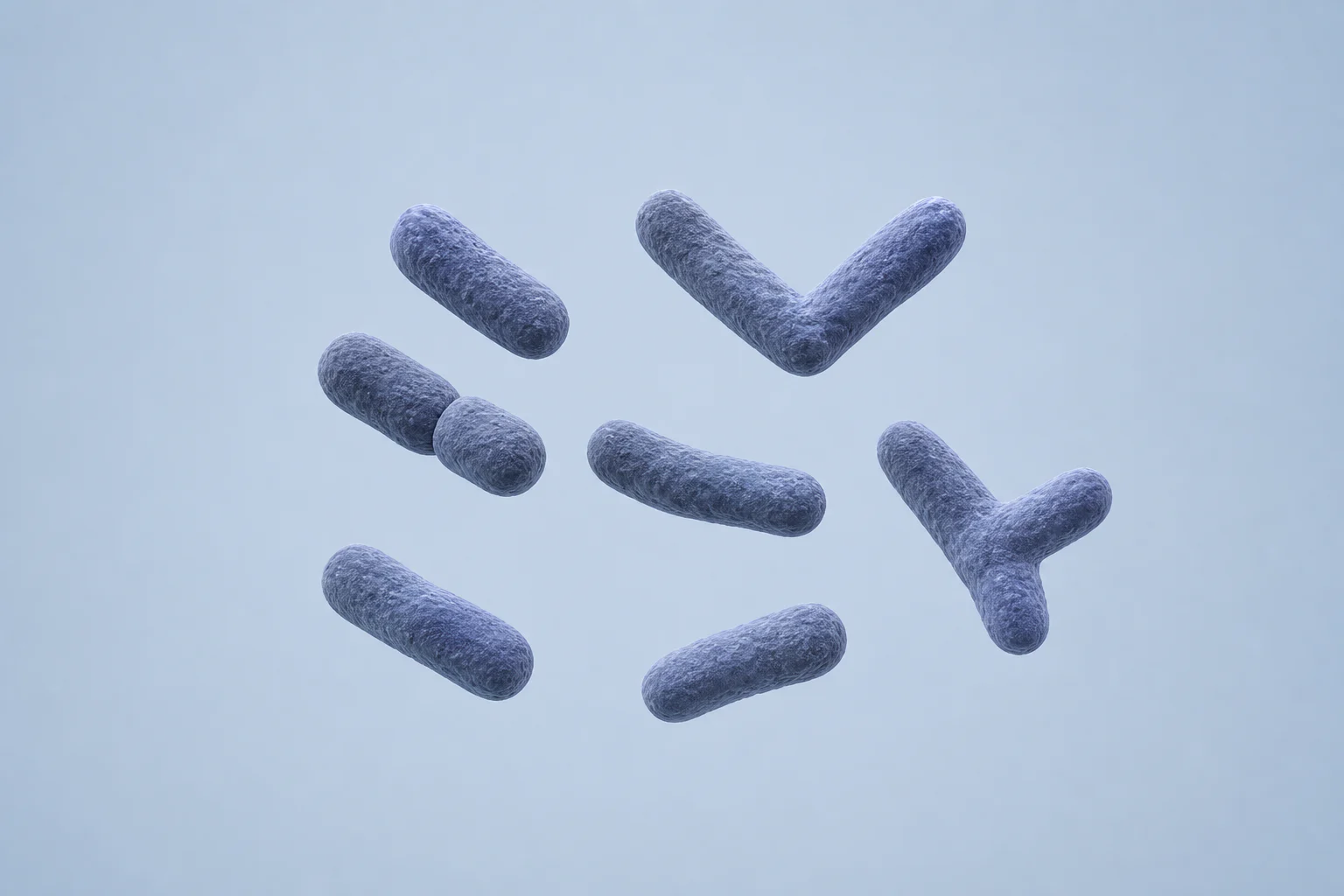
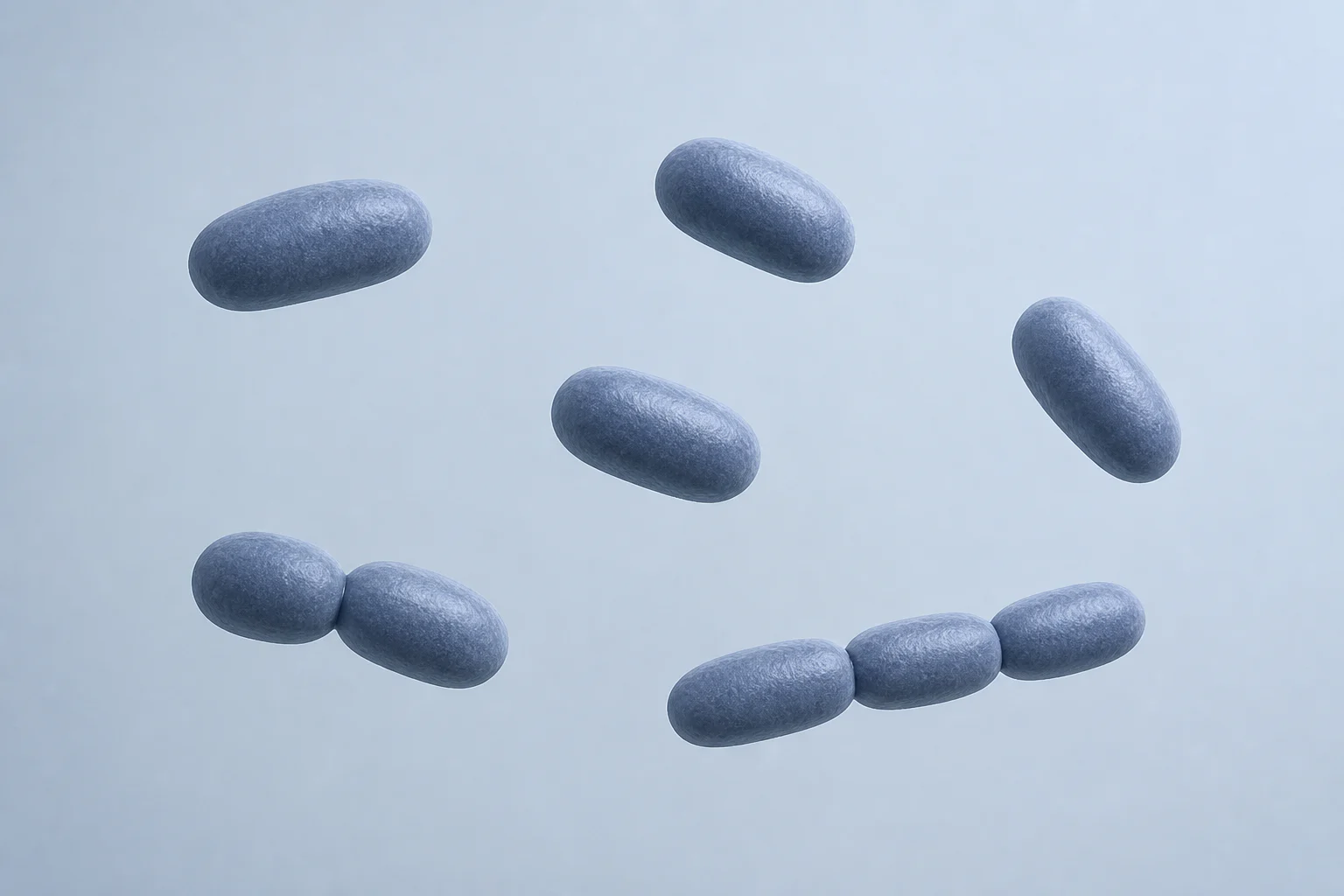
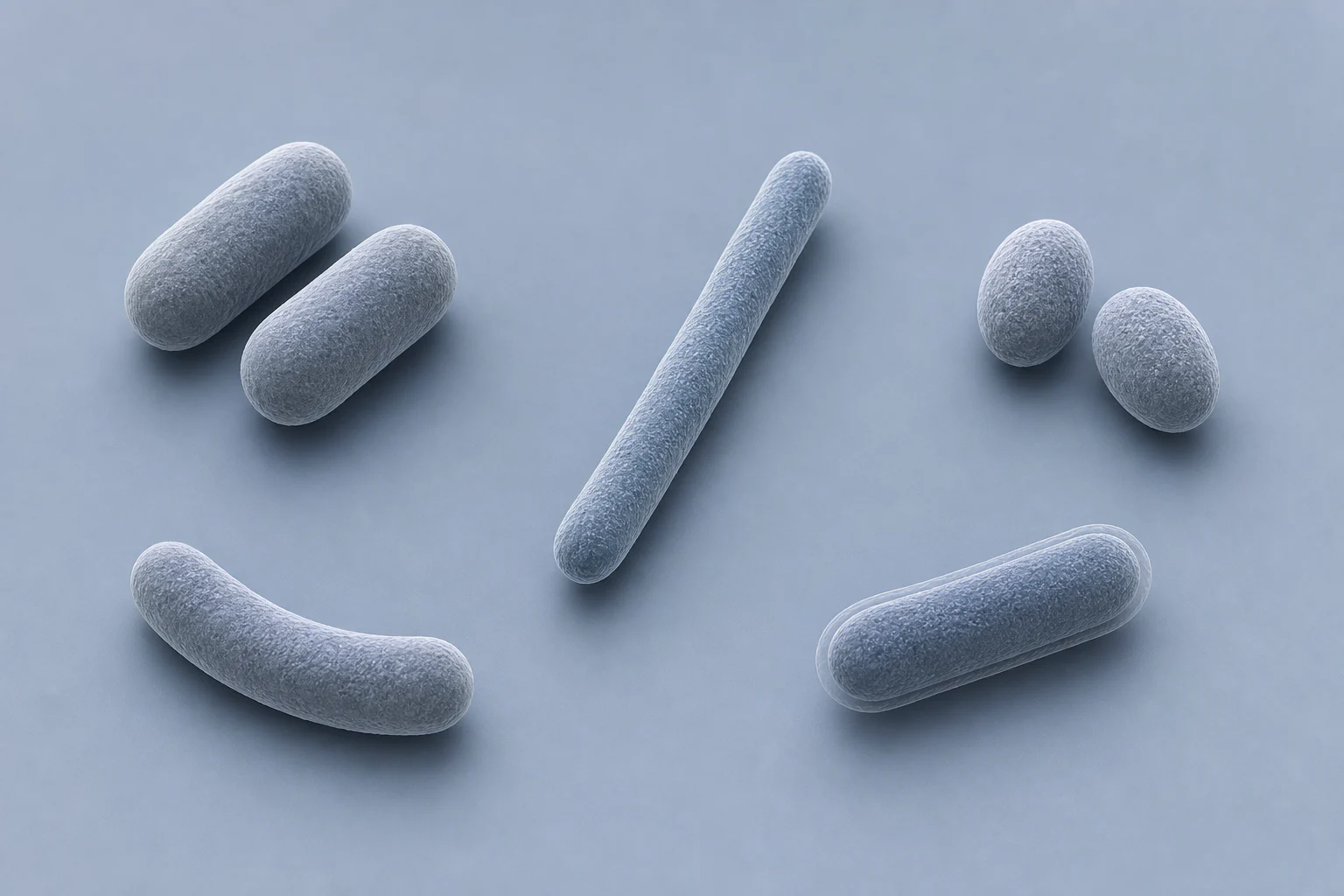
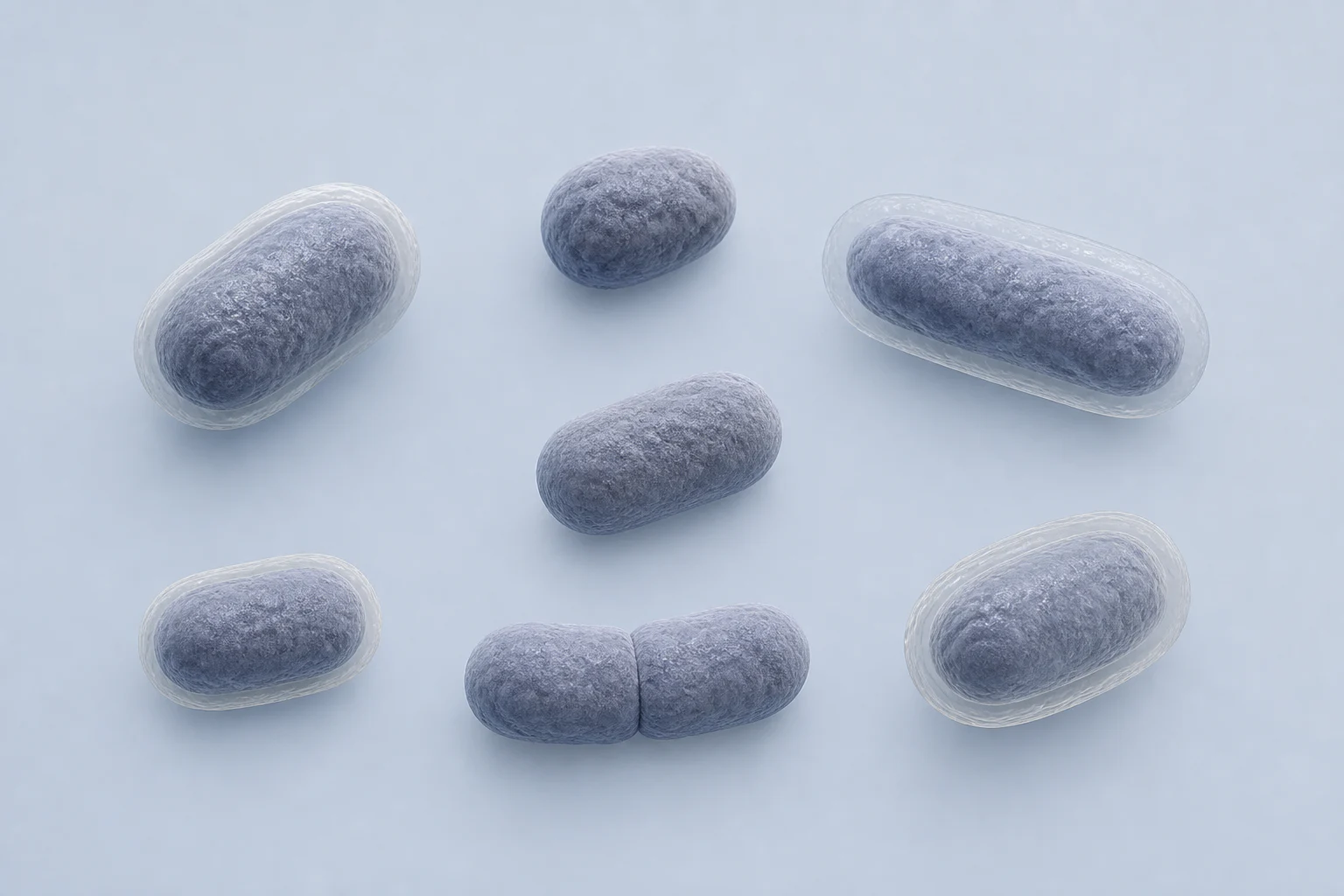
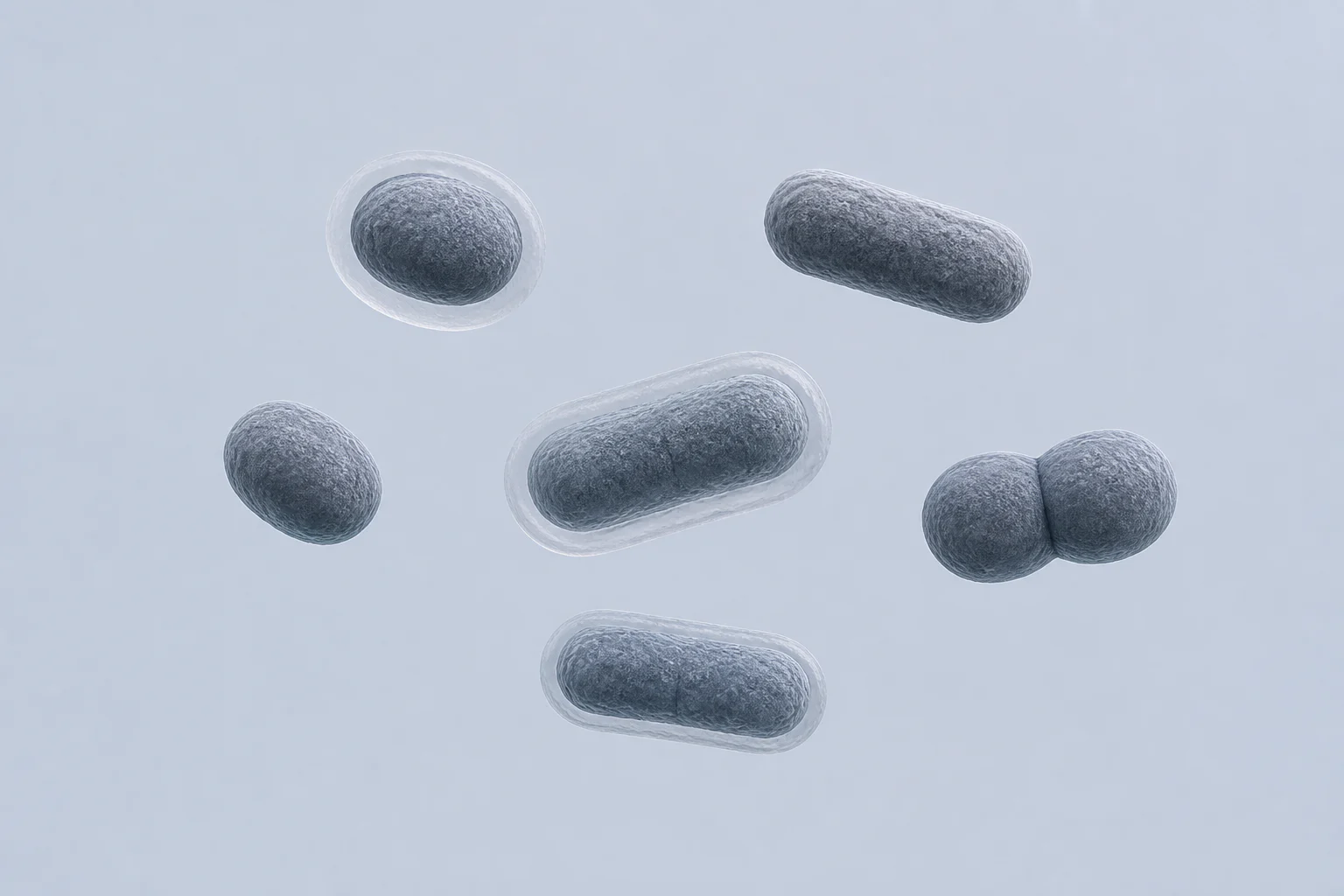
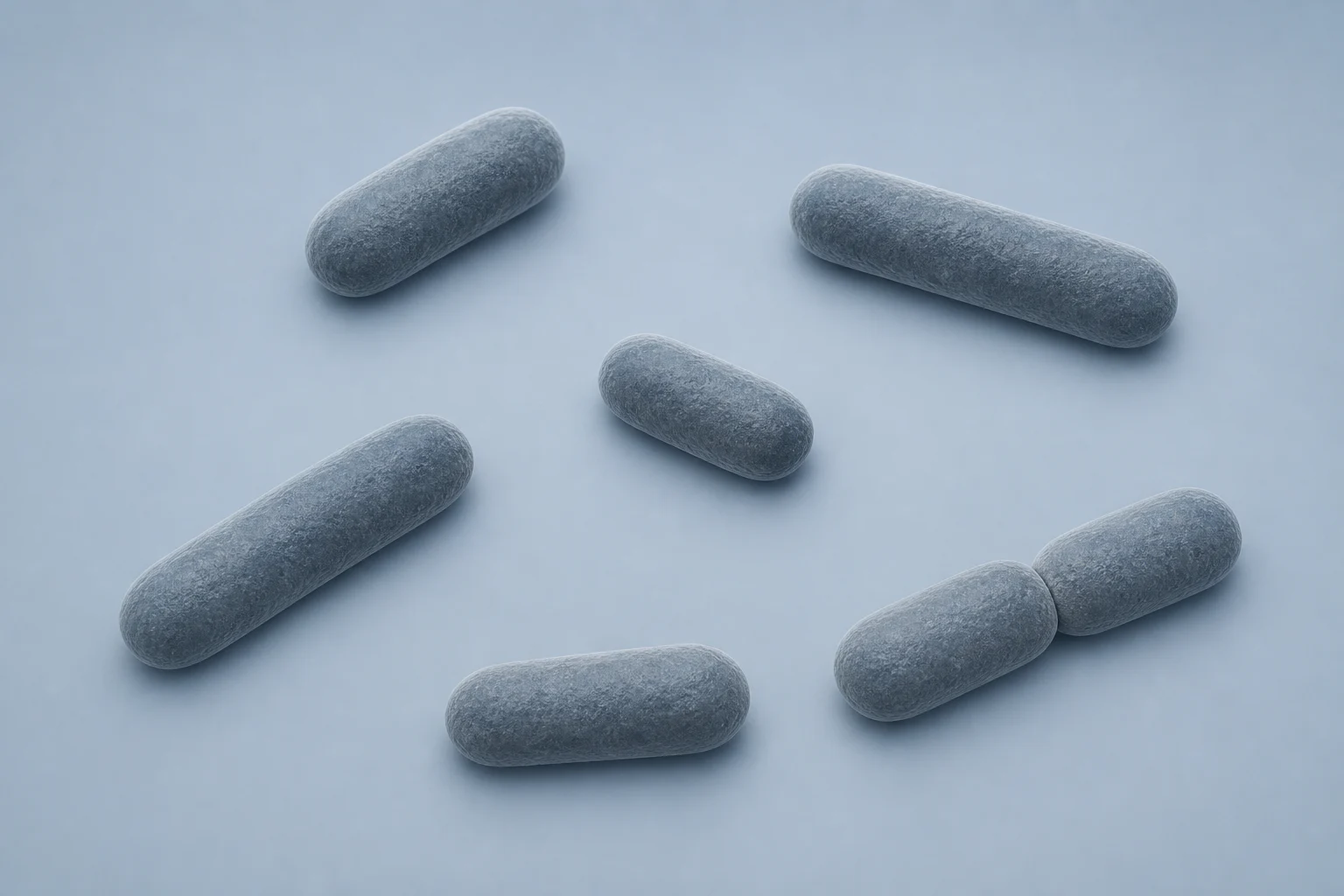
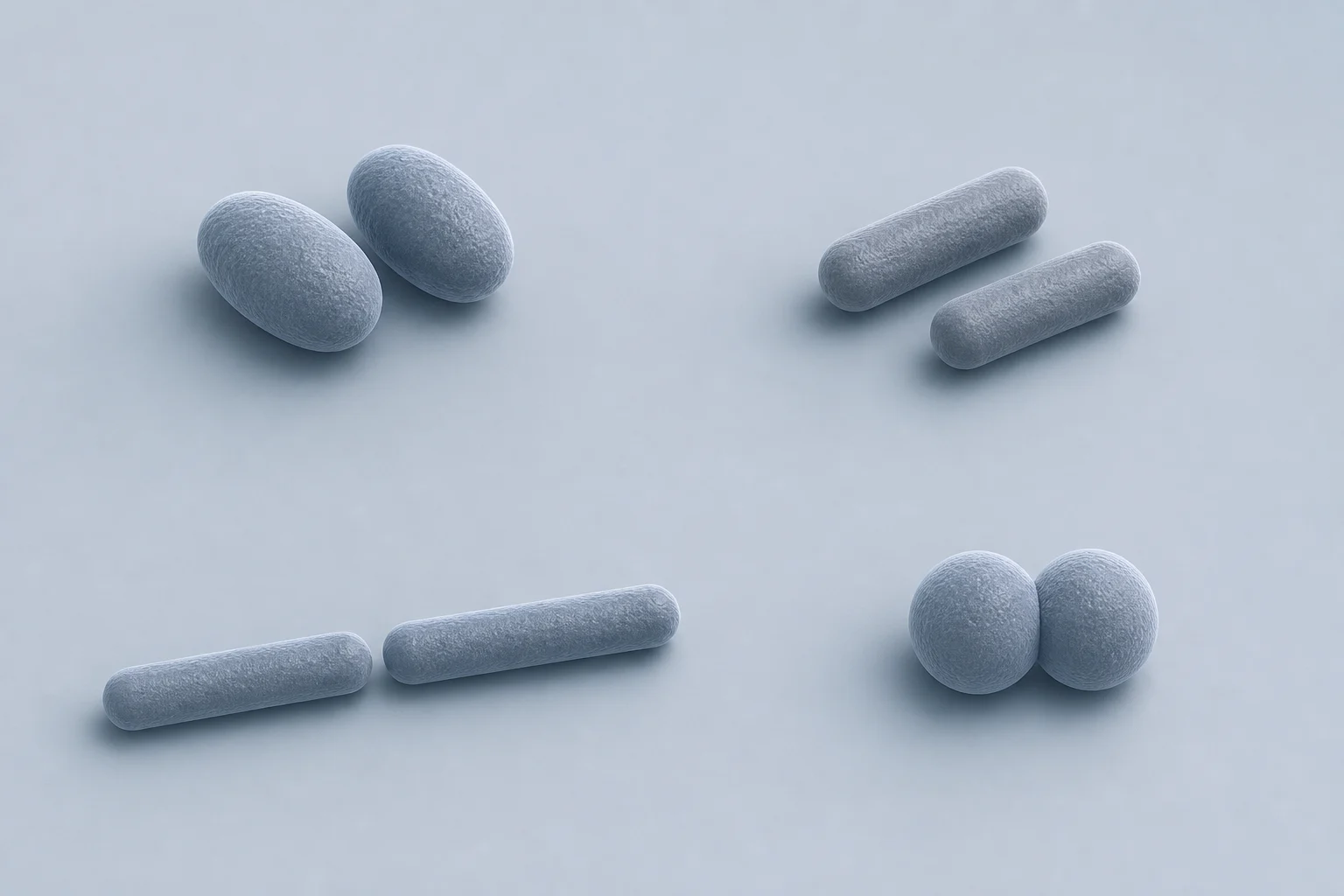
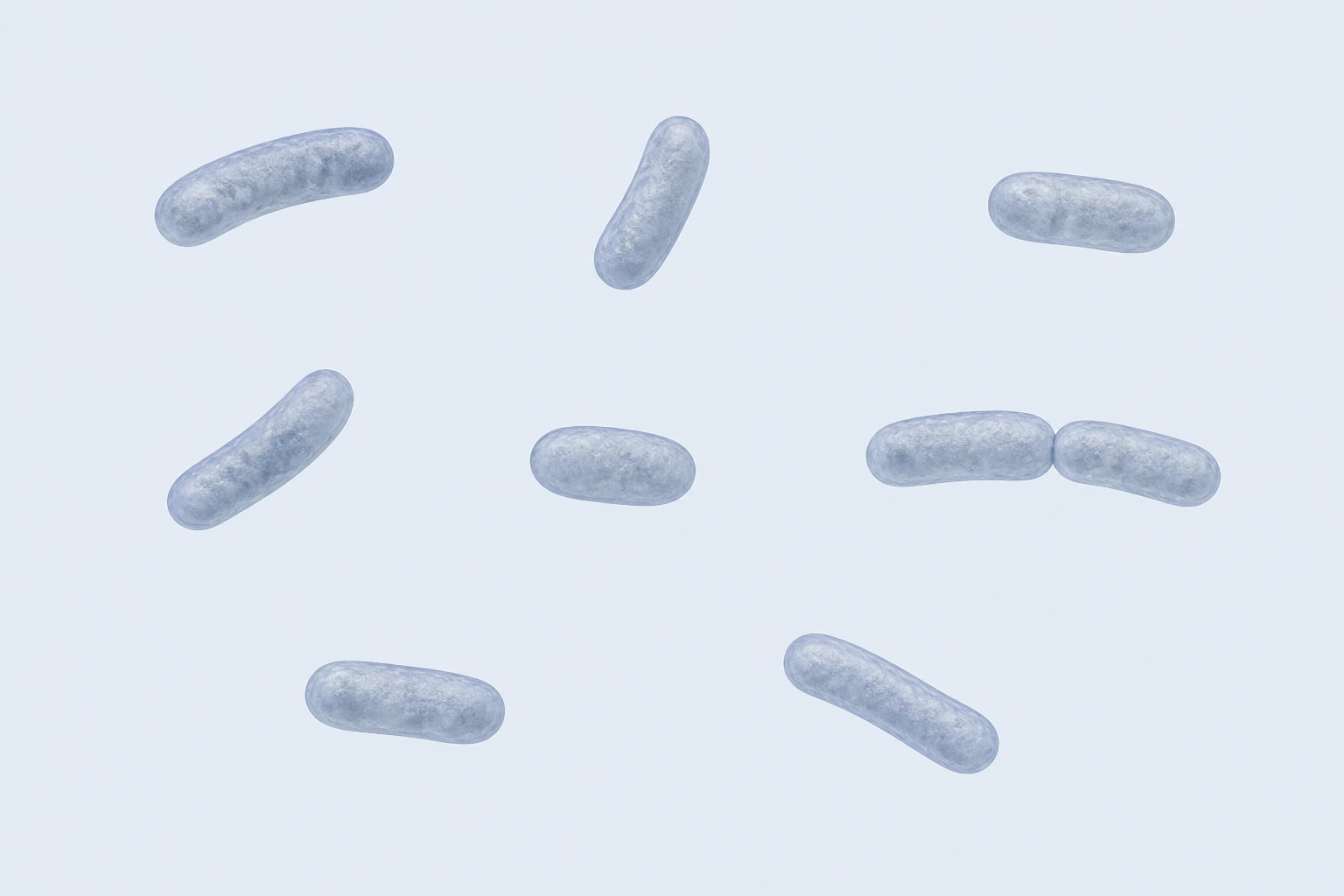
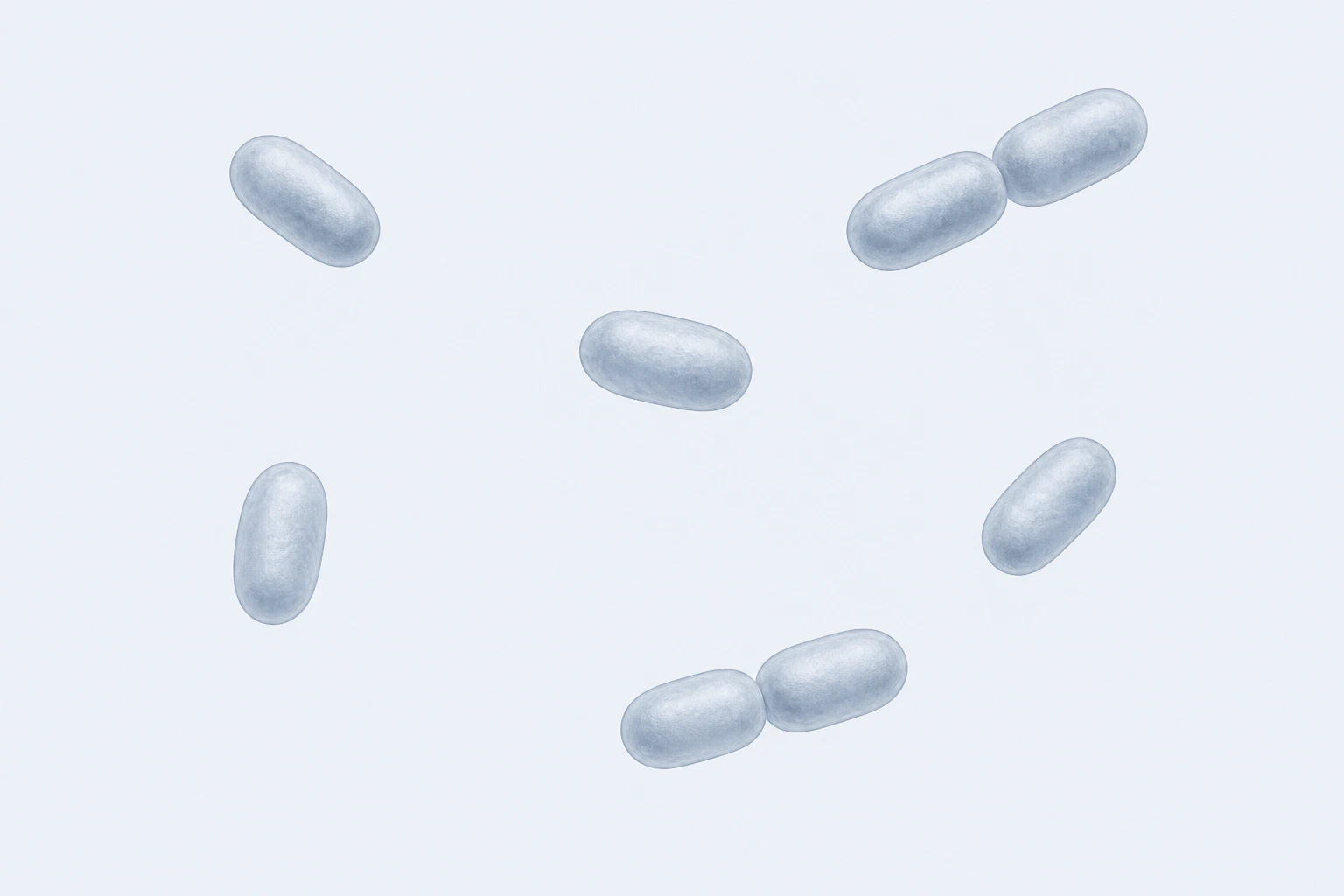
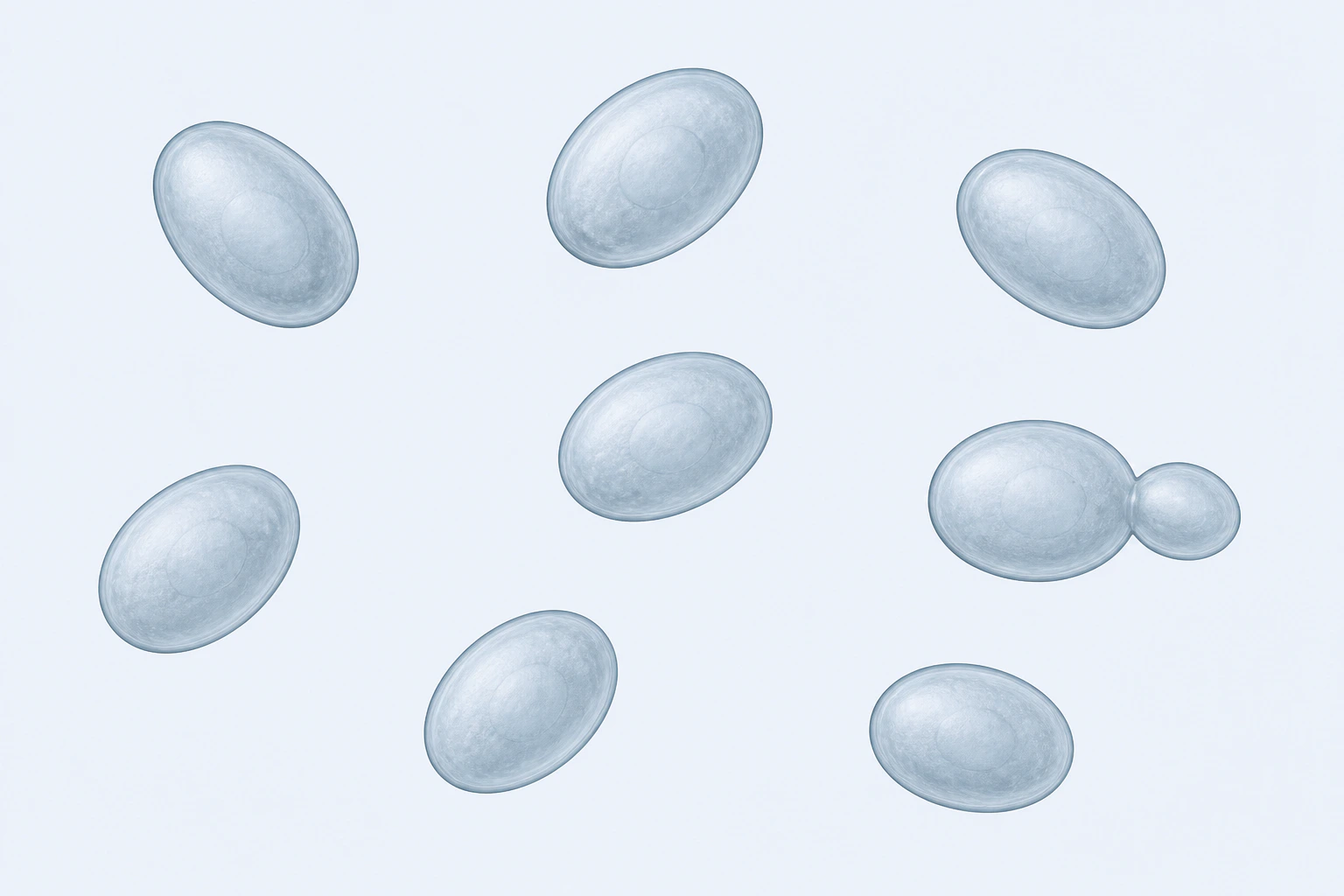
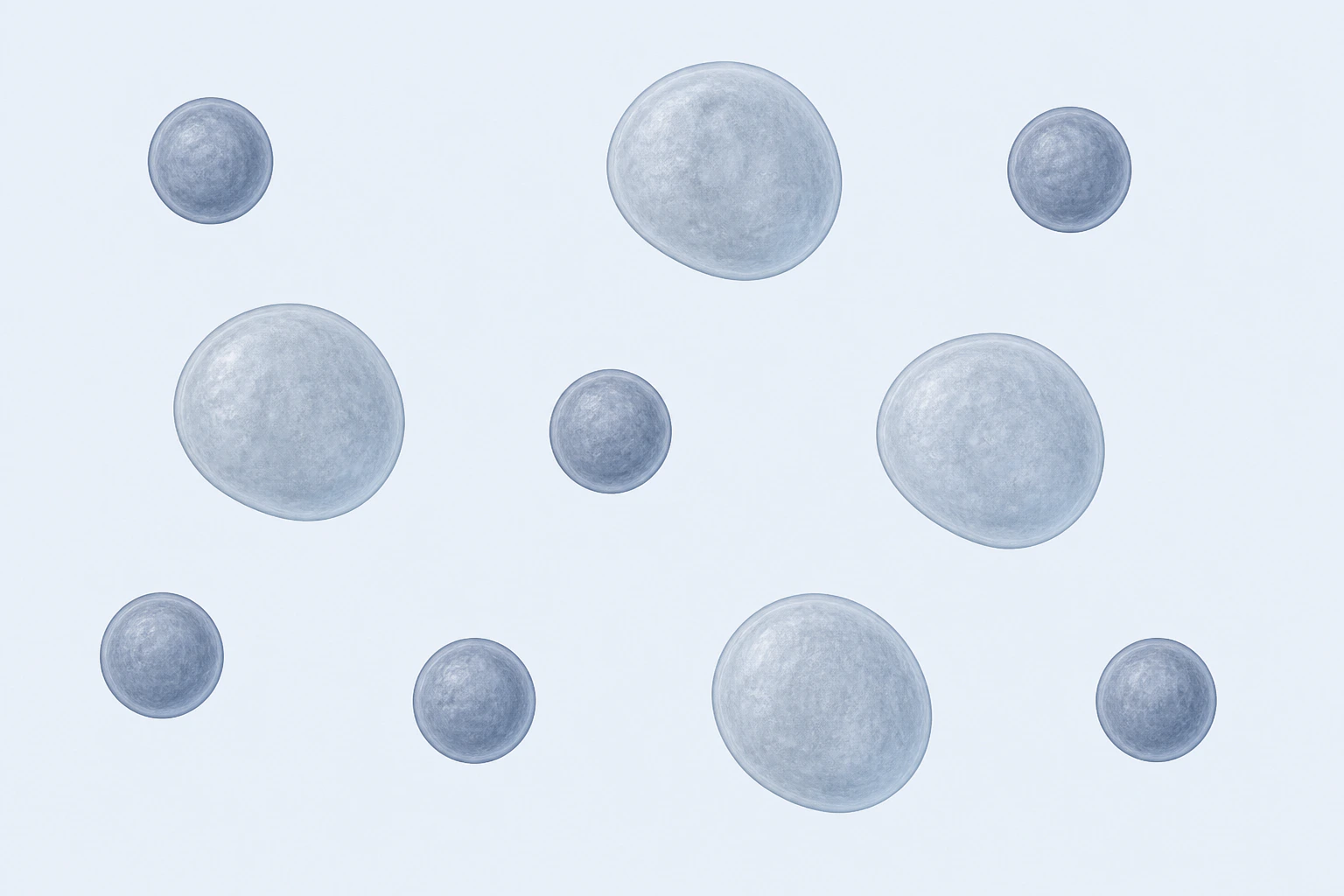
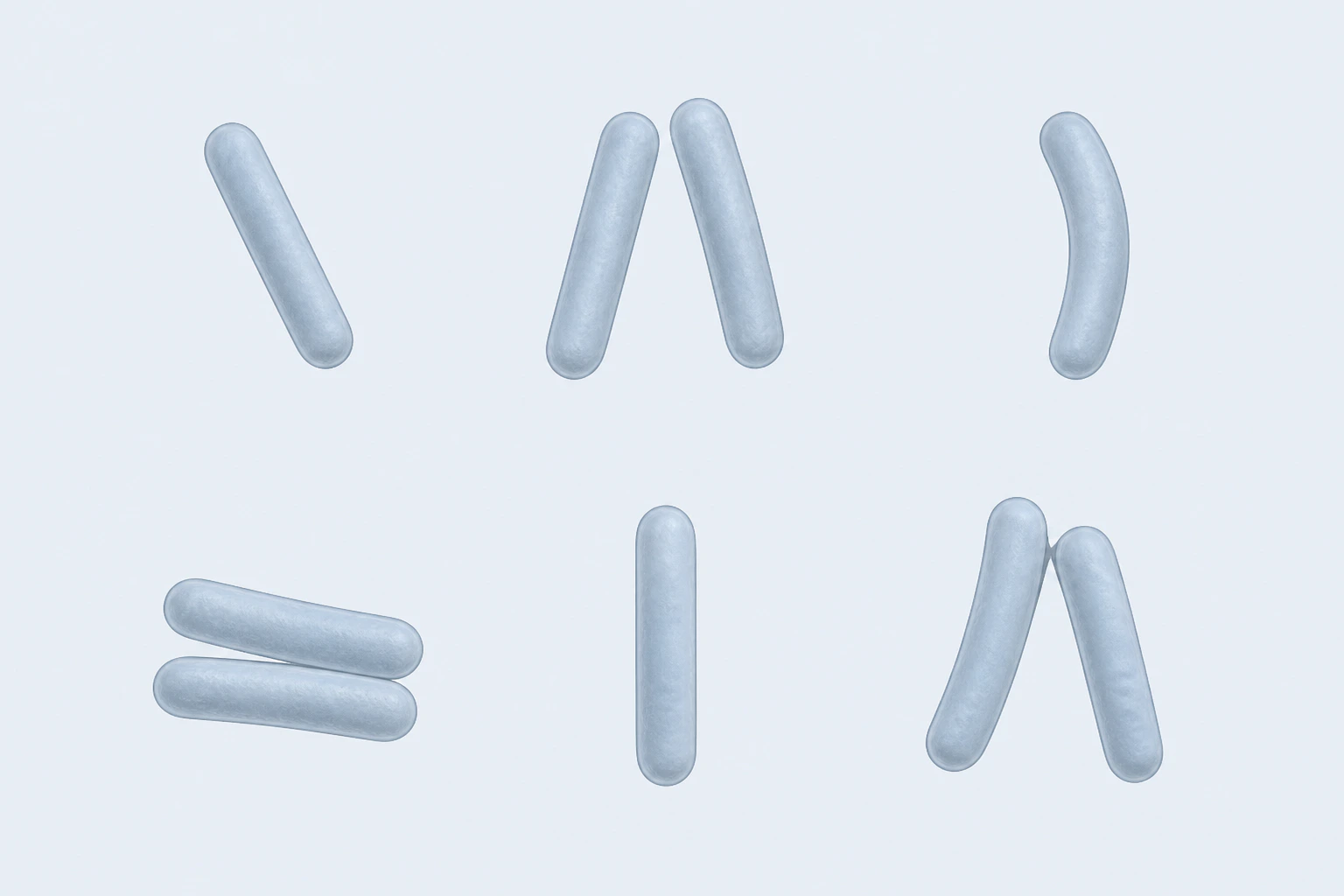
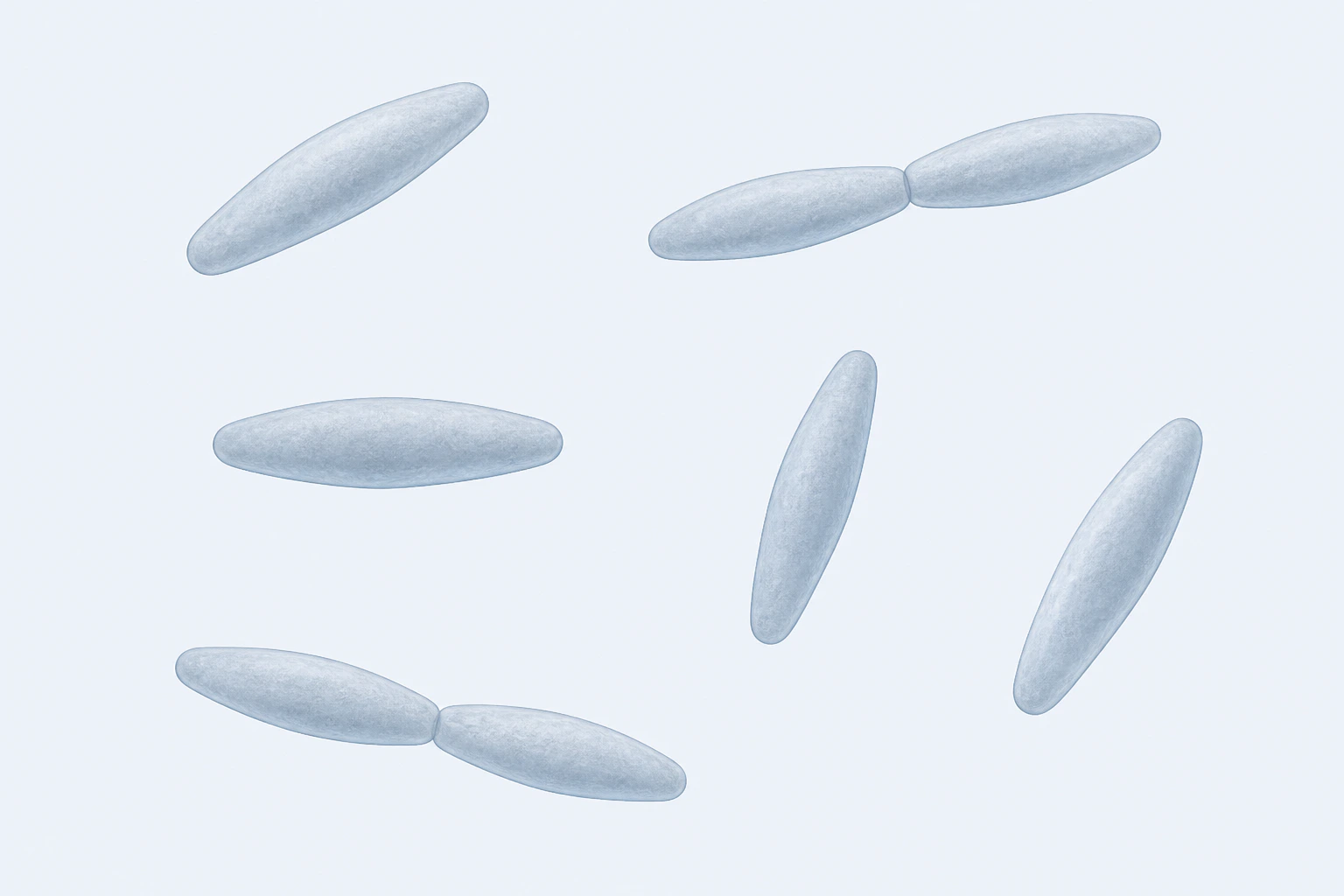
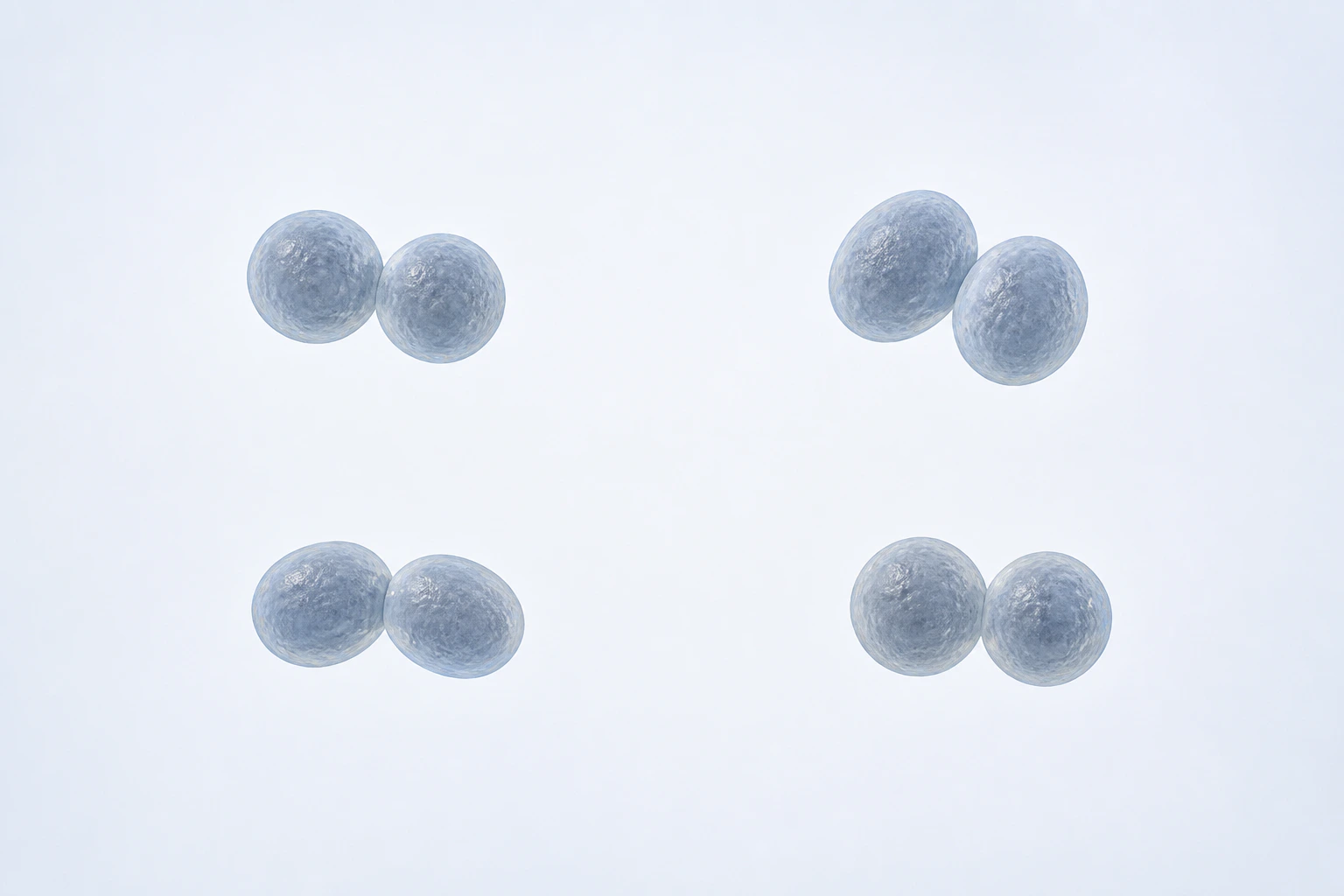
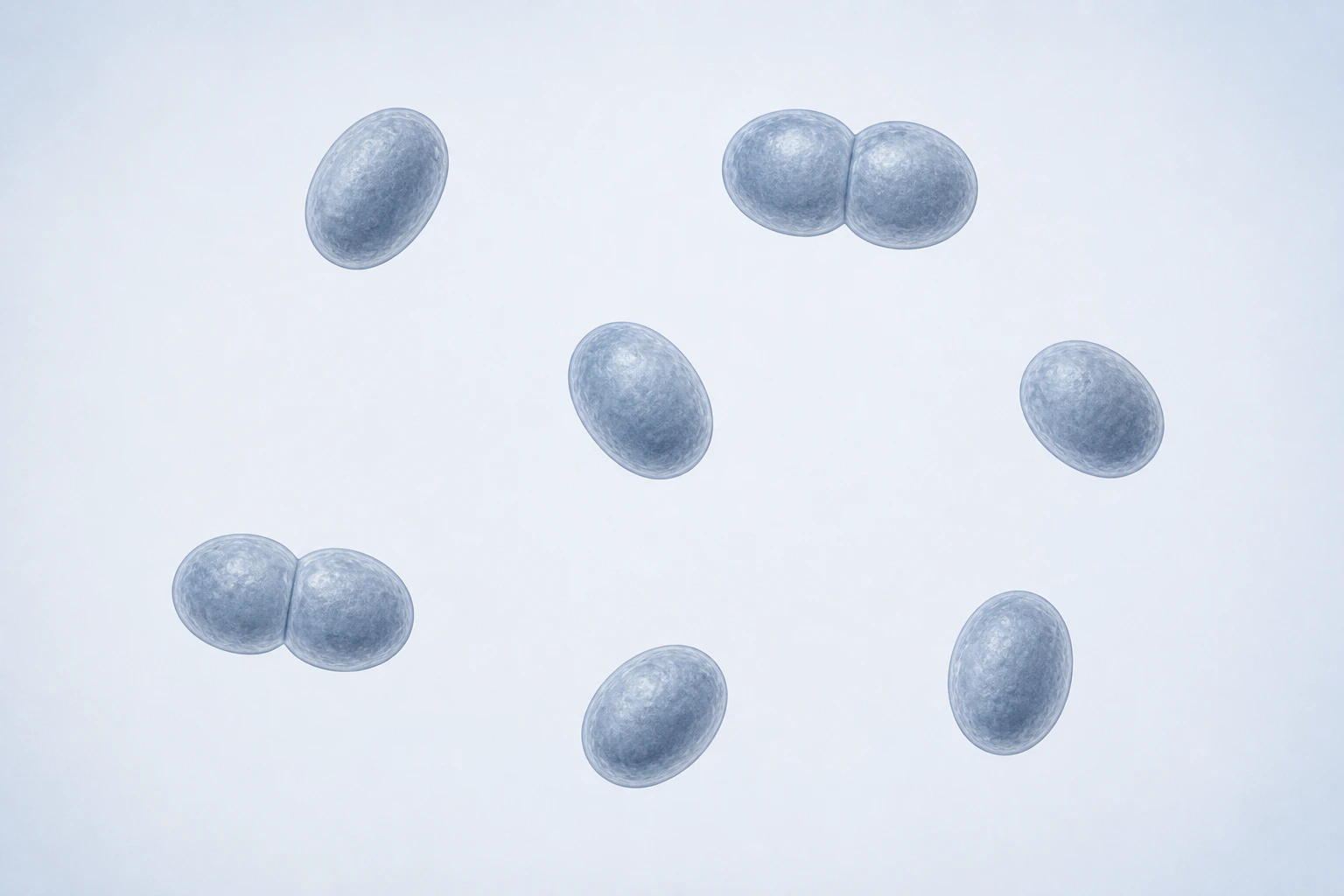
Eight plump Brucella coccobacillary bodies appear in six groupings: four singles and two touching pairs, each oval to very short and longer than wide.
Microorganisms1 sources

Brucella

A genus of Gram-negative intracellular pathogens causing brucellosis, the most common bacterial zoonosis worldwide. Brucella species depend on nickel-activated urease for gastrointestinal survival during the initial phase of infection, and urease immunization has been s

C
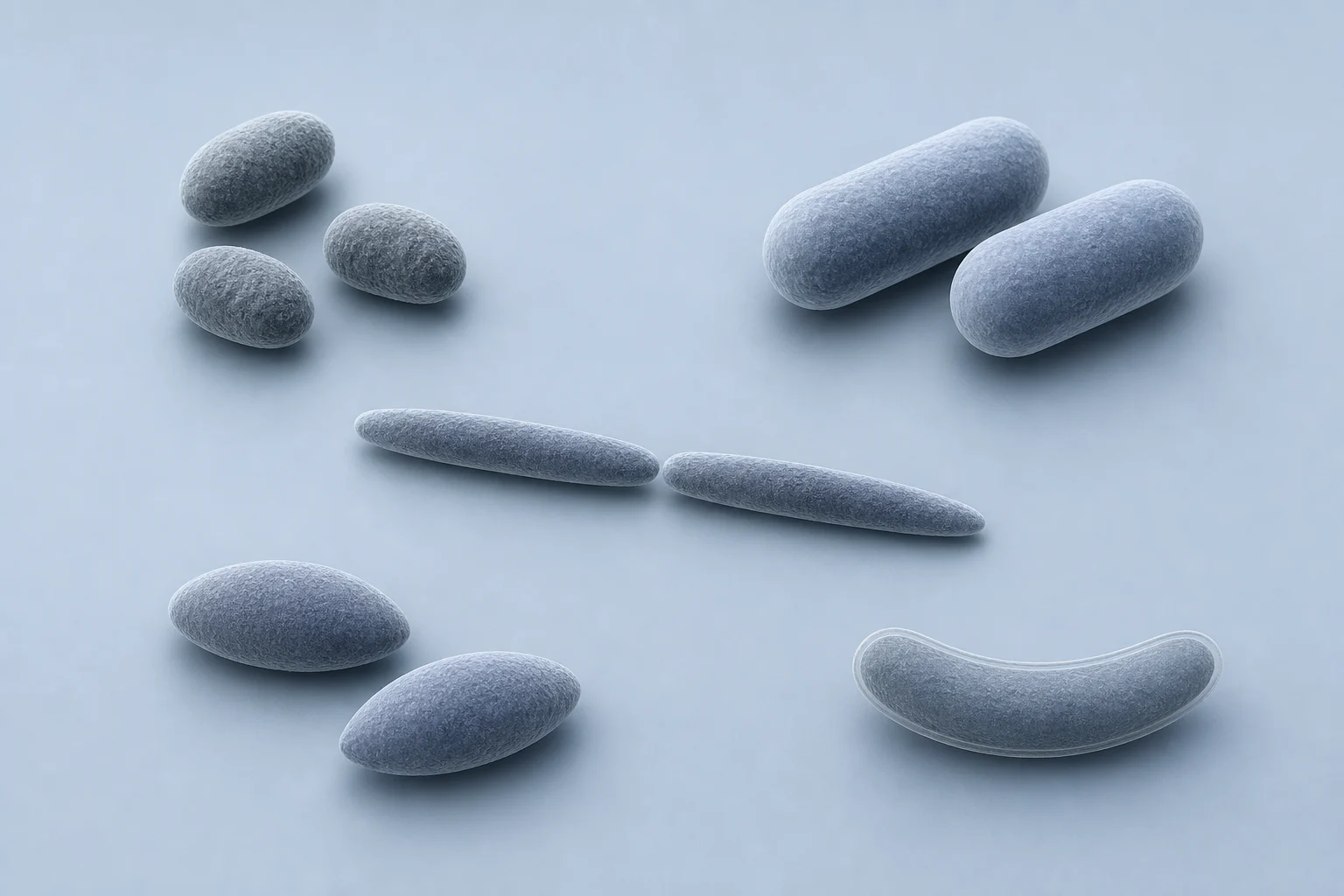
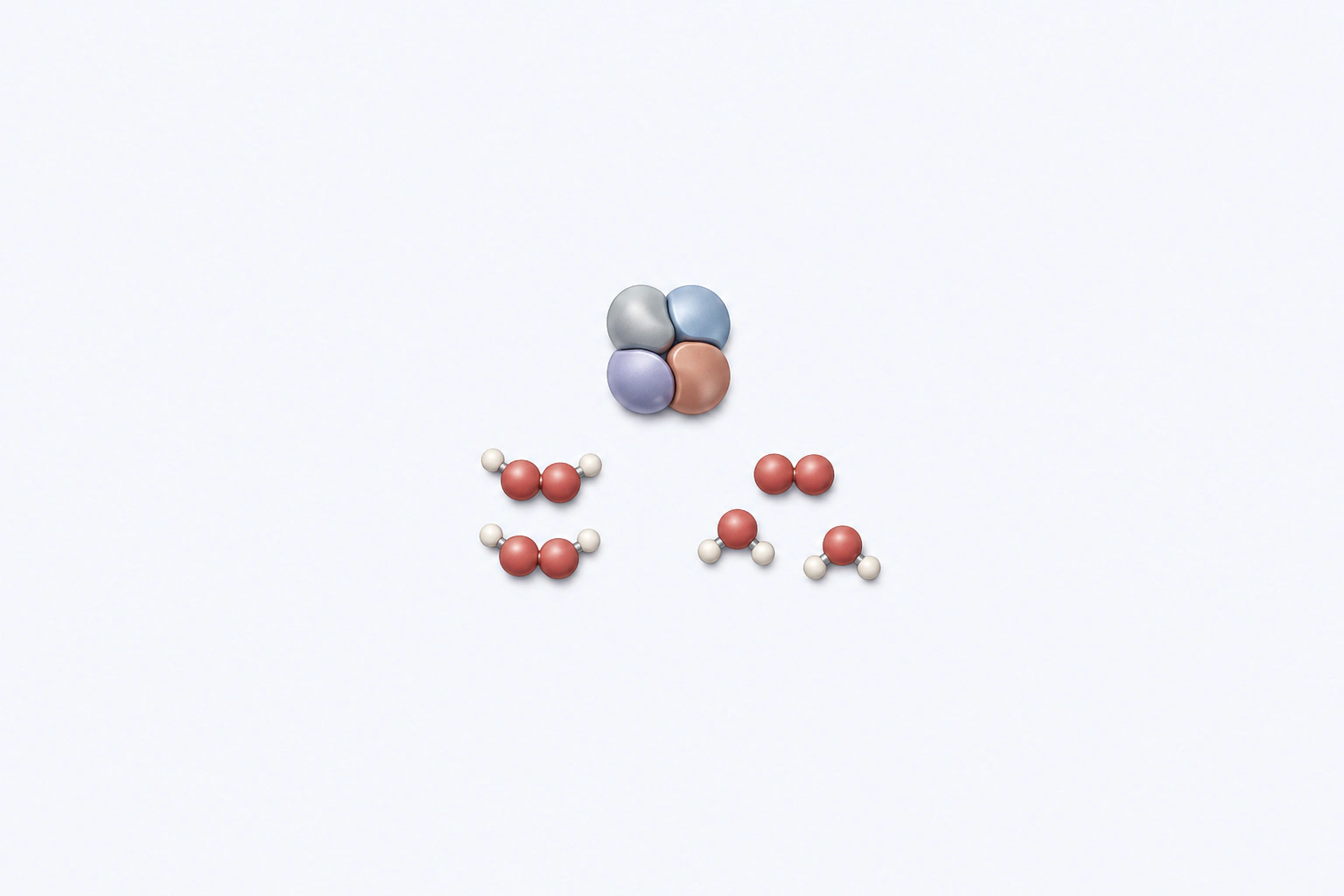
A compact generic enzyme form is separated from two peroxide-context tokens and a product group containing one oxygen pair and two water-like tokens.
Mechanisms6 sources

Catalase

Catalase is a heme-iron enzyme that decomposes hydrogen peroxide into water and oxygen. In microbial peroxide defense, it acts downstream of superoxide dismutase: superoxide dismutase converts superoxide to hydrogen peroxide, and catalase removes that hydrogen peroxide

D