WikiBiomeThe human microbiome encyclopedia
WikiBiome/Search: “disease”
Encyclopedia search

Search: “disease”

Ranked matches across titles, topics, categories, and article introductions.

80 records in this view
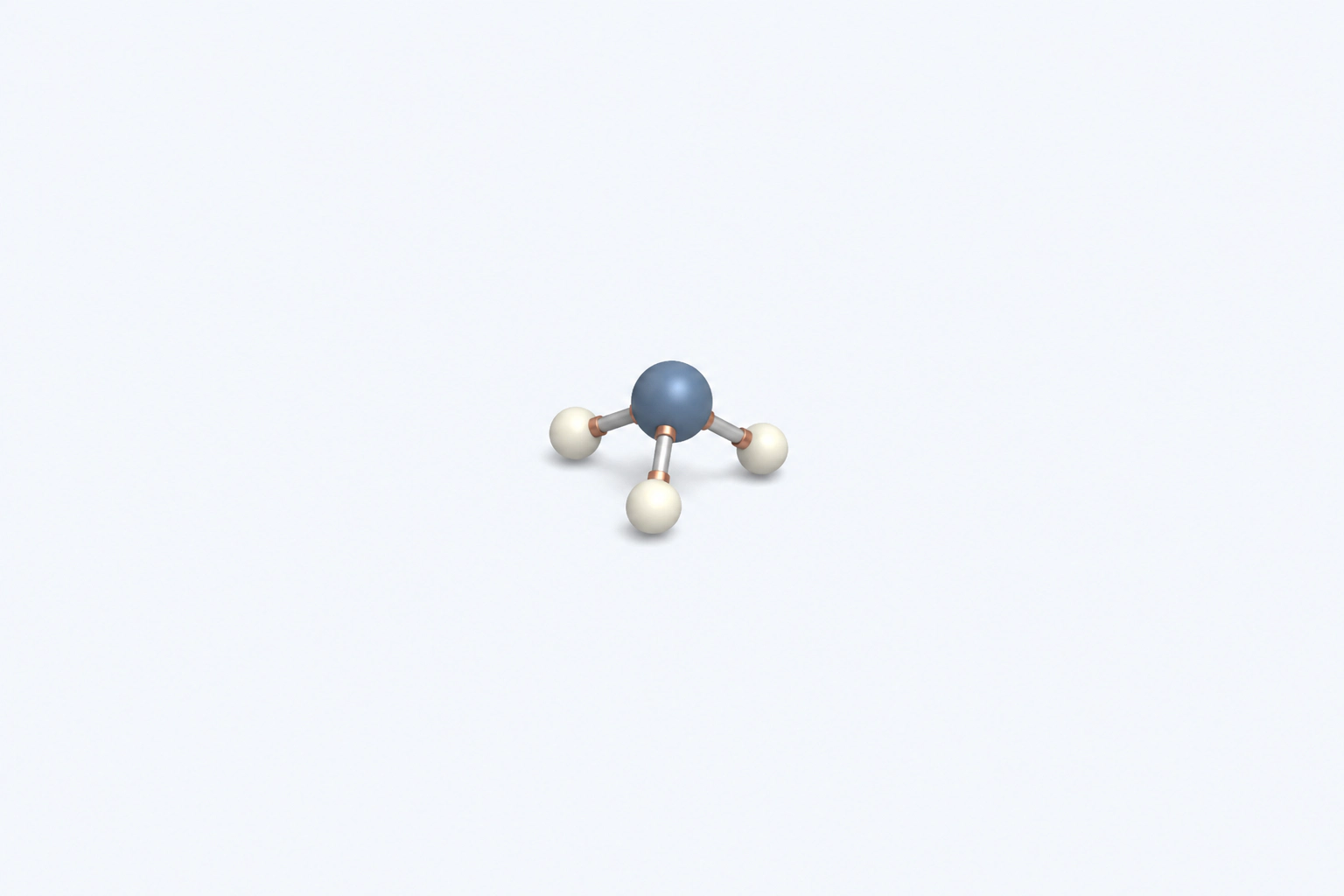
A compact trigonal-pyramidal ammonia teaching model shows one central nitrogen sphere connected to three hydrogen spheres.
Mechanisms4 sources

Ammonia

Ammonia is a nitrogen-containing product of microbial urease activity. When urease hydrolyzes urea, ammonia and bicarbonate are produced; in the microbial systems covered by WikiBiome, those products can provide nitrogen and raise local pH maier 2019 nickel microbial pa

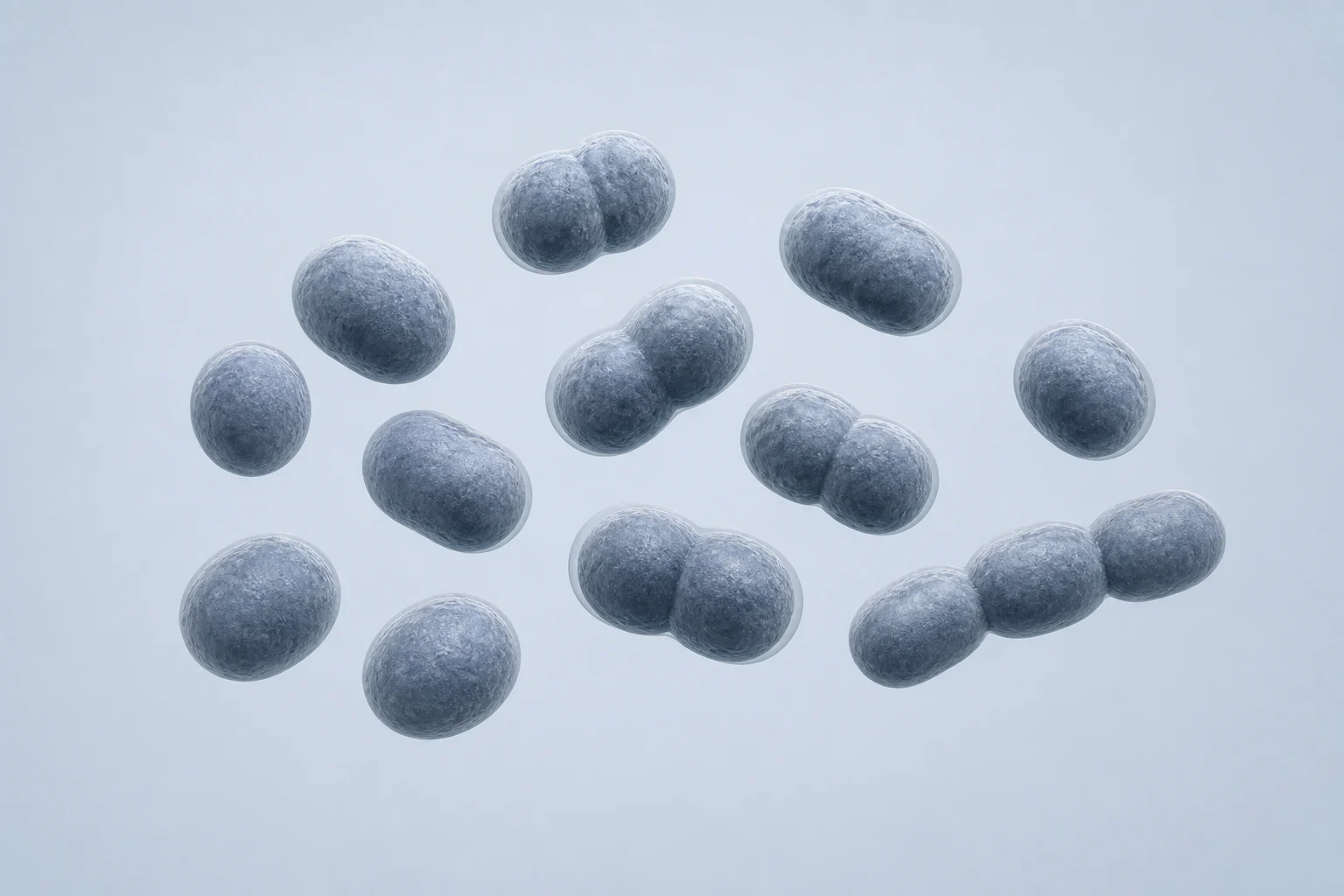
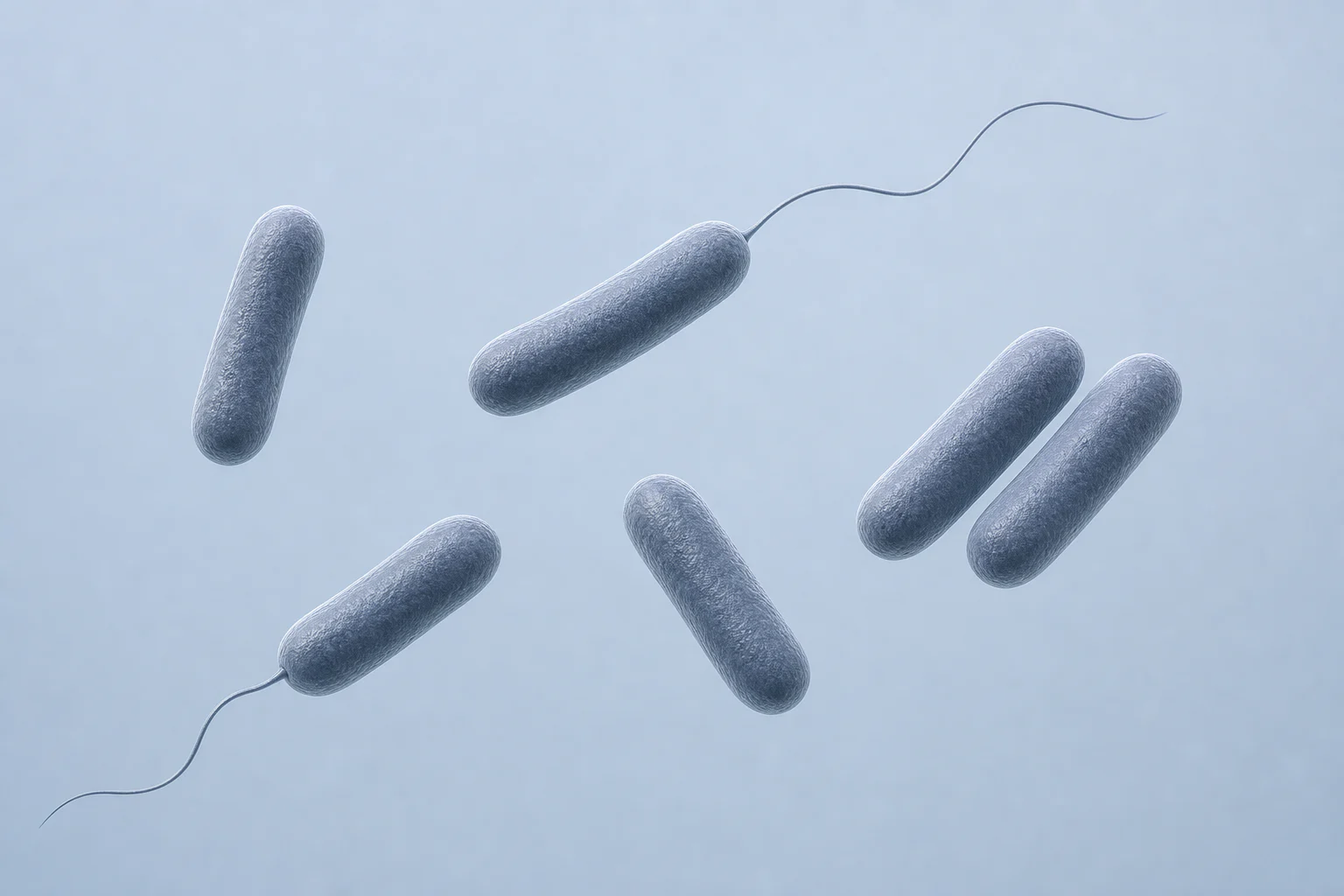
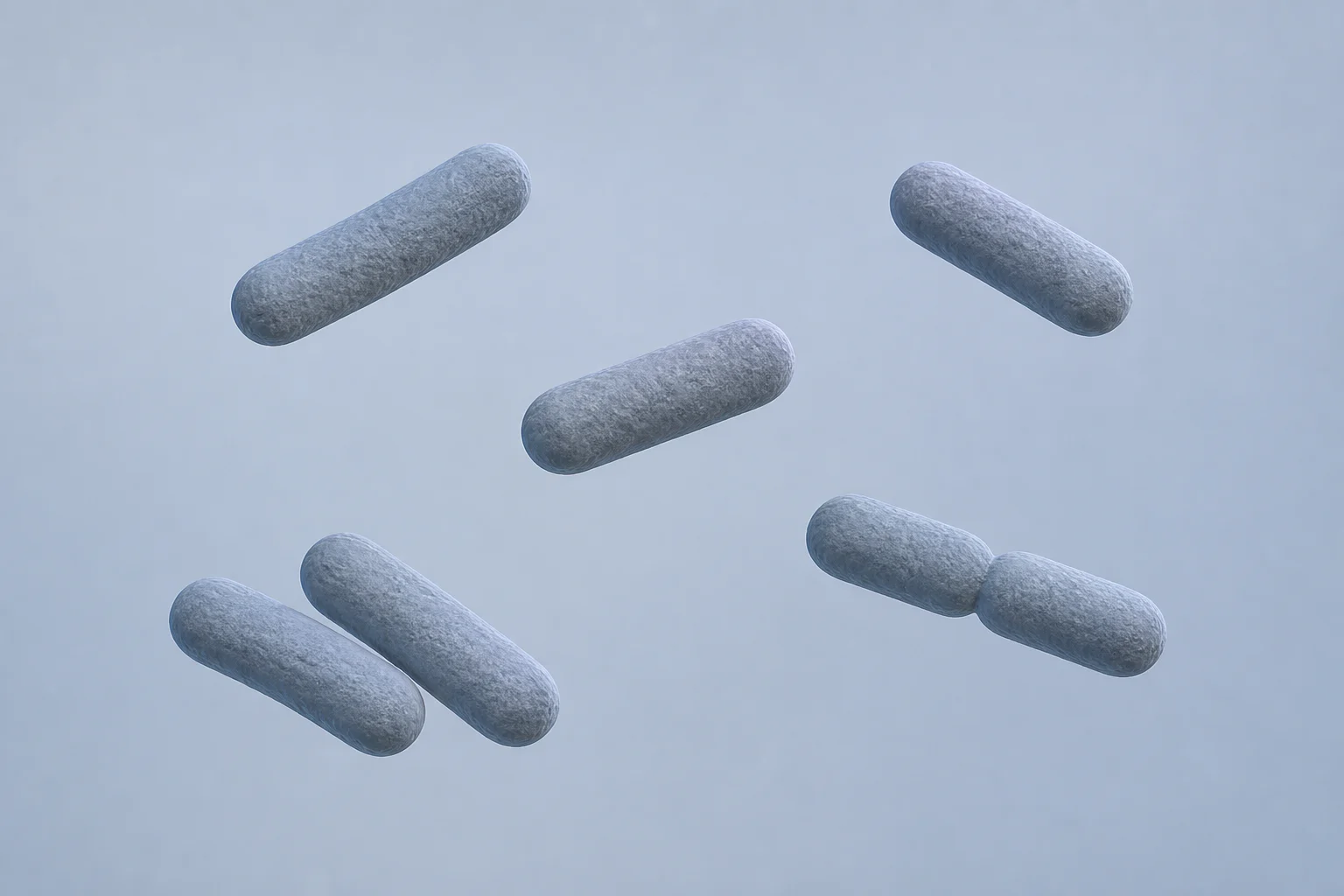
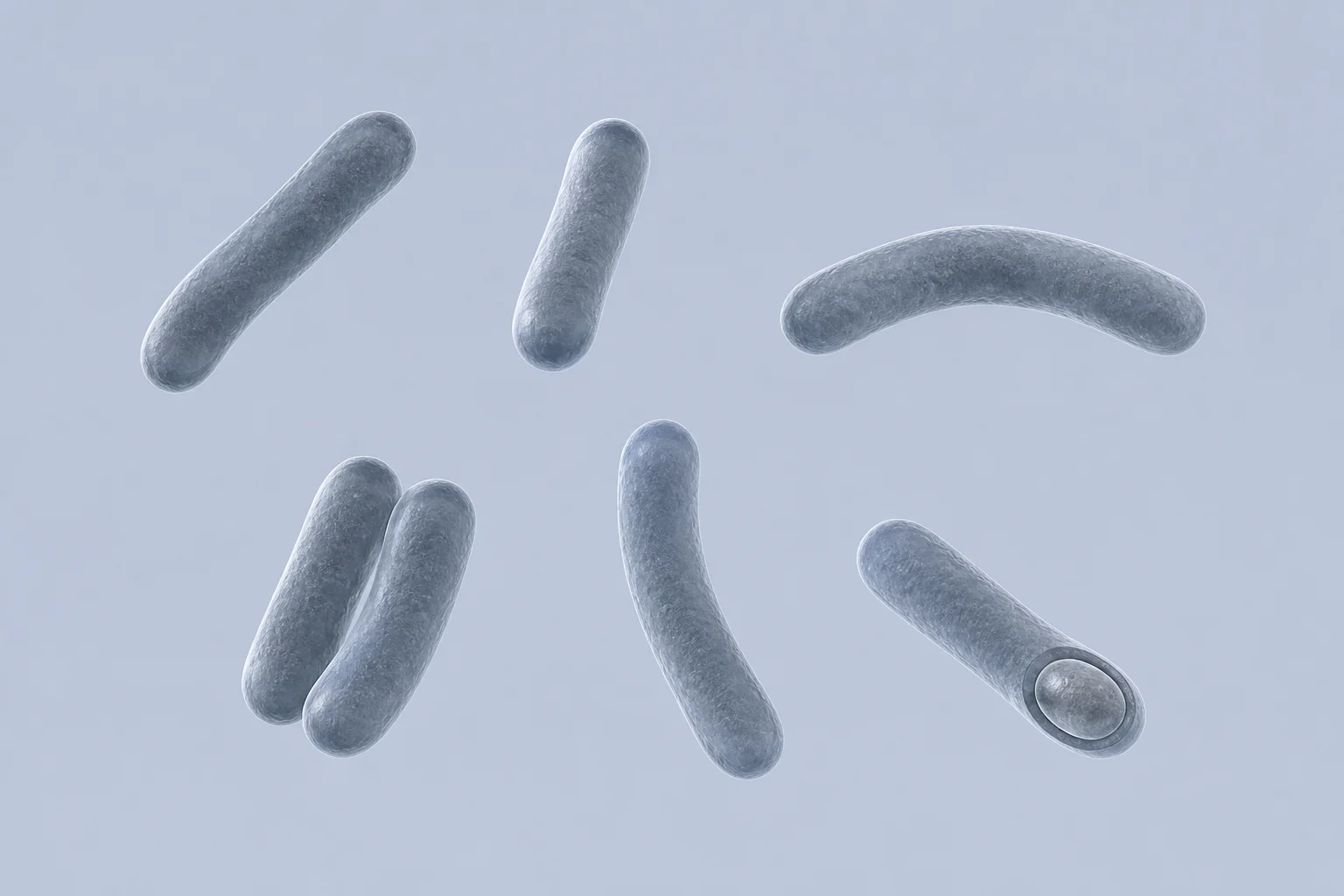
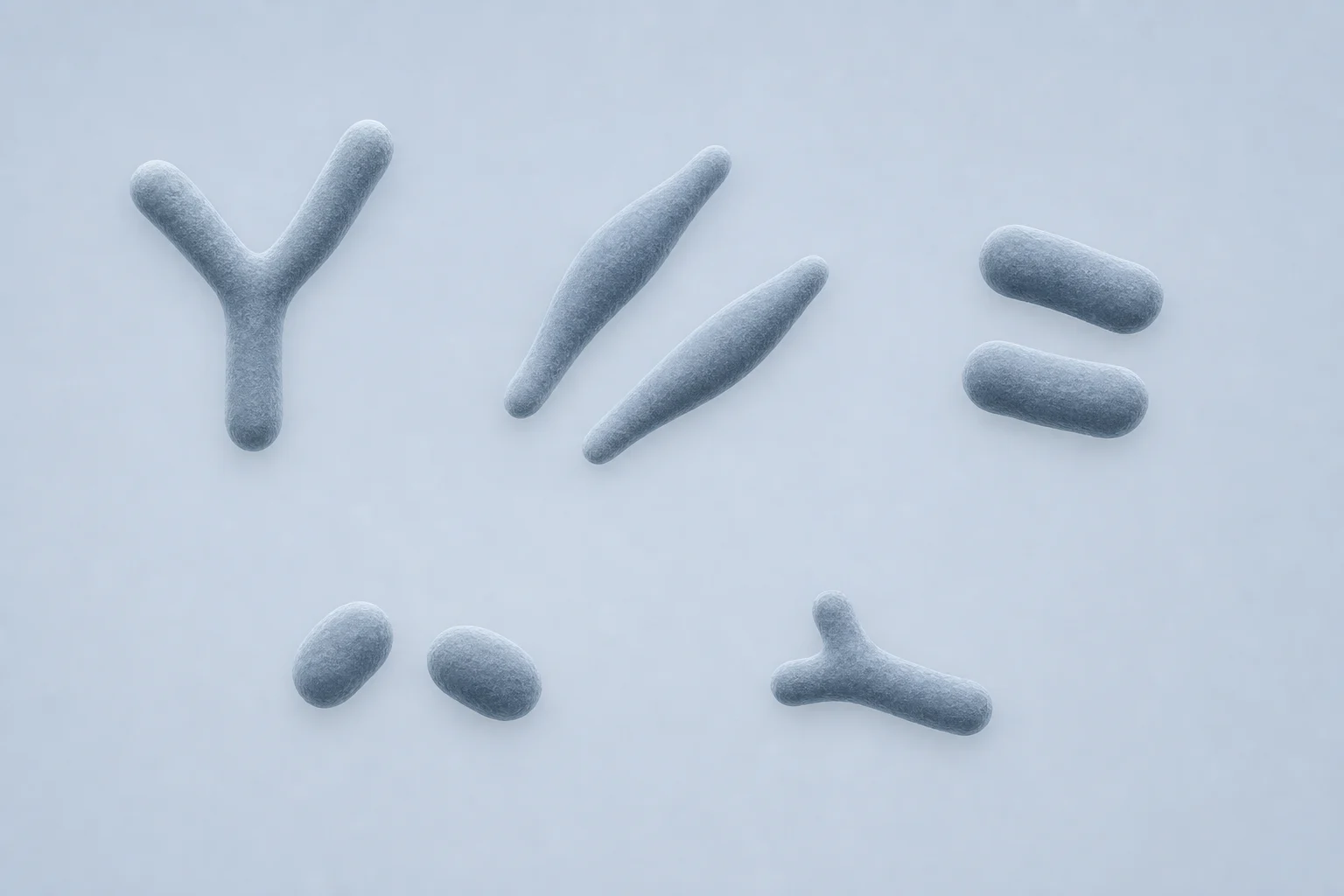
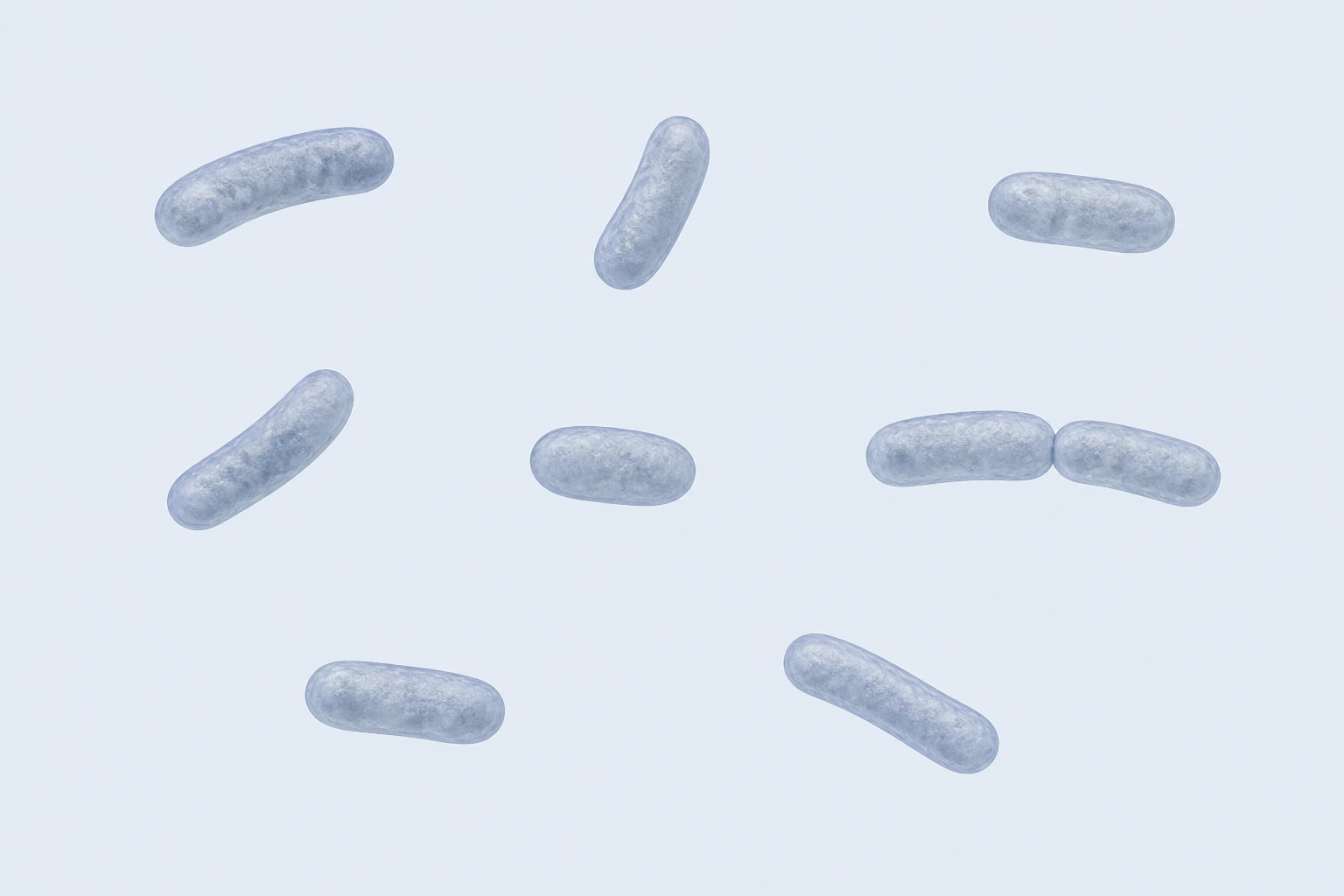
Seven thin Anaerotruncus bacilli, including a loose pair and one cell with an oval terminal endospore, on a pale cool field.
Microorganisms8 sources

Anaerotruncus

Anaerotruncus is a Gram-positive obligate anaerobic genus within the Ruminococcaceae (Firmicutes). First isolated from human feces, it is a minor member of the healthy gut community that has attracted attention for its consistent enrichment in aging-related conditions a

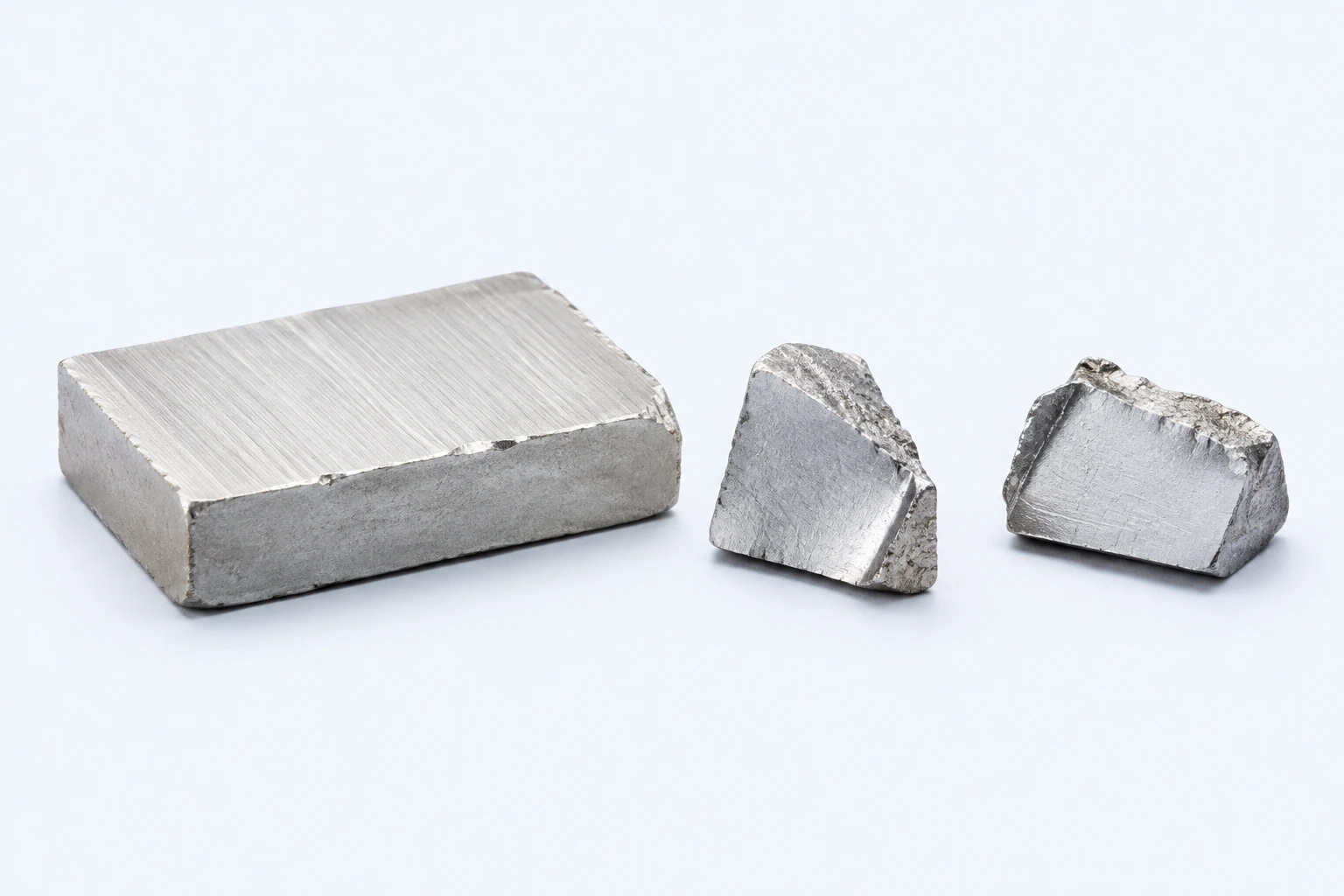
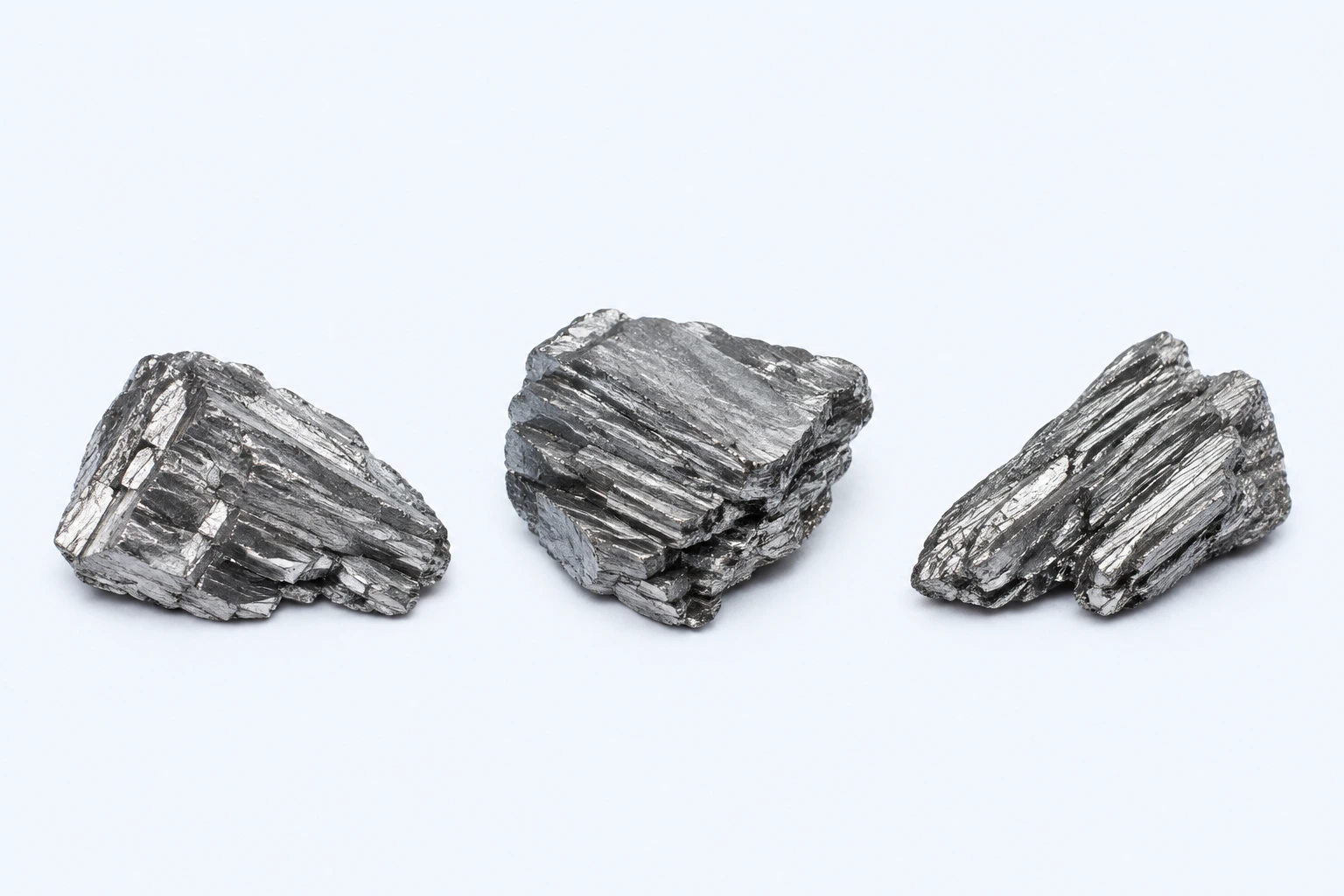
Three gray elemental arsenic fragments with layered brittle crystalline fracture faces.
Metals31 sources

Arsenic

Arsenic is a metalloid and potent carcinogen (IARC Group 1) that ranks among the most widespread environmental toxicants affecting human health. An estimated 225 million people worldwide are chronically exposed through contaminated drinking water alone ghosh 2023 heavy

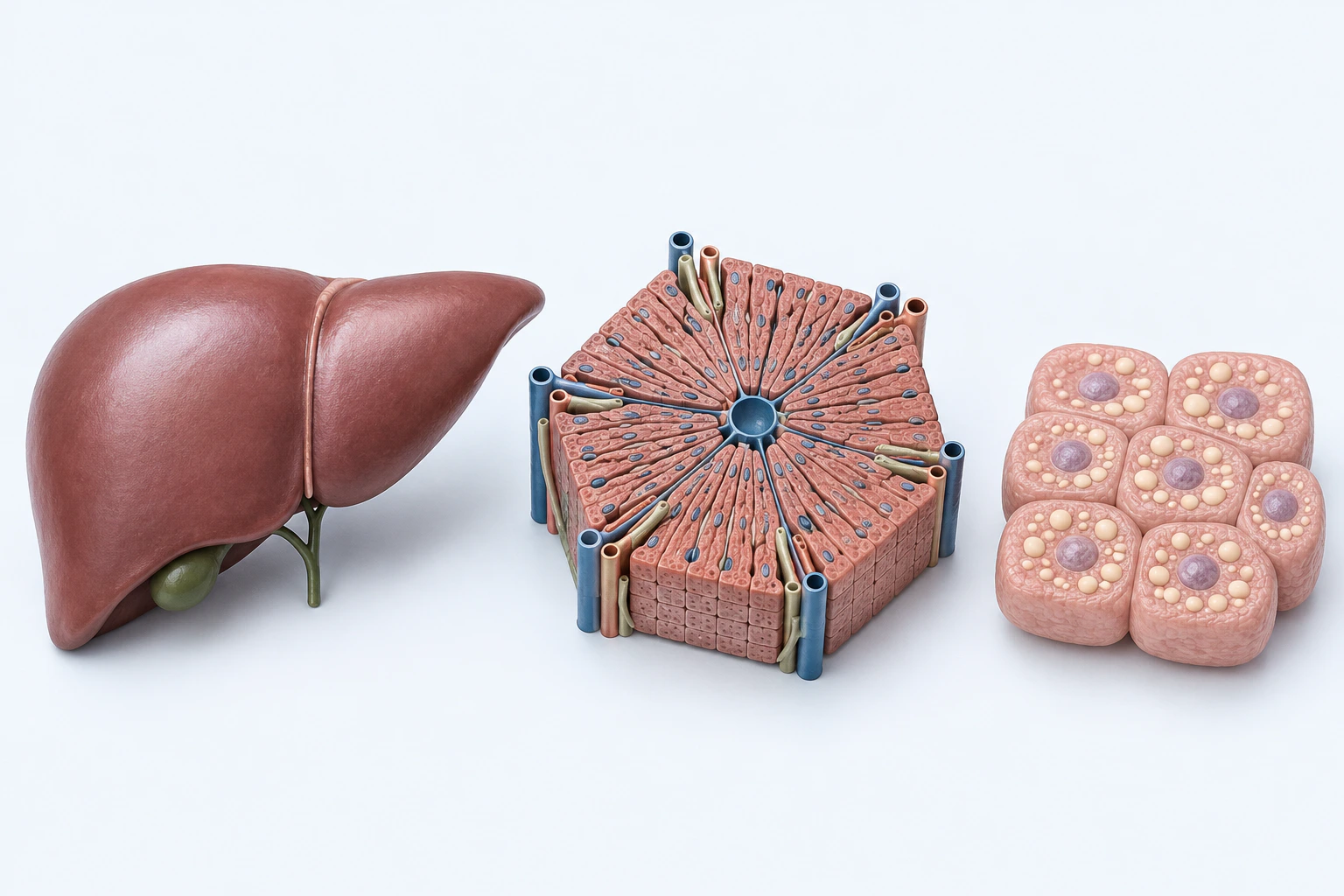
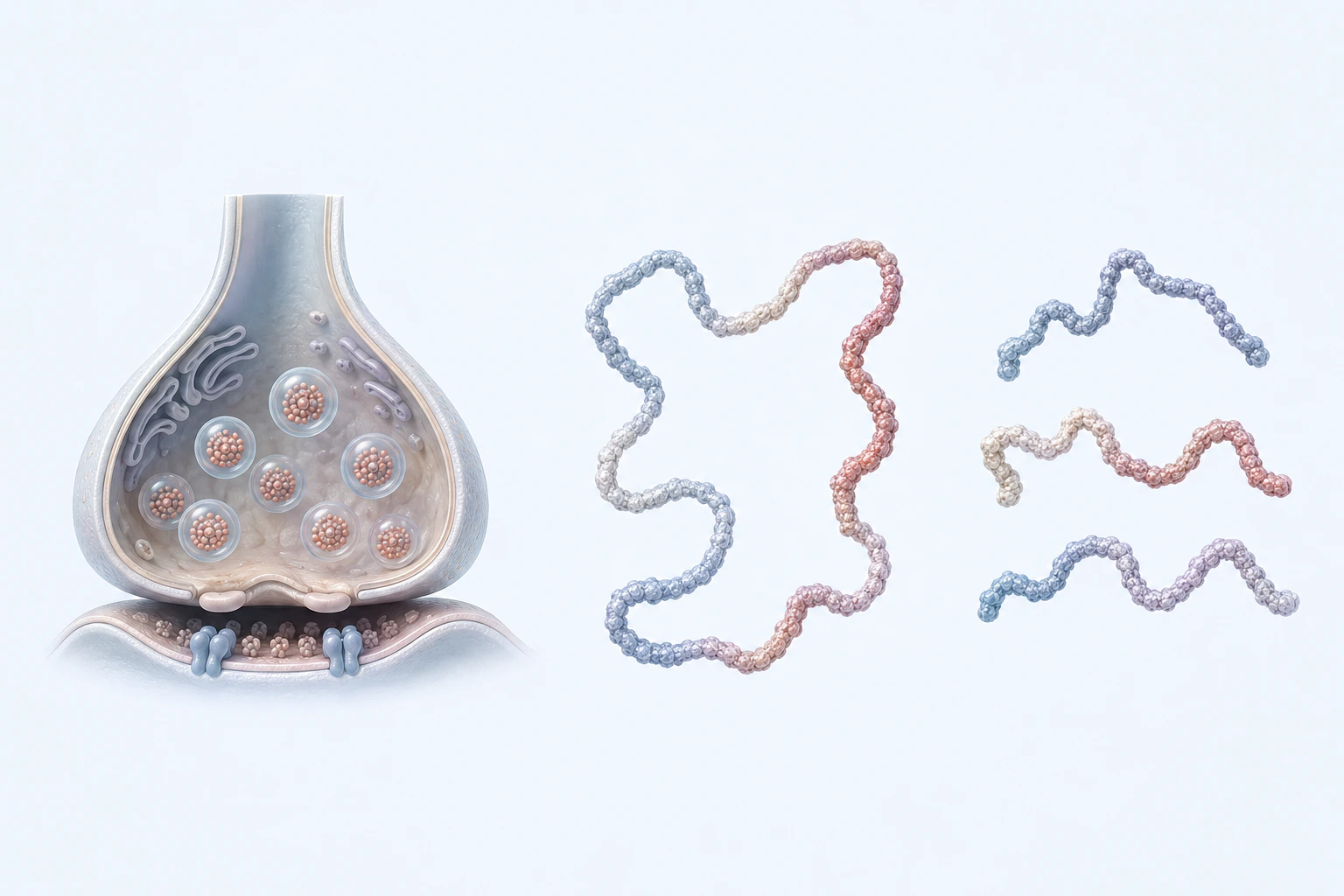
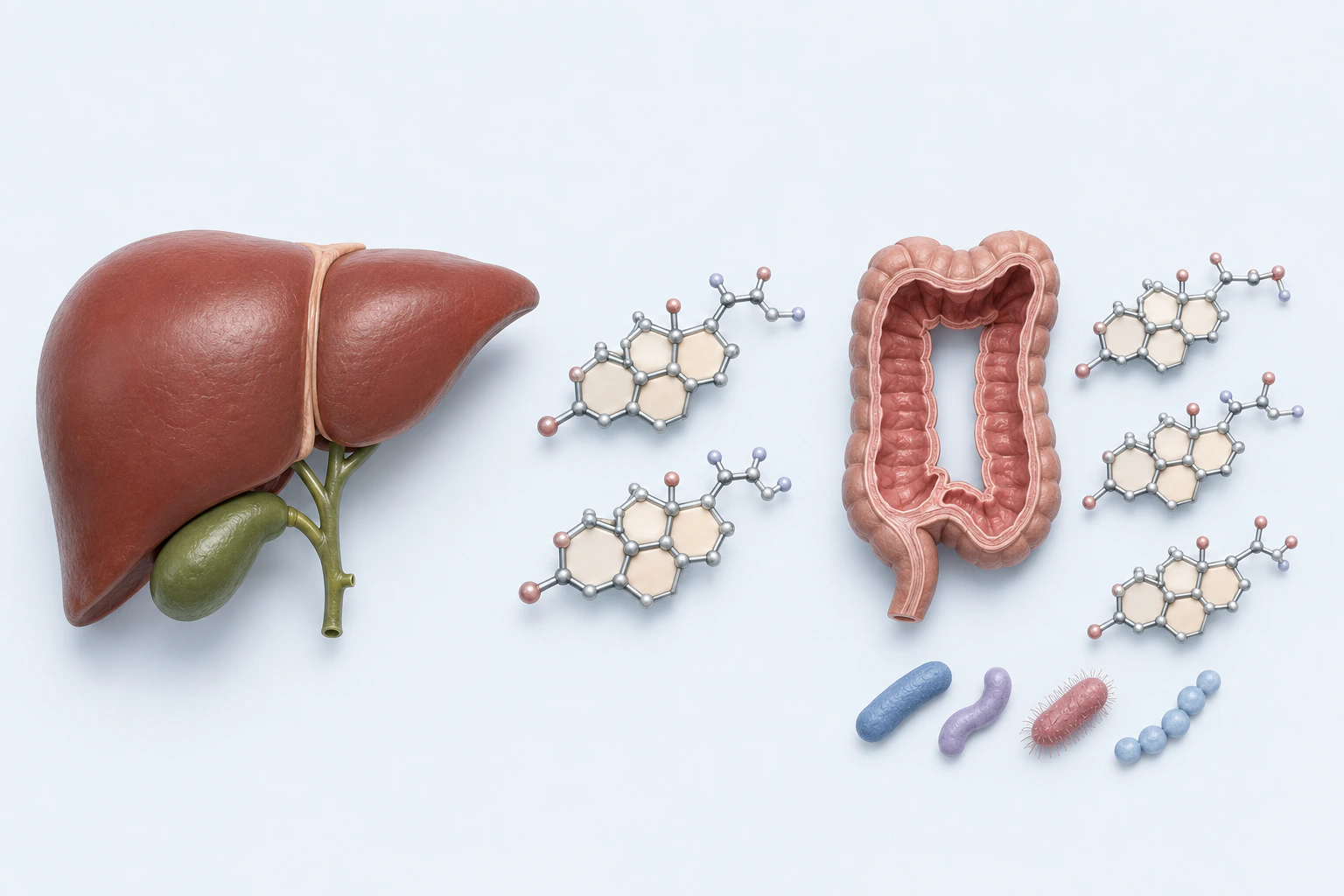
Separated liver and gallbladder, steroid-like tokens, and colon-with-microbial-context teaching groups orient bile acid metabolism without arrows.
Mechanisms8 sources

Bile Acid Metabolism

Bile acids are cholesterol-derived amphipathic molecules synthesized in the liver, secreted into the duodenum, and extensively modified by gut bacteria. The host-microbe co-metabolism of bile acids creates a signaling network with profound effects on lipid metabolism, g