
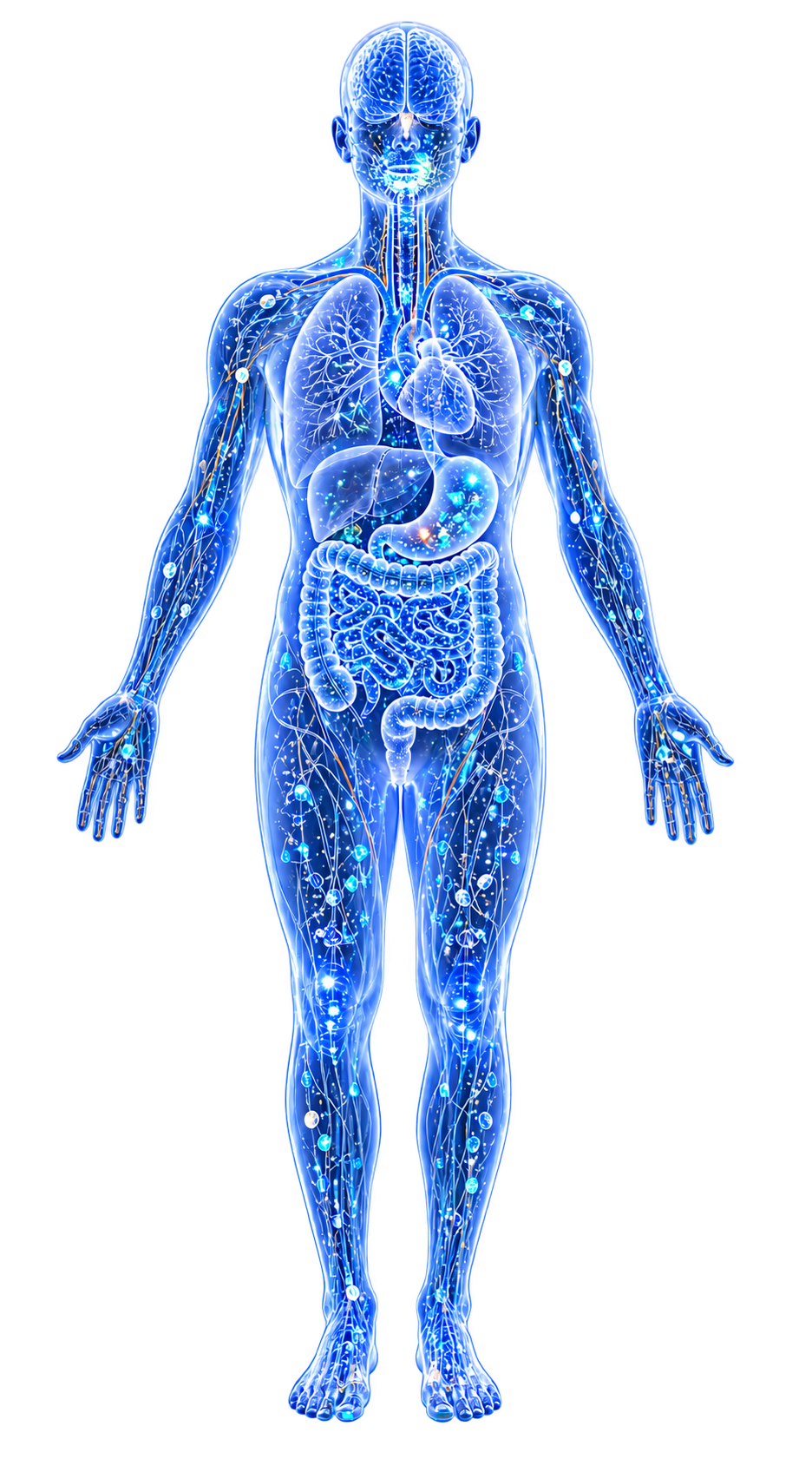
Fecal microbiota transplant (FMT) for ASD aims to replace the dysbiotic gut community with a diverse donor microbiome. Open-label results show improvements in both GI symptoms and behavioral measures, but benefits are lost within weeks after cessation.
Mechanism#
Introduces missing beneficial taxa (Bifidobacterium, Prevotella) that are consistently depleted in ASD. Restores SCFA production and tryptophan metabolism via gut-brain axis. Displaces Clostridium species associated with propionic acid overproduction.
Clinical Evidence#
Open-label study (n=40). GI symptoms decreased by 35%. ABC scores improved across multiple subscales.
Microbiota composition shifted measurably toward typically developing (TD) profiles.
Critical limitation: Benefits were lost within weeks after FMT cessation, suggesting ongoing maintenance may be required.
Clinical Considerations#
Not yet FDA-approved for ASD; available only in research settings. Donor screening and preparation protocols vary significantly across studies. The transient nature of benefits suggests the underlying ecological pressures (diet, metal burden, immune state) must also be addressed.
May be most effective when combined with dietary and environmental interventions that sustain the transplanted community.
Cross-References#
Article network
Connect the evidence
Publicly readable discussion by ORCID-authenticated researchers. Questions, interpretation, methods, corrections, and new evidence stay attached to this record.
No discussion yet. Start with a precise question or a source-backed observation.
Activity and accepted changes
Accepted researcher context, editorial status, public discussion, and upstream Git revisions are shown together. Pending, declined, and withdrawn proposals remain private.
- published revision
Deepen metal/concept entities + 8 new sources for T1D/schizophrenia
WikiBiome Deploy Bot · +62 −0
Inspect exact Git diff ↗