
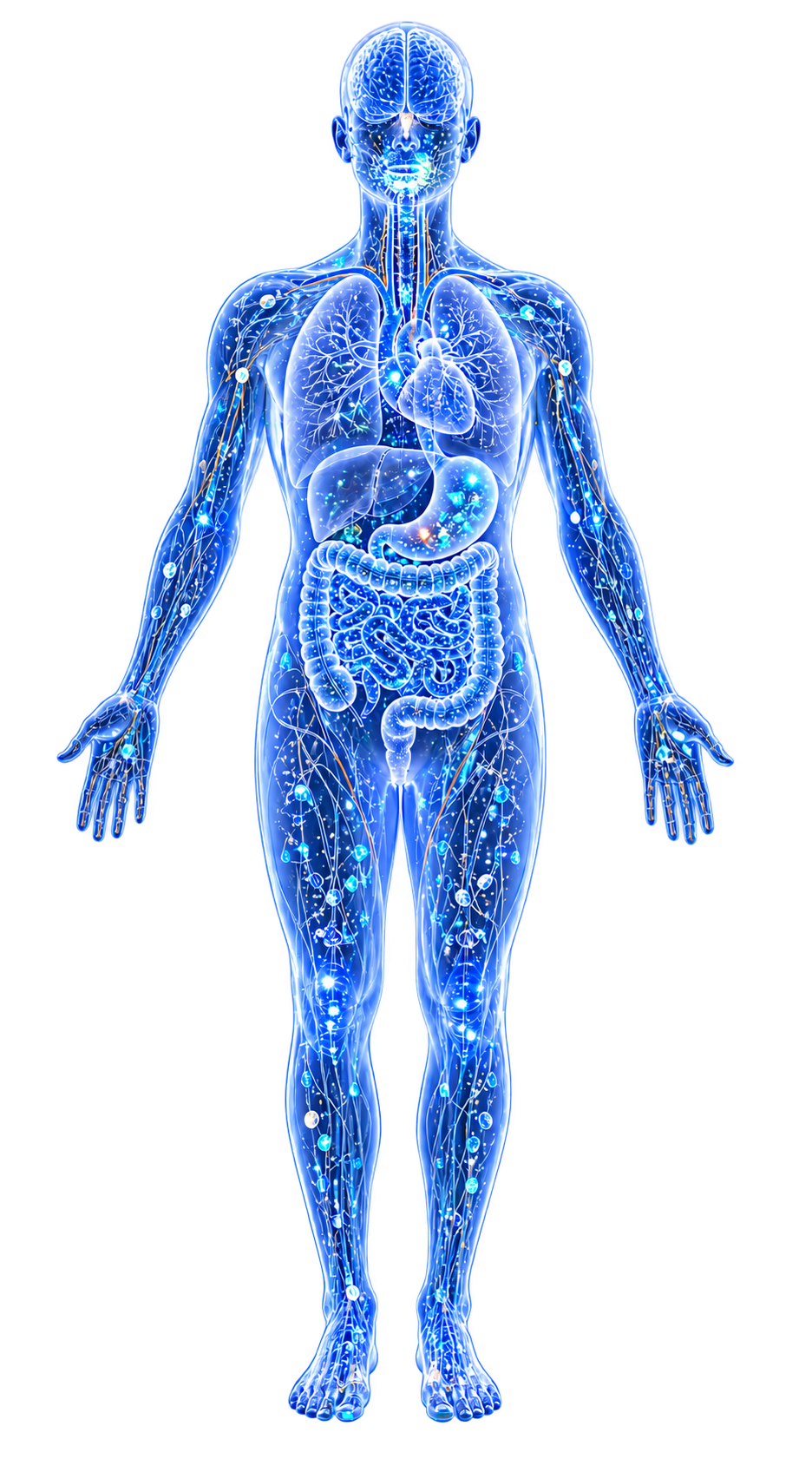
 metals · microbes · host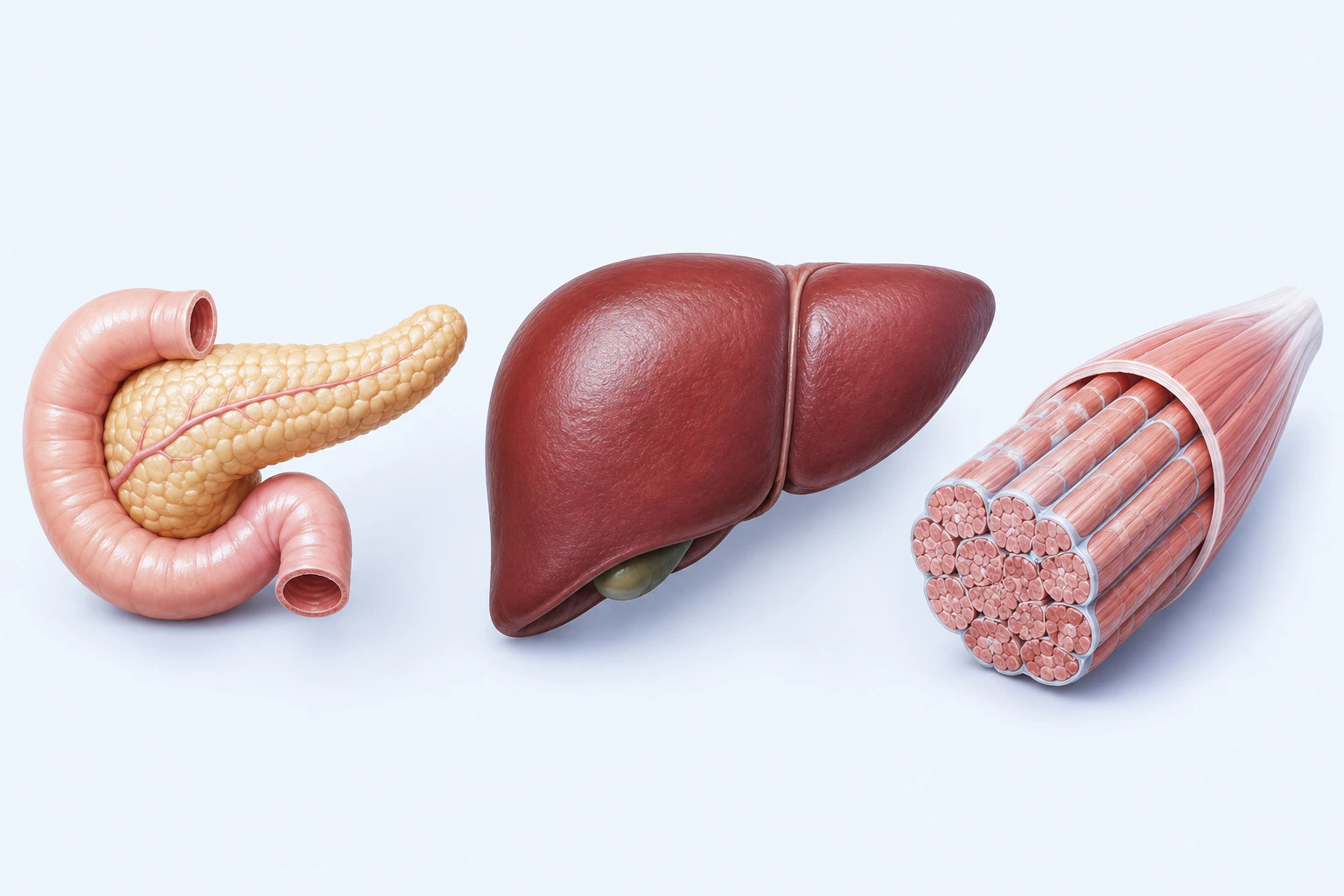
Neutral metabolic-organ orientation for type 2 diabetes. The plate does not depict body size, lifestyle, visible insulin resistance, glucose concentration, a single causal pathway, age, stage, severity, treatment, or diagnosis.
Scientific media record1 verified identifier
- Subject
- Diabetes Mellitus, Type 2condition
- Identifiers
- MeSH:D003924
- Review
- Editorial review completeIdentifiers authority-verified · Accessibility validated · · type-2-diabetes|type-2-diabetes-pathology-v1.webp
- Digital source
- Trained-algorithmic mediaCreated with a trained generative algorithm and reviewed by WikiBiome for subject identity, scientific framing, identifiers, provenance, and accessibility.
- Scientific basis
- Diabetes Mellitus, Type 2 — MeSHWhat Is Diabetes?
- License
- CC BY-SA 4.0Created
Type 2 diabetes (T2D) is a metabolic disease characterized by insulin resistance and progressive beta-cell dysfunction, affecting over 500 million people worldwide (IDF Diabetes Atlas 2021). The conventional framing centers on caloric excess and sedentary behavior.
The metallomic perspective reveals a more complex picture: disturbed trace element homeostasis is not merely a consequence of diabetic nephropathy but a potential contributor to disease initiation and progression.
The key review by[1]Metals in the pathogenesis of type 2 diabetesAbdul Rehman Khan, Fazli Rabbi Awan · 2014Open reference 1 ↓ established that "disturbance of essential trace element levels is a characteristic feature of type 2 diabetes," driven by altered renal excretion, impaired glucose metabolism, and disrupted metal homeostasis.
Evidence map55 cited passagesInspect provenance +
Type 2 diabetes (T2D) is a metabolic disease characterized by insulin resistance and progressive beta-cell dysfunction, affecting over 500 million people worldwide (IDF Diabetes Atlas 2021). The conventional framing centers on caloric excess and sedentary behavior. The metallomic perspective reveals a more complex picture: disturbed trace element homeostasis
| Metal | Direction | Key Evidence | |-------|-----------|-------------| | Zn | Depleted | Increased urinary Zn excretion is a hallmark; ZnT8 transporter mutations associated with T2D risk | | Fe | Elevated (ferritin) | Strong correlation between ferritin and insulin resistance at preclinical stages; Fe oxidizes biomolecules decreasing insulin secretion | |
Zinc depletion is the most mechanistically compelling metal finding in T2D. Insulin is stored as a zinc hexamer in pancreatic beta-cell granules, and the ZnT8 transporter is essential for insulin packaging and secretion. T2D creates a vicious cycle: hyperglycemia-induced glycosuria drives urinary zinc loss, which further impairs insulin storage and secretion
The meta-analysis of 20 studies (46,071 participants) found a weak positive association between urinary nickel and diabetes risk (SMD 0.16, p<0.01) but no association for blood nickel (SMD 0.03, non-significant). This suggests nickel exposure rather than systemic nickel burden may be the relevant metric. Proposed mechanisms include increased hepatic glycogen
Metal-induced dysbiosis drives metabolic dysfunction. demonstrated that environmentally relevant cadmium and arsenic exposure significantly perturbs gut microbiota and metabolome in ways linked to T2D pathways. Cadmium caused significant decreases in microbial diversity, reduced Bacteroidetes, and disrupted bile acid metabolism and amino acid profiles. Both
SCFA depletion as a bridge. proposed that chronic dietary heavy metal exposure selectively eliminates beneficial SCFA-producing bacteria (Roseburia, Faecalibacterium, Bifidobacterium) while enriching metal-tolerant pathogenic species. The resulting loss of butyrate production impairs intestinal barrier integrity, promotes LPS translocation, and triggers syst
Gut barrier disruption. heavy metals directly attack tight junction proteins. Cadmium reduces ZO-1, ZO-2, JAM-A, occludin, and claudin-1 expression; low Cd doses specifically decrease Akkermansia muciniphila, a bacterium inversely associated with metabolic syndrome. Arsenic disrupts colonic epithelial structure and increases paracellular transport. The resul
Metformin, Akkermansia, and SCFA producers. Metformin's glucose-lowering action is partially microbiome-mediated: treatment-naive T2D patients on metformin show ~86 significantly altered bacterial strains at 4 months, notably expanded Akkermansia muciniphila and enhanced SCFA production; fecal transfer from metformin-treated donors improves glucose tolerance
TMAO and cardiometabolic link. Gut microbial production of trimethylamine N-oxide (TMAO) from dietary choline and L-carnitine is elevated in T2D and drives atherosclerosis, heart failure, and insulin resistance via FMO3-mediated hepatic oxidation.
The iron overload paradox. Elevated ferritin correlates with insulin resistance and preclinical T2D. Iron overload through Fenton chemistry generates reactive oxygen species that damage beta cells and impair insulin signaling; ferroptosis (iron-dependent regulated cell death) has emerged as a mechanism for beta-cell loss in T2D. Yet iron deficiency also incr
The microbiome changes are not mere consequences of the disease—they are drivers. Metformin-induced microbiota shifts (enrichment of Bifidobacterium and Akkermansia, increased SCFA and bile acid production) causally improve glucose tolerance via fecal microbiota transfer experiments. This signature integrates metallomic, taxonomic, immunological, and ecolo
The tissue metallomic signature in T2D is characterized by elevated iron, nickel, cadmium, arsenic, and lead, alongside depletion of zinc, chromium, and magnesium.
| Metal | T2D Status | Mechanistic Role | |-------|-----------|-----------------| | Iron (Fe) | Elevated ferritin | Iron overload correlates strongly with insulin resistance; Fe oxidizes biomolecules, decreases insulin secretion; drives siderophore competition and oxidative stress | | Nickel (Ni) | Elevated urinary Ni | Type 2 diabetics show blood Ni of 0.89
This metal profile creates the selective pressure that shapes T2D dysbiosis: taxa with robust efflux pumps for iron and nickel (proteobacteria, streptococci, enterococci) outcompete taxa lacking these defenses (SCFA producers, barrier specialists),.
| Exposure | Metals Contributed | Relevance | |----------|-------------------|-----------| | Refined carbohydrates & processed foods | Fe, Zn imbalance; SCFA-hostile substrates | Feeds E. coli and Proteobacteria; starves SCFA producers | | Red meat (heme iron) | Fe (bioavailable form) | Promotes iron overload and siderophore competition | | Drinking water |
| Factor | Status | Function | |--------|--------|----------| | hepcidin | Elevated | Withholding iron from pathogens; signals functional anemia, NOT true iron deficiency | | lipopolysaccharide (LPS) | Chronically elevated | Gram-negative (E. coli, Enterobacteriaceae) dominance drives endotoxemia; activates NF-kB, TLR4, STAT-1 pathways; promotes M1 macrophag
Cadmium and lead displace zinc and iron from essential cofactors via calcium channels, directly disrupting insulin signaling machinery. The combination of elevated iron (iron-overload state) + depleted zinc (zinc-depletion state) creates a dual metallation crisis: zinc-dependent insulin secretion and storage (ZnT8 transporter) are crippled while iron-catalyz
Nickel accumulation in kidneys contributes to renal dysfunction and urinary zinc loss—a positive feedback loop amplifying systemic zinc depletion.
| Taxon | Metal Dependencies | Key Enzymes/Functions | Pathogenic Role in T2D | |-------|-------------------|----------------------|------------------------| | escherichia coli | Fe, Zn, Ni | Siderophores, urease, flagella, LPS | Primary endotoxin producer; metformin-responsive but baseline elevated in treatment-naive T2D; ferments refined carbs efficiently
| Taxon | Normal Function | Why Lost in T2D | |-------|----------------|-----------------| | faecalibacterium prausnitzii | Butyrate production, anti-inflammatory | Depleted by elevated iron and metals; lacks robust efflux pumps; cannot survive in metal-enriched pro-inflammatory environment | | bifidobacterium | Propionate/butyrate, SCFA production, BSH acti
| Enzyme/Feature | Metal Cofactor | Function | Taxa Expressing | Role in T2D | |----------------|---------------|----------|-----------------|-------------| | Lipopolysaccharide (LPS) |—| Endotoxin; activates TLR4/NF-kB; drives M1 macrophage polarization | E. coli, Enterobacteriaceae, Proteobacteria | Primary driver of chronic endotoxemia in T2D dysbiosis
The oral microbiome contributes to systemic endotoxemia: periodontitis bacteria (Porphyromonas gingivalis, Fusobacterium nucleatum, Tannerella forsythia) translocate to the bloodstream, adding to the LPS burden and driving atherosclerotic complications of T2D.
SCFA Depletion: The defining feature. Refined carbohydrates and processed foods eliminate the polysaccharides that SCFA producers ferment. Loss of butyrate drives gut barrier dysfunction: tight junction proteins (claudins, occludin, ZO-1) are downregulated; mucin production decreases; intestinal permeability increases; endotoxin (LPS) translocates into blood
Reduced Microbial Diversity: Framingham Heart Study found that Shannon diversity decreases with increasing CVD and T2D risk; microbial diversity is a protective marker.
Showing 24 of 55 evidence-bearing passages. Every remaining citation is still indexed in the reference record below.
One disease. Five evidence layers.
A generated systems view of the metals, organisms, host sequestration signals, ecological conditions, and microbial functions indexed for Type 2 Diabetes.
Evidence layer
Taxonomic signature
Organisms reported as enriched or depleted, with their indexed functional context kept beside the name.Enriched in dysmetabolic gut; LPS production; TMAO pathway contributor; thrives in iron-rich, zinc-depleted environment
Metal-tolerant family — siderophore-mediated iron acquisition; LPS source driving endotoxemia and insulin resistance
Opportunistic genus enriched in T2D; associated with endotoxemia and systemic inflammation
Bacteroidetes species — context-dependent; altered ratios indicate dysbiosis; produces SCFAs
Gram-positive coccus; cadmium-tolerant; can accumulate toxic metals and trigger dysbiosis
Mycobiome: consistently elevated in T2D across multiple studies; C. albicans and C. parapsilosis contribute to elevated intestinal free fatty acids
Increased under cadmium exposure; nickel-dependent urease enables gastric colonization
Enhanced under cadmium exposure; disrupts gut-liver axis
SCFA-producing, anti-inflammatory producer — protective against metal toxicity and T2D; depleted by metal burden
Selectively eliminated by heavy metals; abundance negatively correlated with stool cadmium; loss reduces barrier protection
Mucus-layer specialist; SCFA producer; defends intestinal barrier; restored by metformin; depleted by metal exposure (especially lead (Pb))
Dominant butyrate producers — depleted in T2D; loss of butyrate-driven barrier function and colonocyte nutrition
SCFA and propionate producer — lost in T2D; deficiency impairs glucose metabolism and barrier integrity
Bile acid transformer via bile salt hydrolase — reduced in T2D; impairs FXR/TGR5 signaling for metabolic health
Butyrate producer — selectively eliminated by cadmium (Cd)/arsenic (As) exposure; loss impairs SCFA-mediated insulin sensitivity
Significantly downregulated by cadmium exposure; metabolite interaction network disrupted
Evidence layer
Nutritional immunity
Host metal-withholding, inflammatory, antioxidant, and microbial-metabolite signals indexed in the signature.Elevated host signals
7Depleted protective signals
9Evidence layer
Ecological state
The environmental conditions that connect the organism-level observations into a system.Evidence layer
Virulence functions
Microbial structures, enzymes, and acquisition systems implicated by the linked evidence.The disease record, in full.
The original WikiBiome disease narrative remains intact beneath the generated signature atlas.
Metallomic Signature#
The metallomic profile of T2D from the Metal-Disease Matrix: A Cross-Source Synthesis is:
| Metal | Direction | Key Evidence | |
|---|---|---|---|
| [[zinc | zinc (Zn)]] | Depleted | Increased urinary zinc excretion is a hallmark; ZnT8 transporter mutations associated with T2D risk[1]Metals in the pathogenesis of type 2 diabetesAbdul Rehman Khan, Fazli Rabbi Awan · 2014Open reference 1 ↓ |
| [[iron | iron (Fe)]] | Elevated (ferritin) | Strong correlation between ferritin and insulin resistance at preclinical stages; iron oxidizes biomolecules decreasing insulin secretion[1]Metals in the pathogenesis of type 2 diabetesAbdul Rehman Khan, Fazli Rabbi Awan · 2014Open reference 1 ↓ |
| [[chromium | chromium (Cr)]] | Depleted (chromium(III)) | chromium(III) stimulates insulin signaling and GLUT4 translocation in muscle cells; deficiency elevates blood glucose[1]Metals in the pathogenesis of type 2 diabetesAbdul Rehman Khan, Fazli Rabbi Awan · 2014Open reference 1 ↓ |
| [[copper | copper (Cu)]] | Dysregulated | Required for SOD catalytic activity; imbalance linked to cholesterol disruption and mitochondrial dysfunction in pancreatic acinar cells[1]Metals in the pathogenesis of type 2 diabetesAbdul Rehman Khan, Fazli Rabbi Awan · 2014Open reference 1 ↓ |
| [[nickel | nickel (Ni)]] | Weakly elevated (urinary) | Meta-analysis of 20 studies: urinary nickel SMD 0.16 (95% CI 0.07-0.25); blood nickel non-significant[2]Association between nickel exposure and diabetes risk: an updated meta-analysis of observational studiesLu H, Shi X, Han L et al. · 2024Open reference 2 ↓ |
| [[cadmium | cadmium (Cd)]] | Elevated | Accumulates in kidney; may down-regulate GLUT4 translocation; disrupts pancreatic beta-cell function[1]Metals in the pathogenesis of type 2 diabetesAbdul Rehman Khan, Fazli Rabbi Awan · 2014Open reference 1 ↓ |
| [[lead | lead (Pb)]] | Elevated | Found in blood/plasma/urine of diabetics; interferes with renal function[1]Metals in the pathogenesis of type 2 diabetesAbdul Rehman Khan, Fazli Rabbi Awan · 2014Open reference 1 ↓ |
| [[arsenic | As]] | Elevated | Disrupts glucose metabolism via TNF-alpha, MAPK, and GLUT4 translocation interference[1]Metals in the pathogenesis of type 2 diabetesAbdul Rehman Khan, Fazli Rabbi Awan · 2014Open reference 1 ↓ |
| [[manganese | manganese (Mn)]] | Depleted | Cofactor for pyruvate carboxylase and gluconeogenesis enzymes[1]Metals in the pathogenesis of type 2 diabetesAbdul Rehman Khan, Fazli Rabbi Awan · 2014Open reference 1 ↓ |
The Zinc-Insulin Nexus#
Zinc depletion is the most mechanistically compelling metal finding in T2D. Insulin is stored as a zinc hexamer in pancreatic beta-cell granules, and the ZnT8 transporter is essential for insulin packaging and secretion.[1]Metals in the pathogenesis of type 2 diabetesAbdul Rehman Khan, Fazli Rabbi Awan · 2014Open reference 1 ↓
T2D creates a vicious cycle: hyperglycemia-induced glycosuria drives urinary zinc loss, which further impairs insulin storage and secretion, worsening hyperglycemia. Approximately 70% of circulating zinc is albumin-bound, and diabetic nephropathy accelerates zinc wasting through proteinuria.[1]Metals in the pathogenesis of type 2 diabetesAbdul Rehman Khan, Fazli Rabbi Awan · 2014Open reference 1 ↓
The Chromium Debate#
The role of trivalent chromium (chromium(III) (Cr3+)) in glucose metabolism remains one of the most contested questions in nutritional metallomics. The original "glucose tolerance factor" hypothesis held that chromium(III) is essential for insulin receptor activity and GLUT4 translocation.
Khan 2014 reviewed evidence supporting this, noting that chromium deficiency elevates blood glucose and that supplementation may improve glycemic control. However, subsequent work has questioned whether chromium is truly essential in humans or whether observed effects reflect pharmacological doses rather than correction of deficiency.
The distinction between essential chromium(III) and carcinogenic chromium(VI) adds complexity—these are effectively different elements from a toxicological standpoint.
Nickel: A Weak but Persistent Signal#
The[2]Association between nickel exposure and diabetes risk: an updated meta-analysis of observational studiesLu H, Shi X, Han L et al. · 2024Open reference 2 ↓ meta-analysis of 20 studies (46,071 participants) found a weak positive association between urinary nickel and diabetes risk (SMD 0.16, p<0.01) but no association for blood nickel (SMD 0.03, non-significant). This suggests nickel exposure rather than systemic nickel burden may be the relevant metric.
Proposed mechanisms include increased hepatic glycogenolysis, heightened pancreatic glucagon release, reduced glucose utilization, and elevated inducible nitric oxide synthase. The association may differ at different disease stages, with blood nickel lower in prediabetic versus diabetic groups.
Gut Microbiome Connection#
The Gut Microbiome mediates several metal-diabetes pathways:
Metal-induced Dysbiosis drives metabolic dysfunction.[3]Heavy Metal Exposure Causes Changes in the Metabolic Health-Associated Gut Microbiome and MetabolitesXuanji Li, Asker Daniel Brejnrod, Madeleine Ernst et al. · 2019Open reference 3 ↓ demonstrated that environmentally relevant cadmium and arsenic exposure significantly perturbs gut microbiota and metabolome in ways linked to T2D pathways. Cadmium caused significant decreases in microbial diversity, reduced Bacteroidetes, and disrupted bile acid metabolism and amino acid profiles.
Both metals affected Butyrate-producing bacteria—the same taxa whose loss is associated with insulin resistance.
SCFA depletion as a bridge.[4]Heavy Metals, Microbial Metallomics, and the US Obesity Epidemic: A Mechanistic Examination of a Population-Level Metabolic DisruptionKaren Pendergrass · 2026Open reference 4 ↓ proposed that chronic dietary heavy metal exposure selectively eliminates beneficial SCFA-producing bacteria (Roseburia, Faecalibacterium, Bifidobacterium) while enriching metal-tolerant pathogenic species. The resulting loss of butyrate production impairs intestinal barrier integrity, promotes LPS translocation, and triggers systemic Metal-Driven Inflammation converging on insulin resistance.
Gut barrier disruption. Heavy Metals directly attack tight junction proteins. Cadmium reduces ZO-1, ZO-2, JAM-A, occludin, and claudin-1 expression;[5]Effects of Heavy Metals on Gut Barrier Integrity and Gut MicrobiotaSweta Ghosh, Syam P. Nukavarpu, Venkatakrishna Rao Jala · 2024Open reference 5 ↓ low cadmium (Cd) doses specifically decrease Akkermansia muciniphila, a bacterium inversely associated with metabolic syndrome.[6]Toxic and Essential Metals: Metabolic Interactions with the Gut Microbiota and Health ImplicationsQinheng Zhu, Boyan Chen, Fu Zhang et al. · 2024Open reference 6 ↓
Arsenic disrupts colonic epithelial structure and increases paracellular transport.[5]Effects of Heavy Metals on Gut Barrier Integrity and Gut MicrobiotaSweta Ghosh, Syam P. Nukavarpu, Venkatakrishna Rao Jala · 2024Open reference 5 ↓ The resulting endotoxemia (LPS translocation) feeds a chronic inflammatory state that worsens insulin resistance.
Metformin, Akkermansia, and SCFA producers.
Metformin's glucose-lowering action is partially microbiome-mediated: treatment-naive T2D patients on metformin show ~86 significantly altered bacterial strains at 4 months, notably expanded Akkermansia muciniphila and enhanced SCFA production; fecal transfer from metformin-treated donors improves glucose tolerance in germ-free mice.[7]Metformin alters the gut microbiome of individuals with treatment-naive type 2 diabetes, contributing to the therapeutic effects of the drugHao Wu, Eduardo Esteve, Valentina Tremaroli et al. · 2017Open reference 7 ↓
Baseline microbiome composition predicts metformin response.[8]Elbere 2020 — Baseline Gut Microbiome Composition Predicts Metformin Therapy Short-Term Efficacy in Newly Diagnosed Type 2 Diabetes PatientsIlze Elbere, Ivars Silamikelis, Ilze Izabella Dindune et al. · 2020Open reference 8 ↓ Faecalibacterium prausnitzii and other butyrate producers are depleted in T2D.[4]Heavy Metals, Microbial Metallomics, and the US Obesity Epidemic: A Mechanistic Examination of a Population-Level Metabolic DisruptionKaren Pendergrass · 2026Open reference 4 ↓
TMAO and cardiometabolic link. Gut microbial production of trimethylamine N-oxide (TMAO) from dietary choline and L-carnitine is elevated in T2D and drives atherosclerosis, heart failure, and insulin resistance via FMO3-mediated hepatic oxidation.[9]The gut microbial metabolite trimethylamine N-oxide and cardiovascular diseasesJing Zhen, Zhou Zhou, Meng He et al. · 2023Open reference 9 ↓
Environmental Metal Exposure Links#
The environmental epidemiology of T2D metals is dominated by three exposure pathways. Agricultural contamination: Cadmium from phosphate fertilizers enters the food chain through soil accumulation; temporal alignment with the obesity/diabetes epidemic has been documented. Occupational exposure: Industrial chromium (Cr), nickel (Ni), and arsenic (As) exposures carry elevated T2D risk in worker cohorts.
Dietary sources: Nickel exposure through plant-based foods (legumes, nuts, whole grains) is virtually impossible to avoid; arsenic through rice and drinking water in affected regions.
Nickel in urea fertilizers increased from approximately 0.3 to >3.5 mg/kg over the period matching the onset of the metabolic disease epidemic. NHANES data show urinary nickel independently associated with metabolic dysfunction-associated steatotic liver disease, with insulin resistance mediating approximately 73.69% of the association.
Dietary Metal Paradoxes#
Full evidence is maintained on the canonical paradox articles.
Current Interventions with Metal Relevance#
| Intervention | Mechanism | Evidence Level |
|---|---|---|
| Zinc supplementation | Restores ZnT8-mediated insulin storage; addresses urinary zinc losses; supports copper/zinc superoxide dismutase (Cu/Zn-SOD) antioxidant defense | Moderate (mechanistic + observational) |
| chromium (Cr)(III) supplementation | Proposed GLUT4 translocation enhancement; insulin receptor sensitization | Debated; inconsistent RCT results |
| Probiotics | Metal-binding strains (L. plantarum CCFM8610) reduce cadmium (Cd) absorption; restore SCFA production; protect tight junctions | Emerging (animal models + limited human) |
| Reducing cadmium/arsenic (As) exposure | Decreasing fertilizer-derived metals; rice arsenic mitigation; water filtration | Epidemiological rationale |
| Iron management | Monitoring ferritin as metabolic risk marker; avoiding excess supplementation in insulin-resistant patients | Clinical guidelines exist for hemochromatosis |
Open Questions#
Unresolved questions identified by the current evidence record.
01Causal direction: Does metal dyshomeostasis cause T2D, result from it (via nephropathy-driven excretion changes), or both in a vicious cycle?+
Prospective cohorts with pre-diagnostic metal measurements are needed.
02chromium (Cr) essentiality: Is trivalent chromium truly essential in humans, or are positive supplementation trials capturing a pharmacological rather than nutritional effect?+
The current WikiBiome record identifies this as an unresolved evidence gap.
03Nickel dose-response: The weak urinary nickel (Ni) association could reflect either a real but modest effect or residual confounding from correlated dietary exposures. What is the independent contribution?+
The current WikiBiome record identifies this as an unresolved evidence gap.
04Metal-specific probiotic therapy: Can strain selection optimize for T2D-relevant metal binding (cadmium (Cd), arsenic (As)) while preserving essential metal absorption (zinc (Zn), chromium (Cr))?+
The current WikiBiome record identifies this as an unresolved evidence gap.
05Multi-metal interactions: How do the co-exposures typical in food (cadmium (Cd)+As from rice, nickel (Ni)+iron (Fe) from legumes) interact to affect insulin signaling?+
The current WikiBiome record identifies this as an unresolved evidence gap.
Connections#
- Metabolic Syndrome and Metal Exposure—T2D shares metallomic features with obesity and cardiovascular disease; the copper (Cu)/zinc (Zn) ratio is elevated across the metabolic syndrome spectrum
- Polycystic Ovary Syndrome—T2D is a major comorbidity of PCOS; both show insulin resistance, elevated copper, and overlapping toxic metal exposures
- Iron—Ferritin-insulin resistance correlation; ferroptosis mechanisms shared with other iron (Fe)-overload diseases
- Zinc—ZnT8 transporter biology; zinc depletion as a cross-disease signature
- Gut-Metal-Microbiome Interactions—Metal-induced dysbiosis as an upstream driver of metabolic inflammation
- Nickel—Weak but consistent urinary association; dietary exposure pathway through fertilizer contamination
- Cadmium—GLUT4 interference; beta-cell toxicity; shared DMT1 transport with iron
References 30
Numbered by first appearance in the article, then reconciled with its declared source list.
- 1
★Abdul Rehman Khan, Fazli Rabbi Awan (2014). Metals in the pathogenesis of type 2 diabetes. Journal of Diabetes and Metabolic Disorders.
- 2
Lu H, Shi X, Han L et al. (2024). Association between nickel exposure and diabetes risk: an updated meta-analysis of observational studies. Frontiers in Public Health.
- 3
Xuanji Li, Asker Daniel Brejnrod, Madeleine Ernst et al. (2019). Heavy Metal Exposure Causes Changes in the Metabolic Health-Associated Gut Microbiome and Metabolites. Environment International.
- 4
★Karen Pendergrass (2026). Heavy Metals, Microbial Metallomics, and the US Obesity Epidemic: A Mechanistic Examination of a Population-Level Metabolic Disruption. Zenodo Preprint.
- 5
★Sweta Ghosh, Syam P. Nukavarpu, Venkatakrishna Rao Jala (2024). Effects of Heavy Metals on Gut Barrier Integrity and Gut Microbiota. Microbiota and Host.
- 6
★Qinheng Zhu, Boyan Chen, Fu Zhang et al. (2024). Toxic and Essential Metals: Metabolic Interactions with the Gut Microbiota and Health Implications. Frontiers in Nutrition.
- 7
Hao Wu, Eduardo Esteve, Valentina Tremaroli et al. (2017). Metformin alters the gut microbiome of individuals with treatment-naive type 2 diabetes, contributing to the therapeutic effects of the drug. Nature Medicine.
- 8
Ilze Elbere, Ivars Silamikelis, Ilze Izabella Dindune et al. (2020). Elbere 2020 — Baseline Gut Microbiome Composition Predicts Metformin Therapy Short-Term Efficacy in Newly Diagnosed Type 2 Diabetes Patients. PLoS ONE.
- 9
Jing Zhen, Zhou Zhou, Meng He et al. (2023). The gut microbial metabolite trimethylamine N-oxide and cardiovascular diseases. Frontiers in Endocrinology.
- 10
★Karen Pendergrass (2025). Microbial Metallomics and Parkinson's Disease: A Unified Metal-Driven Framework Linking Ferroptosis, Dysbiosis, and alpha-Synuclein Pathology. Conference Presentation.
- 11
Cheng X, Yang B, Zheng J et al. (2021). Cadmium stress triggers significant metabolic reprogramming in Enterococcus faecium CX 2-6. Computational and Structural Biotechnology Journal.
- 12
★Yucheng Liu, Xiaomin Luo, Yongde Peng et al. (2025). Cardio-Metabolic Effects of Nickel: A Narrative Review. Cardiovascular Toxicology.
- 13
Junwen Zhu, Jin Lyu, Ruochi Zhao et al. (2023). Gut macrobiotic and its metabolic pathways modulate cardiovascular disease. Frontiers in Microbiology.
- 14
Hilde Herrema, Max Nieuwdorp, Albert K. Groen (2020). Microbiome and Cardiovascular Disease. Handbook of Experimental Pharmacology (Prevention and Treatment of Atherosclerosis).
- 15
Edward S. Chambers, Tom Preston, Gary Frost et al. (2018). Role of Gut Microbiota-Generated Short-Chain Fatty Acids in Metabolic and Cardiovascular Health. Current Nutrition Reports.
- 16
Paul M. Ryan, Catherine Stanton, Noel M. Caplice (2017). Bile acids at the cross-roads of gut microbiome-host cardiometabolic interactions. Diabetology and Metabolic Syndrome.
- 17
Sydney A. Dixon, Sidharth Mishra, Katrina B. Dietsche et al. (2023). Dixon 2023 -- The Effects of Prebiotics on Gastrointestinal Side Effects of Metformin in Youth: A Pilot Randomized Control Trial in Youth-Onset Type 2 Diabetes. Frontiers in Endocrinology.
- 18
★Hui Duan, Leilei Yu, Fengwei Tian et al. (2020). Gut Microbiota: A Target for Heavy Metal Toxicity and a Probiotic Protective Strategy. Science of the Total Environment.
- 19
Rebecca L. Walker, Hera Vlamakis, Jonathan Wei Jie Lee et al. (2021). Population Study of the Gut Microbiome: Associations with Diet, Lifestyle, and Cardiometabolic Disease. Genome Medicine.
- 20
Kouchaki E, Tamtaji OR, Salami M et al. (2017). Clinical and metabolic response to probiotic supplementation in patients with multiple sclerosis: A randomized, double-blind, placebo-controlled trial. Clinical Nutrition.
- 21
Hao Wu, Eduardo Esteve, Valentina Tremaroli et al. (2017). Metformin alters the gut microbiome of individuals with treatment-naive type 2 diabetes, contributing to the therapeutic effects of the drug. Nature Medicine.
- 22
Ilze Elbere (2021). Metformin Effects on Gut Microbiome and Epigenetics in Type 2 Diabetes Patients and Healthy Individuals. Doctoral Thesis, University of Latvia.
- 23
★Puthiyavalappil Rasin, Ashwathi A V, Sabeel M Basheer et al. (2025). Exposure to Cadmium and Its Impacts on Human Health: A Short Review. Journal of Hazardous Materials Advances.
- 24
★Balali-Mood M, Naseri K, Tahergorabi Z et al. (2021). Toxic Mechanisms of Five Heavy Metals: Mercury, Lead, Chromium, Cadmium, and Arsenic. Frontiers in Pharmacology.
- 25
Sebastien Fromentin, Sofia K. Forslund, Kanta Chechi et al. (2022). Microbiome and metabolome features of the cardiometabolic disease spectrum. Nature Medicine.
- 26
Xiaoyu Wei, Zixin Guo, Jingyang Wang et al. (2025). Gut mycobiome in cardiometabolic disease progression: current evidence and future directions. Frontiers in Microbiology.
- 27
Denkhaus E, Salnikov K (2002). Nickel essentiality, toxicity, and carcinogenicity. Critical Reviews in Oncology/Hematology.
- 28
Lusi EA, Di Ciommo VM, Patrissi T et al. (2015). High Prevalence of Nickel Allergy in an Overweight Female Population: A Pilot Observational Analysis. PLoS ONE.
- 29
★Liliana Anchidin-Norocel, Oana C. Iatcu, Andrei Lobiuc et al. (2025). Heavy Metal-Gut Microbiota Interactions: Probiotics Modulation and Biosensors Detection. Biosensors.
- 30
Dong Yeop Shin, Sang Min Lee, Yujin Jang et al. (2023). Adverse Human Health Effects of Chromium by Exposure Route: A Comprehensive Review Based on Toxicogenomic Approach. International Journal of Molecular Sciences.
Article network
Mentioned here 18
Pages linking here 54
Connect the evidence
Publicly readable discussion by ORCID-authenticated researchers. Questions, interpretation, methods, corrections, and new evidence stay attached to this record.
No discussion yet. Start with a precise question or a source-backed observation.
Activity and accepted changes
Accepted researcher context, editorial status, public discussion, and upstream Git revisions are shown together. Pending, declined, and withdrawn proposals remain private.
- published revision
Backfill heavy metals concept links
Karen Pendergrass · +1 −1
Inspect exact Git diff ↗ - published revision
Backfill gut microbiome concept links
Karen Pendergrass · +1 −1
Inspect exact Git diff ↗ - published revision
Backfill inflammation concept links
Karen Pendergrass · +1 −1
Inspect exact Git diff ↗ - published revision
Complete corpus-wide Dysbiosis linking
Karen Pendergrass · +1 −1
Inspect exact Git diff ↗ - published revision
Complete Tight junctions contextual coverage
Karen Pendergrass · +1 −1
Inspect exact Git diff ↗ - published revision
massive wiki expansion: 149 stubs fixed, 100+ new pages, Rule 15 scan, keystone papers
WikiBiome Deploy Bot · +29 −29
Inspect exact Git diff ↗ - published revision
nightly maintenance: 94 stub demotions, 181 source_count fixes, 22 auto-discovered stubs, 5 adversarial audits, 3 boundary fixes, 3 evidence-level corrections
WikiBiome Deploy Bot · +1 −0
Inspect exact Git diff ↗ - published revision
cycle 1: health check + lint fixes + 8 ingests + 2 stubs + gestational-diabetes signature
WikiBiome Deploy Bot · +1 −0
Inspect exact Git diff ↗ - published revision
Batch: fix 1025 broken wikilinks, wire 13 STOP pages, deepen PPD/GERD/T1D/8 microbes
WikiBiome Deploy Bot · +2 −0
Inspect exact Git diff ↗ - published revision
Deepen metal/concept entities + 8 new sources for T1D/schizophrenia
WikiBiome Deploy Bot · +271 −0
Inspect exact Git diff ↗ - published revision
Deep citation pass: 25 new sources + major entity citations
WikiBiome Deploy Bot · +17 −13
Inspect exact Git diff ↗ - published revision
WikiBiome update — 2026-04-15 17:23
WikiBiome Deploy Bot · +13 −13
Inspect exact Git diff ↗ - published revision
v2 migration Priority 2: All 29 disease entity pages upgraded with associated_conditions, seo_target, wikipedia_differentiation
WikiBiome Deploy Bot · +6 −0
Inspect exact Git diff ↗ - published revision
WikiBiome update — integrity fixes, metallomic diet pages, cross-condition analyses
WikiBiome Deploy Bot · +11 −9
Inspect exact Git diff ↗ - published revision
WikiBiome v7 — interactive microbiome metallomics encyclopedia
Karen Pendergrass · +110 −0
Inspect exact Git diff ↗