
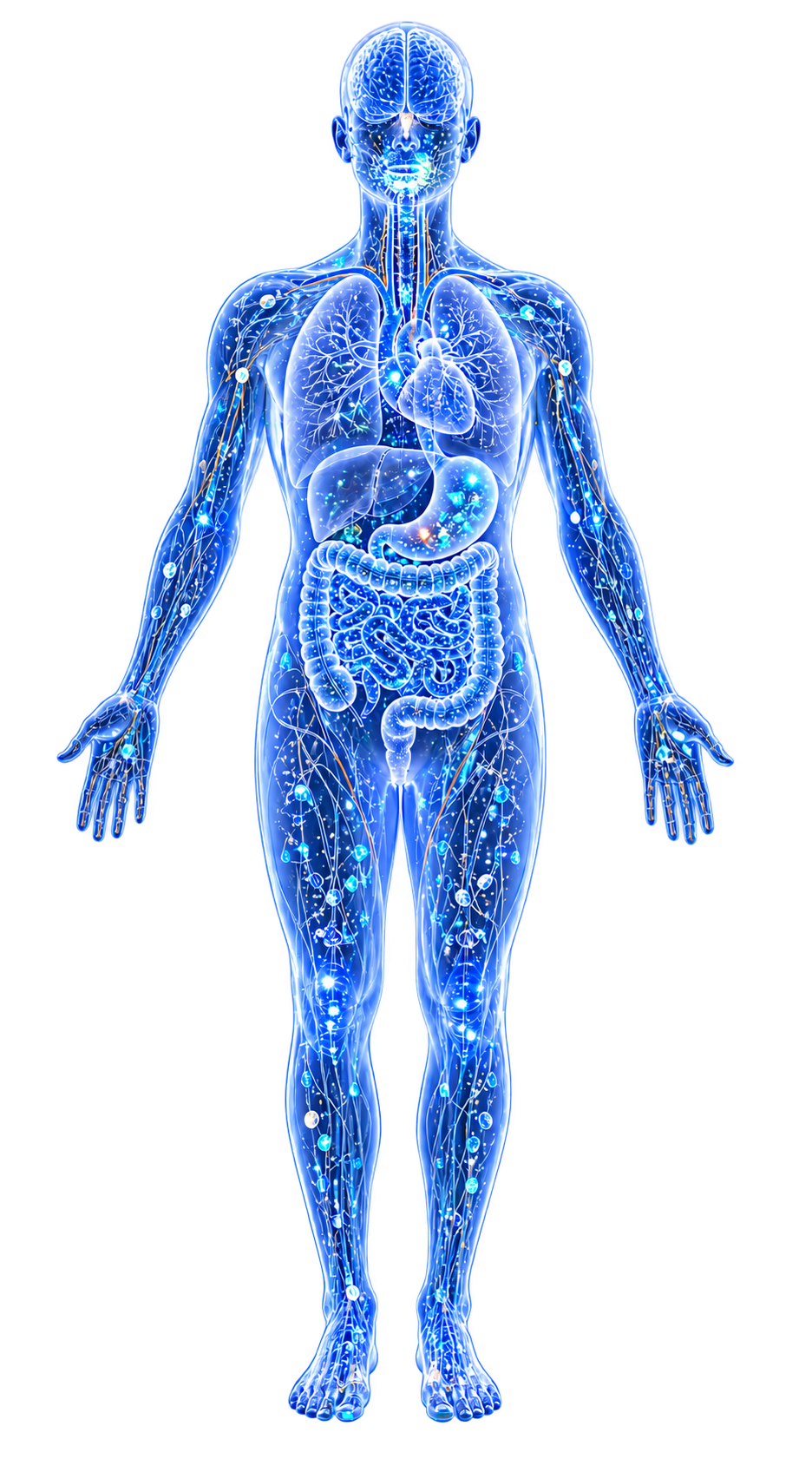
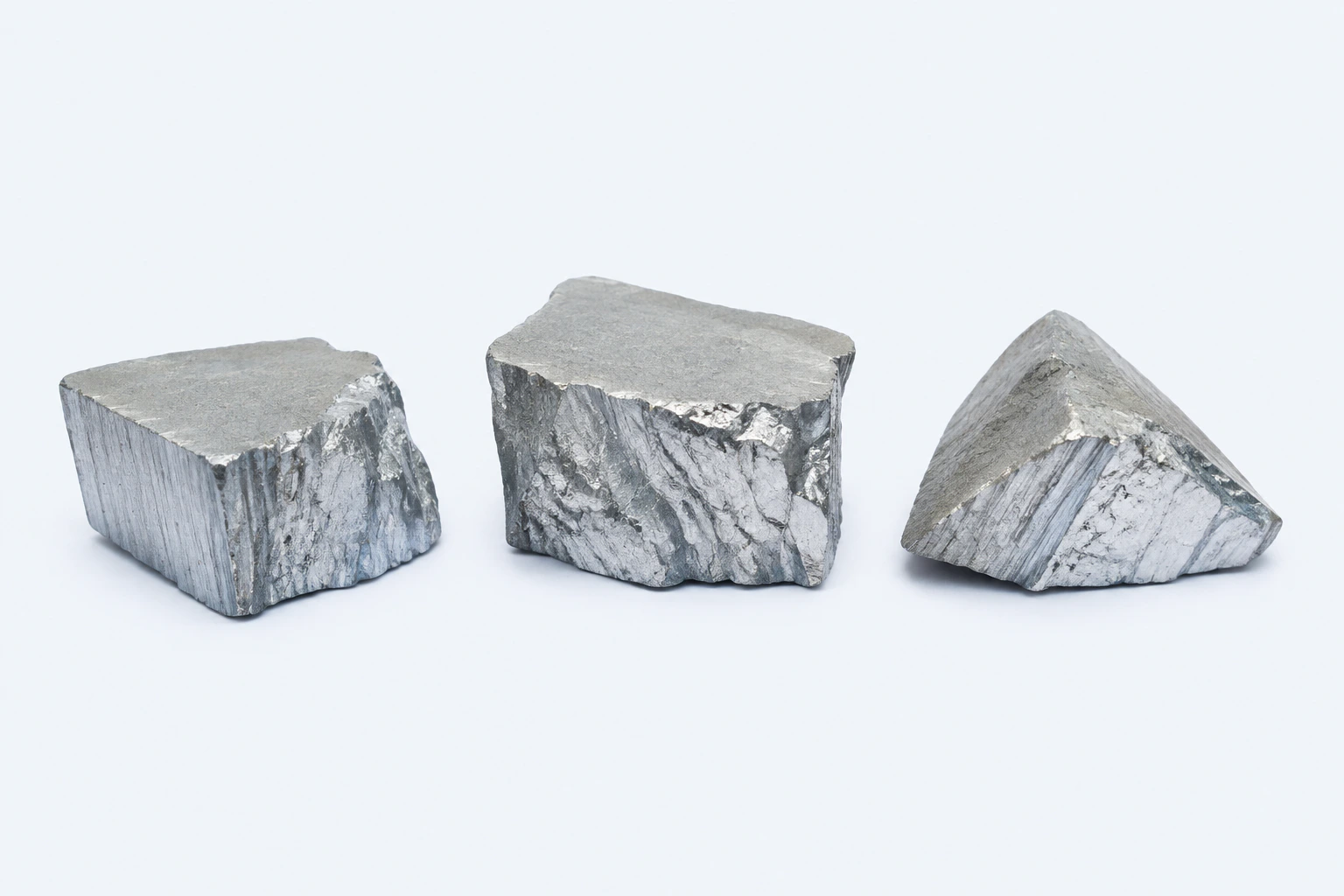
Elemental zinc (Zn), shown as three representative bluish-gray brittle-looking specimens with bright fracture faces. Form and surface vary with purity, processing, and oxidation; this is not a galvanized product, supplement, zinc oxide, analytical reference material, or a photograph.
Scientific media record2 verified identifiers
- Subject
- Zincelement
- Identifiers
- Atomic number 30PubChem CID:23994
- Review
- Editorial review completeIdentifiers authority-verified · Accessibility validated · · zinc|zinc-technical-specimen-v1.webp
- Digital source
- Trained-algorithmic mediaCreated with a trained generative algorithm and reviewed by WikiBiome for subject identity, scientific framing, identifiers, provenance, and accessibility.
- Scientific basis
- Zinc — PubChem ElementZinc, PubChem CID 23994
- License
- CC BY-SA 4.0Created
Zinc is the most widely utilized transition metal cofactor in biology. Approximately 9-10% of the eukaryotic proteome and 5-6% of the bacterial proteome consists of zinc-binding proteins.[1]Capdevila 2024 — Bacterial Metallostasis: Metal Sensing, Metalloproteome Remodeling, and Metal TraffickingDaiana A. Capdevila, Johnma J. Rondon, Katherine A. Edmonds et al. · 2024Open reference 1 ↓
An estimated one-third to 40% of all proteins in a typical proteome are metalloproteins, with zinc and Iron constituting the most abundant intracellular transition metals, reaching tens of millimolar total concentration.[1]Capdevila 2024 — Bacterial Metallostasis: Metal Sensing, Metalloproteome Remodeling, and Metal TraffickingDaiana A. Capdevila, Johnma J. Rondon, Katherine A. Edmonds et al. · 2024Open reference 1 ↓
Unlike Copper and iron, zinc has a single biologically relevant oxidation state—zinc (Zn)(II)—and does not undergo redox cycling, making it redox-inert and safe as a structural and catalytic cofactor.
What makes zinc singular among metals in this knowledge base is its dual role as both essential nutrient and antimicrobial weapon.
The host immune system deliberately floods pathogens with toxic zinc concentrations inside phagosomes while simultaneously starving them of zinc at extracellular infection sites via Calprotectin (S100A8/A9).[2]Bushman 2025 — The Exploitation of Nutrient Metals by Bacteria for Survival and Infection in the GutSummer D Bushman, Eric P Skaar, N Luisa Hiller · 2025Open reference 2 ↓
This dual strategy—withholding and weaponizing the same element—exploits the narrow window between zinc deficiency and zinc toxicity that all living cells must navigate.
Zinc is depleted in a striking number of disease states: cancer (breast, prostate, lung, pancreatic, esophageal, colorectal), type 2 diabetes, PCOS, autism spectrum disorder, postpartum depression, IBD, autoimmune thyroid disease, and Parkinson's disease.
The elevated copper (Cu)/zinc ratio is emerging as a pan-disease biomarker across these conditions.[3]Recent advances in the application of metallomics in diagnosis and prognosis of human cancerYan Zhang, Jie He, Jiao Jin et al. · 2022Open reference 3 ↓
Evidence map87 cited passagesInspect provenance +
Zinc is the most widely utilized transition metal cofactor in biology. Approximately 9-10% of the eukaryotic proteome and 5-6% of the bacterial proteome consists of zinc-binding proteins. An estimated one-third to 40% of all proteins in a typical proteome are metalloproteins, with zinc and iron constituting the most abundant intracellular transition metals,
What makes zinc singular among metals in this knowledge base is its dual role as both essential nutrient and antimicrobial weapon. The host immune system deliberately floods pathogens with toxic zinc concentrations inside phagosomes while simultaneously starving them of zinc at extracellular infection sites via calprotectin. This dual strategy—withholding
Zinc is depleted in a striking number of disease states: cancer (breast, prostate, lung, pancreatic, esophageal, colorectal), type 2 diabetes, PCOS, autism spectrum disorder, postpartum depression, IBD, autoimmune thyroid disease, and Parkinson's disease. The elevated Cu/Zn ratio is emerging as a pan-disease biomarker across these conditions.
Zinc finger motifs are "mini-folds" that cannot fold without their metal cofactor. These structural sites are found in DNA-binding transcription factors, RNA polymerases, and ribosomal proteins. Because 9-10% of the human proteome contains zinc-binding motifs (zinc fingers, RING domains), toxic metals such as lead, mercury, and cadmium that displace zinc fro
Zinc(II) is incorporated into over 100 distinct structural enzyme superfamilies spanning all seven EC enzyme classes. Key zinc-dependent enzymes include:
Cu/Zn-SOD (SOD1)—superoxide dismutase providing antioxidant defense; zinc deficiency reduces capacity to neutralize reactive oxygen species
Matrix metalloproteinases (MMP-2, MMP-9)—tissue remodeling enzymes; excess zinc may promote MMP-mediated tissue invasion
p53 tumor suppressor—contains a zinc-binding domain essential for DNA repair and apoptosis; zinc deficiency impairs p53-mediated tumor suppression
Gamma-secretase—modulates amyloid-beta production in the brain
Zinc functions as an allosteric regulator at regulatory metal sites. For example, Zn(II) inhibits protein tyrosine phosphatase 1B (PTP1B) with a dissociation constant in the low picomolar range, while Mg(II) activates the same enzyme. This regulatory role extends to insulin signaling: ZnT8 transporter in pancreatic beta cells is critical for insulin hexamer
Zinc is required for T cell differentiation (CD4+/CD8+ ratio), NK cell activity, and cytokine regulation. Even minor serum fluctuations affect T cell levels. In the tumor microenvironment, zinc depletion impairs T cell receptor signaling and cytotoxic function, contributing to immune evasion by tumors. Zinc also adjusts excitatory/inhibitory neurotransmissio
Zinc regulates key synaptic pathways implicated in autism spectrum disorder: the NLGN-NRXN-SHANK scaffold complex and the mTOR/PI3K pathway. SHANK3, a critical synaptic scaffold protein, directly binds zinc to form functional scaffolds; zinc deficiency reduces SHANK3 scaffold formation and disrupts NMDA and AMPA receptor function. Prenatal zinc deficiency ca
Zinc enhances intestinal barrier function, reduces permeability, exerts anti-inflammatory effects, and promotes beneficial gut bacteria growth. In preterm infants, zinc is essential for Paneth-cell defensin production and intestinal immunomodulation, contributing to protection against necrotizing enterocolitis.
Dietary sources. Red meat, shellfish (oysters are the richest known food source), legumes, nuts, seeds, whole grains, and dairy. Foods high in zinc substantially overlap with high-nickel foods (nuts, whole grains, legumes, shellfish).
Supplements. Zinc acetate, zinc gluconate, zinc sulfate. Doses in clinical studies range from 27 mg/day to 100 mg/day.
Fortified foods. Many cereals and infant formulas are zinc-fortified; infant formula zinc concentrations are a documented exposure route in early life.
Livestock feed. Zinc compounds are used as growth promoters and therapeutics in pig and poultry production at inclusion rates up to 30 times basal requirements in the EU, with 90% of in-feed zinc shed in livestock feces. This creates significant environmental zinc contamination with consequences for soil microbiome composition and antimicrobial resistance se
Oral hygiene products. Zinc concentrations in toothpastes and mouthwashes range from 30 to 150 mM, leading to several hours of elevated oral zinc levels after application.
Both zinc deficiency and excess reshape the gut microbiome in distinct, dose-dependent patterns. In a controlled mouse study, short-term zinc-deficient diets (0 mg/kg, 4 weeks) increased Proteobacteria and Desulfovibrio—established markers of dysbiosis and inflammation—while long-term high-zinc diets (150 mg/kg, 8 weeks) suppressed total SCFAs, butyric
| Zinc status | Key microbial changes | Metabolic consequence | |-------------|----------------------|----------------------| | Deficiency (short-term) | Increased Proteobacteria, Desulfovibrio, Parasutterella | Decreased total metabolites | | Deficiency (long-term) | Increased Akkermansia, Blautia | Decreased valerate | | Moderate excess (short-term) | Incr
In zinc-deficient children, lower Bifidobacterium and higher pro-inflammatory metabolites have been observed. Excess zinc (ZnO) in pigs decreased Clostridium spp. and Enterobacteriaceae, while chronic zinc excess in mice produced dysbiotic Enterobacteriaceae blooms and reduced SCFA-producing Ruminococcus.
The gut microbiome may also serve as a zinc sensor: approximately 20% of dietary zinc is absorbed by intestinal bacteria, so zinc status directly modulates gut microbiota composition. Melainabacteria has been identified as a reliable phylum-level microbial biomarker for zinc status (AUC 0.85), negatively correlated with serum zinc, while Desulfovibrio sp. AB
ZnuABC—an ATP-dependent ABC transporter found across Gram-negative pathogens; ZnuA is the periplasmic zinc-binding subunit, repressed by the Zur zinc-sensing regulator. In Campylobacter jejuni, znuABC inactivation prevents infection entirely. In pseudomonas aeruginosa, znuA disruption significantly reduces virulence in infection models.
Pseudopaline (ZrmABCD)—a "zincophore" (zinc-specific metallophore, analogous to siderophores for iron) produced by P. aeruginosa. Pseudopaline is synthesized intracellularly, secreted to scavenge extracellular zinc—including from host calprotectin—and reimported via TonB-dependent transport.
Showing 24 of 87 evidence-bearing passages. Every remaining citation is still indexed in the reference record below.
Contents
1. Biological Roles2. Dietary and Environmental Sources3. Microbiome Interactions4. Nutritional Immunity: The Host's Zinc Weapons5. Conditions Associated6. Interactions with Other Metals7. Biomarkers8. Key Studies9. Open Questions10. Cross-ReferencesBiological Roles#
Structural: The Zinc Finger Proteome#
Zinc finger motifs are "mini-folds" that cannot fold without their metal cofactor.[1]Capdevila 2024 — Bacterial Metallostasis: Metal Sensing, Metalloproteome Remodeling, and Metal TraffickingDaiana A. Capdevila, Johnma J. Rondon, Katherine A. Edmonds et al. · 2024Open reference 1 ↓ These structural sites are found in DNA-binding transcription factors, RNA polymerases, and ribosomal proteins.
Because 9-10% of the human proteome contains zinc-binding motifs (zinc fingers, RING domains), toxic metals such as Lead, Mercury, and Cadmium that displace zinc from these sites have proteome-wide consequences.[4]Metal Profiles in Autism Spectrum Disorders: A Crosstalk between Toxic and Essential MetalsBlazewicz A, Grabrucker AM · 2023Open reference 4 ↓[5]Risk factors in autism spectrum disorders: the role of genetic, epigenetic, immune and environmental interactionsCristina Rusu, Cristina Preda, Adriana Sireteanu et al. · 2015Open reference 5 ↓
Catalytic: Nature's Preferred Hydrolytic Catalyst#
Zinc(II) is incorporated into over 100 distinct structural enzyme superfamilies spanning all seven EC enzyme classes.[1]Capdevila 2024 — Bacterial Metallostasis: Metal Sensing, Metalloproteome Remodeling, and Metal TraffickingDaiana A. Capdevila, Johnma J. Rondon, Katherine A. Edmonds et al. · 2024Open reference 1 ↓ Key zinc-dependent enzymes include:
- copper/zinc superoxide dismutase (Cu/Zn-SOD) (SOD1)—superoxide dismutase providing antioxidant defense; zinc deficiency reduces capacity to neutralize reactive oxygen species[6]Zinc Deficiency as a General Feature of Cancer: A Review of the LiteratureRie Sugimoto, Lingaku Lee, Yuki Tanaka et al. · 2024Open reference 6 ↓
- Matrix metalloproteinases (MMP-2, MMP-9)—tissue remodeling enzymes; excess zinc may promote MMP-mediated tissue invasion[7]Exploring the link between dietary zinc intake and endometriosis risk: insights from a cross-sectional analysis of American womenHuang Y, Wei Y, Liang F et al. · 2024Open reference 7 ↓
- Carbonic anhydrase—pH regulation
- Alkaline phosphatase—phosphate metabolism
- DNA and RNA polymerases—genome maintenance and transcription
- p53 tumor suppressor—contains a zinc-binding domain essential for DNA repair and apoptosis; zinc deficiency impairs p53-mediated tumor suppression[6]Zinc Deficiency as a General Feature of Cancer: A Review of the LiteratureRie Sugimoto, Lingaku Lee, Yuki Tanaka et al. · 2024Open reference 6 ↓
- Gamma-secretase—modulates amyloid-beta production in the brain[8]Exposure of metal toxicity in Alzheimer's disease: An extensive reviewIslam F, Shohag S, Akhter S et al. · 2022Open reference 8 ↓
Regulatory: Allosteric Metal Signaling#
Zinc functions as an allosteric regulator at regulatory metal sites. For example, zinc (Zn)(II) inhibits protein tyrosine phosphatase 1B (PTP1B) with a dissociation constant in the low picomolar range, while magnesium (Mg)(II) activates the same enzyme.[1]Capdevila 2024 — Bacterial Metallostasis: Metal Sensing, Metalloproteome Remodeling, and Metal TraffickingDaiana A. Capdevila, Johnma J. Rondon, Katherine A. Edmonds et al. · 2024Open reference 1 ↓
This regulatory role extends to insulin signaling: ZnT8 transporter in pancreatic beta cells is critical for insulin hexamer storage and secretion, and ZnT8 mutations are associated with type 2 diabetes risk.[9]Metals in the pathogenesis of type 2 diabetesAbdul Rehman Khan, Fazli Rabbi Awan · 2014Open reference 9 ↓
Immune Function#
Zinc is required for T cell differentiation (CD4+/CD8+ ratio), NK cell activity, and cytokine regulation. Even minor serum fluctuations affect T cell levels.[6]Zinc Deficiency as a General Feature of Cancer: A Review of the LiteratureRie Sugimoto, Lingaku Lee, Yuki Tanaka et al. · 2024Open reference 6 ↓
In the tumor microenvironment, zinc depletion impairs T cell receptor signaling and cytotoxic function, contributing to immune evasion by tumors.[10]Chen et al. 2026 — Metalloimmunology in the Tumor MicroenvironmentChen, et al. · 2026Open reference 10 ↓ Zinc also adjusts excitatory/inhibitory neurotransmission via glutamate and GABA receptors.[11]The Possible Effects of Zinc Supplementation on Postpartum Depression and AnemiaAoki C, Imai K, Owaki T et al. · 2022Open reference 11 ↓
Neurodevelopment#
Zinc regulates key synaptic pathways implicated in autism spectrum disorder: the NLGN-NRXN-SHANK scaffold complex and the mTOR/PI3K pathway.[4]Metal Profiles in Autism Spectrum Disorders: A Crosstalk between Toxic and Essential MetalsBlazewicz A, Grabrucker AM · 2023Open reference 4 ↓
SHANK3, a critical synaptic scaffold protein, directly binds zinc to form functional scaffolds; zinc deficiency reduces SHANK3 scaffold formation and disrupts NMDA and AMPA receptor function.[12]The Metallome as a Link Between the 'Omes' in Autism Spectrum DisordersJanelle E. Stanton, Sigita Malijauskaite, Kieran McGourty et al. · 2021Open reference 12 ↓ Prenatal zinc deficiency causes ASD-like behavior in animal models.[4]Metal Profiles in Autism Spectrum Disorders: A Crosstalk between Toxic and Essential MetalsBlazewicz A, Grabrucker AM · 2023Open reference 4 ↓
Gut Barrier Integrity#
Zinc enhances intestinal barrier function, reduces permeability, exerts anti-inflammatory effects, and promotes beneficial gut bacteria growth.[13]Metal Dyshomeostasis as a Driver of Gut Pathology in Autism Spectrum DisordersO'Grady K, Grabrucker AM · 2025Open reference 13 ↓ In preterm infants, zinc is essential for Paneth-cell defensin production and intestinal immunomodulation, contributing to protection against Necrotizing Enterocolitis.[14]Sami 2023 — Human Milk Nutrients Preventing NECSami et al. · 2023Open reference 14 ↓
Dietary and Environmental Sources#
Dietary sources. Red meat, shellfish (oysters are the richest known food source), legumes, nuts, seeds, whole grains, and dairy. Foods high in zinc substantially overlap with high-Nickel foods (nuts, whole grains, legumes, shellfish).[7]Exploring the link between dietary zinc intake and endometriosis risk: insights from a cross-sectional analysis of American womenHuang Y, Wei Y, Liang F et al. · 2024Open reference 7 ↓
Supplements. Zinc acetate, zinc gluconate, zinc sulfate. Doses in clinical studies range from 27 mg/day to 100 mg/day.[11]The Possible Effects of Zinc Supplementation on Postpartum Depression and AnemiaAoki C, Imai K, Owaki T et al. · 2022Open reference 11 ↓
Fortified foods. Many cereals and infant formulas are zinc-fortified; infant formula zinc concentrations are a documented exposure route in early life.[15]Xiong 2025 — Prenatal Exposure to Trace Elements Impacts Mother-Infant Gut Microbiome, Metabolome and Resistome During the First Year of LifeShimao Xiong, Bing Xie, Naiyi Yin et al. · 2025Open reference 15 ↓
Livestock feed. Zinc compounds are used as growth promoters and therapeutics in pig and poultry production at inclusion rates up to 30 times basal requirements in the EU, with 90% of in-feed zinc shed in livestock feces.[16]Co-Selection of Resistance to Antibiotics, Biocides and Heavy Metals, and Its Relevance to Foodborne PathogensWales AD, Davies RH · 2015Open reference 16 ↓
This creates significant environmental zinc contamination with consequences for soil microbiome composition and antimicrobial resistance selection.
Oral hygiene products. Zinc concentrations in toothpastes and mouthwashes range from 30 to 150 mM, leading to several hours of elevated oral zinc levels after application.[17]Katrak 2026 — Oral Hygiene Agents at Work: Effects on Streptococcus mutans and Caries RiskCallahan Katrak, Sydney Reed, Miranda Carter et al. · 2026Open reference 17 ↓
U-shaped dose-response. Both deficiency and excess are harmful; the therapeutic window is narrow. This U-shaped relationship has been confirmed across cardiovascular, cancer, and neurodevelopmental contexts.
Microbiome Interactions#
This section contains content that does not appear on Wikipedia and represents one of WikiBiome's core contributions: understanding how zinc shapes microbial ecology, and how microbes have evolved to compete for and resist zinc.
Zinc as Selective Pressure on Gut Microbiota#
Both zinc deficiency and excess reshape the Gut Microbiome in distinct, dose-dependent patterns.
In a controlled mouse study, short-term zinc-deficient diets (0 mg/kg, 4 weeks) increased Proteobacteria and Desulfovibrio—established markers of Dysbiosis and Metal-Driven Inflammation—while long-term high-zinc diets (150 mg/kg, 8 weeks) suppressed total SCFAs, butyric acid, acetic acid, and SCFA-producing genera.[18]Chen 2021 — Effect of Long-Term and Short-Term Imbalanced Zn Manipulation on Gut Microbiota and Screening for Microbial Markers Sensitive to Zinc StatusLingjun Chen, Zhonghang Wang, Peng Wang et al. · 2021Open reference 18 ↓
Excess zinc (600 mg/kg) dramatically decreased microbial diversity (Shannon index).[18]Chen 2021 — Effect of Long-Term and Short-Term Imbalanced Zn Manipulation on Gut Microbiota and Screening for Microbial Markers Sensitive to Zinc StatusLingjun Chen, Zhonghang Wang, Peng Wang et al. · 2021Open reference 18 ↓
The microbial response follows a clear dose pattern:
| Zinc status | Key microbial changes | Metabolic consequence |
|---|---|---|
| Deficiency (short-term) | Increased Proteobacteria, Desulfovibrio, Parasutterella | Decreased total metabolites[18]Chen 2021 — Effect of Long-Term and Short-Term Imbalanced Zn Manipulation on Gut Microbiota and Screening for Microbial Markers Sensitive to Zinc StatusLingjun Chen, Zhonghang Wang, Peng Wang et al. · 2021Open reference 18 ↓ |
| Deficiency (long-term) | Increased Akkermansia, Blautia | Decreased valerate[18]Chen 2021 — Effect of Long-Term and Short-Term Imbalanced Zn Manipulation on Gut Microbiota and Screening for Microbial Markers Sensitive to Zinc StatusLingjun Chen, Zhonghang Wang, Peng Wang et al. · 2021Open reference 18 ↓ |
| Moderate excess (short-term) | Increased Verrucomicrobia, Akkermansia | Variable[18]Chen 2021 — Effect of Long-Term and Short-Term Imbalanced Zn Manipulation on Gut Microbiota and Screening for Microbial Markers Sensitive to Zinc StatusLingjun Chen, Zhonghang Wang, Peng Wang et al. · 2021Open reference 18 ↓ |
| Moderate excess (long-term) | Decreased Verrucomicrobia, decreased Lactobacillus reuteri | Markedly decreased all SCFAs[18]Chen 2021 — Effect of Long-Term and Short-Term Imbalanced Zn Manipulation on Gut Microbiota and Screening for Microbial Markers Sensitive to Zinc StatusLingjun Chen, Zhonghang Wang, Peng Wang et al. · 2021Open reference 18 ↓ |
| High excess | Decreased diversity; Enterobacteriaceae bloom | Drug resistance pathways upregulated[18]Chen 2021 — Effect of Long-Term and Short-Term Imbalanced Zn Manipulation on Gut Microbiota and Screening for Microbial Markers Sensitive to Zinc StatusLingjun Chen, Zhonghang Wang, Peng Wang et al. · 2021Open reference 18 ↓ |
In zinc-deficient children, lower Bifidobacterium and higher pro-inflammatory metabolites have been observed.[2]Bushman 2025 — The Exploitation of Nutrient Metals by Bacteria for Survival and Infection in the GutSummer D Bushman, Eric P Skaar, N Luisa Hiller · 2025Open reference 2 ↓ Excess zinc (ZnO) in pigs decreased Clostridium spp. and Enterobacteriaceae, while chronic zinc excess in mice produced dysbiotic Enterobacteriaceae blooms and reduced SCFA-producing Ruminococcus.[2]Bushman 2025 — The Exploitation of Nutrient Metals by Bacteria for Survival and Infection in the GutSummer D Bushman, Eric P Skaar, N Luisa Hiller · 2025Open reference 2 ↓
The gut microbiome may also serve as a zinc sensor: approximately 20% of dietary zinc is absorbed by intestinal bacteria, so zinc status directly modulates gut microbiota composition.[12]The Metallome as a Link Between the 'Omes' in Autism Spectrum DisordersJanelle E. Stanton, Sigita Malijauskaite, Kieran McGourty et al. · 2021Open reference 12 ↓
Melainabacteria has been identified as a reliable phylum-level microbial biomarker for zinc status (AUC > 0.85), negatively correlated with serum zinc, while Desulfovibrio sp. ABHU2SB serves as a species-level biomarker (ROC AUC 0.8-0.91).[18]Chen 2021 — Effect of Long-Term and Short-Term Imbalanced Zn Manipulation on Gut Microbiota and Screening for Microbial Markers Sensitive to Zinc StatusLingjun Chen, Zhonghang Wang, Peng Wang et al. · 2021Open reference 18 ↓
Bacterial Zinc Acquisition Systems#
Bacteria have evolved sophisticated machinery to acquire zinc from the host environment, especially during infection when the host restricts zinc availability.
ZnuABC—an ATP-dependent ABC transporter found across Gram-negative pathogens; ZnuA is the periplasmic zinc-binding subunit, repressed by the Zur zinc-sensing regulator. In Campylobacter jejuni, znuABC inactivation prevents infection entirely.[2]Bushman 2025 — The Exploitation of Nutrient Metals by Bacteria for Survival and Infection in the GutSummer D Bushman, Eric P Skaar, N Luisa Hiller · 2025Open reference 2 ↓
In Pseudomonas aeruginosa, znuA disruption significantly reduces virulence in infection models.[19]Michetti 2025 — Modelling Host-Pathogen Interactions: Galleria mellonella as a Platform to Study Pseudomonas aeruginosa Response to Host-Imposed Zinc StarvationEmma Michetti, Tulasi Abinya Mandava, Valerio Secli et al. · 2025Open reference 19 ↓
Pseudopaline (ZrmABCD)—a "zincophore" (zinc-specific metallophore, analogous to siderophores for iron) produced by P. aeruginosa. Pseudopaline is synthesized intracellularly, secreted to scavenge extracellular zinc—including from host calprotectin—and reimported via TonB-dependent transport.[19]Michetti 2025 — Modelling Host-Pathogen Interactions: Galleria mellonella as a Platform to Study Pseudomonas aeruginosa Response to Host-Imposed Zinc StarvationEmma Michetti, Tulasi Abinya Mandava, Valerio Secli et al. · 2025Open reference 19 ↓
Yersiniabactin—a metallophore originally characterized as a siderophore but which also chelates zinc and copper. Probiotic E. coli Nissle possesses yersiniabactin and resists calprotectin-induced zinc sequestration better than pathogenic Salmonella.[2]Bushman 2025 — The Exploitation of Nutrient Metals by Bacteria for Survival and Infection in the GutSummer D Bushman, Eric P Skaar, N Luisa Hiller · 2025Open reference 2 ↓
Bacterial Zinc Efflux and Resistance#
Just as bacteria need zinc, they must also expel excess zinc to avoid toxicity.
ZntA—a P-type ATPase zinc exporter found in Vibrio parahaemolyticus (induced ~19-fold by zinc) and many other Gram-negatives. ZntA-deficient bacteria accumulate intracellular zinc and become attenuated in virulence.[20]Zheng 2024 — ZntA Maintains Zinc and Cadmium Homeostasis and Promotes Oxidative Stress Resistance and Virulence in Vibrio parahaemolyticusChengkun Zheng, Yimeng Zhai, Jun Qiu et al. · 2024Open reference 20 ↓
CzcD—a zinc/cadmium exporter in Streptococcus pneumoniae and other species, essential for surviving host zinc flooding.[21]De Lay 2024 — The Five Homologous CiaR-Controlled Ccn sRNAs of Streptococcus pneumoniae Modulate Zn-ResistanceNicholas R De Lay, Nidhi Verma, Dhriti Sinha et al. · 2024Open reference 21 ↓
CzcABCD—a resistance-nodulation-division (RND) efflux system in P. aeruginosa that exports excess zinc (Zn), cadmium (Cd), and cobalt (Co); upregulated upon macrophage phagocytosis, reflecting a response to phagosomal zinc poisoning.[19]Michetti 2025 — Modelling Host-Pathogen Interactions: Galleria mellonella as a Platform to Study Pseudomonas aeruginosa Response to Host-Imposed Zinc StarvationEmma Michetti, Tulasi Abinya Mandava, Valerio Secli et al. · 2025Open reference 19 ↓
ZccE—a unique zinc exporter in Streptococcus mutans that confers high zinc tolerance; ZccE-deletion mutants become highly susceptible to zinc.[17]Katrak 2026 — Oral Hygiene Agents at Work: Effects on Streptococcus mutans and Caries RiskCallahan Katrak, Sydney Reed, Miranda Carter et al. · 2026Open reference 17 ↓
Ccn sRNAs—five homologous small regulatory RNAs in S. pneumoniae that maintain the intracellular zinc:manganese (Mn) ratio by reducing bioavailable free zinc.
Deletion of all five Ccn sRNAs causes zinc hypersensitivity and attenuated virulence (median survival time from 43h to 67h in murine pneumonia).[21]De Lay 2024 — The Five Homologous CiaR-Controlled Ccn sRNAs of Streptococcus pneumoniae Modulate Zn-ResistanceNicholas R De Lay, Nidhi Verma, Dhriti Sinha et al. · 2024Open reference 21 ↓
Co-Selection of Antibiotic Resistance#
Environmental zinc contamination—particularly from livestock feed—drives co-selection of antimicrobial resistance. Zinc exposure selects for bacteria carrying efflux pumps and mobile genetic elements that confer resistance to both metals and antibiotics simultaneously.[16]Co-Selection of Resistance to Antibiotics, Biocides and Heavy Metals, and Its Relevance to Foodborne PathogensWales AD, Davies RH · 2015Open reference 16 ↓
In controlled dietary studies, high-zinc diets upregulated drug resistance and infectious disease KEGG pathways in the gut microbiome.[18]Chen 2021 — Effect of Long-Term and Short-Term Imbalanced Zn Manipulation on Gut Microbiota and Screening for Microbial Markers Sensitive to Zinc StatusLingjun Chen, Zhonghang Wang, Peng Wang et al. · 2021Open reference 18 ↓
Heavy metal toxicity to composting microorganisms follows the order copper > zinc > cadmium, but zinc resistance required a longer lag period to develop than resistance to copper or cadmium.[22]Selective pressures of heavy metals on microbial community determine microbial functional roles during composting: Sensitive, resistant and actorChen X, Zhao Y, Zhao X et al. · 2020Open reference 22 ↓
Host Zinc Transport Shapes the Microbiome#
Genetic variation in host zinc transporters directly influences gut microbial composition. The ZIP8 A391T variant (rs13107325), a Crohn's disease risk allele, reduces luminal zinc availability in the colon by altering metal ion homeostasis at the mucosal-luminal interface.
Homozygous mutant mice showed reduced luminal iron, cobalt, copper, zinc, cadmium, and manganese, with age-dependent microbiome compositional shifts—the genotype-microbiome association R-squared increased from 3% at 2 months to 9% at 12 months.[23]ZIP8 A391T Crohn's Disease-Linked Risk Variant Induces Colonic Metal Ion Dyshomeostasis, Microbiome Compositional Shifts, and InflammationYang JC, Zhao M, Chernikova D et al. · 2024Open reference 23 ↓
Lactobacillus was reduced in mutant animals, while Staphylococcus, Rikenella, and Akkermansia were enriched at 12 months.[23]ZIP8 A391T Crohn's Disease-Linked Risk Variant Induces Colonic Metal Ion Dyshomeostasis, Microbiome Compositional Shifts, and InflammationYang JC, Zhao M, Chernikova D et al. · 2024Open reference 23 ↓ This is the first demonstration that a Crohn's-linked missense variant modulates colonic microbiome composition, positioning SLC39A8 A391T as a potential microbiome quantitative trait locus.
Nutritional Immunity: The Host's Zinc Weapons#
Nutritional immunity—the host strategy of metal restriction to starve pathogens—extends far beyond iron. Zinc is both withheld from and weaponized against invading bacteria, making it central to innate immune defense.
Calprotectin-Mediated Zinc Sequestration#
Calprotectin (S100A8/S100A9 heterodimer) is the host's primary extracellular zinc-sequestering weapon. It comprises 40-50% of neutrophil cytoplasmic protein content and can reach concentrations exceeding 1 mg/mL at infection sites.[2]Bushman 2025 — The Exploitation of Nutrient Metals by Bacteria for Survival and Infection in the GutSummer D Bushman, Eric P Skaar, N Luisa Hiller · 2025Open reference 2 ↓
Calprotectin chelates both zinc and manganese (and to a lesser extent iron), creating metal-depleted zones around infections that starve pathogens of essential cofactors.[24]Metal Ion Acquisition in Staphylococcus aureus: Overcoming Nutritional ImmunityJames E. Cassat, Eric P. Skaar · 2012Open reference 24 ↓
The clinical consequence: at abscess sites, calprotectin renders Staphylococcus aureus virtually devoid of manganese,[2]Bushman 2025 — The Exploitation of Nutrient Metals by Bacteria for Survival and Infection in the GutSummer D Bushman, Eric P Skaar, N Luisa Hiller · 2025Open reference 2 ↓ while the simultaneous zinc restriction targets zinc-dependent virulence enzymes.
This dual zinc (Zn)/manganese (Mn) restriction is particularly lethal because it simultaneously disables zinc-dependent metalloproteases and manganese-dependent superoxide dismutase, leaving pathogens both disarmed and defenseless against oxidative killing.
Phagosomal Zinc Flooding#
Inside the phagosome, the strategy reverses: macrophages flood engulfed bacteria with toxic zinc concentrations via ZnT-family transporters. Host peptidoglycan recognition proteins (PGRPs) induce 60-100-fold increases in intracellular zinc (Zn)(II) and copper (Cu)(I) in target bacteria.[25]Kashyap et al. 2014 — Peptidoglycan Recognition Proteins Kill Bacteria by Inducing Oxidative, Thiol, and Metal StressDipika R. Kashyap, Minhui Wang, Li-Hung Liu et al. · 2014Open reference 25 ↓
Chelation of either zinc or copper completely abolished PGRP bactericidal activity, demonstrating that metal intoxication is a required component of immune killing, not a side effect.[25]Kashyap et al. 2014 — Peptidoglycan Recognition Proteins Kill Bacteria by Inducing Oxidative, Thiol, and Metal StressDipika R. Kashyap, Minhui Wang, Li-Hung Liu et al. · 2014Open reference 25 ↓
The zinc concentrations achieved inside phagosomes exceed bacterial metal buffering capacity, triggering regulatory "mis-sensing"—bacterial metal sensors lose the ability to discriminate zinc from cobalt, mounting counterproductive stress responses that accelerate their own death.[26]Osman et al. 2017 — Fine Control of Metal Concentrations Is Necessary for Cells to Discern Zinc from CobaltDeenah Osman, Andrew W. Foster, Junjun Chen et al. · 2017Open reference 26 ↓
Zinc Mis-Metallation as Killing Mechanism#
The antimicrobial mechanism of zinc flooding operates through Mis-Metallation—the displacement of correct metal cofactors from enzymes.
The Irving-Williams series (manganese (Mn)(II) < iron (Fe)(II) < cobalt (Co)(II) < nickel (Ni)(II) < copper (Cu)(II) > zinc (Zn)(II)) dictates that zinc binds more tightly than manganese or iron to almost any biological ligand.[27]Robinson & Glasfeld 2020 — Metalation and Mis-metalation: Nature's Challenge in Metal CoordinationNigel J. Robinson, Andrea Glasfeld · 2020Open reference 27 ↓ When zinc concentrations exceed cellular buffering capacity, zinc displaces weaker-binding metals from their native enzymes:
Zinc displaces manganese from SOD. The most well-characterized example: zinc competitively inhibits manganese uptake through the PsaA permease in S. pneumoniae (EC50 = 30.2 uM zinc at 1 uM manganese).
Manganese-starved pneumococcus loads its SOD with iron instead, rendering the enzyme inactive against superoxide and leaving the bacterium vulnerable to oxidative killing.[28]Eijkelkamp et al. 2014 — Extracellular Zinc Competitively Inhibits Manganese Uptake in Streptococcus pneumoniaeBart A. Eijkelkamp, Jacqueline R. Morey, Stephanie L. Neville et al. · 2014Open reference 28 ↓ The zinc:manganese ratio—not absolute zinc concentration—determines bacterial vulnerability.[28]Eijkelkamp et al. 2014 — Extracellular Zinc Competitively Inhibits Manganese Uptake in Streptococcus pneumoniaeBart A. Eijkelkamp, Jacqueline R. Morey, Stephanie L. Neville et al. · 2014Open reference 28 ↓
This ratio-dependent framework has been confirmed in S. pneumoniae Ccn sRNA mutants, where manganese supplementation or oxygen removal rescues zinc-dependent growth inhibition.[21]De Lay 2024 — The Five Homologous CiaR-Controlled Ccn sRNAs of Streptococcus pneumoniae Modulate Zn-ResistanceNicholas R De Lay, Nidhi Verma, Dhriti Sinha et al. · 2024Open reference 21 ↓
Zinc mis-metalates the PerR regulator. In Bacillus and Staphylococcus, zinc displaces the correct manganese/iron cofactor from PerR, a peroxide-sensing transcriptional repressor.
Mis-metalated PerR constitutively represses catalase while derepressing heme biosynthesis, flooding the cell with pro-oxidant heme and no antioxidant defense—a lethal positive feedback loop.[29]Chandrangsu & Helmann 2016 — Intracellular Zn Intoxication Mis-metalates PerR, Causing Heme Toxicity and Oxidative DeathPete Chandrangsu, John D. Helmann · 2016Open reference 29 ↓
Zinc also inhibits cytochrome aa3 oxidase; bacteria survive only via the zinc-resistant cytochrome bd pathway.[29]Chandrangsu & Helmann 2016 — Intracellular Zn Intoxication Mis-metalates PerR, Causing Heme Toxicity and Oxidative DeathPete Chandrangsu, John D. Helmann · 2016Open reference 29 ↓
Zinc mis-metalates cell wall biosynthesis enzymes. In Klebsiella pneumoniae, zinc ionophore treatment increased intracellular zinc while decreasing manganese, suppressing SOD activity and disrupting cell wall biosynthesis via mis-metallation of GlmU (the final enzyme in UDP-GlcNAc synthesis).
Despite upregulated GlmU gene expression, the enzyme product was reduced—a signature of protein-level mis-metallation.[30]Wang 2025 — Disruption of Zinc Homeostasis Reverses Tigecycline Resistance in Klebsiella pneumoniaeJinyu Wang, Cuiping Xia, Zhaoxin Xia et al. · 2025Open reference 30 ↓
In Acinetobacter baumannii, the zinc metallochaperone MigC modulates MurD (an essential peptidoglycan ligase); under host calprotectin-mediated zinc depletion, loss of MigC function sensitizes bacteria to beta-lactam antibiotics.[31]Critchlow 2025 — The Zinc Metalloprotein MigC Impacts Cell Wall Biogenesis Through Interactions with MurD in Acinetobacter baumanniiJeanette M. Critchlow, Joseph S. Rocchio, Melanie C. McKell et al. · 2025Open reference 31 ↓
Zinc remodels the cell surface. In Caulobacter crescentus, zinc stress triggers outer membrane proteome remodeling via TonB-dependent receptors, exposing normally impermeable antibiotic binding sites and rendering the bacterium sensitive to vancomycin and bacitracin.[32]Costafrolaz 2026 — Asymmetric Envelope Surface Disposition of Secreted Protein YjbI Controls Bimodal Antibiotic Susceptibilities in C. crescentusJordan Costafrolaz, Laurence Degeorges, Gael Panis et al. · 2026Open reference 32 ↓
The Protective Mis-Metallation Paradox#
Not all zinc mis-metallation is harmful to bacteria. In Riemerella anatipestifer, zinc accumulation paradoxically increases resistance to hydrogen peroxide and hypochlorite. Elevated intracellular zinc competitively inhibits iron binding to biomolecules that catalyze Fenton reactions, reducing ROS generation—a form of "protective mis-metallation".[33]Ma 2025 — ZntR Is a Critical Regulator for Zinc Homeostasis and Involved in Pathogenicity in Riemerella anatipestiferHongmeng Ma, Mengying Wang, Yizhou Yao et al. · 2025Open reference 33 ↓
Invertebrate Nutritional Immunity#
Host zinc restriction is not limited to mammals. Galleria mellonella (wax moth) larvae upregulate zinc transporters upon P. aeruginosa infection, mounting an active zinc redistribution response analogous to mammalian nutritional immunity,[19]Michetti 2025 — Modelling Host-Pathogen Interactions: Galleria mellonella as a Platform to Study Pseudomonas aeruginosa Response to Host-Imposed Zinc StarvationEmma Michetti, Tulasi Abinya Mandava, Valerio Secli et al. · 2025Open reference 19 ↓ suggesting this defense strategy is an ancient, conserved feature of animal immunity.
Conditions Associated#
Cancer (General Feature of Malignancy)#
Low zinc levels are consistently reported across virtually all cancer types studied, making zinc deficiency a hallmark of cancer.[6]Zinc Deficiency as a General Feature of Cancer: A Review of the LiteratureRie Sugimoto, Lingaku Lee, Yuki Tanaka et al. · 2024Open reference 6 ↓ In the tumor microenvironment, zinc depletion impairs T cell receptor signaling and cytotoxic function, contributing to immune evasion.[10]Chen et al. 2026 — Metalloimmunology in the Tumor MicroenvironmentChen, et al. · 2026Open reference 10 ↓
Breast cancer: zinc significantly lower in plasma/serum; SMD -2.09 (-3.27, -0.91). Zinc deficiency disrupts antioxidant defense via copper/zinc superoxide dismutase (Cu/Zn-SOD).[34]Relationships Between Biological Heavy Metals and Breast Cancer: A Systematic Review and Meta-AnalysisLiu L, Chen J, Liu C et al. · 2022Open reference 34 ↓[35]Impact of heavy metals on breast cancer (Review)Ali AS, Nazar ME, Mustafa RM et al. · 2024Open reference 35 ↓
Prostate cancer: Significantly decreased (0.51 vs 0.82 ug/mL, p < 0.005). Disrupted zinc transporter function enables malignant transformation.[36]Serum Levels of Selenium, Zinc, Copper, Manganese, and Iron in Prostate Cancer PatientsSaleh A. K. Saleh, Heba M. Adly, Altaf A. Abdelkhaliq et al. · 2020Open reference 36 ↓
Lung cancer: Meta-analyses show significantly lower zinc in lung cancer patients. zinc shows VIP > 1 in PLS-DA separating disease groups.[37]Metallomic Signatures of Lung Cancer and Chronic Obstructive Pulmonary DiseaseBelen Callejon-Leblic, Saida Sanchez Espirilla, Carolina Gotera-Rivera et al. · 2023Open reference 37 ↓
Pancreatic cancer: Urinary zinc significantly higher in PDAC (p = 0.02), reflecting disrupted ZnT/ZIP transporters. Zinc isotope fractionation shows PDAC patients preferentially excrete isotopically light zinc.[38]Urine metallomics signature as an indicator of pancreatic cancerKathrin Schilling, Fiona Larner, Amina Saad et al. · 2020Open reference 38 ↓
Esophageal cancer: Most extensively studied; zinc deficiency promotes carcinogenesis by altering microRNA expression.[6]Zinc Deficiency as a General Feature of Cancer: A Review of the LiteratureRie Sugimoto, Lingaku Lee, Yuki Tanaka et al. · 2024Open reference 6 ↓ Liver cancer: High copper/zinc ratio predicts worse survival.[6]Zinc Deficiency as a General Feature of Cancer: A Review of the LiteratureRie Sugimoto, Lingaku Lee, Yuki Tanaka et al. · 2024Open reference 6 ↓
copper/zinc ratio: Elevated across virtually all cancer types in blood/serum—a general circulating cancer marker.[3]Recent advances in the application of metallomics in diagnosis and prognosis of human cancerYan Zhang, Jie He, Jiao Jin et al. · 2022Open reference 3 ↓
Autism Spectrum Disorder#
A primary pathology of ASD may be trace metal imbalance characterized by lack of zinc during brain development. Zinc is consistently decreased in hair of ASD children—the most reproducible finding in ASD metallomics.[4]Metal Profiles in Autism Spectrum Disorders: A Crosstalk between Toxic and Essential MetalsBlazewicz A, Grabrucker AM · 2023Open reference 4 ↓
Toxic metals (lead (Pb), mercury (Hg), cadmium (Cd)) compete with zinc (Zn) for protein binding sites on ~10% of the human proteome, creating functional zinc deficiency—proposed as the unifying mechanism linking toxic metal exposure to ASD gut and brain pathology.[4]Metal Profiles in Autism Spectrum Disorders: A Crosstalk between Toxic and Essential MetalsBlazewicz A, Grabrucker AM · 2023Open reference 4 ↓[13]Metal Dyshomeostasis as a Driver of Gut Pathology in Autism Spectrum DisordersO'Grady K, Grabrucker AM · 2025Open reference 13 ↓
30-70% of children with ASD suffer GI disturbances; zinc deficiency produces overlapping gut pathologies with mercury, cadmium, and lead exposure: barrier dysfunction, increased permeability, gut inflammation, and microbiota dysbiosis.[13]Metal Dyshomeostasis as a Driver of Gut Pathology in Autism Spectrum DisordersO'Grady K, Grabrucker AM · 2025Open reference 13 ↓
Meta-analytic confirmation: A 2024 meta-analysis (N = 706) confirmed significantly lower zinc in ASD children: MD = -6.707 (95% CI: -12.691, -0.722), p = 0.028, with moderate effect size (SMD = -0.498).[39]A comparison between children and adolescents with autism spectrum disorders and healthy controls in biomedical factors, trace elements, and microbiota biomarkers: a meta-analysisPing Lin, Qianwen Zhang, Junyu Sun et al. · 2024Open reference 39 ↓
Metallome-ome cascade: zinc deficiency increases gut permeability, provokes IL-6 and GFAP-mediated inflammation, and may trigger NLRP3-driven Neuroinflammation.[12]The Metallome as a Link Between the 'Omes' in Autism Spectrum DisordersJanelle E. Stanton, Sigita Malijauskaite, Kieran McGourty et al. · 2021Open reference 12 ↓
copper (Cu)/zinc ratio elevation: Autistic individuals show significantly elevated plasma copper and copper/zinc ratio. Copper decreased significantly after zinc therapy only in the GI disease subgroup, suggesting the gut is a critical site for copper-zinc competition.[40]Russo 2011 — Increased Copper in Individuals with Autism Normalizes Post Zinc Therapy More Efficiently in Individuals with Concurrent GI DiseaseAnthony J. Russo · 2011Open reference 40 ↓
Hair vs serum discrepancy: A 2025 Chinese hair study (N = 181) found no significant hair zinc difference in ASD vs controls (p = 0.663), contrasting with blood/serum studies and potentially reflecting matrix-specific differences or regional dietary variation.[41]Evaluation of Heavy Metals and Essential Minerals in the Hair of Children with Autism Spectrum Disorder and Their Association with Symptom SeverityXulan Zhou, Xiaochun Xia, Liming Li et al. · 2025Open reference 41 ↓
Prenatal zinc-copper rhythm disruption: Altered zinc-copper rhythms in fetal and postnatal tissue (measured via tooth-matrix biomarkers) are linked to ASD; phthalate exposure may mediate this disruption.[42]The contribution of environmental exposure to the etiology of autism spectrum disorderSven Bolte, Sonya Girdler, Peter B. Marschik · 2019Open reference 42 ↓
Type 2 Diabetes#
Increased urinary zinc (Zn) excretion leads to suboptimal blood zinc status, impairing insulin storage, secretion, and signaling.[9]Metals in the pathogenesis of type 2 diabetesAbdul Rehman Khan, Fazli Rabbi Awan · 2014Open reference 9 ↓ ZnT8 transporter mutation is a T2D risk allele; zinc is critical for insulin hexamer formation in beta cells.
Renal excretion-driven zinc depletion creates a vicious cycle of worsening metal dyshomeostasis.[9]Metals in the pathogenesis of type 2 diabetesAbdul Rehman Khan, Fazli Rabbi Awan · 2014Open reference 9 ↓
PCOS#
Lower zinc (Zn) in PCOS (1350 vs 1598 ppb, p = 0.010), with zinc negatively correlated with fasting glucose.[43]Are Heavy Metal Exposure and Trace Element Levels Related to Metabolic and Endocrine Problems in Polycystic Ovary Syndrome?Kirmizi DA, Baser E, Turksoy VA et al. · 2020Open reference 43 ↓ No significant copper (Cu)/zinc ratio difference in one study,[44]Association of Trace Elements with Polycystic Ovary Syndrome in Women -- A Case-Control StudySmovrsnik T, Pinter B, Horvat M et al. · 2025Open reference 44 ↓ though the meta-analytic trend supports elevated copper/zinc.
Postpartum Depression#
Serum zinc dramatically lower in PPD cases: 21.03 vs 54.16 ug/dL in controls—a statistically significant and clinically striking difference.[45]Correlation of Serum Zinc Levels with Postpartum Depression - A Case-control Study in North KarnatakaHiremath KM, Dharambhat S, Mutalik N et al. · 2021Open reference 45 ↓ Negative correlation between EPDS severity and serum zinc (dose-response relationship).[45]Correlation of Serum Zinc Levels with Postpartum Depression - A Case-control Study in North KarnatakaHiremath KM, Dharambhat S, Mutalik N et al. · 2021Open reference 45 ↓
Neurodegeneration#
Reduced serum and plasma zinc (Zn) in PD patients (meta-analysis of 803 PD, 796 controls).[46]Common and Trace Metals in Alzheimer's and Parkinson's DiseasesDoroszkiewicz J, Farhan JA, Mroczko J et al. · 2023Open reference 46 ↓ zinc transporter dysfunction observed in AD brains.[8]Exposure of metal toxicity in Alzheimer's disease: An extensive reviewIslam F, Shohag S, Akhter S et al. · 2022Open reference 8 ↓ zinc modulates gamma-secretase activity affecting amyloid-beta production.[8]Exposure of metal toxicity in Alzheimer's disease: An extensive reviewIslam F, Shohag S, Akhter S et al. · 2022Open reference 8 ↓
Paradox: Zinc rapidly precipitates amyloid-beta at physiological concentrations, and zinc enrichment in plaques is a consistent finding. Both zinc excess and deficiency may contribute to AD pathology.[8]Exposure of metal toxicity in Alzheimer's disease: An extensive reviewIslam F, Shohag S, Akhter S et al. · 2022Open reference 8 ↓[46]Common and Trace Metals in Alzheimer's and Parkinson's DiseasesDoroszkiewicz J, Farhan JA, Mroczko J et al. · 2023Open reference 46 ↓
Brain metallomic signatures—spatial distribution of iron (Fe), copper (Cu), zinc, manganese (Mn) across specific regions—can differentiate dementia with Lewy bodies from Alzheimer's and Parkinson's disease dementia.[47]Scholefield et al. 2024 — Brain Metallomic Signatures Distinguish DLB from AD and PDDMelissa Scholefield, Stephanie J. Church, Jingshu Xu et al. · 2024Open reference 47 ↓
Zinc-dependent metalloproteases contribute to barrier degradation and nutrient liberation from host tissues in the PD gut-brain context.[48]Pendergrass 2025 — From Dysbiosis to Dyshomeostasis: Why Parkinson's Requires a Metallomic–Microbiome LensKaren Pendergrass · 2025Open reference 48 ↓
IBD (Crohn's Disease and Ulcerative Colitis)#
manganese (Mn), nickel (Ni), zinc (Zn), selenium (Se), and strontium (Sr) generally lower in UC patients.[49]Clinical and inflammatory biomarkers of inflammatory bowel diseases are linked to plasma trace elements and toxic metals; new insights into an old conceptAmerikanou C, Karavoltsos S, Gioxari A et al. · 2022Open reference 49 ↓
ZIP8 A391T (Crohn's disease risk variant) reduces luminal zinc availability, inducing age-dependent microbiome shifts and spontaneous intestinal inflammation at 10 months.[23]ZIP8 A391T Crohn's Disease-Linked Risk Variant Induces Colonic Metal Ion Dyshomeostasis, Microbiome Compositional Shifts, and InflammationYang JC, Zhao M, Chernikova D et al. · 2024Open reference 23 ↓
The altered luminal metal environment in Crohn's selects for microbes with enhanced metal acquisition—a zinc-mediated shift from commensal to pathogenic ecology.
Endometriosis (Excess)#
Higher dietary zinc (>14 mg/day) associated with 60% increased odds of endometriosis (adjusted OR 1.6, 95% CI 1.12-2.27). This counterintuitive finding may operate through MMP activation: zinc (Zn)-dependent MMP-2 and MMP-9 facilitate tissue invasion in endometriosis.[7]Exploring the link between dietary zinc intake and endometriosis risk: insights from a cross-sectional analysis of American womenHuang Y, Wei Y, Liang F et al. · 2024Open reference 7 ↓[50]Huang 2024 — Exploring the Link Between Dietary Zinc Intake and Endometriosis RiskYingmei Huang, Yumei Wei, Feng Liang et al. · 2024Open reference 50 ↓
Autoimmune Thyroid Disease#
Zinc deficiency is associated with autoimmune thyroid conditions (Hashimoto's thyroiditis and Graves' disease) through impaired selenoprotein function, Th1/Th2/Treg imbalance, and metalloenzyme dependencies.[51]Recent advances of trace elements in autoimmune thyroid diseaseLi S, Xu Q, Wang S et al. · 2025Open reference 51 ↓
Behavioral and Neurodevelopmental Effects in Children#
Heavy metal load and microbiome-associated metabolites account for 32% of variance in social behaviors among school-age children.
The displacement of zinc by toxic metals (arsenic, cadmium, lead, mercury) from microbial enzyme binding sites may alter catecholamine precursor metabolite production via the gut-brain axis.[52]Krajewski 2025 -- Heavy metals, noradrenaline/adrenaline ratio, and microbiome-associated hormone precursor metabolites: biomarkers for social behaviour, ADHD symptoms, and executive function in childrenKristin Krajewski · 2025Open reference 52 ↓
Interactions with Other Metals#
The Irving-Williams Series: Why Zinc Outcompetes#
The Irving-Williams series (manganese (Mn)(II) < iron (Fe)(II) < cobalt (Co)(II) < nickel (Ni)(II) < copper (Cu)(II) > zinc (Zn)(II)) means zinc will outcompete weaker-binding metals (manganese, iron) for any given protein binding site if allowed free access.[27]Robinson & Glasfeld 2020 — Metalation and Mis-metalation: Nature's Challenge in Metal CoordinationNigel J. Robinson, Andrea Glasfeld · 2020Open reference 27 ↓
Cells solve this by maintaining cytosolic metal concentrations in the inverse order—the weakest binders (manganese, iron) are kept abundant, while the strongest binders (copper, zinc) are kept at extremely low free concentrations (estimated at less than one free copper(II) ion per cell).[27]Robinson & Glasfeld 2020 — Metalation and Mis-metalation: Nature's Challenge in Metal CoordinationNigel J. Robinson, Andrea Glasfeld · 2020Open reference 27 ↓
When metal stress exceeds this buffering capacity, the Irving-Williams hierarchy reasserts itself and mis-metallation cascades follow.[27]Robinson & Glasfeld 2020 — Metalation and Mis-metalation: Nature's Challenge in Metal CoordinationNigel J. Robinson, Andrea Glasfeld · 2020Open reference 27 ↓
Copper: The most critical interaction. copper and zinc compete for metallothionein binding and intestinal absorption. copper displaces zinc from MT due to higher affinity.
The copper/zinc ratio is a pan-disease biomarker elevated in cancer, PCOS, ASD, and AMI.[3]Recent advances in the application of metallomics in diagnosis and prognosis of human cancerYan Zhang, Jie He, Jiao Jin et al. · 2022Open reference 3 ↓
Lead: lead (Pb) competes with zinc for binding sites on ~10% of human proteins. lead exposure creates functional zinc deficiency—the proposed unifying mechanism in ASD.[4]Metal Profiles in Autism Spectrum Disorders: A Crosstalk between Toxic and Essential MetalsBlazewicz A, Grabrucker AM · 2023Open reference 4 ↓
Mercury: mercury (Hg) competes with zinc for thiol-containing protein binding sites, contributing to functional zinc deficiency in the CNS.
Cadmium: cadmium (Cd) binds metallothionein and interferes with zinc homeostasis; cadmium exposure can deplete zinc stores. cadmium disrupts calcium (Ca)/zinc/iron homeostasis. In vanadium (V). parahaemolyticus, the ZntA efflux pump handles both zinc and cadmium.[20]Zheng 2024 — ZntA Maintains Zinc and Cadmium Homeostasis and Promotes Oxidative Stress Resistance and Virulence in Vibrio parahaemolyticusChengkun Zheng, Yimeng Zhai, Jun Qiu et al. · 2024Open reference 20 ↓
Iron: zinc and iron compete for intestinal absorption; co-supplementation may transiently reduce iron absorption.[11]The Possible Effects of Zinc Supplementation on Postpartum Depression and AnemiaAoki C, Imai K, Owaki T et al. · 2022Open reference 11 ↓ In vanadium. parahaemolyticus, ferrous iron supplementation rescues growth under zinc excess, revealing functional cross-talk where iron compensates for zinc homeostasis defects.[20]Zheng 2024 — ZntA Maintains Zinc and Cadmium Homeostasis and Promotes Oxidative Stress Resistance and Virulence in Vibrio parahaemolyticusChengkun Zheng, Yimeng Zhai, Jun Qiu et al. · 2024Open reference 20 ↓
Manganese: The zinc:manganese ratio is the critical determinant for mis-metallation of manganese-dependent enzymes. In S. pneumoniae, zinc competitively inhibits manganese uptake via PsaA with an EC50 of 30.2 uM at 1 uM manganese.[28]Eijkelkamp et al. 2014 — Extracellular Zinc Competitively Inhibits Manganese Uptake in Streptococcus pneumoniaeBart A. Eijkelkamp, Jacqueline R. Morey, Stephanie L. Neville et al. · 2014Open reference 28 ↓
Calprotectin restricts both zinc and manganese simultaneously at infection sites.[24]Metal Ion Acquisition in Staphylococcus aureus: Overcoming Nutritional ImmunityJames E. Cassat, Eric P. Skaar · 2012Open reference 24 ↓
Calcium: Both zinc and calcium are affected by toxic metal competition; lead mimics calcium while displacing zinc. S. aureus can substitute calcium for manganese in its cell wall to survive metal chelation.[53]Paterson 2025 — Enhanced Resistance of Metal Sequestering Agents by Reconfiguration of the Staphylococcus aureus Cell WallJoy R Paterson, Joshua M Wadsworth, Rebecca J Lee et al. · 2025Open reference 53 ↓
Cobalt: Bacterial metal sensors can discriminate zinc from cobalt only within a narrow buffered range; exceeding this range causes mis-sensing with counterproductive transcriptional responses.[26]Osman et al. 2017 — Fine Control of Metal Concentrations Is Necessary for Cells to Discern Zinc from CobaltDeenah Osman, Andrew W. Foster, Junjun Chen et al. · 2017Open reference 26 ↓
Biomarkers#
| Matrix | What It Reflects | Notes |
|---|---|---|
| Serum/plasma zinc (Zn) | Current systemic status | Depleted in most cancers, T2D, PCOS, PPD, PD |
| Whole blood zinc | Total body zinc pool | Measured via ICP-MS in PCOS and ASD studies |
| Urinary zinc | Renal handling/excretion | Increased excretion in T2D; elevated in PDAC |
| Hair zinc | Medium-term status | Most consistent ASD finding (decreased), though with regional variability[41]Evaluation of Heavy Metals and Essential Minerals in the Hair of Children with Autism Spectrum Disorder and Their Association with Symptom SeverityXulan Zhou, Xiaochun Xia, Liming Li et al. · 2025Open reference 41 ↓ |
| copper (Cu)/zinc ratio | Relative metal balance | Elevated in cancer, PCOS, ASD, AMI; pan-disease marker[3]Recent advances in the application of metallomics in diagnosis and prognosis of human cancerYan Zhang, Jie He, Jiao Jin et al. · 2022Open reference 3 ↓ |
| zinc isotopes (delta-66/64-zinc) | Metalloprotein dysregulation | Novel: PDAC patients excrete isotopically light zinc[38]Urine metallomics signature as an indicator of pancreatic cancerKathrin Schilling, Fiona Larner, Amina Saad et al. · 2020Open reference 38 ↓ |
| Fecal calprotectin | Intestinal inflammation / zinc sequestration | Elevated in IBD reflects zinc/manganese (Mn) restriction at mucosal surface[24]Metal Ion Acquisition in Staphylococcus aureus: Overcoming Nutritional ImmunityJames E. Cassat, Eric P. Skaar · 2012Open reference 24 ↓ |
| Melainabacteria abundance | Gut microbiome zinc status | AUC > 0.85 as microbial biomarker for zinc status[18]Chen 2021 — Effect of Long-Term and Short-Term Imbalanced Zn Manipulation on Gut Microbiota and Screening for Microbial Markers Sensitive to Zinc StatusLingjun Chen, Zhonghang Wang, Peng Wang et al. · 2021Open reference 18 ↓ |
Key Studies#
| Study | Year | Type | Key Contribution |
|---|---|---|---|
| [27]Robinson & Glasfeld 2020 — Metalation and Mis-metalation: Nature's Challenge in Metal CoordinationNigel J. Robinson, Andrea Glasfeld · 2020Open reference 27 ↓ | 2020 | Review | Irving-Williams series framework for mis-metallation |
| [24]Metal Ion Acquisition in Staphylococcus aureus: Overcoming Nutritional ImmunityJames E. Cassat, Eric P. Skaar · 2012Open reference 24 ↓ | 2012 | Review | Comprehensive map of nutritional immunity and pathogen metal acquisition |
| [1]Capdevila 2024 — Bacterial Metallostasis: Metal Sensing, Metalloproteome Remodeling, and Metal TraffickingDaiana A. Capdevila, Johnma J. Rondon, Katherine A. Edmonds et al. · 2024Open reference 1 ↓ | 2024 | Review | Defines metallostasis; ~33-40% of proteome is metalloprotein |
| [28]Eijkelkamp et al. 2014 — Extracellular Zinc Competitively Inhibits Manganese Uptake in Streptococcus pneumoniaeBart A. Eijkelkamp, Jacqueline R. Morey, Stephanie L. Neville et al. · 2014Open reference 28 ↓ | 2014 | In-vitro | zinc (Zn):manganese (Mn) ratio determines SOD mis-metallation in pneumococcus |
| [29]Chandrangsu & Helmann 2016 — Intracellular Zn Intoxication Mis-metalates PerR, Causing Heme Toxicity and Oxidative DeathPete Chandrangsu, John D. Helmann · 2016Open reference 29 ↓ | 2016 | In-vitro | Mechanism of macrophage zinc poisoning via PerR mis-metallation |
| [25]Kashyap et al. 2014 — Peptidoglycan Recognition Proteins Kill Bacteria by Inducing Oxidative, Thiol, and Metal StressDipika R. Kashyap, Minhui Wang, Li-Hung Liu et al. · 2014Open reference 25 ↓ | 2014 | In-vitro | Metal intoxication required for immune killing (60-100x zinc increase) |
| [2]Bushman 2025 — The Exploitation of Nutrient Metals by Bacteria for Survival and Infection in the GutSummer D Bushman, Eric P Skaar, N Luisa Hiller · 2025Open reference 2 ↓ | 2025 | Review | Three-way competition: host-pathogen-commensal metal warfare |
| [18]Chen 2021 — Effect of Long-Term and Short-Term Imbalanced Zn Manipulation on Gut Microbiota and Screening for Microbial Markers Sensitive to Zinc StatusLingjun Chen, Zhonghang Wang, Peng Wang et al. · 2021Open reference 18 ↓ | 2021 | Animal | Dose-dependent zinc reshaping of gut microbiota |
| [23]ZIP8 A391T Crohn's Disease-Linked Risk Variant Induces Colonic Metal Ion Dyshomeostasis, Microbiome Compositional Shifts, and InflammationYang JC, Zhao M, Chernikova D et al. · 2024Open reference 23 ↓ | 2024 | Animal | Crohn's genetic variant alters zinc transport and microbiome |
| [6]Zinc Deficiency as a General Feature of Cancer: A Review of the LiteratureRie Sugimoto, Lingaku Lee, Yuki Tanaka et al. · 2024Open reference 6 ↓ | 2024 | Review | Zinc deficiency as hallmark of cancer across tumor types |
Open Questions#
Unresolved questions identified by the current evidence record.
01Is zinc depletion cause or consequence?+
In cancer and T2D, is zinc (Zn) deficiency a driver of disease or a result of altered zinc transporter expression and increased utilization?
02Optimal supplementation dose: The PPD study used 100 mg/day while a negative study used 27 mg/day. What is the therapeutic dose threshold?+
The current WikiBiome record identifies this as an unresolved evidence gap.
03Endometriosis paradox: How can the same element be protective (antioxidant, immune) in most contexts but harmful (MMP activation) in endometriosis?+
Is dietary zinc (Zn) a proxy for meat/shellfish consumption?
04Zinc isotope biomarkers: Can zinc isotope fractionation be developed into a clinical diagnostic tool for early cancer detection?+
The current WikiBiome record identifies this as an unresolved evidence gap.
05Brain zinc (Zn) paradox: Both zinc excess (plaque enrichment) and zinc deficiency (transporter dysfunction) are implicated in AD—what determines the direction of pathology?+
The current WikiBiome record identifies this as an unresolved evidence gap.
06Genetic susceptibility: Do ZIP/ZnT transporter polymorphisms (e.g., ZIP8 A391T in Crohn's, ZnT8 in T2D) define subpopulations that would benefit most from zinc (Zn) intervention?+
The current WikiBiome record identifies this as an unresolved evidence gap.
07Hair vs serum/blood discrepancy in ASD: Does the lack of hair zinc difference found by Zhou et al. 2025 reflect matrix-specific differences, or regional/dietary confounders?[41]Evaluation of Heavy Metals and Essential Minerals in the Hair of Children with Autism Spectrum Disorder and Their Association with Symptom SeverityXulan Zhou, Xiaochun Xia, Liming Li et al. · 2025Open reference 41 ↓+
The current WikiBiome record identifies this as an unresolved evidence gap.
08Gut microbiome zinc sensing: Can Melainabacteria or Desulfovibrio abundance serve as non-invasive zinc status biomarkers in clinical practice?[18]Chen 2021 — Effect of Long-Term and Short-Term Imbalanced Zn Manipulation on Gut Microbiota and Screening for Microbial Markers Sensitive to Zinc StatusLingjun Chen, Zhonghang Wang, Peng Wang et al. · 2021Open reference 18 ↓+
The current WikiBiome record identifies this as an unresolved evidence gap.
09cobalt (Co)-selection risk: Does widespread zinc use in livestock feed and oral hygiene products drive clinically meaningful antibiotic resistance in human commensal bacteria?[16]Co-Selection of Resistance to Antibiotics, Biocides and Heavy Metals, and Its Relevance to Foodborne PathogensWales AD, Davies RH · 2015Open reference 16 ↓+
The current WikiBiome record identifies this as an unresolved evidence gap.
10Iron-zinc cross-talk in pathogens: The finding that iron supplementation rescues zinc homeostasis defects in Vibrio[20]Zheng 2024 — ZntA Maintains Zinc and Cadmium Homeostasis and Promotes Oxidative Stress Resistance and Virulence in Vibrio parahaemolyticusChengkun Zheng, Yimeng Zhai, Jun Qiu et al. · 2024Open reference 20 ↓ raises the question of whether dietary iron-zinc ratios shape pathogen virulence in the gut.+
The current WikiBiome record identifies this as an unresolved evidence gap.
Cross-References#
- Copper—the most critical interaction; copper (Cu)/zinc (Zn) ratio is a pan-disease biomarker
- Lead—competes with zinc for binding sites; creates functional zinc deficiency
- Mercury—competes with zinc for thiol groups; shared ASD mechanism
- Cadmium—disrupts zinc homeostasis via metallothionein competition
- Manganese—zinc:manganese (Mn) ratio determines mis-metallation; calprotectin restricts both
- Iron—absorption competition; iron (Fe)-zinc cross-talk in pathogen homeostasis
- Nickel—co-measured in many studies; overlapping food sources
- Arsenic—co-measured in metallomic panels; both altered in cancer
- Chromium—chromium(III) (Cr3+) and zinc both essential for glucose metabolism
- Nutritional Immunity (Metal Sequestration)—zinc sequestration (calprotectin) and flooding (phagosomal) as dual immune weapons
- Mis-Metallation—zinc displaces manganese and iron from enzymes via Irving-Williams series
- Irving-Williams Series—thermodynamic framework explaining zinc's competitive advantage
- Calprotectin (S100A8/A9)—primary host zinc/manganese-sequestering protein
- Oxidative Stress—zinc as SOD1 cofactor; zinc deficiency impairs antioxidant defense
- Metal Carcinogenesis—zinc deficiency as a general cancer feature
- Metallomics—zinc as anchor element in cancer and ASD metallomic profiles
- gut microbiota—zinc deficiency and excess both reshape microbial composition
- Antimicrobial Resistance—zinc as co-selective pressure for antibiotic resistance
- Siderophores and Metallophores—zincophores (pseudopaline) as bacterial zinc acquisition tools
- Staphylococcus aureus—model organism for understanding nutritional immunity zinc battle
- Streptococcus pneumoniae—zinc:manganese ratio mis-metallation paradigm
- Pseudomonas aeruginosa—zincophore biology and zinc acquisition during CF lung infection
References 62
Numbered by first appearance in the article, then reconciled with its declared source list.
- 1
Daiana A. Capdevila, Johnma J. Rondon, Katherine A. Edmonds et al. (2024). Capdevila 2024 — Bacterial Metallostasis: Metal Sensing, Metalloproteome Remodeling, and Metal Trafficking. Chemical Reviews.
- 2
Summer D Bushman, Eric P Skaar, N Luisa Hiller (2025). Bushman 2025 — The Exploitation of Nutrient Metals by Bacteria for Survival and Infection in the Gut. PLOS Pathogens.
- 3
Yan Zhang, Jie He, Jiao Jin et al. (2022). Recent advances in the application of metallomics in diagnosis and prognosis of human cancer. Metallomics.
- 4
Blazewicz A, Grabrucker AM (2023). Metal Profiles in Autism Spectrum Disorders: A Crosstalk between Toxic and Essential Metals. International Journal of Molecular Sciences.
- 5
Cristina Rusu, Cristina Preda, Adriana Sireteanu et al. (2015). Risk factors in autism spectrum disorders: the role of genetic, epigenetic, immune and environmental interactions. Environmental Engineering and Management Journal.
- 6
Rie Sugimoto, Lingaku Lee, Yuki Tanaka et al. (2024). Zinc Deficiency as a General Feature of Cancer: A Review of the Literature. Biological Trace Element Research.
- 7
Huang Y, Wei Y, Liang F et al. (2024). Exploring the link between dietary zinc intake and endometriosis risk: insights from a cross-sectional analysis of American women. BMC Public Health.
- 8
Islam F, Shohag S, Akhter S et al. (2022). Exposure of metal toxicity in Alzheimer's disease: An extensive review. Frontiers in Pharmacology.
- 9
★Abdul Rehman Khan, Fazli Rabbi Awan (2014). Metals in the pathogenesis of type 2 diabetes. Journal of Diabetes and Metabolic Disorders.
- 10
Chen, et al. (2026). Chen et al. 2026 — Metalloimmunology in the Tumor Microenvironment. Theranostics.
- 11
Aoki C, Imai K, Owaki T et al. (2022). The Possible Effects of Zinc Supplementation on Postpartum Depression and Anemia. Medicina.
- 12
Janelle E. Stanton, Sigita Malijauskaite, Kieran McGourty et al. (2021). The Metallome as a Link Between the 'Omes' in Autism Spectrum Disorders. Frontiers in Molecular Neuroscience.
- 13
★O'Grady K, Grabrucker AM (2025). Metal Dyshomeostasis as a Driver of Gut Pathology in Autism Spectrum Disorders. Journal of Neurochemistry.
- 14
Sami et al. (2023). Sami 2023 — Human Milk Nutrients Preventing NEC. Frontiers in Pediatrics.
- 15
Shimao Xiong, Bing Xie, Naiyi Yin et al. (2025). Xiong 2025 — Prenatal Exposure to Trace Elements Impacts Mother-Infant Gut Microbiome, Metabolome and Resistome During the First Year of Life. Nature Communications.
- 16
Wales AD, Davies RH (2015). Co-Selection of Resistance to Antibiotics, Biocides and Heavy Metals, and Its Relevance to Foodborne Pathogens. Antibiotics.
- 17
Callahan Katrak, Sydney Reed, Miranda Carter et al. (2026). Katrak 2026 — Oral Hygiene Agents at Work: Effects on Streptococcus mutans and Caries Risk. Frontiers in Cellular and Infection Microbiology.
- 18
Lingjun Chen, Zhonghang Wang, Peng Wang et al. (2021). Chen 2021 — Effect of Long-Term and Short-Term Imbalanced Zn Manipulation on Gut Microbiota and Screening for Microbial Markers Sensitive to Zinc Status. Microbiology Spectrum.
- 19
Emma Michetti, Tulasi Abinya Mandava, Valerio Secli et al. (2025). Michetti 2025 — Modelling Host-Pathogen Interactions: Galleria mellonella as a Platform to Study Pseudomonas aeruginosa Response to Host-Imposed Zinc Starvation. Microbiology.
- 20
Chengkun Zheng, Yimeng Zhai, Jun Qiu et al. (2024). Zheng 2024 — ZntA Maintains Zinc and Cadmium Homeostasis and Promotes Oxidative Stress Resistance and Virulence in Vibrio parahaemolyticus. Gut Microbes.
- 21
Nicholas R De Lay, Nidhi Verma, Dhriti Sinha et al. (2024). De Lay 2024 — The Five Homologous CiaR-Controlled Ccn sRNAs of Streptococcus pneumoniae Modulate Zn-Resistance. PLOS Pathogens.
- 22
Chen X, Zhao Y, Zhao X et al. (2020). Selective pressures of heavy metals on microbial community determine microbial functional roles during composting: Sensitive, resistant and actor. Journal of Hazardous Materials.
- 23
★Yang JC, Zhao M, Chernikova D et al. (2024). ZIP8 A391T Crohn's Disease-Linked Risk Variant Induces Colonic Metal Ion Dyshomeostasis, Microbiome Compositional Shifts, and Inflammation. Digestive Diseases and Sciences.
- 24
★James E. Cassat, Eric P. Skaar (2012). Metal Ion Acquisition in Staphylococcus aureus: Overcoming Nutritional Immunity. Seminars in Immunopathology.
- 25
Dipika R. Kashyap, Minhui Wang, Li-Hung Liu et al. (2014). Kashyap et al. 2014 — Peptidoglycan Recognition Proteins Kill Bacteria by Inducing Oxidative, Thiol, and Metal Stress. PLoS Pathogens.
- 26
Deenah Osman, Andrew W. Foster, Junjun Chen et al. (2017). Osman et al. 2017 — Fine Control of Metal Concentrations Is Necessary for Cells to Discern Zinc from Cobalt. Nature Communications.
- 27
Nigel J. Robinson, Andrea Glasfeld (2020). Robinson & Glasfeld 2020 — Metalation and Mis-metalation: Nature's Challenge in Metal Coordination. Journal of Biological Inorganic Chemistry.
- 28
Bart A. Eijkelkamp, Jacqueline R. Morey, Stephanie L. Neville et al. (2014). Eijkelkamp et al. 2014 — Extracellular Zinc Competitively Inhibits Manganese Uptake in Streptococcus pneumoniae. PLoS ONE.
- 29
Pete Chandrangsu, John D. Helmann (2016). Chandrangsu & Helmann 2016 — Intracellular Zn Intoxication Mis-metalates PerR, Causing Heme Toxicity and Oxidative Death. PLoS Genetics.
- 30
Jinyu Wang, Cuiping Xia, Zhaoxin Xia et al. (2025). Wang 2025 — Disruption of Zinc Homeostasis Reverses Tigecycline Resistance in Klebsiella pneumoniae. Frontiers in Cellular and Infection Microbiology.
- 31
Jeanette M. Critchlow, Joseph S. Rocchio, Melanie C. McKell et al. (2025). Critchlow 2025 — The Zinc Metalloprotein MigC Impacts Cell Wall Biogenesis Through Interactions with MurD in Acinetobacter baumannii. PLOS Pathogens.
- 32
★Jordan Costafrolaz, Laurence Degeorges, Gael Panis et al. (2026). Costafrolaz 2026 — Asymmetric Envelope Surface Disposition of Secreted Protein YjbI Controls Bimodal Antibiotic Susceptibilities in C. crescentus. The EMBO Journal.
- 33
Hongmeng Ma, Mengying Wang, Yizhou Yao et al. (2025). Ma 2025 — ZntR Is a Critical Regulator for Zinc Homeostasis and Involved in Pathogenicity in Riemerella anatipestifer. Microbiology Spectrum.
- 34
★Liu L, Chen J, Liu C et al. (2022). Relationships Between Biological Heavy Metals and Breast Cancer: A Systematic Review and Meta-Analysis. Frontiers in Nutrition.
- 35
★Ali AS, Nazar ME, Mustafa RM et al. (2024). Impact of heavy metals on breast cancer (Review). World Academy of Sciences Journal.
- 36
★Saleh A. K. Saleh, Heba M. Adly, Altaf A. Abdelkhaliq et al. (2020). Serum Levels of Selenium, Zinc, Copper, Manganese, and Iron in Prostate Cancer Patients. Current Urology.
- 37
Belen Callejon-Leblic, Saida Sanchez Espirilla, Carolina Gotera-Rivera et al. (2023). Metallomic Signatures of Lung Cancer and Chronic Obstructive Pulmonary Disease. International Journal of Molecular Sciences.
- 38
Kathrin Schilling, Fiona Larner, Amina Saad et al. (2020). Urine metallomics signature as an indicator of pancreatic cancer. Metallomics.
- 39
Ping Lin, Qianwen Zhang, Junyu Sun et al. (2024). A comparison between children and adolescents with autism spectrum disorders and healthy controls in biomedical factors, trace elements, and microbiota biomarkers: a meta-analysis. Frontiers in Psychiatry.
- 40
Anthony J. Russo (2011). Russo 2011 — Increased Copper in Individuals with Autism Normalizes Post Zinc Therapy More Efficiently in Individuals with Concurrent GI Disease. Nutrition and Metabolic Insights.
- 41
Xulan Zhou, Xiaochun Xia, Liming Li et al. (2025). Evaluation of Heavy Metals and Essential Minerals in the Hair of Children with Autism Spectrum Disorder and Their Association with Symptom Severity. Biological Trace Element Research.
- 42
Sven Bolte, Sonya Girdler, Peter B. Marschik (2019). The contribution of environmental exposure to the etiology of autism spectrum disorder. Cellular and Molecular Life Sciences.
- 43
★Kirmizi DA, Baser E, Turksoy VA et al. (2020). Are Heavy Metal Exposure and Trace Element Levels Related to Metabolic and Endocrine Problems in Polycystic Ovary Syndrome?. Biological Trace Element Research.
- 44
Smovrsnik T, Pinter B, Horvat M et al. (2025). Association of Trace Elements with Polycystic Ovary Syndrome in Women -- A Case-Control Study. Metabolites.
- 45
Hiremath KM, Dharambhat S, Mutalik N et al. (2021). Correlation of Serum Zinc Levels with Postpartum Depression - A Case-control Study in North Karnataka. Journal of Clinical and Diagnostic Research.
- 46
Doroszkiewicz J, Farhan JA, Mroczko J et al. (2023). Common and Trace Metals in Alzheimer's and Parkinson's Diseases. International Journal of Molecular Sciences.
- 47
★Melissa Scholefield, Stephanie J. Church, Jingshu Xu et al. (2024). Scholefield et al. 2024 — Brain Metallomic Signatures Distinguish DLB from AD and PDD. Frontiers in Neuroscience.
- 48
Karen Pendergrass (2025). Pendergrass 2025 — From Dysbiosis to Dyshomeostasis: Why Parkinson's Requires a Metallomic–Microbiome Lens. Zenodo Preprint.
- 49
Amerikanou C, Karavoltsos S, Gioxari A et al. (2022). Clinical and inflammatory biomarkers of inflammatory bowel diseases are linked to plasma trace elements and toxic metals; new insights into an old concept. Frontiers in Nutrition.
- 50
Yingmei Huang, Yumei Wei, Feng Liang et al. (2024). Huang 2024 — Exploring the Link Between Dietary Zinc Intake and Endometriosis Risk. BMC Public Health.
- 51
Li S, Xu Q, Wang S et al. (2025). Recent advances of trace elements in autoimmune thyroid disease. Frontiers in Immunology.
- 52
Kristin Krajewski (2025). Krajewski 2025 -- Heavy metals, noradrenaline/adrenaline ratio, and microbiome-associated hormone precursor metabolites: biomarkers for social behaviour, ADHD symptoms, and executive function in children. Scientific Reports.
- 53
Joy R Paterson, Joshua M Wadsworth, Rebecca J Lee et al. (2025). Paterson 2025 — Enhanced Resistance of Metal Sequestering Agents by Reconfiguration of the Staphylococcus aureus Cell Wall. npj Antimicrobials and Resistance.
- 54
★Tizabi Y, Bennani S, El Kouhen N et al. (2023). Interaction of Heavy Metal Lead with Gut Microbiota: Implications for Autism Spectrum Disorder. Biomolecules.
- 55
Jessica Briffa, Emmanuel Sinagra, Renald Blundell (2020). Heavy Metal Pollution in the Environment and Their Toxicological Effects on Humans. Heliyon.
- 56
Arshad M, Riaz N, Bashir R et al. (2023). Role of Some Heavy Metals in Rheumatoid Arthritis. Research Developments in Medicine and Medical Science Vol. 7.
- 57
Si Ying Lim, Hiranya Dayal, Song Jie Seah et al. (2023). Plasma metallomics reveals potential biomarkers and insights into the ambivalent associations of elements with acute myocardial infarction. Journal of Trace Elements in Medicine and Biology.
- 58
Golden, M., et al. (2024). Golden et al. 2024 — Metal Chelation as Antibacterial Strategy Against Pseudomonas and Acinetobacter. RSC Chemical Biology.
- 59
Kelvin G K Goh, Devika Desai, Ruby Thapa et al. (2024). Goh 2024 — An Opportunistic Pathogen Under Stress: How Group B Streptococcus Responds to Cytotoxic Reactive Species and Conditions of Metal Ion Imbalance to Survive. FEMS Microbiology Reviews.
- 60
Alevtina Mikhaylina, Amira Z. Ksibe, Rachael C. Wilkinson et al. (2022). Mikhaylina 2022 — A Single Sensor Controls Large Variations in Zinc Quotas in a Marine Cyanobacterium. Nature Chemical Biology.
- 61
Eva Bastida-Martinez, Irene del Rey-Navalon, Naike Ye et al. (2025). Bastida-Martinez 2025 — PexR Is a Noncanonical Regulator of the Peroxide Stress Response in Bacteria. Nucleic Acids Research.
- 62
★Patil RH, Luptakova D, Havlicek V (2021). Infection metallomics for critical care in the post-COVID era. Mass Spectrometry Reviews.
Article network
Mentioned here 18
Pages linking here 144
Connect the evidence
Publicly readable discussion by ORCID-authenticated researchers. Questions, interpretation, methods, corrections, and new evidence stay attached to this record.
No discussion yet. Start with a precise question or a source-backed observation.
Activity and accepted changes
Accepted researcher context, editorial status, public discussion, and upstream Git revisions are shown together. Pending, declined, and withdrawn proposals remain private.
- published revision
Add reviewed neuroinflammation coverage batch
Karen Pendergrass · +1 −1
Inspect exact Git diff ↗ - published revision
Backfill gut microbiome concept links
Karen Pendergrass · +1 −1
Inspect exact Git diff ↗ - published revision
Backfill inflammation concept links
Karen Pendergrass · +1 −1
Inspect exact Git diff ↗ - published revision
Complete corpus-wide Dysbiosis linking
Karen Pendergrass · +1 −1
Inspect exact Git diff ↗ - published revision
Add NLRP3 inflammasome concept and link batch
Karen Pendergrass · +3 −3
Inspect exact Git diff ↗ - published revision
massive wiki expansion: 149 stubs fixed, 100+ new pages, Rule 15 scan, keystone papers
WikiBiome Deploy Bot · +67 −67
Inspect exact Git diff ↗ - published revision
deepen 7 metal entity pages: iron, zinc, cadmium, lead, mercury, nickel, arsenic
WikiBiome Deploy Bot · +226 −85
Inspect exact Git diff ↗ - published revision
Citation integrity pass: 38 citations added, 24 parenthesized citations fixed
WikiBiome Deploy Bot · +1 −7
Inspect exact Git diff ↗ - published revision
wiki: bulk entity upgrades, new article pages, and site regeneration
WikiBiome Deploy Bot · +6 −0
Inspect exact Git diff ↗ - published revision
WikiBiome v2 migration: signature pages + safety fixes + gap analysis
WikiBiome Deploy Bot · +1 −0
Inspect exact Git diff ↗ - published revision
WikiBiome update — integrity fixes, metallomic diet pages, cross-condition analyses
WikiBiome Deploy Bot · +2 −0
Inspect exact Git diff ↗ - published revision
WikiBiome v7 — interactive microbiome metallomics encyclopedia
Karen Pendergrass · +164 −0
Inspect exact Git diff ↗