WikiBiomeThe human microbiome encyclopedia
WikiBiome/Search: “infection”
Encyclopedia search

Search: “infection”

Ranked matches across titles, topics, categories, and article introductions.

78 records in this view
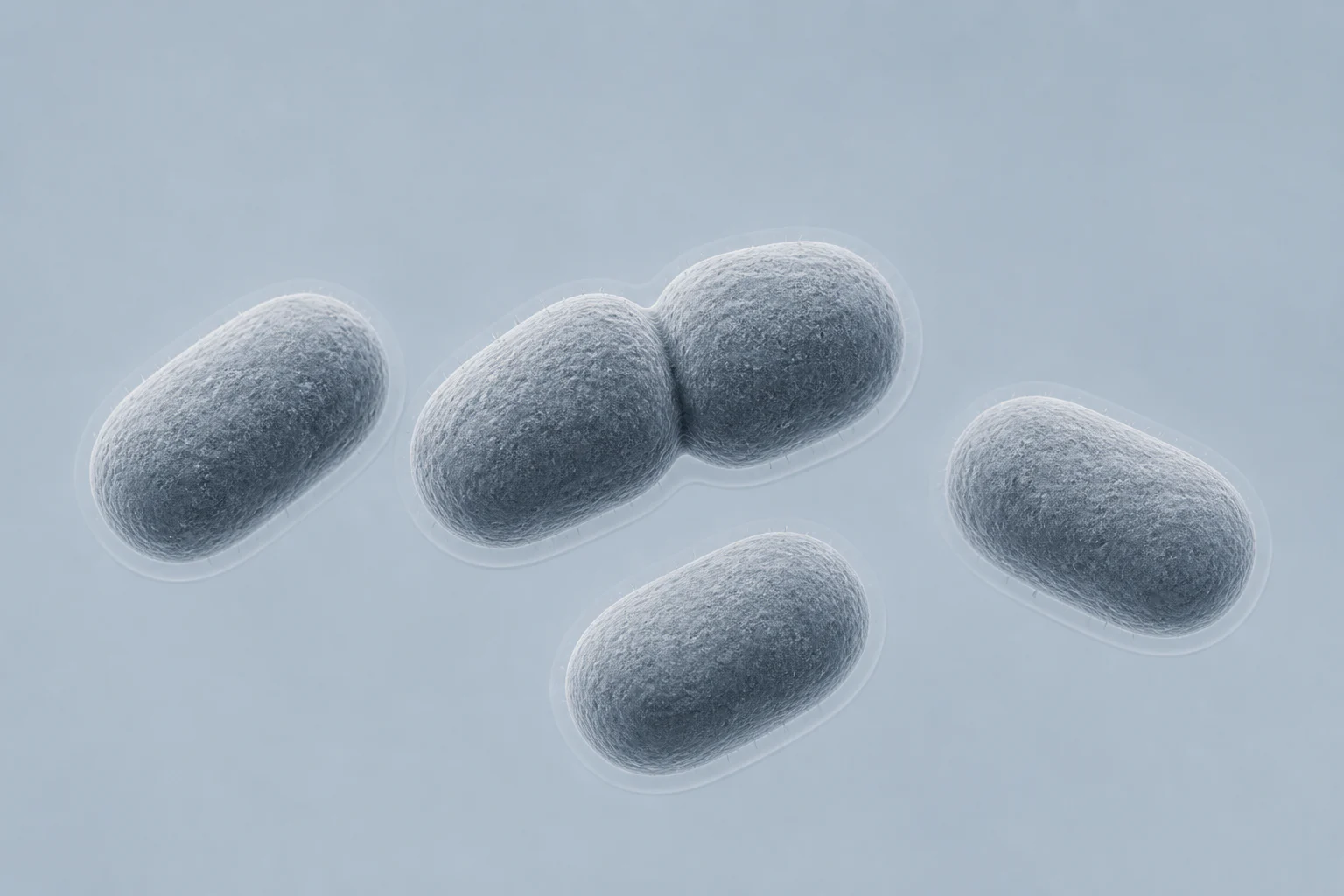
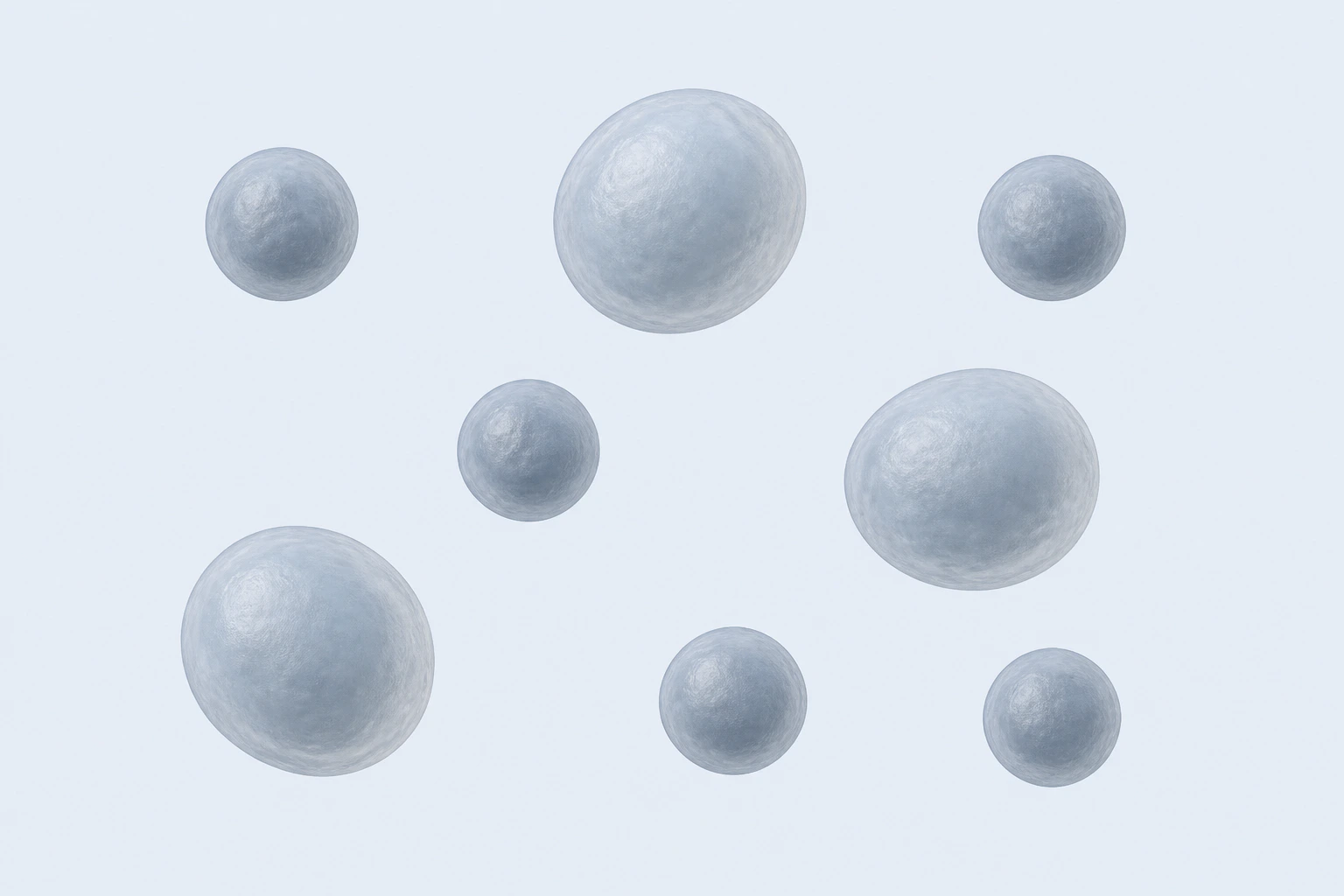
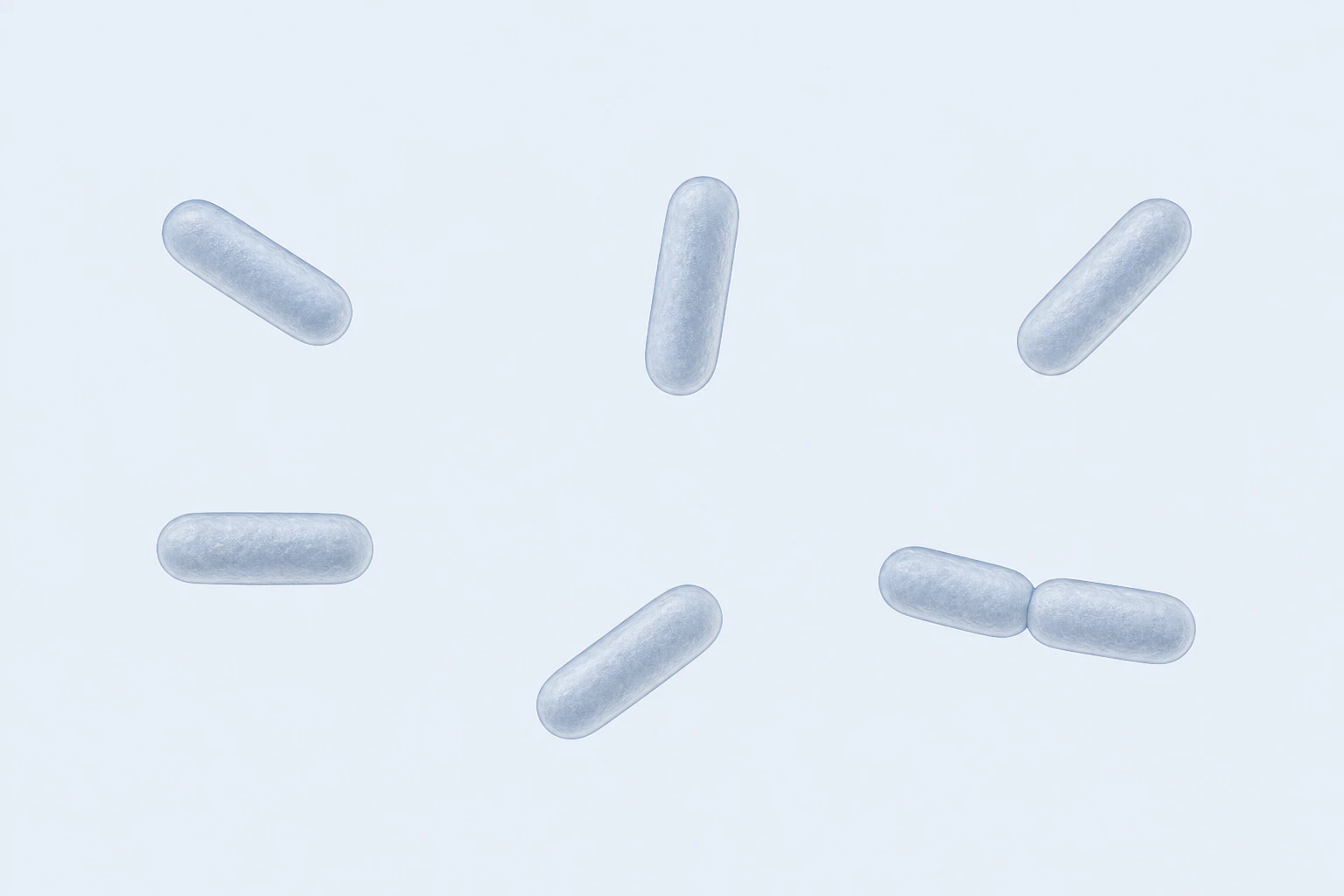
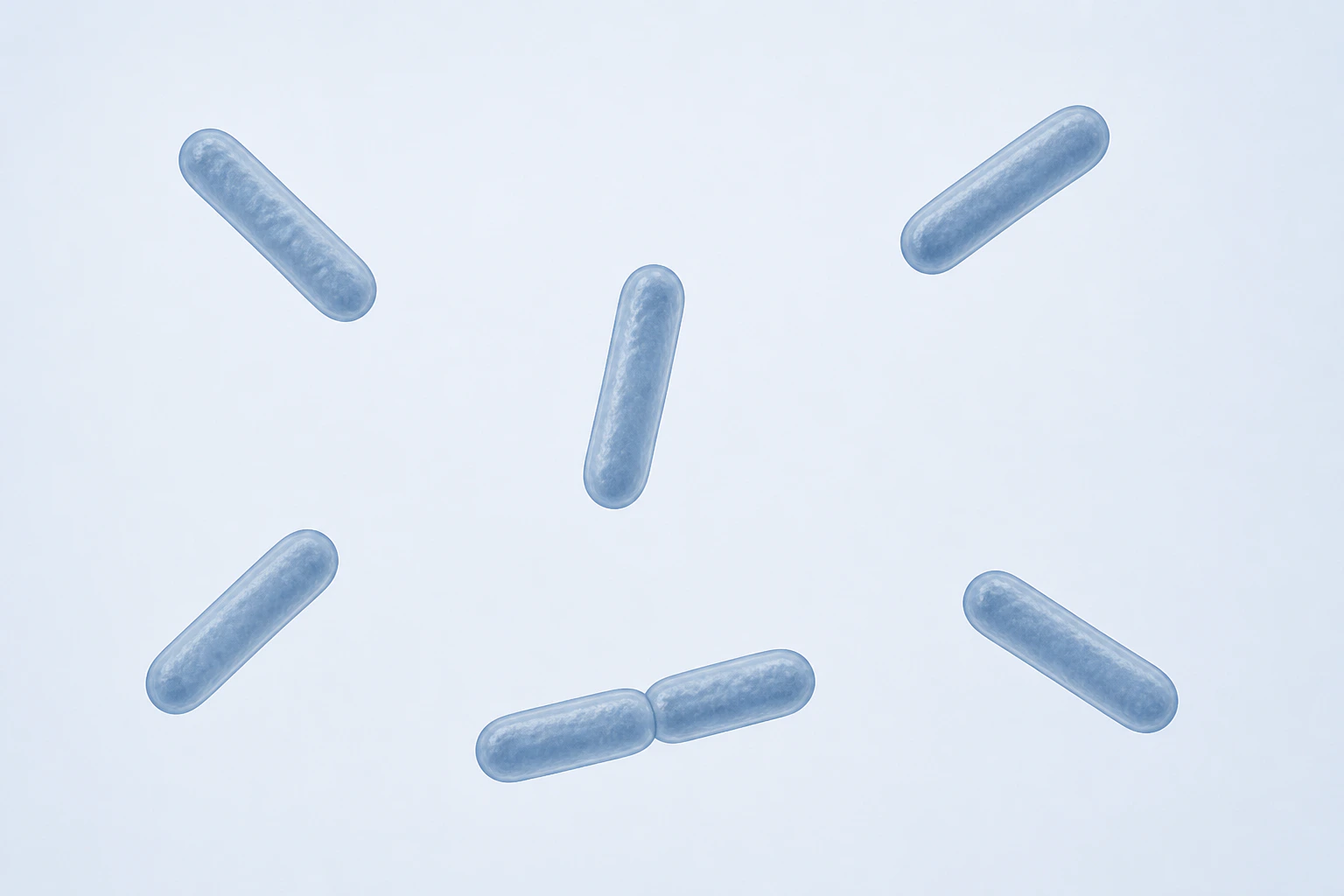
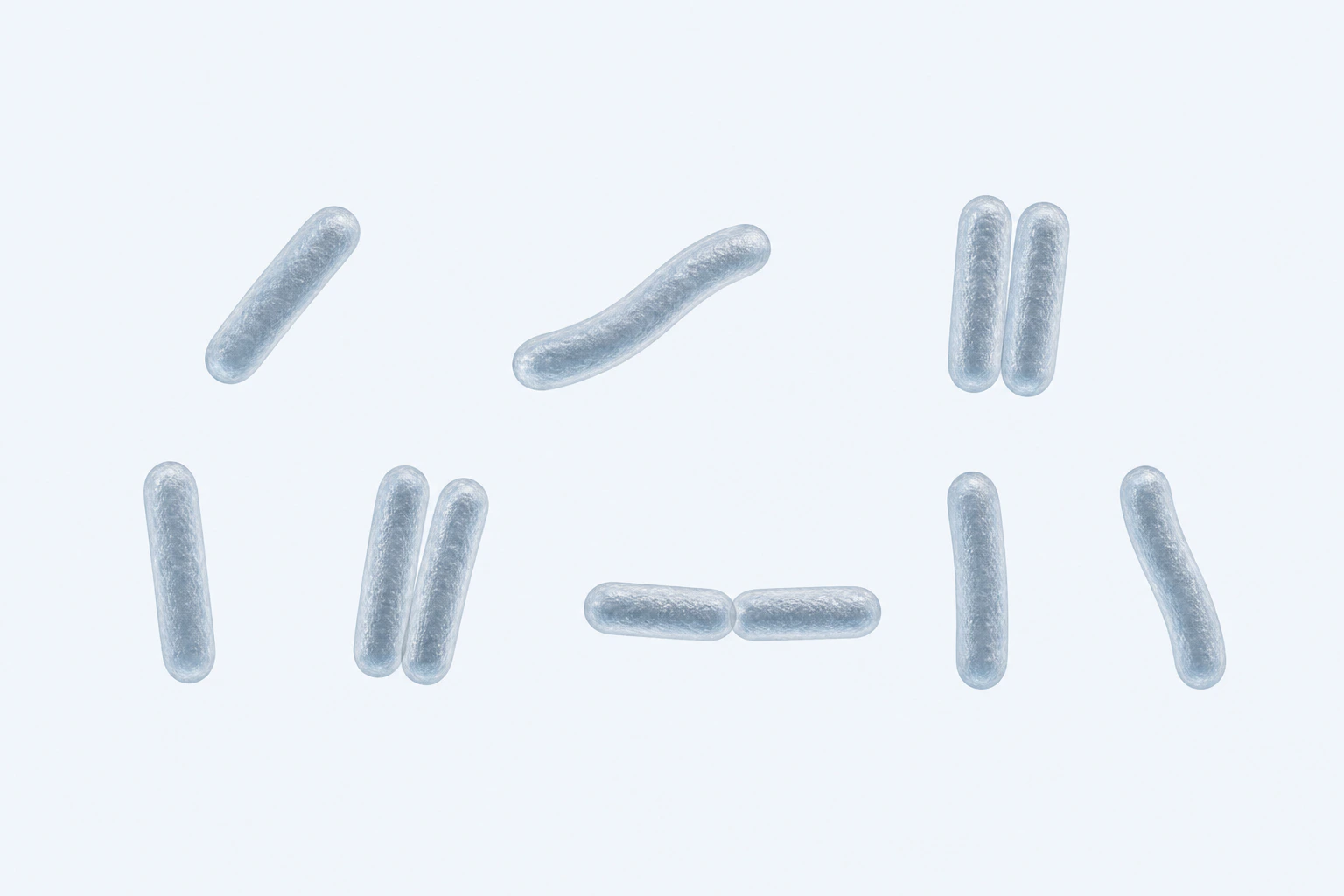
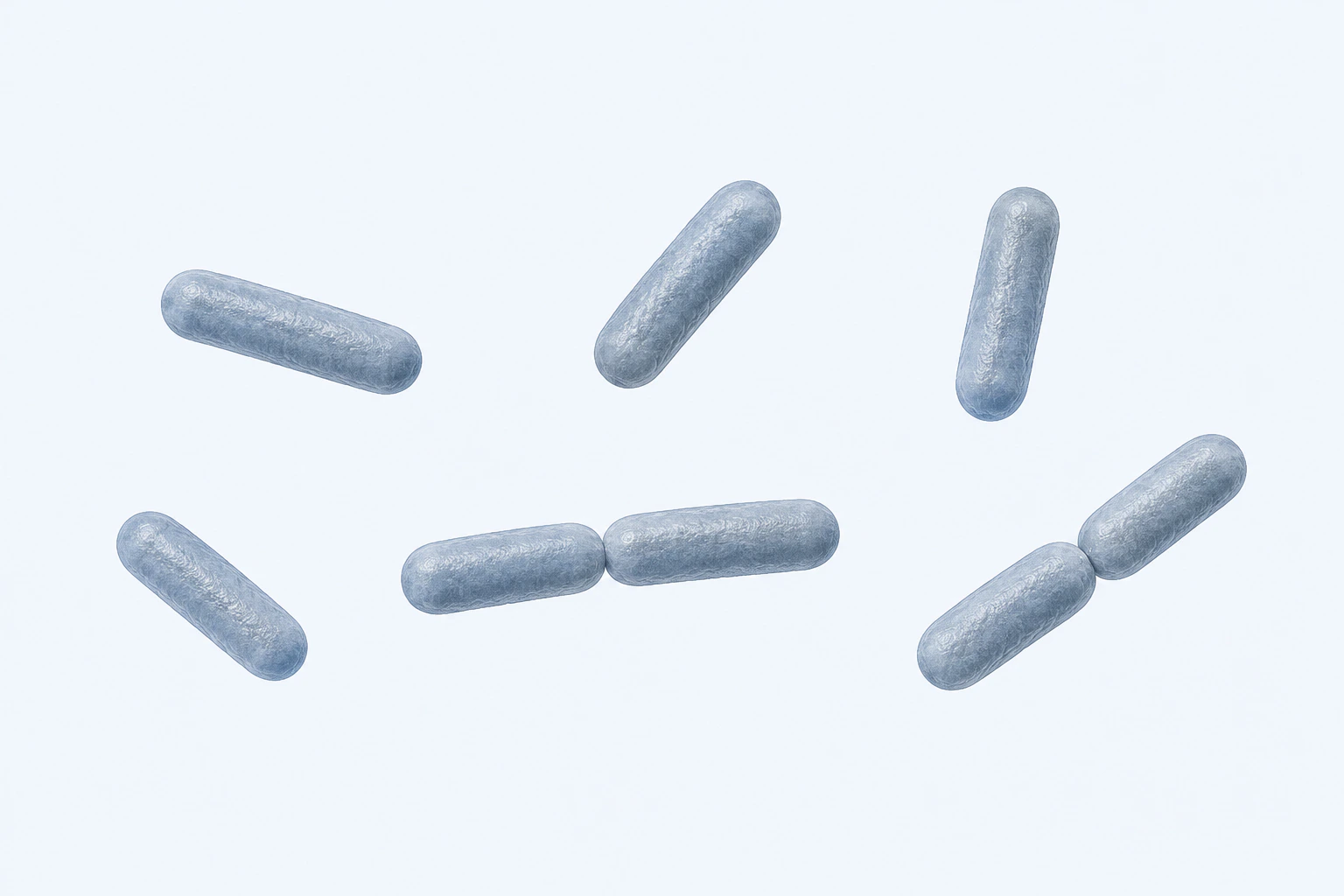
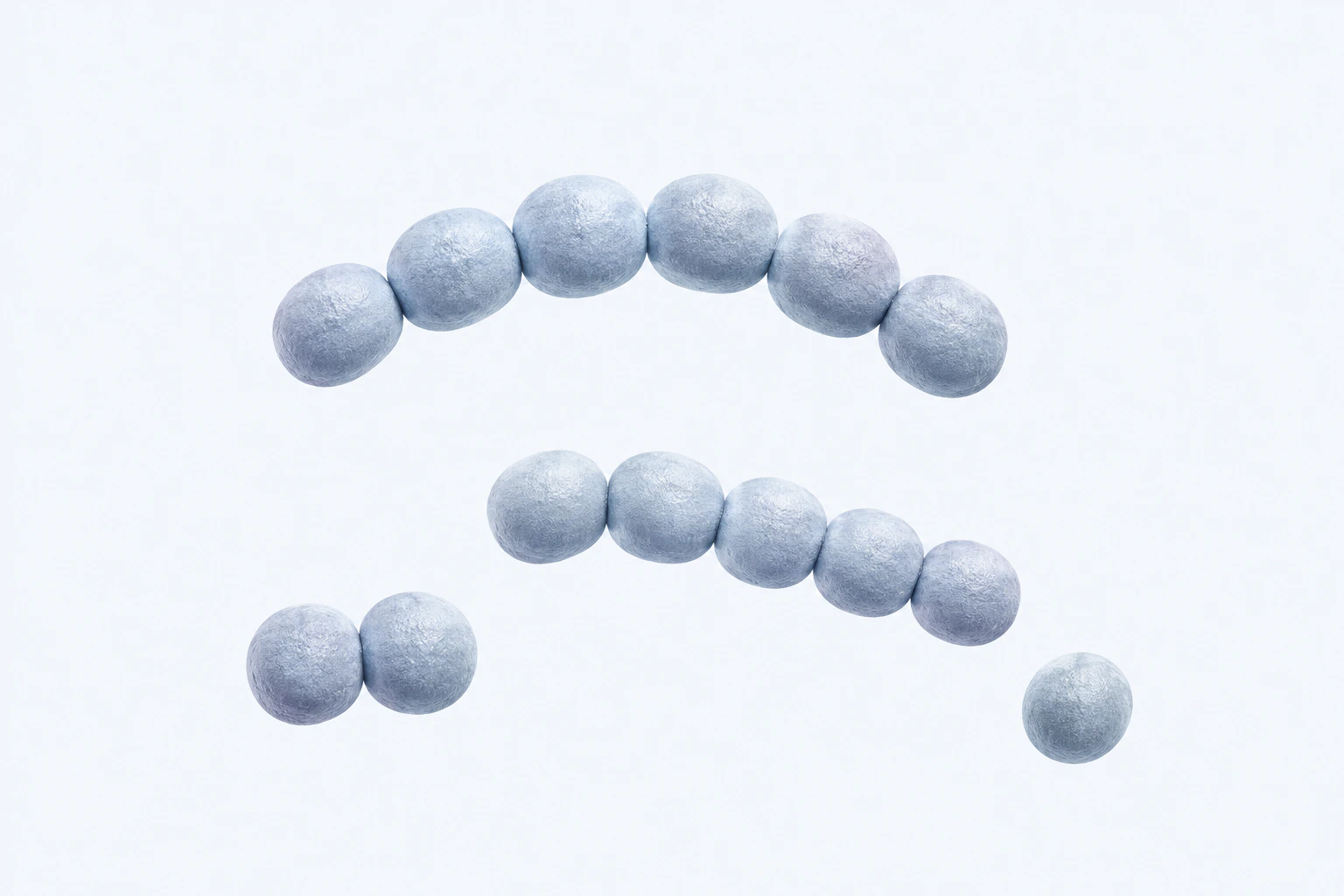
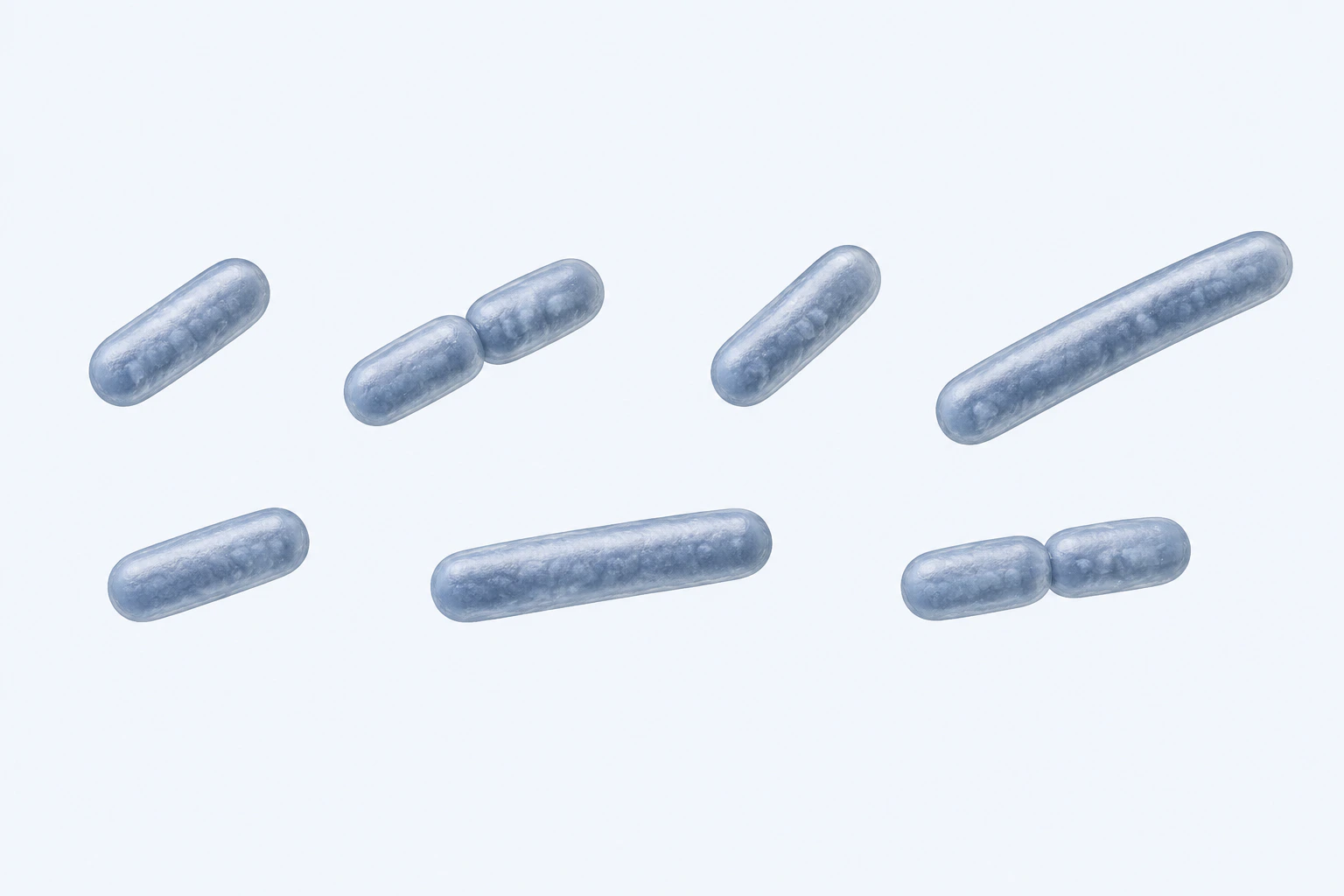
Eight plump Brucella coccobacillary bodies appear in six groupings: four singles and two touching pairs, each oval to very short and longer than wide.
Microorganisms1 sources

Brucella

A genus of Gram-negative intracellular pathogens causing brucellosis, the most common bacterial zoonosis worldwide. Brucella species depend on nickel-activated urease for gastrointestinal survival during the initial phase of infection, and urease immunization has been s

Reference0 sources

Glossary

Alphabetical definitions of specialist terms used throughout this wiki. Where a full concept page exists, the term links to it. --- AhR (aryl hydrocarbon receptor) -- A ligand-activated transcription factor that senses microbial metabolites (especially indoles from tryp
Host defenses3 sources

Metal Homeostasis

The biological processes by which organisms maintain proper intracellular and systemic concentrations of essential metals -- importing what is needed, storing excess safely, and exporting or sequestering surplus. Both host and microbial systems have evolved elaborate me
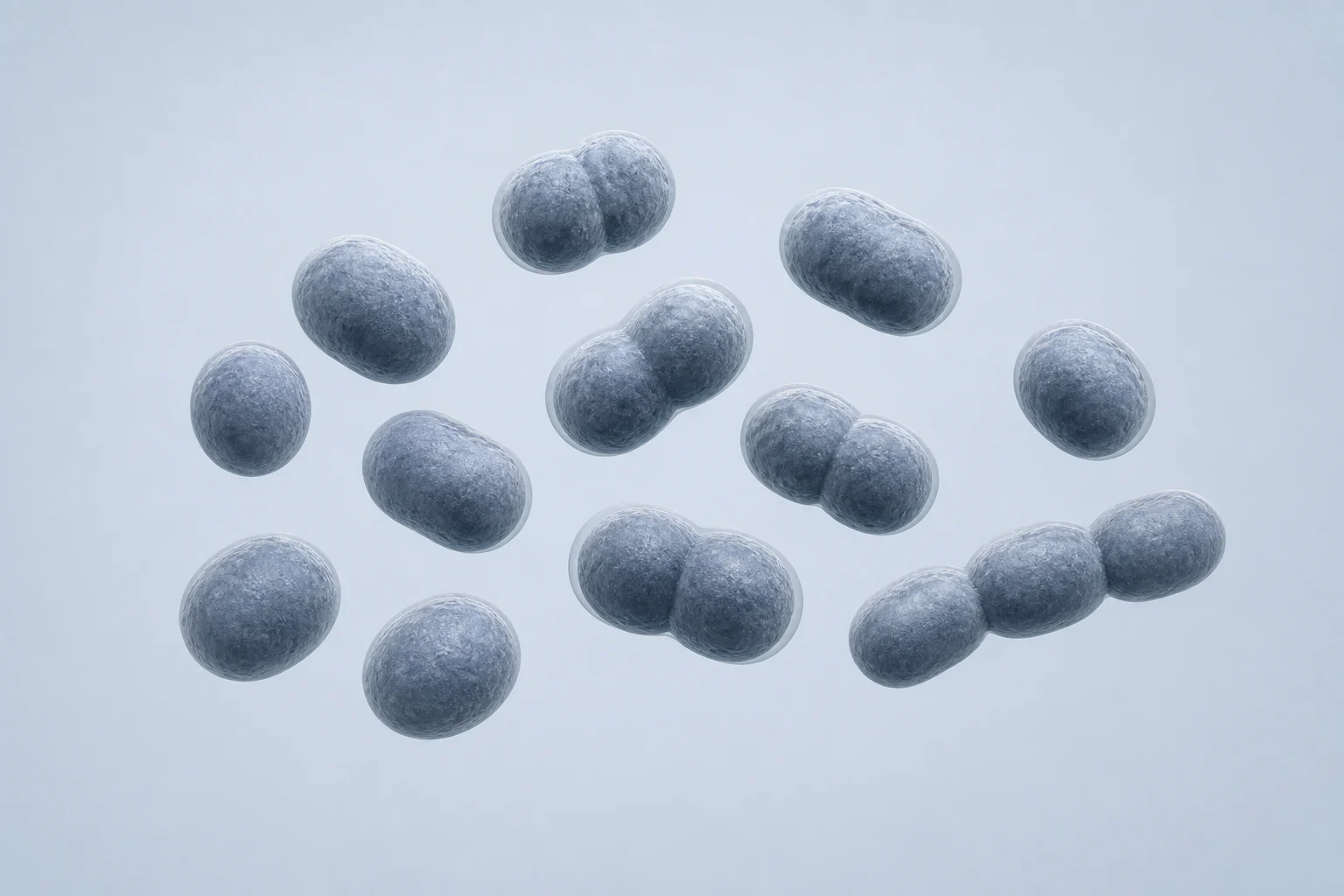
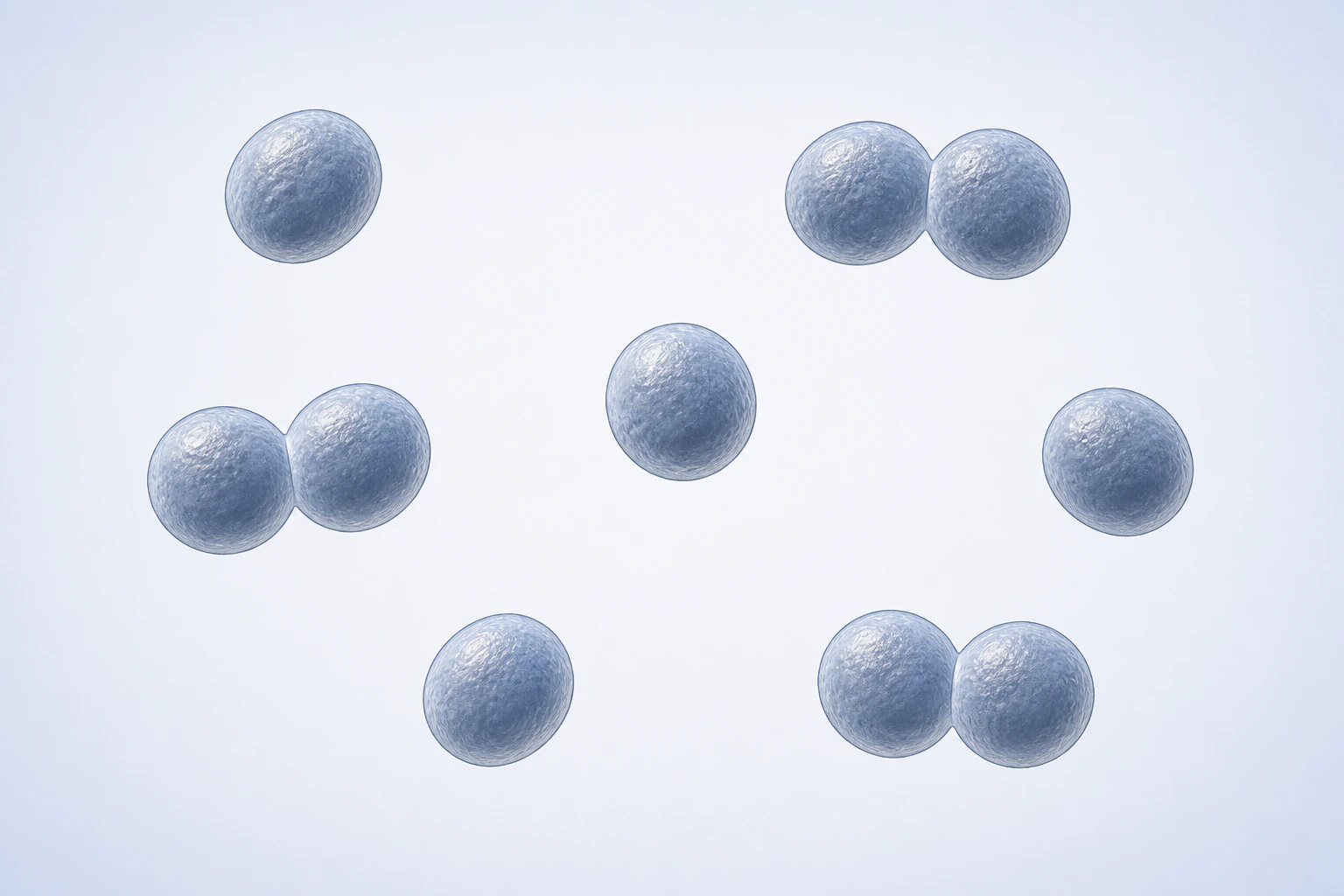
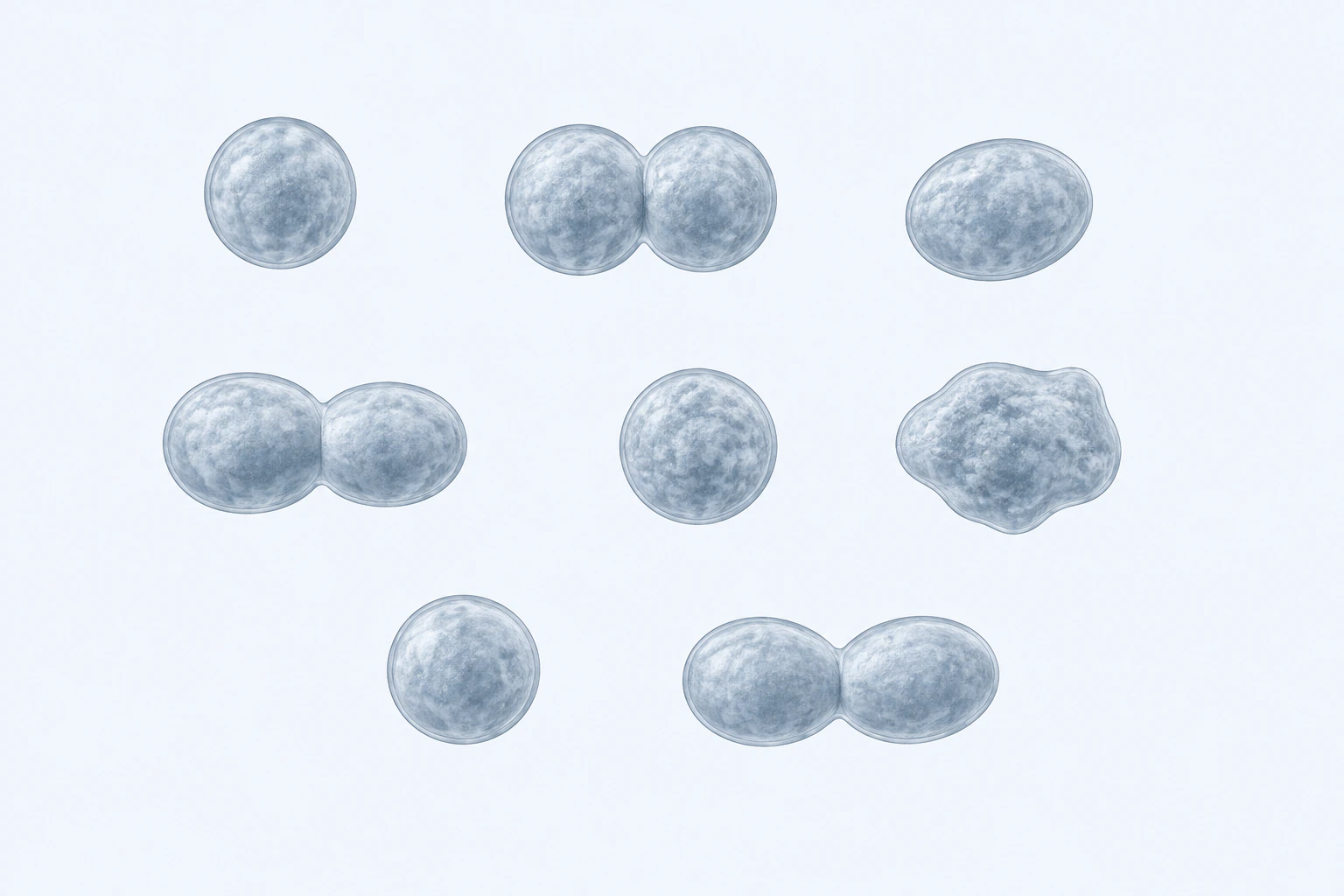
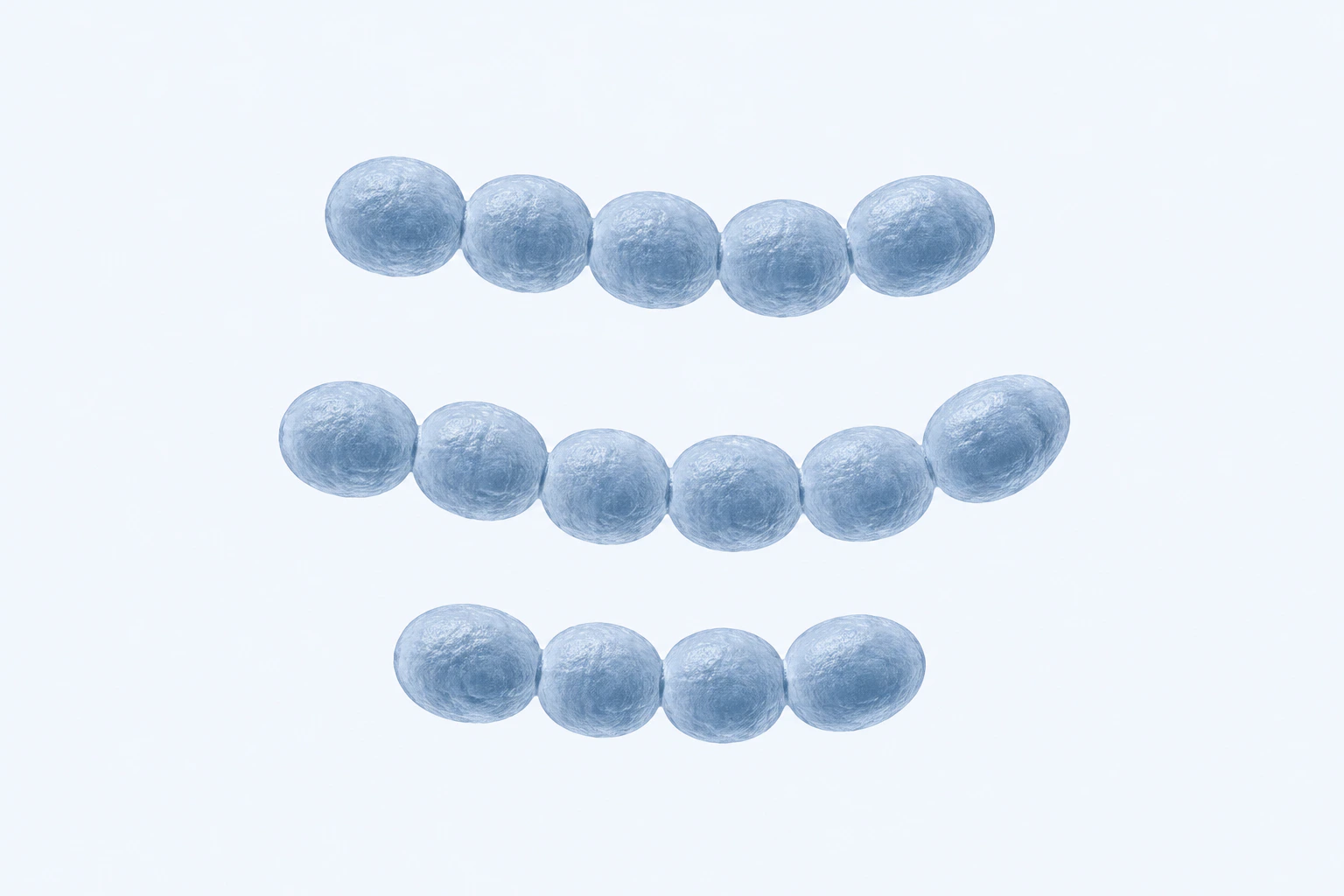
Eleven selected Mycoplasma rounded-to-ovoid bodies appear in eight groupings: five singles and three touching pairs.
Microorganisms6 sources

Mycoplasma

Mycoplasma is a genus of wall-less bacteria in the class Mollicutes, characterized by the smallest genomes of any self-replicating organisms (~580–1,350 kb). The lack of a cell wall makes them intrinsically resistant to beta-lactam antibiotics and undetectable by Gram s

Other0 sources

Neisseria Meningitidis

A Gram-negative diplococcus that is simultaneously a nasopharyngeal commensal (carried asymptomatically by 10–35% of the population) and a devastating invasive pathogen causing bacterial meningitis and meningococcal septicemia. The transition from harmless carriage to l

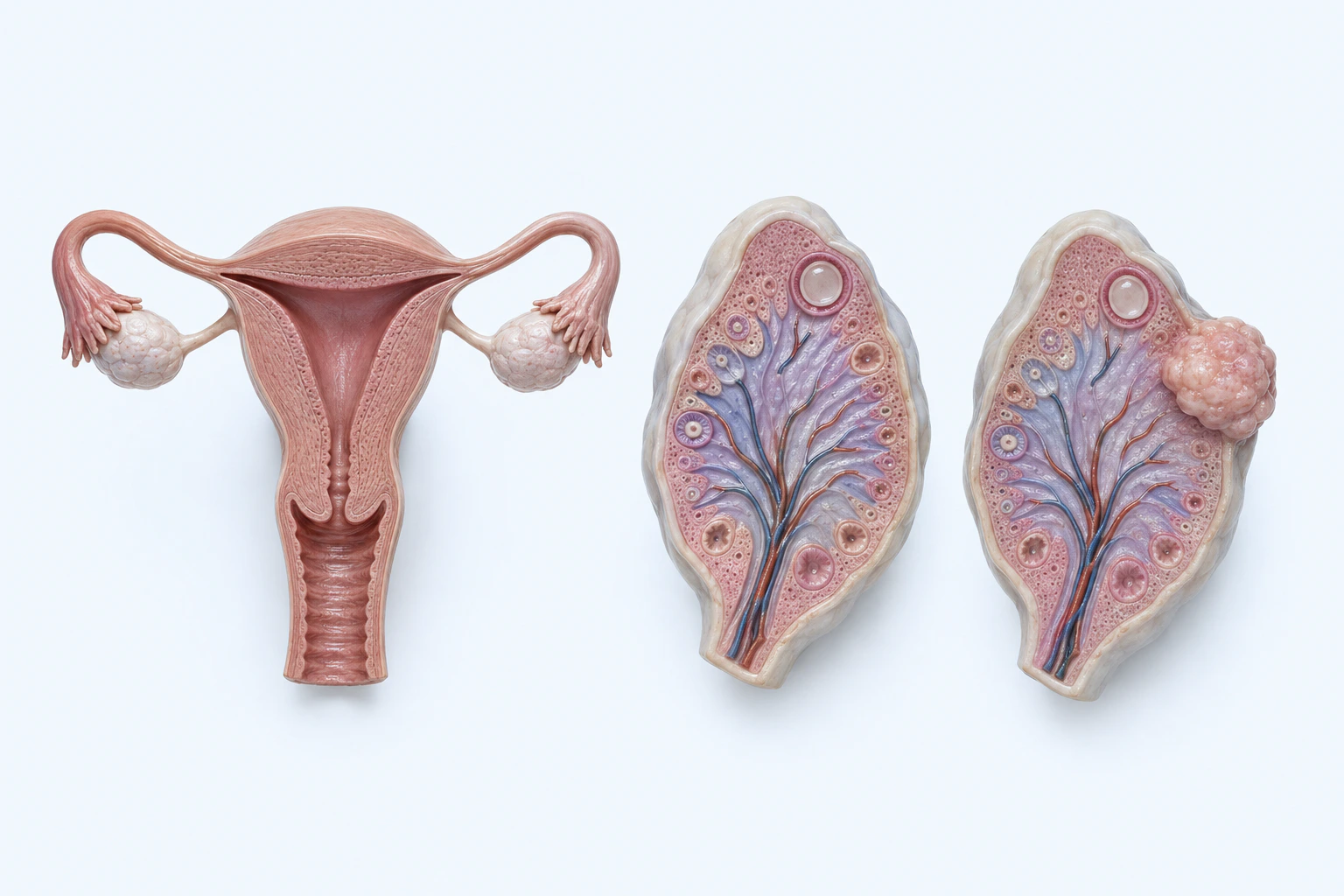
Reproductive anatomy and two ovarian cutaways appear separately; one cutaway carries a single prominent bounded nonspecific external growth.
Diseases6 sources

Ovarian Cancer

Ovarian cancer is the most lethal gynecological malignancy, with approximately 314,000 new cases and 207,000 deaths annually worldwide. Its poor prognosis stems largely from late-stage diagnosis (70% at stage III/IV) and the development of chemoresistance. From a metall

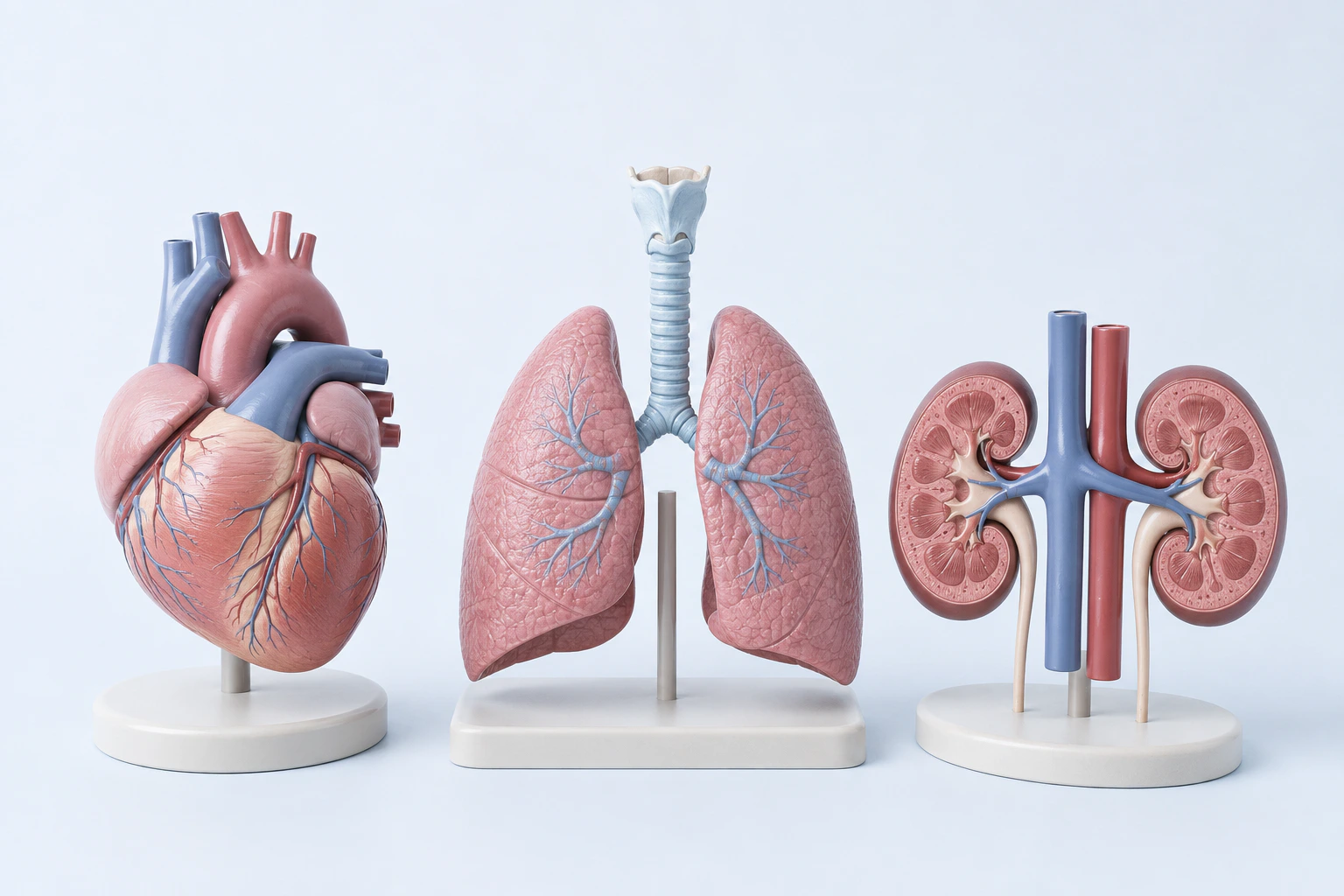
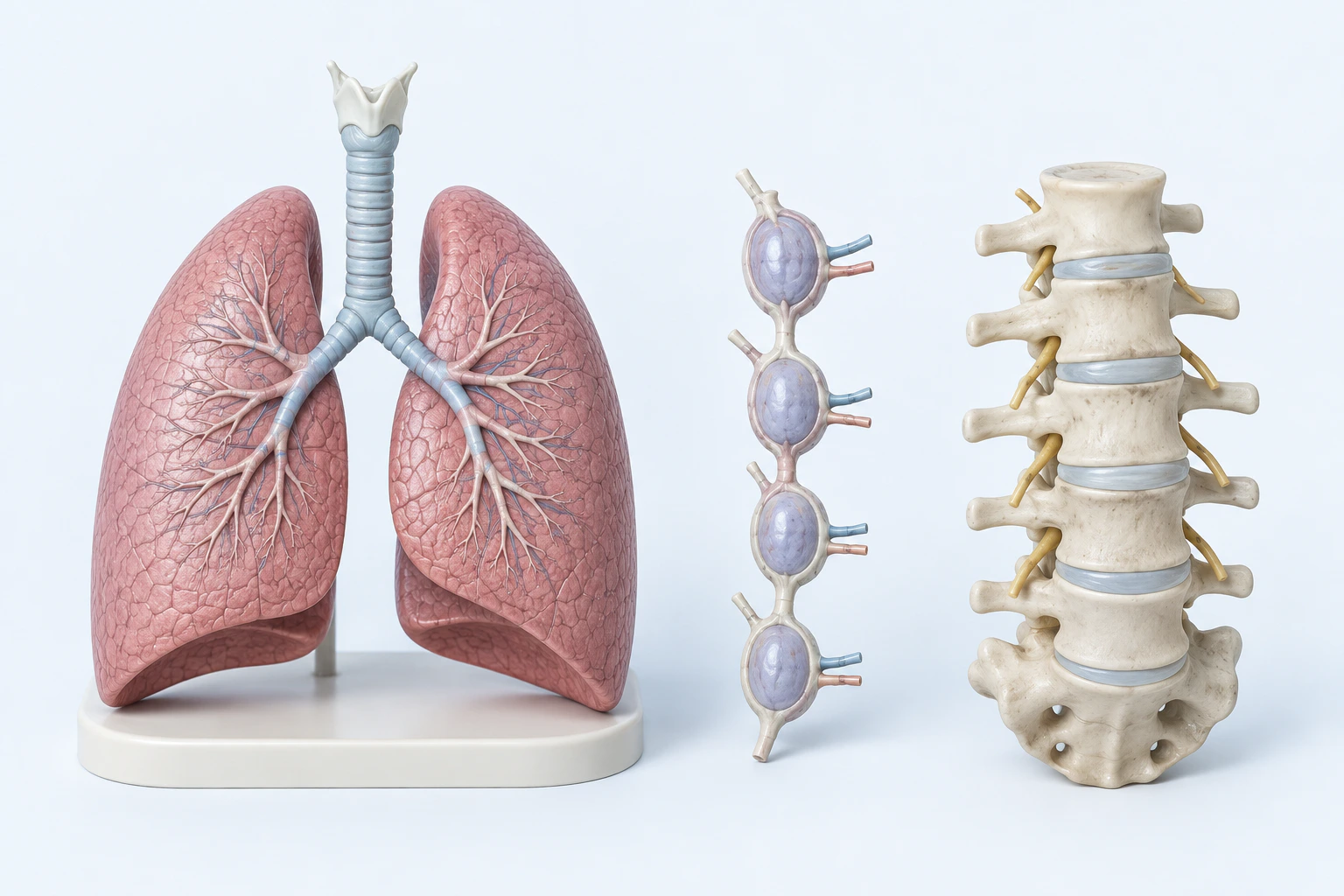
Neutral heart, paired-lung, and paired-kidney teaching models appear as three complete supported groups.
Diseases3 sources

Sepsis

Sepsis is life-threatening organ dysfunction caused by a dysregulated host response to infection. In the WikiBiome framework, sepsis represents the catastrophic failure of both colonization resistance (pathogen invasion) and nutritional immunity (metal restriction). Inf

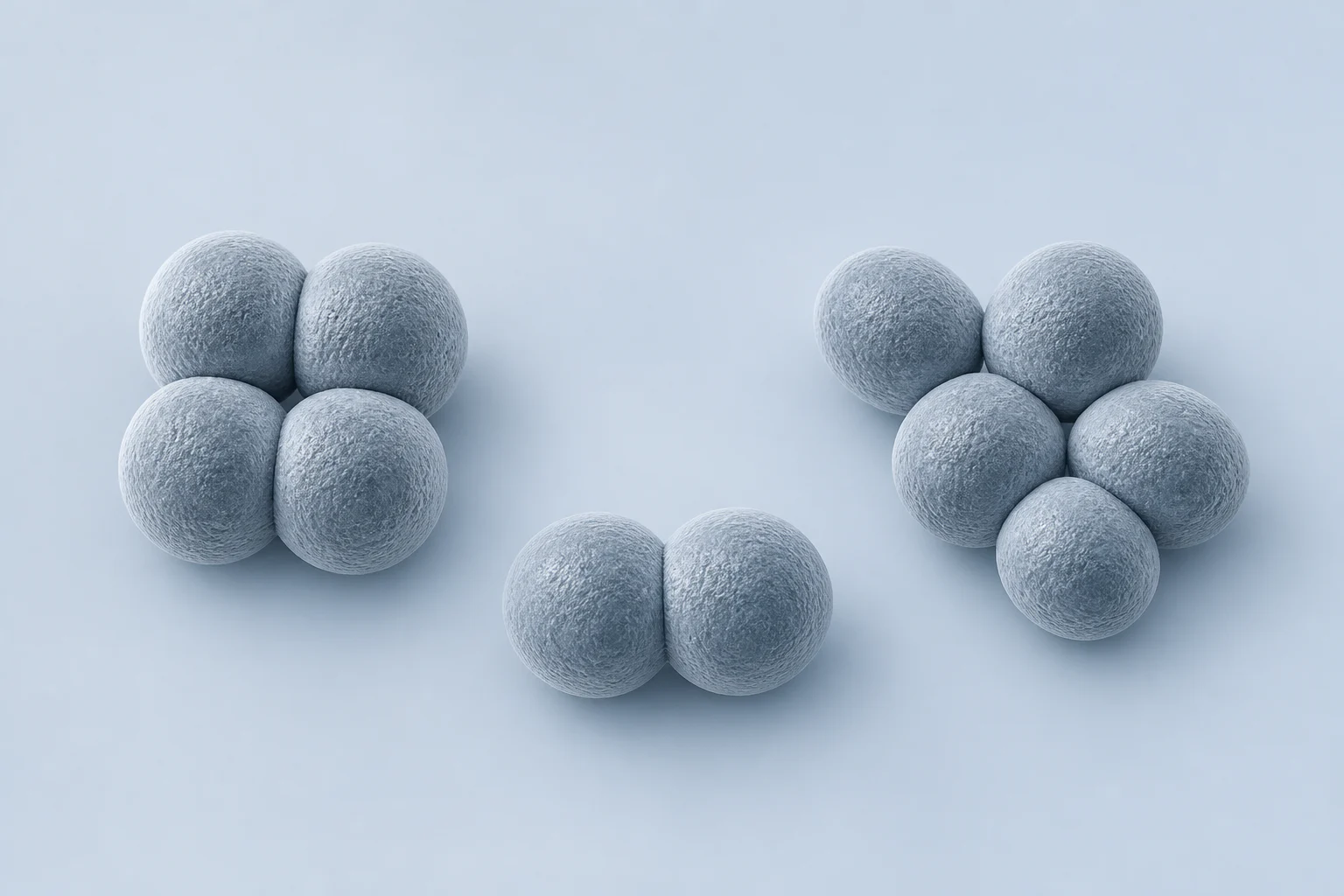
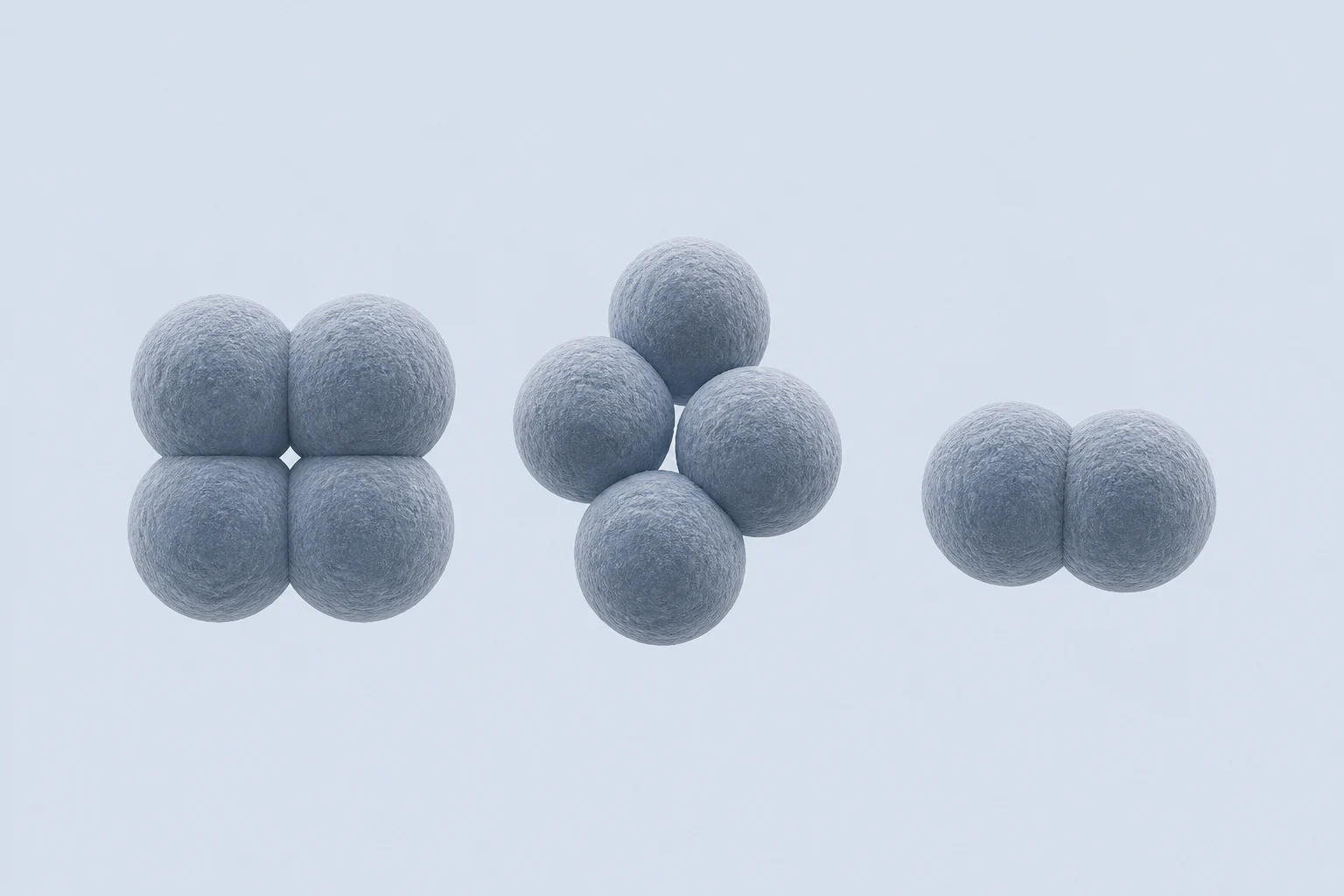
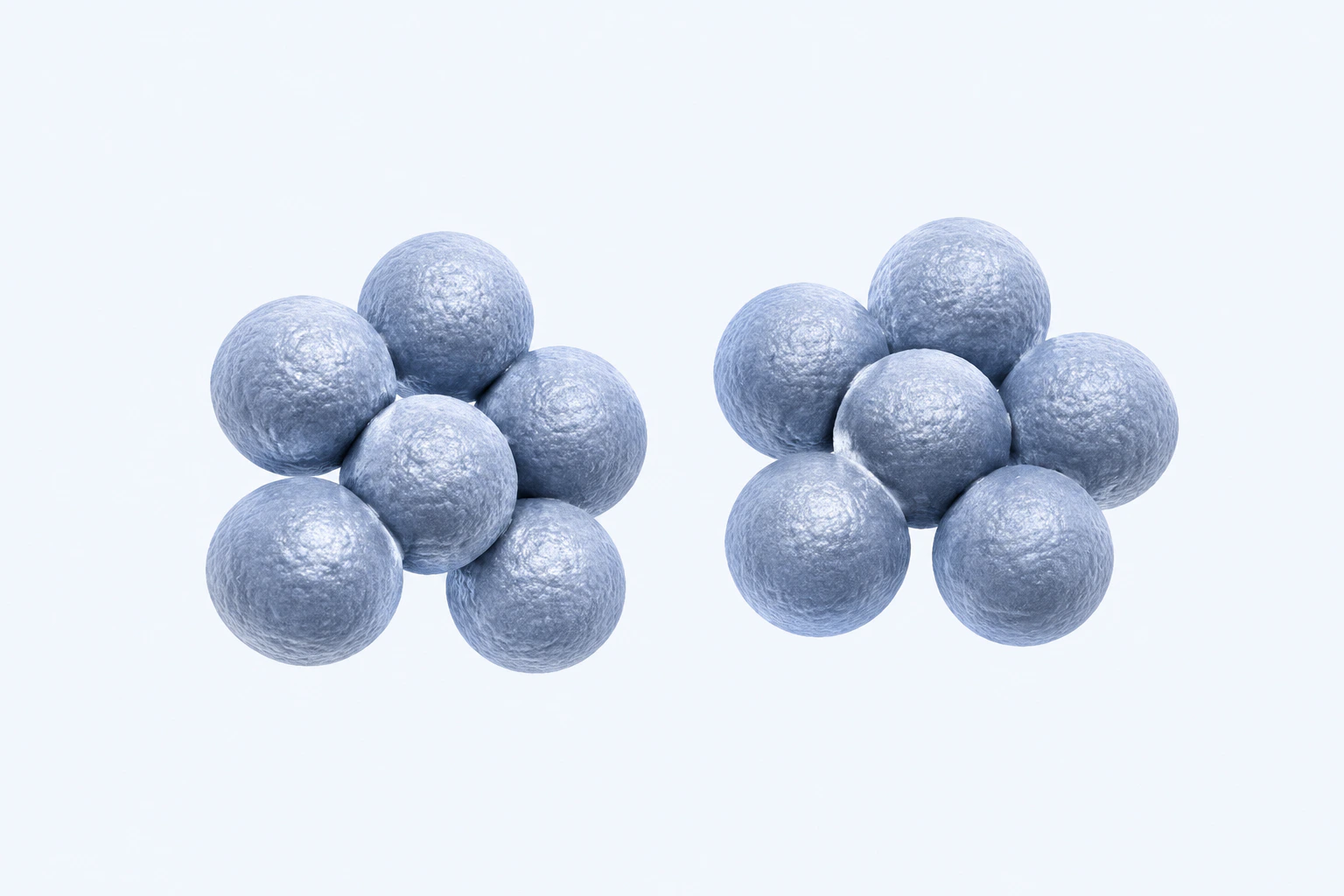
Twelve selected Staphylococcus aureus cocci appear in two irregular clusters of six.
Microorganisms6 sources

Staphylococcus aureus

A versatile Gram-positive pathogen with one of the best-characterized nutritional immunity evasion systems known. S. aureus requires nickel, iron, zinc, and manganese for virulence and has evolved dedicated acquisition systems for each, including the novel metallophore

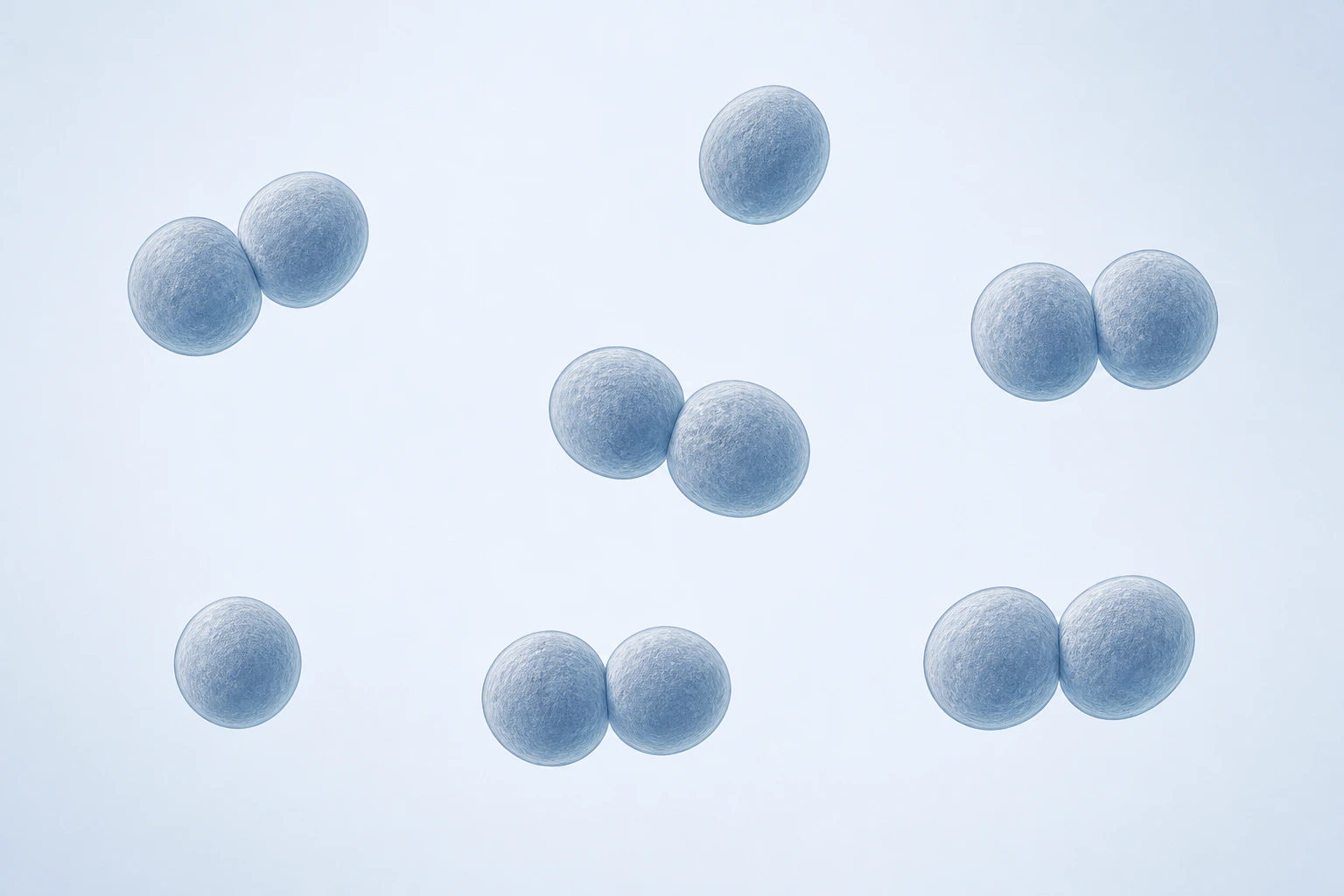
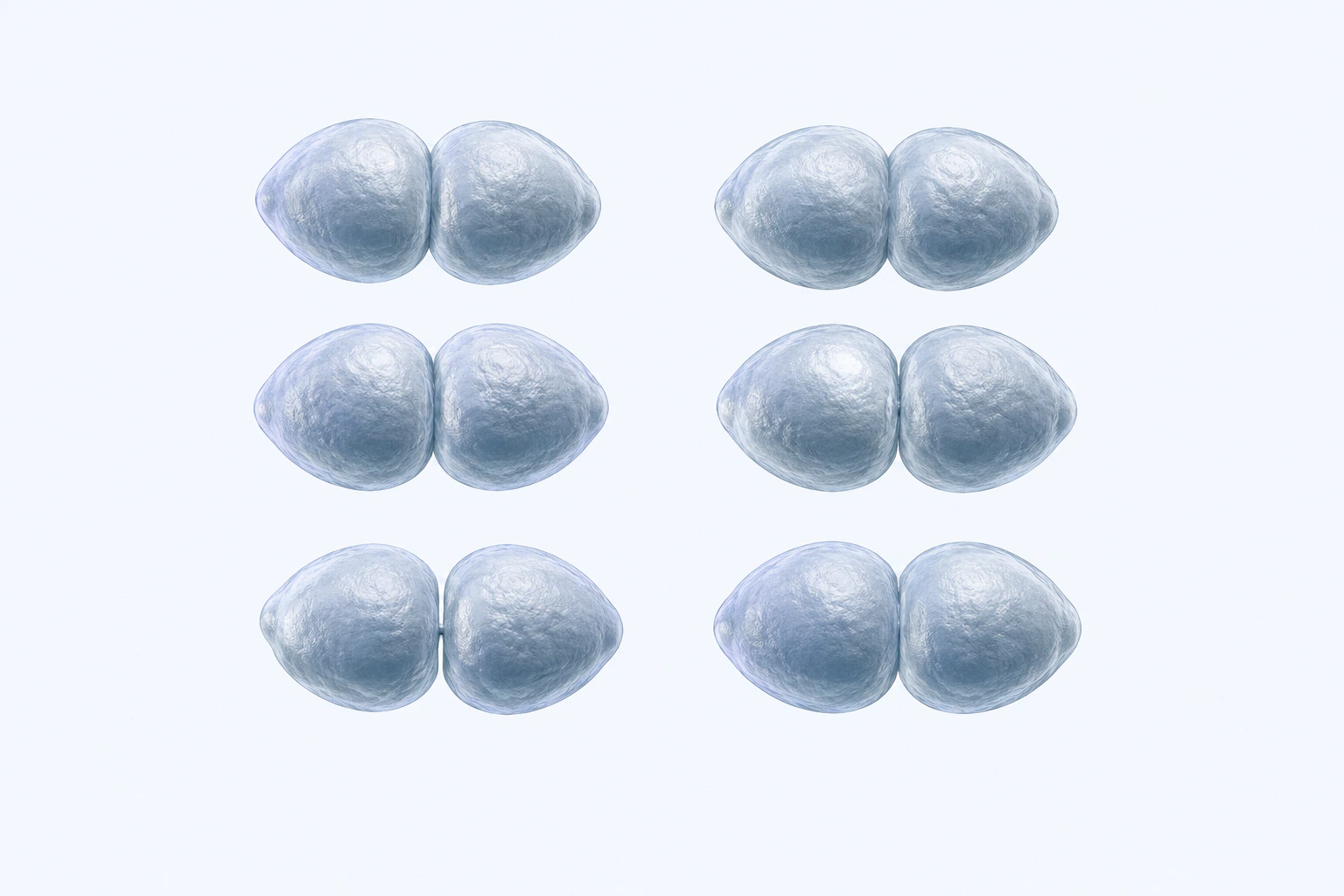
Twelve selected Streptococcus pneumoniae cocci appear as six opposed ovoid pairs.
Microorganisms7 sources

Streptococcus pneumoniae

A Gram-positive pathogen (the "pneumococcus") that depends on iron, manganese, and zinc for virulence and has evolved dedicated transport systems for each. Iron is required for viability itself, manganese powers the superoxide dismutase needed to survive the oxidative b

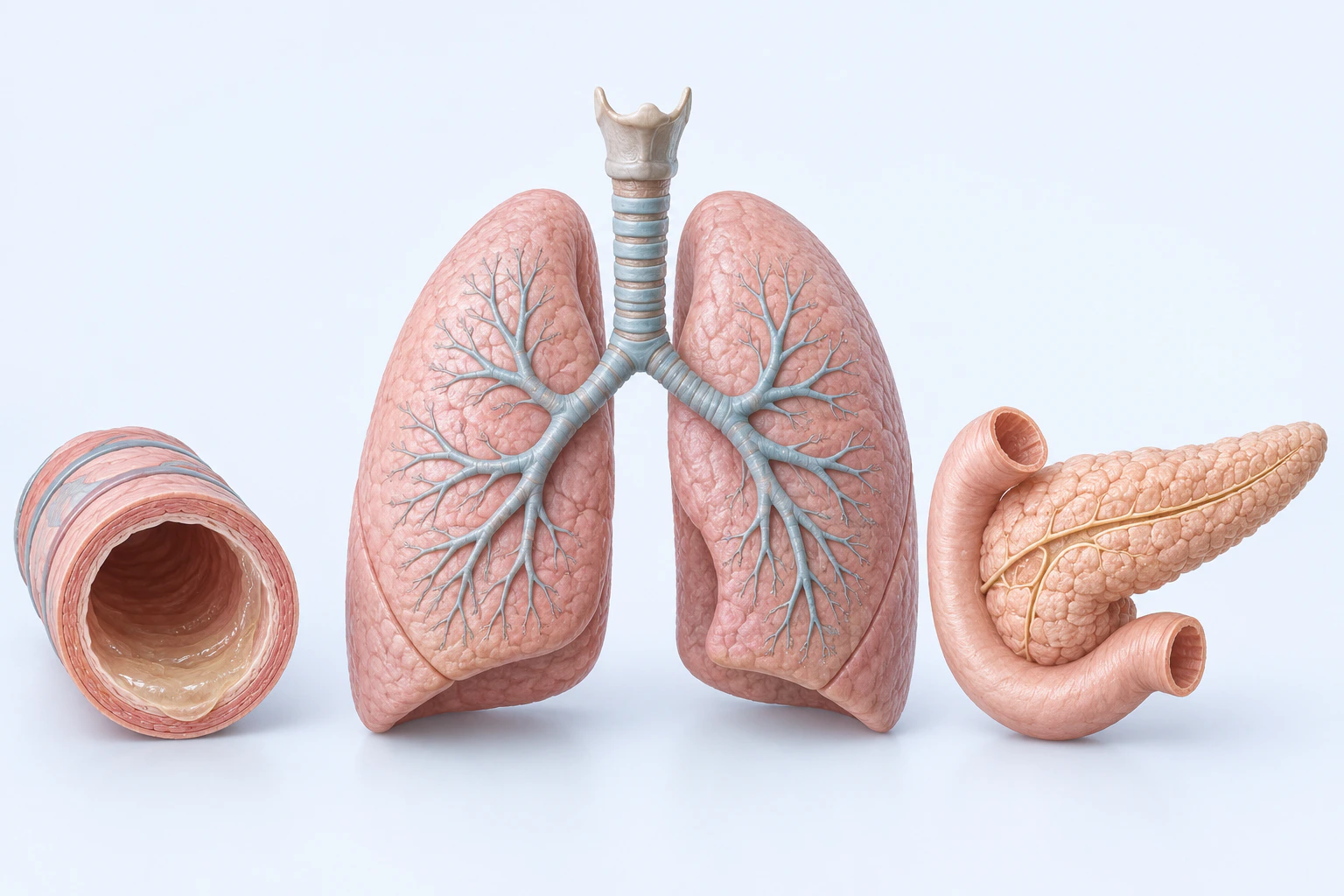
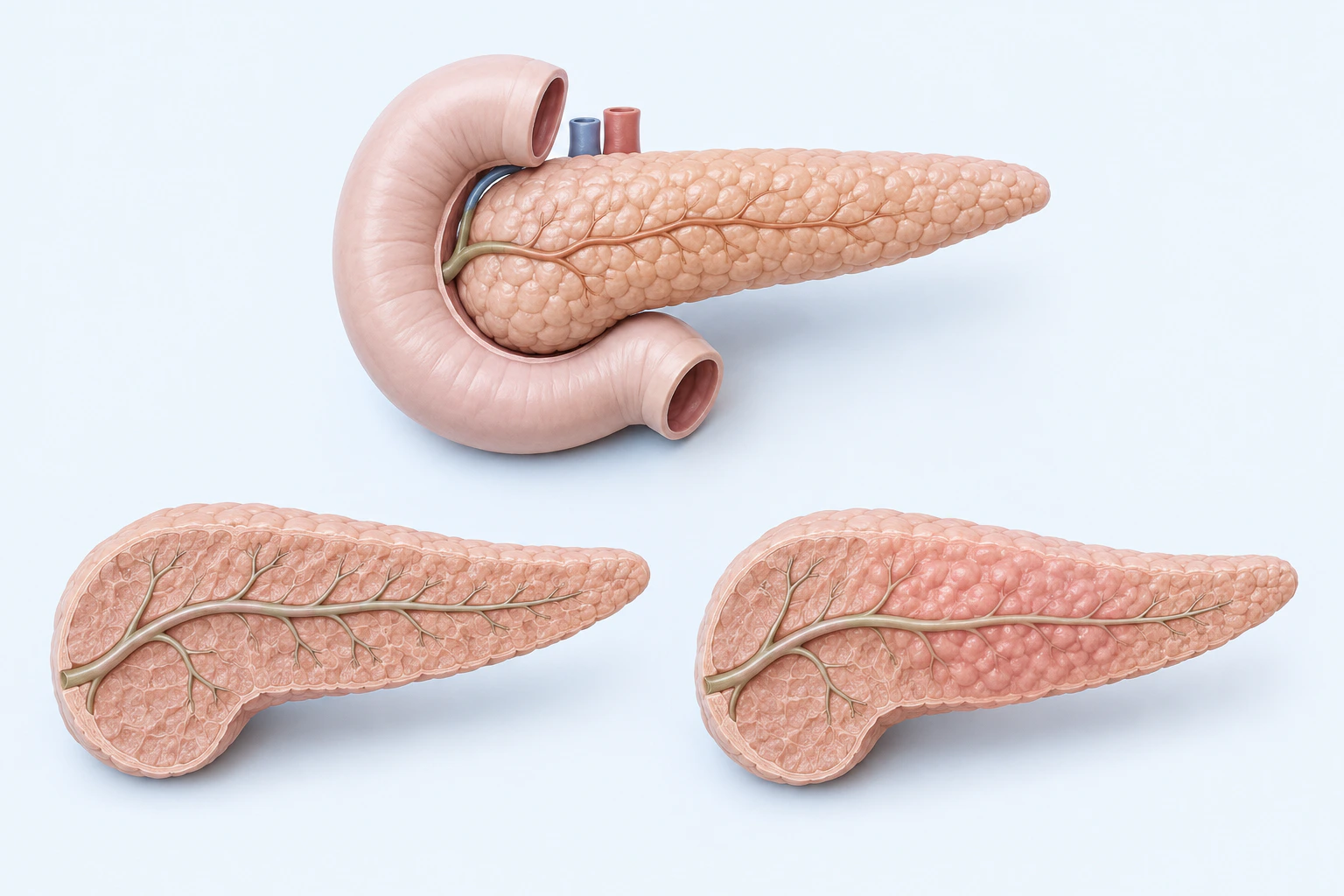
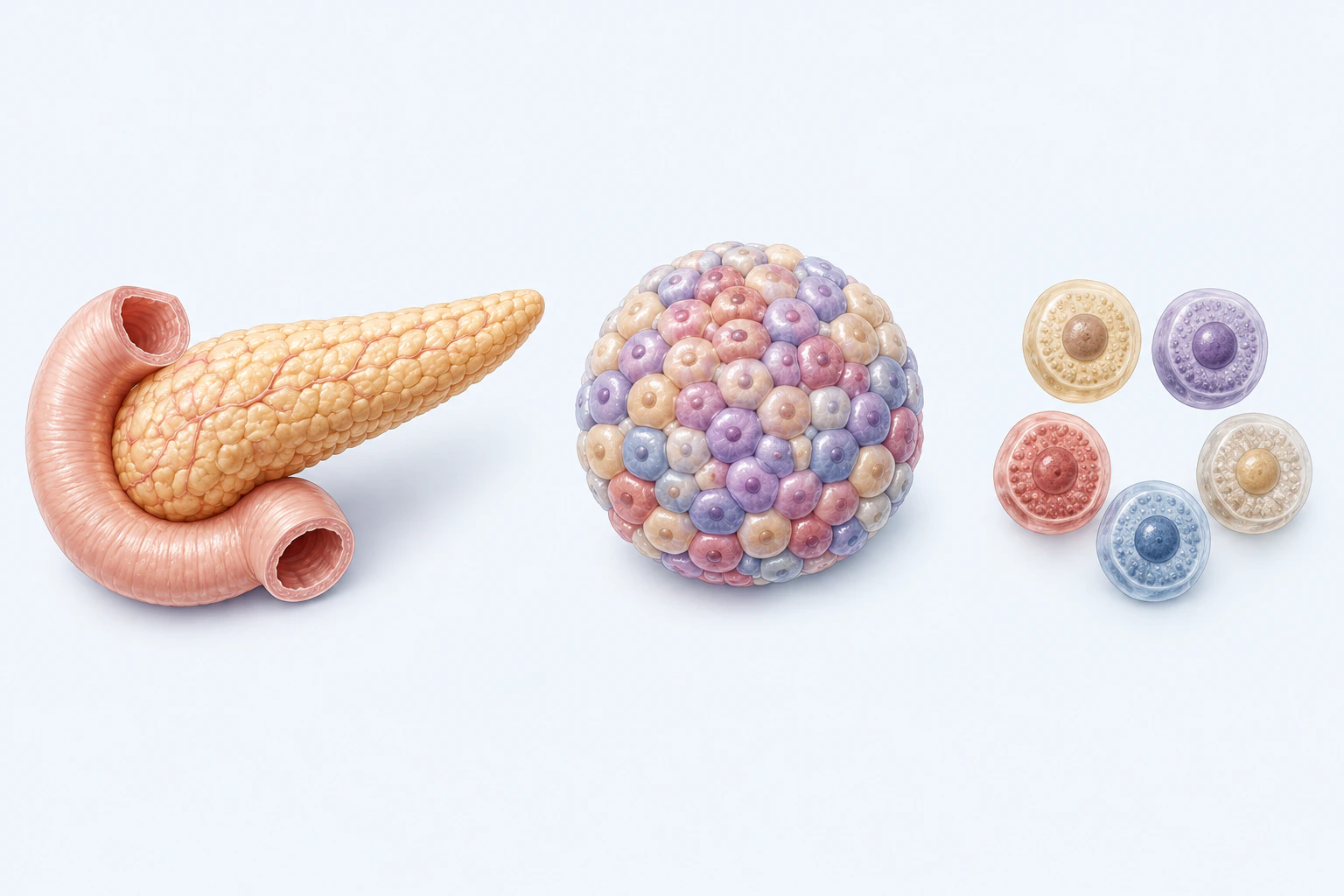
Pancreas and duodenum, a spherical cellular teaching cluster, and five generic rounded cells appear separately.
Diseases10 sources

Type 1 Diabetes

Type 1 diabetes is an autoimmune disease in which immune-mediated destruction of insulin-producing beta cells in the pancreatic islets of Langerhans leads to lifelong insulin dependence. T1D is fundamentally distinct from type 2 diabetes, which is characterized by insul

Mechanisms5 sources

Vitamin D

Vitamin D (calciferol; active form: calcitriol/1,25(OH)₂D₃) is a secosteroid hormone with profound immunomodulatory effects. The vitamin D receptor (VDR) is expressed on virtually all immune cells, and vitamin D deficiency is epidemiologically linked to autoimmune disea